Skechers Cankton
8.6Editor scoreSteel safety toe
ASTM F2413 certified
Memory foam insole
Duraleather mesh upper
Find the right work shoes for 2026. We compare 10 standout options by build quality, useful features, owner feedback, value, and everyday trade-offs.
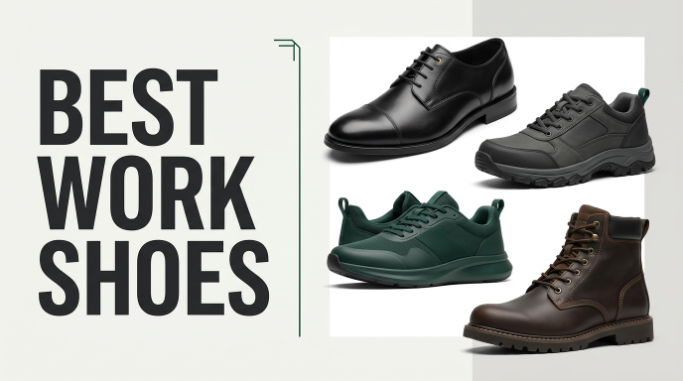
Finding the right work shoes for 2026 comes down to matching safety features, slip resistance, comfort, and durability to your specific workplace demands. We compare 10 standout options across steel and composite toe protection, outsole traction, cushioning technology, electrical hazard ratings, upper materials, weight, and long-term value so you can pick footwear that keeps up with long shifts.
Work shoe requirements vary dramatically by profession. Warehouse and construction environments demand ASTM-rated safety toes and puncture resistance, while kitchen and hospital work prioritizes slip resistance and water repellency. Some workers need metal-detector-friendly composite toes, while others benefit from hands-free slip-on designs that eliminate lace hassles during quick shift transitions.
This guide breaks down each option by the specifications that matter in real workplaces: safety toe material, outsole compound and tread pattern, midsole cushioning, upper breathability, weight per shoe, and whether the design fits your specific job requirements. The goal is a confident purchase that becomes reliable daily footwear for the demands of your work environment.
We compared 10 work shoes using the details that actually help a buyer decide: safety toe type and ASTM certification, slip-resistance rating on wet and oily surfaces, electrical hazard protection, midsole cushioning technology, upper material and breathability, weight per shoe, slip-on versus lace-up design, and owner feedback. The notes focus on real trade-offs so each pick connects to how people actually wear these shoes in kitchens, warehouses, construction sites, healthcare facilities, and other demanding work environments day after day.


Compare key features, scores, and current prices side by side. A shorter feature list means fewer details were available, not necessarily fewer capabilities.


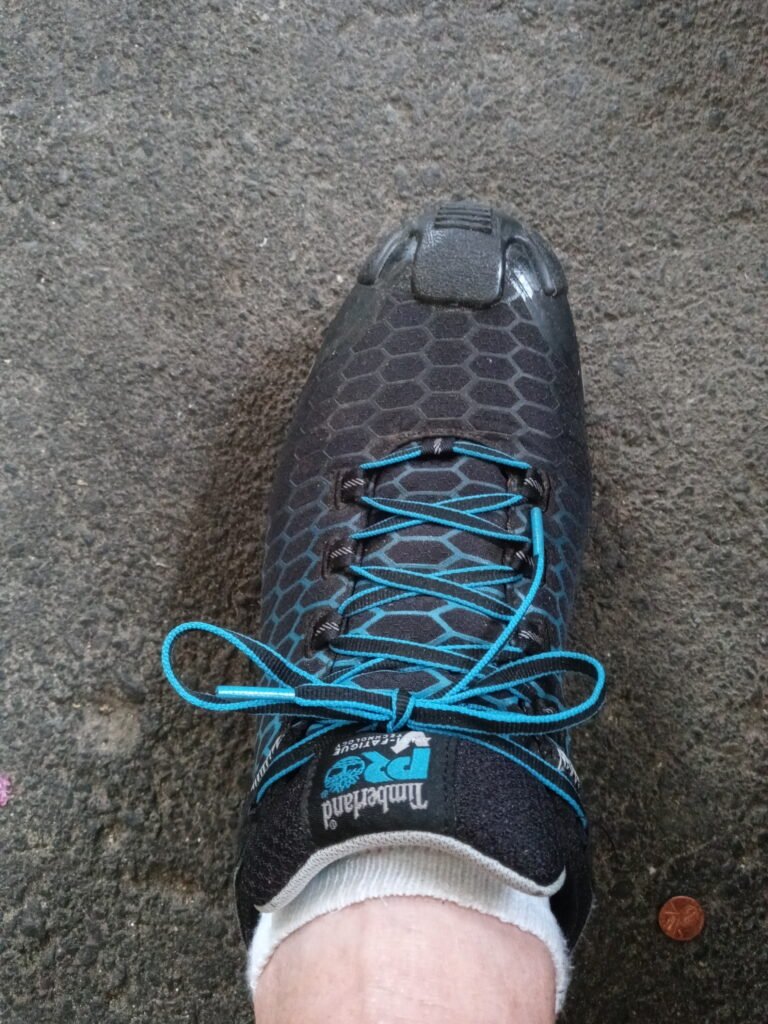
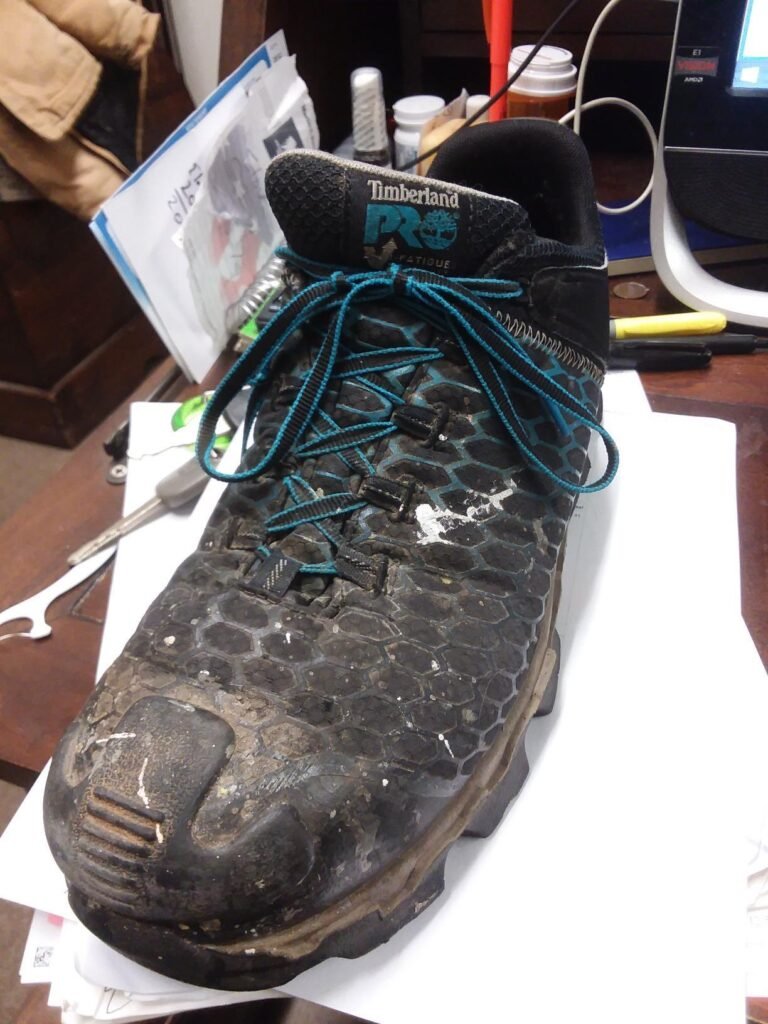
The Timberland PRO Powertrain stands out as the strongest overall pick in this guide because it combines premium safety certification, genuine comfort technology, and Timberland PRO's established reputation for job site footwear. The alloy safety toe delivers the same ASTM F2413 impact and compression protection as steel while weighing significantly less, which reduces the leg fatigue that accumulates over long shifts in heavy footwear.
We may earn a commission when you buy through this link, at no additional cost to you.
The standout feature is Anti-Fatigue Technology, which uses shock-absorbing geometric structures in the midsole to return energy back to the foot with each step. This kind of engineered comfort makes a real difference during 10 or 12-hour shifts on concrete floors, where lesser shoes leave feet aching and legs exhausted. Workers who log significant walking or standing time notice the difference within days of switching from a standard work shoe.
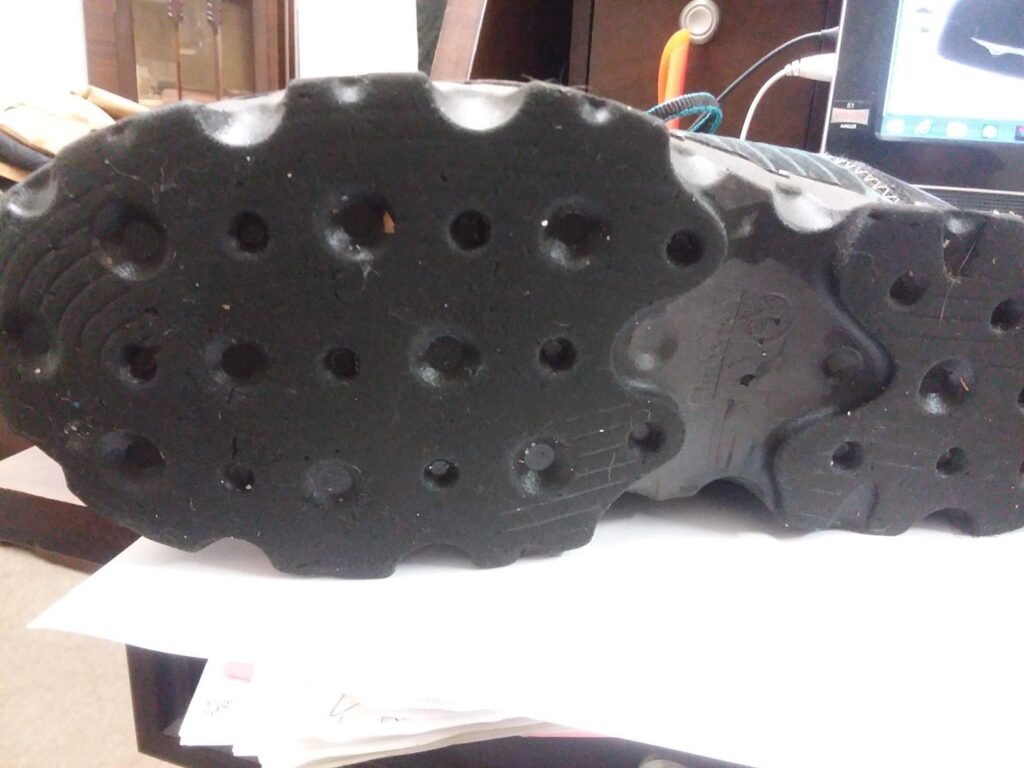
The polyurethane outsole provides lightweight cushioning combined with slip, oil, and abrasion resistance, which is the trifecta of properties that industrial workers need. Electrical hazard protection meets ASTM F2412 and F2413 standards for secondary protection against live circuits. The ReBOTL upper material uses at least 50 percent recycled PET, which appeals to buyers who value sustainability alongside performance.
Standing and walking on hard surfaces for long periods creates cumulative fatigue in the feet, ankles, knees, and lower back. Anti-fatigue midsole systems use geometric structures and engineered foam compounds to absorb impact shock and return energy back to the foot, reducing the muscular effort required for each step. Workers who wear anti-fatigue shoes often report significantly less end-of-shift pain compared to standard work footwear, and the effect compounds over weeks of daily use.
This shoe is the right pick for workers in demanding industrial environments who spend long hours on their feet and need the combination of certified protection, real comfort, and durable construction. The higher price is justified by the anti-fatigue technology and Timberland PRO’s job-site reputation. Budget-conscious buyers can look at the Skechers Cankton or Bruno Marc for solid alternatives at lower price points.
Not for buyers on tight budgets or those who prefer traditional leather boot styling over athletic-inspired designs.
We may earn a commission when you buy through this link, at no additional cost to you.
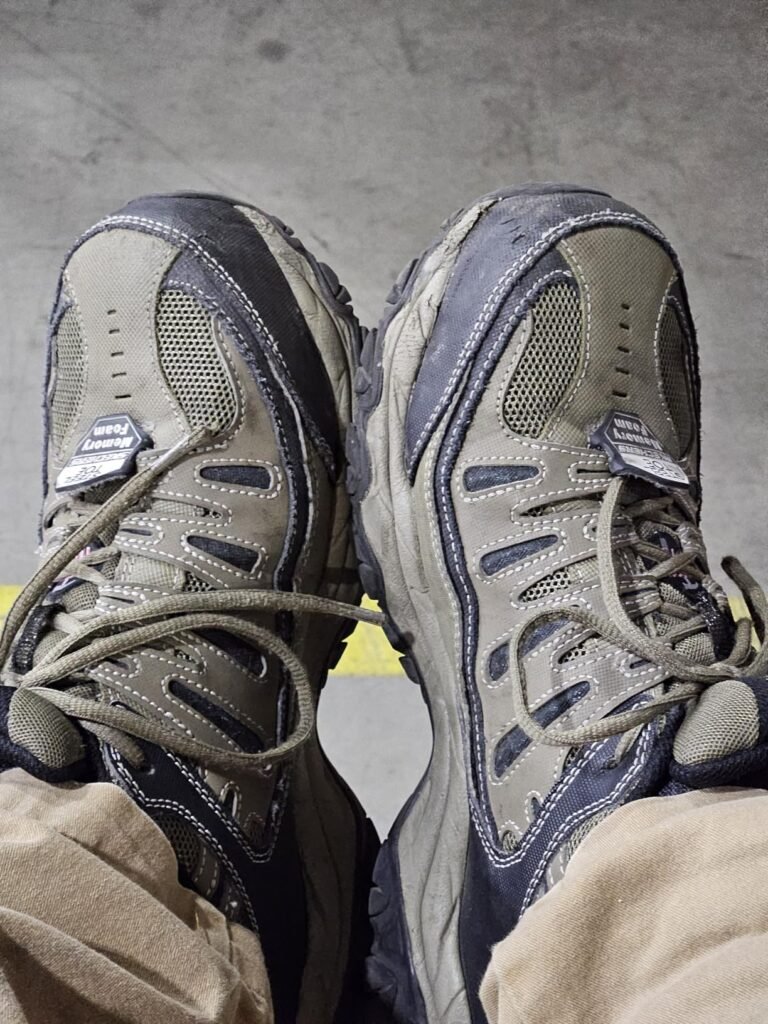
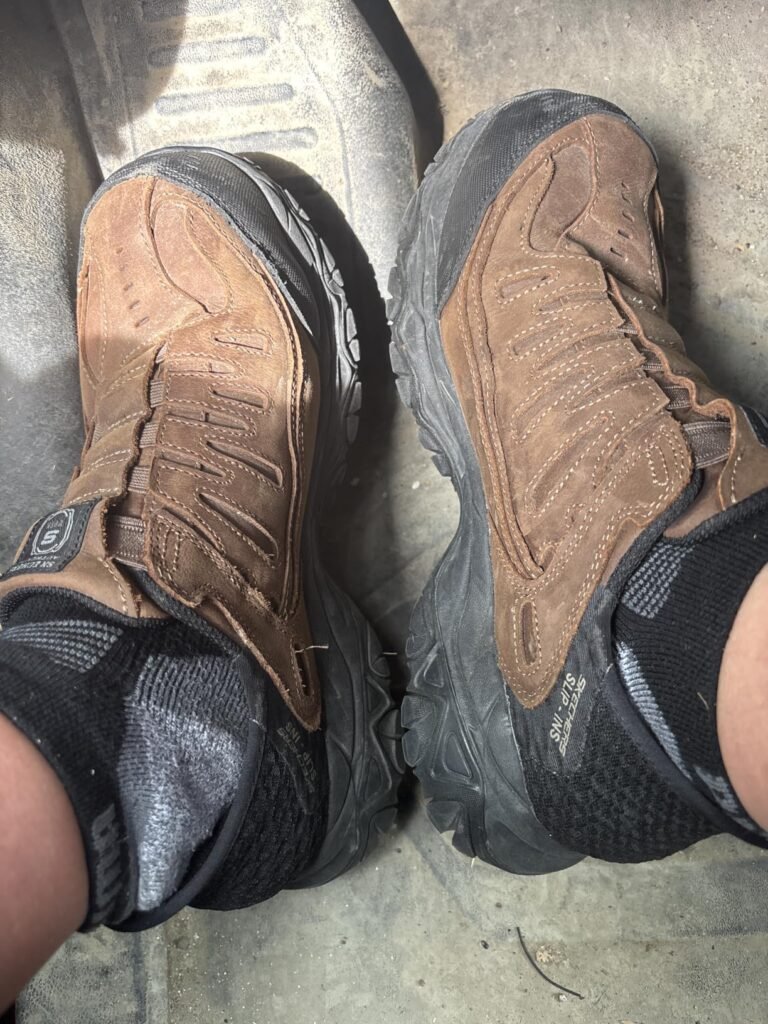
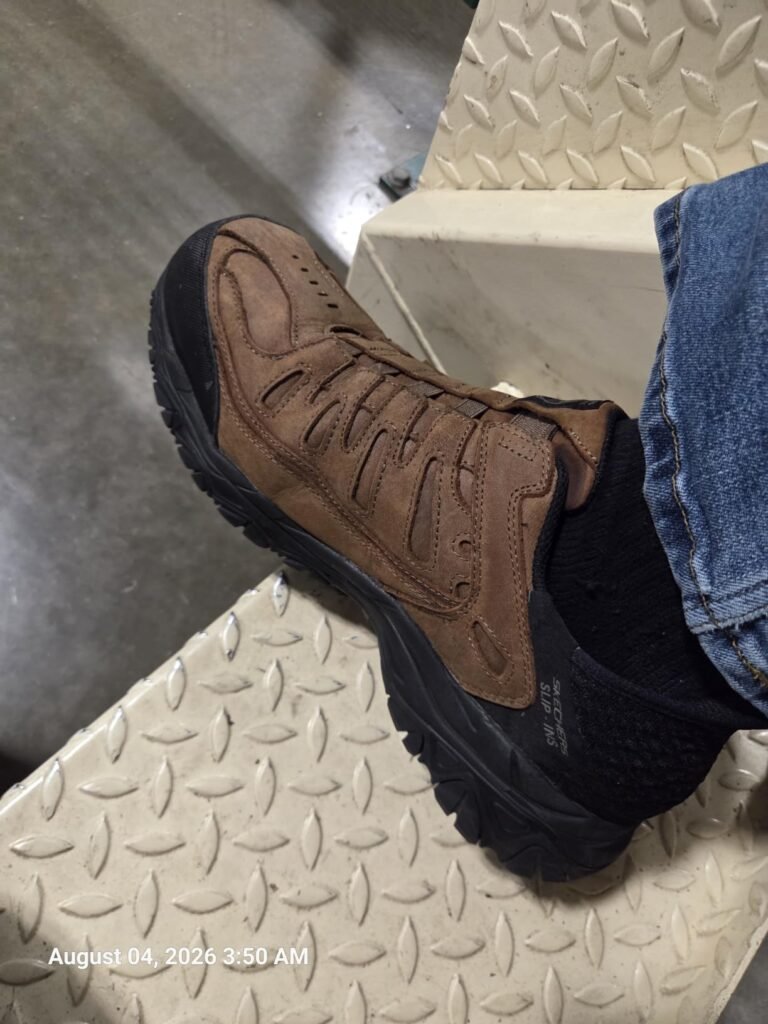
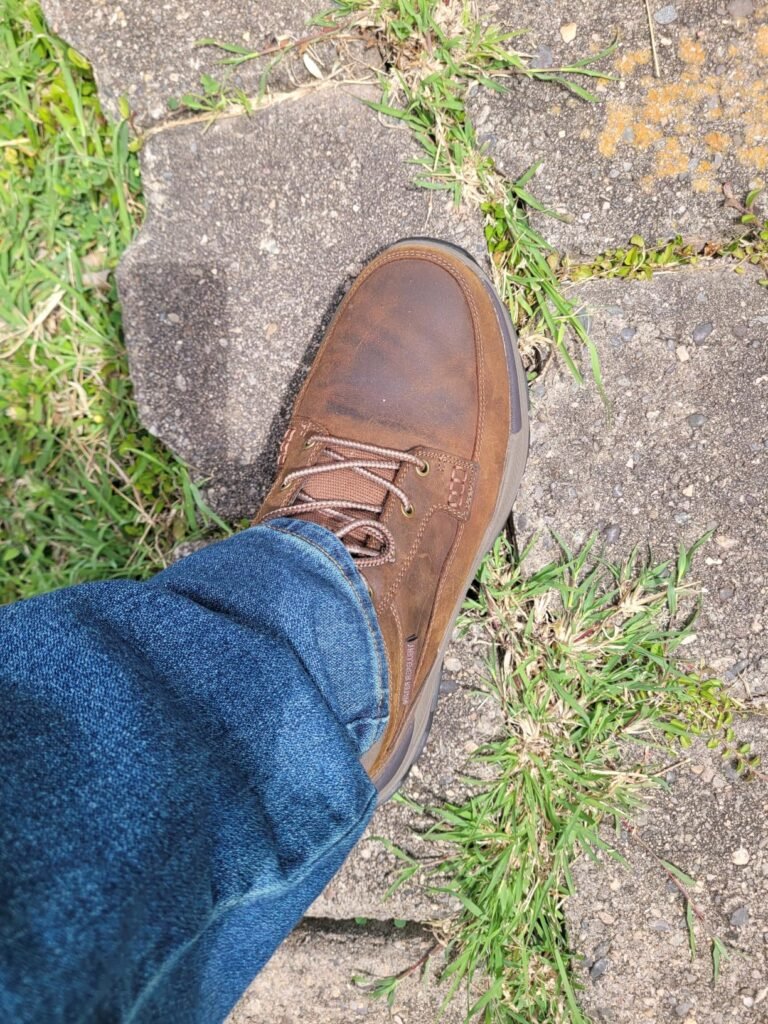
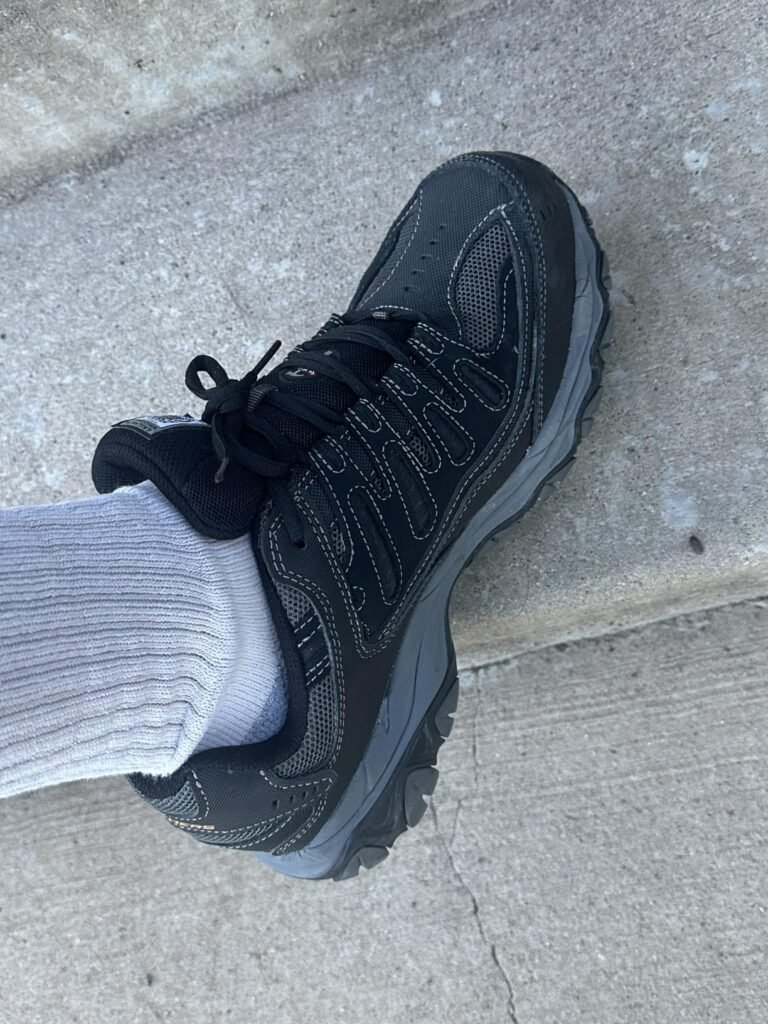
The Skechers Cankton is the pick for buyers who want proper ASTM-rated steel toe protection at a price that undercuts most premium work boots. The certification confirms the shoe meets industry standards for impact and compression resistance, which is what matters when a dropped tool or rolling pallet threatens your toes. For warehouse, light industrial, and general job site work, this level of protection is often required by employer safety policies.
We may earn a commission when you buy through this link, at no additional cost to you.
The athletic sneaker profile is a genuine advantage over traditional work boots for anyone whose job involves a lot of walking, standing, and moving. The duraleather upper with mesh panels handles the abrasion of real work environments while providing enough breathability to keep feet from overheating during long shifts. This construction typically holds up better than pure leather over months of daily wear when combined with the mesh ventilation.
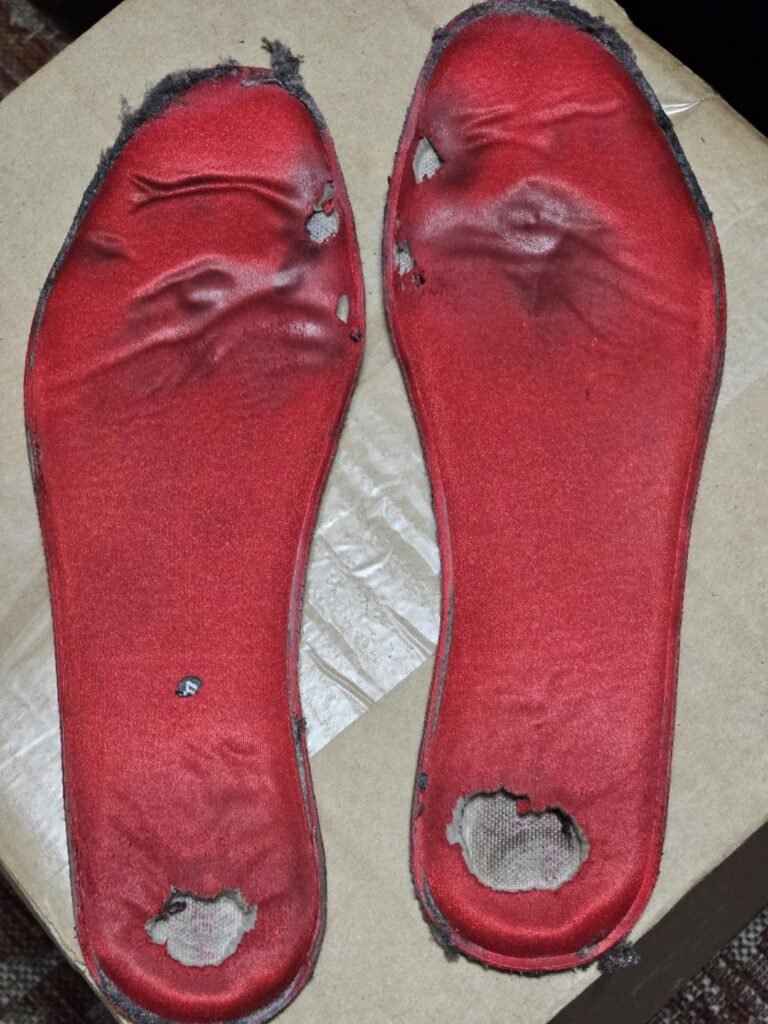
The memory foam cushioned insole and roomy Relaxed Fit design address the two biggest complaints about safety footwear: sore feet and cramped toe boxes. Steel toe caps can pinch feet if the shoe is too narrow, so the relaxed fit specifically addresses this issue by giving toes more space. The flexible rubber outsole with lug pattern provides dependable grip on typical warehouse and light construction surfaces.
ASTM F2413 is the American Society for Testing and Materials standard that defines performance requirements for protective footwear. The certification includes impact resistance testing for the toe cap, compression resistance under sustained load, and electrical hazard protection when specified. When a shoe carries ASTM F2413 certification, it has been independently tested to meet these standards, which is often required by OSHA regulations and employer safety policies in industrial workplaces.
This shoe is the right pick for buyers who need certified steel toe protection but do not want to wear traditional heavy work boots. The trade-offs are the added weight from the steel cap and metal detector incompatibility, which matter for airport workers, security personnel, and manufacturing employees who pass through detectors regularly. For those buyers, composite toe alternatives like the Skechers Holdredge Ryker are better options.
Not for workers who pass through metal detectors regularly or need the lightest possible safety footwear.
We may earn a commission when you buy through this link, at no additional cost to you.
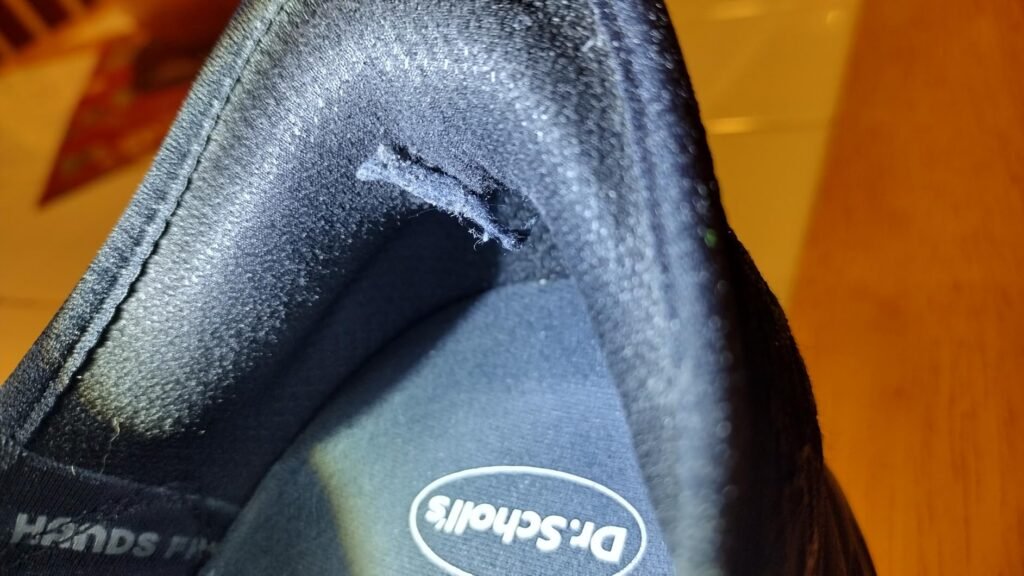
The Skechers Holdredge Ryker combines two features that many workers ask for but rarely find together: ASTM-certified composite toe protection and true hands-free slip-in convenience. The unique slip-in construction with stretch lacing lets you step into the shoe without bending down or fighting with laces, which matters more than you might expect during 12-hour shifts when your hands are full or you need to change footwear quickly.
We may earn a commission when you buy through this link, at no additional cost to you.
The composite safety toe delivers the same impact and compression protection as steel while remaining metal-detector friendly and noticeably lighter on the foot. This matters for workers in airports, distribution centers with security screening, and manufacturing facilities where metal detectors are part of daily routine. The electrical hazard protection adds another layer of workplace safety for workers exposed to live electrical circuits.
The outsole is specifically rated for superior traction on wet, dry, oily, and greasy surfaces, which is a meaningful upgrade over generic slip-resistant outsoles that only perform well in dry conditions. Combined with the air-cooled memory foam insole and Heel Pillow technology, the shoe delivers the kind of all-day comfort that separates premium work footwear from budget alternatives. The premium leather and synthetic upper adds durability without adding weight.
Hands-free slip-in construction eliminates the daily hassle of tying laces, which becomes surprisingly significant over months and years of shift work. Workers with back or knee issues avoid the repeated bending, and anyone dealing with wet or dirty gloves can transition footwear without touching laces. The stretch lacing system maintains a secure fit while allowing quick entry and exit, giving you the best of both worlds without the trade-offs of pure elastic slip-on designs.
This shoe is the right pick for workers who value quick on-and-off functionality and need composite toe protection. Manufacturing, warehouse, and distribution workers benefit most from the combination of safety certification, slip resistance, and hands-free convenience. Buyers who prefer a traditional laced boot fit should look at the Skechers Cankton or Timberland PRO Powertrain instead.
Not for buyers who want a traditional locked-down laced fit or plan to work in environments with debris that could enter through the slip-in opening.
We may earn a commission when you buy through this link, at no additional cost to you.
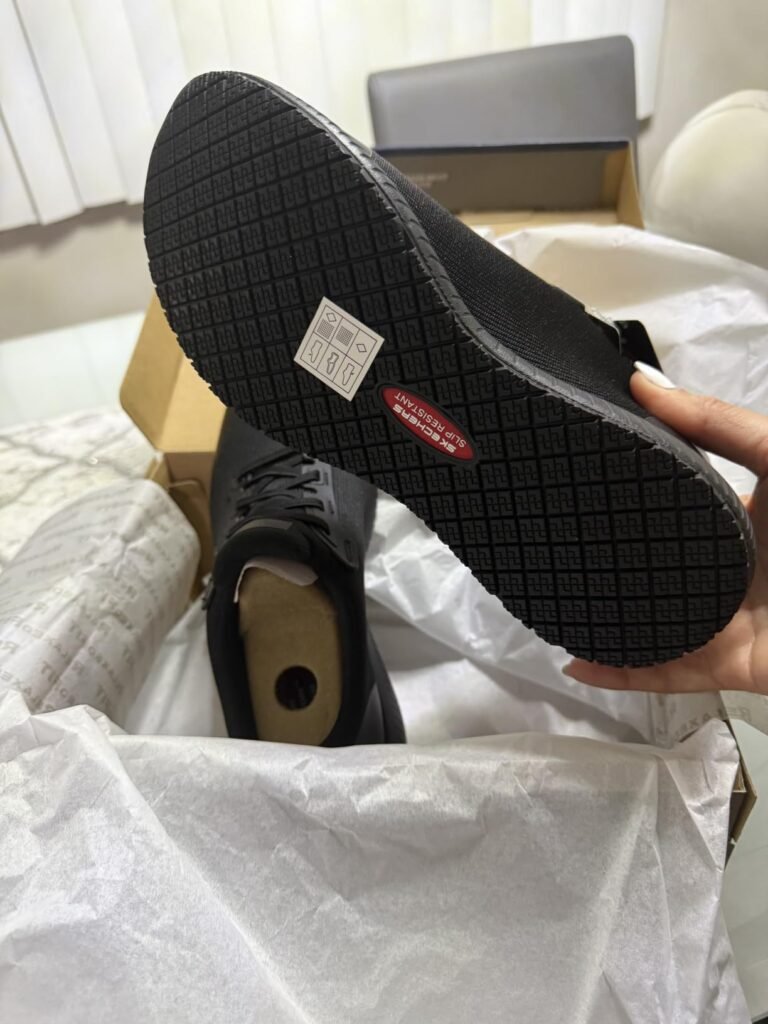
The Skechers Squad Slip On is designed specifically for women working in service industries where slip resistance, easy on-and-off convenience, and all-day comfort matter more than safety toe protection. This makes it a strong pick for restaurant servers, hospital staff, retail workers, and anyone whose job involves long hours of standing and walking on potentially wet or oily surfaces.

We may earn a commission when you buy through this link, at no additional cost to you.
The slip-resistant traction outsole is rated for wet, dry, and oily surfaces and carries electrical hazard protection tested to ASTM F2892 standards. This combination handles kitchen floors, hospital corridors, retail spaces, and food service environments where spills and moisture are constant realities. The 3M Scotchgard treatment on the upper adds water repellency that helps keep feet dry during quick spill cleanups.
The relaxed fit design with a memory foam cushioned insole addresses comfort at both the toe box and forefoot, which prevents the pinched-toe and hot-spot issues that plague many slip-on work shoes. The stretch lace design provides a secure fit without requiring tying, which is genuinely convenient during busy shifts when you cannot pause to adjust footwear. The flat knit and synthetic upper balances breathability with durability.
Not every workplace requires ASTM-certified safety toes, and mandating them in inappropriate environments can actually create discomfort without adding meaningful protection. Restaurants, healthcare facilities, retail stores, and hospitality settings typically prioritize slip resistance over impact protection because the primary hazard is falls on wet or oily floors rather than dropped heavy objects. Slip-resistant certification like ASTM F2892 addresses the actual risks in these environments better than a safety toe that adds weight without addressing the real workplace hazards.
This shoe is the right pick for women in service industries who need slip resistance and comfort but do not need safety toe protection. Warehouse and construction workers who need impact protection should look at options with certified safety toes. For servers, nurses, retail associates, and similar roles, the Squad delivers reliable performance at an accessible price point.
Not for warehouse, construction, or manufacturing workers who need certified safety toe protection.
We may earn a commission when you buy through this link, at no additional cost to you.
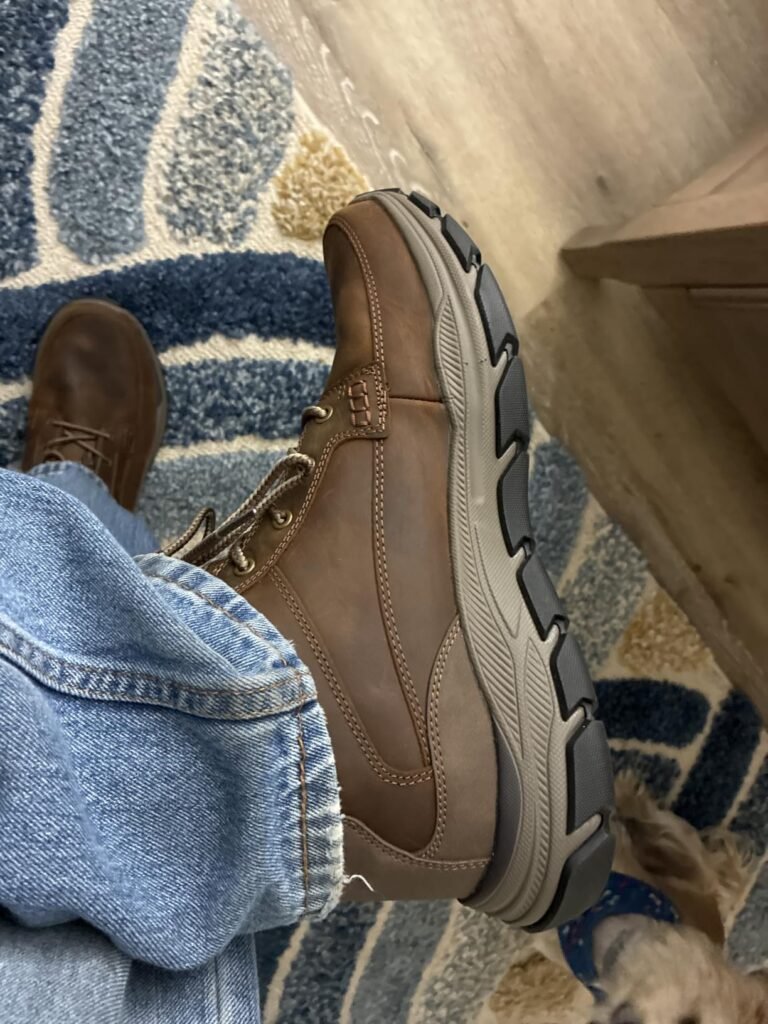
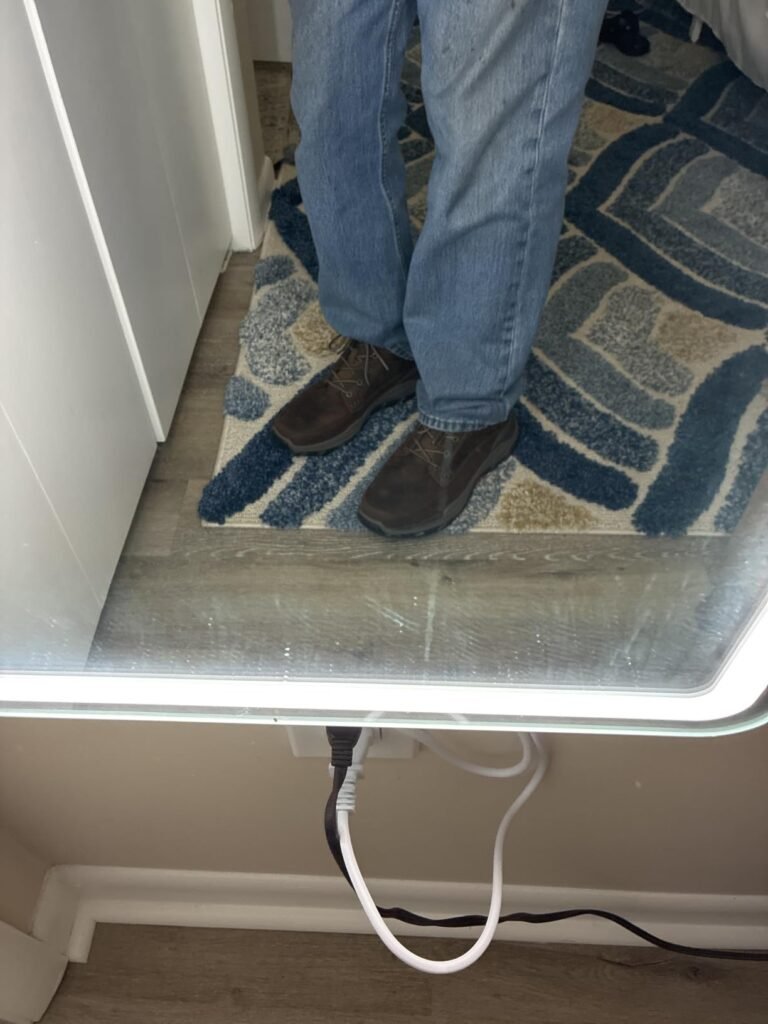
The Skechers Respected Boswell Boot bridges the gap between traditional work boots and casual footwear, making it a strong pick for buyers who want the ankle support and coverage of a boot without the industrial styling that stands out in casual settings. The mid-top design provides protection against ankle rolls on uneven surfaces and keeps debris out of the shoe better than low-cut alternatives.
We may earn a commission when you buy through this link, at no additional cost to you.
The Goodyear Performance Outsole is the standout feature, providing enhanced grip and stability across varied conditions. Goodyear is a recognized name in outsole technology, and their performance rubber compounds typically outlast generic alternatives while providing more consistent traction. The water-repellent leather and synthetic upper handles rain, snow, and wet job site conditions without immediately soaking through.
Comfort features include the air-cooled memory foam insole and Goga Mat Arch cushioning, which together deliver support that lasts through long days. The relaxed fit design provides roomy comfort at the toe and forefoot, avoiding the cramped feel that many work boots produce. The classic lace-up mid-top styling looks appropriate at work, running errands after work, or in casual social settings.
Mid-top boots extend above the ankle to provide additional support and protection against ankle rolls, debris entry, and cold weather. This coverage matters for workers on uneven surfaces, in wet conditions, or in environments where small objects can enter a low-top shoe. The trade-off is added weight and slightly reduced ventilation compared to low-top designs. For workers who move constantly or need maximum breathability, low-top shoes remain the better choice, but for anyone who values ankle support, mid-tops earn their profile.
This boot is the right pick for buyers who want a versatile work-appropriate boot without needing certified safety toe protection. It suits landscapers, delivery drivers, outdoor workers, and general laborers whose work involves varied conditions but not heavy impact hazards. Workers who need ASTM-certified safety toes should look at the Timberland PRO Powertrain or Skechers Cankton instead.
Not for workers requiring certified safety toe protection or those who prefer low-cut athletic-style work footwear.
We may earn a commission when you buy through this link, at no additional cost to you.
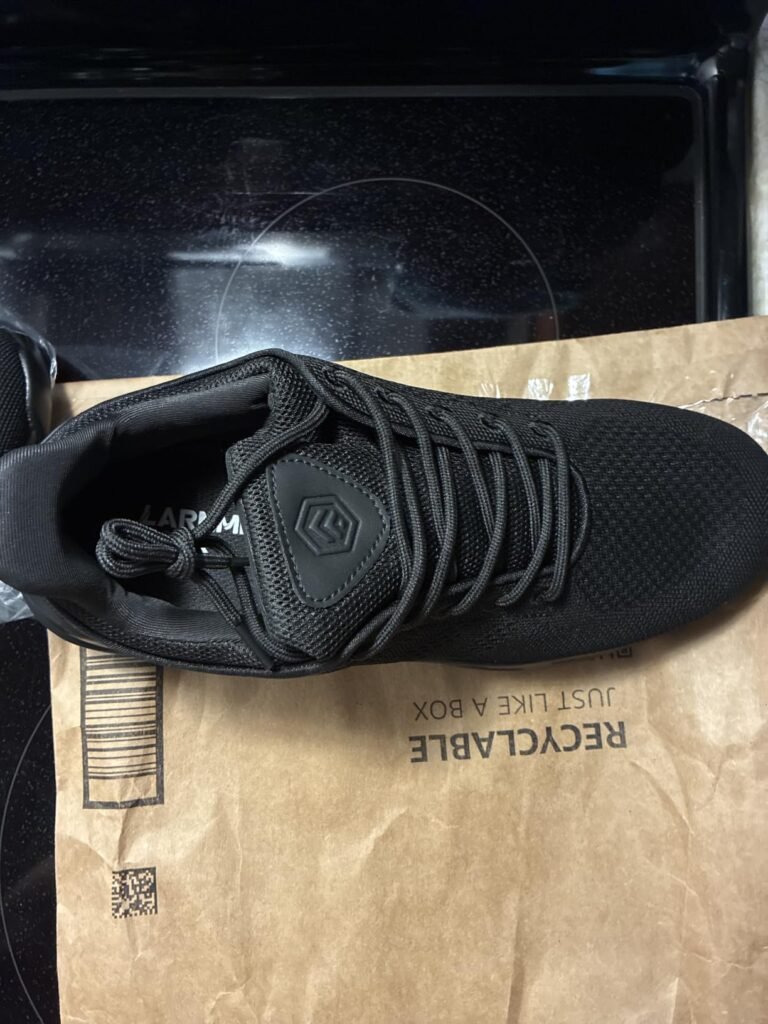
The LARNMERN Chef Shoes are purpose-designed for kitchen work, hospitality, and hospital environments where slip resistance and water repellency matter more than safety toe protection. The anti-slip outsole is specifically engineered to channel away liquids like oil, grease, and water, which addresses the primary hazard in restaurant kitchens where floor spills are constant.

We may earn a commission when you buy through this link, at no additional cost to you.
The seamless one-piece upper design keeps overall weight low while providing water-resistant protection against light moisture and quick spill exposure. This construction is particularly important in kitchens where soaked shoes create both discomfort and hygiene concerns. The lightweight mesh construction also allows some airflow to keep feet cooler during hot kitchen shifts.
The slip-on design is genuinely useful in kitchen environments where shoes need to come off quickly for cleaning or shift changes. The well-supported heel structure provides stability during the sudden movements common in busy kitchen work, and the easy on-off design lets you put them on without bending over, which matters during long shifts when your back is already tired.
Commercial kitchens present a specific combination of hazards that differ from construction or warehouse environments. Slippery floors from grease and water spills are the primary risk, followed by hot liquid or grease burns and long standing hours on hard surfaces. Kitchen-specific work shoes prioritize slip resistance, water repellency, and quick cleanability over impact protection, which is the correct engineering trade-off for the actual hazards workers face.
This shoe is the right pick for chefs, kitchen staff, hotel workers, and healthcare professionals who need reliable slip resistance and water repellency in a comfortable slip-on package. The 4.0 owner rating suggests some variability in fit or durability, so read owner feedback for your specific size. Workers who need ASTM-certified safety toes should look at other options, since these are designed purely for slip resistance and comfort rather than impact protection.
Not for construction, warehouse, or industrial workers who need certified safety toe protection.
We may earn a commission when you buy through this link, at no additional cost to you.
The Skechers Cessnock Bungee Slip On combines slip resistance, electrical hazard protection, and 100% vegan materials in a lightweight package suited for service industry work. The vegan construction appeals to buyers who avoid leather for ethical reasons but still need reliable work footwear that meets basic safety standards for typical service environments.

We may earn a commission when you buy through this link, at no additional cost to you.
The slip-resistant rated outsole handles wet, dry, and oily surfaces, which covers the primary hazards in restaurants, healthcare facilities, retail environments, and light industrial settings. The tested electrical hazard protection adds another layer of workplace safety, meeting the requirements many employers include in their basic footwear policies. The flexible lightweight shock-absorbing midsole reduces the impact stress that builds up during long standing shifts.
The bungee lace design is a middle ground between traditional laces and true slip-on construction. The stretch bungee provides a snug adjustable fit while still allowing quick entry without tying, which suits workers who want more security than pure slip-on designs but do not want to fuss with laces. The Skech-Knit mesh upper provides breathability that keeps feet cool during warm work environments.
Bungee lace systems use elastic cord in place of traditional flat laces, providing a snug adjustable fit that stretches with foot movement. Unlike traditional laces, they never come untied, and unlike pure slip-on designs, they still create a secure fit that keeps the foot properly positioned in the shoe. The trade-off is that the elastic can lose tension over months of daily use, potentially requiring lace replacement to maintain fit.
This shoe is the right pick for vegan buyers who need reliable slip-resistant work footwear or for anyone who prefers the security of bungee laces over pure slip-on designs. The comfort features are consistent with other Skechers work shoes at this price point. Workers needing certified safety toes should look at the Skechers Cankton or Holdredge Ryker for options with impact protection.
Not for workers who need certified safety toe protection or prefer the ultimate security of tied laces.
We may earn a commission when you buy through this link, at no additional cost to you.
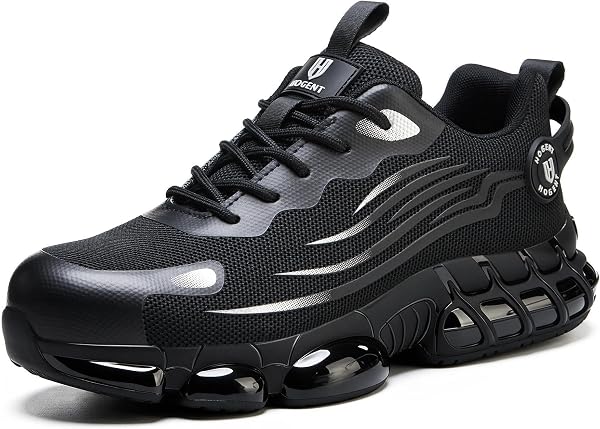
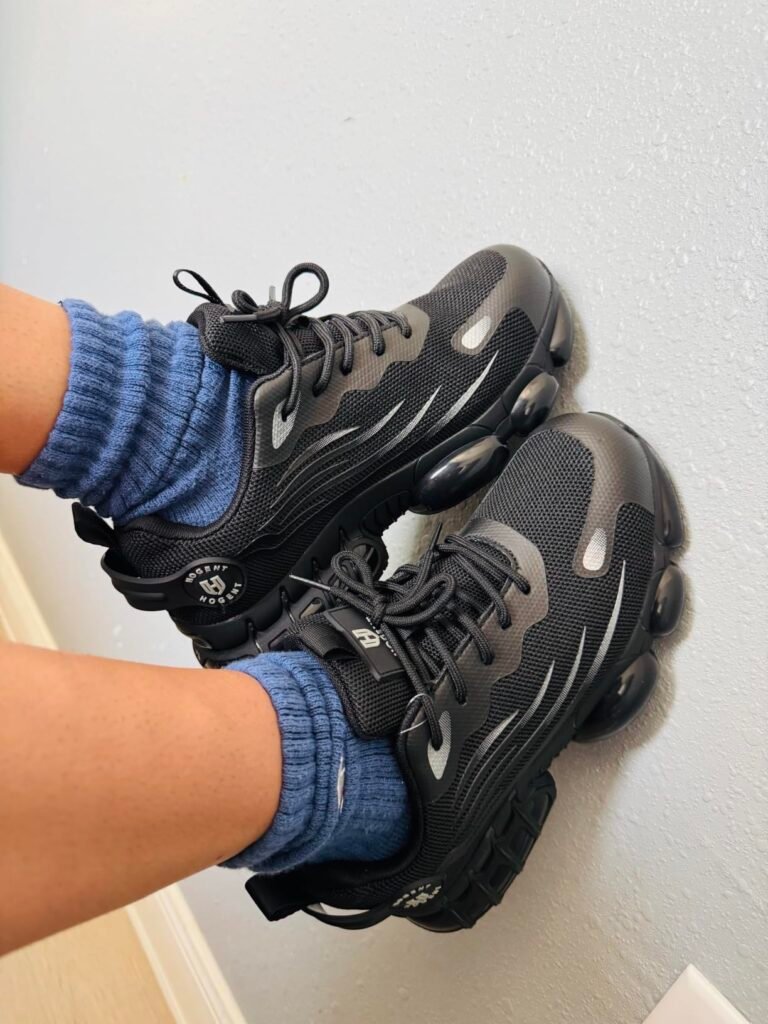
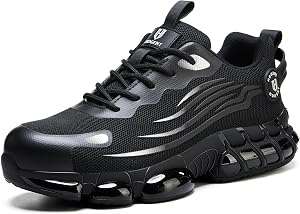
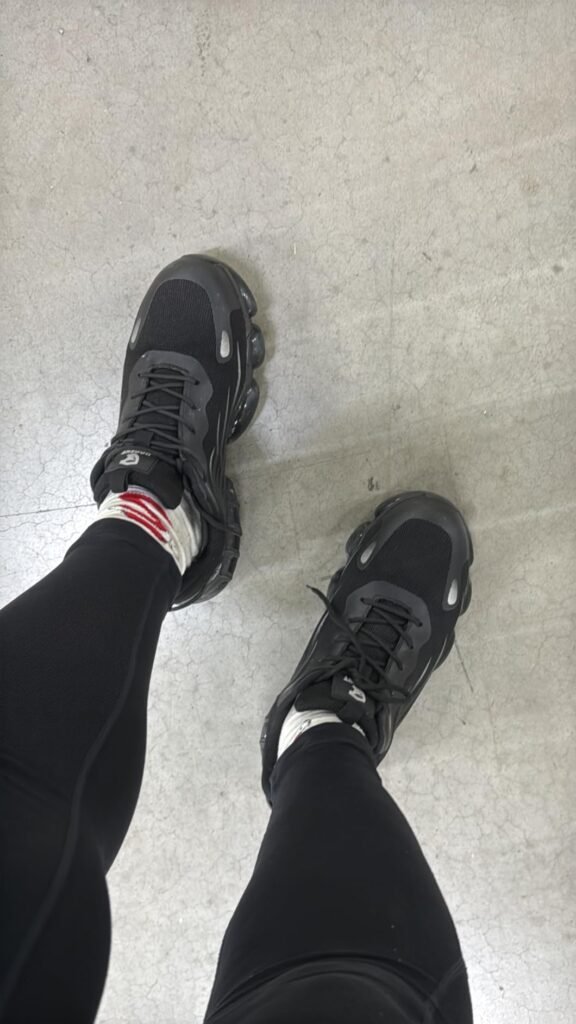
The Hogent Steel Toe Shoes offer the most affordable entry into steel toe protection in this guide, making them a reasonable option for buyers who need basic protection without significant budget commitment. The reinforced steel toe cap provides protection against falling and rolling objects that would injure unprotected toes, and the Kevlar midsole adds puncture resistance against nails, screws, and other sharp debris on job sites.
We may earn a commission when you buy through this link, at no additional cost to you.
The construction combines a breathable mesh upper with removable memory foam insoles, delivering airflow and cushioning that budget work shoes often lack. The air-cushioned sole provides enhanced shock absorption that helps reduce impact fatigue during long walking or standing shifts. This combination of features is uncommon at this price point and makes the shoe surprisingly capable for its cost.
The sporty athletic styling helps the shoe blend into varied work environments without looking overtly industrial, which matters for workers who transition between the job site and other settings during their day. The shoe is versatile enough for construction, warehouse, manufacturing, transportation, and general industrial workplaces where basic safety protection is needed.
Puncture-resistant midsoles use materials like Kevlar or steel to prevent sharp objects from penetrating the sole of the shoe and injuring the foot. On construction sites, in demolition work, and around metal fabrication, nails, screws, and metal shards are common floor hazards. A standard outsole offers little protection against these punctures, while a properly integrated puncture-resistant midsole significantly reduces the risk of stepping on a nail and suffering a foot injury that could keep you off work for weeks.
This shoe is the right pick for budget-conscious buyers who need steel toe protection and puncture resistance but cannot invest in premium alternatives. The 4.0 owner rating and lack of specifically stated ASTM certification suggest some variability in quality and safety verification, so read owner feedback carefully and confirm the shoe meets your workplace safety requirements. For guaranteed ASTM certification, options like the Skechers Cankton or Timberland PRO Powertrain provide more assurance.
Not for workers who require specifically documented ASTM certification or premium construction quality.
We may earn a commission when you buy through this link, at no additional cost to you.
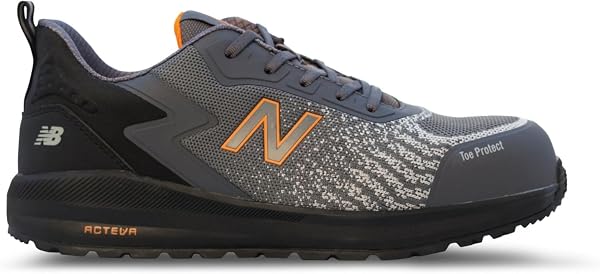
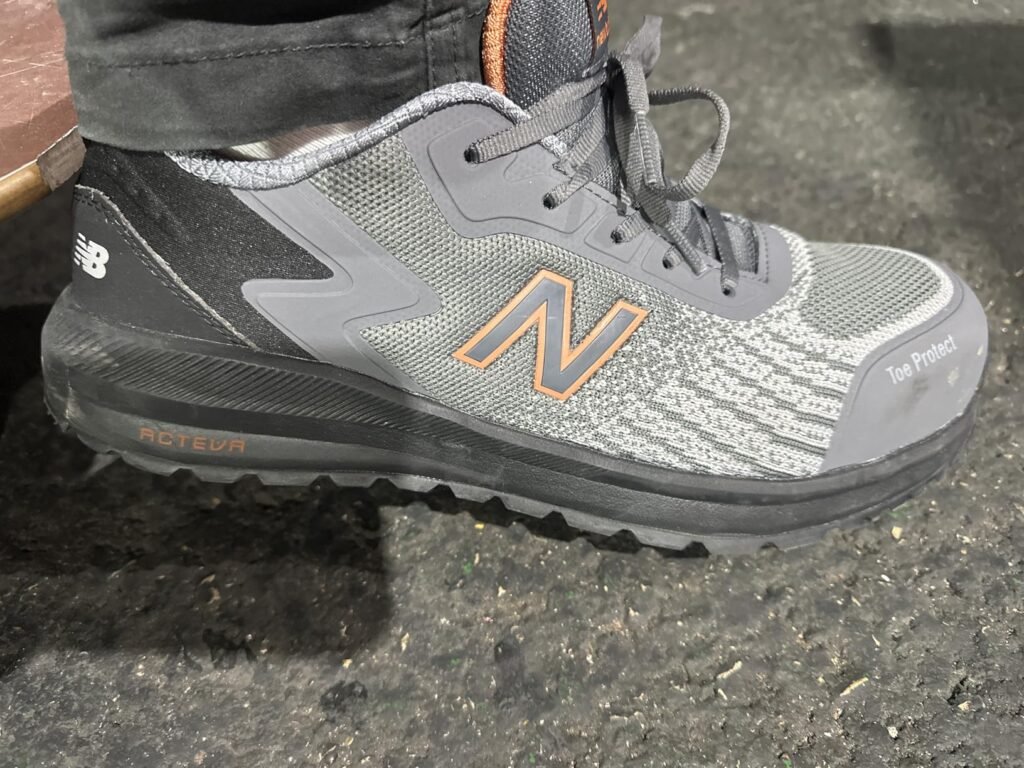
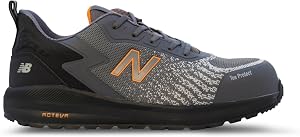
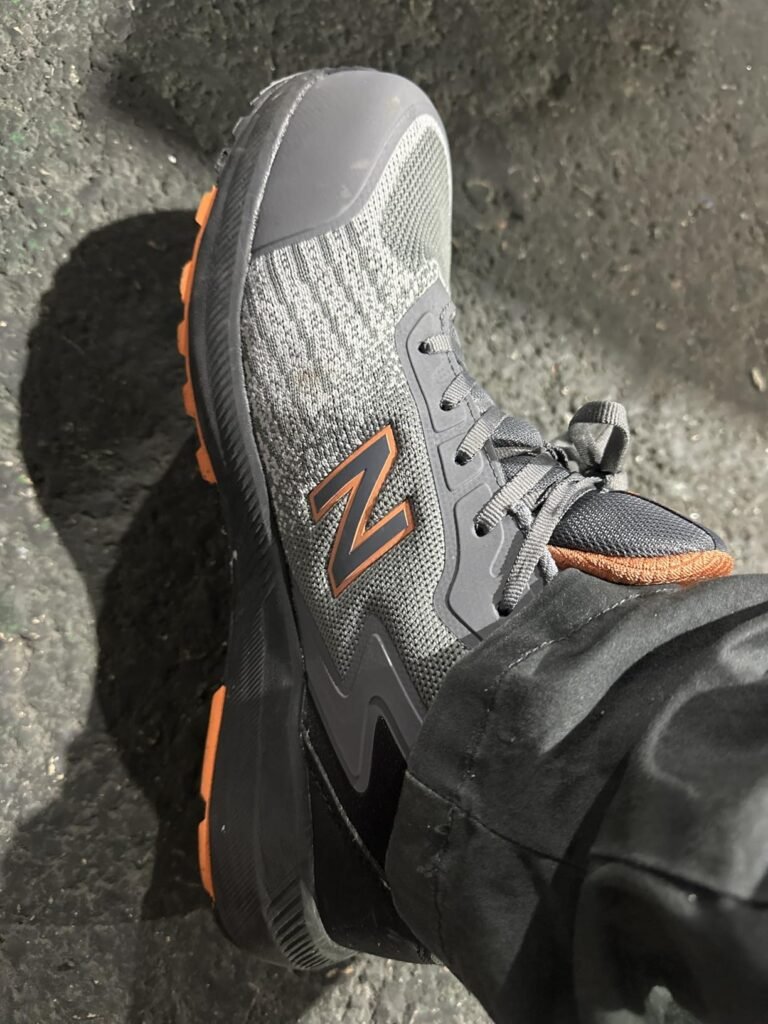
The New Balance Speedware brings the brand's athletic footwear expertise to the work shoe category, targeting buyers who want the lightweight, athletic feel of running shoes with the safety protection required for industrial work. The composite toe uses advanced New Balance technology to deliver ASTM F2413 protection without the fatigue that comes with heavier conventional steel toe boots.
We may earn a commission when you buy through this link, at no additional cost to you.
The Acteva performance foam midsole combined with the NB comfort insole delivers cushioning that draws on New Balance’s running shoe expertise. This translates to genuine all-day comfort during long shifts on hard surfaces, which is the most common complaint about traditional work footwear. The anti-perforation midsole adds puncture protection against sharp debris, which matters on job sites where nails and metal shards are constant hazards.
The debris-free construction is a distinctive feature that uses advanced upper design to prevent small particles from entering the shoe through the lacing area or upper seams. This matters in environments with sawdust, metal shavings, or other loose debris that can accumulate inside the shoe and cause irritation over the course of a shift. The dual-use outsole tread works both on and off the job site, with heel counter support that adds stability on uneven ground.
Traditional work shoe uppers often allow small debris to enter through the lacing area or seam gaps, where it accumulates inside the shoe and causes irritation and premature sock wear. Debris-free construction uses specialized upper designs that seal these entry points while maintaining breathability and adjustability. This is particularly valuable in woodworking, metal fabrication, and construction environments where fine particles are constantly present in the air and on surfaces.
This shoe is the right pick for buyers who value athletic footwear brands and want composite toe protection with modern cushioning technology. The certification meets or exceeds ASTM Specification F2413-18 for impact, compression, electrical hazard, and slip resistance. The 4.0 owner rating suggests some fit variability, so consider size carefully or use retailers with good return policies for confidence in your purchase.
Not for buyers on tight budgets or those who prefer traditional leather work boot construction.
We may earn a commission when you buy through this link, at no additional cost to you.
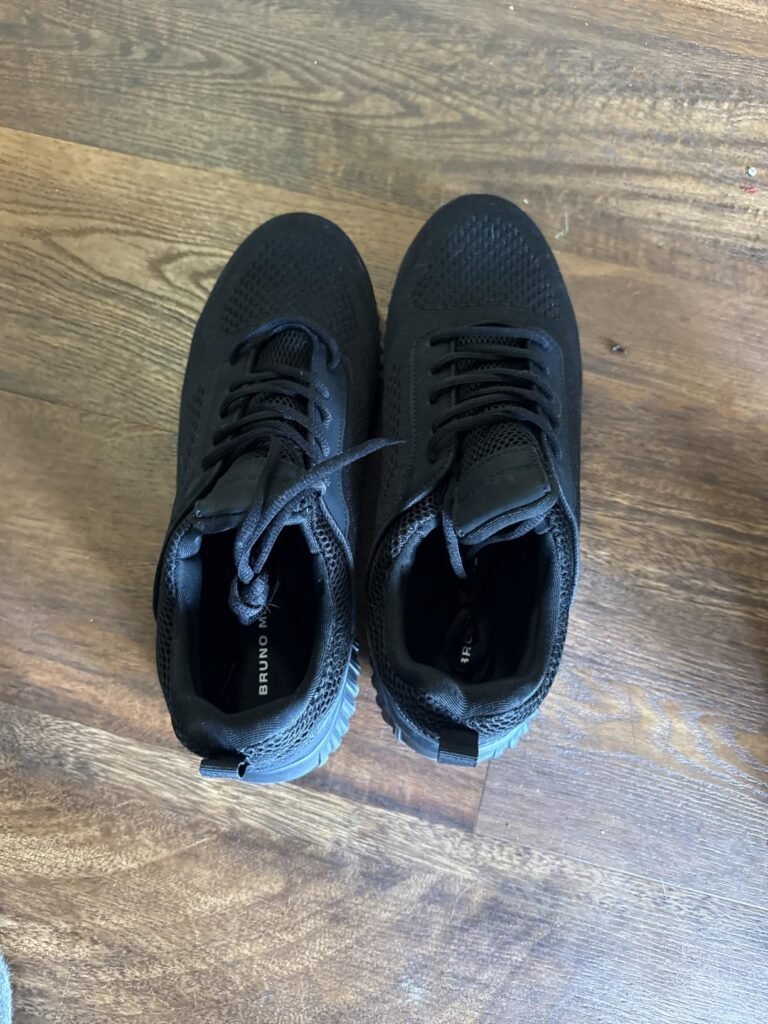
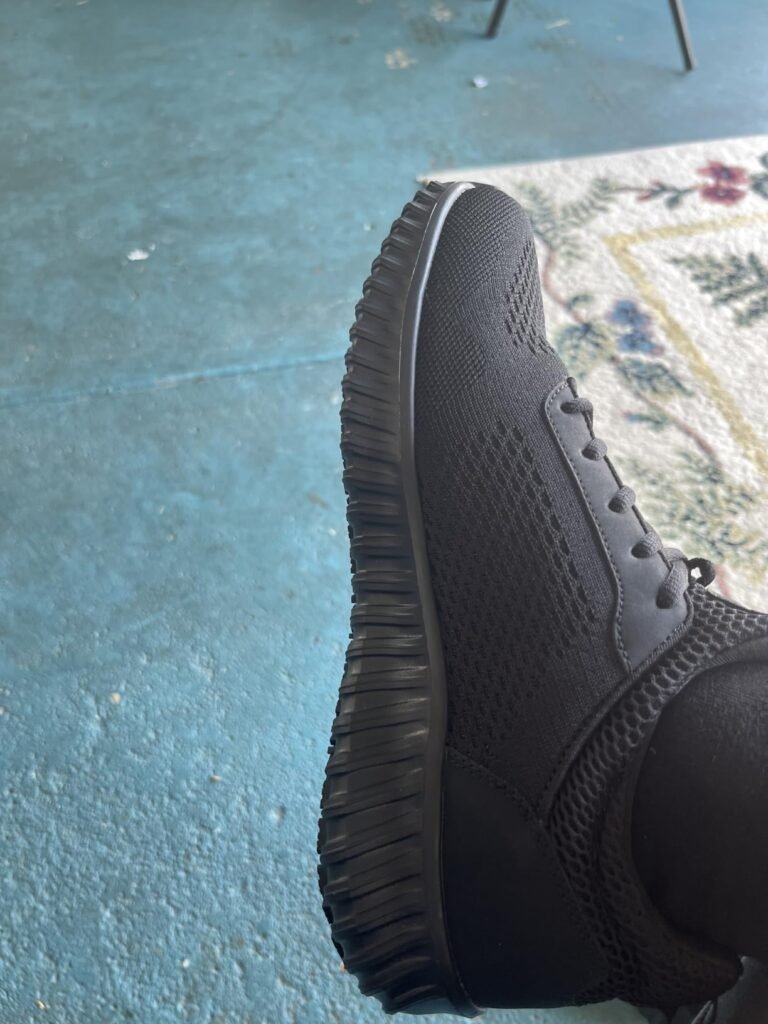
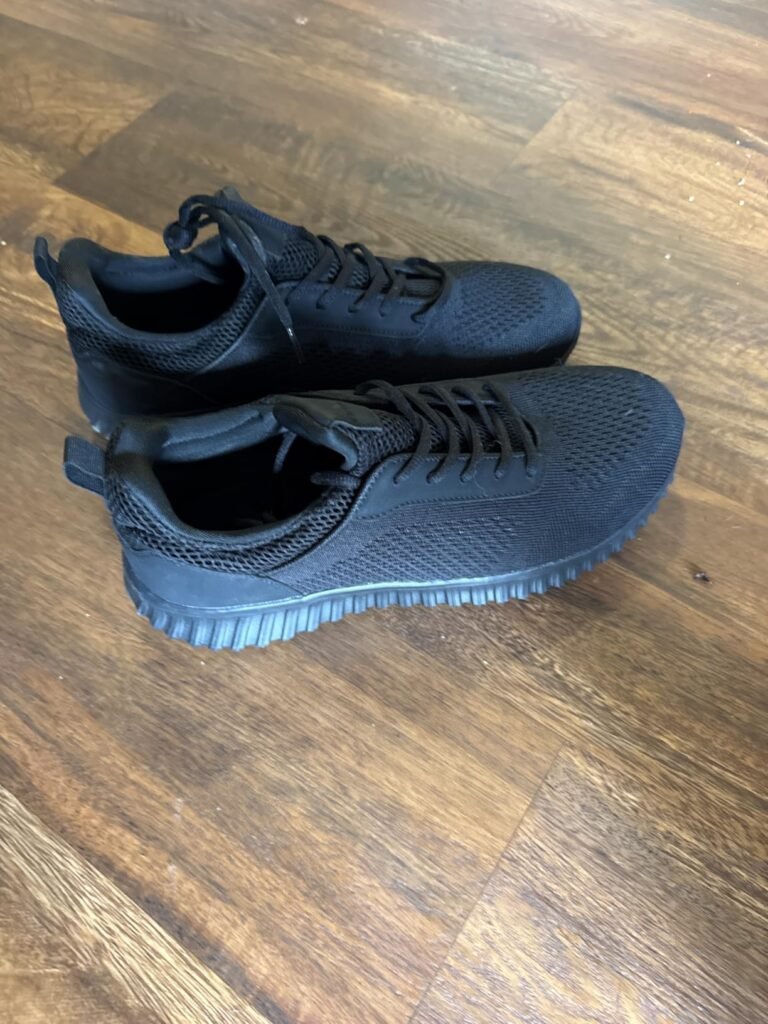
The Bruno Marc Non-Slip Work Shoes stand out as the strongest value pick in this guide, combining certified slip resistance and electrical hazard protection with an exceptionally lightweight 9.88-ounce design. That weight is significantly less than most work shoes with similar certifications, which reduces the leg fatigue that accumulates over long shifts of standing and walking on hard surfaces.
We may earn a commission when you buy through this link, at no additional cost to you.
The ASTM F1677 slip-resistance certification is genuine and independently tested, providing verified traction on wet, greasy, and slippery floors. Combined with ASTM F2413 electrical hazard protection, this shoe meets the safety requirements of most restaurants, kitchens, healthcare facilities, food service establishments, and similar service industry workplaces. This level of certification is uncommon at this price point.
Comfort features include an EVA midsole for shock absorption and a removable PU insole with arch support, addressing the two biggest sources of foot pain during long shifts. The mesh upper promotes airflow to prevent sweaty discomfort while deflecting minor spills. The sharp black professional appearance complements service industry uniforms without looking cheap or overly casual.
Every ounce of shoe weight requires additional muscle effort to lift with each step. Over an 8 or 12-hour shift with thousands of steps, that added effort compounds into significant leg fatigue. A shoe that weighs 9.88 ounces requires meaningfully less effort than a 14 or 15-ounce work boot, which is why lightweight construction is one of the most underrated features in work footwear. Workers switching from heavy boots to lightweight shoes often report significantly less end-of-shift exhaustion.
This shoe is the right pick for service industry workers who prioritize slip resistance, comfort, and value over safety toe protection. Restaurant staff, healthcare workers, and food service employees benefit most from the combination of certifications and the ultra-light weight. Workers who need certified safety toes should look at the Timberland PRO Powertrain or Skechers Cankton for options with impact protection.
Not for construction, warehouse, or manufacturing workers who need certified safety toe protection.
We may earn a commission when you buy through this link, at no additional cost to you.
Selecting the right work shoe means matching safety features, comfort technology, and construction quality to your specific job demands. The factors below walk through the decisions that most affect workplace safety, daily comfort, and long-term durability, so you can choose footwear that becomes reliable equipment rather than a source of frustration.
Safety toe requirements vary by workplace, and the wrong choice can either leave your feet unprotected or add unnecessary weight and hassle. Steel toes provide the traditional gold standard for impact and compression protection at the lowest cost, but they add noticeable weight and trigger metal detectors. Composite toes made from carbon fiber, Kevlar, or plastic composites deliver equivalent ASTM F2413 protection while remaining metal-detector friendly and lighter on the foot.
Alloy toes, found on premium options like the Timberland PRO Powertrain, use lightweight metal alloys that combine the durability of steel with reduced weight. Not every job requires a safety toe at all, and mandating one in inappropriate environments can create discomfort without adding meaningful protection. Restaurant, healthcare, and retail environments typically prioritize slip resistance over safety toes, while construction, warehouse, and manufacturing work often requires them.
Check your employer’s specific requirements before buying. If safety toes are mandated, choose composite for metal-detector environments and alloy or steel for other industrial workplaces.
Slip-resistant outsoles are essential for any workplace with wet, oily, or greasy floors. Look for shoes with ASTM F2913 or F1677 certification, which verifies independent testing on slippery surfaces. Not all slip-resistant claims are equal, and shoes without proper certification may perform poorly in the specific conditions of your workplace. Certified outsoles use rubber compounds and tread patterns specifically engineered to channel liquids away from the contact surface.
Outsole compounds vary in their performance characteristics. Polyurethane outsoles, found on options like the Timberland PRO Powertrain, provide lightweight cushioning combined with slip, oil, and abrasion resistance. Rubber compounds like those on the Skechers Holdredge Ryker are specifically rated for wet, dry, oily, and greasy surfaces, providing genuine multi-surface performance. Goodyear Performance Outsoles on the Skechers Boswell offer trusted traction across varied conditions.
For kitchens, healthcare, and food service, prioritize certified slip resistance rated for oily surfaces. For construction and outdoor work, focus on aggressive tread patterns that handle mud and uneven terrain.
Cushioning technology directly determines how your feet and legs feel at the end of a long shift. Basic EVA foam midsoles provide adequate cushioning for shorter shifts but compress over months of use. Memory foam insoles like those found in most Skechers models adapt to your foot shape and reduce pressure points, which matters for workers with foot pain or diabetes. Air-cooled memory foam adds ventilation that prevents the heat buildup that can cause blisters and discomfort.
Anti-fatigue technology takes cushioning further by using engineered geometric structures in the midsole to return energy back to the foot with each step. The Timberland PRO Powertrain uses this technology to reduce the muscular effort required for each step, which pays off dramatically during 10 to 12-hour shifts on concrete floors. Workers switching to anti-fatigue shoes often report significantly less end-of-shift pain within days.
For occasional wear or short shifts, standard EVA and memory foam are sufficient. For long shifts on hard surfaces, invest in anti-fatigue technology for meaningful reduction in cumulative pain.
Upper materials determine breathability, durability, and weather resistance. Leather uppers provide the most durability and structure but sacrifice breathability, which can lead to hot, sweaty feet during warm shifts. Mesh uppers maximize airflow and reduce weight but offer less protection against workplace hazards. Hybrid designs like the Skechers Cankton with duraleather and mesh panels balance these properties by placing durable material in high-wear zones and breathable mesh where ventilation matters most.
Water-repellent treatments like 3M Scotchgard on the Skechers Squad add protection against light spills without significantly impacting breathability. For genuinely wet environments, water-repellent leather like the Skechers Boswell provides better protection than treated fabrics. Debris-free construction, found on the New Balance Speedware, uses specialized upper designs to prevent small particles from entering the shoe.
Match upper materials to your work environment. Choose leather or leather hybrids for durability in construction and outdoor work, and mesh or knit uppers for breathability in indoor service environments.
Lace-up designs provide the most adjustable and secure fit, letting you tune tension across the midfoot to match your foot shape and swelling patterns throughout the day. Traditional laces work well for most workers but require bending down to tie and can come untied during work. Bungee lace systems like those on the Skechers Cessnock provide adjustable fit without the tying hassle, though the elastic can lose tension over time.
Slip-on and hands-free designs like the Skechers Holdredge Ryker eliminate laces entirely, using stretch construction to hold the shoe in place. This convenience matters more than you might expect during long shifts, especially for workers with back or knee issues who want to avoid bending, or for anyone who frequently changes footwear during their day. The trade-off is a less locked-down fit that may allow more foot movement inside the shoe.
Choose lace-up designs for maximum fit adjustment and support. Choose slip-on or hands-free designs for convenience during frequent transitions or when hands are often full.
Shoe weight has a surprising impact on end-of-shift fatigue because every ounce requires additional muscle effort with each step. Over thousands of steps per shift, weight differences compound into significant leg tiredness. Ultra-lightweight options like the Bruno Marc Non-Slip at 9.88 ounces per shoe require noticeably less effort than heavier traditional work boots at 14 or 15 ounces.
The trade-off is that lighter shoes typically sacrifice some durability, protection, or support compared to heavier alternatives. Safety toe caps add weight, as do reinforced midsoles and durable outsole compounds. The challenge is finding the lightest shoe that still meets your workplace safety requirements and holds up to your specific work demands.
For long shifts of standing and walking, prioritize lightweight construction within your safety requirements. For heavy-duty industrial work with significant hazards, accept the added weight in exchange for enhanced protection.
Electrical hazard protection meets ASTM F2412 and F2413 standards for secondary underfoot protection against live electrical circuits, electrically energized conductors, parts, or apparatus. This is not the same as electrical work-rated footwear designed for electricians, but it provides an additional layer of safety for general workers who may encounter electrical hazards in industrial, warehouse, or facility environments.
Most quality work shoes include electrical hazard protection as a standard feature, including the Skechers Cankton, Timberland PRO Powertrain, Skechers Holdredge Ryker, and Bruno Marc Non-Slip. The protection typically comes from insulated soles that prevent electrical current from passing through the shoe to the foot. This feature adds little to the shoe’s cost and provides meaningful protection in workplaces where electrical hazards exist.
Look for electrical hazard protection as a standard feature on any work shoe you consider. It costs little and provides real protection in electrical work environments.
Break in your new work shoes gradually before wearing them for a full shift. Wear them for a few hours at home or during shorter tasks to let the materials conform to your foot shape and identify any pressure points or fit issues. Break-in periods typically last 3 to 7 days for leather uppers and can be shorter for mesh and synthetic materials. Wearing brand-new work shoes for a 12-hour shift often results in blisters and discomfort that could have been avoided with a proper break-in.
Clean your work shoes regularly to extend their lifespan and maintain safety features. Remove loose dirt with a soft brush, wipe leather uppers with a damp cloth and appropriate leather cleaner, and let mesh uppers air dry after cleaning. Avoid submerging safety shoes in water unless specifically rated as waterproof, since prolonged moisture exposure can weaken adhesives and compromise structural integrity. Check the outsole tread regularly for wear that could reduce slip resistance.
Rotate between two pairs of work shoes if you work daily to extend the life of both pairs. Allowing shoes to fully dry between wears prevents bacterial growth and reduces odor, while giving the cushioning materials time to fully decompress and recover. Store your shoes in a cool, dry location away from direct sunlight and heat sources that can degrade the materials over time. Replace work shoes when the outsole tread wears smooth, when safety toe protection is compromised by impact damage, or when cushioning materials no longer provide meaningful support.
Safety toe requirements depend on your workplace and specific job duties. Construction, warehouse, manufacturing, and industrial environments typically require ASTM F2413-certified safety toes to protect against dropped objects and rolling hazards. Restaurant, healthcare, retail, and office work usually does not require safety toes and instead prioritizes slip resistance and comfort. Check your employer's specific safety policies before buying to ensure your footwear meets workplace requirements.
Steel toes are the traditional choice, providing proven impact and compression protection at the lowest cost, but they add noticeable weight and trigger metal detectors. Composite toes use carbon fiber, Kevlar, or plastic composites to deliver equivalent ASTM protection while remaining metal-detector friendly and lighter on the foot. For workers who pass through metal detectors regularly, composite toes are the better choice despite their higher cost.
Yes, certified slip-resistant shoes use rubber compounds and tread patterns specifically engineered to maintain traction on wet, oily, and greasy surfaces. Standard shoes often perform poorly on these surfaces and dramatically increase the risk of slip-and-fall injuries in kitchens, hospitals, and industrial facilities. Look for ASTM F2913 or F1677 certification to verify independent testing, since not all slip-resistant claims are equal in real-world conditions.
Quality work shoes typically last 6 to 12 months of daily wear before requiring replacement, though this varies significantly based on work conditions and shoe construction. Signs that work shoes need replacement include worn outsole tread that reduces slip resistance, compressed cushioning that no longer provides support, and any visible damage to safety toe protection. Rotating between two pairs can extend the life of each pair by allowing full drying and cushioning recovery between wears.
Athletic shoes can work for jobs without specific safety requirements, particularly in retail, office, or light-duty environments. However, athletic shoes typically lack the slip resistance certification, safety toe protection, and durability needed for demanding work environments. For extended standing and walking, purpose-built work shoes with anti-fatigue features and workplace-specific safety ratings usually provide better long-term comfort and protection than adapted athletic footwear.
Yes, if they carry the same ASTM certifications. Modern lightweight work shoes with composite or alloy toe caps meet the same ASTM F2413 impact and compression standards as heavy steel-toe boots. The reduced weight comes from advanced materials rather than compromised safety, which is why premium lightweight options like the Timberland PRO Powertrain deliver both certified protection and reduced foot fatigue over long shifts.
Electrical hazard protection meets ASTM F2412 and F2413 standards for secondary underfoot protection against live electrical circuits, energized conductors, parts, or apparatus. This is not the same as electrician-rated footwear but provides an additional layer of safety for general workers who may encounter electrical hazards. Most quality work shoes include this feature at little added cost, making it worth prioritizing even if your current work does not specifically require it.
Work shoes should fit snugly around the heel and midfoot without slipping, with about a thumb's width of space in front of your longest toe when standing. Safety toe caps can pinch feet if the shoe is too narrow, so try shoes on later in the day when feet are slightly swollen to get an accurate fit. If you plan to wear thick socks or use custom orthotics, size accordingly and consider models with removable insoles that accommodate custom inserts.
Waterproof work shoes matter most for outdoor workers, landscapers, and anyone regularly exposed to wet conditions. Water-repellent treatments like 3M Scotchgard provide adequate protection against light spills and brief exposure but do not match full waterproof construction. For genuinely wet environments, choose water-repellent leather uppers or specifically waterproof-rated shoes rather than treated fabrics.
Modern slip-on work shoes with stretch construction like the Skechers Holdredge Ryker provide surprisingly secure fits while offering hands-free convenience. However, they typically offer less locked-down fit than laced alternatives, which matters for workers who make sudden movements or need maximum foot control. For most service industry and light industrial work, quality slip-on designs provide adequate security while adding real convenience during shift transitions.
The Timberland PRO Powertrain stands out as the strongest overall pick because it combines premium ASTM safety certification, genuine anti-fatigue technology, and Timberland PRO's established reputation for job site footwear. The lightweight alloy safety toe, polyurethane outsole with slip and oil resistance, and energy-returning midsole make it the best all-around choice for workers who need certified protection and real comfort during long industrial shifts.
Different priorities point to different picks. The Bruno Marc Non-Slip delivers the best value for service industry workers who need slip resistance without safety toe protection, while the Skechers Holdredge Ryker offers the best combination of hands-free convenience and composite toe safety for warehouse and distribution work. The Skechers Cankton provides excellent value for buyers who need steel toe protection at an entry price, and the LARNMERN Chef Shoes address the specific needs of kitchen and hospitality workers.
The right choice starts with an honest assessment of your workplace requirements. Verify safety toe and certification requirements with your employer, match slip resistance to your floor conditions, and prioritize lightweight construction if you spend long shifts on your feet. Any shoe in this guide will provide reliable service when matched to the right work environment, so focus less on brand recognition and more on the specific features that address the daily demands of your job.