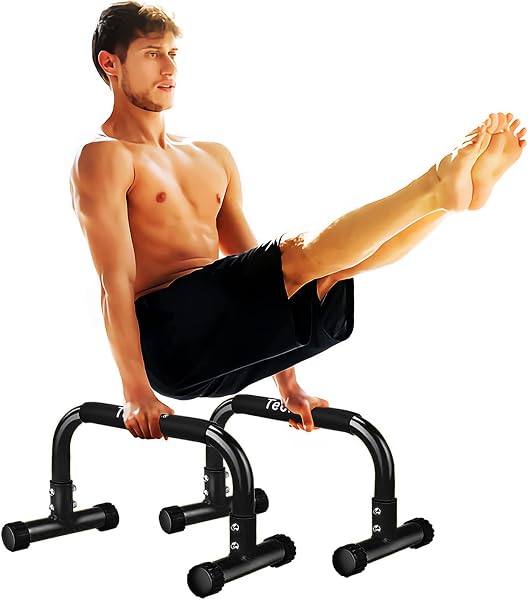
Teclor Push Up
9.0Editor score660 lb capacity
9.5-inch working height
1.5-inch foam handle
Welded steel frame
Find the right parallettes for 2026. We compare 9 standout options by build quality, useful features, owner feedback, value, and everyday trade-offs.
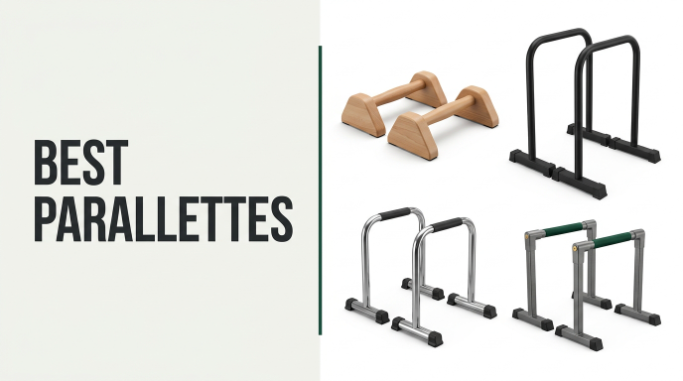
Find the right parallettes for 2026. We compare 10 standout push-up bars by the factors that matter most in calisthenics training: material construction, handle height, grip diameter, weight capacity, base stability, portability, floor protection, and value across beginner bodyweight workouts, handstand practice, and advanced skills like planches and L-sits.
Parallettes vary widely in design and purpose. Low wooden bars suit floor-based work like L-sits and planche progressions, while taller steel models excel at dips, deep push-ups, and handstand training. Understanding what each height and material actually delivers helps you match a pair to the skills you want to develop rather than buying based on looks alone.
This guide breaks down each option by construction, ergonomics, and real-world use so you can pick bars that match your training level, floor surface, and space. Whether you are new to bodyweight training, working toward your first handstand, or building a home calisthenics setup, the right parallettes remove excuses and improve every session.
We compared 10 parallettes using the details that actually help a buyer decide: build material (wood or steel), handle height, grip diameter, weight capacity, base width, non-slip design, assembly requirements, portability, wrist ergonomics, floor protection, and owner feedback. The notes focus on practical trade-offs so each pick connects to how people actually use push-up bars for calisthenics progressions, handstand practice, L-sits, dips, planche work, and general bodyweight strength training at home or on the go.


Compare key features, scores, and current prices side by side. A shorter feature list means fewer details were available, not necessarily fewer capabilities.


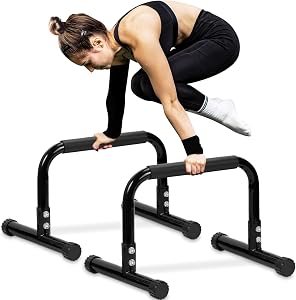


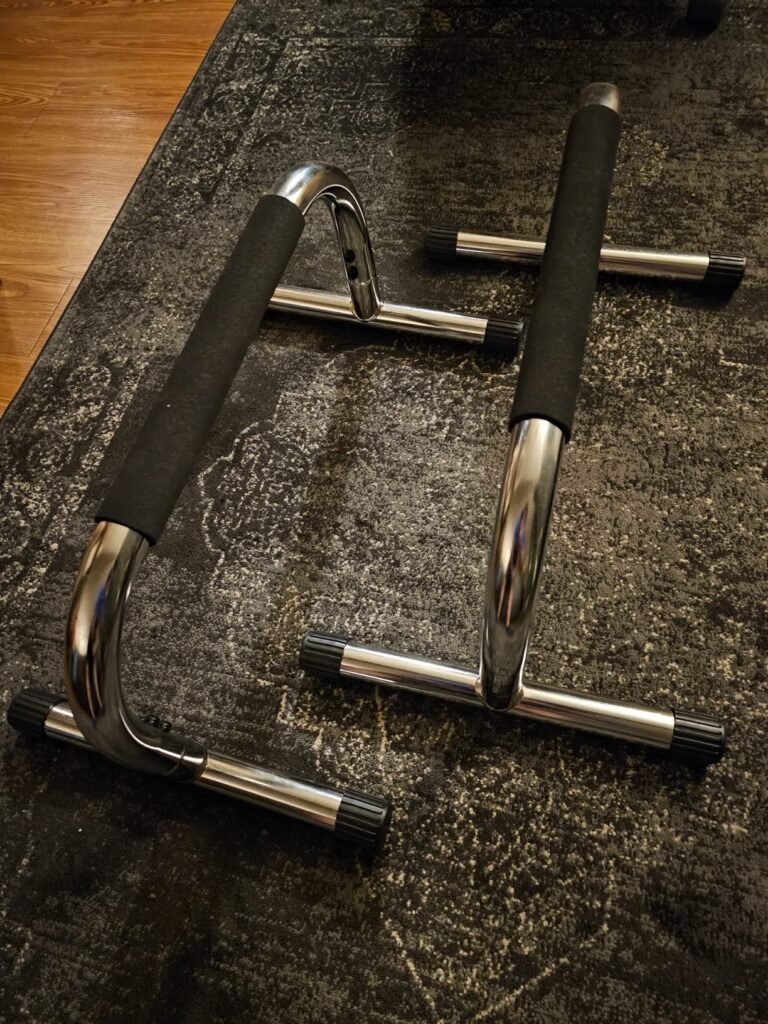
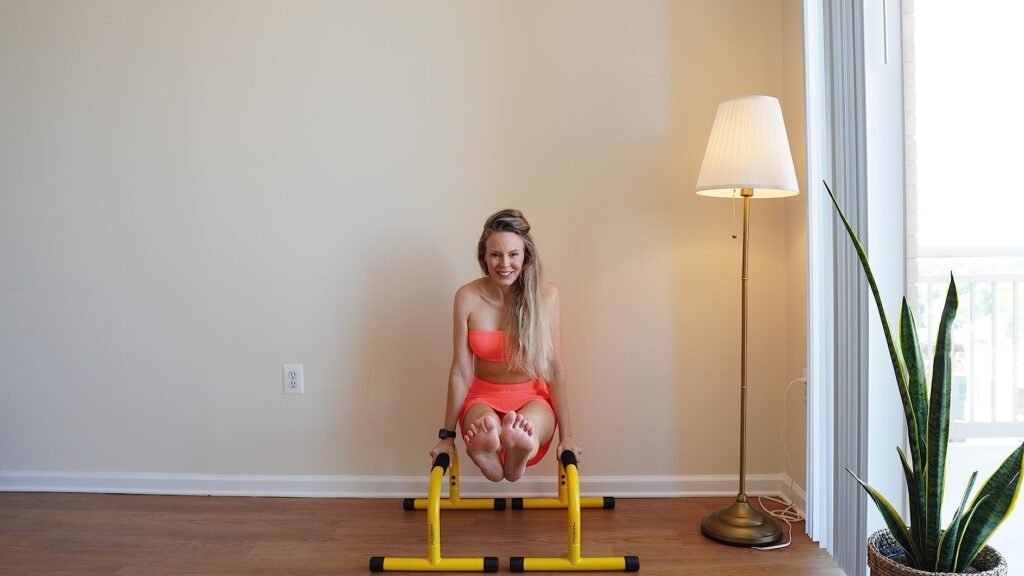
Lebert Fitness has built a reputation among fitness professionals for practical, well-engineered training equipment, and their parallettes reflect that focus. The alloy steel construction with reinforced welds provides exceptional stability during bodyweight training, and each bar supports up to 400 pounds, which is more than adequate for the vast majority of calisthenics practitioners including advanced athletes performing weighted variations.
We may earn a commission when you buy through this link, at no additional cost to you.
The 12-inch working height hits the sweet spot for versatile calisthenics training, providing enough clearance for full-depth dips while still working well for L-sits, planche progressions, and push-up variations. The 25-inch bar length gives you room to shift hand position for different exercises, and the 13.5-inch grip width accommodates both narrow and wider hand placements for training variety.
The high-density neoprene foam grips are the standout feature for daily training comfort. Neoprene resists moisture from sweaty hands better than plain foam, maintains its cushioning through years of use, and provides a non-slip surface that stays secure without needing gymnastic chalk. This grip quality reduces wrist strain during extended sessions and improves control during dynamic movements.
A 4.8 rating across thousands of reviews indicates consistent satisfaction across a wide range of use cases. This reflects both the physical build quality and the practical usability of the design for actual calisthenics training. When choosing calisthenics equipment, brands with long track records in the fitness industry typically deliver better long-term durability than newer entrants, because they have refined their designs based on years of user feedback.
This is the top choice for serious calisthenics athletes who want proven gym-grade equipment from a trusted brand. The included app access with guided workouts adds meaningful value for buyers who want programming support alongside the physical equipment. If you need higher weight capacity or a taller bar, other options will fit your specific needs better.
Heavier athletes doing significant weighted variations that approach or exceed the 400 lb capacity.
We may earn a commission when you buy through this link, at no additional cost to you.
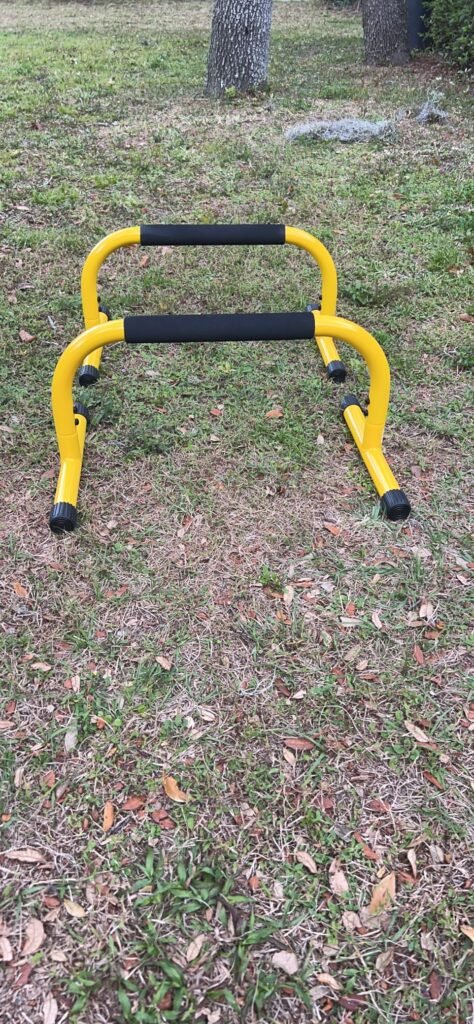
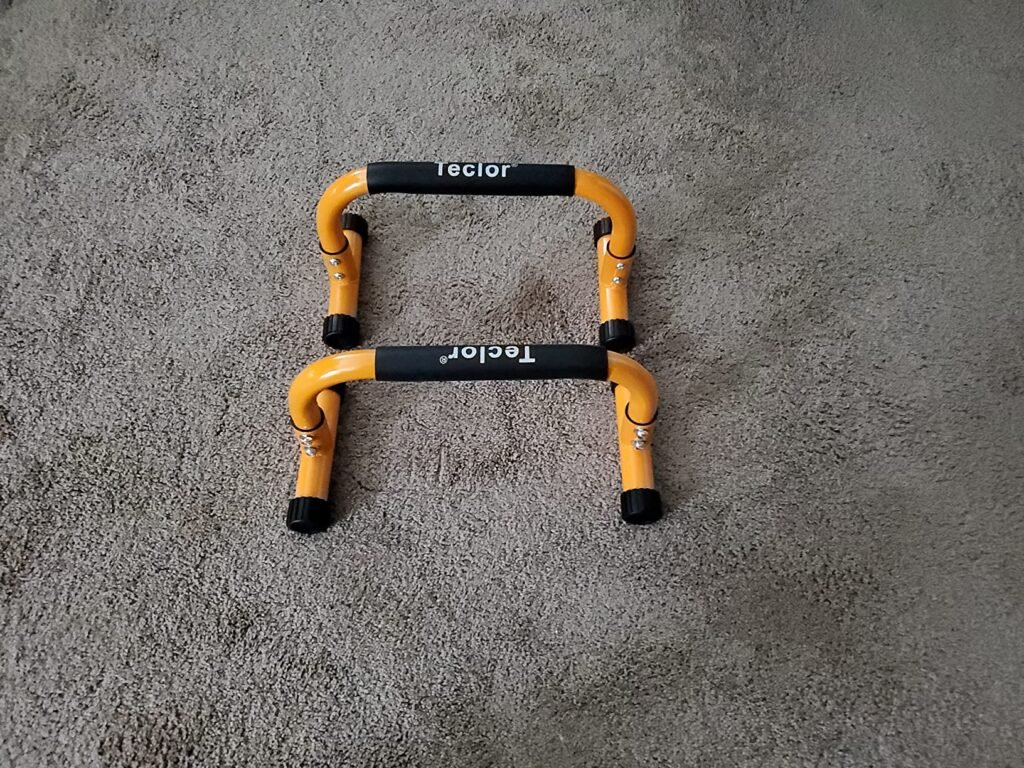
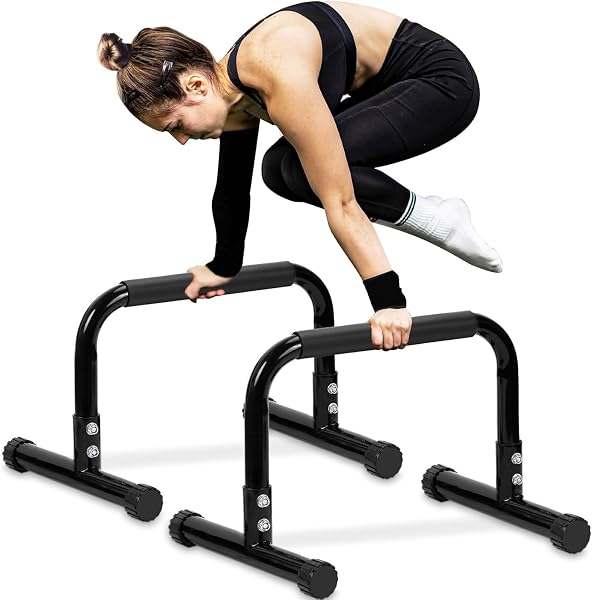
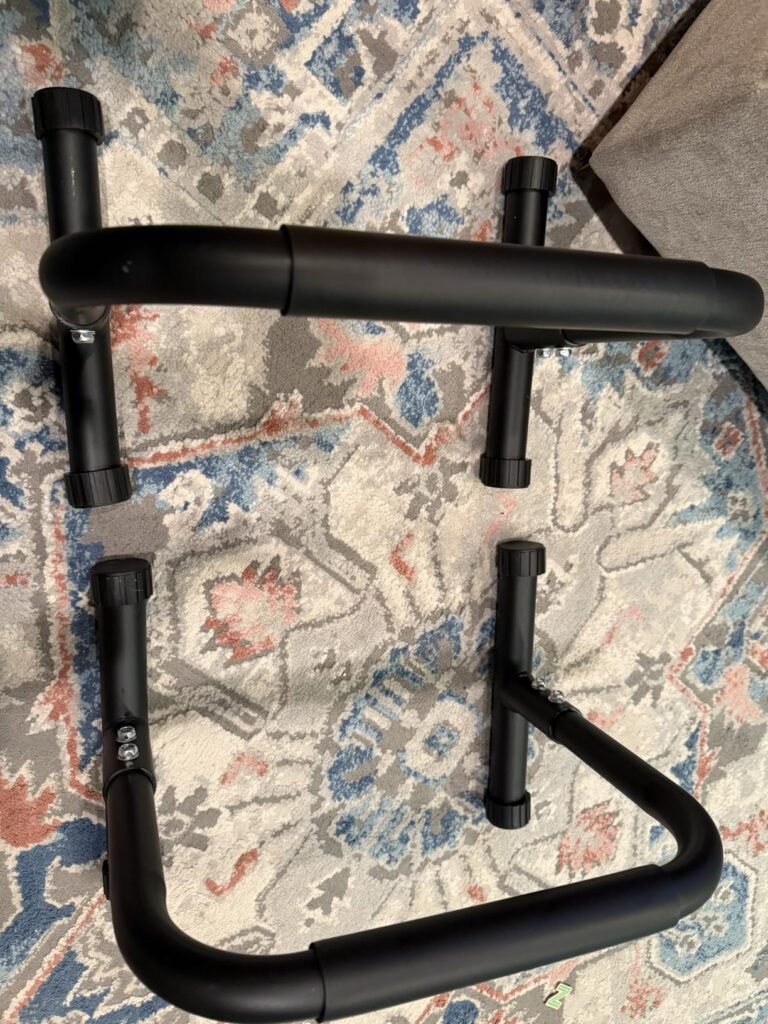
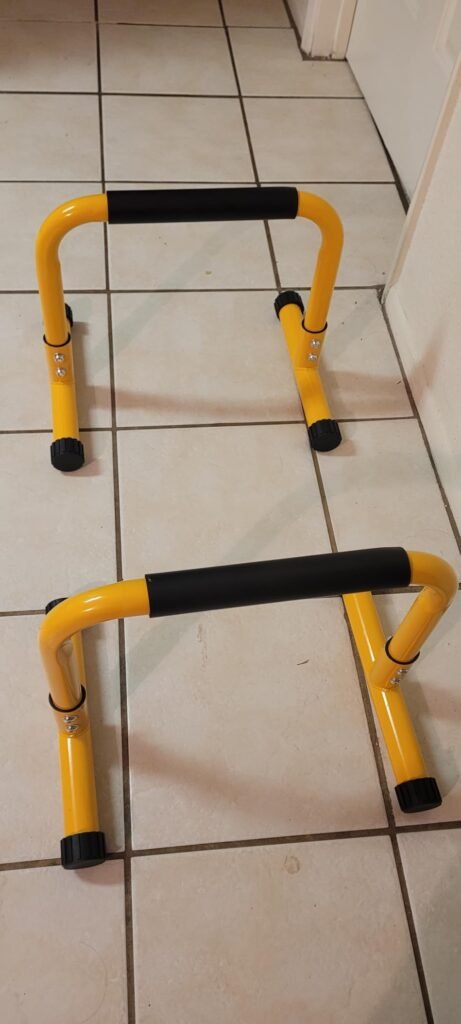
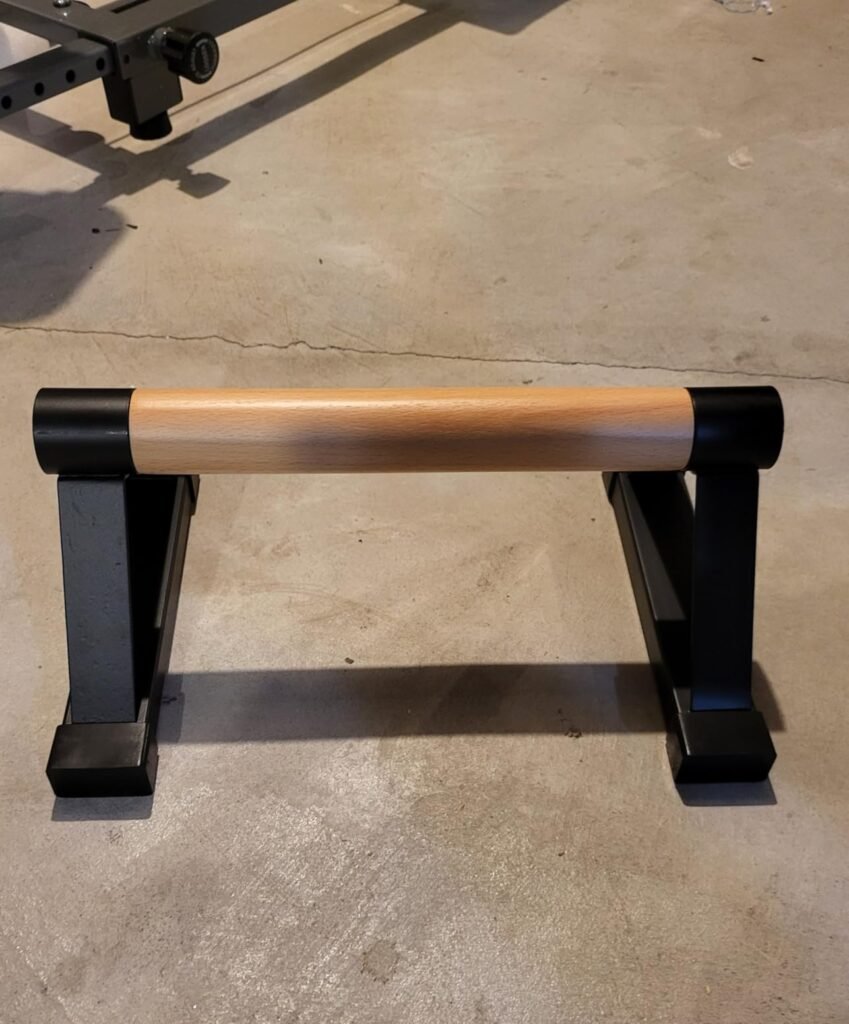
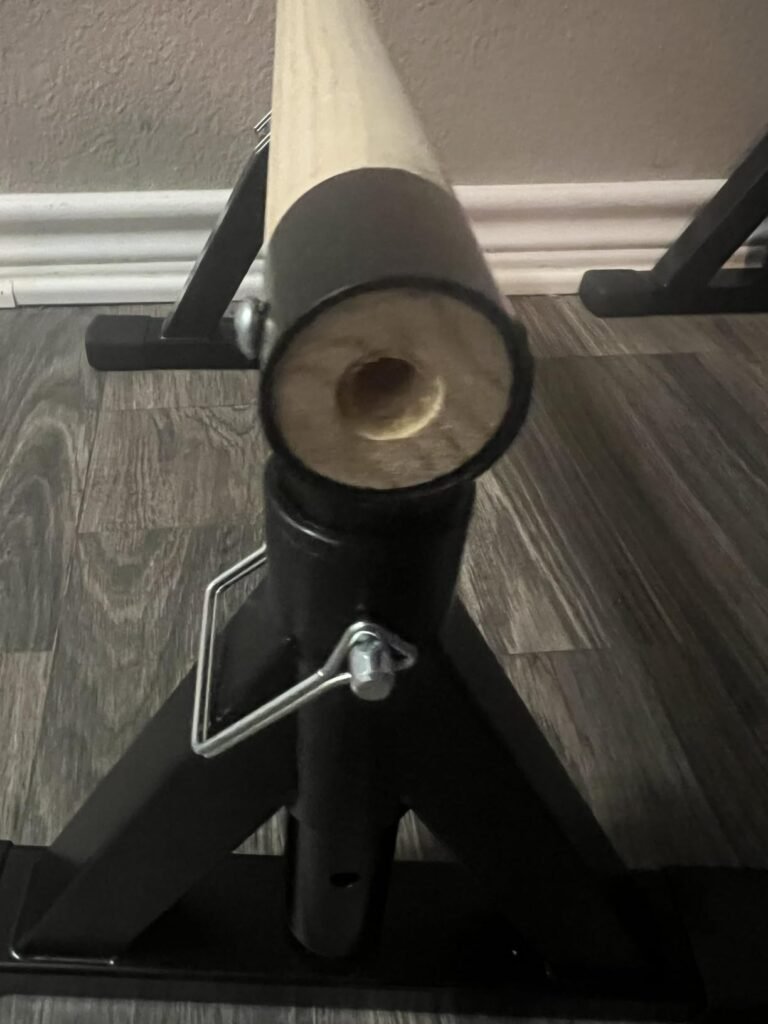
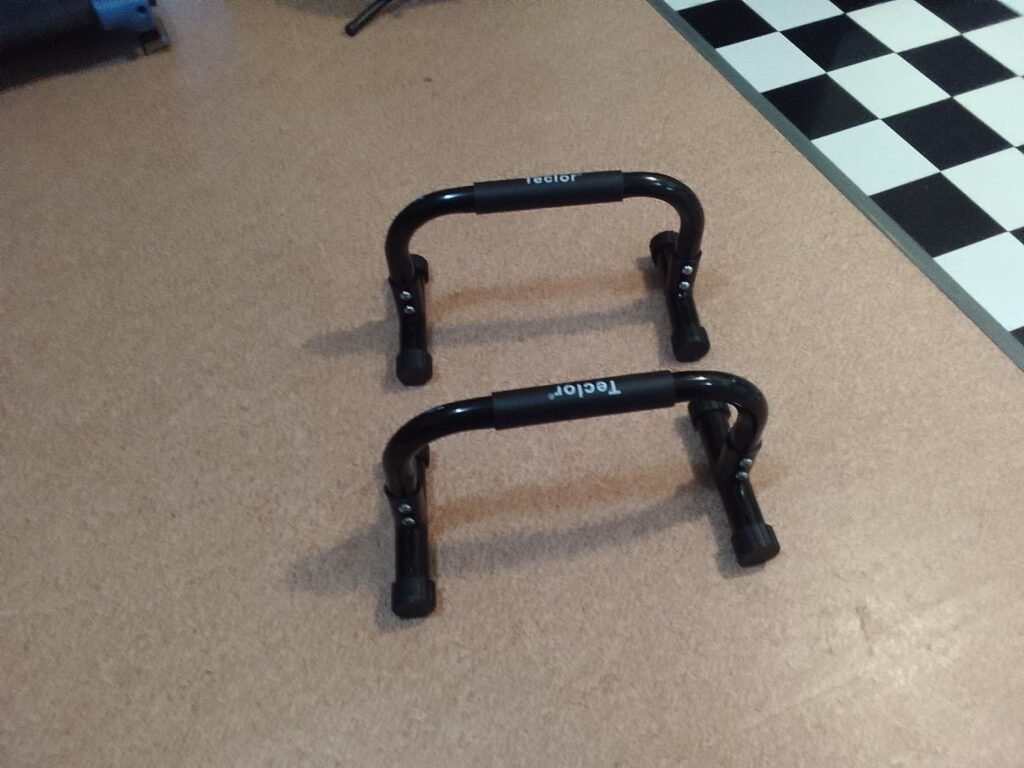
The Teclor Push Up Bar delivers commercial-grade steel construction at a price that undercuts most gym-branded alternatives. The fully welded 2mm steel tube frame supports up to 660 pounds, giving heavier athletes and advanced calisthenics practitioners genuine confidence during weighted variations, planche work, and skill training that puts asymmetric force on the frame.
We may earn a commission when you buy through this link, at no additional cost to you.
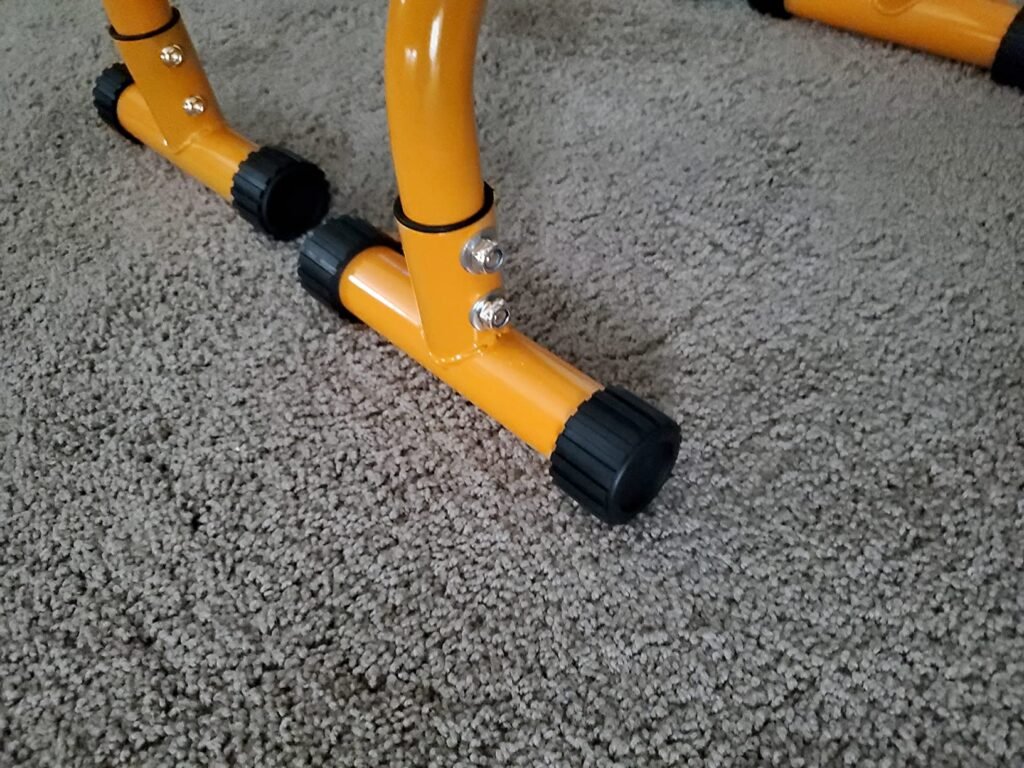
The two-screw side attachment on each bar is a small engineering detail that pays real dividends during use. Single-screw designs common on budget parallettes can develop play over time and cause the handle to rotate under load, which is both distracting and unsafe. Doubling up the fasteners on each side effectively eliminates that failure point, keeping the handle rigid through years of intense sessions.
The 1.5-inch diameter handle with full-length foam covering protects the wrists during high-volume push-up work and improves grip security during sweaty sessions. The textured rubber feet with rotating adjustment let you compensate for uneven garage or patio surfaces, which is genuinely useful when training outside or on older wood floors that have settled unevenly.
Handle rotation under load is one of the most common failure modes on budget parallettes. Single-screw designs create a pivot point that can loosen over time, especially during dynamic movements like planche presses or handstand entries. Two-screw attachments create a rigid connection that resists rotation regardless of how you load the bar, extending the useful life of the equipment significantly.
This is the top pick for budget-conscious calisthenics athletes who want serious build quality without paying premium prices. If you specifically need a taller bar for deeper dips or a natural wood grip for handstand training, other options in this guide will suit you better.
Athletes wanting a taller bar for full-depth ring-style dips or those who prefer natural wood handles.
We may earn a commission when you buy through this link, at no additional cost to you.
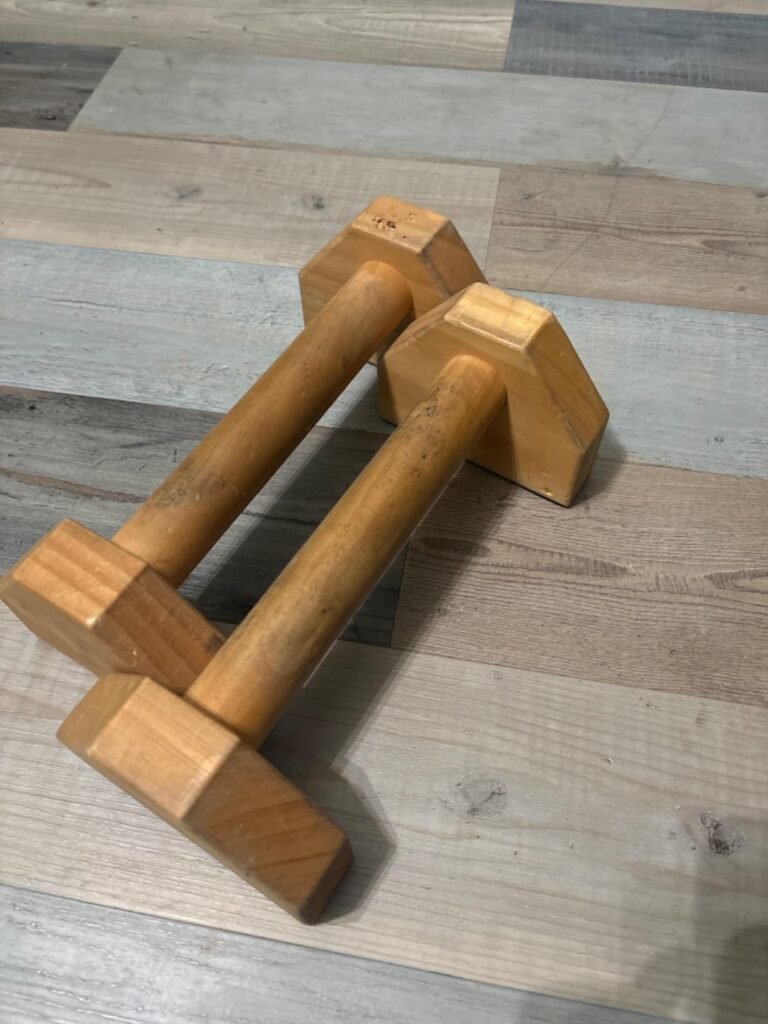
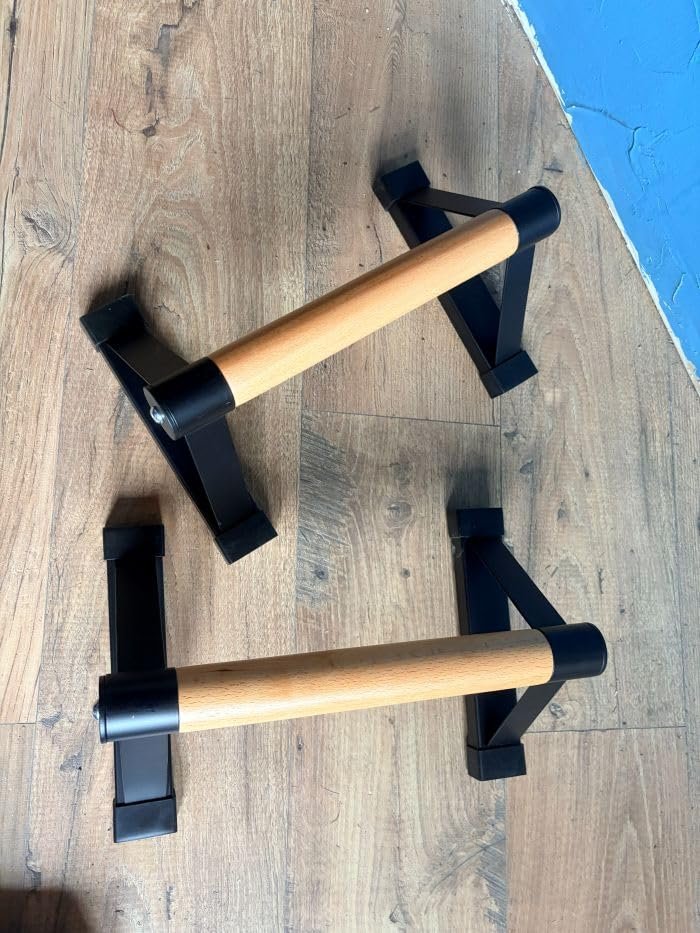
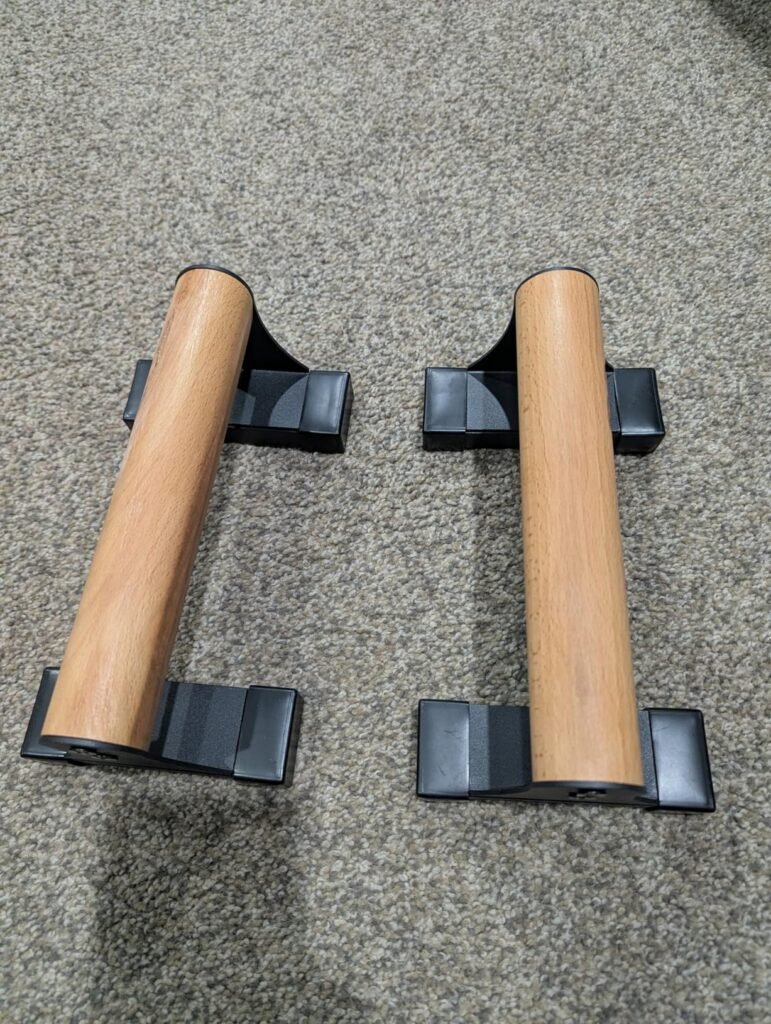
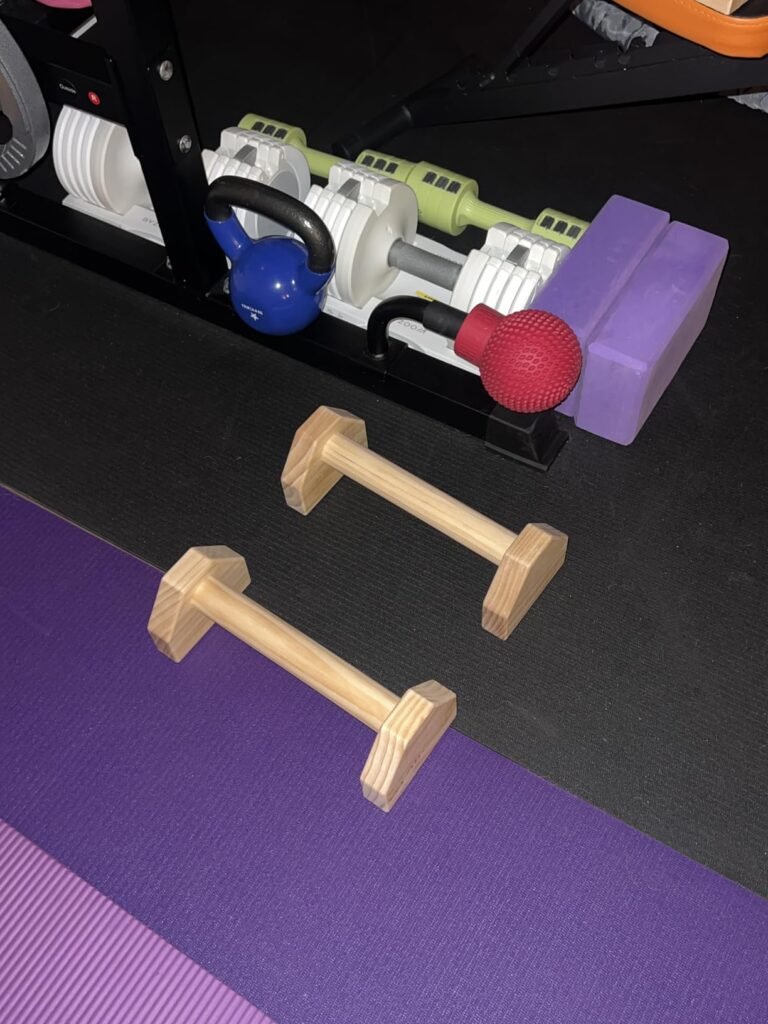
This solid wood push-up stand pair takes the traditional gymnast approach to parallette design, prioritizing natural wood grip and a wide triangular base over metal construction. The 1.57-inch handle diameter gives your fingers room to wrap comfortably without your knuckles brushing the floor during standard push-ups, and the wood texture provides a naturally grippy surface that improves as your hands warm up during training.
We may earn a commission when you buy through this link, at no additional cost to you.
The 440-pound capacity is more than adequate for the vast majority of bodyweight training users, and the wide, low-profile base design resists tipping during dynamic movements like planche progressions and press-to-handstand attempts. Wood construction offers a specific advantage over steel for skill training because it dampens vibration and absorbs the sharper impact forces that steel transmits directly into your wrists.
The narrow-top, wide-bottom triangular structure follows the classic gymnastics equipment design principle that maximizes stability while keeping the grip area comfortable to hold. Non-slip contact points prevent the base from sliding during dynamic movements, and the solid wood construction has a warmth and feel that many calisthenics athletes prefer over foam-wrapped steel handles.
Wood parallettes have been standard equipment in gymnastics for decades because wood absorbs vibration and provides a natural grip that improves with hand chalk. Steel bars transmit shock more directly and can become uncomfortably slippery with sweat unless wrapped in foam or grip tape. For skill-focused training like L-sits, tuck planches, and handstand entries, wood typically feels better in the hands.
This is the smart pick for calisthenics athletes who prefer traditional wood construction and want a pair of low parallettes for L-sits, planche work, and handstand practice. If you need taller bars for dips or specifically want the higher weight capacity of steel construction, other options will fit your needs better.
Athletes wanting taller bars for deep dips or those training in humid environments that could damage wood.
We may earn a commission when you buy through this link, at no additional cost to you.
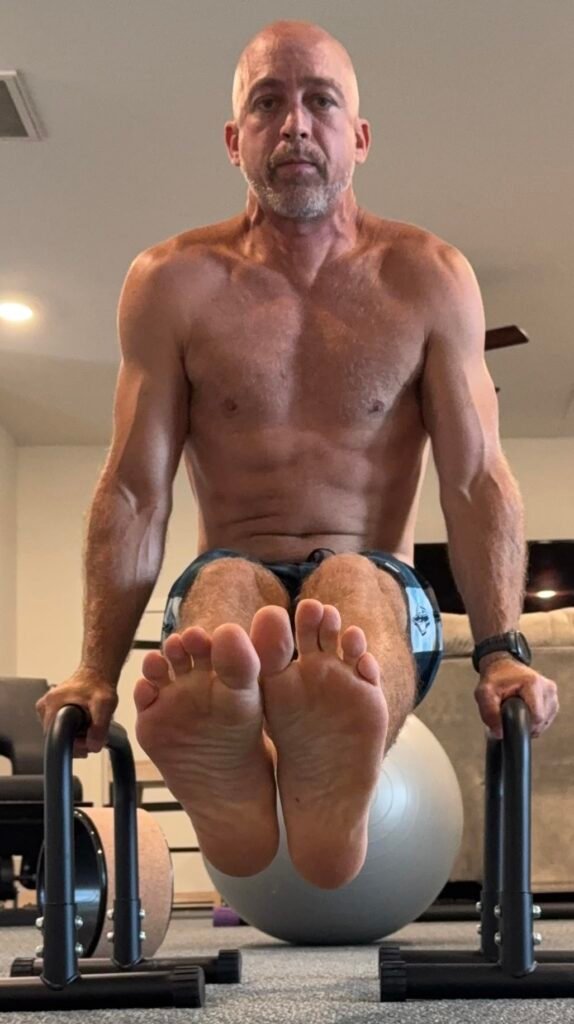
The TABEKE Push Up Bar answers a specific complaint about most parallettes: at 9 or 10 inches tall, they simply do not give you enough clearance for deep dips or full range-of-motion handstand practice. The upgraded 14-inch working height changes what you can train, opening up movements like full ring-dip style bodyweight dips, deeper handstand push-up entries, and expanded push-up variations that shorter bars cannot accommodate.
We may earn a commission when you buy through this link, at no additional cost to you.
The 1.8mm steel construction supports 660 pounds, which is more than enough for weighted variations even at the higher weight ranges. The extended base compensates for the increased height by providing a wider footprint that resists tipping during dynamic movements. High-quality baked paint coating resists the peeling and rust that plague cheaper painted steel bars, particularly important for equipment stored in garages or basements.
The full-length 1.5-inch foam handle covers the entire grip area, preventing the metal from pressing into your palms during long sessions and adding cushioning that reduces wrist fatigue during high-volume work. The adjustable rubber feet with different thicknesses let you rotate them to compensate for uneven surfaces, which matters more than you might think when training on aging wood floors or outdoor patios.
Bar height directly affects which exercises you can perform through full range of motion. A 9-inch bar works fine for push-ups, planche progressions, and L-sits where you do not need clearance below the bar. A 14-inch bar unlocks full-depth dips, handstand push-ups with head clearance, and more comfortable pike push-ups. Match bar height to your training priorities rather than defaulting to the tallest option available.
This is the top choice for calisthenics athletes who want the range of motion that only taller bars provide, particularly for dip-focused training. If you have limited floor space or primarily focus on floor-level skills like L-sits and planche progressions, a lower-profile design will serve you better.
Users with limited floor space or those primarily training floor-level skills like planches and L-sits.
We may earn a commission when you buy through this link, at no additional cost to you.
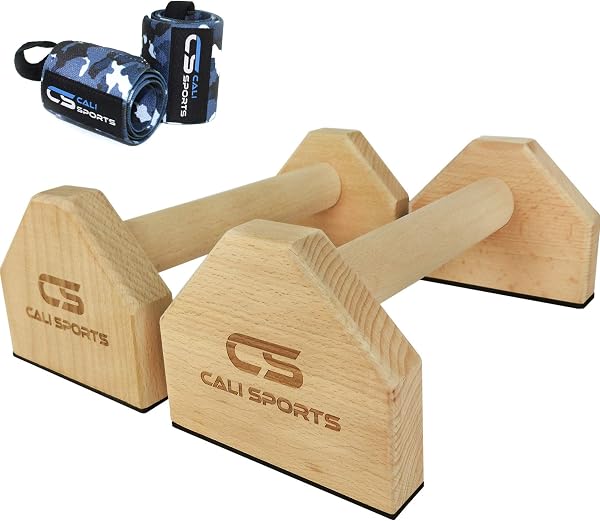
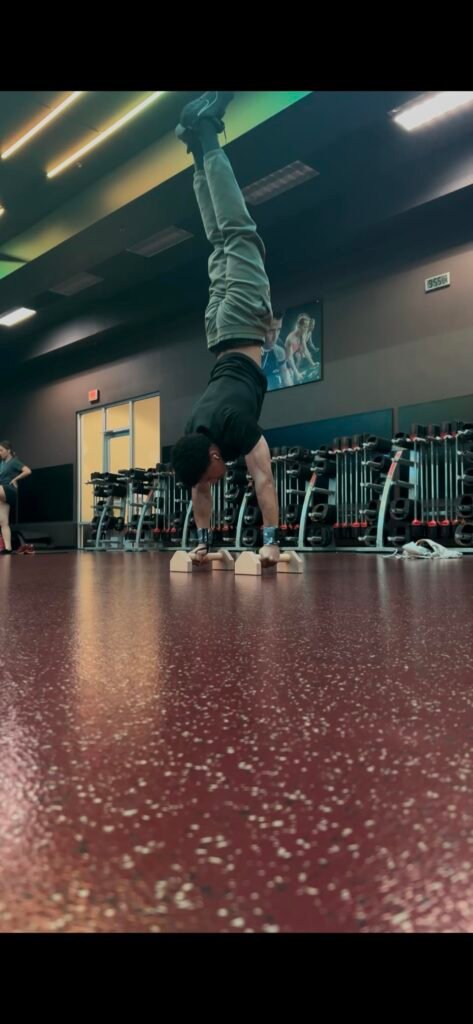
CALI SPORTS focuses on serving the calisthenics community specifically, and this shows in the details of their wood parallettes. The beech wood construction with glued joints and security screws produces a bar that arrives fully assembled and stays rigid through years of use. The alignment is precise enough that the bars sit flat without rocking on any surface, which is critical for handstand practice where any wobble translates into balance corrections mid-hold.
We may earn a commission when you buy through this link, at no additional cost to you.
The wide base design is optimized for stability during dynamic movements like press-to-handstand attempts and planche progressions. Full-length rubber feet run the entire underside of the base rather than just at contact points, distributing weight evenly and preventing slippage on hardwood, tile, or concrete surfaces. This matters most during skill work where a sliding bar can turn a routine training session into an injury risk.
The included wrist wraps address the reality that wooden parallettes at this height put significant load on the wrist joint during handstands and planches. Wraps stabilize the wrist and reduce the risk of overextension, which is one of the most common overuse issues for calisthenics athletes progressing to advanced skills. The bundled wraps eliminate the need to buy them separately as your training progresses.
Many parallettes require you to attach handles to bases with included screws, which can result in play or wobble if not tightened perfectly. Bars that ship glued and pre-assembled eliminate this variability, arriving with the manufacturer’s tolerances built in. For skill-focused training where stability directly affects your ability to hold positions, this factory-assembled precision offers real value.
This is the top pick for serious calisthenics athletes who want a proper wooden parallette from a brand focused on the discipline. If you want a taller bar for dips or prefer the higher capacity of steel construction, other options in this guide will match your needs better.
Athletes needing tall bars for deep dips or those training weighted variations that exceed wood construction limits.
We may earn a commission when you buy through this link, at no additional cost to you.
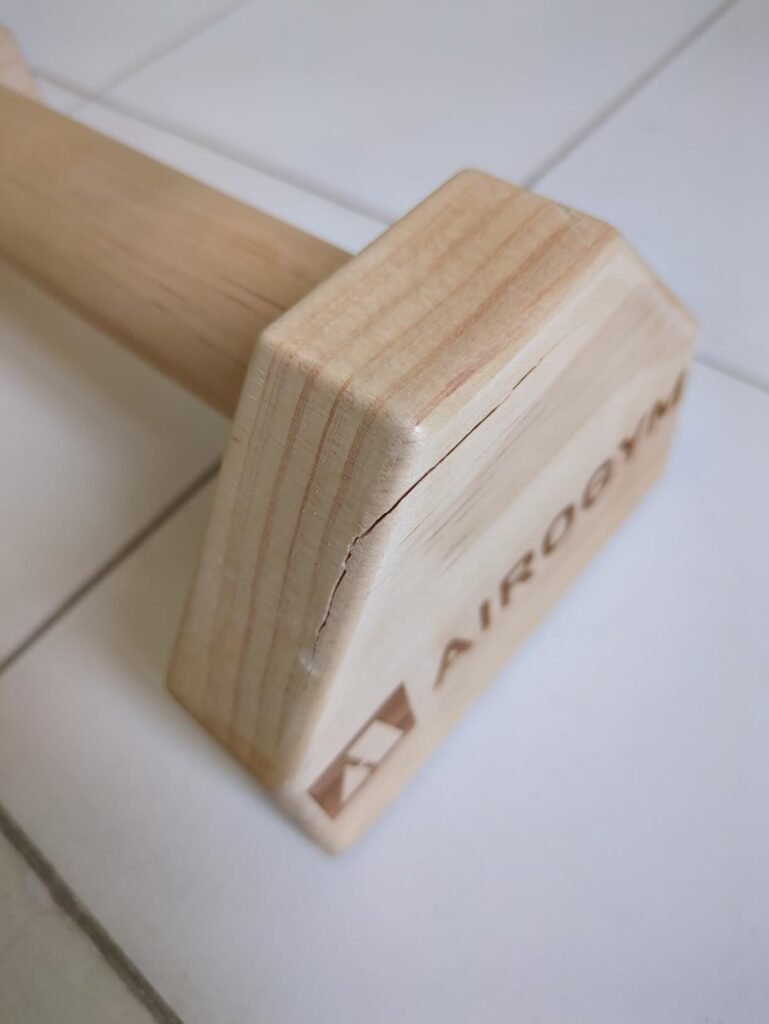
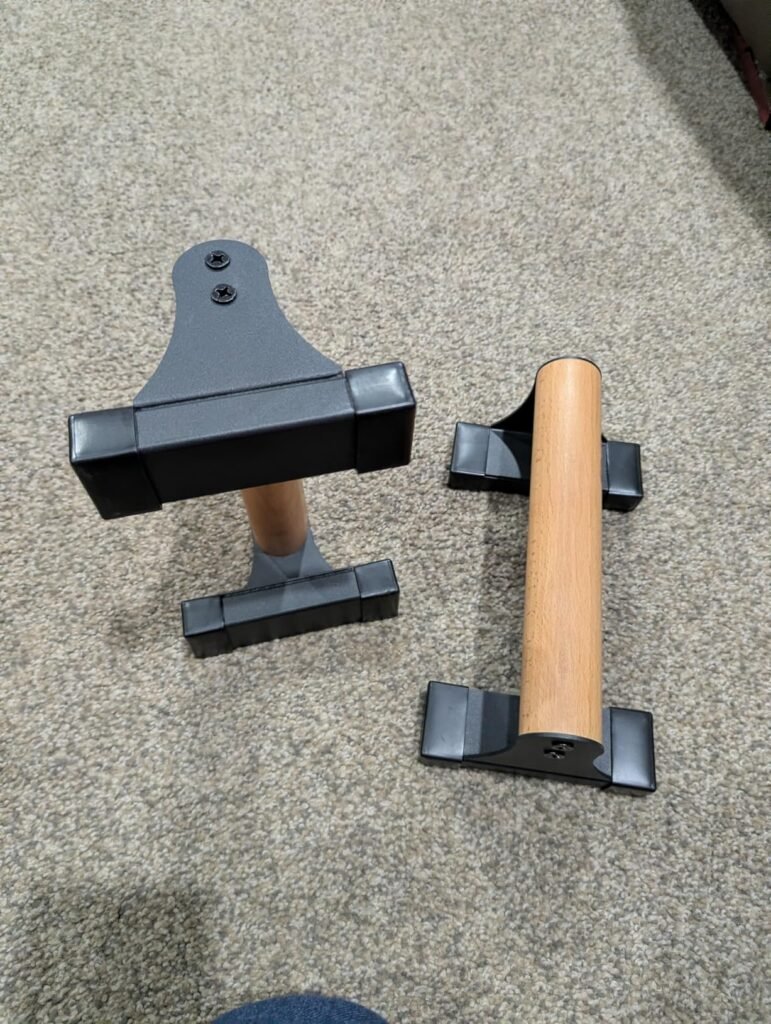
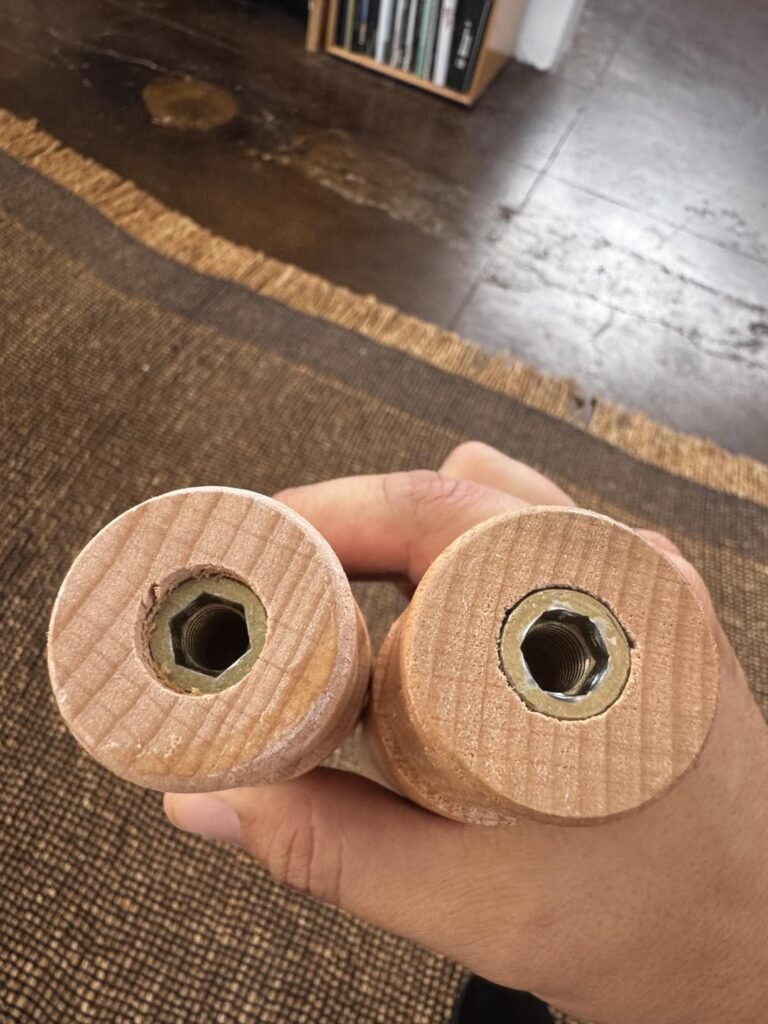
This wooden parallette pair combines the traditional beech wood handle preferred by gymnasts with reinforced metal brackets that boost load capacity to 550 pounds. The hybrid construction addresses the main weakness of pure wood parallettes, which can eventually crack at the joint where the handle meets the base under repeated heavy loading. Metal brackets distribute stress more effectively while preserving the wood grip experience.
We may earn a commission when you buy through this link, at no additional cost to you.
The 1.6-inch handle diameter falls at the comfortable end of the parallette range, giving your fingers room to wrap around the handle without cramping your knuckles against the floor. This thickness works particularly well for extended training sessions where thin handles can cause hand fatigue and reduced grip endurance. The wood grip texture provides natural friction that improves security as your hands warm up.
Soft rubber foot pads increase floor contact area and reduce sliding during exercises, while also protecting hardwood floors from scratches or dents. The detachable structure lets you break down the bars for storage or transport, which matters for home gyms where equipment needs to move between training and non-training states. Assembly is straightforward but requires periodic bolt tension checks to maintain rigidity.
Combining wood handles with metal brackets attempts to deliver the best of both worlds: the natural feel and grip of wood with the load capacity and durability of steel. This approach works well when the metal brackets are properly sized and the bolts stay tight. Check bolt tension every few months as part of routine maintenance to prevent play from developing between the wood and metal components.
This is the smart pick for calisthenics athletes who want traditional wood grips with the higher capacity of reinforced construction. If you want a taller bar for dips or need maximum long-term rigidity, one-piece steel or fully bonded wood designs will serve you better.
Athletes wanting the maximum long-term rigidity of one-piece steel or fully bonded wood designs.
We may earn a commission when you buy through this link, at no additional cost to you.
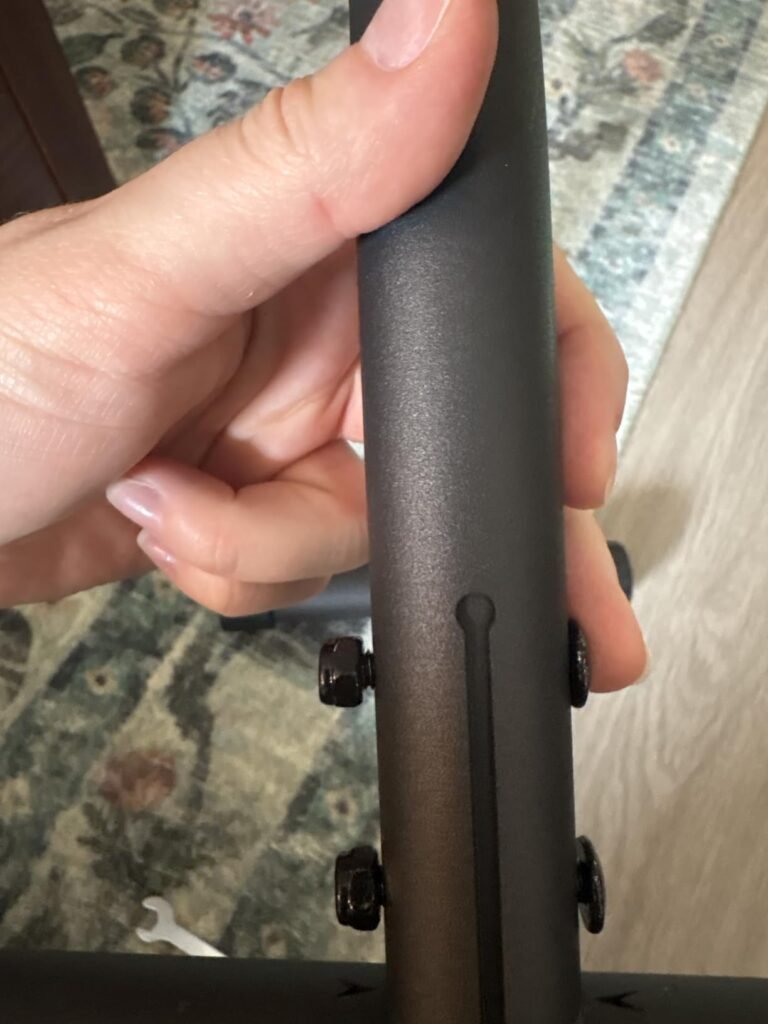
This adjustable parallette design lets you choose between a 10-inch or 12.5-inch working height during assembly, giving you two different training positions from a single pair of bars. The lower setting suits controlled push-ups and floor-level skill work, while the higher setting works better for deeper dips, tuck holds, and L-sit progressions that need extra clearance below the bar.
We may earn a commission when you buy through this link, at no additional cost to you.
The 880-pound weight capacity is the highest in this guide, reflecting a heavy-duty steel frame that handles serious loading without concern. This overbuilt capacity is genuinely useful for weighted calisthenics variations, plyometric push-ups, and any dynamic movement that briefly loads the bar beyond your bodyweight. The stable structure resists wobbling during handstand practice and planche progressions.
The padded foam grips reduce pressure on your palms during longer sessions, and the full-length handle design provides secure hand contact for both men and women. Threaded rubber sleeves on the feet prevent slipping while protecting floors from scratches, and the design maintains stability across common home gym surfaces including hardwood, tile, carpet, concrete, and rubber flooring.
The 2.5-inch height difference between the two settings sounds modest but changes which exercises work best. The lower position keeps you closer to the floor for push-up variations and controlled tempo work. The higher position adds enough clearance for full-depth dips and improved handstand entry angles. If your training regularly includes both types of movements, the adjustability offers genuine value.
This is the smart pick for buyers who want flexibility in bar height without buying two separate pairs. The 4.2 rating suggests some variability in build quality, so check reviews for your specific configuration. If you know you only want one height, fixed-height bars will be more rigid over time.
Athletes wanting a fixed-height design with the highest possible long-term rigidity.
We may earn a commission when you buy through this link, at no additional cost to you.
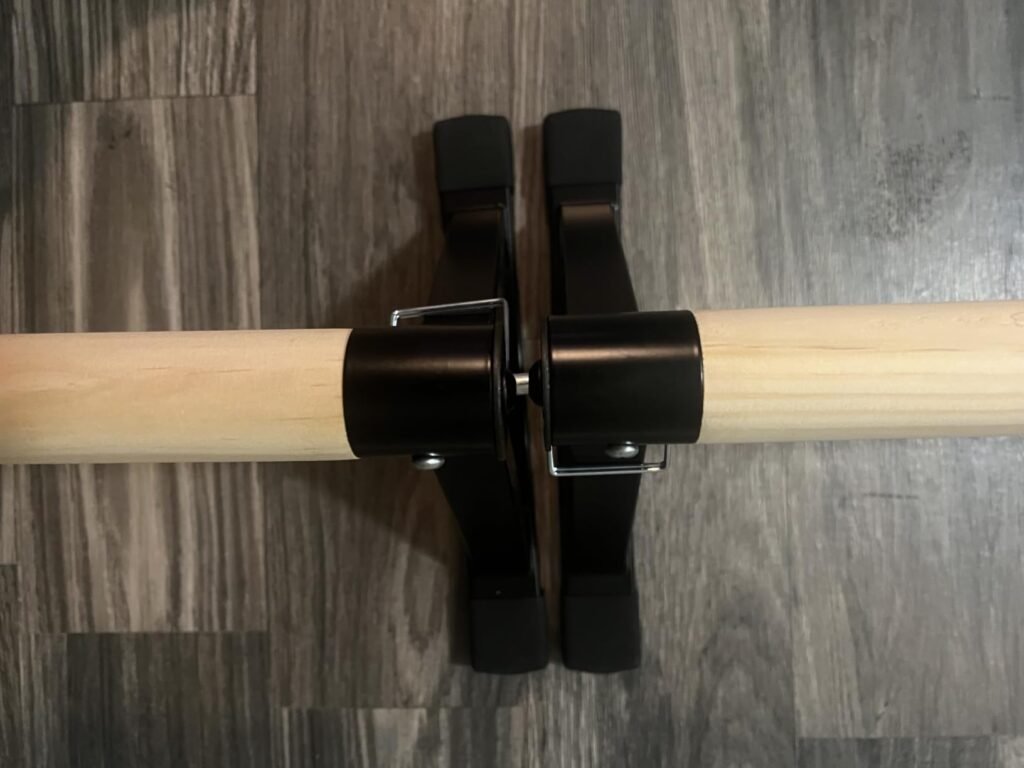
The GanFindX Wooden Parallel Bars combine the natural wood grip that gymnasts prefer with a heavy-duty alloy steel base that adjusts through multiple height settings from 10 to 14 inches. This adjustability range covers everything from controlled floor-level push-up work to deep dip variations that lower-profile bars cannot accommodate, giving one pair of parallettes the versatility of multiple fixed-height designs.
We may earn a commission when you buy through this link, at no additional cost to you.
The 600-pound capacity handles serious loading, and the alloy steel base provides the structural rigidity that pure wood constructions sometimes lack under heavy dynamic loads. Wooden handles offer the natural sweat-absorbent grip that makes long training sessions more comfortable than metal or foam-wrapped bars, particularly during high-humidity summer training or extended calisthenics sessions.
The anti-slip base keeps the bars firmly in place during dynamic movements, preventing the frustration and safety issues that come with parallettes that slide during handstand entries or planche attempts. The wooden handles are more skin-friendly than metal alternatives and reduce the wrist strain that thin metal bars can cause during extended sessions.
Fixed-height parallettes limit you to one specific range of motion, while adjustable designs let you match the bar height to the exercise. Lower heights work best for L-sits, planche progressions, and standard push-ups. Higher heights unlock full-depth dips, comfortable handstand entries, and pike push-up variations. If your training regularly spans this range of movements, adjustable bars provide real functional value beyond convenience.
This is the smart pick for calisthenics athletes who want a wood grip experience with adjustable height in a single purchase. Assembly requires a drill or screwdriver, so factor in setup time. If you want no-assembly convenience or the maximum stability of one-piece construction, other options will suit you better.
Buyers who want ready-to-use bars without any assembly or drill work.
We may earn a commission when you buy through this link, at no additional cost to you.
The Double Circle Parallettes take an unconventional approach with an oval-shaped handle design that departs from the round cross-section common to most parallettes. This ergonomic shape follows the natural angle of the wrist during pressing movements, reducing the extension angle that round handles force and helping prevent the wrist strain that plagues calisthenics athletes as they progress to advanced skills.
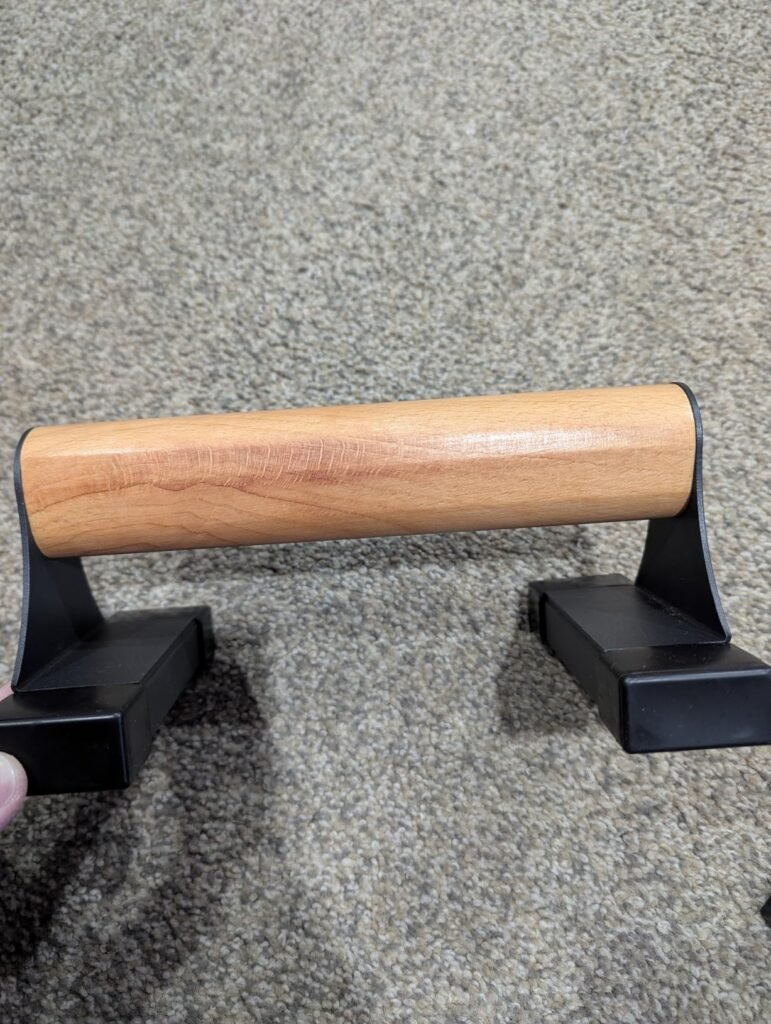
We may earn a commission when you buy through this link, at no additional cost to you.
The 4-inch low profile height keeps the center of gravity close to the floor, providing exceptional stability for L-sit progressions and planche work where the bar needs to remain absolutely stationary during held positions. This low profile also enables deeper push-up range of motion than taller bars, letting your chest travel further below your hands for improved muscle activation in the chest and shoulders.
The patented base design uses a wide, wobble-free footprint that resists tipping during dynamic movements, and the wooden handle construction provides a natural grip that improves as your hands warm up during training. The oval handle cross-section takes a session or two to adjust to if you have used round bars previously, but most users report reduced wrist pain once they adapt.
Round handles force the wrist into a specific extension angle during pressing movements, which can cause discomfort during long sessions or advanced skill work. Oval handles let the wrist find a more natural angle, distributing pressure across a wider contact area and reducing the point loading that causes wrist pain over time. This ergonomic benefit matters most for high-volume training and progression toward advanced calisthenics skills.
This is the top pick for calisthenics athletes focused on L-sits, planche progressions, and floor-level skill work who value ergonomic wrist positioning. If you primarily want to train dips or need higher bars for handstand practice, taller-profile designs will suit your training goals better.
Athletes focused on dip training or those wanting a taller bar for handstand practice with head clearance.
We may earn a commission when you buy through this link, at no additional cost to you.
Selecting the right push-up bar depends on your training goals, body weight, floor surface, and space constraints. This section covers the key factors that separate parallettes you will use daily from those that end up gathering dust.
The most fundamental decision when choosing parallettes is the primary material. Wood parallettes, particularly those made from beech or oak, offer a natural grip that absorbs sweat and improves as your hands warm up during training. Gymnasts and calisthenics athletes traditionally prefer wood because it dampens vibration and feels more natural during skill work like handstands and planche progressions. The downside is that wood can crack under sustained heavy loading and may deteriorate if stored in damp conditions.
Steel parallettes offer higher weight capacities, greater long-term durability, and better resistance to environmental conditions. They handle weighted variations better and resist the wear that accumulates on wood over years of use. However, bare steel becomes uncomfortably cold in unheated garages and slippery when your hands sweat, which is why most steel parallettes wrap the handles in foam or neoprene. The foam wrap is a wear item that eventually needs replacement.
For skill-focused calisthenics training, wood typically feels better in the hands. For heavy loading, weighted variations, or maximum long-term durability, steel construction with foam or neoprene grips is the smarter choice.
Handle height dramatically affects which exercises you can perform through their full range of motion. Low bars in the 4 to 6-inch range work well for L-sits, planche progressions, and standard push-ups where you do not need clearance below the bar. These low-profile designs offer maximum stability during held positions and enable deeper push-up range of motion than taller bars. However, they cannot accommodate full dips or handstand training with head clearance.
Medium-height bars in the 9 to 12-inch range provide versatility that works for most calisthenics training, including push-up variations, L-sits, tuck planches, and shallow dips. This is the most common height range and suits general calisthenics training well. Taller 12 to 14-inch bars unlock full-depth dips, comfortable handstand push-ups with head clearance, and improved pike push-up angles, at the cost of slightly reduced stability due to the higher center of gravity.
Match handle height to your training priorities. If you primarily focus on floor-level skill work, choose a low-profile design. If dip training and full-range handstand practice matter, invest in a taller bar or an adjustable design that covers both.
Handle diameter affects grip comfort, endurance, and wrist positioning during exercises. Thin handles under 1.25 inches force your fingers into tight flexion and can cause hand fatigue during long sessions or high-rep work. Thick handles at 1.5 to 1.6 inches distribute pressure across your palm more evenly and reduce the point loading that causes hand discomfort over time. Very thick handles above 2 inches can be difficult to grip securely for smaller hands.
The 1.5-inch diameter is the sweet spot for most calisthenics athletes because it provides room for your fingers to wrap comfortably without cramping while still allowing a secure grip. Foam or neoprene covering on steel bars adds effective diameter without changing the underlying handle size, which is why most well-designed steel parallettes end up at similar total grip thickness as premium wooden bars.
For high-volume training or long sessions, prioritize handle diameter around 1.5 inches with foam or neoprene coverage. For dedicated skill training on wooden bars, natural wood grips at 1.5 to 1.6 inches offer the best balance of comfort and control.
Base stability directly affects safety during dynamic movements and skill training. Narrow bases can tip under asymmetric loading, which turns a routine training session into an injury risk. Wide bases provide the stability needed for handstand practice, planche progressions, and dynamic push-up variations where force is applied unevenly across the bar. Look for base widths that extend well beyond the handle to create a stable footprint.
Non-slip design keeps the bars in position during exercises. Full-length rubber feet running the entire underside of the base distribute contact area and prevent sliding on hardwood, tile, or concrete surfaces. Adjustable feet with different thicknesses on the same bar let you compensate for uneven floors, which matters more than you might think in older homes and garage gyms. Threaded rubber sleeves resist the tearing that can happen when bars are dragged across floors.
Prioritize wide bases with full rubber contact if you plan to train on smooth floors or perform dynamic movements. For simpler push-up work on carpet, base design matters less because the friction of the carpet naturally prevents sliding.
Weight capacity ratings on parallettes range from 400 pounds on quality designs up to 880 pounds on overbuilt heavy-duty models. The rated capacity should exceed your body weight by a comfortable margin because dynamic movements like planche attempts and press-to-handstand entries briefly load the bar with more than your static bodyweight. A general rule is to buy bars rated at least 150 percent of your body weight.
Build quality shows in the details: welded versus screwed connections, thickness of the metal tubing, quality of the wood joinery, and precision of the base alignment. Welded steel construction offers the highest long-term rigidity but cannot be disassembled for storage. Screwed assemblies allow disassembly but require periodic bolt tension checks to prevent play from developing over time. Fully bonded wood construction avoids fastener issues but limits load capacity.
For most home gym users, 400 to 660-pound capacity bars deliver more than adequate performance. Heavier athletes or those doing significant weighted variations should invest in the higher capacity ratings from the start.
Parallettes vary in how easily they store and transport. One-piece welded steel bars offer maximum rigidity but take up dedicated floor or shelf space when not in use. Detachable designs with screwed assemblies break down for compact storage and travel, which matters if you train in multiple locations or need to store equipment out of sight between sessions. Full-wood bars typically fall between these extremes, offering some disassembly options depending on the design.
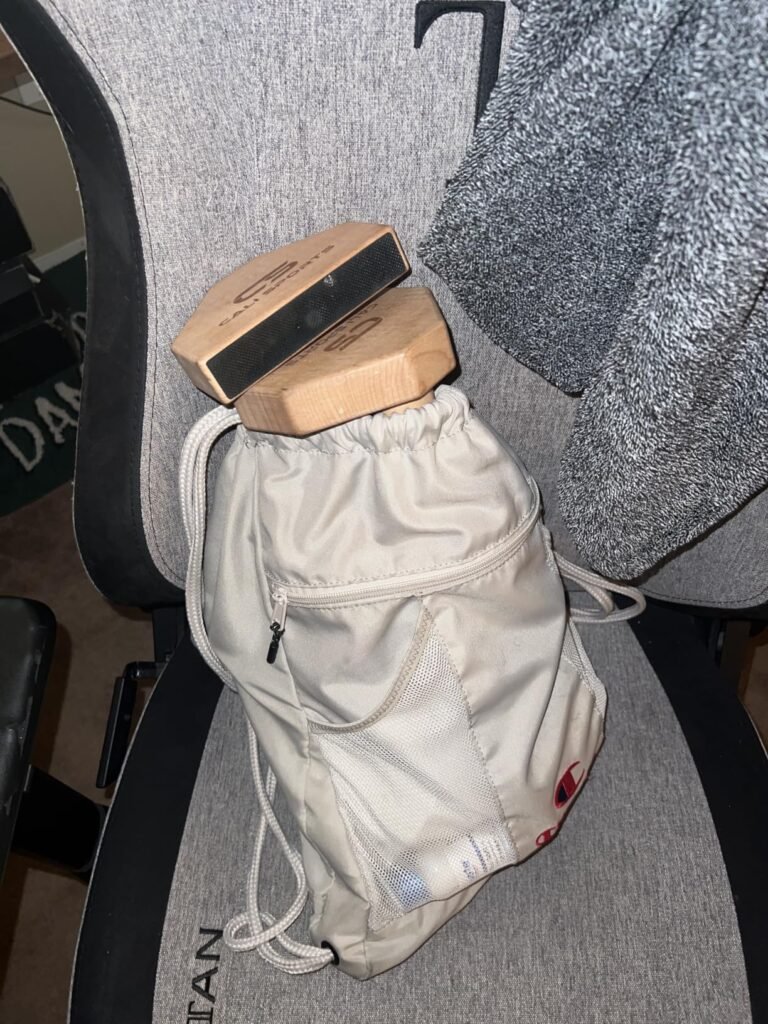
For home use, storage size and shape matter more than travel portability. Consider whether the bars will fit on a closet shelf, under a bed, or in a corner of the garage. For calisthenics athletes who travel for competitions or outdoor training, detachable designs with quick assembly become genuinely valuable. Some brands include carrying bags or storage cases with premium models.
If you have dedicated gym space, prioritize one-piece rigidity. If you need to store or transport your bars regularly, detachable designs offer real value despite the trade-off of requiring periodic bolt maintenance.
Set up your parallettes on a flat, stable surface with enough clear space around them for the exercises you plan to perform. For push-up variations, position the bars slightly wider than shoulder width to enable full range of motion. For L-sits and planche progressions, place them where you have visual reference points like walls or a mirror to check your body position. On smooth floors, verify that the non-slip base pads are clean and free from dust that could reduce grip. On carpet, ensure the pile is not so deep that it destabilizes the base.
Maintain wooden parallettes by keeping them dry and protected from environmental extremes. Store them indoors rather than in humid garages or basements where moisture can cause the wood to swell or crack. Wipe down the handles after sweaty sessions to prevent moisture penetration, and periodically inspect the joints for signs of loosening or damage. Steel parallettes with foam grips should have the foam checked periodically for tears or wear, as compromised foam exposes the metal underneath and reduces grip security.
Check bolted assemblies every few months and re-tighten hardware as needed to prevent play from developing between components. This routine maintenance is particularly important for detachable designs where connections can loosen over years of use. Store the bars in a dry area away from direct sunlight, which can degrade foam grips and wood finishes over time. With proper care, quality parallettes provide reliable service for many years of daily calisthenics training.
The terms are often used interchangeably, but parallettes traditionally refer to gymnast-style bars used for skill work like L-sits, planches, and handstands. Push-up bars typically describe simpler handles designed primarily for push-up variations. In practice, most modern equipment marketed as either name can be used for both purposes, though gymnast-style parallettes tend to be more stable for skill work.
For general calisthenics training including push-ups, L-sits, and tuck planches, 9 to 12 inches works well. For dedicated skill training focused on planche progressions and floor-level work, lower bars around 4 to 6 inches offer maximum stability. For dips and handstand training with head clearance, 12 to 14-inch bars provide the necessary range of motion.
Wooden parallettes offer natural grip that absorbs sweat and feels comfortable during skill work, which is why gymnasts traditionally prefer them. Steel parallettes provide higher weight capacities and better long-term durability but require foam or neoprene grip coverings. Choose wood for dedicated skill training and steel for heavy loading or weighted variations.
Yes, but bar height matters significantly. Low parallettes at 4 to 9 inches allow only shallow dips, while 12-inch or taller bars enable full-depth dips. Taller bars like the 14-inch TABEKE model provide the clearance needed for full range of motion dip training that matches the depth of parallel bar dips at the gym.
Buy parallettes rated at least 150 percent of your body weight to account for dynamic loading during skill work. For most users, a 400-pound capacity is more than adequate. Heavier athletes or those doing weighted variations should invest in 600-pound or higher capacity designs. Overbuilt capacity provides long-term rigidity even under sustained heavy use.
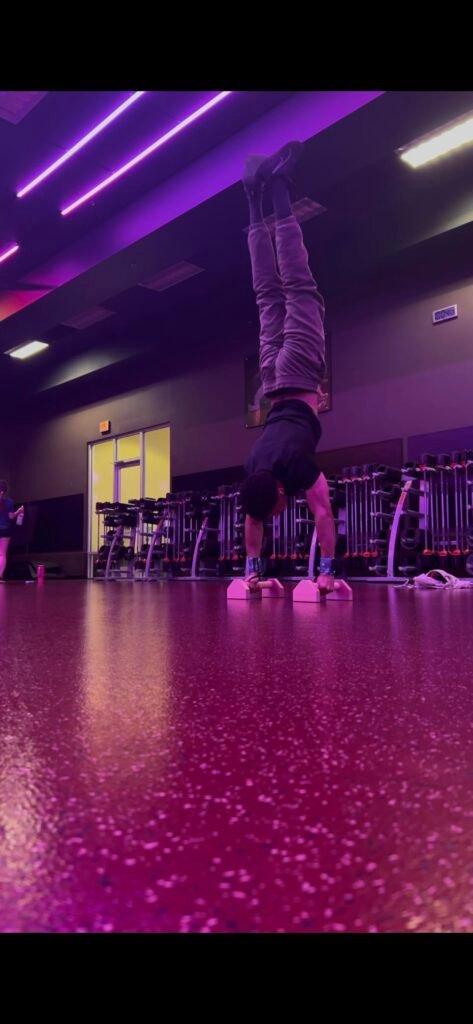
Wrist wraps are not required for basic push-up training but become genuinely helpful when progressing to advanced skills like planches, handstands, and press-to-handstand entries. These movements put significant load on the wrist joint at maximum extension. If you plan to train advanced calisthenics skills, quality wrist wraps stabilize the wrist and reduce injury risk.
Parallettes themselves are compact, but the exercises you perform on them need clear space. For push-up variations, allow at least a 6-foot area. For handstand practice, you need at least 8 feet of clearance in the direction you might fall. L-sits and planche progressions require less space but benefit from a wall behind you for spotting.
Yes, parallettes are excellent for beginners because they enable exercises that build shoulder stability and wrist strength gradually. Start with basic push-ups on the bars to reduce wrist strain compared to floor push-ups, then progress to more advanced movements as your strength develops. Lower-profile bars are more forgiving for beginners than taller models.
Look for bars with full-length rubber feet rather than just contact points at the ends. Threaded rubber sleeves that can be rotated to adjust for uneven floors provide additional grip security. Clean both the floor and the rubber feet regularly to remove dust that reduces friction. Yoga mats or rubber training mats underneath the bars add another layer of slip resistance if needed.
Quality parallettes can last 10 years or more with proper care and regular maintenance. Wooden bars need protection from moisture and temperature extremes. Steel bars require periodic checks on foam grip condition and bolt tension for detachable designs. Buying quality construction from reputable brands is the best predictor of long-term durability.
The Lebert Fitness Parallettes stand out as the strongest overall choice for serious calisthenics athletes who want proven gym-grade equipment from a trusted brand. The alloy steel construction with reinforced welds, comfortable neoprene grips, and 12-inch working height cover the vast majority of training needs, and the 4.8 rating reflects consistent satisfaction across thousands of users.
For traditional calisthenics athletes who prefer wooden bars, the CALI SPORTS Wood Parallettes deliver handcrafted beech wood construction with a wide stability base and included wrist wraps that make them ready for advanced skill training. Athletes who need higher weight capacity and extra dip depth should consider the TABEKE 14-Inch Bars, while budget-conscious buyers will find genuine value in the Teclor Push Up Bar or the affordable wooden push-up stand.
Your best choice ultimately depends on your training focus and body weight. Match handle height to the exercises you actually train, choose material based on your grip preferences and durability needs, and prioritize base stability if you plan to progress to advanced calisthenics skills. The right parallettes remove friction from your training routine and support progression toward whatever bodyweight goals you set for yourself.