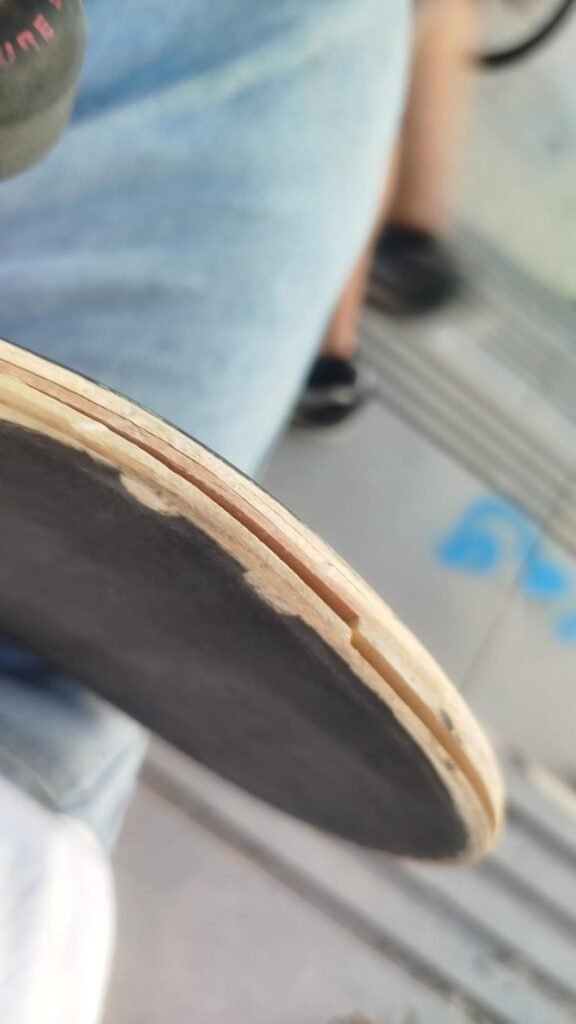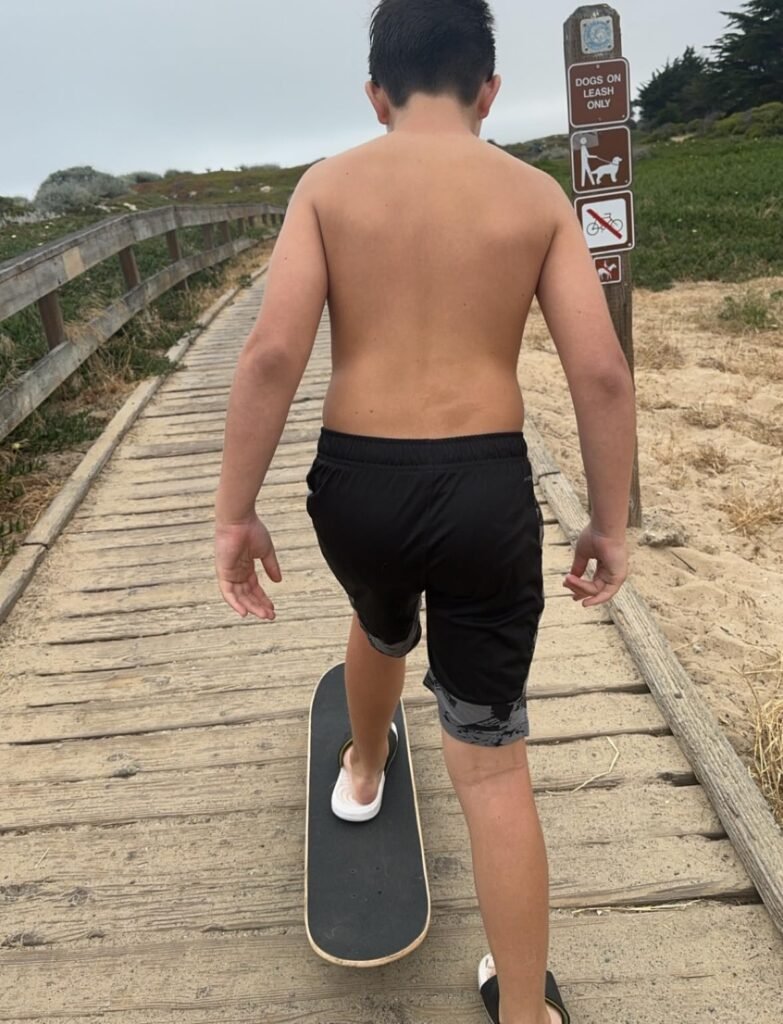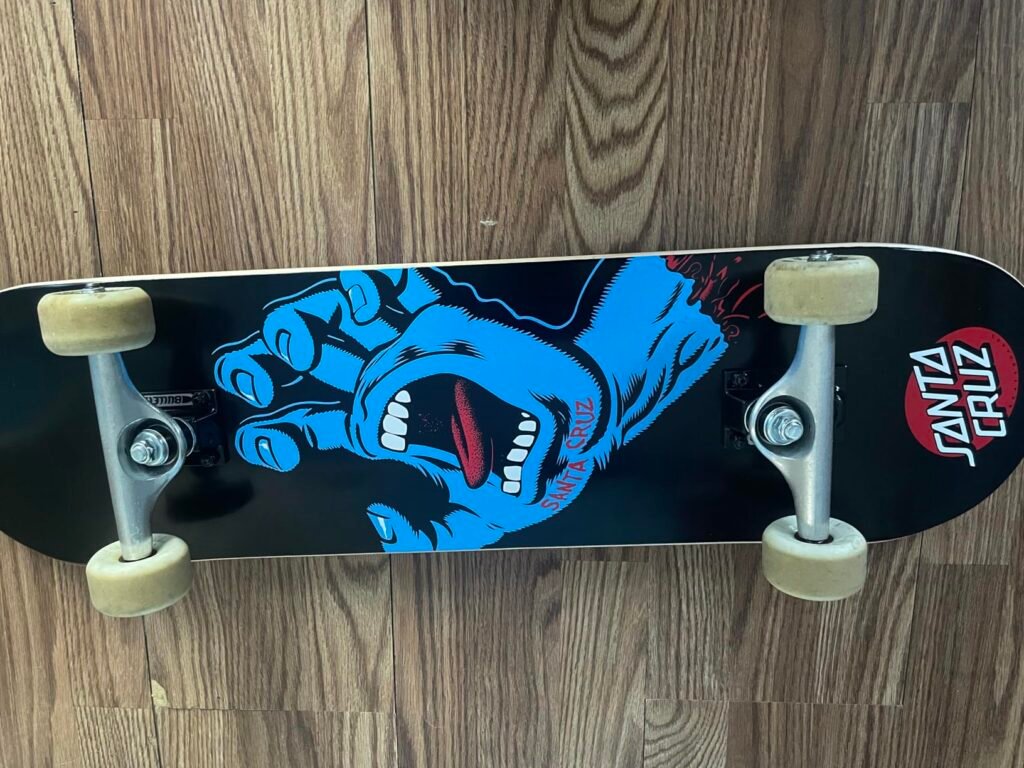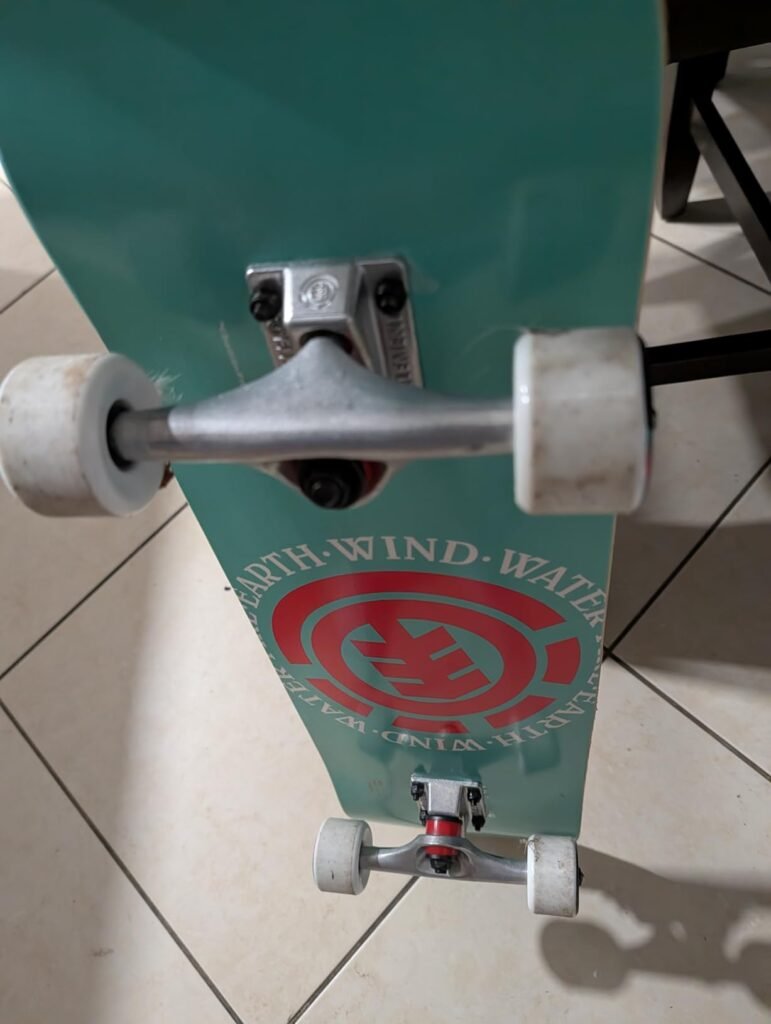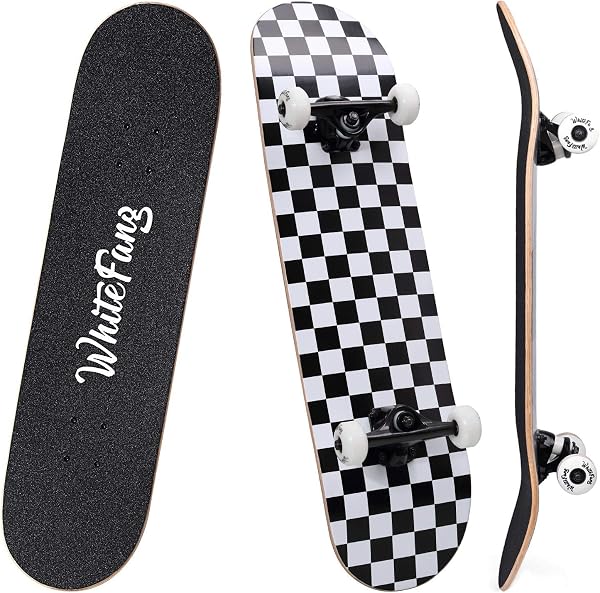
WhiteFang Beginner Board
9.2Editor score31.75×7.88 inch deck
7-layer Canadian maple
ABEC-9 bearings
95A PU wheels
Find the right skateboards for 2026. We compare 9 standout options by build quality, useful features, owner feedback, value, and everyday trade-offs.
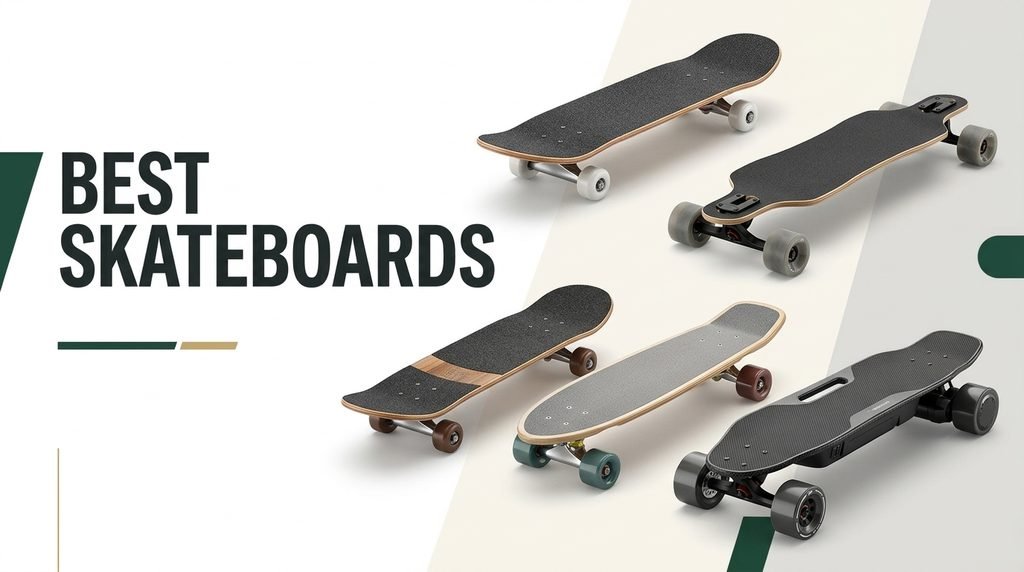
Find the right skateboards for 2026. We compare 9 complete boards by the factors that genuinely matter in this category, including deck ply and materials, truck responsiveness, wheel hardness, bearing precision, deck width and wheelbase, brand pedigree, rider skill level, intended terrain, and the everyday value each package delivers straight out of the box.
The differences between skateboards can be significant even when the shape looks familiar. A 7-ply Canadian maple deck rides differently from a 9-ply cold-pressed board, and bearing ratings from ABEC-5 to ABEC-9 affect roll speed and smoothness. Wheel durometer, truck alloy, and concave depth all shape how a board feels under your feet.
This guide breaks down each complete setup so you can match a skateboard to your experience level, riding style, and budget. Read on to see which options offer the strongest combination of build quality, component pedigree, and honest value for cruising, tricks, or park sessions.
We compared 9 complete skateboards using the details that genuinely help a rider decide: deck ply and wood type, deck width and wheelbase, truck construction, wheel diameter and durometer, bearing precision, concave shape, weight capacity, brand pedigree, and out-of-box value. The notes focus on practical trade-offs so each pick connects to how skaters actually cruise, learn tricks, session parks, and progress from beginner setups to more advanced street and transition boards.


Compare key features, scores, and current prices side by side. A shorter feature list means fewer details were available, not necessarily fewer capabilities.






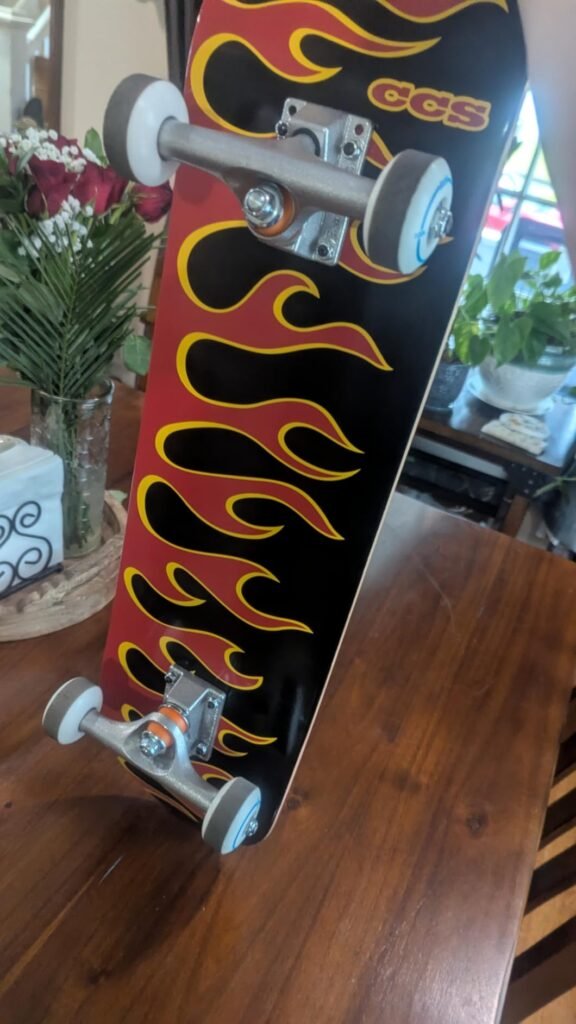
The CCS complete earns the top spot in this guide with a 4.7 average rating and a package that genuinely bridges the gap between beginner and pro-tier setups. CCS has been a respected name in skateboarding retail for decades, and their in-house complete brings that catalog experience into a well-priced, well-specced ready-to-ride board suitable for skaters at every stage.
We may earn a commission when you buy through this link, at no additional cost to you.
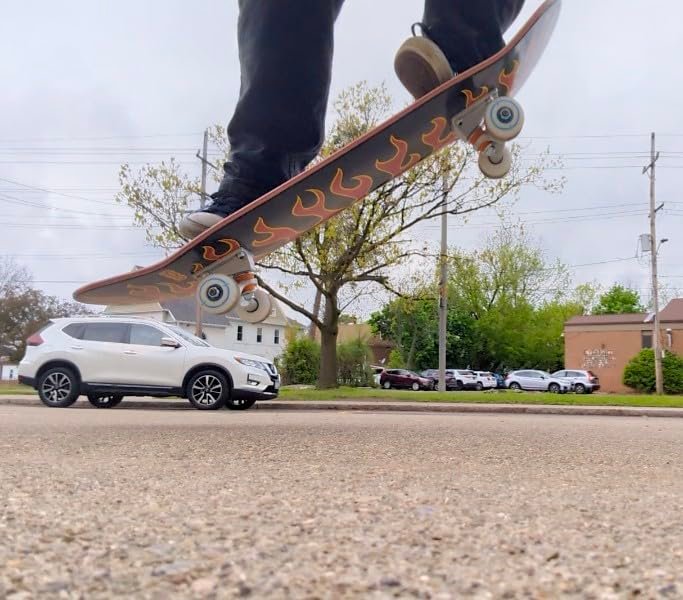
The 7-ply Canadian maple deck uses a symmetrical double-kicktail shape that works equally well for cruising and trick skating. This traditional construction offers reliable pop and durability, and the 52mm 100A wheels sit at the harder end of the durometer scale, which favors slides, technical tricks, and smooth-surface skating over rough-terrain comfort. The professional-grade steel trucks are notably sturdier than the aluminum alloy trucks common on beginner boards.
The ABEC-7 precision bearings are a real upgrade over the typical ABEC-5 configuration, and they contribute to a smoother, faster roll that experienced skaters immediately appreciate. What genuinely sets this package apart is the inclusion of an actual skate tool and sticker pack alongside the board. Getting a skate tool bundled means you can make truck adjustments and hardware repairs from day one, which is a small but meaningful upgrade to the ownership experience.
Skate tools are inexpensive but essential for adjusting truck tightness, tightening loose hardware, and replacing worn parts. Having one included with your complete means you can dial in the ride feel immediately and handle basic maintenance without an extra purchase. For beginners, this eliminates the common frustration of realizing they need additional gear before they can properly customize their board.
This complete works for all skill levels, from beginners who want a board that will grow with them to intermediate skaters who want a solid setup without hunting down individual components. The steel trucks and harder wheels favor smoother terrain and technical skating, so if you plan to ride rough streets a lot, softer wheels might serve you better. For overall value and out-of-box quality, this is the strongest all-around pick in the guide.
Riders who prefer softer wheels for rough pavement cruising or the absolute lightest possible aluminum trucks.
We may earn a commission when you buy through this link, at no additional cost to you.
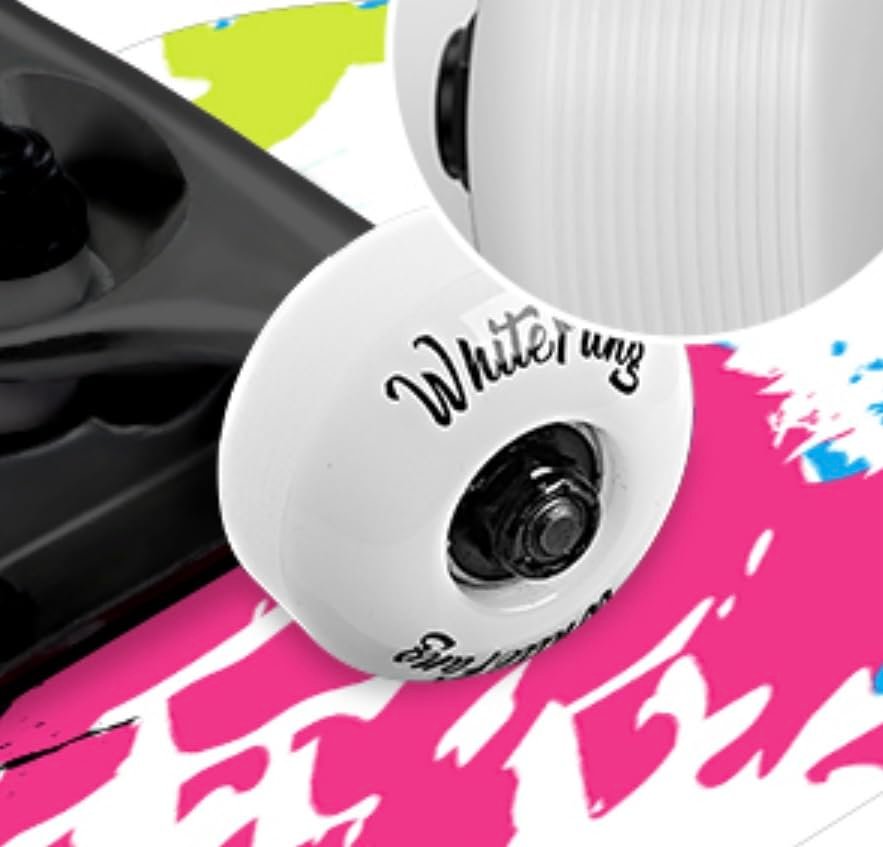
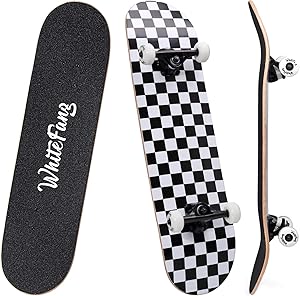
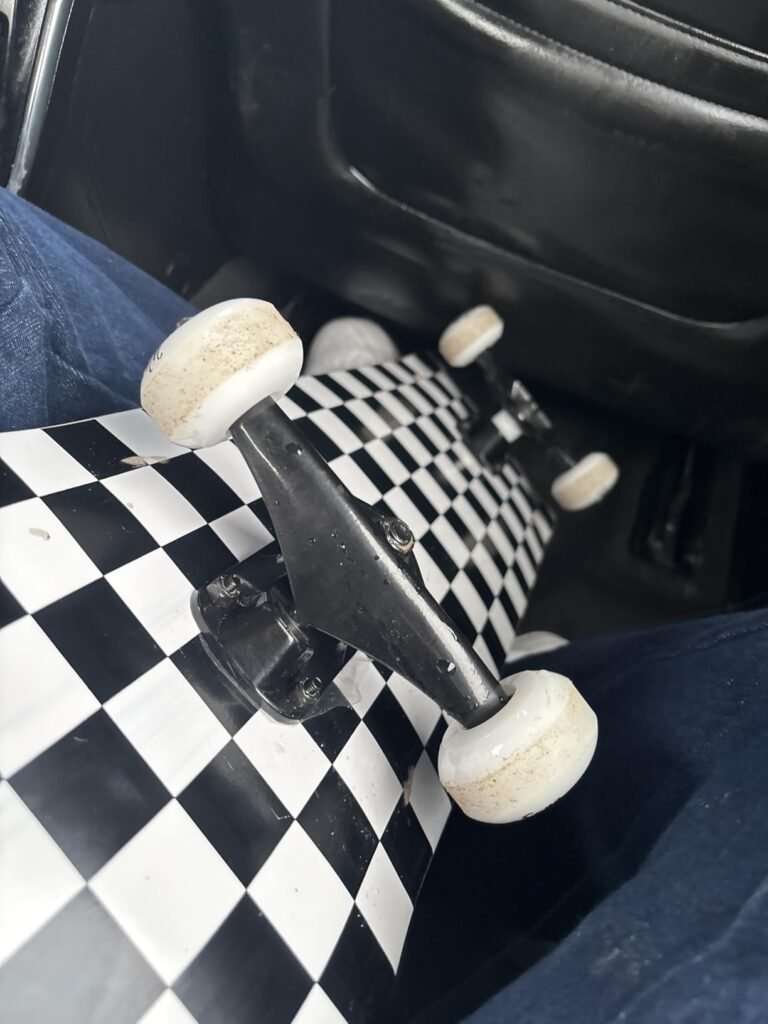
The WhiteFang complete board is aimed squarely at first-time skaters and parents who want a legitimate full-size setup without stretching the budget. At 31.75 by 7.88 inches, the deck falls into the standard adult range, and the 7-layer Canadian maple construction with a double-kick concave gives beginners a shape they can grow into rather than one they will outgrow after learning to push and turn.
We may earn a commission when you buy through this link, at no additional cost to you.
For the price point, the component specs are surprisingly ambitious. ABEC-9 rated bearings sit on the higher end of what you find in this bracket, and while ABEC ratings are only part of the smoothness equation, the pairing with 95A high-rebound PU wheels and matching bushings does produce a noticeably better roll than the very cheapest boards. The 5-inch magnalium alloy trucks handle typical beginner weight and turning input without obvious flex.
Practical touches make this board a friendly starter kit. The 220-pound weight capacity comfortably supports teens and most adults, so it works as a household board that multiple family members can share. The high-density emery grip tape provides confident foot traction from the first push, and the fact that it arrives fully assembled removes a common barrier for buyers who do not own a skate tool yet.
Weight capacity is one of the most overlooked specs for beginner skateboards. A 220-pound rating means the deck can handle adult riders and the impact of learning drops or ollies without early stress cracks. If a household board might be borrowed by parents, older siblings, or friends, this margin is more useful than a lightweight kids-only rating.
The tradeoff is that the components come from generic sources rather than established skate brands, which affects long-term replaceability and resale value. If you want a straightforward complete board to learn the basics on and you are not sure whether skating will stick, this is one of the better value options. Serious progression to advanced tricks will eventually justify upgrading to brand-name components.
Advanced skaters seeking pro-grade branded components or riders who prioritize graphics quality over price.
We may earn a commission when you buy through this link, at no additional cost to you.
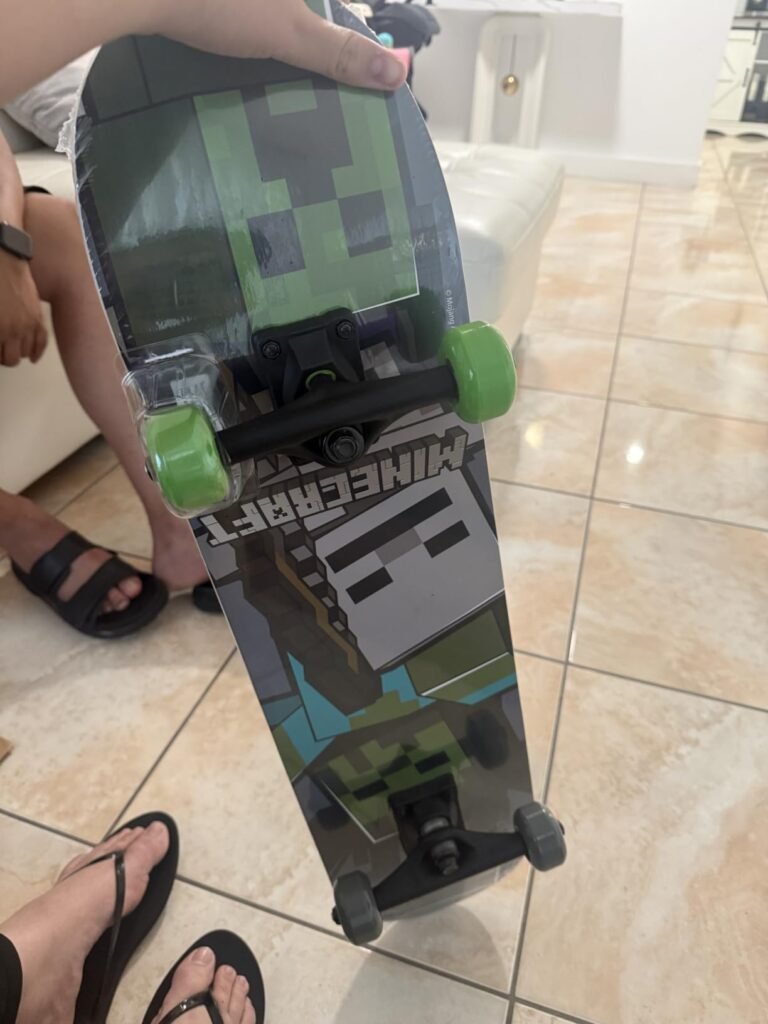
This Minecraft complete board leans into what actually gets young beginners excited: a graphic they connect with. For kids ages six and up who already love the game, the deck art turns what could feel like a generic starter board into something they want to ride. That motivational factor is genuinely important because kids who love their board practice more and progress faster.
We may earn a commission when you buy through this link, at no additional cost to you.
Underneath the graphic, the specs are solid for the price. The 9-ply cold-pressed Canadian maple deck is thicker than many beginner boards and provides good pop and durability, which matters when a young rider is learning to drop off curbs or attempt first ollies. The 5-inch aluminum alloy trucks and polyurethane wheels are the standard configuration you find on most complete skateboards at this level, and they roll smoothly on pavement and driveways.
The ABEC-5 bearings are appropriate for the target rider and terrain. Higher ABEC ratings offer marginal smoothness gains but rarely justify the price bump for casual cruising. The board arrives fully assembled with grip tape already applied, so parents can hand it over immediately without hunting down tools or figuring out truck installation. That out-of-box readiness is a real gift-giving advantage.
For young beginners, the deck graphic often determines how enthusiastic they are about picking up the board. Licensed themes work well when the child is genuinely obsessed with a specific game or character. If your kid’s interests shift often, consider a bolder generic graphic or pro-model deck that grows with them and looks more like the boards their friends have.
The main tradeoff is that themed graphics can date quickly as kids move on to new interests. If your child is deeply into Minecraft right now and just wants to start skating, this board delivers that emotional hook alongside a legitimate maple construction. Kids without a specific franchise attachment may be better served by a neutral-graphic board they will keep enjoying over the years.
Older teens or adults, and kids who prefer neutral pro-model graphics they will keep long-term.
We may earn a commission when you buy through this link, at no additional cost to you.
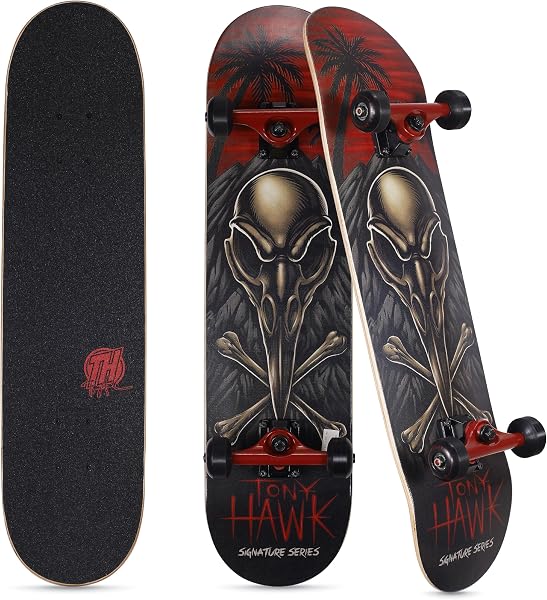
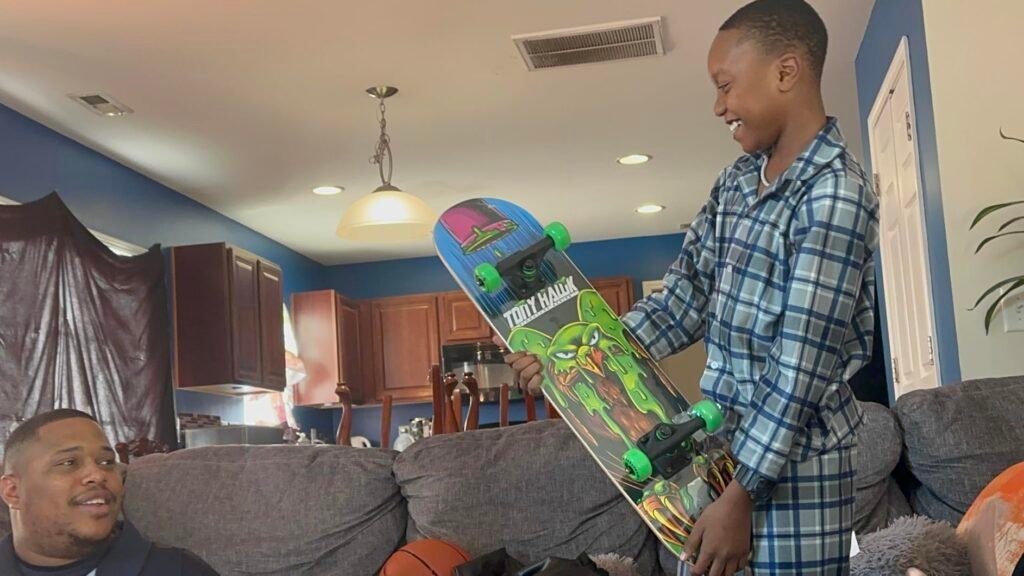
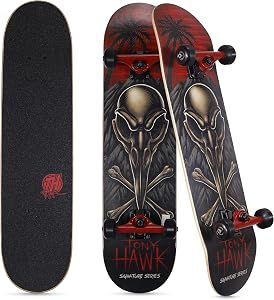
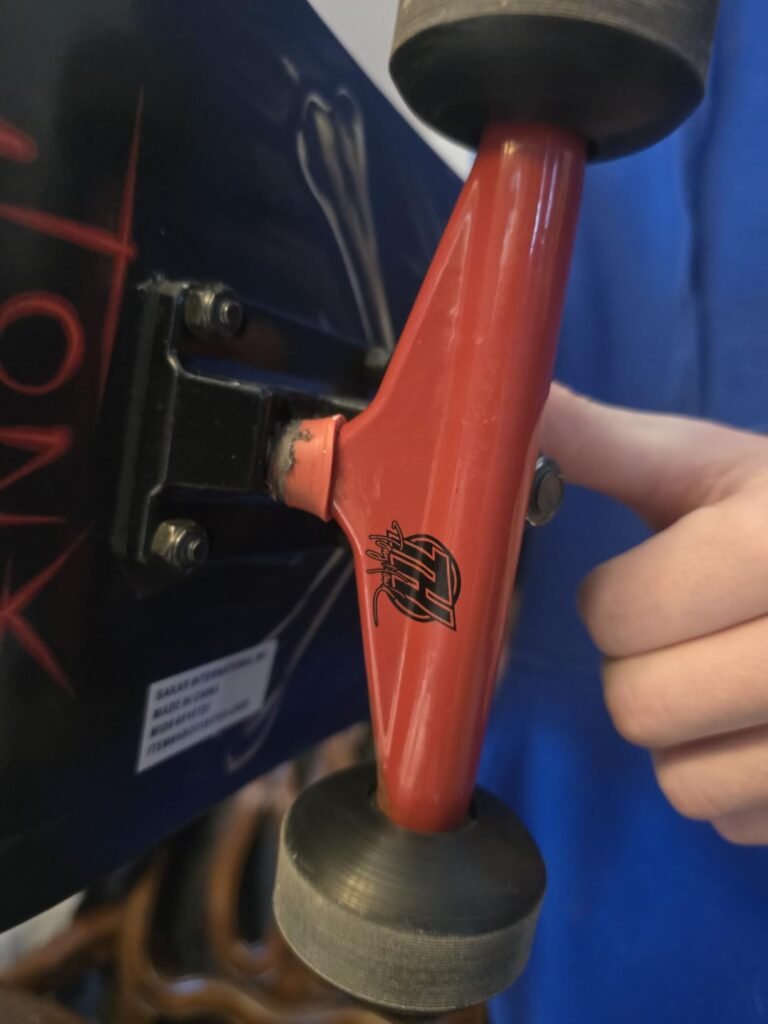
The Tony Hawk Signature Series 4 leverages one of the most recognizable names in skateboarding to deliver a complete board that appeals to beginners of all ages. For young riders who look up to Tony Hawk from video games and skateboarding media, having his signature series board is a meaningful motivator that can help sustain interest through the frustrating early learning curve.
We may earn a commission when you buy through this link, at no additional cost to you.
Construction quality matches what you find on the better licensed boards. The 9-ply cold-pressed Canadian maple deck offers strong pop and durability, which supports both cruising and early trick attempts. The 31-inch length and standard shape put it in the sweet spot for kids and smaller teens learning to push, turn, and eventually ollie. Grip tape is high-quality and gives confident foot placement from the first ride.
Component choices are practical rather than pro-level. The 5-inch aluminum alloy trucks handle turning input from beginners without notable slop, and the ABEC-5 bearings deliver a smooth roll appropriate for pavement cruising. This board will not replace an authentic Birdhouse pro model for advanced trick progression, but it is not trying to. It is designed to be an approachable first board with recognizable branding.
Licensed boards use recognizable names and graphics but typically pair them with mid-tier components. Pro-model boards from actual skate brands like Birdhouse, Powell Peralta, or Element carry more skater credibility and often include better-quality decks and hardware. For a first board, licensed products offer real motivational value. For serious progression, pro models from established skate brands make more sense.
Choose this board if you have a young beginner who idolizes Tony Hawk and wants a board that reflects that. As skills advance and progression demands better components, riders can upgrade to legitimate pro decks and truck brands. For the price point and target audience, the Signature Series 4 delivers a satisfying starter experience with real emotional appeal.
Intermediate or advanced skaters who need authentic pro-brand deck and component pedigree.
We may earn a commission when you buy through this link, at no additional cost to you.
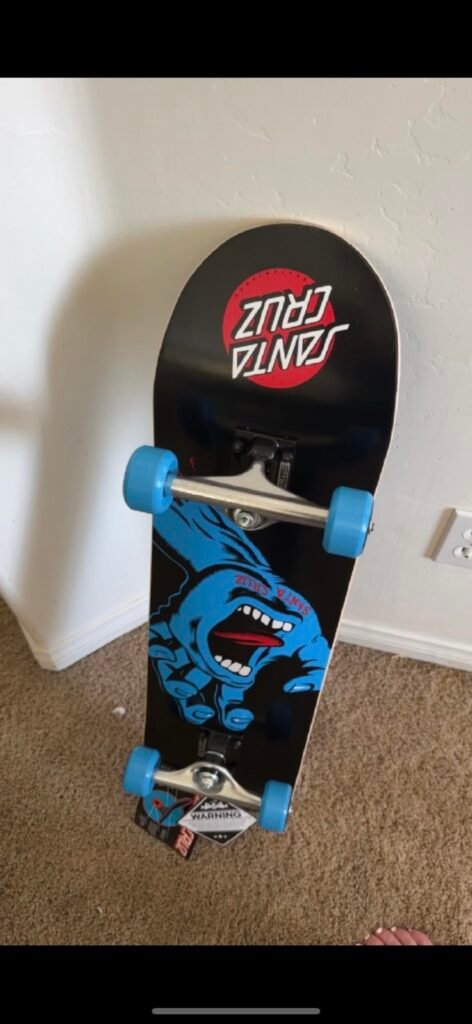
Santa Cruz is one of the founding names in modern skateboarding, and the Classic Dot complete brings that four-decade heritage into a legitimate ready-to-ride package. The 8.0 by 31.25-inch deck sits at the standard modern pro width, which is a common choice for street and park skaters who want versatile performance across ollies, kickflips, and transition tricks.
We may earn a commission when you buy through this link, at no additional cost to you.
The 7-ply maple construction with medium concave gives the deck a classic feel that experienced skaters immediately recognize. Medium concave is a good middle ground for riders who want positive foot lock during tricks without the extreme cupping that some steep-concave decks provide. The 13.75-inch wheelbase is standard for this deck size and offers balanced turning response for both cruising and technical skating.
Component pairings reflect the pedigree of the brand. Slime Balls 95a wheels are actual branded skateboarding wheels rather than generic PU, and they provide a good balance between grip and slide for street terrain. Steel ABEC-5 bearings roll smoothly, and the 90a bushings give the trucks a responsive feel that experienced skaters appreciate. The complete is best suited for ages 10 to 14 based on the deck sizing.
Deck width strongly affects feel and performance. Narrower decks around 7.5 to 7.75 inches favor technical flip tricks and lighter riders. The 8.0-inch width has become a modern standard because it balances trick-ability with enough platform for stability during grinds, transitions, and larger drops. Wider 8.25 and 8.5-inch decks favor transition and park skating where more stability matters.
Choose this board if you want a real skater board with genuine brand credibility rather than a licensed product. The price point is higher than beginner setups, but you get authentic skateboarding components that hold up to real progression. For a skater graduating from a starter board or a family wanting to invest in something legit from the start, the Classic Dot is a strong choice.
Very young beginners under age 10 or shoppers on the tightest budgets.
We may earn a commission when you buy through this link, at no additional cost to you.
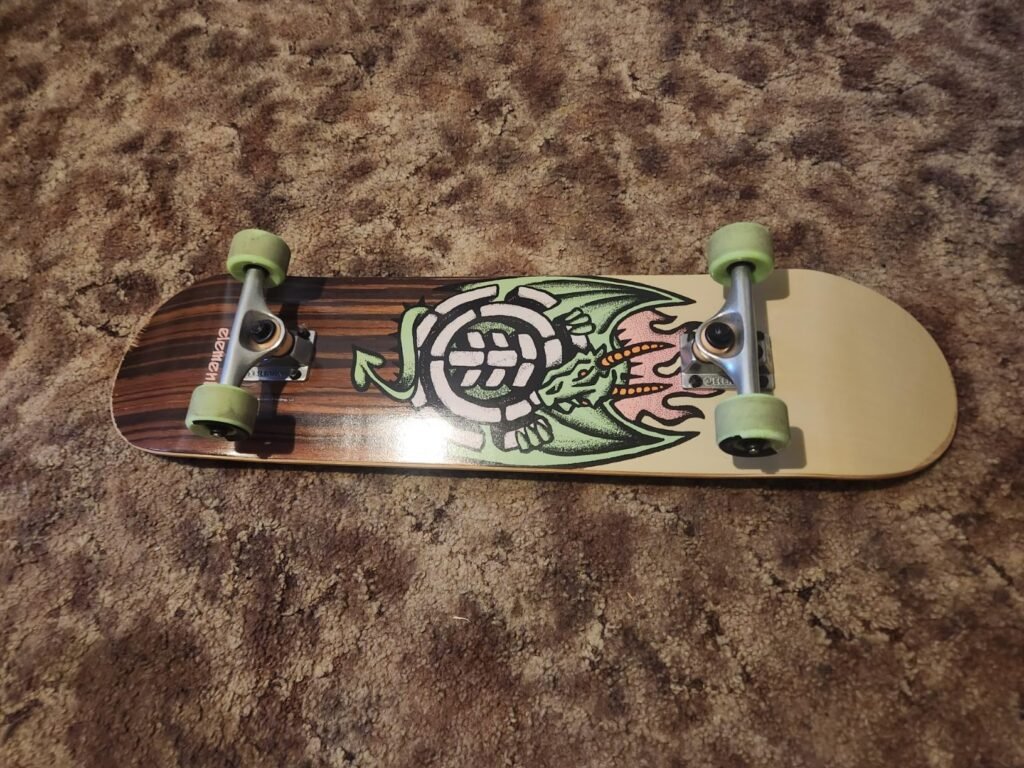
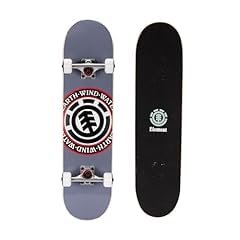
Element is another legitimate skate brand with real credibility among core skaters, and this popsicle complete brings that heritage into an approachable price bracket. The classic popsicle deck shape is the standard modern street skating profile, which means it works well for ollies, kickflips, manuals, and general trick progression on flatground and park terrain.
We may earn a commission when you buy through this link, at no additional cost to you.
The 7-layer maple deck offers a lighter feel than 9-ply construction, which some riders prefer for flip tricks because reduced weight makes the board easier to rotate. The 13.75-inch wheelbase and popsicle profile support both cruising and technical tricks, and the deck sizing is friendly to youth riders and adults. Grip tape and hardware come pre-installed for out-of-box readiness.
Component choices are appropriate for street skating. The 51mm urethane wheels are on the smaller side, which favors flip tricks and quick acceleration over top speed. ABEC-5 bearings roll smoothly enough for typical street and park use, and the 5-inch aluminum trucks handle standard turning input reliably. The Element graphics maintain the brand aesthetic that has been part of skate culture for years.
The popsicle shape refers to the standard modern skateboard silhouette: symmetrical, with rounded nose and tail of nearly equal size. This shape enables you to skate the board in either direction and perform tricks that use both ends. Nearly all street skating decks use this shape, which makes it the natural starting point for any rider focused on flip tricks, manuals, and technical skating.
This board suits kids ages 8 and up, teens, and adults who want a legitimate skate-brand board without paying the premium of top-tier pro completes. The rating is slightly below some other picks in this guide, so read recent buyer feedback before ordering. For riders committed to street skating who want authentic Element pedigree, this remains a solid middle-tier option.
Cruiser-focused riders who want larger wheels and softer bushings for smooth pavement rolling.
We may earn a commission when you buy through this link, at no additional cost to you.
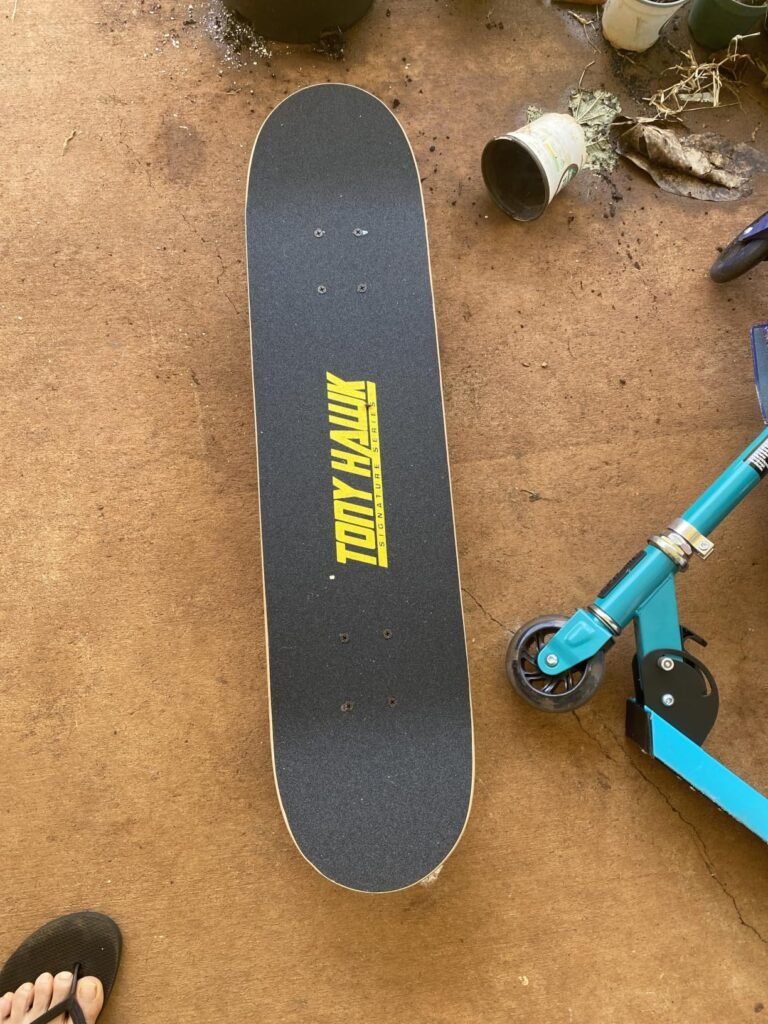
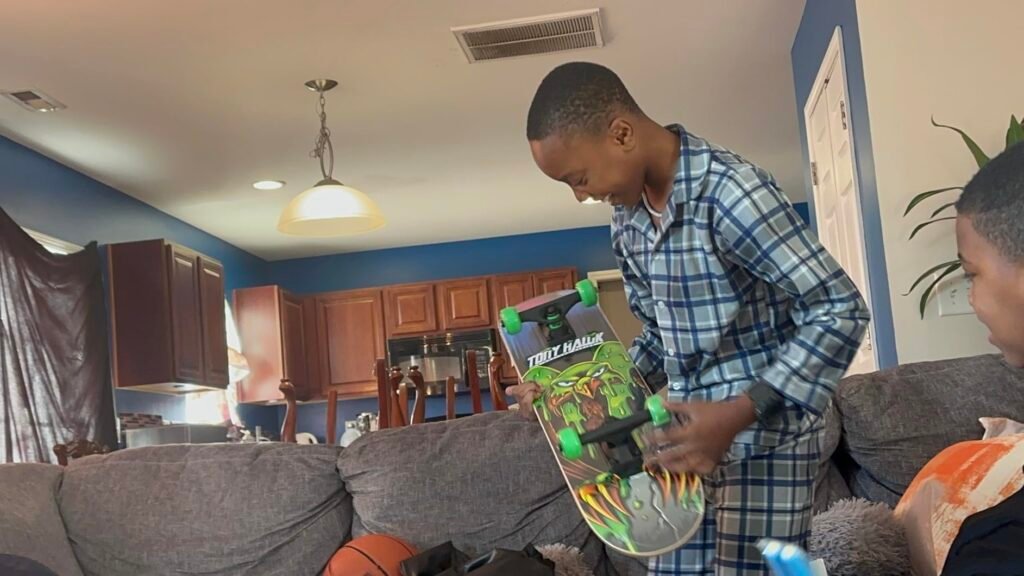
The Tony Hawk Signature Series 1 delivers the same brand appeal as the Series 4 at a lower price point, making it one of the most affordable ways to put a recognizable-name skateboard under a beginner's feet. For gift-givers hunting a birthday or holiday present that will actually get used, the combination of Tony Hawk branding and legitimate maple construction hits a genuine sweet spot.
We may earn a commission when you buy through this link, at no additional cost to you.
The deck uses 9-ply cold-pressed Canadian maple, which is the same construction as more expensive complete boards. This wood configuration handles the impact of learning to ollie and drop from small heights without early breakage, and the strong pop supports early trick progression once basics are learned. Grip tape provides confident foot traction for confident riding.
Components are practical rather than pro-tier. The 5-inch aluminum alloy trucks and ABEC-5 bearings deliver the smooth, controlled ride that beginners need to build confidence. Polyurethane wheels handle pavement, driveways, and smooth skatepark surfaces well. The board arrives fully assembled with the trucks tightened to a reasonable beginner setting, so there is nothing to configure before the first ride.
Beginners can typically ride a starter board for six months to a couple of years before component limitations start holding back progression. Signs it is time to upgrade include noticeable truck slop during turns, cracked or splintered decks, and bearings that feel gritty even after cleaning. When these appear, upgrading individual components rather than buying a whole new complete often makes more sense.
This is the pick when budget matters most and you want brand credibility. A young beginner will not distinguish between the Signature Series 1 and a $150 pro deck in the early learning stages, and the Tony Hawk name provides motivation that can outweigh the marginal component upgrades of pricier boards. As progression demands more, upgrading individual components later is straightforward.
Intermediate or advanced skaters seeking pro-tier component quality and true Birdhouse pro-model decks.
We may earn a commission when you buy through this link, at no additional cost to you.
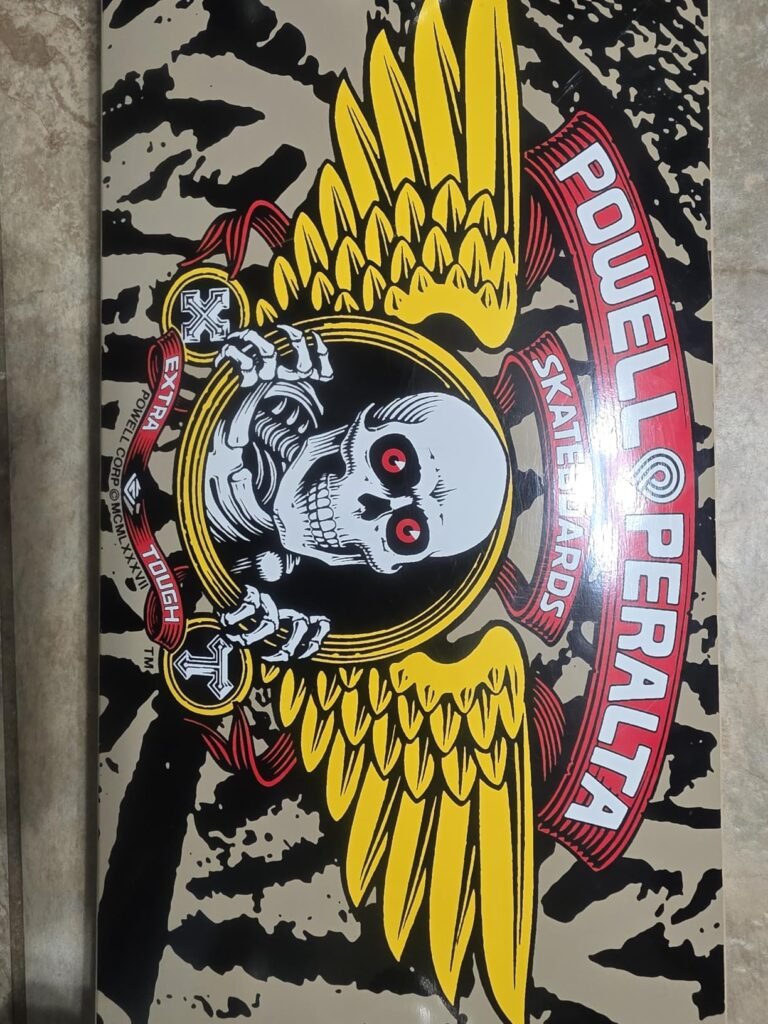
Powell Peralta is one of the most historic names in skateboarding, and the Winged Ripper complete brings genuine pro-tier construction into a ready-to-ride package. The 8.0 by 31.45-inch deck sits at the modern standard width, and the AirLam yellow birch construction represents a real upgrade over standard Canadian maple. Yellow birch is harder and lighter than maple, which translates to stiffer feel and stronger pop for tricks.
We may earn a commission when you buy through this link, at no additional cost to you.
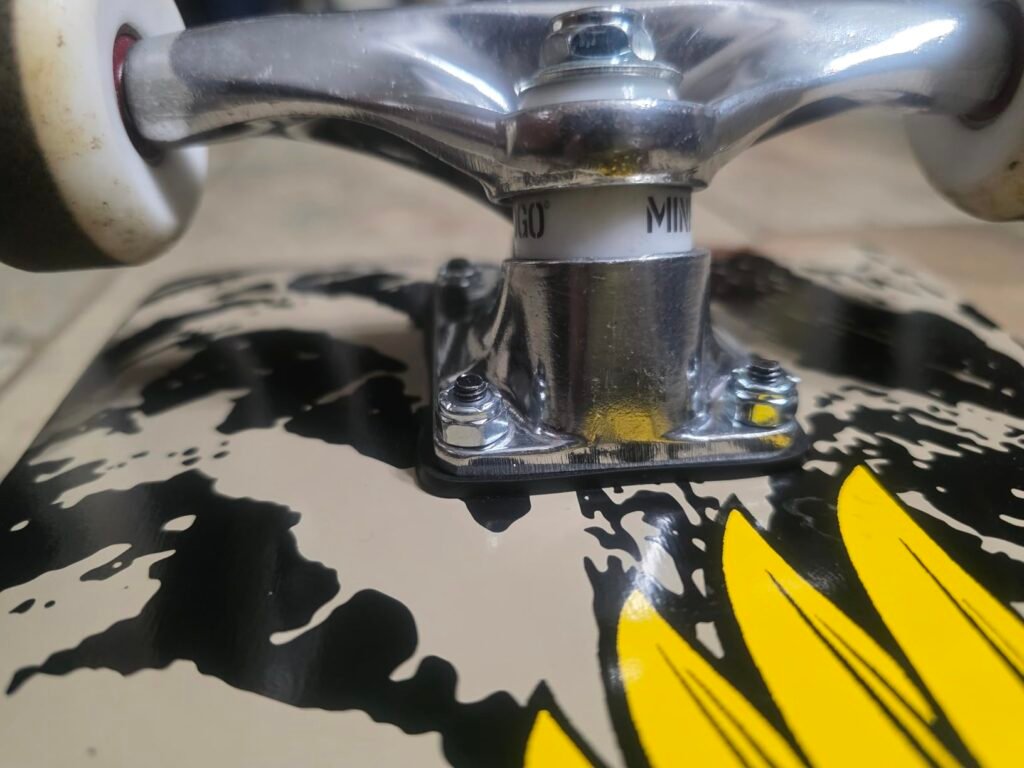
Mini Logo trucks are the workhorse choice of many touring pros, combining strength and smooth turning through premium alloys, high-rebound bushings, and heat-treated axles. The 8.0-inch trucks come with medium white bushings that offer a balanced turn feel, and the overall build handles the impacts of advanced street, park, and ramp skating that would break lesser components.
The 101A 53mm wheels are on the harder end of the durometer scale, which supports slides, powerslides, and technical tricks on smooth terrain. Mini Logo bearings are Skate Rated rather than ABEC-rated, which is actually a more skate-relevant standard designed for the dirt, moisture, and impact skateboards regularly encounter. The bearing setup includes Speed Cream lubricant and removable shields for easy cleaning.
The ABEC rating system was designed for industrial applications and does not measure the impact resistance, contamination sealing, and cleaning ease that matter for skateboarding. Skate Rated bearings from brands like Mini Logo, Bones, and Bronson are engineered specifically for the demands of skating and often outperform higher ABEC-numbered generic bearings in real-world use. Look past the ABEC number when evaluating quality.
This complete is aimed at skaters who are serious about progression and want a legitimate pro-quality board straight out of the box. The 14-inch wheelbase is on the longer end for 8.0-inch decks, favoring stability during transition and park skating slightly over the tightest technical response. If you want a board with real skate-industry pedigree that you can ride hard for years, the Winged Ripper is one of the strongest options at this price point.
Complete beginners on strict budgets who do not need pro-tier construction from day one.
We may earn a commission when you buy through this link, at no additional cost to you.
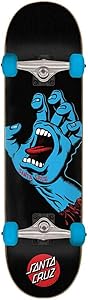
The Santa Cruz Obscure Hand complete moves up to an 8.25-inch deck width, which puts it in the ideal range for skaters who prioritize stability, transition skating, and larger tricks over the tightest flip-trick response. The 8.25 width has become one of the most popular modern sizes for park and street skaters who want more platform under their feet.
We may earn a commission when you buy through this link, at no additional cost to you.
The 7-ply maple deck construction with shorter wheelbase is designed for easy foot placement and quick turning despite the wider platform. That combination is exactly what you want for bowl skating, park runs, and street cruising with occasional tricks. The cast aluminum trucks keep weight down while maintaining strength, and the high-rebound urethane wheels provide the grip and speed retention that transition skating rewards.
Grip tape and precision steel bearings with oil lubricant come pre-installed and configured for immediate riding. Santa Cruz’s four decades of experience show in the component pairing decisions here, with each part chosen to work well together rather than as marketing checkboxes. The Obscure Hand graphic continues the brand’s tradition of memorable art that has become iconic in skate culture.
Deck widths above 8.0 inches favor stability, transition skating, and larger tricks like ollies over stairs or gaps. The extra platform helps foot placement during landings and provides a more forgiving base for bowl and pool skating. Wider decks require slightly more force to flip, which is why technical street skaters often prefer 7.75 to 8.0 inches while park and transition skaters gravitate toward 8.25 and up.
Choose this complete if you want a wider deck for stability, plan to skate transitions or larger park features, or simply prefer the feel of more platform under your feet. The tradeoff is that flip tricks require slightly more effort than on 8.0-inch decks. For riders who value the ride feel over technical trick optimization, this is one of the best-balanced options in the guide.
Riders focused primarily on flip tricks and the fastest technical response, who typically prefer 7.75 to 8.0-inch widths.
We may earn a commission when you buy through this link, at no additional cost to you.
Choosing a complete skateboard means matching deck size, component quality, and brand pedigree to your skill level, riding style, and budget. The factors below cover the decisions that most directly affect whether a board becomes a lasting part of your routine or ends up sitting unused in a closet.
Deck width is the single most important sizing decision when buying a skateboard. Widths generally range from 7.5 inches for youth and technical flip skaters up to 8.5 inches and beyond for transition and park skating. The 8.0-inch width has emerged as the modern standard because it balances trick response with stability, and boards like the Santa Cruz Classic Dot and Powell Peralta Winged Ripper both use this size for good reason.
Narrower decks favor lighter riders and technical flip tricks by requiring less force to rotate. Wider decks like the 8.25-inch Santa Cruz Obscure Hand offer more platform for stability, larger tricks, and bowl skating. Youth beginners typically start with 7.5 to 7.88-inch decks like the WhiteFang board, growing into wider setups as their skills and body size develop.
For general beginners, start with 7.75 to 8.0 inches. Choose narrower for flip-focused street skating, wider for transition, park, and stability-focused riding.
Most skateboard decks use 7-ply or 9-ply Canadian maple, with each ply glued and cold-pressed under high pressure to create the stiff, poppy platform skaters expect. Higher-end decks like the Powell Peralta Winged Ripper use yellow birch AirLam construction, which is harder and lighter than maple. The number of plies affects both stiffness and weight: 9-ply decks are heavier and more durable, while 7-ply decks are lighter and offer slightly more flex for flip tricks.
Deck concave, the upward curve from the middle to the edges, affects how positively your feet lock into position during tricks. Medium concave like the Santa Cruz Classic Dot works for most skaters, offering positive foot placement without extreme cupping. Beginners rarely need to worry about concave depth, but experienced skaters develop preferences based on their trick style.
For durability and beginner value, 9-ply maple works well. For lighter trick-oriented feel, 7-ply maple or premium birch AirLam decks perform better. Concave preferences develop with experience.
Trucks are the metal assemblies that mount the wheels to the deck and enable turning. Truck width should roughly match deck width, and the 5-inch trucks common on beginner completes work for decks in the 7.5 to 8.0-inch range. Aluminum alloy trucks like those on Tony Hawk and Element completes offer good strength at low weight, while steel trucks like those on the CCS Complete provide extra durability at the cost of added weight.
Bushings, the rubber pieces inside the trucks, determine how easily the trucks turn. Softer bushings turn more easily and suit lighter riders or those who like carving. Harder bushings resist turning and suit heavier riders or those who prioritize stability during high-speed skating. Beginners rarely need to change bushings, but experienced skaters often swap them to fine-tune ride feel.
Match truck width to deck width. Choose aluminum trucks for lighter weight and casual riding, steel trucks for maximum durability and heavy riders.
Wheel diameter and hardness dramatically affect how a skateboard rides. Smaller wheels around 51 to 53mm favor technical tricks and quick acceleration but transmit more vibration on rough surfaces. Larger wheels above 54mm provide better roll over rough terrain and maintain speed longer. Nearly all the skateboards in this guide use wheels in the 51 to 53mm range, which suits general street and park skating.
Wheel hardness is measured on the durometer A scale. Hard wheels around 99A to 101A like those on the CCS Complete and Powell Peralta Winged Ripper favor slides, technical tricks, and smooth surfaces. Softer wheels around 78A to 87A provide grip and comfort on rough pavement but feel sluggish during technical tricks. The 95A wheels on Santa Cruz completes represent a common middle-ground choice.
For technical skating on smooth surfaces, choose harder wheels around 99A to 101A. For rough pavement cruising, softer wheels below 90A ride more comfortably. For general use, 95A hits a balanced sweet spot.
Bearings sit inside the wheels and allow them to spin. The ABEC rating scale was originally designed for industrial applications, and higher ABEC numbers do not always translate to better skateboard performance. Bearings from established skate brands like Mini Logo, Bones, and Bronson often use their own Skate Rated systems that account for impact resistance, contamination sealing, and cleaning ease that matter more for real skating than raw precision.
Complete skateboards typically ship with ABEC-5, ABEC-7, or ABEC-9 bearings. The Minecraft, Tony Hawk, and Element boards use ABEC-5, which is fine for beginner use. The CCS Complete steps up to ABEC-7 for smoother roll, and the WhiteFang board advertises ABEC-9. In practice, all these tiers roll well when clean and lubricated, and maintenance matters more than the ABEC number.
For most riders, any ABEC-5 or higher bearing works well when properly maintained. Look for skate-specific brands if you want the best real-world performance, and clean your bearings periodically to preserve their smoothness.
Skateboarding has decades of brand heritage, and boards from established makers like Santa Cruz, Powell Peralta, and Element carry real credibility with core skaters. These brands have earned their reputations through team riders, contest wins, and consistent component quality over years or even decades. Licensed products like Tony Hawk Signature Series and Minecraft boards use recognizable names but typically pair them with generic components.
For beginners, brand pedigree matters less than getting a functional board that motivates regular practice. For intermediate and advanced skaters, brand-name components offer replaceability, resale value, and cultural credibility. Progression eventually justifies upgrading to genuine skate-brand decks, trucks, wheels, and bearings even if you started with a licensed complete.
For first boards, prioritize motivation and function over brand. For progression and long-term investment, established skate brands justify their price premium.
All the skateboards in this guide arrive fully assembled with grip tape applied and hardware installed. This out-of-box readiness is a significant convenience compared to buying individual components and building your own setup, especially for beginners who lack the tools or knowledge to assemble a board from scratch. Some completes like the CCS include a skate tool for immediate truck adjustments.
Even assembled completes benefit from a quick inspection before the first ride. Check that truck bolts are snug, wheels spin freely, and the grip tape is fully adhered without bubbles. Beginners often ride their board with the trucks tightened more than necessary; loosening them slightly after gaining confidence produces better turning response.
Complete boards suit beginners and gift buyers who want immediate riding. Custom-built setups make sense once you know your component preferences and want to fine-tune the exact ride feel.
Most complete skateboards target specific age ranges based on deck sizing and component durability. Kids under 8 generally do well with youth-sized boards or licensed products like the Minecraft complete that motivate them to keep practicing. Ages 8 to 14 fit well on standard 7.75 to 8.0-inch decks like the Element Popsicle or Santa Cruz Classic Dot. Teens and adults choose based on riding style rather than age.
Progression from beginner to intermediate typically takes six months to two years of regular practice. Beyond that point, riders often want to upgrade to better components or switch to custom-built setups that match their specific style. The complete boards in this guide can support that progression when paired with periodic component upgrades as parts wear out.
Match the board to current age and skill, but consider longevity by choosing quality components that will support progression rather than needing full replacement in a season or two.
Before your first ride, check that all hardware is tight and inspect the deck for any shipping damage. Loosen the truck kingpin nut slightly if the board feels stiff to turn, or tighten it if it feels tippy. Start on smooth, flat surfaces like empty parking lots or driveways to build balance and pushing technique. Always wear a helmet, and consider knee and elbow pads while learning drops and tricks that involve significant fall risk.
Keep your skateboard dry and store it indoors when possible. Water damages bearings, warps wooden decks, and rusts metal hardware. If you get caught in rain or ride through puddles, wipe the board down and remove the bearings to dry them thoroughly. Clean bearings periodically by removing them from the wheels, soaking them in isopropyl alcohol or bearing cleaner, drying them completely, and adding a drop of speed cream or skate-specific lubricant before reassembly.
Inspect your board regularly for wear signs including cracked decks, loose truck hardware, worn or flat-spotted wheels, and gritty bearings. Replace individual components as they wear rather than buying a whole new complete. Grip tape lasts a long time but eventually loses adhesion; replacing it is straightforward with a razor blade and a hairdryer to loosen the old adhesive. Regular maintenance easily extends a quality skateboard’s usable life by several years.
For most beginners ages 8 and up, a deck width between 7.75 and 8.0 inches works well. Younger riders under 8 or smaller-framed skaters may prefer 7.5-inch decks. The Tony Hawk Signature Series and Element Popsicle sit in the beginner-friendly range, while the Santa Cruz Classic Dot at 8.0 inches offers a versatile size that supports both learning and long-term progression.
Licensed skateboards like Tony Hawk and Minecraft models use recognizable names but typically pair them with generic components. Pro brand boards from Santa Cruz, Powell Peralta, or Element carry more skater credibility and often include better-quality decks and hardware. For beginners, licensed boards work well and provide real motivational value. Serious progression eventually rewards moving to pro brand components.
ABEC is a precision rating scale originally designed for industrial bearings, with higher numbers indicating tighter manufacturing tolerances. For skateboards, ABEC ratings only tell part of the story since they do not measure impact resistance or contamination sealing. Any bearing rated ABEC-5 or higher will perform well when clean and lubricated. Skate-specific brands often outperform higher-ABEC generic bearings in real skating conditions.
No, complete skateboards arrive fully assembled with grip tape applied, trucks mounted, and wheels installed. You can typically ride them straight out of the box. It is still worth quickly checking that all hardware is tight and that the trucks are adjusted to your preference. Some completes like the CCS package include a skate tool for making these adjustments right away.
Budget-friendly complete boards like the WhiteFang or Tony Hawk Signature Series 1 sell for around $30 to $40 and work well for casual learning. Mid-range boards around $60 to $80 like the Element Popsicle offer better brand components. Serious buyers who want pro-tier construction from day one can spend $100 to $160 on Santa Cruz, Powell Peralta, or CCS complete packages.
Wheel hardness is measured on the durometer A scale, with higher numbers indicating harder wheels. Hard wheels around 99A to 101A slide easily, favor technical tricks, and roll fast on smooth surfaces. Soft wheels below 90A grip better on rough pavement and absorb vibration for a smoother cruise. Most street and park skaters use wheels in the 95A to 101A range for versatility across terrain.
A quality complete skateboard can last several years with regular use and basic maintenance. Decks typically wear out first through repeated impacts and moisture exposure, often lasting six months to two years depending on use intensity. Wheels, trucks, and bearings generally outlast decks and can be transferred to new setups. Cleaning bearings and storing the board indoors dramatically extends its usable life.
Adults can ride kids skateboards, but the smaller deck size and lower weight capacity limit performance and comfort. Most kids boards support riders up to about 150 pounds, and the narrower decks feel cramped under adult feet. Adult beginners are better served by standard 7.75 to 8.0-inch complete boards like the Santa Cruz Classic Dot or CCS Complete that provide proper platform size and weight support.
A properly fitted helmet is the most important safety item and should be worn every ride. Beginners and skaters attempting new tricks benefit from wrist guards, knee pads, and elbow pads that reduce injury from common falls. Skate-specific shoes with flat, grippy soles like Vans or Nike SB models provide much better board control than regular sneakers. Riding smooth, obstacle-free surfaces while learning also reduces injury risk.
Standard popsicle-shape skateboards like most in this guide work well for tricks, park skating, and general use. Dedicated cruiser boards typically have softer wheels, wider trucks, and simpler shapes optimized for smooth pavement rolling rather than tricks. If your main goal is transportation and easy cruising, a cruiser or longboard may serve you better. If you want to learn tricks and progress into park skating, choose a standard skateboard.
The CCS Complete Skateboard earns the top overall pick in this guide with a 4.7 average rating and a package that combines professional-grade steel trucks, ABEC-7 precision bearings, and an included skate tool. It bridges the gap between beginner and pro-tier setups better than any other complete in this comparison, and it works for riders across all skill levels who want a legitimate skateboard that will support real progression.
For skaters who prioritize brand heritage and true pro-tier construction, the Santa Cruz Classic Dot and Powell Peralta Winged Ripper both deliver decades of skateboarding pedigree at their respective price points. Beginners on tighter budgets should look at the WhiteFang board for genuine value or one of the Tony Hawk Signature Series options for recognizable branding. Young kids will connect most strongly with the licensed Minecraft board, while riders focused on wider transition-style setups should consider the Santa Cruz Obscure Hand.
Start by identifying your primary use case, whether that is casual cruising, learning tricks, park sessions, or serious street progression. Match that need to the right combination of deck width, component quality, and brand pedigree, and you will end up with a skateboard that supports your development rather than one you outgrow within a season.