SINGER 4452 Heavy
8.6Editor score1100 stitches per minute
Rigid internal metal frame
32 built-in stitch patterns
Included wide extension table
Find the right sewing machines for 2026. We compare 10 standout options by build quality, useful features, owner feedback, value, and everyday trade-offs.
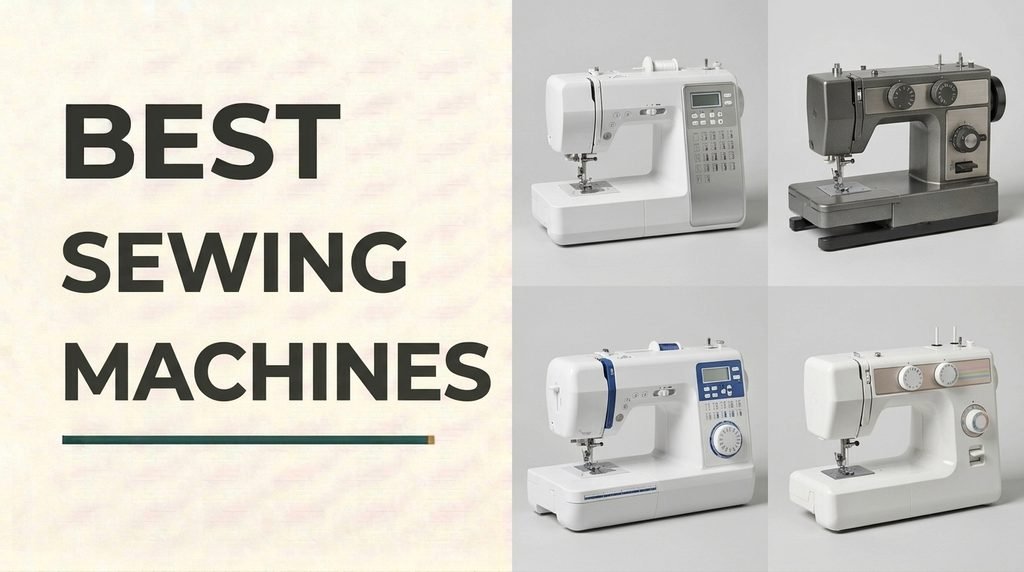
Find the right sewing machines for 2026. We compare 10 standout options by the factors that matter most in this category, such as motor piercing power, stitch diversity, bobbin system reliability, throat clearance, included specialty feet, owner feedback, and practical value for everyday garment construction and home crafting.
Modern machines span traditional mechanical workhorses with metal chassis to computerized platforms loaded with hundreds of stitch patterns and digital controls. Identifying whether your sewing routine emphasizes thick denim repair, intricate quilt piecing, or quick garment alteration determines which mechanical drive, presser mechanism, and feed system will serve your workspace best.
Subtle hardware differences often make or break daily enjoyment, especially thread tension consistency, drop-in bobbin visibility, and needle positioning controls. By analyzing real-world build characteristics alongside included tables and accessories, this guide cuts through marketing jargon to help you choose a durable, accurate machine tailored to your creative projects.
We compared 10 leading sewing machines using the performance characteristics that define long-term sewing success: motor piercing power, chassis stability, stitch consistency across diverse textile weights, needle-threader reliability, presser foot versatility, noise levels, and long-term ownership feedback. Our analysis highlights practical mechanical trade-offs so you can balance stitch variety, throat dimensions, and operational speed against your exact creative goals and workspace constraints.

Compare key features, scores, and current prices side by side. A shorter feature list means fewer details were available, not necessarily fewer capabilities.


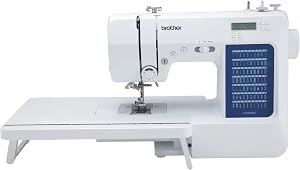




The Brother XM2701 is tailored for beginners, hobbyists, and anyone seeking a low-maintenance mechanical sewing machine for everyday mending and garment construction. By focusing on essential stitches and reliable tactile dials rather than digital menus, this machine eliminates the learning curve often associated with computerized sewing platforms.
We may earn a commission when you buy through this link, at no additional cost to you.
Equipped with 27 built-in stitches, the machine covers the full spectrum of core garment assembly needs, including zigzag, blind hem, stretch stitches, and an automatic one-step buttonhole. The needle bar moves smoothly through lightweight cottons, linen, and medium-weight denim, maintaining dependable thread tension when matched with appropriate needle gauges.
Everyday usability is enhanced by the drop-in top bobbin system, which allows you to inspect your lower thread supply through a transparent window before starting a long seam. The built-in needle threader reduces optical strain during setup, while the removable storage compartment converts the bed into a slim free arm for hemming cuffs, trouser legs, and children’s apparel.
Setting up the lower thread on the XM2701 avoids the tangle-prone nature of older side-loading metal shuttles. The drop-in bobbin mechanism features an internal channel that guides thread smoothly, reducing thread jams during directional changes. Removing the auxiliary accessory tray instantly exposes the free arm, allowing effortless rotation of tubular fabrics like sleeve cuffs and narrow pant hems.
While this mechanical model does not deliver high-speed production output or programmable needle stop positions, its mechanical simplicity is its greatest asset. It represents an exceptional entry point for novice crafters and home menders who want an accessible, dependable machine without unnecessary electronic complexity.
Not suited for sewists requiring programmable decorative stitch sequences, high-speed motor piercing for multi-layer saddle leather, or expansive bed space for oversized bedding quilts.
We may earn a commission when you buy through this link, at no additional cost to you.
The SINGER 4452 Holiday Bundle is engineered for sewists who regularly process heavy textiles, dense upholstery materials, and layered denim. Built around an internal rigid metal skeleton and an amplified mechanical motor, this machine delivers substantially more penetrating force than entry-level domestic alternatives, making quick work of demanding sewing chores.
We may earn a commission when you buy through this link, at no additional cost to you.
Operating at up to 1,100 stitches per minute, this mechanical model finishes long straight runs and seam joins in a fraction of standard sewing time. With 32 built-in stitches yielding 110 unique stitch applications, it handles structural seams, decorative accents, stretch garments, and precise one-step buttonholes. The motor maintains consistent needle momentum even when penetrating multiple layers of folded canvas.
This bundle specifically addresses large project handling by including a rigid slide-on extension table that surrounds the free arm to create a broad, level work area. It also comes equipped with critical bonus presser feet, including a walking foot for even feeding through thick quilt layers, a non-stick foot for smooth glide over vinyl and leather, and an open-toe foot for unobstructed applique guidance.
Sewing through seam intersections on heavy denim or dense upholstery fabric often stalls standard domestic motors. The heavy-duty drive system of the 4452 maintains steady needle velocity through dense fiber bundles, while the included walking foot ensures that upper and lower plies move in unison without shifting, puckering, or bunching.
The primary trade-off of this high-torque machine is operational sound and pedal sensitivity; newer sewists will want to develop steady foot control before tackling delicate curves. However, for crafters constructing bags, hemming heavyweight work trousers, or processing home decor drapery, the piercing strength and bundle value make it an outstanding mechanical companion.
Not recommended for users who demand near-silent computerized operation, electronic speed limiters, or automated stitch programming menus.
We may earn a commission when you buy through this link, at no additional cost to you.
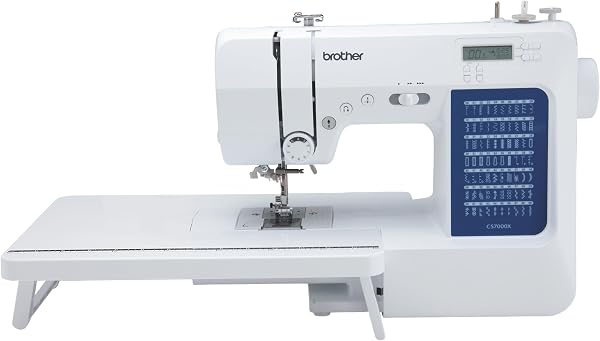
The Brother CS7000X stands out as an exceptionally versatile computerized sewing and quilting machine, designed to transition effortlessly between fine dressmaking, craft alterations, and large-scale quilting projects. Its balanced feature set combines digital precision with practical accessories that accommodate both intermediate enthusiasts and ambitious novices.
We may earn a commission when you buy through this link, at no additional cost to you.
Featuring 70 built-in stitches that include utility, stretch, heirloom, and decorative patterns, along with seven styles of one-step auto-sized buttonholes, this machine allows you to select and fine-tune stitch parameters via a clear LCD panel. The structural inclusion of a fixed needle bar keeps the needle firmly aligned during operation, significantly reducing stitch deflection and ensuring straight, uniform seams on lightweight and dense fabrics alike.
Practical convenience is where the CS7000X excels. The package includes an expansive slide-on wide table that supports heavy fabric spans during quilt piecing, ten specialized sewing feet, an integrated quilt guide, and a durable hard shell case that guards the machine during transport or closet storage. The improved needle threader reliably guides thread through the eye in a single motion.
Stitch precision often deteriorates when standard needle bars flex under side loads or speed variations. The CS7000X incorporates a rigid, fixed needle bar assembly that locks alignment in place, delivering cleaner seam definition on delicate silks and heavyweight cottons. Combined with an expanded throat area, navigating rolled quilts and large garment panels becomes noticeably smoother.
While the LCD display is straightforward rather than high-resolution color, the push-button stitch selection and digital length/width adjustments provide immense control. For sewists seeking a balanced, multi-discipline machine with generous accessories and refined mechanical stability, the CS7000X represents our top overall recommendation.
Not ideal for industrial production workshops or crafters needing automated computer monogramming fonts and built-in digitized embroidery frames.
We may earn a commission when you buy through this link, at no additional cost to you.
The Brother CS5055 brings computerized precision to budget-conscious crafters who want to move beyond basic mechanical dials without investing in high-end specialty equipment. It delivers an excellent balance of digital stitch management, internal chassis rigidity, and everyday garment construction reliability.
We may earn a commission when you buy through this link, at no additional cost to you.
Housing 60 built-in stitches, including heirloom stitches, utility options, and seven distinct one-step auto-size buttonholes, the CS5055 enables instant parameter changes via its push-button digital interface. The internal metal skeleton ensures that internal gearing remains aligned during continuous stitching sessions, preventing the skipping and tension drift common in lightweight budget machines.
Sewing ergonomics benefit from an enlarged needle-to-arm clearance, providing extra working room when guiding wider fabric bundles through the throat. The machine includes seven essential presser feet, a drop-in top bobbin with a transparent cover plate, and Brother’s advanced automatic needle threading system that eliminates frustrating manual alignment.
With digital stitch selection, the CS5055 automatically suggests appropriate stitch widths and lengths, eliminating guesswork for beginners. The internal metal framework dampens vibration during extended stitching sessions, resulting in consistent knot placement within the fabric plies and uniform tension across varying fabric thicknesses.
Although it skips the wide extension table and hard shell case found on its higher-tier sibling, the CS5055 matches the core stitching performance and internal mechanics at a lower price point. It represents an exceptional investment for cost-aware makers upgrading from basic starter tools.
Not suited for sewists who prioritize large free-motion quilt layouts requiring an included extension table, or those needing alphanumeric lettering stitches.
We may earn a commission when you buy through this link, at no additional cost to you.
The Brother SE700 is designed for makers who refuse to choose between practical garment tailoring and computerized decorative embroidery. By integrating a full-featured sewing machine with a dedicated modular embroidery arm, it serves as an all-in-one studio centerpiece for customized apparel, monogramming, and home textiles.
We may earn a commission when you buy through this link, at no additional cost to you.
On the sewing front, the SE700 delivers 103 built-in stitches and 10 automatic buttonhole variations, supported by eight specialized presser feet and smooth feed dog action. Switching to embroidery mode connects the motorized hoop mechanism, granting access to a 4-inch by 4-inch embroidery field, 135 built-in designs, and 10 decorative lettering fonts.
Technological connectivity sets this model apart. Built-in Wireless LAN allows you to send embroidery design files directly from your computer or use the Artspira mobile app to sketch custom shapes and monogram layouts on your smartphone. The full-color 3.7-inch LCD touchscreen lets you scale, mirror, rotate, and preview embroidery motifs prior to dropping the needle.
The combination of the Brother Artspira mobile application and wireless file transfer simplifies custom embroidery workflows. You can draw patterns on a tablet, select custom thread palettes, and wirelessly transmit designs directly to the SE700. The crisp color display provides realistic stitch previews, reducing setup errors and wasted stabilizer sheets.
The main parameter to consider is the physical embroidery hoop boundary of 4 inches by 4 inches, which requires repositioning for extra-large jacket back patches. However, for crafters looking to embellish gifts, hats, pocket flaps, and baby clothes without maintaining two separate desktop machines, the SE700 is unmatched in flexibility.
Not intended for high-volume commercial embroidery production requiring multi-needle thread changes or large commercial hoop fields greater than four inches.
We may earn a commission when you buy through this link, at no additional cost to you.
The Brother XR3774 is an attractive choice for sewists seeking dedicated quilting functionality and a spacious fabric bed without the added cost of computerized circuitry. It pairs the straightforward dependability of a classic mechanical motor with an accessory package tailored for patchwork, home decor, and general craft construction.
We may earn a commission when you buy through this link, at no additional cost to you.
With 37 built-in stitches comprising basic construction seams, blind hems, stretch stitches, and dedicated quilting functions, this machine covers everyday crafting duties cleanly. The dial-based stitch selector clearly indicates each available pattern, while the automatic needle threader and top drop-in bobbin make preparation effortless even for first-time users.
What truly elevates the XR3774 is its inclusion of a wide detachable extension table and eight presser feet right in the box, including walking and spring-action quilting feet. The extension table provides level support for medium-sized quilt tops, preventing the downward drag that causes uneven seam allowances and skipped stitches.
Managing large fabric expanses on a standard sewing bed often introduces tension distortion as gravity pulls the fabric off the edge. The XR3774 solves this issue with its clip-on wide extension table, which expands the level working footprint around the free arm, keeping quilt sandwiches flat and feeding uniformly into the needle plate.
While mechanical dials cannot store custom stitch sequencing or execute digital monogramming, the machine’s mechanical directness translates to easy servicing and reliable performance. For quilters on a budget who want dependable feeding and expansive flat support, the XR3774 delivers outstanding everyday utility.
Not suited for sewists seeking computerized stitch personalization, automatic thread cutters, or high-speed industrial construction.
We may earn a commission when you buy through this link, at no additional cost to you.
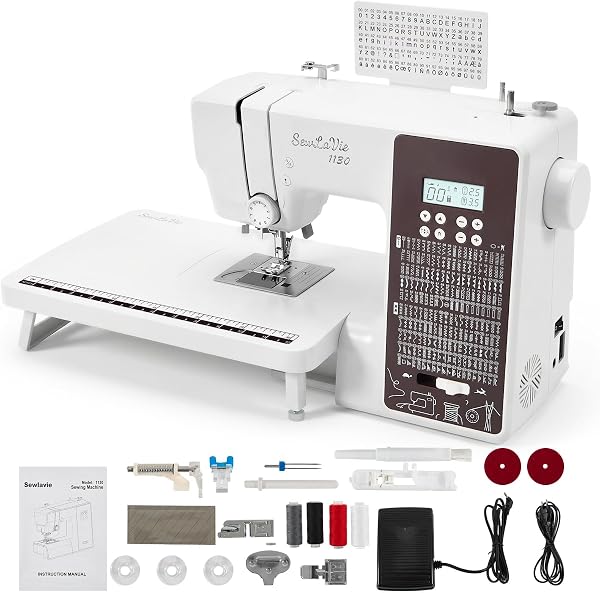
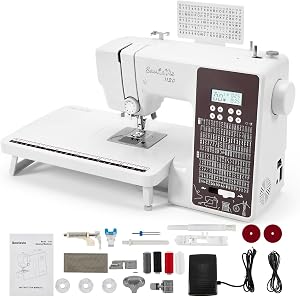
The 1130 Computerized Sewing Machine is configured for crafters who demand an extensive decorative pattern library and heavy fabric handling capability in a single package. By combining 300 built-in stitches with a multi-segment feed dog design, it bridges the gap between intricate craft embellishment and robust household garment repair.
We may earn a commission when you buy through this link, at no additional cost to you.
The machine’s stitch selection includes 143 utility patterns, 57 twin-needle options, and 100 alphanumeric fonts for labeling and basic monogramming. Fabric handling is powered by an internal solid frame and a robust 7-point feed dog system engineered to move multiple layers of thick denim, canvas, or delicate silk through the needle without bunching or slippage.
Ergonomic features provide significant control over sewing speed and precision. A variable speed slider allows you to establish a maximum stitch rate, while the start/stop button enables foot-pedal-free operation. The programmable needle up/down button simplifies pivoting sharp corners on shirt collars, pockets, and quilt blocks without losing your place in the stitch sequence.
The 7-point feed dog configuration maintains continuous surface contact with fabrics before, during, and after the needle enters the textile. This multi-tooth grip distributes pulling forces evenly, allowing thick seams like flat-felled denim joins to feed smoothly without stalling the drive mechanism or causing needle deflection.
While navigating a library of 300 patterns requires consulting the stitch chart, the clear LCD interface makes adjustments straightforward. Crafters looking for high stitch count versatility, alphanumeric personalization, and strong fabric feed will find this model remarkably capable across diverse projects.
Not recommended for sewists who prefer ultra-simple mechanical dials or those who prefer staying strictly within legacy brand accessory ecosystems.
We may earn a commission when you buy through this link, at no additional cost to you.
The Brother XR9550 is a popular computerized model engineered for sewists who want creative flair, garment precision, and text monogramming without purchasing a standalone embroidery unit. Its balanced layout makes it an appealing choice for personalizing clothing, labeling quilt backs, and constructing home decor accents.
We may earn a commission when you buy through this link, at no additional cost to you.
Featuring 165 total built-in stitches, the machine offers 110 utility, decorative, and heirloom options alongside 55 alphanumeric stitches for custom name tags and stitched labels. The high-contrast backlit LCD screen displays chosen stitch patterns, recommended presser foot codes, and exact stitch width and length adjustments at a glance.
The included accessory package is exceptionally comprehensive, providing eight snap-on presser feet, a wide extension table for large quilt projects, and a molded hard cover to protect the chassis from dust and transit bumps. The fast automatic needle threading lever and drop-in bobbin system ensure rapid setup between color changes.
The integrated 55-character alphanumeric font library allows sewists to stitch names, dates, and labels directly into hems, quilt borders, and personalized craft pieces. Selecting letters through the backlit digital interface is straightforward, enabling creative personal touches without the complexity of hooping fabric.
It is worth noting that the alphanumeric stitches are stitched via conventional feed movement rather than an embroidery hoop, meaning lettering is fixed in size. Nonetheless, for garments, quilt blocks, and personalized gift projects, the XR9550 offers remarkable creative depth backed by Brother’s dependable computerized platform.
Not intended for sewists seeking large multi-color embroidery graphics or ultra-heavy industrial manufacturing tasks.
We may earn a commission when you buy through this link, at no additional cost to you.
The SINGER 4423 in Meltwater Blue brings a modern aesthetic update to SINGER's legendary heavy-duty mechanical chassis. Built for sewists who appreciate clean color styling alongside uncompromised piercing power, this machine is capable of ripping through long seam runs on thick fabrics with exceptional speed.
We may earn a commission when you buy through this link, at no additional cost to you.
Underneath the fresh exterior lies a rigid internal metal skeleton and a motor delivering 1,100 stitches per minute, providing 50% more motor punch than standard starter machines. The stainless-steel bedplate ensures that fabrics glide smoothly across the surface, preventing resistance or snagging when feeding heavy canvas, twill, or multiple layers of denim.
Adjustability is a core strength of the 4423. A top-mounted dial allows you to tune presser foot downward pressure, ensuring delicate sheer fabrics do not pucker while thick layers remain compressed against the feed dogs. The extra-high presser foot lift offers substantial vertical clearance for inserting thick quilt sandwiches or heavy fleece hems underneath the needle.
Sewing lightweight chiffons and bulky denim jackets on the same machine often results in feeding problems if presser foot force is fixed. The 4423 features an adjustable pressure dial that regulates exactly how firmly the foot clamps the textile against the feed dogs, preventing stretched seams on knitwear and misfeeds on heavy materials.
Because this is an entirely mechanical high-speed unit, regulating pace requires a sensitive foot on the pedal, and stitch parameters must be dialed in manually. For makers who prioritize speed, durable mechanical construction, and robust fabric feeding with stylish flair, the Meltwater Blue 4423 is a top-tier choice.
Not suited for crafters wanting push-button digital stitch selection, programmable needle up/down stops, or computerized decorative stitch fonts.
We may earn a commission when you buy through this link, at no additional cost to you.
The SINGER Quantum Stylist 9960 is engineered for advanced sewists, quilters, and fashion creators who require immense creative versatility and professional execution. Positioned at the top of SINGER's domestic lineup, it offers an astonishing depth of utility, decorative, and customizable stitch programs.
We may earn a commission when you buy through this link, at no additional cost to you.
Boasting 600 built-in stitches and over 1,100 stitch applications, the 9960 includes five alphanumeric fonts, 13 automatic one-step buttonholes, and advanced design manipulation functions such as mirror imaging and stitch elongation. These creative tools allow sewists to alter decorative patterns without distorting density, producing custom heirloom borders and unique design motifs.
Hardware inclusion is equally generous: the machine comes supplied with 13 specialized presser feet, ranging from an even-feed walking foot and open-toe foot to cording and rolled hem feet. The large extension table provides level support for extensive quilting projects, while the start/stop button, programmable needle stop, and electronic speed slider provide absolute operational control.
Unlike standard decorative stitches that distort when lengthened, the Quantum Stylist 9960 features stitch elongation algorithms that preserve stitch density while scaling pattern length up to five times. Combined with mirror imaging, sewists can create symmetrical borders, custom yoke patterns, and unique home decor trims effortlessly.
While its extensive menu structure and feature set require time to master, the 9960 rewards dedicated creators with reliable precision, whisper-smooth computerized operation, and unmatched design flexibility. It represents our definitive premium recommendation for serious makers.
Not ideal for beginners who want a basic portable machine for occasional hem repairs, or sewists with very limited desk storage space.
We may earn a commission when you buy through this link, at no additional cost to you.
Selecting the right sewing machine requires matching your creative goals, textile preferences, and workspace constraints to the proper mechanical architecture. This comprehensive guide covers the critical hardware factors that separate capable machines from frustrating ones.
The most fundamental decision when shopping for a sewing machine is choosing between mechanical and computerized drive systems. Mechanical sewing machines rely on physical dials, internal metal cams, and direct motor connections to set stitch patterns, lengths, and widths. They are renowned for their rugged durability, tactile simplicity, and straightforward maintenance. Because they do not feature sensitive electronic circuit boards or digital screens, mechanical models are exceptionally resilient in workshops, shared spaces, and portable travel setups where moisture or handling might threaten electronic components.
Computerized sewing machines, by contrast, use microprocessors and stepper motors to control needle positioning, stitch width, and fabric feed. This architecture enables features that mechanical units cannot replicate: push-button stitch selection, programmable needle up/down positioning, automatic speed limiters, automatic thread snips, and built-in alphanumeric fonts. Digital models automatically calculate the optimal stitch length and width for any selected pattern, significantly reducing setup errors for beginners while saving immense time for experienced dressmakers and quilters working on intricate projects.
If your primary focus is straightforward garment repairs, thick denim modifications, or basic home crafts, a robust mechanical machine offers dependable power without electronic failure points. However, if your sewing routine includes diverse decorative embellishments, fine heirloom work, free-motion quilting, or garment personalization, a computerized machine provides superior accuracy, speed regulation, and creative breadth.
A sewing machine’s ability to sew through heavy textiles without jamming depends directly on motor torque and internal chassis construction. Many entry-level machines utilize lightweight plastic inner skeletons that flex when the needle meets dense resistance, leading to needle deflection, skipped stitches, and altered thread tension. Premium domestic machines feature rigid metal frames that anchor internal drive shafts, ensuring that needle penetration remains perpendicular and vibration is dampened even during continuous high-speed runs.
Motor wattage and gear reduction determine whether a machine can pierce multiple plies of canvas, upholstery fabric, or folded denim hems. Heavy-duty models, such as the SINGER Heavy Duty series, incorporate amplified motor ratings capable of driving needles through thick stacks at rates reaching 1,100 stitches per minute. Conversely, standard computerized machines often operate between 700 and 850 stitches per minute, prioritizing controlled precision and smooth stitch placement over raw operational velocity.
When selecting a machine, evaluate the heaviest textiles you realistically expect to sew. For occasional apparel and cotton crafts, standard motor output is more than adequate. If you plan to sew heavy tote bags, winter coats, or marine vinyl, prioritize a rigid metal chassis, higher motor wattage, and adjustable presser foot pressure to prevent needle stalls and feed slippage.
Thread setup represents the most frequent user interaction on any sewing machine, making bobbin design and needle threading crucial considerations for daily convenience. Traditional machines utilize front-loading or side-loading metal bobbin cases housed behind a hinged hatch. While durable, these systems require removing the accessory box to access, obscure thread supply levels, and are prone to jamming if bobbin tension springs slip out of alignment.
Modern top drop-in bobbin systems have largely superseded older shuttle designs in domestic sewing. These drop-in systems allow users to simply drop the bobbin into a horizontal chamber beneath a clear plastic cover plate. This clear window enables instant visual monitoring of remaining bobbin thread before starting long seams, preventing the frustration of sewing an entire seam only to realize the bobbin ran out halfway through. High-quality drop-in systems feature jam-resistant rotary hooks that maintain reliable thread loops even if upper tension fluctuates.
Look closely at the machine’s needle threading mechanism as well. Integrated semi-automatic needle threaders pull thread through the needle eye via a spring-loaded lever, saving significant optical strain and preparation time. Ensure the machine provides an accessible manual tension dial or automated tension sensors so you can dial in balanced knots when moving between fine organza and dense twill.
Sewing machine capabilities are often marketed through total stitch counts, but understanding stitch utility is far more important than raw numbers. The foundation of any sewing project relies on three essential stitch types: straight stitches for structural seams, zigzag stitches for raw edge finishing and appliqué, and stretch stitches for knits and athletic textiles. Beyond these essentials, blind hem stitches and overcasting stitches allow home sewists to achieve professional garment finishes without owning a dedicated serger.
Buttonhole creation is another critical differentiator. Basic mechanical units typically offer a four-step buttonhole, requiring you to manually turn a dial through four separate stages while gauging length visually. Higher-tier mechanical and virtually all computerized machines feature one-step auto-sizing buttonholes. These utilize a specialized buttonhole presser foot that holds your chosen button, automatically measuring its diameter and sewing a perfectly proportioned buttonhole in a single continuous operation.
Evaluate whether your creative interests require decorative stitch libraries, satin stitches, or alphanumeric lettering. For quilters and garment designers, having 60 to 100 versatile stitches offers ample decorative borders and heirloom accents. If you intend to label projects or monogram accessories, choose a model with alphanumeric font capability, such as the Brother XR9550 or SINGER Quantum Stylist 9960.
The physical architecture of the sewing bed directly impacts what size projects you can comfortably manage. The throat space—defined as the horizontal distance between the needle and the machine’s vertical interior tower—determines how much rolled fabric you can accommodate when sewing large items like quilts, curtains, or winter outerwear. Standard domestic machines generally offer five to seven inches of throat width, which is sufficient for garments and medium crafts but requires careful maneuvering for bulkier items.
A removable accessory tray that exposes a narrow cylindrical free arm is an indispensable feature for apparel sewing. When the tray is detached, the slim arm allows you to slide tubular items—such as sleeve cuffs, pant hems, and children’s necklines—around the bed to sew circular seams without bunching or stitching through the opposite side of the garment.
For quilters and home decor sewists, included wide extension tables provide immense practical value. These detachable tables clip firmly around the free arm, expanding the flat working surface across your desktop. This prevents heavy fabric overhang from pulling downward on the needle plate, which causes uneven feed dog grip, distorted stitch lengths, and painful physical fatigue during long sewing sessions.
The mechanical interaction between the presser foot and the feed dogs determines how smoothly fabrics advance through the machine. The feed dogs—the serrated metal teeth beneath the needle plate—move upward and forward to pull the cloth evenly with each stitch stroke. Standard machines utilize three to five feed segments, whereas advanced models employ six or seven-point feed dog systems that grip the fabric from the instant it enters the needle zone until it clears the rear.
Presser foot versatility is equally vital. Most machines include a standard all-purpose foot, but specialized tasks require dedicated hardware. A zipper foot allows needle placement adjacent to zipper coils, a button sewing foot holds flat buttons securely, and an overcasting foot guides fabric edges to prevent curling. For quilters and crafters sewing thick or slippery fabrics, a walking foot (even-feed foot) is essential: it features an auxiliary feed mechanism that grips the upper layer of fabric, moving it in sync with the lower feed dogs to eliminate shifting.
Before purchasing, verify which presser feet are included in the box versus those sold separately. Bundles that include walking feet, quilting guides, non-stick feet, and blind hem feet save significant aftermarket expense and ensure you have the proper tools to tackle diverse creative techniques from day one.
Establishing proper threading and needle selection habits prevents the vast majority of sewing frustrations. Always thread the machine with the presser foot in the fully raised position; this opens the upper tension discs, allowing the thread to seat properly between the internal tension plates. Ensure the needle type and size match your fabric weight: use universal needles for standard cottons, ballpoint needles for stretchy knits, and heavy-duty jeans or leather needles for denim and vinyl. Replace your needle every six to eight stitching hours or at the start of every major project, as microscopic burrs on a dull needle cause skipped stitches and fabric snagging.
Routine cleaning is critical for keeping the lower drive mechanism running smoothly and quietly. Over time, fabric fibers and thread lint accumulate inside the bobbin race, beneath the feed dogs, and around the rotary hook. Unplug the machine, remove the needle plate and bobbin case, and gently remove accumulated lint using a soft nylon brush or small vacuum attachment. Avoid using canned compressed air, as moisture and pressure can force lint deeper into internal mechanical bearings. Check your user manual regarding machine lubrication; many modern machines feature sealed, permanently lubricated bearings that require no user oiling, while others need a single drop of sewing machine oil on the rotary hook rim.
Protect your machine’s mechanical alignment and electronic components between sewing sessions. Always store the machine in a dry, temperature-stable environment covered with a protective dust cover or rigid hard case to keep ambient dust and pet hair out of the tension dials. When transporting the machine, lower the presser foot onto a small scrap of fabric and lower the needle into the cloth to protect the needle bar and tension springs from vibration shock. If operating a computerized sewing machine, plug it into a quality surge protector to guard sensitive internal circuit boards against voltage spikes.
Mechanical machines rely on physical dials, internal metal gears, and direct motor connections to adjust stitch width, length, and pattern selection. Computerized machines utilize microprocessors and stepper motors to control needle positioning, offering automated stitch presets, push-button controls, LCD screens, and automated buttonholes. Mechanical models excel in rugged simplicity and heavy-duty work, while computerized units offer greater precision, expansive stitch varieties, and convenient ergonomic features.
Standard domestic machines can sew through two to three layers of medium denim when equipped with a sharp jeans needle and appropriate heavy-duty thread. However, consistently sewing multi-layer denim flat-felled seams or genuine leather requires a machine with a rigid metal chassis, higher motor torque, and adjustable presser foot pressure, such as the SINGER Heavy Duty series. For dense upholstery leather or multi-layer marine canvas, an industrial walking-foot machine is ultimately recommended.
Thread bunching underneath fabric, often called 'bird nesting,' is almost always caused by an issue with the upper thread rather than the bobbin. This occurs when the upper thread is not seated properly between the tension discs, usually because the machine was threaded with the presser foot down. To fix it, unthread the machine completely, raise the presser foot lever, carefully rethread the upper path ensuring the take-up lever is engaged, and confirm the bobbin is wound evenly.
A sewing machine needle should generally be replaced every six to eight hours of active sewing time, or after completing any significant garment or quilt project. Needles bend slightly, dull, and develop microscopic metal burrs very quickly, which causes skipped stitches, fabric puckering, and thread fraying. Always swap to a new, specialized needle whenever transitioning to delicate silks, dense denim, or stretchy knit textiles.
A top drop-in bobbin system allows you to insert the bobbin directly into a horizontal chamber beneath the needle plate without removing the accessory storage tray. Drop-in systems typically feature clear cover plates, allowing you to visually monitor remaining thread levels while sewing so you do not run out mid-seam. They also utilize jam-resistant rotary mechanisms that are less prone to thread snarls compared to traditional vertical front-loading metal shuttles.
A walking foot, also known as an even-feed foot, is highly recommended when sewing multiple fabric layers, quilt sandwiches, or slippery synthetic fabrics like vinyl and velvet. Standard feed dogs only grip the bottom layer of cloth, causing the top layer to shift forward and pucker over long seams. A walking foot incorporates an auxiliary set of upper feed teeth that move in synchronization with the lower feed dogs, feeding all plies evenly.
A free arm is the narrow cylindrical base that remains when you detach the front accessory storage compartment from the sewing bed. This slim profile allows you to slide circular or tubular garment sections—such as sleeve cuffs, trouser hems, collars, and baby clothes—around the machine bed. It prevents you from accidentally stitching through both layers of a sleeve or pant leg while sewing around a circular opening.
Computerized sewing machines do not necessarily require more frequent servicing than mechanical units, provided they are kept clean and free of lint. Because computerized models use electronic sensors and stepper motors, keeping the optical sensors clean of fiber buildup is essential for accurate operation. An annual professional tune-up is beneficial for deep internal cleaning, timing adjustments, and gear lubrication if you sew heavily on a weekly basis.
Stitch count refers to the actual number of individual built-in stitch patterns programmed into the machine's internal memory or cam system. Stitch applications, a metric popularized by manufacturers like SINGER, refer to the total number of specific sewing techniques you can perform by adjusting the width, length, and presser foot configurations of those base stitches. For example, a single zigzag stitch can yield multiple stitch applications including satin stitching, raw-edge finishing, and couching.
Selecting the ideal sewing machine comes down to aligning the machine's mechanical architecture and feature set with the types of sewing projects you undertake most often. For sewists seeking a balanced computerized platform that excels across apparel construction, decorative crafts, and quilting, the Brother CS7000X stands out as our top overall choice thanks to its fixed needle bar stability, generous 10-foot accessory kit, and included protective hard case.
Makers with specialized project requirements have equally compelling alternatives. If your workload involves thick denim hems, heavy upholstery canvas, and rapid seam joining, the high-torque motor and metal chassis of the SINGER 4452 Holiday Bundle or 4423 Heavy Duty deliver unmatched piercing velocity. Meanwhile, creative crafters looking to explore computerized lettering, intricate decorative stitching, or hoop-based embroidery will find remarkable creative freedom in the SINGER Quantum Stylist 9960 and the connected Brother SE700.
For beginners and budget-focused sewists, accessible models like the Brother XM2701 and Brother CS5055 demonstrate that reliable stitch quality, jam-resistant bobbins, and dependable engineering do not require massive financial investments. Prioritize the features that reduce daily setup frustration—such as drop-in bobbins, intuitive needle threaders, and solid chassis construction—and you will enjoy a dependable creative tool that supports your crafting ambitions for years to come.