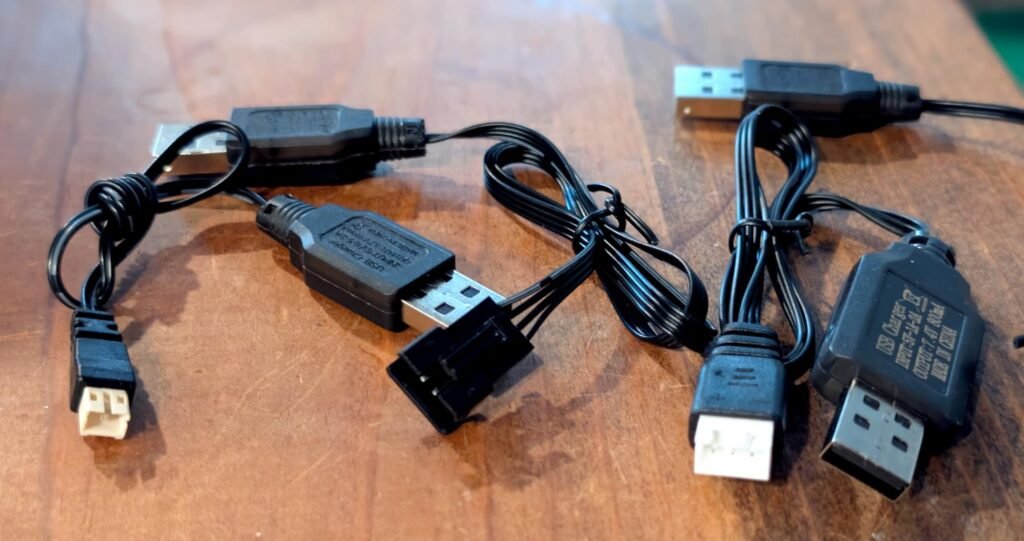
4-Pack USB Cable
7.8Editor scoreFour USB cables
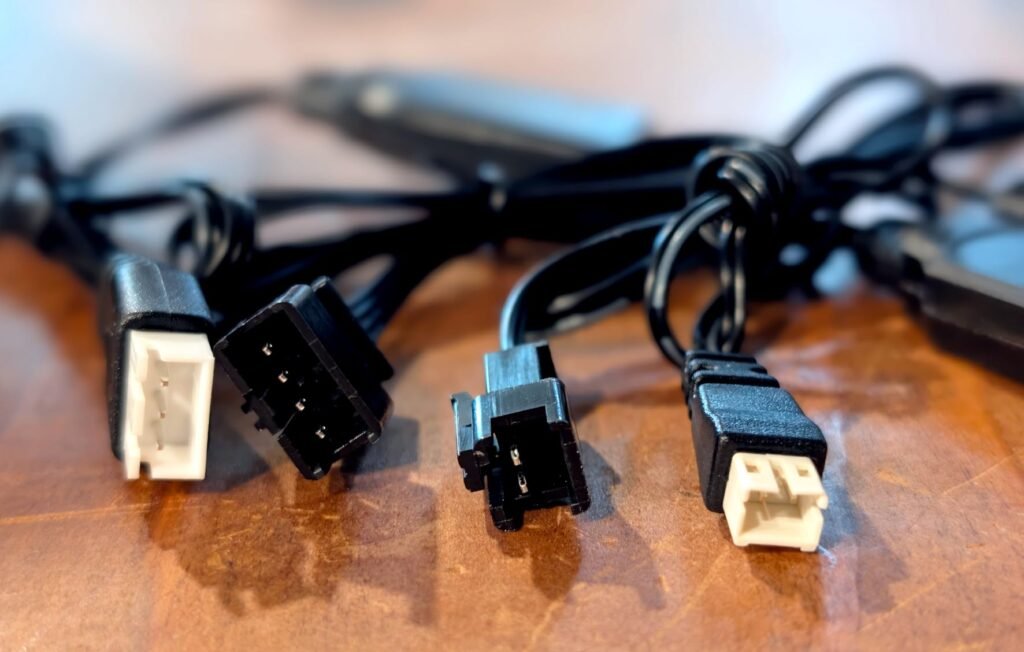
SM-2P SM-4P connectors
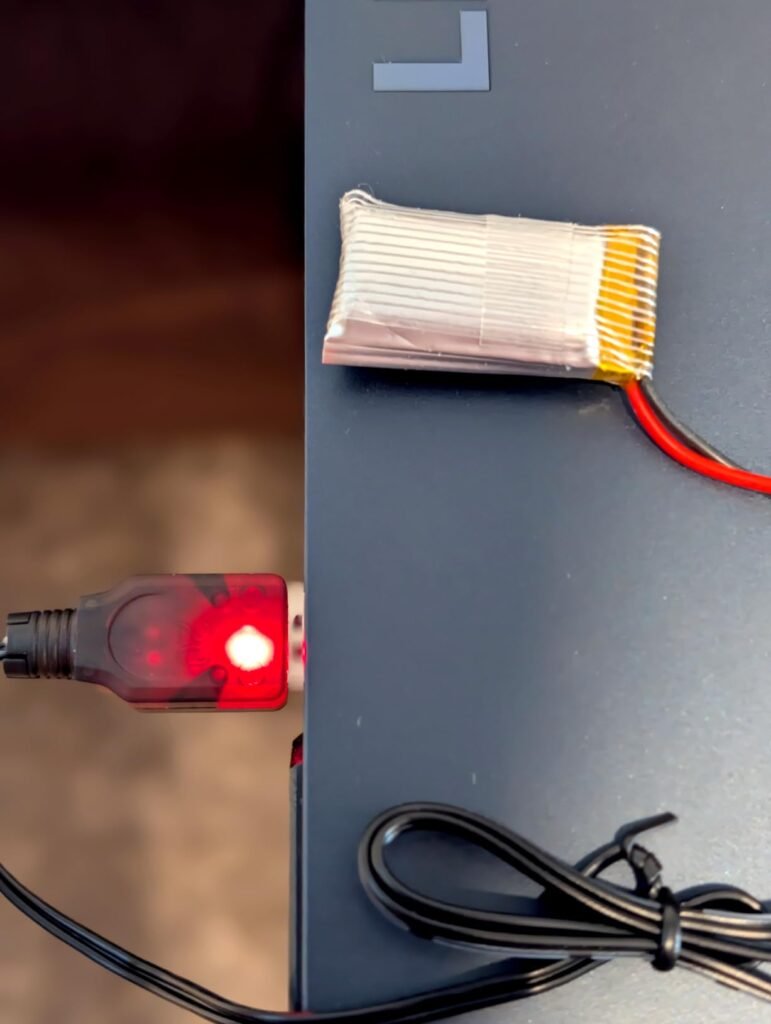
LED charging indicators
Copper wire cores
Compare 7 top RC car chargers by battery compatibility, charge speed, connector types, and safety features. Find the right charger for your RC setup.
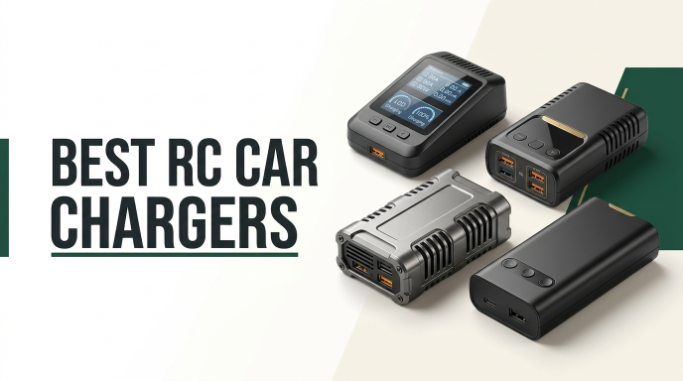
Choosing the right RC car charger in 2026 means matching battery chemistry, charge speed, and connector types to your specific vehicles and usage habits. We compare 7 standout options across compatibility, wattage, safety features, balance charging capability, and overall value to help you keep your fleet running reliably.
The biggest decision most buyers face is whether they need a simple USB cable set for toy-grade NiMH packs or a programmable balance charger for high-performance LiPo cells. Getting this wrong can mean slow charging, damaged batteries, or unnecessary spending on features you will never use.
This guide breaks down each charger’s strengths and limitations so you can match a model to your battery types, cell counts, and charging frequency. Whether you run a single RC car or a full collection, the right charger saves time and protects your investment.
We compared 7 RC car chargers using the details that actually help a buyer decide: battery chemistry compatibility, maximum charge current, connector variety, balance charging support, safety protections, power input options, and overall value. The notes focus on practical trade-offs so each pick connects to how hobbyists actually charge, store, and maintain their RC battery packs at home or at the track.


Compare key features, scores, and current prices side by side. A shorter feature list means fewer details were available, not necessarily fewer capabilities.


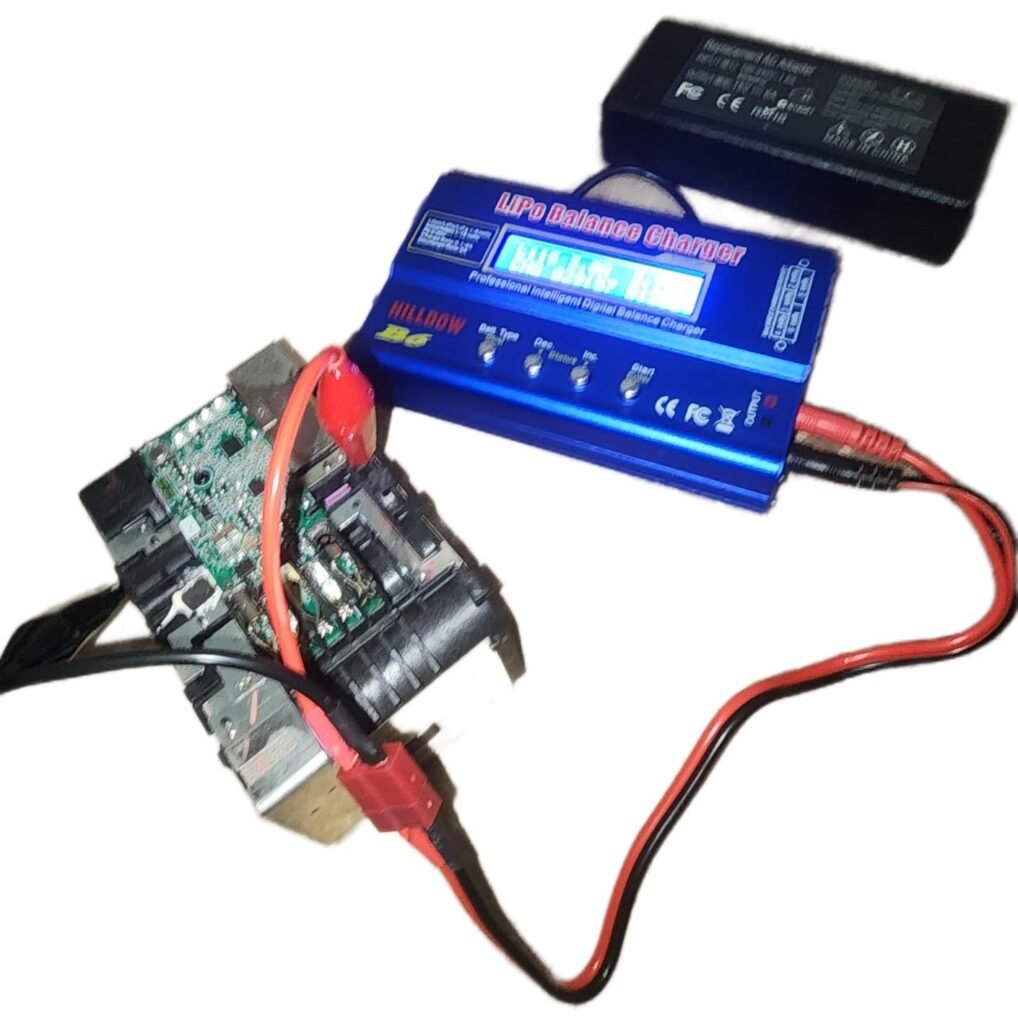
This 80W balance charger earns its place as a top all-around pick by supporting six battery chemistries — LiPo, LiFe, Li-ion, NiMH, NiCd, and lead-acid — in a single compact unit. Whether you run a 2S LiPo in a basher truck or a 6S pack in a competition buggy, the 1-6S lithium range and 1-15S nickel range give you plenty of headroom. The fire-proof shell material adds a reassuring safety layer for a device that handles high-energy lithium cells.

We may earn a commission when you buy through this link, at no additional cost to you.
The three primary modes — charge, discharge, and balance — cover the core needs of most RC hobbyists. In charge and discharge modes, you manually set the voltage and current to match your battery specifications. In balance mode, the charger automatically adjusts both parameters to equalize individual cell voltages, which is critical for maintaining LiPo pack health and preventing cell drift over repeated charge cycles. The auto-stop function cuts power when the pack reaches full charge.
Beyond the basics, this charger includes terminal voltage control, a storage mode for long-term battery maintenance, data storage with memory loading for frequently used profiles, and a digital DC power function. The included accessory kit — DC crocodile clip, connector splitter, adapter, AC power cable, and a LiPo safety bag — means you can start charging right out of the box without purchasing additional components. The 15V 6A power adapter is matched to the charger’s specifications for optimal performance.
Balance charging equalizes the voltage across individual cells within a multi-cell LiPo pack. Without balancing, some cells can overcharge while others remain undercharged, which degrades capacity and creates a safety risk over time. A balance charger connects to both the main power leads and the balance tap on your LiPo pack, monitoring each cell independently and adjusting the charge current to bring all cells to the same target voltage. This process takes slightly longer than a standard charge but significantly extends pack life and safety.
At this price point, the combination of multi-chemistry support, balance charging, and a comprehensive accessory bundle makes this charger one of the most practical choices for intermediate to advanced RC enthusiasts. The main consideration is that it operates as a single-channel unit, so you can only charge one battery at a time. If you regularly cycle through multiple packs at the track, you may eventually want a dual-channel model, but for most home and casual track use, this charger delivers reliable, flexible performance.
Not ideal for users who need to charge two batteries simultaneously, since this is a single-channel charger with one output.
We may earn a commission when you buy through this link, at no additional cost to you.
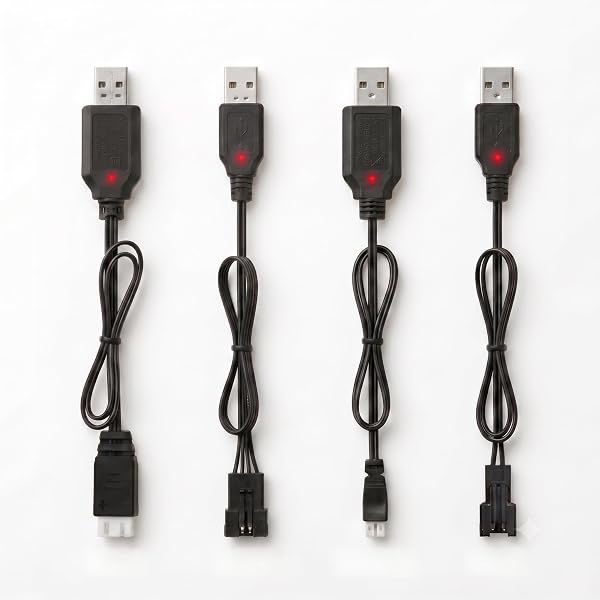
This four-cable USB set solves one of the most common frustrations in the RC hobby: lost or damaged charging cables for toy-grade vehicles. Each cable features a different connector — SM-2P, SM-4P, PH2.0, and XH-3P — covering the plugs found on most entry-level RC cars, drift cars, boats, and gel blasters. If your collection runs on small NiMH or NiCd packs with these common connectors, this set can replace a drawer full of mismatched single-purpose chargers.
We may earn a commission when you buy through this link, at no additional cost to you.
The charging approach here is straightforward. You plug the USB end into any standard USB power source such as a wall adapter, laptop, power bank, or car charger, then connect the matching connector to your battery pack. There is no programmable interface, no wattage settings, and no balance charging. The built-in LED indicators let you monitor whether a pack is still charging, which is helpful when you have multiple vehicles cycling through a single USB hub.
Build quality is reasonable for the price point. The copper wire cores and PVC insulation provide stable current delivery for the low-amperage charging these small battery packs require. Because each cable is independent rather than a multi-head splitter, you avoid the connection interference and tangling that cheaper combo cables often introduce. The tradeoff is that charging speed depends entirely on your USB power source, and there is no overcharge protection beyond what the battery pack itself provides.
USB charging cables work well for small NiMH and NiCd packs typically found in toy-grade RC cars and gel blasters. These batteries usually charge at low currents where sophisticated charge management is less critical. If your vehicles use larger LiPo packs or you need faster turnaround times between runs, a dedicated balance charger with programmable current settings will serve you much better.
This set makes the most sense for casual RC enthusiasts who own several toy-grade vehicles with small battery packs and frequently misplace their original chargers. It is not a substitute for a programmable charger if you run LiPo cells or higher-voltage packs. Think of it as a practical backup kit that keeps your everyday RC toys ready to run without a significant investment.
Not suitable for LiPo batteries, high-voltage packs, or anyone who needs programmable charge control and balance charging.
We may earn a commission when you buy through this link, at no additional cost to you.
The Prettyia charger stands out for its remarkable connector coverage, shipping with 19 different plug types that span Tamiya, Mini Tamiya, JST, SM, XH, Traxxas, EC3, Futaba/JR, and many more. If your RC collection includes vehicles from different manufacturers and eras, this single charger can eliminate the need to buy separate adapters for each battery pack. It handles NiMH and NiCd packs from 2 to 10 cells, covering the 2.4V to 12V range.

We may earn a commission when you buy through this link, at no additional cost to you.
The built-in intelligent charging system automatically detects battery voltage and matches the appropriate current, then shuts off when the pack reaches full charge. This auto-detection reduces the risk of overcharging, which is one of the most common ways hobbyists accidentally shorten battery life. The charger also includes protections against over-current, short circuits, and reverse polarity, adding layers of safety that basic USB cable chargers simply do not offer.
One important limitation is chemistry. This charger is designed exclusively for NiMH and NiCd batteries and must not be used with LiPo cells. If your fleet includes a mix of NiMH and LiPo packs, you will need a separate LiPo-compatible charger alongside this one. The universal 100-240V AC input means it works with wall outlets worldwide, and the compact form factor makes it easy to store in a hobby bag or tackle box.
RC vehicles from different manufacturers rarely standardize on a single battery connector. A Traxxas truck uses a different plug than a Tamiya touring car, which differs again from a generic hobby-grade buggy. Having a charger with pre-wired adapters for all common connector types means you can charge any pack in your collection without hunting for the right adapter or buying additional dongles that add cost and clutter.
This charger is a strong choice for hobbyists who run a diverse collection of NiMH-powered RC cars, helicopters, and airsoft guns and want a single charging station that handles every connector they own. The 12-month warranty adds some peace of mind. Just confirm your battery chemistry before plugging in, because using this unit with lithium-based packs could damage both the charger and the battery.
Not compatible with LiPo, Li-ion, or LiFePO4 batteries, so it will not work for modern high-performance RC setups that use lithium chemistry.
We may earn a commission when you buy through this link, at no additional cost to you.
When your RC sessions involve multiple battery packs and limited downtime between runs, a dual-channel charger becomes a genuine time-saver. This model delivers up to 10A per channel with a combined AC input of 150W and DC input of 240W, letting you charge two different batteries simultaneously on independent channels. The 1S-6S lithium compatibility and 1S-15S nickel range cover everything from micro quad LiPos to large-scale truck packs.

We may earn a commission when you buy through this link, at no additional cost to you.
The feature set is comprehensive. Charge, balance charge, discharge, and storage modes are all available on both channels, and the auto-identify function detects cell count automatically when you connect a pack. The 20 memory slots let you save profiles for your most-used batteries, so you do not have to re-enter voltage and current settings every time you swap packs. The large display makes it easy to monitor both channels at a glance and adjust parameters on the fly.
The included accessory bundle is generous, with an AC power cable, XT60 crocodile clip cable, two XT60 plugs, two Tamiya cables, two banana-to-Deans output cables, two T-crocodile clips, and two balance extension cables. This variety means you can connect most common RC battery types without buying additional adapters. The compact, portable design is a practical advantage if you travel to RC tracks or events and need a charging station that fits in a gear bag.
A single-channel charger handles one battery at a time, which works fine for casual use. A dual-channel charger lets you charge two packs simultaneously on independent circuits, effectively cutting your total charging time in half when you have multiple batteries to cycle. The key detail to check is whether the total wattage is shared between channels or allocated independently. On this model, the 150W AC maximum is shared, so running two high-current charges at once will split the available power between both channels.
The tradeoff for this level of capability is price and complexity. At the top of this list’s price range, this charger is a significant investment that makes the most sense for dedicated hobbyists who run multiple high-capacity LiPo packs and need fast turnaround times. Beginners or casual users with a single RC car will likely find a simpler, less expensive charger more than adequate. But for competitive racers and serious bashers who go through four or more packs per session, the dual-channel design pays for itself in convenience.
Overkill for casual hobbyists with one or two battery packs who do not need simultaneous charging or advanced programming features.
We may earn a commission when you buy through this link, at no additional cost to you.
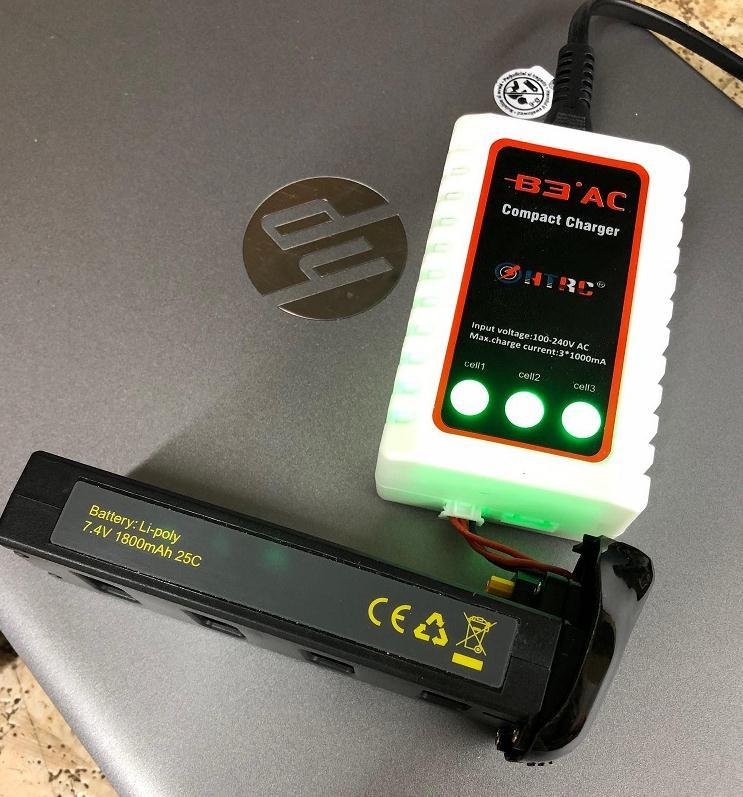
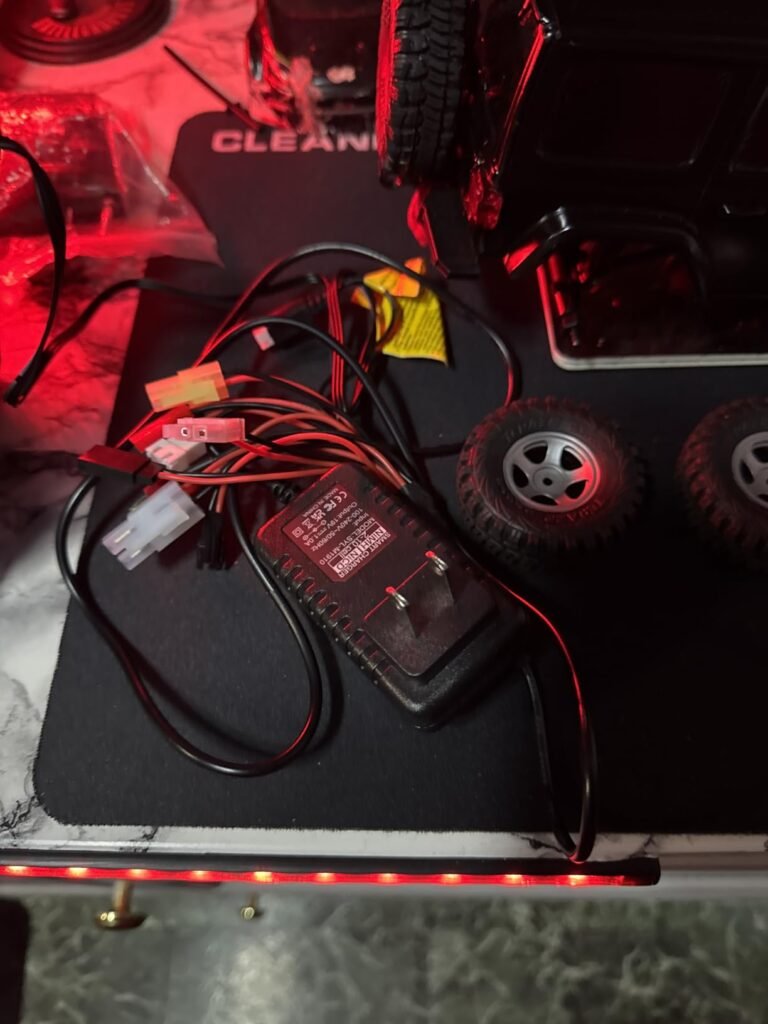
At a very accessible price point, this compact NiMH and NiCd charger delivers reliable performance for hobbyists who run nickel-based battery packs in their RC cars, helicopters, and airsoft guns. The 2-10S compatibility covers the 2.4V to 12V range, and the eight pre-wired connectors — including Standard Tamiya, Mini Tamiya, JST, SM 2P, XH, Huanqi, T-Plug, and Futaba/JR — handle the most common RC battery plugs without requiring any additional adapters.
We may earn a commission when you buy through this link, at no additional cost to you.
The charging technology is more sophisticated than the price suggests. The negative-delta V and zero-delta V auto-stop system detects when a NiMH pack reaches full charge and terminates the cycle, preventing the heat buildup and cell damage that result from overcharging. A negative pulse cooling function actively reduces battery temperature during faster charge phases, and the zero-voltage activation feature can revive deeply discharged packs that other chargers might refuse to recognize.
The adaptive charging current automatically adjusts based on pack size, delivering 800mA for 2-6S packs and 500mA for 7-10S packs. This is a sensible approach that balances charge speed with battery safety, though it means charge times will be longer for higher-capacity packs compared to a programmable charger where you set the current manually. The universal 100-240V AC input and UL/CE certifications make this a trustworthy choice for international use and safety-conscious buyers.
NiMH batteries are particularly vulnerable to overcharging, which generates excess heat and gradually reduces cell capacity. Chargers with negative-delta V detection monitor the subtle voltage drop that occurs when a NiMH pack reaches full charge and terminate the cycle at the right moment. This automatic shutoff is far more reliable than timer-based charging and significantly extends the usable life of your battery packs, especially if you charge frequently.
This charger is an excellent entry point for anyone building their first RC setup or looking for a dependable backup charger for nickel-based packs. The small 77x44x28mm footprint makes it easy to toss in a gear bag or store in a crowded workshop drawer. The clear limitation is chemistry — it will not charge LiPo, Li-ion, or LiFePO4 cells, so hobbyists transitioning to lithium-powered vehicles will need to add a separate charger to their kit.
Cannot charge any lithium-based battery chemistry, including LiPo, Li-ion, and LiFePO4 packs used in higher-performance RC vehicles.
We may earn a commission when you buy through this link, at no additional cost to you.
This 80W charger covers a broad range of battery types — LiPo, LiFe, Li-ion, NiMH, NiCd, lead-acid, and smart batteries — making it a practical single-unit solution for hobbyists whose RC collection spans multiple vehicle types and battery chemistries. The 1-6S lithium range and 1-15S nickel range provide ample coverage for everything from small indoor crawlers to large-scale off-road trucks, and the fire-proof shell adds an important safety margin when charging energy-dense lithium cells.

We may earn a commission when you buy through this link, at no additional cost to you.
The charge, discharge, and balance modes give you full control over your charging workflow. In manual modes, you set the voltage and current to match your specific battery, while balance mode handles cell equalization automatically. The additional functions — terminal voltage control, storage mode, data storage with memory loading, battery metering, and digital DC power — provide the kind of versatility that hobbyists appreciate as their collections grow and their charging needs become more varied.
The included accessory kit features an AC power cable, DC cable, XT60 adapter cables, an XT60-to-EC5 cable, and an XT60-to-banana cable, covering several of the most popular RC connector standards. One important note is that this charger does not support LiHV (high-voltage lithium) batteries, which some competition-grade RC cars use for a slight voltage advantage. If your setup relies on LiHV packs, you will need a charger that explicitly lists LiHV compatibility.
Lithium batteries degrade faster when stored at full charge or completely empty. Storage mode charges or discharges a LiPo pack to approximately 3.8V per cell, which is the ideal voltage for long-term storage. If you put your RC cars away for the winter or go several weeks between sessions, using storage mode before shelving your batteries can significantly slow capacity loss and keep your packs in better condition for the next season.
Positioned at a competitive price for its feature set, this charger offers strong value for intermediate hobbyists who want multi-chemistry flexibility without stepping up to a dual-channel model. The single-channel limitation means one battery at a time, and the lack of LiHV support narrows its appeal for certain competitive applications. For the majority of RC car enthusiasts running standard LiPo or NiMH packs, however, this charger provides reliable, well-rounded performance at a reasonable cost.
Does not support LiHV battery chemistry, which limits compatibility with certain competition-grade high-voltage LiPo packs.
We may earn a commission when you buy through this link, at no additional cost to you.
The B6 Mini packs 80W of charging capability into a compact form factor that is easy to transport to RC tracks, parks, and events. It supports LiPo, Li-ion, LiFe, NiMH, and NiCd chemistries across the standard 1-6S lithium and 1-15S nickel ranges, and the included power supply means you can plug directly into a wall outlet without sourcing a separate DC power source. The XT60, JST, and T-connectors cover the most common RC battery plug types.

We may earn a commission when you buy through this link, at no additional cost to you.
The LCD display is one of this charger’s strongest practical features. It shows real-time charging status, voltage, current, and mode settings in a clear, readable format that makes it easy to verify your settings before starting a charge cycle. This visual feedback reduces the chance of setting the wrong cell count or current, which is a common cause of battery damage with programmable chargers. The high-quality internal chips and multi-layer safety protections — short circuit, overcharge, overcurrent, and overheat — add further confidence.
The charging modes include fast charge, storage charge, loading function, and cycle charge/discharge, giving you the tools to maintain battery health over the long term. The metal shell aids heat dissipation during extended charging sessions, which is a practical advantage over plastic-shelled chargers that can throttle performance when internal temperatures rise. The A123 system (LiFe) battery support adds compatibility with the lithium iron phosphate packs used in some RC applications for their durability and safety.
A clear LCD display helps you confirm that the charger has correctly identified your battery type, cell count, and charge current before the cycle begins. Always double-check these values against your battery label, especially when switching between different pack sizes. Setting a 3S charge profile on a 2S pack, for example, can overcharge and damage the battery. Taking a few seconds to verify the display readings before pressing start is one of the simplest ways to protect your investment.
This B6 Mini is a solid choice for hobbyists who want a portable, easy-to-read charger that handles the most common RC battery types without taking up much space in a gear bag. The 80W output is sufficient for most 2S-4S LiPo packs at moderate charge rates, though users with large 6S packs may find the charge times longer than they would prefer. For everyday RC car use and occasional track days, the combination of portability, display clarity, and multi-chemistry support makes this a practical and reliable option.
Not ideal for charging large 6S high-capacity LiPo packs at maximum speed, as the 80W output limits charge current on higher-voltage batteries.
We may earn a commission when you buy through this link, at no additional cost to you.
Selecting an RC car charger involves more than picking the highest wattage or the lowest price. The right charger depends on the specific batteries you own, how often you charge them, and where you typically run your vehicles. This section walks through the key factors that separate a good purchase from a frustrating one.
The single most important factor when choosing an RC car charger is whether it supports the battery chemistry your vehicles actually use. The three main chemistries in the RC world are nickel-metal hydride (NiMH), nickel-cadmium (NiCd), and lithium polymer (LiPo), with lithium iron phosphate (LiFe) and lithium-ion (Li-ion) appearing in some specialized applications. Each chemistry requires a different charging algorithm, and using the wrong charger can damage your batteries or create a serious safety hazard. NiMH and NiCd chargers use delta-V detection to identify full charge, while LiPo chargers rely on constant-current and constant-voltage profiles with cell-by-cell balancing.
Many modern chargers support multiple chemistries in a single unit, which is convenient if your RC collection includes both older NiMH-powered trucks and newer LiPo-equipped buggies. However, multi-chemistry chargers require you to manually select the correct battery type before each charge cycle, and selecting the wrong setting can have serious consequences. Some chargers are chemistry-specific by design, such as dedicated NiMH units that include a wider variety of nickel-compatible connectors but lack the balance ports and voltage precision that lithium packs demand.
Before purchasing any charger, make a list of every battery type in your RC collection and verify that the charger explicitly supports each chemistry. If you plan to upgrade to LiPo-powered vehicles in the future, choosing a multi-chemistry charger now can save you from buying a second unit later.
Charge current, measured in amperes, determines how quickly your battery pack reaches full capacity. A higher charge current means shorter charge times, but it also generates more heat and can reduce battery lifespan if pushed beyond the pack’s rated limits. Most RC battery labels specify a maximum charge rate, often expressed as a C rating. For example, a 5000mAh pack rated for 1C charging should be charged at no more than 5A, while the same pack rated for 2C can safely accept 10A. Matching your charger’s output to your battery’s specifications is essential for both performance and safety.
Wattage is the product of voltage and current, and it represents the total power a charger can deliver. An 80W charger can deliver 8A to a 10V pack but only about 3.6A to a 22.2V pack. This means that the same charger will charge higher-voltage packs more slowly, even if its maximum current rating suggests otherwise. When evaluating chargers, consider the voltage of your most commonly used packs and calculate whether the wattage is sufficient to deliver your desired charge rate at that voltage.
For most hobby-grade RC cars running 2S or 3S LiPo packs in the 3000-5000mAh range, an 80W charger with 6A output provides a good balance of speed and affordability. If you run larger 4S-6S packs or need to charge multiple batteries quickly, look for chargers with 150W or more and dual-channel capability to keep your downtime between runs to a minimum.
RC battery connectors are far from standardized. Common types include Tamiya, Mini Tamiya, XT60, Deans (T-Plug), JST, EC3, EC5, Traxxas, SM-2P, XH, and Futaba/JR receiver plugs, among many others. The connector on your charger’s output must match the connector on your battery pack, or you will need an adapter. Some chargers ship with a wide selection of pre-wired connectors or adapter cables, while others include only a basic XT60 output and expect you to purchase additional adapters separately.
When comparing chargers, look at both the included connectors and the availability of compatible adapters for any plugs you might need in the future. A charger that ships with eight or more connector types can save you significant time and money compared to a model that requires you to source adapters individually. However, if you primarily use one or two connector types across your entire fleet, a charger with fewer included plugs but the right ones for your setup may be the more practical choice.
Check your battery collection before buying and confirm that the charger includes the specific connectors you need. If you are unsure, a charger with a broad adapter kit or a universal connector system offers the most flexibility as your RC collection evolves over time.
Charging high-energy batteries carries inherent risks, especially with lithium-based chemistries that can overheat, swell, or ignite if charged incorrectly. A quality RC car charger should include multiple layers of protection, including overcharge detection, overcurrent limiting, short-circuit protection, reverse-polarity protection, and overheat shutoff. These features work together to detect abnormal conditions during a charge cycle and terminate power before damage occurs. Chargers that lack these protections may be cheaper upfront but expose your batteries, your workspace, and your safety to unnecessary risk.
Safety certifications such as UL, CE, and FCC indicate that a charger has been tested against established electrical safety standards. While certification does not guarantee flawless performance, it provides a baseline of quality assurance that uncertified products cannot match. The physical construction of the charger also matters — fire-proof shell materials, metal heat sinks, and quality internal components all contribute to safer operation during extended charging sessions.
Prioritize chargers with comprehensive safety features and recognized certifications, especially if you charge lithium batteries indoors or in enclosed spaces. The small additional cost of a well-protected charger is insignificant compared to the potential cost of a damaged battery pack or a fire caused by an unprotected unit.
A single-channel charger processes one battery at a time, which is perfectly adequate for hobbyists who own a few battery packs and do not mind waiting between charges. A dual-channel charger has two independent charging circuits, allowing you to charge two batteries simultaneously. This capability is particularly valuable at RC tracks or events where you want to cycle through multiple packs with minimal downtime. The tradeoff is that dual-channel chargers are typically larger, more expensive, and more complex to operate.
When evaluating a dual-channel charger, pay attention to how the total wattage is distributed between channels. Some models share a fixed wattage pool across both channels, meaning that running two high-current charges simultaneously will reduce the available power per channel. Others allocate wattage more independently, maintaining full output on each channel regardless of what the other is doing. Understanding this distinction helps you set realistic expectations for charge times when both channels are in use.
If you regularly go through three or more battery packs per session and find yourself waiting on charges, a dual-channel charger is a worthwhile upgrade. For casual backyard bashing with one or two packs, a single-channel model keeps things simple and affordable without any meaningful loss of convenience.
Balance charging is a critical feature for anyone using multi-cell lithium batteries. In a multi-cell LiPo pack, each individual cell can charge at a slightly different rate due to minor manufacturing variations and usage patterns. Over time, these small differences accumulate, causing some cells to reach full voltage before others. A balance charger connects to the battery’s balance tap and monitors each cell independently, adjusting the charge current to bring all cells to the same target voltage. This process ensures that no single cell is overcharged, which is the primary cause of LiPo swelling and failure.
Most chargers that support lithium chemistries include balance charging as a standard mode, but the quality of the balancing circuit can vary. Higher-end chargers balance cells more precisely and more quickly, which matters if you charge large-capacity packs or use your batteries in competitive applications where consistent voltage across all cells translates to more predictable performance. For casual use, even basic balance charging is far better than charging without balancing at all.
Always use balance mode when charging multi-cell LiPo packs, even if it adds a few minutes to the charge cycle. The slight time investment significantly extends pack life and reduces the risk of cell imbalance leading to a dangerous failure. If a charger does not offer balance charging, it should not be used with multi-cell lithium batteries.
Where and how you charge your RC batteries influences which charger design makes the most sense. If you primarily charge at home near a wall outlet, a larger AC-powered charger with a built-in power supply is convenient and eliminates the need for a separate DC power source. If you frequently charge at the track, in a parking lot, or at remote locations, a compact DC-powered charger that can run from a car battery or portable power station gives you much more flexibility.
Many chargers support both AC and DC input, giving you the option to plug into a wall outlet at home or connect to a 12V car battery in the field. When using DC input, check the charger’s voltage range — most accept 11-18V, which covers standard car batteries and many portable power supplies. Keep in mind that the charger’s maximum output may differ between AC and DC modes, with DC input often providing higher wattage when connected to a capable power source.
Consider your typical charging environment before deciding. A heavy, feature-rich charger with a built-in AC power supply is ideal for a dedicated workshop bench, while a lightweight, DC-compatible model with a carrying case is better suited for track days and outdoor events. Some hobbyists keep one charger at home and a simpler backup in their field kit for maximum convenience.
Before connecting any battery to your charger, verify that the charger is set to the correct battery chemistry, cell count, and charge current. Double-check these settings against the label on your battery pack, and confirm that the connector is firmly seated on both the charger output and the battery plug. For lithium batteries, always connect the balance lead in addition to the main power lead, and ensure the balance connector is oriented correctly to avoid reverse-polarity damage.
Charge your batteries in a well-ventilated area on a non-flammable surface, and never leave a charging lithium battery unattended for extended periods. Using a LiPo safety bag or a fireproof charging container adds an extra layer of protection in the unlikely event of a cell failure. When a charge cycle completes, allow the battery to cool for a few minutes before installing it in your RC vehicle or placing it in storage, as freshly charged packs can be warm to the touch.
For long-term storage, use your charger’s storage mode to bring lithium batteries to approximately 3.8V per cell, which minimizes capacity degradation over weeks or months of inactivity. Periodically check stored batteries every few weeks and top them up to storage voltage if they have drifted. Keep your charger’s connectors clean and inspect cables regularly for fraying or damage that could compromise charging safety or performance.
Many multi-chemistry chargers support both LiPo and NiMH batteries, but you must select the correct battery type in the charger's menu before starting a charge cycle. The charging algorithms for lithium and nickel chemistries are fundamentally different, and using the wrong setting can damage your battery. Always verify the charger's compatibility list and follow the instructions for each chemistry.
Charge time depends on the battery's capacity, the charger's output current, and the battery's maximum charge rate. As a general guideline, charging a 5000mAh pack at 5A takes roughly one hour, while charging the same pack at 2.5A takes about two hours. Higher charge rates reduce time but generate more heat, so always stay within your battery's rated specifications.
Balance charging monitors and equalizes the voltage of each individual cell within a multi-cell battery pack during the charge cycle. This prevents any single cell from overcharging while others lag behind, which is the most common cause of LiPo swelling, reduced capacity, and potential safety hazards. Using balance mode adds a few minutes to the charge time but significantly extends the life and safety of your lithium batteries.
You can charge two batteries simultaneously if your charger has dual independent channels. Single-channel chargers can only handle one battery at a time. When using a dual-channel charger, check whether the total wattage is shared between channels, as this may reduce the charge speed on each channel when both are active. Never connect two batteries to a single channel unless the charger explicitly supports parallel charging.
The connectors you need depend on your specific RC vehicles and battery packs. Common RC battery connectors include XT60, Tamiya, Mini Tamiya, Deans, Traxxas, EC3, EC5, JST, and SM-2P. Check the plugs on your battery packs and choose a charger that includes matching connectors or adapters. Many chargers ship with a variety of adapter cables to cover the most popular connector types.
Leaving any rechargeable battery on a charger unattended for extended periods is not recommended, especially for lithium-based chemistries. Even chargers with auto-stop features can occasionally malfunction, and a failed charge cycle on a LiPo pack can lead to overheating or fire. The safest practice is to charge batteries while you are present and able to monitor the process, and to use a fireproof charging bag as an additional precaution.
The C rating indicates the maximum safe charge rate relative to the battery's capacity. A 1C charge rate for a 5000mAh battery equals 5A, while a 2C rate equals 10A. Charging at or below the rated C value ensures safe operation and maximum battery lifespan. Exceeding the recommended C rating can cause excessive heat, cell damage, and reduced cycle life, even if your charger is capable of delivering higher current.
Yes, many RC chargers accept DC input in the 11-18V range, which is compatible with a standard 12V car battery. This setup is popular for charging at RC tracks and outdoor events where wall outlets are not available. Use appropriate crocodile clips or DC input cables, and be mindful of your car battery's capacity to avoid draining it below the level needed to start your vehicle.
Most modern RC chargers display the charging status on an LCD screen and automatically stop when the battery reaches full voltage. Many also emit an audible beep or change an LED indicator color to signal completion. For chargers without a display, an LED that changes from red to green typically indicates a full charge. Always allow the charger to complete its cycle rather than disconnecting the battery prematurely.
For most RC car enthusiasts seeking a reliable, versatile charger, the 80W 6A balance charger stands out as the strongest overall choice. Its multi-chemistry support, balance charging capability, comprehensive accessory kit, and competitive price make it a practical single-unit solution for hobbyists who run a variety of battery types across their RC fleet. The auto-stop function and fire-proof shell provide the safety features that matter most when charging lithium packs regularly.
Buyers with different priorities have strong alternatives to consider. The dual 10A charger is the clear upgrade for serious hobbyists who need to charge two packs simultaneously and want advanced programming features like memory slots and auto cell detection. On the budget end, the universal NiMH charger delivers impressive connector variety and smart charging protections at a fraction of the cost, making it ideal for newcomers or anyone whose fleet runs exclusively on nickel-based batteries.
The best RC car charger for your setup ultimately depends on your battery chemistry, cell count, charging frequency, and budget. Start by identifying the specific battery types and connectors your vehicles use, then choose a charger that matches those requirements with enough headroom for future growth. Investing in a quality charger with proper safety protections will protect your batteries, save you time, and keep your RC vehicles ready to run whenever you are.