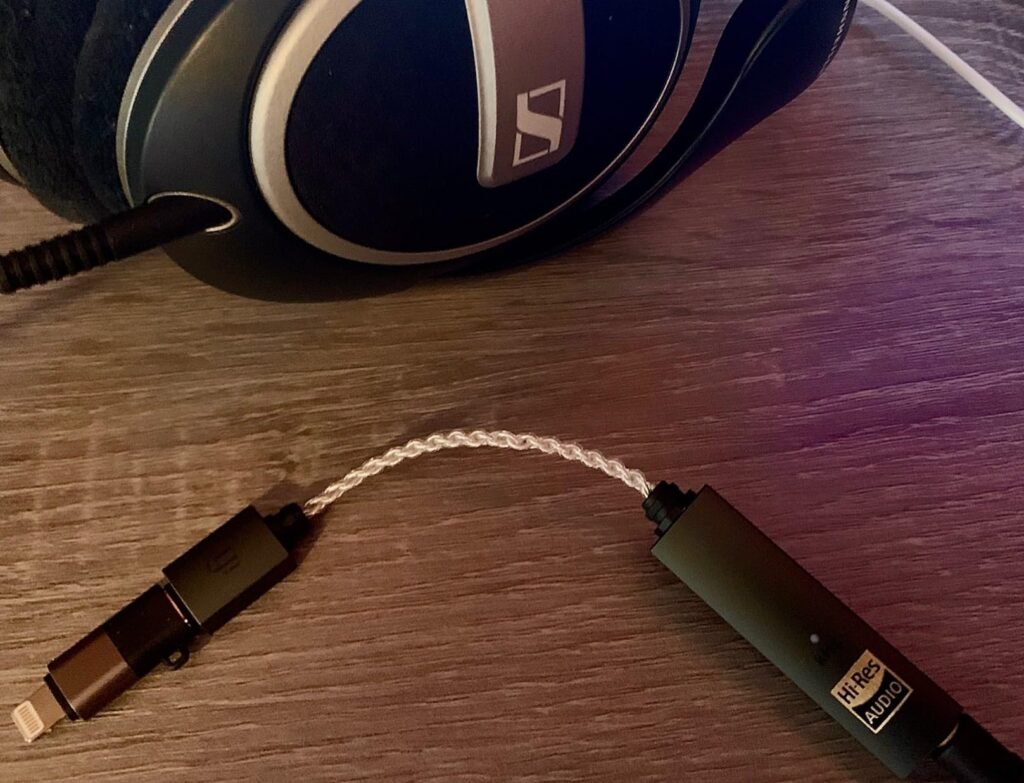
Fosi Audio DS2
8.6Editor scoreDual CS43131 DAC
170mW at 32Ω
DSD256 PCM 384kHz
3.5mm and 4.4mm
Find the right portable dacs for 2026. We compare 10 standout options by build quality, useful features, owner feedback, value, and everyday trade-offs.
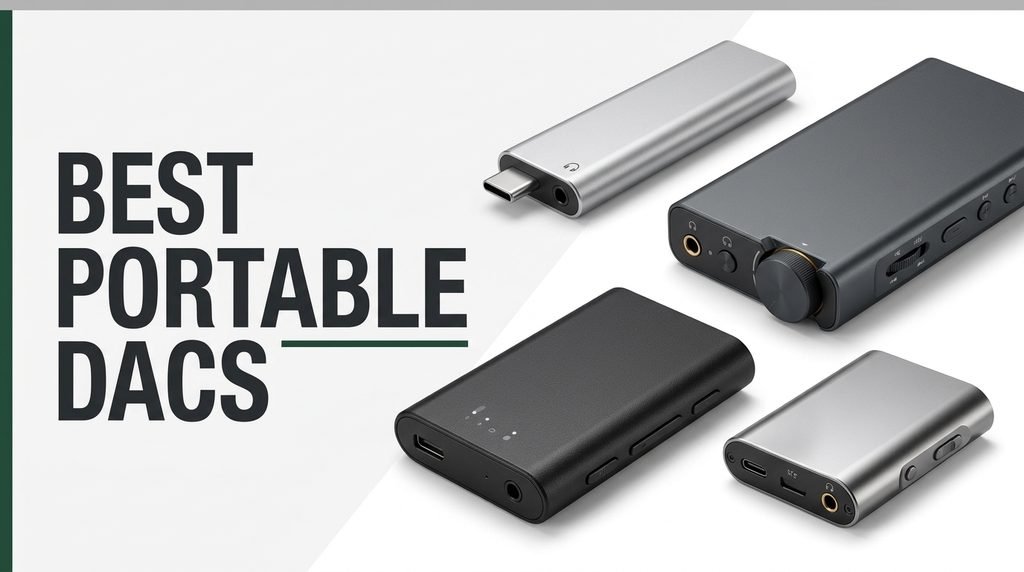
Choosing a portable DAC in 2026 comes down to matching chipset quality, output power, and connection options to the headphones you actually own. We compared 10 standout models by DAC chips, balanced and single-ended outputs, driver strength, EQ support, portability, build quality, and real everyday value so you can shop with fewer question marks.
Portable DACs range from tiny USB-C dongles that clip to a phone to Bluetooth pucks and small desktop-style amps with color screens. The right pick depends on whether you use sensitive IEMs, drive high-impedance headphones, want wireless flexibility, or need MFi certification for iPhones and iPads without stability issues.
This guide highlights meaningful differences instead of spec sheet noise. You will see where balanced 4.4mm output matters, when parametric EQ becomes genuinely useful, why chip choice affects noise floor, and how features like desktop mode or dynamic range enhancement change the listening experience across phones, laptops, and gaming consoles.
We compared 10 portable DACs using the details that shape a real buying decision: DAC chipset quality, single-ended and balanced output power, supported PCM and DSD sample rates, EQ and DSP features, Bluetooth codec support where relevant, build materials, weight, screen and control usability, headphone compatibility across IEMs and full-size cans, iOS and Android stability, and long-term value. Each note connects specifications to practical listening, so buyers understand exactly what changes when moving between dongles, Bluetooth models, and portable desktop-class amps.


Compare key features, scores, and current prices side by side. A shorter feature list means fewer details were available, not necessarily fewer capabilities.


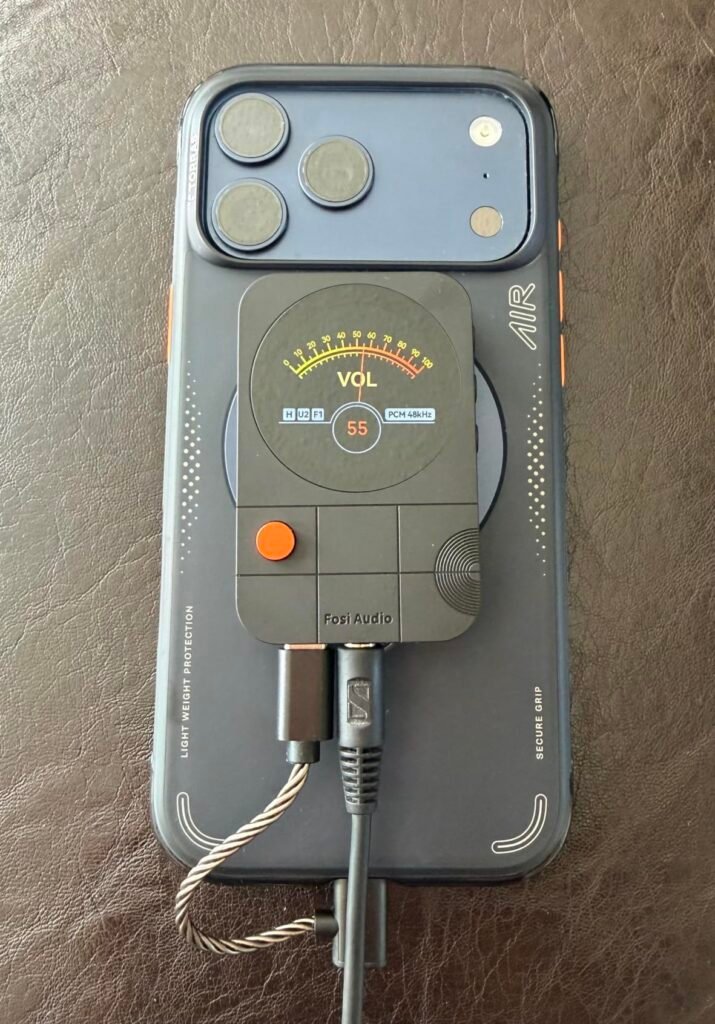
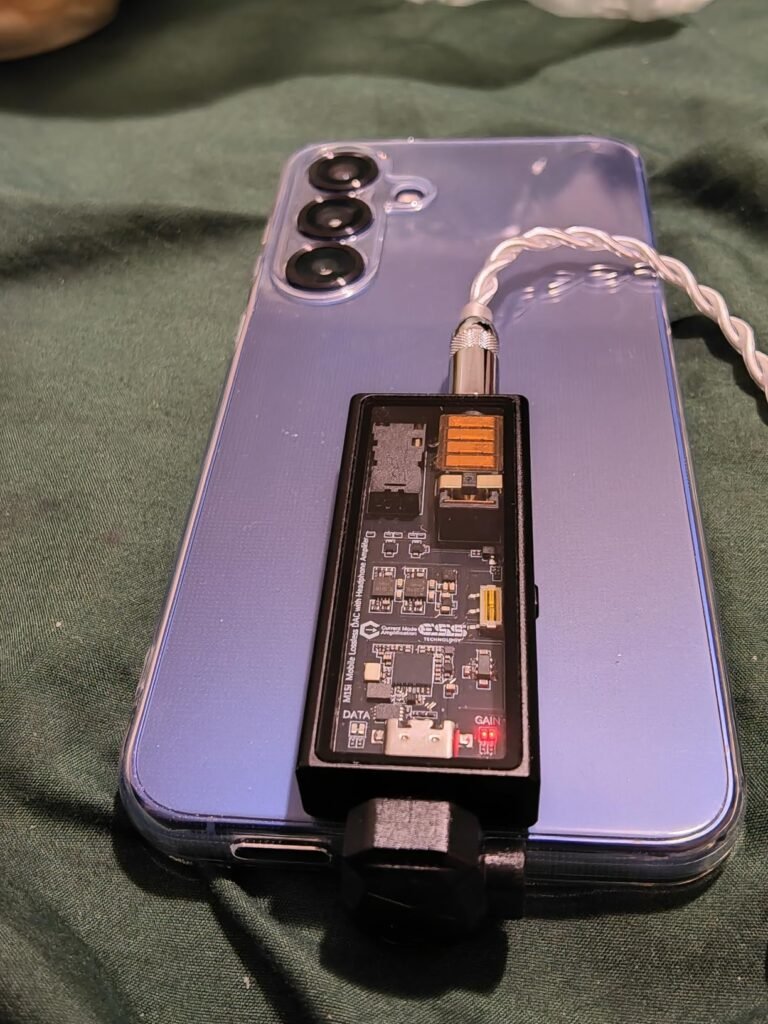
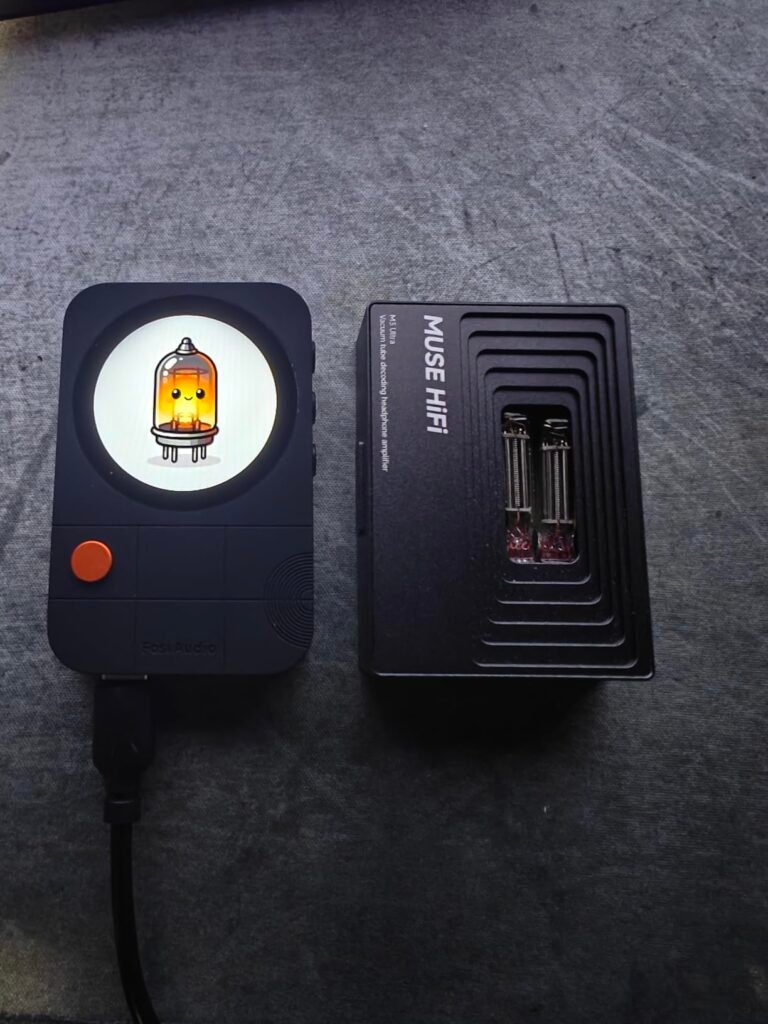
The MD3 is an interesting hybrid: it's small enough to be a dongle, but it uses a magnetic leather back panel to attach directly to the back of a phone or MagSafe-friendly case. The result feels tidier than a cable-flapping dongle setup, and the 12mm-thick aluminum body sits comfortably against modern phones.
We may earn a commission when you buy through this link, at no additional cost to you.
Inside, the ESS ES9039Q2M flagship DAC handles the conversion with THD+N as low as 0.00075%, and four ES9603Q amp chips drive both 3.5mm single-ended and 4.4mm balanced outputs. It supports headphones between 16 and 300 ohms, and while it will not replace a big desktop amp, it does the job for most portable-friendly cans and IEMs.
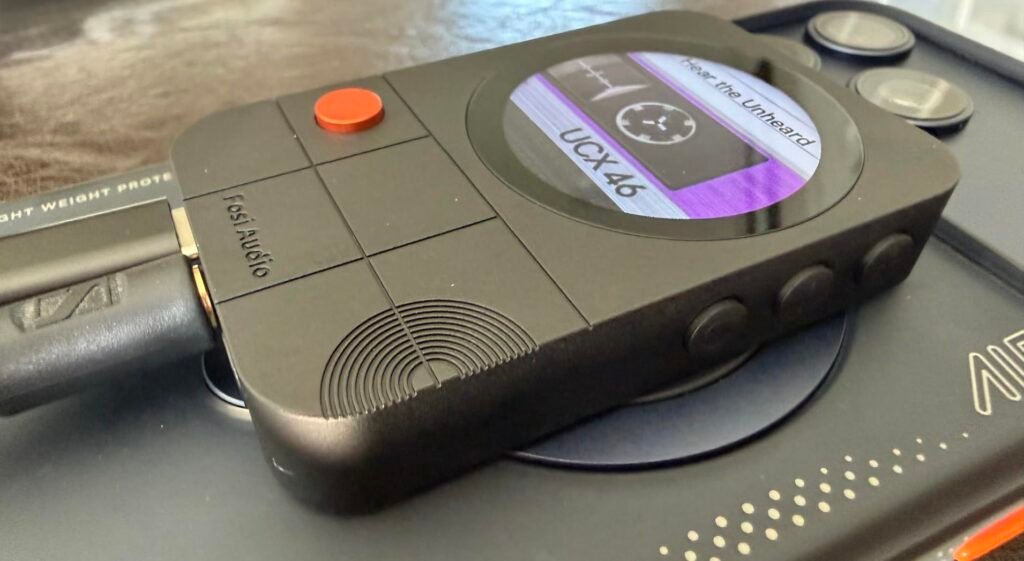
Two features add practical value. Dual USB-C ports let you charge the host device while listening, which is a common pain point with typical dongles. The 1.28-inch circular color display shows playback status, supports custom images, and includes some fun interactive touches without becoming distracting during normal use.
Being able to pass through charging while listening solves a real inconvenience for people who use dongle DACs on long trips or at a desk.
UAC 2.0 handles high-resolution audio on phones and PCs, while UAC 1.0 mode enables plug-and-play use with the PS5 and Switch. If you want a stylish, versatile portable DAC that stays attached to your phone and offers a screen you’ll actually enjoy looking at, the MD3 is a strong candidate.
Not the right choice for users who need extremely high power for demanding full-size headphones.
We may earn a commission when you buy through this link, at no additional cost to you.
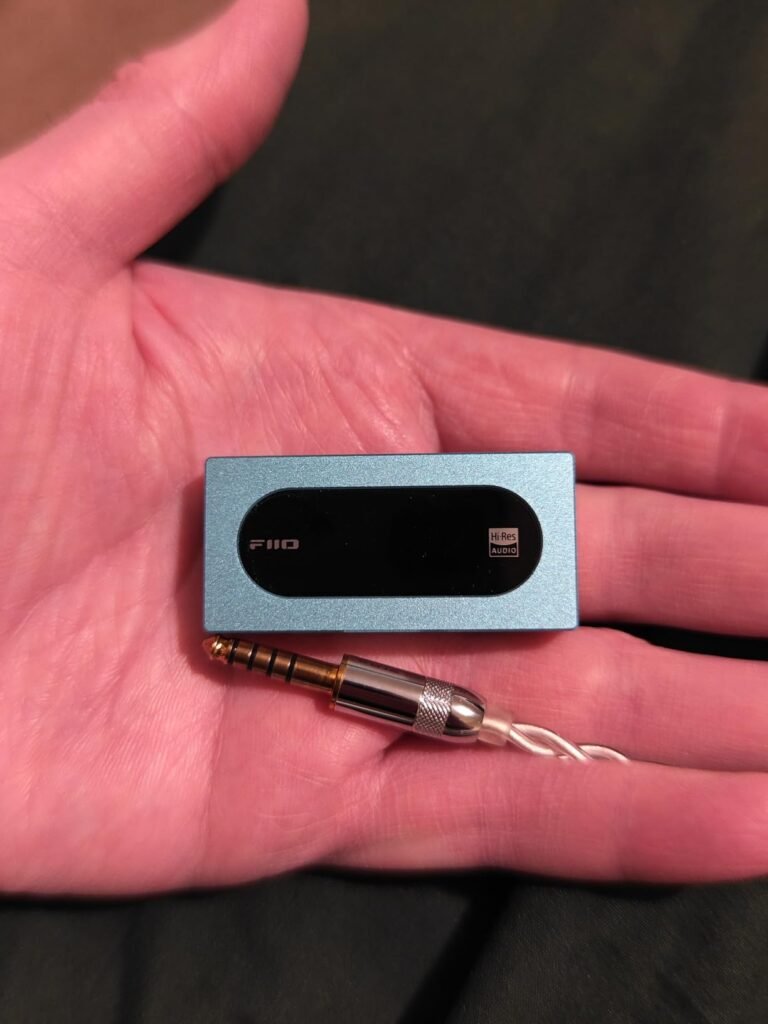
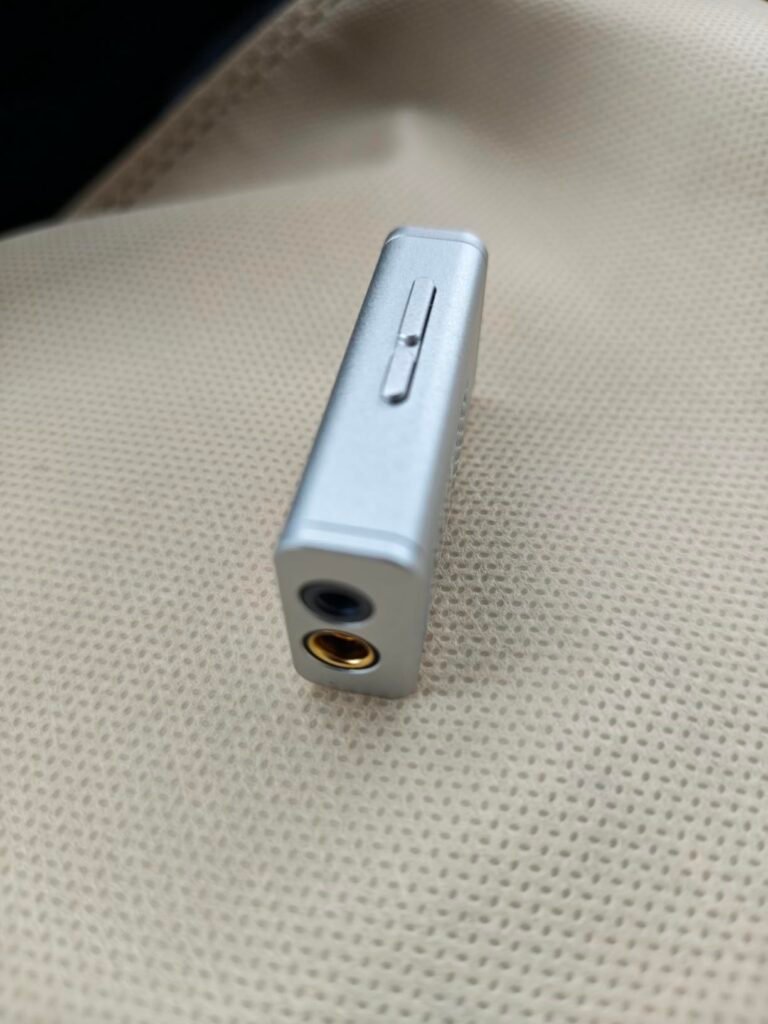
The DS2 targets listeners who want both 3.5mm and 4.4mm balanced outputs without paying premium prices. Its dual Cirrus Logic CS43131 setup is uncommon at this cost, and it gives the dongle enough headroom for most IEMs and moderately efficient headphones. For someone stepping up from a phone's built-in output, the improvement in clarity and channel separation is immediately noticeable.

We may earn a commission when you buy through this link, at no additional cost to you.
On paper the DS2 hits the numbers that matter for a clean signal: a 1μV noise floor, 130dB SNR, and THD around 0.0001%. In practical terms this means very little audible hiss on sensitive in-ear monitors, which is often where cheap dongles struggle. The 170mW per channel at 32Ω on balanced output is enough for most portable-friendly headphones, though power-hungry planars will want something stronger.
Usability is refreshingly simple. Independent volume buttons handle 60-step adjustment, and the device remembers your last setting between sessions, which avoids the sudden-loud surprise when you plug in. The CNC metal body feels reassuringly solid, and the shape sits comfortably against a phone case. There is no display or app, so the DS2 stays firmly plug-and-play.
If you use IEMs with your phone during commutes and want a real jump in fidelity, the DS2 covers the essentials without complicating your setup or your budget.
For the money, the DS2 is one of the easier recommendations for anyone testing the waters with portable Hi-Fi audio. The tradeoff is a lack of tuning options and modest power ceiling. If you already own high-impedance cans or want on-device EQ, you’ll want to step up. For most phone-plus-IEM setups, it delivers strong value.
Not ideal for driving demanding high-impedance planar headphones or listeners who want on-device parametric EQ.
We may earn a commission when you buy through this link, at no additional cost to you.
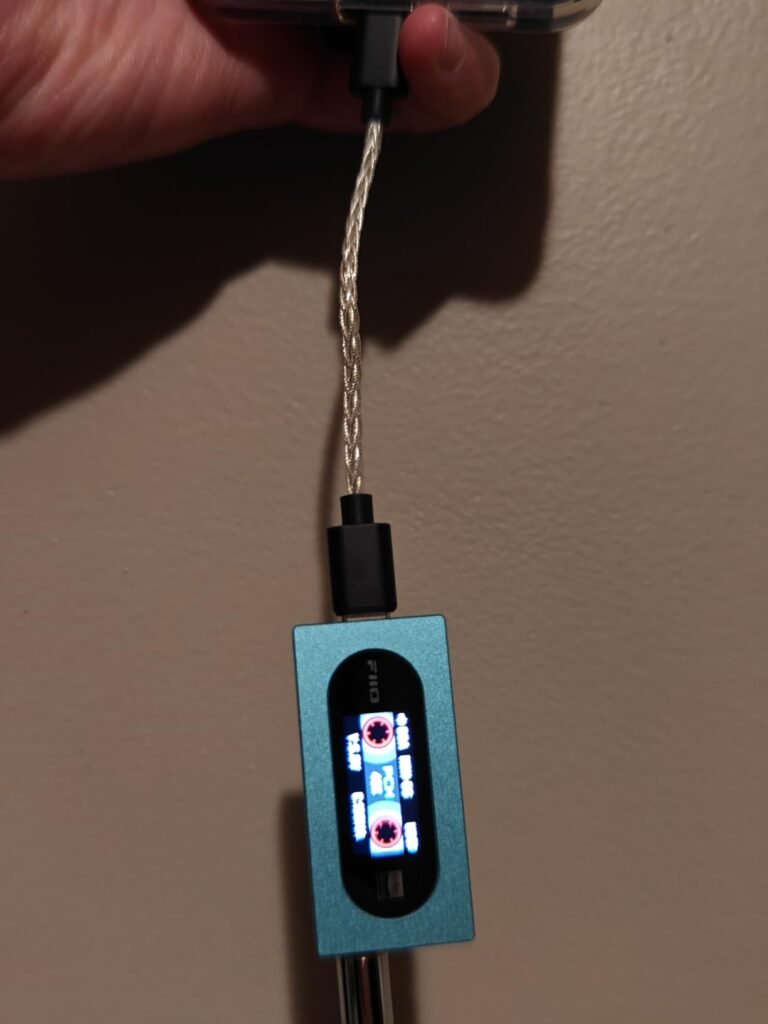
The KA15 stands out because it behaves like two products in one. Plug it into a phone and it's a capable dongle DAC with dual flagship CS43198 chips. Enable Desktop Mode with a supplemental power source and balanced output jumps to 560mW per channel, enough to drive many demanding over-ear headphones that would leave typical dongles gasping.
We may earn a commission when you buy through this link, at no additional cost to you.
The 10-band parametric EQ is the other headline feature. Managed through the FIIO Control app or a web interface, it lets you save custom curves, import shared tunings, and fine-tune frequency response for specific headphones. That kind of flexibility is genuinely useful for anyone with a growing headphone collection because it removes the need for separate software EQ on every device.
The retro-inspired 0.96-inch IPS screen gives clear status feedback and looks distinct from the sea of black slabs on the market. On-device menus cover sample rate, gain, UAC mode, and channel balance without needing the app for daily use. The 3.5mm jack also doubles as a COAX SPDIF output, opening options for stacking with an external decoder later.
Higher-impedance headphones need real voltage swing. Desktop Mode gives the KA15 the headroom to drive them properly, turning a pocket dongle into a legitimate mini desktop amp when needed.
Overall the KA15 delivers strong audio performance, thoughtful power management, and one of the most complete feature sets in its price tier. The two tradeoffs to know: unlocking full power requires an external supply, and full app control is Android-only. If those match your use case, it is one of the most future-proof portable DACs available.
Not the best fit for iOS-only users who want full app-based EQ tuning on the go.
We may earn a commission when you buy through this link, at no additional cost to you.
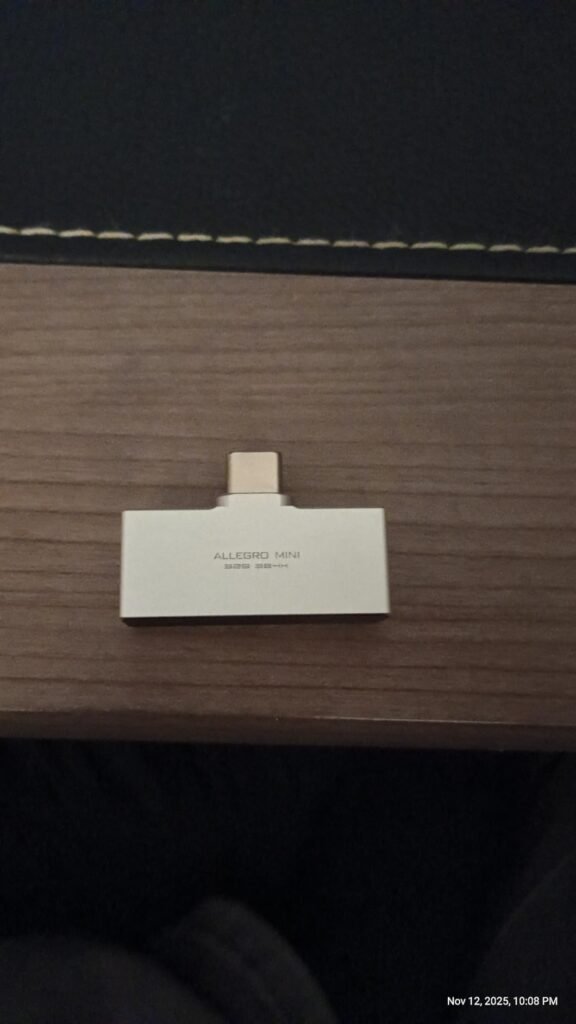
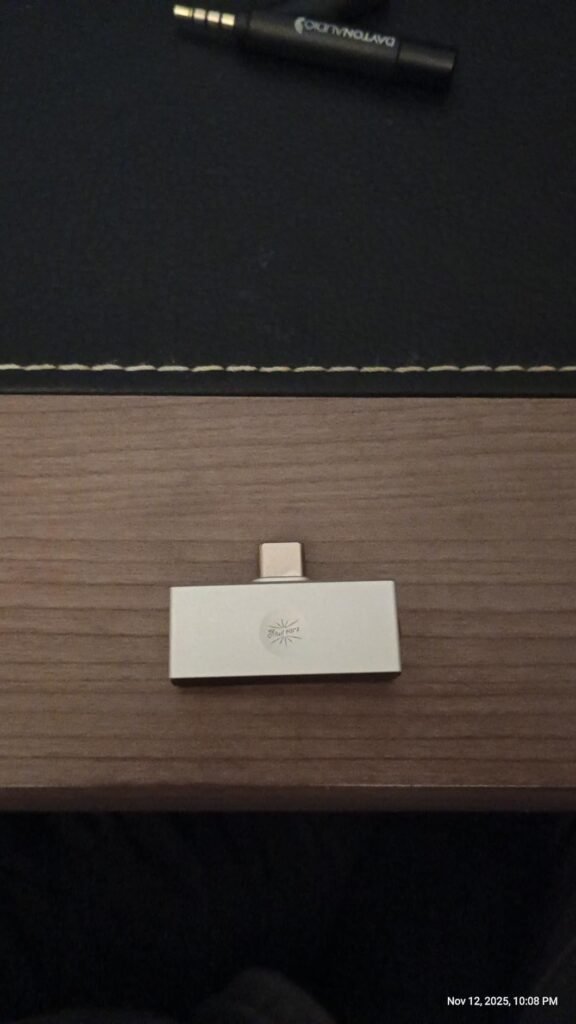
The Allegro Mini exists for the shopper who wants a discreet, well-built dongle with balanced output at a very approachable price. Its aluminum unibody feels far more premium than its cost suggests, and the compact shape is easy to leave permanently attached to a Type-C cable in a bag or coat pocket.
We may earn a commission when you buy through this link, at no additional cost to you.
Audio-wise it supports PCM up to 32bit/384kHz and DSD128, with THD+N as low as 0.004% at 32 ohms. That translates to clean, uncolored playback that particularly favors sensitive IEMs. The presence of both 3.5mm and 4.4mm outputs is unusual at this price and gives buyers a real path into balanced-cable IEMs without an expensive upgrade later.
Compatibility is straightforward. It plugs into most Android devices running 5.1 and up, along with Windows, macOS, and iPads with USB-C. There is no app dependence and no driver hunt on a laptop, which keeps the day-to-day experience painless. The tradeoff for this simplicity is a lack of EQ, screen, or gain toggle.
If you have upgraded to a 4.4mm balanced cable on a favorite IEM, this dongle unlocks that connection cheaply while keeping noise floor low.
For anyone building a portable rig around IEMs and wanting a balanced output without spending significantly more, the Allegro Mini is one of the best value options available. It is less suited to power-hungry over-ear planars, but for its target audience it hits well above its price.
Not the right pick for driving high-impedance over-ear headphones or listeners who want on-board EQ.
We may earn a commission when you buy through this link, at no additional cost to you.
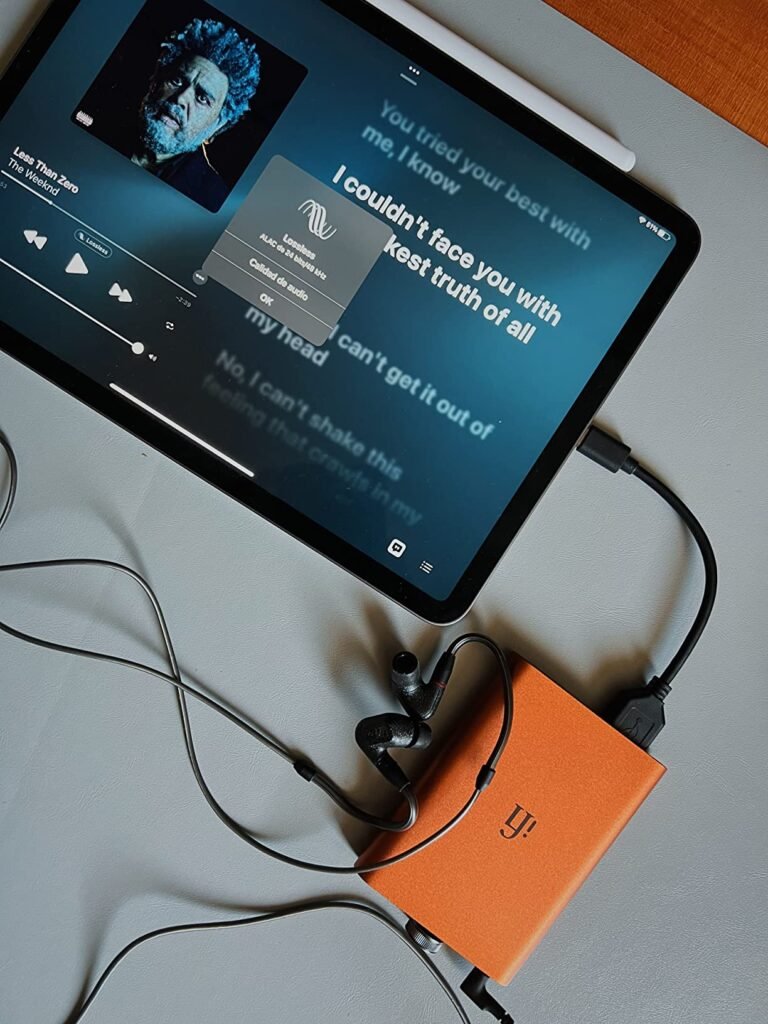
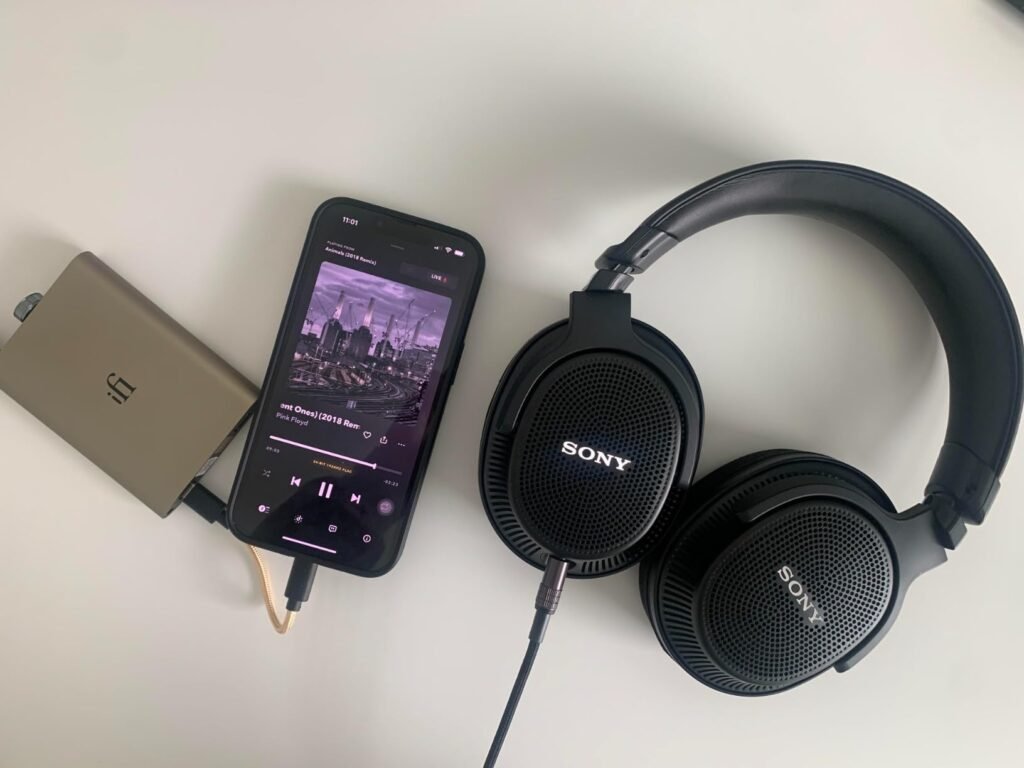
The Hip-dac 3 targets buyers who want a proper portable amp rather than another dongle. Its internal battery drives the analog stage independently of the phone, which reduces battery drain on the source and provides more consistent power delivery for demanding headphones. The Stealth Edition's matte aluminum housing looks understated and travels well in a bag.
We may earn a commission when you buy through this link, at no additional cost to you.
On the audio side, iFi’s True Native DAC handles PCM up to 32-bit/384kHz, DSD256, and full MQA decoding. Alongside a balanced 4.4mm output, an S-Balanced 3.5mm socket helps reduce distortion when using single-ended headphones. This lets one device serve both a set of high-end IEMs and a full-size closed-back headphone without changing gear.
Two physical controls set the Hip-dac 3 apart. PowerMatch adjusts gain for power-hungry headphones, while iEMatch attenuates output to keep the noise floor invisible on hyper-sensitive IEMs. The XBass switch adds a warm low-end lift without turning the sound bloated, which is welcome for genres or headphones that skew lean.
Long listening sessions, sensitive IEMs, and demanding cans all benefit from a separate power reservoir. The Hip-dac 3 addresses each without adding menu complexity.
The tradeoff versus a dongle is size and the need to charge the device. But in return you get significantly more grunt, dedicated tone controls, and the peace of mind of an isolated power source. For anyone who takes music seriously on the move, the Hip-dac 3 remains one of the most balanced premium picks in this category.
Not ideal for users who want the smallest possible always-attached USB-C dongle.
We may earn a commission when you buy through this link, at no additional cost to you.
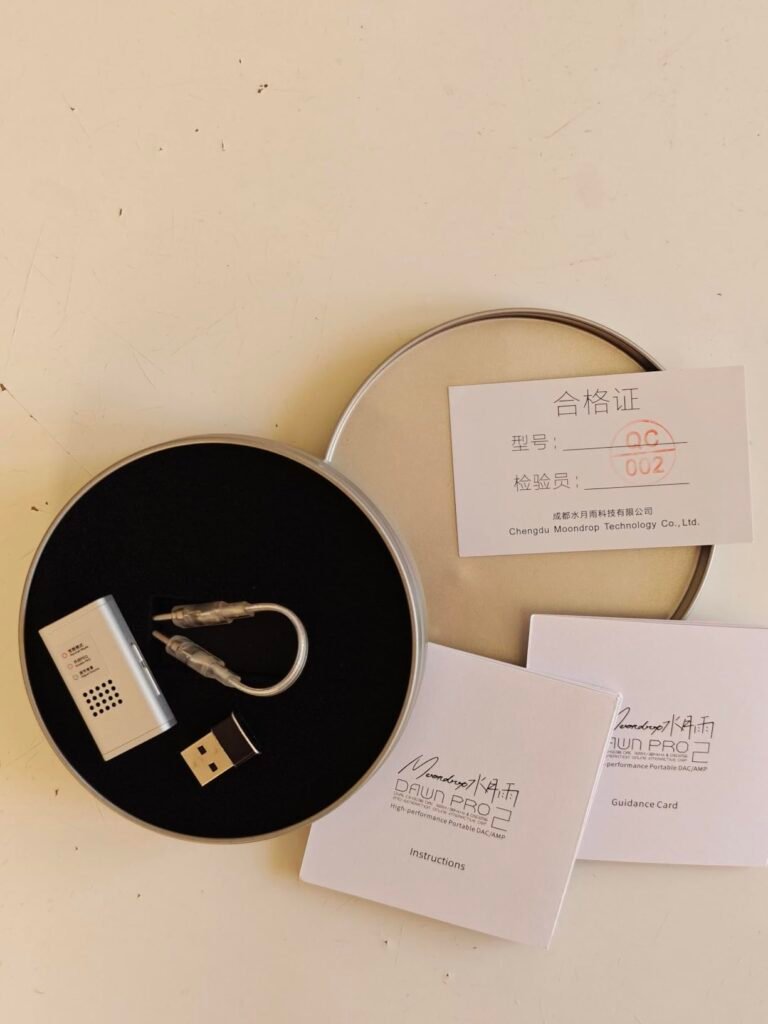
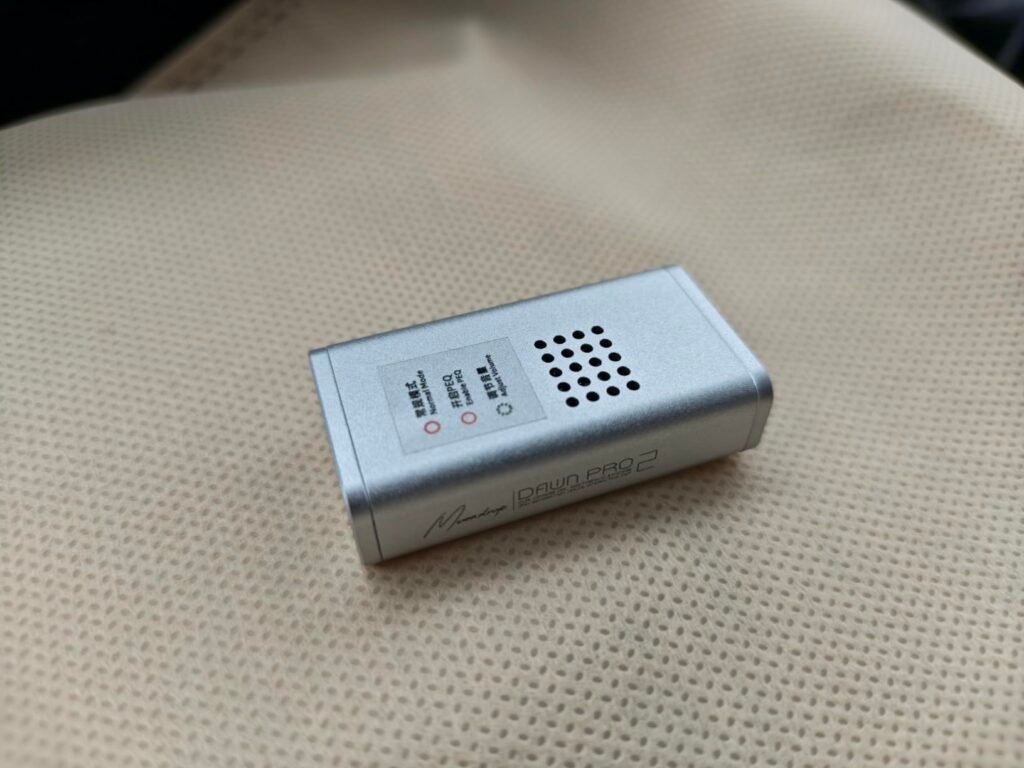
The Dawn Pro 2 is aimed at listeners who genuinely care about tuning. Moondrop's updated DSP app offers a professional-feeling PEQ interface with filter type, frequency, gain, and Q value adjustments, plus a headphone frequency-response database for reference. For anyone chasing a specific target curve, that level of control is very useful.
We may earn a commission when you buy through this link, at no additional cost to you.
Sound quality is anchored by dual Cirrus Logic CS43198 chips with three LDO regulators separating power to critical circuits. This design keeps the noise floor low while helping the DAC preserve dynamics and micro-detail. The 4Vrms balanced output and 124mW per channel figure lands squarely in IEM and easier-to-drive headphone territory rather than power-monster status.
Small usability details matter here. A near-lossless 100-step volume control decouples level from the phone, which prevents dramatic jumps between apps. The aluminum housing has vents positioned above the hot-running chips to help with thermal stability during long sessions. Overall the design feels like it was built by people who use these things daily.
On-device PEQ only helps if it is easy to use. Dawn Pro 2’s app-based tuning with a headphone database gives shoppers a real path to correcting known frequency issues on their headphones.
If you value tuning flexibility and a clean, refined signature, the Dawn Pro 2 is a strong option. Buyers with hard-to-drive planars will want something more powerful, but for IEM-focused listeners and most portable headphones, its mix of chips, DSP, and finish feels considered rather than gimmicky.
Not suited to buyers who want maximum power for demanding full-size planar headphones.
We may earn a commission when you buy through this link, at no additional cost to you.
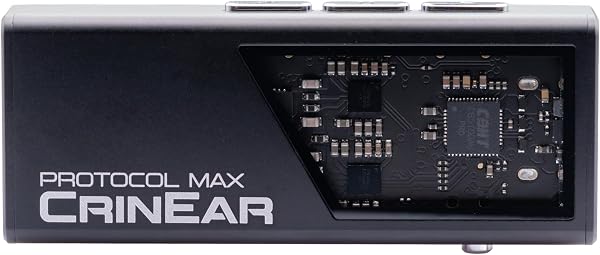
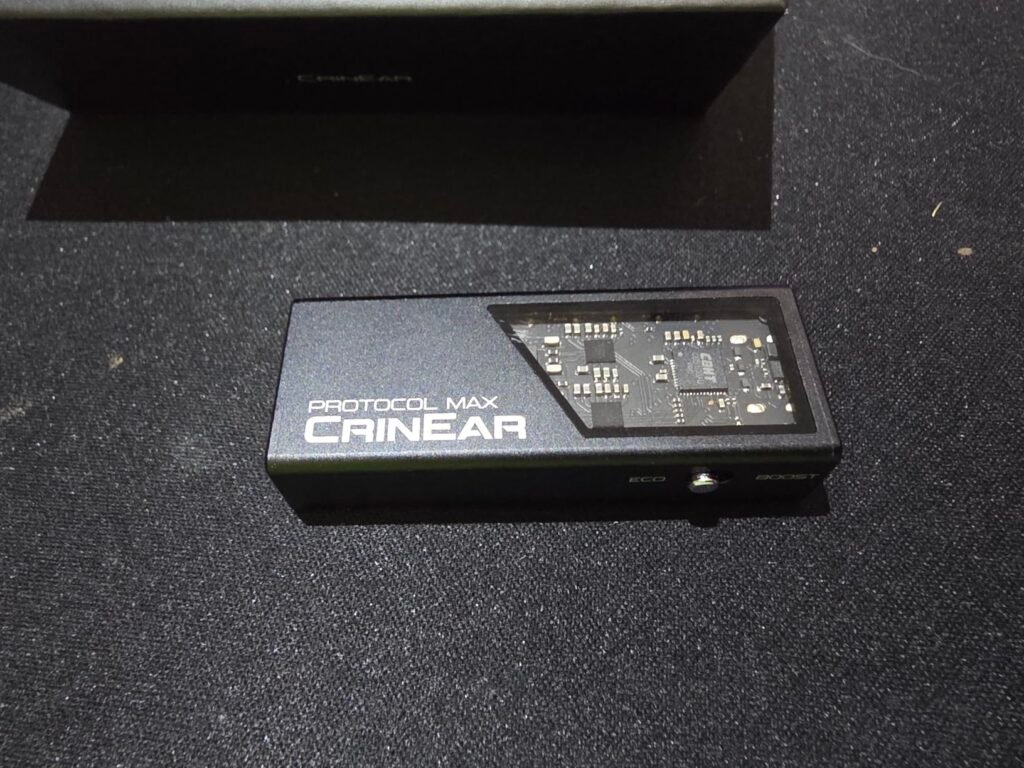
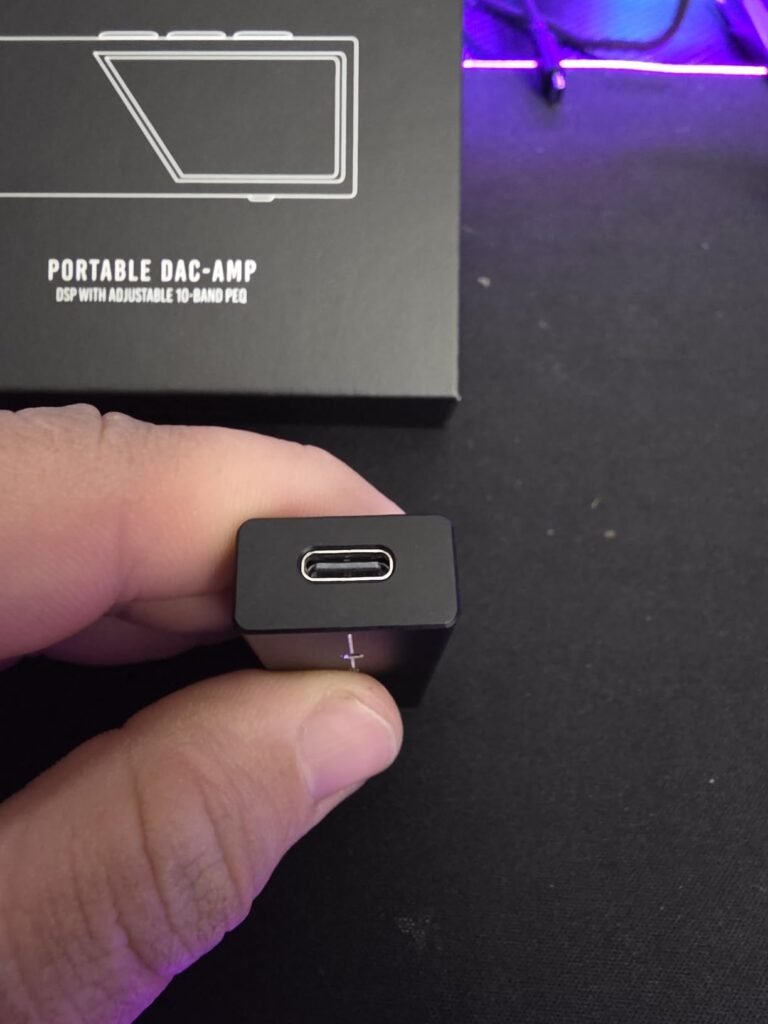
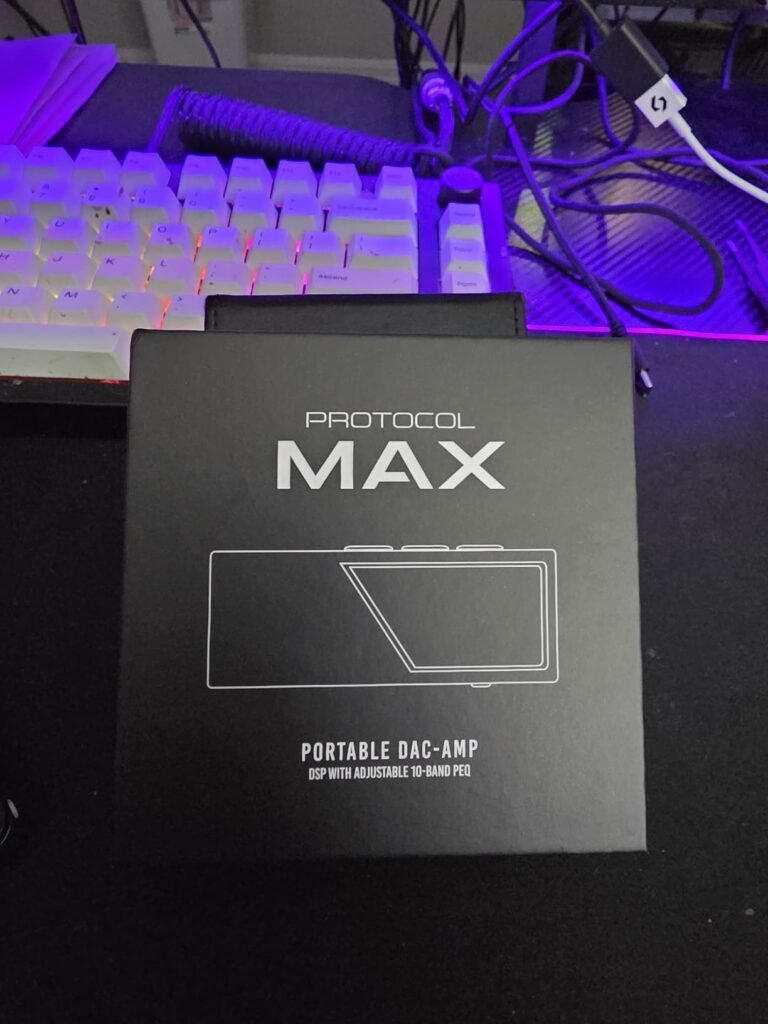
The Protocol Max sets itself apart with a very generous 600mW balanced output from a device that still fits in a pocket. Combined with dual Cirrus Logic CS43198 DACs and SG Micro SGM8262-2 op-amps, it becomes a legitimate answer for buyers who want dongle-style portability but need genuine drive for tougher headphones.
We may earn a commission when you buy through this link, at no additional cost to you.
Its 10-band parametric EQ takes a smart approach: settings are configured through a browser on a PC and then saved directly to the device. No proprietary app, no login screens, no waiting for updates that never come. Once the profile is stored, you can carry it anywhere and it applies automatically across phones and laptops.
Two power modes provide meaningful flexibility. Eco mode extends runtime and lowers heat when driving efficient IEMs, while Boost mode unlocks maximum output for more demanding headphones. Both 3.5mm and 4.4mm outputs are present with low output impedance, which supports a wide range of headphones without impedance-related tuning weirdness.
Skipping a dedicated app removes long-term compatibility concerns. As long as you can open a browser, you can adjust the Protocol Max’s EQ profile years from now.
The Protocol Max suits enthusiasts who want power, tuning, and portability without stepping up to a full battery-powered amp. The main tradeoffs are the lack of a display and the reality that Boost mode draws more current from the host device. For a technical listener who wants control, it is a compelling pick.
Not the best option for buyers who prefer a color screen and on-device menu navigation.
We may earn a commission when you buy through this link, at no additional cost to you.
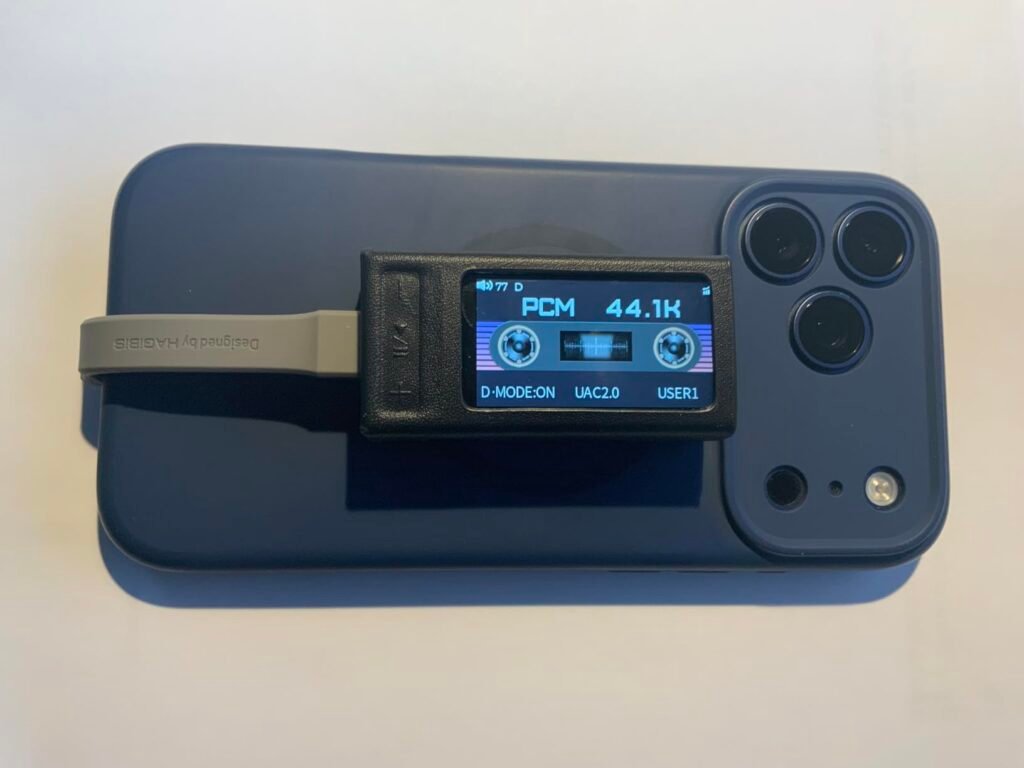
The QX13 is the pick for buyers who want desktop-level output without giving up portability entirely. The ESS ES9027PRO 8-channel DAC combined with dual ES9312 regulators delivers very low distortion and precise channel matching, forming a strong technical foundation before amplification even enters the picture.
We may earn a commission when you buy through this link, at no additional cost to you.
Amplification is where the QX13 becomes serious. Four INA1620 op-amps and two OPA1692 op-amps combine to deliver up to 900mW per channel, which is enough headroom to drive high-impedance headphones that many portable DACs cannot handle cleanly. This is genuinely rare capability in a device you can slip into a jacket pocket.
The 1.99-inch touchscreen protected by Gorilla Glass 3 is one of the nicest interfaces in this category. Multiple dynamic UI themes, a 32-bit processor for smooth animations, and full-color visuals turn menu navigation into something enjoyable rather than a chore. A 10-band EQ is available directly on the device.
Headphones rated at 250 or 300 ohms often sound thin from typical dongles. The QX13’s power reserve avoids that problem and preserves dynamics at comfortable listening levels.
FiiO’s magnetic ecosystem is another consideration. The included leather case adds protection, and optional E-Stick accessories extend runtime or create a portable desktop-style stack. If you want maximum power, a proper screen, and room to grow the setup, the QX13 is the most complete option here.
Not the best value pick for casual listeners who only use easy-to-drive earbuds with a phone.
We may earn a commission when you buy through this link, at no additional cost to you.
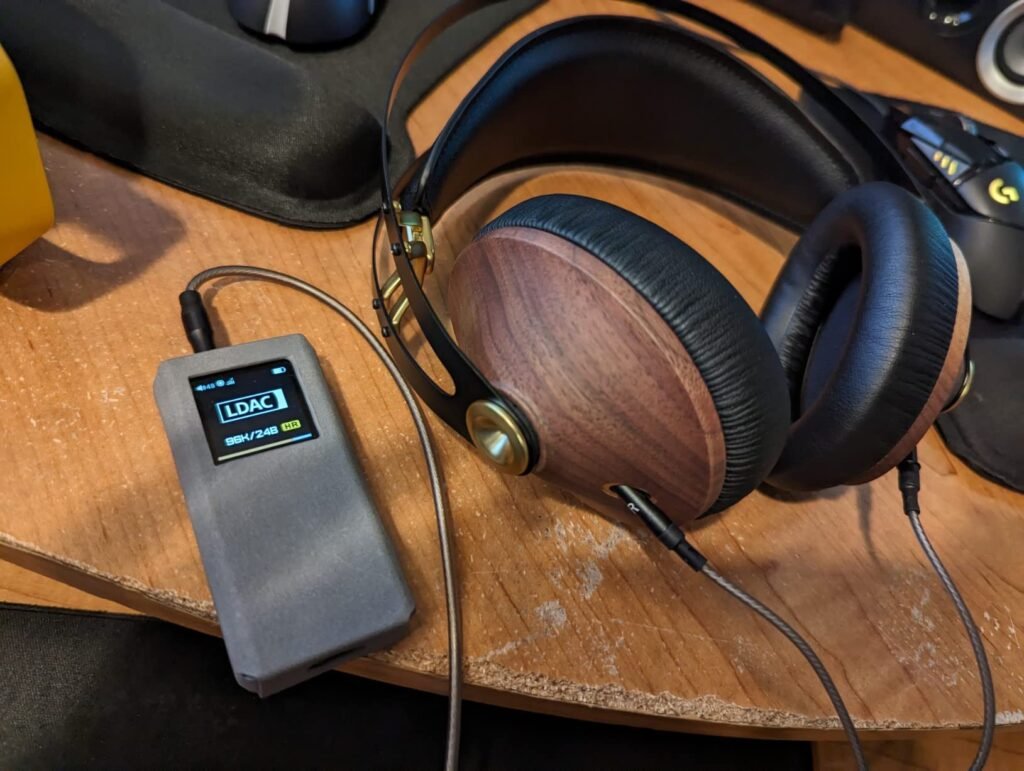
The BTR7 is aimed at listeners who value wireless flexibility but refuse to accept the loss of quality that typically comes with basic Bluetooth adapters. It supports Bluetooth 5.1 with LDAC, aptX Adaptive, aptX LL, aptX HD, aptX, AAC, and SBC, covering essentially every hi-res codec worth using with a modern phone.
We may earn a commission when you buy through this link, at no additional cost to you.
When wired via USB, the XMOS XUF208 chip handles PCM up to 384kHz, native DSD256, and MQA 8x rendering with a compatible player. That flexibility means the BTR7 doubles as a proper USB DAC for a laptop while doubling as a wireless receiver for a phone, so one device covers two very different listening scenarios.
Audio duties are handled by dual ES9219C chips, one per channel, paired with dedicated low-pass filters and amplifiers. Both 3.5mm single-ended and 4.4mm balanced outputs are provided, giving users the option to upgrade cables later without changing the core device. A built-in microphone with cVc 8.0 rounds out the feature list for calls.
Being able to switch to USB DAC mode makes the BTR7 useful when Bluetooth interference is heavy or when you want the cleanest possible signal at your desk.
The tradeoff is unavoidable with any Bluetooth device: even the best codecs are compressed compared to a pure wired DAC path. But for anyone who wants to leave their phone in a bag, take calls hands-free, and still enjoy strong sound quality, the BTR7 is one of the most complete portable Bluetooth DAC options currently available.
Not the ideal pick for users who only listen wired and want the absolute purest signal path.
We may earn a commission when you buy through this link, at no additional cost to you.
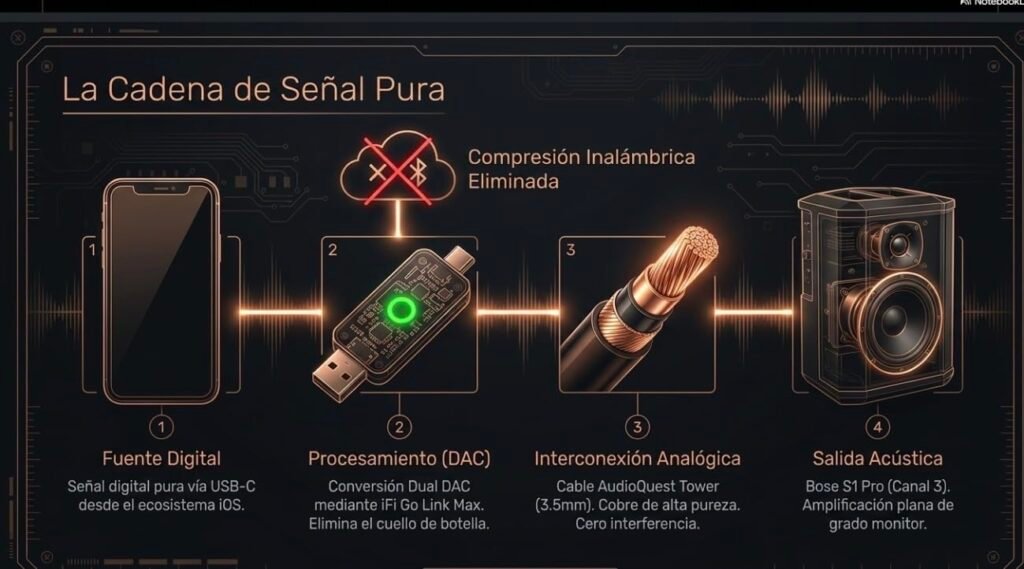
The Go Link Max takes a different approach from most dongles. Rather than a rigid pill that hangs off a phone, it uses a flexible cable with a silver-plated copper twisted-conductor design. This reduces strain on the phone's USB-C port and stops the dongle from levering against the connector when the phone is in a pocket or bag.
We may earn a commission when you buy through this link, at no additional cost to you.
Under the hood, dual ESS Sabre DAC chips are arranged in a balanced circuit, and iFi’s Dynamic Range Enhancement plus THD compensation aim to squeeze extra clarity out of already-strong hardware. Support for PCM up to 32-bit/384kHz and native DSD 256/11.3MHz covers essentially every practical high-resolution file format.
The 4.4mm balanced output delivers up to 241mW, which is enough headroom for most portable-friendly headphones and gives IEMs a very clean noise floor. Gold-plated USB-C and headphone sockets add a small durability advantage over time, particularly for anyone who plugs and unplugs frequently.
A flexible cable avoids the rigid pressure that stiff dongles apply to a phone’s USB-C port, which becomes a durability concern with repeated pocket use.
For buyers who want a premium-feeling wired dongle with balanced output and a strong emphasis on clean signal delivery, the Go Link Max is a very appealing choice. The cable-style form factor is a matter of taste, but the benefits to cable stress and pocket routing are genuine advantages over rigid-body dongles.
Not the best option for buyers who prefer a rigid dongle that clips flush to a phone case.
We may earn a commission when you buy through this link, at no additional cost to you.
Portable DACs vary widely in output power, chipset, connection style, and extras like EQ or Bluetooth. Understanding what each category actually delivers is the fastest way to avoid overspending or under-buying for your headphones.
Output power is the single most important spec to match to your headphones. A dongle rated at 30 to 100 milliwatts is usually enough for in-ear monitors and efficient portable headphones, but planar magnetic cans and high-impedance studio headphones often need 200 milliwatts or more to sound properly dynamic. Underpowered setups sound thin at listening volumes and lose bass punch on demanding transients, even if the DAC chip itself is high-quality.
Balanced 4.4mm outputs typically deliver more power than 3.5mm single-ended jacks on the same device, sometimes by two or three times. If you already own a headphone or IEM with a balanced cable option, choosing a DAC with a 4.4mm output opens up meaningful extra headroom. High-power devices like the FiiO QX13 or the KA15 in Desktop Mode push into territory that competes with entry-level desktop amps, which matters if you own 250 or 300-ohm headphones.
For most casual listeners with IEMs or portable over-ears, mid-range power is more than sufficient. Only step up to a battery-powered amp or high-power dongle if you have specific headphones that demand it.
Different DAC chips have subtle tonal tendencies. Cirrus Logic CS43131 and CS43198 chips, used in models like the Fosi DS2, Moondrop Dawn Pro 2, Protocol Max, and FiiO KA15, are known for a smooth, organic presentation. ESS Sabre chips, found in the Fosi MD3, FiiO QX13, and iFi devices, often trend toward crisp detail retrieval and strong technical resolution. Neither is objectively better, but they can pair differently with your headphones.
Dual-DAC designs, where one chip handles each channel, generally provide better channel separation and lower crosstalk than single-DAC setups. This matters most on high-end IEMs where subtle spatial cues are audible. Support for sample rates like 32-bit/384kHz PCM and DSD256 is now common at most price points, so instead of chasing bigger numbers, focus on the analog output stage and the quality of the op-amps that follow the DAC.
If you already know you prefer warmer or brighter presentations, favor a chipset that historically leans that direction. Otherwise, prioritize power and features first.
Most portable DACs today use USB-C, which pairs directly with modern Android phones, iPads with USB-C, and virtually all laptops. iPhones from the 15 series onward have USB-C as well, but older Lightning iPhones need an adapter or an MFi-certified device like the Questyle M15i to avoid annoying compatibility warnings. Always confirm which platform you plan to use before buying, especially for gaming consoles.
Some devices, such as the FiiO BTR7 and iFi GO blu, add Bluetooth into the mix. Bluetooth DACs are ideal for hands-free listening and phone calls, and modern codecs like LDAC and aptX Adaptive preserve most of the perceived quality. However, wired USB-C connections are still the gold standard for the cleanest signal path, particularly with high-end IEMs where subtle detail matters more.
Choose USB-C for pure fidelity, Bluetooth for convenience, and hybrid Bluetooth-plus-USB models if you genuinely need both use cases.
Parametric EQ has become a genuinely useful feature in portable DACs. Devices like the FiiO KA15, Moondrop Dawn Pro 2, and Protocol Max offer 10-band or greater PEQ with per-headphone profiles stored on the device itself. This lets you correct known weaknesses in specific headphones once and have that correction apply automatically wherever you plug in, without relying on phone-specific EQ apps that vary between operating systems.
iFi takes a different approach with hardware toggles like XBass and PowerMatch. These are simpler than full PEQ but very effective for common tuning needs, such as adding warmth or increasing gain for demanding headphones. Fosi’s DS3 goes further with a 32-band hardware PEQ configurable via web browser, which future-proofs the tuning experience because it does not depend on a proprietary app remaining supported.
If you tinker with sound, PEQ is worth prioritizing. If you prefer plug-and-play simplicity, focus on models with a naturally pleasing default tuning.
Portable DACs come in three broad shapes: tiny cable-style dongles like the iFi Go Link Max, rigid pocket amps like the iFi Hip-dac 3 and FiiO QX13, and phone-mounted magnetic devices like the Fosi MD3. Cable-style designs reduce stress on the phone’s USB-C port and pocket better than rigid dongles. Larger amps trade portability for battery life and greater power, while magnetic designs stay tidy but depend on case compatibility.
Build quality varies more than expected. CNC-machined aluminum housings, tempered glass panels, and gold-plated jacks all add up to devices that survive daily use better than plastic-heavy competitors. Screens are increasingly common, and while a display is not essential, on-device controls make quick sample-rate checks or EQ profile changes significantly less annoying than requiring a phone app.
Match the form factor to your daily routine. A commuter with only IEMs and a phone has very different needs from someone alternating between a desk laptop and demanding over-ear headphones.
Bus-powered dongles pull energy from your phone or laptop, which can noticeably shorten battery life on long trips. Devices with intelligent power management, like the FiiO KA15’s dynamic power adjustment or the Fosi DS3’s XMOS-powered efficiency, minimize this drain during typical listening. If you commute for hours or listen while working, this is a real quality-of-life consideration.
Devices with their own batteries, like the iFi Hip-dac 3, FiiO BTR7, and iFi GO blu, remove this concern entirely. The tradeoff is you now have another battery to charge, but you gain more stable power delivery to the analog stage and preserve your phone’s runtime. For daily heavy use, a self-powered device is often the better long-term choice despite the extra size.
Match your choice to how long you actually listen per day. Light users can skip self-powered amps; heavy listeners will appreciate them.
Portable DAC pricing spans from under thirty dollars to well over two hundred. Higher prices generally buy more power, better chips, sturdier housings, and richer feature sets, but the returns diminish quickly. A well-chosen entry-level dongle like the Kiwi Ears Allegro Mini delivers most of what casual listeners need, while enthusiasts benefit more from mid-range picks with EQ and balanced output than from paying premium prices for marginal chip upgrades.
Firmware update policies matter for feature-rich devices. Brands with active app support and regular firmware releases can add features and fix bugs long after purchase, which extends useful life significantly. Check whether the manufacturer has a track record of updating older models before spending on a heavily software-dependent product.
Balance current needs with realistic upgrade timelines. If you plan to buy better headphones soon, factor that power requirement into the DAC decision now instead of upgrading twice.
Getting the best from a portable DAC starts with setting appropriate volume levels at both the source and the device itself. Many DACs use a dedicated 100-step or 60-step internal volume that is separate from your phone’s system volume. Keep the source at a moderate level and use the DAC’s volume for fine control, which preserves signal quality and avoids sudden loud playback when switching apps or songs.
For dongle-style DACs, be mindful of physical strain on the USB-C connector. Cable-style designs reduce this stress, but rigid dongles can lever against the port if the phone is in a tight pocket. Use a case that accommodates the dongle, or route the cable so weight is not hanging off the connector. Keep charging ports clean and free of lint to maintain reliable connections and avoid intermittent dropouts during listening.
Battery-powered models like the Hip-dac 3, BTR7, and GO blu benefit from typical lithium-ion care. Avoid regularly draining the battery to zero, store the device charged if you won’t use it for a while, and keep it away from prolonged high heat. Update firmware when the manufacturer releases it, since these updates often improve compatibility with new phones, refine sound tuning, or expand EQ features.
Most phones output audio through USB-C using a very basic internal DAC or a bundled adapter with limited power. A dedicated portable DAC provides cleaner amplification, better chips, and often much more output power. The difference is most noticeable on quality IEMs and headphones, where you get more detail, better dynamics, and a lower noise floor. For basic wired earbuds, the upgrade is smaller but still audible.
Balanced outputs use separate signal paths for the positive and negative sides of each channel, which reduces certain types of noise and typically delivers more power. Single-ended 3.5mm outputs share a common ground and are more universal. If you have headphones or IEMs with a balanced cable option, the 4.4mm output on your DAC will usually give you noticeably more headroom and can reduce crosstalk between channels.
USB-powered dongles do pull power from the phone, though modern designs are more efficient than older models. Expect around 10 to 20 percent extra battery drain during active listening, depending on the device and volume. Battery-powered amps like the iFi Hip-dac 3 or FiiO BTR7 don't affect phone battery at all, since they use their own power source. If long listening sessions matter, a self-powered amp is worth considering.
Many portable DACs support UAC 1.0 mode, which enables plug-and-play compatibility with the PS5 and Switch. Devices like the Fosi Audio MD3 and DS3 explicitly support this, and it lets you use good headphones with consoles that otherwise offer limited audio output. Just confirm the model you're buying supports UAC 1.0 before purchase, since UAC 2.0 alone will not connect to those consoles without an adapter.
Modern Bluetooth codecs like LDAC and aptX Adaptive get very close to wired quality for most listeners, especially in casual environments. However, wired USB connections still provide the cleanest signal with zero compression, which matters most on high-resolution recordings and revealing headphones. Hybrid devices like the FiiO BTR7 give you both options, so you can choose based on the situation rather than committing to one approach.
MQA is a specific audio format used mainly by Tidal for hi-res streaming. If you're a Tidal Masters subscriber and want full MQA unfolding, look for devices with explicit MQA support like the iFi Hip-dac 3 or FiiO BTR7. If you use Apple Music, Qobuz, Amazon Music HD, or local files, MQA support is unnecessary and shouldn't influence your decision. Most other high-resolution formats are widely supported across portable DACs.
IEMs and efficient portable headphones typically need only 30 to 100 milliwatts to reach comfortable listening levels. Full-size headphones often want 100 to 200 milliwatts for good dynamics. High-impedance studio headphones and demanding planar magnetics benefit from 250 milliwatts or more. Devices like the FiiO QX13 with 900 milliwatts or the Protocol Max with 600 milliwatts handle even challenging headphones, while entry dongles work best with easier loads.
For enthusiasts who care about tuning, parametric EQ is genuinely valuable. It lets you correct known frequency issues in specific headphones and save those corrections directly to the DAC. This means the tuning applies wherever you use the device, regardless of source. If you already know your headphones need bass adjustment or a treble tweak, on-device PEQ is far more convenient than fiddling with EQ apps that vary between phones and operating systems.
USB-C iPhones (15 series and newer) work directly with any USB-C DAC. Older Lightning iPhones need an MFi-certified device like the Questyle M15i or a Lightning-to-USB-C adapter to avoid stability issues and compatibility warnings. Non-MFi adapters can work but often cause battery drain warnings or intermittent audio problems. Always verify the DAC lists iPhone or iOS compatibility if that's your main source.
Well-built portable DACs with quality metal housings can easily last five years or more with reasonable care. The main long-term concerns are battery health on self-powered models, USB-C port wear on dongles, and firmware or app support from the manufacturer. Devices from brands with strong track records for updates tend to age better because they gain features and compatibility improvements over time rather than falling behind new phones and formats.
For most enthusiasts looking for the best overall combination of power, features, and value, the FiiO KA15 stands out. Its dual CS43198 chips, 10-band parametric EQ, IPS color screen, and switchable Desktop Mode give it a versatility few dongles match. Whether paired with sensitive IEMs or demanding over-ear headphones, it adapts without forcing compromises, and its long-term feature set makes it easy to recommend as a primary daily driver.
Different buyers have equally valid alternatives. The iFi Hip-dac 3 is the natural pick for anyone who wants a battery-powered amp with genuine analog character, while the FiiO QX13 goes further for listeners with truly demanding headphones. Budget-focused shoppers get remarkable value from the Kiwi Ears Allegro Mini or Fosi DS2, and anyone who wants wireless flexibility should consider the FiiO BTR7 or iFi GO blu for their strong codec support and dual-mode operation.
To decide, start with your headphones and how you listen. Match power to headphone demands, pick a form factor that fits your daily routine, and prioritize features like EQ or Bluetooth only if you'll actually use them. A well-chosen portable DAC transforms a phone or laptop into a serious listening source, and any option in this guide, matched to the right buyer, is capable of doing exactly that.