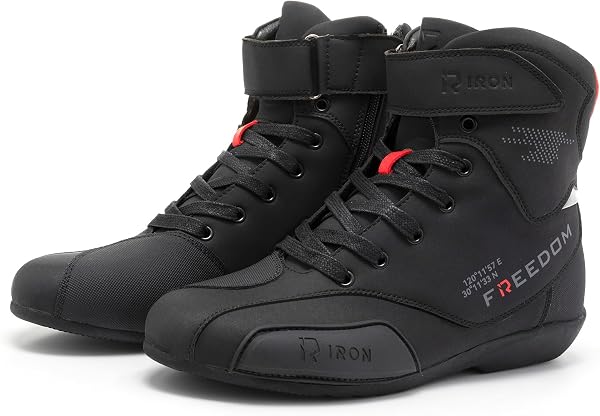
RIDEIRON CE Street
9.0Editor scoreCE certified protection
Anti-slip rubber sole
Reflective night accents
Side zipper closure
Find the right motorcycle boots for 2026. We compare 10 standout options by build quality, useful features, owner feedback, value, and everyday trade-offs.
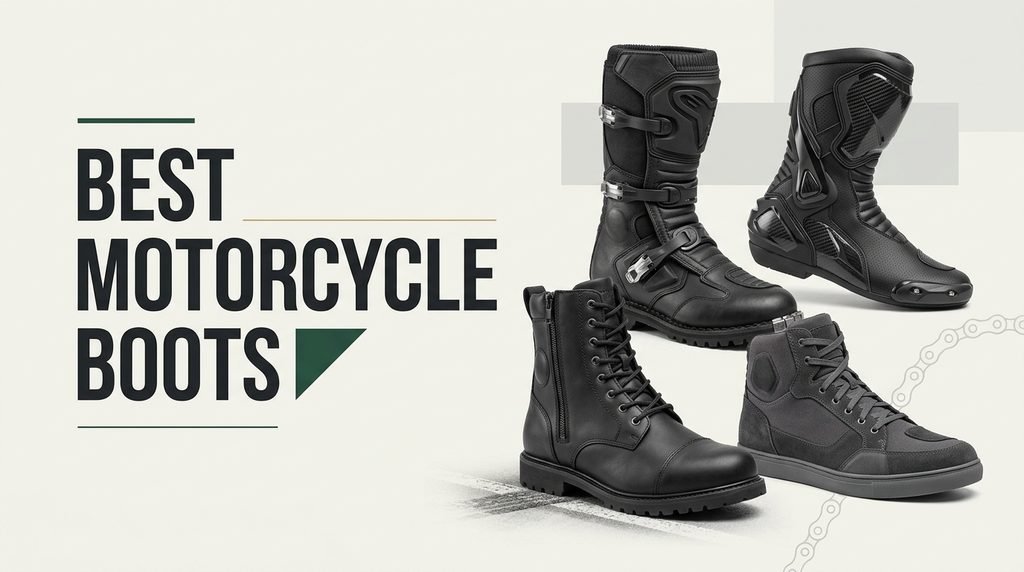
Find the right motorcycle boots for safer, more comfortable riding in 2026. We compare 10 standout options by the factors that matter most on two wheels: impact protection, ankle support, sole grip, waterproofing, closure convenience, material durability, and how each boot performs across different riding styles.
Motorcycle boots range from casual street shoes with hidden armor to full-height dirt bike boots with injection-molded shin plates. The best choice depends on whether you commute in traffic, tour long distances, hit off-road trails, or simply want a boot that looks good off the bike while still offering real protection.
This guide breaks down each model’s protective features, comfort tradeoffs, and ideal use cases so you can match a boot to your actual riding routine. Whether you need a budget-friendly street shoe or a premium waterproof adventure boot, the comparison below covers the most important differences.
We compared 10 motorcycle boots using the details that actually help a rider decide: CE certification level, ankle and heel protection, sole compound and tread pattern, waterproofing, closure system, material quality, weight, comfort for all-day wear, and value. The notes focus on practical trade-offs so each pick connects to how riders actually use boots for commuting, touring, off-road riding, and casual street use.


Compare key features, scores, and current prices side by side. A shorter feature list means fewer details were available, not necessarily fewer capabilities.




The KEMIMOTO thick-heel shoe focuses its protective engineering on the rear of the foot, where a thickened PVC layer shields the heel from impacts and abrasion during a slide. This is a smart design choice because the heel is one of the first contact points when a rider goes down at low speed, and many budget riding shoes skimp on rear protection in favor of toe and ankle armor. The reinforced shift pad on the toe area adds durability where the gear lever repeatedly contacts the shoe.
We may earn a commission when you buy through this link, at no additional cost to you.
Comfort is handled by a high-rebound EVA insole that conforms to the shape of your foot over time, reducing pressure points during long rides. The built-in ankle protection material provides lateral support without the rigid feel of a full plastic shell, striking a balance between safety and walkability. The YKK zipper hardware is a quality detail that matters over the long term, as cheap zippers are one of the first failure points on riding shoes.
A clever design touch is the lace storage pocket built into the tongue, which keeps laces tucked away and prevents them from catching on the shifter or brake pedal while riding. The rear ankle area features reflective strips for improved visibility at night, and the included extra pair of shoelaces lets you customize the look to match your gear. The overall aesthetic is modern and street-friendly.
In a low-side crash, the rider’s foot often drags along the pavement with the heel taking the initial impact and abrasion. A thickened heel protection layer absorbs and distributes that force, reducing the risk of fractures and soft tissue damage. When comparing riding shoes, check the heel construction carefully, as many models prioritize toe and ankle armor while leaving the heel relatively unprotected.
This shoe is best suited for urban and suburban riders who want enhanced heel and ankle protection in a comfortable, walkable package. The absence of a listed CE certification is worth noting if you want independently verified protection ratings. For everyday street riding in dry conditions, the KEMIMOTO offers thoughtful protection details and solid comfort at a mid-range price.
Riders who need CE-certified protection or waterproof performance in wet climates.
We may earn a commission when you buy through this link, at no additional cost to you.
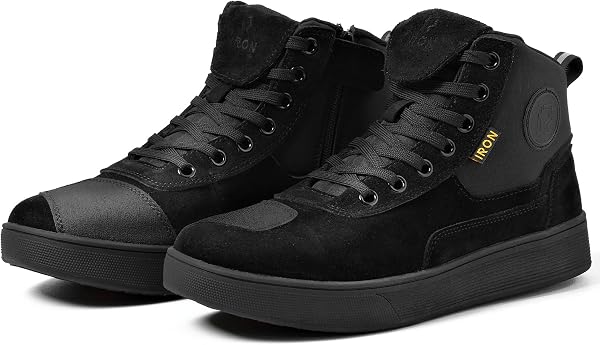
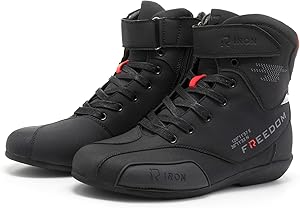
The RIDEIRON CE street boot is built for riders who want verified protection without the bulk of a full-height motocross boot. The CE EN 13634:2017 certification means this boot has been independently tested for impact and abrasion resistance, giving you a concrete safety benchmark rather than vague marketing claims. For daily commuters and weekend street riders, that certification provides genuine peace of mind.
We may earn a commission when you buy through this link, at no additional cost to you.
Protection is distributed across the most vulnerable areas of the foot. A reinforced heel cap absorbs rear impacts, the ankle zone features dampening support to limit lateral twisting, and the toe area includes a wear-resistant switching pad that doubles as gearshift protection. The anti-slip sole profile is designed to maintain grip on wet pavement, oily garage floors, and uneven surfaces, which matters every time you put a foot down at a stoplight.
Practical details make these boots easy to live with on a daily basis. The side metal zipper with Velcro fastener lets you get them on and off quickly without re-lacing every time, and the breathable upholstery keeps feet comfortable during warm-weather rides. Integrated reflective elements and high-visibility accents improve your conspicuity to other drivers at dusk and after dark, a feature that is easy to overlook until you need it.
CE EN 13634 is the European standard specifically designed for motorcycle footwear. A boot that carries this rating has been tested for abrasion resistance, impact protection at the ankle and shin, and sole rigidity. Not all riding boots carry CE certification, so seeing the EN 13634 marking on a product gives you an objective measure of protective capability rather than relying on manufacturer claims alone.
Choose this boot if you want a well-rounded street riding shoe with legitimate safety credentials and thoughtful everyday features. The main tradeoff is the lack of waterproofing, so riders in consistently rainy climates should consider a waterproof alternative or pair these with overshoes. For fair-weather commuting and casual rides, the RIDEIRON delivers strong protection at a reasonable price.
Riders who frequently ride in heavy rain or need full waterproofing.
We may earn a commission when you buy through this link, at no additional cost to you.
At under sixty dollars, the BORLENI riding shoe is the most affordable CE-certified option in this comparison, making it an excellent entry point for new riders or anyone upgrading from regular sneakers. The combination of leather and breathable fabric in the upper creates a street-style look that does not scream motorcycle gear, which is useful for riders who walk around at their destination and want a low-profile appearance.
We may earn a commission when you buy through this link, at no additional cost to you.
Protection comes from a polypropylene shell embedded in the ankle and heel zones, which provides rigid impact resistance in the areas most likely to contact the ground during a slide. The extra-thickened toe cap includes a microfiber gearshift pad that prevents the shifter lever from wearing through the upper material over time. Reflective inserts add a layer of passive safety for evening and nighttime riding.
The rubber sole offers anti-skid grip and wear resistance for both riding and walking, and the side zipper design eliminates the need to tie and untie laces at every stop. Two pairs of laces are included so you can swap colors to match your gear or bike. The overall fit runs true to size for most riders, though the breathable fabric upper means these shoes are best suited to dry conditions.
Motorcycle shoes like the BORLENI offer a lower profile and lighter weight than full-height boots, which makes them more comfortable for walking at your destination. The tradeoff is less shin and calf protection compared to taller boots. For urban commuting at moderate speeds, a CE-certified shoe provides a practical balance of protection and walkability that many riders prefer.
This is the right pick for budget-conscious riders who still want certified protection and everyday convenience. The tradeoff is that the materials and construction are not as robust as boots costing two or three times more, so heavy daily use over multiple seasons may show wear sooner. For casual commuting and weekend rides on a budget, the BORLENI delivers impressive value.
Off-road riding or high-speed touring where full-height ankle and shin coverage is needed.
We may earn a commission when you buy through this link, at no additional cost to you.
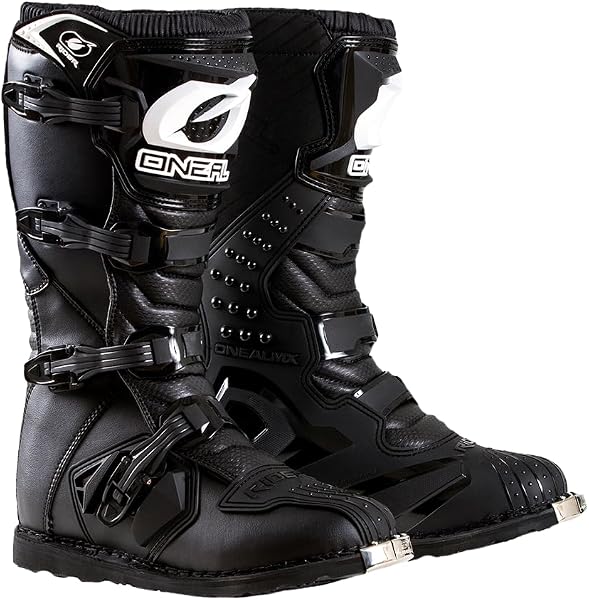
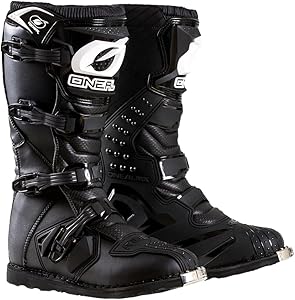
The O'NEAL Rider is a purpose-built dirt bike boot designed for motocross, trail riding, and off-road use where ankle twists, roost impacts, and hot exhaust pipes are constant hazards. The full-height construction with injection-molded plastic plates across the shin, ankle, and toe provides comprehensive impact protection that street shoes simply cannot match. For anyone riding off-road regularly, this level of coverage is essential.
We may earn a commission when you buy through this link, at no additional cost to you.
A metal shank insert runs through the sole to reinforce the boot’s shape and provide rigid arch support, which reduces foot fatigue during long rides on rough terrain. The four-buckle snap-lock closure system is easy to operate even with gloves on, and the buckles allow you to fine-tune the fit across the calf and instep for a secure, personalized feel. The air mesh interior and cushioned insole add comfort for all-day riding.
One practical detail that off-road riders will appreciate is the synthetic leather heat shield on the inner calf, which protects the boot from melting or discoloring when it contacts a hot exhaust pipe. The generous heel support helps lock your foot in place during aggressive riding, and the overall construction is durable enough to withstand the abuse that dirt and trail riding dishes out.
Off-road riding exposes your lower legs to impacts from rocks, branches, roost from other riders, and the bike itself during crashes. A full-height boot with rigid shin plates and a metal shank distributes these forces across a larger area and prevents the ankle from hyperextending during awkward landings. Street shoes and short boots leave the shin and upper ankle completely exposed to these hazards.
Choose the O’NEAL Rider if you need a dedicated off-road boot with full shin and ankle protection at a reasonable price point. The main limitation is sizing: the boot is only available in whole sizes, so half-size riders should order up for the best fit. This is not a boot for casual street use, but for dirt, trail, and motocross riding, it delivers the protection you need without the premium price of top-tier racing boots.
Street commuting or casual riding where a bulky motocross boot is impractical.
We may earn a commission when you buy through this link, at no additional cost to you.
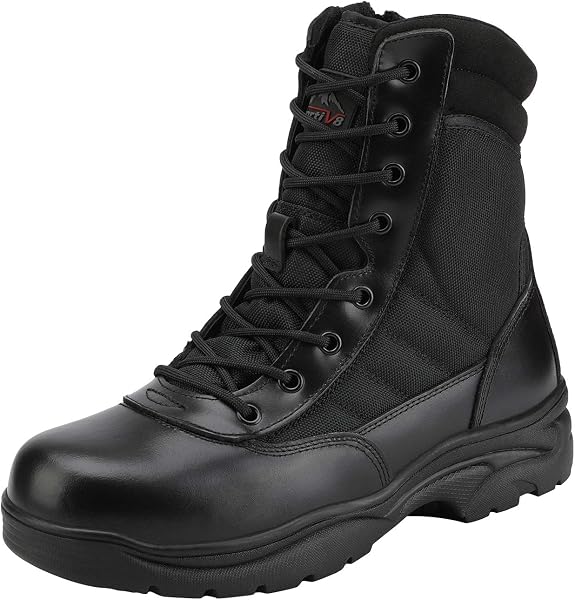
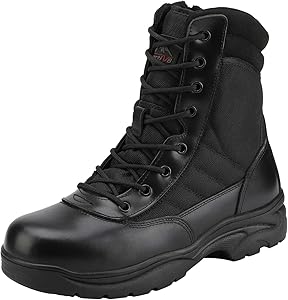
The NORTIV 8 tactical boot occupies a unique position in this comparison as a multi-purpose boot that can serve double duty for motorcycle riding, work, and outdoor activities. While it is not a dedicated motorcycle boot with CE certification or embedded armor, the ankle-high construction, abrasion-resistant leather upper, and slip-resistant rubber outsole provide a reasonable baseline of protection for casual riding and commuting.
We may earn a commission when you buy through this link, at no additional cost to you.
The dual-sole system is the standout feature for all-day comfort. A removable shock-absorbent cushion insole provides supportive comfort that you can swap out for custom orthotics if needed, while the rubber outsole resists slips, oil, and abrasion across a variety of surfaces. This combination makes the boot practical for riders who also work on their feet or hike to trailheads before riding.
The breathable fabric panels keep feet cool during warm weather, and the high-abrasion leather provides structural durability in high-wear areas. The side zipper with hook-loop strap closure makes the boot quick to put on and take off, which is convenient for riders who transition between riding and other activities throughout the day. The overall build quality is solid for the price point.
Tactical boots share several characteristics with motorcycle boots, including ankle support, durable uppers, and grippy outsoles. For low-speed urban commuting and casual riding, a quality tactical boot can provide adequate protection. However, for highway speeds, track days, or off-road riding, a purpose-built motorcycle boot with CE-certified armor in the ankle, heel, and shin is a much safer choice.
Choose this boot if you need one pair of footwear that handles riding, work, and outdoor activities without buying separate boots for each. The tradeoff is the lack of motorcycle-specific armor and CE certification, so this is not the right choice for aggressive riding or high-speed touring. For casual commuters who want a versatile, comfortable boot that covers multiple uses, the NORTIV 8 is a practical option.
High-speed riding, track use, or off-road riding where certified motorcycle armor is essential.
We may earn a commission when you buy through this link, at no additional cost to you.
This RIDEIRON unisex model builds on the brand's CE-certified street boot formula with several meaningful upgrades. The 1.5-inch thickened composite rubber sole provides enhanced underfoot protection and cushioning compared to thinner-soled riding shoes, which makes a noticeable difference during long rides on vibrating footpegs. The CE EN 13634:2017 certification with a 1-2-2-1 rating gives you verified protection data across the standard's test categories.
We may earn a commission when you buy through this link, at no additional cost to you.
The water-repellent Oxford fabric upper is a practical improvement over standard mesh or leather uppers for riders who encounter light rain or morning dew. While it is not fully waterproof, the treatment helps keep feet dry in drizzle and splashes, and the breathable mesh lining promotes airflow to prevent overheating during warmer rides. The reinforced heel, ankle guards, and gear shift pad provide comprehensive protection across all critical zones.
YKK side zippers ensure smooth, reliable operation over the life of the boot, and the inclusion of two pairs of dual-colored laces lets you customize the look. The sizing is designed to accommodate both men and women, which simplifies the buying process for couples who ride together or for anyone who prefers a unisex fit. The overall construction feels more substantial than entry-level riding shoes.
A thicker sole provides more vibration damping and underfoot protection, which reduces fatigue on long rides. However, it also reduces the tactile feedback you get through the footpegs and shift lever, which some experienced riders find undesirable for precise gear changes. If you prioritize comfort and protection over maximum pedal feel, a 1.5-inch sole is a good choice. Sport riders who want direct feedback may prefer a thinner sole.
This is the right pick for riders who want a CE-certified street boot with improved sole cushioning and light weather resistance. The thicker sole trades some pedal feel for comfort and protection, which most street riders will find acceptable. If you need full waterproofing for heavy rain, look at a dedicated waterproof adventure boot instead, but for everyday riding in variable conditions, this RIDEIRON model covers the bases well.
Sport riders who prioritize maximum pedal feel and feedback through thin soles.
We may earn a commission when you buy through this link, at no additional cost to you.
The MSR Adventure boot is the most premium option in this comparison and is designed for riders who cover serious miles in variable weather conditions. The Te-Por waterproof membrane keeps feet dry through rain, mud, and stream crossings, which is a non-negotiable feature for adventure touring and long-distance riding where you cannot always wait out a storm. Full-grain leather construction provides the durability and abrasion resistance that synthetic materials struggle to match over years of hard use.
We may earn a commission when you buy through this link, at no additional cost to you.
Protection is comprehensive across the lower leg and foot. Injection-molded plates shield the shin, toe, and heel from impacts, while the steel shank running through the sole provides rigid arch support that prevents foot fatigue during long days on the pegs. The aggressive anti-slip rubber sole delivers reliable traction on loose gravel, wet pavement, and muddy trails, giving you confidence when you put a foot down on unpredictable surfaces.
The comfort-focused interior features a cushioned liner and contoured footbed that conform to your foot shape over time, reducing hot spots during multi-day rides. The full-height construction provides excellent ankle and lower leg support, and the overall build quality reflects the premium price point. These boots pair well with adventure riding gear and are designed to handle the demands of both on-road touring and light off-road excursions.
A waterproof membrane like Te-Por sits between the outer leather and the inner lining, blocking water from entering while allowing moisture vapor from sweat to escape. This is essential for multi-day touring where wet feet lead to blisters, cold, and discomfort that can ruin a trip. Unlike water-repellent treatments that wear off over time, a membrane provides permanent waterproofing for the life of the boot.
Choose the MSR Adventure boot if you ride long distances in changing weather and need a boot that will last for years of hard use. The price is the highest in this comparison, but the combination of waterproofing, full-grain leather, and comprehensive protection justifies the investment for serious touring and adventure riders. For casual commuting or fair-weather riding, a lighter and less expensive boot will serve you just as well.
Casual commuters or fair-weather riders who do not need full waterproofing.
We may earn a commission when you buy through this link, at no additional cost to you.
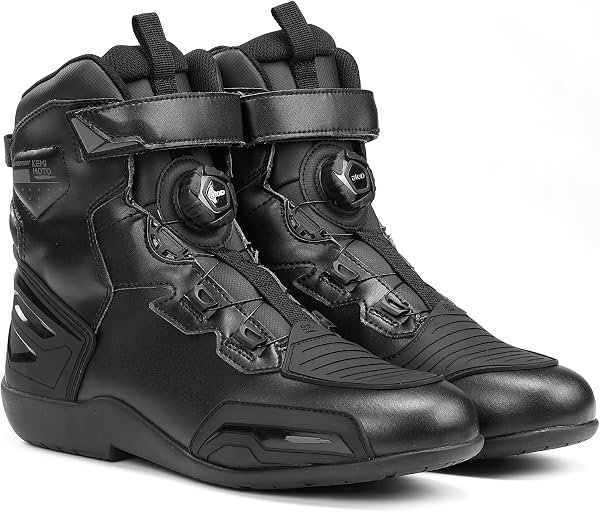
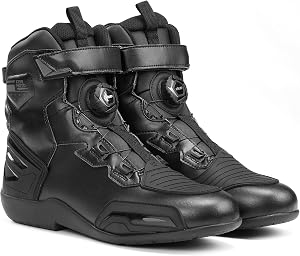
The KEMIMOTO dial boot solves one of the most annoying aspects of motorcycle footwear: adjusting the fit with gloved hands. The ATOP dial system lets you tighten or loosen the boot with a simple twist, even while wearing riding gloves, which eliminates the fumbling with laces or buckles at the side of the road. The hook-and-loop fastener keeps the dial securely in place during the ride so it does not accidentally loosen.
We may earn a commission when you buy through this link, at no additional cost to you.
Protection is multi-layered across the heel, toe, and ankle zones with thickened materials that exceed standard industry specifications. The enlarged gearshift pad reduces strain on your toes during long rides and extends the life of the boot in the shift area. Side sliders on the toe area serve a dual purpose: they cushion direct impacts and help guide the foot to slide sideways during a crash, dispersing force rather than absorbing it all in one spot.
The waterproof lining has been immersion-tested in 10 centimeters of water, which means these boots can handle puddles, rain, and wet riding conditions without soaking through. This makes them a practical choice for touring riders and commuters who encounter unpredictable weather. The overall construction is sturdy without being excessively heavy, and the dial closure system adds a modern, technical feel to the design.
Dial closure systems like ATOP provide precise, incremental fit adjustments that are faster and easier than lacing, especially with gloves on. They also distribute tension more evenly across the foot compared to laces, which can create pressure points. The tradeoff is that a dial mechanism is a mechanical component that can potentially fail, whereas laces are simple and easily replaced. For most riders, the convenience advantage outweighs the small reliability concern.
Choose this boot if you value quick, glove-friendly adjustments and need waterproof performance for variable weather riding. The dial mechanism is more complex than traditional laces or zippers, so there is a slightly higher risk of mechanical issues over the long term. For riders who prioritize convenience and weather protection, however, the ATOP dial system is a genuine improvement over conventional closures.
Riders who prefer the simplicity and easy replaceability of traditional lace closures.
We may earn a commission when you buy through this link, at no additional cost to you.
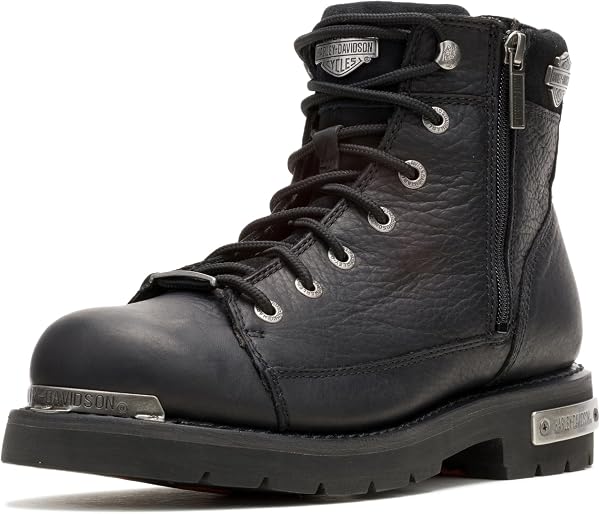
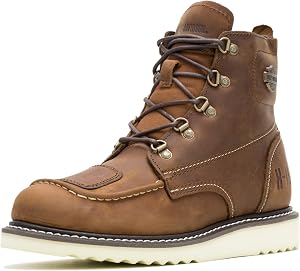
The Harley-Davidson Chipman boot is designed for cruiser and touring riders who want a classic leather boot that looks as good off the bike as it does on it. The full-grain leather upper and Goodyear welt construction represent traditional bootmaking techniques that prioritize longevity and the ability to resole the boot when the outsole wears out. This is a boot that can last for many years with proper care, making the investment worthwhile for riders who value craftsmanship.
We may earn a commission when you buy through this link, at no additional cost to you.
The Goodyear welt is the key differentiator here. This construction method stitches the upper, insole, and outsole together with a welt strip, creating a durable bond that can be separated and re-stitched by a cobbler when the sole wears down. Most motorcycle boots use cemented or direct-attach construction that cannot be resoled, so the Goodyear welt extends the useful life of the boot significantly and reduces long-term cost.
The YKK locking outside zipper provides secure closure that will not slide down during riding, and the mesh lining adds breathability for comfort during warm-weather rides. The rubber outsole provides reliable grip on pavement and footpegs, and the ankle-height cut offers basic support without the bulk of a taller boot. The overall aesthetic is clean and understated, fitting well with cruiser and classic motorcycle style.
Goodyear welt boots cost more upfront but can be resoled multiple times over their lifespan, which often makes them cheaper per year of use than disposable cemented boots. A quality Goodyear welt boot can last a decade or more with proper care and periodic resoling. If you view your riding gear as a long-term investment rather than a consumable, this construction method offers the best return over time.
Choose the Chipman if you ride a cruiser or touring bike and want a durable, resoleable leather boot with timeless style. The tradeoff is the lack of CE-certified armor and dedicated impact protection, so this boot prioritizes durability and aesthetics over maximum safety. For relaxed cruising and everyday wear, the Chipman delivers classic quality that improves with age.
Riders who need CE-certified impact protection for aggressive or high-speed riding.
We may earn a commission when you buy through this link, at no additional cost to you.
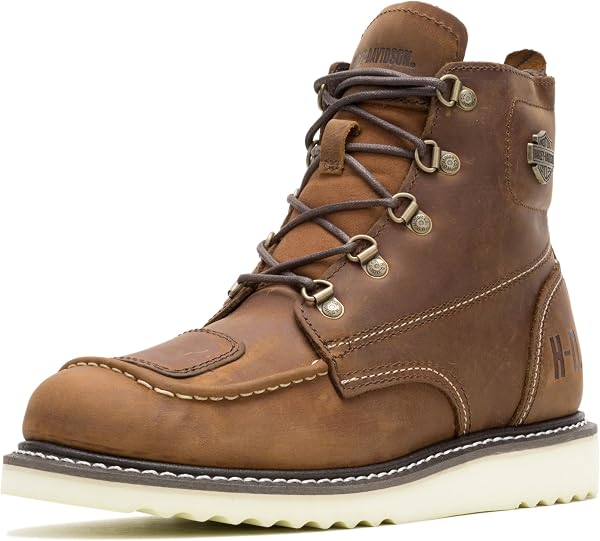
The Harley-Davidson Hagerman shares the same premium construction DNA as the Chipman but sits at a higher price point that reflects upgraded leather quality and finishing details. The full-grain leather upper develops a rich patina over time, giving each pair a unique character that improves with age and use. Like the Chipman, the Goodyear welt construction means these boots can be resoled by a cobbler, extending their lifespan well beyond typical motorcycle footwear.
We may earn a commission when you buy through this link, at no additional cost to you.
The YKK locking inside zipper is positioned on the medial side of the boot, which keeps the hardware away from the bike’s frame and exhaust during riding and creates a cleaner exterior profile. The mesh lining provides breathability for warm-weather comfort, and the rubber outsole delivers dependable grip on both footpegs and pavement. The ankle-height cut provides basic support while maintaining the casual silhouette that works well off the bike.
The Hagerman is built for riders who appreciate heritage motorcycle culture and want a boot that reflects that tradition in both construction and appearance. The premium leather and Goodyear welt represent old-school bootmaking values that prioritize repairability and longevity over disposable convenience. These boots pair naturally with cruiser and touring motorcycles, leather jackets, and classic riding gear.
An inside zipper sits on the medial side of the boot, which keeps it away from the bike’s hot exhaust pipes and frame components during riding. This placement also creates a cleaner exterior look and reduces the chance of the zipper catching on gear or luggage. An outside zipper is easier to reach and operate but may be more exposed to heat and abrasion from the motorcycle.
Choose the Hagerman if you want the highest-quality casual motorcycle boot in this comparison and are willing to invest in premium materials and construction. The lack of dedicated riding armor means this boot is best suited for relaxed cruising and everyday wear rather than aggressive riding. For riders who value craftsmanship, heritage style, and long-term durability, the Hagerman is a boot that will serve you well for many years.
Riders who need certified impact protection or plan to ride aggressively at high speeds.
We may earn a commission when you buy through this link, at no additional cost to you.
Selecting a motorcycle boot means balancing protection, comfort, weather resistance, and style against your specific riding habits. A boot that is perfect for weekend dirt trails will be impractical for daily office commuting, and a sleek casual boot may not provide enough protection for highway touring. This section covers the key decision factors so you can narrow down the options with confidence.
The most important function of a motorcycle boot is protecting your feet and ankles in a crash. CE EN 13634 is the European standard for motorcycle footwear and tests boots for abrasion resistance, impact protection at the ankle and shin, sole rigidity, and lateral crush resistance. A boot with a CE rating has been independently verified to meet minimum safety thresholds, which gives you an objective benchmark rather than relying on manufacturer marketing claims.
Protection features to look for include reinforced heel cups, ankle armor or shells, toe caps, shin plates, and gearshift pads. The type and extent of protection should match your riding style. Street commuters benefit from ankle and heel reinforcement in a low-profile shoe, while off-road riders need full-height shin plates and rigid sole shanks. Touring riders should prioritize comprehensive coverage that balances protection with all-day comfort.
If safety is your top priority, choose a CE-certified boot with armor in the ankle, heel, and toe zones. For casual riding at low speeds, a boot with basic reinforcement may be sufficient, but understand that you are accepting a higher level of risk compared to certified options.
Motorcycle boots range from low-cut shoes that sit below the ankle to full-height boots that extend above the calf. Boot height directly determines how much of your lower leg is protected from impacts, abrasion, and hyperextension during a crash. Taller boots also provide more ankle support, which reduces fatigue during long rides and helps prevent twisting injuries on uneven terrain.
Short riding shoes are the most comfortable for walking and work well for urban commuting at moderate speeds. Mid-height boots that cover the ankle bone offer a good compromise between protection and walkability for most street riders. Full-height motocross and adventure boots provide maximum coverage but are bulky and impractical for walking any significant distance. Match the boot height to your riding environment and how much walking you do at your destination.
For highway riding and touring, choose at least a mid-height boot that covers the ankle bones completely. For off-road use, a full-height boot with rigid shin protection is essential. For casual city commuting, a CE-certified riding shoe provides adequate protection with the best walkability.
The sole of a motorcycle boot needs to grip both the footpeg and the ground in a variety of conditions, from dry pavement to wet gravel to oily garage floors. Rubber compounds designed for oil and slip resistance provide the most reliable grip across diverse surfaces. The tread pattern should channel water away from the contact patch to maintain traction in wet conditions, and the sole should be rigid enough to distribute pressure evenly across the footpeg.
Sole thickness involves a direct tradeoff between protection and pedal feel. Thicker soles provide more vibration damping and underfoot protection, which reduces fatigue on long rides. Thinner soles offer better tactile feedback through the footpegs and shift lever, which sport and performance riders often prefer for precise gear changes. Some boots include a metal or composite shank in the sole for added rigidity and arch support.
Choose a thicker, cushioned sole for touring and long-distance riding where comfort is paramount. Opt for a thinner sole with direct pedal feel if you ride sport bikes or prioritize precise shifting. In all cases, verify that the outsole compound is rated for oil and slip resistance.
Waterproofing is critical for riders who commute year-round or tour through variable weather. A waterproof membrane such as Te-Por or similar technology sits between the outer shell and inner lining, blocking water from entering while allowing sweat vapor to escape. This is fundamentally different from water-repellent treatments on the outer fabric, which provide light splash protection but will soak through in sustained rain.
Waterproof boots tend to be warmer and less breathable than non-waterproof options, which can be uncomfortable in hot summer weather. Some riders solve this by owning two pairs of boots: a ventilated set for warm, dry conditions and a waterproof set for rain and cold. If you can only afford one pair and ride in a climate with frequent rain, prioritize waterproofing over ventilation.
If you ride in a rainy climate or tour long distances, invest in a boot with a genuine waterproof membrane rather than relying on water-repellent treatments. For fair-weather riders in dry climates, a breathable, non-waterproof boot will keep your feet cooler and more comfortable.
The closure system affects how quickly you can put on and remove the boot and how precisely you can adjust the fit. Traditional laces provide the most customizable fit but are slow to adjust and can come undone during riding if not tucked in. Side zippers are fast and convenient but offer less fine-tuning of the fit across the foot. Buckle systems on motocross boots provide secure, glove-friendly closure with multiple adjustment points.
Newer dial closure systems like ATOP offer one-handed, glove-friendly adjustment with precise incremental tightening. These systems are particularly convenient for touring riders who frequently stop and start and want to adjust fit without removing gloves. The tradeoff is added mechanical complexity compared to simple laces or zippers, which could potentially require repair over the long term.
Choose a closure system that matches your riding routine. If you commute and need to get boots on and off quickly at every stop, a side zipper is the most practical. If you ride with gloves and want precise fit adjustment, a dial or buckle system is worth the investment. For casual use, traditional laces work fine as long as you tuck them securely.
The outer material of a motorcycle boot determines its abrasion resistance, durability, and overall lifespan. Full-grain leather is the gold standard for abrasion resistance and can be resoled when the outsole wears out, especially with Goodyear welt construction. Synthetic leather and textile uppers are lighter and less expensive but generally do not match the longevity or abrasion performance of genuine leather in a crash.
Construction method matters as much as material. Goodyear welt and Blake stitch construction allow the boot to be resoled, extending its useful life by many years. Cemented construction is cheaper and lighter but creates a permanent bond that cannot be repaired once the sole separates. Injection-molded construction on motocross boots provides maximum impact protection but is not repairable.
If you view your boots as a long-term investment, choose full-grain leather with Goodyear welt construction. If you need lightweight performance or are on a tight budget, synthetic materials and cemented construction are acceptable, but plan to replace the boots sooner.
Your riding style is the single most important factor in choosing the right boot. Street commuters need lightweight, walkable shoes with basic ankle protection and good grip. Sport riders want thin soles for pedal feel and streamlined profiles that fit under racing leathers. Cruiser and touring riders benefit from comfortable, durable boots with weather protection and classic styling. Off-road riders need full-height boots with rigid shin plates and aggressive sole tread.
Adventure and dual-sport riders face the most demanding requirements, needing boots that handle both highway miles and off-road terrain while providing waterproofing and all-day comfort. If you ride multiple disciplines, consider whether one boot can cover all your needs or whether you would be better served by two specialized pairs for different riding conditions.
Be honest about your primary riding activity and choose a boot optimized for that use case. A boot that tries to do everything often compromises on the specific features that matter most for each discipline.
A properly fitting motorcycle boot should be snug but not tight, with enough room to wiggle your toes and no pressure points on the ankle bones or instep. Motorcycle boots often fit differently from regular shoes due to the embedded armor and reinforced construction, so check the manufacturer’s sizing guidance carefully. Some boots, particularly motocross models, are only available in whole sizes, requiring half-size riders to round up.
Most leather motorcycle boots require a break-in period of several rides before they conform to your foot shape and become fully comfortable. During break-in, wear the boots for short rides and gradually increase the duration to avoid blisters and hot spots. Synthetic boots and riding shoes typically require less break-in time but may not mold to your foot as precisely as leather over the long term.
Try boots on with the same socks you plan to ride in, and if possible, test the fit while sitting in a riding position to check for pressure points on the shins and instep. A boot that feels slightly snug when new will often break in to a perfect fit, but a boot that is painfully tight in the store will not improve enough to be comfortable.
Before each ride, inspect your boots for signs of wear including cracked leather, separated soles, damaged zippers, or compromised armor inserts. Check that the sole tread still provides adequate grip and that the closure system operates smoothly. For waterproof boots, periodically test the membrane by looking for moisture inside the boot after riding in wet conditions, as a compromised membrane will allow water to seep through.
Clean leather boots regularly with a damp cloth to remove road grime, salt, and dirt that can dry out and crack the leather over time. Apply a quality leather conditioner every few months to maintain flexibility and water resistance, paying special attention to high-flex areas around the ankle and toe. For synthetic and textile boots, follow the manufacturer’s cleaning instructions and avoid harsh solvents that can damage waterproof membranes or adhesive bonds.
Store your boots in a cool, dry place away from direct sunlight and heat sources, which can degrade leather and synthetic materials over time. Use boot trees or stuff the boots with newspaper to maintain their shape during storage, and avoid stacking heavy items on top of them. If your boots have removable insoles, take them out periodically to air dry and prevent odor buildup from accumulated moisture.
Regular shoes and work boots lack the reinforced ankle protection, abrasion-resistant materials, and sole rigidity that motorcycle boots provide. In a crash, standard footwear can be torn off or crushed, leaving your feet exposed to pavement abrasion and impact. A CE-certified motorcycle boot provides verified protection that regular footwear cannot match, making it one of the most important pieces of riding gear you can buy.
CE EN 13634 is the European safety standard for motorcycle footwear. Boots certified to this standard have been independently tested for abrasion resistance, impact protection at the ankle and shin, sole rigidity, and lateral crush resistance. The rating numbers indicate the level of protection in each test category, with higher numbers representing better performance. A CE-certified boot gives you objective proof of its protective capability.
Walkability depends heavily on the boot type. Low-cut riding shoes and casual motorcycle boots are designed for comfortable walking and feel similar to regular footwear. Mid-height street boots are walkable but stiffer than shoes. Full-height motocross and adventure boots are bulky and awkward for walking any significant distance. If you walk a lot at your destination, prioritize a low-profile riding shoe or casual boot.
Motorcycle boots should fit snugly around the ankle and heel without creating pressure points on the ankle bones or instep. You should be able to wiggle your toes freely, and the boot should not slip at the heel when you walk. Try boots on with your riding socks and, if possible, simulate a riding position to check for shin and instep pressure. Most leather boots will break in and conform to your foot over several rides.
If you ride in rain, commute year-round, or tour through variable weather, waterproof boots are a worthwhile investment that prevents the misery of riding with soaked feet. Wet feet lead to blisters, cold, and distraction, all of which compromise safety. For fair-weather riders in dry climates, a breathable non-waterproof boot will be cooler and more comfortable, saving you money on a feature you will rarely use.
The lifespan depends on construction quality, materials, and riding frequency. A well-made leather boot with Goodyear welt construction can last five to ten years or more with proper care and periodic resoling. Budget riding shoes with cemented construction typically last one to three years of regular use. Motocross boots endure heavy abuse and may need replacement every two to four seasons depending on riding intensity.
Hiking boots provide ankle support and durable soles but lack the specific protective features of motorcycle boots, including abrasion-resistant panels, reinforced heel and toe caps, and gearshift protection. In a crash, hiking boot materials may not withstand pavement abrasion as well as motorcycle-specific leather or synthetic armor. For occasional casual riding, hiking boots are better than sneakers, but a proper motorcycle boot is significantly safer.
Riding shoes are low-cut, lightweight, and designed to look and feel like regular street shoes while incorporating hidden motorcycle armor in the ankle, heel, and toe. Riding boots extend above the ankle and provide more comprehensive coverage of the lower leg, with options ranging from mid-height street boots to full-height motocross and adventure boots. Shoes prioritize walkability and style, while boots prioritize maximum protection.
Many riders benefit from having two pairs of boots for different seasons. Summer boots prioritize ventilation and lightweight comfort with mesh panels and perforated leather. Winter boots focus on waterproofing, insulation, and warmth with sealed membranes and thermal linings. If you can only afford one pair, choose a waterproof, moderately ventilated boot that handles three-season riding and pair it with thermal socks for occasional cold-weather use.
The RIDEIRON CE Street boot earns our top recommendation for its combination of verified CE EN 13634 certification, comprehensive ankle and heel protection, reflective night visibility, and practical side-zipper convenience at a mid-range price. It delivers the safety credentials and everyday usability that most street riders need without the bulk or cost of a full-height touring boot.
For riders with different priorities, the alternatives are strong. The BORLENI CE shoe offers certified protection at the lowest price in the comparison, making it ideal for new riders on a budget. The MSR Adventure boot provides full waterproofing and premium leather construction for serious touring riders. The O'NEAL Rider delivers full-height off-road protection for dirt and trail use. The Harley-Davidson options offer heritage craftsmanship and Goodyear welt longevity for cruiser enthusiasts.
Start by identifying your primary riding style, the weather conditions you face most often, and how much walking you do at your destination. Use those three factors to narrow the list to two or three models, then compare the specific protection features and comfort details that will make the biggest difference in your daily riding routine. The right motorcycle boot should give you confidence every time you swing a leg over the seat, knowing your feet are protected.