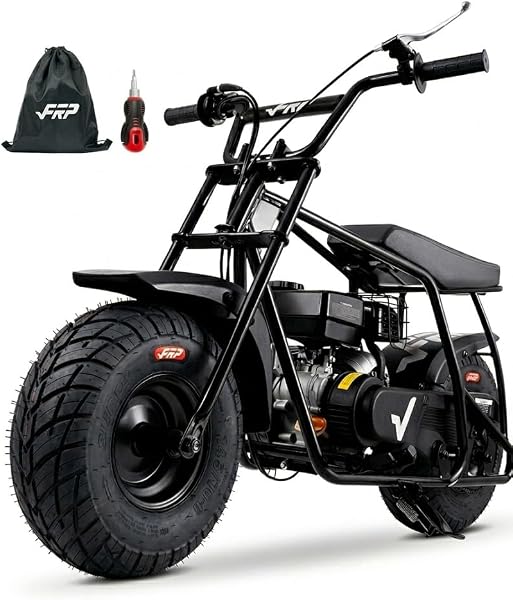
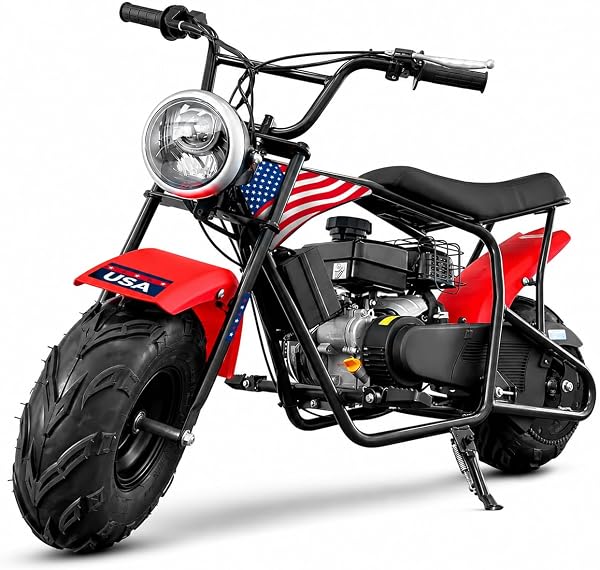
FRP GMB100 Plus
8.6Editor score99cc 4-stroke engine
28 MPH top speed
220 lb rider capacity
Rechargeable LED headlight
Find the right mini bikes for 2026. We compare 10 standout models by comfort, intensity levels, safety features, ease of use, recovery value, and home.
Picking the right mini bike for 2026 comes down to matching engine type, speed, rider weight capacity, and terrain to how you actually plan to ride. We compare 10 standout gas and electric mini bikes across engine displacement, top speed, build quality, braking systems, suspension, assembly ease, warranty coverage, and overall value for recreational trail use.
Gas mini bikes with 4-stroke engines dominate the entry-level and mid-range categories because they skip the oil mixing hassle of 2-stroke designs. Electric models bring quiet operation, no fuel runs, and modern features like app controls and LED displays. Larger displacement bikes offer more power but demand more experience from the rider.
This guide breaks down 10 proven options with practical trade-offs so you can match the right bike to your rider’s size, skill level, and riding environment. Whether you want a budget trail bike for a teenager or a premium electric model with suspension and Bluetooth, the picks below cover the most common scenarios.
We compared 10 mini bikes using the details that actually help a buyer decide: engine type and displacement, top speed, rider weight capacity, frame construction, braking system, suspension, tire design, starting method, assembly complexity, EPA compliance, warranty coverage, owner feedback, and overall value. The notes focus on practical trade-offs so each pick feels connected to how families and recreational riders actually use mini bikes on trails, farms, campsites, and private off-road areas.

Compare key features, scores, and current prices side by side. A shorter feature list means fewer details were available, not necessarily fewer capabilities.


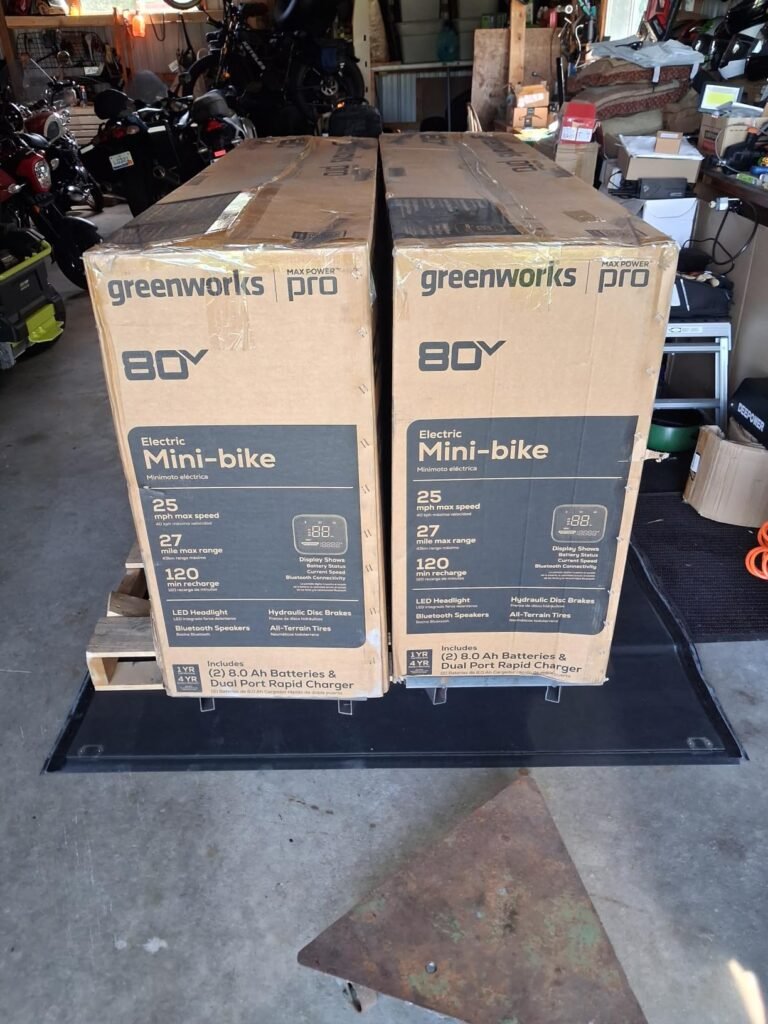
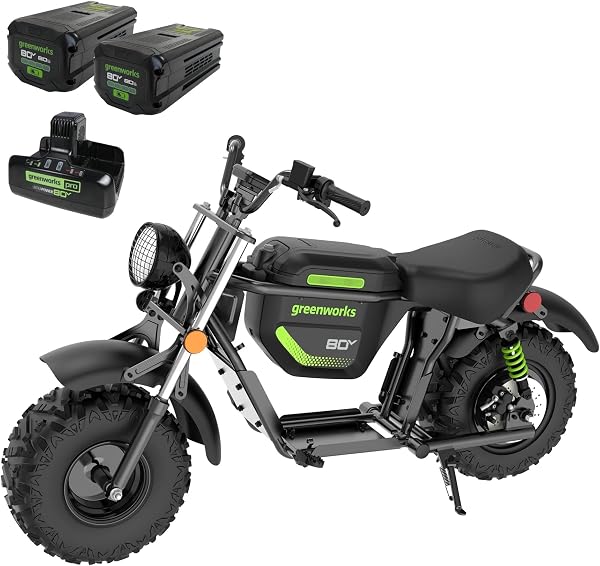
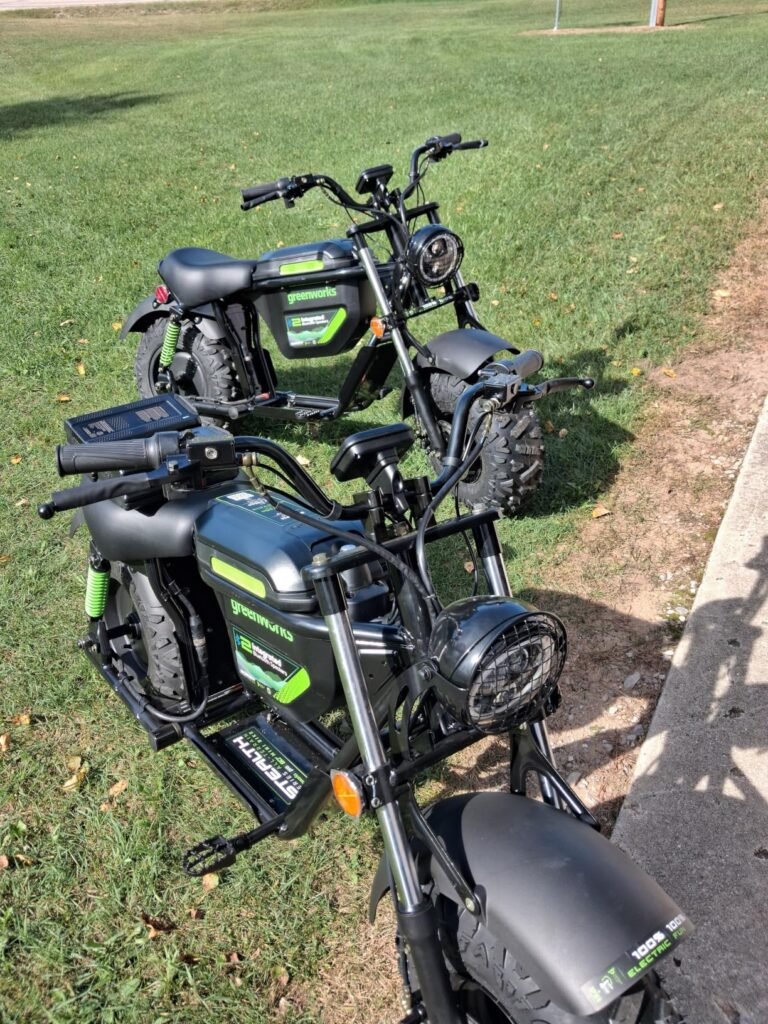
The Greenworks 80V Mini Bike represents the modern electric alternative to traditional gas-powered mini bikes, bringing quiet operation, instant torque, and smartphone-era features to a category long dominated by small combustion engines. The 1000W brushless hub motor delivers smooth acceleration up to 25 MPH in Sport mode or 20 MPH in Eco mode, with no fuel runs or warm-up time required.
We may earn a commission when you buy through this link, at no additional cost to you.
The dual-battery system is the practical standout feature. Two 80V 8.0Ah batteries are included, providing up to 27 miles of total range on a single combined charge. The 8A dual-port rapid charger refuels each battery from empty to full in under 60 minutes, which is faster than most electric mini bikes in this price range. For riders who want extended sessions without range anxiety, having a second battery already included is a meaningful cost advantage.
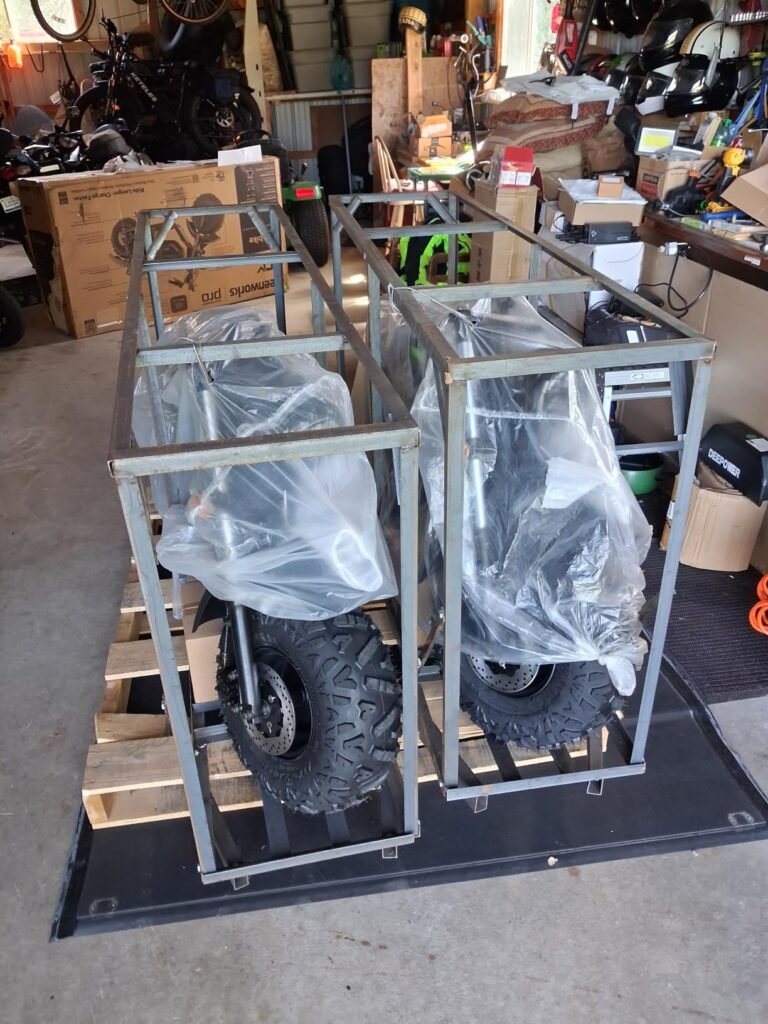
The build quality matches the premium price. The 19-inch fat tires, full suspension with front fork and dual rear shocks, and rigid steel frame absorb impacts from sand, snow, mud, and city potholes. IPX4 waterproof rating means light rain does not end the ride, and the maintenance-free direct-drive motor eliminates belt replacements over time. The intelligent battery management system protects against temperature extremes, overcharging, and short circuits.
Gas mini bikes require fuel runs, oil checks, chain lubrication, and periodic engine maintenance. Electric mini bikes like the Greenworks eliminate most of this routine, replacing it with simple battery charging between rides. The quiet operation extends where and when you can ride without disturbing others, and instant electric torque delivers smoother acceleration than small gas engines can match. The trade-off is initial cost and the need to plan around battery charge times, but for many riders the quality-of-life improvement is substantial.
This is the top overall pick for buyers who want modern electric performance with real range, quick charging, and premium features like LED lighting, a digital display, Bluetooth speakers, and reverse gear. The price is significantly higher than entry-level gas mini bikes, but the included batteries, modern features, and quiet operation justify the investment for riders who value those qualities. For gas-engine purists on tighter budgets, this is not the right choice, but for everyone else it is one of the strongest options available.
Not for buyers on tight budgets or those who specifically want the sound and mechanical character of a gas engine.
We may earn a commission when you buy through this link, at no additional cost to you.
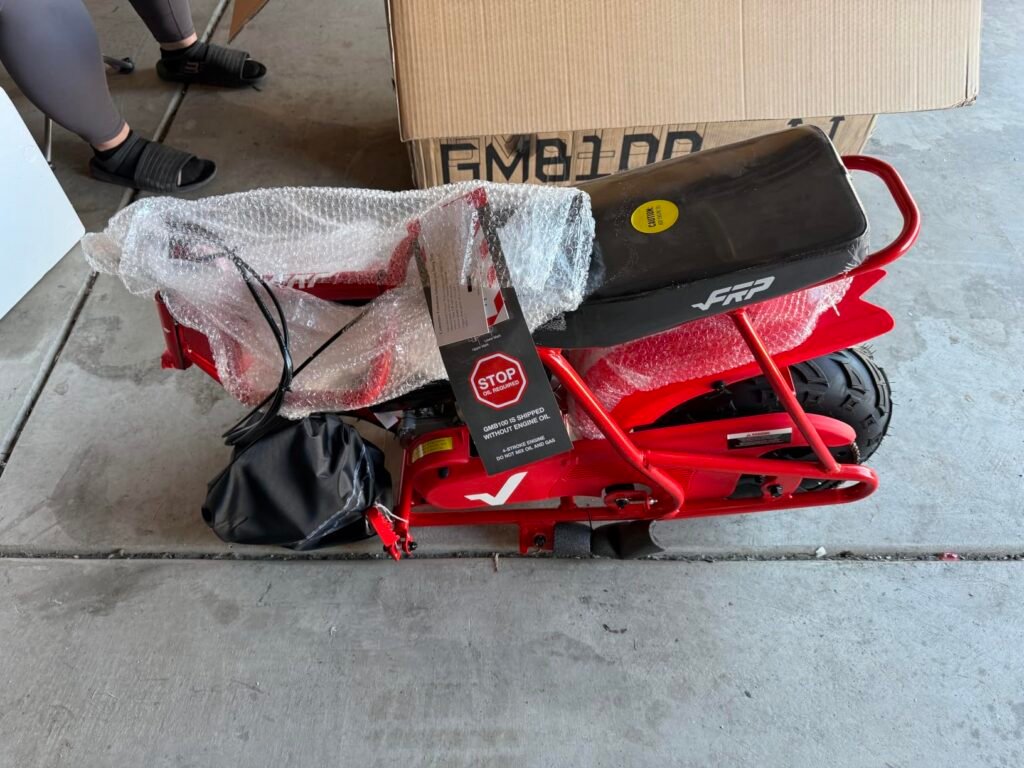
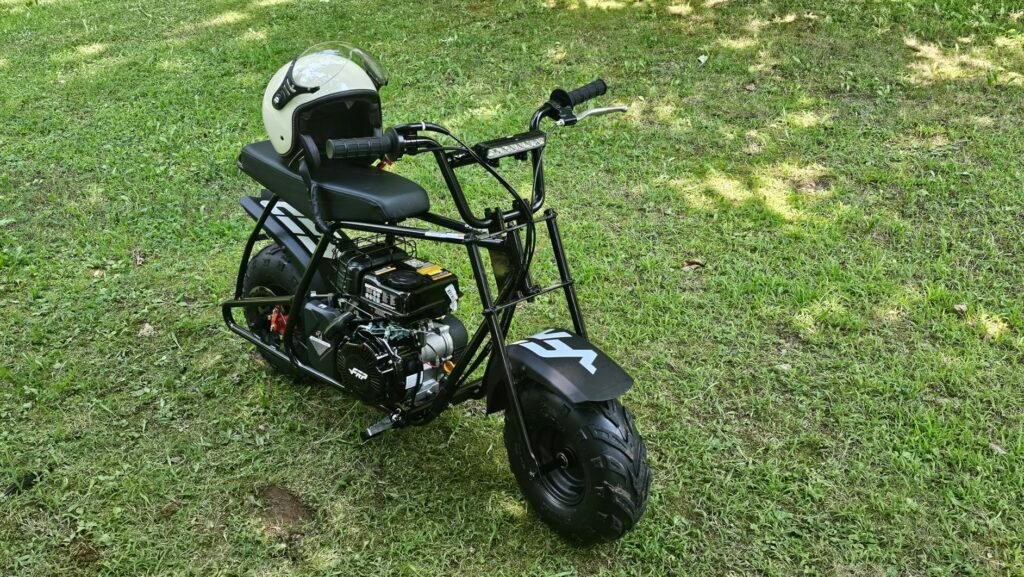
This FRP mini bike is aimed at teens and adults who want a reliable 4-stroke trail bike with features that extend riding beyond full daylight. The included rechargeable LED headlight is a genuine functional upgrade over models that lack any lighting, letting riders enjoy evening sessions on private trails or farm property without visibility problems.
We may earn a commission when you buy through this link, at no additional cost to you.
The 99cc 4-stroke engine delivers up to 28 MPH and handles riders up to 220 lbs, which covers most teens and many adults comfortably. The 4-stroke design is a meaningful advantage over older 2-stroke mini bikes because you simply pour in gasoline without mixing oil, which eliminates one of the most common mistakes new riders make. Fuel economy is strong, with roughly 30 miles of range from the 0.36-gallon tank.
The pull-start system typically fires the engine within about three pulls, which matters when you want quick sessions without lengthy warm-ups. The rear disc brake provides more consistent stopping power than drum brakes found on cheaper mini bikes, especially in dusty or wet conditions. The built-in chain tensioner reduces one of the most common maintenance headaches on belt-free mini bikes by keeping the chain properly aligned under varying loads.
Chain slippage and derailment are among the most common frustrations with budget mini bikes, especially under hard acceleration or when riders of different weights use the same bike. A proper chain tensioner maintains the correct chain tightness regardless of load, preventing the chain from jumping off the sprocket mid-ride. This single mechanical feature can mean the difference between a smooth season of riding and constant trailside repairs.
This is a strong pick for buyers who want a complete first mini bike package with safety-oriented extras like the headlight and neck gaiter. The 15W-40 oil requirement is more specific than many competitors, so plan to buy the correct viscosity before your first ride. For teen and adult trail use on private property, it delivers a well-rounded riding experience.
Not suitable for riders under 13 or anyone planning stunts, wheelies, or jumping the bike.
We may earn a commission when you buy through this link, at no additional cost to you.
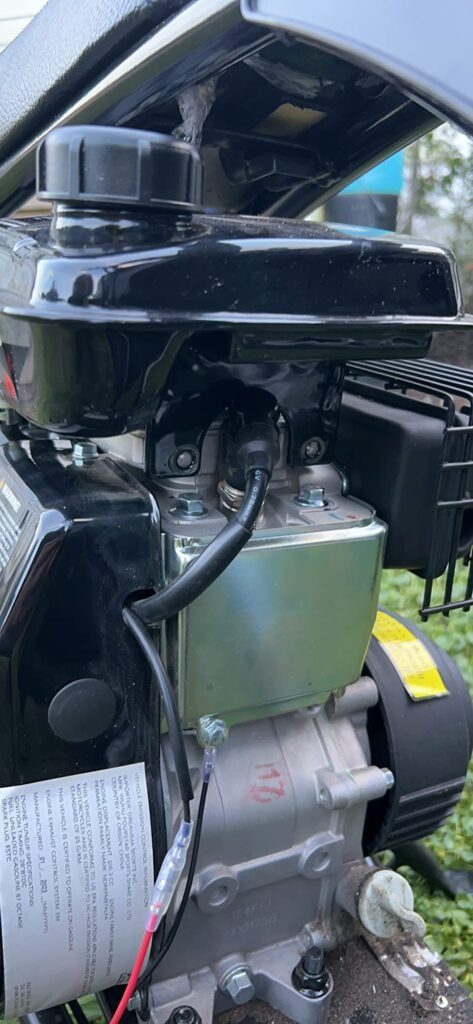
The BRM100 pushes beyond the typical 99cc mini bike category with a 105cc 4-stroke engine that delivers noticeably more pulling power on hills and in soft terrain. Priced near the entry level, it offers power that normally costs more, which makes it one of the strongest value picks in the trail mini bike segment.
We may earn a commission when you buy through this link, at no additional cost to you.
The 30 MPH top speed is at the upper end of what mini bikes in this class deliver, and it comes with a 220 lb weight capacity that accommodates most teens and adults. Importantly, the engine runs on standard 87-octane regular gasoline without any oil mixing required, which eliminates both complexity and the risk of damaging engine damage from incorrect fuel ratios. The 0.36-gallon tank provides roughly 30 miles of range per fill.
The 23-inch seat height is low enough to fit riders as short as 4’3″ while still accommodating adults up to 5’9″, making this a flexible family bike that can grow with a younger rider or be shared between siblings of different sizes. The heavy-duty clutch and solid steel frame handle repeated hard use, and the rear disc brake with low-pressure knobby tires provides reliable traction on dirt, gravel, and rough trails.
The jump from 99cc to 105cc may sound small on paper, but the additional displacement produces meaningfully more torque at lower RPM. This translates to easier hill climbing, better acceleration from a stop, and more consistent power when carrying heavier riders. For adults near the 220 lb capacity, the extra displacement is especially noticeable and reduces the strained feeling that smaller engines develop under maximum load.
This bike is a strong choice for buyers who want the most engine power per dollar in the entry-level mini bike market. The 30 MPH top speed makes it a better fit for riders with some prior experience rather than complete beginners, and the shorter engine warranty is worth noting against the longer coverage offered by some competitors. For families seeking real trail performance at a reasonable price, the BRM100 is hard to beat.
Not ideal for first-time riders who may struggle with the 30 MPH top speed before developing bike-handling skills.
We may earn a commission when you buy through this link, at no additional cost to you.
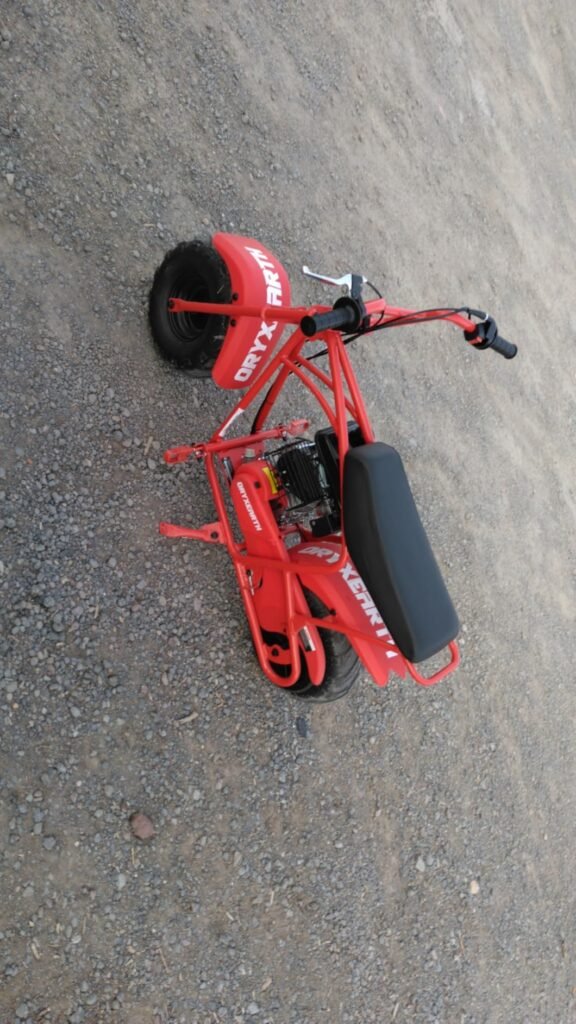
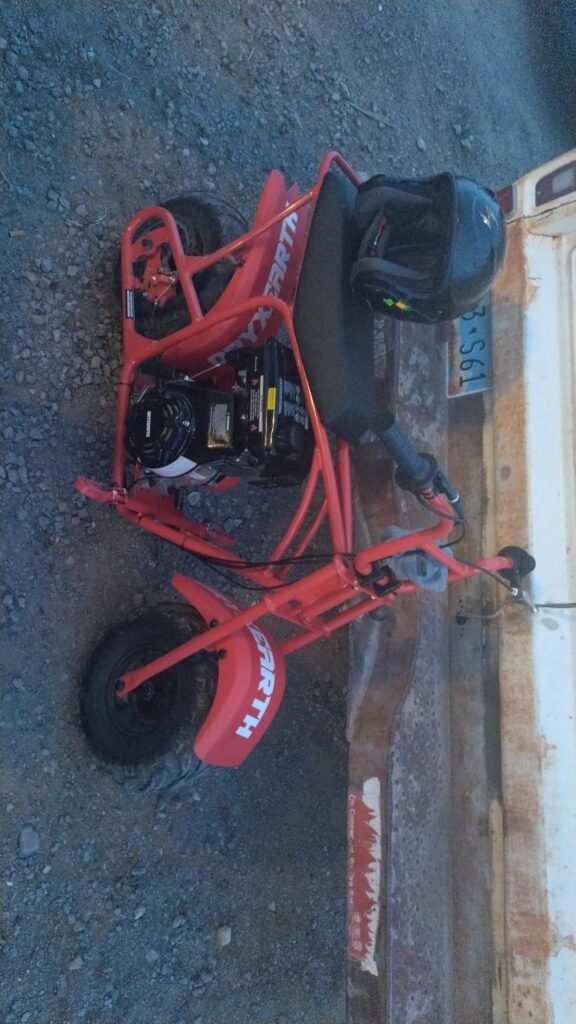
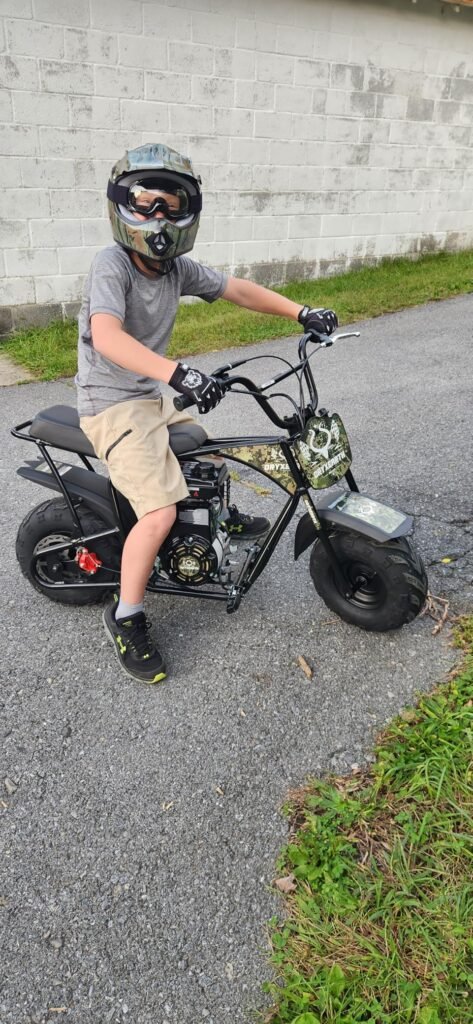
The Oryxearth BRM100 shares the 105cc 4-stroke platform with other mini bikes in this class but adds EPA approval, which matters for buyers in states with stricter emissions enforcement. The 4-stroke design naturally produces lower noise than older 2-stroke bikes, which makes a real difference when riding near neighbors or on shared trail systems where noise complaints can shut down access.
We may earn a commission when you buy through this link, at no additional cost to you.
The 30 MPH top speed is matched to the 105cc displacement, providing meaningful power without crossing into territory that would require motorcycle registration or licensing. The engine uses 10W-30 or higher viscosity oil along with 87-octane non-ethanol fuel for best longevity. The adjustable chain tensioner lets you fine-tune chain slack as the chain stretches over time, extending the useful life of the drive system before replacement.
Shipping arrives roughly 90 percent assembled, with only the handlebar clamp and front tire requiring installation. This dramatically reduces setup time compared to kit-form mini bikes that require extensive assembly. The 60-day parts warranty and 90-day engine warranty are typical for this price range, and buyers should keep the original packaging in case warranty service becomes necessary.
EPA approval signals that the mini bike meets emissions standards for small off-road engines, which is increasingly important as states tighten regulations on recreational vehicles. Buying an EPA-approved bike reduces the risk of future restrictions on where you can legally ride, and it typically indicates a cleaner-burning engine that produces less exhaust odor and particulate output. For long-term ownership, this compliance helps protect your investment against future regulatory changes.
This is a smart pick for environmentally conscious buyers or those in regions with strict small-engine emissions regulations. The lower noise profile is a genuine quality-of-life benefit for anyone riding near populated areas. If you need longer warranty coverage or higher weight capacity, other options in this guide may serve you better, but for standard trail riding the Oryxearth delivers reliable performance.
Not for buyers who need extended warranty coverage or riders exceeding the 220 lb capacity.
We may earn a commission when you buy through this link, at no additional cost to you.
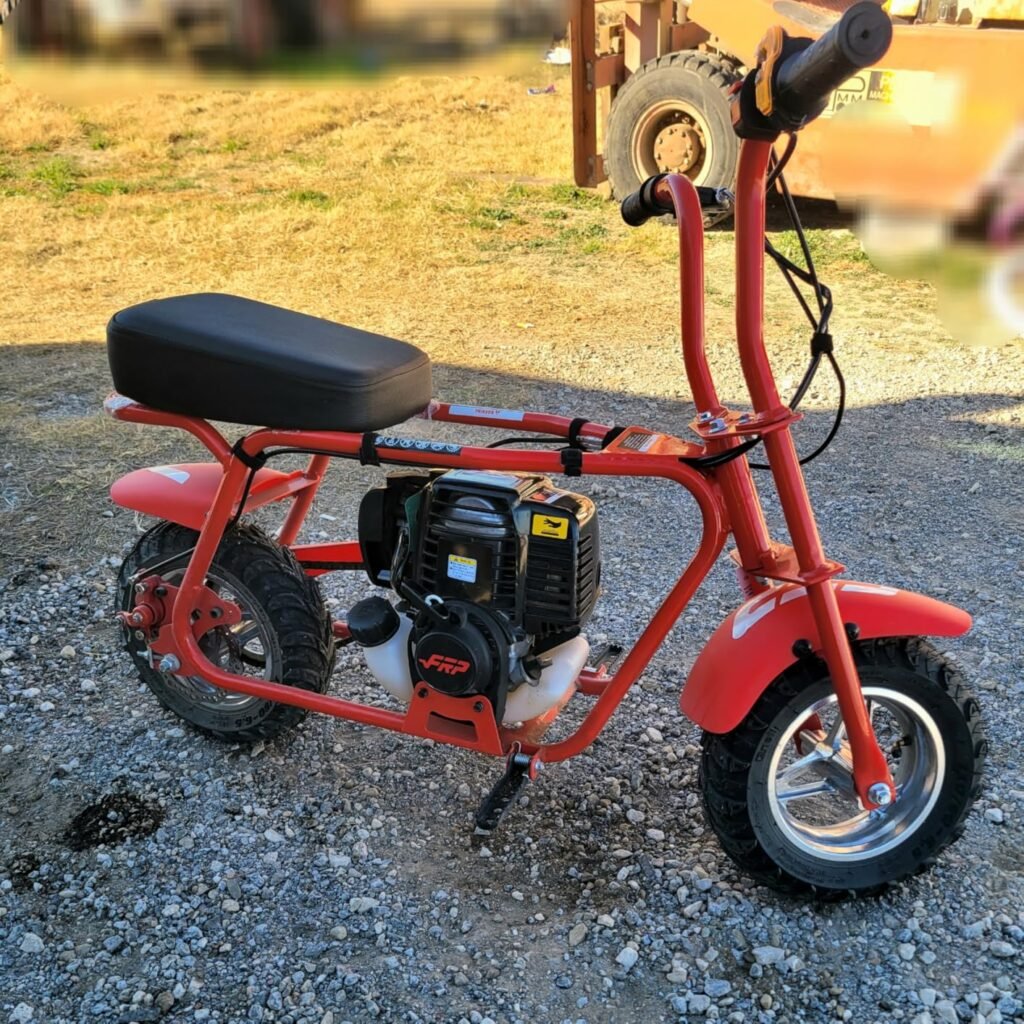
The FRP MB40 is purpose-built for younger riders who need a confidence-building first mini bike without the intimidation of larger engines. The 40cc 4-stroke engine tops out at 18 MPH, which is fast enough to feel exciting for a child or new teen rider but slow enough to allow time to react, learn braking, and develop handling skills without constant anxiety.
We may earn a commission when you buy through this link, at no additional cost to you.
The 4-stroke engine design means lower noise levels than comparable 2-stroke mini bikes, which matters both for neighbor relations and for the rider’s comfort during longer sessions. The reinforced steel frame is tested to a 165 lb capacity, which accommodates kids, pre-teens, and smaller teens with room to grow. The 10W-40 oil requirement supports smooth cold starts and reliable lubrication across varied temperatures.
Assembly is streamlined with all required tools included and a thoughtful single-side maintenance layout that lets you replace common wear components without disassembling the entire bike. The pre-installed fork and welded nuts reduce setup to minutes rather than hours. The pull-start mechanism is light enough for younger riders to operate without adult help, which encourages independent riding.
New riders who start on high-powered mini bikes often develop bad habits like constant throttle fear or over-aggressive inputs because they are perpetually overriding the bike’s capabilities. Starting on a 40cc bike with an 18 MPH top speed lets a young rider learn clutch, throttle, and brake coordination at a pace where mistakes are recoverable. The skills developed on a smaller bike transfer directly to larger machines later, producing more confident and controlled riders in the long run.
This mini bike is the right choice for parents introducing kids ages roughly 8 to 12 to gas-powered off-road riding. The modest top speed and lower weight capacity are intentional design choices that make this a learning tool rather than a performance machine. Adults and larger teens will outgrow it quickly, but as a starter bike that teaches throttle control and bike handling, it delivers excellent value.
Not suitable for adult riders or anyone over 165 lbs who needs real trail performance.
We may earn a commission when you buy through this link, at no additional cost to you.
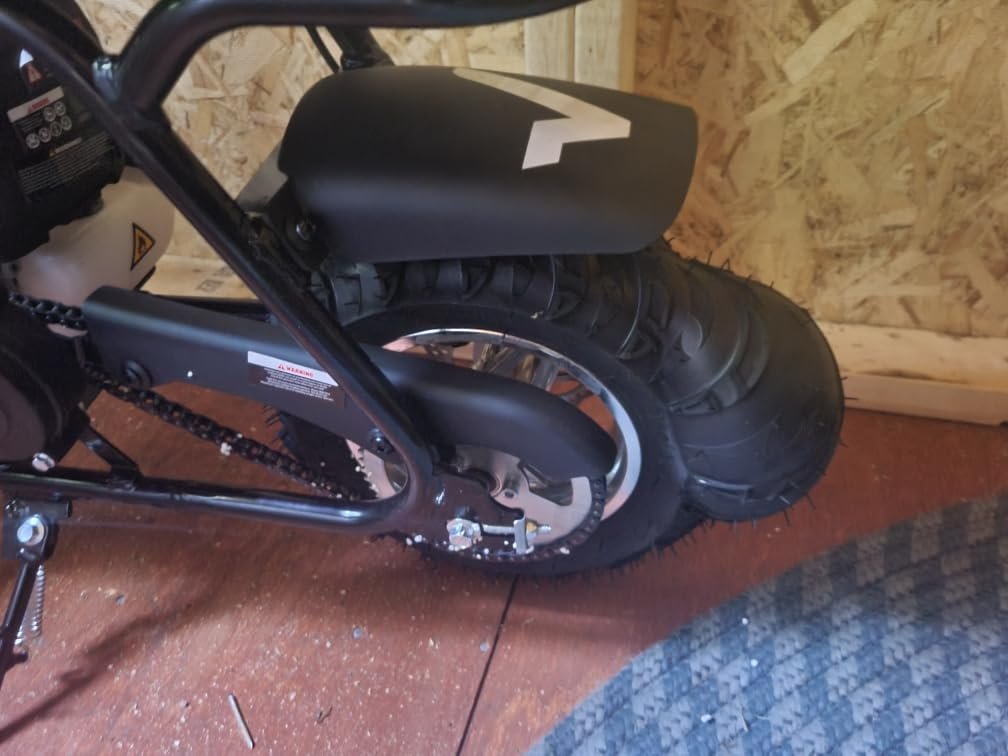
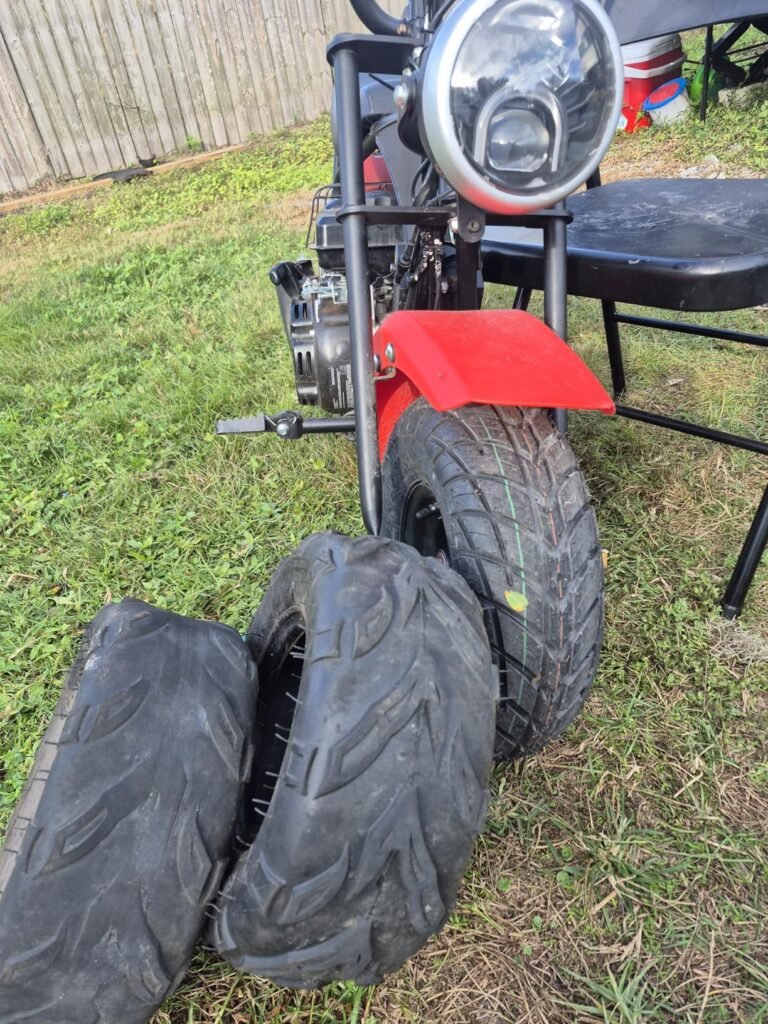
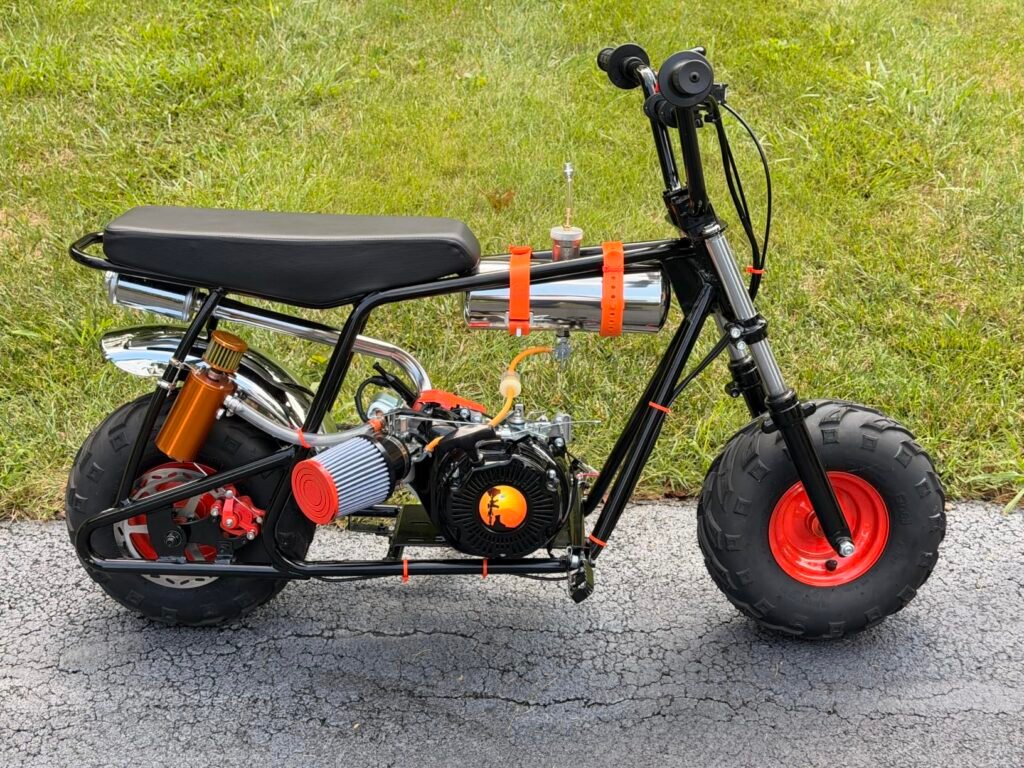
This version of the FRP GMB100 differentiates itself from the standard off-road model through its SUNF road-pattern pneumatic tires, which trade some loose-dirt grip for smoother performance on packed trails, farm paths, and gravel driveways. The 145/70-6 tire size is standard for mini bikes, but the road-pattern tread puts more rubber on hard surfaces for predictable handling.
We may earn a commission when you buy through this link, at no additional cost to you.
The 99cc 4-stroke engine delivers up to 28 MPH and supports riders up to 220 lbs, using regular 87-octane unleaded gasoline without any oil mixing required. Pull-start operation keeps the controls simple, with throttle control and an engine stop switch handling the essential functions. The chain drive combines with a rear disc brake, foot pegs, and kickstand to cover the fundamentals of safe recreational riding.
The co-branded SUNF and FRP tires serve a secondary purpose of helping buyers distinguish this version from older chevron-tread models, which matters when ordering replacement parts or shopping for accessories. The chain tensioner maintains proper slack as the chain stretches with use, reducing one of the most common maintenance headaches on gas mini bikes. Shipping arrives roughly 85 percent assembled.
Mini bike tires come in two main tread styles that affect how the bike handles different surfaces. Knobby tires have deep lugs that bite into loose dirt, sand, and mud, providing traction where smooth tires would slip. Road-pattern tires have shallower, more continuous tread that generates more contact area on hard surfaces, improving grip and reducing vibration on gravel, packed dirt, and pavement. If you mainly ride on firm trails, road tires feel noticeably smoother; if you tackle loose or muddy terrain, knobbies are the better call.
This is a smart pick for riders who spend most of their time on hard-packed trails, farm roads, or well-groomed off-road areas rather than loose sand or deep mud. The road-pattern tires reduce vibration at speed and improve cornering stability on firm surfaces. If your typical terrain is loose or wet, the standard knobby-tire version will provide better traction, but for mixed hard-surface riding this configuration shines.
Not ideal for loose sand, deep mud, or riders who need aggressive off-road traction.
We may earn a commission when you buy through this link, at no additional cost to you.
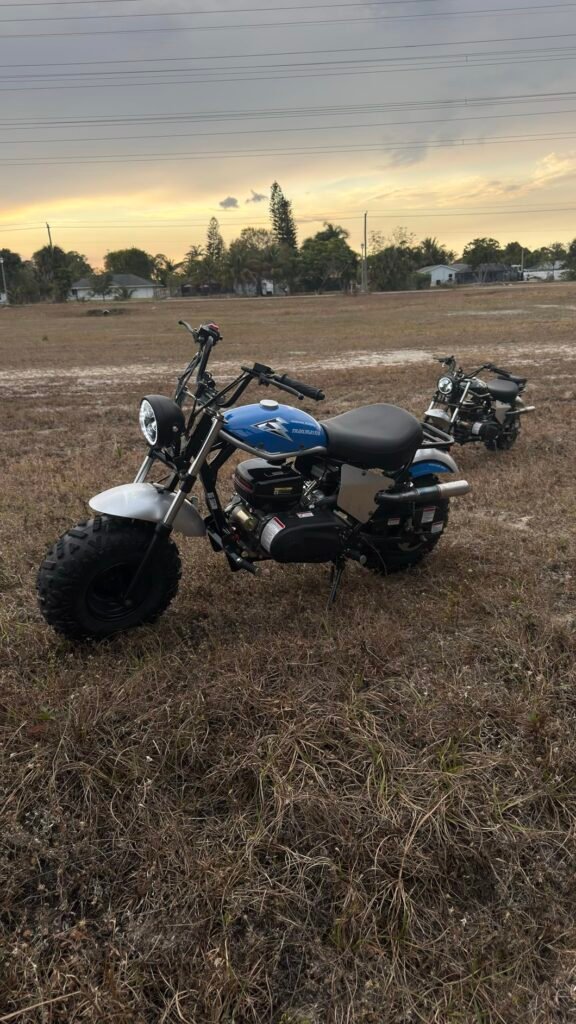
The Trailmaster Hurricane 200Pro sits at the top of the mini bike category, offering nearly twice the engine displacement of standard trail bikes along with features typically found on larger off-road vehicles. The 196cc OHV engine paired with a torque converter and CVT drive delivers smooth, automatic power delivery without manual shifting, which makes serious trail performance accessible even to riders who prefer not to learn clutch work.
We may earn a commission when you buy through this link, at no additional cost to you.
The electric start system is a genuine quality-of-life upgrade over pull-start bikes, particularly for taller or heavier riders who find pull cords awkward on larger engines. The LED headlight provides real nighttime visibility rather than just marker lighting. The combination of front and rear hydraulic disc brakes delivers much stronger stopping power than mini bikes with rear-only drum setups, which matters at the higher speeds this bike can reach.
Full front and rear suspension transforms the ride quality over roots, ruts, and small jumps compared to rigid-frame mini bikes. The aggressive 19×7-8 front and rear tires provide a wider contact patch for stability at speed and better traction in loose conditions. Taken together, these features put the Hurricane 200Pro closer to small pit bike performance than to typical entry-level mini bikes.
Pull-starting a small 99cc engine is manageable for most riders, but larger displacement engines require significantly more effort due to higher compression. On a 196cc engine, repeated pull-start attempts can leave even strong adults fatigued before the ride begins. Electric start eliminates this problem entirely, letting you fire the engine with a button press regardless of your strength or experience. It also means younger or smaller riders can start the bike themselves without adult help, encouraging independence.
This is the right pick for serious recreational riders, adults, and families with multiple riders who want a long-term bike that can grow with developing skills. The higher price reflects genuine capability upgrades rather than marketing extras. If you want the full gas mini bike experience with maximum capability, this is one of the top choices available, but buyers on tighter budgets will get solid performance from the 99cc or 105cc options earlier in this guide.
Not for buyers seeking the lowest price point or those who only need a basic trail bike for occasional use.
We may earn a commission when you buy through this link, at no additional cost to you.
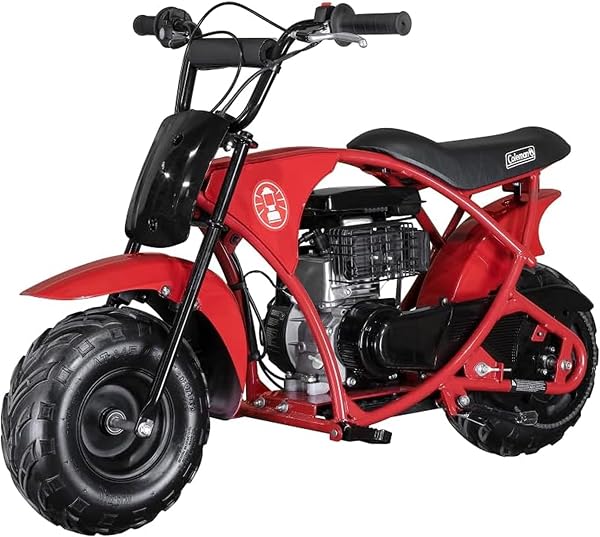
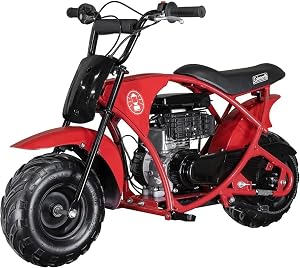
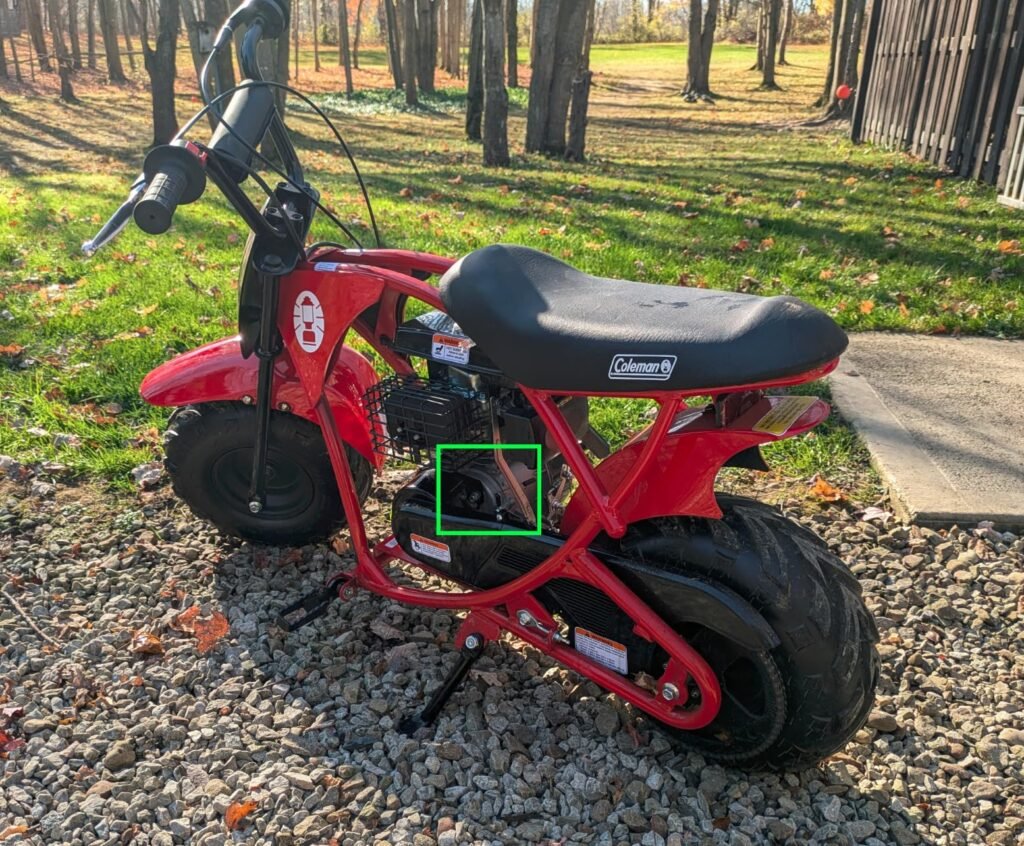
The Coleman B100 brings the recognizable Coleman Powersports brand to the mini bike category, pairing a 105cc 4-stroke OHV engine with a heavy-duty frame built for repeated hard use. The overhead valve design improves fuel efficiency compared to older side-valve engines, and the air-cooled system handles heat dissipation during extended rides without complexity.
We may earn a commission when you buy through this link, at no additional cost to you.
Top speed is governed to 22 MPH, which is slower than other 105cc bikes in this guide but intentional for the broader recreational market Coleman targets. The 150 lb weight capacity is more restrictive than the 220 lb limits on competing bikes, which effectively limits this model to kids, teens, and smaller adults. The rear disc brake provides reliable stopping, and low-pressure knobby tires deliver traction with some cushioning on rough terrain.
The pull-start system fires quickly, and the intuitive controls are easy for riders of varied experience levels to master. The sturdy frame and powerful engine combination has long been a Coleman selling point, backed by the brand’s extensive outdoor equipment history. Owner feedback is more mixed on this specific model compared to higher-rated competitors, which is worth noting when comparing options.
OHV stands for overhead valve, a cylinder head design where the valves sit above the piston rather than beside it. This arrangement produces more efficient combustion than older side-valve designs, which translates to better fuel economy, more complete power delivery, and reduced emissions. For a mini bike that will see years of weekend recreational use, OHV design means more riding time per tank and a cleaner-running engine over the long haul.
This mini bike works best for buyers who specifically value the Coleman brand reputation and are comfortable with the lower top speed and reduced weight capacity. The 22 MPH limit may actually be a benefit for parents who want to cap maximum speed for younger riders. If you need higher capacity or faster top speed, other 105cc bikes in this guide offer more capability, but Coleman’s name recognition and dealer support network remain selling points for many buyers.
Not for riders over 150 lbs or buyers who want maximum top speed from a 105cc engine.
We may earn a commission when you buy through this link, at no additional cost to you.
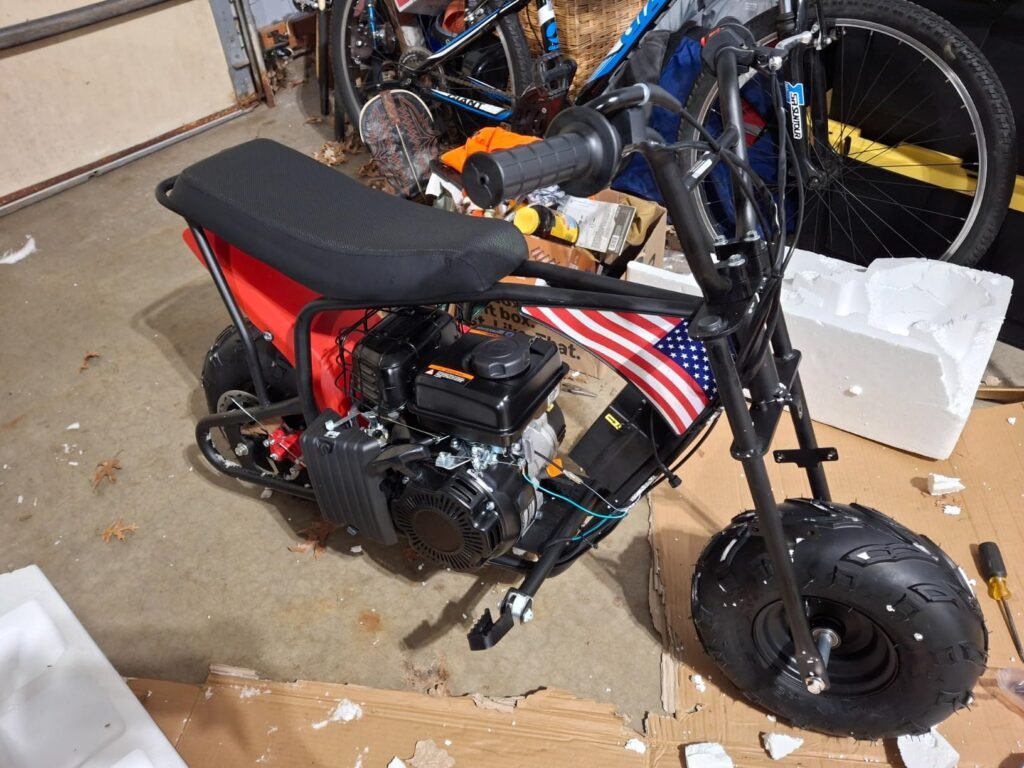
The XtremepowerUS 99cc mini bike delivers the core experience of gas-powered trail riding at one of the most accessible price points in this guide. The 99cc 4-stroke engine produces 3.5 horsepower, which is enough to move teens and smaller adults comfortably at trail speeds while sipping fuel from the compact tank.
We may earn a commission when you buy through this link, at no additional cost to you.
The built-in headlight is a notable inclusion at this price range, where many competing bikes skip lighting entirely to hit lower price points. While not as bright as premium LED headlights on higher-end models, it provides functional visibility for low-light riding on private property. EPA approval signals compliance with small-engine emissions standards, which matters for buyers in regulated states.
The pull-start system uses a standard recoil mechanism that is familiar to anyone who has started a lawn mower or small outdoor engine. The heavy-duty construction delivers the classic compact mini motorcycle appearance that has defined this product category for decades. The 185 lb weight capacity accommodates most teens and smaller adults, though it falls short of the 220 lb limits found on premium 99cc models.
Not every rider needs premium features or maximum capacity. For families who want to try mini bike riding without a major investment, or for buyers whose rider will outgrow the bike within a season or two, a budget-priced option like the XtremepowerUS covers the essentials. The lower initial cost also makes it less painful if the bike spends extended time in storage between riding seasons or if an inexperienced rider’s handling needs refinement.
This is the right pick for budget-conscious buyers who want a functional gas mini bike without paying for premium features. The lower price does come with trade-offs in capacity and finish quality compared to higher-tier models, but for occasional recreational use the XtremepowerUS delivers the fundamental experience at a price that makes mini bike ownership accessible to more families.
Not for adult riders over 185 lbs or buyers who want premium build quality and extended warranty support.
We may earn a commission when you buy through this link, at no additional cost to you.
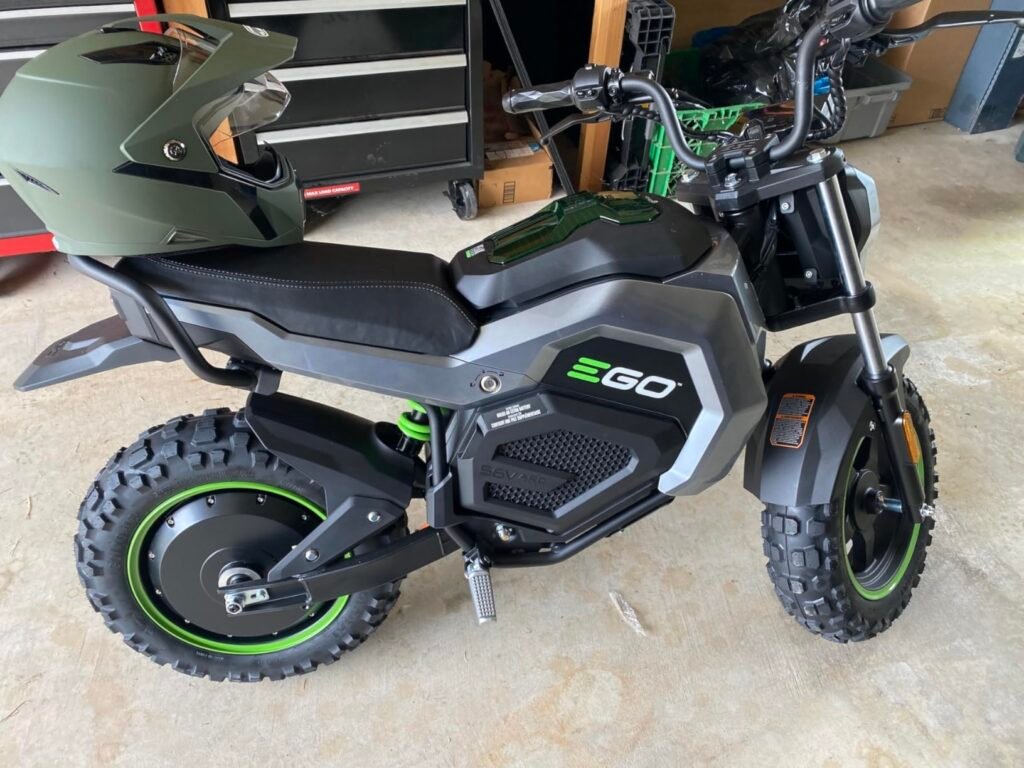
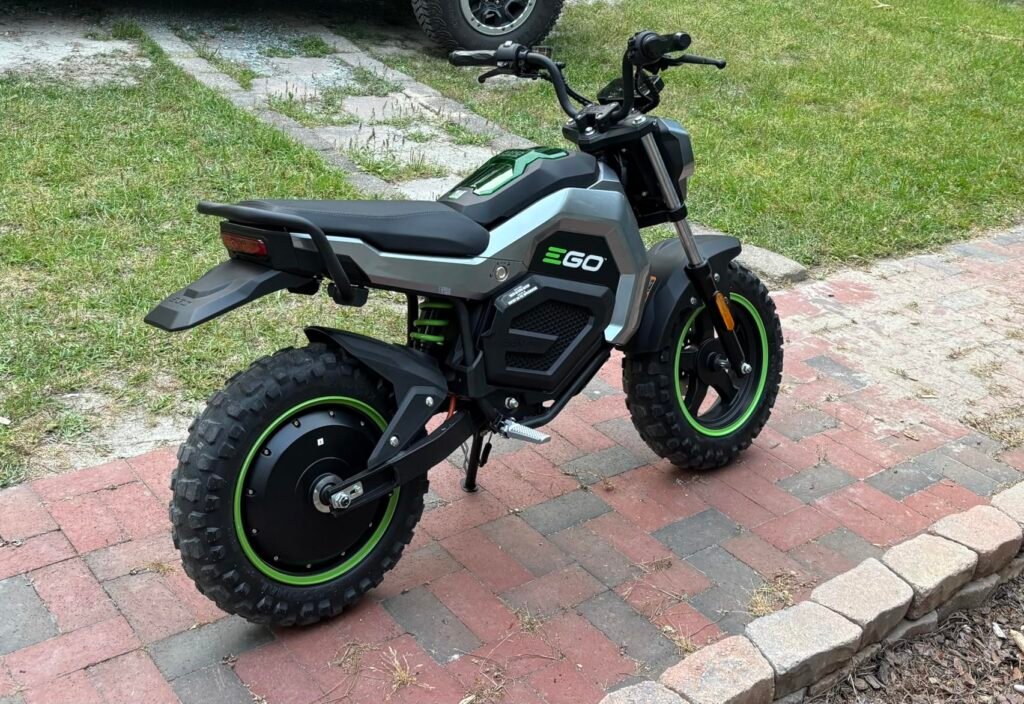
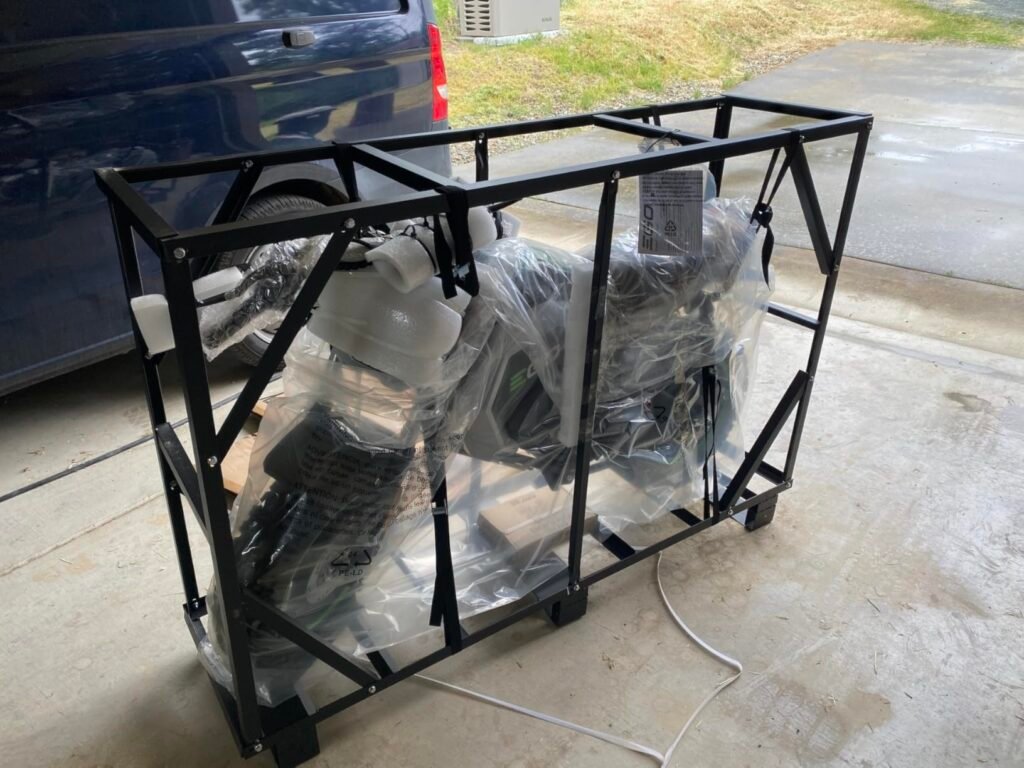
The EGO Power+ MB1000 brings the EGO lithium battery ecosystem to mini bike riding, offering a premium electric platform designed for buyers who already own EGO outdoor power equipment or want to invest in a shared battery system across tools and vehicles. The quiet hub motor delivers top speeds up to 28 MPH, which puts it at the upper end of mini bike performance regardless of fuel type.
We may earn a commission when you buy through this link, at no additional cost to you.
The three driving modes (Eco, Normal, and Sport) plus reverse gear give parents meaningful control over how fast younger riders can go, with parental controls built directly into the system. The digital display monitors speed, acceleration, and range in real time, which helps riders stay aware of battery status and performance. Range reaches up to 20 miles when configured with two 7.5Ah ARC Lithium batteries, though those batteries and the charger are sold separately.
Dual hydraulic disc brakes provide significantly stronger stopping power than mechanical disc or drum brakes found on gas mini bikes, which matters at the higher speeds this bike can reach. Front and rear suspension smooths out rough terrain, and the LED headlight supports low-light riding. The onboard storage compartment is large enough to hold an additional battery, which effectively doubles the practical range for riders who want extended sessions.
Investing in a battery ecosystem like EGO or similar platforms means every new tool or vehicle you buy from that brand works with your existing batteries. For homeowners who already own an EGO mower, blower, or chainsaw, adding the MB1000 to the lineup leverages batteries you already own. This dramatically reduces the effective cost of ownership compared to buying a mini bike with proprietary batteries that can only power the bike itself.
This is the right pick for existing EGO ecosystem owners or buyers who want the highest-tier electric mini bike platform regardless of initial investment. The separate battery purchase is a significant consideration, and total cost after batteries and charger exceeds every other option in this guide. For riders who already have EGO batteries from mowers, trimmers, or other equipment, this is a natural extension. For first-time electric buyers, the Greenworks package with included batteries delivers more value out of the box.
Not for buyers without existing EGO batteries or those who want everything included in a single purchase.
We may earn a commission when you buy through this link, at no additional cost to you.
Picking the right mini bike comes down to matching engine type, size, speed, and features to the rider’s experience, physical dimensions, and riding environment. The factors below cover the most important decision points so you invest in a bike that fits now and continues working as skills develop.
Modern mini bikes come in two main categories: gas-powered models with 4-stroke engines ranging from 40cc to nearly 200cc, and electric models powered by lithium batteries. Gas engines dominate the entry-level and mid-range markets because they are familiar, inexpensive to repair, and refuel in seconds at any gas station. The 4-stroke designs in this guide skip the oil mixing step required by older 2-stroke engines, which eliminates one of the most common user errors.
Electric mini bikes like the Greenworks 80V and EGO MB1000 offer quiet operation, instant torque, and modern features like LED displays and Bluetooth speakers. The trade-off is higher upfront cost and the need to plan around battery charging between rides. Engine displacement in gas bikes typically ranges from 40cc for young beginners up to 196cc for serious trail performance, with 99cc and 105cc being the most common sweet spots for teens and adults.
Choose gas if you want proven simplicity, immediate refueling, and lower initial cost. Choose electric if you value quiet operation, modern features, and lower long-term maintenance despite the higher purchase price.
Top speed should match the rider’s experience level and the terrain where they will ride most often. Entry-level mini bikes like the FRP MB40 top out at 18 MPH, which is slow enough to allow new riders time to react to obstacles and learn braking without constant anxiety. Mid-range 99cc and 105cc bikes reach 22 to 30 MPH, which provides exciting trail performance for teens and adults who have developed basic bike-handling skills.
Faster is not always better. A beginner on a 30 MPH bike will spend most of their time afraid of the throttle and never develop proper handling technique. An experienced rider on an 18 MPH bike will quickly become bored and may push the bike beyond its intended use. The best approach is to match speed capability to the rider’s current skill level with modest room for growth, upgrading to a faster bike after skills develop rather than trying to grow into excessive capability.
For first-time riders under age 13, prioritize 18 to 22 MPH bikes. For experienced teens and adults, 28 to 30 MPH delivers real trail performance. For maximum capability, consider 196cc bikes like the Trailmaster Hurricane 200Pro.
Weight capacity determines whether a mini bike can safely carry its intended rider without overstressing the frame, suspension, or drivetrain. Entry-level 40cc bikes typically cap out at 165 lbs, suitable for kids and smaller teens. Mid-range 99cc and 105cc models usually support up to 220 lbs, which accommodates most teens and adults. Exceeding the stated weight capacity reduces performance, increases wear, and can create safety issues on hills or rough terrain.
Seat height matters just as much as weight capacity. The BRM100 series uses a 23-inch seat height that fits riders from 4’3″ to 5’9″, which covers the typical range from pre-teens to average adults. Taller riders may feel cramped on standard mini bikes and should consider larger platforms like the Trailmaster Hurricane 200Pro, which uses a bigger overall frame. Shorter riders need to confirm they can touch the ground comfortably when stopped, which is critical for safe handling at low speeds.
Measure the intended rider’s inseam and compare it to the bike’s seat height. Add 20 to 30 percent to the rider’s weight for safety margin when checking capacity. If the bike will be shared across multiple riders of different sizes, prioritize models with the most adjustable range.
Braking performance is one of the most safety-critical specifications on any mini bike, and it varies significantly across price points. Entry-level bikes often use mechanical disc brakes on the rear wheel only, which provides adequate stopping for low speeds but can feel vague and require longer stopping distances than higher-end systems. Mid-range bikes typically upgrade to larger rear disc brakes with better pad material and more consistent performance.
Premium models like the Trailmaster Hurricane 200Pro add front disc brakes to the rear setup, which dramatically improves stopping power and allows the weight transfer forward during braking to be captured by the front wheel’s superior grip. Hydraulic disc brakes, found on bikes like the EGO MB1000, provide the most consistent and powerful stopping available on mini bikes, with better modulation and less finger effort than mechanical cable-operated systems.
If you ride at higher speeds or in hilly terrain, prioritize bikes with front and rear brakes, ideally hydraulic. For low-speed trail riding on flat terrain, a quality rear disc brake alone is usually sufficient.
Most gas mini bikes use pull-start recoil systems similar to lawn mower engines, which are reliable and inexpensive but require physical effort to operate. On smaller engines up to 105cc, pull-starting is manageable for most riders including teens. The specific pull-start quality varies, with some bikes firing on the first or second pull consistently and others requiring more coaxing, especially in cold weather or after extended storage.
Larger engines like the 196cc Trailmaster Hurricane 200Pro benefit significantly from electric start systems, which eliminate the physical effort of pulling against higher compression. Electric mini bikes use simple push-button start that works instantly regardless of rider strength or experience. For younger riders who may struggle with pull-start operation, electric start or electric drivetrain can be the deciding factor between a bike they ride often and one that stays parked.
If the primary rider is a strong teen or adult using a 99cc or 105cc engine, pull-start is fine. If the rider is younger, smaller, or using a larger engine, prioritize electric start or electric drivetrain.
The drive chain on a gas mini bike connects the engine output to the rear wheel, and chain management is one of the most common maintenance challenges on budget mini bikes. Chains naturally stretch over time, and loose chains can jump off the sprocket, derail during hard acceleration, or snap under load. Bikes with proper chain tensioning systems like the FRP GMB100 and the Oryxearth BRM100 significantly reduce these problems.
Adjustable chain tensioners let you fine-tune chain slack as it stretches, extending the useful life of the drive system before replacement. Fixed tensioners are simpler but less forgiving as the chain wears. Check the chain tension before each ride by lifting the chain at the midpoint between sprockets, with roughly 1 to 2 inches of movement being typical. Lubricate the chain regularly to extend its life and keep it running smoothly.
Prioritize bikes with explicit chain tensioner features if you plan to ride frequently or carry riders of varying weights. For occasional use, standard tensioning is usually sufficient as long as you check the chain regularly.
Most gas mini bikes ship 85 to 90 percent pre-assembled, requiring only installation of the handlebar clamp and front wheel to complete setup. This process typically takes 30 to 60 minutes with basic hand tools and no mechanical experience. Clear instructions and included tools make a significant difference, so check reviews for assembly complaints before buying. Keep the original packaging after assembly, as warranty service often requires returning the bike in its original box.
Warranty coverage varies widely across mini bike brands. Entry-level gas bikes typically offer 60 days on parts and 90 days on the engine, which is shorter than most buyers expect from powered equipment. Premium electric bikes often include longer warranties as part of the higher price. Beyond the formal warranty, consider the brand’s support reputation. FRP offers 365-day customer support on some models, while other brands provide more limited post-sale assistance.
If you are mechanically inclined, warranty length matters less because you can handle most repairs yourself. If you prefer manufacturer support, prioritize brands with longer coverage and documented customer service responsiveness.
Mini bikes are inherently more dangerous than many recreational products because they combine moderate speeds with the balance challenges of two-wheeled riding. Essential safety gear includes a properly fitted helmet, gloves, long pants, closed-toe shoes, and ideally knee and elbow protection. Many quality mini bikes include a neck gaiter or other starter protective items, but these should supplement rather than replace proper riding gear from a dedicated motorsport retailer.
On the bike itself, safety features worth prioritizing include an engine stop switch or kill switch for emergency shutdown, a chain guard to prevent clothing or body parts from contacting the drive chain, and a quality kickstand for safe parking. Headlights extend safe riding time into dusk and early morning, and LED headlights provide better visibility than basic incandescent bulbs. Suspension absorbs impact from rough terrain, which reduces rider fatigue and improves control.
Never allow riders to perform wheelies, jumps, or stunts regardless of their experience level, as these behaviors void warranties and dramatically increase injury risk. Always supervise younger riders and ensure they ride only on appropriate private property or designated off-road areas.
Before each ride, check tire pressure, inspect the chain for proper tension and lubrication, verify that both brakes engage firmly, and confirm the throttle and engine stop switch work correctly. For gas bikes, check the oil level using the dipstick and top off with the manufacturer-specified viscosity, which varies by model. Add fresh fuel if the tank has been sitting for more than a few weeks, and consider using fuel stabilizer during longer storage periods to prevent gum buildup in the carburetor.
During the ride, let the engine warm up for a minute or two before accelerating hard, especially in cold weather. Avoid prolonged full-throttle operation on new bikes during the break-in period, which is typically the first few hours of use. Pay attention to unusual noises, vibrations, or performance changes that could indicate a loose fastener, chain issue, or developing mechanical problem. Stop immediately if any safety-critical component feels compromised, and address the issue before continuing.
After each ride, let the engine cool before refueling to prevent fuel vaporization near hot surfaces. Clean dirt and debris off the bike with a soft brush or low-pressure water, avoiding direct spray on the engine air intake or electrical components. For long-term storage, drain or stabilize the fuel, change the oil if the bike has seen significant use, and store the bike in a dry location out of direct sunlight. For electric bikes, store batteries at a 40 to 60 percent charge level if they will sit for extended periods, and avoid leaving them in extreme heat or cold.
Most mini bikes recommend ages 13 and up due to the speed and weight involved. Smaller 40cc models like the FRP MB40 can be appropriate for younger riders around ages 10 to 12 with adult supervision and proper safety gear. Always follow the manufacturer's age recommendation, and consider the rider's maturity and ability to follow safety rules rather than just chronological age. First-time riders should start on the smallest practical bike regardless of age.
Mini bikes are generally classified as off-road recreational vehicles and do not require a motorcycle license when ridden on private property or designated off-road areas. However, they typically cannot be legally ridden on public roads, sidewalks, or most public land. Check your state and local regulations before buying, as some areas have specific restrictions on where mini bikes can operate even on private property.
Mini bike top speeds vary significantly by engine size. Entry-level 40cc bikes typically top out at 18 MPH, while mid-range 99cc and 105cc models reach 22 to 30 MPH. Larger 196cc bikes like the Trailmaster Hurricane 200Pro can exceed 30 MPH. Electric mini bikes like the Greenworks 80V and EGO MB1000 reach 25 to 28 MPH. Choose a top speed that matches the rider's experience level with modest room for growth.
All mini bikes in this guide use 4-stroke engines, which run on straight gasoline without any oil mixing. Older 2-stroke engines required mixing oil with gas at specific ratios, and getting the ratio wrong could damage the engine. 4-stroke engines are quieter, cleaner-burning, and simpler to fuel, though they are typically slightly heavier than equivalent 2-stroke designs. For modern recreational use, 4-stroke is the standard and preferred choice.
Yes, most 99cc and 105cc mini bikes support riders up to 220 lbs and work well for adults for recreational trail riding. Larger adults may want to consider the Trailmaster Hurricane 200Pro or electric models with higher capacity. Entry-level 40cc bikes with 165 lb capacity are generally too small for most adults. Taller adults should also check seat height to ensure comfortable riding position.
Gas mini bikes require regular oil changes typically every 25 to 50 hours of use, periodic chain lubrication and tension adjustment, air filter cleaning, and spark plug replacement every season or two. Electric mini bikes have significantly less maintenance, requiring only occasional chain or belt attention, brake pad inspection, and tire pressure checks. Both types benefit from a thorough inspection before each ride and proper storage between rides.
Minimum safety gear includes a properly fitted DOT-approved helmet, gloves, long pants, long-sleeved shirt, and sturdy closed-toe shoes or boots. Knee and elbow pads add important protection, especially for new riders. Eye protection like goggles or a helmet visor prevents dirt and debris from affecting vision. Never ride in shorts, sandals, or without a helmet regardless of your experience level or the distance you plan to ride.
Electric mini bikes cost significantly more upfront than gas models but offer meaningful advantages including quiet operation, instant torque, lower long-term maintenance, no fuel runs, and modern features like LED displays. For riders who value these benefits and have access to charging infrastructure, the premium is often justified. For buyers on tight budgets or those who want the mechanical character of a gas engine, traditional 4-stroke mini bikes remain excellent choices.
Electric mini bike range depends on riding style, terrain, rider weight, and the specific battery configuration. The Greenworks 80V offers up to 27 miles with its dual included batteries, while the EGO MB1000 provides up to 20 miles with two separately purchased 7.5Ah batteries. Aggressive riding, hills, and heavier riders reduce range, while gentle cruising on flat terrain maximizes it. Charging times vary from under 60 minutes for rapid chargers to several hours for standard chargers.
Mini bikes should only be ridden on private property with the owner's permission or in designated off-road vehicle areas. Public roads, sidewalks, parks, and most public lands prohibit mini bike use. Some areas have specific OHV parks or trails that welcome mini bikes. Always check local regulations before riding, respect private property boundaries, and avoid areas where mini bike noise or activity might generate complaints that could lead to tighter restrictions.
The Greenworks 80V Mini Bike stands out as the strongest overall choice for buyers who want modern electric performance with real range and included batteries. Its 1000W brushless motor, 25 MPH top speed, 27-mile range with two included 80V batteries, 60-minute rapid charging, and modern features like LED display and Bluetooth speakers deliver a complete package without the gas, oil, and tune-up requirements of combustion engines. The 19-inch fat tires and full suspension handle varied terrain confidently.
For buyers who prefer traditional gas power, the BRM100 105cc delivers outstanding value with its larger-than-standard engine, 30 MPH top speed, and 220 lb capacity at an entry-level price. The Trailmaster Hurricane 200Pro is the premium gas choice, pairing a 196cc engine with electric start, CVT drive, and full suspension for buyers who want maximum capability. The FRP MB40 is the right pick for younger first-time riders, while the EGO MB1000 serves existing EGO battery owners well.
The best mini bike for you depends on the rider's size, experience, and intended use. Start with the appropriate engine type (gas or electric) based on your maintenance preferences and budget. Match the engine displacement to the rider's weight and skill level, prioritizing room for skill growth without excessive capability that could overwhelm a new rider. Invest in quality safety gear regardless of which bike you choose, and ride only on appropriate private property or designated off-road areas. A well-matched mini bike delivers years of recreational riding and lasting outdoor memories.