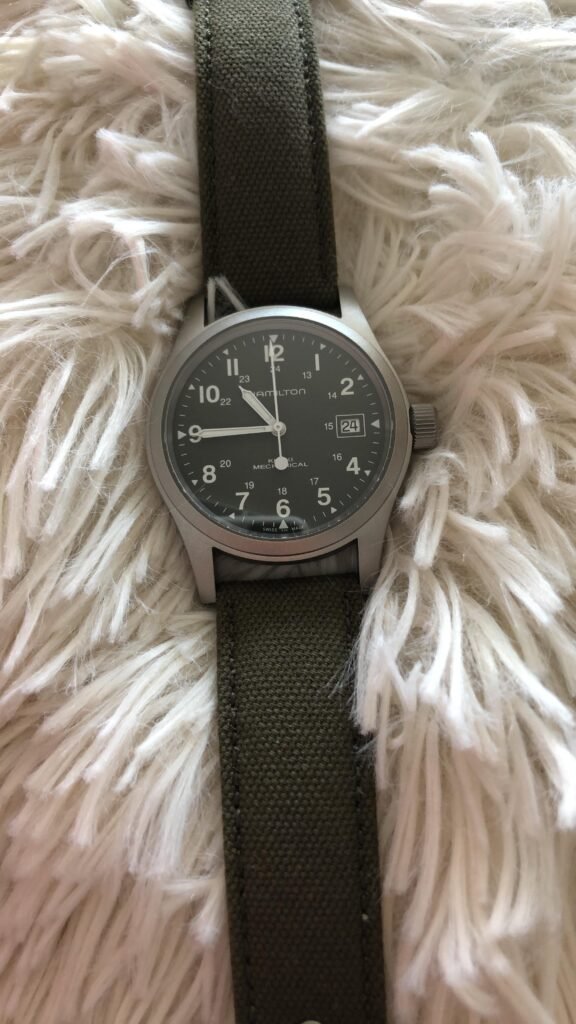
Hamilton Khaki Field
9.0Editor score38mm stainless case
H-50 hand-wound movement
80-hour power reserve
Sapphire crystal glass
Find the right mechanical watches for 2026. We compare 10 standout options by build quality, useful features, owner feedback, value, and everyday trade-offs.

Find the right mechanical watches for 2026. We compare 10 standout options by the factors that matter most in this category, including movement type, power reserve, case size and material, crystal quality, water resistance, dial legibility, strap comfort, brand heritage, and long-term value across a wide range of price points.
Mechanical timepieces span everything from affordable skeleton-dial automatics to heritage field watches and aviation chronographs. Choosing the right one depends on whether you prefer hand-winding rituals or automatic convenience, and whether you value rugged utility, dressy elegance, or open-caseback movement viewing.
This guide breaks down each watch with clear specifications, honest trade-offs, and practical guidance so you can match a mechanical movement to your wrist size, lifestyle, and budget without overpaying for features you will not use.
We compared 10 mechanical watches using the details that actually help a buyer decide: movement caliber, power reserve, hand-wound versus automatic operation, case diameter and thickness, crystal type, water resistance rating, strap or bracelet quality, dial legibility, brand heritage, warranty coverage, owner feedback, and value at each price point. The notes focus on practical trade-offs so each pick connects to how people actually wear, wind, and enjoy mechanical timepieces in daily life.

Compare key features, scores, and current prices side by side. A shorter feature list means fewer details were available, not necessarily fewer capabilities.




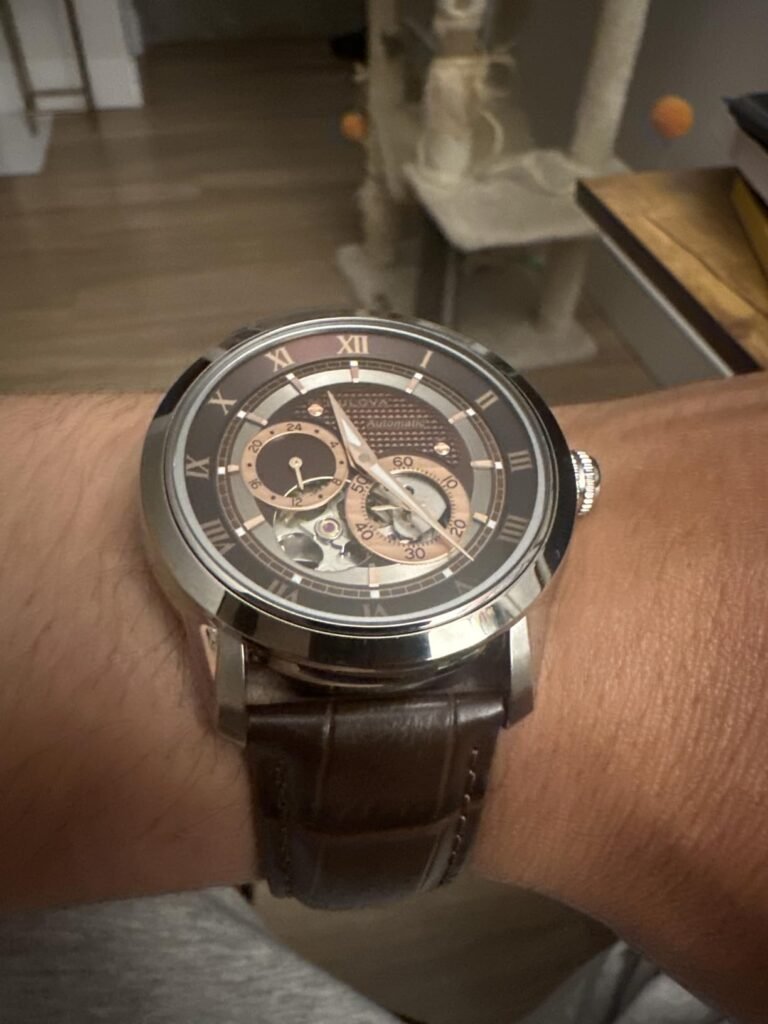
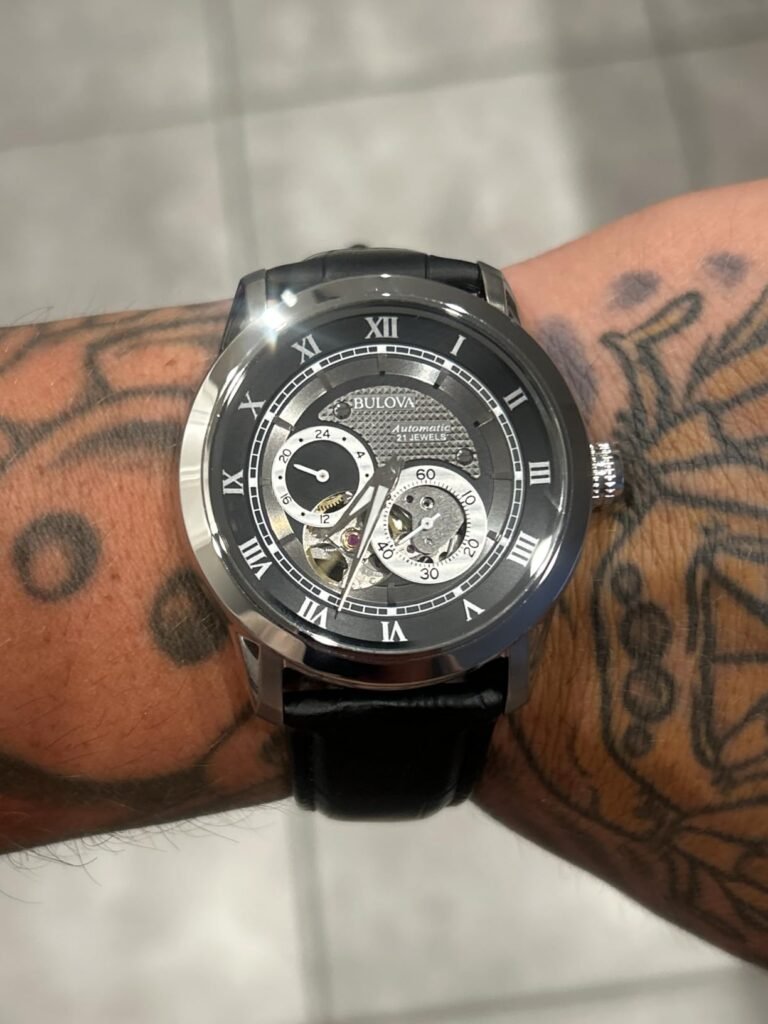
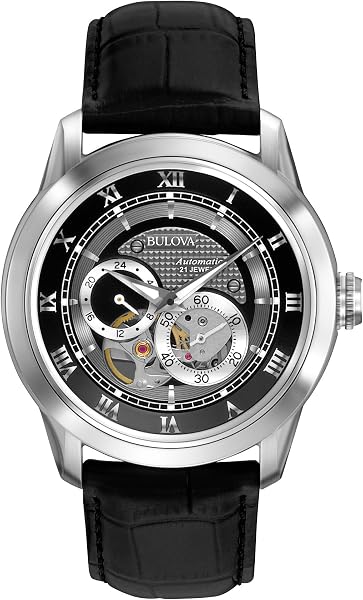
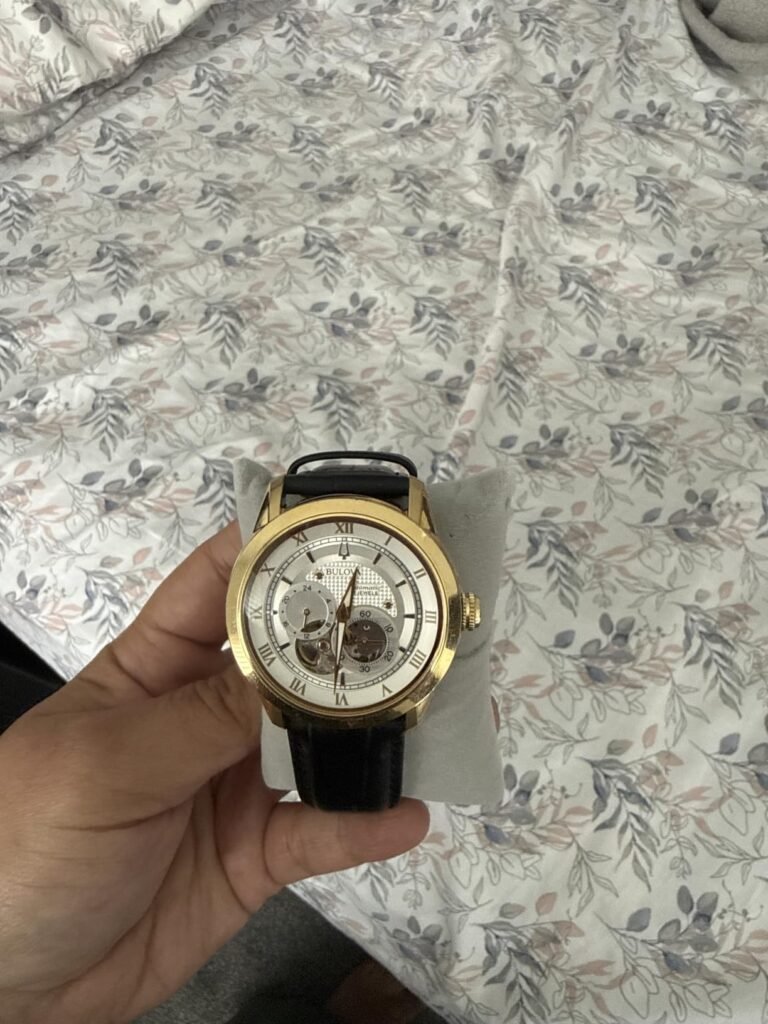
The Bulova Classic Sutton stands out among mid-priced automatics for its heartbeat aperture, which frames the balance wheel oscillating at the top of the dial. This exposed detail turns the watch into a small mechanical showpiece and gives the 42mm silver-tone case a personality that many similarly priced automatics lack.
We may earn a commission when you buy through this link, at no additional cost to you.
The four-hand movement includes a 24-hour sub dial and a hack feature, meaning the seconds hand stops when you pull the crown to set the time. Hacking is standard on higher-end movements but not universal at this price, and it lets you sync the watch to a reference signal for precise setting. The self-winding action is smooth and the movement is visible through the exhibition caseback as well as the dial aperture.
The double curved mineral crystal adds a subtle vintage-inspired dome to the dial profile that catches light attractively from different angles. Luminous hands provide reasonable low-light visibility, and the polished stainless steel case pairs well with either the included bracelet or aftermarket leather straps. Bulova backs the watch with a three-year limited warranty, which exceeds the coverage most competitors provide.
The hack feature stops the seconds hand when you pull out the crown, allowing you to sync the watch precisely to a time reference like your phone or an atomic clock. Without hacking, you can only estimate the seconds position when setting the time. For anyone who values accuracy or coordinates activities to the second, hacking is a genuine convenience worth having.
Water resistance is limited to 30m, which is fine for splashes and hand washing but not for swimming. The 42mm case with its curved crystal also has some presence on the wrist, so buyers who prefer thin dress watches should consider a slimmer option. For anyone who enjoys watching a mechanical movement in action and wants a distinctive automatic in the mid-price tier, the Sutton delivers real horological character.
Not suitable for swimming or diving, and less ideal for buyers who prefer slim dress watch profiles.
We may earn a commission when you buy through this link, at no additional cost to you.
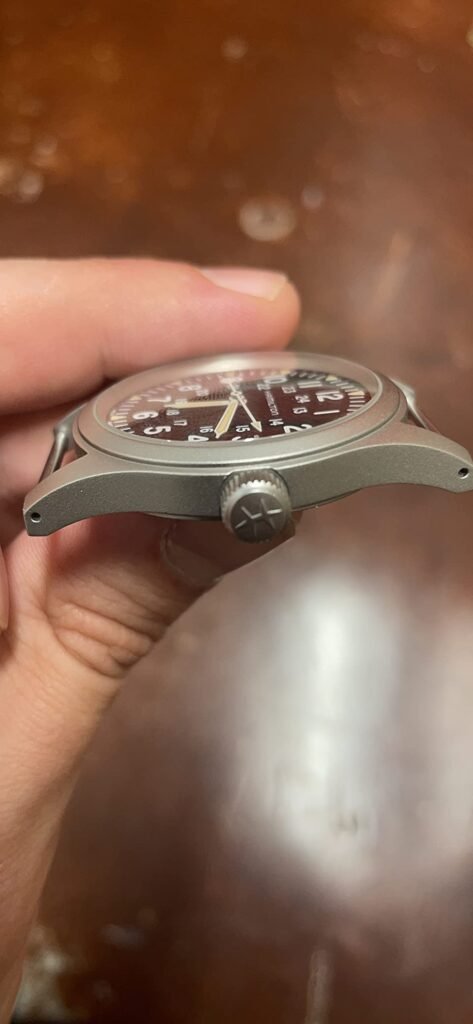
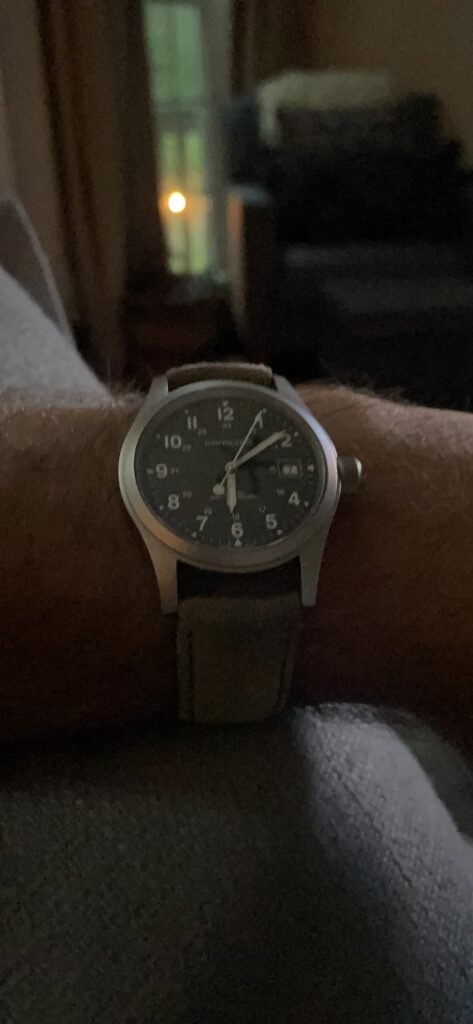
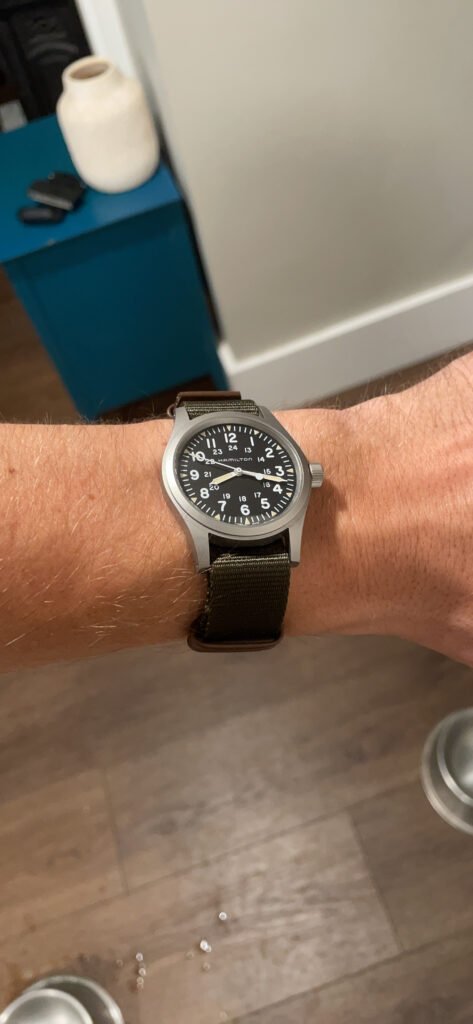
The Hamilton Khaki Field Mechanical is the modern reissue of a genuine military icon, and it remains the benchmark for hand-wound field watches in this price range. With a compact 38mm stainless steel case, black dial, and textile strap, it delivers the vintage military aesthetic without feeling costume-like on most wrists.
We may earn a commission when you buy through this link, at no additional cost to you.
The exclusive H-50 movement is the standout feature. Its 80-hour power reserve is exceptional for a hand-wound caliber at this price point, meaning you can wind it Friday evening and it will still be running Monday morning without a top-up. That kind of runtime removes much of the friction from owning a manual watch and makes it practical as a daily wearer or a rotation piece.
Practical details are handled well. Sapphire crystal resists the everyday scratches that plague mineral glass, Super-LumiNova provides genuinely useful low-light legibility, and 50m water resistance covers hand washing, rain, and even occasional pool swimming. The 38mm diameter suits wrists from about 6.5 to 7.75 inches comfortably and reads more like a traditional field watch than an oversized modern piece.
The 38mm case reflects the original military specification and fits under shirt cuffs without catching. On wrists between 6.5 and 7.5 inches, it wears proportionally without dominating the arm. Buyers accustomed to 42mm and larger modern watches may need a brief adjustment period, but most find the balanced proportions become their preferred size once they get used to the classic field watch feel.
The main trade-off is that this is a hand-wound watch, not an automatic. If you forget to wind it, you will need to reset the time, which some buyers find charming and others find tedious. The textile strap is comfortable but will show wear over years of daily use, so budget for a replacement or consider swapping to leather or a NATO. For anyone who wants a serious mechanical field watch with real heritage and modern reliability, this Hamilton is hard to beat.
Not ideal for buyers who dislike the daily ritual of manual winding or want an automatic movement.
We may earn a commission when you buy through this link, at no additional cost to you.
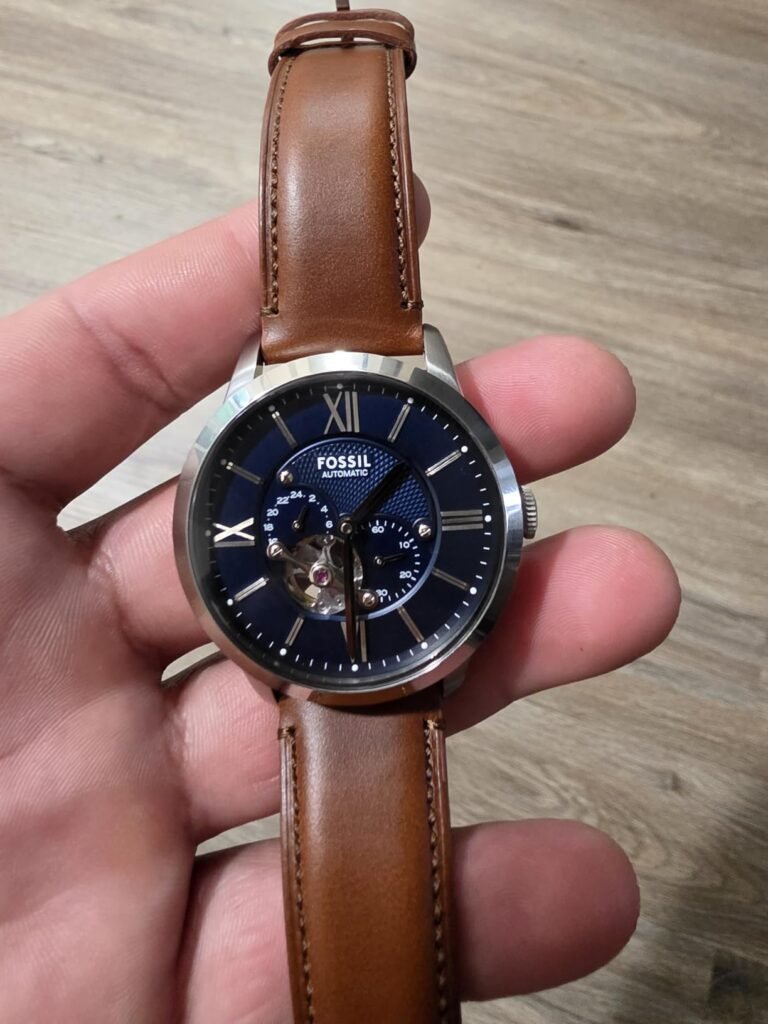
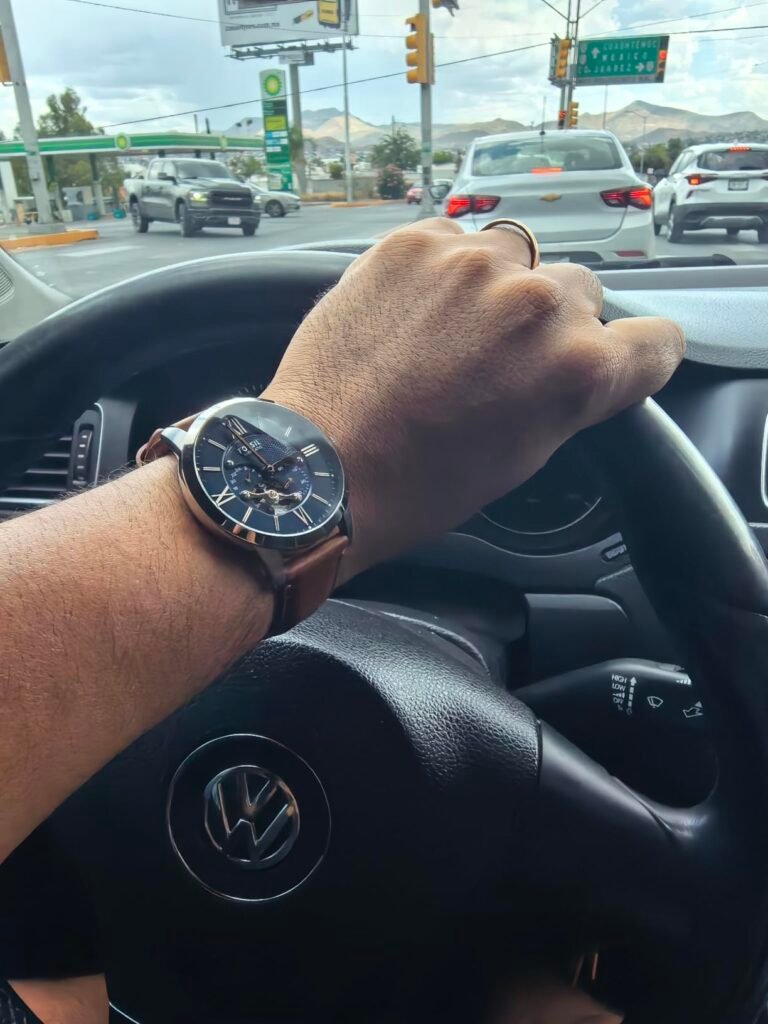
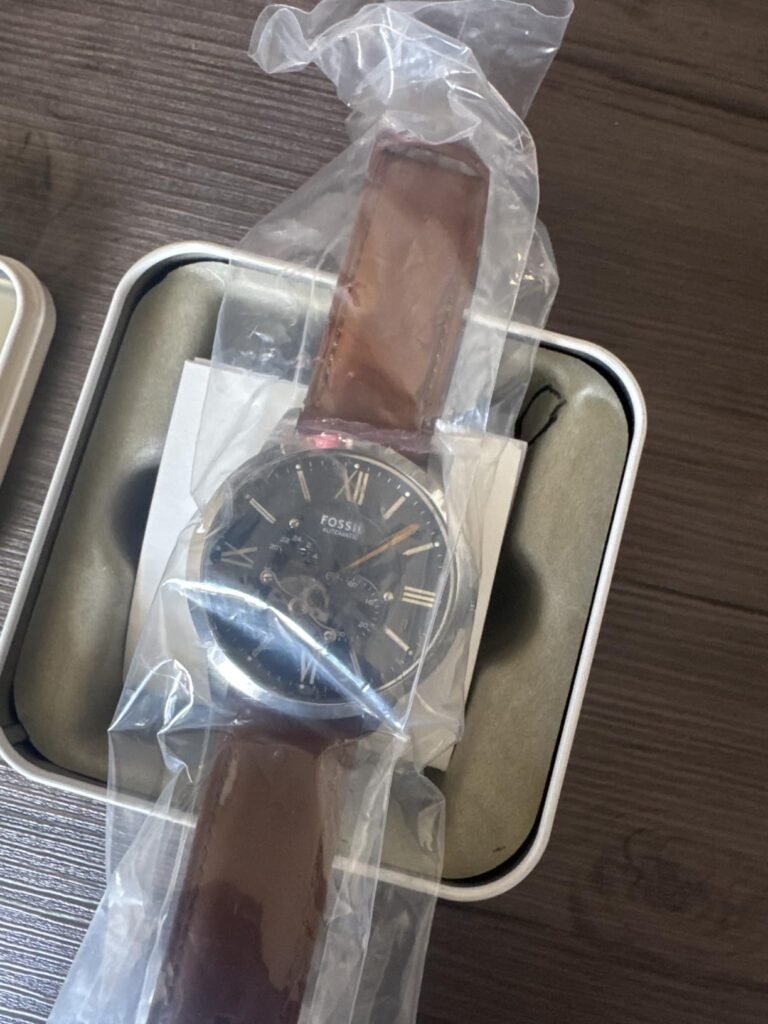
The Fossil Townsman Automatic is a strong entry point for buyers who want the character of a mechanical movement without spending several hundred dollars. Its 44mm stainless steel case, blue satin skeleton dial with gold accents, and genuine leather strap deliver a look that works from the office to a casual evening out.
We may earn a commission when you buy through this link, at no additional cost to you.
The self-winding automatic movement is the main draw. Because the mainspring is wound by your natural wrist motion, you never need to change a battery, and the exposed skeleton portion of the dial lets you actually see the mechanical action at work. If the watch stops after sitting for a day or two, roughly 40 clockwise turns of the crown will get it running again.
Practical usability is good for the price. The hardened mineral crystal resists everyday scratches better than plain glass, though it will not match sapphire for long-term durability. Water resistance to 50m covers hand washing, rain, and short recreational swims. The 22mm strap width matches all Fossil interchangeable straps, so you can easily swap between leather, NATO, or metal bracelets to change the look.
Automatic movements harness the natural motion of your arm to wind the mainspring throughout the day. Wearing the watch actively for six to eight hours typically keeps it fully wound, but if you set it aside for a few days it will stop and require a manual restart. A watch winder box can keep automatics running when not worn, though it is not necessary for casual owners.
The 44mm case is the main consideration. It wears large, which suits wrists above 7.25 inches well but can overwhelm smaller wrists. Buyers who prefer classic proportions or have wrists under 7 inches should try it on or measure carefully before ordering. For value-focused shoppers who want an automatic with visible movement details and versatile styling, the Townsman punches well above its price.
Not the best fit for smaller wrists under 7 inches or buyers who want sapphire crystal durability.
We may earn a commission when you buy through this link, at no additional cost to you.
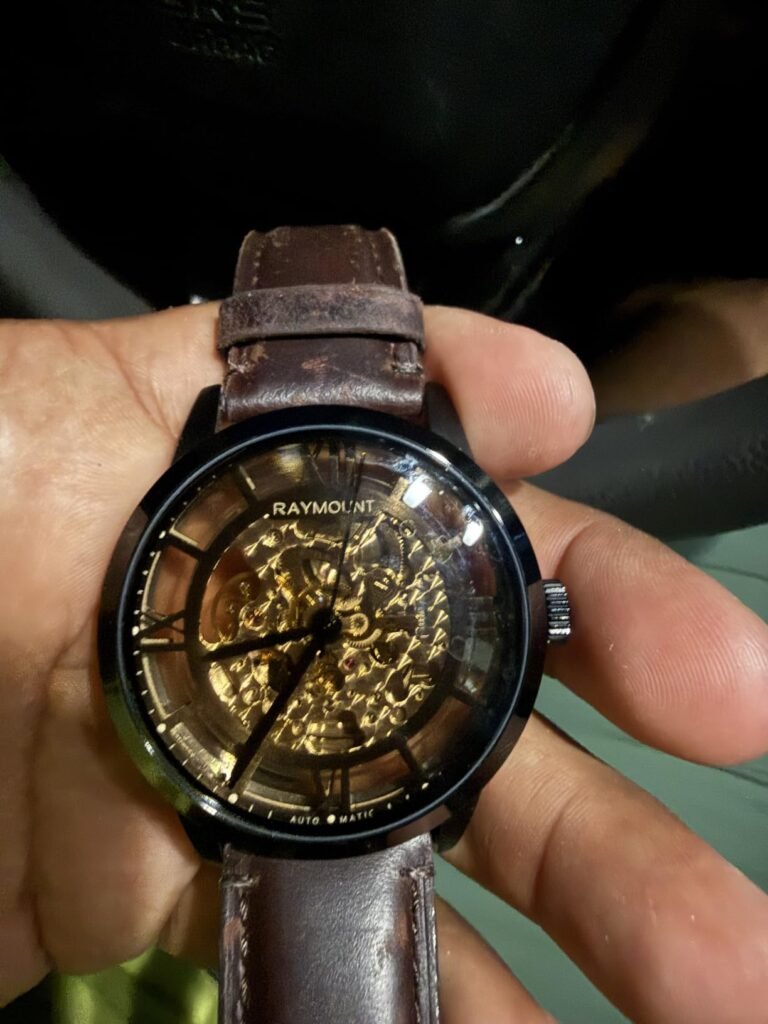
The Forsining Skeleton Automatic is an inexpensive way to experience the visual appeal of a mechanical watch without a significant financial commitment. Its ornate gold-tone case and openworked dial deliver a look that mimics far more expensive skeletonized timepieces, making it a popular first mechanical watch or an eye-catching gift for someone new to the category.
We may earn a commission when you buy through this link, at no additional cost to you.
The hand-wound mechanical movement drives the exposed gears and balance visible through the front dial and the caseback. Because it is a manual caliber, you need to wind the crown regularly, typically 15 to 20 turns, to keep the watch running accurately. This is part of the charm for enthusiasts but a small daily commitment that battery-powered quartz watches avoid.
The genuine leather band adds a touch of quality to the overall package, and the retro European-inspired styling works well for formal occasions, weddings, and gift-giving. The watch is priced low enough that it makes sense as a starter piece for someone exploring mechanical watches before investing in a more established brand, or as a decorative rotation piece for buyers who already own more serious watches.
Mechanical watches at this price point typically use basic movements without the fine regulation or long service intervals of higher-end calibers. Timekeeping may drift by a minute or more per day, and long-term durability varies. Treat this watch as an accessible introduction to mechanical horology rather than a lifetime heirloom, and it will deliver real enjoyment for the money.
Water resistance is only 30m, which means it should be kept away from swimming, showering, and diving. Timekeeping accuracy on inexpensive mechanical movements is also less consistent than mid-range Japanese or Swiss calibers, so expect to verify and adjust the time periodically. For anyone curious about mechanical watches or looking for an ornate gift under $100, the Forsining offers striking visuals at a very approachable price.
Not suitable for buyers who prioritize precise timekeeping, water sports, or long-term durability.
We may earn a commission when you buy through this link, at no additional cost to you.
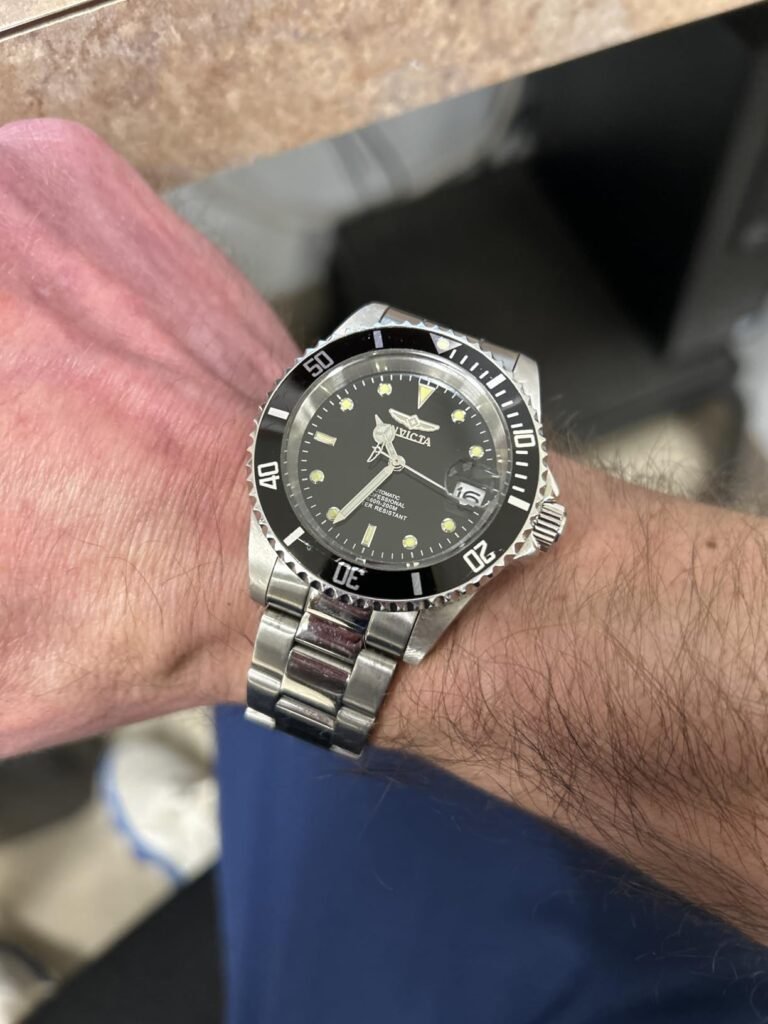
The Invicta Pro Diver 5053 delivers automatic movement performance and dive-style aesthetics at a price point that most competitors cannot match. Its 40mm stainless steel case, 14.1mm thickness, and black dial with luminous hands hit the classic sports watch proportions, and the exhibition caseback lets you see the movement in action.
We may earn a commission when you buy through this link, at no additional cost to you.
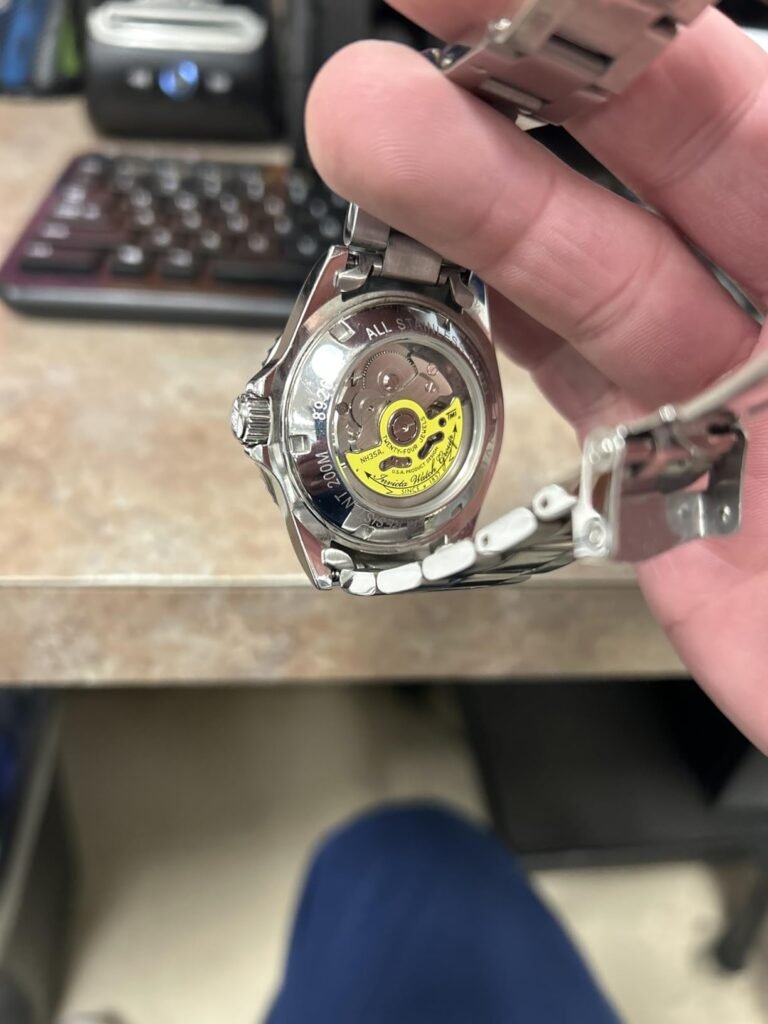
The NH35A Japanese automatic caliber is the technical highlight. Seiko developed this 24-jewel movement, and it appears in many microbrand and enthusiast watches costing several times more. It offers hacking, hand-winding, and a reputation for reliable long-term service, which is unusual at this price. The watch is assembled in Malaysia using this proven movement platform.
Practical usability is respectable for the money. The 40mm case works well on most wrist sizes and the 205mm band length accommodates a broad range of buyers. Luminous hands aid low-light legibility, and the three-year limited manufacturer warranty provides meaningful long-term coverage. Invicta also maintains dedicated customer service for band adjustments and warranty questions.
Seiko’s NH35A is widely used across the watch industry because it combines hacking, hand-winding, and durable construction at a low cost to manufacturers. Owners benefit because parts and service are widely available, and the movement is easy for most watchmakers to service. This makes the 5053 a practical long-term ownership proposition despite its budget price.
Quality control on Invicta watches is known to vary between individual units, so inspect your watch carefully upon arrival for any dial or bezel alignment issues. The Invicta brand also carries mixed perception among watch enthusiasts, though the underlying NH35A movement is universally respected. For anyone who wants a functional automatic with sports styling and does not need brand prestige, the 5053 offers strong movement value.
Not ideal for buyers who prioritize consistent factory quality control or Swiss brand heritage.
We may earn a commission when you buy through this link, at no additional cost to you.
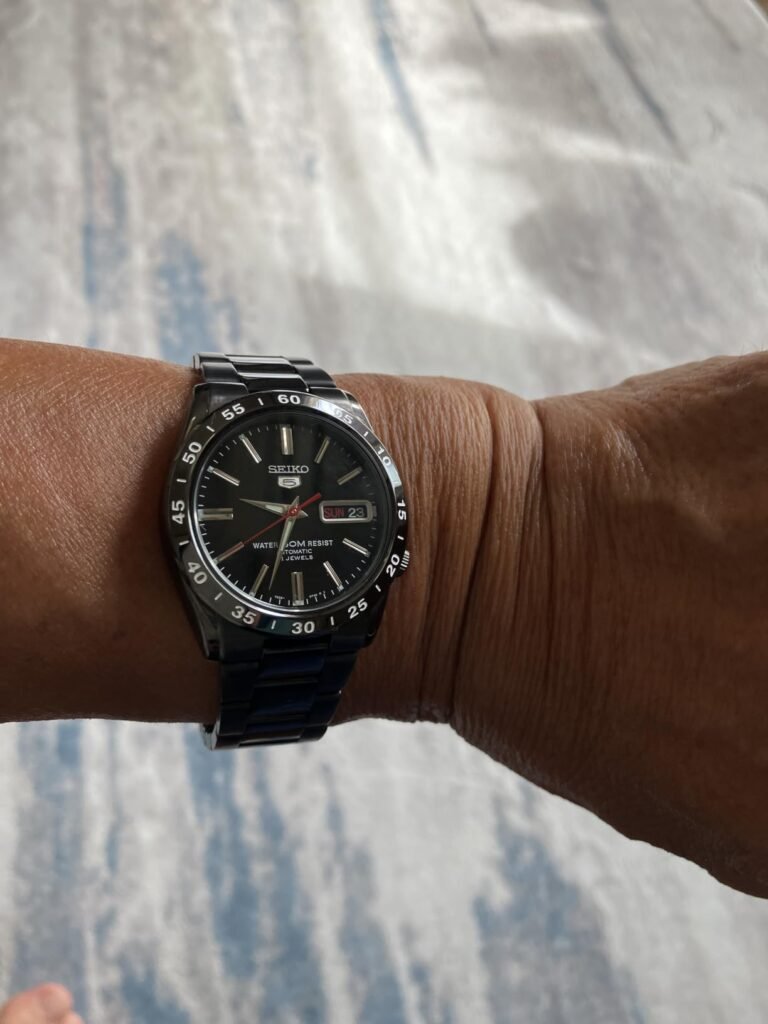
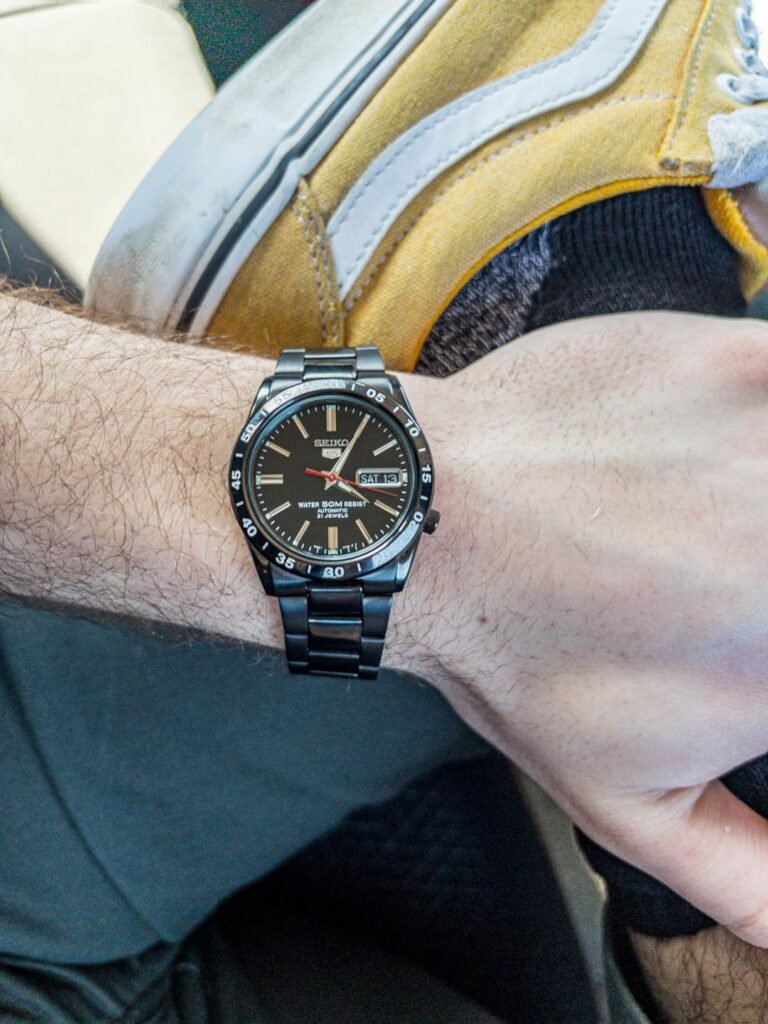
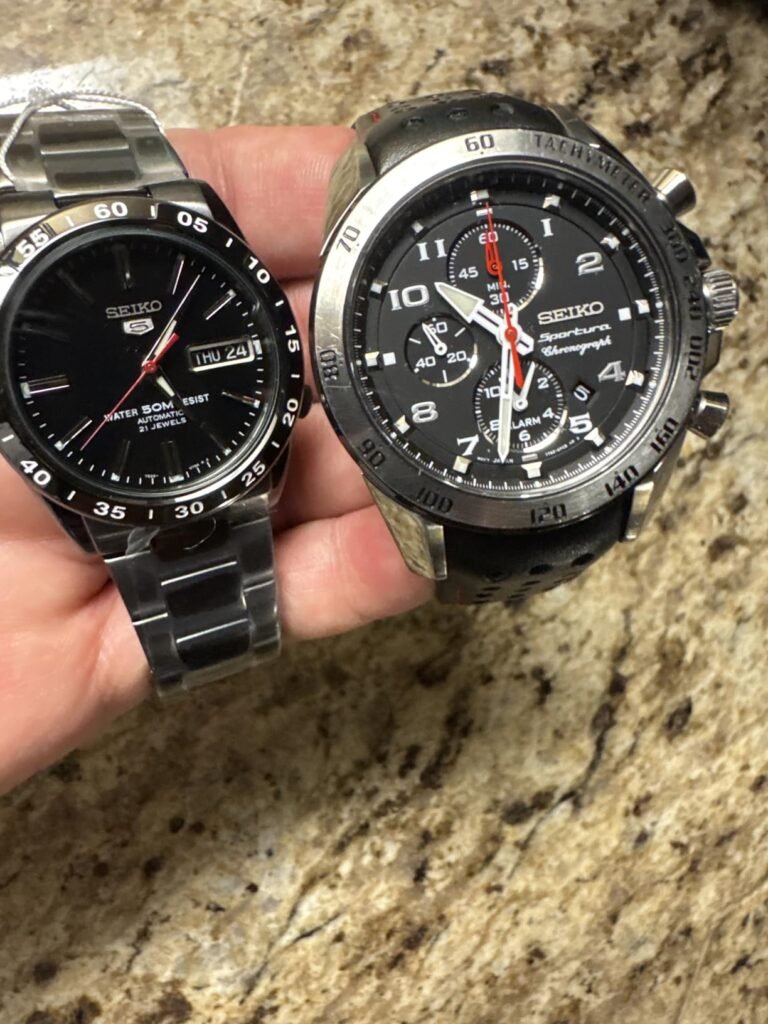
The Seiko 5 SNKE03 is part of Seiko's long-running affordable automatic line, offering a compact 36mm case that suits smaller wrists and vintage-inspired proportions. The Seiko 5 series has introduced generations of buyers to mechanical watches through reliable movements and accessible pricing.
We may earn a commission when you buy through this link, at no additional cost to you.
The automatic day-date movement provides practical daily complications along with the self-winding action. The day and date windows at 3 o’clock keep essential information at a glance, and the skeleton caseback lets you observe the movement running. The 36mm case fits wrists from about 5.5 to 7.5 inches comfortably, making it especially appealing for buyers with smaller wrists or those who prefer classic proportions.
Everyday usability is straightforward. The watch handles typical daily wear without fuss, and the automatic movement means no batteries to replace. The compact size slides easily under shirt cuffs and pairs well with both casual and semi-formal outfits. As with all Seiko 5 models, the watch is designed for durability and long service life rather than flashy details.
The Seiko 5 line has been in continuous production since 1963, defined by five key attributes: automatic winding, day-date display, water resistance, recessed crown, and durable case and bracelet. These watches have introduced countless buyers to mechanical horology at accessible prices, and they remain a benchmark for value in the entry-level automatic segment.
Owner ratings for this specific reference are more mixed than the average Seiko 5 model, so read recent reviews before purchasing to check for current quality trends. Water resistance is also modest and not intended for swimming. For buyers with smaller wrists who want a genuine Seiko automatic with day-date functionality and vintage proportions, the SNKE03 remains a sensible pick within Seiko’s affordable lineup.
Not the best choice for buyers who need higher water resistance or want the most consistent recent quality control.
We may earn a commission when you buy through this link, at no additional cost to you.
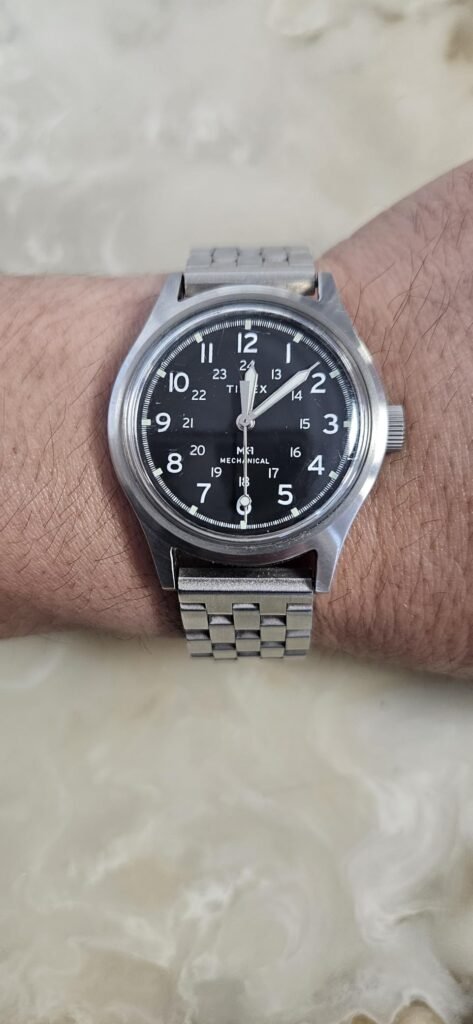
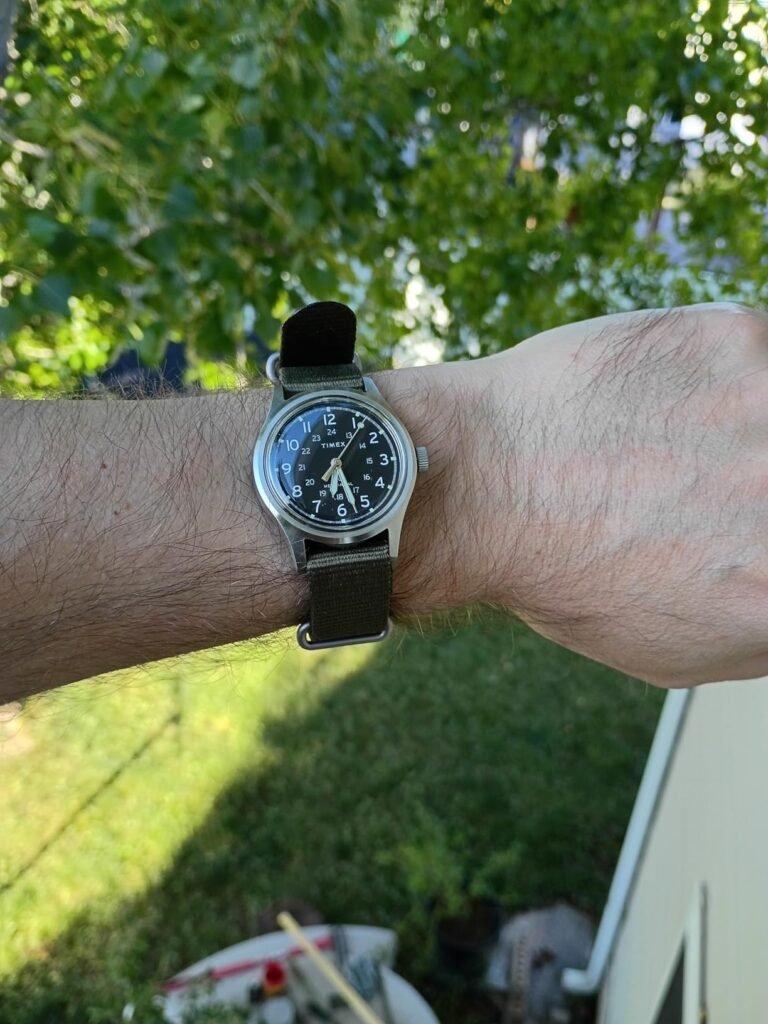
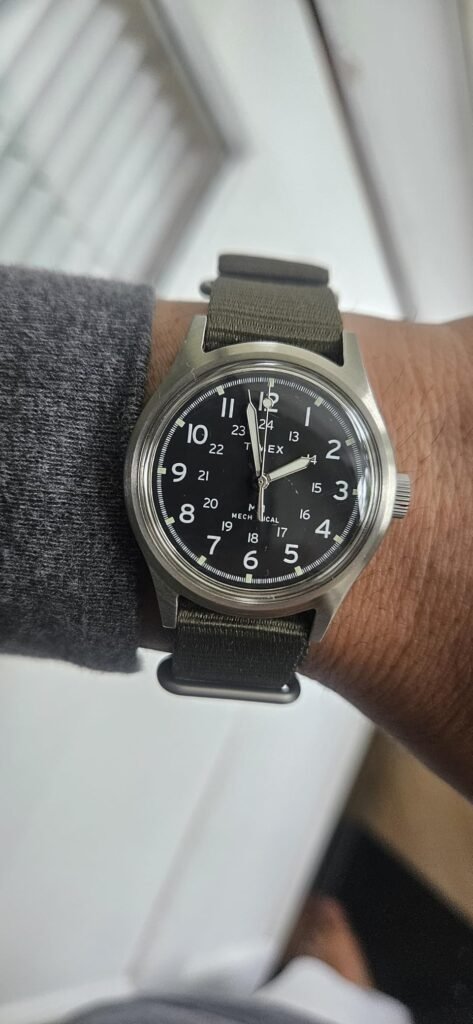
The Timex Mk1 Mechanical is a modern take on the military field watch, combining a compact 36mm stainless steel case with a hand-wound movement and sustainability-focused strap materials. It appeals to buyers who want the ritual of manual winding without the higher entry cost of Swiss field watches like the Hamilton Khaki.
We may earn a commission when you buy through this link, at no additional cost to you.
The battery-free mechanical movement gives the watch character that quartz timepieces cannot match. You wind the crown daily to store energy, and the watch runs from that stored power without any electronic components. This traditional operation appeals to buyers who want a tangible connection to their timepiece rather than a set-and-forget device.
Practical design choices support everyday utility. The clean dial includes both 12 and 24-hour Arabic indices, which is genuinely useful for anyone who reads military time or coordinates with international schedules. Luminant hands improve low-light legibility, and the 36mm case fits comfortably on wrists across a wide range of sizes. The double-layered fabric strap is crafted from recycled plastic, adding a sustainability angle uncommon at this price.
Winding a mechanical watch each morning becomes a small daily habit that many enthusiasts genuinely enjoy. It creates a moment of connection with the timepiece and reinforces the mechanical nature of what you are wearing. Aim for 20 to 30 turns of the crown, stopping when you feel resistance, and avoid over-winding to protect the mainspring.
Owner ratings for this reference sit lower than the category average, which suggests inconsistent quality or expectations mismatched with the product’s positioning. As with any lower-priced mechanical watch, expect basic movement finishing and modest timekeeping accuracy. For buyers who value a battery-free daily wearer with a compact case and eco-conscious strap, the Mk1 offers an interesting alternative in the entry-level mechanical field watch category.
Not the best pick for buyers who want the highest owner ratings or premium movement finishing.
We may earn a commission when you buy through this link, at no additional cost to you.
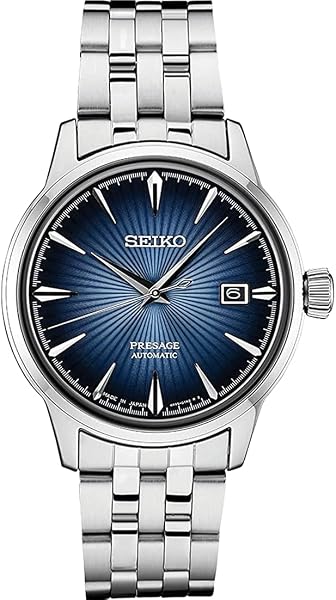
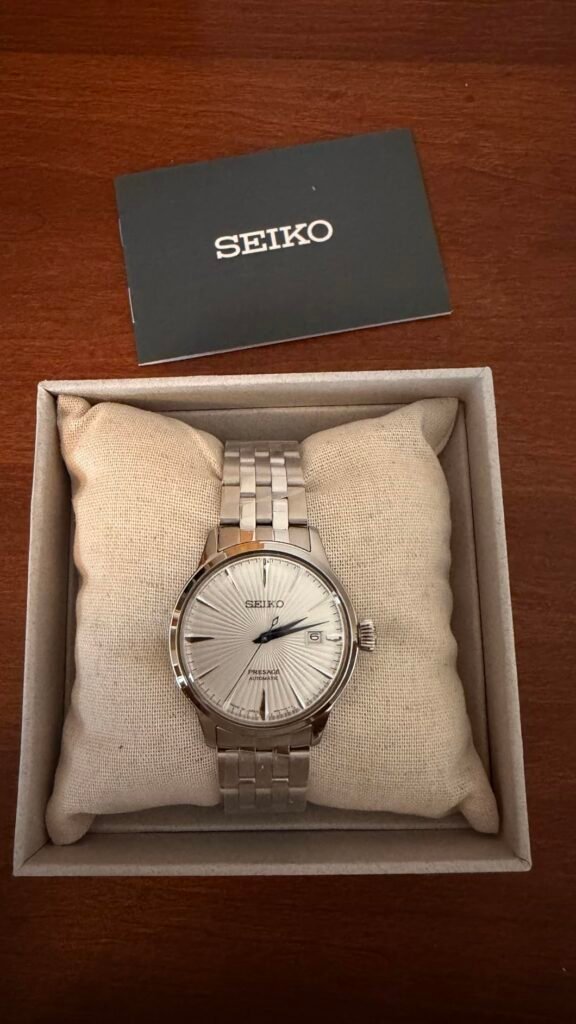
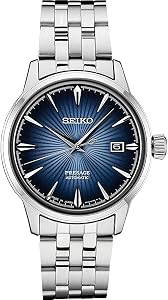
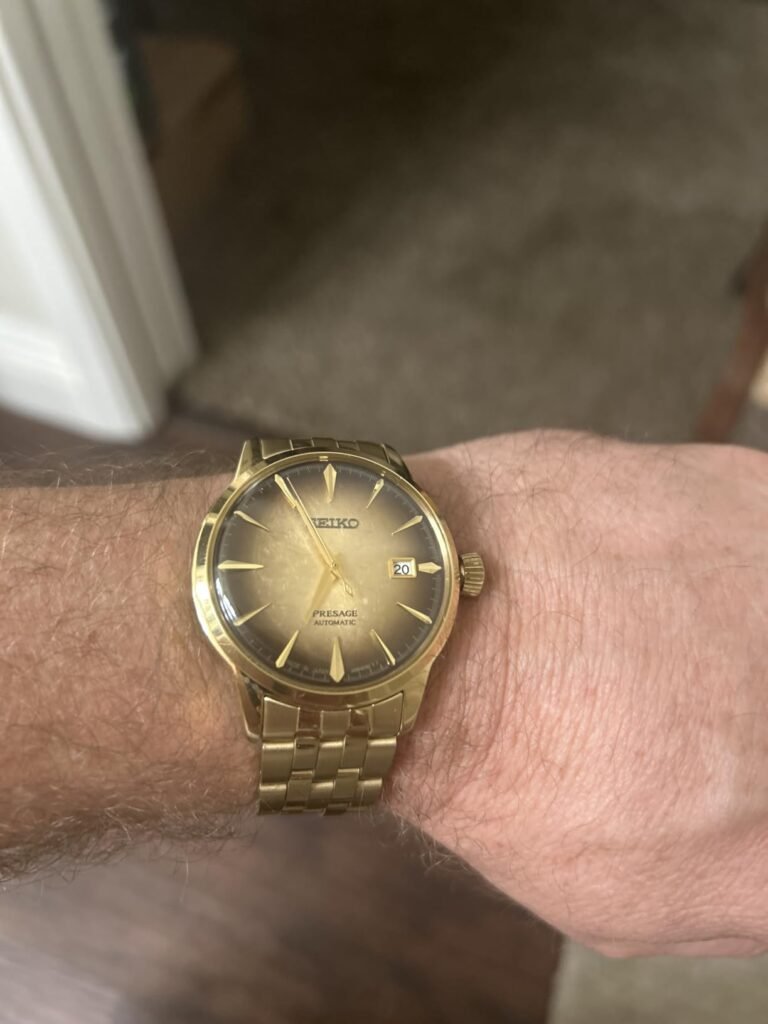
The Seiko Presage Cocktail Time series has become one of the most acclaimed dressy automatic lines under $500, and this deep blue variant is a standout in the collection. The pressed pattern dial catches light in ways that flat printed dials simply cannot, giving the watch visual depth that punches well above its price.
We may earn a commission when you buy through this link, at no additional cost to you.
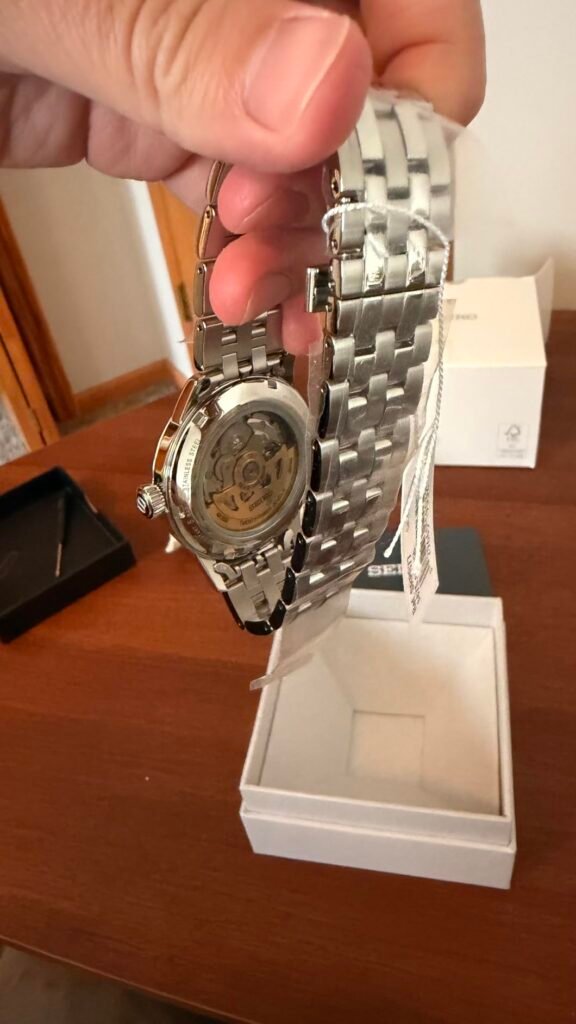
The 4R35 automatic caliber is a workhorse Seiko movement with hacking, hand-winding, and a 41-hour power reserve. It is not the longest-running caliber on the market, but it is proven and reliable, with parts and service widely available. The exhibition caseback lets you observe the movement through the stainless steel back, adding to the sense of mechanical craftsmanship.
The stainless steel case and bracelet provide dressy versatility. This watch works with business attire, transitions to smart-casual weekend wear, and looks appropriate for special occasions. Water resistance to 50m covers hand washing, rain, and short recreational swimming, which is more than adequate for a watch positioned toward dressier use.
The Presage Cocktail Time series takes visual inspiration from cocktails, with each dial color and pattern reflecting a specific drink. The pressed pattern technique creates a textured surface that reflects light dramatically, giving the dial a sense of movement and depth uncommon at this price. This attention to dial craftsmanship is a signature Seiko strength.
The 41-hour power reserve means the watch will stop if left off the wrist for two days, so plan for winding or a watch winder if you rotate between multiple timepieces. The dressier styling also makes it less suitable for rugged outdoor activities compared to a field or dive watch. For buyers who want an elegant automatic with genuine dial artistry from an established Japanese brand, the Presage Cocktail Time is one of the strongest choices in its price range.
Not the best choice for rugged sport use or buyers who need extended power reserves for weekly rotation.
We may earn a commission when you buy through this link, at no additional cost to you.
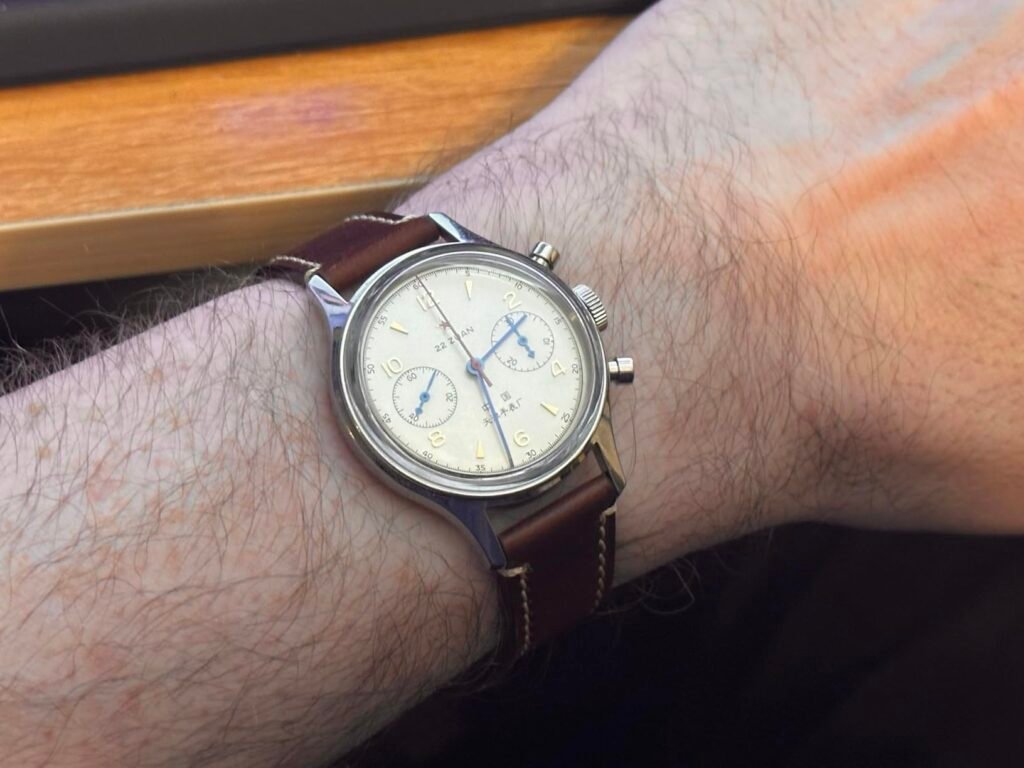
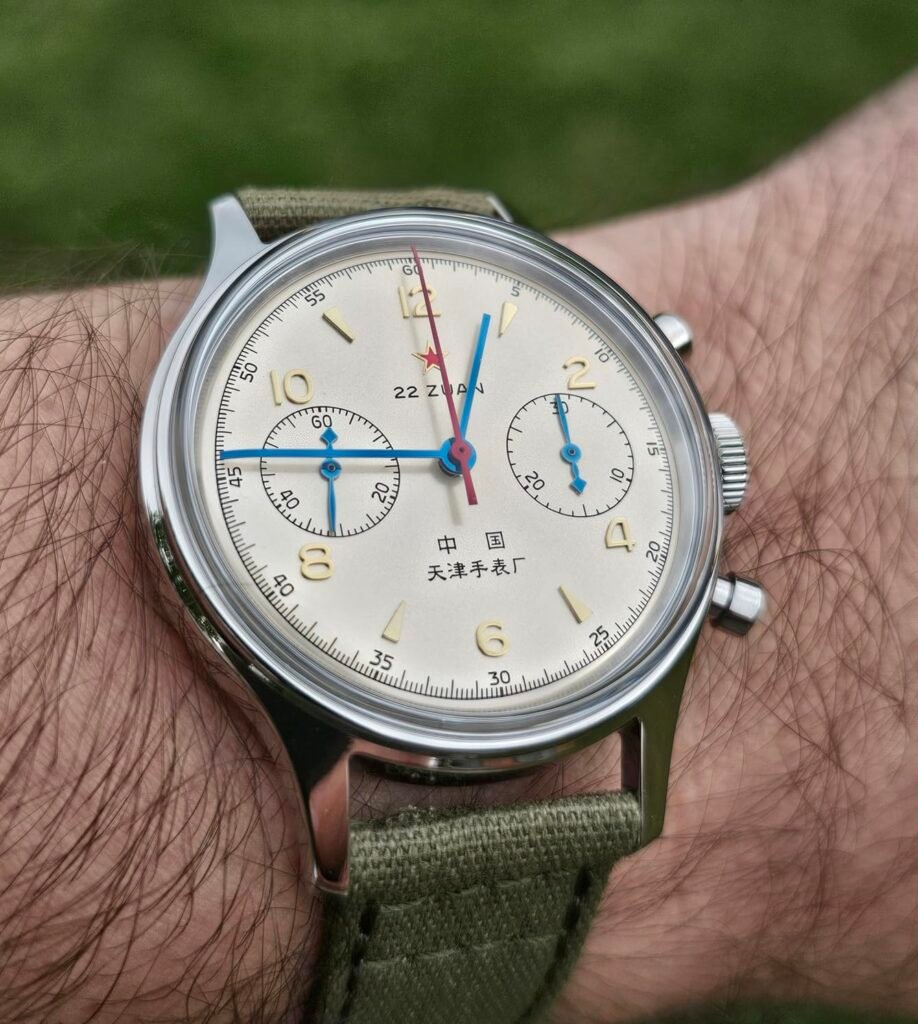
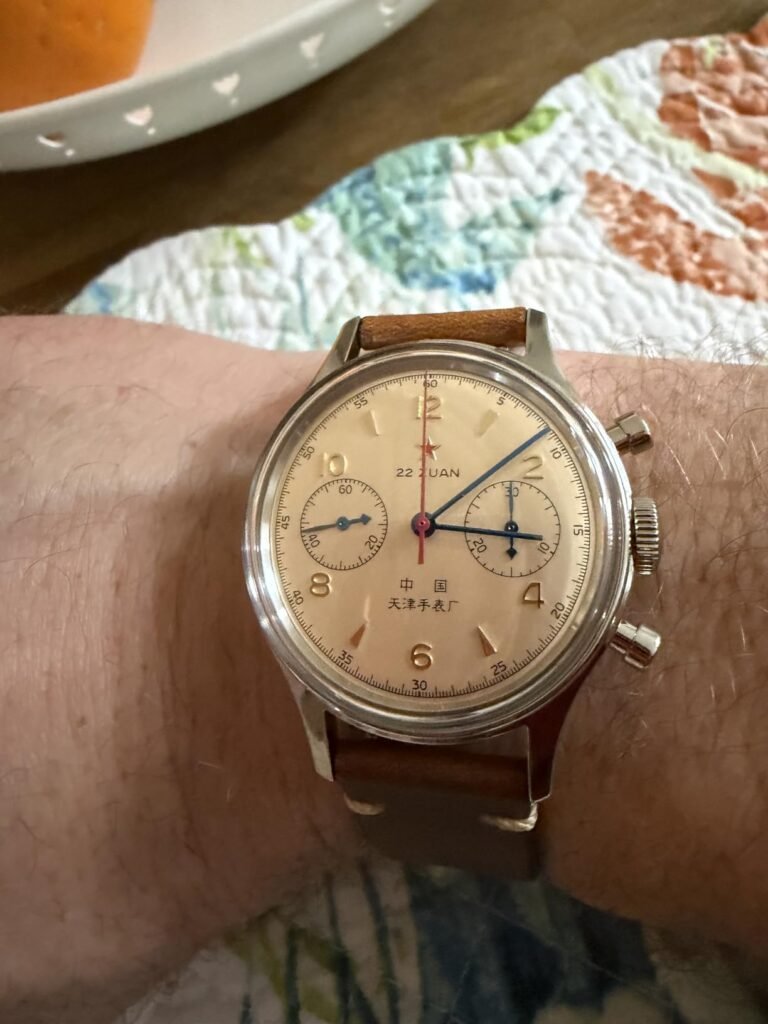
The Sea-Gull 1963 Aviation is a mechanical chronograph that traces its lineage to a genuine Chinese Air Force pilot watch developed in the 1960s. This international edition brings that heritage to modern buyers at a price point where mechanical chronographs are essentially unheard of, making it a favorite among enthusiasts who want a real column-wheel chronograph without spending several thousand dollars.
We may earn a commission when you buy through this link, at no additional cost to you.
The ST1901 movement is the technical centerpiece. It is a hand-wound mechanical chronograph with column-wheel construction, which is the traditional and more refined method for controlling chronograph operations compared to cheaper cam-actuated designs. The pusher action has a distinct tactile feel that chronograph enthusiasts appreciate, and the movement itself is a genuine piece of horological history still in production.
The retro aviation design stays faithful to the original 1963 aesthetic. The dial layout, sub-dial placement, and case proportions all evoke mid-century pilot watches rather than modern reinterpretations. The 316L stainless steel case provides corrosion resistance, and the genuine leather strap complements the vintage styling. Mineral glass covers the dial, which is period-appropriate but scratches more easily than sapphire.
Chronograph movements use either a column wheel or a cam system to control the start, stop, and reset functions. Column-wheel designs are considered more refined because they produce a smoother pusher action and are traditionally used in higher-end chronographs. Finding a column-wheel mechanical chronograph at this price is genuinely unusual, and it is one of the strongest technical arguments for the Sea-Gull 1963.
Water resistance is limited to 30m, so keep this watch away from swimming and showers. As a hand-wound chronograph, it also requires more attention than an automatic and daily winding to keep running. For enthusiasts who want an accessible mechanical chronograph with genuine historical roots and column-wheel construction, the Sea-Gull 1963 offers a truly rare value in the sub-$300 mechanical watch space.
Not suitable for water activities and requires daily winding attention from the owner.
We may earn a commission when you buy through this link, at no additional cost to you.
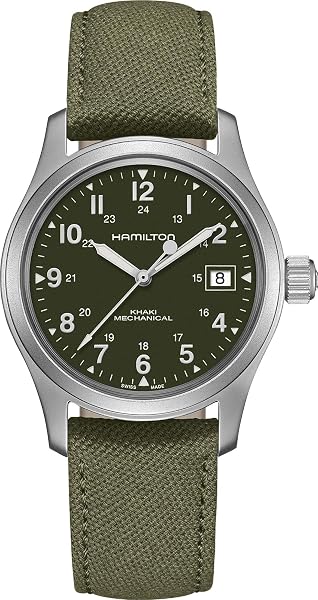
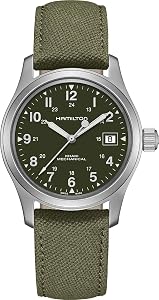
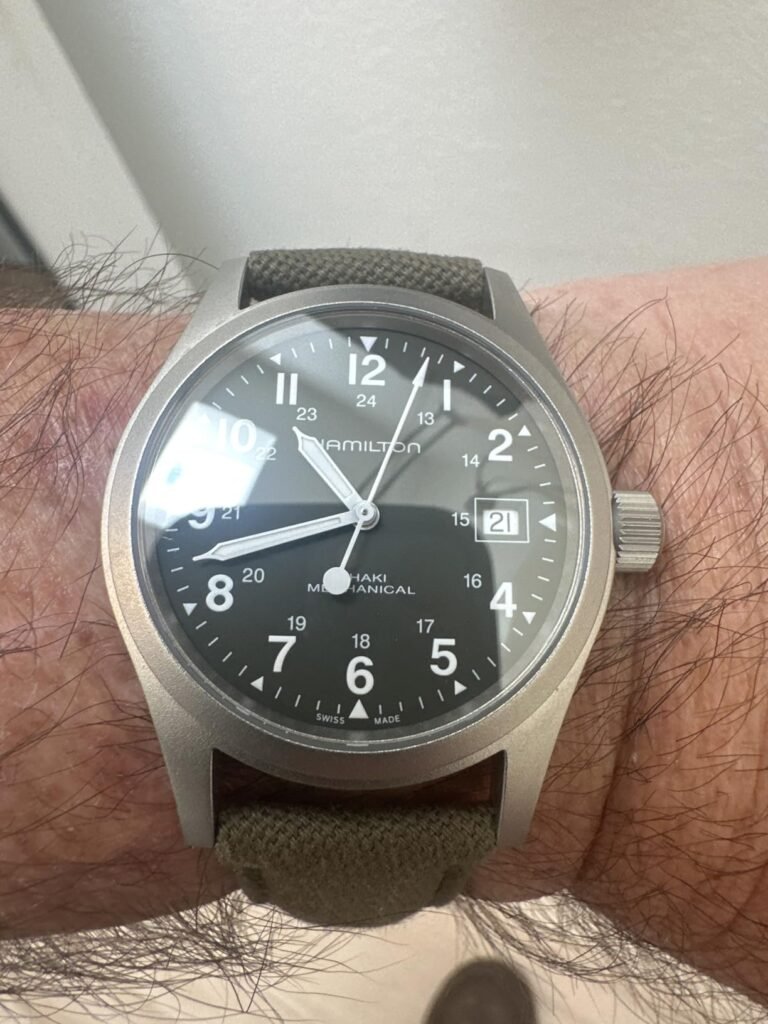
This variant of the Hamilton Khaki Field Mechanical shares the same core platform as the black-dial version earlier in this guide but swaps in a green textile strap and satinised silver-tone case for a fresher, more casual look. If you already love the Khaki Field formula and want a slightly different personality, this is the version to consider.
We may earn a commission when you buy through this link, at no additional cost to you.
The 38mm satinised stainless steel case handles light differently than a polished finish, reducing glare and giving the watch a more purposeful, tool-watch character. The round case shape and field-watch proportions remain unchanged, so it maintains the same balanced wearability that has made this model a favorite among enthusiasts with wrists in the 6.5 to 7.75 inch range.
Sapphire crystal continues to be a standout feature at this price. Unlike mineral glass, sapphire resists everyday scratches from desks, doorframes, and general handling, keeping the dial clear over years of ownership. The green textile strap gives the watch a distinctive earthy character that pairs well with casual wardrobes and outdoor use, though it is easily swapped for leather or NATO straps thanks to standard spring bar attachment.
A satinised finish uses fine brushing to create a matte, texture appearance that hides small scratches and reduces glare. A polished finish shines brightly but shows every scuff. For a watch designed around outdoor and utility use, satinised finishing is generally the more practical choice because the case maintains its appearance longer under real-world wear.
As with the black variant, this remains a hand-wound watch, so daily winding is part of the ownership experience. The textile strap will also show wear over years of daily use, though replacements are inexpensive. For buyers drawn to the Hamilton Khaki Field platform but wanting a more casual, outdoor-oriented colorway, this green variant delivers the same excellent mechanical foundation with a fresh visual personality.
Not ideal for buyers who prefer automatic winding convenience or highly polished dress watch aesthetics.
We may earn a commission when you buy through this link, at no additional cost to you.
Selecting a mechanical watch involves balancing movement type, case dimensions, materials, water resistance, brand heritage, and personal style. The right choice depends on how you plan to wear it, your wrist size, and how much you enjoy the ritual of mechanical timekeeping.
The movement is the beating heart of any mechanical watch, and the first decision most buyers face is whether to choose an automatic or a hand-wound caliber. Automatic movements use a rotating weight inside the case to wind the mainspring from your natural wrist motion. If you wear the watch regularly, it stays wound without any intervention. The Fossil Townsman, Bulova Sutton, Invicta Pro Diver, Seiko 5, and Seiko Presage all use automatic movements, giving you set-it-and-forget-it convenience during active daily wear.
Hand-wound movements require you to manually turn the crown to wind the mainspring, typically 20 to 30 turns daily or as needed. The Hamilton Khaki Field, Forsining Skeleton, Timex Mk1, and Sea-Gull 1963 all use manual calibers. Enthusiasts often prefer the tactile ritual of hand-winding and the thinner cases that manual movements enable, since there is no rotor to accommodate. The Hamilton’s 80-hour power reserve is exceptional for a hand-wound caliber, letting you wind it Friday and have it still running Monday.
If you want maximum convenience and always wear your watch daily, choose automatic. If you enjoy the mechanical ritual, prefer a slimmer case, or rotate between multiple watches, hand-wound movements offer their own rewards.
Case diameter dramatically affects how a watch wears and looks on your wrist. The watches in this guide range from 36mm compact classics like the Seiko 5 and Timex Mk1 up to 44mm modern proportions like the Fossil Townsman. As a general rule, wrists between 6 and 7 inches suit 36 to 40mm cases best, wrists between 7 and 7.5 inches work well with 40 to 42mm, and wrists above 7.5 inches can carry 44mm and larger without looking oversized.
Case thickness matters just as much as diameter, especially for dress watches worn under shirt cuffs. A thick automatic like the Bulova Sutton with its domed crystal will not slide under a fitted cuff as easily as a slimmer hand-wound piece like the Hamilton Khaki Field. Also consider lug-to-lug distance, which is the length of the case from top lug tip to bottom. A shorter lug-to-lug measurement helps a watch wear well on smaller wrists even if the diameter is larger than expected.
Measure your wrist with a flexible tape before ordering, and if possible, wrap a sizing template around it to visualize case diameter. Erring smaller often produces a more classic, comfortable fit than going larger.
The crystal protects the dial and hands from impacts and scratches, and the material used significantly affects long-term appearance. Sapphire crystal, found on both Hamilton Khaki Field variants in this guide, is the most scratch-resistant option available at these price points. It maintains its clarity for years of daily wear and resists the small marks that accumulate on softer materials.
Mineral crystal, used on the Bulova Sutton, Sea-Gull 1963, and several other models here, is harder than plain glass and resists everyday scratches from most household surfaces but will show marks over time from harder contacts like stone countertops or metal edges. Hardened mineral crystal, like the version on the Fossil Townsman, sits between standard mineral and sapphire in durability. Acrylic crystals, less common in this guide, scratch easily but can be polished at home.
If you work with your hands, wear the watch daily, or plan to keep it for many years, sapphire crystal is worth prioritizing. For occasional wear or budget-focused purchases, mineral crystal is perfectly acceptable.
Water resistance ratings on mechanical watches often confuse buyers because the numbers do not correspond directly to the depths implied. A 30m rating like the Bulova Sutton, Forsining, or Sea-Gull 1963 means the watch can handle splashes, hand washing, and light rain but is not suitable for swimming, showering, or submersion. A 50m rating like the Hamilton Khaki Field, Fossil Townsman, and Seiko Presage covers short recreational swimming and showering but not diving or high-pressure water activities.
Deep water activities like snorkeling and diving require ratings of 100m or higher, and true dive watches are typically rated 200m or more with a screw-down crown. None of the watches in this guide are true dive watches despite the Invicta Pro Diver’s name and styling. Mechanical watches are also more sensitive to water intrusion than quartz watches because water damage can affect delicate movement components, so err on the side of caution.
Match the rating to your intended use. A 50m rating covers most daily wear including accidental swimming, while 30m is fine for anyone who removes their watch before water contact.
Power reserve measures how long a mechanical watch will continue running after being fully wound and set aside. Longer reserves are convenient because you can rotate between multiple watches without stopping the timekeeping. The Hamilton Khaki Field’s 80-hour reserve is exceptional at this price and lets you wear a different watch for two full days without needing to reset. The Seiko Presage’s 41-hour reserve is more typical and means the watch will stop if left off the wrist for about two days.
Accuracy varies significantly between mechanical calibers. Higher-end Swiss and Japanese movements are typically regulated to run within a few seconds per day of accuracy, while budget movements may drift by a minute or more daily. This drift is normal for mechanical watches and part of their character, but if precision timekeeping matters to you, prioritize watches with proven movements like Seiko’s 4R35 or NH35A, or Hamilton’s H-50.
For daily rotation between multiple watches, look for power reserves of 60 hours or more. For single-watch daily wear, any modern automatic will stay wound with regular use.
The strap or bracelet affects both comfort and versatility significantly more than many buyers expect. Leather straps like those on the Fossil Townsman, Forsining, and Sea-Gull 1963 offer dressy elegance and comfort but require care to avoid moisture damage. Textile straps like the Hamilton Khaki Field variants provide casual comfort and outdoor-friendly durability, though they show wear over years of daily use. Stainless steel bracelets, found on the Bulova Sutton and Seiko Presage, offer the most versatility and longest lifespan but add weight and can require sizing adjustments.
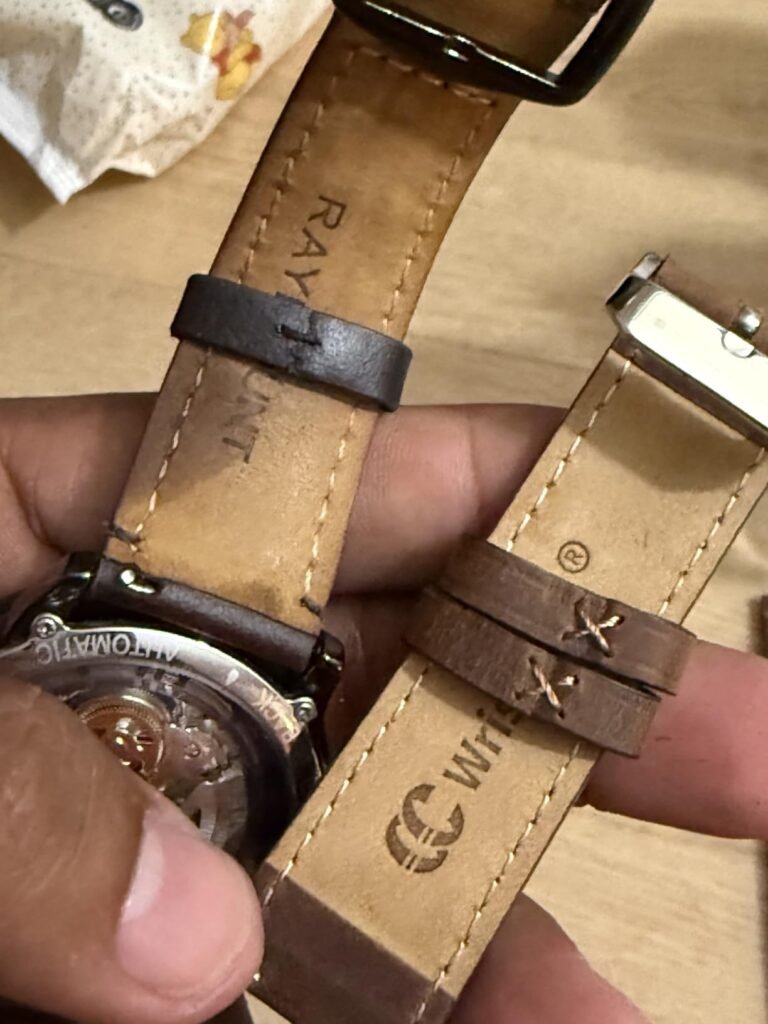
Check the lug width before buying if you plan to change straps. Standard sizes include 18mm, 20mm, and 22mm, which are widely available in aftermarket options. The Fossil Townsman uses 22mm, which matches all Fossil interchangeable straps and countless third-party options. Being able to swap straps easily lets you transform a single watch from casual to formal use without buying multiple timepieces.
Match the initial strap to your primary use case, but choose a watch with standard lug width so you can experiment with different styles over time.
Brand heritage matters for mechanical watches in two ways: the aesthetic and historical connection to the timepiece, and the practical reality of long-term service availability. Hamilton’s field watches trace back to WWI military use, Seiko has been building mechanical watches continuously since the early 20th century, and Sea-Gull’s chronograph movement dates to 1963 Chinese aviation history. These stories add depth to ownership beyond the pure specifications.
Practically, established brands with authorized service networks make long-term ownership easier. Mechanical watches need periodic service, typically every five to ten years, to clean and re-lubricate the movement. Brands like Hamilton, Seiko, Bulova, and Fossil all maintain accessible service infrastructure. Smaller brands or specialty watches like the Sea-Gull 1963 may require sending the watch overseas or finding an independent watchmaker familiar with the specific caliber, which is manageable but adds effort.
For a first mechanical watch, established brands with local service options are the safer choice. Once you understand the category, exploring specialty or heritage pieces becomes easier.
When you first receive a mechanical watch, wind the crown gently until you feel light resistance for automatic movements, or until you feel a firm stop for hand-wound calibers. Set the time by pulling the crown to the appropriate position, and if your watch has hacking, use the stopped seconds hand to sync precisely with a time reference. Avoid changing the date between roughly 9 PM and 3 AM, since the date-change mechanism is engaged during those hours and forcing it can damage internal components.
During daily wear, treat your mechanical watch with reasonable care. Avoid strong magnetic fields from speakers, tablets, and magnetic phone cases, which can magnetize the movement and cause significant timekeeping errors. Keep the watch away from harsh chemicals, solvents, and prolonged sun exposure. When engaging in physical activities that involve impacts, consider swapping to a more rugged watch or removing your mechanical piece to protect the movement from shock damage. Even watches with high water resistance ratings should not be exposed to hot water, steam, or rapid temperature changes.
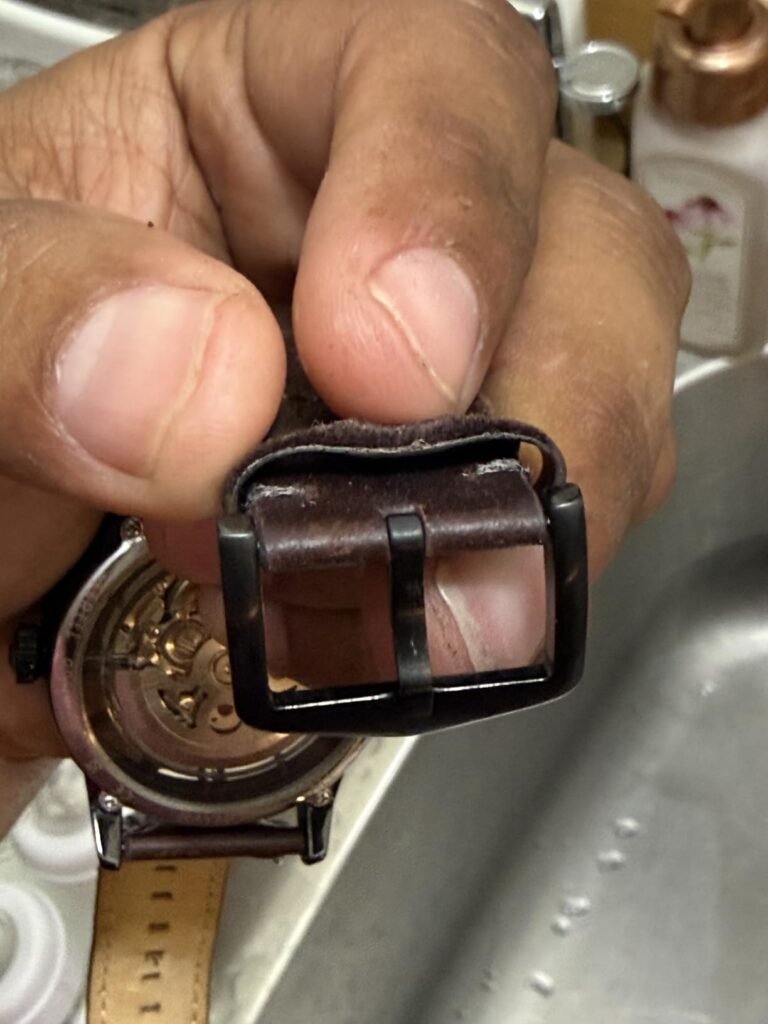
For long-term care, plan on a professional service every five to ten years depending on the movement and how often you wear it. Service includes disassembly, cleaning, lubrication, and reassembly, and it keeps the movement running accurately for decades. Store watches you are not wearing in a dry, room-temperature environment away from direct sunlight. Watch winders can keep automatic watches running when not worn but are optional, as most modern movements handle regular stop-and-restart cycles without issue. Check strap condition regularly and replace worn leather or fabric bands before they fail.
Mechanical watches are worth it for buyers who value craftsmanship, tradition, and the tangible experience of an intricate mechanical movement. They typically cost more, run less accurately, and require occasional service compared to quartz watches. However, they can last for generations with proper care and often hold value or appreciate, unlike most quartz watches that eventually need battery and movement replacement.
If you wear an automatic watch daily for six to eight hours, wrist motion keeps the mainspring wound and no manual winding is needed. If the watch stops after sitting for a day or two, wind the crown clockwise about 20 to 40 turns to restart it. Watch winders can keep automatics running during periods of non-wear but are not necessary for casual owners.
Mechanical watches typically run within 10 to 30 seconds per day of accuracy, with higher-quality movements tuned to within a few seconds daily. Budget mechanical movements may drift by a minute or more per day. This is normal for the technology and part of the mechanical watch experience, but if precise timekeeping is critical, quartz watches are more accurate.
Match the case diameter to your wrist size. Wrists between 6 and 7 inches suit 36 to 40mm cases best, wrists between 7 and 7.5 inches work well with 40 to 42mm, and wrists above 7.5 inches can carry 44mm and larger. Also consider case thickness and lug-to-lug distance, especially if you wear dress shirts and want the watch to fit under cuffs.
Sapphire crystal resists scratches far better than mineral crystal and maintains dial clarity for years of daily wear. If you wear your watch daily, work with your hands, or plan to keep it long-term, sapphire is worth prioritizing. Mineral crystal is perfectly acceptable for occasional wear or budget-focused purchases, especially if you can protect the watch from harder contact surfaces.
It depends on the water resistance rating. A 30m rating handles splashes and hand washing only. A 50m rating covers short recreational swimming and showering but not diving. For regular swimming or diving, you need 100m or higher with a screw-down crown. Avoid hot water and steam regardless of rating, since heat and pressure changes can damage seals.
Most mechanical watches benefit from professional service every five to ten years. Service includes disassembly, cleaning, lubrication, and reassembly to keep the movement running accurately and prevent long-term wear. Cost varies by brand and movement complexity but generally runs from around $200 for basic Japanese movements to several hundred dollars or more for Swiss calibers and chronographs.
A full skeleton dial removes most of the dial material to reveal the entire movement, showing gears, springs, and the balance wheel across the whole face. An open-heart or aperture dial, like the Bulova Sutton, cuts a smaller window in an otherwise solid dial to reveal only the balance wheel. Open-heart designs typically offer better legibility while still showcasing mechanical action.
Both regions produce excellent mechanical movements at various price points. Japanese calibers like Seiko's 4R35 and NH35A are known for reliability, ease of service, and value. Swiss movements from brands like Hamilton often feature longer power reserves and refined finishing. The Hamilton Khaki Field's H-50 with 80-hour reserve is a great example. Neither is universally better; choose based on the specific watch and your priorities.
Yes, hand-wound watches make excellent daily wearers if you enjoy the ritual of winding the crown each morning. Aim for 20 to 30 turns daily, stopping when you feel resistance to avoid over-winding. Long-power-reserve models like the Hamilton Khaki Field with 80 hours give you flexibility to skip winding occasionally without the watch stopping.
The Hamilton Khaki Field Mechanical stands out as the strongest overall choice for buyers who want a serious mechanical watch with genuine heritage, exceptional 80-hour power reserve, sapphire crystal durability, and compact 38mm wearability. Its combination of Swiss movement quality, military design authenticity, and long-term value makes it hard to beat in its price range, whether you choose the classic black-dial textile version or the fresher green colorway.
For different priorities, the Seiko Presage Cocktail Time delivers dressier styling with a striking pressed blue dial and reliable Japanese automatic movement, making it the standout choice for buyers who want elegance and dial artistry. The Fossil Townsman Automatic offers the best value entry point into automatic watches under $200. The Sea-Gull 1963 Aviation provides genuinely rare mechanical chronograph capability with column-wheel construction at an accessible price, and the Bulova Sutton stands out for buyers who want to see the balance wheel in action through an aperture dial.
Start by identifying your priorities: automatic convenience versus hand-wound ritual, dressy elegance versus rugged utility, established brand heritage versus budget-friendly experimentation, and case size matched to your wrist. Once you know what matters most to you, the right watch from this list should become clear. Mechanical timepieces reward thoughtful selection with years or even generations of enjoyment, so take your time and choose the one that speaks to how you want to wear it.