VEVOR 1450W Mag
8.6Editor score1450W copper motor
0-750 RPM range
2922 lbf holding
6 annular cutters
Compare top magnetic drill presses for metal fabrication. Review motor power, boring capacity, holding force, and features to find the right mag drill.
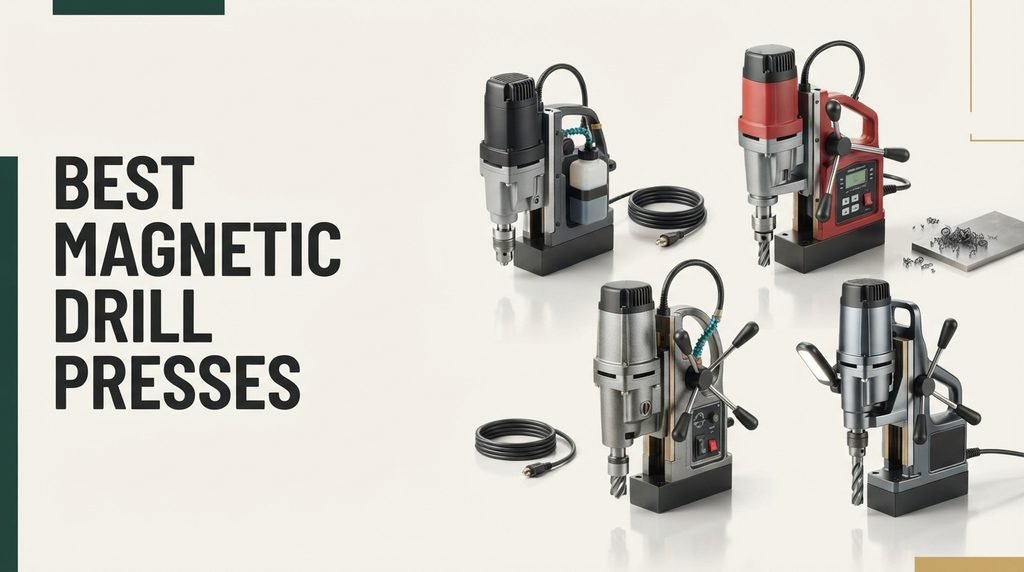
Choosing the right magnetic drill press for 2026 means balancing motor wattage, boring diameter, magnetic holding force, speed control, and the type of metalwork you handle most often. We compare standout mag drills by the specs that actually affect hole quality, operator safety, and jobsite productivity across fabrication shops, structural steel work, and heavy equipment maintenance.
A mag drill is only as useful as its grip on the workpiece. Holding force, base design, duty cycle, and motor power determine whether a unit stays locked during a cut or chatters through expensive annular cutters. Understanding these differences up front helps you avoid overpaying for industrial capacity you will not use.
The models below span budget-friendly portable units for occasional metal fabrication work to professional-grade machines built for daily shop and jobsite use. Features like variable speed, reversible rotation, overload protection, and coolant systems vary significantly, and matching those capabilities to your actual projects is the key to a confident purchase.
We compared these magnetic drill presses using the details that matter when drilling steel: motor wattage, boring diameter and depth, magnetic holding force, speed range, reversibility, coolant delivery, overload protection, guide rail quality, portability, included accessories, and owner feedback. The notes focus on practical trade-offs so each pick connects to how fabricators, ironworkers, and serious DIYers actually use a mag drill on real jobsites and shop floors.


Compare key features, scores, and current prices side by side. A shorter feature list means fewer details were available, not necessarily fewer capabilities.


The DEWALT DWE1622K is the professional pick in this roundup, built for shops and jobsites where downtime costs real money. The 10-amp motor pairs with proven DEWALT electronics and a durable gear train that holds up to daily production work. Among owners, this model earns one of the highest average ratings in the category for a reason: it simply works, repeatedly, in demanding conditions.

We may earn a commission when you buy through this link, at no additional cost to you.
The 4-inch drill travel is the standout spec here. Most portable mag drills offer around 2 inches of stroke, which limits you to shallow work and forces repositioning on thicker stacks. Four inches of travel means you can bore through thick structural plate or stacked material in a single setup, which saves meaningful time on bridge, building, and heavy equipment work. The two-speed gearbox is enough for most steel drilling scenarios.
The quick change chuck is a practical productivity upgrade. Changing from annular cutters to twist bits or taps is noticeably faster than on budget machines that require more fiddling. The magnetic coolant bottle attaches wherever is most convenient for the orientation of the cut, which matters when you are working overhead or on a vertical web. Overload protection electronics add long-term motor insurance.
The DEWALT premium covers quality control, longer gear and motor life under heavy duty cycles, better overload protection, and the service network that comes with a major brand. For a weekend hobbyist those advantages may not justify the cost. For anyone whose income depends on finishing jobs on schedule, the difference between a reliable mag drill and a cheaper one that fails mid-project is substantial.
This is the right magnetic drill for the professional ironworker, millwright, or production fabricator who uses a mag drill multiple times per week. The price is substantially higher than import brands, so it is harder to justify for occasional hobbyist use. If uptime, durability, and resale value matter, the DEWALT remains the benchmark portable mag drill in this capacity class.
Occasional users who only need a mag drill for a few projects per year will find better value in budget models.
We may earn a commission when you buy through this link, at no additional cost to you.
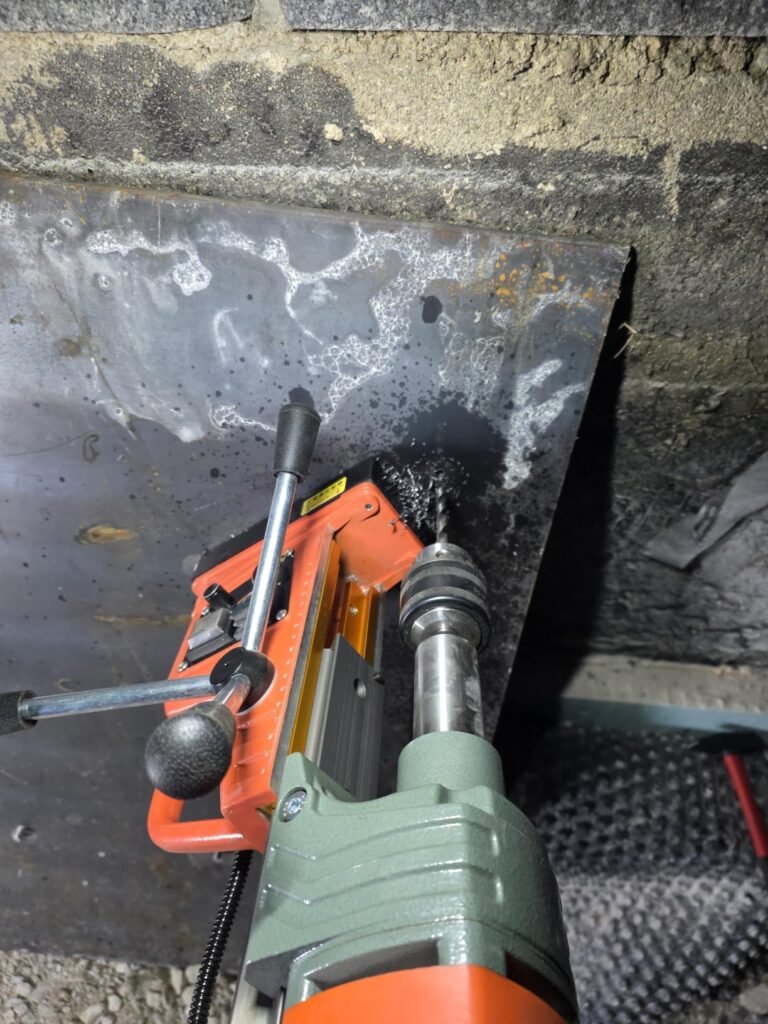
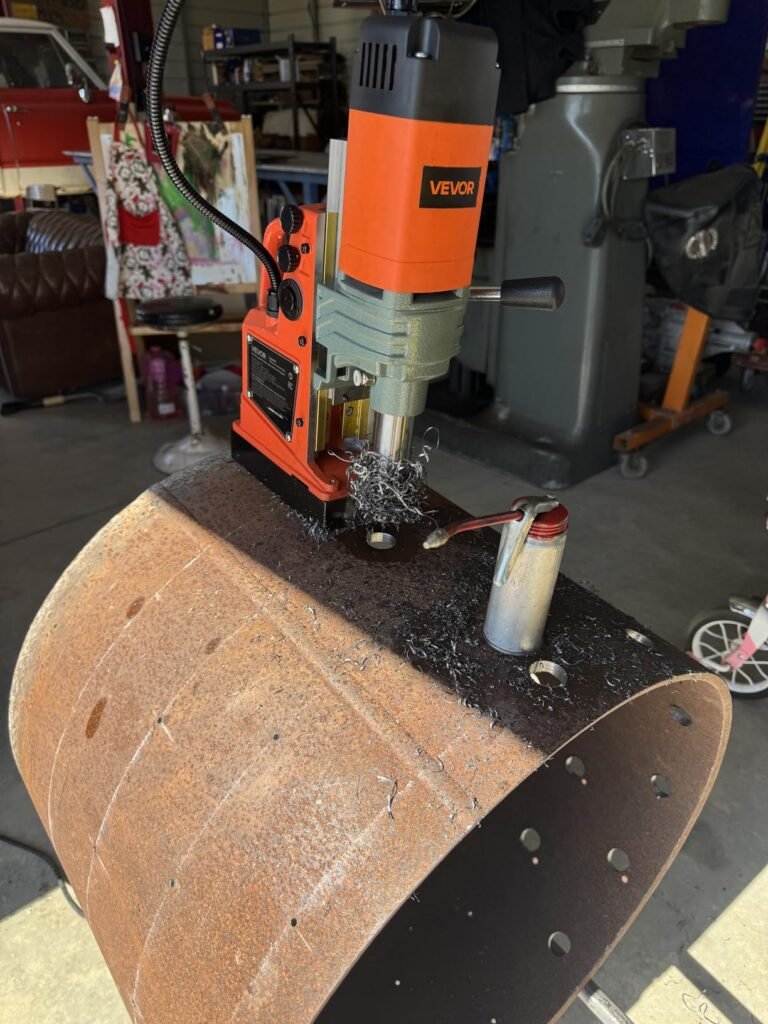
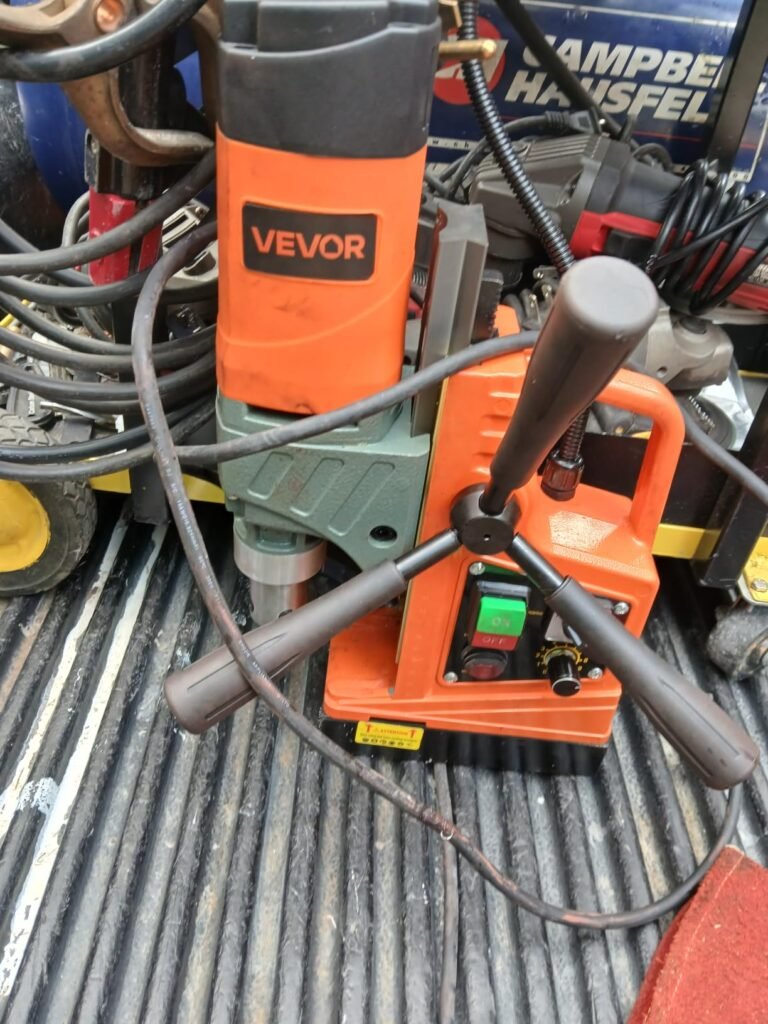
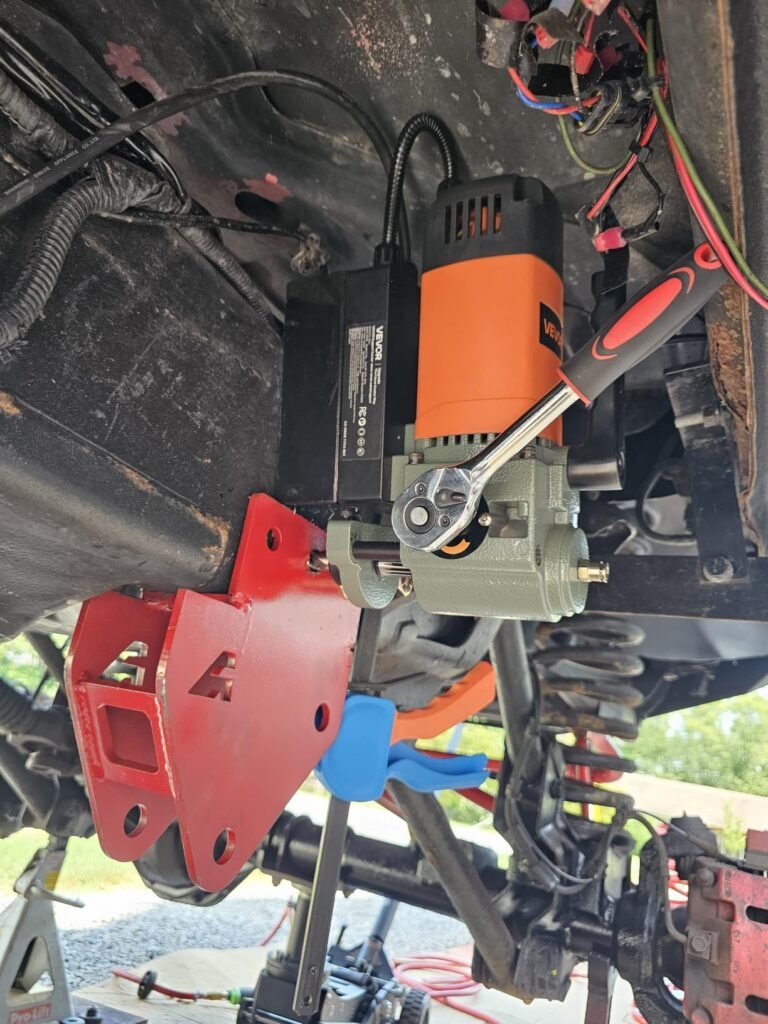
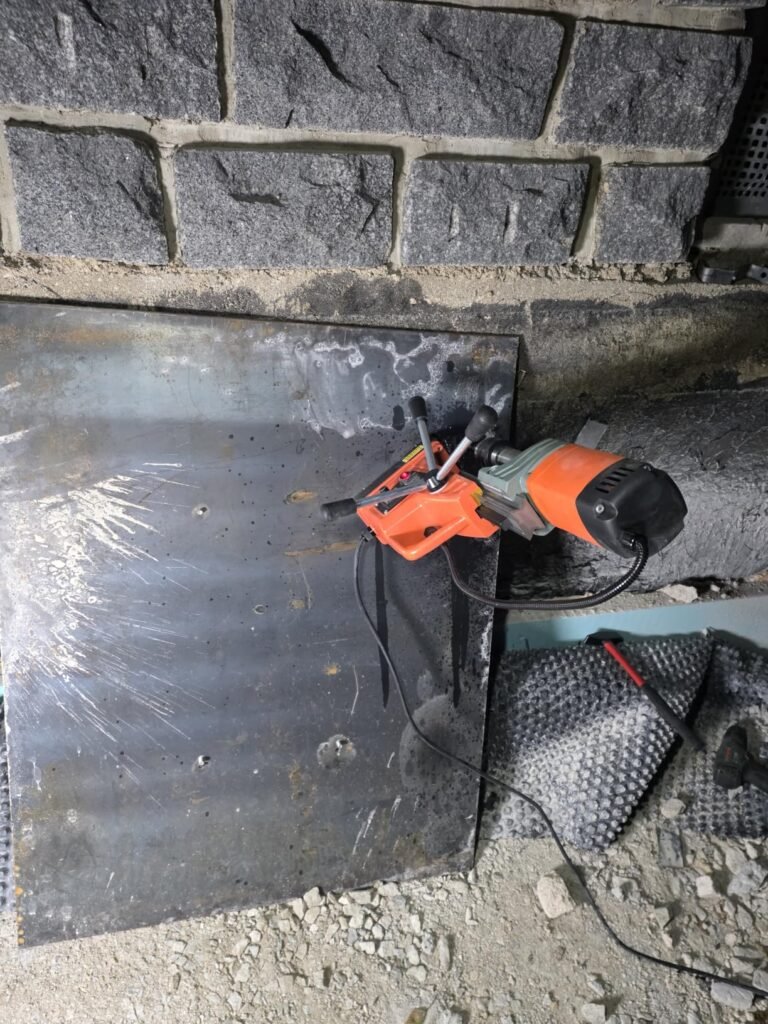
This VEVOR unit targets fabricators and welders who need a capable mag drill without jumping to professional pricing. The 1450W copper motor delivers meaningful power for a portable machine, and the 2922 lbf holding force keeps the base locked onto structural steel during the cut. The included six annular cutters mean you can start boring holes the day the unit arrives.
We may earn a commission when you buy through this link, at no additional cost to you.
The 10-speed dial is more useful than it might sound on paper. Different hole diameters and material thicknesses demand different cutting speeds for clean chip evacuation and long cutter life. Being able to dial down the RPM for larger diameters helps prevent cutter burn and keeps the finished hole clean. The 2-inch max boring diameter and 2-inch depth cover most structural steel work.
Build quality shows in the titanium-magnesium alloy guide rail, which resists the wear that eventually makes cheaper mag drills chatter during cuts. The three extended cranks make feed control manageable even when drilling overhead or at awkward angles. Overload protection and the rapid cooling system address two of the most common failure modes in budget-priced mag drills: burnt motors and overheating during back-to-back cuts.
Structural steel work rarely happens in a convenient flat orientation. The high-purity iron core and strong holding force let this unit work vertically or inverted when combined with a safety strap, which is essential for ironworkers installing beams and brackets in place. Always rig a secondary safety line for any inverted or horizontal cut, regardless of how strong the magnet feels.
This model makes sense for the ironworker, structural fabricator, or serious DIYer who needs reliable performance on carbon steel but does not want to spend professional-tool money. It is not the right choice for stainless or cast iron work, and you need to verify your workpiece is at least 10mm thick before trusting the magnet. For general steel fabrication, the price-to-capability ratio is strong.
Shops working primarily with stainless steel, cast iron, or thin sheet metal under 10mm thick.
We may earn a commission when you buy through this link, at no additional cost to you.
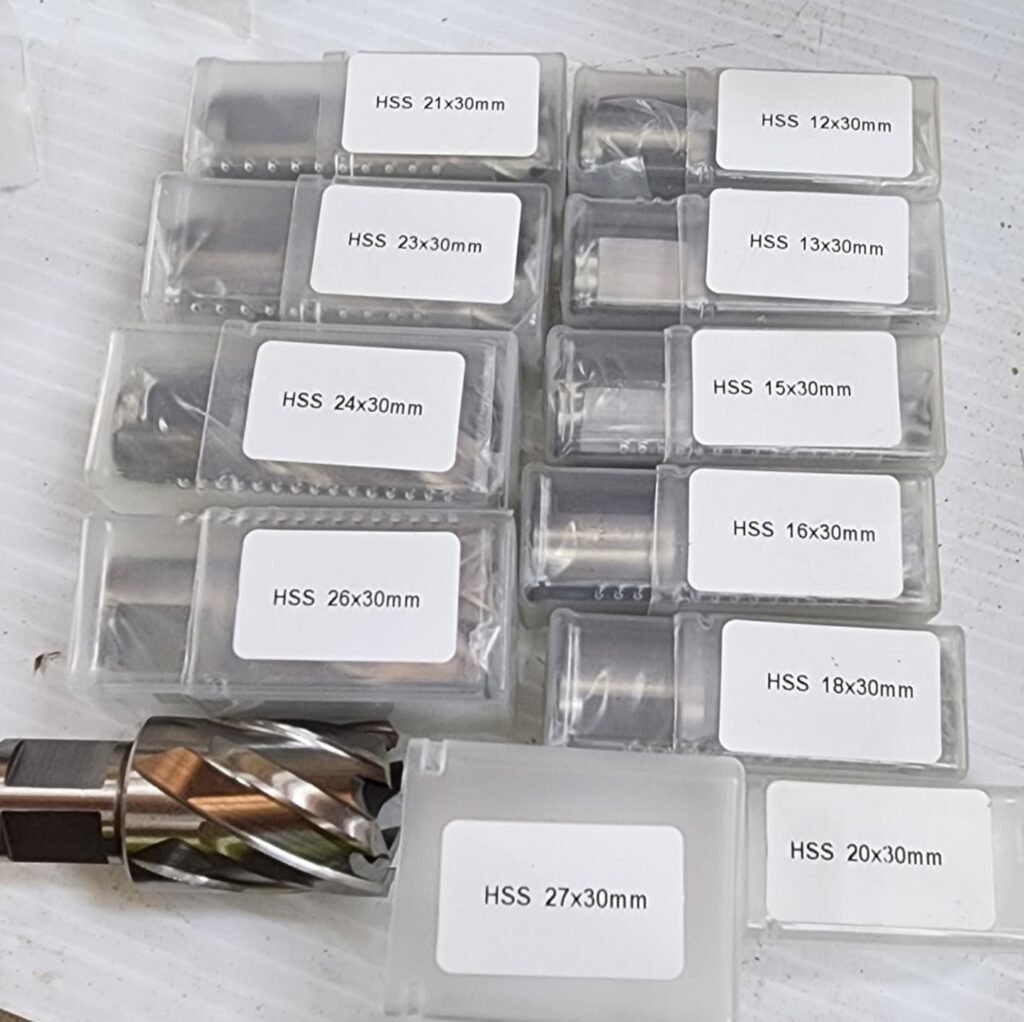
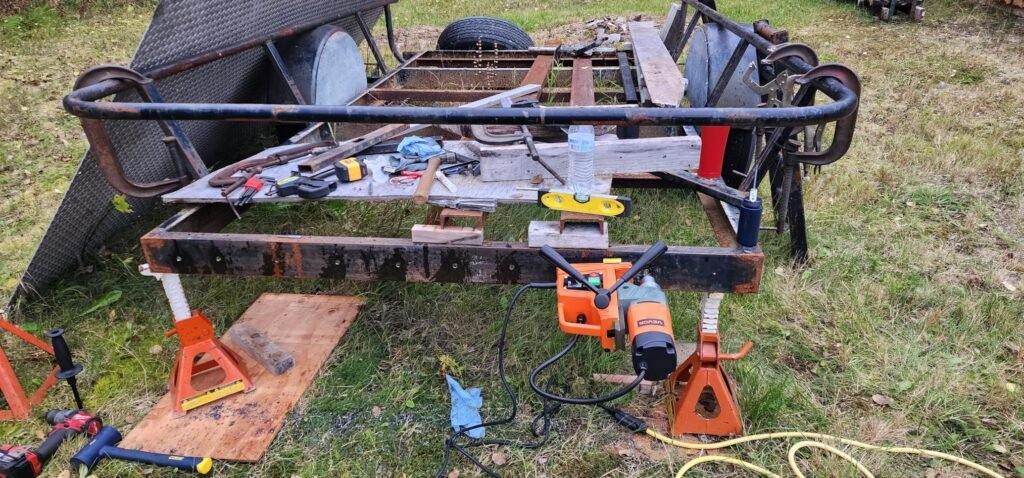
This VEVOR package stands out because of its generous bit kit. Eleven drill bits ranging from 12mm up to 27mm cover a broad range of common fastener and bolt sizes, which means you can tackle most structural and fabrication work without an immediate parts order. For a buyer new to magnetic drilling, having a complete kit on day one shortens the learning curve.
We may earn a commission when you buy through this link, at no additional cost to you.
The 1300W copper motor runs at a fixed 810 RPM, which is a reasonable middle-ground speed for small to medium hole diameters in mild steel. The 2922 lbf electromagnetic base provides the same holding force as higher-wattage units in the lineup, so there is no compromise on grip during cuts. The push-fit coolant tube is a small but welcome convenience when swapping between annular cutters mid-job.
The 1.57-inch maximum boring diameter is smaller than the 2-inch class, which rules out a few larger hole sizes that structural work occasionally requires. For the majority of bolt-hole patterns in commercial fabrication and equipment installation, however, 1.57 inches is more than adequate. The anti-corrosion guide rail and overload protection round out the durability-focused design.
Quality annular cutters are not cheap, and buying them individually to cover a range of diameters can quickly exceed the price of the drill itself. The 11-bit kit included here front-loads that cost into the package. Treat the included bits as a starting point and plan to replace worn units with higher-grade cutters as they dull, especially for frequently used sizes.
Choose this model if you want a complete drilling solution out of the box and your typical work falls within the included bit range. It is not the right choice for operators who need to run large-diameter holes above 1.57 inches regularly, or for applications that benefit from variable speed control. For general-purpose steel fabrication with varied hole sizes, the bit kit alone represents meaningful savings.
Users who need to drill holes larger than 1.57 inches or require variable speed for different material thicknesses.
We may earn a commission when you buy through this link, at no additional cost to you.
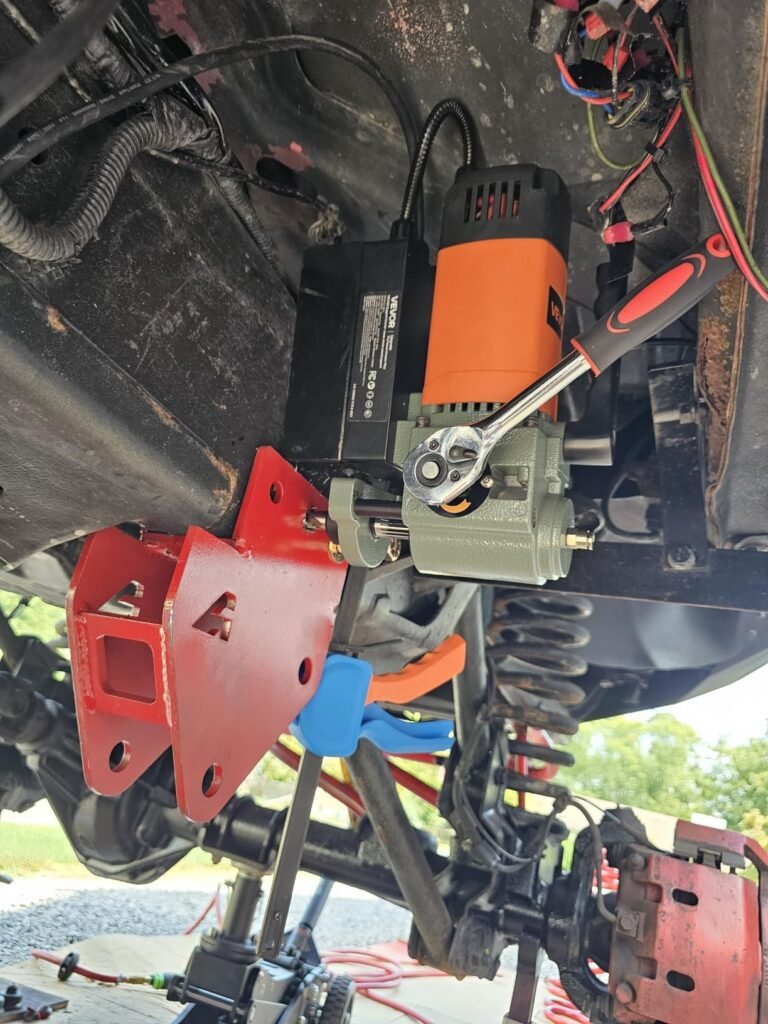
This VEVOR model widens the usefulness of a magnetic drill by combining annular drilling, twist drilling, and tapping into a single unit. For maintenance mechanics and pipefitters who routinely need to tap threaded holes in place, the reversible direction is a meaningful upgrade: you can run the tap in to cut threads and then reverse to back it out cleanly without damaging the thread profile.
We may earn a commission when you buy through this link, at no additional cost to you.
The 1400W motor with 10-level speed dial handles everything from soft aluminum to hardened steel with the right speed selected for the material and cutter diameter. The 8.66-inch stroke is noticeably longer than most portable units, which comes in handy when working with thicker stacked plate, bridge members, or deep bore applications. The 2-inch max boring diameter sits in the sweet spot for most structural work.
The ability to attach to curved pipe surfaces between 3.15 and 11.81 inches diameter is this unit’s most distinctive feature. Pipeline work, pressure vessel maintenance, and heavy equipment service all occasionally require drilling into round stock, and a mag drill that can secure itself to curved steel without additional fixturing saves significant setup time. The no-shake strap and cooling system support extended duty cycles.
Most mag drills require a dead-flat ferrous surface to grip properly. The ability to attach to pipe between 3.15 and 11.81 inches opens up applications like adding fittings to existing piping, drilling for sensor ports, or installing brackets on round structural members. Always confirm the pipe wall thickness supports a magnetic hold and use a safety chain for any horizontal or inverted cut.
This magnetic drill makes the most sense for maintenance crews, pipefitters, and anyone whose work mixes flat plate and round stock. The slightly lower 1000 N magnetic base rating means being extra cautious about surface preparation and safety strapping. For single-function flat-plate fabrication, simpler models in this list may be a better fit. For versatility across tasks, this VEVOR earns its spot.
Shops that only drill flat plate and never need tapping or pipe-mounting capability.
We may earn a commission when you buy through this link, at no additional cost to you.
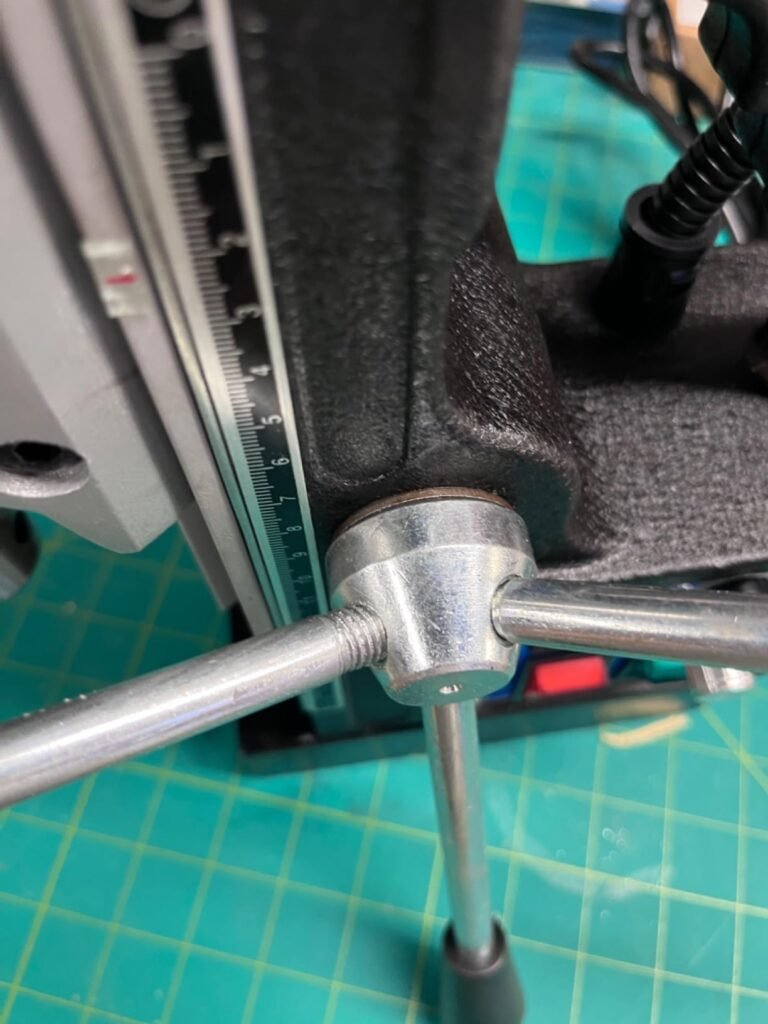
The ZELCAN 1550W delivers the highest motor wattage in the budget-friendly tier and pairs it with features that are typically reserved for pricier units. Stepless speed control from 0 to 580 RPM lets you dial in the exact cutting speed for the material and cutter size, which pays off in better hole finish and longer cutter life compared to fixed-speed alternatives at similar price points.
We may earn a commission when you buy through this link, at no additional cost to you.
The reversible direction is a real convenience that matters more than it might sound. Annular cutters can bind in deep cuts or sticky material, and being able to reverse the rotation to free a stuck bit avoids the frustration and risk of trying to muscle it out. Combined with the 2922 lbf electromagnetic base, you get strong jobsite capability in a portable form factor.
The 8.5 fluid ounce coolant tank with push-fit connection delivers lubricant directly to the cutting edge, which is critical for extending the life of annular cutters when drilling thick or hardened material. Six core bits come in the box, giving you an immediate starting kit for common hole sizes. The 2-inch max boring diameter and depth match the capacity of pricier units in the lineup.
A stuck annular cutter is one of the most frustrating problems in mag drilling. Without reverse, you are left prying, tapping, or in worst cases damaging the cutter to free it. A reversible motor lets you back out of binding cuts, retract the cutter after breakthrough, and run taps in both directions. It is the kind of feature you do not miss until you do not have it.
This model is a strong fit for the serious DIYer, small shop, or part-time fabricator who wants professional features without professional pricing. The 580 RPM top speed is lower than some competitors, which may slow small-diameter drilling slightly but actually benefits large-diameter cuts in heavy plate. If you want variable speed and reverse at a value price, this is the most feature-rich option in its tier.
Operators who need the highest possible RPM for very small-diameter twist drilling in thin stock.
We may earn a commission when you buy through this link, at no additional cost to you.
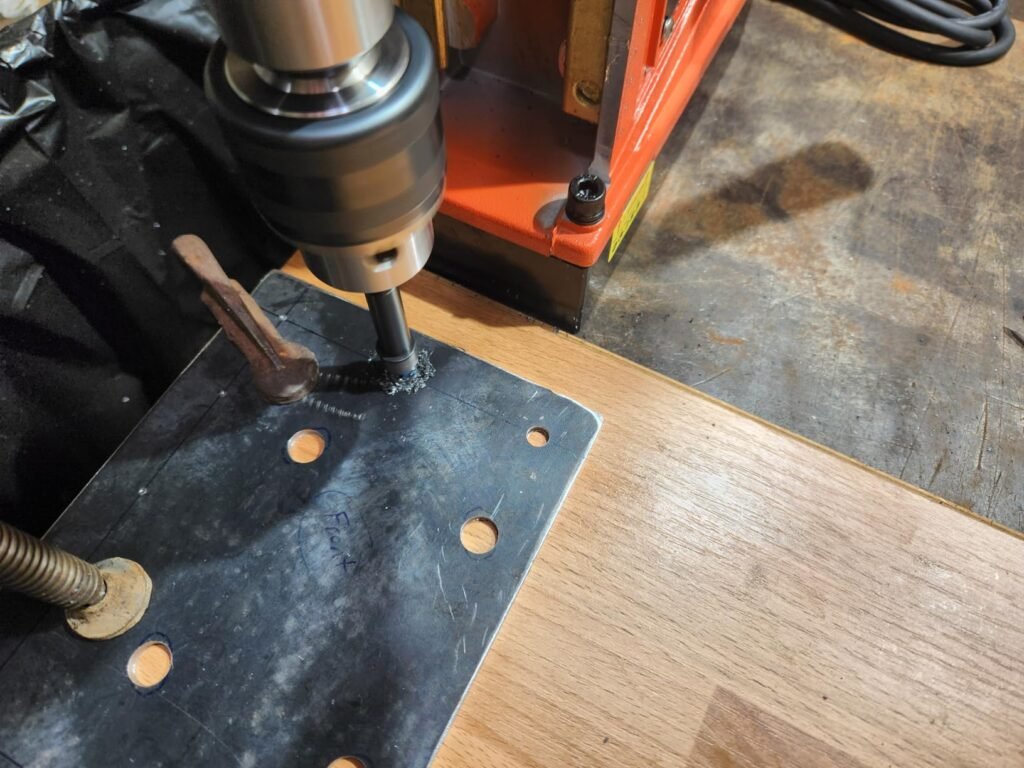
This VEVOR unit is the most affordable entry point in the roundup, which makes it the natural starting place for shoppers who need a working mag drill without committing significant money. Despite the budget position, it retains the full 2922 lbf electromagnetic holding force that matches units costing significantly more, so there is no compromise on the single most important safety spec.
We may earn a commission when you buy through this link, at no additional cost to you.
The 1300W copper motor runs at 810 RPM, which is a sensible fixed speed for the 1.57-inch max boring diameter the unit supports. For holes in the common 12mm to 30mm range, this speed delivers reasonable chip evacuation and acceptable cutter life. The overload protection and rapid cooling system are notable inclusions at this price point and should extend motor longevity under normal duty cycles.
The titanium-magnesium alloy guide rail is a surprising feature for a budget-tier mag drill, as cheaper guide materials are the most common source of chatter and premature wear. Three extended cranks make feed control more comfortable, especially during longer cuts or when working at awkward angles. The built-in millimeter scale helps even new users bore accurate holes.
A budget mag drill is a smart purchase when the work is intermittent and the hole sizes are consistent. The savings versus a professional unit can easily cover a lifetime supply of annular cutters for a hobbyist or small farm. The honest tradeoff is reduced duty cycle: do not expect this unit to survive back-to-back production use the way a DEWALT or Milwaukee will.
This is the right magnetic drill for the occasional user, small-scale fabricator, or farmer who needs a mag drill a few times per month. The fixed single speed and smaller 1.57-inch max boring diameter are the main compromises. If your work consistently falls within those limits, you are getting legitimate magnetic drilling capability at a price that was essentially impossible to find a decade ago.
Daily production users or anyone who needs holes larger than 1.57 inches or multiple speed options.
We may earn a commission when you buy through this link, at no additional cost to you.
A magnetic drill press is a serious piece of equipment that lives or dies by matching its specifications to your actual work. The right choice depends on hole diameter and depth requirements, how often you use it, the materials you cut, the orientations you work in, and your tolerance for maintenance. The factors below cover what really matters.
Motor wattage is the most visible performance spec, but it matters less in isolation than in combination with gearing and the cutter size you plan to run. Units in this roundup range from 1300W to 1550W, which is adequate for the 1.57-inch to 2-inch annular cutters they support. Jumping to higher wattages mainly pays off when you move to larger diameters or thicker material, where more torque is required to maintain cutting speed under load.
Pay close attention to maximum boring diameter and maximum coring depth, as these two specs define what the machine can physically do. A 2-inch max boring diameter handles the vast majority of structural bolt holes, while 1.57-inch units leave a few common sizes beyond reach. Depth matters most for stacked plate and heavy structural work, where units like the DEWALT with 4-inch travel offer significantly more capability per setup.
For most buyers, 1300W to 1550W with 2-inch boring is the sweet spot. If your work genuinely demands larger holes or deeper cuts, step up intentionally rather than overbuying for occasional jobs.
Magnetic holding force is the single most important safety spec on any mag drill. Most quality portable units in this class provide around 2922 lbf (13,000 N) of holding force, which is adequate for standard structural steel work when the surface is clean and flat. Insufficient holding force leads to base shift during cuts, which ruins workpieces, breaks cutters, and in worst cases causes the drill to detach from vertical or overhead surfaces.
The quality of the magnetic base matters as much as the raw force number. Look for high-purity iron cores and solid machined bases rather than thin stamped plates. Verify the required workpiece thickness as well. Most units in this roundup require at least 10mm of ferrous material to achieve rated holding force, and attempting to use them on thinner stock creates genuine safety hazards.
Prioritize holding force when your work involves vertical, inverted, or overhead cuts. Always rig a secondary safety strap or chain for any non-horizontal orientation, regardless of how strong the magnet feels during setup.
Variable speed control, whether through multiple preset speeds or stepless adjustment, directly affects both cut quality and cutter life. Different hole diameters and materials require different surface cutting speeds for optimal chip formation. Running a large-diameter annular cutter at a fixed high RPM burns the cutter and work-hardens the material, dramatically shortening tool life and producing poor-quality holes.
Units with 10-speed dials or stepless control, like the ZELCAN with its 0-580 RPM range, allow you to match RPM to the specific job. Fixed-speed units like several of the budget VEVOR models work fine within their design range but become limiting as you expand into larger diameters, harder materials, or tapping operations. Reversible direction is a related feature that mainly benefits tap users and anyone who occasionally binds cutters in deep holes.
If you run a consistent hole size in consistent material, fixed speed is acceptable. If your work varies, pay the premium for variable speed and reversible rotation.
Cutting fluid delivery is often overlooked but has an outsized impact on annular cutter longevity and hole quality. Every unit in this roundup includes some form of coolant delivery, ranging from simple gravity-fed bottles to pressurized systems with push-fit tube connections. Coolant removes heat from the cutting edge, flushes chips out of the cut, and lubricates the shearing action at the teeth.
For vertical and overhead cuts, where gravity works against standard coolant flow, specialized cutting pastes or wax sticks applied directly to the cutter teeth become necessary. Magnetic coolant bottles like the one on the DEWALT allow flexible positioning that accommodates different work orientations. Even on budget units, running some form of cutting fluid is strongly recommended for anything beyond quick, shallow holes.
Expect to invest in a quality cutting fluid regardless of which unit you buy. Dry drilling with annular cutters significantly shortens cutter life and produces inferior holes.
The guide rail is where the motor assembly slides vertically during the feed stroke, and its quality determines whether cuts are smooth and square or chattery and inconsistent. Multiple VEVOR units in this roundup specifically mention titanium-magnesium alloy guide rails, which resist wear and corrosion better than plain steel surfaces. The DEWALT uses proven industrial-grade construction that holds up to daily production work.
Watch for signs of quality beyond the headline specs: smoothness of the feed action, how precisely the stroke tracks, and whether the unit has any noticeable play when flexed. Lower-quality guide rails develop slop over time, which translates into chattery cuts, broken cutters, and poor hole finish. Overload protection electronics and cooling systems also contribute to long-term durability by preventing motor burnout under demanding conditions.
Weight is another indirect indicator of durability. Heavier units typically have more substantial castings and better gear housings, though they are more fatiguing to position on the workpiece.
Annular cutters are the primary consumable in magnetic drilling, and quality cutters are not inexpensive. Units that include six to eleven cutters out of the box, like the VEVOR 1300W 1.57-Inch with its 11-bit kit, offer meaningful upfront value. Factor the cost of additional cutters into your total ownership calculation, especially if your work requires sizes outside the included range.
Beyond cutters, look for safety straps or chains, cutting fluid or lubricant, and spare parts like pilot pins and springs. The DEWALT includes a magnetic coolant bottle, while most VEVOR and ZELCAN units come with built-in coolant tanks and basic cutter kits. Carrying cases are a nice bonus for portable use, though they are not standard on every unit.
A complete kit is more valuable than a slightly higher-powered unit with no accessories, especially for first-time buyers who do not already own cutters and fixturing.
Duty cycle is the honest tradeoff that separates budget mag drills from professional units like the DEWALT. Budget units can absolutely perform the same cuts, but they are not engineered for continuous back-to-back production work the way professional-grade machines are. Expect lower-priced units to require cooldown periods between cuts and to show faster wear under heavy use.
Match your purchase to your realistic usage. A hobbyist cutting a dozen holes per month will likely never approach the limits of a budget mag drill, and the savings over a professional unit are substantial. A production fabricator cutting dozens of holes per day will quickly experience the limitations of budget machines and discover that the professional premium pays for itself in uptime and cutter life.
Be honest about your usage frequency. Overbuying wastes money on capability you will not use, while underbuying leads to frustration and eventual replacement.
Proper setup starts with a clean, flat workpiece. Wipe away any mill scale, paint, rust, or debris from the magnet contact area, as even thin layers of surface contamination can reduce holding force significantly. Position the unit, engage the magnet, and verify grip by attempting to shift the base before you power up the motor. Always use a safety strap or chain for any vertical, horizontal, or overhead cut, no matter how strong the magnetic hold feels during setup.
Cutter life depends heavily on correct speed selection, consistent coolant flow, and steady feed pressure. Match RPM to the cutter diameter and material thickness, applying enough feed pressure to produce continuous chips without stalling the motor. Keep cutting fluid flowing throughout the cut, and avoid dwelling with the cutter spinning in the hole without advancing, which generates heat and dulls the teeth. If the cutter chatters or screams, reduce speed and increase feed pressure.
Routine maintenance extends the service life of any magnetic drill. Clean the guide rail regularly and apply a light machine oil to keep the slide action smooth. Inspect the magnet contact surface for nicks or dents that could reduce holding force, and check brushes and cord periodically on units that use brushed motors. Store the unit indoors away from moisture, and empty the coolant tank between extended storage periods to prevent corrosion of internal components.
A regular drill press is a stationary machine that requires bringing the workpiece to the tool, while a magnetic drill clamps itself directly to steel workpieces using an electromagnetic base. This makes mag drills ideal for structural steel work, fabrication, and jobsite use where moving the material is impractical. Mag drills also typically use annular cutters that bore larger diameters more efficiently than twist bits.
Most portable magnetic drills require ferrous material at least 10mm (0.39 inches) thick to achieve rated holding force. Thinner stock does not provide enough mass for the magnetic circuit to grip securely, which creates serious safety hazards. If you need to drill thinner material, use a thicker steel backing plate under the workpiece to improve magnetic adhesion.
Most consumer-grade magnetic drills are designed for carbon steel and may not grip stainless steel effectively, as some stainless alloys are non-magnetic or weakly magnetic. Cast iron can be drilled with the right cutters but may not provide reliable magnetic hold depending on composition. Always verify the specifications of your specific unit before attempting these materials, and use mechanical clamping as a backup when in doubt.
Annular cutters are hollow cylindrical cutters that remove only a ring of material, leaving a slug in the center. They are far more efficient than twist drills for larger holes because they remove less total material and generate less heat. Mag drills are designed around annular cutters, which allows them to bore 2-inch holes with much less motor power than a twist drill of the same diameter would require.
Variable speed is highly beneficial if you drill varying hole sizes or work with multiple materials. Larger diameters and harder materials require lower RPMs for optimal cutting, while smaller holes in softer steel benefit from higher speeds. Fixed-speed units work fine within their design range but become limiting as you expand your work. For most buyers, multi-speed or stepless control is worth the modest price premium.
Reversible rotation is valuable for two main reasons: it lets you back out a bound or stuck annular cutter without damage, and it allows the mag drill to be used for tapping threaded holes. If you primarily drill through holes in plate steel, reverse is a nice-to-have feature. If you tap holes regularly or work with materials that tend to bind cutters, it becomes much more important.
Always use a safety strap or chain for vertical, horizontal, or overhead cuts to prevent the drill from falling if the magnet releases. Keep the magnet contact surface clean and verify grip before powering up. Wear eye protection and leather gloves for handling hot cutters and sharp chips. Never override the magnet while the motor is running, and keep the power cord routed away from the cutting area.
Cutter life varies dramatically based on material hardness, speed selection, feed pressure, and coolant use. A quality annular cutter used correctly on mild steel can produce dozens or even hundreds of holes before needing replacement. Running without coolant, using wrong speeds, or forcing feed pressure can destroy a cutter in a handful of holes. Investing in good cutting fluid pays for itself quickly in extended cutter life.
For large holes in steel plate, a magnetic drill is often more capable than a benchtop drill press. For small-diameter precision work in various materials like wood or plastic, a stationary drill press remains superior. Many fabrication shops use both: a stationary press for small holes and setup work, and a magnetic drill for larger holes and in-place drilling on fixtures or assemblies that cannot easily be moved.
The DEWALT DWE1622K earns our top recommendation for buyers who need professional-grade reliability for daily fabrication or structural work. Its 4-inch drill travel, proven motor and electronics, quick change chuck, and reputation for jobsite durability justify the premium price for anyone whose income depends on consistent uptime. The 4.7-star rating reflects long-term owner satisfaction that cheaper units rarely match.
For budget-conscious buyers, the ZELCAN 1550W delivers remarkable value with stepless speed control, reversible rotation, and six cutters out of the box at a price well below professional alternatives. The VEVOR 1300W Portable earns the budget pick position by offering genuine 2922 lbf holding force and a 1300W motor at the lowest price in the lineup, while the VEVOR 1400W Reversible adds tapping capability and pipe-mounting versatility for maintenance work.
Match your choice to realistic usage frequency and the specific work you handle. Professional fabricators and ironworkers should invest in the DEWALT. Serious hobbyists and small shops will be well served by the ZELCAN or the VEVOR 1450W. Occasional users with consistent hole sizes can save significant money with the entry-level VEVOR 1300W. In every case, budget for quality annular cutters and cutting fluid, as these consumables have more impact on actual drilling results than the small differences between units in the same tier.