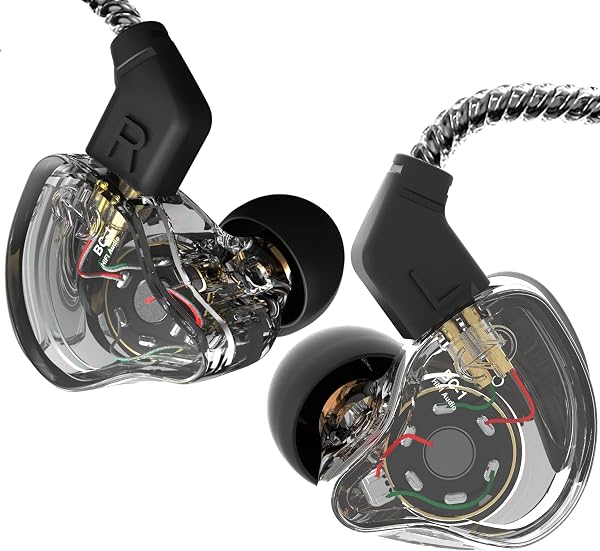
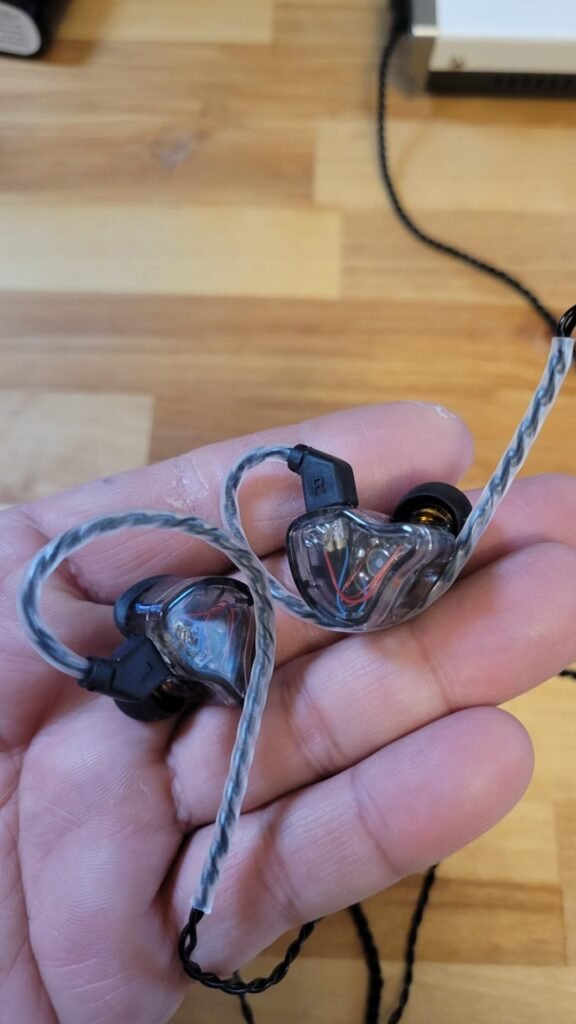
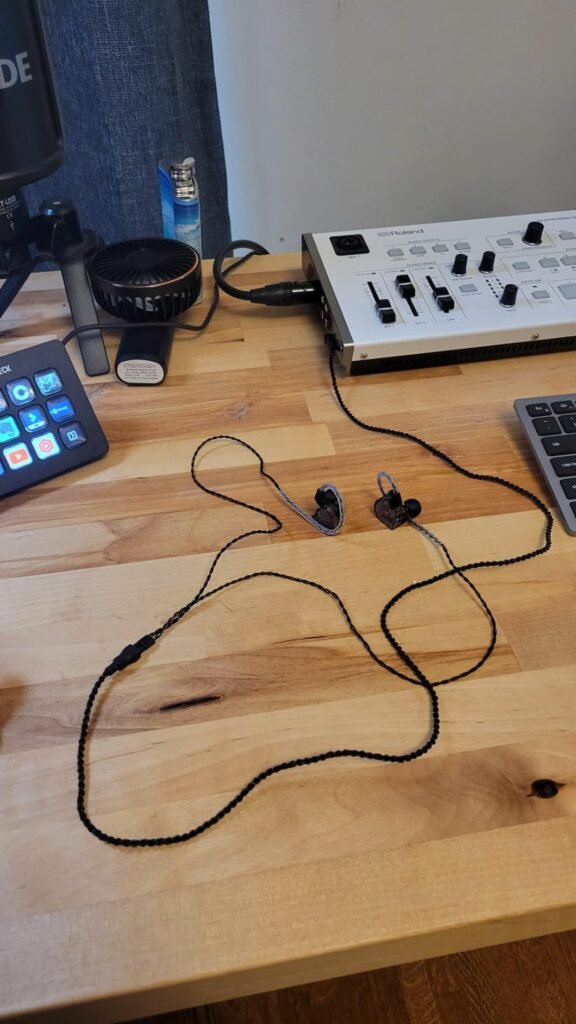
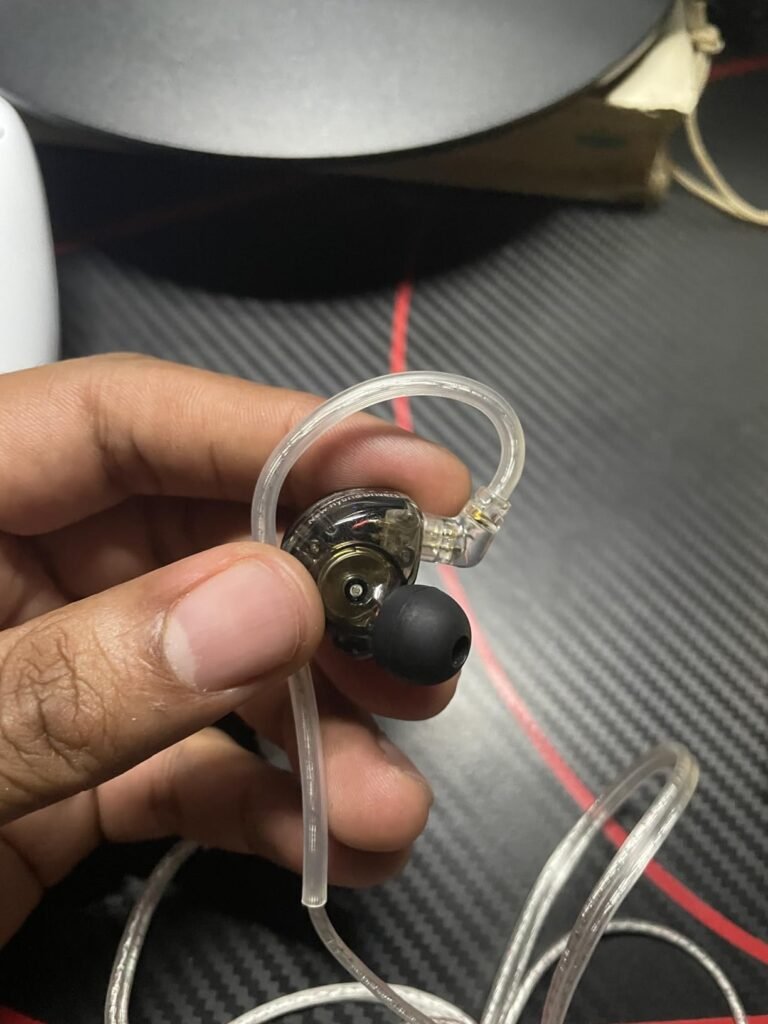
KZ ZS10 Pro
8.8Editor score4BA plus 1DD
Stainless steel faceplate
Detachable gold-plated cable
26dB noise isolation
Find the right iem earphones for 2026. We compare 10 standout options by build quality, useful features, owner feedback, value, and everyday trade-offs.

Picking the right in-ear monitors in 2026 means weighing driver configuration, tuning signature, cable quality, fit, isolation, and price. This guide compares 10 standout IEMs across budgets so you can match sound presentation, build materials, and detachable cable options to how you actually listen, whether that’s casual music, stage monitoring, or serious critical listening at your desk.
IEMs vary far more than typical earbuds. A hybrid design with balanced armatures and a dynamic driver sounds different from a pure single-DD setup, and stainless steel or resin shells change comfort during long sessions. Cable quality, ear tip fit, and impedance also shape the experience, so knowing what you value up front prevents costly mismatches.
The picks below range from budget favorites under $25 to stage-ready professional monitors above $100. Each review focuses on what the specs mean in real listening, who benefits most from each model, and where each one falls short so you can make a confident, informed decision without wading through marketing noise.
We evaluated 10 in-ear monitors by the criteria that actually shape the listening experience: driver configuration and count, tuning signature, cable detachability and material, connector type, shell construction, ear tip options, noise isolation, comfort during extended wear, impedance, brand support, owner feedback, and price-to-performance value. The goal was to surface real trade-offs so each pick connects with how listeners actually use IEMs, from casual commuting to stage monitoring and detailed critical sessions at home.


Compare key features, scores, and current prices side by side. A shorter feature list means fewer details were available, not necessarily fewer capabilities.




The IER-M500 is aimed squarely at performing musicians and audio professionals who need reliable, accurate reference sound on stage or in monitoring situations. Sony's proprietary fitting system combines ergonomic shell design with isolation earpieces to create a secure seat that stays put through active performance.

We may earn a commission when you buy through this link, at no additional cost to you.
Tuning focuses on balanced, accurate reproduction rather than a colored consumer signature. That makes it well suited for tracking vocals, monitoring live mixes, or catching subtle production details, since you hear what’s actually in the signal rather than an EQ curve designed to flatter mainstream music.
Extended wear comfort receives real attention here. Coreless ear hangers contour naturally around the ear, multiple fitting supporters accommodate different ear shapes, and the sealed structure blocks enough external noise to keep the mix clear even in high-volume live environments. Refined ear tip construction reduces fatigue during long sessions.
Monitor tuning aims for flat, uncolored reproduction so mixing decisions translate. It sometimes sounds less exciting than consumer tunings on casual playlists but reveals production details that a flavored signature would mask.
This is the pick for stage musicians, monitor engineers, and serious critical listeners who value accuracy over flavor. Casual listeners looking for exciting, punchy sound may prefer something with a more colored tuning, but for its target audience, this is a premium tool built for real work.
Not the best fit for casual listeners who want a fun, bass-boosted consumer sound.
We may earn a commission when you buy through this link, at no additional cost to you.
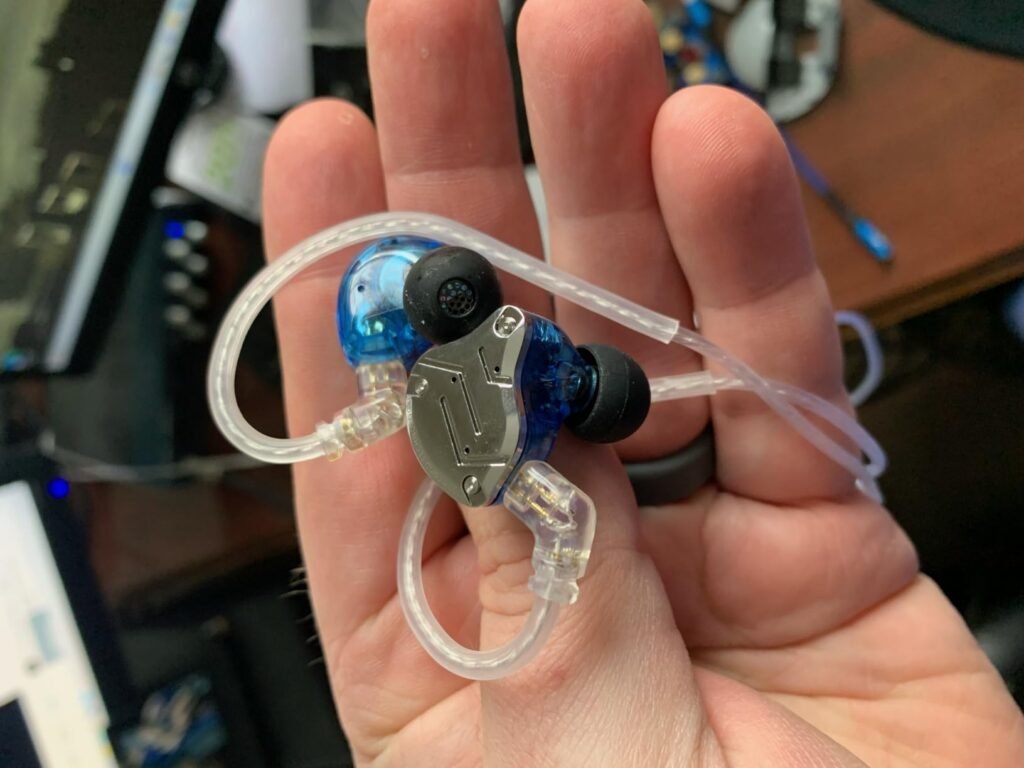
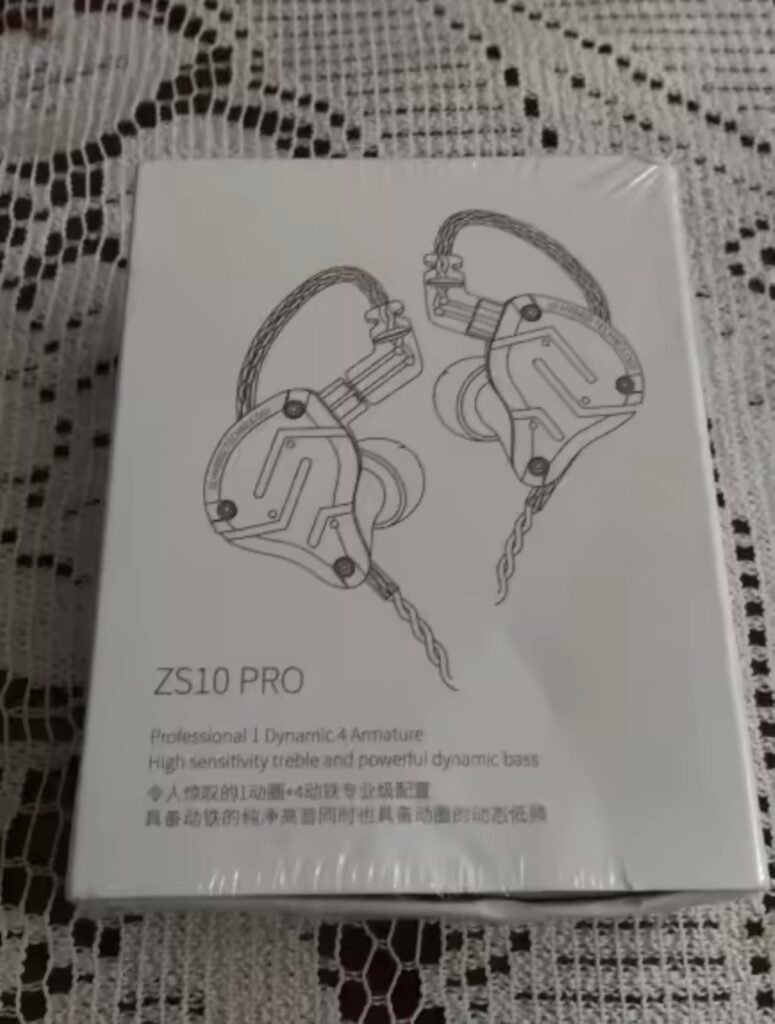
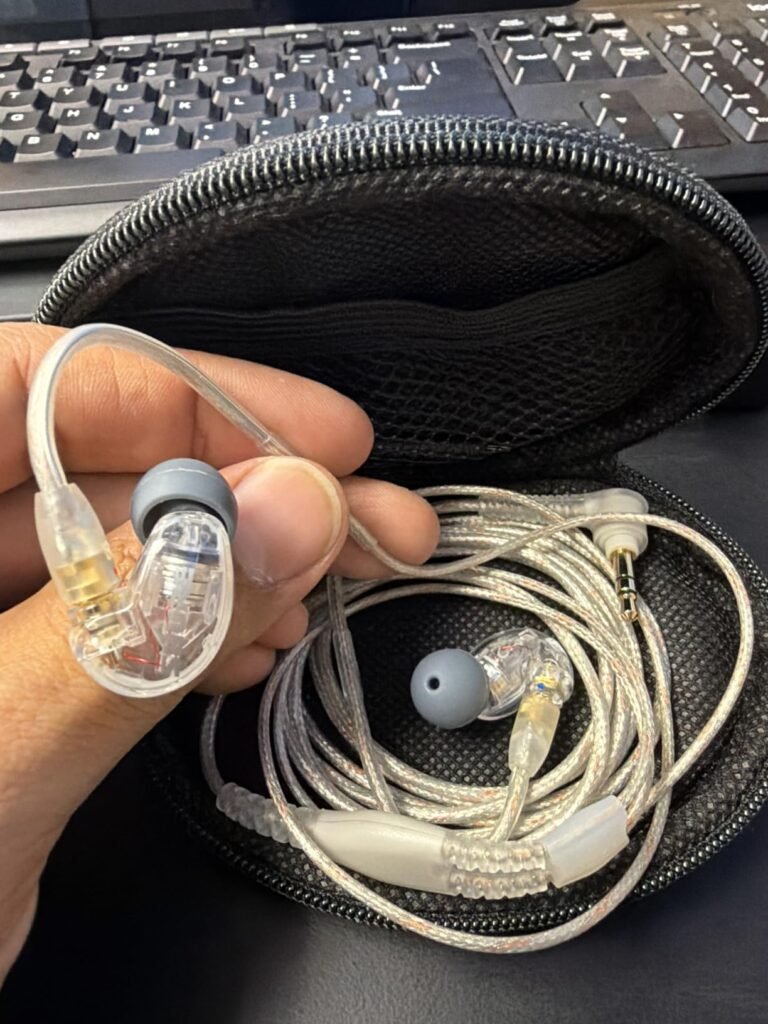
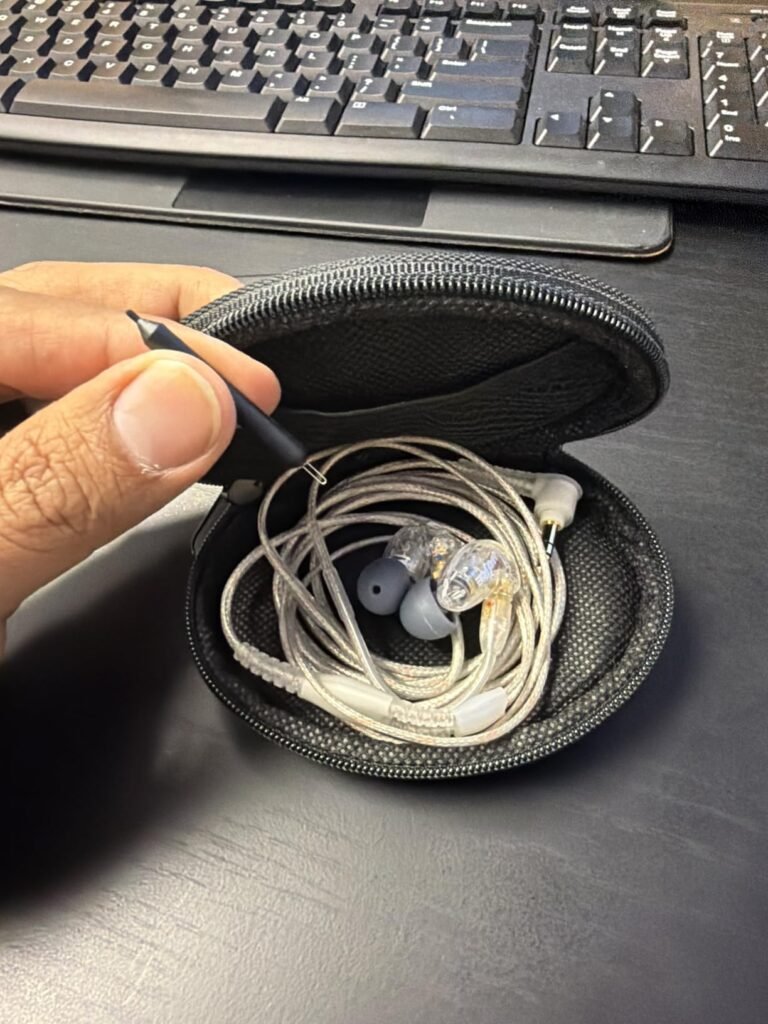
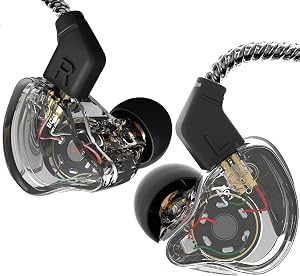
The ZS10 Pro remains a popular entry point for listeners who want to hear what multiple balanced armatures paired with a dynamic driver can do without paying premium prices. The five-driver setup separates duties across the frequency range, giving highs and mids more resolution than most single-driver IEMs at this price.
We may earn a commission when you buy through this link, at no additional cost to you.
The 304 stainless steel faceplate paired with a resin cavity gives the earpiece both a substantial feel and a reasonable weight for extended wear. A PCB dividing board manages the drivers to keep the presentation coherent, and the tuning leans toward a lively, detail-forward sound that suits genres where treble sparkle matters.
The detachable gold-plated cable uses a limit slot design that helps protect the pins from bending, which is a common failure point on budget IEMs with frequent cable swaps. Cable rolling and eventually replacing the stock cable is part of the hobby at this tier, so having a durable connector matters.
Hybrid configurations use dynamic drivers for punchy bass and balanced armatures for detailed mids and highs. When executed well, this splits the workload and delivers better resolution across the spectrum than single-driver designs at similar prices.
Choose this pick if you want to explore hybrid IEMs on a limited budget and don’t mind a brighter tuning signature. It’s less ideal if you’re treble-sensitive or looking for warm, laid-back listening, but for detail lovers on a budget, it’s a longstanding recommendation.
Not the best pick for treble-sensitive listeners or those who prefer a warm, relaxed sound.
We may earn a commission when you buy through this link, at no additional cost to you.
The CHU II makes a strong case for how much refinement is now available at entry-level prices. Moondrop's tuning approach favors a smooth, natural signature rather than the aggressive V-shape common on cheap IEMs, and the single dynamic driver approach means good coherence across the frequency range.

We may earn a commission when you buy through this link, at no additional cost to you.
Build quality punches above the price. The alloy cast cavity gives the shell rigidity and a nice weight in hand, and the brass CNC acoustic nozzle uses a denser material than standard plastic tubes, which contributes to the timbre. A protective paint layer helps prevent corrosion on the metal shell.
The aluminum-magnesium composite diaphragm targets both rigidity and low mass, which together extend treble bandwidth and reduce distortion. Nonlinear distortion below 0.05% is genuinely impressive at this price, and the replaceable acoustic filter design lets users experiment with tonal adjustments without buying a new IEM.
Single dynamic drivers cover the entire frequency range with one transducer, avoiding the crossover challenges of hybrid designs. When tuned well, they produce coherent, natural sound that many listeners actually prefer over more complex setups.
Choose this pick if you want a well-tuned entry into the IEM hobby without spending much. Enthusiasts wanting the extra detail of multi-driver hybrids will eventually outgrow it, but as a first serious IEM or a backup pair, it’s remarkably capable.
Not the right choice for listeners chasing extreme detail retrieval or complex hybrid presentation.
We may earn a commission when you buy through this link, at no additional cost to you.
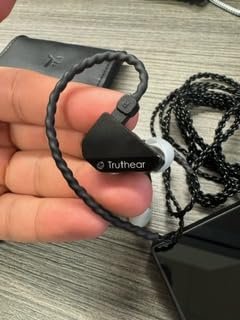
The Hexa targets listeners who want mature, balanced hybrid tuning without spending on flagship territory. A 1DD plus 3BA configuration handles bass, mids, and highs across coordinated drivers, and the tuning leans toward neutrality rather than a hyped consumer curve.

We may earn a commission when you buy through this link, at no additional cost to you.
The DLP 3D printed cavity uses medical-grade resin and enables complex internal acoustic waveguides that would be difficult to produce with traditional molding. The lightweight shell reduces auricle contact, which reduces fatigue during long listening sessions, and the aluminum alloy faceplate keeps things structurally solid.
The stock cable is a copper silver-plated design with a thicker single-strand diameter than typical bundled cables, which addresses a common complaint at this price. Universal 0.78mm 2-pin connectors make it easy to swap in an aftermarket cable or Bluetooth adapter as your setup evolves.
DLP 3D printing allows manufacturers to design complex internal acoustic paths that shape sound before it reaches your ear. This technology, once reserved for custom IEMs, now shows up at mid-range prices and often delivers noticeable ergonomic and acoustic benefits.
Pick this IEM if you want a well-balanced hybrid presentation that works across genres and can serve as a long-term daily driver. Bassheads may want something with more low-end weight, but for listeners chasing accurate, refined sound in the sub-$100 hybrid space, it’s an easy recommendation.
Not the right pick for bass-focused listeners who want thumping low-end presence.
We may earn a commission when you buy through this link, at no additional cost to you.
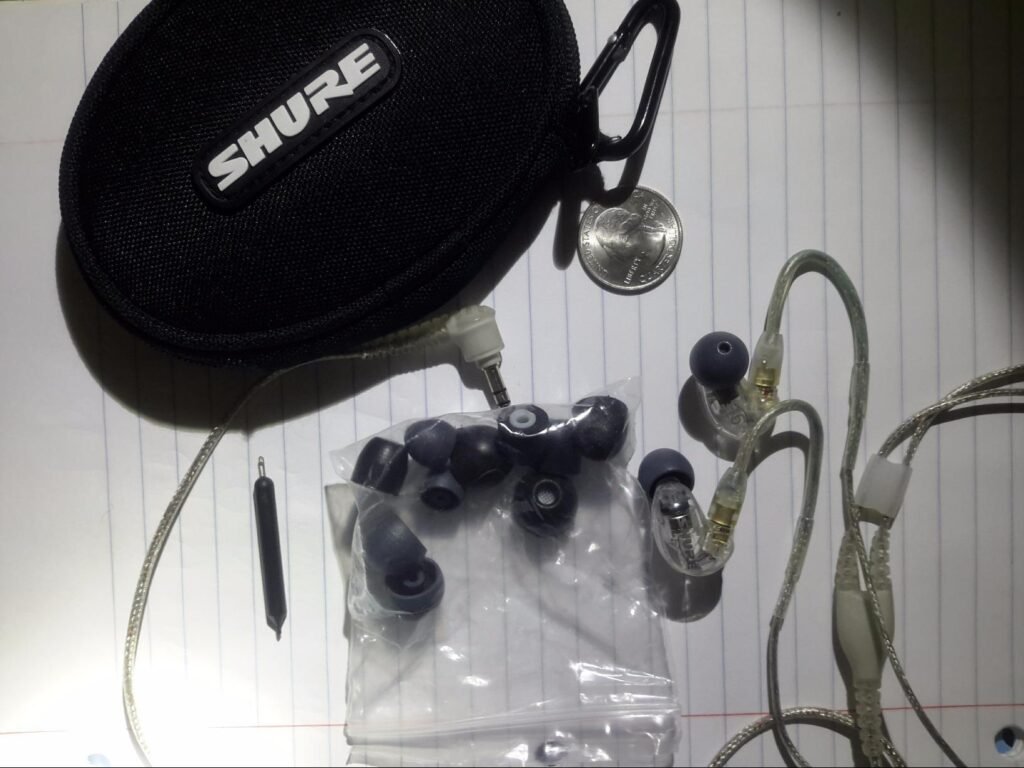
The SE215 PRO has been a stage and stream monitoring staple for years, and its continued relevance comes down to a specific mix of strong isolation, secure fit, and warm, forgiving sound. Musicians who need to block ambient noise while performing keep coming back to this model for its reliability under real working conditions.
We may earn a commission when you buy through this link, at no additional cost to you.
The single dynamic MicroDriver delivers a warm, bass-forward signature that’s easy to listen to for long periods. Highs are somewhat rolled off, which is comfortable rather than fatiguing, and low-end presence gives kick drums and bass guitars satisfying weight during monitoring or personal listening.
Practical details make this a road-ready choice. The wireform over-ear cable wraps securely and stays put through movement, and the detachable MMCX cable with a 360-degree rotation and lock-snap mechanism allows straightforward replacement. Foam and flex sleeves in multiple sizes help find a proper seal, which is critical for both isolation and sound quality.
Foam tips typically improve isolation and bass response but can feel warmer in the ear and wear out faster. Silicone tips are more durable and easier to clean but usually isolate slightly less. Try both to see what suits your ear canal and use case.
Choose this pick if you’re a stage performer, live streamer, or commuter who prioritizes isolation and reliability over cutting-edge detail. Detail lovers focused on top-end air may prefer something brighter, but for its intended use cases, the SE215 PRO remains a proven professional tool.
Not the right choice for treble-focused listeners chasing high-end sparkle and air.
We may earn a commission when you buy through this link, at no additional cost to you.
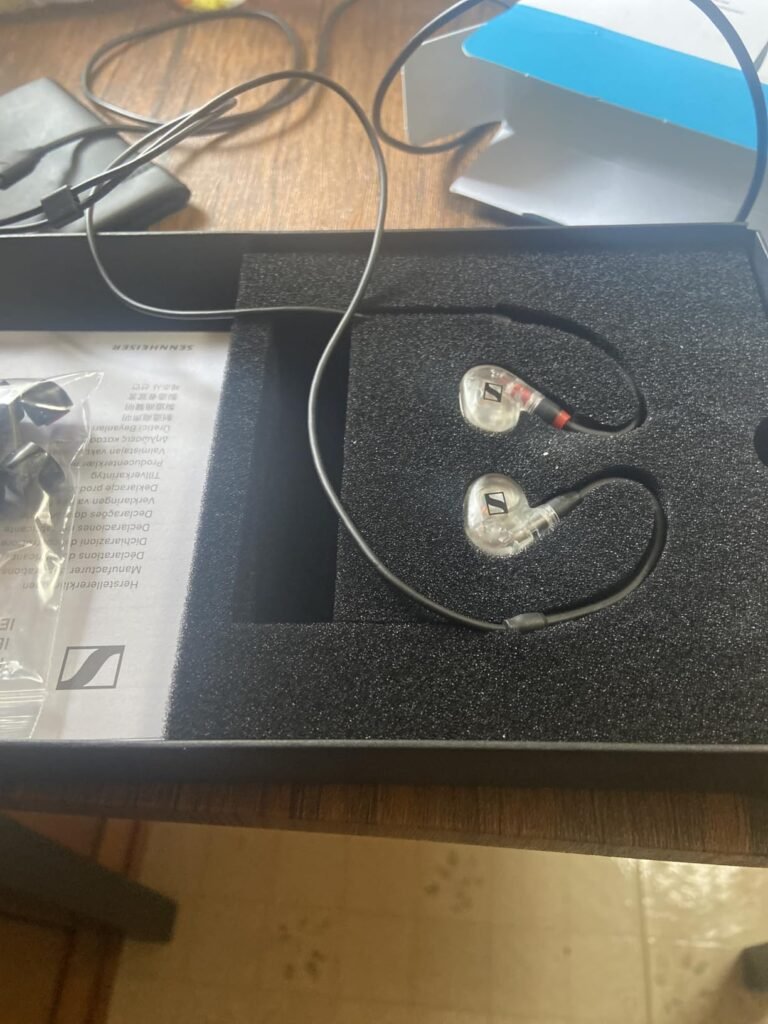
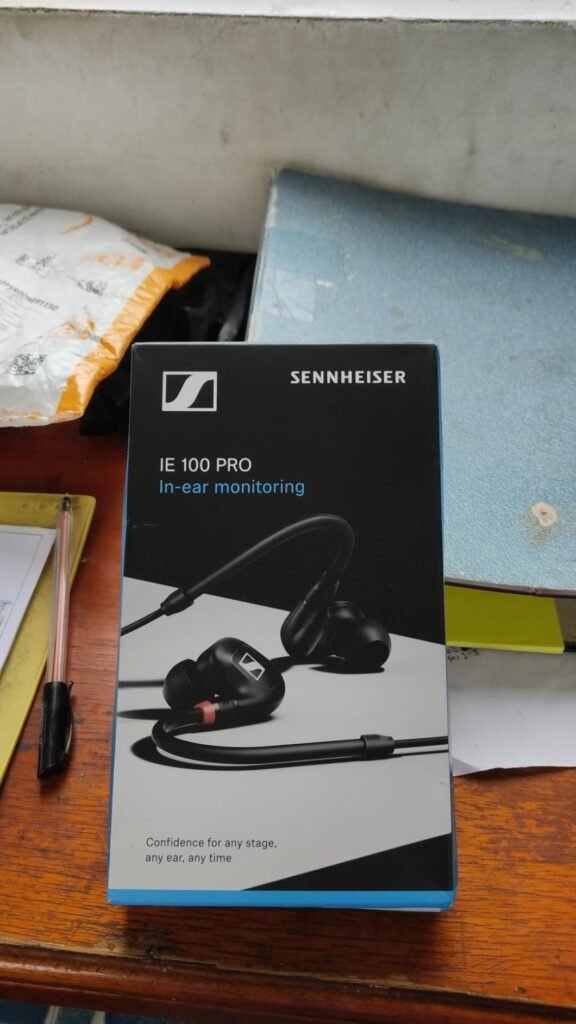
The IE 100 PRO is Sennheiser's answer for musicians and content creators who want reliable monitoring in a slim, comfortable package. The single 10mm dynamic transducer keeps the shell compact and delivers a coherent presentation without crossover artifacts that occasionally show up in multi-driver designs.
We may earn a commission when you buy through this link, at no additional cost to you.
The single-driver approach produces distortion-free reproduction with a natural, professional voicing suited to monitoring. Bass has body without bloat, mids sit forward for vocal clarity, and highs stay smooth without harshness, which is exactly what performers need when monitoring for long sessions.
The slim ergonomic construction is a real asset for smaller ears or side sleepers using them in bed. Silicone and foam tip options let you tune for comfort or isolation, and the stage-proof cable with an internal duct is engineered to survive real-world use rather than sit gently on a desk.
Cables are the first thing to fail on IEMs used daily. A stage-proof cable with reinforced construction and strain relief lasts longer under repeated coiling, packing, and handling than lightweight consumer cables.
Pick this IEM if you value comfort and professional-grade reliability over multi-driver bragging rights. It’s a smart choice for musicians, streamers, and podcasters who need a dependable daily monitor from a trusted pro-audio brand.
Not ideal for cable-rolling enthusiasts who want maximum aftermarket flexibility.
We may earn a commission when you buy through this link, at no additional cost to you.
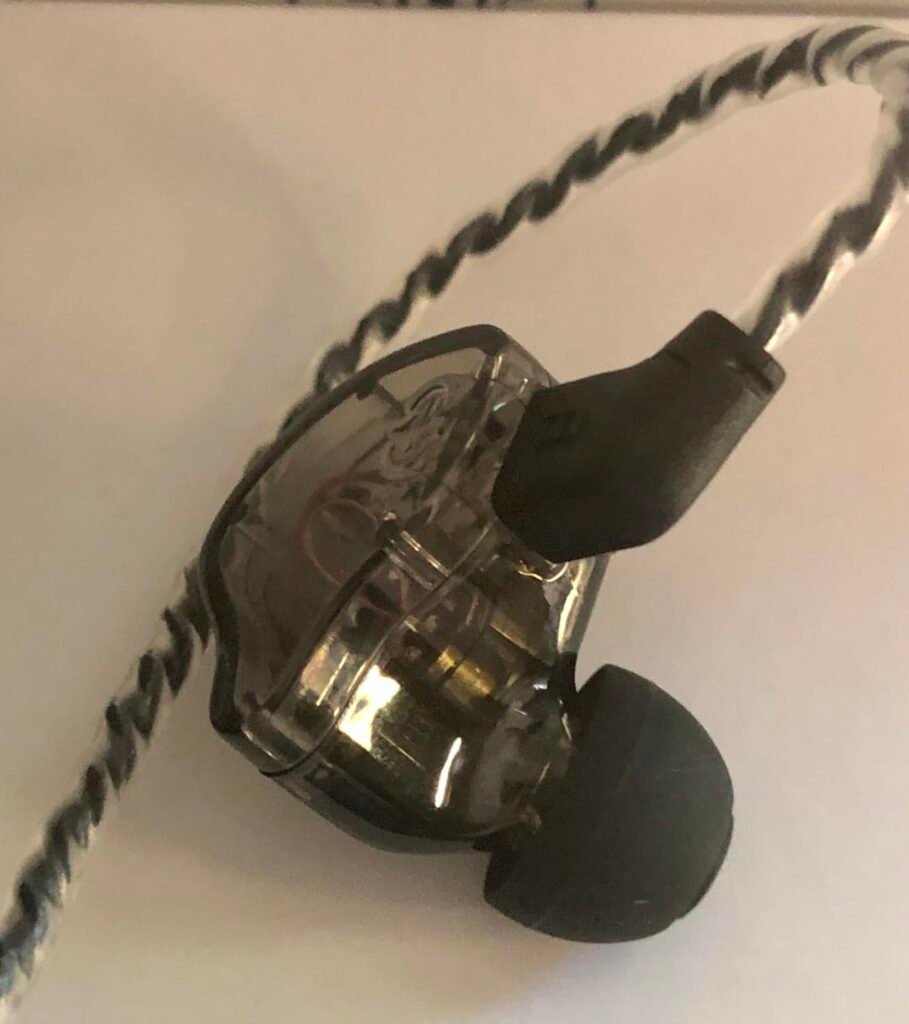
The CCZ Yinyoo Melody targets buyers who want to try a hybrid IEM without much financial risk. A 1DD plus 1BA configuration delivers more variety than a single driver at similar prices, and the PC cavity with a UV varnish keeps weight extremely low, around 2.3 grams per earpiece.
We may earn a commission when you buy through this link, at no additional cost to you.
The added TPE ear fins are a genuinely useful touch. They rest against the ear cartilage to help stabilize the shell during movement, which is helpful for on-stage performers, gym users, or anyone who needs the IEMs to stay put through activity. Combined with a wrap-around ear cable design, the fit feels secure.
The stock cable uses a 4-core 4N OFC wire that’s soft and reasonably durable at this price point, and the detachable 2-pin connector opens the door to future cable upgrades if you decide to stick with the hobby. The 3.5mm plug works with any typical audio device that accepts a standard analog input.
Ear fins press gently against the ridges of the outer ear to lock the earpiece in place. They help during movement and reduce the chance of the shell rotating out of alignment, which affects both fit and sound quality.
This is the pick for absolute beginners, gift-givers, or listeners wanting an ultra-affordable backup pair. Serious enthusiasts will outgrow it quickly, but as an entry point or spare, it delivers meaningful sound for very little money.
Not suitable for professional critical listening or heavy detail retrieval work.
We may earn a commission when you buy through this link, at no additional cost to you.
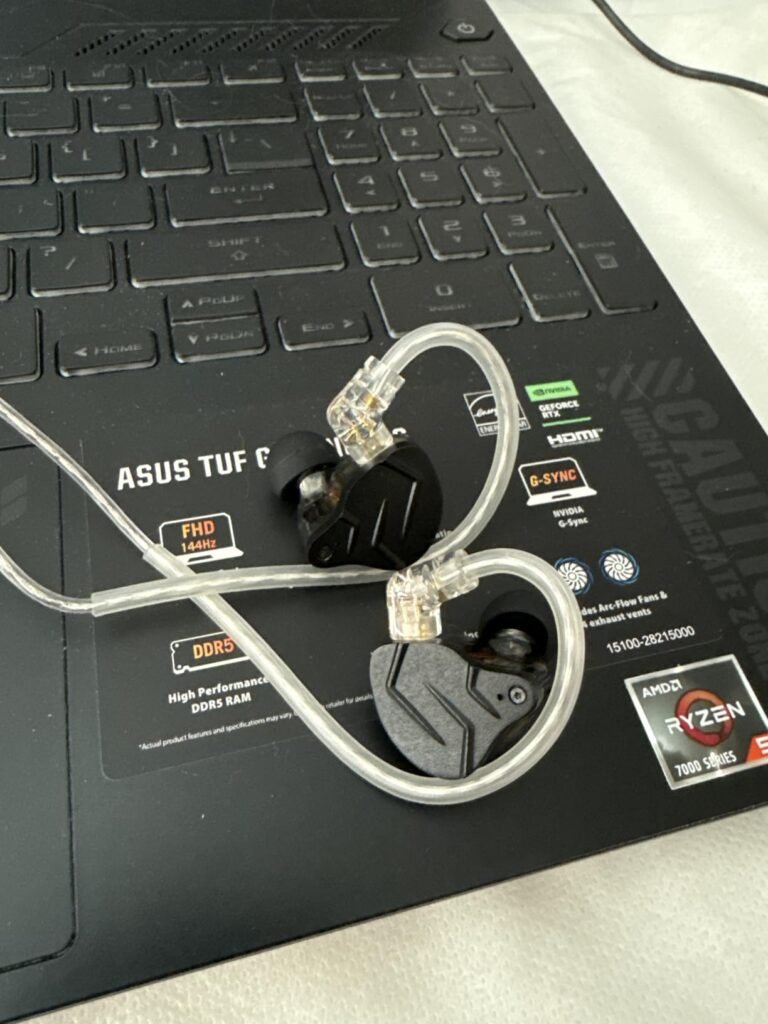
The ZSN Pro X is a natural next step for listeners who liked the Yinyoo Melody but want a more substantial build and slightly more refined sound. The zinc alloy metal body plus resin cavity feels sturdier than plastic-only budget IEMs and resists drops better during daily use.
We may earn a commission when you buy through this link, at no additional cost to you.
The 1BA plus 1DD hybrid setup handles bass with a dynamic driver and highs with a balanced armature, producing a V-shaped tuning that emphasizes both ends. This is generally engaging for pop, electronic, and modern music, though it may not be the most natural voicing for classical or acoustic listening.
The detachable cable uses a 0.75mm 2-pin gold-plated plug, which is compatible with a wide range of KZ aftermarket cables and Bluetooth adapters. This makes it easy to convert the wired IEM into a wireless setup or upgrade the cable material for a slight sound shift.
Most current IEMs use either 0.78mm 2-pin or MMCX connectors, but some KZ models still use 0.75mm 2-pin. Check compatibility before buying aftermarket cables to avoid receiving a plug that won’t seat properly.
Choose this pick as a budget-friendly introduction to hybrid IEMs with metal-shell durability. Enthusiasts chasing balanced or neutral tuning will want something else, but for engaging pop and gaming use on a tight budget, it’s a solid step up from generic earbuds.
Not the right choice for listeners who prefer balanced or neutral tunings.
We may earn a commission when you buy through this link, at no additional cost to you.
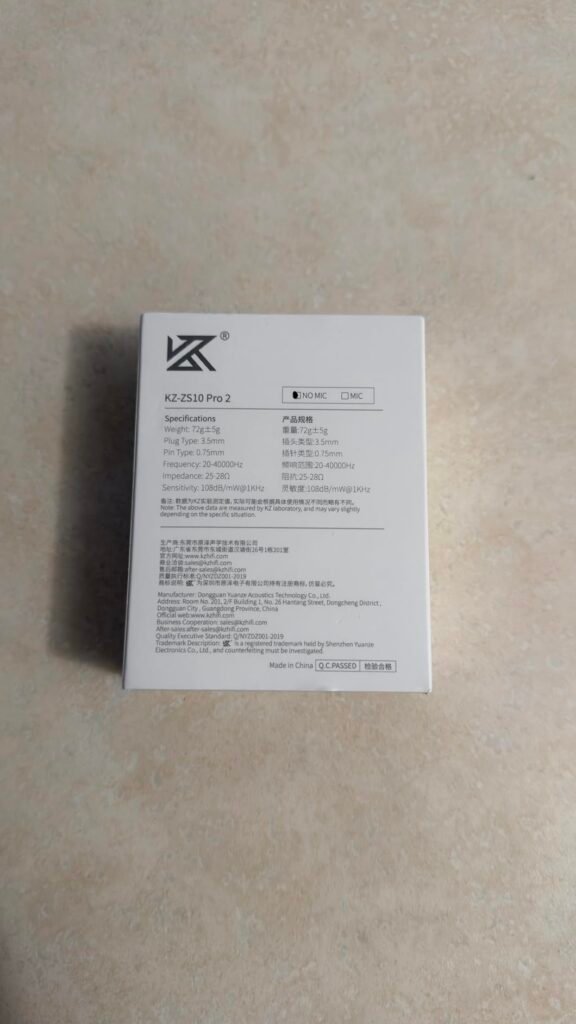
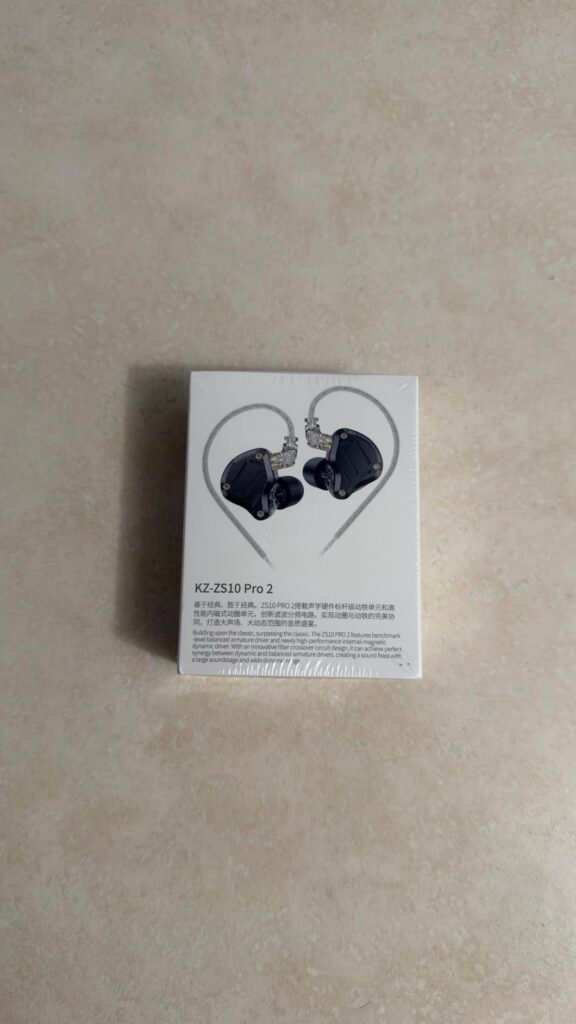
The ZS10 Pro 2 refines the popular formula of its predecessor with a redesigned 10mm super-linear dynamic driver and dual 31736 balanced armatures. The result is a more polished hybrid signature that better resolves detail without becoming harsh, which was a common complaint about earlier KZ hybrids.
We may earn a commission when you buy through this link, at no additional cost to you.
The four-level tuning switch is the standout feature. It lets you shift the tonal balance between bass emphasis, vocal clarity, and full-range presentations without buying multiple IEMs, giving you real flexibility to match the sound to your source material or mood. This is unusual at this price and adds long-term value.
An advanced three-way crossover circuit manages how the drivers hand off across frequency ranges, which pays off in coherence and staging. The detachable silver-plated cable is above the typical stock cable at this tier, and using a standard 2-pin connector opens the door to future aftermarket upgrades.
Tuning switches change how the drivers emphasize different frequencies. Start with the balanced default setting, then experiment based on music genre or mood. Bass boost helps for electronic and hip-hop, while vocal-forward settings suit podcasts and acoustic tracks.
Choose this pick if you want a modern, feature-rich hybrid IEM under $60 with room to shape the sound to your preferences. Casual listeners might prefer a simpler tuned IEM, but for enthusiasts who enjoy customizing their sound signature, this is one of the smartest picks in its price range.
Not the best pick for listeners with very small ear canals who need a compact shell.
We may earn a commission when you buy through this link, at no additional cost to you.
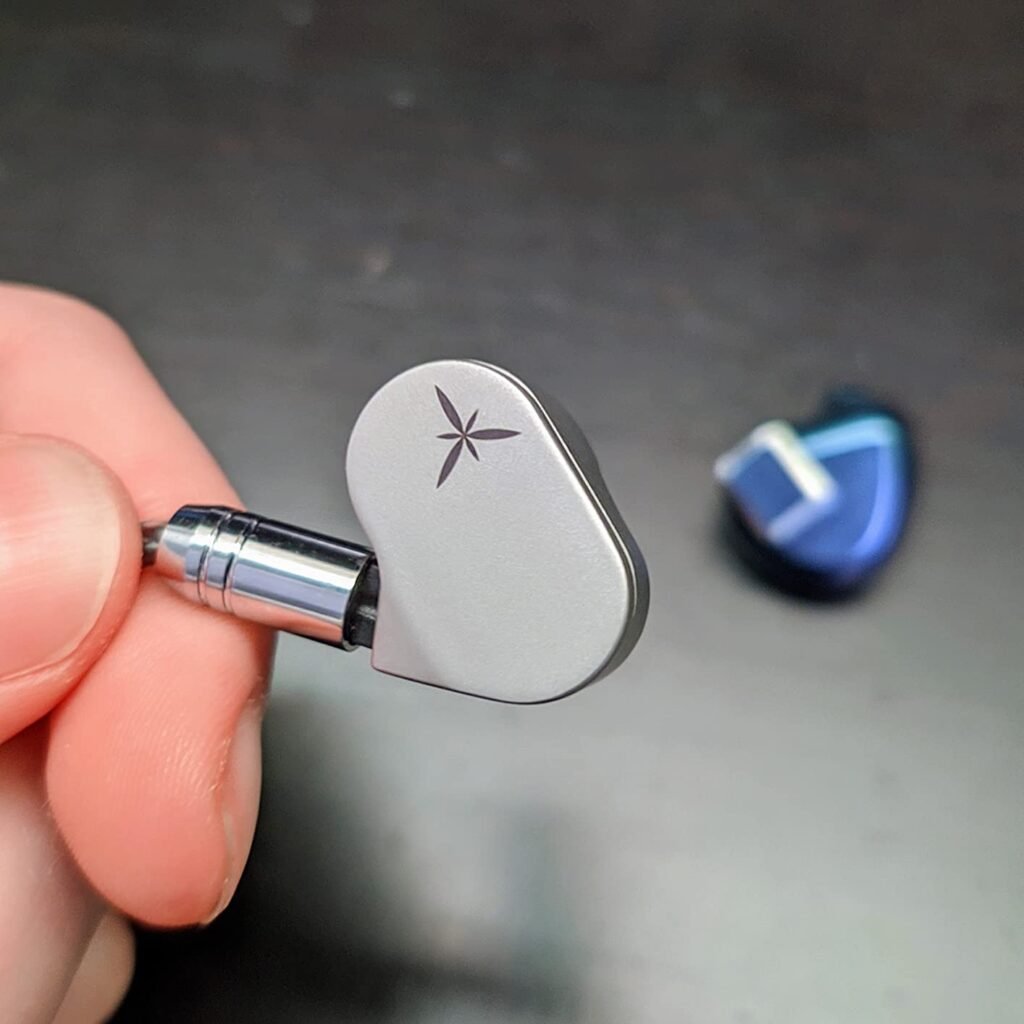
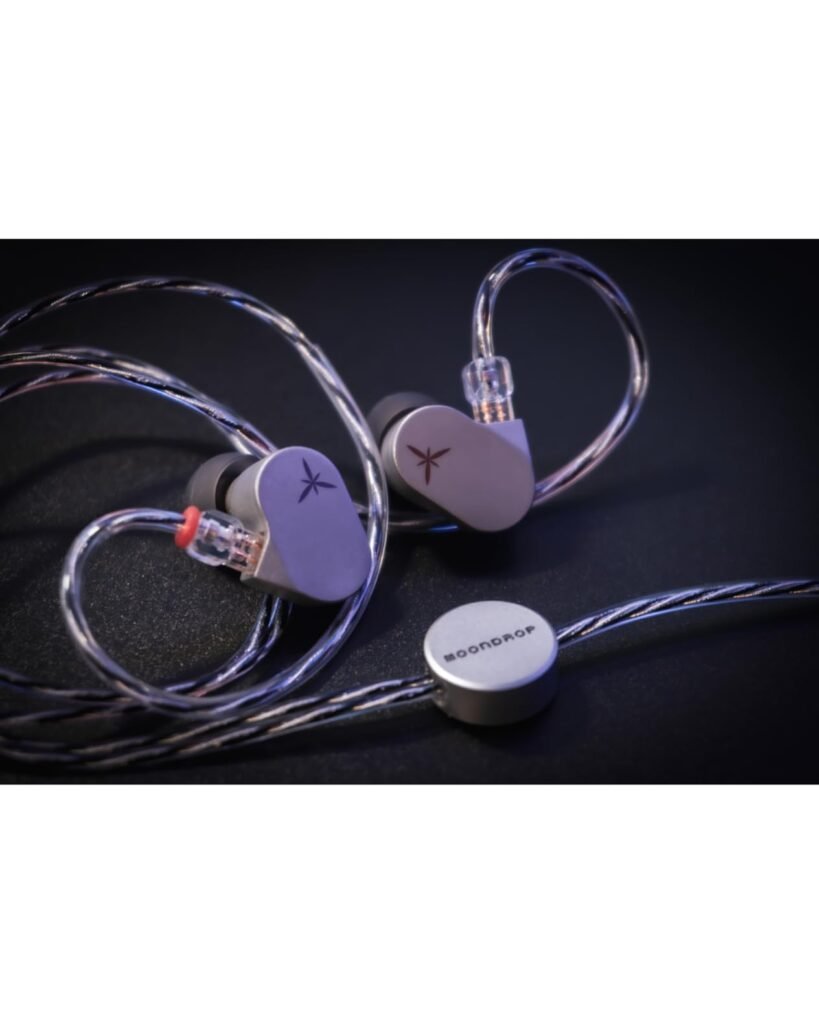
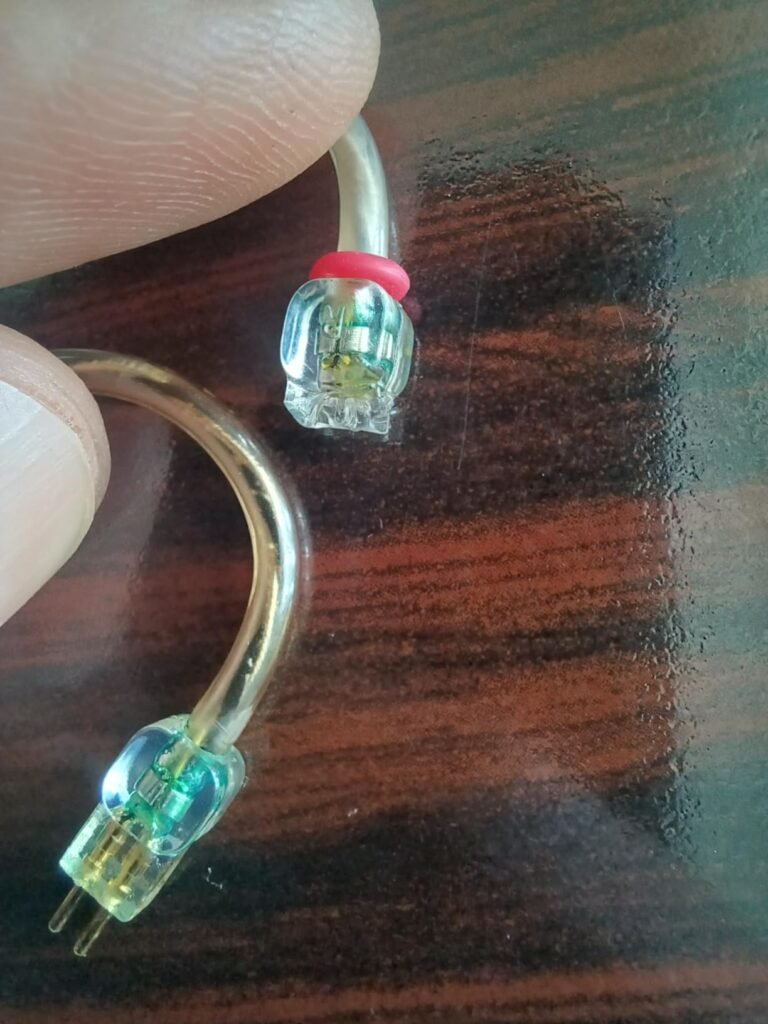
The Moondrop LAN represents a more refined take on entry-level single-DD IEMs than the CHU II, aimed at listeners who want cohesive, well-tuned sound without stepping up to hybrid designs. A beryllium-plated composite diaphragm is unusual at this price and helps extend the high-frequency response.
We may earn a commission when you buy through this link, at no additional cost to you.
The MIM powder metallurgy stainless steel shell is another standout. Using high-temperature sintering to form the housing gives the LAN a solid, premium feel that outperforms typical plastic or resin shells at similar prices, and the compact form factor keeps the earpiece comfortable for extended listening.
Moondrop’s tuning philosophy focuses on natural, balanced sound over exaggerated V-shape signatures. Combined with the low distortion of the well-designed diaphragm, the LAN produces coherent, mature-sounding audio across genres, from acoustic and classical to pop and electronic tracks.
Beryllium is stiff and light, which lets the diaphragm respond quickly and accurately at higher frequencies. This typically translates to cleaner, more extended treble without the metallic ring that some other diaphragm materials produce.
This is the pick for buyers who want a refined single-DD experience with premium build quality on a mid-budget. Detail chasers may prefer a hybrid, but for smooth, natural tuning in a solid metal shell with a universal cable connector, the LAN is a strong choice under $50.
Not the best pick for listeners chasing maximum detail retrieval or complex hybrid presentation.
We may earn a commission when you buy through this link, at no additional cost to you.
The best IEM for you depends on how you plan to listen, how much detail you want, and what fit works for your ears. This guide walks through each buying factor with clear tradeoffs.
IEMs use a few main driver technologies. Dynamic drivers (DD) work like miniature speakers with a diaphragm and voice coil, typically delivering strong bass and cohesive full-range sound. Balanced armatures (BA) are small, precise drivers originally designed for hearing aids that excel at mids and highs but often lack the bass slam of dynamic drivers. Hybrids like the KZ ZS10 Pro and TRUTHEAR Hexa combine both, using a dynamic driver for bass and multiple BAs for mids and highs to get the best of each.
More drivers is not automatically better. Well-tuned single-DD IEMs like the Moondrop CHU II or LAN often outperform poorly implemented multi-driver designs, because coherence between drivers requires careful crossover engineering. That said, when hybrids are done right, they can extract more detail across the frequency range than any single driver could match.
Beginners often do well with a refined single-DD or a well-known hybrid. If you’re new to IEMs, consider starting with a coherent single-DD before jumping to complex multi-driver setups.
Tuning describes how an IEM emphasizes different frequency ranges. Warm tunings like the Shure SE215 PRO emphasize bass and lower mids, sounding smooth and forgiving. Neutral or reference tunings like the Sony IER-M500 aim for accuracy without emphasizing any part of the spectrum, which suits critical listening and monitoring. V-shaped tunings emphasize both bass and treble while pulling back mids, which sounds exciting for pop and electronic music but can feel unnatural on vocals or acoustic recordings.
Bright tunings emphasize treble for maximum detail retrieval but can fatigue listeners over long sessions, especially those sensitive to sibilance. Bass-focused tunings appeal to hip-hop and EDM fans but may overwhelm delicate acoustic material. The best IEM for you depends on the music you actually listen to, not the tuning that measurement charts call ideal.
Think about your typical playlist before buying. If you mostly listen to podcasts, neutral or vocal-forward tunings work best. If you love bass-heavy music, look for warm or bass-boosted signatures. For genre variety, balanced or slightly V-shaped tunings offer flexibility.
Cables affect both durability and, some argue, sound quality. Most modern IEMs use detachable cables with either 2-pin (0.78mm or 0.75mm) or MMCX connectors. Detachable cables let you replace worn cables, upgrade to better materials, or add a Bluetooth adapter to make the IEMs wireless. Fixed cables cost less initially but require replacing the whole IEM if the cable fails.
Stock cables vary widely in quality. Higher-end IEMs like the TRUTHEAR Hexa include copper silver-plated cables with thicker gauges, while budget picks often ship with thinner rubber-jacketed cables. Aftermarket cables in silver-plated copper, pure silver, or hybrid materials can slightly alter the sound and often improve durability, though sound differences from cable upgrades are subtle and debated.
For long-term use, prioritize detachable cable IEMs and verify the connector type matches common standards. If you plan to eventually go wireless, confirm Bluetooth adapters exist for your chosen connector.
Fit determines both comfort and sound quality. IEMs must seal the ear canal to deliver proper bass response and passive isolation, which means the right ear tip is critical. Most IEMs include multiple silicone tip sizes, and many enthusiasts also try foam tips for improved isolation and comfort. If none of the included tips seal properly, aftermarket options from brands like Spinfit or AZLA often solve the problem.
Shell shape and size also matter. Compact designs like the Sennheiser IE 100 PRO suit smaller ears and side sleepers, while larger shells like the KZ ZS10 Pro 2 fill the outer ear more completely. Over-ear cable routing (used by most IEMs above the ultra-budget tier) improves stability and reduces microphonics, the transmission of cable noise to your ears.
Try multiple tip sizes and materials to find a proper seal. A well-fitting IEM feels invisible after a few minutes; a poorly fitting one will remind you constantly. Fit takes priority over minor sound differences between similar IEMs.
Passive noise isolation depends on shell design and ear tip seal. Stage-focused IEMs like the Shure SE215 PRO block up to 37dB of ambient noise, which is enough to protect hearing in loud performance environments and enable clear monitoring. Consumer IEMs typically offer less isolation but are also less bulky in the ear.
For commuting, gym use, or noisy office environments, prioritize isolation. For quiet home listening, isolation matters less, and comfort or sound quality may take priority. IEMs used while walking outdoors on busy streets can be too isolating for safety, so consider your environment before maximizing isolation.
Match isolation to your dominant use case. Stage musicians and commuters benefit from maximum isolation, while quiet-room listeners can prioritize other factors.
Impedance measures the IEM’s electrical resistance and affects how much power it needs to reach comfortable volumes. Most IEMs sit in the 16 to 32 ohm range and drive easily from phones, laptops, and dongle DACs. Higher-impedance IEMs may need a dedicated headphone amp or a more powerful source to sound their best, though this is uncommon in this price range.
Sensitivity, expressed in dB per milliwatt, indicates how loud an IEM gets from a given power level. High-sensitivity IEMs like most models here can reveal hiss from noisy source outputs, which matters if you’re using a laptop headphone jack or an older phone. A cleaner USB-C dongle DAC often improves the experience noticeably.
For most listeners, any modern phone or laptop drives these IEMs without issue. If you notice hiss or weak volume, consider a small USB-C or Lightning DAC dongle before assuming you need a full desktop amp.
Shell materials range from lightweight plastic and PC (polycarbonate) on budget models to resin, aluminum, zinc alloy, and stainless steel on higher-end options. Metal shells like the Moondrop LAN’s MIM stainless steel or the KZ ZSN Pro X’s zinc alloy feel more premium and resist drops better, while lightweight resin and PC shells fatigue less during long wear.
Faceplate quality affects both aesthetics and structural rigidity. Stainless steel faceplates like those on the KZ ZS10 Pro add heft and durability, while 3D-printed resin shells like the TRUTHEAR Hexa enable more complex internal acoustic designs. Both approaches have merit depending on your priorities.
If you carry IEMs in a pocket or bag and use them daily, prioritize metal or reinforced shell construction. For desk-based listening, lightweight resin often wins on comfort.
IEMs from established brands like Sony, Shure, and Sennheiser typically come with better warranty support, more consistent quality control, and easier availability of replacement parts. Chi-Fi brands like KZ, Moondrop, TRUTHEAR, and CCZ have earned strong reputations for value, but warranty and replacement processes can vary depending on the seller.
Consider the ecosystem too. Widely used connector standards like 0.78mm 2-pin make cable upgrades and Bluetooth adapters easy to find, while proprietary connectors limit your options. Popular IEMs also have larger aftermarket ear tip options, more owner-shared EQ settings, and better community support for troubleshooting.
Balance price, warranty, and community support based on how much you plan to invest. For entry-level exploration, Chi-Fi brands offer excellent value. For long-term professional use, established brands often provide better support infrastructure.
Getting the right seal is the single most important step in using IEMs. Try all included ear tip sizes and materials before deciding which fits best, and consider aftermarket foam or silicone tips if none of the included options seal properly. A proper seal delivers full bass response, effective isolation, and the sound quality the designer intended. If bass sounds thin or the sound feels distant, you likely don’t have a good seal.
Handle detachable cables gently at the connector. The 2-pin and MMCX connectors are the most fragile part of most IEMs, and rough pulling or twisting can bend pins or wear out sockets. When removing the cable, pull straight out from the connector rather than yanking the wire itself, and coil the cable loosely for storage rather than tight wraps that stress the internal conductors.
Keep IEMs clean and dry for longevity. Wipe the shells with a dry cloth after use to remove earwax and moisture, and clean the nozzle mesh gently with a soft brush if debris builds up. Store IEMs in the included case or a small zippered pouch to protect from dust and impacts. For foam tips, replace them every few months as they wear out and lose their seal. Avoid exposing IEMs to water unless the manufacturer specifically rates them for it.
IEMs seal in the ear canal, which delivers better bass, stronger noise isolation, and generally higher fidelity than regular earbuds that sit loosely in the outer ear. IEMs typically use more sophisticated drivers and are common in professional monitoring and audiophile listening. Regular earbuds are more comfortable for some users but sacrifice sound quality and isolation.
Most of the IEMs in this guide drive easily from phones, laptops, and dongle DACs without a dedicated amp. If you notice weak volume or hissing from a noisy headphone jack, a small USB-C or Lightning DAC dongle usually solves the problem. Dedicated headphone amps become more useful for higher-impedance headphones rather than typical IEMs.
No. Well-tuned single-driver IEMs like the Moondrop CHU II or LAN often outperform poorly implemented multi-driver designs because coherence between drivers requires careful crossover engineering. Focus on tuning quality and reviews rather than driver count alone. Multi-driver hybrids can excel when done well but add complexity.
A proper seal delivers full, punchy bass and blocks outside noise noticeably. If bass sounds thin, distant, or hollow, or if you can clearly hear conversation around you, the seal is likely inadequate. Try a larger tip size or a different tip material like foam. A good seal should also make the IEMs feel secure without needing to reposition constantly.
The Moondrop CHU II offers excellent tuning and build quality under $25 and works well as a first serious IEM. The Moondrop LAN steps up build quality and refinement for a bit more money. Both use single dynamic drivers, which are easier to appreciate than complex hybrids and provide a natural, coherent sound for new listeners.
Yes, IEMs work well for gaming and often deliver better positional cues than casual headsets thanks to their detailed sound. Look for IEMs with wide soundstage and clear mids for footsteps and dialogue. If you need a microphone, you'll want an IEM with a mic-equipped cable or a Bluetooth adapter with mic support.
Detachable cables let you replace worn cables and upgrade to better materials or Bluetooth adapters, which extends the useful life of the IEM. Common connector standards like 0.78mm 2-pin or MMCX have wide aftermarket support. Fixed cables limit long-term flexibility, so detachable designs are worth prioritizing if you plan to keep the IEMs for years.
Yes. Modern Chi-Fi brands like KZ, Moondrop, TRUTHEAR, and CCZ deliver excellent sound quality at prices well below traditional pro-audio brands. Name-brand options from Sony, Shure, and Sennheiser add warranty support, professional durability, and consistent quality control that matter more for stage use than for casual listening.
Silicone tips are more durable, easier to clean, and offer moderate isolation. Foam tips isolate better and often improve bass response but wear out faster and can feel warmer in the ear. Try both to see which suits your ears and priorities. Aftermarket tips from brands like Spinfit or AZLA solve fit problems when included tips don't seal well.
Well-cared-for IEMs can last many years, especially models with detachable cables where the most fragile component can be replaced. The drivers themselves rarely fail. Common failure points are cables, connectors, and ear tip nozzles. Keeping IEMs clean, dry, and stored properly extends life significantly.
The Linsoul KZ ZS10 Pro 2 stands out as the strongest overall pick for most enthusiasts. Its 1DD plus 4BA hybrid configuration, four-level tuning switch, three-way crossover, and detachable silver-plated cable combine into a versatile package that offers real customization at a mid-tier price. For listeners who want to shape their sound without buying multiple IEMs, it delivers exceptional value.
For different priorities, several alternatives deserve serious consideration. The Sony IER-M500 is the premium choice for stage musicians and critical listeners who need accurate monitoring in demanding environments. The Moondrop CHU II offers remarkable sound quality under $25 as a starter IEM or backup pair. The Shure SE215 PRO remains a proven stage choice with excellent isolation, while the TRUTHEAR Hexa delivers mature balanced tuning for detail-focused listeners under $100.
Match your choice to how and where you listen. Casual daily listeners on a budget will do well with the CHU II or LAN. Enthusiasts wanting customization should look at the KZ ZS10 Pro 2. Stage performers and professionals will get the most from the Sony IER-M500 or Shure SE215 PRO. Use the buying guide above to weigh fit, tuning, cable quality, and isolation against your real listening habits, and you'll end up with an IEM that genuinely improves your daily listening rather than just adding another purchase to the collection.