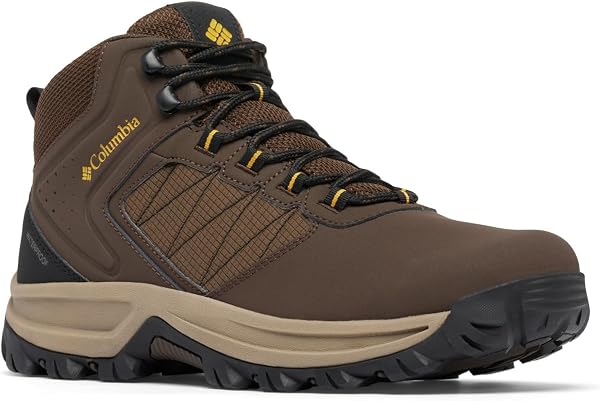
Columbia Transverse Hike
9.2Editor scoreOmni-Tech waterproof membrane
Techlite cushioned midsole
Omni-Grip rubber outsole
Leather mesh upper
Find the right hiking shoes for 2026. We compare 10 standout options by build quality, useful features, owner feedback, value, and everyday trade-offs.
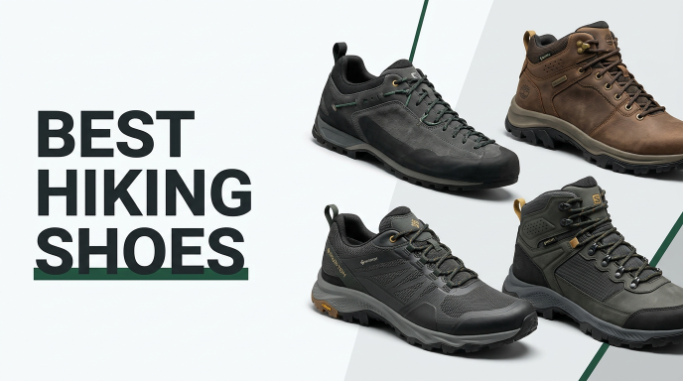
Choosing hiking shoes for 2026 means weighing waterproofing, outsole grip, midsole cushioning, ankle height, upper materials, weight, and break-in time. We compare 10 standout trail options across low-top hikers and mid-cut boots so you can match footwear to your terrain, pack weight, and climate instead of guessing from a product page.
The biggest split in this category is between breathable non-waterproof shoes that dry fast and sealed membrane models that block rain and puddles. Lug depth, midsole compound, and toe protection then determine how confident you feel on loose rock, mud, and long descents with a loaded pack.
Fit matters more than any single feature. A shoe with premium traction still causes blisters if the heel slips or the toe box pinches on downhill sections. This guide explains what to prioritize, where budget models genuinely compete, and which trade-offs are worth accepting for your specific hiking style.
We compared 10 hiking shoes and boots using the details that actually drive a purchase: waterproof membrane performance, outsole compound and lug depth, midsole cushioning and energy return, upper materials and durability, ankle support height, weight, insole quality and arch support, toe protection, sizing accuracy, and owner ratings. Each pick reflects real trade-offs between breathability and waterproofing, cushioning and trail feel, and premium build versus budget value.

Compare key features, scores, and current prices side by side. A shorter feature list means fewer details were available, not necessarily fewer capabilities.


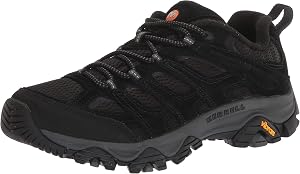


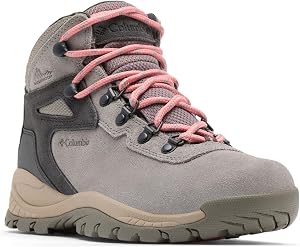
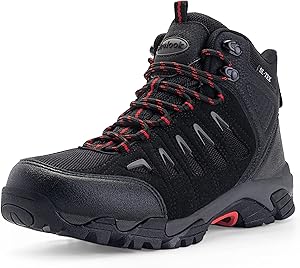


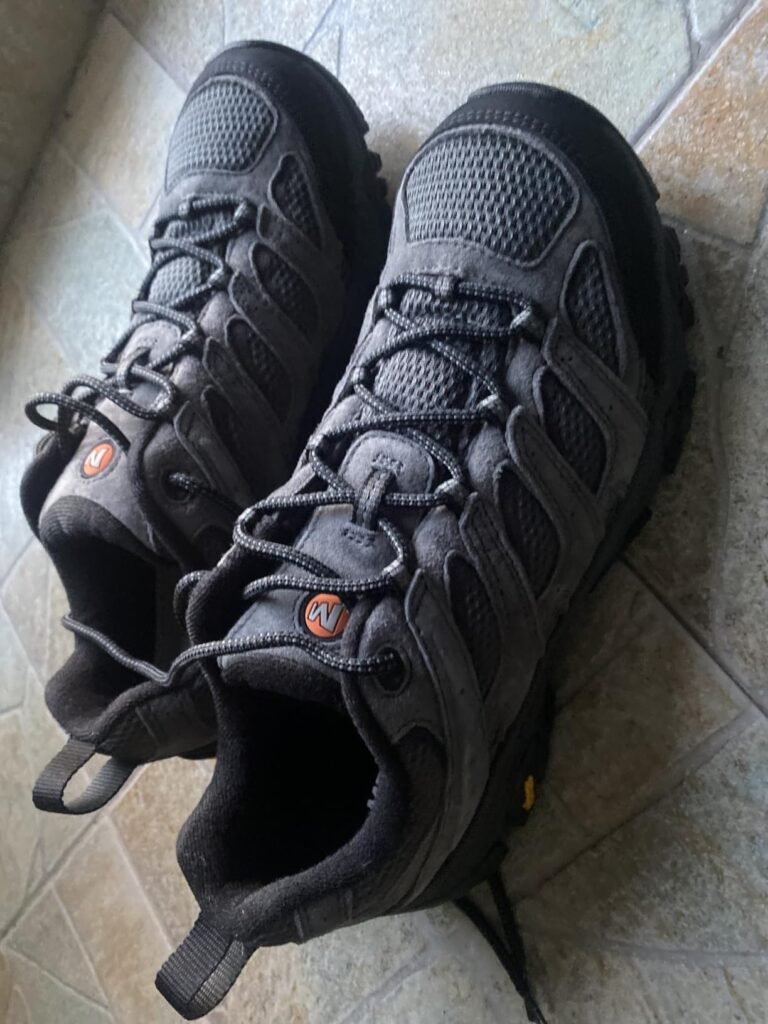
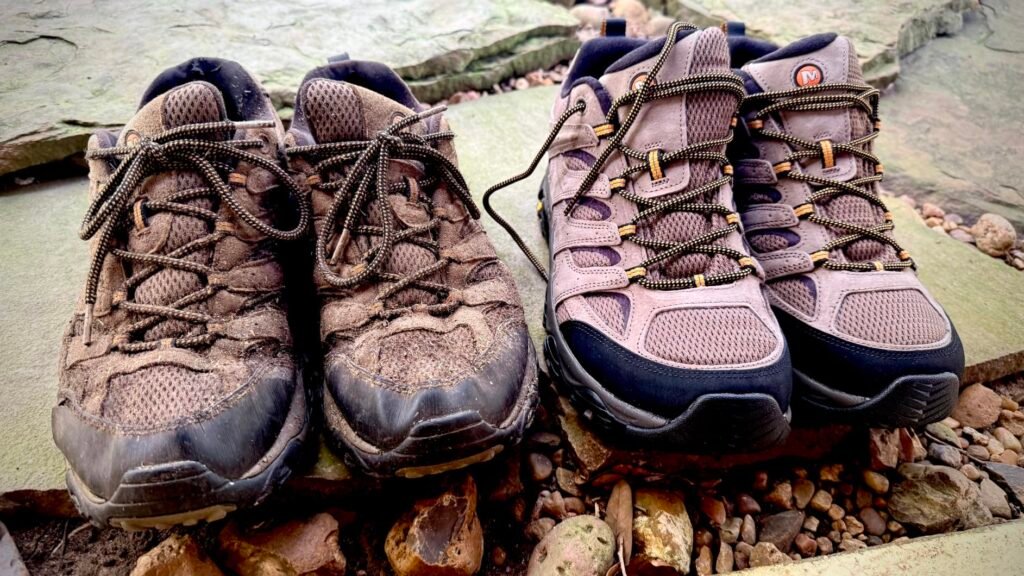
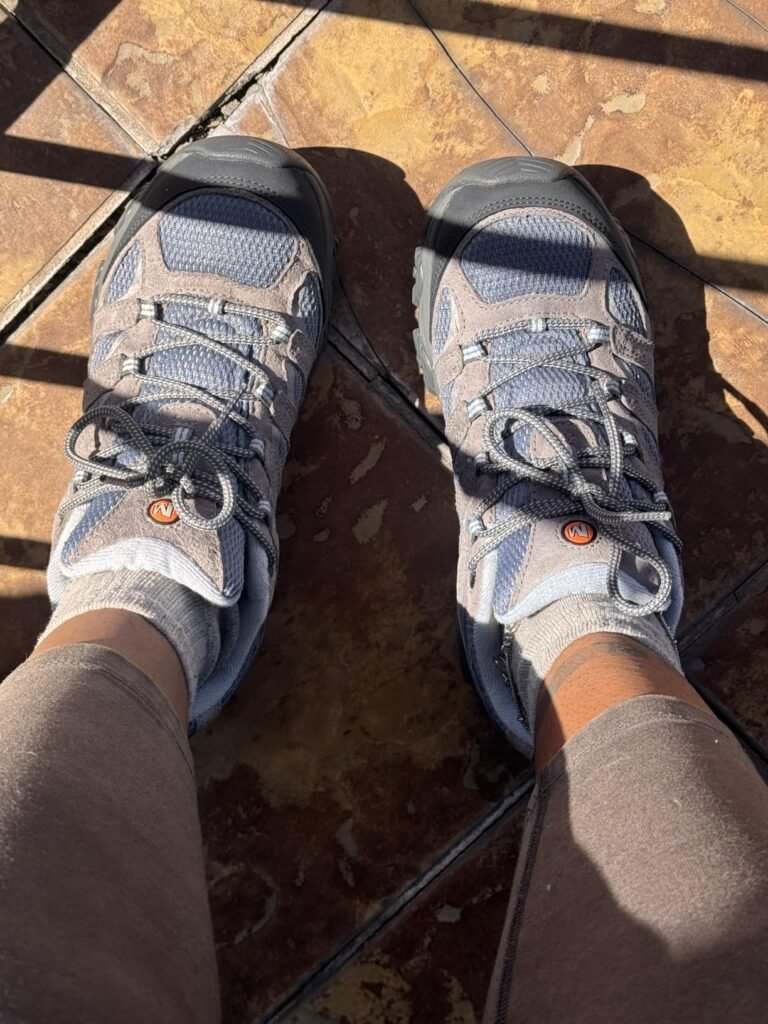
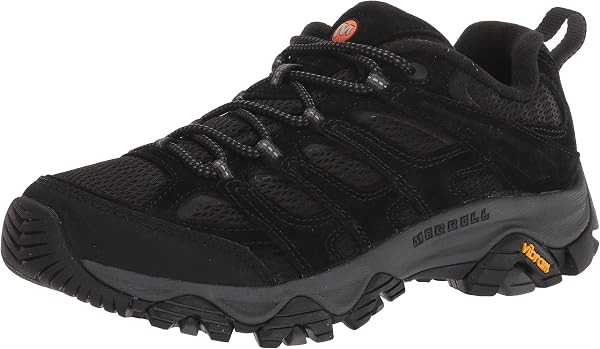
The Moab 3 has become the default recommendation for day hikers and casual backpackers largely because it feels broken in from the first mile. The combination of pigskin leather and breathable mesh across the upper gives you abrasion resistance where the trail scuffs hardest while keeping the overall structure flexible enough to avoid the stiff, blister-prone break-in period that heavier leather boots demand.
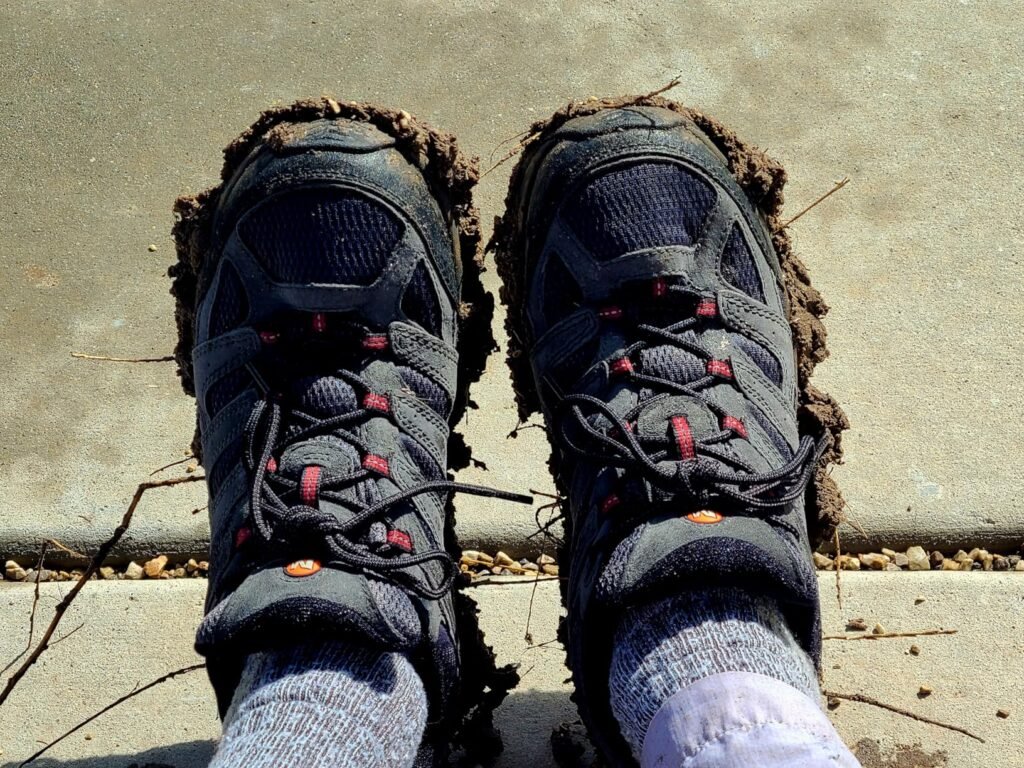
We may earn a commission when you buy through this link, at no additional cost to you.
Underfoot, the Kinetic Fit ADVANCED removable contoured insole delivers medium support with reinforced heel cushioning, which is the sweet spot for most hikers carrying a daypack rather than a multi-day load. Medium support means you get arch structure without the rigid feel that can cause hot spots on longer walks. Because the footbed is removable, you can also swap in custom orthotics if you have specific arch or pronation needs.
Practical trail details separate this from generic hiking shoes. The bellows tongue is stitched to the upper along its sides so dirt, sand, and small gravel cannot slip in through the lace area, which saves you from stopping every mile to shake out debris. A protective toe cap guards against the unavoidable rock and root strikes on rocky singletrack, and the recycled mesh lining plus recycled laces and webbing appeal to buyers who care about material sourcing.
Traditional full-leather boots can require 20 to 40 miles of gradual wear before the upper molds to your foot, and hiking hard before that point is the fastest route to blisters. Shoes with leather and mesh hybrid uppers like the Moab 3 flex immediately, which means you can buy them a week before a trip and still hike comfortably. If you are new to hiking or have a trip coming up soon, low break-in footwear removes a real risk.
The important trade-off is that this particular version is a breathable non-waterproof build. That is an advantage in hot, dry conditions where airflow prevents sweaty feet, but it means stream crossings and sustained rain will soak through. If your hikes are mostly dry-weather trails or you prefer footwear that dries quickly after getting wet, this is an excellent choice. If you routinely hike in rain or snow, choose a membrane-equipped model instead.
Not the right pick for wet-weather hiking, since this version lacks a waterproof membrane.
We may earn a commission when you buy through this link, at no additional cost to you.
The Transverse Hike is the value standout in this comparison because it delivers genuine multilayered waterproofing at a price where many competitors only offer water-resistant treatments. Omni-Tech construction uses seam-sealed layers that block prolonged exposure to moderate rain and snow while still allowing vapor to escape, which is the difference between dry feet and feet that are dry from outside but soaked from your own sweat.

We may earn a commission when you buy through this link, at no additional cost to you.
The Techlite midsole handles the cushioning side of the equation with lightweight impact absorption tuned for varied surfaces. High energy return means the midsole compresses on impact and springs back rather than staying flat, which reduces the dead, heavy feeling that cheap EVA develops after a few hundred miles. For hikers who cover 8 to 12 miles at a stretch, that responsiveness genuinely reduces fatigue by the end of the day.
Traction comes from Omni-Grip compounds with strategically blended lug patterns designed for rock, dirt, and gravel in both wet and dry conditions. Mixed-density lug layouts matter because a single uniform pattern rarely performs well everywhere. The durable leather and mesh upper, metal lace hardware, and cushioned collar round out a build that feels more expensive than the price suggests.
Water enters footwear through two paths: the material itself and the stitched seams. Seam-sealed construction applies tape or sealant over every stitch line so needle holes cannot leak. A shoe advertised as waterproof without seam sealing will eventually let water in at the seams, which is why this detail is worth checking before you buy anything you plan to wear in rain.
The trade-off with any waterproof membrane is reduced airflow. On hot summer hikes above 80 degrees, sealed shoes run warmer than fully breathable mesh models. This is the right pick if you hike in variable weather, shoulder seasons, or damp regions where staying dry matters more than maximum ventilation. If you hike almost exclusively in desert or hot dry conditions, a non-waterproof shoe would be more comfortable.
Not the best pick for hot desert hiking where maximum breathability beats waterproofing.
We may earn a commission when you buy through this link, at no additional cost to you.
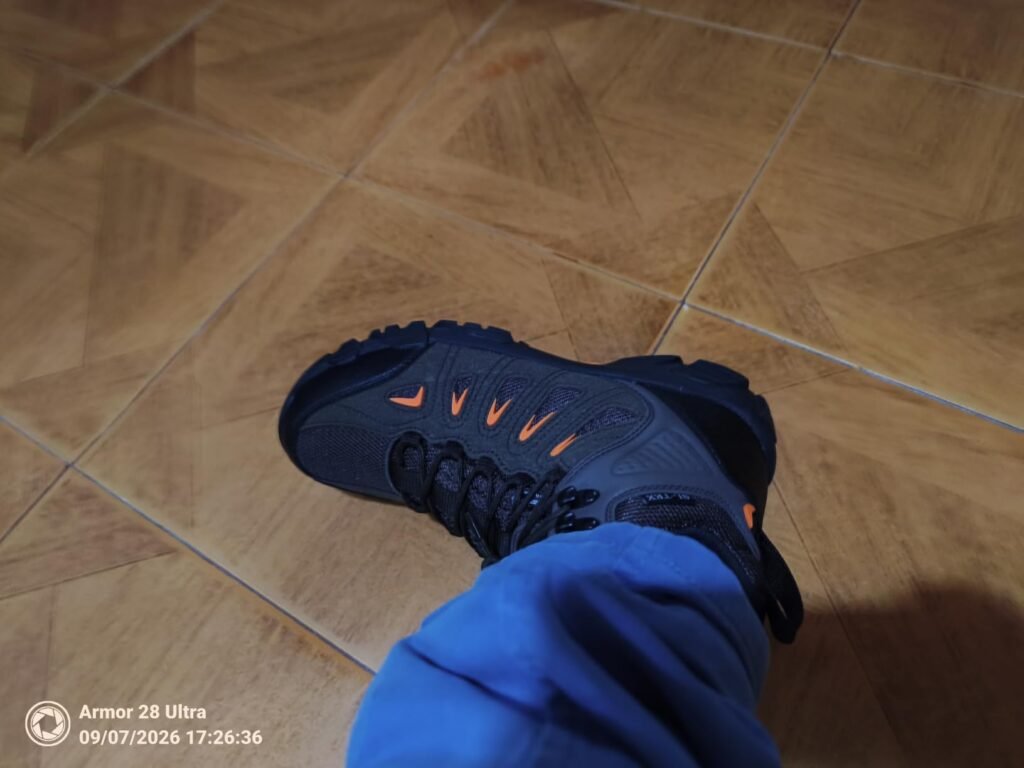
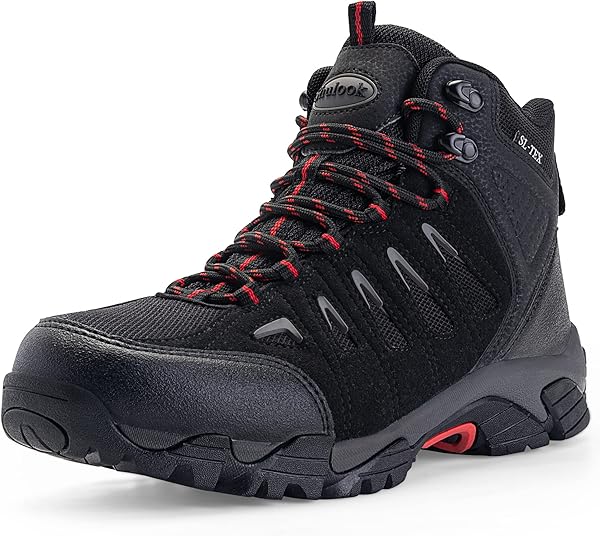
Mid-top hiking boots usually carry a weight penalty, so a 1.25 pound size 10 is genuinely notable. The SHULOOK gives you ankle coverage for loose scree, uneven trails, and brushy terrain without the leaden feel of a traditional leather boot, which makes it a smart pick for hikers who want protection but resent the extra weight on every step.
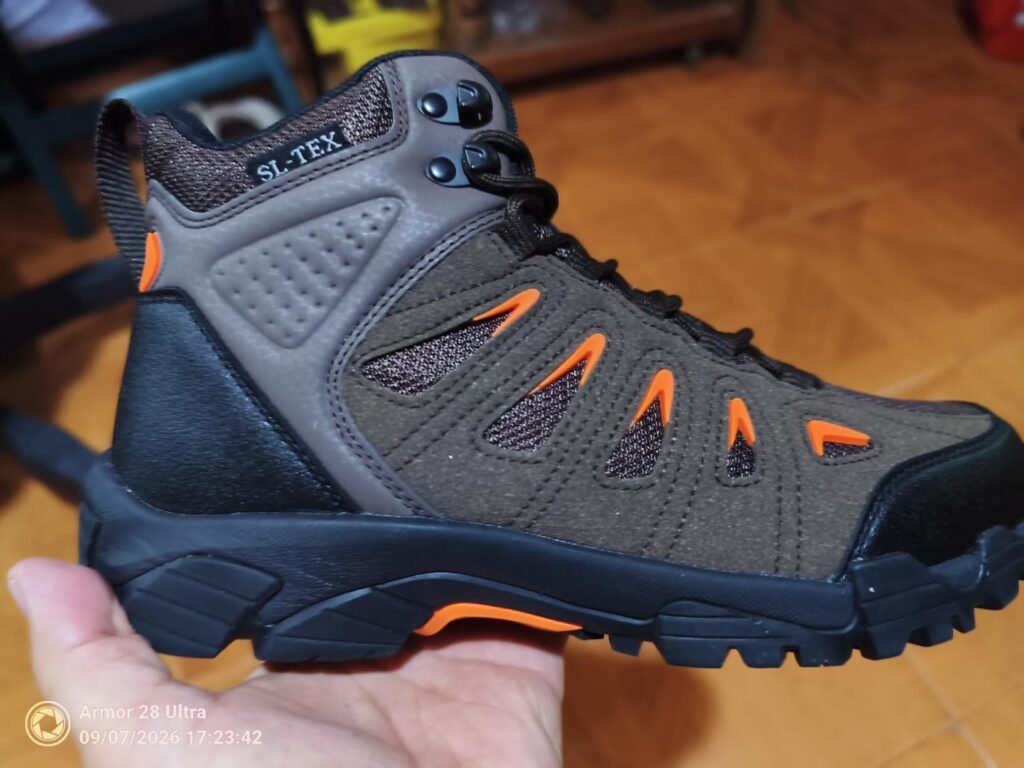
We may earn a commission when you buy through this link, at no additional cost to you.
The SL-TEX waterproof membrane blocks water from entering while allowing vapor to escape, and it pairs with a closed-cell tongue that prevents rain, muck, and sand from sneaking in through the lace channel. That tongue detail matters more than people expect, because a waterproof shoe with an open gusset simply lets water pour in over the top when you step in a puddle deeper than the sole.
Comfort comes from a removable memory foam insole with targeted heel cushioning and arch support that follows the natural contours of the foot. A flexible EVA midsole handles shock absorption and provides energy return that reduces foot fatigue over long days. Breathable D01 lining keeps airflow moving through the interior, and the rubber anti-collision toe guards against rock strikes on rocky trails.
Mid-cut boots provide meaningful benefit on loose rock, off-trail travel, and terrain with deep mud or snow, where the extra collar height blocks debris and adds lateral stability. On well-maintained graded trails, the benefit is smaller and the extra weight and reduced ankle mobility can actually be a downside. Match the height to your terrain rather than assuming higher is always better.
The trade-offs are material and load capacity. Premium synthetic suede performs well but generally will not match full-grain leather for multi-season abrasion resistance, and the flexible midsole is tuned for day hiking rather than carrying 40-pound backpacking loads. For day hikers, hunters, and casual trekkers who want lightweight waterproof ankle support at a budget price, this hits a very useful niche.
Not suited for heavy multi-day backpacking loads that demand a stiffer, more supportive midsole.
We may earn a commission when you buy through this link, at no additional cost to you.
This listing carries the same Moab 3 platform as the flagship version, offering an alternative colorway and stock availability. That matters practically, because popular sizes in a single color frequently sell out, and having a second reliable listing for identical construction means you are not forced to compromise on fit just to get the shoe you want.
We may earn a commission when you buy through this link, at no additional cost to you.
Everything that makes the Moab 3 work is present here: the pigskin leather and mesh upper for durability with airflow, the Kinetic Fit ADVANCED removable contoured insole delivering medium support with reinforced heel cushioning, and the bellows tongue that blocks trail debris from entering through the lacing area. These are the details that keep the shoe comfortable across repeated long hikes.
Sustainability touches include 100 percent recycled laces, webbing, and mesh lining, which is a meaningful consideration if you factor material sourcing into outdoor gear purchases. The protective toe cap remains standard, guarding the front of the shoe against the rock and root impacts that eventually destroy unprotected mesh uppers on technical trails.
Footwear brands often price identical models differently based on color popularity and inventory. A less popular colorway of the exact same shoe can cost significantly less than the trending option. If you care more about performance than appearance, checking every available color in your size is one of the easiest ways to save on quality hiking footwear.
The consideration is that pricing can differ between colorways of the same model, sometimes by a meaningful margin. Before committing, compare all available Moab 3 listings in your size and pick whichever offers the best current price. Since the construction is identical, you lose nothing by shopping across colorways for value.
Not the right pick if you need waterproof protection, since this version uses a breathable non-membrane build.
We may earn a commission when you buy through this link, at no additional cost to you.
The women's Moab 3 is built on a women's-specific last rather than simply being a scaled-down men's shoe, which matters because female foot shapes typically differ in heel width, instep height, and forefoot proportion. A properly shaped last reduces heel slip and forefoot pinch, the two most common causes of trail blisters.

We may earn a commission when you buy through this link, at no additional cost to you.
Pig suede leather paired with breathable mesh gives the upper a durable exterior with good ventilation. Suede handles trail abrasion well and develops character over time rather than tearing like thin synthetic mesh can. The bellows tongue keeps grit out of the lacing area, which is particularly welcome on sandy or dusty trails where debris accumulates fast.
The Kinetic Fit ADVANCED removable contoured insole delivers medium support with reinforced heel cushioning, hitting the middle ground between plush neutral cushioning and rigid orthotic-style support. Because it is removable, hikers with specific arch needs can substitute a custom footbed without fighting a fixed insole. The protective toe cap guards against rock strikes on technical terrain.
A shoe last is the mold that determines interior shape. Women’s-specific lasts generally feature a narrower heel relative to the forefoot and a different instep volume than unisex or men’s designs. Wearing a men’s shoe sized down often leaves excess heel volume, which causes slippage and blisters on descents. If you have had persistent heel-slip problems, switching to a women’s-specific last frequently solves it.
The main considerations are price and the absence of a waterproof membrane. This listing sits at the higher end of the comparison, and it is a breathable build rather than a sealed one. If you hike in dry conditions and want a durable, well-fitting women’s trail shoe with genuine brand pedigree, it is a strong choice. For wet-weather hiking, the Moab 3 Mid Waterproof is the better option.
Not ideal for rainy-season hiking or stream crossings without a waterproof membrane.
We may earn a commission when you buy through this link, at no additional cost to you.
The Moab 3 Mid Waterproof is the most trail-capable pick in this comparison for hikers who face genuinely rough conditions. The combination of a waterproof membrane, mid-cut ankle coverage, and a Vibram TC5+ outsole with 5mm lugs addresses the three things that matter most on wet, rocky, muddy terrain: staying dry, staying stable, and staying upright.

We may earn a commission when you buy through this link, at no additional cost to you.
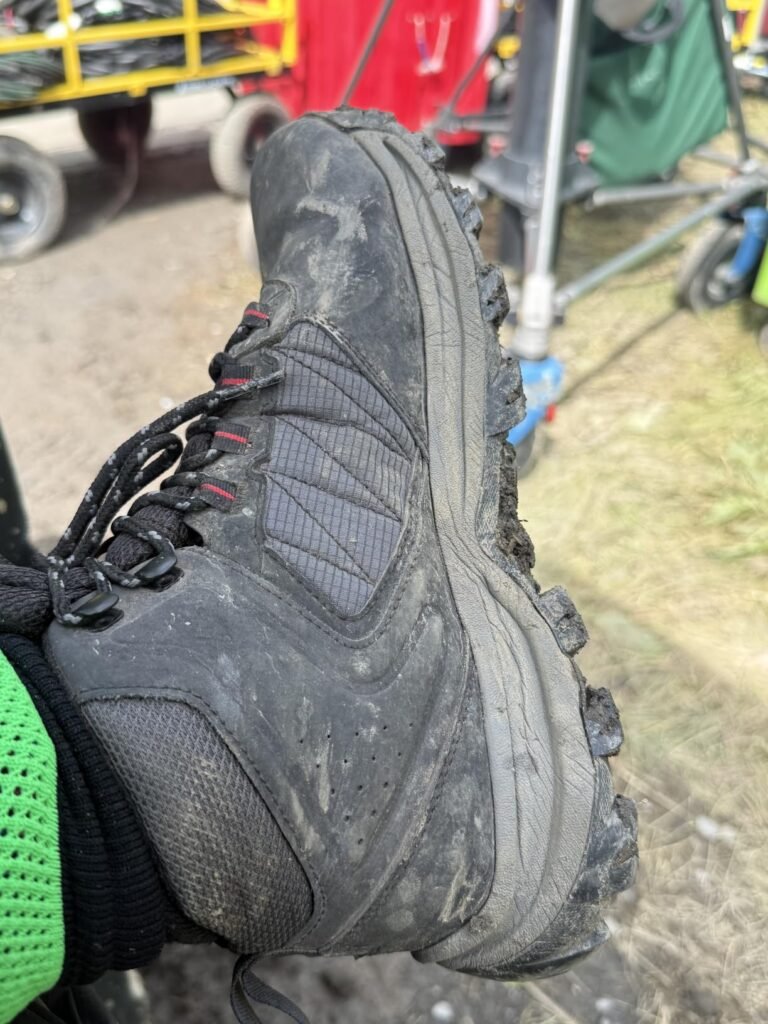
Vibram is the reference standard for outsole rubber, and the TC5+ compound with 5mm lug depth bites into mud, loose dirt, and rock edges far more effectively than the shallow tread found on casual hikers. Deep lugs also shed mud rather than packing solid, which preserves grip on the sustained wet sections where slips actually happen. The molded nylon arch shank adds torsional rigidity so the boot does not twist unpredictably on uneven rock.
Comfort features include a contoured removable footbed with reinforced heel cushioning, an Air Cushion heel to absorb impact on descents, and a responsive midsole compound that smooths transitions. The pigskin leather and breathable mesh upper handles abrasion while allowing some ventilation, and the waterproof membrane seals out moisture while letting sweat vapor escape.
Lug depth directly predicts how a shoe handles soft, loose, or muddy ground. Shallow 2 to 3mm lugs work fine on hardpack trails and pavement but skate on mud. Deeper 4 to 5mm lugs dig in and shed debris, which is what you want for genuine off-road hiking. The trade-off is that aggressive lugs feel less comfortable on pavement and wear faster on hard surfaces.
Two practical notes before buying. Sizing runs small, and going up half a size is the recommended approach, so a usual size 7 should order 7.5. Second, a waterproof mid boot weighs more than a low-top breathable shoe, so if your hikes are short and dry, the extra protection may be unnecessary. For wet-weather hiking, shoulder seasons, and technical trails, this is the most capable option here.
Not the best choice for short dry-weather day hikes where lighter breathable shoes would be more comfortable.
We may earn a commission when you buy through this link, at no additional cost to you.
For hikers who want waterproof leather footwear without spending over a hundred dollars, the OL OUTJET LEGEND is worth serious consideration. Genuine leather uppers at this price point are unusual, and leather brings real advantages over synthetic mesh in terms of abrasion resistance, weather protection, and long-term shape retention.

We may earn a commission when you buy through this link, at no additional cost to you.
The OL-TEX waterproof design blocks water entry while maintaining breathability, which is the balance every waterproof hiker must strike. Combined with a thickened EVA midsole for cushioning and a quality rubber outsole for grip and protection, the build covers the fundamentals of trail footwear without cutting corners in the places that cause discomfort or failure.
The brand backs the product with a 12-month free return and exchange window, which is considerably more generous than typical footwear policies and reduces the risk of ordering from a less familiar name. For buyers hesitant about committing to an unfamiliar brand, that extended policy is meaningful protection against sizing mistakes or early quality issues.
Budget hiking shoes typically compromise on outsole rubber quality, midsole longevity, and quality control consistency rather than on headline features. A shoe may list waterproofing and cushioning, but the rubber compound may wear faster and the foam may flatten sooner. That is an acceptable trade if you hike occasionally, but frequent hikers often find premium shoes cost less per mile over their lifespan.
The considerations are the 4.3 rating, which sits below the premium options here, and the low-top design that provides minimal ankle support on uneven terrain. This is the right pick for casual hikers, weekend walkers, and anyone who needs waterproof outdoor footwear for work and light trails without the premium price. Serious backpackers hauling heavy loads over technical terrain should step up to a stiffer, more supportive model.
Not suitable for technical backpacking with heavy loads that require ankle support and a stiffer midsole.
We may earn a commission when you buy through this link, at no additional cost to you.
This Moab 3 listing offers the same proven platform at the most accessible price of the three men's options in this comparison. For anyone who has decided the Moab 3 is the right shoe but does not want to pay flagship colorway pricing, this is the practical route to the same performance for less money.
We may earn a commission when you buy through this link, at no additional cost to you.
Construction remains unchanged: pigskin leather and mesh upper for durability with ventilation, a debris-blocking bellows tongue, a protective toe cap for rock strikes, and the Kinetic Fit ADVANCED removable contoured insole with reinforced heel cushioning delivering medium support. The 100 percent recycled mesh lining, laces, and webbing carry over as well.
The removable footbed deserves emphasis for buyers with specific foot needs. Many hikers discover that stock insoles, however good, do not match their arch profile perfectly. Being able to pull the factory insole and drop in a custom orthotic or aftermarket support footbed turns a good shoe into a personalized one without any modification.
If a shoe fits well in length and width but feels slightly loose or lacks arch support, a replacement insole often fixes it. Thicker aftermarket footbeds take up volume and tighten the fit, while structured orthotic insoles address arch collapse or pronation. Always check that the shoe has a removable insole before buying if you plan to customize, since fixed-footbed shoes leave you no adjustment options.
The consideration is that value listings often have narrower color and size availability than flagship versions. Check that your size is in stock before planning around this option. If it is available, you get identical construction and an identical 4.6 owner rating for less, which is straightforwardly the better deal. Just remember it remains a non-waterproof build.
Not the right choice for hikers who need waterproofing or who require a specific colorway that may not be available.
We may earn a commission when you buy through this link, at no additional cost to you.
The CC-Los is aimed at women who want a lightweight waterproof shoe for walking, light trails, and everyday outdoor use rather than technical mountaineering. The eco-friendly suede leather and mesh upper promotes airflow to prevent excessive sweat accumulation, which helps reduce foot odor over long days on your feet.

We may earn a commission when you buy through this link, at no additional cost to you.
A memory foam sockliner provides plush underfoot comfort that contours to the foot over the first few wears, and the lightweight non-slip rubber outsole delivers traction across mixed terrain without adding bulk. For hikers who prioritize low weight and all-day walking comfort over aggressive technical grip, this combination works well on maintained trails, gravel paths, and park walking.
Waterproofing keeps feet dry during wet-weather outings, and an anti-slip wear-resistant sole with a reinforced toe adds safety and stability on uneven ground. The reinforced toe is a genuine value at this price, since it protects the most vulnerable part of a lightweight shoe from the rock and root contact that eventually tears unreinforced uppers.
Walking shoes prioritize cushioning, flexibility, and low weight for smooth surfaces. Hiking shoes add stiffer midsoles, deeper lugs, and toe protection for rough terrain. Lightweight hybrid models blur the line, working well on groomed trails and gravel but underperforming on scree and steep technical descents. Match the shoe to your actual terrain, not to the most ambitious hike you might one day attempt.
The main considerations are the 4.2 rating, the lowest here, and the lighter overall build. This shoe is tuned for walking and light hiking rather than rugged technical terrain with heavy packs. The brand does offer a responsive replacement policy for wrong items or quality issues, which reduces purchase risk. For casual day hikes, travel, and outdoor walking, it is a reasonable lightweight option.
Not built for technical rocky terrain or backpacking trips with heavy pack weight.
We may earn a commission when you buy through this link, at no additional cost to you.
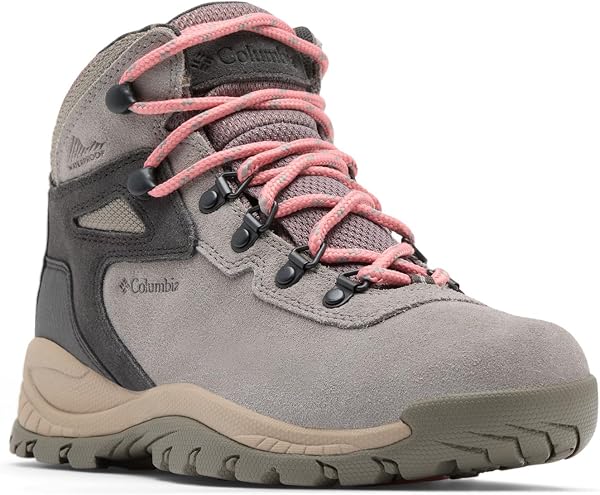
The Newton Ridge Plus is Columbia's long-running women's mid-cut hiker, and its defining strength is durability engineering at the points that actually fail first. Reinforced toe and heel barriers plus an extended outsole toe overwrap protect the areas that wear out fastest on hiking boots, which is why this model has stayed popular season after season.

We may earn a commission when you buy through this link, at no additional cost to you.
Seam-sealed waterproof construction keeps moisture out through both the material and the stitch lines, paired with the Techlite lightweight midsole for cushioning with high energy return. Techlite keeps the boot from feeling heavy despite the mid-cut height and leather and suede upper, which is important because boot weight compounds over a long hiking day.
The signature Omni-Grip non-marking traction rubber outsole delivers grip across varied terrain and supports versatile three-season use. Non-marking rubber also means you can wear these indoors or on finished surfaces without leaving scuffs, useful if the same boots handle trail hiking and yard or job-site duty. The supportive leather and suede build gives the boot structure that holds up over years.
The toe box and heel counter take the most abuse on hiking footwear. Toes scrape rocks on ascents and heels drag on descents, which is why manufacturers reinforce these zones on serious boots. When comparing models, look for toe overwraps and reinforced heel counters, because a boot without them will show damage in those spots long before the rest of the shoe wears out.
The trade-off is the classic mid-boot compromise: more protection and support in exchange for extra weight and reduced ankle mobility compared to a low-top trail shoe. If your hiking involves wet conditions, uneven terrain, or carrying a pack, the added support is worth it. If you hike fast on smooth trails in dry weather, a low-top shoe would feel better.
Not the best pick for fast-paced hiking on smooth dry trails where a lighter low-top would feel better.
We may earn a commission when you buy through this link, at no additional cost to you.
The right trail shoe depends on your terrain, climate, pack weight, and foot shape far more than on brand prestige. The factors below cover the decisions that genuinely change how comfortable you feel at mile ten.
Waterproof hiking footwear uses a membrane layer bonded inside the upper that blocks liquid water from entering while allowing water vapor from sweat to pass outward. Technologies like Omni-Tech, SL-TEX, and OL-TEX all work on this principle, and quality versions are seam-sealed so water cannot enter through stitch holes. The practical benefit is dry feet during rain, dew-soaked morning grass, shallow puddles, and light snow.
The cost is airflow. Even the best membranes restrict ventilation compared to open mesh, which means sealed shoes run warmer. On hot summer hikes, this can leave your feet damp from sweat rather than rain, and once a waterproof shoe is soaked internally it dries far more slowly than a breathable one. Hikers in arid climates or those who frequently ford streams often prefer non-waterproof models specifically because they drain and dry fast.
Choose waterproof if you hike in variable weather, shoulder seasons, or wet regions. Choose breathable if you hike mainly in hot dry conditions or regularly cross water deep enough to flood over the collar anyway.
The outsole is where your shoe meets the trail, and two variables define its performance: rubber compound and lug geometry. Premium compounds like Vibram TC5+ are formulated to stay grippy on wet rock, a condition where cheaper rubber becomes dangerously slick. Proprietary compounds like Omni-Grip also perform well, using blended patterns tuned for rock, dirt, and gravel in both wet and dry states.
Lug depth determines how a shoe handles soft ground. Deep lugs around 5mm bite into mud, loose dirt, and snow, and the gaps between them shed accumulated material so the tread does not pack solid. Shallow lugs work fine on hardpack and gravel and feel more comfortable on pavement, but they slip badly on wet clay or steep loose descents. Aggressive lugs also wear faster on hard surfaces, so there is a longevity trade-off.
Choose deep aggressive lugs if you hike off-trail, in mud, or on steep loose terrain. Choose moderate tread if most of your hiking is on maintained gravel and dirt trails with occasional pavement approaches.
The midsole sits between the outsole and your foot and does most of the shock absorption work. EVA foam is the standard material, but formulations vary widely. Proprietary compounds like Techlite are engineered for lightweight impact absorption with high energy return, meaning the foam compresses to soften each landing and then springs back rather than staying flat. Over thousands of steps, that rebound reduces fatigue noticeably.
Midsole firmness also affects stability. Softer midsoles feel plush and comfortable on smooth trails but allow more foot roll on uneven rock. Firmer midsoles, especially those paired with a molded nylon arch shank like the Moab 3 Mid uses, resist twisting and give you a stable platform on technical ground. The shank is a hidden stiffener that prevents the shoe from folding sideways over rock edges.
Choose plush responsive cushioning for long distances on moderate trails. Choose firmer midsoles with a shank if you carry a pack or hike technical rocky terrain where stability outranks softness.
Low-top hiking shoes are lighter, cooler, and allow full ankle mobility, which suits fast hiking on maintained trails and day trips with light packs. They also require less break-in and feel more like athletic shoes, which many hikers prefer. The downside is that debris enters over the collar more easily and lateral ankle support is minimal on loose or uneven terrain.
Mid-cut boots add collar height that blocks dirt, mud, and snow while providing some lateral stability. The benefit is real on scree, off-trail travel, and deep mud, and it becomes more important as pack weight increases because a loaded pack shifts your center of gravity and makes ankle rolls more likely. The cost is added weight, reduced ankle flexibility, and warmer temperatures inside the boot.
Choose low-top if you hike graded trails with a daypack in warm conditions. Choose mid-cut if you carry heavier loads, travel off-trail, or hike in mud, snow, and scree where the extra coverage earns its weight.
Hiking shoe uppers generally combine leather and mesh in some ratio. Leather, whether pigskin, suede, or full-grain, resists abrasion, holds structure, and handles weather well but breathes less and weighs more. Mesh ventilates excellently and keeps weight down but tears more easily when dragged across sharp rock. Most quality hikers blend both, putting leather in high-wear zones and mesh where airflow helps.
Reinforcements matter more than the base material for longevity. A protective toe cap or extended outsole toe overwrap shields the front of the shoe from rock strikes, which is the single most common failure point. Reinforced heel counters protect the back from drag damage on descents. A bellows tongue, stitched to the upper along its sides, blocks grit from entering through the lace area and is a genuinely underrated comfort feature.
Choose leather-heavy uppers if you hike rocky, brushy, or abrasive terrain and want multi-season durability. Choose mesh-heavy builds if you hike in heat and prioritize weight and ventilation over maximum abrasion resistance.
Fit causes more hiking discomfort than any spec on a product page. Feet swell during long hikes and on descents your toes slide forward, so hiking footwear should generally fit with about a thumb’s width of space beyond your longest toe. Too tight and you get bruised toenails on descents; too loose and your heel lifts, creating friction blisters. Some models, like the Moab 3 Mid Waterproof, explicitly run small and recommend sizing up half a size.
Width and volume matter alongside length. A shoe can be the correct length but too narrow across the forefoot or too voluminous through the instep, both of which cause problems. Women’s-specific lasts address the typical difference in heel-to-forefoot proportion. Removable insoles offer real flexibility here: a thicker aftermarket footbed reduces internal volume for a snugger fit, while an orthotic addresses arch support.
Always follow manufacturer sizing notes when provided, and try shoes on late in the day when your feet are naturally swollen. If you hike in thicker wool socks, wear those socks when fitting.
Weight on your feet costs more energy than weight on your back, which is why lighter footwear genuinely reduces fatigue over distance. A mid boot at 1.25 pounds per shoe, like the SHULOOK, is remarkably light for its category and lets you have ankle coverage without the traditional penalty. Heavier leather boots can weigh nearly double that, which adds up across twenty thousand steps.
That said, weight reduction usually trades against protection and durability. Ultralight shoes use thinner materials and less structure, which means faster wear and less defense against rock strikes. The right balance depends on your terrain: smooth trails reward light shoes, while sharp rock and heavy packs justify more substantial builds that protect your feet at the cost of a few extra ounces.
Prioritize low weight if you hike long distances on moderate terrain with a light pack. Accept extra weight if you carry a heavy load, hike technical terrain, or need footwear that survives multiple seasons of hard use.
Stock insoles vary enormously in quality. Contoured footbeds with reinforced heel cushioning, like the Kinetic Fit ADVANCED insole in the Moab 3 line, provide medium support that works for the majority of feet without feeling rigid. Memory foam sockliners, found in models like the SHULOOK and CC-Los, prioritize plush contouring over structured support, which suits hikers who want cushioning more than arch control.
The critical feature is removability. A removable insole lets you replace the factory footbed with a custom orthotic, a structured aftermarket support insole, or simply a thicker one to fine-tune fit. Hikers with flat feet, high arches, plantar fasciitis, or pronation issues frequently find that the right insole transforms an average shoe into an excellent one. Fixed insoles remove that option entirely.
If you have known foot issues or use orthotics, verify the insole is removable before buying. If you have neutral feet and no history of arch problems, a quality stock contoured footbed is usually sufficient.
Break in new hiking footwear before any significant trip. Wear the shoes around the house and on short local walks for a week, gradually increasing distance before attempting a full-day hike. Shoes with leather and mesh hybrid uppers require less break-in than full leather boots, but even low break-in models benefit from a few short outings so you can catch fit problems while you are close to home. Pair the shoes with the actual hiking socks you plan to use, since sock thickness changes fit meaningfully.
Clean shoes after muddy or dusty hikes rather than letting grit dry into the materials. Knock off loose dirt, then use a soft brush and cool water to clean the upper and outsole. Pull out removable insoles so both the footbed and shoe interior can dry fully. Air dry away from direct heat sources like radiators, campfires, or car dashboards, because concentrated heat can shrink leather, crack adhesives, and separate the midsole from the outsole. Stuffing shoes loosely with newspaper speeds drying without applying heat.
Maintain waterproofing and extend lifespan with periodic care. Leather uppers benefit from occasional conditioning with a leather-appropriate product to prevent drying and cracking, and waterproof shoes can have their exterior water-repellent finish refreshed with a spray-on treatment when water stops beading on the surface. Store footwear in a dry, ventilated space rather than a sealed plastic bin or a damp garage, and rotate between pairs if you hike frequently so midsole foam has time to fully decompress between outings. Replace shoes when lug depth wears smooth or the midsole no longer rebounds, since worn footwear is the leading cause of trail slips and foot fatigue.
It depends heavily on your climate and hiking style. Waterproof membranes are genuinely valuable for rain, morning dew, shallow puddles, mud, and light snow, which covers most shoulder-season and temperate-region hiking. In hot dry climates, the reduced breathability can make feet sweatier than they would be in mesh shoes. If you frequently cross streams deeper than your collar, waterproof shoes can actually trap water and dry slower than breathable models.
Most hikers size up about half a size from their everyday shoe size to allow for foot swelling and toe slide on descents. You want roughly a thumb's width of space beyond your longest toe when standing. Always check manufacturer sizing notes, since some models like the Merrell Moab 3 Mid Waterproof explicitly run small and recommend sizing up. Try shoes on in the afternoon wearing the socks you plan to hike in.
Quality hiking shoes typically last 500 to 800 miles, though this varies with terrain, body weight, and pack load. Sharp rocky trails wear outsoles faster than smooth dirt. Watch for two failure signals: lug depth wearing smooth, which kills traction, and midsole foam that no longer rebounds, which causes fatigue and joint impact. Upper damage is often repairable, but a worn midsole means it is time to replace.
Low-top shoes are lighter, cooler, and better for maintained trails with a daypack. Mid-cut boots add collar height that blocks debris and provides lateral stability, which matters more as pack weight increases and terrain gets looser. Many hikers own both and choose based on the specific trip. If you hike mostly graded trails in fair weather, start with a low-top.
Absolutely, and many people do. Hiking shoes offer more cushioning, support, and traction than typical sneakers, which is useful for dog walking, yard work, and travel. The main downside is that aggressive lug patterns wear down faster on pavement and can feel slightly clunky on smooth surfaces. If you plan heavy pavement use, choose moderate tread rather than deep 5mm lugs.
A shank is a stiffening plate embedded in the midsole that resists torsional twisting. It keeps the shoe stable when you step on rock edges or uneven ground rather than letting the sole fold sideways. Shanks matter most for technical terrain and heavy pack loads. For smooth trail day hiking with a light pack, a shoe without a shank is usually fine and will feel more flexible.
Premium shoes generally use better outsole rubber, longer-lasting midsole foam, and more consistent quality control, which translates to better wet-rock grip and a longer usable lifespan. Budget options like the OL OUTJET LEGEND can offer strong value for occasional hikers, since the fundamentals of waterproofing and cushioning are covered. If you hike frequently, premium shoes often cost less per mile despite the higher purchase price.
Blisters come from friction, moisture, and poor fit. Start with correctly sized footwear that eliminates heel slip, since heel movement is the primary friction source. Wear moisture-wicking wool or synthetic socks rather than cotton, which holds sweat against the skin. Break in new shoes before long trips, and stop to address hot spots the moment you feel them rather than pushing through.
Most quality hiking shoes have removable insoles specifically so you can swap them. This is genuinely useful if you use custom orthotics, need more arch support than the stock footbed provides, or want a thicker insole to snug up a slightly loose fit. Check that a shoe has a removable footbed before buying if customization matters to you, since fixed insoles leave no adjustment room.
Remove the insoles and laces so air can circulate through the interior, then air dry at room temperature away from direct heat. Never use a radiator, campfire, hair dryer, or hot car, because concentrated heat shrinks leather, cracks adhesives, and can separate the midsole from the outsole. Loosely stuffing the shoes with newspaper absorbs interior moisture and speeds drying. Expect waterproof shoes to take longer to dry than breathable mesh models.
The Merrell Moab 3 remains the strongest overall recommendation for most hikers, combining a durable pigskin leather and mesh upper, a debris-blocking bellows tongue, a protective toe cap, and the Kinetic Fit ADVANCED removable contoured insole that delivers medium support with reinforced heel cushioning. Its minimal break-in period and consistent 4.6 owner rating make it a low-risk purchase whether you are buying your first trail shoe or replacing a worn pair.
For wet-weather hiking, the Columbia Transverse Hike delivers seam-sealed Omni-Tech waterproofing with Techlite cushioning at a genuinely reasonable price, while the Merrell Moab 3 Mid Waterproof steps up to a Vibram TC5+ outsole with 5mm lugs and a nylon arch shank for technical terrain. The SHULOOK mid boot offers remarkably light ankle coverage at 1.25 pounds, the OL OUTJET LEGEND brings genuine leather waterproofing under forty dollars, and the Columbia Newton Ridge Plus adds reinforced toe and heel protection for women who want a classic durable mid boot.
Start by identifying your typical terrain and climate, then decide whether waterproofing or breathability matters more for how you actually hike. From there, match lug depth to your ground conditions, choose low-top or mid-cut based on pack weight and trail roughness, and prioritize correct fit above every other specification. Verify sizing notes before ordering, break the shoes in gradually, and you will end up with trail footwear that stays comfortable well past the point where the wrong pair would have you limping back to the trailhead.