Thermrup Electric
8.6Editor score2500mAh Li-Ion battery
Four heat levels
6mm insole thickness
Machine washable design
Find the right heated insoles for 2026. We compare 5 standout options by build quality, useful features, owner feedback, value, and everyday trade-offs.
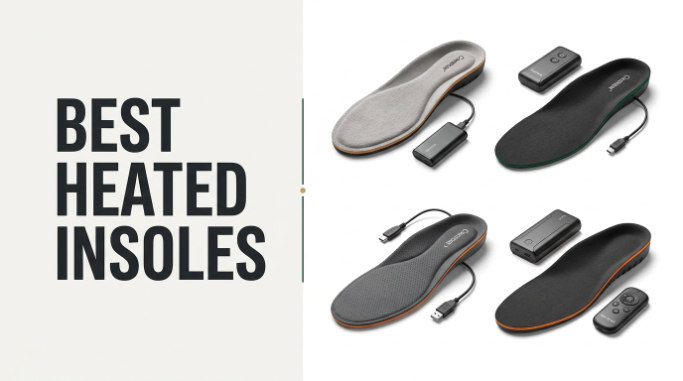
Find the right heated insoles for 2026. We compare 5 standout options by the factors that matter most in cold weather: heat duration, power source, temperature control, sizing flexibility, material comfort, and real-world trade-offs between rechargeable and disposable designs.
Heated insoles fall into two main camps: rechargeable battery-powered models with adjustable heat settings and air-activated disposable warmers that require no charging. Each type serves different needs, from multi-day backcountry trips to single-shift outdoor work, and choosing the wrong type can leave your feet cold when it matters most.
This guide breaks down each option by warmth output, runtime, fit, and practical usability so you can match a pair to your specific cold-weather routine. Whether you need all-day heat for a construction site or quick warmth for a weekend ski trip, the right insole makes a noticeable difference in comfort.
We compared 5 heated insoles using the details that actually help a buyer decide: heat duration, power source, temperature adjustability, heating element type, sizing range, thickness, weight, ease of use, owner feedback, and cost per use. The notes focus on practical trade-offs so each pick connects to how people actually keep their feet warm during cold-weather work, sports, and daily commutes.


Compare key features, scores, and current prices side by side. A shorter feature list means fewer details were available, not necessarily fewer capabilities.


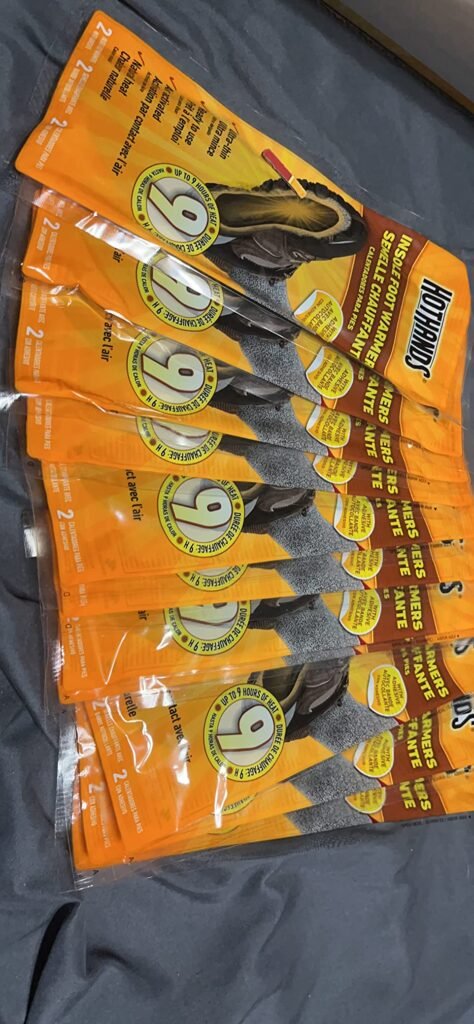
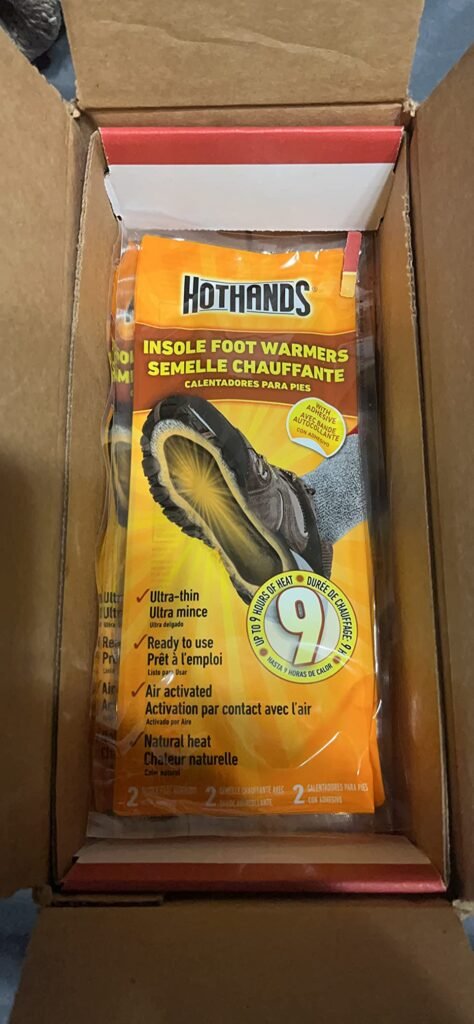
HotHands Insole Foot Warmers are the go-to choice for anyone who wants immediate, hassle-free warmth without managing batteries, cables, or charging schedules. Each pair activates on contact with air and delivers up to 9 hours of steady heat at an average of 99 degrees Fahrenheit, which is warm enough to take the edge off freezing temperatures without overheating your feet inside insulated boots.
We may earn a commission when you buy through this link, at no additional cost to you.
The 16-pair bulk pack makes these practical for families, work crews, or anyone who spends multiple days per week outdoors in cold conditions. At roughly $2.28 per pair, the cost is reasonable for occasional to moderate use, though daily users will find the expense adds up over a full winter season compared to a rechargeable option. The natural iron, charcoal, and salt ingredients are odorless and environmentally harmless when disposed of in regular trash.
Application takes seconds: open the package, peel the adhesive backing, and stick the warmer to the bottom of your sock before putting on your shoe or boot. The thin profile fits inside virtually any footwear without changing the fit, which is a significant advantage over thicker rechargeable insoles that may require you to size up your boots.
A 16-pair pack of disposable warmers provides 16 days of heat. If you need warmth five days a week for a four-month winter, you would need roughly 80 pairs, or about five of these packs, totaling around $180. A rechargeable insole set costs more upfront but can last several seasons with proper care, making it the better financial choice for frequent users.
These warmers are ideal for ski trips, tailgating, outdoor work shifts, and emergency preparedness kits. If you need foot warmth more than three or four days per week throughout the winter, a rechargeable insole will likely be more economical in the long run.
Daily cold-weather users who would spend significantly more on disposables over a full season than on a one-time rechargeable purchase.
We may earn a commission when you buy through this link, at no additional cost to you.
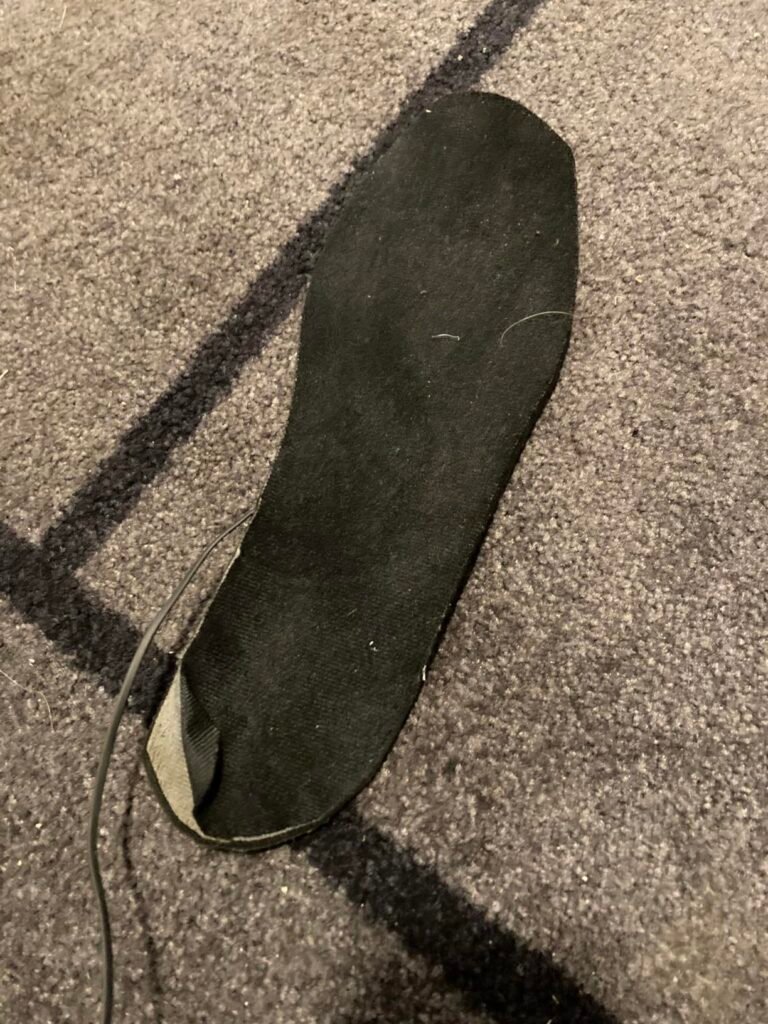
The Thermrup Electric Heated Insoles are designed for people who need reliable, repeatable warmth day after day without the ongoing cost of disposable warmers. The rubber heating element spans 18 centimeters from heel to toe, which is significantly longer than many competing insoles that concentrate heat only under the ball of the foot. This full-length coverage matters when you are standing still for long periods in cold environments, as heat loss occurs across the entire sole.
We may earn a commission when you buy through this link, at no additional cost to you.
A 2500mAh lithium-ion battery paired with a four-level heat regulator gives you fine-grained control over warmth output. Being able to dial the heat up or down throughout the day means you can conserve battery during milder morning hours and crank it up when temperatures drop in the evening. The 7.4V, 6W output provides steady warmth without the hot spots that cheaper wire-based elements sometimes produce.
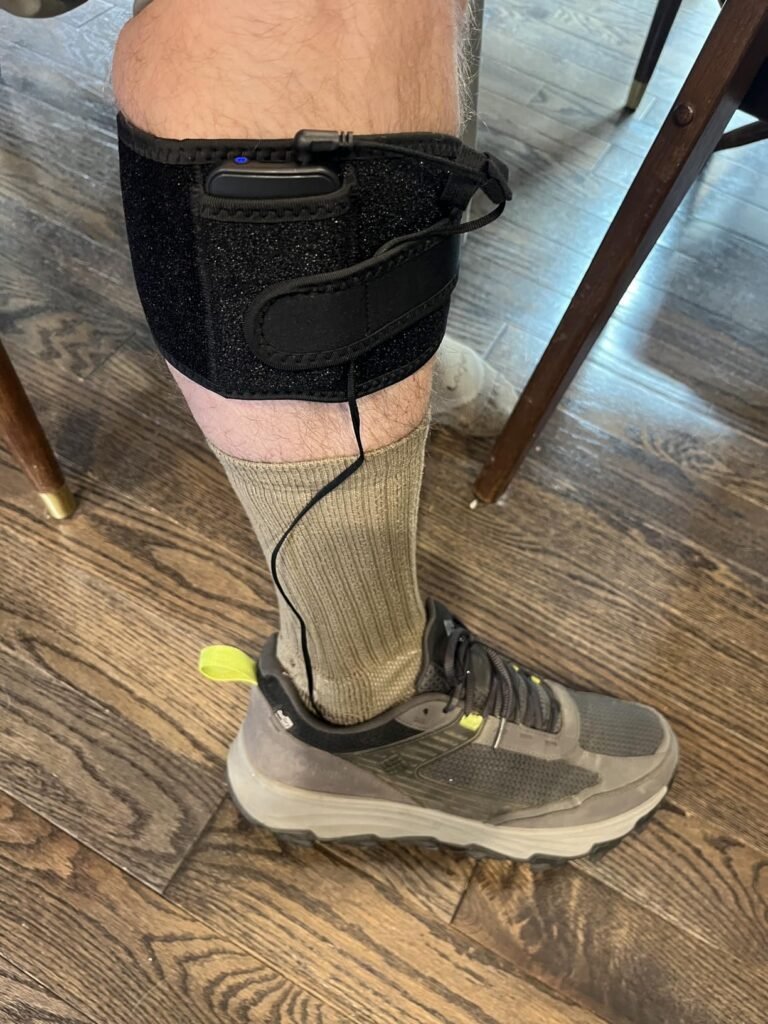
At 6mm thick, these insoles fit inside most winter boots and work shoes without significantly altering the fit. The machine-washable construction is a practical advantage for daily users who need to keep the insoles clean after wearing them in muddy or wet conditions. The 70cm cable length routes from the insole to the battery pack, which can be clipped to a belt or stored in a pocket.
Traditional heated insoles use thin metal wires embedded in the sole, which can break or develop cold spots after repeated flexing during walking. Rubber heating elements distribute heat more evenly across a broader surface and resist the mechanical stress of daily use. This makes them a more durable choice for anyone who plans to wear heated insoles frequently throughout the winter months.
This is the strongest choice for outdoor workers, ski enthusiasts, and anyone who needs consistent warmth across multiple seasons. The higher initial investment pays off quickly if you would otherwise go through dozens of disposable warmers each winter.
Occasional users who only need foot warmth a few times per season and would be better served by inexpensive disposable warmers.
We may earn a commission when you buy through this link, at no additional cost to you.
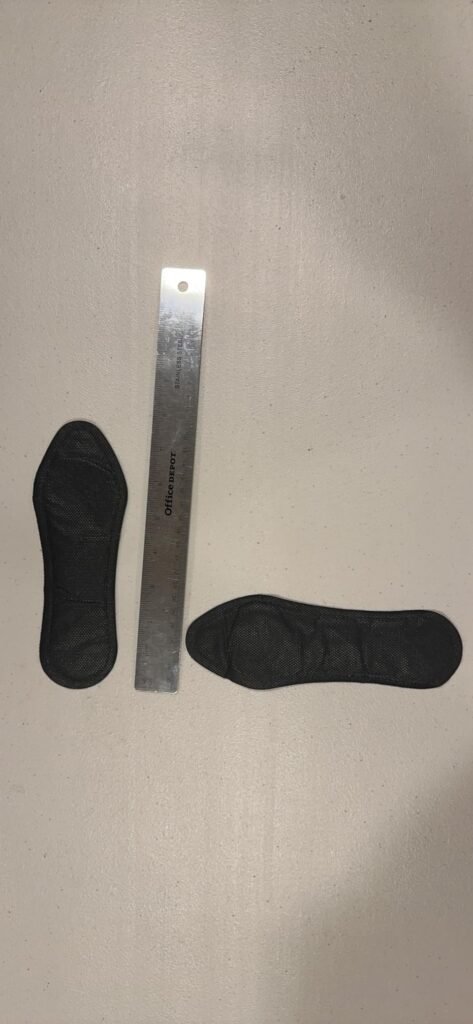
This battery-powered heated insole stands out for its cuttable design, which lets you trim the insole to match the exact shape and size of your footwear. This is a genuine advantage for people whose shoe size falls between standard insole sizes or who wear narrow or unusually shaped boots. The built-in arch support also adds a layer of comfort that flat insoles lack, making these more suitable for all-day wear on hard surfaces.
We may earn a commission when you buy through this link, at no additional cost to you.
The upgraded 4000mAh battery pack is the largest capacity in this comparison, and it delivers up to 10 hours of heat on the low setting. Three temperature levels at 113, 120, and 130 degrees Fahrenheit let you match the warmth to your environment. The 30-second quick-heat capability means you do not have to wait long for warmth to reach your feet after turning the insoles on, which is convenient when you step outside into sudden cold.
The battery pack itself weighs just 0.19 pounds and measures 3.2 by 1.7 by 0.6 inches, making it small enough to slip into a pocket without noticeable bulk. A full charge takes 3 to 4 hours via the included 10W charging accessory, which is reasonable for overnight charging between use days.
When trimming a cuttable heated insole, follow the marked guide lines carefully and cut only along the toe and heel edges. Avoid cutting into the central heating zone or the area where the wiring connects to the battery port. Use sharp scissors rather than a knife for cleaner cuts, and trim gradually, checking the fit inside your shoe after each adjustment to avoid removing too much material.
This insole is best suited for indoor and light outdoor use such as desk work, casual walks, and short commutes. The lower owner rating suggests some variability in battery longevity and heating consistency, so it may not be the most reliable choice for demanding outdoor conditions like backcountry skiing or extended construction shifts.
Backcountry skiers, mountaineers, or anyone who needs dependable heat during intense, prolonged outdoor activity in extreme cold.
We may earn a commission when you buy through this link, at no additional cost to you.
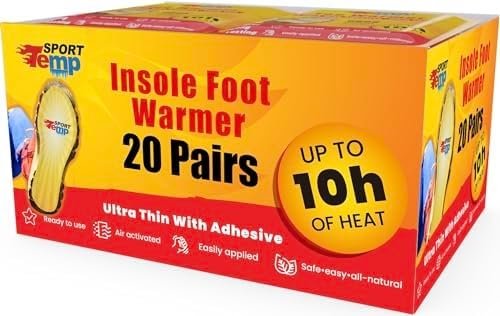
Sport Temp Insole Foot Warmers offer the longest heat duration in this comparison at up to 10 hours, which makes them particularly useful for full-day outdoor events, long flights to cold destinations, and extended shifts in freezing environments. The TSA-compliant design means you can pack them in carry-on luggage without concern, which is a practical advantage for travelers heading to ski resorts or cold-weather business trips.
We may earn a commission when you buy through this link, at no additional cost to you.
The adhesive backing secures the warmer to the bottom of your sock, preventing it from bunching or shifting inside your boot during active movement. This is a small but meaningful detail, as loose warmers can create uncomfortable pressure points or slide away from the areas of your foot that need the most heat. The ultra-thin profile ensures the warmer does not change the fit of your footwear.
With 20 pairs per pack, this set provides enough supply for several weeks of regular use or an entire group outing. The air-activated formula heats up within 15 to 30 minutes of opening, so you can time the activation to coincide with when you actually step outside rather than wasting heat during your commute to the trailhead or job site.
Air-activated warmers rely on oxygen to sustain the chemical reaction that produces heat. Inside a snug boot or shoe, the limited airflow actually helps the warmer last longer by slowing the oxidation rate. Avoid opening the package until you are ready to put your shoes on, and keep the warmer sealed in its packaging during transport to preserve the full 10-hour heat window.
These warmers are an excellent choice for travelers, event attendees, and anyone who needs reliable disposable heat with the convenience of airport-friendly packaging. For daily use throughout an entire winter, the per-pair cost will exceed that of a rechargeable insole over time.
Environmentally conscious buyers who prefer to minimize single-use waste and would rather invest in a reusable rechargeable option.
We may earn a commission when you buy through this link, at no additional cost to you.
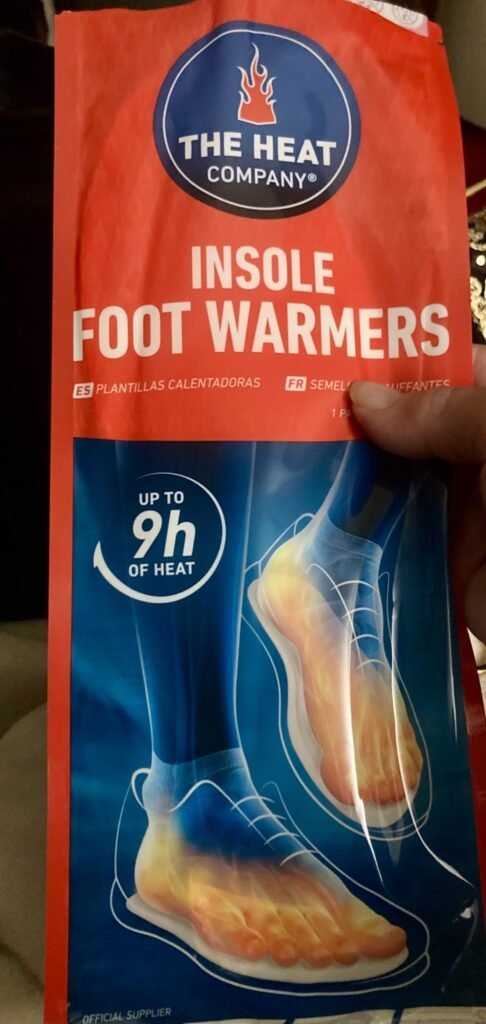
The Heat Company Insole Foot Warmers solve a common problem for people with larger feet: finding disposable warmers that actually cover the entire sole rather than just the toe area. The extra-large size accommodates men's shoe sizes up to 12.5 and women's up to 12, and the full-sole heating area ensures warmth extends from the heel through the arch to the toes, which is where many smaller disposable warmers fall short.
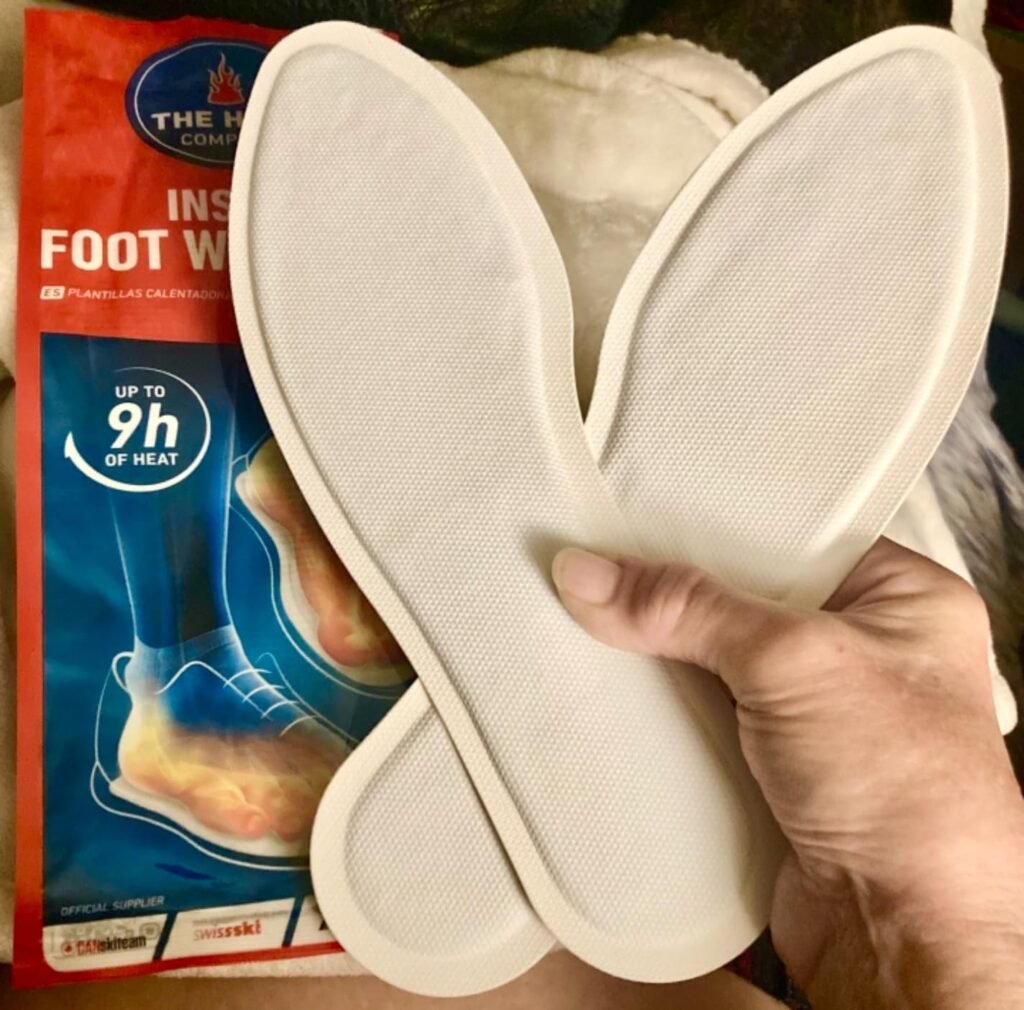
We may earn a commission when you buy through this link, at no additional cost to you.
Each pair delivers over 9 hours of heat using 100 percent natural ingredients that activate on contact with air. The extra-thin profile fits inside any shoe or boot without altering the fit, and the perforated-side-up placement ensures the heat directs toward your foot rather than dissipating into the sole of the shoe. The individually removable packaging means you can grab exactly the number of pairs you need without exposing the rest to air.
The 12-pair pack offers a middle ground between the smaller HotHands pack and the larger Sport Temp option, making it practical for a two-week ski vacation or a month of occasional cold-weather commutes. The unopened warmers remain usable for many months, so you can stock up without worrying about expiration during a single season.
Many disposable foot warmers concentrate heat under the toes, which leaves the heel and arch cold. Since a significant amount of heat loss occurs through the heel and the plantar surface, a full-sole warmer provides more effective overall warmth. This is especially noticeable when standing still on cold ground, where the entire foot is in contact with the freezing surface.
This is the best disposable option for anyone with larger feet who has struggled with warmers that only cover the front half of the foot. The full-sole coverage and extended sizing make a real difference in overall warmth distribution during long days outdoors.
Buyers who need adjustable heat levels and prefer the long-term economy of a rechargeable battery-powered insole.
We may earn a commission when you buy through this link, at no additional cost to you.
Selecting the right heated insole depends on how often you need warmth, the types of shoes you wear, and whether you prefer the convenience of disposables or the long-term value of rechargeable models. This section covers the key factors that will help you make the right call.
The most fundamental decision when choosing heated insoles is whether to go with a rechargeable battery-powered model or an air-activated disposable warmer. Rechargeable insoles use lithium-ion batteries that you charge via USB or a dedicated charger, and they can be reused hundreds of times across multiple seasons. Disposable warmers rely on a chemical reaction between iron powder, salt, and oxygen that produces heat for a fixed duration, typically 8 to 10 hours, after which the warmer is discarded.
Rechargeable models offer adjustable heat settings, which let you fine-tune the warmth to match changing conditions throughout the day. They also eliminate the ongoing cost of buying replacement warmers every few weeks. However, they require you to remember to charge the batteries, manage cables or battery packs, and deal with a thicker insole profile that may affect shoe fit. Disposable warmers are simpler and thinner but generate non-adjustable heat and create recurring expenses and waste.
Choose rechargeable if you need foot warmth more than three days per week throughout the cold season. Choose disposable if you only need occasional warmth for specific outings, travel, or events, or if you want the simplicity of a zero-maintenance solution.
Heat duration varies significantly between products and is one of the most important specifications to compare. Disposable warmers typically provide 8 to 10 hours of heat, which is sufficient for a full work shift or a long day on the slopes. Rechargeable insoles offer variable runtimes depending on the heat setting, ranging from about 4 to 5 hours on the highest setting to 9 to 10 hours on the lowest. The actual duration depends on the battery capacity, the ambient temperature, and how well your boots insulate the insole.
Temperature output is equally important but harder to compare across brands because manufacturers measure and report it differently. Most heated insoles produce surface temperatures between 100 and 140 degrees Fahrenheit, which is warm enough to prevent cold feet without causing burns. Rechargeable models with multiple heat settings give you more control, allowing you to use lower temperatures in mildly cold conditions and higher settings when the mercury drops below freezing.
Match the heat duration to your typical day. If you work 10-hour shifts outdoors, look for a product that delivers at least 9 hours of consistent warmth. If you only need heat for a 2-hour morning commute, a shorter-duration option or a lower battery setting will suffice and conserve power.
The type and placement of the heating element directly affect how evenly warmth distributes across your foot. Rubber heating elements, like those used in the Thermrup insoles, provide broad, even heat distribution and resist the flexing damage that can break thin wire elements over time. Wire-based elements are more common in budget rechargeable insoles and can develop cold spots where the wire has fractured or disconnected from repeated bending during walking.
Coverage area is another critical factor. Some insoles concentrate heat only under the toes and ball of the foot, which leaves the heel and arch cold. Full-sole heating elements that extend from the heel to the toe provide more comprehensive warmth, which is especially important when you are standing still on cold ground for extended periods. The Thermrup model, for example, uses an 18-centimeter heating surface that covers the entire length of the foot.
Prioritize full-sole coverage if you spend most of your time standing or walking slowly in cold conditions. Toe-only heating may be sufficient for active pursuits like skiing or hiking, where blood circulation keeps the rest of your foot relatively warm.
Heated insoles add thickness to the inside of your shoe, which can affect fit and comfort. Most rechargeable models are 5 to 8 millimeters thick, which may require you to remove the factory insole from your boot or size up by half a size to accommodate the extra volume. Disposable warmers are typically 2 to 3 millimeters thick and fit inside virtually any shoe without altering the fit, making them the easier choice for people who wear snug-fitting footwear.
Sizing is particularly important for rechargeable insoles, which come in fixed sizes or trim-to-fit designs. A trim-to-fit insole like the 4000mAh model in this guide allows you to cut the insole to match your exact shoe size, which is helpful if you fall between standard sizes or wear narrow boots. Fixed-size insoles must match your shoe size closely to ensure the heating element aligns with the correct areas of your foot.
Before buying, remove the existing insole from your boot and measure its length and width. Compare those measurements to the heated insole dimensions to ensure a proper fit. If you plan to use the insoles in multiple pairs of shoes, a trim-to-fit design offers the most flexibility.
For rechargeable heated insoles, battery capacity measured in milliamp-hours directly determines how long the insoles can produce heat on a single charge. A 2500mAh battery typically provides 4 to 8 hours of heat depending on the temperature setting, while a 4000mAh battery can extend that to 5 to 10 hours. Higher capacity batteries are heavier and bulkier, so there is a tradeoff between runtime and comfort.
Charging time is another practical consideration. Most rechargeable insole batteries take 3 to 5 hours to fully charge, which means you can charge them overnight and have a full battery ready for the next morning. Some models use removable battery packs that you can swap out for a fresh set, which is useful if you need continuous heat for longer than a single charge allows. The battery pack weight and size also matter, as a bulky pack can be uncomfortable when clipped to your belt or stored in a pocket.
If you need more than 8 hours of continuous heat, look for a model with a 4000mAh or larger battery, or consider carrying a spare battery pack. For shorter use periods, a 2500mAh battery provides adequate runtime with less weight and bulk.
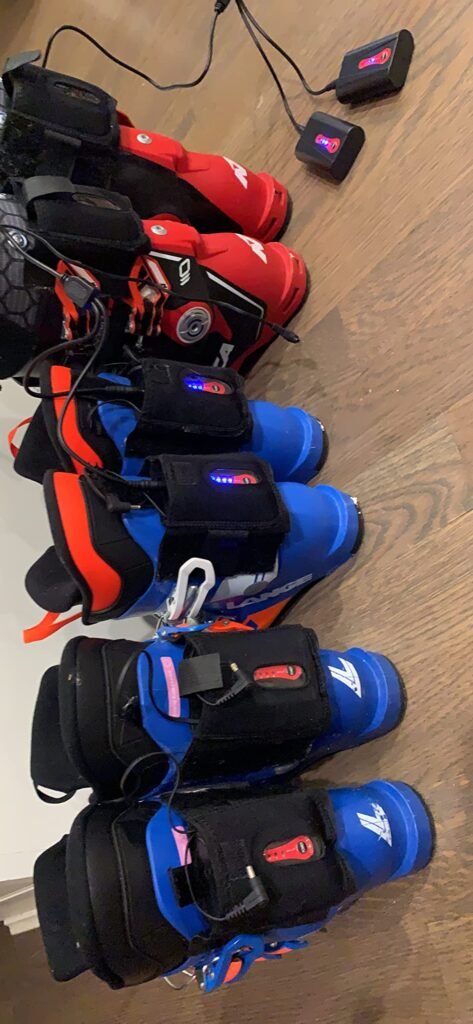
Your specific use case should drive your choice more than any single specification. Skiing and snowboarding demand insoles that fit inside tight-fitting ski boots, which typically means thin disposable warmers or low-profile rechargeable models. Outdoor construction and farming require durable, all-day heat that can withstand mud, moisture, and repeated use, making a washable rechargeable insole the more practical choice. Office workers with cold feet may only need a low-heat setting for a few hours, which a smaller battery can easily handle.
Extreme cold environments below zero degrees Fahrenheit place higher demands on any heating system. In these conditions, a rechargeable insole with a high heat output and a large battery will outperform a disposable warmer, which may struggle to maintain its rated temperature in severe cold. Conversely, mild cold between 30 and 45 degrees Fahrenheit is well within the capability of any disposable warmer, making the extra cost of a rechargeable model unnecessary.
Be honest about how cold your environment actually gets and how long you spend in it. Overbuying on heat output wastes money and adds unnecessary bulk, while underbuying leaves you with cold feet when you need warmth the most.
For rechargeable heated insoles, fully charge the battery pack before the first use and place the insoles inside your boots with the heating element facing upward toward your foot. Route any cables along the inside of the boot shaft to prevent them from catching on your socks or creating pressure points. Start on the lowest heat setting and increase gradually to find the temperature that keeps your feet comfortable without causing excessive sweating, which can actually make your feet feel colder once the moisture cools.
After each use, remove rechargeable insoles from your boots and allow them to air dry completely before storing. Moisture trapped inside the boot can degrade the heating element and battery connections over time. If your insoles are machine washable, follow the manufacturer’s instructions carefully and remove the battery pack before washing. For disposable warmers, peel the adhesive backing off your socks promptly after use to prevent residue buildup, and dispose of the spent warmers in regular household trash.
Store rechargeable insoles and battery packs in a cool, dry place during the off-season, and charge the batteries to approximately 50 percent capacity before long-term storage to preserve battery health. Avoid leaving lithium-ion batteries in extreme heat or cold, as temperature extremes can reduce their lifespan. With proper care, a quality rechargeable heated insole should provide reliable warmth for two to three winter seasons before the battery capacity begins to decline noticeably.
Yes, most heated insoles are designed to fit inside ski boots and other tight-fitting footwear. Disposable warmers are the thinnest option and fit easily without altering boot fit. Rechargeable insoles may require you to remove the factory boot liner or insole to accommodate the extra thickness. Check the insole thickness specification before purchasing to ensure compatibility with your specific boots.
Lithium-ion batteries in heated insoles typically maintain good performance for 300 to 500 charge cycles, which translates to roughly two to three seasons of regular use. After that, the battery capacity gradually declines, and you may notice shorter heat durations. Some models offer replaceable battery packs, which extends the overall life of the insole system significantly.
Heated insoles are designed to operate at safe surface temperatures between 100 and 140 degrees Fahrenheit, which is warm but not hot enough to cause burns under normal use. However, people with reduced sensation in their feet due to diabetes or neuropathy should exercise caution and consult a doctor before using heated insoles, as they may not feel excessive heat buildup.
Disposable air-activated warmers rely on a chemical reaction that slows down in extreme cold, so their heat output may be lower and their duration shorter than the rated specifications when temperatures drop well below freezing. For sub-zero conditions, a rechargeable insole with a high heat setting will generally provide more reliable and consistent warmth.
Heated insoles can be used in any enclosed shoe, but they are most effective in insulated boots that trap the heat around your foot. In thin sneakers or running shoes, much of the generated heat will escape through the shoe walls, reducing the effectiveness of the insole. For cold-weather running, insulated winter running shoes paired with thin disposable warmers tend to work better.
Some rechargeable heated insoles are machine washable, but you must always remove the battery pack and any electronic components before washing. Check the specific product instructions, as washing a non-washable insole can damage the heating element and void the warranty. Disposable warmers are single-use and should not be washed.
Rechargeable insoles add between 3 and 8 ounces per foot depending on the battery size, which is noticeable but generally manageable for most users. Disposable warmers add less than an ounce per foot and are virtually imperceptible. If weight is a concern for activities like hiking or skiing, choose a model with a lightweight battery pack or opt for disposables.
Only cut heated insoles that are specifically labeled as trimmable or cuttable. Cutting a non-trimmable insole can sever the heating wires or damage the rubber heating element, rendering the insole useless. When trimming, follow the marked guide lines and avoid cutting into the central heating zone or the battery connection area.
The Thermrup Electric Heated Insoles stand out as the strongest overall choice for anyone who needs reliable, adjustable warmth throughout the winter. The rubber heating element, four-level heat control, and machine-washable construction make them a durable, practical investment for outdoor workers, skiers, and anyone who spends significant time in cold environments.
For occasional use or travel, the HotHands and Sport Temp disposable warmers offer hassle-free heat with no charging required. The HotHands 16-pair pack provides the best per-pair value for moderate use, while the Sport Temp 20-pair pack offers the longest heat duration and TSA-friendly packaging for travelers. The Heat Company insoles are the top pick for larger feet that need full-sole coverage.
Your best choice comes down to frequency and conditions. If you need warmth daily throughout the winter, invest in a rechargeable model. If you only need it for specific outings or trips, a bulk pack of disposables will keep your feet warm without the upfront cost or charging routine.