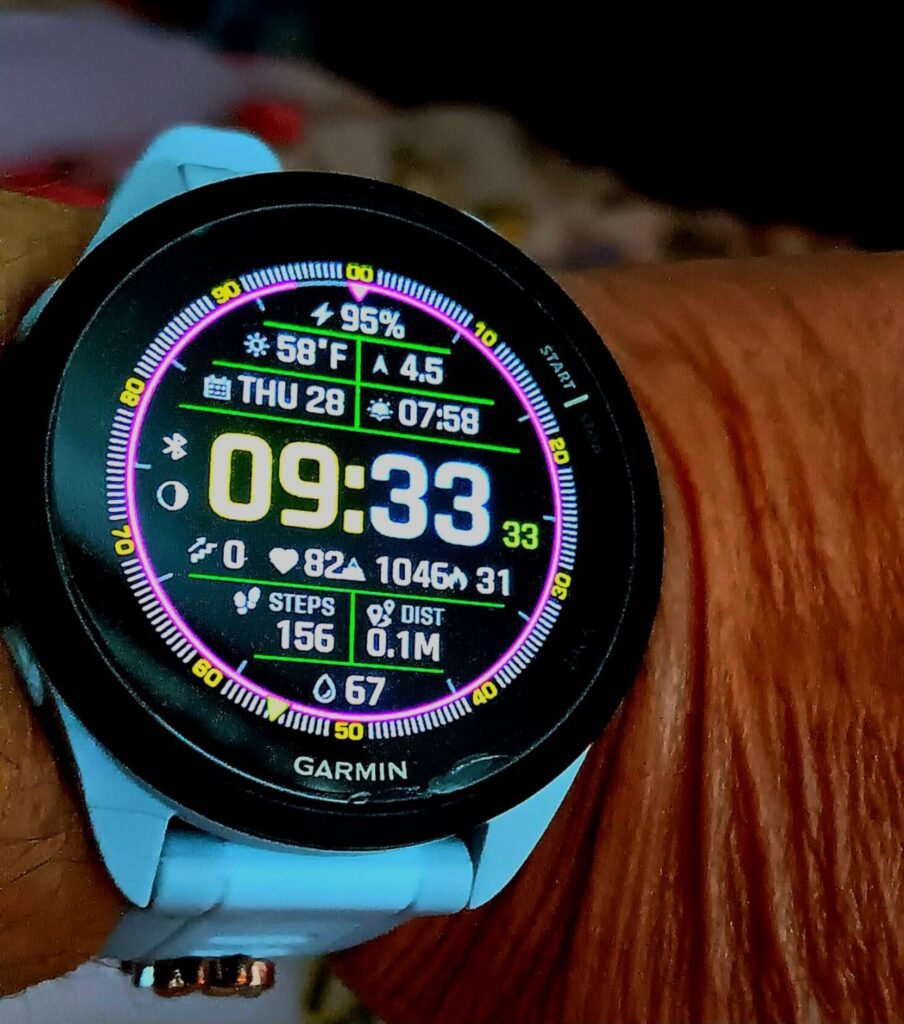
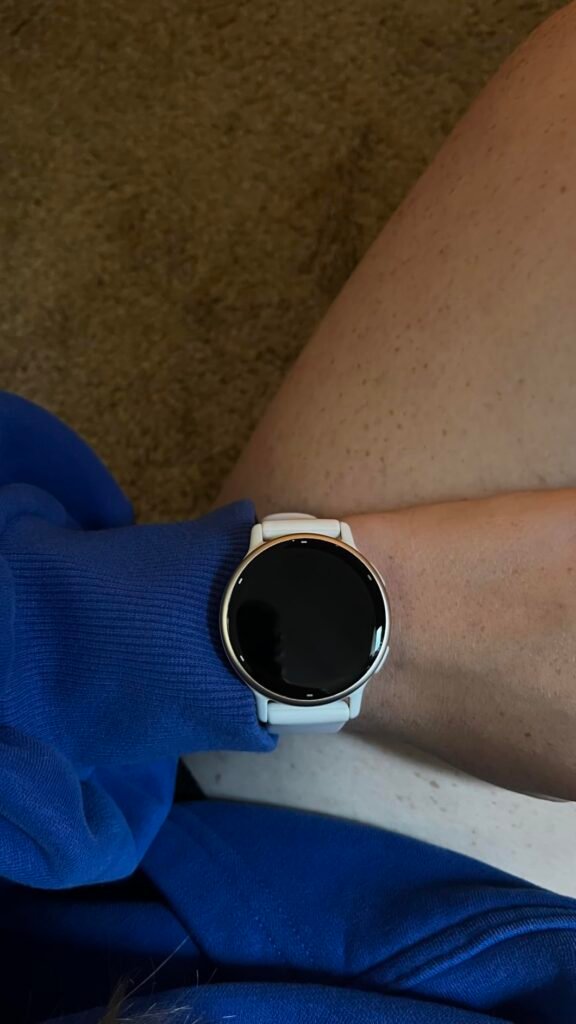
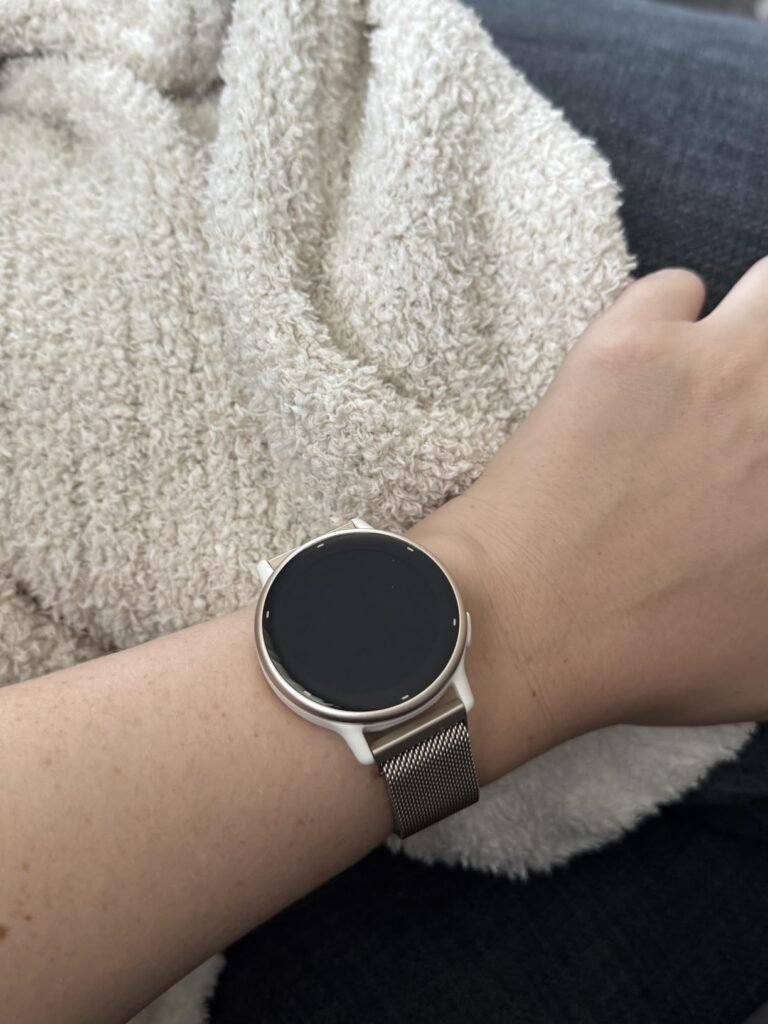
Garmin Forerunner 165
9.2Editor score43mm lightweight case
AMOLED touchscreen display
11-day smartwatch mode
25+ activity profiles
Find the right garmin watches for 2026. We compare 10 standout options by build quality, useful features, owner feedback, value, and everyday trade-offs.
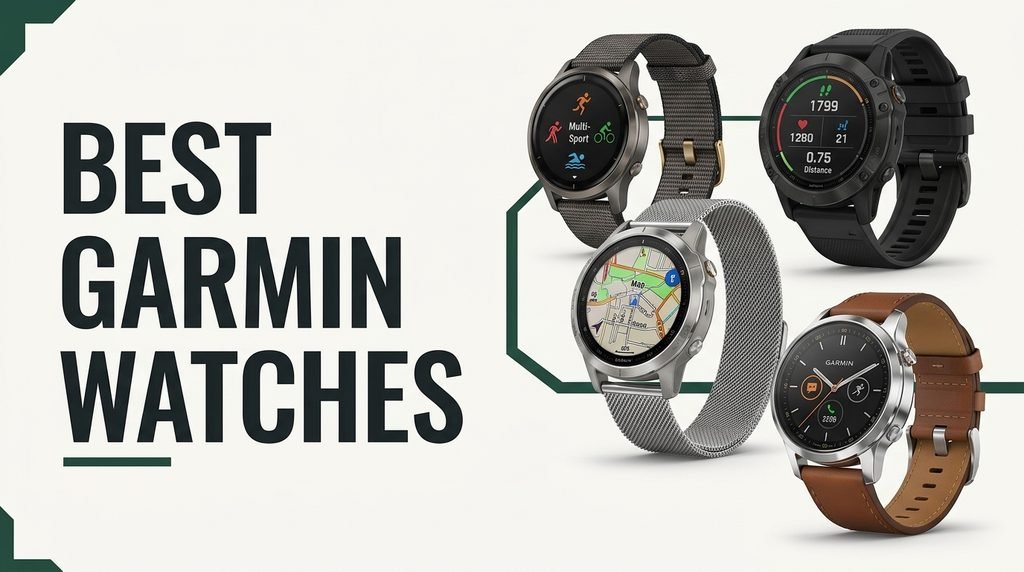
Choosing the right Garmin watch in 2026 means navigating a lineup that spans entry-level running watches to premium multi-sport adventure tools with satellite communication. We compare 10 standout models by GPS accuracy, battery life, training features, display quality, health tracking depth, build materials, and value so you can match the right watch to your sport, budget, and lifestyle.
The differences between Garmin models matter more than the shared brand suggests. Forerunners focus on running metrics and training plans, Fenix and Instinct watches emphasize rugged outdoor adventure, Venu models prioritize lifestyle health tracking, and the vivoactive line balances everyday use with fitness features. Understanding these product families saves you from overpaying or missing key features.
This guide breaks each option down by ideal buyer, standout strengths, and meaningful limitations. Whether you want an affordable first running watch, a titanium multi-sport flagship, or a rugged trail companion with built-in flashlight, the reviews below deliver clear practical guidance to help you decide with confidence.
We compared 10 Garmin watches using the factors that actually shape a buying decision: GPS accuracy including multi-band support, battery life in both smartwatch and GPS modes, health sensor depth, training features like recovery and readiness scores, display type and brightness, case materials and durability, water and dive ratings, sport profile variety, safety and navigation features, price positioning, and owner feedback. The notes focus on real trade-offs so each pick connects to how people actually train, race, and explore with a Garmin on their wrist.


Compare key features, scores, and current prices side by side. A shorter feature list means fewer details were available, not necessarily fewer capabilities.


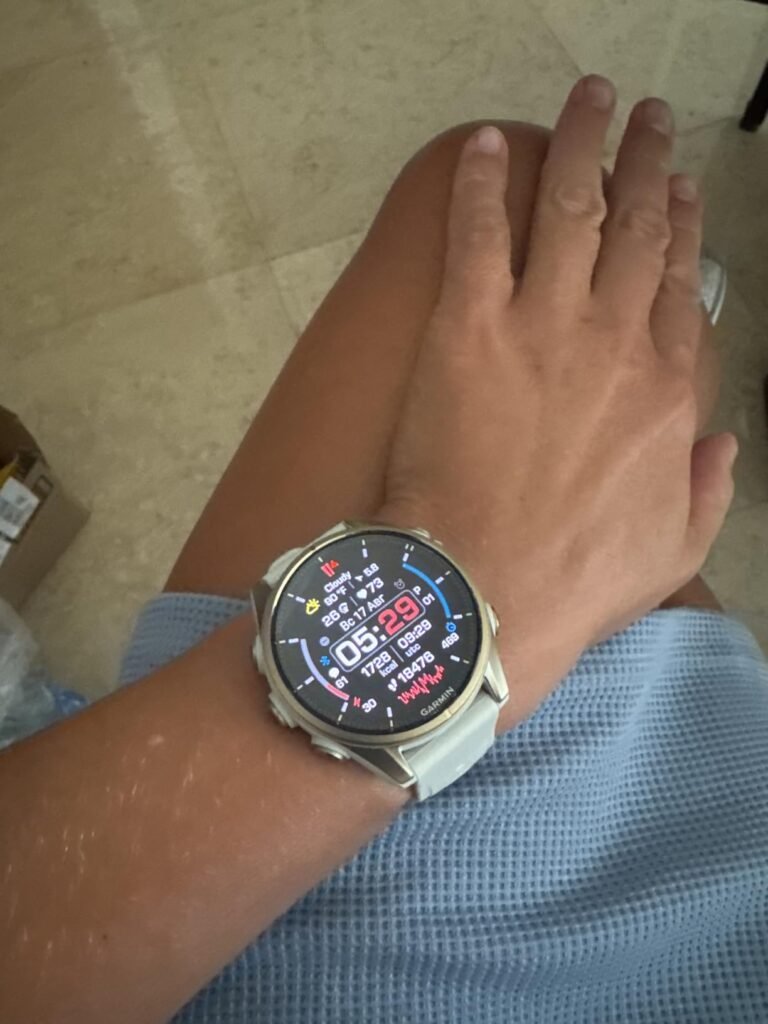
The Fenix 8 earns the highest owner rating in this guide at 4.7 stars, reflecting its status as Garmin's most refined multi-sport flagship. The 43mm case with bright AMOLED display, scratch-resistant sapphire lens, and durable steel or titanium bezel delivers premium construction that endures years of hard use across running, cycling, swimming, hiking, and diving.
We may earn a commission when you buy through this link, at no additional cost to you.
Training capabilities go deep. Training readiness score integrates sleep quality, recovery, training load, and HRV status. Targeted strength training plans, real-time stamina tracking, and sport-specific workouts support athletes across disciplines. The full range of built-in sports apps handles everything from mountain biking to Pilates. Dynamic round-trip routing generates new paths to hit your target distance.
The 40-meter dive rating with leakproof metal buttons supports scuba and apnea diving activities, a genuine differentiator over most smartwatches. The built-in speaker and microphone enable wrist-based calls and voice assistant use, and off-grid voice command works even without smartphone connectivity for select watch controls. The ECG app records heart rhythm and checks for atrial fibrillation signs.
Fenix watches integrate the deepest feature set in Garmin’s lineup, combining premium construction (titanium, sapphire, ECG) with the widest range of supported activities (dive, ski, golf, running, cycling, and more). The Fenix 8 specifically balances size, features, and price better than the massive Fenix 8 Pro for buyers who don’t need satellite communication. It’s the choice for serious athletes who cross-train across disciplines and demand top-tier build quality.
Choose the Fenix 8 if you want Garmin’s most refined multi-sport experience with dive capability and don’t need the built-in inReach of the Fenix 8 Pro. The trade-off is the premium price, though the highest owner rating suggests buyers consistently find it worth the investment. For serious cross-training athletes and adventurers who want a single watch that handles everything, this delivers exceptional versatility.
Casual users or single-sport athletes who don’t need dive capability should choose less expensive Garmin models.
We may earn a commission when you buy through this link, at no additional cost to you.
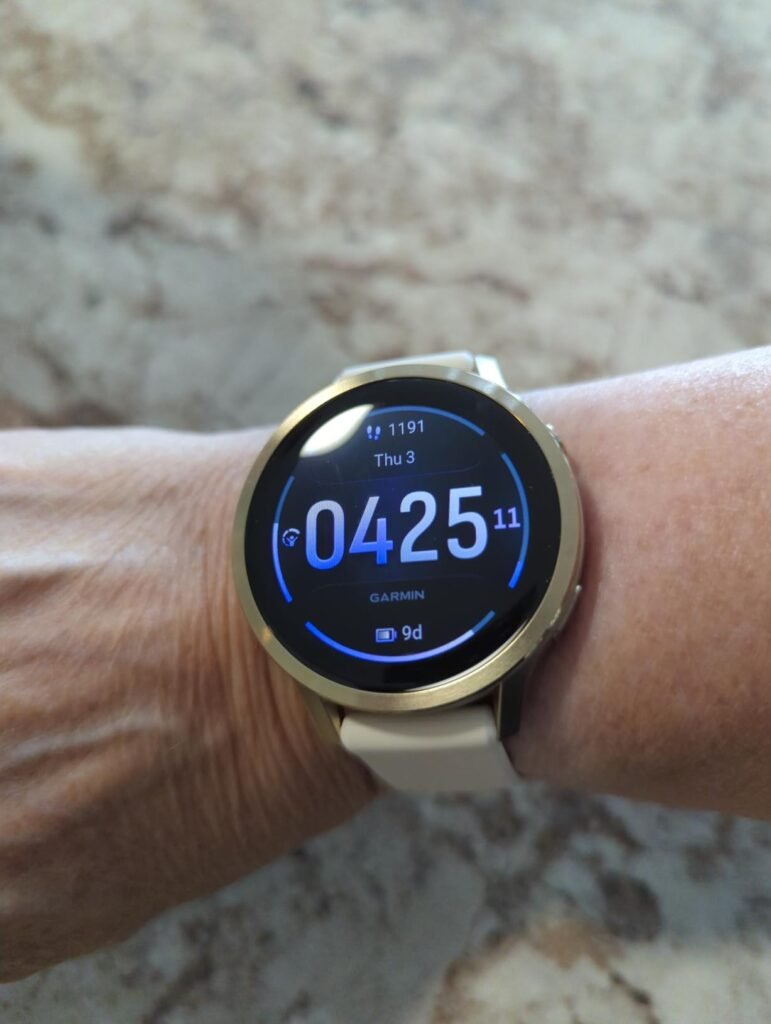
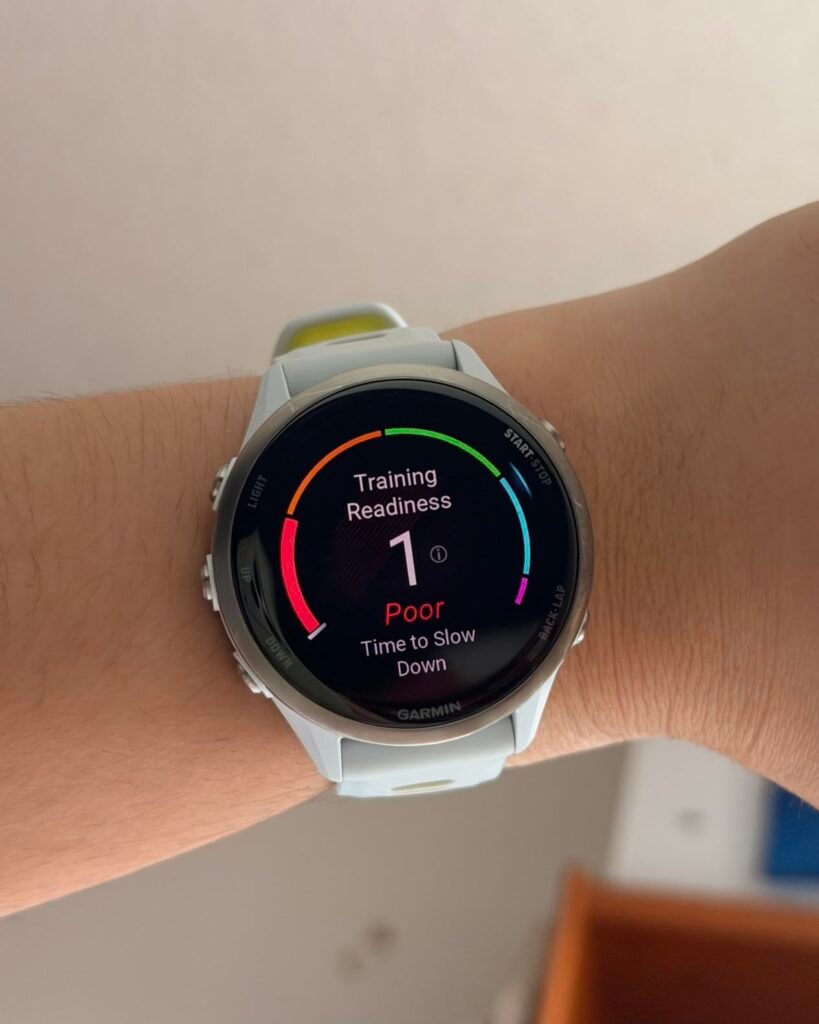
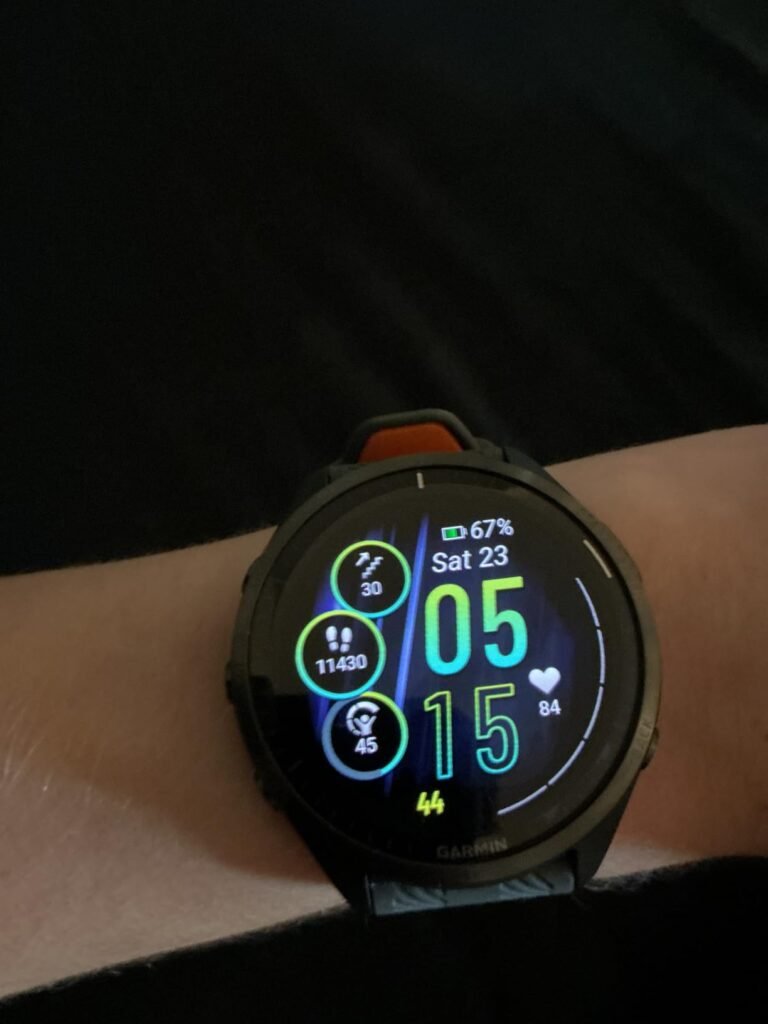
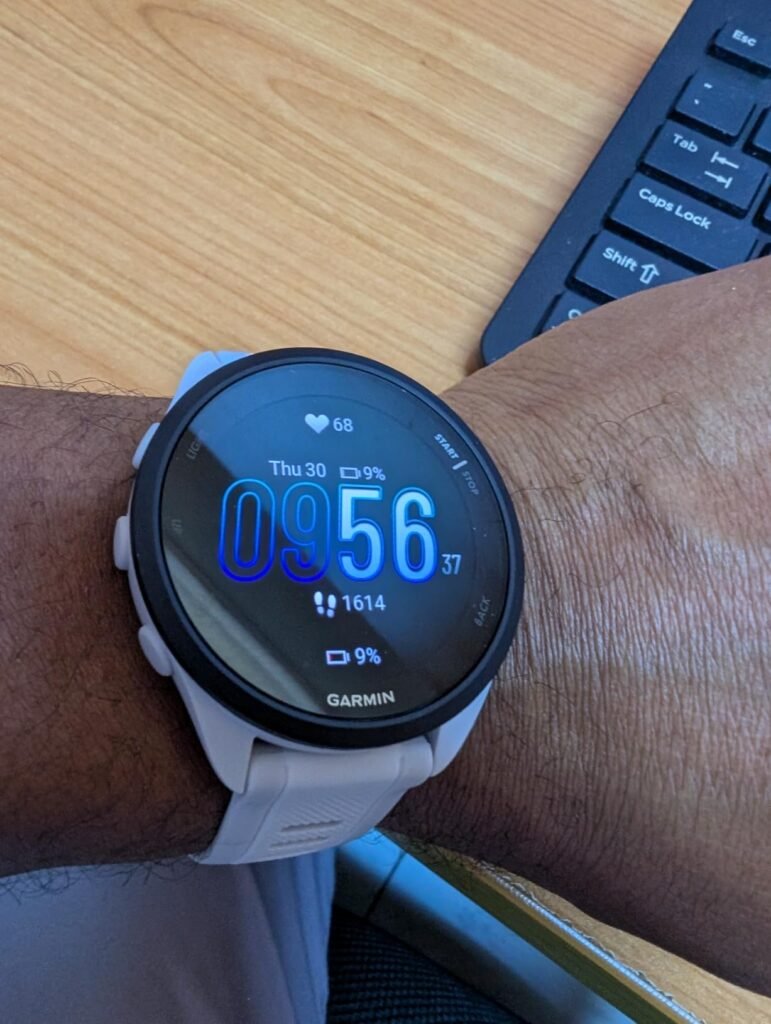
The Forerunner 165 targets new and intermediate runners who want a purpose-built running watch without the complexity or cost of Garmin's flagship models. The AMOLED touchscreen is easy to read outdoors, the traditional button controls remain reliable during sweaty runs, and the 43mm case fits most wrists comfortably during daily wear.
We may earn a commission when you buy through this link, at no additional cost to you.
Personalized daily suggested workouts are the standout feature. The watch adapts each workout based on your recent performance and recovery, which effectively delivers a smart coach on your wrist. Combined with Garmin Coach and race adaptive training plans for events like 5K, 10K, and half marathon, this makes the 165 particularly strong for anyone training toward a specific goal.
Battery life reaches 11 days in smartwatch mode or 19 hours with GPS running, which comfortably covers most training weeks without daily charging. Morning report gives you a quick overview of sleep, recovery, HRV status, and weather to start each day. Training effect and recovery time metrics help you understand how each workout impacts your body and when to push again.
Static training plans assume your body responds identically week after week, which rarely matches reality. Adaptive plans like those on the Forerunner 165 adjust based on your actual performance, recovery status, and HRV trends. If you had a rough night’s sleep, the next workout eases off. If you’re recovering well, intensity ramps up. This produces smarter training progression than fixed calendar-based programs.
Choose the 165 if you’re a runner who wants meaningful training features without the premium price of the 965 or 970. The trade-off is that GPS uses single-band rather than multi-band, so accuracy in dense urban canyons or heavy tree cover will trail higher-tier options. Built-in maps are also absent, so complex navigation on trails requires a different watch. For most runners logging road miles, this delivers exceptional value.
Trail runners who need topographical maps or ultra-athletes who prioritize multi-band GPS accuracy should choose a higher-tier Forerunner or Fenix.
We may earn a commission when you buy through this link, at no additional cost to you.
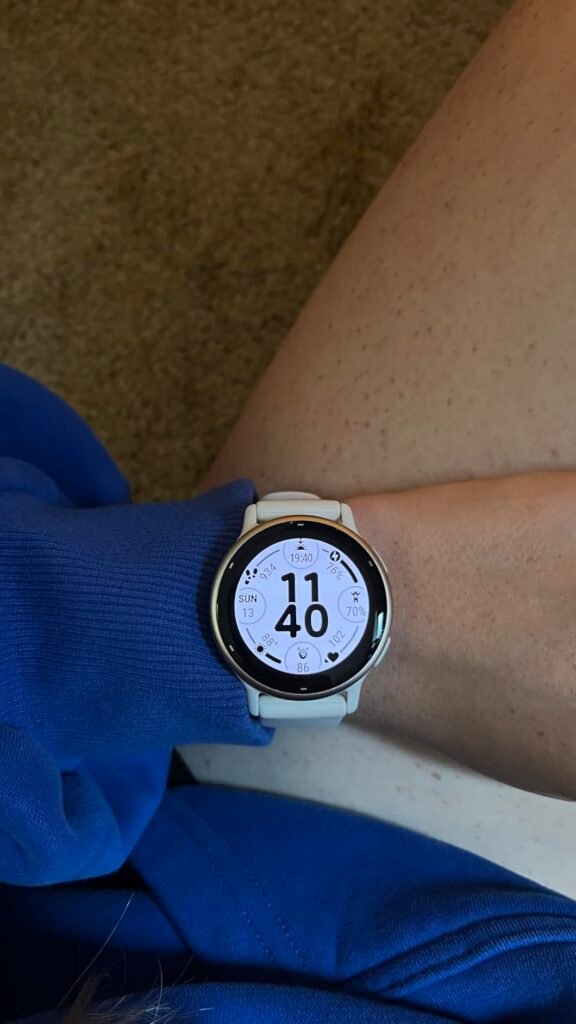
The vivoactive 5 sits in the sweet spot for lifestyle users who want serious health tracking without paying flagship prices. The 42mm case with bright AMOLED display works well for both workouts and office wear, and 11 days of battery life in smartwatch mode eliminates the daily charging routine of many competitors.
We may earn a commission when you buy through this link, at no additional cost to you.
Body Battery energy monitoring is one of Garmin’s most useful daily features, combining sleep quality, stress levels, activity, and workout intensity into a single readiness score. This helps you understand when your body is charged for hard training versus when rest is the smarter choice. Sleep coaching with HRV status adds meaningful depth for anyone focused on recovery.
The 30+ built-in sport apps cover walking, running, cycling, HIIT, swimming, golf, and more, with preloaded workouts for cardio, yoga, strength, HIIT, and Pilates. Wheelchair mode tracks pushes rather than steps and includes specific workouts and challenges for wheelchair users, which makes this one of the more inclusive smartwatches available. Onboard music storage for Spotify, Amazon Music, and Deezer supports phone-free workouts.
Body Battery scores range from 0-100, making complex physiological data instantly understandable. Wake up with a high score and you can push hard in workouts. Watch it drop through the day and you’ll know when to prioritize rest. The score updates continuously based on your activity, stress, and sleep quality, providing a real-time energy budget that guides smarter daily decisions.
Choose the vivoactive 5 if you want comprehensive health tracking and light fitness features without needing the running-specific analytics of Forerunners or the rugged durability of Fenix and Instinct. The trade-off is that the interface feels less polished than Wear OS on the Google Pixel Watch, and the sport profile depth trails the vivoactive 6. For balanced everyday use, it delivers strong value.
Runners who need deep training analytics or outdoor athletes who require rugged durability should choose Forerunner or Instinct models.
We may earn a commission when you buy through this link, at no additional cost to you.
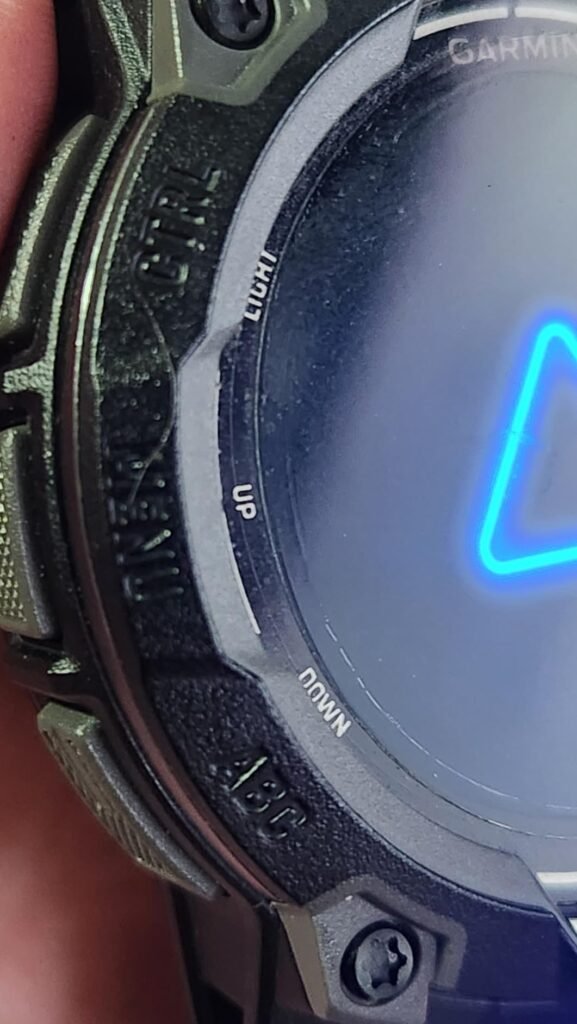
The Instinct 3 AMOLED brings a vibrant color display to Garmin's toughest smartwatch line for the first time, appealing to buyers who want rugged durability without sacrificing modern screen quality. The supertough fiber-reinforced polymer case with metal-reinforced bezel handles trail bumps, boat drops, and worksite impacts that would crack lesser watches.
We may earn a commission when you buy through this link, at no additional cost to you.
The built-in LED flashlight with variable intensities and strobe modes is genuinely practical for early morning runs, camping trips, and getting around in the dark. Multi-band GPS with SatIQ technology provides superior positioning accuracy in challenging environments like canyons, dense forests, and urban areas while intelligently managing battery to extend runtime.
Battery life reaches 18 days in smartwatch mode, which is well above what most AMOLED watches deliver. Health monitoring includes wrist-based heart rate, advanced sleep monitoring, and Pulse Ox for altitude and recovery insights. The 3-axis compass and barometric altimeter round out the outdoor navigation toolkit for hikers, hunters, and backcountry explorers.
Standard single-band GPS relies on one frequency and struggles in urban canyons, dense forests, and steep terrain where signals bounce or get blocked. Multi-band GPS receives signals on multiple frequencies simultaneously, dramatically improving accuracy in challenging environments. SatIQ technology intelligently switches between modes to preserve battery when conditions are clear and boost accuracy when needed.
Choose the Instinct 3 AMOLED if you spend significant time outdoors and want a watch that handles abuse without complaint. The trade-off is that the 45mm case wears large on smaller wrists, and the running-specific analytics of Forerunners are absent. For hikers, workers, and adventure athletes who need reliability first, this delivers class-leading outdoor capability.
Buyers with small wrists or those who want a sleek dress-friendly design should choose the Venu 3S or vivoactive line.
We may earn a commission when you buy through this link, at no additional cost to you.
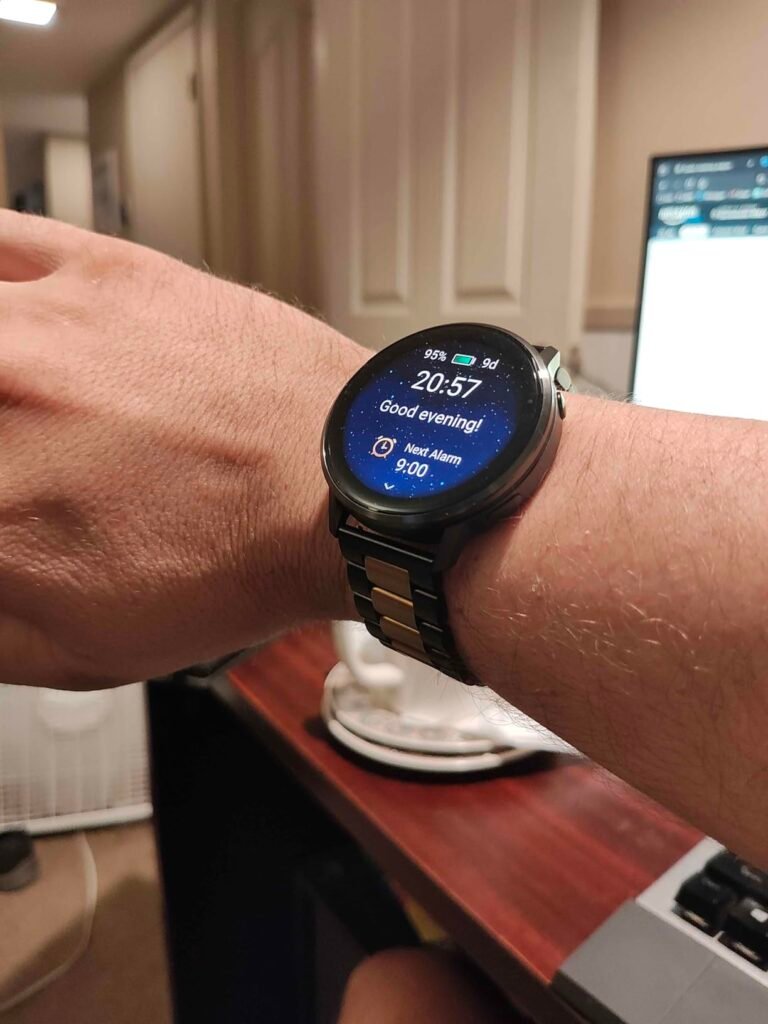
The Venu 4 targets buyers who want Garmin's most advanced health monitoring in a refined, everyday-wearable package. The stainless steel design elevates the aesthetic beyond typical fitness watches, and the built-in flashlight adds practical utility that competitors often skip. The 12-day battery life comfortably outlasts most premium smartwatches.
We may earn a commission when you buy through this link, at no additional cost to you.
Health status is the standout feature and looks for changes across heart rate, HRV, skin temperature, and other metrics that could indicate physical stress from exercise, illness, or other health factors. This provides early warning signals that manual tracking would miss. Breathing variations monitoring uses Pulse Ox during sleep to check breathing consistency for additional health context.
The behavior logging feature lets you track custom or preset daily habits like caffeine and alcohol intake, then correlate them with sleep quality, stress, and HRV in the Garmin Connect app. This closed-loop feedback helps you understand how lifestyle choices actually affect your recovery. Body Battery, sleep coaching, and comprehensive health monitoring round out the platform.
Health status monitoring establishes your personal baselines across multiple metrics, then flags meaningful deviations that could indicate stress, illness, or overtraining. This is more useful than individual metric alerts because it looks at the whole picture. When multiple metrics shift together, it often signals something worth attention, whether that’s brewing illness or productive training adaptation.
Choose the Venu 4 if you prioritize health monitoring depth over sport-specific analytics and want a premium build in an everyday form factor. The trade-off is the higher price compared to fitness-focused Forerunners at similar cost, and the 45mm case wears large. For health-focused buyers who want Garmin’s most advanced lifestyle tracking, this delivers class-leading capability.
Serious runners who prioritize training analytics or adventurers who need rugged durability should choose Forerunner or Instinct models.
We may earn a commission when you buy through this link, at no additional cost to you.
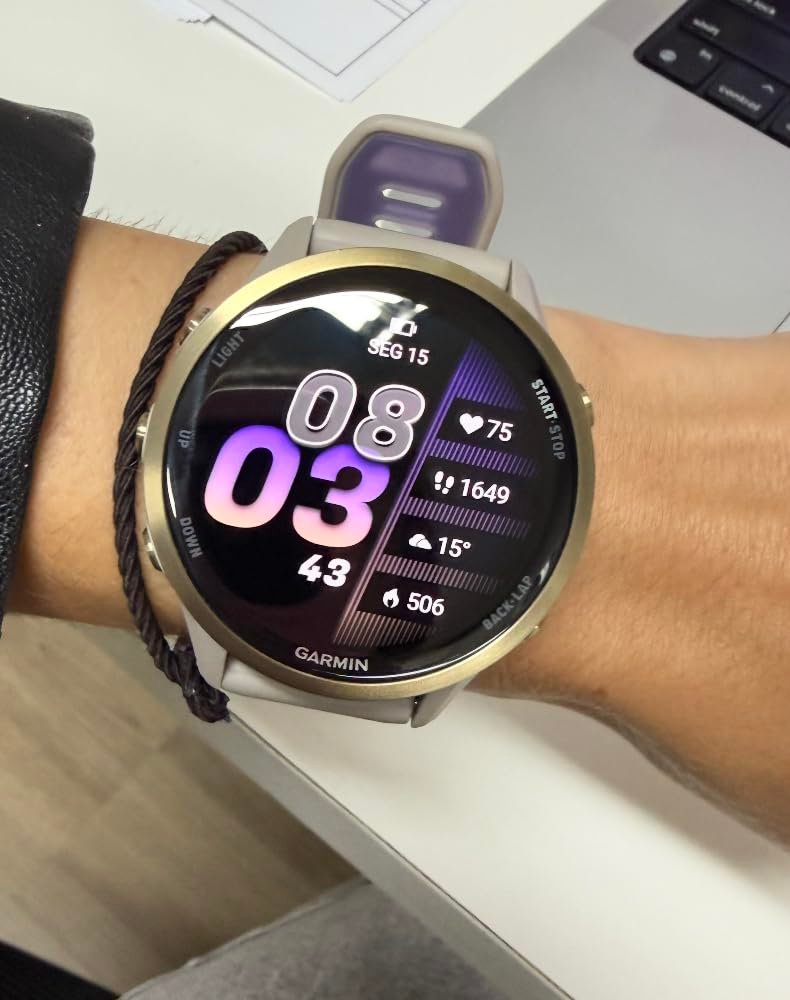
The Forerunner 970 represents Garmin's top running watch, targeting serious runners and triathletes who want the deepest training analytics available. The premium construction includes a lightweight titanium bezel and scratch-resistant sapphire lens, upgrades that meaningfully improve long-term durability over standard glass and plastic construction.
We may earn a commission when you buy through this link, at no additional cost to you.
Advanced running metrics set this apart from lower-tier Forerunners. Running economy measures overall energy efficiency, step speed loss shows how much you slow when your foot hits the ground (requires the HRM 600 monitor sold separately), and running tolerance quantifies real impact on your body to help avoid overload. Wrist-based running dynamics and power measurements provide continuous training feedback.
The built-in speaker and microphone enable phone calls directly from the wrist when paired with your smartphone, plus voice assistant access for text replies. Full-color built-in maps combined with multi-band GPS deliver confident navigation on any route, and dynamic round-trip routing generates new paths when you deviate from planned courses. The ECG app can record heart rhythm and check for atrial fibrillation signs.
Running economy measures how efficiently your body uses oxygen at a given pace. Better economy means less energy expended for the same speed, which translates to faster race times and less fatigue. The Forerunner 970 uses data from the HRM 600 chest monitor to calculate this over time, providing insight into whether your training is actually making you more efficient or just accumulating volume.
Choose the Forerunner 970 if you’re a competitive runner or triathlete who wants the most sophisticated training platform available in a running watch. The trade-off is the premium price and the fact that some advanced metrics require the separate HRM 600 heart rate monitor. For dedicated runners who value data depth, this is the definitive choice below the Fenix line.
Casual users, non-runners, or budget-conscious buyers should consider the Forerunner 165 or vivoactive line instead.
We may earn a commission when you buy through this link, at no additional cost to you.
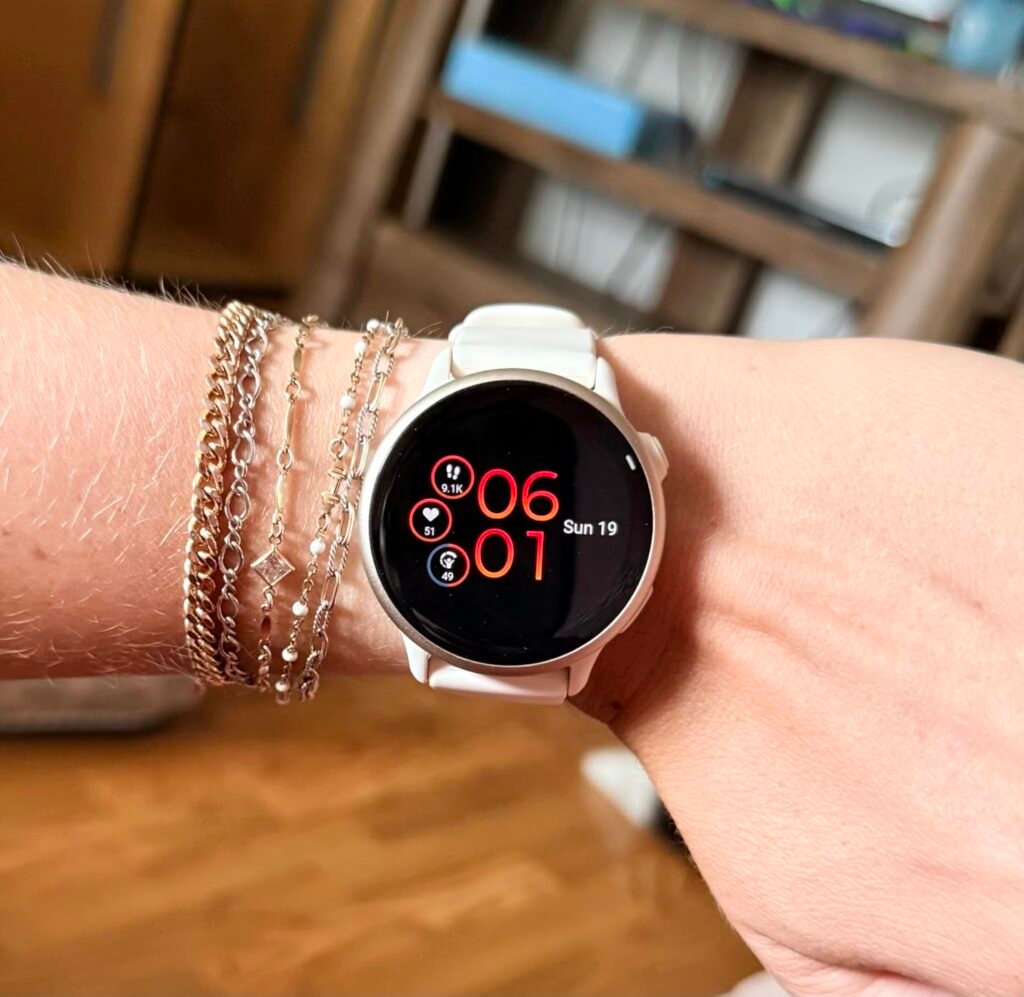
The vivoactive 6 upgrades the vivoactive line with significantly expanded sport tracking, jumping from 30+ profiles on the vivoactive 5 to more than 80 built-in sport apps. This includes walking, running, cycling, HIIT, mobility, swimming, golf, pickleball, and dozens of niche activities that make this the most versatile Garmin for buyers who cross-train across many sports.
We may earn a commission when you buy through this link, at no additional cost to you.
Animated workouts for cardio, yoga, strength, HIIT, and Pilates teach correct form directly on the watch, which is genuinely useful for beginners or anyone trying a new exercise style. Personalized daily suggested workouts extend beyond running to include tailored walking workouts, making this an inclusive fitness tool for a wider range of users than typical Garmins.
The smart wake alarm gently vibrates at the optimal point in your sleep cycle to help you wake refreshed, a small but meaningful daily quality-of-life feature. Body Battery energy monitoring, sleep coaching with HRV status, and morning report provide comprehensive daily health context. Automatic nap detection adds insight for anyone whose schedule includes daytime rest.
Watching an animated demonstration of proper squat, plank, or yoga pose form is meaningfully more effective than reading text descriptions. The vivoactive 6 displays these animations directly on the watch during workouts, letting you check form between sets without pulling out your phone. This is particularly valuable for beginners learning new exercises and for anyone trying to break plateaus with form refinement.
Choose the vivoactive 6 over the 5 if you want the expanded sport library and animated workouts. The extra cost is worth it for cross-training enthusiasts or anyone new to structured workouts who benefits from on-wrist form guidance. For pure runners or single-sport athletes, the vivoactive 5 or a Forerunner may deliver better value at their specific use case.
Serious runners or athletes focused on a single sport should choose a Forerunner or specialized Garmin instead.
We may earn a commission when you buy through this link, at no additional cost to you.
The Fenix 8 Pro sits at the absolute top of Garmin's smartwatch lineup, integrating built-in inReach satellite technology and LTE connectivity directly into the watch. This eliminates the need to carry a separate satellite communicator on remote expeditions, which is a genuine game-changer for backpackers, mountaineers, and adventurers who venture beyond cellular coverage.

We may earn a commission when you buy through this link, at no additional cost to you.
The interactive SOS feature can trigger emergency messages to the Garmin Response coordination center for 24/7 assistance from anywhere with sky visibility. LTE network connectivity lets you leave your phone behind and still exchange messages, make voice calls, and share your live location with LiveTrack updates every 30 seconds. Both features require active subscription plans.
Rugged construction includes a titanium bezel, scratch-resistant sapphire lens, and metal leakproof buttons that support the 40-meter dive rating for scuba and apnea diving. Preloaded TopoActive maps with relief shading provide comprehensive navigation, plus built-in maps for golf courses and ski resorts worldwide. Health monitoring includes ECG, Pulse Ox, HRV status, and advanced sleep tracking.
Traditional inReach devices are handheld units that require separate battery management and carrying space. Building inReach into a watch eliminates that friction, making satellite communication as effortless as checking the time. For remote hikers, backcountry skiers, and international travelers, this integration reduces the risk of leaving safety equipment behind on the day it becomes essential.
Choose the Fenix 8 Pro if you take serious wilderness trips, work in remote areas, or want the ultimate safety net for adventure travel. The trade-off is the high price plus ongoing subscription costs for inReach and LTE features. For anyone whose activities include genuine off-grid time where satellite communication could save lives, this delivers unmatched capability.
Buyers who never venture beyond cellular coverage or don’t need dive-rated durability should choose a less expensive Garmin.
We may earn a commission when you buy through this link, at no additional cost to you.
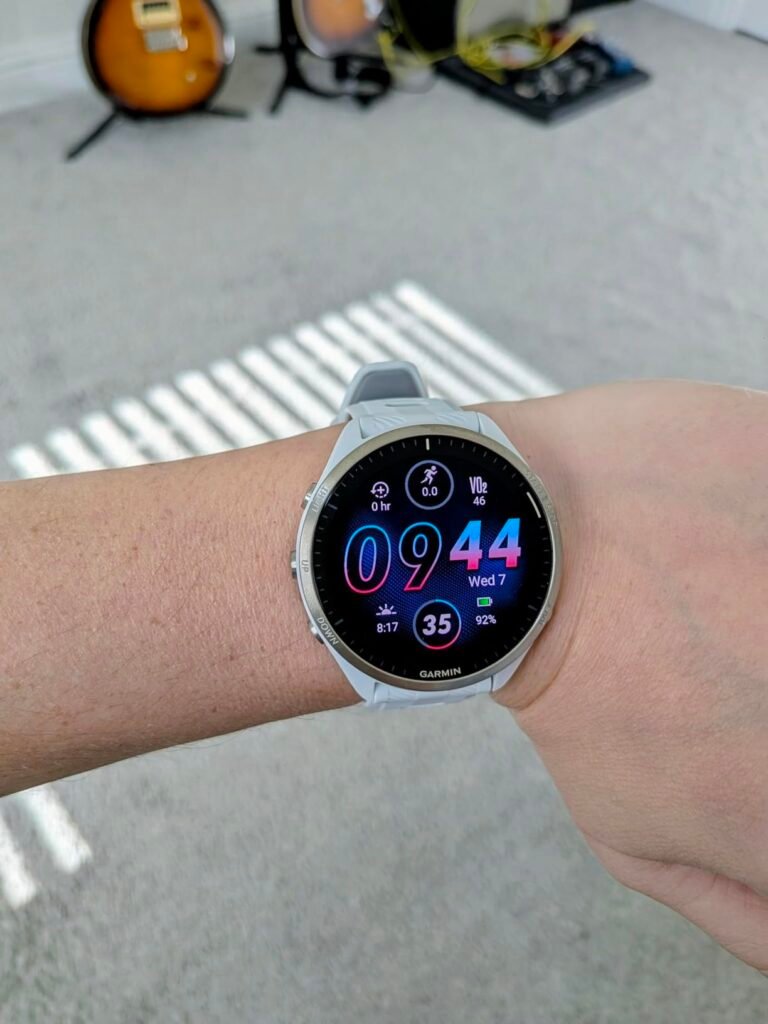
The Forerunner 965 remains a top choice for competitive runners and triathletes who want premium performance without stepping up to the newer 970's higher price. The brilliant AMOLED touchscreen combined with the lightweight titanium bezel delivers premium construction, and the 23-day battery in smartwatch mode is exceptional for a watch of this class.
We may earn a commission when you buy through this link, at no additional cost to you.
Multi-band GNSS with SatIQ technology provides superior GPS accuracy in challenging environments while intelligently managing battery. This matters most in urban canyons, dense forests, and near tall buildings where standard GPS drifts significantly. For race-day pacing and workout data integrity, the accuracy difference is genuinely meaningful.
Training readiness scores combine sleep quality, recovery, training load, and HRV status to tell you when you’re primed for hard sessions versus when you should back off. Full-color built-in maps enable confident navigation on any route, and multisport profiles for triathlons, duathlons, brick workouts, and swimruns let you switch sports with a button press. Race widget planning helps you strategize event day.
Recovery time tells you how long until your body has recovered from a specific workout, useful but limited. Training readiness score integrates multiple factors including sleep quality, HRV trends, recent training load, and stress levels into a single actionable number from 0-100. Higher scores mean you can push hard, lower scores suggest active recovery. This is more useful than recovery time alone because it captures your total physiological state.
Choose the Forerunner 965 over the 970 if you want most of the training features at a lower price point. The 970 adds running economy metrics, built-in speaker and mic, and even brighter display. For most competitive runners and triathletes who don’t need the absolute newest features, the 965 delivers exceptional value at a still-premium level.
Buyers with smaller wrists or those wanting the latest running metrics should consider smaller watches or the newer Forerunner 970.
We may earn a commission when you buy through this link, at no additional cost to you.
The Venu 3S targets buyers who want Garmin's premium health features in a compact 41mm case that fits smaller wrists comfortably. This is the smallest premium Garmin available, and the reduced size makes it significantly more comfortable for long-term wear including overnight sleep tracking without the bulk of larger models.

We may earn a commission when you buy through this link, at no additional cost to you.
Wrist-based calling lets you make and take phone calls directly from the watch when paired with your smartphone. Voice assistant integration handles text replies, and Android users can even text directly from the watch. This meaningfully reduces the need to reach for your phone throughout the day, which is genuinely useful during workouts or when your phone is charging in another room.
Body Battery energy monitoring, sleep coaching with HRV status, morning report, and automatic nap detection provide comprehensive daily health tracking. Wheelchair mode includes push tracking and specialized workouts, making this one of the more inclusive premium smartwatches. The 10-day battery life covers a comfortable week and a half between charges.
Larger watches (45mm+) can feel bulky and intrusive during sleep, typing, and daily activities. Smaller cases (41-42mm) provide comfortable all-day wear including overnight tracking without pressure points. For sleep tracking specifically, a comfortable fit dramatically improves data quality because you’re more likely to keep the watch on through the entire night. The Venu 3S optimizes for this everyday comfort factor.
Choose the Venu 3S if you have a smaller wrist and want premium Garmin health features without the bulk of 45mm+ models. The trade-off is that voice text reply works only on Android, and the price sits above the vivoactive line despite similar core features. For buyers who value compact fit and premium build, this delivers a rare combination in the Garmin lineup.
Athletes who need advanced training metrics or outdoor adventurers requiring rugged durability should choose Forerunner or Fenix models.
We may earn a commission when you buy through this link, at no additional cost to you.
Garmin’s lineup spans purpose-built running watches to rugged multi-sport adventure tools. The factors below break down what actually matters when narrowing your choice across the Forerunner, Fenix, Instinct, Venu, and vivoactive families.
Garmin organizes watches into distinct families with different focuses. Forerunner watches (165, 965, 970) prioritize running metrics, training plans, and race features. Fenix models (8, 8 Pro) deliver premium multi-sport capability with the deepest feature sets and rugged construction. Instinct watches emphasize outdoor durability with distinctive design. Venu models focus on lifestyle health tracking with refined aesthetics. Vivoactive watches balance everyday use with fitness features at accessible prices.
Match watch family to your primary use case. Runners benefit most from Forerunners with their training-focused metrics. Cross-training athletes and adventurers get more from Fenix or Instinct. Health-focused everyday users are best served by Venu or vivoactive. Trying to force a lifestyle watch to serve as a competitive running tool (or vice versa) usually leads to disappointment.
Start by identifying your dominant activity, then choose from the appropriate family. Secondary activities can still work well on watches optimized for other primary uses.
Standard single-band GPS receives signals on one frequency and works well in open environments but struggles in urban canyons, dense forests, and near tall buildings. Multi-band GPS uses multiple frequencies simultaneously, dramatically improving accuracy in challenging conditions. Watches like the Instinct 3 AMOLED, Forerunner 965, Forerunner 970, and Fenix 8 include multi-band with SatIQ technology that intelligently balances accuracy against battery consumption.
Entry-level Garmins like the Forerunner 165 use single-band GPS, which is sufficient for road running and general outdoor use but may show meaningful drift on trails through dense tree cover or through downtown city grids. For serious training data integrity, race-day pacing accuracy, and trail navigation, multi-band GPS becomes worth the price premium.
Choose single-band if you mainly run and ride on roads or open trails. Choose multi-band if you train in urban environments, dense forests, or need precise data for competitive analysis.
Garmin publishes two battery life numbers: smartwatch mode (with continuous heart rate, notifications, and periodic use) and GPS mode (with active GPS tracking for workouts). Smartwatch modes range from 10 days on the Venu 3S to 23 days on the Forerunner 965. GPS modes vary from 19 hours on the Forerunner 165 to 31 hours on the Forerunner 965 and beyond on Fenix models.
Battery reserves matter differently based on your usage. Casual users doing occasional workouts can comfortably manage with 10-day watches like the Venu 3S. Daily runners logging hour-long sessions benefit from longer reserves that stretch charging cycles to weekly rather than daily. Ultra-runners and multi-day athletes need the longest possible GPS mode battery to complete events without charging breaks.
Match battery expectations to your training volume. Prioritize longer smartwatch battery if you dislike frequent charging. Prioritize longer GPS mode battery if you do long workouts or events.
Modern Garmins use bright AMOLED displays that deliver vibrant colors and excellent readability. All 10 watches in this guide use AMOLED technology, though brightness levels vary. The Forerunner 970 features Garmin’s brightest AMOLED for maximum outdoor visibility, while the Fenix 8 and Fenix 8 Pro deliver bright displays with premium sapphire lens protection.
Display size varies from 41mm (Venu 3S) to 51mm (Fenix 8 Pro) case diameter. Larger displays show more information at a glance and support richer maps and menus, but they wear bulkier on smaller wrists. Try-on considerations matter significantly here; a 47mm Forerunner 965 will feel very different on a 6-inch wrist versus an 8-inch wrist.
Match case size to your wrist and preferences. Prioritize brightness if you train frequently outdoors in strong sunlight. Prioritize display size for readability of maps and menus during navigation.
Training feature depth varies dramatically across the lineup. Entry-level watches like the Forerunner 165 include personalized daily workouts, Garmin Coach adaptive plans, and basic recovery guidance. Mid-tier watches add training readiness scores, race widgets, and multisport profiles. Premium Forerunners and Fenix models add running economy metrics, stamina tracking, running dynamics, and running power measurements.
Consider whether you’ll actually use advanced features before paying for them. Running economy requires the HRM 600 chest monitor sold separately. ECG requires being in a supported country and being 22 or older. Some metrics need weeks of consistent wear to calibrate. If you won’t use these features, save money on a simpler watch.
Prioritize deep training analytics if you’re a competitive athlete tracking specific performance goals. Choose simpler platforms if you want general fitness tracking without data overwhelm.
Garmin’s health platform includes wrist-based heart rate, sleep tracking with sleep scores, HRV status, Body Battery energy monitoring, stress tracking, morning reports, and menstrual cycle tracking across virtually all current models. Premium watches add features like ECG heart rhythm monitoring (Forerunner 970, Fenix 8, Fenix 8 Pro), Pulse Ox blood oxygen tracking, health status change detection (Venu 4), and skin temperature monitoring.
Health status monitoring on the Venu 4 represents Garmin’s most advanced health platform, tracking changes across multiple metrics simultaneously to flag potential stress from illness or overtraining. This closed-loop approach delivers more actionable insights than isolated metric alerts. The behavior logging feature adds context by correlating lifestyle choices with recovery data.
Prioritize health depth if you’re focused on longevity, illness prevention, or managing specific health conditions. Choose simpler health tracking if you mainly want fitness metrics without extensive medical-adjacent monitoring.
Case and lens materials affect long-term durability and appearance. Standard AMOLED watches use Gorilla Glass or similar reinforced glass, which resists scratches under normal use. Premium models like the Forerunner 970, Forerunner 965, and Fenix line use sapphire crystal lenses that virtually never scratch during years of daily wear. Case materials range from fiber-reinforced polymer (Instinct 3, most Forerunners) to stainless steel (Venu 4) to titanium bezels (Forerunner 970, Forerunner 965, Fenix 8 Pro).
Water resistance ratings also vary. Most Garmins handle swimming with 5 ATM ratings, but only specific models like the Fenix 8 and Fenix 8 Pro carry 40-meter dive ratings suitable for scuba diving. Consider your activities honestly; the extra durability of dive-rated watches costs more but eliminates worry during aggressive water use.
Prioritize sapphire lens and premium bezels if you’ll wear the watch for years across demanding activities. Standard glass and polymer cases work fine for typical everyday and fitness use.
Some watches include features that matter for specific use cases. Built-in LED flashlights on the Instinct 3, Venu 4, Forerunner 970, Fenix 8, and Fenix 8 Pro provide genuine practical utility for early morning runs and camping. Built-in speaker and microphone on premium models (Forerunner 970, Fenix 8, Fenix 8 Pro) enable wrist-based calls without reaching for your phone. Music storage on most models supports phone-free workouts.
Advanced connectivity varies. The Fenix 8 Pro includes built-in inReach satellite communication and LTE cellular for phone-free adventures, but both require active subscriptions. Garmin Pay contactless payments work on most models but depend on your bank supporting the platform. Preloaded maps vary from none (entry-level) to full-color TopoActive maps with ski resorts and golf courses.
Prioritize additional features based on your genuine needs. A flashlight helps outdoor athletes. Satellite communication protects wilderness travelers. Skip features you won’t use to save money.
Start by installing the Garmin Connect app on your smartphone and creating a Garmin account before turning on the watch for the first time. Complete the initial pairing, sign in, and let the watch download any pending firmware updates before your first workout. Wear the watch about a finger’s width above your wrist bone with a snug but comfortable fit, which keeps the optical heart rate sensor in constant skin contact for accurate readings. Loose fit produces noisy heart rate data, particularly during high-intensity workouts.
Charge the watch consistently to develop a routine that fits your battery reserve. Watches with 10-15 day batteries work well with weekly or bi-weekly charging during showers or workouts. Watches with 20+ day reserves can charge monthly during weekend maintenance. Avoid leaving watches plugged in continuously for weeks at a time, and try to keep the battery between 20-80 percent for daily use when possible to preserve long-term battery health. Use only the charging cable that came with your watch, as different Garmin models use different connectors.
Clean the watch case, back sensor, and band regularly with a slightly damp microfiber cloth to remove sweat, sunscreen, and skin oils that accumulate during workouts. Silicone bands rinse easily under running water. Leather and metal bands need dry cleaning with a soft cloth. Avoid harsh chemicals, perfumes, and cleaning solvents that degrade seals and coatings. For watches with pulse oximeter sensors, keep the back optical array clean for accurate readings. Have Garmin service centers inspect and pressure-test dive-rated watches like the Fenix 8 or Fenix 8 Pro every two to three years if you dive regularly, as gasket integrity is critical for underwater safety.
The Garmin Forerunner 165 is the strongest choice for beginners who want a purpose-built running watch. It combines an AMOLED touchscreen, personalized daily workouts, Garmin Coach adaptive plans, and 25+ activity profiles at an approachable price. The vivoactive 5 works well for beginners who want broader lifestyle features rather than running focus. Both deliver essential Garmin health tracking without overwhelming complexity.
For serious training use, yes. Garmin's GPS accuracy, training analytics, and battery life meaningfully exceed budget alternatives. The Garmin Connect ecosystem also provides deep historical data analysis over years of training. For casual fitness tracking with occasional workouts, budget alternatives from Amazfit or others may deliver adequate value at significantly lower cost. Match spend to how seriously you'll use the data.
Battery life varies significantly by model and usage. Smartwatch mode ranges from 10 days on the Venu 3S to 23 days on the Forerunner 965. GPS active tracking cuts battery to 19-31 hours depending on the model. Multi-band GPS uses more power than single-band. Solar variants (not in this guide) extend battery further. Choose based on how frequently you're willing to charge and how long your typical workouts run.
For most users, no. Modern Garmin wrist-based heart rate sensors are accurate for general training and daily monitoring. However, chest straps like the HRM 600 provide more accurate readings during high-intensity intervals and unlock advanced running metrics like running economy on the Forerunner 970. Serious runners tracking specific performance metrics benefit from chest straps. Casual users get sufficient accuracy from wrist-based readings alone.
Yes, all Garmin watches in this guide handle swimming without issue. Most carry 5 ATM water resistance suitable for pool and open-water swimming. The Fenix 8 and Fenix 8 Pro add 40-meter dive ratings supporting scuba and apnea diving activities. Avoid hot tubs and saunas as extreme temperatures can degrade gasket seals over time. Rinse after saltwater or chlorine exposure.
Forerunners are purpose-built for running with running-focused analytics, training plans, and lighter designs at generally lower prices. Fenix watches deliver premium multi-sport capability with the deepest feature sets, most rugged construction, and highest prices. Fenix models include features like dive ratings, satellite communication (Fenix 8 Pro), and broader outdoor navigation. Choose Forerunner for running focus, Fenix for multi-sport versatility.
Yes, all current Garmin watches work with both iPhone and Android through the Garmin Connect app. Some features have platform-specific limitations. For example, voice text replies from the watch work on Android but not iOS, and Android users can text directly from certain models like the Venu 3S. Basic functionality including notifications, health tracking, and workout syncing works equally well on both platforms.
Very accurate for most use cases. Multi-band GPS with SatIQ technology found on the Instinct 3 AMOLED, Forerunner 965, Forerunner 970, and Fenix models delivers meaningful accuracy improvements in challenging environments like urban canyons and dense forests. Single-band GPS on entry-level watches like the Forerunner 165 works well on open roads and trails. For most training use, both are adequately accurate.
No, most Garmin features work without subscription. The Garmin Connect app is completely free and includes training analytics, historical data, workout planning, and health tracking. Exceptions include inReach satellite messaging on the Fenix 8 Pro (requires active subscription) and LTE connectivity features that require carrier plans. Third-party music services like Spotify require their own subscriptions for offline playlists.
Quality Garmin watches typically last 3-5 years of daily use with proper care. Premium models with sapphire lenses and titanium bezels often exceed this significantly. The rechargeable battery is usually the first component to show degradation, typically after 2-4 years of daily charging. Garmin provides software updates for many years, extending useful life. Trade-in programs make it easier to upgrade when new generations launch.
The Garmin Fenix 8 stands as the strongest overall choice for most serious athletes and adventurers, earning the highest owner rating in this guide at 4.7 stars. It delivers Garmin's most refined multi-sport experience with premium sapphire lens construction, 40-meter dive rating, ECG monitoring, off-grid voice commands, and comprehensive training analytics. For buyers who want a single watch that handles running, cycling, swimming, hiking, and even diving with equal capability, the Fenix 8 delivers exceptional versatility.
For different priorities, the Forerunner 165 is the best entry point for runners who want purpose-built training features at an approachable price. The Forerunner 970 delivers the most advanced running-specific analytics for competitive athletes. The Fenix 8 Pro adds built-in inReach satellite communication for wilderness adventurers. Lifestyle users should consider the Venu 4 for advanced health monitoring or the Venu 3S for compact premium fit. Budget-conscious buyers get strong value from the vivoactive 5 or vivoactive 6.
Your best decision starts with matching watch family to your primary use case, then selecting the specific model based on budget, wrist size, and secondary features you'll actually use. Runners should stay in the Forerunner family, multi-sport athletes benefit from Fenix, outdoor adventurers gain from Instinct, and health-focused users should choose Venu or vivoactive. Any of these 10 watches will deliver reliable GPS tracking and health monitoring; the right one for you matches your specific training goals and daily lifestyle.