Pioneer DJ HDJ-X5
9.2Editor score40mm accurate drivers
Closed-back isolation
Swivel earcup design
Ergonomic long-session fit
Compare 10 top DJ headphones by driver size, isolation, comfort, swivel earcups, cable design, and value to find the right pick for booth or studio use.
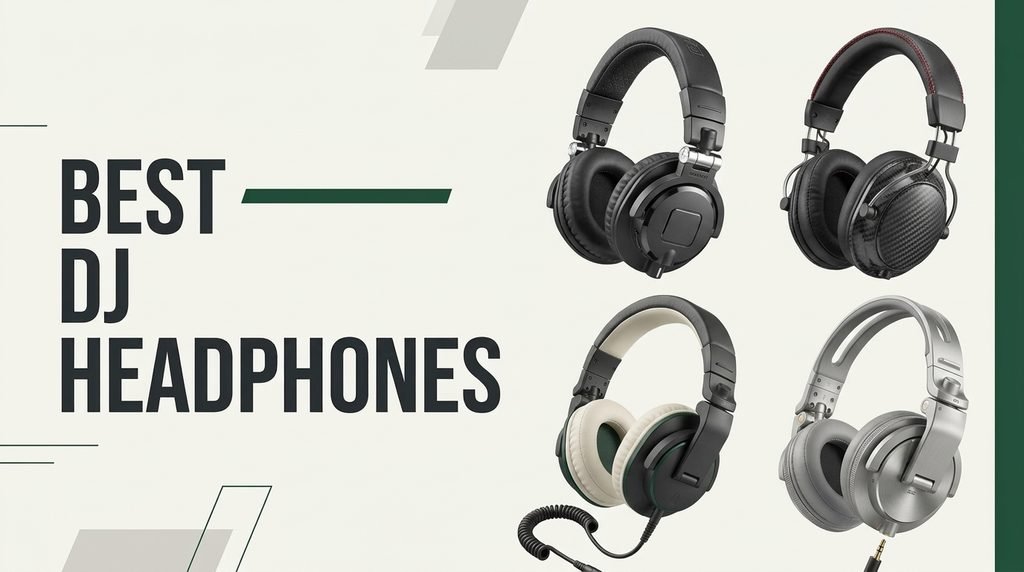
Choosing DJ headphones in 2026 comes down to matching sound isolation, driver clarity, and physical durability to how and where you actually mix. This guide compares 10 standout picks by driver size, closed-back isolation, swivel earcup design, cable type, headband comfort, build materials, and long-term value so you can shop with fewer question marks.
DJ headphones live a harder life than typical listening cans. They get twisted for one-ear monitoring, dropped in bags, tugged by cables, and pushed at high volumes in loud rooms. The right pick balances punchy sound with a build that survives repeated use, plus features like detachable cables that keep them working long after the first bump.
This roundup highlights meaningful differences instead of spec-sheet noise. You will see when a 50mm driver actually helps, why closed-back designs matter for beatmatching in clubs, how detachable cables affect long-term value, and where wireless models like the OneOdio Studio Max 2 fit alongside industry standards from Pioneer DJ, Sennheiser, Sony, and Audio-Technica.
We compared 10 DJ headphones using the details that shape a real buying decision: driver size and clarity, closed-back sound isolation for loud environments, swivel earcup design for one-ear monitoring, headband and earpad comfort during long sets, cable type and replaceability, build durability, wired versus wireless connectivity, portability, and overall value. Each pick is evaluated for how DJs actually use headphones during practice, gigs, and studio work rather than by marketing labels alone.


Compare key features, scores, and current prices side by side. A shorter feature list means fewer details were available, not necessarily fewer capabilities.




This bundle packages the standalone HDJ-CUE1 with a protective case and polishing cloth, making it a smart pick for beginners who plan to travel with their headphones from day one. The core headphone experience is identical to the standalone CUE1: dynamic drivers deliver clear mids, punchy bass, and defined highs suited to accurate mixing.
We may earn a commission when you buy through this link, at no additional cost to you.
Build durability is a real strength for the price point. The reinforced metal sliders and thoughtfully engineered moving parts help these headphones stand up to the frequent folding and unfolding that comes with regular travel. That means the pair should hold up through gig runs, practice trips, and general everyday abuse without loosening or failing at typical stress points.
The 90-degree rotating ear cups make traditional one-ear DJ monitoring completely natural, while the cushioned headband keeps pressure distributed evenly across long sessions. Foldable construction means the headphones collapse into the included case for easy transport, which is genuinely useful for anyone commuting to shared studios, friends’ houses, or small gigs.
Headphones live rough lives in backpacks and messenger bags. A dedicated case protects the headband, cups, and cable from crushing, which extends the useful life of the pair significantly.
For newer DJs who value having a proper case included, or as a gift for someone getting into mixing, this bundle offers real added value over buying the case separately. Experienced DJs already have travel cases they trust, so the standalone CUE1 may make more sense in those cases. For beginners starting from scratch, this is a well-considered package.
Not the right pick for DJs who already own travel protection and want to buy just the headphones.
We may earn a commission when you buy through this link, at no additional cost to you.
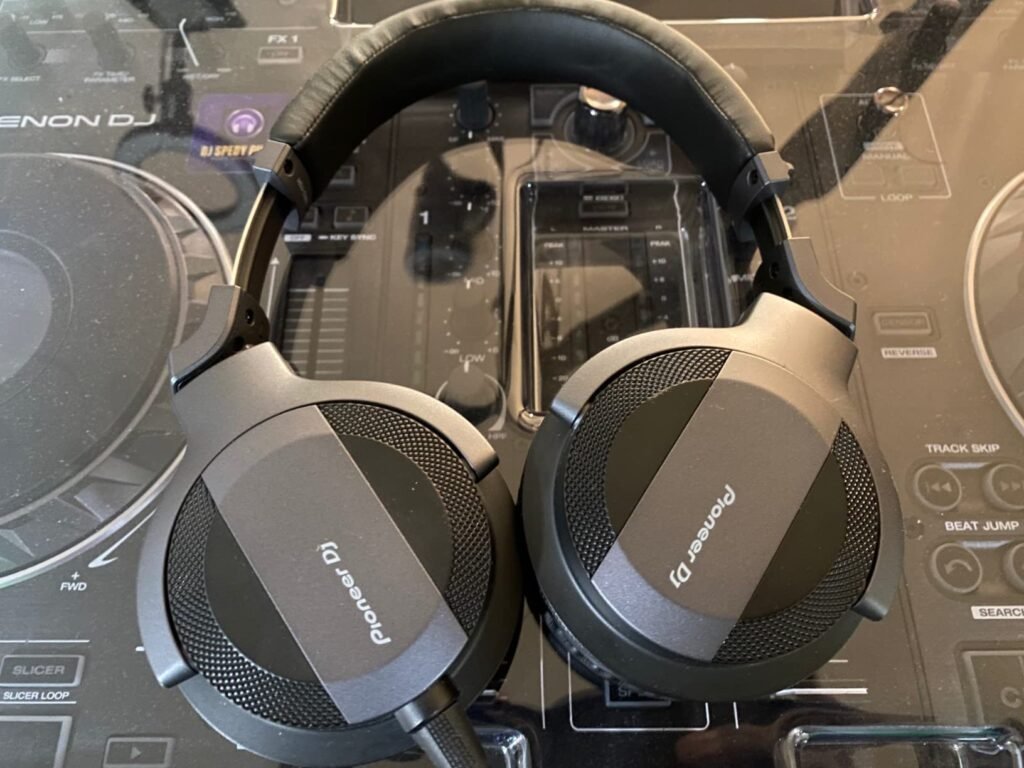
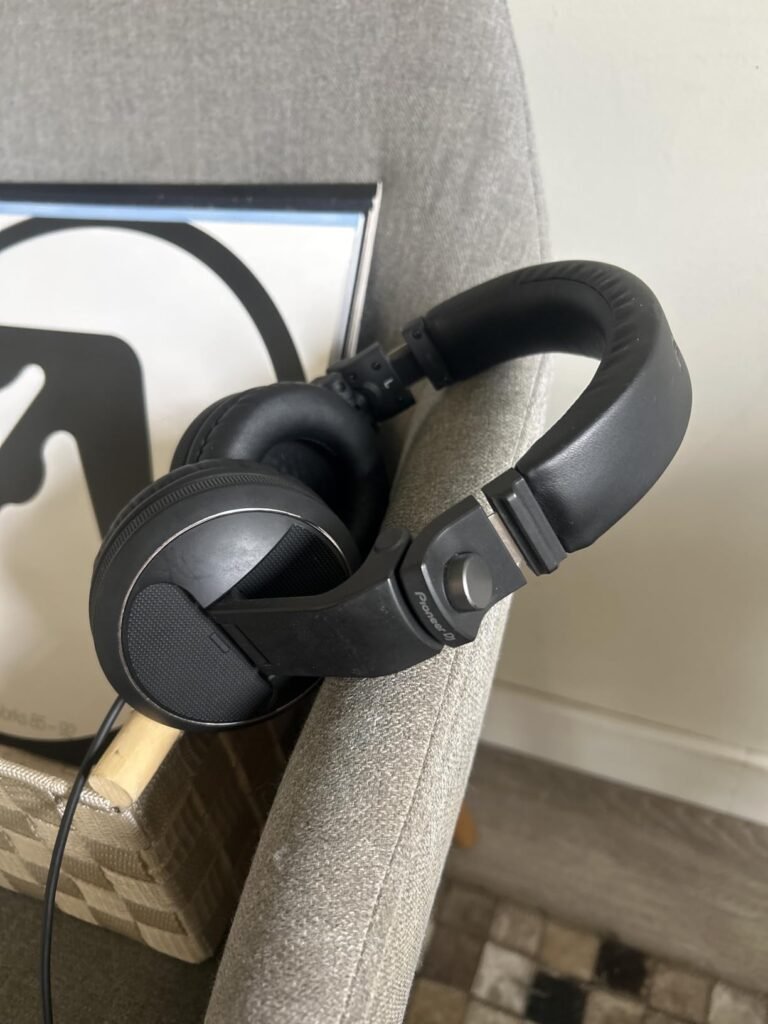
The HDJ-X5 sits in the sweet spot for DJs who want Pioneer DJ build quality without stepping into flagship pricing. Its 40mm drivers deliver the clarity needed to hear a cue point clearly against the wash of a loud room, and the closed-back design blocks enough environmental noise to keep beatmatching decisions accurate rather than guessed at.
We may earn a commission when you buy through this link, at no additional cost to you.
Sound insulation is a real strength here. In the booth, external bass can bleed into headphones and mask the exact transient you’re trying to align. The HDJ-X5’s closed cups reduce that problem meaningfully, letting you trust what you’re hearing instead of second-guessing whether the click you just heard came from the deck or the room.
Comfort holds up across long sessions thanks to the ergonomic earpads and balanced clamp force. The swivel earcups make the standard DJ move of pulling one ear off the head feel completely natural, and the headband adjusts smoothly without slipping mid-mix. Practice sessions that turn into three-hour rabbit holes stay physically comfortable.
Loud rooms push bass into your ears from every direction. Closed-back cups block enough of that ambient bleed to let you actually hear the kick of the incoming track, which is essential for clean transitions.
The main tradeoff versus the pricier HDJ-X7 is the non-detachable cable, which becomes a durability concern over years of gigging. For bedroom DJs, home studios, and working DJs who want a proven, comfortable, well-isolating pair without paying flagship money, the HDJ-X5 is one of the easiest recommendations in the category.
Not the best pick for gigging DJs who want a replaceable cable for long-term serviceability.
We may earn a commission when you buy through this link, at no additional cost to you.
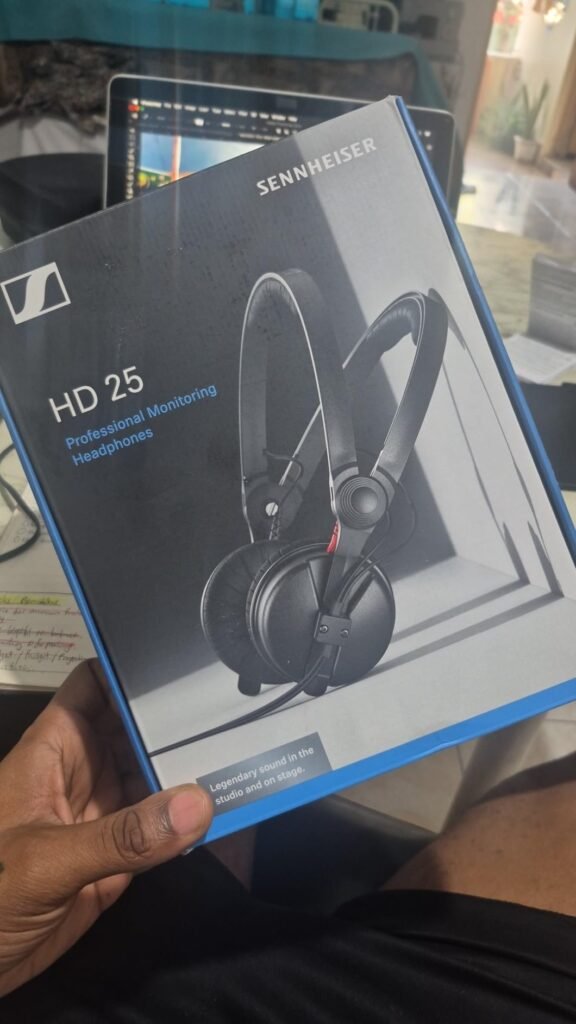
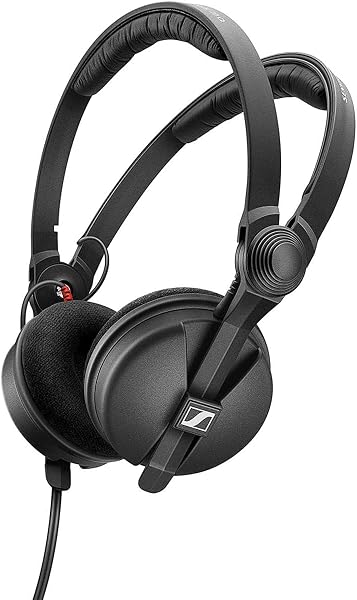
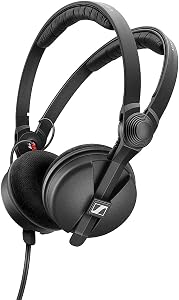
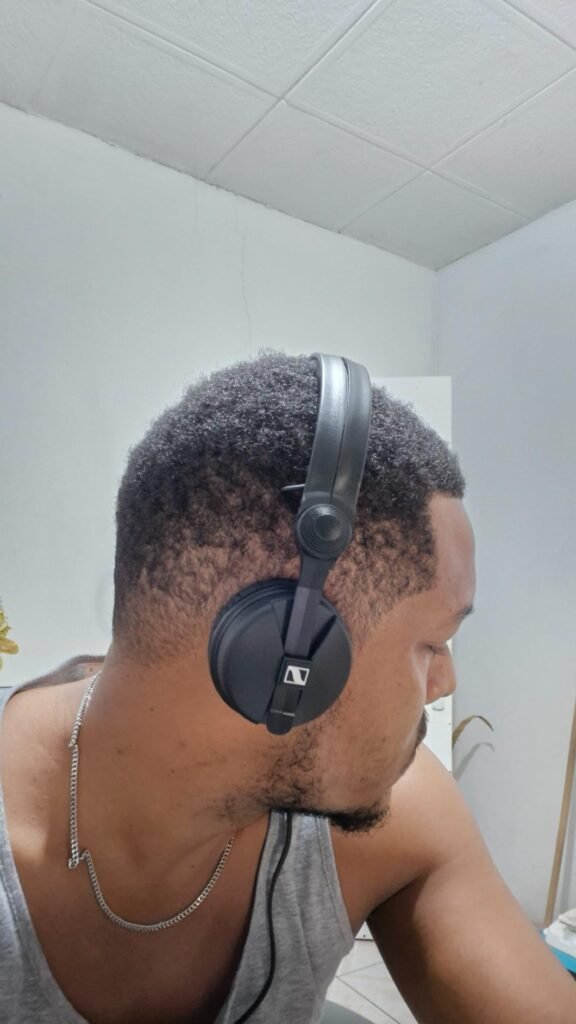
The HD 25 has been a fixture in professional booths and broadcast studios for decades, and it earns that status through practical engineering rather than trend-chasing. Its lightweight aluminum voice coils give it very high sensitivity, meaning it plays loud from modest signal levels, which matters when you need to hear cue clearly against a room shaking with sub bass.
We may earn a commission when you buy through this link, at no additional cost to you.
Sound pressure handling is a specific strength. Many closed-back headphones distort or lose detail at DJ-relevant volumes, but the HD 25 stays composed even when pushed hard. That composure means transients remain distinct rather than turning to mush, which is exactly what you need when beatmatching a track that has to hit clean at high monitoring levels.
Serviceability is a huge long-term win. Almost every part on the HD 25 is user-replaceable, from earpads and headband cushions to the detachable single-sided cable. A pair bought today can effectively last decades with occasional part swaps, which is why so many working DJs still use HD 25s they bought years ago rather than replacing them every couple of years.
Being able to replace individual parts turns the HD 25 into a lifetime tool rather than a disposable accessory. Total cost of ownership drops significantly over the years for DJs who gig regularly.
The on-ear fit is a genuine tradeoff. Some users find the clamp pressure intense during multi-hour sessions, while others love the secure feel during energetic mixing. If you can tolerate on-ear pressure or specifically prefer that snug, no-slip fit, the HD 25 is a pro-grade pick that keeps earning its reputation booth after booth.
Not ideal for users who prefer larger over-ear headphones or find on-ear clamp pressure uncomfortable.
We may earn a commission when you buy through this link, at no additional cost to you.
The HDJ-CUE1 is Pioneer DJ's approachable entry point, aimed at new DJs who want reliable monitoring without committing to a flagship spend. That target audience is served well here: the tuning cues clearly, the fit is comfortable for the multi-hour learning sessions that come with picking up mixing, and the brand support carries the kind of reassurance that matters for beginners.

We may earn a commission when you buy through this link, at no additional cost to you.
The tuning is specifically designed to help cueing and beatmatching cut through loud rooms, which is essential when practicing with active monitors or in shared spaces. It doesn’t have the isolation of the X-series, but it’s tuned intentionally so kick drums and hi-hats stay defined against ambient noise, helping newer mixers make more accurate calls during transitions.
Portability is the other clear benefit. The foldable design and lightweight build mean these headphones travel to friends’ houses, pop-up practice sessions, and casual gigs without demanding a dedicated case. They also work well as everyday listening headphones on the commute, extending value beyond just DJ use.
Once you’re playing regular gigs in loud venues, isolation and detachable cables become worth the upgrade. Until then, the CUE1 handles bedroom and small-space practice cleanly.
For anyone entering the world of DJing who wants a real Pioneer DJ product without stepping into HDJ-X pricing, the CUE1 hits the target. Experienced DJs will want more isolation and driver size, but for beginners and casual mixers who value comfort, portability, and brand backing, this is a genuinely thoughtful entry-level pick.
Not the best pick for working DJs who need maximum isolation and detachable cables for club gigs.
We may earn a commission when you buy through this link, at no additional cost to you.
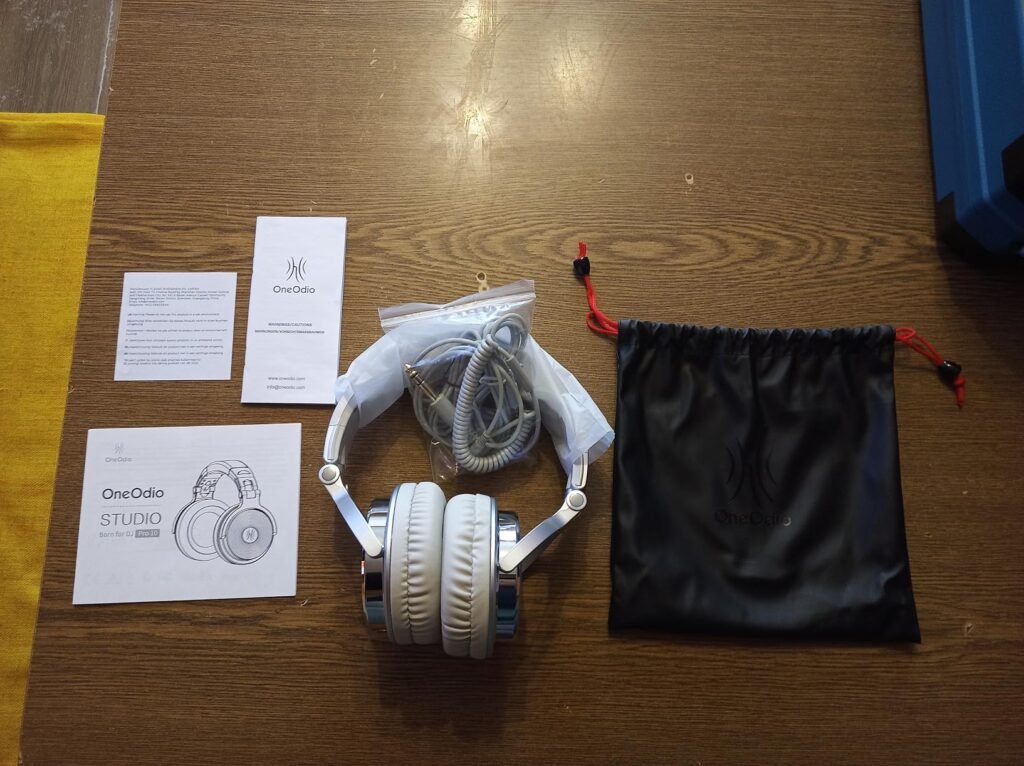
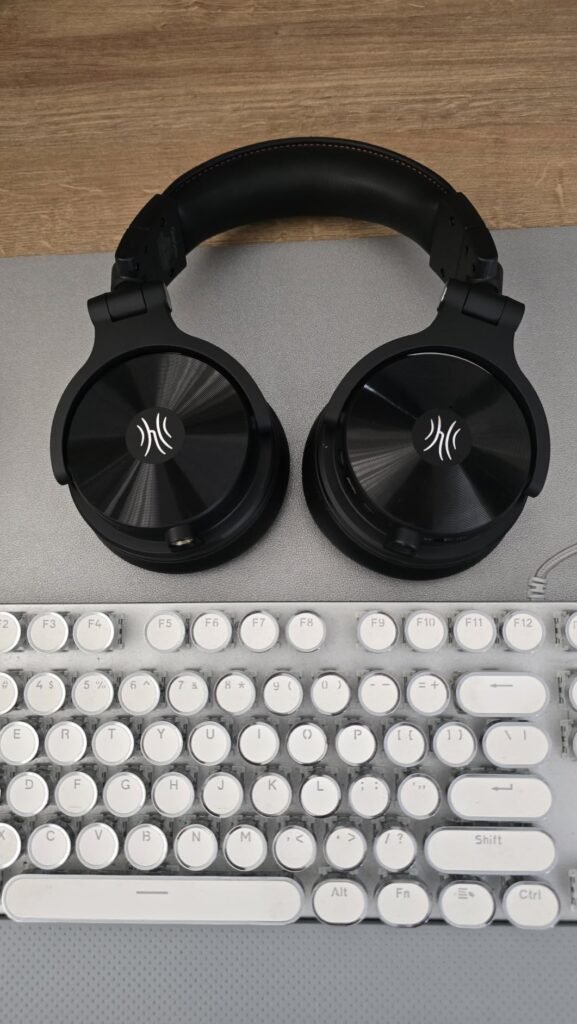
The OneOdio Pro-10 targets buyers who want full-size headphone sound and DJ-style features at a price that makes them easy to recommend to newcomers. The 50mm drivers with neodymium magnets deliver punchier bass than typical entry-level headphones, and the closed-back design provides enough isolation for home practice and casual mixing situations.

We may earn a commission when you buy through this link, at no additional cost to you.
Both 3.5mm and 6.35mm connections are handled without an adapter, which is genuinely useful for anyone connecting directly to a DJ mixer, audio interface, or amplifier with a quarter-inch jack. That removes one small hurdle for beginners who otherwise need to hunt for adapters, and it makes the Pro-10 more versatile across DJ decks, guitars, and studio gear.
The 90-degree swiveling ear cups enable the single-ear monitoring that DJs rely on, and the self-adjusting headband keeps the fit consistent without needing constant tweaking. A shared audio port lets you plug in a second pair of headphones without splitters, which is a small but nice touch for pairs sharing music or learning together.
Having both 3.5mm and 6.35mm built in eliminates the fragile adapter that often gets lost or damaged. Direct connection to DJ mixers becomes plug-and-play.
For the price, the Pro-10 punches above its weight and makes a smart starter option for aspiring DJs. It won’t match the isolation or long-term durability of dedicated pro-tier picks, but for home practice, casual mixing, and doubling as a general studio and music headphone, it delivers real value that’s hard to argue against.
Not the right pick for working DJs who need road-tested durability and premium isolation.
We may earn a commission when you buy through this link, at no additional cost to you.
The MDR7506 has earned its place in professional studios worldwide, and it crosses over well into DJ use for anyone who values accuracy over bass hype. Its closed-back design provides solid isolation in loud environments, while the neutral tuning helps you hear exactly what's in the mix rather than what a bass-boosted headphone wants you to hear.

We may earn a commission when you buy through this link, at no additional cost to you.
The 40mm drivers with neodymium magnets deliver clear, detailed sound across the full frequency spectrum from 10Hz to 20kHz. That detail is a real asset when identifying subtle problems in a track or making precise cue calls, though DJs used to bass-forward tuning might initially find the presentation restrained. That neutrality is actually a strength for critical listening.
The 9.8-foot coiled cord provides freedom to move around without pulling on the connection, and the included 1/4-inch adapter means direct compatibility with DJ mixers and studio gear out of the box. Everything folds into the provided soft case for storage or travel, which extends its usefulness beyond a stationary studio setup.
DJs who also produce need to hear tracks honestly, not through a coloured lens. Neutral headphones like the MDR7506 translate mixing decisions accurately across different playback systems.
For DJs who also do production work, or who value accurate monitoring over bass emphasis, the MDR7506 is a strong dual-purpose pick. The non-detachable cable is the main long-term concern, but Sony has kept this model in production for decades because it just works, and it remains a reliable choice for both booth and studio duty.
Not the best pick for DJs who specifically prefer bass-boosted tuning for club-style monitoring.
We may earn a commission when you buy through this link, at no additional cost to you.
The ATH-M20x is Audio-Technica's entry into their well-regarded M-series line, aimed at bedroom producers, home DJs, and anyone who needs closed-back monitoring on a tight budget. Its circumaural design contours around the ears rather than pressing on them, which many find more comfortable than on-ear alternatives during long sessions.

We may earn a commission when you buy through this link, at no additional cost to you.
Sound quality benefits from the enhanced low-frequency tuning, which gives DJ tracks the kick and sub presence needed for confident beatmatching decisions. The 40mm drivers with rare earth magnets and copper-clad aluminum wire voice coils deliver clear, punchy sound that translates well to house, techno, and other bass-driven genres.
The over-ear cups provide excellent sound isolation in loud environments, which is essential for practice sessions in shared spaces or noisy home studios. The single-side cable exit reduces cable tangling compared to dual-cable designs, though the fixed cable is a durability consideration for heavy-use scenarios like frequent gigging.
Circumaural designs like the M20x distribute pressure around the ear rather than on it. Many users find this more comfortable for long sessions, especially those with ear piercings or glasses.
For beginners who want solid closed-back monitoring without spending on flagship features they don’t yet need, the M20x is one of the strongest picks in this list. Working DJs will eventually want detachable cables and swivel earcups, but for home practice and casual mixing, this delivers Audio-Technica reliability at a genuinely accessible price.
Not ideal for DJs who need swivel earcups for traditional one-ear monitoring.
We may earn a commission when you buy through this link, at no additional cost to you.
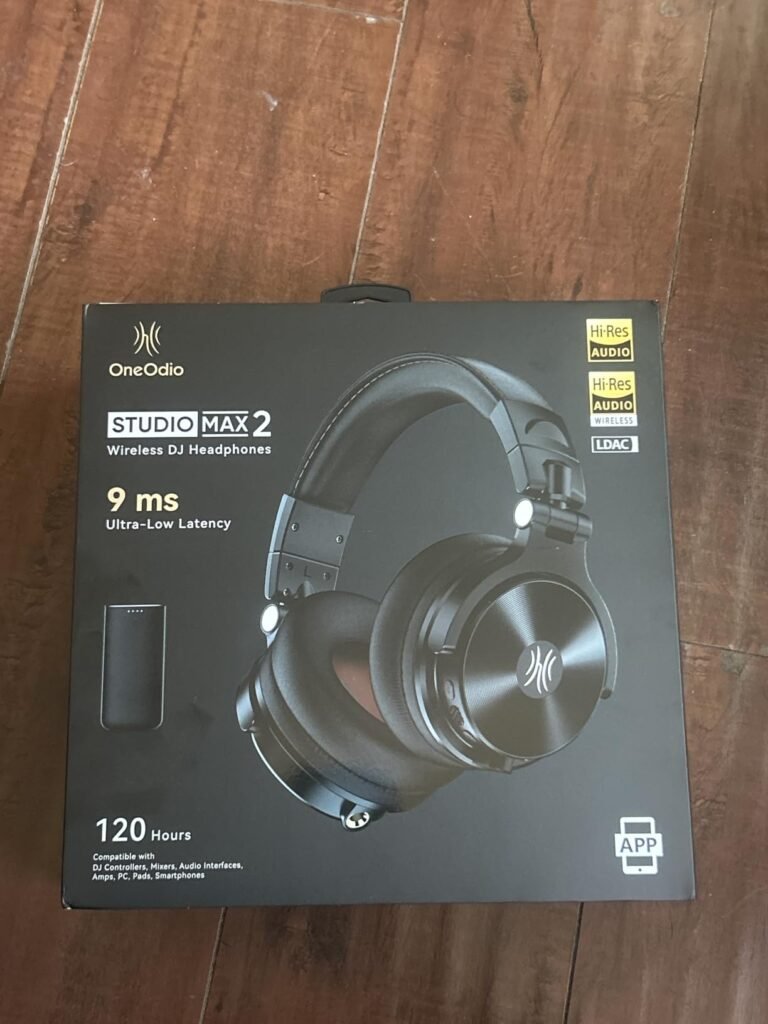
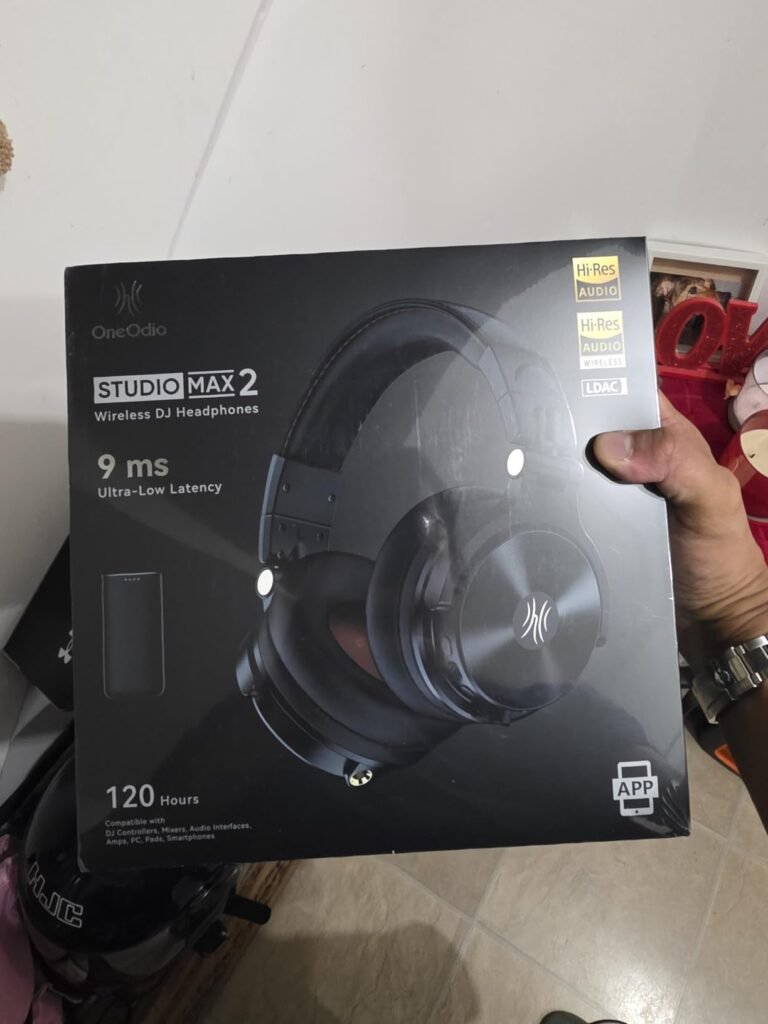
The Studio Max 2 tackles the long-standing problem that has kept most DJs skeptical of wireless headphones: latency. At 9ms through its proprietary RapidWill+ 3.0 tech, the audio delay drops to a level that makes wireless monitoring genuinely viable for DJing rather than a compromise that ruins timing on every mix.
We may earn a commission when you buy through this link, at no additional cost to you.
LDAC codec support keeps audio quality high through the wireless link, transmitting up to three times more data than standard Bluetooth. Combined with the custom 45mm High-Flux drivers covering 20Hz to 40kHz, this delivers a hi-res-capable listening experience that doesn’t feel like a downgrade from wired monitoring. Multiple modes let you switch between 2.4G wireless, Bluetooth 6.0, and traditional wired connections.
Battery life reaches 120 hours per charge, which is functionally unlimited for typical DJ use. Even if you forget to charge, a 5-minute quick top-up delivers 9 hours of playback, which is more than enough for any single session. Built-in 3.5mm and 6.35mm jacks handle direct connection to mixers when needed, and the memory foam earcups keep long shifts comfortable.
Standard Bluetooth latency around 200ms makes beatmatching essentially impossible. Under 10ms is at the threshold of perception, which is why the Studio Max 2 works for real DJ monitoring.
For DJs who want to escape cable snagging or work in flexible setups, the Studio Max 2 makes wireless finally practical. Traditional wired DJs may prefer the simplicity of a fixed cable and won’t need these features, but for anyone frustrated by tangled cables or working in multi-station environments, this is one of the most compelling wireless options currently available.
Not the right pick for purist DJs who prefer the simplicity and reliability of a wired-only connection.
We may earn a commission when you buy through this link, at no additional cost to you.
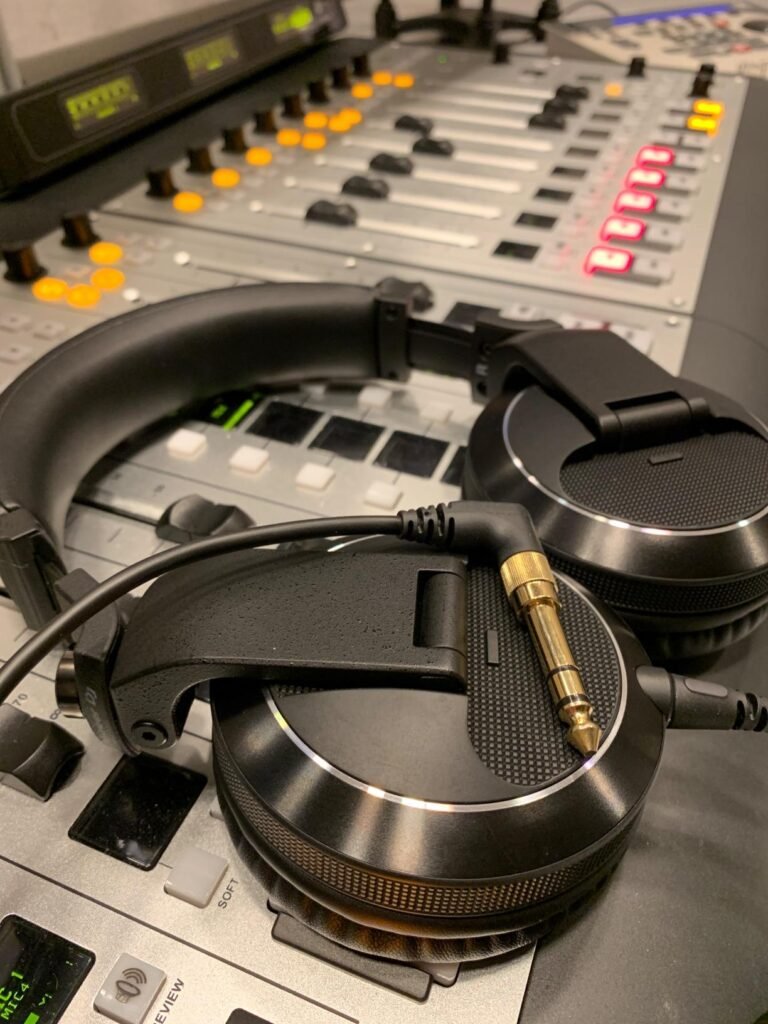
The HDJ-X7 is Pioneer DJ's step up from the X5, aimed at working DJs who need everything more: more driver, more isolation, more cable longevity, more durability. The 50mm drivers give the sound a fuller, more authoritative presentation, which becomes valuable when monitoring in loud clubs where subtlety in the low end can get lost.
We may earn a commission when you buy through this link, at no additional cost to you.
Sound insulation is the standout upgrade over the X5. In busy club environments where the sound system fills the room with bass, the X7’s isolation lets you hear cue detail clearly enough to make confident calls on transitions and effects. That kind of clarity is the difference between guessing and knowing during high-pressure moments in a set.
The detachable cable is a significant long-term feature. Cables are the single most common failure point on DJ headphones, and being able to swap in a fresh one keeps the rest of the headphone in service indefinitely. Combined with the road-tested build quality that stands up to travel abuse, this makes the X7 a genuine long-term investment rather than a disposable purchase.
Cables fail from repeated flexing, snagging, and general road abuse. Replaceable cables mean the expensive drivers and build stay in service long after the original cable has given up.
For working DJs who play regular gigs and want gear that will still be functional years from now, the HDJ-X7 is one of the most complete picks in this list. Bedroom DJs and beginners get most of what they need from the cheaper X5 or CUE1, but for anyone gigging seriously, the extra spend here pays back through durability and superior isolation.
Not the best value for beginners or bedroom DJs who don’t need road-grade durability.
We may earn a commission when you buy through this link, at no additional cost to you.
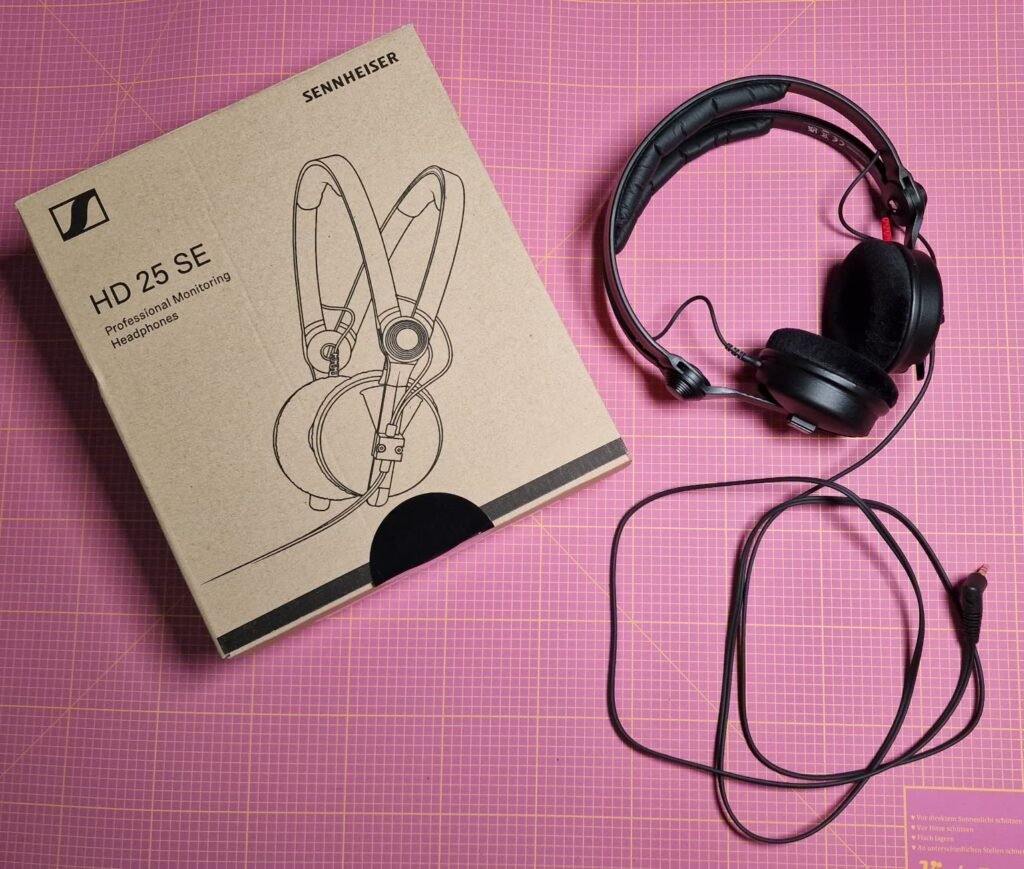
The HD 25 SE packages the industry-standard HD 25 with a few thoughtful additions: velour earpads, a proper carrying case, and a detachable 1.5m single-sided cable. That combination makes it a strong pick for DJs who want the legendary sound and durability of the HD 25 with extras that add real day-to-day value.

We may earn a commission when you buy through this link, at no additional cost to you.
The velour earpads are a genuine upgrade in comfort over standard leatherette. They breathe better during long sessions and reduce the sweaty-ear problem that plagues extended mixing in warm clubs. Swap them for the leatherette pads for maximum isolation when needed, since the modular design of the HD 25 makes changing pads a simple task.
All the fundamentals that made the HD 25 an industry standard remain intact: lightweight aluminum voice coils delivering high sensitivity, ability to handle very high sound pressure levels without distortion, and the modular design that allows nearly every component to be replaced by the user. The included carrying case rounds out the package for DJs who travel regularly.
Velour breathes better and reduces sweat during long sessions but lets in slightly more ambient sound. Leatherette isolates more but traps heat. Having both options adds flexibility.
For working DJs who specifically want the HD 25 experience with better comfort during long sessions and travel-ready accessories, the SE is the pick over the standard version. The core sound and durability are identical, but the small upgrades genuinely improve the day-to-day experience, making this a smart choice for anyone committing to Sennheiser’s proven design for the long term.
Not necessary for buyers happy with the standard HD 25 who won’t use the extra accessories.
We may earn a commission when you buy through this link, at no additional cost to you.
DJ headphones live a demanding life between loud rooms, one-ear monitoring, and heavy travel. Understanding what matters for your specific setup and use case is the fastest way to pick a pair that performs and lasts.
Sound isolation is arguably the single most important feature in a DJ headphone. In loud clubs and bars, ambient bass and midrange bleed into your ears from every direction, making it difficult to hear the cue signal you’re trying to align. Closed-back designs with good clamp force and proper earpad seals block that ambient noise significantly, letting you hear track detail clearly during beatmatching and effect drops.
On-ear designs like the Sennheiser HD 25 can provide excellent isolation despite their smaller footprint, especially when combined with high clamp pressure. Over-ear closed-back designs like the Pioneer DJ HDJ-X7 or Sony MDR7506 provide isolation through a larger sealed cup rather than pressure alone, which can be more comfortable during long sessions. Open-back headphones are generally unsuitable for DJ use because they let ambient sound flow both directions.
Prioritize isolation heavily if you play in loud venues. Home practice can work with less-isolating options, but club-level use demands strong closed-back performance.
Driver size correlates loosely with sound quality but isn’t the only factor. Most DJ headphones use 40mm or 50mm drivers with neodymium magnets, delivering the punch needed for accurate bass reproduction. Larger 50mm drivers, like those in the Pioneer DJ HDJ-X7 and OneOdio Pro-10, generally provide fuller low-end presence that helps with beatmatching in bass-heavy music genres.
Tuning matters more than raw driver size for DJ use. DJ headphones are typically tuned with slightly boosted bass response to help transient detection in loud environments, while producer-focused headphones like the Sony MDR7506 lean toward neutral tuning for accurate mix decisions. Both approaches have merit depending on whether you prioritize club monitoring or dual-use with studio production work.
For pure DJing, favor bass-forward tuning. For DJs who also produce, more neutral tuning translates better across playback systems.
One-ear monitoring is a fundamental DJ technique where you keep one ear on the room’s main sound and the other on the incoming track’s cue. This requires headphones that can either be worn with one cup rotated off the ear or, more commonly, that have swivel cups allowing you to twist one cup out of the way while keeping the other in place.
Look for 90-degree swivel earcups, which most dedicated DJ headphones include. The Pioneer DJ HDJ series, OneOdio Pro-10, and OneOdio Studio Max 2 all offer this flexibility. Studio-focused options like the Audio-Technica ATH-M20x may lack proper swivel functionality, making them less ideal for traditional DJ monitoring even if the sound quality is excellent otherwise.
If you plan to DJ in the traditional single-ear style, prioritize models with dedicated swivel earcups. Studio-only headphones without swivel cups will feel awkward for cueing.
Cables are the single most common failure point on DJ headphones. Regular flexing at connection points, snagging on gear, and general road abuse take a toll over time. Detachable cables like those on the Sennheiser HD 25 SE and Pioneer DJ HDJ-X7 turn cable failure into a five-dollar fix rather than requiring you to replace the entire headphone.
Cable length and style matter too. Coiled cables like the Sony MDR7506’s 9.8-foot cord provide slack when you move around without dangling excessive length when you’re stationary. Straight cables offer simplicity but can tangle or catch. Single-sided cable exits reduce tangling compared to Y-cables entering both cups. For DJ use, single-sided coiled or straight cables generally work best.
For serious or gigging DJs, detachable cables are worth prioritizing. Home users can get by with fixed cables but should treat them carefully.
DJ sessions often run hours, whether during a practice marathon or a full-night club set. Headphone comfort during those long stretches matters enormously. Weight, clamp force, earpad material, and headband cushioning all contribute to whether headphones stay comfortable or become torture devices by hour three.
Over-ear circumaural designs like the Audio-Technica ATH-M20x distribute pressure around the ears rather than on them, which tends to be more comfortable for most users during long sessions. On-ear designs like the Sennheiser HD 25 concentrate pressure on the ears themselves, which some find secure and others find fatiguing. Velour earpads breathe better than leatherette but let in slightly more ambient noise, so the tradeoff involves comfort versus isolation.
Try to prioritize comfort for the sessions you actually do. Bedroom DJs playing hour-long practice sets have different needs than club DJs playing four-hour gigs.
Traditional wired DJ headphones remain the industry standard for good reason: they deliver reliable, zero-latency audio without batteries to charge or wireless connections to manage. For most DJ scenarios, wired is still the simplest and most trouble-free approach, especially in professional booths where wireless interference from other equipment could cause dropouts.
Wireless DJ headphones like the OneOdio Studio Max 2 have advanced significantly with ultra-low-latency proprietary wireless technology that brings delay under 10ms, which is essentially imperceptible for beatmatching. This makes wireless viable for DJing in ways it wasn’t a few years ago, particularly for casual practice or setups where cable management is a real problem. Battery life and reliability are the tradeoffs.
Choose wired for maximum reliability and simplicity. Choose modern wireless only if you have specific reasons to escape cables and are willing to manage battery charging.
DJ headphones get treated more roughly than most audio gear. They’re thrown in bags, dropped on booths, tugged by cables, and generally abused over years of use. Build quality directly translates to how many years a pair remains functional, so investing in genuinely durable designs pays back significantly over time compared to replacing cheaper options every year or two.
Look for metal reinforcement in the headband and slider mechanisms, replaceable earpads and cables where possible, and brands with a track record of parts availability. Pioneer DJ, Sennheiser, and Sony all offer parts support for their pro-tier DJ headphones, which extends useful life dramatically. Cheaper alternatives may look similar out of the box but often lack this long-term serviceability.
For working DJs, prioritize brands with parts availability and modular designs. For home users, build quality still matters but is less critical.
Setting up DJ headphones properly starts with the connection to your mixer or controller. Plug into the dedicated headphone output rather than an aux or line output to get proper cue signal routing. If your headphones use a 3.5mm plug and your mixer expects a 6.35mm jack, use a screw-on adapter for a secure connection that won’t fall out mid-mix. Set the mixer’s cue volume before putting the headphones on to avoid painful volume surprises.
For daily use, handle headphones with respect for their weakest points. Coil cables loosely rather than winding them tightly around the cups, which stresses the strain-relief points. Avoid dropping the pair by their cable, which can damage internal wires and connectors. When storing between sessions, keep them in a case or on a headphone stand rather than tossed on a table where they can be sat on or crushed. This kind of small daily discipline dramatically extends useful life.
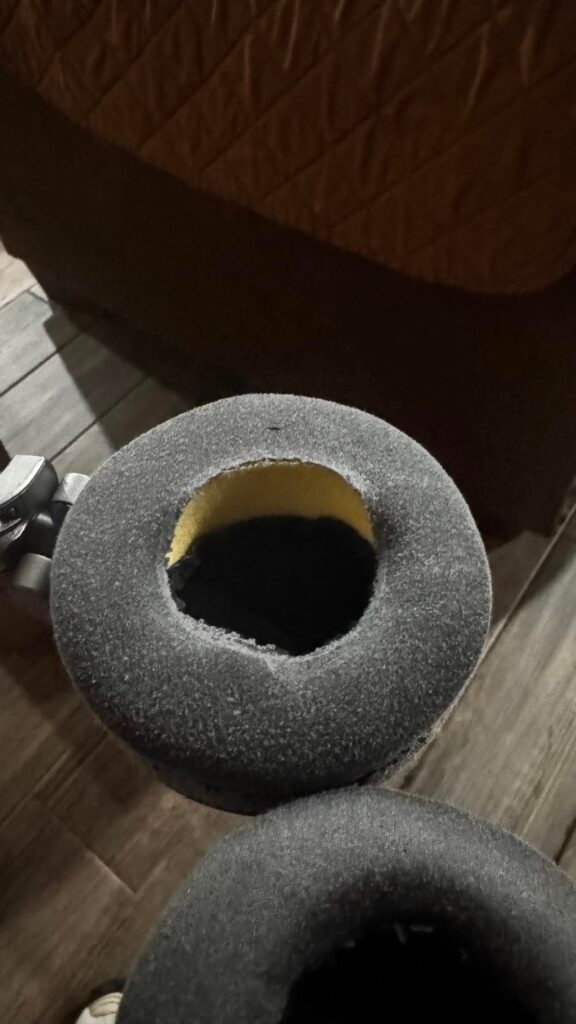
Long-term maintenance is largely about earpad hygiene and connection care. Wipe earpads gently with a slightly damp cloth to remove skin oils and sweat that break down materials over time. Replace worn or torn earpads before they affect isolation and comfort. For detachable-cable designs, occasionally check the connector for lint or corrosion and clean gently if needed. If you notice audio issues, try a fresh cable before assuming the drivers have failed, since cables account for most DJ headphone problems.
DJ headphones combine several features that matter specifically for mixing: strong sound isolation to hear cue signals in loud rooms, swivel earcups for one-ear monitoring, durable construction for regular travel, and tuning that emphasizes bass and transient clarity for beatmatching. Regular listening headphones may have great sound but often lack the isolation, swivel design, or durability needed for actual DJ use.
Both styles work well for DJing, and the choice comes down to personal preference. On-ear designs like the Sennheiser HD 25 are lightweight and portable with strong isolation from firm clamp pressure. Over-ear closed-back designs like the Pioneer DJ HDJ-X7 tend to be more comfortable for long sessions and distribute weight more evenly. Try both styles if possible before committing.
Very important for anyone who gigs regularly or expects to use the headphones for years. Cables are the most common failure point, and being able to replace just the cable saves the expensive drivers and build from becoming obsolete. Home users who treat their gear carefully can get by with fixed cables, but detachable designs offer significant long-term value for working DJs.
Modern wireless DJ headphones with proprietary low-latency technology, like the OneOdio Studio Max 2 with 9ms latency, are genuinely viable for real DJ use. Standard Bluetooth headphones with 100-200ms latency are not suitable because the delay makes beatmatching impossible. If considering wireless, look specifically for models advertising sub-15ms latency and proprietary wireless protocols rather than basic Bluetooth.
Most quality DJ headphones use 40mm or 50mm drivers. Larger 50mm drivers, like those in the Pioneer DJ HDJ-X7 and OneOdio Pro-10, generally provide fuller bass response that helps with beatmatching in bass-heavy genres. However, driver size alone doesn't determine sound quality. Overall tuning, driver material, and enclosure design matter equally, so don't fixate on driver size as the sole factor.
It depends on your primary use. Pure DJ use benefits from slightly bass-boosted tuning that helps you hear kick drums and transients clearly in loud rooms, which is why most DJ-specific headphones lean that direction. If you also produce music, more neutral tuning like the Sony MDR7506 translates mixing decisions more accurately across playback systems. Dual-use DJs often choose neutral tuning and mentally compensate during mixing.
Well-built DJ headphones with proper care can last five to ten years or more, especially models with replaceable parts like the Sennheiser HD 25 or Pioneer DJ HDJ-X7. The most common wear items are earpads, cables, and headband cushions, which are typically replaceable on pro-tier models. Cheaper headphones without replaceable parts often need full replacement within one to three years of regular use.
Studio monitor headphones like the Sony MDR7506 or Audio-Technica ATH-M20x work reasonably well for DJing, especially for home practice and studio-focused use. They provide accurate sound and closed-back isolation, though some may lack swivel earcups needed for traditional one-ear monitoring. Dedicated DJ headphones offer features specifically designed for DJ workflow, but studio monitors are a valid choice for DJs who also produce.
The HDJ-X7 offers 50mm drivers versus the X5's 40mm drivers, stronger sound insulation for loud environments, and a detachable cable versus the X5's fixed cable. The X7 is built for working DJs who need road-grade durability and maximum isolation, while the X5 is a strong pick for home practice and casual gigging at a more accessible price. Both share Pioneer DJ's core sound quality and build reputation.
Start with proper fit adjustment so the headband distributes weight evenly across the top of your head rather than sliding forward or back. Consider replacing stock earpads with velour or memory foam alternatives, which breathe better and reduce pressure points. Take short breaks every hour or two during long sessions to give your ears a rest. If clamp pressure feels excessive, gently flex the headband outward to slightly reduce tension.
For most DJs looking for the best overall balance of sound quality, durability, and value, the Pioneer DJ HDJ-X5 is one of the strongest picks in this guide. Its combination of clear 40mm drivers, strong closed-back isolation, comfortable long-session fit, and durable build handles bedroom practice through small-club gigs without compromises. Combined with Pioneer DJ's brand reputation and parts support, it makes an easy recommendation.
Different buyers have equally valid alternatives worth considering. The Sennheiser HD 25 and HD 25 SE remain industry standards for their lightweight portability, high volume handling, and legendary serviceability. The Pioneer DJ HDJ-X7 steps up for working DJs who need road-grade durability and maximum isolation. Budget-focused buyers get real value from the OneOdio Pro-10, and anyone needing wireless flexibility should look at the OneOdio Studio Max 2 for its truly low-latency wireless performance.
To decide, start with your actual use case. Home practice and casual mixing can work with cheaper options, while regular gigging demands durability and isolation that justify spending more. If you also produce music, favor neutral-tuned options that translate across playback systems. Prioritize comfort features like swivel earcups and proper padding for the long sessions you actually do. Matched properly, any pick in this guide can serve as a reliable partner for years of mixing.