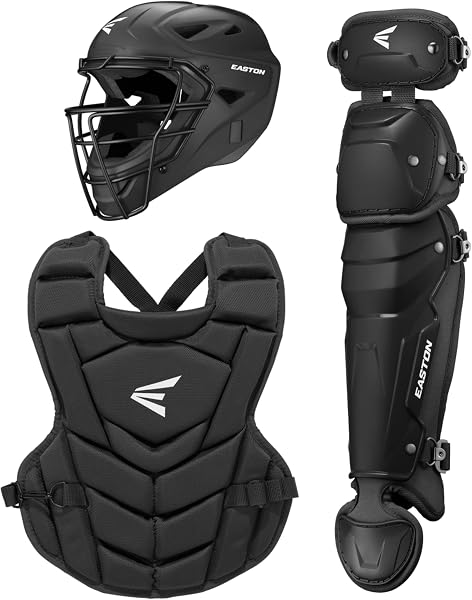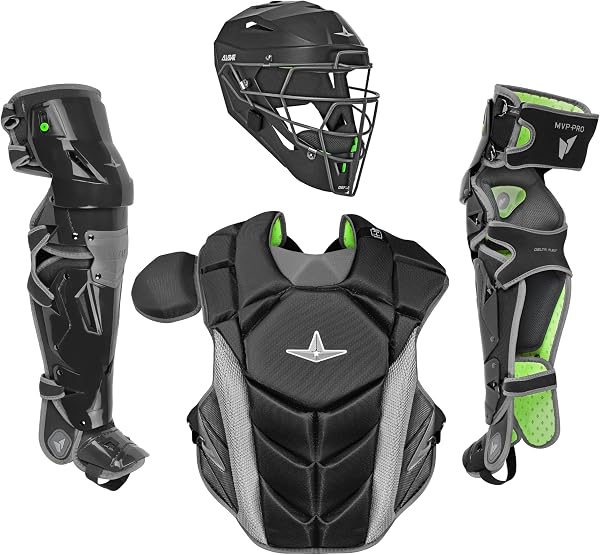
All-Star MVP-PRO
9.2Editor scoreDeflexion shock hammocks
3DU Bar blocking
SHIFT leg technology
StinkStop treated gear
Find the right catchers gear for 2026. We compare 9 standout options by build quality, useful features, owner feedback, value, and everyday trade-offs.
Find the right catchers gear for the 2025 season. We compare nine complete kits by the factors that matter behind the plate: NOCSAE certification, helmet cage design, chest protector technology, leg guard mobility, ventilation, sizing accuracy, and overall value across youth, intermediate, and adult levels.
Catcher is the most demanding defensive position in baseball and softball, and the gear you wear directly affects your safety and performance. A well-fitted set reduces fatigue over long games while providing reliable impact protection against foul tips, wild pitches, and collisions at the plate.
This guide covers complete three-piece kits from brands like All-Star, Rawlings, Easton, Wilson, and EvoShield. Each review breaks down the protection technology, fit system, and practical tradeoffs so you can choose the set that matches your level, budget, and playing style.
We compared nine catchers gear kits using the details that actually help a buyer decide: NOCSAE certification status, helmet cage construction, chest protector impact technology, leg guard articulation, ventilation design, sizing range, strap adjustability, owner feedback, and price-to-protection value. The notes focus on practical tradeoffs so each pick connects to how catchers actually move, block, and absorb impact during real games and practices.

Compare key features, scores, and current prices side by side. A shorter feature list means fewer details were available, not necessarily fewer capabilities.

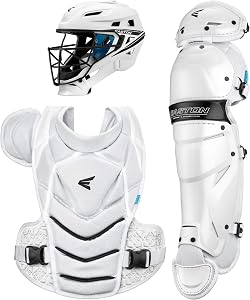


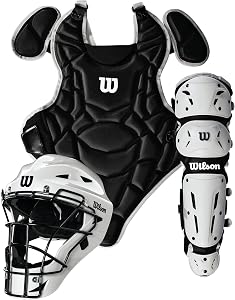
The EvoShield SRZ-1 stands out as one of the most thoroughly certified kits in this lineup, with both the helmet and chest protector carrying individual SEI certification to meet NOCSAE standards. This dual certification provides an extra layer of confidence for catchers and parents who want to ensure every piece of the set meets the latest safety benchmarks, including the Commotio Cordis standard for chest protection.
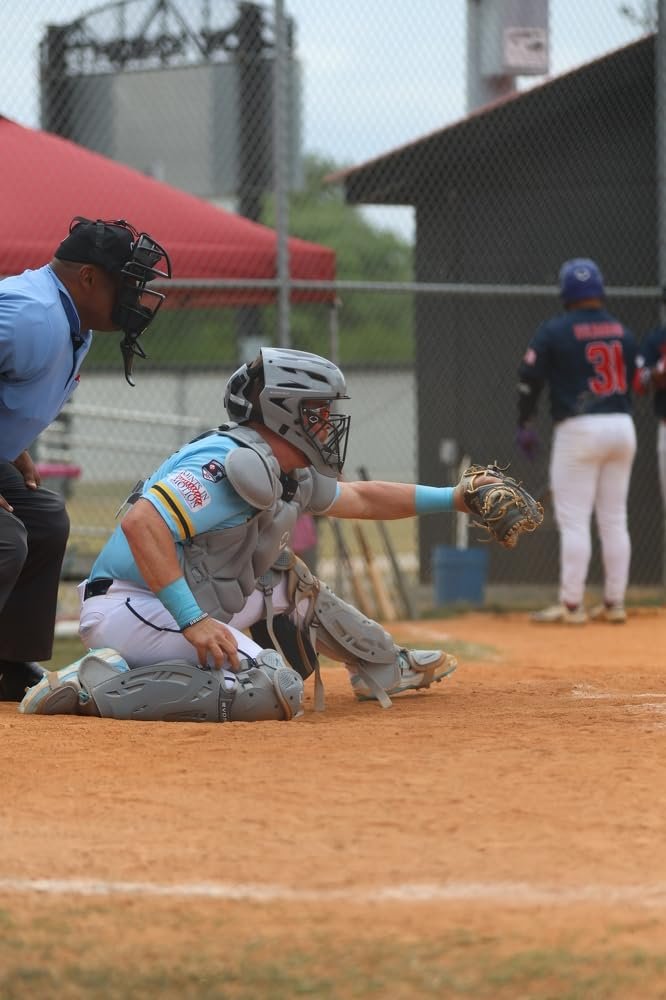
We may earn a commission when you buy through this link, at no additional cost to you.
The chest protector is the centerpiece of the safety story, designed to meet the specific NOCSAE Commotio Cordis standard that addresses the risk of cardiac impact from high-velocity strikes to the sternum. The helmet also carries its own SEI NOCSAE certification, meaning both critical protection zones have been independently verified. The customizable neckroll is a unique touch that comes with three extra Velcro patches, including two black patches that can be embroidered with a player’s name and a USA patch for tournament play.
The leg guards feature comfort foam knee padding engineered to keep the knees properly positioned and cushioned during extended time behind the plate. This is an area where many catchers experience significant wear and tear, and the dedicated foam padding helps reduce the cumulative impact of repeated squatting and kneeling. The overall design leans toward a clean, professional look that appeals to serious players who want their gear to reflect their commitment to the position.
Many catcher’s gear sets advertise NOCSAE compliance, but the specifics can vary. Some sets only certify the helmet, while the chest protector may meet an older standard or no specific Commotio Cordis benchmark. The EvoShield SRZ-1 carries SEI certification for both the helmet and the chest protector independently, meaning each piece has been tested and verified to meet the current NOCSAE requirements. For leagues that are tightening their equipment rules around cardiac protection, this dual certification ensures full compliance without the need to purchase a separate certified chest protector.
The SRZ-1 is best suited for competitive adult and intermediate catchers who prioritize certified protection above all else and are willing to pay a premium for it. The dual SEI certification is a genuine differentiator in a market where not all sets certify both the helmet and chest protector independently. Budget-conscious buyers or casual recreational players may find the price difficult to justify when other sets in this guide offer solid protection at lower cost.
Not the most budget-friendly option for casual or recreational catchers.
We may earn a commission when you buy through this link, at no additional cost to you.
The All-Star MVP-PRO kit is built for catchers who face high-velocity pitching and need the most advanced protection available in a complete set. The helmet uses Deflexion shock hammocks designed to disperse impact energy across a wider area rather than concentrating force on a single point, which is a meaningful upgrade for players catching elite-level fastballs and breaking balls.
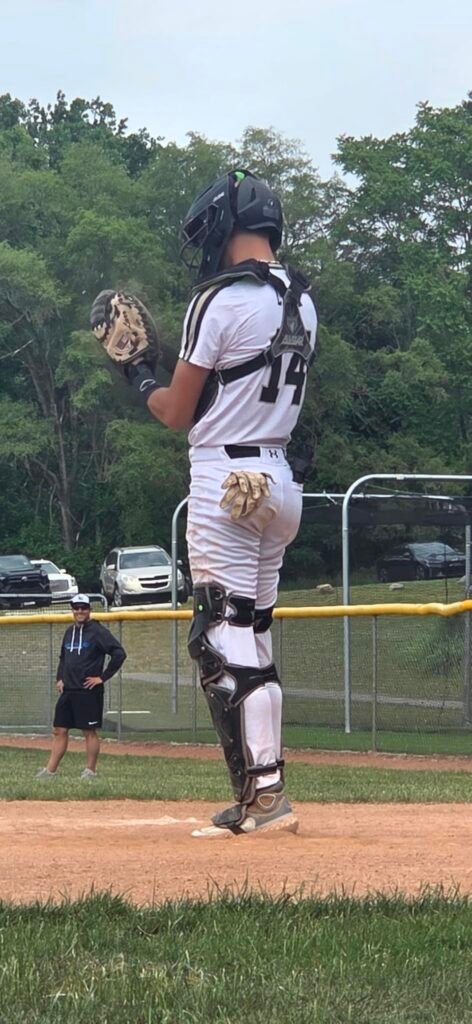
We may earn a commission when you buy through this link, at no additional cost to you.
The chest protector carries SEI certification for the NOCSAE Commotio Cordis standard and incorporates 3DU Bar technology that aims to improve blocking performance by keeping the ball close to the body on impact. The leg guards feature SHIFT technology that moves with the catcher through different receiving stances, helping maintain thigh coverage whether the catcher is set up low, high, or shifting laterally. The LINQ X Hinge System supports a full range of knee flexion, which matters during long games where repeated squatting takes a toll.
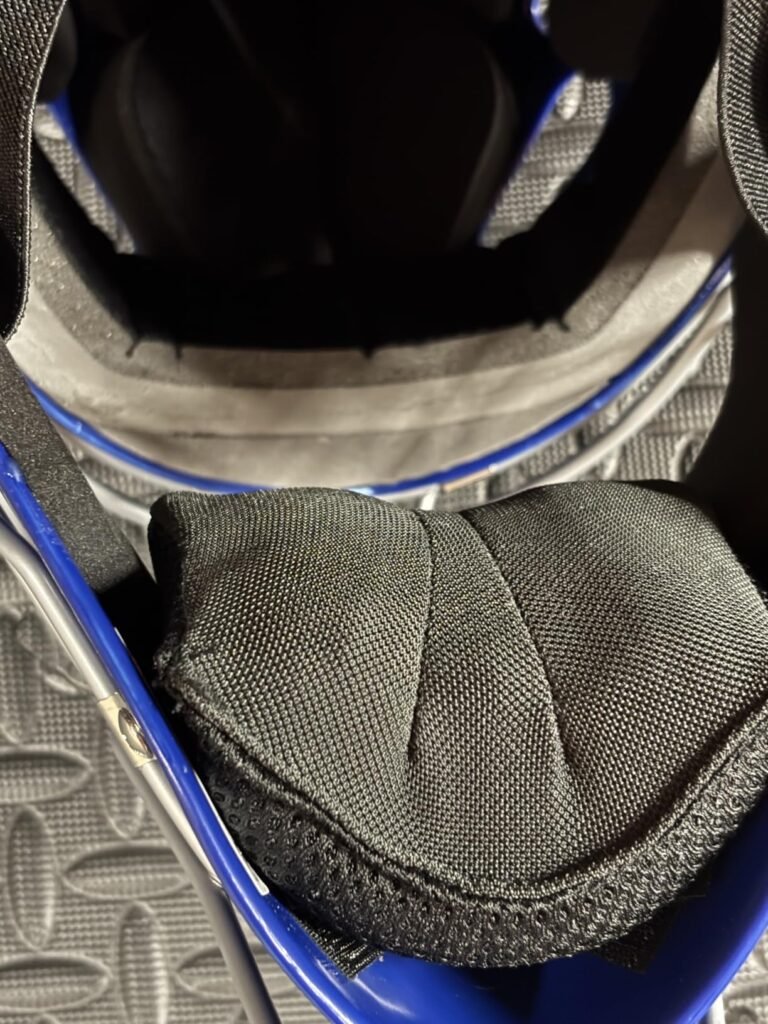
Comfort details are well considered across the entire set. The 3D Airmesh pads are removable and washable, making it easier to keep the gear fresh throughout a long season. All three pieces are treated with StinkStop to reduce odor buildup, a practical benefit for catchers who wear this equipment in hot weather multiple times per week. The I-BAR BSP cage on the helmet extends coverage against wild swings, adding a layer of protection that standard cages may not provide.
Traditional leg guards can shift out of position when a catcher drops into a one-knee stance or moves laterally to block a pitch in the dirt. The SHIFT system on the MVP-PRO leg guards is designed to move with the catcher’s body, maintaining consistent thigh and knee coverage regardless of stance. For catchers who frequently switch between conventional and one-knee setups, this kind of adaptive coverage can reduce the risk of foul tips finding unprotected areas along the inner leg.
This kit makes the most sense for competitive high school, travel ball, or college catchers who need top-tier protection and are willing to invest in premium gear. The price is steep, but the combination of Commotio Cordis certification, advanced blocking technology, and thoughtful comfort features puts it at the front of the line for serious players. Recreational catchers may find the cost hard to justify when more affordable sets offer solid baseline protection.
Not ideal for recreational leagues where the premium price is hard to justify.
We may earn a commission when you buy through this link, at no additional cost to you.
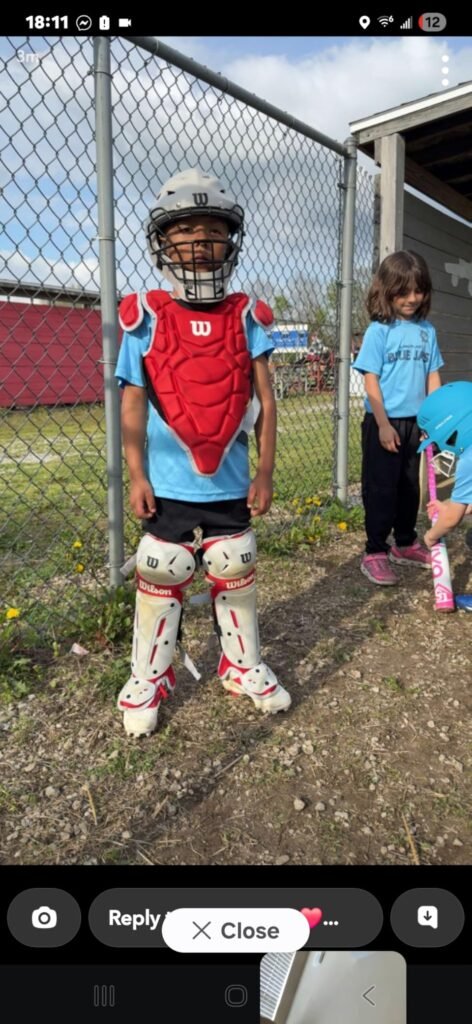
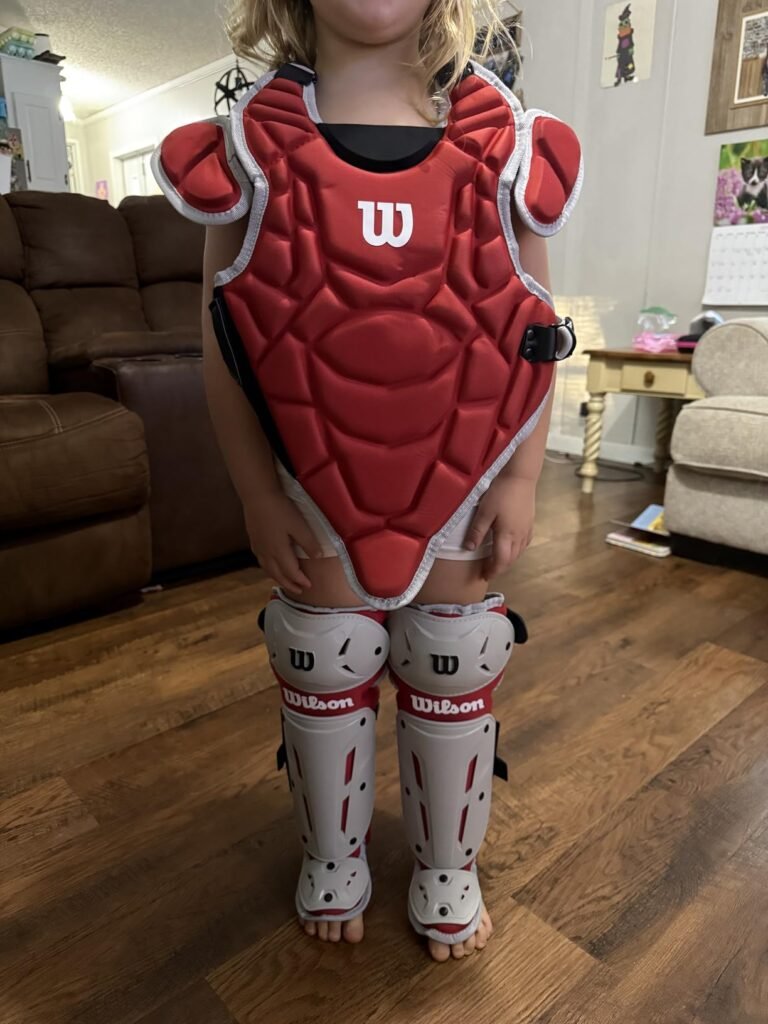
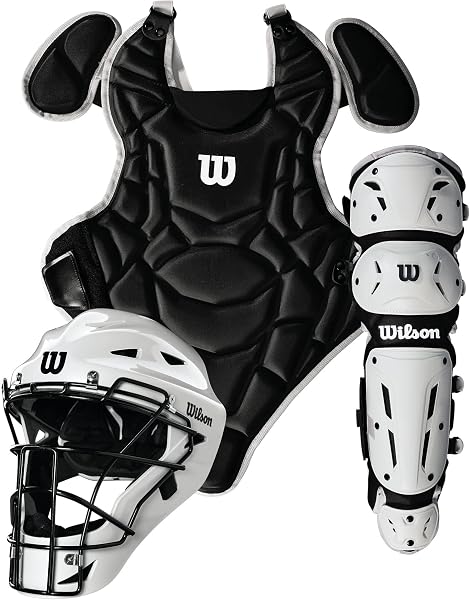
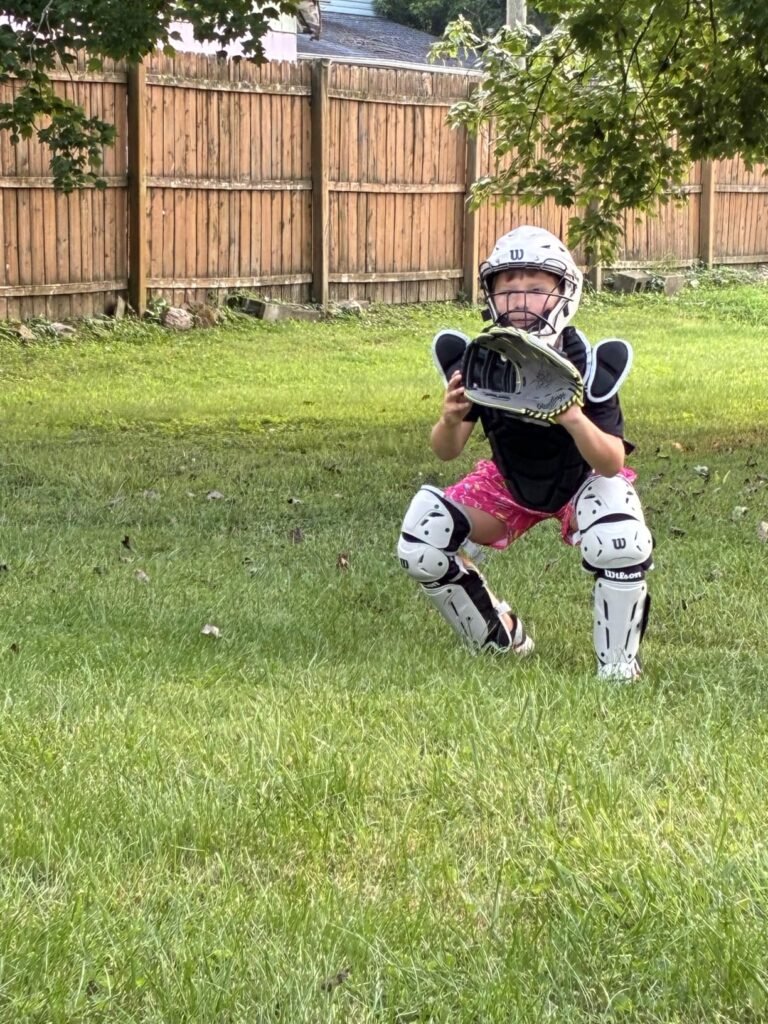
The Wilson EZ Gear 2.0 in black is one of the most accessible entry points for young catchers who need a complete set without a major financial commitment. At a fraction of the cost of premium kits, this three-piece set includes a helmet, chest protector, and leg guards that cover the essential protection requirements for youth baseball.
We may earn a commission when you buy through this link, at no additional cost to you.
The helmet features a premium-grade ABS shell with a glossy finish and built-in venting to help keep the head cool during warm-weather games. It meets the NOCSAE SEI protection standard, which is the baseline safety requirement for organized play at most levels. The chest protector uses Wilson’s QuickChange adjustment system, a set-it-and-forget-it strap design that makes it easier for parents and coaches to dial in a secure fit without constant readjustment between innings.
Both the chest protector and leg guards use hook-and-loop closures for quick removal, which younger players tend to appreciate during practice transitions and water breaks. The chest protector includes removable shoulder caps and a multi-point adjustment system that helps the piece conform to different body shapes. The L/XL sizing is recommended for ages 7 to 12, with the chest protector measuring 13 inches and the leg guards at 12 inches.
Youth catchers grow quickly, and a set that fits perfectly in April may feel tight by July. The QuickChange system on the EZ Gear 2.0 helps extend the usable life of the set by allowing incremental strap adjustments as the player fills out. When sizing, measure the player’s chest circumference and leg length rather than relying solely on age recommendations, since kids of the same age can vary significantly in build.
This set is a practical choice for families with younger players who are just learning the position or rotating through different defensive spots. The protection is adequate for youth-level pitch velocities, and the easy adjustment system reduces the frustration that can come with ill-fitting gear. As players grow and face harder throws, upgrading to a set with more advanced impact technology will become worthwhile.
Not suited for older teens or adults who need larger sizing and more advanced protection.
We may earn a commission when you buy through this link, at no additional cost to you.
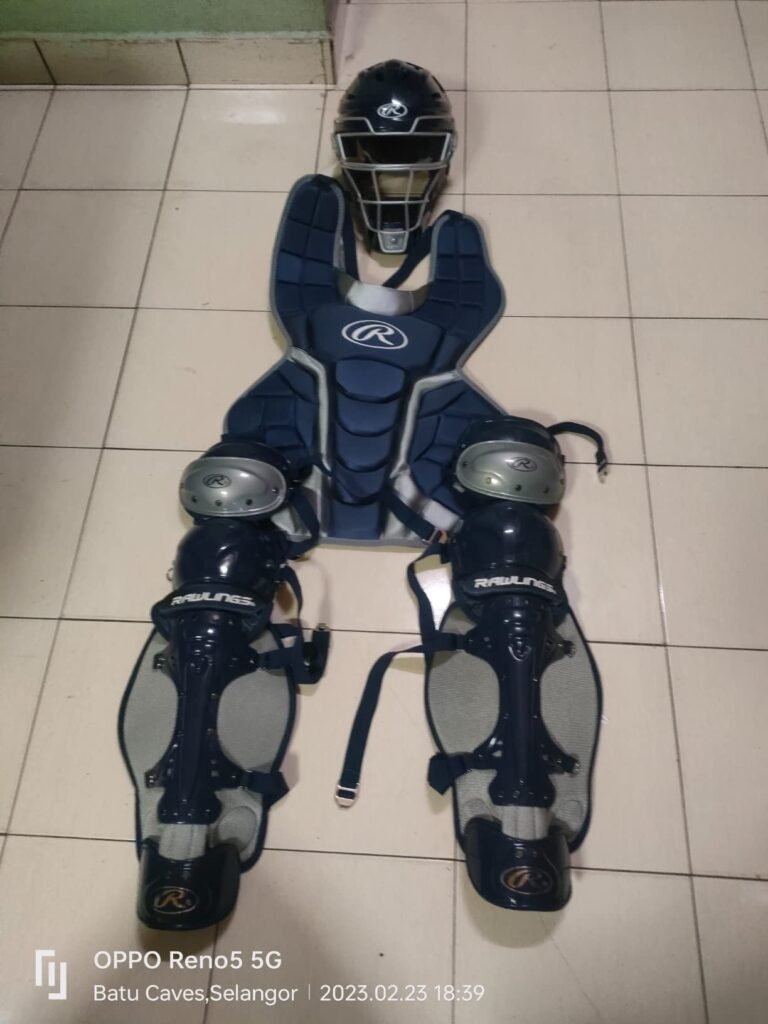
The Rawlings Renegade set targets adult and intermediate catchers who want dependable protection without paying top-dollar prices. The kit includes a Coolflo hockey-style helmet, a redesigned chest protector, and two lightweight leg guards, all sized for players ages 15 and up with a 7 1/8 to 7 3/4 inch hat size, 17-inch chest protector, and 16-inch leg guards.
We may earn a commission when you buy through this link, at no additional cost to you.
The standout feature here is the Coolflo ventilation system in the helmet, which channels air through the shell to help regulate temperature during hot games. The cage is built from high-strength, impact-resistant materials and is recessed to improve visibility while maintaining a protective barrier against foul tips. The chest protector uses Rawlings’ Arc Reactor Core technology, which blends impact-absorbing polyurethane with an arch-engineered polymer plate to spread forceful impacts across a broader surface area rather than letting them concentrate in one spot.
The leg guards are designed to be lightweight, which helps reduce lower-leg fatigue over the course of a doubleheader or tournament weekend. While they may not offer the same level of structured articulation found in higher-end sets, they provide adequate coverage for most adult recreational and competitive situations. The entire set carries NOCSAE certification and is approved for all levels of play, so there are no eligibility concerns regardless of the league.
Arc Reactor Core combines two layers of protection in the chest protector: a soft polyurethane foam that absorbs initial impact energy and a rigid polymer plate shaped in an arch to redirect remaining force outward. This dual-layer approach is designed to reduce the peak force transmitted to the sternum and ribcage, which is particularly important given the growing awareness of Commotio Cordis risks in baseball. While this set does not carry the specific NOCSAE Commotio Cordis certification found on some newer models, the Arc Reactor Core still provides a meaningful layer of impact management.
This Renegade set is a strong middle-ground option for adult catchers who play regularly but do not need the most advanced blocking or impact-dispersion technology on the market. The ventilation is a genuine advantage in warm climates, and the Arc Reactor Core provides meaningful chest protection at a reasonable price point. Catchers who prioritize maximum adjustability or elite-level blocking may want to look at the higher-end Rawlings Velo or All-Star options instead.
Not the best choice for players who need specific Commotio Cordis certification for their league.
We may earn a commission when you buy through this link, at no additional cost to you.
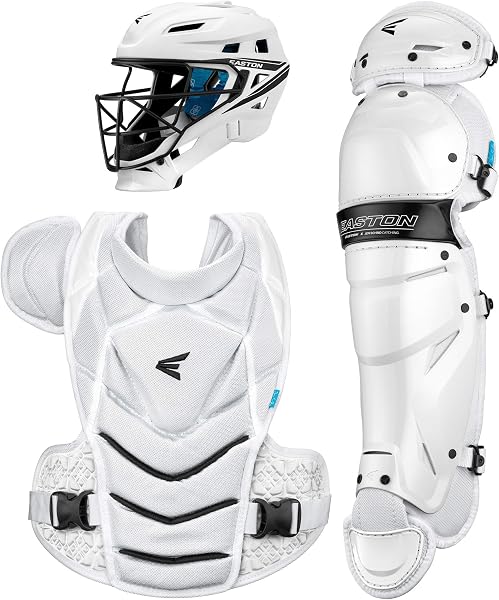
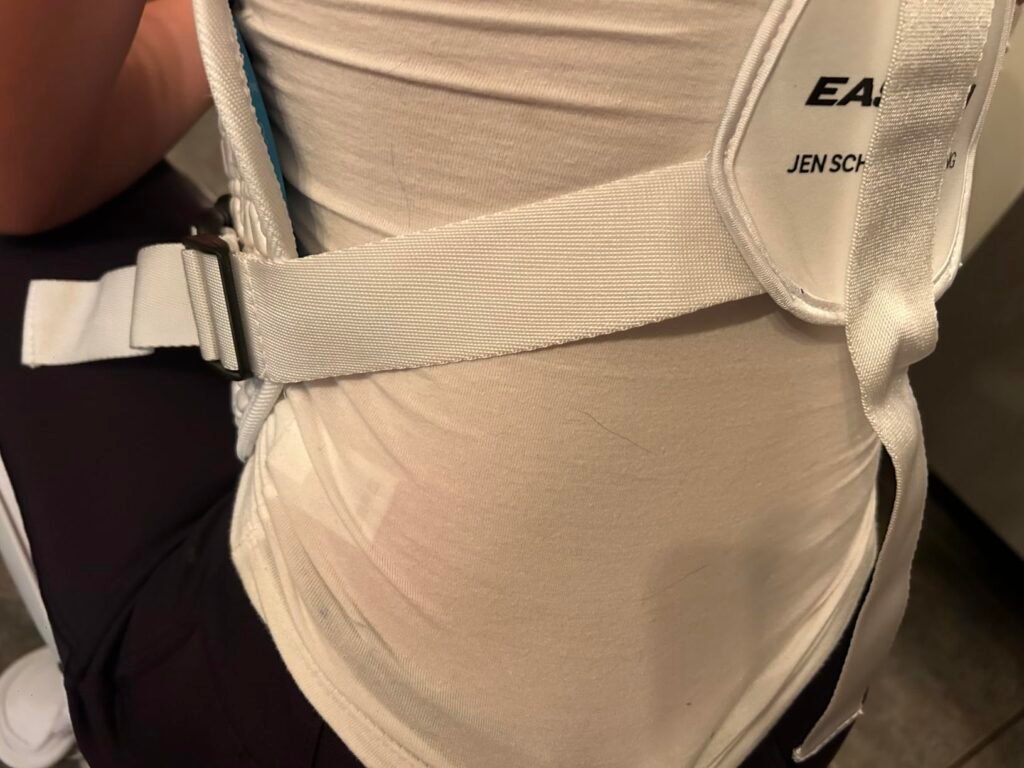
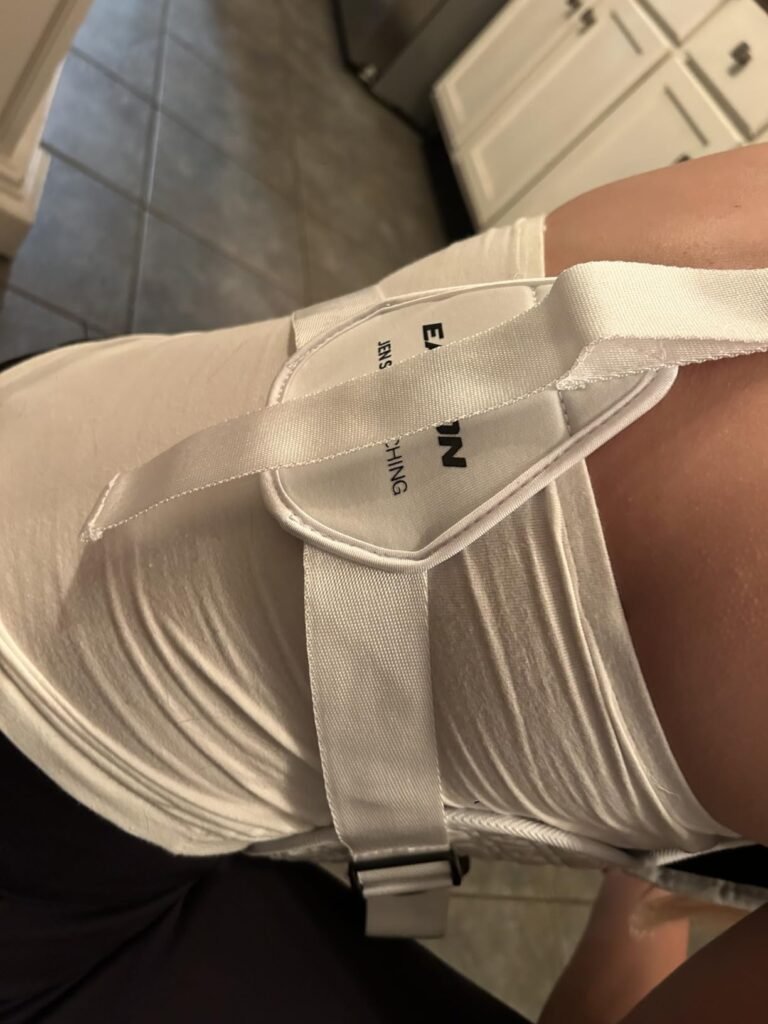
The Easton JEN SCHRO box set is one of the few complete catcher's kits designed from the ground up for female fastpitch softball players. Developed in collaboration with renowned catching instructor Jen Schroeder, this set addresses the fit and protection needs that generic unisex gear often overlooks, particularly in the chest protector and leg guard areas.
We may earn a commission when you buy through this link, at no additional cost to you.
The helmet uses a streamlined ABS plastic shell with a black matte steel cage and features Clear Dri and Aegis Special lining to help manage sweat and keep the interior fresher over time. The chest protector is form-fitted for the female athlete and uses patented silicone grip abs that help the protector stay in place during explosive movements like blocking and throwing. This is a meaningful detail because a chest protector that shifts during play leaves gaps in coverage exactly when protection is needed most.
The leg guards feature a neoprene knee strap that provides a more comfortable and secure fit around the knee compared to traditional elastic straps, along with inner knee padding specifically designed for throwing from the knees. This is a common movement in fastpitch where catchers frequently pop up from a kneeling position to make throws to second or third base. The entire set meets the NOCSAE Commotio Cordis standard, providing certified chest protection that many leagues now require.
Most catcher’s gear has historically been designed around male body proportions, which can lead to poor fit in the chest protector and leg guards for female athletes. A chest protector that is too wide or too long can bunch up when the catcher crouches, creating uncomfortable pressure points and leaving the sternum partially exposed. The JEN SCHRO set addresses this by contouring the chest protector to the female torso and adjusting the leg guard proportions to match typical female leg length and knee positioning, resulting in more consistent coverage and less distraction during play.
This set is the clear choice for fastpitch softball catchers at the youth, high school, or travel ball level who want gear that actually fits their body type. The female-specific patterning and Commotio Cordis certification make it both more comfortable and more protective than adapting a standard baseball set. Baseball catchers and male athletes should look elsewhere, as the sizing and shaping will not provide an appropriate fit.
Not designed for baseball catchers or male athletes.
We may earn a commission when you buy through this link, at no additional cost to you.
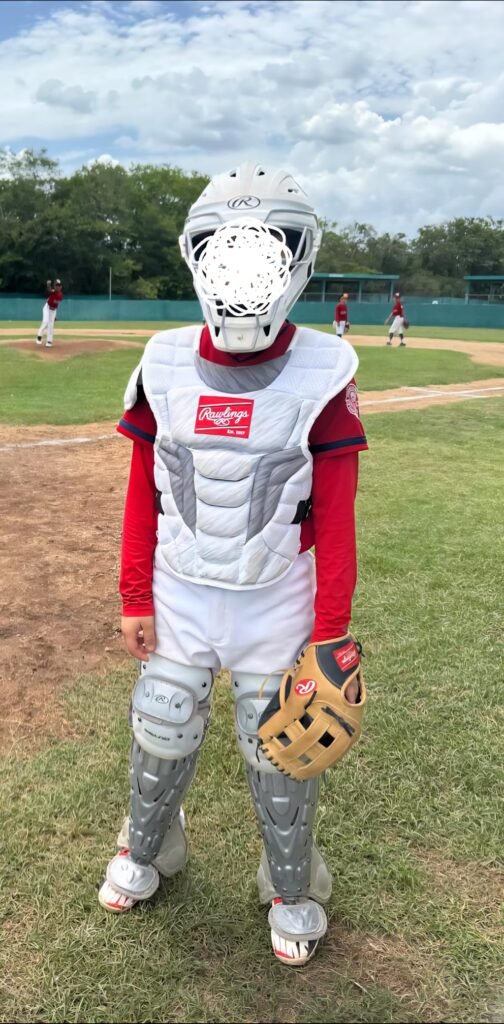
The Rawlings Velo 2.0 is a step up from the Renegade in both technology and price, aimed at adult catchers who want a more refined set with better heat management and adjustability. The kit includes a hockey-style helmet sized 7 1/8 to 7 3/4 inches, a 17-inch chest protector, and 16.5-inch triple-knee leg guards, all designed for players ages 15 and up.
We may earn a commission when you buy through this link, at no additional cost to you.
The chest protector features the same Arc Reactor Core impact technology found in the Renegade but adds heat exchange technology that helps regulate temperature across the torso during extended play. This is a practical advantage for catchers in warm climates or during summer tournaments where heat buildup inside the chest protector can become genuinely uncomfortable. The helmet pairs a moisture-wicking liner with a recessed cage design that improves sight lines without sacrificing protection, and the three-way adjustable back plate allows for a more customized fit than simpler strap systems.
The triple-knee leg guards are a notable upgrade over basic two-knee designs, providing additional coverage and support along the full length of the knee joint. This extra articulation point helps the guards flex more naturally as the catcher moves through different stances and blocking positions. The redesigned chin strap on the helmet also contributes to a more secure and personalized feel, reducing the need for mid-game adjustments.
Standard leg guards typically have two articulation points at the knee, which can leave a gap in coverage when the catcher bends deeply or drops to one knee. Triple-knee designs add a third hinge point that follows the natural curve of the knee more closely, maintaining better contact with the leg through a wider range of motion. For catchers who spend a lot of time in deep crouches or who frequently block pitches in the dirt, the additional coverage can reduce the number of foul tips that find their way to unprotected skin around the kneecap.
The Velo 2.0 hits a strong balance between advanced features and reasonable pricing for competitive adult catchers. The heat exchange technology and triple-knee leg guards provide tangible benefits over entry-level sets, and the overall build quality supports regular use across a full season. Players who are still growing or who need youth sizing should look at the Easton Black Magic or All-Star Top Star instead.
Not ideal for younger players who need youth-specific sizing.
We may earn a commission when you buy through this link, at no additional cost to you.
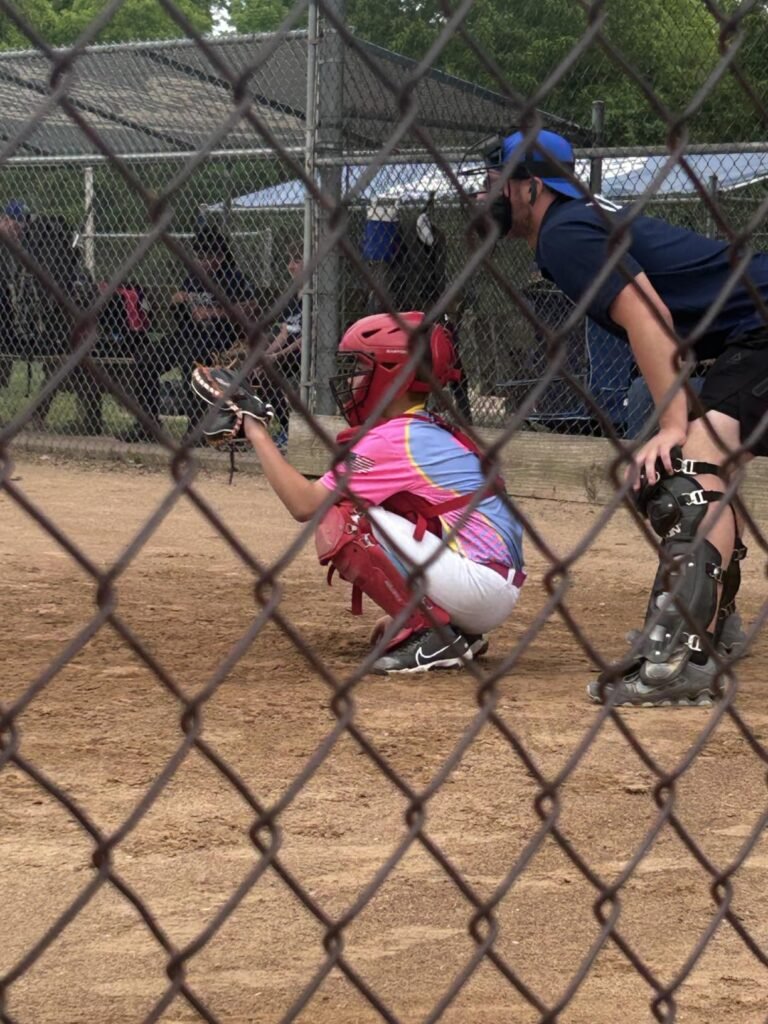
The Easton Black Magic 3.0 is designed specifically for youth catchers, with sizing available in Youth Medium for ages 6 to 9 and Youth Large for ages 9 to 12. This age-targeted approach means the proportions of each piece are scaled to fit younger bodies more accurately than simply buying a small adult set, which often results in gaps in coverage and uncomfortable pressure points.
We may earn a commission when you buy through this link, at no additional cost to you.
The helmet features a high-tensile steel mask with a centered viewport that provides clear visibility while maintaining strong impact resistance. The hat size range of 6 1/8 to 7 inches and head circumference of 19 3/8 to 22 inches covers the typical youth range well. The chest protector measures 13.5 inches and is designed to resist bunching when the catcher crouches, a common problem with youth gear that can leave the midsection partially exposed during blocking movements.
The articulated leg guards are a highlight for this price range, measuring 13 inches and contoured to flex naturally with the catcher’s stance. This articulation helps the guards wrap around the leg for more complete coverage rather than sitting flat and leaving the sides of the knee exposed. The NOCSAE certification means the helmet meets the safety standards required for organized baseball and softball at all youth levels.
Scaling down an adult chest protector for a youth player often results in a piece that is too wide across the shoulders or too long in the torso, causing it to ride up or shift during play. Youth-specific designs like the Black Magic 3.0 adjust the width-to-length ratio and strap placement to match the proportions of younger bodies, resulting in more consistent coverage and less distraction. This is especially important for younger catchers who are still developing their blocking technique and need their gear to stay in place as they learn proper form.
This set is a strong choice for parents outfitting a young catcher who is committed to the position and needs gear that fits properly without the expense of a premium adult set. The youth-specific proportions and articulated leg guards provide better coverage and comfort than many generic youth options. Once the player outgrows the size range, transitioning to an adult set like the Rawlings Velo or Renegade will be the natural next step.
Not suitable for players older than 12 who need adult-sized protection.
We may earn a commission when you buy through this link, at no additional cost to you.
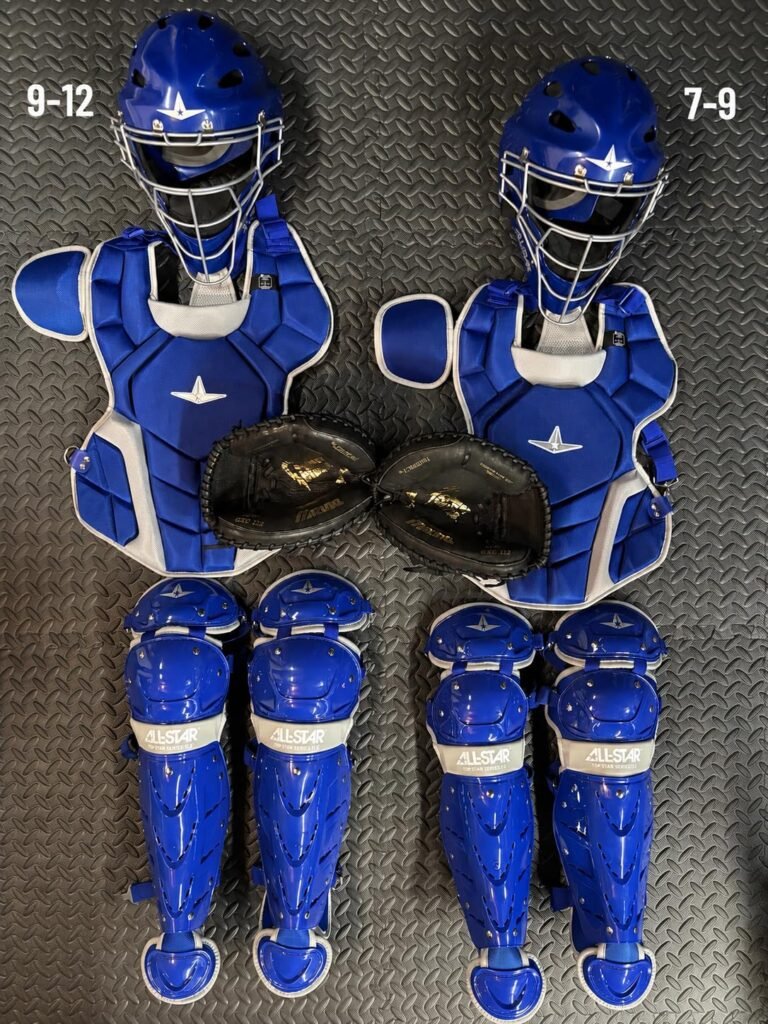
The All-Star Top Star kit fills the gap between entry-level youth sets and the premium MVP-PRO, offering All-Star's well-regarded build quality at a more accessible price point for intermediate players. The set is recommended for ages 9 to 12 and includes the MVP3 NOCSAE-approved helmet with a 6 1/4 to 7 hat size range, a 14.5-inch chest protector, and 14.5-inch leg guards.
We may earn a commission when you buy through this link, at no additional cost to you.
The MVP3 helmet carries the NOCSAE certification required for organized play and provides the reliable protection that All-Star is known for in the catching market. While it does not include the Deflexion shock hammocks found on the MVP-PRO, it still offers solid impact resistance for the pitch velocities that intermediate-age catchers typically face. The 14.5-inch dimensions on both the chest protector and leg guards are well-suited to the average build of players in the 9 to 12 age range.
The kit provides complete three-piece coverage without requiring separate purchases, which simplifies the buying process for parents who want to make sure every piece meets the same quality standard. The All-Star brand carries a strong reputation among catchers and coaches, and the Top Star line brings that credibility to a price point that is more manageable for families with players who may still be deciding whether catching will be their long-term position.
The 9 to 12 age range is a critical period for catchers because pitch velocities increase significantly as players move from kid-pitch leagues to more competitive travel and select teams. Gear that was adequate at age 8 may not provide sufficient protection by age 11 or 12. The Top Star kit addresses this transition by offering All-Star’s proven protection platform in intermediate sizing, giving young catchers a meaningful upgrade in impact resistance without jumping straight to adult dimensions that may not fit properly yet.
This set is a smart choice for intermediate players who have outgrown basic youth gear but are not yet ready for adult-sized equipment. The All-Star build quality and NOCSAE certification provide peace of mind, and the 14.5-inch sizing bridges the gap between smaller youth sets and full adult dimensions. Players approaching high school age will likely need to move up to an adult set within a season or two.
Not designed for high school or adult players who need larger dimensions.
We may earn a commission when you buy through this link, at no additional cost to you.
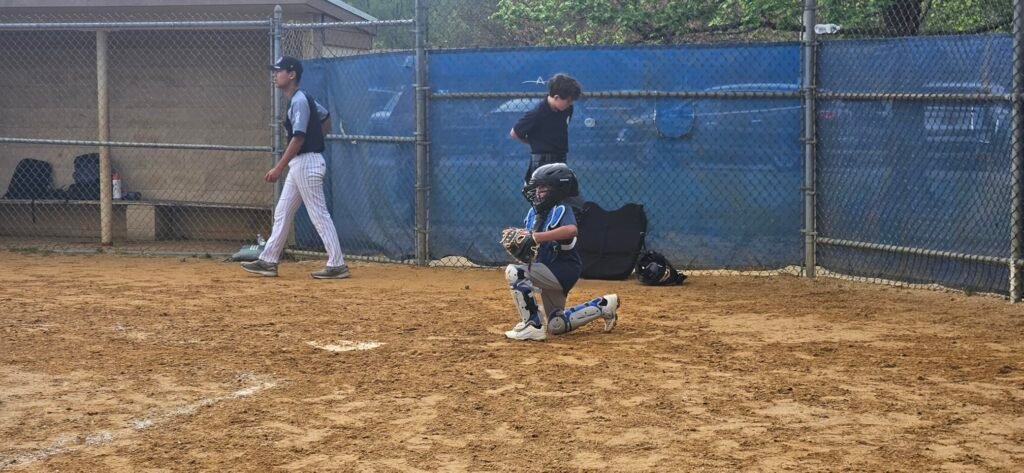
The Wilson EZ Gear 2.0 in scarlet shares the same core design as the black version but extends the L/XL sizing recommendation up to age 18, making it a viable option for older teens who need a budget-friendly complete set. The kit includes the same helmet, chest protector, and leg guards with the QuickChange adjustment system that makes fitting straightforward and repeatable.
We may earn a commission when you buy through this link, at no additional cost to you.
The helmet features the same premium-grade ABS shell with venting technology and NOCSAE SEI certification found in the black version. The L/XL helmet size covers 7 to 7 7/8 inches, which accommodates a broader range of head sizes than the youth-oriented S/M option. The chest protector measures 13 inches in L/XL and uses a multi-point adjustment system with removable shoulder caps, allowing for a more customized fit across different torso shapes.
The form-fitting leg guards measure 12 inches in L/XL and use the same hook-and-loop QuickChange closures for easy on and off. The scarlet colorway is a practical choice for players who want their gear to stand out on the field or match a team’s color scheme, though it does not affect performance in any way. The unisex-teen designation means the set is appropriate for a wide range of body types within the target age group.
Catchers often need to remove and re-don their gear quickly between innings, during pitching changes, or when rotating to a different defensive position. Traditional buckle-and-strap systems can be slow and frustrating, especially for younger players who may not have the dexterity to manage small buckles with sweaty hands. The QuickChange hook-and-loop system on the EZ Gear 2.0 allows catchers to slip the chest protector and leg guards on and off in seconds, reducing downtime and keeping the player focused on the game rather than fumbling with straps.
This scarlet version of the EZ Gear 2.0 is best for teen catchers who need an affordable, easy-to-adjust set and do not require the advanced impact technology found in premium kits. The extended age range up to 18 makes it more versatile than the black version for older players on a budget. Competitive catchers facing high-velocity pitching should consider upgrading to a set with Commotio Cordis certification and more sophisticated blocking technology.
Not the best fit for advanced competitive catchers seeking premium impact technology.
We may earn a commission when you buy through this link, at no additional cost to you.
Selecting catchers gear involves balancing protection, fit, comfort, and budget across three separate pieces that need to work together as a system. The following factors will help you evaluate any complete kit and make a decision that matches your level of play and physical needs.
NOCSAE certification is the baseline safety standard for baseball and softball protective equipment in the United States. When a helmet or chest protector carries the NOCSAE seal, it means the piece has been tested by the Safety Equipment Institute to meet specific impact-resistance thresholds. Most organized leagues at the youth, high school, and collegiate levels require NOCSAE-certified gear, so purchasing a set without this certification can result in the player being ineligible to catch in official games.
The Commotio Cordis standard is a more recent addition to the NOCSAE framework and specifically addresses the risk of sudden cardiac arrest caused by a high-velocity impact to the chest area directly over the heart. This is a rare but serious risk, particularly for younger players whose chest walls are thinner and more vulnerable. Sets that carry the NOCSAE Commotio Cordis certification on the chest protector, such as the All-Star MVP-PRO and EvoShield SRZ-1, have been tested to reduce the peak force transmitted to the sternum below the threshold associated with cardiac events.
When shopping, check whether the certification applies to the helmet only or to both the helmet and chest protector. Some sets advertise NOCSAE compliance based on the helmet alone while the chest protector meets an older or less specific standard. If your league requires Commotio Cordis certification, verify that the chest protector specifically carries that designation before purchasing.
Modern catcher’s helmets use either an ABS plastic shell or a composite material, with ABS being the most common across all price points. The shell’s primary job is to absorb and distribute the energy from a foul tip or wild pitch before it reaches the skull. Higher-end helmets may incorporate additional internal suspension systems or shock-dispersing hammocks, like the Deflexion technology in the All-Star MVP-PRO, to further reduce the force transmitted to the head.
The cage design affects both protection and visibility. A recessed cage sits closer to the face and reduces the chance of a ball slipping through the bars, while an extended cage like the I-BAR BSP on the MVP-PRO adds coverage against wild swings from the batter. The number and spacing of the cage bars also influence how clearly the catcher can see the ball out of the pitcher’s hand, which matters for pitch recognition and framing. Hockey-style helmets, which are now standard across most levels, provide full head coverage including the back of the skull and are generally preferred over traditional two-piece mask-and-helmet combinations.
When evaluating a helmet, try it on with the cage attached and check the sight lines from a crouched position. The catcher should be able to see the pitcher’s release point clearly without tilting the head back or straining to look through a narrow gap in the cage bars. A helmet that obstructs vision will cause the catcher to compensate with poor posture, which creates its own safety and performance issues.
The chest protector is the most critical piece for absorbing direct impacts from foul tips and pitches in the dirt. Entry-level protectors typically use a single layer of foam padding, which provides basic cushioning but may allow significant force to pass through to the sternum and ribs. Mid-range and premium protectors use multi-layer systems that combine soft foam with rigid polymer plates or specialized core materials designed to spread impact energy across a wider area.
Rawlings’ Arc Reactor Core, found in both the Renegade and Velo 2.0 sets, blends impact-absorbing polyurethane with an arch-engineered polymer plate to disperse force. The Easton JEN SCHRO set uses silicone grip abs that serve a dual purpose of managing impact and keeping the protector from shifting during explosive movements. The All-Star MVP-PRO uses 3DU Bar technology specifically designed to improve blocking performance by keeping the ball close to the body on impact rather than allowing it to carom away.
When comparing chest protectors, pay attention to the thickness and layering of the padding rather than just the overall dimensions. A thinner protector with advanced multi-layer technology may absorb more force than a thicker protector with basic single-layer foam. Also consider the length of the protector relative to the catcher’s torso, as a piece that is too short will leave the lower ribs and abdomen exposed.
Leg guards protect the shins, knees, and thighs from foul tips, blocked pitches, and the repetitive stress of squatting and kneeling. The number of articulation points in the knee area is one of the most important design differences between sets. Basic guards use a single or double hinge, while more advanced designs like the Rawlings Velo 2.0 use a triple-knee configuration that follows the natural bend of the leg more closely through a full range of motion.
The material and construction of the knee padding also vary significantly. The EvoShield SRZ-1 uses dedicated comfort foam engineered to keep the knees properly positioned and cushioned, while the Easton JEN SCHRO set features a neoprene knee strap and inner knee padding designed specifically for throwing from the knees. The All-Star MVP-PRO’s SHIFT technology takes a different approach by designing the entire leg guard to move with the catcher’s body, maintaining thigh coverage regardless of stance.
When trying on leg guards, have the catcher drop into a full squat and then transition to a one-knee blocking position. The guards should stay centered on the shin and knee without sliding to the side or bunching at the ankle. If the guards shift significantly during these movements, the catcher will spend mental energy adjusting them during the game instead of focusing on receiving and blocking pitches.
Proper sizing is the single most important factor in catcher’s gear effectiveness. A set that is too large will shift during play and leave critical areas exposed, while a set that is too small will restrict movement and create uncomfortable pressure points. Most manufacturers provide age-based sizing guidelines, but these are approximations that should be verified with actual body measurements before purchasing.
For the helmet, measure the circumference of the head just above the ears and compare it to the manufacturer’s hat size range. For the chest protector, measure from the base of the neck to the navel and compare to the listed protector length. For the leg guards, measure from the center of the kneecap to the top of the foot and compare to the listed guard length. The Easton Black Magic 3.0, for example, offers Youth Medium for ages 6 to 9 and Youth Large for ages 9 to 12, but a tall 8-year-old may fit better in the Youth Large while a smaller 10-year-old may still need the Youth Medium.
When in doubt between two sizes, lean toward the slightly larger option if the player is still growing, but make sure the straps can be tightened enough to keep the pieces secure. A set that is slightly too big but well-strapped is safer than a set that is slightly too small and cannot cover the necessary areas.
Catchers wear more protective equipment than any other player on the field, and the combination of a helmet, chest protector, and leg guards creates significant heat buildup during warm-weather games. Poor ventilation can lead to overheating, excessive sweating, and accelerated fatigue, all of which degrade performance and increase the risk of heat-related illness over the course of a long game or tournament weekend.
Different manufacturers address ventilation in different ways. The Rawlings Renegade uses the Coolflo system, which channels air through the helmet shell to promote circulation around the head. The Rawlings Velo 2.0 adds heat exchange technology to the chest protector and a moisture-wicking liner to the helmet. The All-Star MVP-PRO uses 3D Airmesh removable pads that promote airflow against the skin and can be washed to maintain freshness. The Easton JEN SCHRO set incorporates Clear Dri and Aegis Special lining in the helmet to combat sweat and odor.
If you play primarily in hot, humid climates or during summer months, prioritize sets with active ventilation features in both the helmet and chest protector. A well-ventilated set will not make the catcher cooler than playing without gear, but it can meaningfully reduce the rate of heat buildup and make the difference between staying sharp in the seventh inning and struggling through fatigue.
The total weight of a catcher’s gear set affects how quickly the catcher can move laterally to block pitches, pop up to make throws, and sprint down the baseline on bunt coverage. Heavier sets with more padding and rigid protection plates provide superior impact absorption but can slow down these movements, while lighter sets improve agility at the cost of some impact dampening.
The tradeoff between weight and protection is most noticeable in the chest protector and leg guards. A chest protector with multi-layer Arc Reactor Core or 3DU Bar technology will weigh more than a basic foam protector, but the additional weight is distributed across the torso and is less noticeable during play than extra weight on the legs. Leg guards with triple-knee articulation and extensive padding add weight to the lower body, which can affect the catcher’s ability to explode out of a crouch for throws to second base.
For younger players and recreational catchers, a lighter set that allows free movement is generally more beneficial than a heavier set with marginal protection gains. For competitive catchers facing high-velocity pitching, the additional weight of premium protection technology is a worthwhile tradeoff. Consider the player’s position-specific demands and physical conditioning when evaluating weight.
Before each game or practice, inspect all three pieces of your catchers gear for cracks, loose straps, worn padding, or damaged cage bars. Pay particular attention to the helmet cage attachment points and the chest protector shoulder straps, as these areas experience the most stress during play. A quick visual check takes less than a minute and can catch a problem before it leads to an equipment failure during a live pitch.
After use, allow the gear to air dry completely before storing it in a bag or locker. Moisture trapped inside the padding promotes bacterial growth and accelerates the breakdown of foam materials. If the set includes removable pads like the 3D Airmesh system on the All-Star MVP-PRO, take them out periodically and wash them according to the manufacturer’s instructions. Wiping down the helmet shell and cage with a damp cloth after each use helps remove dirt and sweat residue that can degrade the finish over time.
Store the gear in a cool, dry location away from direct sunlight, which can weaken ABS plastic and fade colors over time. Avoid leaving the set in a hot car trunk for extended periods, as extreme heat can warp the helmet shell and compress the foam padding in the chest protector and leg guards. Proper storage and regular maintenance will extend the usable life of the set and ensure that the protection remains effective throughout the season.
NOCSAE certification indicates that a piece of protective equipment has been tested by the Safety Equipment Institute and meets specific impact-resistance standards established by the National Operating Committee on Standards for Athletic Equipment. For catchers, this typically applies to the helmet and increasingly to the chest protector. Most organized leagues require NOCSAE-certified gear for eligibility, so always verify the certification status before purchasing.
Measure the circumference of the player's head just above the ears using a flexible tape measure, then compare the measurement to the manufacturer's hat size range. The helmet should sit level on the head with the cage centered over the face and the back plate covering the base of the skull. A properly fitted helmet should feel snug but not create pressure points, and it should not shift when the player shakes their head.
Commotio Cordis is a rare but potentially fatal cardiac event caused by a high-velocity impact to the chest directly over the heart at a specific point in the cardiac cycle. The NOCSAE Commotio Cordis standard tests chest protectors to ensure they reduce the peak force transmitted to the sternum below the threshold associated with this risk. Sets with this certification provide an additional layer of cardiac protection beyond standard impact resistance.
Technically, you can combine a helmet from one brand with a chest protector and leg guards from another, and many experienced catchers do this to optimize fit and protection. However, buying a complete kit from a single manufacturer ensures that the pieces are designed to work together in terms of sizing proportions and strap compatibility. If you do mix brands, make sure each piece individually meets the NOCSAE certification requirements for your league.
Most catchers gear should be replaced every two to three seasons for active players, or sooner if the padding becomes compressed, the helmet shell shows cracks, or the cage bars become bent. Youth players may need new gear more frequently simply because they outgrow the sizing. Always replace any piece that has sustained a significant impact, even if visible damage is not obvious, as the internal foam may have lost its ability to absorb force.
Hockey-style helmets provide full head coverage with a single integrated shell and cage, protecting the top, sides, and back of the skull in one piece. Traditional two-piece masks consist of a separate skull cap and a wire face mask that attaches with clips. Hockey-style helmets are now the standard at virtually all levels of play because they offer superior protection against impacts to the back and sides of the head, which traditional masks leave exposed.
While the basic protection requirements are similar, fastpitch softball gear is often designed with different proportions to accommodate the typical body types of female athletes. The Easton JEN SCHRO set, for example, features a chest protector contoured for the female torso and leg guards with knee padding designed for throwing from the knees. Using a male-oriented baseball set for fastpitch can result in poor fit and gaps in coverage, so a purpose-built fastpitch set is recommended when available.
Wipe down the helmet shell and cage with a damp cloth after each use and allow all pieces to air dry completely before storage. If the gear has removable pads, wash them periodically according to the manufacturer's instructions. Avoid using harsh chemicals or submerging the helmet in water, as this can damage the internal foam and compromise the shell's structural integrity. Some sets include antimicrobial treatments like StinkStop that help reduce odor between washings.
Youth gear is typically designed for players ages 5 to 12, with specific sub-ranges depending on the manufacturer. Adult gear generally starts at age 15 and up, with some sets labeled as intermediate for the 12 to 15 transition range. The most reliable approach is to measure the player's head circumference, torso length, and leg length and compare those measurements to the specific sizing charts provided by each brand rather than relying solely on age recommendations.
The All-Star MVP-PRO stands out as the strongest overall choice for competitive catchers who need the most advanced protection available in a complete kit. Its combination of Deflexion helmet technology, Commotio Cordis-certified chest protection, and SHIFT leg guard mobility addresses the three most important protection zones with purpose-built engineering that goes well beyond basic foam padding.
For buyers with different priorities, the Easton JEN SCHRO set is the clear pick for fastpitch softball catchers who need female-specific fit and certified chest protection, while the Wilson EZ Gear 2.0 offers the best value for families outfitting younger players on a budget. The EvoShield SRZ-1 appeals to those who want the most thorough dual certification available, and the Rawlings Velo 2.0 provides a strong balance of heat management and adult-level performance at a mid-range price.
The right choice ultimately depends on the player's age, level of competition, league certification requirements, and budget. Start by confirming the NOCSAE and Commotio Cordis requirements for your specific league, then measure the player carefully and compare those measurements to the sizing charts for each set. A well-fitted, properly certified set will provide reliable protection and allow the catcher to focus on the game rather than adjusting their gear between pitches.