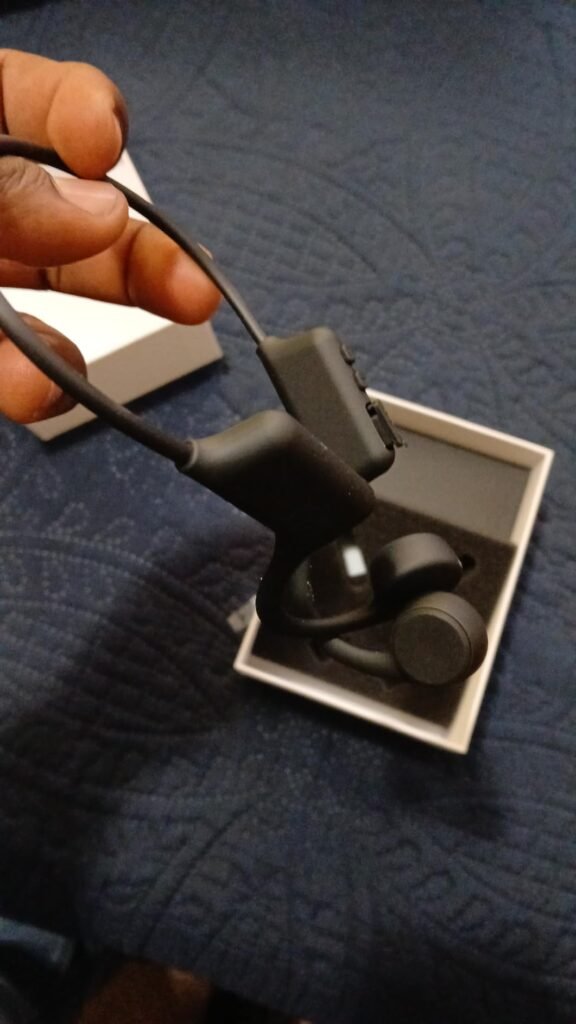
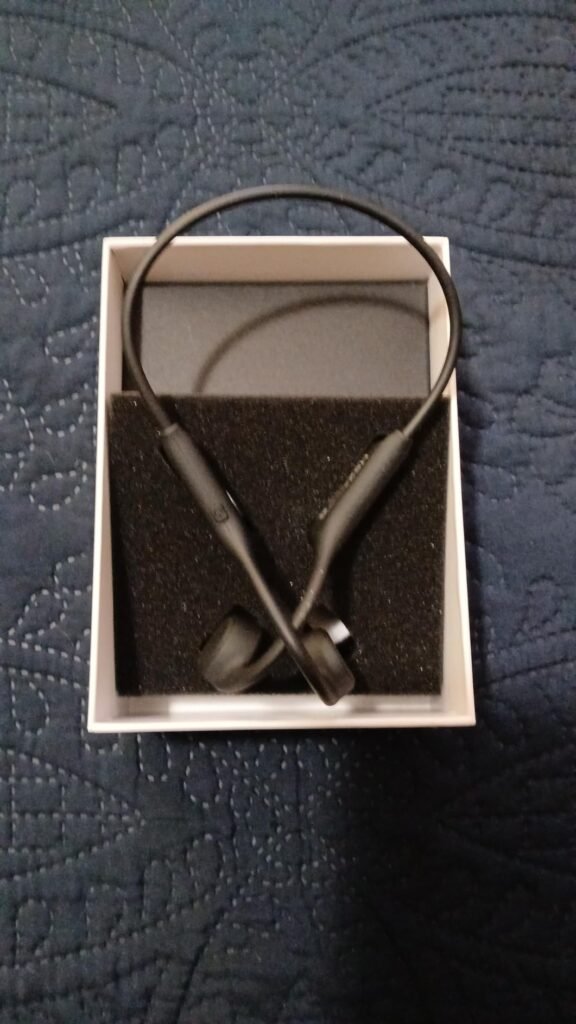
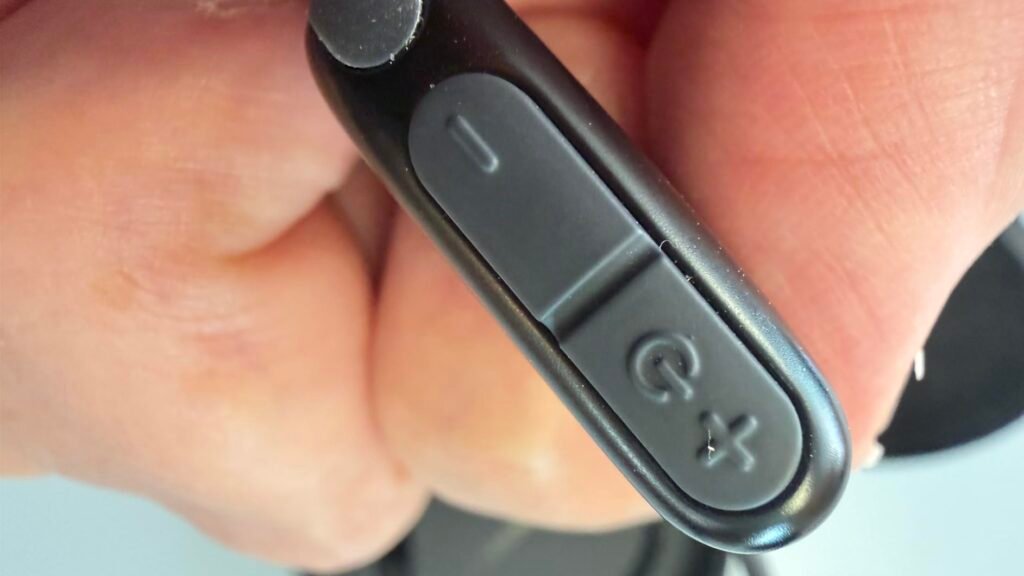
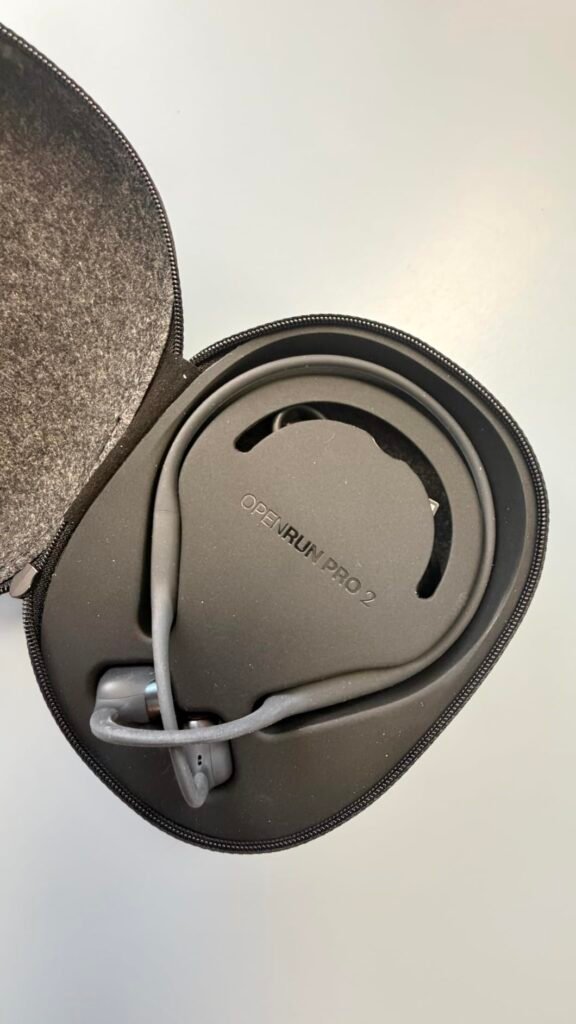
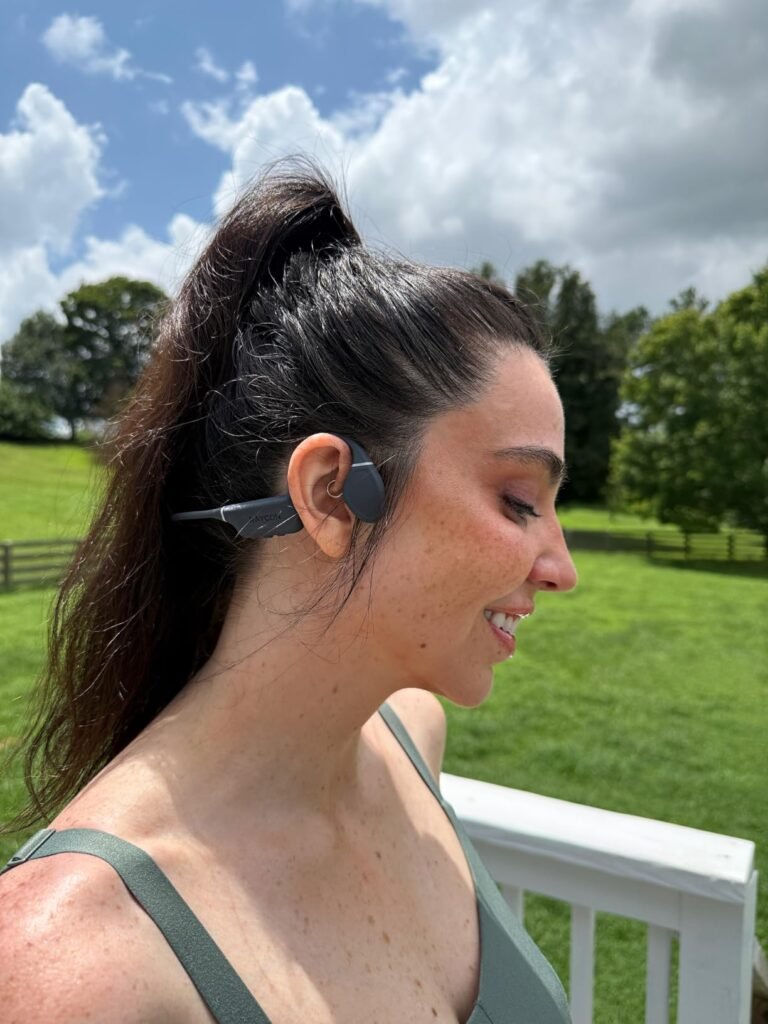
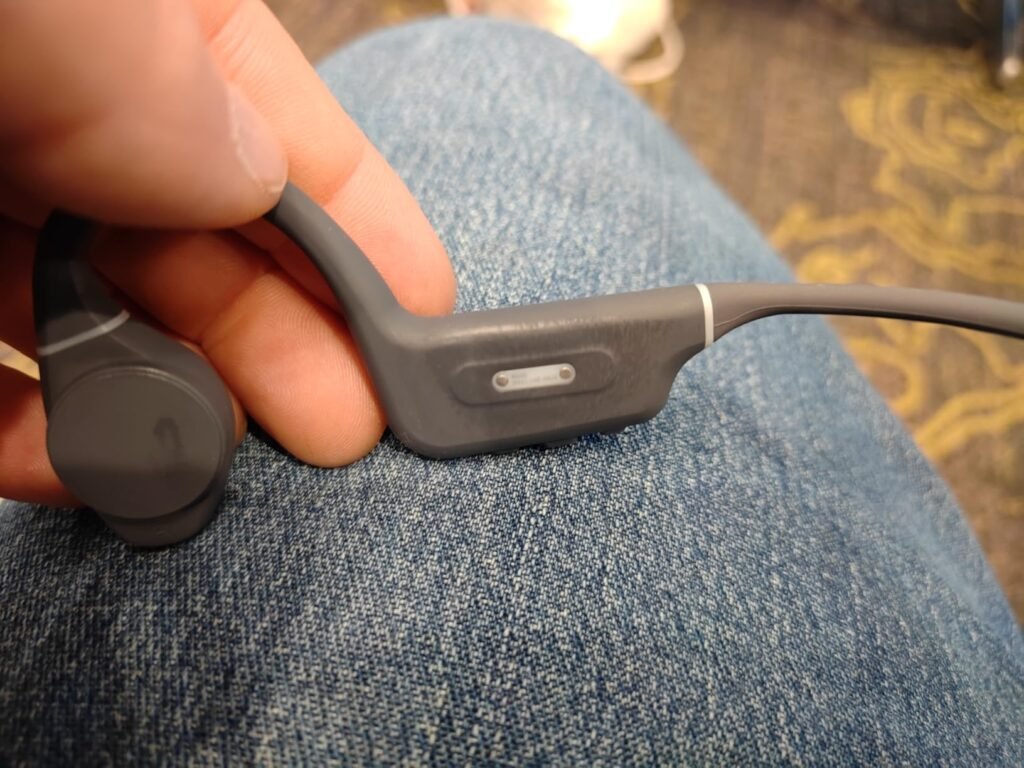
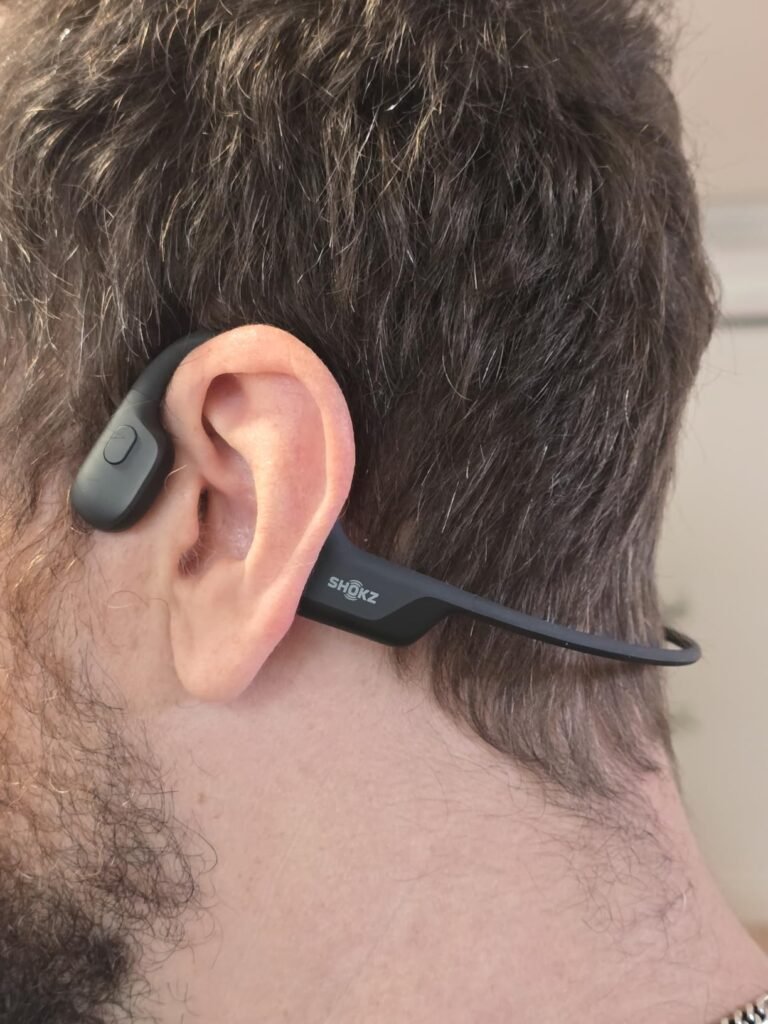
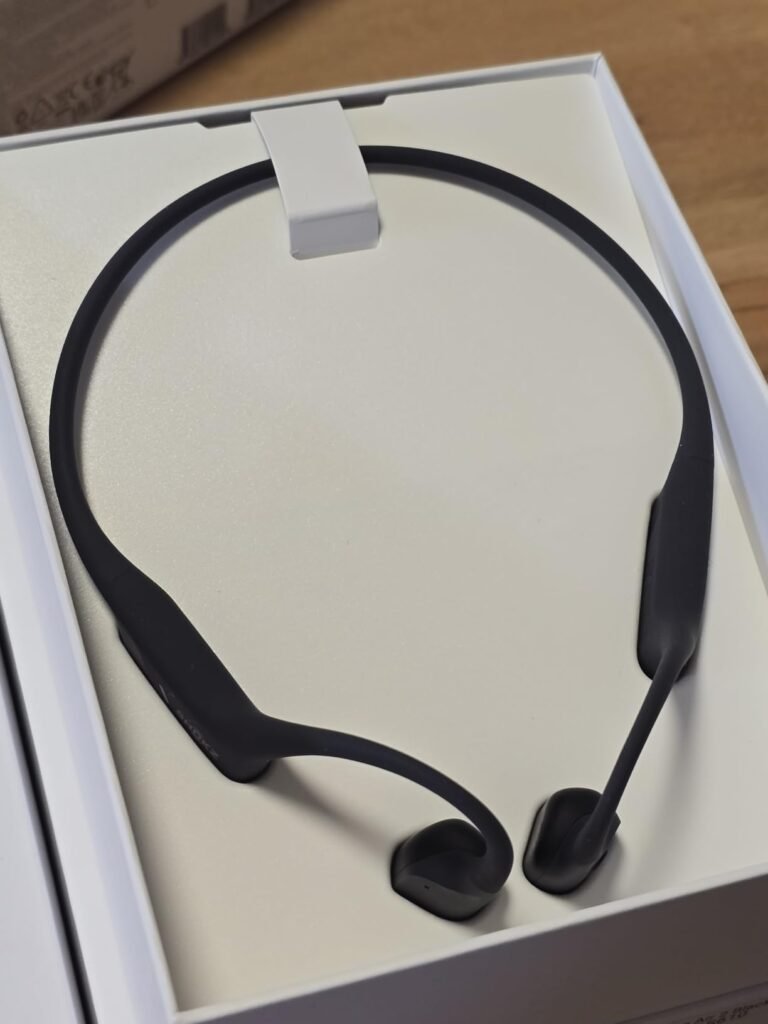
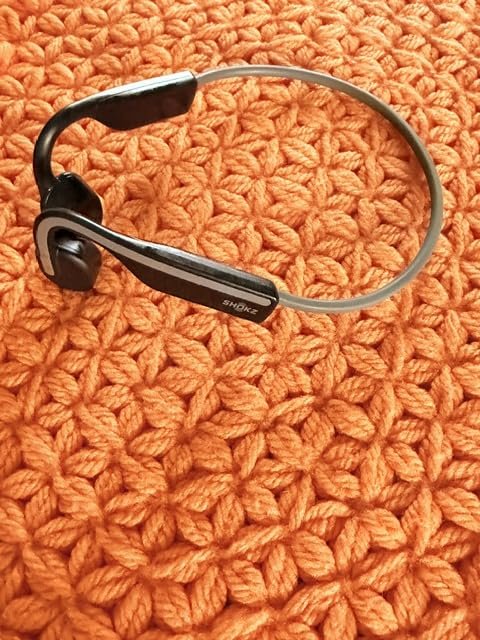
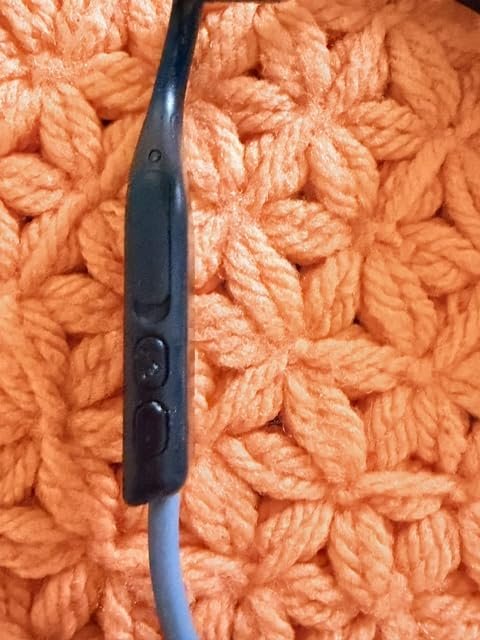
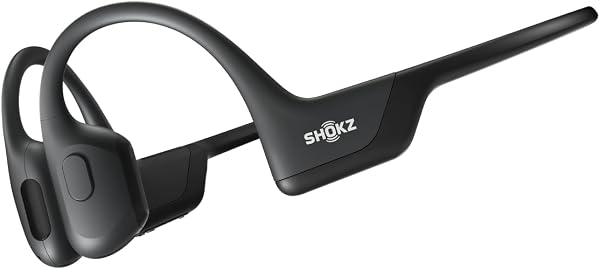
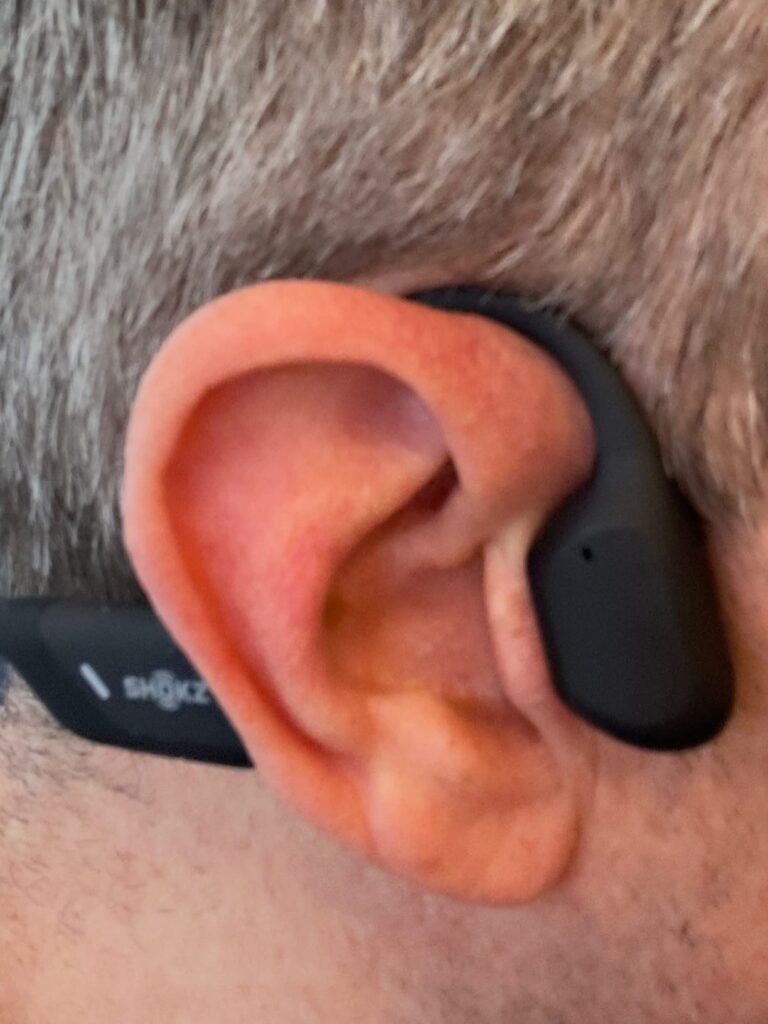
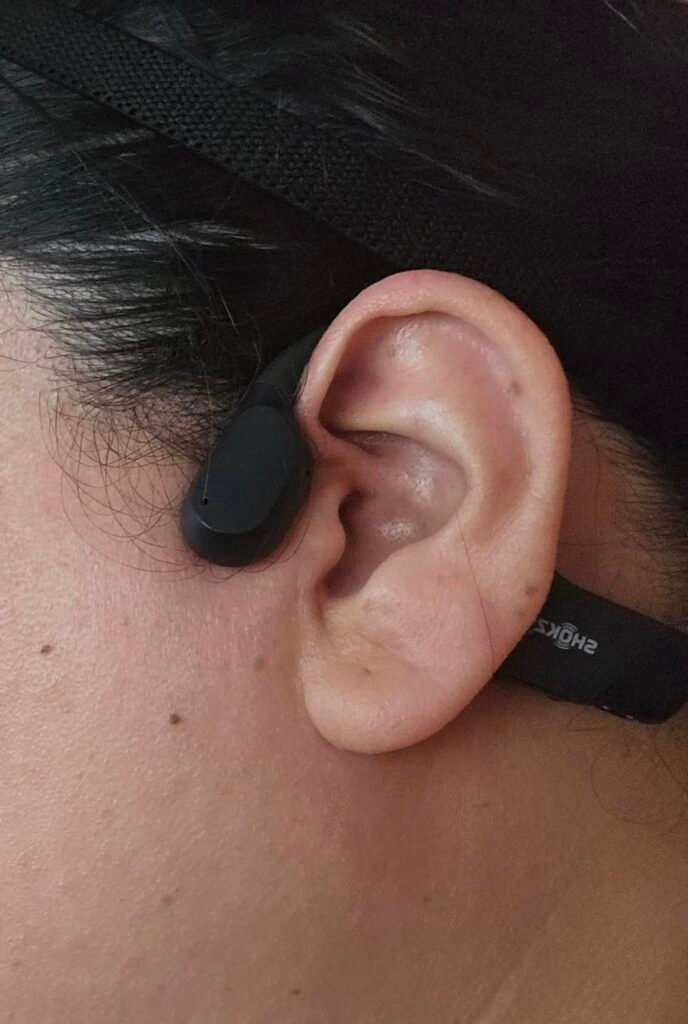
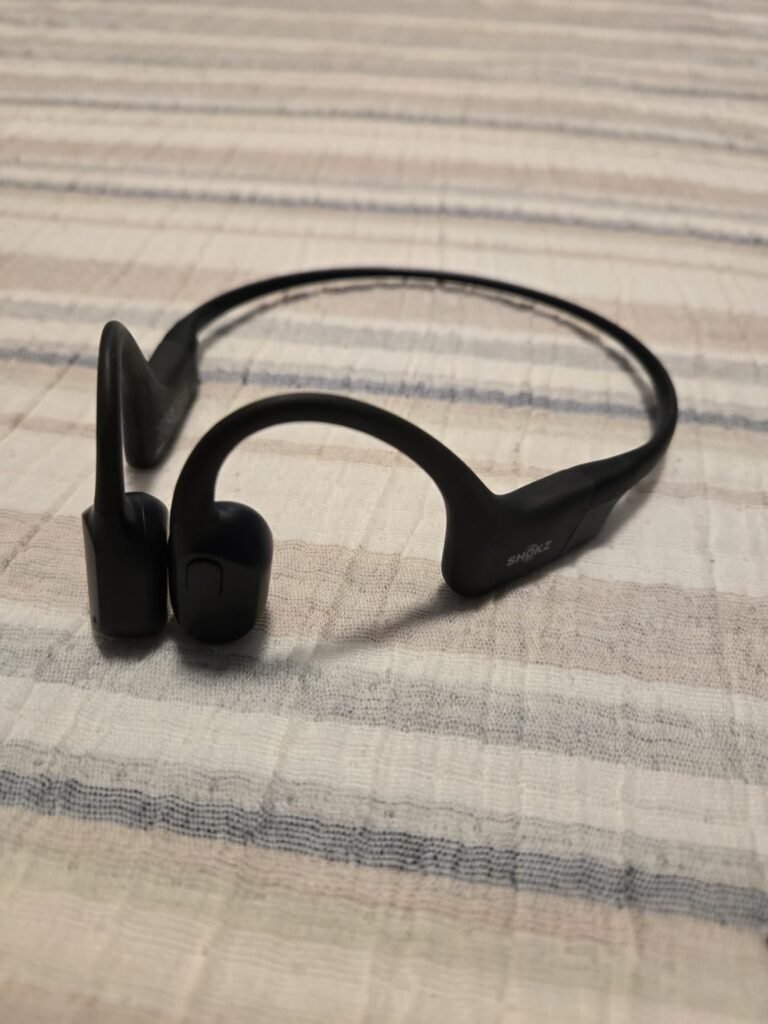
SHOKZ OpenRun Pro
8.6Editor scoreDual audio drivers
12-hour battery life
Ni-Ti memory wire frame
Wind-resistant dual microphones
Compare 10 top bone conduction headphones for running, cycling, and daily use. Find the right fit for sound quality, comfort, battery, and price.

Bone conduction headphones solve a specific problem: enjoying music, podcasts, or calls while keeping your ears open to traffic, teammates, and surroundings. We compare 10 standout picks by sound quality, comfort during long wear, battery life, water resistance, microphone clarity, Bluetooth version, and how well each handles real-world use for runners, cyclists, and commuters in 2026.
The category has matured significantly, with prices ranging from around $30 to nearly $180. Premium options from Shokz add dual-driver audio, richer bass, and refined ergonomics, while newer brands offer solid performance at a fraction of the cost. Understanding which trade-offs matter most helps avoid overspending or under-buying for your specific use.
This guide breaks down each pick’s strengths and limitations so you can match a set to your actual routine. Whether you need pool-ready waterproofing, all-day comfort under a helmet, or the clearest possible call quality for hybrid work, the options below cover a broad range of budgets and priorities without unnecessary hype.
We compared 10 bone conduction headphones by the details that shape real daily use: sound quality and dual-driver design, comfort and weight during long wear, battery endurance, Bluetooth version and connection stability, water and sweat resistance ratings, microphone clarity for calls, fit stability during exercise, sound leakage, EQ customization, and warranty support. The notes focus on practical trade-offs so each pick reflects how runners, cyclists, and commuters actually use open-ear audio throughout a workout or workday.


Compare key features, scores, and current prices side by side. A shorter feature list means fewer details were available, not necessarily fewer capabilities.


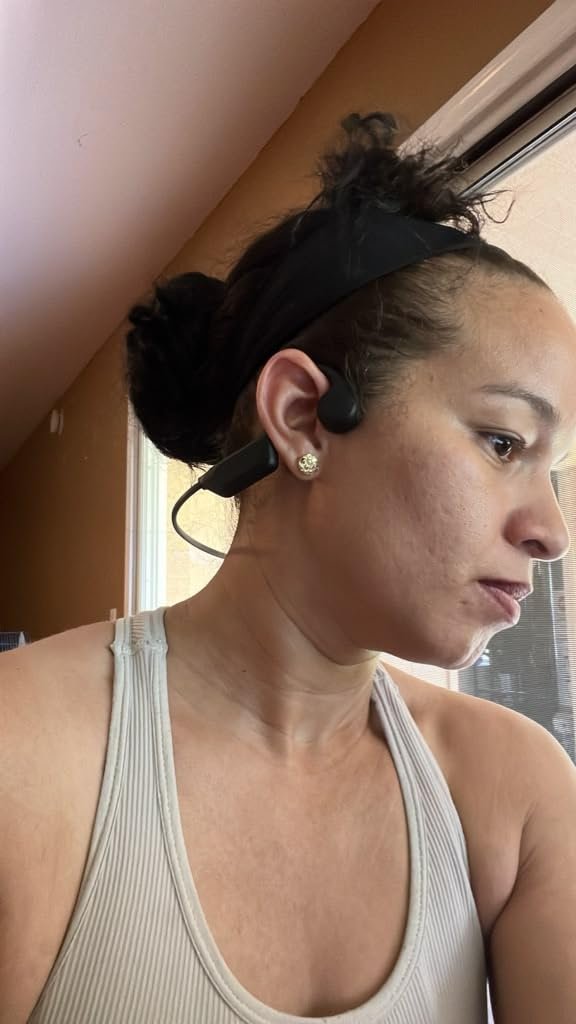
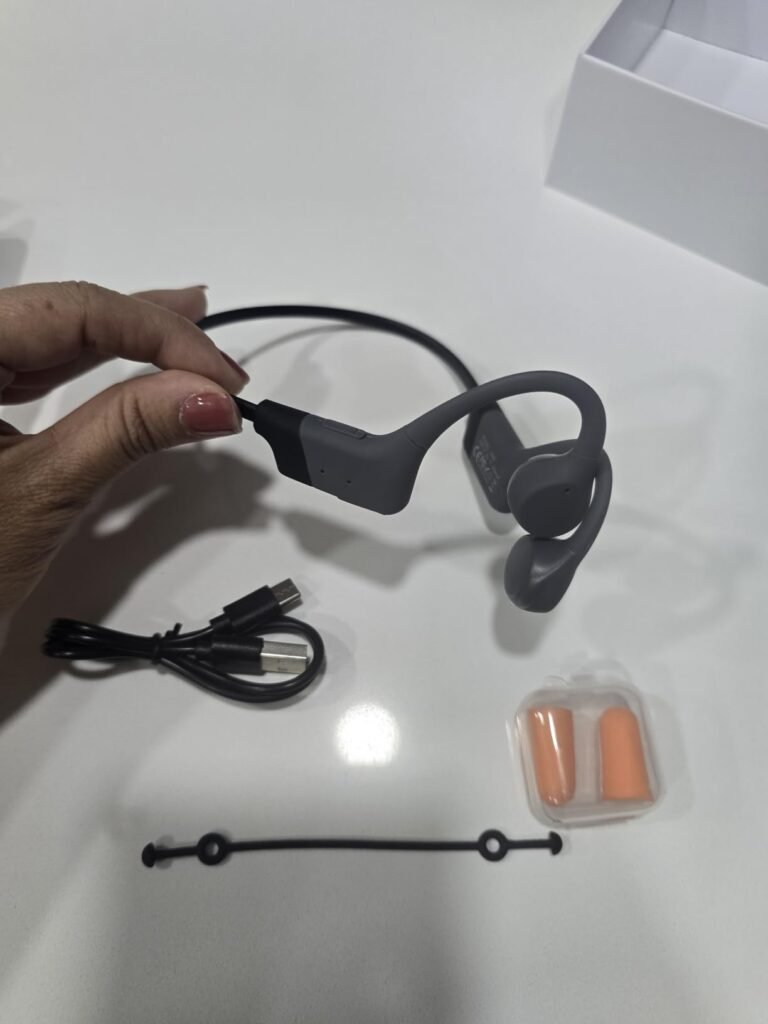
This model earns a perfect rating from initial buyers, and the spec sheet explains why. It combines the newest Bluetooth 6.0 chip with 12-hour battery life, an optimized acoustic structure for reduced sound leakage, and 13mm bone conduction drivers tuned for balanced sound with improved low-frequency performance. At around $60, that combination is difficult to match at any price point.
We may earn a commission when you buy through this link, at no additional cost to you.
The acoustic optimization matters more than the marketing suggests. Traditional bone conduction headphones often leak audible sound at higher volumes, which can be embarrassing in offices, libraries, or on public transit. Reduced leakage means you can enjoy your audio at reasonable volumes without inadvertently sharing it with everyone nearby, making these more practical for shared quiet environments.
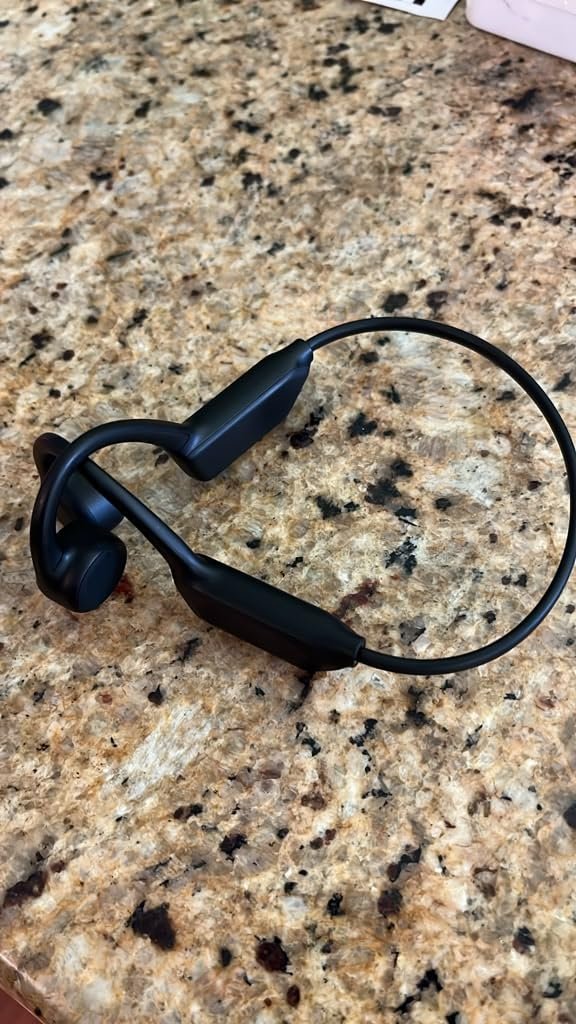
The 28-gram wraparound design keeps the headphones stable during running, cycling, and workouts. Bluetooth 6.0 supports fast pairing and stable connectivity up to 33 feet, and the drivers deliver clear vocals with enhanced low-frequency response through the cheekbones. Twelve hours of continuous playback is at the upper end of this category, matching or exceeding what most Shokz models offer.
IP54 provides protection against limited dust ingress and splashes from any direction. It’s suitable for sweat during workouts and light rain but not sustained heavy rain or submersion. For most indoor gym use and shorter outdoor runs, this is adequate. If you frequently exercise outdoors in unpredictable weather, IPX7 or IP68 alternatives provide more peace of mind.
The IP54 rating is the main limitation, protecting against limited dust and splashes but not full immersion or heavy rain. For gym workouts, casual running, and daily commuting, this is sufficient. For pool use or long runs in downpours, look at IP67 or IP68 alternatives. The perfect rating reflects strong initial enthusiasm, though the sample size is smaller than for established brands.
Pool swimmers or outdoor athletes who train regularly in heavy rain and need submersion-rated protection.
We may earn a commission when you buy through this link, at no additional cost to you.
The OpenRun Pro 2 represents Shokz's most ambitious step forward in years. It combines traditional bone conduction with a dedicated air conduction driver, producing a sound signature that finally delivers on the deep bass most bone conduction headphones struggle to reproduce. For serious runners and cyclists who want premium audio without sacrificing situational awareness, this is the current benchmark.
We may earn a commission when you buy through this link, at no additional cost to you.
Dual drivers work together to split the audio spectrum. The bone conduction transducer handles clear highs and mids through your cheekbones, while a small air conduction driver adds bass depth without fully sealing the ear canal. The result is noticeably richer sound than any single-driver bone conduction model, especially on bass-heavy music like electronic or hip-hop tracks that traditionally sound thin on this style of headphone.
The Ni-Ti alloy memory frame and ergonomic hooks keep the fit stable through cycling, running, and gym work. Battery life reaches 12 hours, and AI noise reduction with wind-resistant dual mics filters out roughly 96.5% of background noise, including wind up to 15 mph. That call performance is genuinely useful for outdoor coaching, family calls during a run, or hybrid work sessions.
Traditional bone conduction struggles with low frequencies because vibration through bone doesn’t reproduce bass as efficiently as air moving through an ear canal. Adding a dedicated air conduction driver targeted at bass fills the frequency gap without covering the ear. The result sounds more like conventional headphones while still keeping ears open, which is a genuine step forward for the category.
The main trade-off is price. At around $180, this is significantly more expensive than most bone conduction alternatives. The added air conduction driver also introduces a small amount of sound leakage compared to pure bone conduction. For buyers who prioritize sound quality above cost or absolute privacy, though, the OpenRun Pro 2 delivers the most complete bone conduction experience available right now.
Budget-conscious buyers or those who want absolute zero sound leakage in shared quiet spaces like libraries.
We may earn a commission when you buy through this link, at no additional cost to you.
This generically branded model delivers something surprising in the sub-$60 category: a 4.8-star rating with buyers who use them for running, cycling, workouts, and hiking. The formula is simple. Bluetooth 6.0 keeps the connection stable, the ultra-light frame stays comfortable through long sessions, and the waterproof rating handles sweat and unexpected rain without concern.
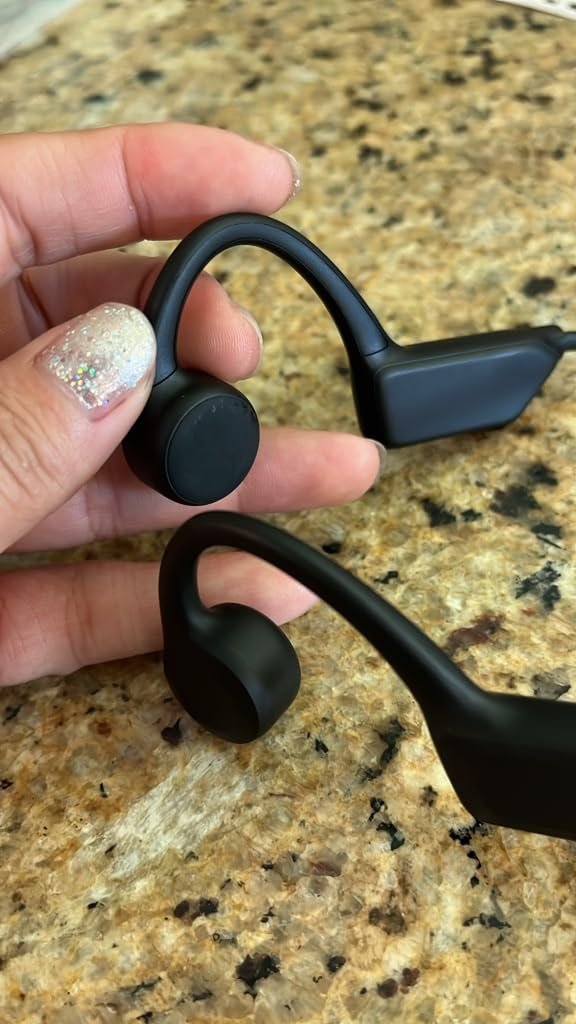
We may earn a commission when you buy through this link, at no additional cost to you.
Bluetooth 6.0 is the newer standard among these picks, offering improved connection reliability, lower latency, and better multi-device handling than older Bluetooth 5.x chips. That matters most when switching between a phone and laptop during workday commutes, or when running with your phone tucked into a running belt that occasionally partially blocks the signal.
The lightweight construction is worth noting for anyone planning long-distance runs or all-day wear. Bone conduction headphones benefit heavily from low weight because the transducers rest on your cheekbones for extended periods. Heavier models can start to feel present after an hour or two, while lighter frames tend to disappear as you focus on activity.
Bluetooth 6.0 introduces better channel sounding, improved coexistence with other wireless devices, and enhanced multi-link stability compared to Bluetooth 5.3. For headphones, the practical benefit is fewer connection dropouts in crowded wireless environments like gyms with many active devices, plus faster initial pairing and more reliable reconnection to previously paired devices.
The trade-off with generic-branded products is long-term support. There’s no established brand ecosystem behind these, so firmware updates, warranty handling, and customer service may be less reliable than with Shokz. For buyers who want the core bone conduction experience without paying a premium, though, the strong user ratings suggest the fundamentals are solid.
Buyers who want established brand ecosystems with extensive companion apps and long-term firmware support.
We may earn a commission when you buy through this link, at no additional cost to you.
PSIER's headphones hit an impressive value target at around $30. The 23-gram weight makes them among the lightest bone conduction options available, and the fully enclosed cavity design reportedly reduces sound leakage by up to 50% compared to earlier generations. That leakage reduction matters because it lets you play music at reasonable volumes in shared spaces without disturbing people nearby.
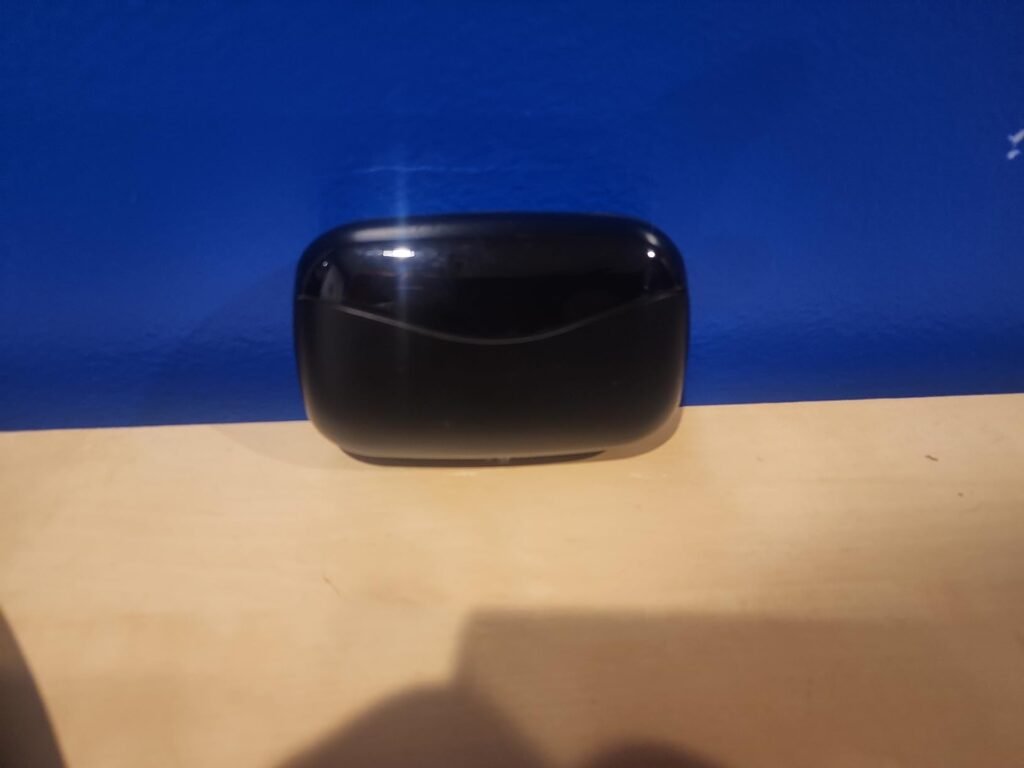
We may earn a commission when you buy through this link, at no additional cost to you.
The 13mm bone conduction drivers deliver balanced sound with crisp highs and detailed mids. Bluetooth 6.0 with 60ms low latency handles music, podcasts, and casual video watching without noticeable audio-video sync issues. The 33-foot connection range covers most home and gym scenarios without dropouts, and the memory-titanium frame contours comfortably to a range of head sizes.
Battery life reaches 10 hours at 50% volume, and Type-C fast charging brings the pack from empty to full in about two hours. Standby time reaches 200 hours, meaning the headphones are ready when you grab them after days of not using them. IPX5 rating handles sweat and rain without concern, though it’s not rated for submersion in pools or the ocean.
The weight of bone conduction headphones directly affects how long you can wear them comfortably. At 23 grams, PSIER is roughly 15 to 25 percent lighter than most competitors in this category. Over a long run or all-day work session, that difference translates into less pressure on your temples and cheekbones and reduced fatigue at the contact points where the transducers rest.
The Boean companion app adds EQ customization with bass boost, balanced vocals, and genre-specific profiles. It also includes AI-generated music creation and real-time translation across 91 languages, which are novelty features but add genuine value for travelers. For buyers wanting modern bone conduction with premium features at an entry-level price, this is one of the strongest picks available.
Serious swimmers who need submersion-rated waterproofing or bass enthusiasts who require dual-driver depth.
We may earn a commission when you buy through this link, at no additional cost to you.
Raycon has built a strong presence in the wireless headphone category, and their bone conduction entry brings that brand recognition to a market that skews heavily toward Shokz and generic alternatives. The IP68 rating is one of the most robust in this comparison, meaning these headphones handle heavy rain, deep sweat during intense workouts, and even brief water immersion without concern.
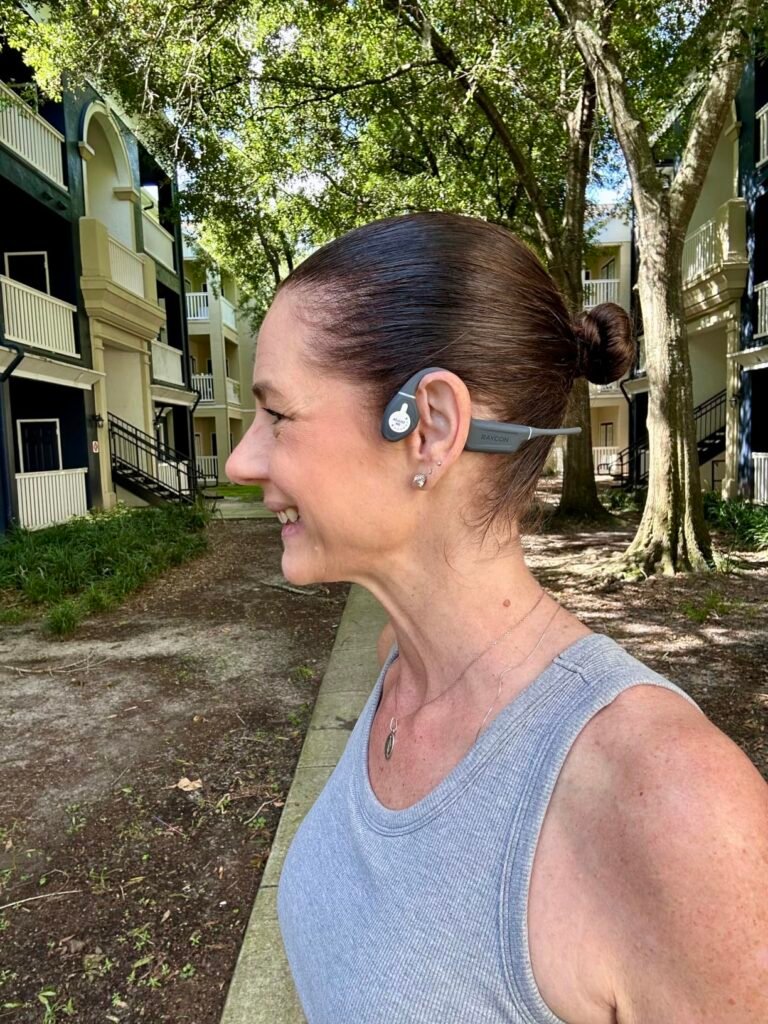
We may earn a commission when you buy through this link, at no additional cost to you.
The adjustable earbud position is an unusual feature. You can slide the transducers closer to your ears for louder, more focused sound, or pull them back to prioritize environmental awareness. That flexibility helps balance the trade-off that all bone conduction users face between audio immersion and situational awareness, letting you tune the fit for different activities like busy commutes versus quiet trails.
The magnetic charging cable is designed to maintain a tight, moisture-proof seal, which is significant since the charging port is typically the most vulnerable spot on any waterproof headphone. Raycon’s featherlight ergonomic frame keeps the fit comfortable during extended use, though the exact weight is not specified in the same terms as competitors.
IP68 protects against dust ingress and water immersion at depths and durations specified by the manufacturer, typically up to 1.5 meters for 30 minutes. In practice, that means these can survive being dropped in a puddle, a rain-soaked run, or a sweaty gym session. However, most IP68 headphones are still not recommended for actual swimming or extended submersion, so check individual manufacturer guidance before pool use.
The 4.0 rating is lower than several picks in this comparison, suggesting some quality inconsistency or user disappointment relative to expectations. Raycon-branded products also tend to price above equivalent generic alternatives thanks to brand marketing. For buyers who want established brand support and the strongest waterproof rating available, they’re worth considering, but comparison shopping against Shokz OpenRun models at similar prices is worthwhile.
Buyers looking for the highest user ratings or those focused on maximum value per dollar.
We may earn a commission when you buy through this link, at no additional cost to you.
The OpenRun Air 2 is Shokz's answer for buyers who found earlier models slightly bulky or heavy. At 26.4 grams and roughly 9% smaller than the classic OpenRun, this update prioritizes comfort during long-duration wear. The memory alloy earhooks are ergonomically contoured to stay secure through runs, jumps, and workouts without adding pressure.

We may earn a commission when you buy through this link, at no additional cost to you.
PremiumPitch 3.0 audio delivers rich, balanced sound customizable through the Shokz app’s four preset EQ profiles plus two custom slots. That EQ flexibility lets you tune the sound for music, podcasts, or calls specifically, which is genuinely useful when switching between activities. Bluetooth 6.0 keeps the connection stable and reduces latency for video watching and gaming compared to older Bluetooth versions.
The IP67 water resistance rating means these can be rinsed off after sweaty workouts and handle rain without concern. Battery life reaches 10 hours per charge, and the 5-minute quick charge adds up to two hours of playback when you’re running out the door with no time to wait for a full charge. Physical buttons handle calls, volume, and track switching without needing to pull out a phone.
During long runs or hikes, even small weight differences on the head become noticeable over time. Reducing bone conduction headphone weight from 30-plus grams down to the mid-20s reduces pressure at the transducer contact points and lessens the sensation of the frame pressing against your temples. For all-day wear or endurance activities, this is genuinely significant.
The main consideration is that this remains a traditional single-driver bone conduction design, so bass depth is less impressive than the dual-driver OpenRun Pro 2. At around $130, it’s also priced significantly above generic alternatives with similar specs. For buyers who value Shokz’s ecosystem, warranty, and refined comfort in a lightweight package, the OpenRun Air 2 is a strong pick.
Bass enthusiasts who need dual-driver depth or budget shoppers who can accept off-brand alternatives.
We may earn a commission when you buy through this link, at no additional cost to you.
This budget-friendly model brings the dual-driver concept to a much lower price point than the Shokz OpenRun Pro 2. By combining bone conduction with a supplementary air conduction path, it delivers fuller sound with improved clarity and depth than single-driver bone conduction alternatives. For buyers who want richer audio without the $180 investment, this is genuinely interesting.
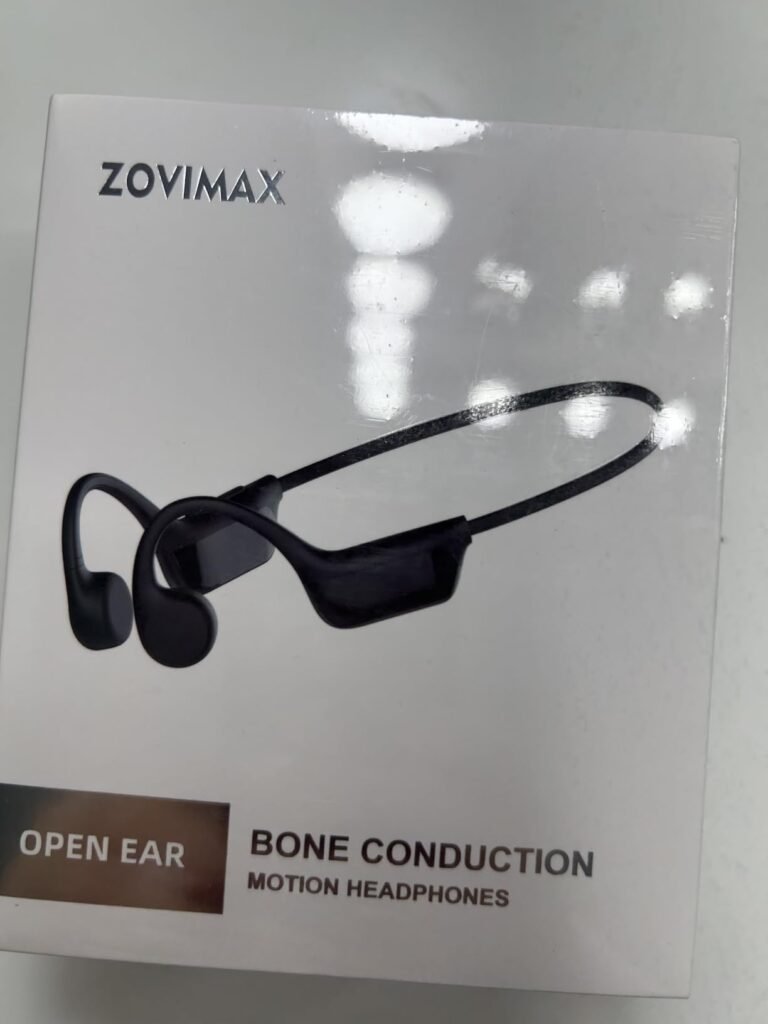
We may earn a commission when you buy through this link, at no additional cost to you.
The separated frequency architecture routes low and high frequencies through different sound paths, keeping the audio powerful and detailed without muddying the mix. Combined with Bluetooth 6.0 for fast pairing and stable connectivity, the listening experience approaches what you’d expect from more expensive alternatives. A dedicated Game Mode reduces latency for precise audio-visual sync during mobile gaming.
The flexible titanium frame with non-slip silicone coating keeps the 29-gram headphones stable during intense movement. IPX7 waterproof protection means they can handle heavy sweat, unexpected downpours, and even brief submersion without failure. The LED battery display is a small but genuinely useful touch, letting you see remaining charge at a glance rather than opening a companion app.
Standard Bluetooth audio has enough latency that mouth movements can appear out of sync with dialogue during videos and games, which is distracting for competitive mobile gaming or watching content. Game Mode reduces this latency, typically to 60ms or lower, which is fast enough that most users no longer notice the delay. For casual music listening it’s not needed, but for gaming or video, it’s a meaningful feature.
The main considerations are brand maturity and the silicone coating that helps grip but can collect lint and debris over time. Regular wiping addresses the latter easily. For runners, cyclists, and commuters who want dual-driver sound quality at roughly $37 rather than $180, this delivers strong value backed by a 4.9-star user rating.
Buyers who need established brand support or those who dislike silicone-coated frames that can attract lint.
We may earn a commission when you buy through this link, at no additional cost to you.
The OpenMove serves as Shokz's entry point for buyers who want to experience bone conduction from the market leader without committing to a $130-plus purchase. At around $80, it retains Shokz's proven design language, durable construction, and reliable performance while making some concessions to hit a lower price point. For newcomers to the category, it's a low-risk way to test whether open-ear audio fits your routine.
We may earn a commission when you buy through this link, at no additional cost to you.
The wraparound titanium frame keeps the fit stable through light jogs, daily commutes, and low-impact workouts. Sound quality delivers Shokz’s balanced audio profile with optimal volume and reasonable bass for a single-driver design. Call quality remains strong thanks to the built-in microphone, and USB-C charging replaces the proprietary magnetic connector found on higher-end Shokz models, which is a genuine convenience win.
Universal Bluetooth compatibility works across Android, iOS, Windows, and other Bluetooth-enabled devices without connection issues. The rugged sweat-resistant design handles workouts reliably, though the specific IP rating is less protective than the IP67 found on OpenRun models. For gym use and daily activities, it’s more than adequate.
Shokz has been refining bone conduction technology longer than nearly any competitor, and their headphones typically deliver more consistent performance and better warranty support than generic alternatives. If you value long-term reliability, established customer service, and firmware updates that improve the product over time, paying a premium for a Shokz model like the OpenMove often makes sense over cheaper unknown brands.
The main limitation is battery life at just 6 hours, which is significantly less than the 10-12 hours offered by newer alternatives. For casual daily use with regular charging, this is fine, but long-distance runners or all-day office use may want more endurance. For price-sensitive buyers who trust Shokz specifically, though, this remains a reasonable starting point in the ecosystem.
Buyers who need long battery life or want the most current bone conduction technology at this price point.
We may earn a commission when you buy through this link, at no additional cost to you.
The original OpenRun Pro established the benchmark for premium bone conduction headphones and remains a strong pick today, even after the release of its successor. Shokz's 9th generation bone conduction technology combined with TurboPitch delivers clear sound, powerful volume, and richer bass than earlier Shokz models. For buyers who want a proven premium option at a slightly lower price than the OpenRun Pro 2, this remains highly competitive.

We may earn a commission when you buy through this link, at no additional cost to you.
The lightweight wraparound titanium frame keeps the fit stable through intense training and running sessions. Ten hours of continuous playback covers long workouts, extended commutes, and full workdays without needing to charge. The 5-minute quick charge adds up to 1.5 hours of battery life, which is genuinely useful when you realize the headphones are dead just before heading out the door.
Call quality is a real strength thanks to Shokz’s mature audio engineering. The built-in microphone captures voice clearly for phone calls, video meetings, and voice assistants, making these viable for hybrid work use in addition to fitness. Universal Bluetooth compatibility works across Android, iOS, and Windows without connection issues.
TurboPitch is Shokz’s proprietary technology that enhances low-frequency response in bone conduction audio, using signal processing and driver tuning to compensate for the natural bass limitations of the transmission method. The result is noticeably fuller sound on bass-heavy music genres compared to earlier bone conduction models, though it still doesn’t fully match the depth of dual-driver designs or traditional in-ear headphones.
The main reason to consider the OpenRun Pro instead of the newer Pro 2 is price, since the older model is typically $20 to $40 less expensive. The Pro 2 adds dual-driver technology for even better bass and AI-powered noise reduction, but the original Pro’s audio quality is still very strong for a single-driver design. For premium bone conduction at a slightly lower price, this remains an excellent choice.
Buyers who want the very newest dual-driver technology or those willing to pay the additional premium for the OpenRun Pro 2.
We may earn a commission when you buy through this link, at no additional cost to you.
The OpenRun has been a benchmark in the bone conduction category for years, and it remains a strong choice today thanks to Shokz's proven design and refinement across multiple generations. The 8th generation bone conduction technology delivers reliable audio quality with clear sound and reasonable bass response, particularly suited to running, cycling, and outdoor workouts where situational awareness matters most.
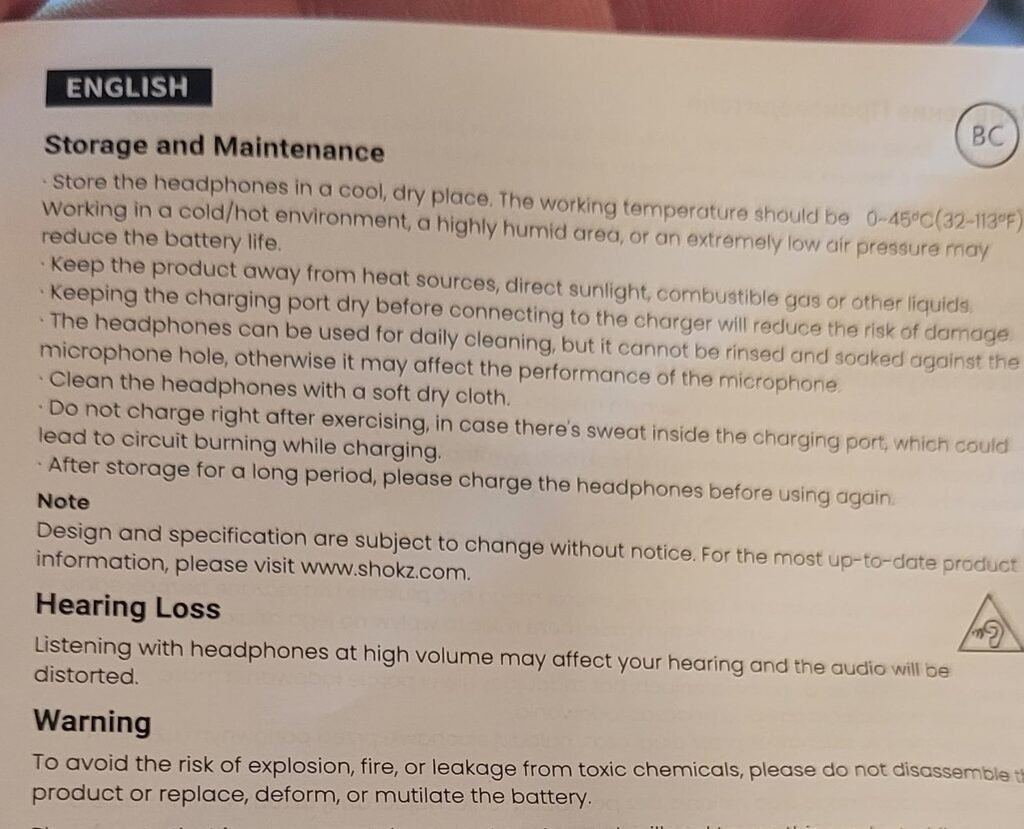
We may earn a commission when you buy through this link, at no additional cost to you.
The IP67 water resistance rating is one of the most robust in the Shokz lineup, meaning these can handle heavy sweat, sudden rain, and even a quick rinse under the tap after a muddy trail run. Moisture detection also alerts you if you try to charge the headphones while they’re still wet, preventing potential damage to the charging pins from corrosion.
Battery life reaches 8 hours per charge, which covers most workouts and daily commutes but falls short of newer 10-12 hour alternatives. The 10-minute quick charge adds up to 1.5 hours of playback, which is genuinely useful when you’re heading out the door and realize the battery is low. Universal Bluetooth compatibility works reliably across all major platforms.
The OpenRun makes sense if you want the strongest water resistance in the Shokz lineup combined with a proven design at a lower price than the OpenRun Pro or Pro 2. Runners who train in variable weather, cyclists who commute through unpredictable conditions, and gym users who sweat heavily benefit from IP67 protection. If bass depth or extended battery life matters more than water resistance, though, the newer Shokz models are worth the additional investment.
This is essentially the quick-charge version of the older AfterShokz Aeropex that established the category. At around $130, it sits between the entry-level OpenMove and the premium OpenRun Pro. For buyers who want the proven Shokz core experience with strong water resistance and don’t need the additional battery life or premium bass of newer models, the OpenRun remains a reliable, refined choice.
Buyers who want the latest generation bone conduction technology or need battery life beyond 8 hours per charge.
We may earn a commission when you buy through this link, at no additional cost to you.
Bone conduction technology solves a specific problem: enjoying audio without blocking your ears. Choosing the right model depends on how you’ll actually use them, from casual commuting to serious endurance training. This guide walks through the decision factors that most affect satisfaction with your purchase.
Traditional headphones vibrate air in your ear canal, which your eardrum converts into sound. Bone conduction skips this step by vibrating the bones of your skull directly, transmitting sound to your inner ear through your cheekbones. This leaves your ear canals completely open, which means you can hear traffic, conversations, and environmental sounds simultaneously with your music or podcast.
This design has real trade-offs. Bass response is typically weaker than with traditional headphones because vibrating bone doesn’t reproduce low frequencies as efficiently as air movement in a sealed ear canal. Volume in noisy environments can also be limited because you’re competing with ambient sound rather than blocking it out. Newer models like the Shokz OpenRun Pro 2 address these limitations with dual-driver designs that combine bone and air conduction.
Choose bone conduction if situational awareness matters more than absolute audio quality. If you want the deepest possible bass or maximum isolation from surroundings, traditional earbuds or over-ear headphones remain better options.
Single-driver bone conduction headphones use one transducer to reproduce the full frequency range. They deliver clear vocals and mids but often sound thin on bass-heavy music. Shokz’s TurboPitch technology and similar approaches from competitors compensate somewhat through signal processing, but the fundamental limitation remains.
Dual-driver designs like the OpenRun Pro 2 and the Bluetooth 6.0 dual-driver model combine bone conduction with a small air conduction driver to add bass depth. This produces noticeably fuller sound closer to what you’d expect from traditional headphones, though it also introduces slightly more sound leakage since air conduction inherently pushes sound outward from your ear area.
For casual listening to speech-heavy content like podcasts or audiobooks, single-driver designs work well. For music enthusiasts or anyone who values bass depth, dual-driver models justify their additional cost.
Bone conduction headphones rest on your cheekbones or temples, so weight and fit directly affect how long you can wear them comfortably. Models in this comparison range from 23 grams (PSIER) to about 30 grams. Lighter models generally feel less present during long wear, which matters for endurance activities or all-day use.
Frame material also affects comfort and stability. Titanium and nickel-titanium alloy memory wire frames flex to accommodate different head sizes while maintaining consistent pressure against the transducer contact points. Adjustable straps or interchangeable band sizes help if you have an unusually small or large head. Silicone coatings improve grip but can trap sweat and lint over time.
For runs longer than an hour or all-day office wear, prioritize sub-27-gram models with proven fit. For shorter workouts or occasional use, weight matters less and you can focus on other features.
Battery life across this comparison ranges from 6 hours (Shokz OpenMove) up to 12 hours (multiple newer models). For daily commuters who charge nightly, 6 to 8 hours is usually sufficient. For long-distance runners, endurance athletes, or people who forget to charge regularly, 10 to 12 hours provides meaningful peace of mind.
Charging speed and method matter too. Most Shokz models use proprietary magnetic connectors, which prevent water damage but require carrying a specific cable. Newer models increasingly use USB-C, which is far more convenient since you can charge with any standard cable. Quick charge features that add 1.5 to 2 hours of playback from 5 to 10 minutes of charging are genuinely useful for last-minute departures.
If you charge nightly, focus on features other than battery life. If you frequently forget to charge or use headphones for long sessions, prioritize 10-hour minimum battery and quick charge capability.
IP ratings use two digits: the first indicates dust protection and the second indicates water protection. IPX5 handles sweat and rain from any angle. IPX7 adds temporary immersion protection. IP67 combines dust protection with immersion resistance. IP68 provides deeper immersion protection. For most fitness use, IP67 or IPX7 is sufficient, while IPX5 to IP54 works for casual indoor activities.
Bone conduction headphones spend more time exposed to sweat than most other electronics, since they rest against your skin during workouts. Higher IP ratings dramatically reduce the risk of moisture-related failures over time. However, most bone conduction headphones, even those rated IP68, are not recommended for actual swimming due to the electronics and speaker components inside.
For indoor gym use, IPX5 or IP54 is adequate. For outdoor running in variable weather or heavy sweating, prioritize IP67 or IPX7. Do not rely on any of these for actual pool or ocean swimming without specific manufacturer approval.
Bluetooth 6.0 is the newest version available among these picks, offering improved connection stability, better multi-device handling, lower latency, and enhanced coexistence with other wireless devices. Bluetooth 5.x versions still work well but may show more dropouts in crowded wireless environments or slightly higher latency for video and gaming.
For most listening scenarios, the difference is subtle. However, if you frequently switch between phone and laptop, exercise in gyms with many active devices, or watch videos on your headphones, Bluetooth 6.0 provides meaningful improvements. Range across all these picks is typically 30 to 33 feet in open environments, which is more than enough for most home and gym use.
Bluetooth 6.0 is a nice bonus but not essential. If comparing otherwise similar models, prefer the newer version, but don’t dismiss a great Bluetooth 5.3 model over this alone.
Bone conduction headphones increasingly support phone calls and video conferencing, but microphone quality varies significantly. Basic models capture voice adequately in quiet environments but struggle in wind, traffic noise, or busy office settings. Premium models like the Shokz OpenRun Pro 2 use dual microphones with AI noise reduction to filter background noise, delivering call clarity that approaches dedicated headsets.
For fitness use where you occasionally take a call, basic microphones are sufficient. For hybrid work where you use the headphones for video meetings, prioritize models with dual-mic arrays and noise reduction. Wind-resistant microphones matter specifically for outdoor cyclists and runners who need to take calls while exercising.
If calls are secondary to music, most microphones work. If you regularly take calls outdoors or in noisy environments, invest in models with AI noise reduction and dual-mic designs.
Because bone conduction leaves your ears open, some audio inevitably leaks outward and can be heard by people near you. The amount of leakage depends on volume, driver design, and acoustic sealing. Older or cheaper models often leak significantly at higher volumes, which can be embarrassing on public transit or in quiet offices. Newer models like the PSIER reduce leakage by up to 50% through improved acoustic cavity design.
Volume also plays a role. Bone conduction naturally requires higher volumes in noisy environments to overcome ambient sound, which increases leakage. In quiet settings, keeping volume moderate minimizes both leakage and long-term hearing considerations. Dual-driver models tend to leak slightly more than single-driver designs due to the added air conduction component.
If you frequently use headphones in shared quiet spaces like libraries or open offices, prioritize models with acoustic sealing and reduced leakage claims. If you mainly use them outdoors or during workouts, leakage matters less.
Getting the best sound from bone conduction headphones starts with proper positioning. The transducers should rest directly on your cheekbones just in front of your ears, not on your ears themselves. If the fit feels off, adjust the wraparound frame or reposition the transducers slightly higher or lower until sound becomes noticeably clearer. Wearing glasses is usually fine, but position the headphone temples above or below the glasses arms for the most stable fit. Pair the headphones with your phone once during initial setup and rely on automatic reconnection thereafter for the fastest daily experience.
Care for the battery by charging fully before first use and avoiding letting the battery fully drain frequently. Lithium batteries last longest when kept between 20 and 80 percent charge, though modern battery management prevents most user-controlled charging habits from causing serious harm. Use the included cable or a certified replacement, and never plug in while the headphones are wet. Most Shokz models include moisture detection that will alert you if you try to charge with damp charging contacts, which protects the pins from corrosion damage over time.
Wipe down the headphones with a soft, damp cloth after sweaty workouts to remove salt and skin oils that can degrade materials over time. The silicone coating found on many models can be cleaned with mild soap and water, but avoid solvents or alcohol that may damage the finish. Store the headphones in a case or dedicated pocket to prevent scratches to the transducer surfaces, which can affect sound quality if damaged. Update firmware through the manufacturer’s companion app when prompted, since updates often improve battery efficiency, connection stability, and sometimes sound quality on premium models.
Bone conduction typically has weaker bass and slightly less overall clarity than traditional in-ear or over-ear headphones. The trade-off is that your ears stay open to environmental sounds, which is essential for outdoor exercise safety and situational awareness. Newer dual-driver models like the Shokz OpenRun Pro 2 narrow the gap significantly but still don't fully match sealed traditional headphones. For sound quality alone, traditional headphones win, but for outdoor safety and awareness, bone conduction has no real competitor.
Bone conduction can be gentler on your ears than traditional headphones because it bypasses the eardrum entirely. However, extended high-volume listening still exposes your inner ear to sustained vibration that could contribute to hearing fatigue over time. Standard hearing protection advice applies: keep volume moderate, take breaks during long sessions, and don't use them to compete with very loud ambient noise. They can be a good option for people with certain outer or middle ear conditions, but consult an audiologist for specific medical guidance.
Yes, bone conduction headphones generally work well with glasses since they don't sit on your ears the same way traditional earbuds do. The wraparound frame goes around the back of your head, and the transducers rest on your cheekbones just in front of where glasses arms sit. Some users prefer to put on the headphones first and then their glasses, while others do the reverse. Try both to see which feels most stable for your face shape and glasses style.
Some sound leakage is inevitable because the open-ear design doesn't block airflow around your ears. At moderate volumes, most people won't notice, but at higher volumes people within a few feet may hear a faint audio bleed. Newer models with reduced-leakage acoustic designs like the PSIER significantly minimize this. If you frequently use headphones in quiet shared spaces like libraries or offices, keep volume moderate and prioritize models that specifically advertise leakage reduction.
Yes, most modern bone conduction headphones handle calls well, especially in quiet environments. Premium models like the Shokz OpenRun Pro 2 use dual microphones with AI noise reduction to deliver clear call quality even in wind and traffic noise. Basic models perform adequately for indoor calls but may struggle outdoors or in noisy environments. For hybrid work or frequent outdoor calls, invest in models specifically advertising dual-mic arrays and noise reduction technology.
Most bone conduction headphones in this comparison are not rated for swimming, even those with IP67 or IP68 water resistance. These ratings cover sweat, rain, and brief immersion but typically don't include prolonged submersion or the pressure changes involved in actual swimming. Some manufacturers make specific swim-focused bone conduction models with onboard storage since Bluetooth doesn't work underwater, but these are separate specialized products not covered here.
With reasonable care, quality bone conduction headphones typically last 2 to 4 years before battery degradation becomes noticeable. Premium models from established brands like Shokz often last longer than generic alternatives thanks to better construction and firmware support. Sweat exposure is the biggest long-term threat, so wiping them down after workouts and using the moisture detection features when charging significantly extends useful life. The battery is usually the first component to weaken, and few models offer user-replaceable batteries.
Bluetooth 5.3 remains perfectly functional for most listening scenarios and offers reliable connections in typical use. Bluetooth 6.0 adds meaningful improvements in multi-device handling, latency reduction for video and gaming, and stability in wireless-crowded environments like gyms. If two otherwise similar models are available and one has Bluetooth 6.0, prefer the newer version, but don't dismiss a great Bluetooth 5.3 model over this alone. The audio quality difference between versions is essentially zero for normal listening.
For certain types of hearing loss, particularly those affecting the outer or middle ear, bone conduction can bypass the problem area entirely and deliver sound directly to the functioning inner ear. However, consumer bone conduction headphones are not medical devices and shouldn't replace hearing aids for people with diagnosed hearing loss. Consult an audiologist for personalized advice. For people with normal hearing who simply want awareness during exercise, bone conduction is a solid consumer choice regardless of hearing status.
The Shokz OpenRun Pro 2 stands out as the strongest overall pick for buyers who want the most refined bone conduction experience available today. Its dual-driver design delivers meaningfully deeper bass than traditional single-driver models, the AI noise reduction produces exceptional call quality even in wind and traffic, and the 12-hour battery covers even long training days. For serious runners, cyclists, and hybrid workers who value audio quality alongside situational awareness, it justifies its premium price.
Meaningful alternatives fill important niches for different buyers. The Shokz OpenRun Pro delivers premium performance at a slightly lower price for those who want established brand quality without the newest dual-driver technology. The PSIER Open Ear and Bluetooth 6.0 Dual-Driver models bring modern features and even dual-driver sound to sub-$60 price points for buyers who can accept less established branding. The Shokz OpenRun remains the go-to for runners who need robust IP67 water resistance, while the OpenMove serves as an accessible entry into the Shokz ecosystem.
The right choice depends on how you'll actually use the headphones and what trade-offs you can accept. Prioritize dual-driver designs if bass depth matters, IP67 or higher if you exercise outdoors in variable weather, and 10-plus hour battery life if you use them for long sessions or forget to charge regularly. Match the pick to your real routine rather than the highest specifications, and you'll get a set of headphones that genuinely improves your daily activities for years.