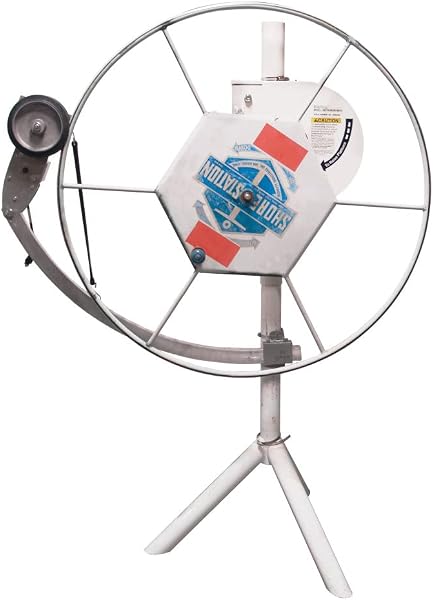
28199 Wheel Kit
8.0Editor scoreAircraft grade aluminum
700 lb per jack
Dual hub sizing
Corrosion resistant design
Find the right boat lifts for 2026. We compare 10 standout options by build quality, useful features, owner feedback, value, and everyday trade-offs.
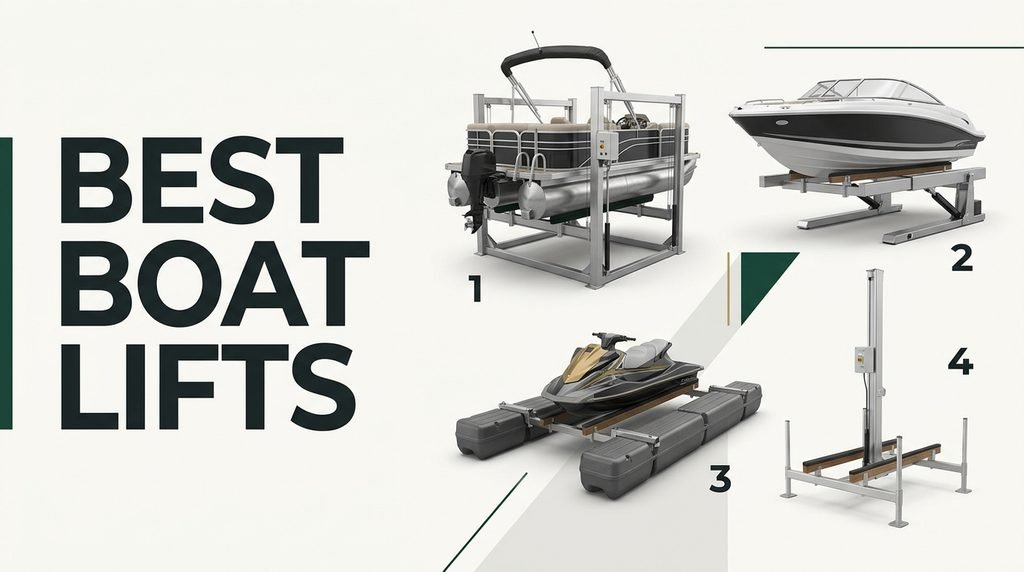
Find the right boat lift setup for your dock or trailer in 2026. We compare 10 standout options by the factors that matter most on the water, including weight capacity, corrosion resistance, mounting compatibility, power source, installation effort, and long-term durability across freshwater and saltwater environments.
Boat lift systems range from simple wheel kits and trailer jacks to fully motorized drive units and hydraulic jack plates. The right choice depends on your vessel size, dock configuration, and how often you need to raise, move, or service your boat throughout the season.
This guide breaks down each option with clear specs, practical tradeoffs, and honest limitations so you can match a lift system to your actual needs. Whether you need basic dock mobility or serious hull maintenance capability, the comparison below will narrow your search quickly.
We compared 10 boat lift products using the details that actually help a buyer decide: weight capacity, construction material, corrosion resistance, installation complexity, power requirements, frame compatibility, mobility features, and overall value. The notes focus on practical tradeoffs so each pick connects to how boaters actually launch, store, maintain, and move their vessels across different dock and trailer configurations throughout the season.


Compare key features, scores, and current prices side by side. A shorter feature list means fewer details were available, not necessarily fewer capabilities.


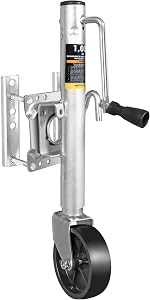


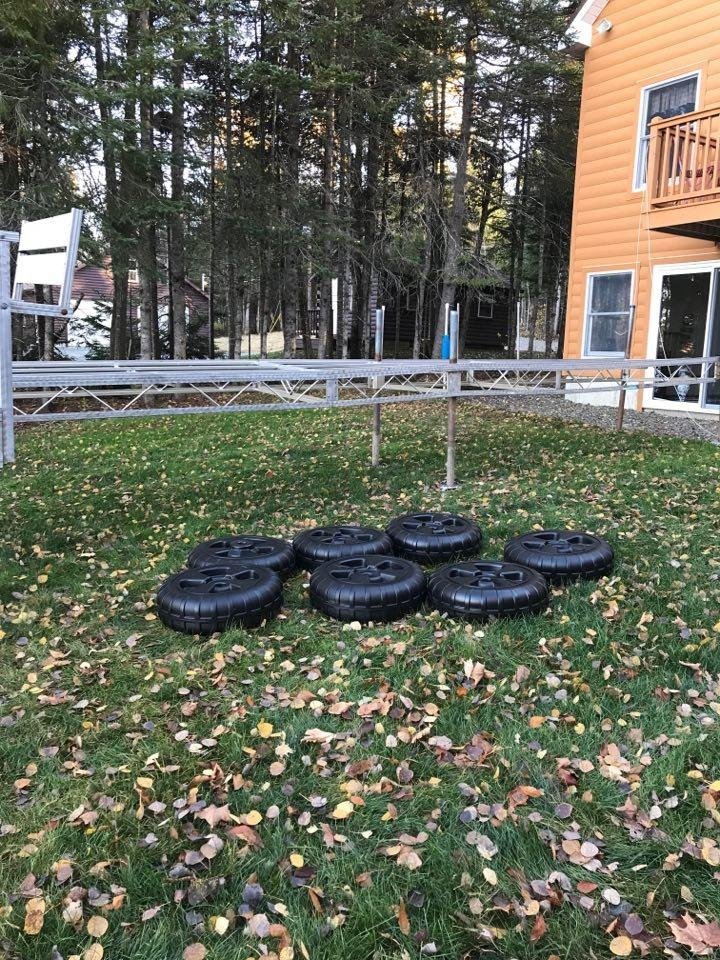
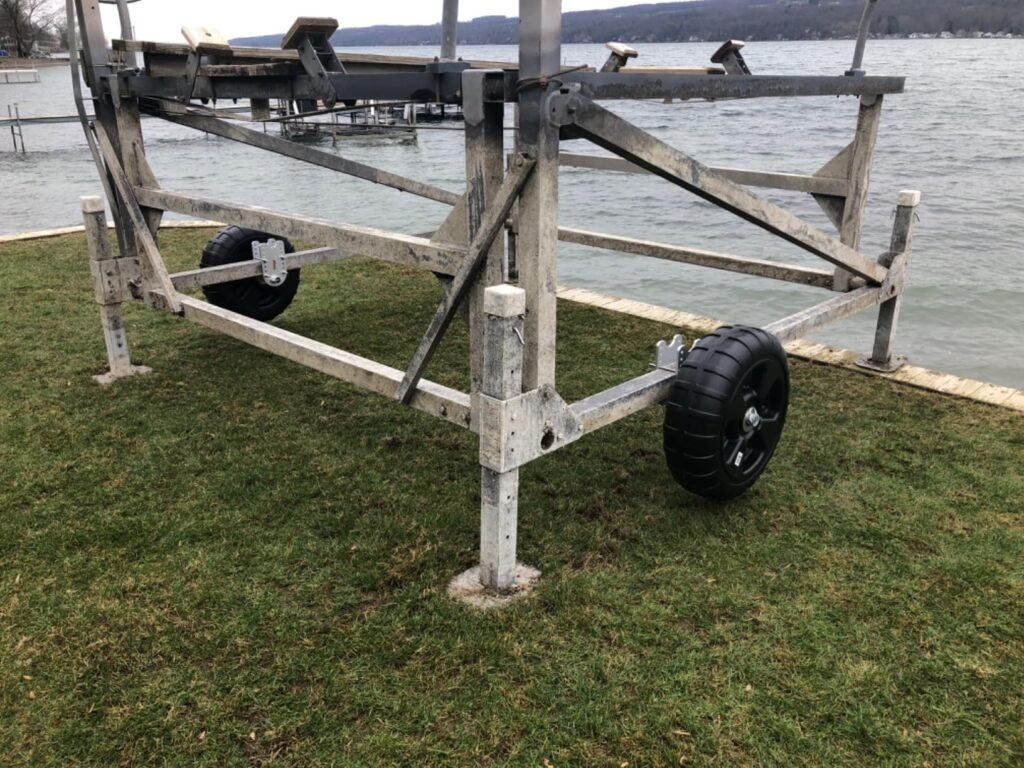
At under fifty dollars per wheel, these 24-inch heavy-duty plastic dock wheels offer the most affordable entry point in this comparison. Designed for roll-in dock applications, each wheel is sold individually, so you can order exactly the number you need for your specific lift or dock configuration without paying for extras you will not use.
We may earn a commission when you buy through this link, at no additional cost to you.
The plastic construction might sound less robust than aluminum or steel at first glance, but the heavy-duty formulation resists cracking, UV degradation, and the kind of wear that affects softer rubber wheels over time. The self-draining design prevents water from pooling inside the wheel hub, which reduces freeze-thaw damage in colder climates and eliminates a common source of premature wheel failure.
These wheels are compatible with the Smarte Jack lift system, which makes them a natural pairing if you already own or plan to purchase Quality Mark jacks for your dock. The 24-inch diameter provides enough ground clearance to roll smoothly over uneven dock surfaces, gravel approaches, and mild terrain transitions without catching or binding on the axle during repositioning.
Water trapped inside a sealed wheel hub expands when temperatures drop below freezing, which can crack the housing or warp the axle bore over time. Self-draining wheels eliminate this risk by allowing moisture to escape naturally after each use. If your dock experiences freezing winters, this feature alone can extend wheel life by several seasons compared to sealed alternatives that retain water internally.
The main limitation is that these are wheels only, not a complete lift or jack assembly. You will need compatible brackets or jacks to mount them to your frame. For boaters who already have a lift system and simply need durable, maintenance-free replacement wheels at a low cost, this is one of the most practical and highest-rated options available in the category.
Boaters who need a complete lift assembly with jacks, brackets, and wheels in a single package rather than individual replacement components.
We may earn a commission when you buy through this link, at no additional cost to you.
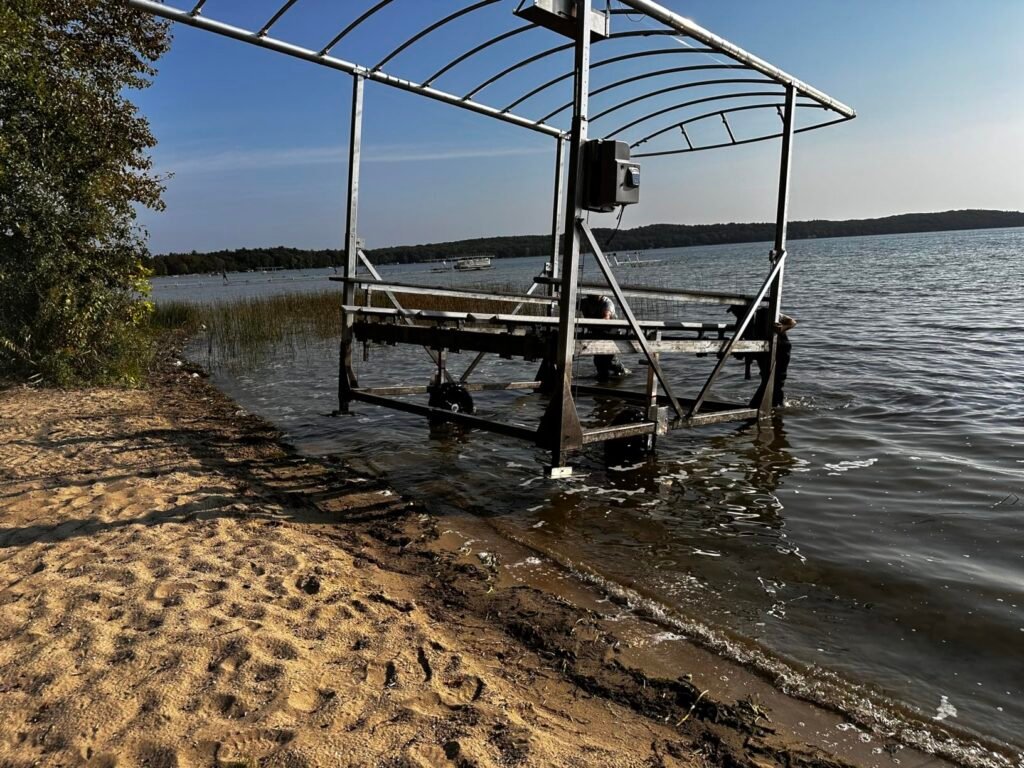
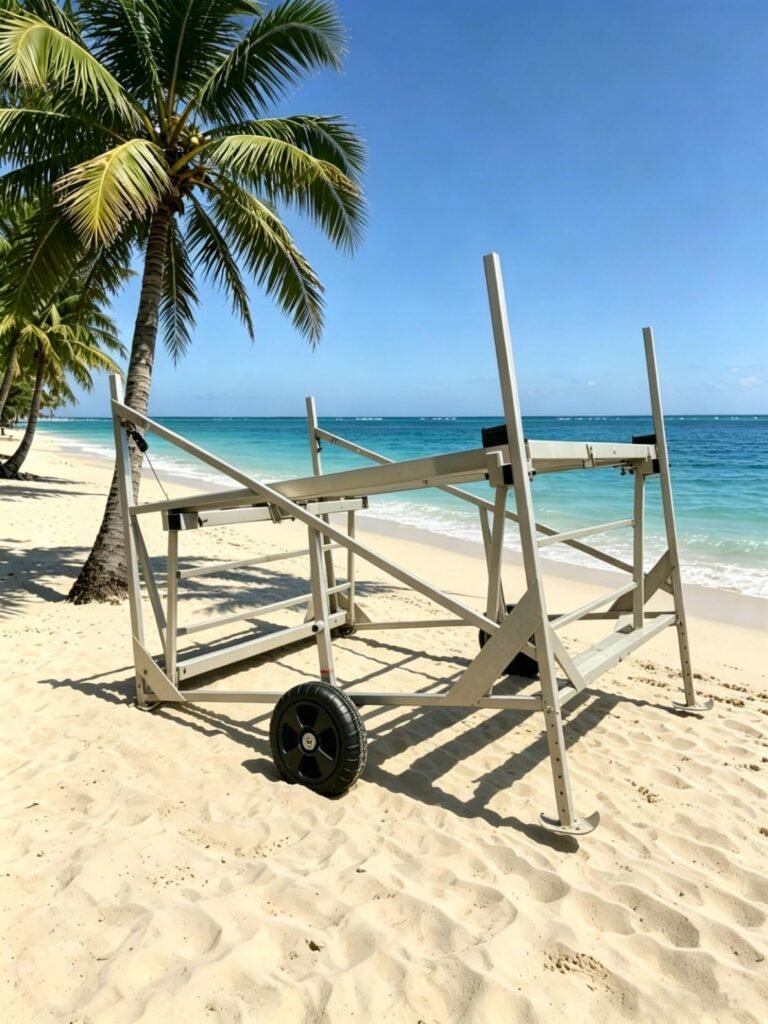
This wheel kit targets boaters who need to add reliable mobility to an existing lift frame without replacing the entire system. The pair of silver jacks bolts onto most standard boat lift configurations, giving you a straightforward way to roll your lift across hard surfaces when repositioning is necessary for seasonal storage or dock maintenance.
We may earn a commission when you buy through this link, at no additional cost to you.
Each jack carries a 700-pound load rating, which means the pair can handle substantial hull weight without flexing or deforming under stress. The aircraft-grade aluminum construction keeps the overall weight manageable while resisting the kind of oxidation that quickly destroys cheaper steel components in marine settings, particularly along saltwater coastlines.
Installation is designed as a one-time process rather than a recurring adjustment chore. The dual hub sizing accommodates both 1-7/8-inch and 2-inch wheel hubs, so you are less likely to run into fitment surprises when pairing these jacks with your current wheel set. Once mounted, the weatherproof design holds up through seasonal temperature swings and repeated exposure to spray.
Before ordering, measure your current wheel hub diameter to confirm whether you need the 1-7/8-inch or 2-inch setting. The dual sizing eliminates most guesswork, but verifying your hub dimensions ahead of time prevents installation delays and ensures the jacks seat properly on the axle from day one. A quick measurement with a caliper or tape measure takes less than a minute and can save you a return trip to the hardware store.
The main tradeoff is that this kit provides mobility hardware rather than a complete powered solution. If you need motorized operation or a full cradle system, you will want to look elsewhere. For dock owners who simply need a durable, corrosion-resistant wheel kit that installs once and stays put, this pair delivers solid value at a mid-range price point.
Boaters who need a fully motorized lift system or a complete cradle assembly rather than a wheel mobility add-on.
We may earn a commission when you buy through this link, at no additional cost to you.
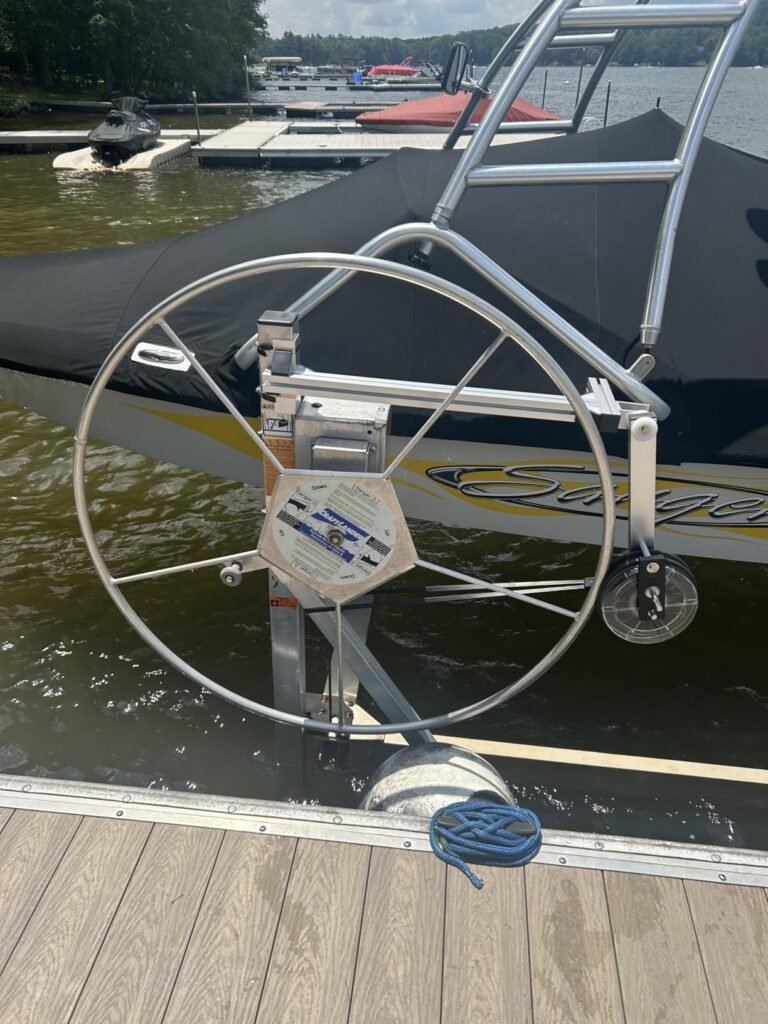
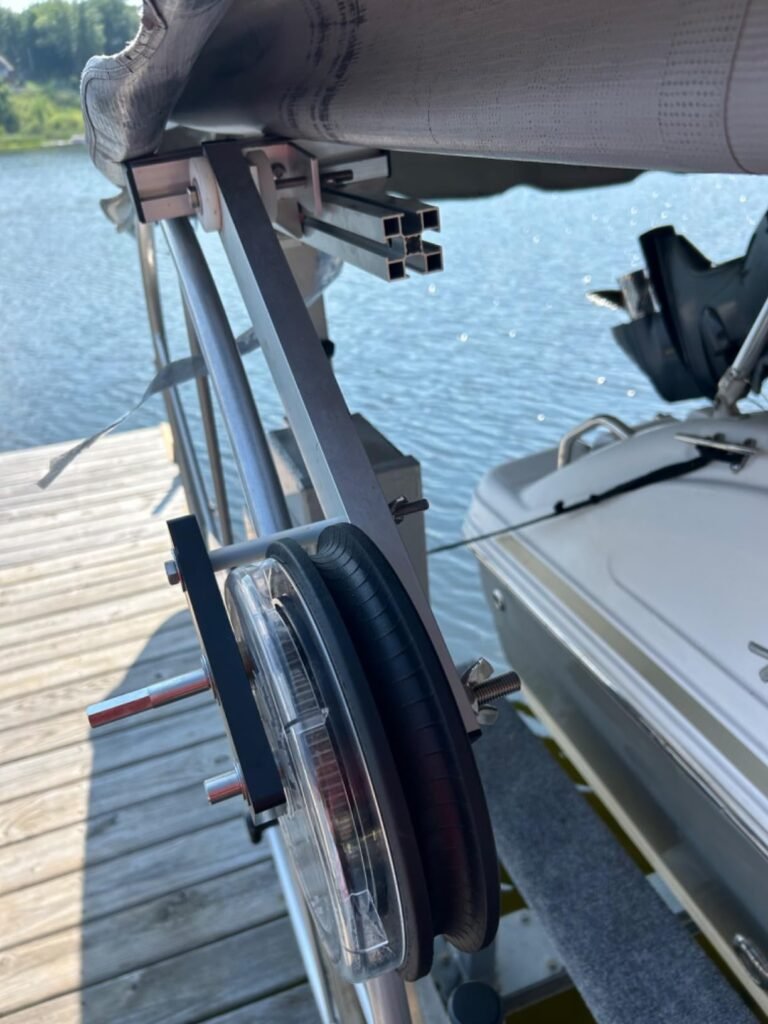
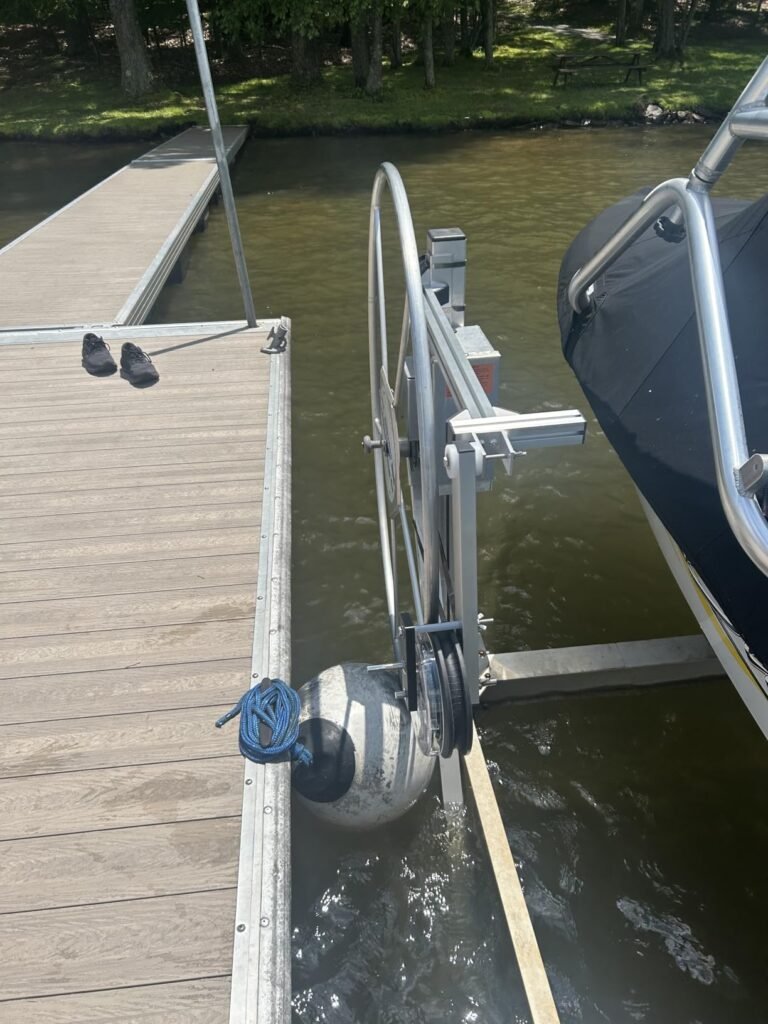
The Lighting Lift takes a practical approach by converting your existing cordless drill into a boat lift motor. This drill-powered kit fits lifts rated up to 6,000 pounds, making it a useful upgrade for anyone tired of hand-cranking a heavy vessel out of the water after a long day on the lake or at the sandbar.
We may earn a commission when you buy through this link, at no additional cost to you.
The 6,000-pound capacity covers a wide range of fishing boats, pontoons, and personal watercraft. Because the system uses your drill as the power source, you avoid the cost and complexity of wiring a dedicated electric motor to shore power. The universal fit design means it adapts to most common hand-wheel lift configurations without custom fabrication or welding.
In practice, the drill-powered approach works best for boaters who already own a high-torque cordless drill and want a quick, portable lifting solution. There is no permanent electrical hookup to worry about, which simplifies seasonal setup and teardown considerably. The tradeoff is that your lifting speed depends on your drill’s torque output and battery charge level, so keeping a spare battery nearby is a smart move during busy launch days.
A higher-torque drill will raise and lower your boat more smoothly, especially near the 6,000-pound limit. Lithium-ion batteries with at least 4 amp-hours of capacity tend to deliver the most consistent performance through a full lift cycle. If you frequently lift a heavier vessel, keeping a charged spare battery on the dock prevents mid-cycle stalls and keeps your launch routine moving efficiently.
This kit is well suited for weekend boaters and personal watercraft owners who want motorized convenience without a major infrastructure investment. If your dock lacks shore power or you prefer a system you can remove and store during the off-season, the drill-powered design offers genuine flexibility that hardwired alternatives cannot match.
Boaters who want a self-contained electric motor system with dedicated shore power wiring and consistent lifting speeds regardless of battery charge.
We may earn a commission when you buy through this link, at no additional cost to you.
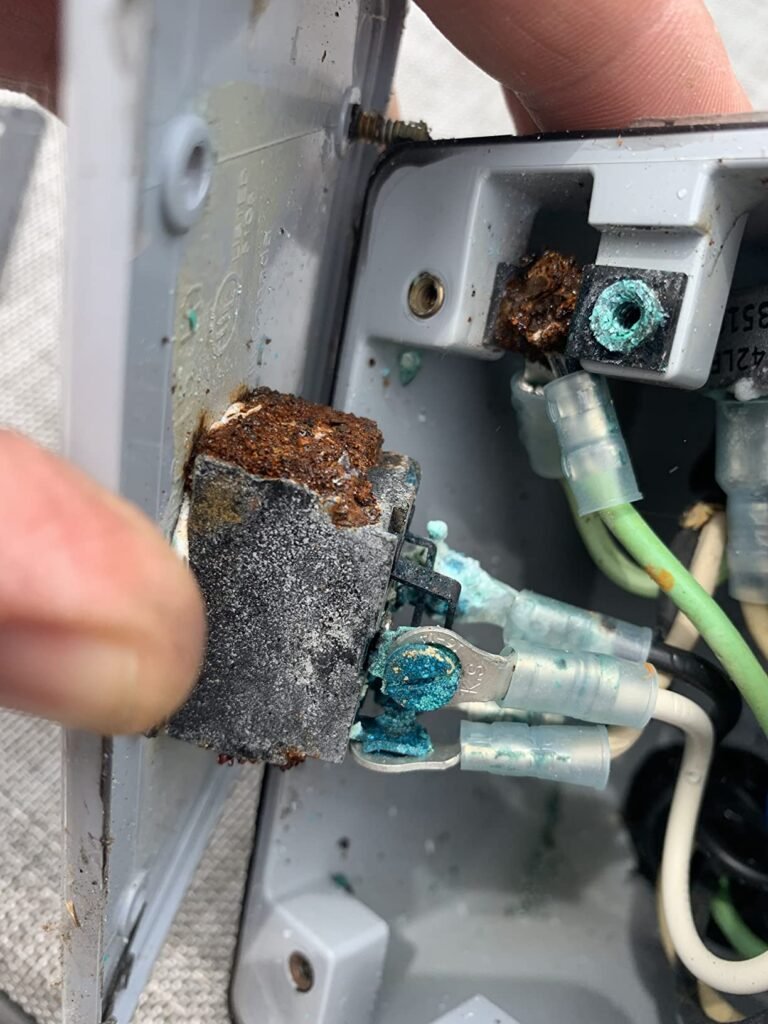
The Extreme Max Boat Lift Buddy is a complete 120-volt electric drive system that replaces manual cranking with push-button operation. It arrives as a single-box kit designed to fit most standard boat lift hand wheels, which eliminates the need to source separate motors, controllers, and mounting hardware from different suppliers.
We may earn a commission when you buy through this link, at no additional cost to you.
The 120-volt motor delivers consistent, reliable power for lifts with access to GFI-protected shore electricity. Unlike drill-powered alternatives, the lifting speed and torque remain constant regardless of battery charge or user fatigue. The universal hand-wheel fitment means installation typically involves removing your existing crank handle and bolting the drive unit in its place with minimal modification.
Long-term usability benefits from the two-year limited warranty and the fact that the system has no batteries to maintain or replace between seasons. The electric motor handles repeated daily cycles without the performance degradation you might see from a cordless drill setup over time. The main consideration is ensuring your dock has a properly grounded GFI outlet within reach of the power cord.
Before purchasing, confirm that your dock has a GFI-protected 120-volt outlet within the power cord’s reach. Running extension cords across long dock sections can introduce voltage drop and safety concerns, so positioning the outlet close to the lift motor is important for both performance and electrical code compliance. If your dock lacks an outlet, factor in the cost of professional electrical installation before comparing total system costs.
This system is the right call for boaters who want a permanent, hands-free lifting solution and already have shore power available at their slip. The higher price reflects the convenience of a complete, self-contained motor system. If you value consistent operation and minimal ongoing maintenance over portability, the Boat Lift Buddy justifies its cost over multiple seasons of daily use.
Boaters without dock-side shore power or those who need a portable lift system they can easily remove and store during winter months.
We may earn a commission when you buy through this link, at no additional cost to you.
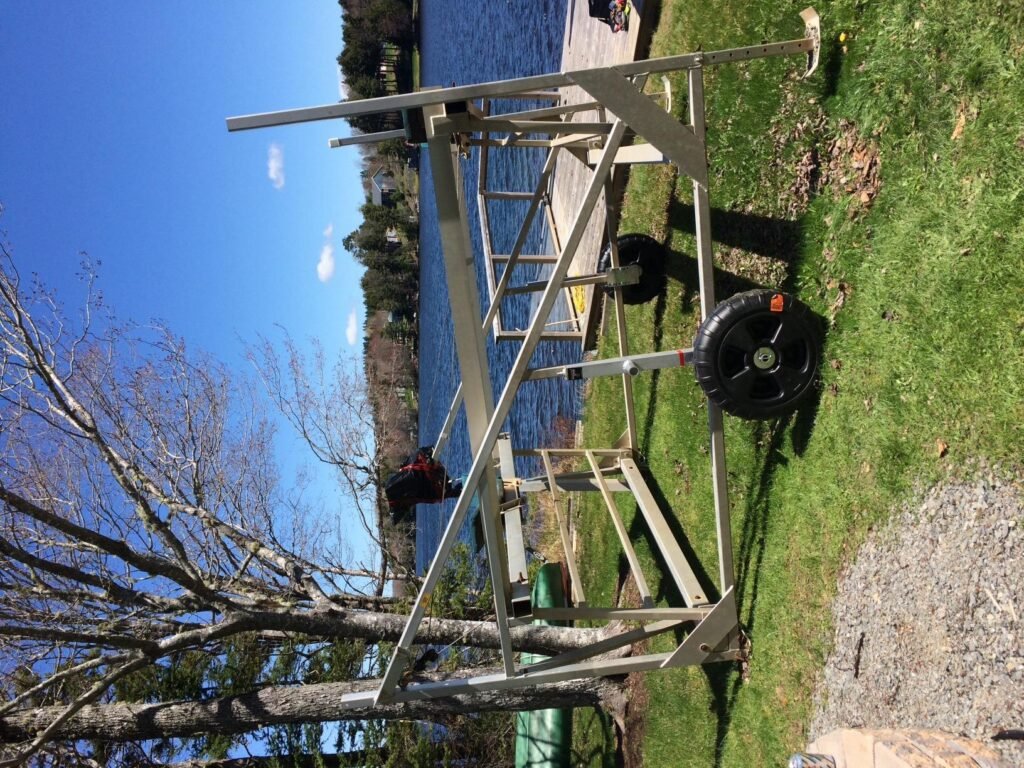
The Quality Mark Smarte Jack pair offers a proven aluminum support solution that fits most boat lift frames on the market. With a 4.6-star rating and a straightforward one-time installation process, these jacks appeal to dock owners who want dependable performance without complicated setup procedures or ongoing adjustment routines throughout the boating season.
We may earn a commission when you buy through this link, at no additional cost to you.
Each jack supports 700 pounds, giving the pair a combined capacity that handles most recreational boats and personal watercraft with comfortable margin. The aluminum construction resists the galvanic corrosion that plagues steel components in saltwater environments, and the silver finish maintains its appearance through multiple seasons of sun and spray exposure without flaking or peeling.
The dual hub sizing works with both 1-7/8-inch and 2-inch wheel hubs, which covers the vast majority of standard boat lift wheel configurations. Installation involves bolting the jacks to your lift frame once, after which they stay securely in place through seasonal use. The lack of moving parts beyond the wheel hub connection means there is very little that can wear out or require attention between launches.
Aluminum naturally forms a protective oxide layer when exposed to moisture, which slows corrosion far more effectively than untreated or painted steel. In saltwater settings especially, aluminum jacks like the Smarte Jack can outlast steel alternatives by years, even when both receive similar maintenance. This material advantage often justifies the higher initial cost over the long term, particularly for coastal boaters who face the harshest conditions.
These jacks are an excellent choice for boaters who want a set-it-and-forget-it support system that will not corrode or demand frequent maintenance. The price sits in the mid-range, reflecting the quality of the aluminum construction and the universal fitment. If you prioritize longevity and simplicity over advanced features, the Smarte Jack pair is a reliable investment that pays dividends over many seasons.
Boaters on a tight budget who only need basic dock wheel mobility for a lightweight personal watercraft and do not require aluminum-grade durability.
We may earn a commission when you buy through this link, at no additional cost to you.
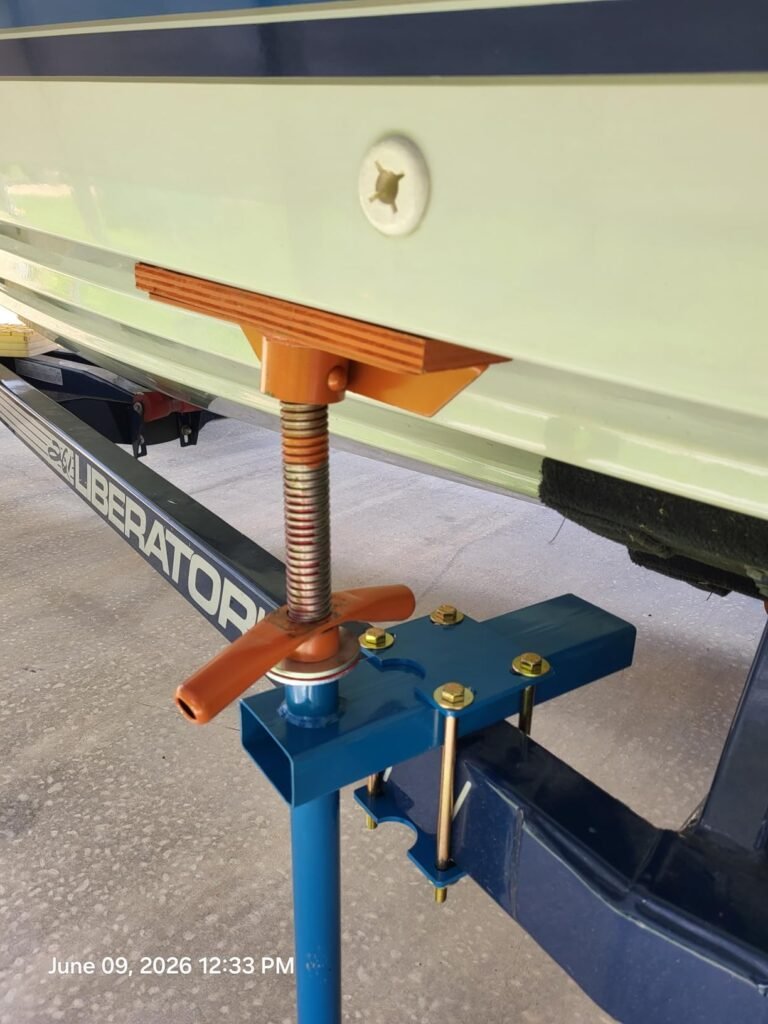
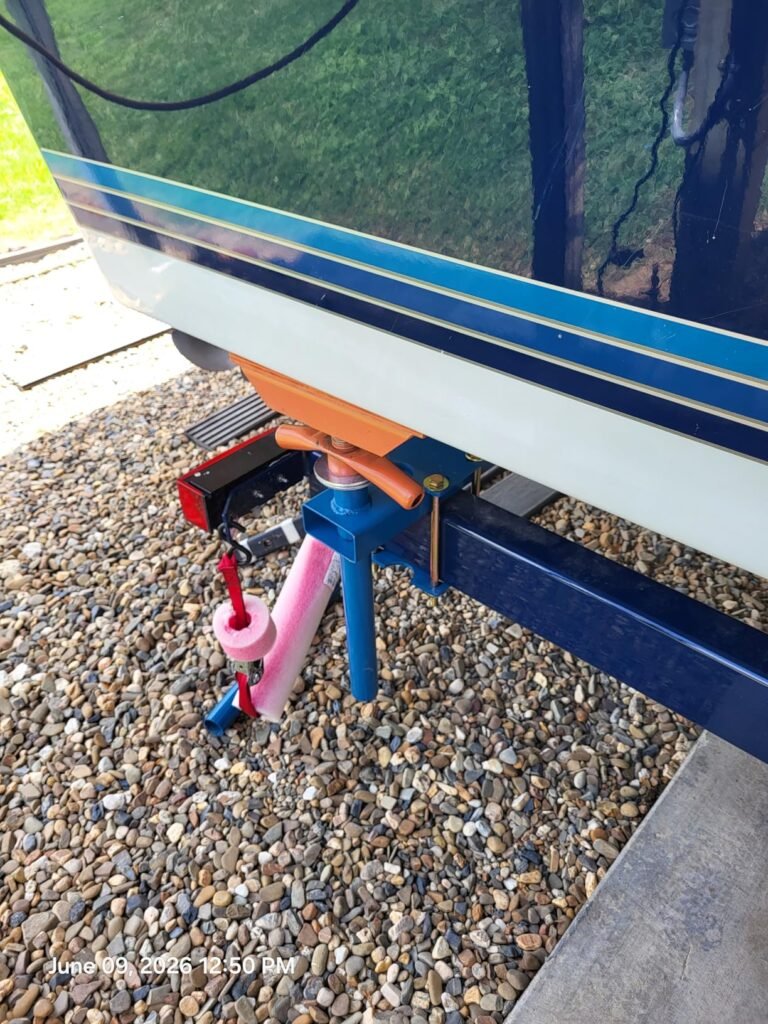
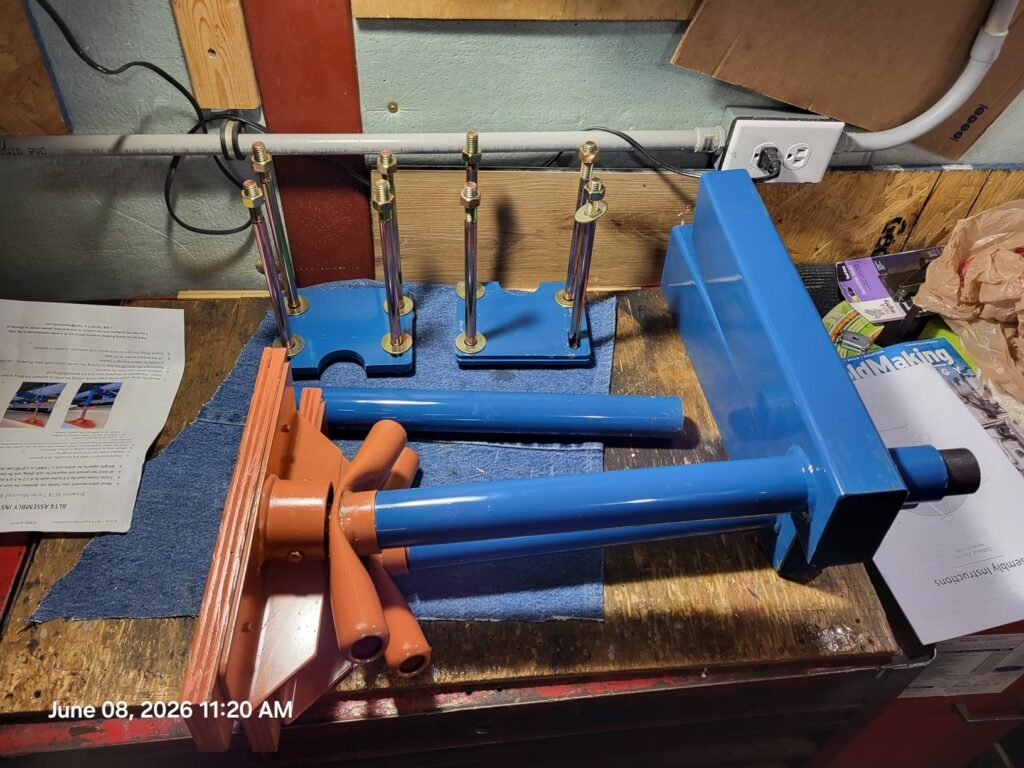
The Brownell BLT4 takes a fundamentally different approach by mounting directly to your boat trailer frame rather than a stationary dock. This set of four lift units raises your boat high enough above the trailer bunks to access the hull for cleaning, painting, and antifouling work without needing a separate boatyard crane or sling system.
We may earn a commission when you buy through this link, at no additional cost to you.
With a 7,500-pound capacity, the BLT4 handles everything from mid-size fishing boats to larger cruisers that would otherwise require professional haul-out services at significant expense. The system fits trailer frames measuring 2 to 3 inches wide and 4.5 to 5.75 inches high, which covers a broad range of standard tandem-axle and single-axle trailer designs on the market.
The trailer-mounted design means you can perform hull maintenance anywhere you can park your trailer, whether that is your driveway, a storage yard, or a marina parking lot. This flexibility eliminates the scheduling headaches and per-hour fees associated with boatyard lifts. The tradeoff is that setup and teardown take more time than a permanent dock installation, and you need to ensure the trailer is on level ground before lifting the vessel.
Before ordering, measure your trailer frame width and height at the intended mounting points using a tape measure or caliper. The BLT4 requires a frame between 2 and 3 inches wide and 4.5 to 5.75 inches tall. Frames outside these dimensions will not accommodate the mounting clamps securely, and attempting to use the system on an incompatible frame risks both equipment damage and personal injury during operation.
This system is ideal for boat owners who perform their own bottom painting and hull inspections and want to avoid recurring boatyard charges each season. The higher price point reflects the heavy-duty construction and the significant cost savings you can realize over several seasons of do-it-yourself hull maintenance. If you trailer your boat regularly and handle your own upkeep, the BLT4 can pay for itself relatively quickly.
Boaters who keep their vessel on a permanent dock lift year-round and have no need for trailer-based hull access or mobile maintenance capability.
We may earn a commission when you buy through this link, at no additional cost to you.
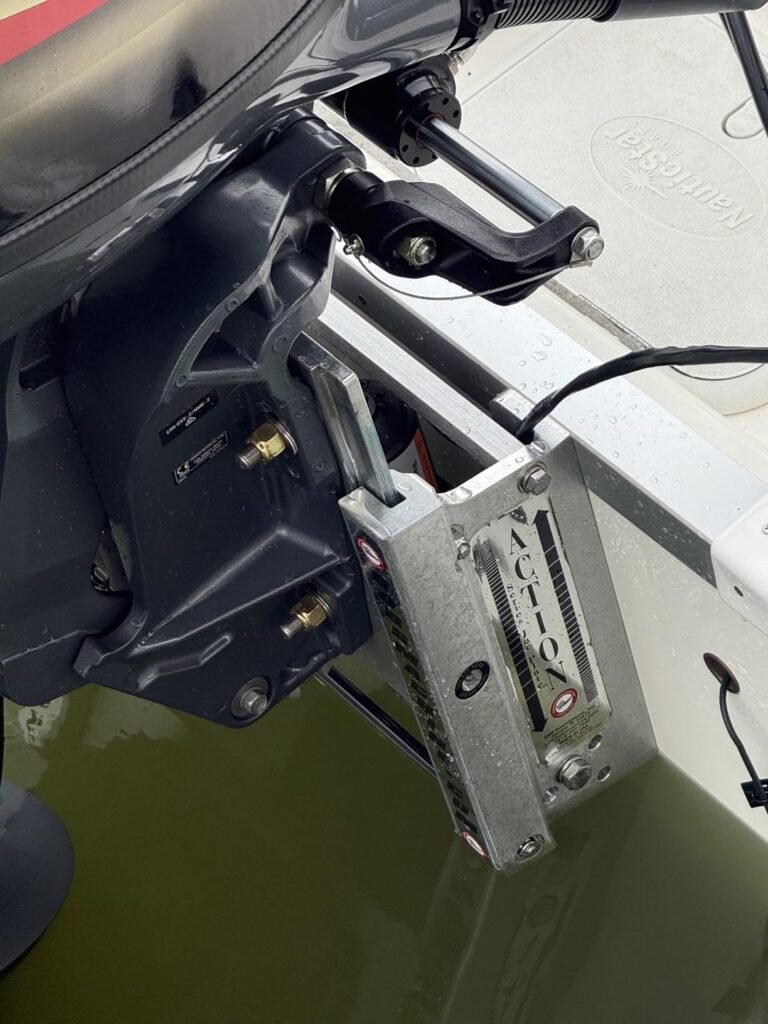
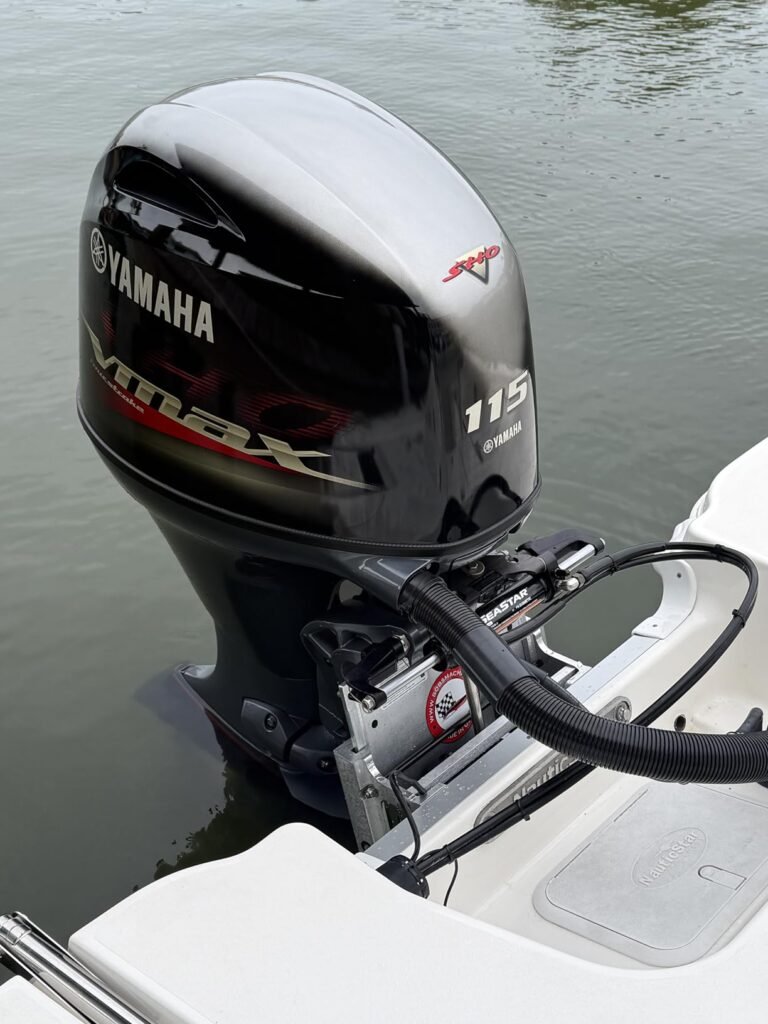
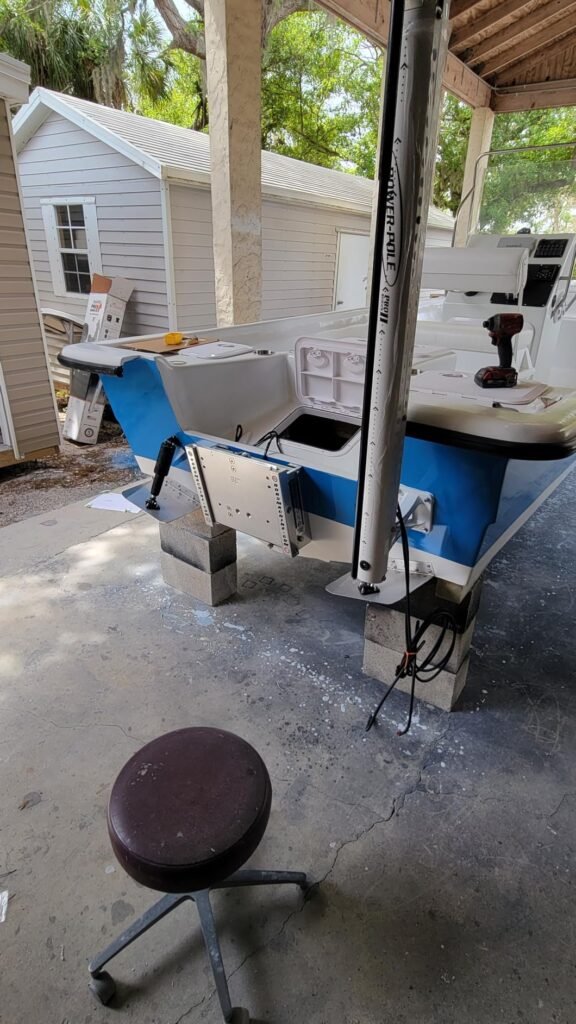
Bob's Machine 6-inch jack plate serves a specialized but critical function for performance boaters who need precise outboard motor height adjustment on the water. Rather than lifting the entire boat out of the water, this hydraulic plate raises and lowers the motor itself, giving you 7.5 inches of total vertical travel to dial in the optimal running position for varying conditions.
We may earn a commission when you buy through this link, at no additional cost to you.
The plate supports outboards rated up to 300 horsepower and weighing up to 625 pounds, which covers most modern four-stroke and two-stroke engines in the mid-to-high power range. The internal hydraulic pump eliminates the need for a separate pump mount, reducing clutter on the transom and simplifying the overall rigging layout. The one-piece 6-inch setback design also provides 1.5 inches of built-in lift before the hydraulic travel even begins.
Maintenance is straightforward thanks to automotive-style grease fittings that allow quick lubrication without disassembly or special tools. The integrated tension rods add structural rigidity under heavy loads, and the pre-drilled mounting pattern accommodates dual side-mount brackets for additional configuration flexibility. The included wiring harness, relays, and rocker switch mean you have everything needed for a complete installation right out of the box.
Setback refers to how far the motor is moved rearward from the transom, which affects the boat’s center of gravity and planing characteristics. The 6-inch setback on this plate moves the motor back for improved bow lift and hole shot, while the 7.5 inches of total vertical travel lets you fine-tune running depth for different speeds and load conditions. Matching setback to your hull design is essential for optimal performance gains.
At over thirteen hundred dollars, this is the most expensive item in the guide, but it serves a completely different purpose than dock-based lift systems. Performance boaters, tournament anglers, and anyone who frequently adjusts motor height for varying water conditions will find the precision and reliability worth the investment. If you do not need on-the-water motor adjustment, a dock-based lift system will serve you better at a fraction of the cost.
Boaters who need a dock or trailer lift system for storing and launching their vessel rather than adjusting outboard motor height on the water.
We may earn a commission when you buy through this link, at no additional cost to you.
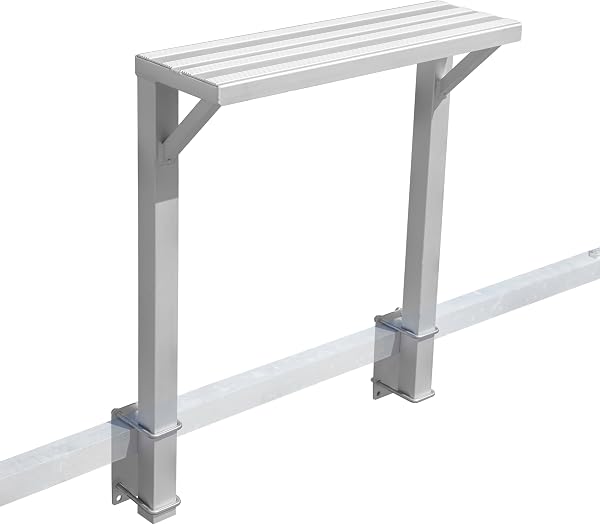
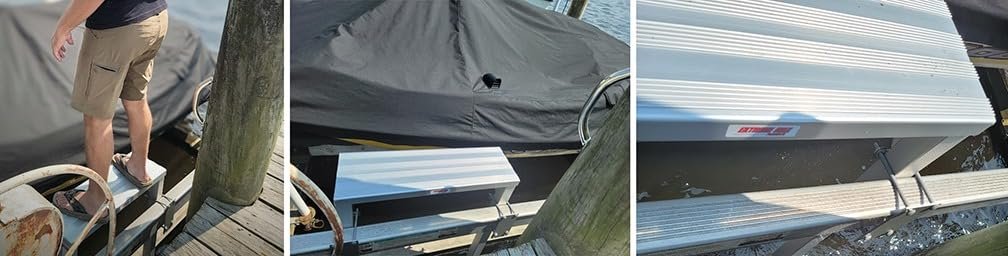
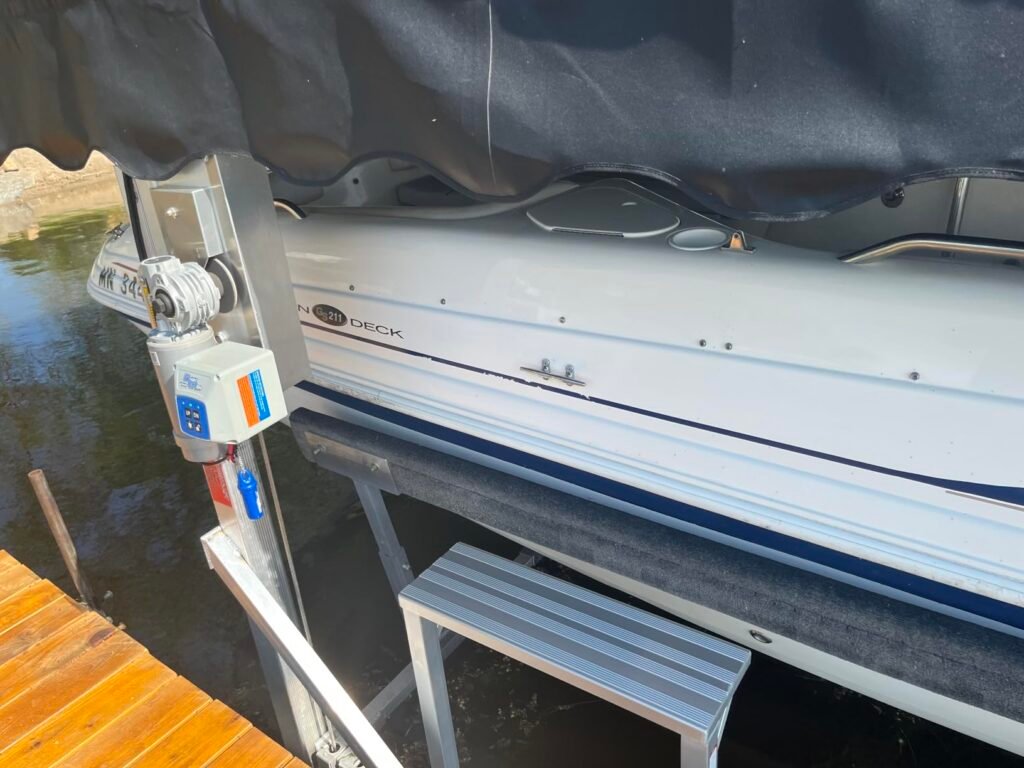
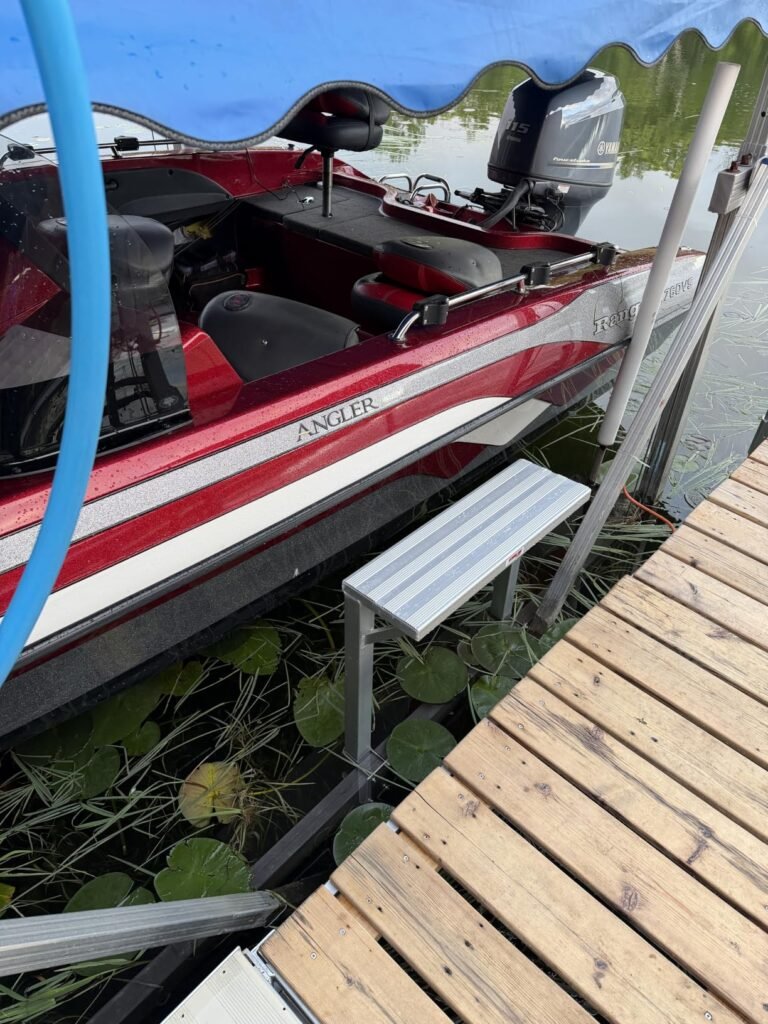
The Extreme Max Boat Lift Step-Over addresses a problem that many dock owners overlook until they experience it firsthand: the awkward and sometimes dangerous gap between a raised boat and the dock surface. This platform mounts directly to your lift's cradle frame, creating a stable, no-slip stepping surface that makes boarding and exiting significantly safer for everyone on the dock.
We may earn a commission when you buy through this link, at no additional cost to you.
The U-bolt mounting system attaches to the lift cradle frame and allows you to set the platform at whatever height best matches your boat’s gunwale or boarding step. The grippy surface texture provides reliable traction even when wet, which is a meaningful safety improvement over bare aluminum or wood dock surfaces that become dangerously slick with spray and morning dew.
Installation is relatively simple and does not require permanent modification to your lift frame or specialized tools. The main compatibility note is that the step-over will not work with lifts that have a fixed horizontal bar on the dock-side of the outer frame, so checking your lift’s frame geometry before ordering is essential. Proper clearance ensures the platform sits level and does not interfere with the lift’s raising and lowering cycle.
Measure the distance between your lift’s outer cradle frame and the dock edge to confirm the step-over platform will fit without obstruction. Lifts with a fixed horizontal bar on the dock side may block the mounting position entirely. Taking a few minutes to verify clearance before ordering prevents the frustration of receiving a component that cannot be installed on your specific lift configuration.
This accessory is a smart addition for families with children, older boaters, or anyone who regularly boards from the dock side of a raised vessel. At around one hundred and forty dollars, it is one of the more affordable items in this guide, and the safety benefit it provides makes it a worthwhile complement to any existing boat lift system that lacks a convenient boarding step.
Boaters whose lift frames have fixed horizontal bars on the dock side that would prevent the step-over platform from mounting at the correct height and angle.
We may earn a commission when you buy through this link, at no additional cost to you.
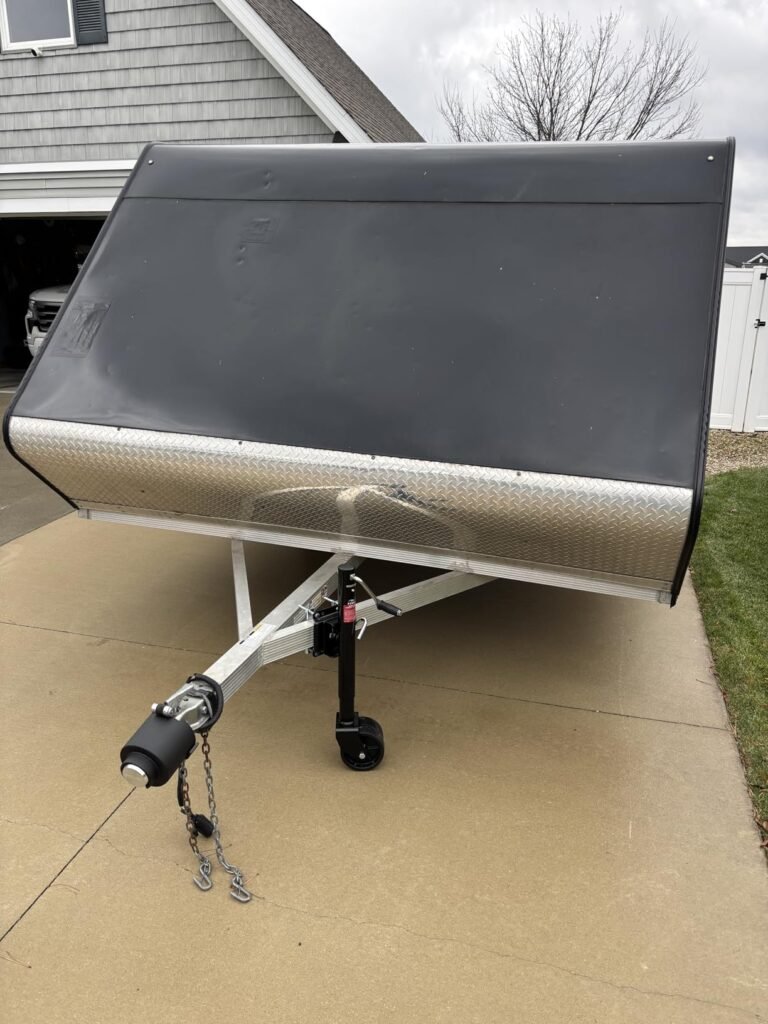
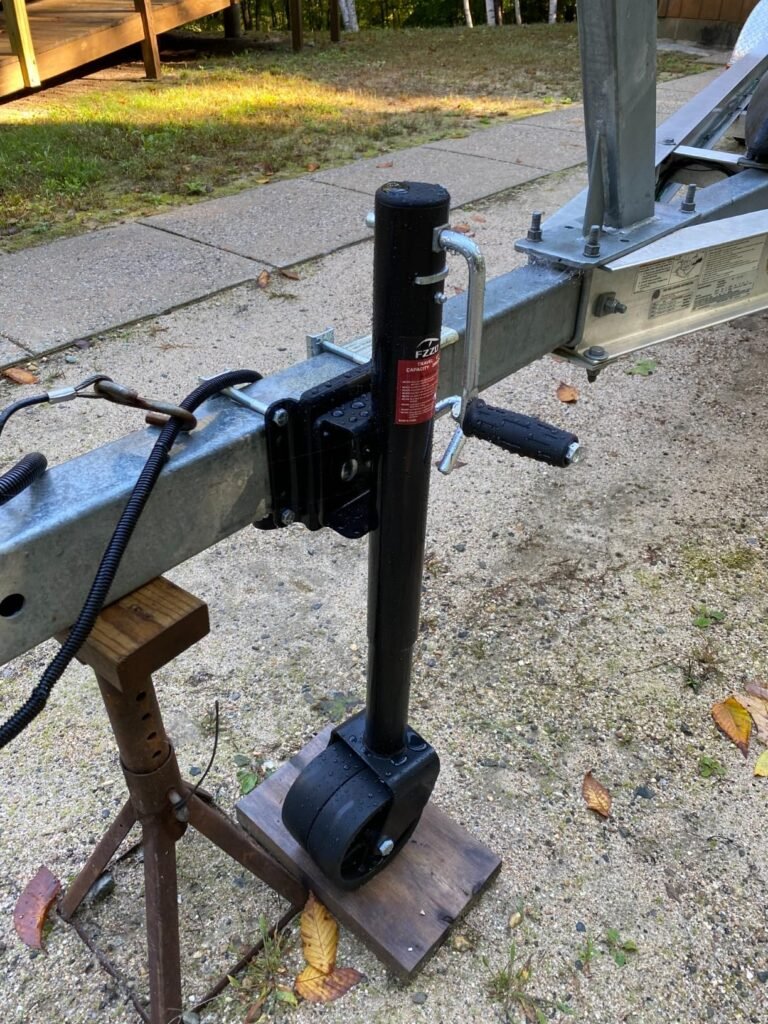
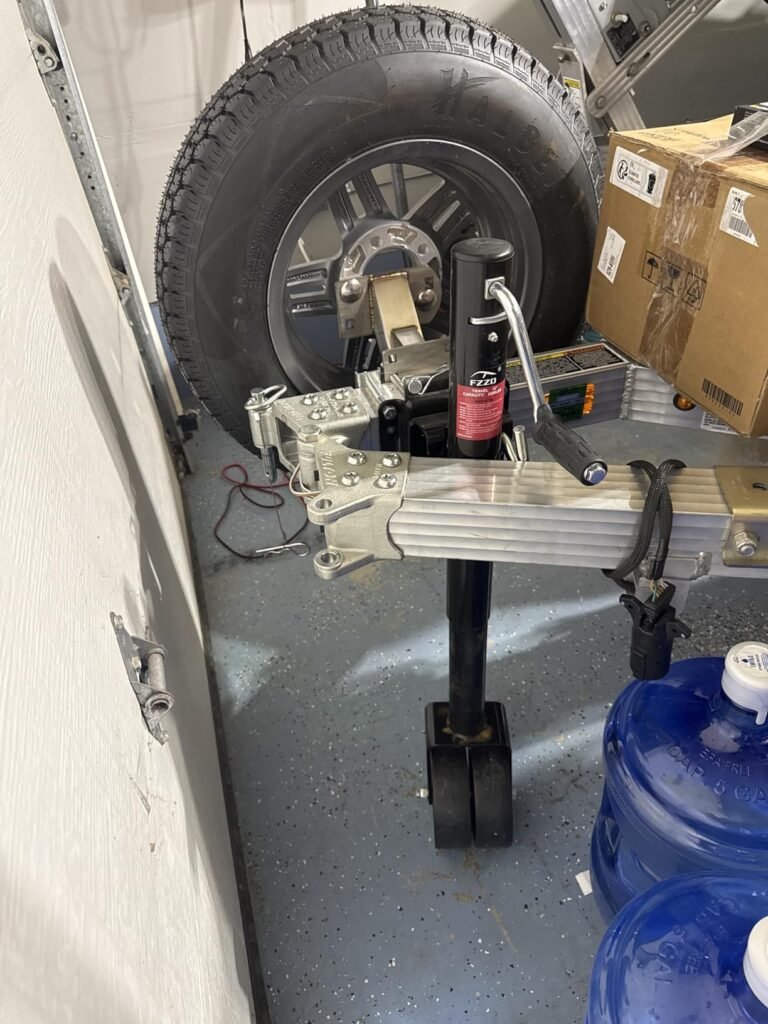
The FZZD 2,000-pound trailer jack provides heavy-duty tongue support for boat trailers that see regular launching and storage use. The swivel design and dual-wheel configuration make it easy to maneuver a loaded trailer into tight storage spaces or position it precisely at a launch ramp without straining your back or your vehicle's hitch receiver.
We may earn a commission when you buy through this link, at no additional cost to you.
The 2,000-pound tongue weight rating translates to practical support for trailers with a total loaded weight of roughly 6,000 pounds, since the tongue typically bears 10 to 15 percent of the overall load. The height adjustment range from 25.5 to 37.8 inches accommodates a wide variety of trailer tongue heights and launch ramp angles, reducing the risk of the coupler dragging on steep approaches.
The dual 6-inch wheels provide a larger contact patch than single-wheel designs, which improves stability on soft ground, gravel, and uneven pavement at the ramp. The textured side handle extends further than standard flared handles, giving you better leverage and control when cranking the jack up or down under load. The heavy-duty steel construction with black powder coating and galvanizing resists rust through multiple seasons of water exposure.
Tongue weight is the downward force the trailer coupler exerts on the hitch ball, and it typically represents 10 to 15 percent of the fully loaded trailer weight. A 2,000-pound tongue weight rating therefore supports a total trailer weight of approximately 6,000 pounds. Overloading a jack beyond its tongue weight rating can cause the internal gear mechanism to strip or the mounting bracket to bend under stress.
This jack is a strong value for boaters who need a high-capacity tongue jack for a mid-size to larger boat trailer. The assembly requirement means you will need to set aside some time for initial setup, but the included instructions and complete hardware kit make the process manageable for most DIYers. If your current jack is undersized or showing signs of corrosion, this upgrade provides a meaningful improvement in both capacity and durability.
Boaters with lightweight personal watercraft trailers that only need a basic 1,000-pound jack and would benefit from a lighter, more compact design.
We may earn a commission when you buy through this link, at no additional cost to you.
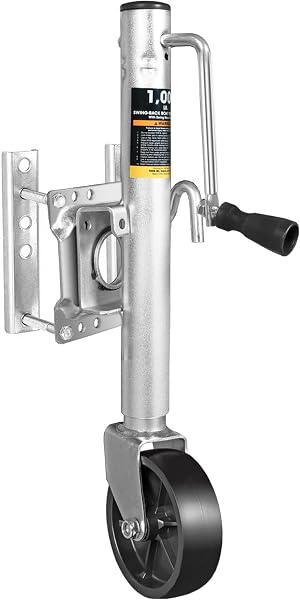
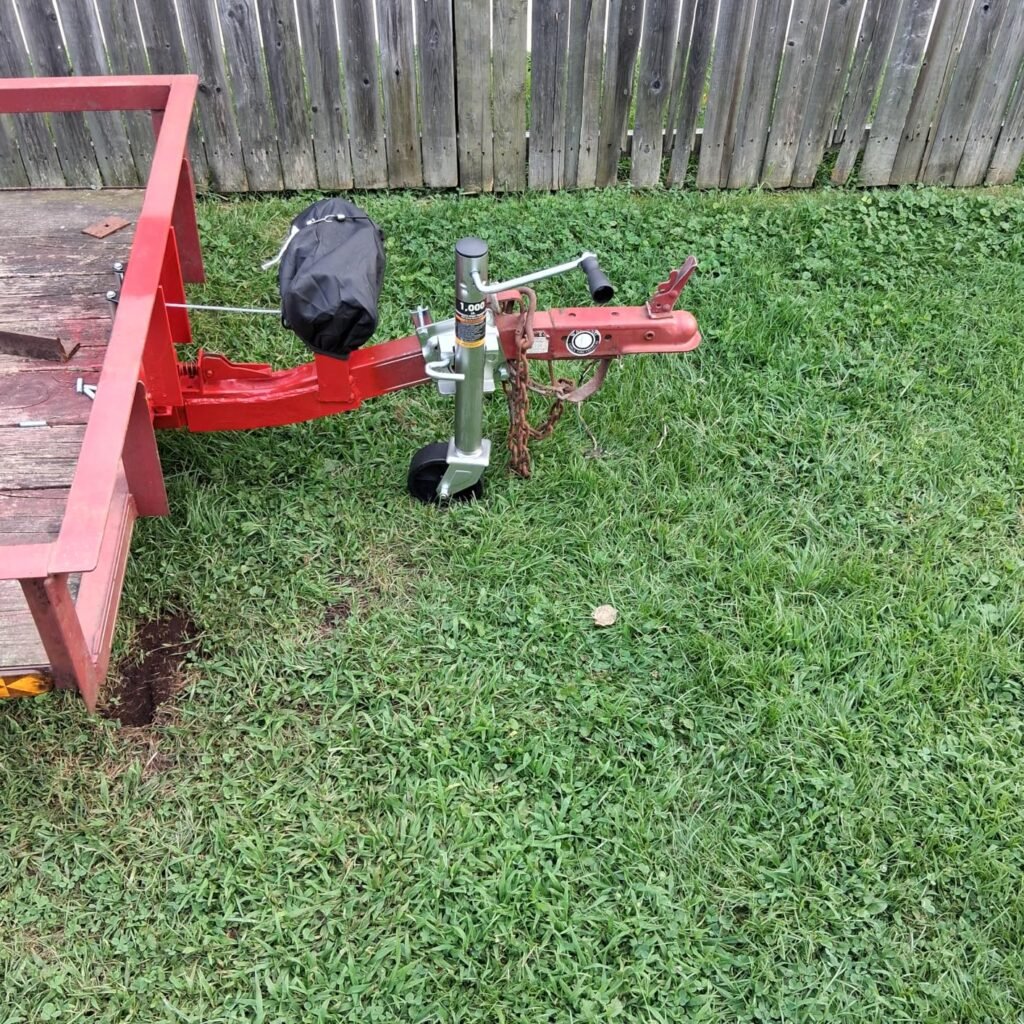
The Torin 1,000-pound trailer jack is the most affordable complete jack in this comparison, making it a practical choice for boaters with smaller trailers and lighter vessels. The swing-back bolt-on design installs quickly on trailer tongues measuring 3 to 5 inches, and the zinc coating provides reliable corrosion protection at a price point that undercuts most competitors in the category.
We may earn a commission when you buy through this link, at no additional cost to you.
The height adjustment range from 10.5 to 20.5 inches suits smaller boat trailers that sit lower to the ground and do not require the extended reach of a heavy-duty jack. The 6-inch wheel rolls smoothly on pavement and packed gravel, and the wind handle delivers fast, smooth cranking that makes raising and lowering the tongue a one-person job even on a slight incline.
The zinc-painted finish offers better corrosion resistance than bare steel, though it may not match the longevity of fully galvanized or powder-coated alternatives in harsh saltwater environments over many seasons. The one-year manufacturer warranty provides basic coverage, and the bolt-on mounting means you can transfer the jack to a different trailer if your boating setup changes over time.
A 1,000-pound tongue weight rating comfortably handles trailers with a total loaded weight of roughly 3,000 to 5,000 pounds. This covers most single-axle trailers carrying small aluminum fishing boats, sailboats under 16 feet, and personal watercraft. Exceeding the rated capacity accelerates gear wear and can cause the jack to fail under load, so matching the rating to your actual tongue weight is critical for safe operation.
This jack is best suited for owners of small fishing boats, kayak trailers, and personal watercraft setups where a 1,000-pound capacity is more than sufficient for safe operation. The low price makes it an easy replacement for a worn-out factory jack, and the straightforward installation means you can have it mounted and operational in under thirty minutes. If you need more capacity or extended height range, consider stepping up to the FZZD model instead.
Boaters with mid-size or larger boat trailers that exceed 1,000 pounds of tongue weight and require a higher-capacity jack with extended height adjustment.
We may earn a commission when you buy through this link, at no additional cost to you.
Selecting the right boat lift system involves more than comparing prices and star ratings. The best choice depends on how you use your boat, where you store it, and what kind of maintenance you perform throughout the season. The factors below cover the most important decision points so you can narrow the field to the products that actually fit your situation.
Boat lift systems serve several distinct purposes, and choosing the right type starts with understanding what you actually need the lift to do. Dock-mounted wheel kits and jacks help you reposition a stationary lift across hard surfaces for seasonal storage or maintenance access. Motorized drive systems replace hand cranking with electric or drill-powered operation for raising and lowering the vessel. Trailer-mounted lifts like the Brownell BLT4 elevate the hull above the trailer bunks for bottom painting and inspection. Hydraulic jack plates adjust outboard motor height on the water for performance tuning. Each type solves a different problem, so identifying your primary use case before shopping prevents costly mismatches.
Dock-based systems are the most common and include wheel kits, support jacks, and step-over accessories that enhance an existing lift frame. These are ideal for boaters who keep their vessel at a permanent slip and need to move the lift occasionally or improve boarding safety. Trailer-mounted systems serve owners who haul their boats between locations and want to perform hull maintenance without paying boatyard fees. Motorized upgrades suit anyone who wants to eliminate the physical effort of hand cranking, especially with heavier vessels. Performance jack plates are a niche category for anglers and speed boaters who need precise motor positioning while underway.
Start by defining your main goal. If you need dock mobility, focus on wheel kits and jacks. If you want easier raising and lowering, look at motorized options. If hull maintenance is the priority, consider a trailer-mounted system. Matching the lift type to your actual workflow saves money and frustration.
Every boat lift component has a maximum load rating, and exceeding it is one of the most common and dangerous mistakes buyers make. Wheel jacks like the Quality Mark Smarte Jack and the 28199 Wheel Kit each carry a 700-pound rating per jack, which means a pair supports roughly 1,400 pounds of distributed weight. Trailer jacks are rated by tongue weight, which typically represents 10 to 15 percent of the total loaded trailer weight. The Brownell BLT4 handles up to 7,500 pounds of total boat weight, while the Bob’s Machine jack plate supports outboards up to 625 pounds.
To determine the capacity you need, start with your boat’s dry weight and add fuel, gear, batteries, and any permanent accessories. For dock lifts, the total vessel weight should fall well within the combined rating of all support jacks. For trailer jacks, weigh the fully loaded trailer and calculate the tongue weight using a bathroom scale under the coupler or a dedicated tongue weight gauge. Choosing a jack with at least 20 percent more capacity than your calculated weight provides a safety margin that accounts for dynamic loads during launching and retrieval.
Never assume a higher capacity is automatically better. Oversized jacks add weight and cost without providing meaningful benefit for lighter vessels. Match the rating to your actual load with a reasonable safety margin, and verify that all mounting hardware and frame connections can handle the same forces the jack itself is rated for.
Marine environments are relentlessly corrosive, and the materials used in your boat lift components will largely determine how long they last before requiring replacement. Aluminum, like the aircraft-grade alloy used in the 28199 Wheel Kit and the Quality Mark Smarte Jack, forms a natural oxide layer that resists both freshwater and saltwater corrosion without additional coatings. Heavy-duty plastic, as seen in the 24-inch dock wheels, is completely immune to galvanic corrosion and will not rust, pit, or stain. Steel components rely on protective finishes such as zinc plating, galvanizing, or powder coating to delay the inevitable onset of rust.
Saltwater exposure accelerates corrosion dramatically compared to freshwater, so material choice matters even more for coastal and brackish-water boaters. Aluminum and plastic components generally outperform coated steel in these environments, though high-quality powder-coated steel like the FZZD trailer jack can hold up well with regular rinsing and inspection. Stainless steel hardware, when used in combination with aluminum components, requires careful attention to galvanic compatibility to prevent dissimilar-metal corrosion at the contact points.
If you boat in saltwater, prioritize aluminum or plastic components and inspect all hardware connections at least twice per season. Freshwater boaters have more flexibility with coated steel, but rinsing all metal components after each use extends their lifespan regardless of the material. Budget for eventual hardware replacement and keep spare fasteners on hand.
Installation requirements vary widely across boat lift products, from simple bolt-on accessories to complete motorized systems that require electrical wiring and structural modifications. Wheel kits and support jacks typically involve bolting the components to your existing lift frame, a process that most DIY-capable boaters can complete in an afternoon with basic hand tools. Motorized systems like the Extreme Max Boat Lift Buddy require access to shore power and a GFI-protected outlet, which may necessitate professional electrical work if your dock is not already wired for marine use.
Compatibility with your existing equipment is equally important. Wheel hub sizing, frame dimensions, and mounting hole patterns all need to match for a proper installation. The 28199 Wheel Kit and Smarte Jack both accommodate 1-7/8-inch and 2-inch hubs, which covers most standard configurations. The Brownell BLT4 requires specific trailer frame dimensions, and the Extreme Max Step-Over will not fit lifts with certain horizontal bar configurations. Measuring your equipment before ordering prevents the frustration and delay of returning incompatible components.
Before purchasing, measure your lift frame width, height, wheel hub diameter, and available clearance around the mounting area. Compare these measurements against the product specifications carefully. If your dock lacks shore power and you want a motorized lift, consider a drill-powered option instead of a 120-volt system to avoid costly electrical upgrades.
Boat lift systems that raise and lower vessels fall into three power categories: manual, drill-powered, and electric. Manual cranking is the simplest and least expensive approach but becomes physically demanding with heavier boats, especially after a long day on the water when fatigue sets in. Drill-powered systems like the Lighting Lift use your existing cordless drill as the motor, providing a portable and affordable middle ground that requires no permanent wiring. Electric systems like the Extreme Max Boat Lift Buddy deliver the most consistent and effortless operation but depend on a reliable shore power connection at your dock.
The right power source depends on how frequently you raise and lower your boat, the vessel’s weight, and your dock’s existing infrastructure. Weekend boaters who launch and retrieve once or twice a day may find manual cranking perfectly adequate for a lightweight runabout. Daily users with heavier vessels will appreciate the consistency of an electric motor. Boaters without shore power or those who winterize their dock each season may prefer the portability of a drill-powered setup that can be removed and stored indoors during the off-season.
Consider your typical usage pattern honestly. If you dread the physical effort of cranking and have shore power available, an electric system will improve your boating experience significantly. If you only launch a few times per season, a manual or drill-powered option avoids unnecessary expense and infrastructure requirements.
All boat lift components require some level of ongoing maintenance to function reliably in marine environments, but the amount of effort varies considerably by material and design. Plastic wheels and aluminum jacks demand the least attention, typically requiring only periodic rinsing and visual inspection for cracks or deformation. Steel components with protective coatings need more frequent inspection for chips, scratches, and early signs of rust that can spread quickly if left untreated. Motorized systems add electrical connections and moving parts to the maintenance checklist, including checking wiring insulation, motor brushes, and gear lubrication at regular intervals.
Seasonal storage practices also affect longevity significantly. Removing drill-powered motors and electric drive units during the off-season protects them from freezing temperatures and prolonged moisture exposure that can degrade seals and bearings. Lubricating moving parts with marine-grade grease before winter storage prevents seizing and corrosion at pivot points and gear interfaces. Inspecting all mounting bolts and fasteners at the beginning of each season catches loose connections before they develop into structural failures under load.
Build a simple seasonal maintenance routine that includes rinsing all components with fresh water, inspecting for corrosion and wear, lubricating moving parts, and tightening fasteners. A few hours of preventive maintenance each spring and fall can extend the life of your boat lift system by years and prevent costly emergency repairs during peak boating season.
Setting up a boat lift system begins with confirming that all components match your dock or trailer specifications before any hardware is installed. Measure your frame dimensions, wheel hub sizes, and available clearance carefully, then dry-fit the components to verify alignment before tightening fasteners to their final torque. For motorized systems, test the electrical connections and motor operation with the lift unloaded before placing your boat on the cradle for the first time to ensure everything functions smoothly under real conditions.
Daily operation is straightforward for most lift types, but a few habits improve both safety and equipment longevity. Always ensure the lift is on level ground or a stable dock surface before raising or lowering a vessel, and never exceed the rated weight capacity even temporarily. When using drill-powered or electric motors, allow the system to complete its full cycle without interruption, and avoid forcing the mechanism if you encounter unexpected resistance, which may indicate a binding wheel or misaligned cradle that needs attention.
Long-term care involves rinsing all metal and plastic components with fresh water after saltwater exposure, inspecting fasteners and mounting brackets at the start and end of each season, and storing removable motors and electrical components indoors during freezing weather. Lubricate moving parts such as wheel bearings, jack gears, and hydraulic fittings with marine-grade grease at least twice per year. Replacing worn wheels, corroded fasteners, and frayed wiring promptly prevents minor issues from developing into expensive failures that could leave your boat stranded on the trailer or dock.
Start with your boat's fully loaded weight, including fuel, gear, and accessories. Choose a lift system with a combined capacity that exceeds your total weight by at least 20 percent to account for dynamic loads during operation. Check the manufacturer's specifications for each component to ensure the jacks, wheels, and frame can all handle the same load safely.
Most wheel kits and support jacks are designed for DIY installation with basic hand tools and can be completed in a few hours by someone with moderate mechanical ability. Motorized systems that require shore power wiring may benefit from professional electrical installation to ensure code compliance and safety. Always follow the included instructions and verify all measurements before drilling or bolting anything to your frame.
Rinse all components with fresh water after each use, especially in saltwater environments where mineral deposits accelerate oxidation. Choose aluminum or plastic components when possible, and inspect coated steel parts regularly for chips or scratches that expose bare metal to moisture. Applying marine-grade anti-corrosion spray to fasteners and pivot points at the start of each season provides an additional layer of protection.
Dock lifts are stationary systems mounted to a pier or floating dock that raise and lower your boat in the water for storage and hull protection. Trailer lifts like the Brownell BLT4 mount to your trailer frame and elevate the hull above the bunks for maintenance access such as bottom painting. Dock lifts are designed for daily storage, while trailer lifts are intended for periodic hull work.
Electric motorized lifts like the Extreme Max Boat Lift Buddy require a GFI-protected 120-volt outlet on your dock for continuous operation. If shore power is not available at your slip, drill-powered alternatives like the Lighting Lift use a cordless drill as the motor and require no permanent electrical connection. Consider your dock's existing infrastructure before choosing a motorized system to avoid unexpected installation costs.
Perform a thorough inspection at the beginning and end of each boating season, checking fasteners, wheels, cables, and electrical connections for wear or damage. Rinse all components with fresh water after saltwater use, and lubricate moving parts with marine-grade grease at least twice per year. Replace any corroded or worn components immediately to prevent cascading failures that could compromise your vessel's safety.
Wheel kits work best on hard, level surfaces such as concrete, packed gravel, or wooden dock planking that provides stable rolling resistance. Soft sand, mud, and uneven terrain can cause wheels to sink or bind, making movement difficult and potentially damaging the axle or mounting brackets. If your dock surface is uneven or soft, consider larger-diameter wheels or a different repositioning method altogether.
Tongue weight is the downward force your trailer coupler places on the hitch ball, typically 10 to 15 percent of the total loaded trailer weight. Your trailer jack must be rated to handle this tongue weight safely without bending or stripping its internal gears. Choosing a jack with insufficient capacity can cause gear failure, bent mounting brackets, or dangerous trailer instability during the hitching process.
Heavy-duty plastic wheels like the 24-inch dock wheels in this guide are specifically engineered to support substantial loads without cracking or deforming under pressure. They resist UV degradation, corrosion, and freeze-thaw damage better than rubber alternatives in marine environments. The key is ensuring the wheel's load rating matches your vessel weight and that the axle and mounting hardware are equally robust.
Whether you can leave a lift in the water over winter depends on your local climate and ice conditions in your area. In regions with freezing temperatures and ice movement, removing the lift or at least raising it above the waterline prevents structural damage from ice pressure against the frame. In milder climates, leaving the lift in place is generally safe if all components are properly maintained and secured before the off-season.
The Quality Mark Smarte Jack pair stands out as the strongest overall choice for most dock-based boat lift setups, combining a high 4.6-star rating, durable aluminum construction, and universal hub compatibility in a package that installs once and requires minimal ongoing attention. Its 700-pound per-jack capacity handles the majority of recreational vessels with comfortable margin, and the corrosion-resistant build ensures reliable performance in both freshwater and saltwater environments season after season.
For boaters who want motorized convenience, the Extreme Max Boat Lift Buddy delivers consistent electric operation for docks with shore power, while the Lighting Lift offers a more affordable and portable drill-powered alternative for setups without permanent wiring. The Brownell BLT4 fills a completely different niche for trailer-based hull maintenance, and the Bob's Machine jack plate serves performance boaters who need precise outboard motor positioning on the water.
Your best decision starts with identifying your primary need, whether that is dock mobility, powered lifting, hull maintenance access, or motor height adjustment. Match the lift type to your workflow, verify weight capacity against your actual loaded vessel, and choose materials that will withstand your local water conditions. With the right system in place, you will spend less time wrestling with equipment and more time enjoying the water.