Sennheiser HD 560S
9.0Editor scoreOpen-back design
Polymer-blend transducer
Wired 1/4-inch plug
Angled driver alignment
Compare 10 top audiophile headphones by driver type, soundstage, comfort, and value. Find the right pair for critical listening, studio work, or hi-fi enjo...

Choosing audiophile headphones in 2026 means weighing driver technology, open or closed-back design, impedance, soundstage, comfort, and whether you need wired purity or wireless convenience. We compare 10 standout pairs across dynamic and planar magnetic drivers to help you find headphones that match your source equipment, listening style, and long-term expectations.
The lineup spans studio-focused closed-backs, reference-grade open-backs from Sennheiser’s HD 6 series, planar magnetic flagships from HIFIMAN, and premium wireless options from Bowers & Wilkins. Each design carries specific trade-offs between isolation, imaging precision, bass extension, and the amplification you may need to drive them properly.
This guide focuses on the specifications and practical realities that shape day-to-day listening satisfaction. Use the comparisons below to understand where each pair excels, what source gear pairs well with it, and which model delivers the sonic character you want for music, mixing, or immersive at-home enjoyment.
We compared 10 audiophile headphones using the details that actually shape critical listening: driver type and size, open or closed-back design, impedance and amplifier requirements, frequency response, soundstage width, imaging precision, build materials, cable options, comfort during long sessions, and value relative to peers. The notes focus on practical trade-offs so each pick connects to how enthusiasts, home listeners, and studio users actually enjoy music, mix tracks, and pair headphones with their existing gear.

Compare key features, scores, and current prices side by side. A shorter feature list means fewer details were available, not necessarily fewer capabilities.



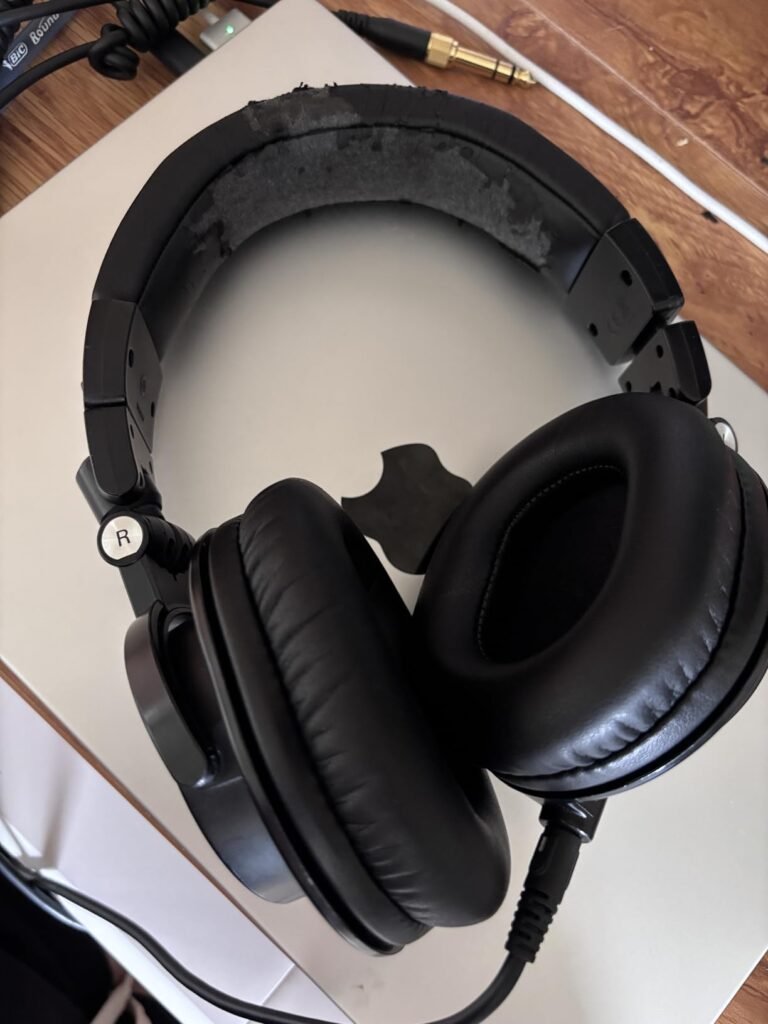
The ATH-M50X has become a default recommendation for closed-back studio monitoring, and there are good reasons for its staying power. The 45mm large-aperture drivers with rare earth magnets and copper-clad aluminum voice coils deliver a punchy, detailed presentation that works equally well for tracking, editing podcasts, and casual listening. The closed-back circumaural design blocks a meaningful amount of ambient noise, which is exactly what you want when recording vocals or working in a noisy environment.
We may earn a commission when you buy through this link, at no additional cost to you.
The frequency response leans toward a slightly warm signature with prominent bass, which some purists consider less neutral than reference open-backs. In practical terms, this tuning translates to an engaging listen for a wide range of music genres and holds up well for tracking work where accurate low-end monitoring matters. The clarity across mids and highs remains clean enough for serious editing tasks.
The 90-degree swiveling earcups make one-ear monitoring easy, which is a workflow staple for DJs and audio engineers. The detachable cable system is a significant durability advantage over fixed-cable designs because you can replace a damaged cable without discarding the entire headphone. The pro-grade earpad and headband materials feel built to survive years of daily use.
Open-back headphones sound more spacious, but they leak sound in both directions and offer minimal isolation. If you record in the same room as your microphone, need to monitor without disturbing others, or want to listen in a noisy environment, a closed-back like the M50X is the practical choice. The isolation prevents click-track bleed during recording and blocks enough ambient noise to hear detail in loud spaces.
This pair is the top choice for anyone who needs closed-back isolation for studio work, content creation, or listening in shared spaces. The tuning is more consumer-friendly than truly reference-neutral, so purists mixing final masters may prefer flatter open-backs, but for most tracking, editing, and everyday audiophile use, the M50X remains a benchmark at this price.
Listeners who prioritize the widest possible soundstage and most spacious presentation over isolation.
We may earn a commission when you buy through this link, at no additional cost to you.
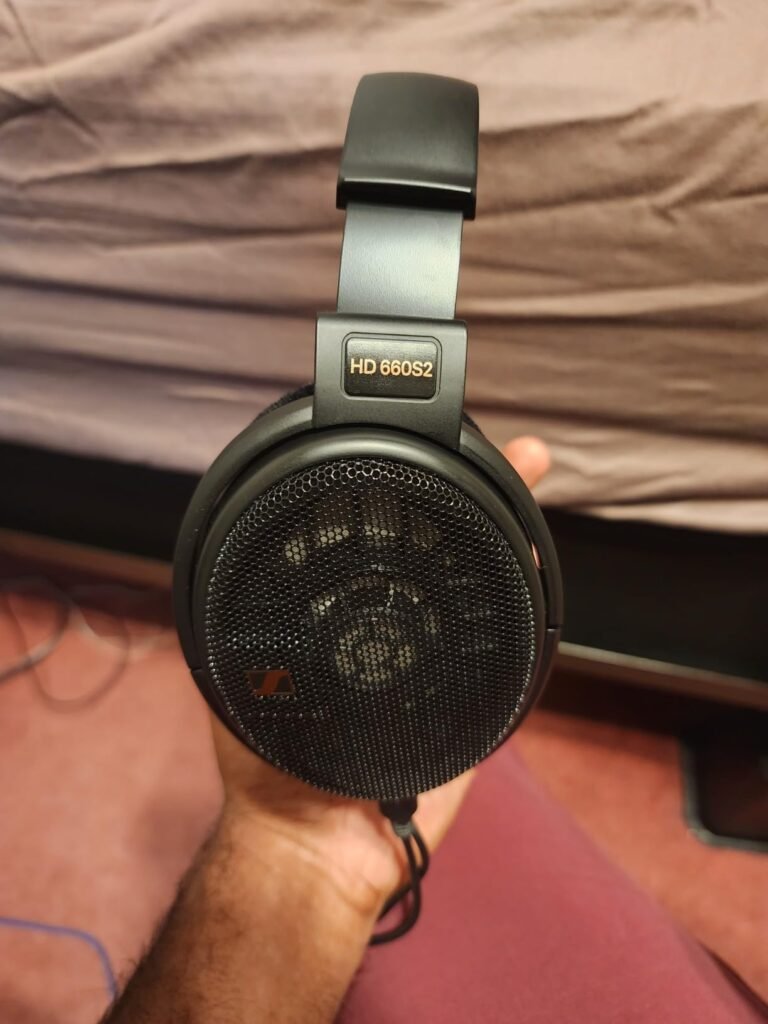
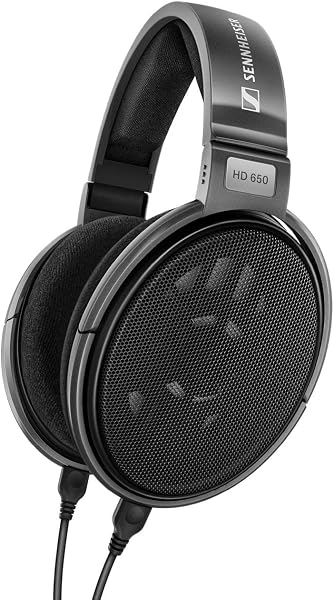
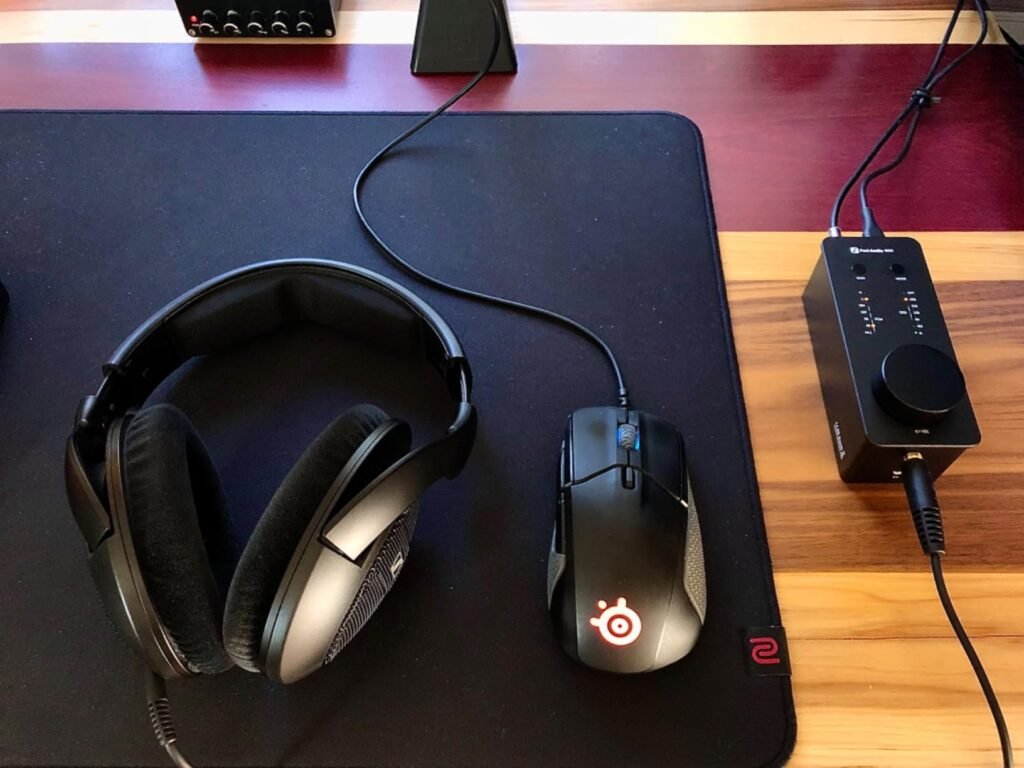
The HD 560S is a compelling entry point into serious open-back listening. Sennheiser tuned it toward a neutral reference response, which means the headphones try to reveal what is actually in the recording rather than hyping any particular frequency range. That makes them an excellent choice for listeners who want to hear mixing decisions, subtle instrument textures, and the acoustic space of a room rather than a colored, entertainment-first signature.
We may earn a commission when you buy through this link, at no additional cost to you.
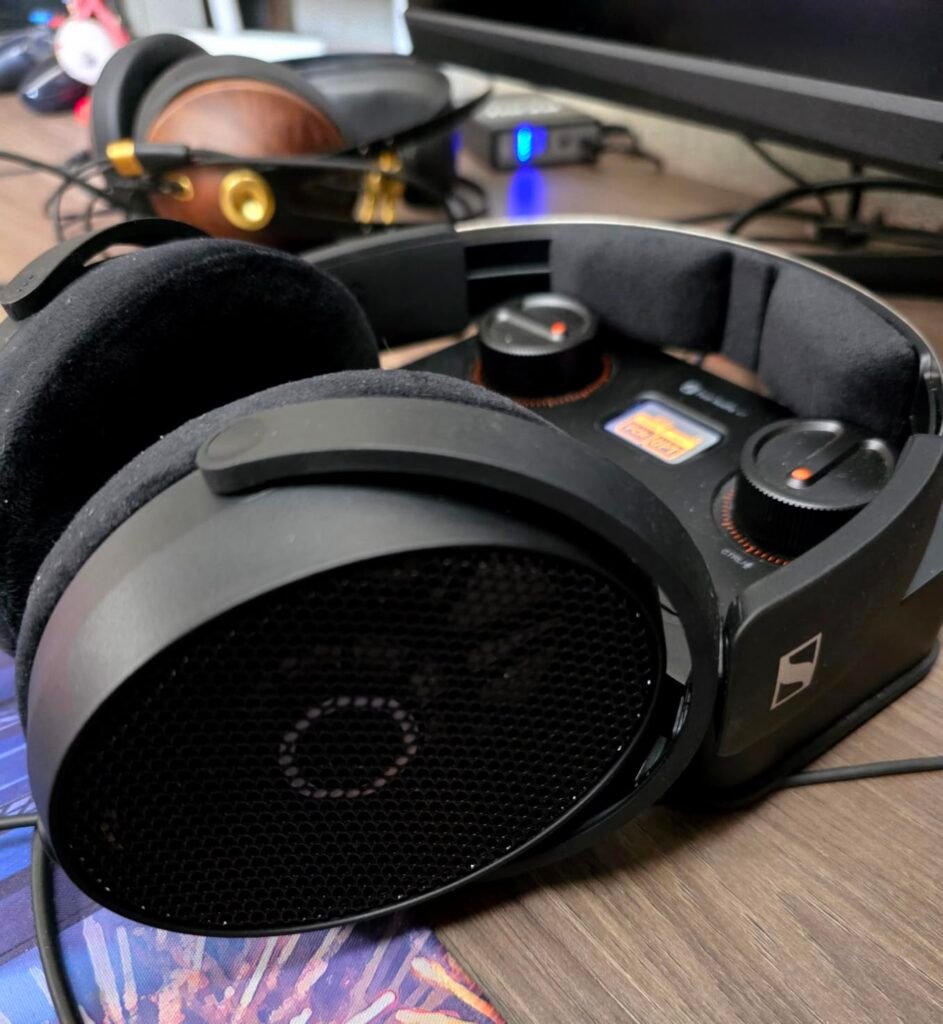
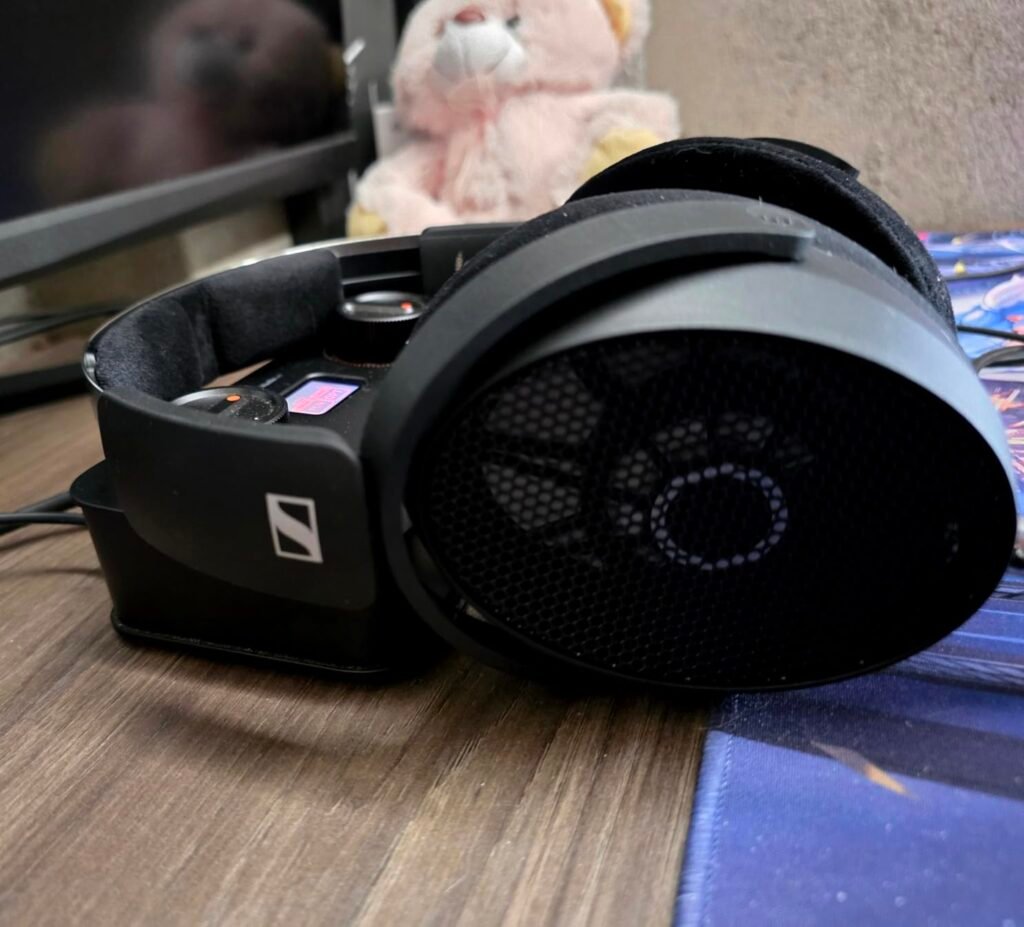
The polymer-blend transducer membrane is engineered for highly linear excursion, which keeps distortion low even when bass hits hard. The open-back cups let sound waves expand naturally, producing a wide soundstage that feels less like sound trapped against your ears and more like speakers placed in front of you. Sennheiser’s ergonomic acoustic refinement angles the drivers toward the natural angle of the ear, improving imaging precision on stereo recordings.
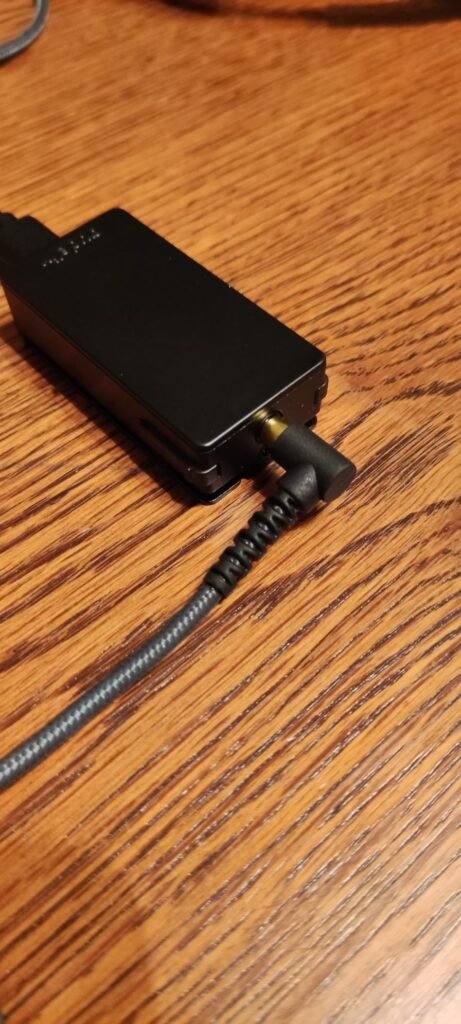
The 1/4-inch plug signals the intended use case: connection to a headphone amplifier or a desktop audio interface rather than a phone. The included 6.35mm connector reflects the headphones’ focus on home and studio listening. The clamping force is moderate, and the lightweight construction makes long sessions comfortable, though the plastic build feels less premium than the higher-end HD 6 series.
When drivers fire straight into the ear canal, the soundstage can feel narrow and centered inside your head. Angling the drivers to match the natural angle of the ear allows sound to enter more like it would from real speakers placed in front of you, which improves the perceived width and depth of the stereo image. This is why many reference-grade open-backs use angled driver alignment as a defining design feature.
This is the strongest value pick in the lineup for buyers who want a taste of true audiophile sound without spending several hundred dollars. If you are moving up from consumer headphones and want a neutral reference for music discovery or casual mixing, the HD 560S delivers a genuine step up. Pair them with even a modest dedicated amplifier to unlock their full potential.
Commuters and anyone who needs isolation, since the open-back design leaks sound in both directions.
We may earn a commission when you buy through this link, at no additional cost to you.
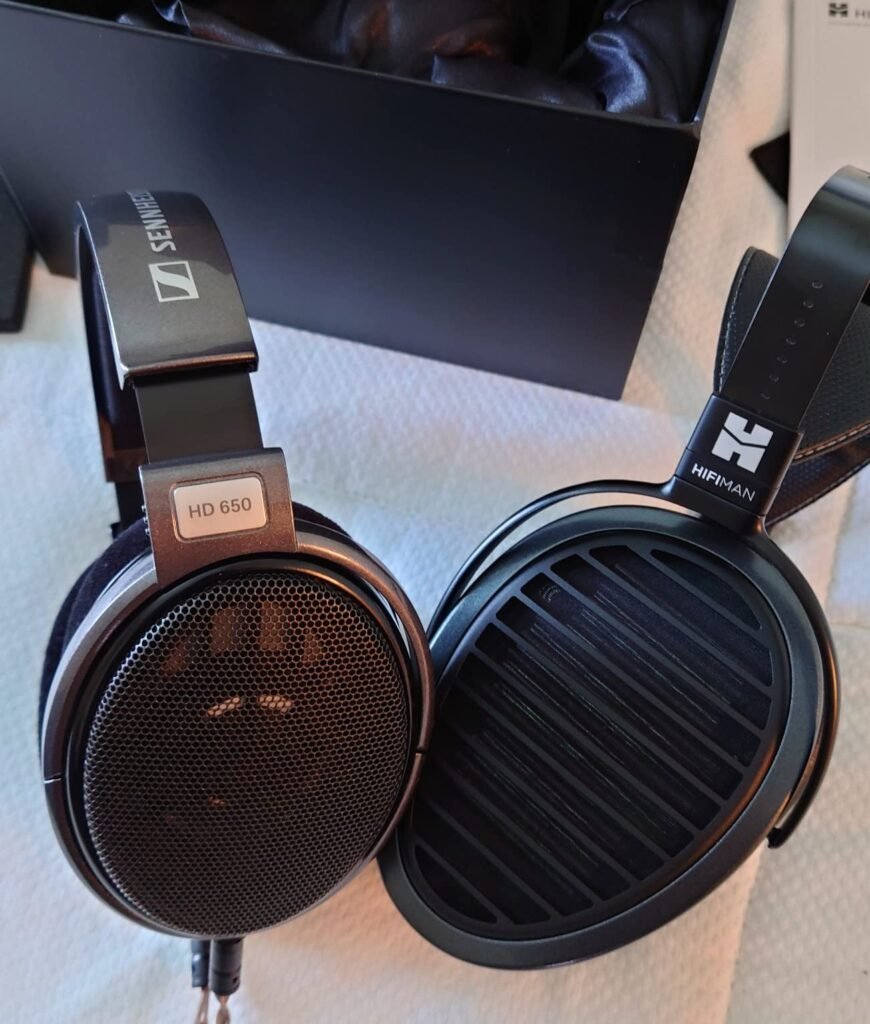
The HD 650 has anchored the audiophile world for decades, and it continues to be the reference point that many listeners measure other headphones against. Sennheiser uses hand-selected matched driver elements and specially designed acoustic silk to keep total harmonic distortion at an incredible 0.05 percent. That low distortion figure is a big part of why the HD 650 sounds so refined and natural, especially on vocals, acoustic instruments, and classical recordings.

We may earn a commission when you buy through this link, at no additional cost to you.
The tuning is warm, smooth, and slightly relaxed in the treble, which makes long listening sessions genuinely fatigue-free. The frequency response spans 10 to 39,500 Hz within a 10 dB window, extending well beyond the range of human hearing. High-power neodymium magnets and highly optimized magnet systems ensure the drivers respond accurately across the entire spectrum with minimal intermodulation distortion.
These headphones have a 300-ohm impedance that demands a proper headphone amplifier. Plugging them into a phone or a laptop headphone jack will not do them justice, and the sound will feel thin and underpowered. Paired with a competent tube or solid-state amp, however, the HD 650 delivers the kind of musical, engaging presentation that has kept them in production for so long. The 3.5mm jack plug with the included 1/4-inch adapter makes them compatible with most home audio gear.
At 300 ohms, the HD 650 needs meaningful voltage swing to reach proper listening levels. Portable devices typically cannot deliver that voltage, so the headphones sound quiet, dynamically flat, and bass-light when driven directly. A dedicated headphone amplifier, even a modest one, provides the current and voltage needed for the drivers to control properly, which unlocks the tight bass, dynamic contrast, and full soundstage that define the HD 650 experience.
The HD 650 is the strongest overall choice for enthusiasts who want a genuinely reference-quality listening experience with a smooth, musical character. If you are building a serious desktop audio setup and want headphones that will remain enjoyable for years, this pair is a benchmark investment. Just budget for the amplifier they deserve.
Portable use or anyone who wants to drive headphones directly from a phone without external amplification.
We may earn a commission when you buy through this link, at no additional cost to you.
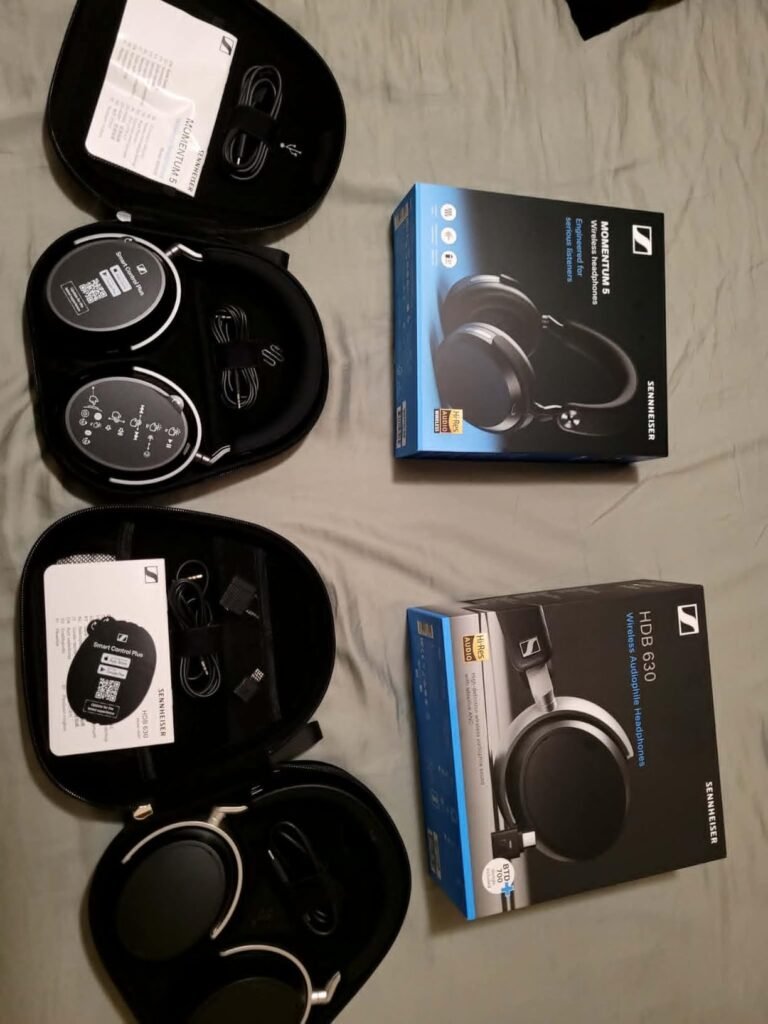
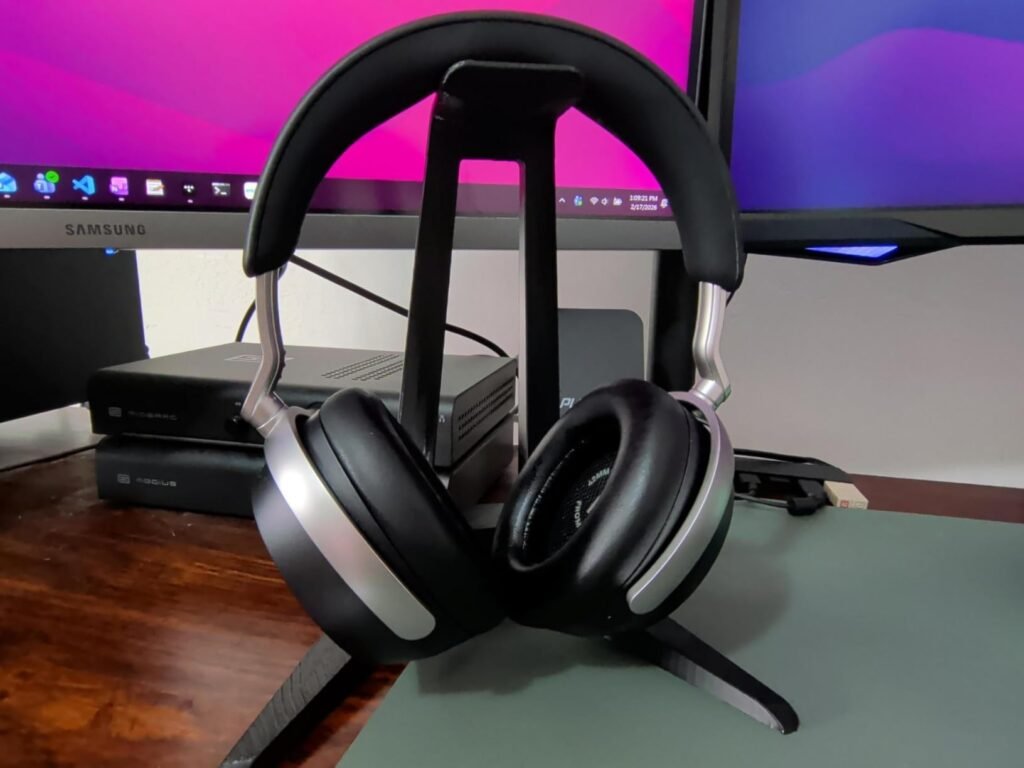
The HDB 630 tackles a difficult problem: delivering genuinely audiophile-grade sound in a wireless package. Sennheiser's in-house 42mm transducer and refined acoustic design aim for a neutral tuning with lifelike mids, detailed treble, and a wide, natural soundstage. Minimal digital processing keeps the signal path clean, which is a real distinction from most consumer Bluetooth headphones that lean heavily on aggressive DSP.
We may earn a commission when you buy through this link, at no additional cost to you.
The included BTD 700 Bluetooth adapter supports aptX HD and aptX Adaptive, enabling higher-quality wireless streaming than standard Bluetooth codecs. For maximum fidelity, a USB-C connection supports lossless playback up to 24-bit/96 kHz, which brings these headphones closer to true hi-res performance. The parametric EQ is a standout feature, letting listeners define frequency bands, widths, and filters with the precision of a mastering engineer rather than the simple sliders in most consumer apps.
Adaptive noise cancellation blocks distractions without collapsing the soundstage or degrading dynamics, which is a common weakness in ANC implementations. Transparency Mode lets ambient sound through when situational awareness matters. The 60-hour battery is class-leading for a hi-fi wireless model, and a 10-minute fast charge delivers up to 7 hours of listening, making the HDB 630 practical for long trips and full work weeks.
Standard Bluetooth on many source devices maxes out at basic codecs that compress audio meaningfully. The included BTD 700 dongle ensures the source can transmit at aptX Adaptive or aptX HD quality regardless of what the phone or laptop natively supports. This closes the biggest gap between wireless convenience and wired fidelity, and it means the headphones can deliver near-lossless quality even when paired with older or less capable devices.
This is the top wireless pick for listeners who want audiophile character without dedicating a desktop rig to headphone use. The price is higher than mainstream consumer wireless headphones, but the tuning, EQ control, hi-res dongle, and USB-C lossless input add up to a genuinely purist-friendly wireless experience. Choose these if you value quiet listening on planes and trains without sacrificing sonic integrity.
Buyers who already have a strong desktop amplifier and prefer purely wired headphones for critical listening.
We may earn a commission when you buy through this link, at no additional cost to you.
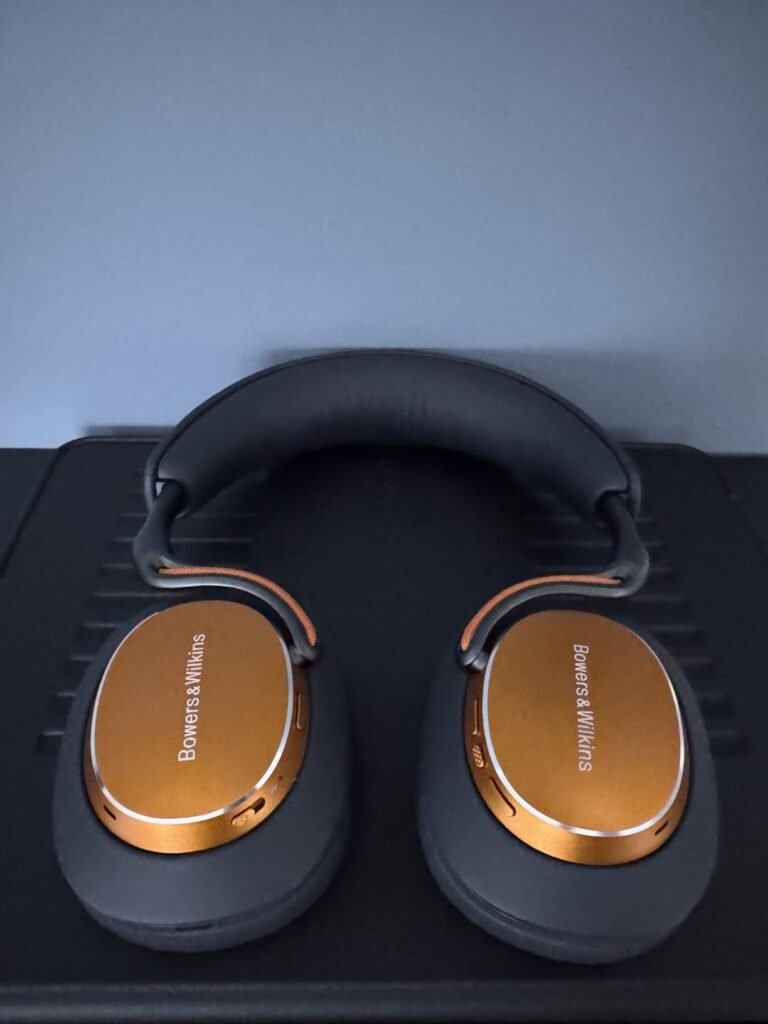
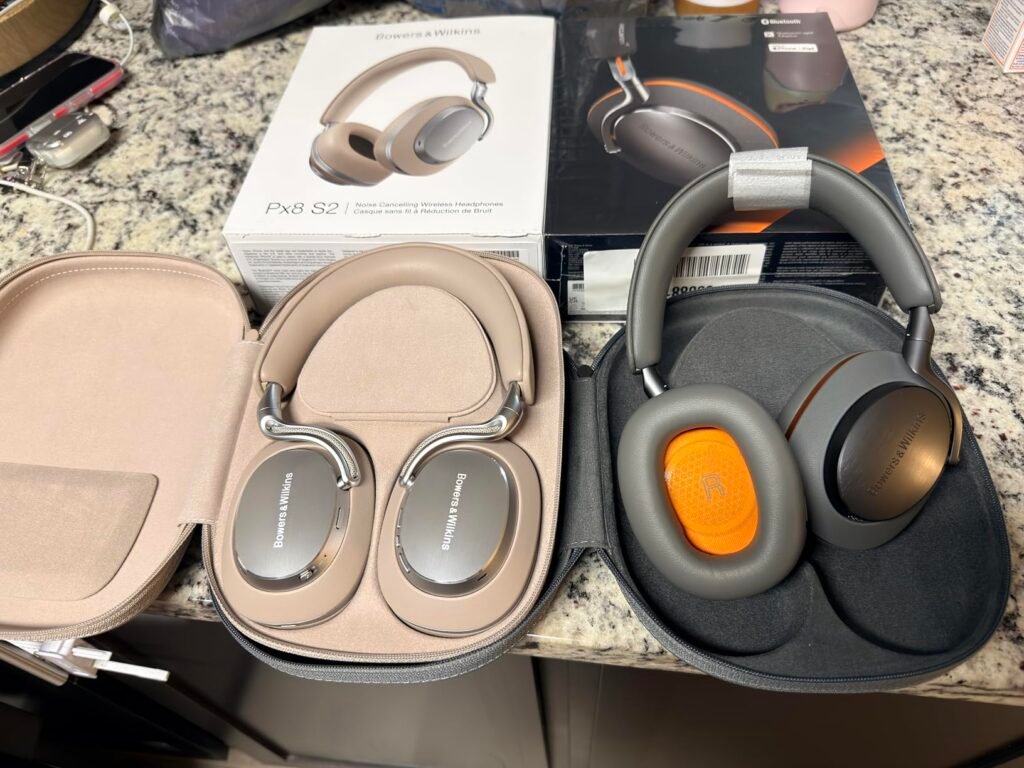
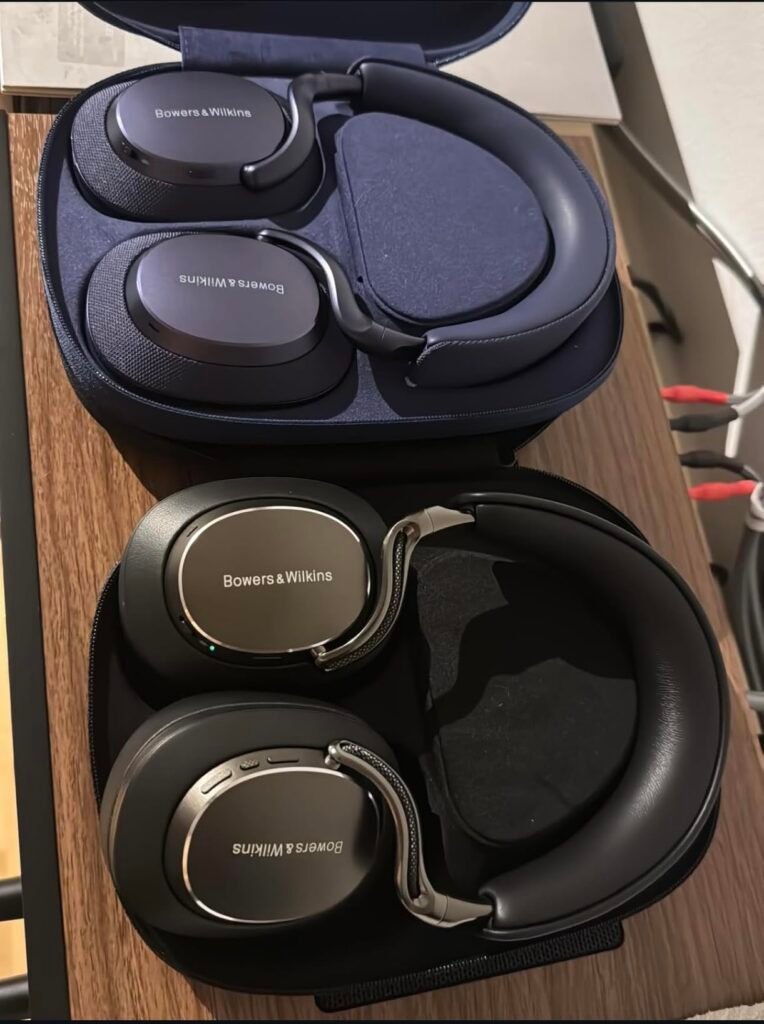
The Px8 S2 sits at the intersection of hi-fi sound and luxury design. The 40mm Carbon Cone drivers, 24-bit DSP, and dedicated DAC amplifier deliver a detailed presentation with balanced bass and lifelike clarity across a wide soundstage. Bowers & Wilkins targets listeners who want reference-quality tuning in a wireless package they can actually take out of the house, not just wear at a desk.
We may earn a commission when you buy through this link, at no additional cost to you.
The build quality is a highlight. Die-cast aluminum arms give the headphones structural rigidity that plastic-heavy alternatives cannot match, and soft Nappa leather covers the earpads and headband for genuine premium tactile feel. The eight-microphone system monitors ambient noise and driver output, delivering active noise cancellation that reduces distraction without collapsing the sonic detail or altering the intended tonal balance.
Bluetooth 5.3 with multipoint connectivity supports two simultaneous device connections, which is genuinely useful for switching between phone calls and laptop audio without re-pairing. aptX Lossless and aptX Adaptive enable hi-res wireless streaming from compatible sources, and USB-C or the included 3.5mm cable provide wired options when maximum fidelity matters. Battery life reaches 30 hours, with a 15-minute fast charge providing up to 7 hours of playback.
Carbon fiber cones are stiff yet lightweight, which allows the driver to start and stop moving quickly. This translates to better transient response, tighter bass, and cleaner reproduction of complex passages. When paired with a competent onboard DAC and DSP, carbon cone drivers can deliver detail retrieval that approaches wired reference performance, which is exactly what a premium wireless headphone at this price needs to justify.
The Px8 S2 is the strongest pick for buyers who want a truly premium wireless flagship with luxury materials and reference-grade tuning. The price is significant, and battery life trails less expensive competitors, but the materials, driver technology, and refined tuning justify the investment for listeners who value both aesthetics and sound. Use the B&W Music app to fine-tune the 5-band EQ and True Sound mode.
Budget-focused shoppers who cannot justify a premium price for wireless convenience and luxury materials.
We may earn a commission when you buy through this link, at no additional cost to you.
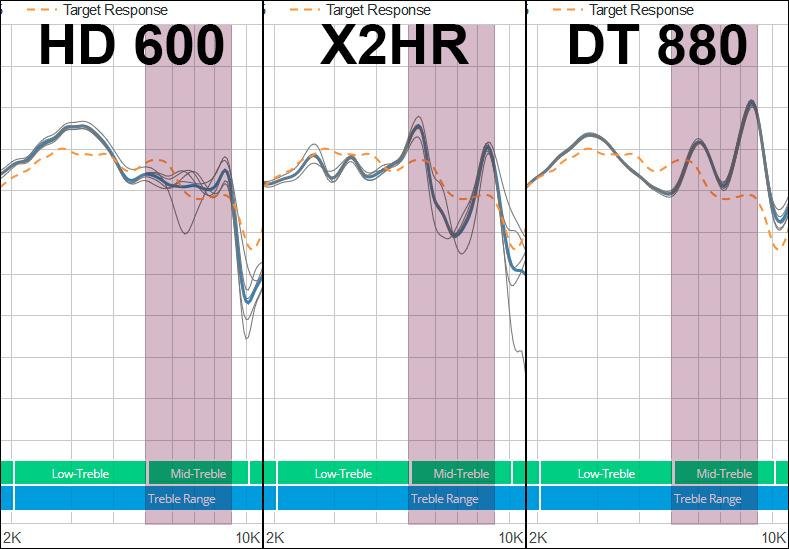
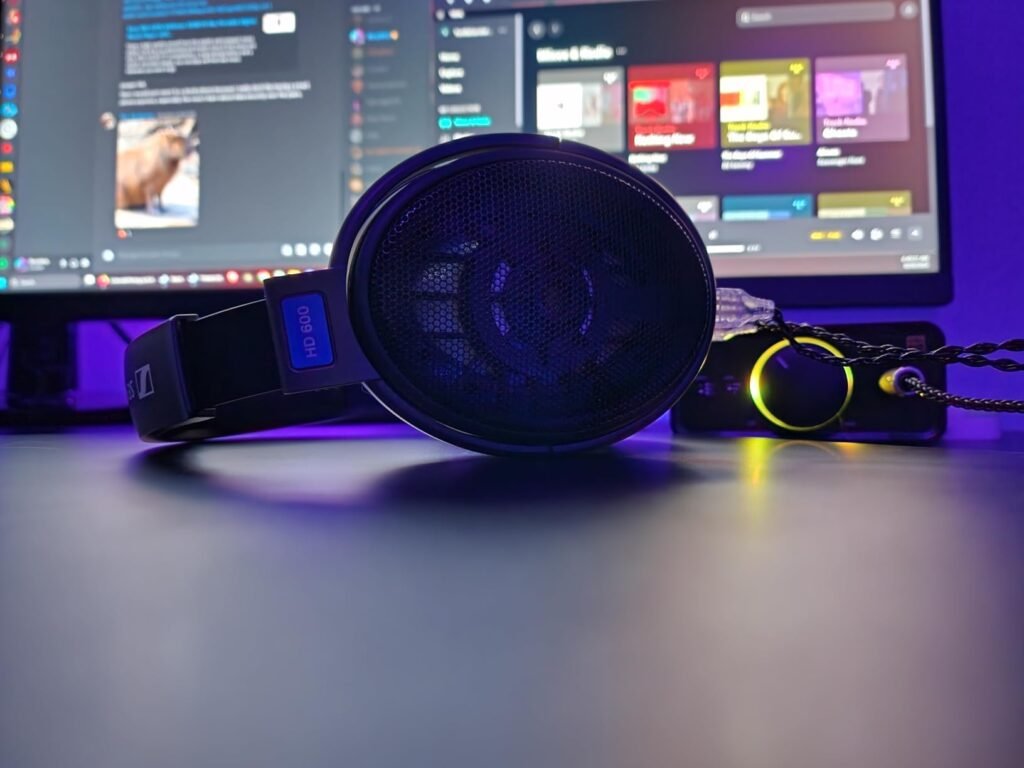
The HD 600 has been the studio and audiophile reference for so long that its tuning has effectively become a benchmark for what neutral sound means. The neodymium ferrous magnets and precision-engineered drivers produce a linear frequency response that reveals the truth of a recording rather than adding coloration. For anyone learning to mix or making critical listening decisions, this neutrality is the entire point.

We may earn a commission when you buy through this link, at no additional cost to you.
Compared to the warmer HD 650, the HD 600 sits slightly brighter with a touch more presence in the upper midrange. This makes vocal reproduction extremely clear and helps expose small production details that warmer headphones can slightly obscure. The tradeoff is that some listeners find the HD 600 less forgiving on poorly recorded material, which is arguably the correct behavior for a reference headphone.
The detachable Kevlar-reinforced oxygen-free copper cable minimizes handling noise and provides both flexibility and long-term durability. The lightweight construction with plush earpads makes the HD 600 comfortable for multi-hour sessions, which matters for engineers spending full workdays in a mixing chair. The open metal mesh earpiece covers give the headphones a distinctive, timeless aesthetic that has aged remarkably well.
When you mix or master audio, you need to hear what is actually in the recording, not a flattering interpretation of it. Reference-tuned headphones like the HD 600 present frequency balance as neutrally as current technology allows, which lets you make informed decisions about EQ, compression, and stereo imaging. Mixes made on colored headphones often translate poorly to other playback systems, which is why neutral reference gear remains essential for serious production work.
The HD 600 is the top pick for buyers who want a genuinely neutral reference for critical listening, mixing, or mastering. It rewards a good amplifier and high-quality source material, and it exposes weaknesses in both. If you want a slightly warmer, more forgiving sound, the HD 650 or HD 660S 2 may suit you better, but for pure reference honesty at this price, the HD 600 remains hard to beat.
Bass-heavy music listeners who want punchy, extended low end for electronic or hip-hop genres.
We may earn a commission when you buy through this link, at no additional cost to you.
The HD 599 is one of the friendliest entry points into open-back audiophile listening. Sennheiser tuned these headphones for a warm, engaging character that flatters most music without sacrificing meaningful detail. If you are stepping up from consumer wireless headphones and want an open-back that sounds immediately enjoyable rather than clinically analytical, the HD 599 hits that mark well.

We may earn a commission when you buy through this link, at no additional cost to you.
The transducers use aluminum voice coils that deliver good efficiency, dynamics, and low distortion for the price. The around-ear open-back design creates a natural sense of space, and the padded headband and luxurious velour-covered ear pads make long listening sessions comfortable with minimal pressure on the ears. Velour tends to stay cooler than pleather in warm rooms, which is a small but appreciable benefit.
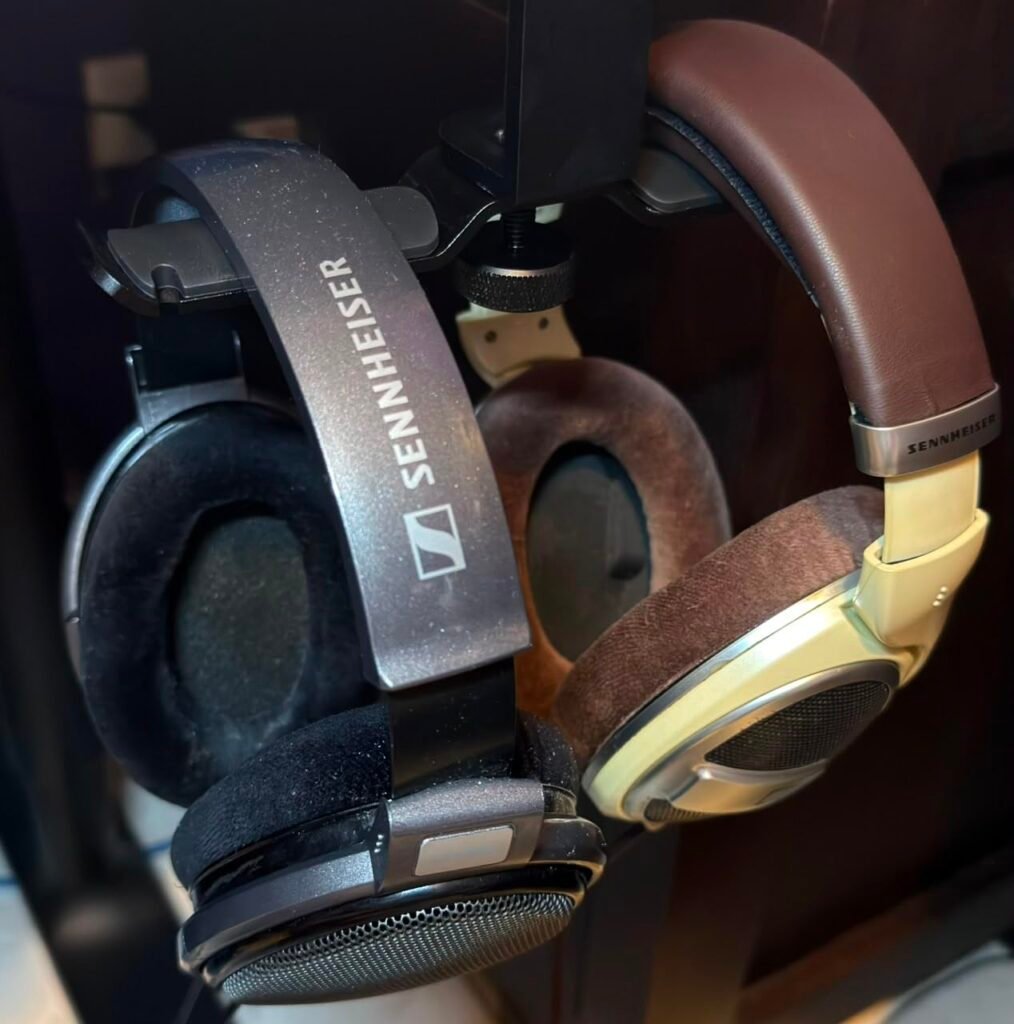
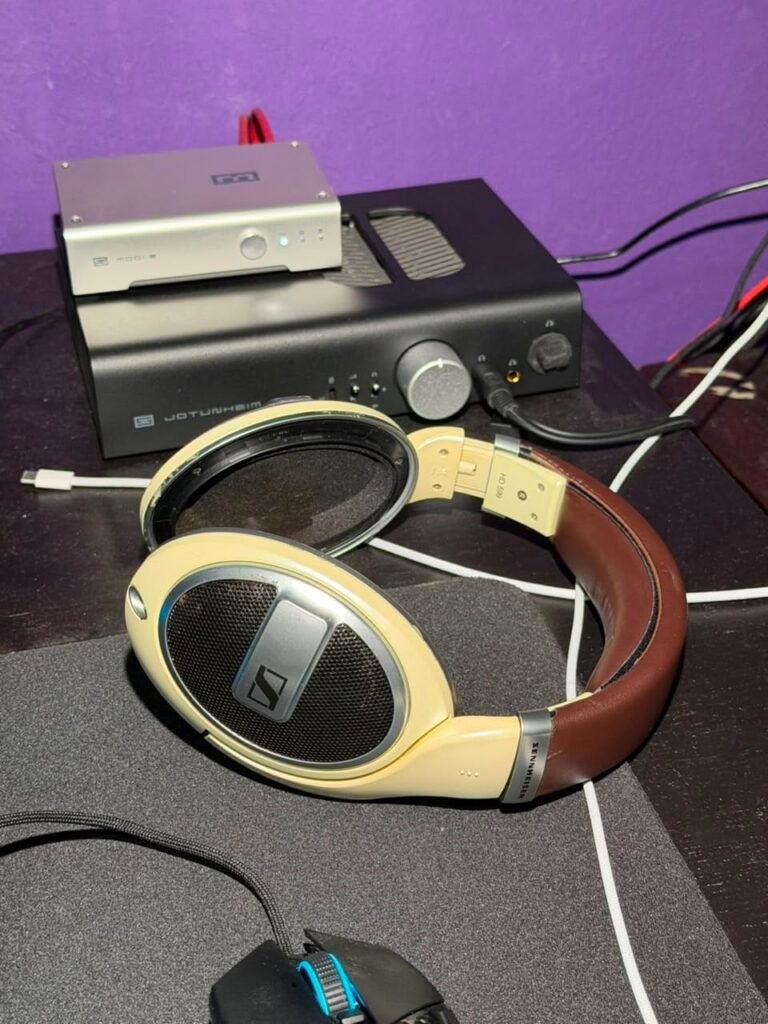
Two detachable cables come in the box: a robust 3-meter cable with a 6.3mm plug for home audio setups and a shorter 1.2-meter cable with a 3.5mm plug for portable sources. This flexibility means the HD 599 can serve both a desktop amplifier and a laptop or portable player, which is unusual at this price point. The ivory color with brown headband stitching and matte metallic accents gives the headphones a distinctive vintage-modern aesthetic.
Including both a long 3-meter cable with a 6.35mm plug and a shorter 1.2-meter cable with a 3.5mm jack means you can move the headphones between a desktop amplifier and a laptop or portable source without buying adapters. This kind of practical inclusion often gets overlooked in specifications, but it meaningfully improves the everyday experience of using the headphones across different setups.
The HD 599 is the best pick for buyers who are new to audiophile listening and want an approachable, comfortable, and versatile pair without a large investment. The warm tuning is more forgiving than reference-grade models, which suits casual and evening listening particularly well. Purists chasing perfect neutrality will prefer the HD 600, but for pure enjoyment straight out of the box, the HD 599 is a smart choice.
Buyers looking for the flattest possible neutral reference response for mixing or mastering.
We may earn a commission when you buy through this link, at no additional cost to you.
The HD 660S 2 evolves the HD 6 series signature with meaningfully improved low-end extension while preserving the smooth, natural midrange that defines Sennheiser's reference lineage. The 42mm transducers with ultra-light aluminum voice coils deliver detailed highs, rich mids, and controlled bass that reaches down to piano-low frequencies with clarity. This is the HD 6 series option for listeners who found the HD 650 slightly bass-light for modern production.

We may earn a commission when you buy through this link, at no additional cost to you.
The open-back design creates the spacious, dimensional soundstage that open-back designs are known for, making these headphones excellent for immersive music experiences and long listening sessions. The tuning is more refined and slightly more revealing than the HD 650, positioning the HD 660S 2 between the classic HD 650 warmth and the strict neutrality of the HD 600. This middle-ground character appeals to enthusiasts who want detail without a fatiguing presentation.
Sennheiser builds these headphones in Germany and Ireland, and the quality of materials and assembly reflects that heritage. The breathable, plush ear cushions ensure fatigueless listening during extended sessions, which is essential for a headphone in this price range that buyers will expect to keep for years. The wired connection remains the correct choice for a reference open-back, though the impedance is friendlier to a wider range of amplifiers than the HD 650.
The HD 650 is legendary, but its bass response rolls off more gently than modern electronic, hip-hop, and cinematic music genres often demand. The HD 660S 2 extends usable bass response deeper and with better control, which noticeably improves the presentation of tracks with sub-bass content. If you love the HD 650 sound but wish for more low-end weight, the HD 660S 2 is the natural upgrade path within the same acoustic family.
The HD 660S 2 is the top pick for buyers who want the classic Sennheiser reference sound with better bass reach and slightly more resolution. It carries a premium over the HD 650, but the improvements are meaningful for modern music genres that rely on deep bass presence. Choose this pair if you want an HD 6 series experience with more contemporary low-end performance.
Shoppers who consider the extra cost over the HD 650 unnecessary for their listening priorities.
We may earn a commission when you buy through this link, at no additional cost to you.
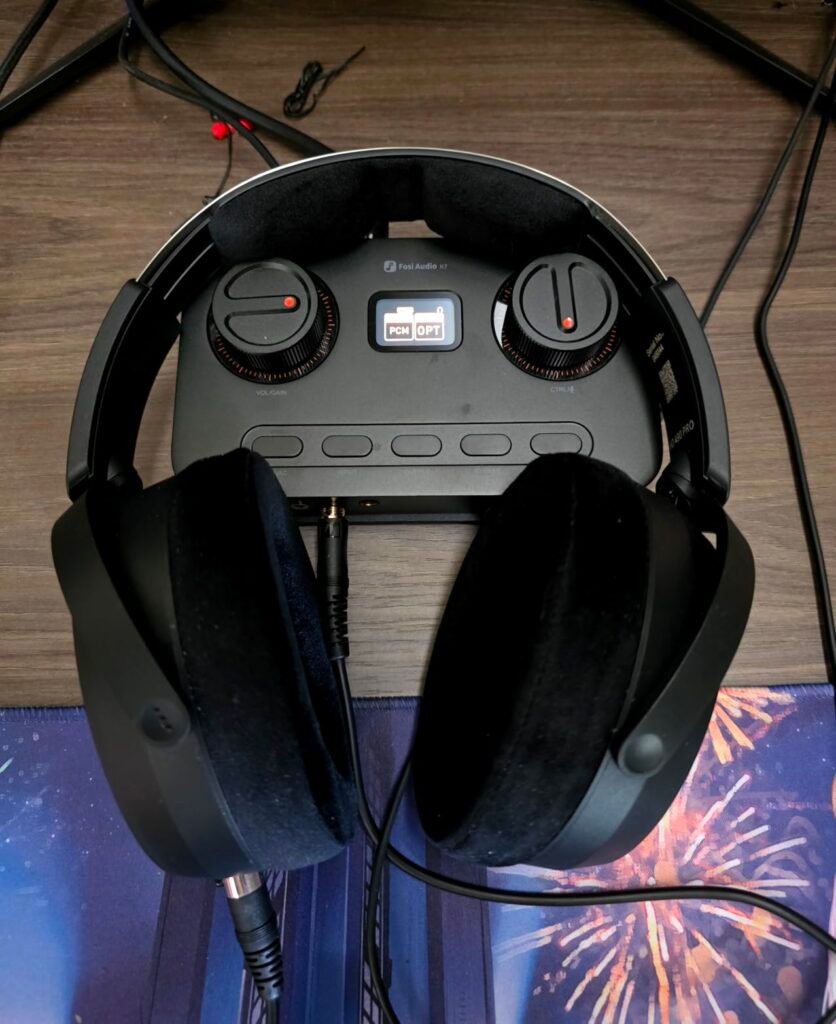
The HD 490 PRO is engineered specifically for studio professionals who need precise monitoring for both production and mixing tasks. The uncolored frequency response spans 5 to 36,000 Hz, providing honest reproduction across the full audible spectrum and beyond. Sennheiser's open-frame architecture reduces total harmonic distortion and minimizes resonance, which sharpens the accuracy of every mixing and editing decision.
We may earn a commission when you buy through this link, at no additional cost to you.
One of the standout features is the inclusion of two different ear pad sets, each tuned for a specific workflow. One set is optimized for producing, while the other is tuned for mixing, helping engineers eliminate ear fatigue and pinpoint frequencies for the task at hand. The pads are also washable and replaceable, which extends the useful life of the headphones and supports the sustainability-focused design philosophy.
The innovative low-frequency cylinder system delivers full, accurate, and clearly defined low end, which is critical for making informed bass mixing decisions. The right and left ear jacks with detachable cable adapt easily to any studio configuration, and the patented cable coil structure blocks cable-borne noise for the cleanest possible signal. The FSC-certified, forest-friendly packaging is a small but genuine detail for buyers who care about sustainability signals.
Ear pad material, shape, and density significantly affect how a headphone sounds because they alter the acoustic seal and the space around the driver. Including two purpose-tuned pad sets means the headphones can serve both broad production listening and detailed mixing analysis without compromise. This kind of intentional flexibility is a genuine studio advantage that recreational listeners rarely need but professionals will appreciate.
The HD 490 PRO is the best pick for producers, mixing engineers, and mastering professionals who need a purpose-built tool rather than a general-purpose audiophile headphone. The dual-pad system, uncolored frequency response, and thoughtful cable design address specific studio problems that consumer-oriented headphones do not solve. Home enthusiasts who want a similar sound but not the pro workflow features may prefer the HD 660S 2 or HD 600.
Casual listeners who do not need the specific workflow features of a professional production headphone.
We may earn a commission when you buy through this link, at no additional cost to you.
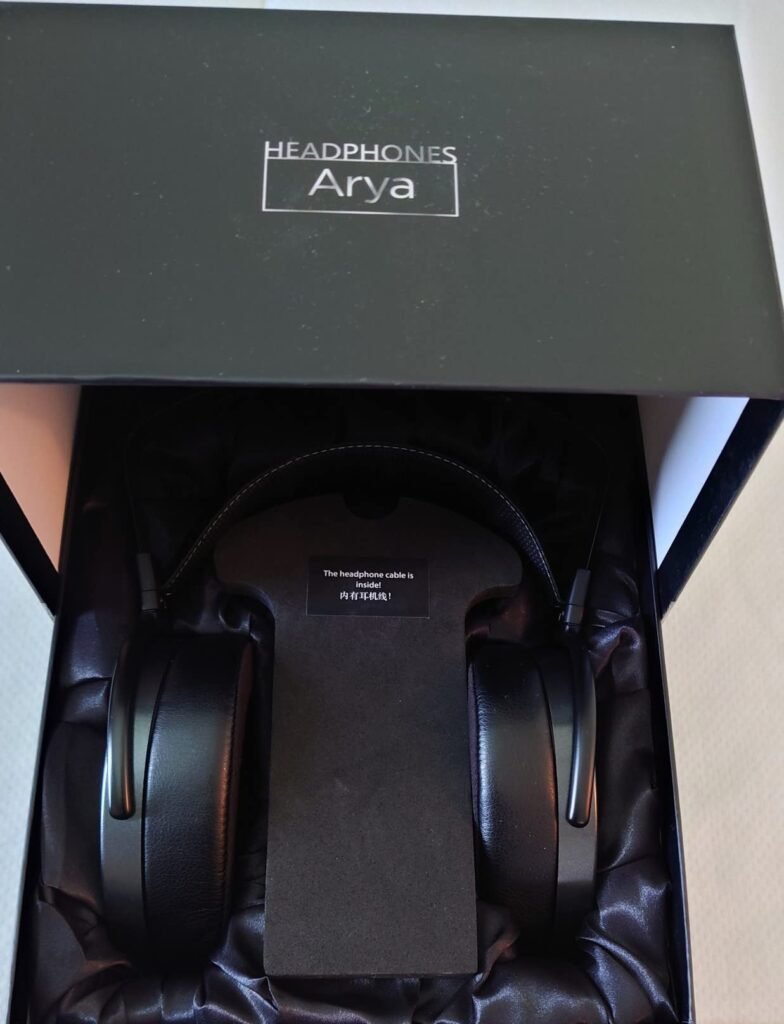
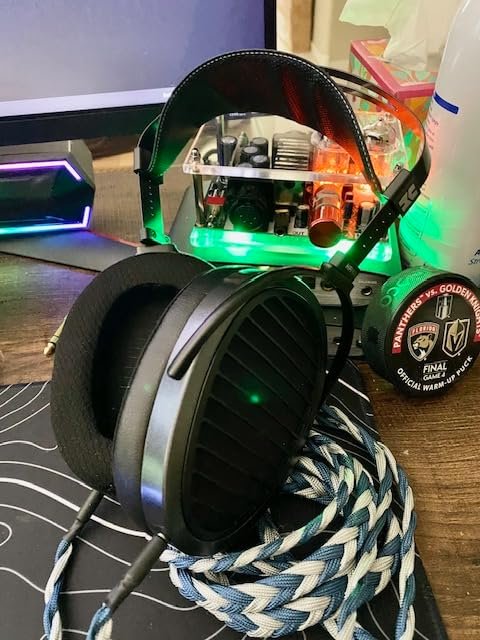
The Arya Stealth represents HIFIMAN's mature take on planar magnetic technology at a price that undercuts many rivals with similar performance. The Stealth Magnet structure is designed to be acoustically transparent, allowing sound waves to pass through the magnets without generating diffraction turbulence that would otherwise degrade sonic integrity. The result is a cleaner, more accurate sonic output with lower distortion than conventional planar designs.
We may earn a commission when you buy through this link, at no additional cost to you.
The nanometer thickness diaphragm is a breakthrough that HIFIMAN developed for planar magnetic headphone application. Working with a diaphragm this thin is technically demanding, but the payoff is exceptional transient response and detail retrieval that dynamic driver designs struggle to match. Combined with the Stealth Magnet system, the Arya delivers a fast, precise presentation with a soundstage that many listeners describe as holographic.
HIFIMAN uses a high-quality metal headband for strength and a special high-grade plastic for lightweight comfort and durability. The patented window shade system protects the drivers while maintaining an optimized open-back design, and the asymmetrical ear cups follow the natural shape of the human ear for a better acoustic seal and improved comfort. The sturdy 3.5mm user-replaceable connectors on each cup allow easy cable swapping, which is a durability advantage over fixed-cable designs.
Dynamic drivers use a voice coil attached to a cone that moves in and out to produce sound. Planar magnetic drivers spread the conductive traces across a thin diaphragm sitting between arrays of magnets, allowing the entire diaphragm surface to move uniformly. This uniform movement generally produces faster transients, lower distortion, and more precise imaging, though it typically requires more amplifier power to drive properly. If you value speed and detail, planar is worth exploring.
The Arya Stealth is the top pick for buyers ready to explore planar magnetic sound at a serious level. Planar drivers behave differently from dynamic drivers, requiring more current from the amplifier and rewarding listeners with speed and detail that dynamic designs approach but rarely match. Budget for a capable amplifier alongside the headphones, and be prepared to spend real time with them, because the Arya rewards attentive listening more than casual background use.
Portable use or listeners without a capable headphone amplifier to drive planar magnetic drivers properly.
We may earn a commission when you buy through this link, at no additional cost to you.
Choosing an audiophile headphone involves more than reading frequency response charts. The right pair depends on your source equipment, listening environment, musical preferences, and how much you value neutrality versus musicality. This guide breaks down the specifications and practical considerations that shape long-term satisfaction.
The single biggest decision in audiophile headphones is whether to choose open-back or closed-back. Open-back headphones have perforated or grilled outer cups that let sound waves expand naturally into and out of the earcup. This design produces a wider, more spacious soundstage that feels less trapped against the ears and more like listening to a pair of well-placed speakers. Most reference-grade audiophile headphones use open-back designs because the acoustic benefits are significant for critical listening and long enjoyment sessions.
The tradeoff is that open-back headphones leak sound in both directions. People near you will hear your music at meaningful volume, and ambient noise from your environment will leak into your listening. This makes open-backs unsuitable for commuting, office use, or any shared listening environment. Closed-back headphones like the ATH-M50X isolate the sound in both directions, which is essential for tracking in a studio, listening in noisy environments, or working in shared spaces without disturbing others.
Choose open-back if you have a quiet dedicated listening space and prioritize maximum soundstage and naturalness. Choose closed-back if you need isolation for commuting, studio tracking, or shared environments. Many serious enthusiasts eventually own both types for different situations.
Most headphones use dynamic drivers, which work like miniature speakers with a voice coil attached to a cone-shaped diaphragm. Dynamic drivers are relatively easy to manufacture, generally efficient to drive, and can produce excellent sound at a wide range of prices. The Sennheiser HD 6 series demonstrates how far dynamic driver technology can go when combined with careful acoustic engineering and hand-matched components.
Planar magnetic drivers work differently. They use conductive traces spread across a thin diaphragm sitting between arrays of magnets, allowing the entire diaphragm surface to move uniformly. This uniform movement generally produces faster transient response, lower distortion, and more precise imaging than dynamic designs. The HIFIMAN Arya Stealth exemplifies modern planar magnetic performance, with its nanometer thickness diaphragm and Stealth Magnet design working together to reveal detail that dynamic designs approach but rarely surpass.
For most buyers, a high-quality dynamic driver headphone will provide an excellent listening experience without requiring specialized amplification. If you value speed, detail, and are willing to invest in proper amplification, planar magnetic headphones offer a genuinely different listening character that many enthusiasts find addictive.
Impedance measures the electrical resistance of the headphones and affects what kind of source you need to drive them properly. Low-impedance headphones under 50 ohms typically work well from phones, laptops, and portable devices without additional amplification. High-impedance headphones above 200 ohms need meaningful voltage swing that most portable devices cannot provide, which is why the 300-ohm HD 650 sounds thin and underpowered when plugged directly into a phone.
A dedicated headphone amplifier provides the current and voltage needed for demanding headphones to control their drivers properly. This unlocks tight bass response, dynamic contrast, and the full soundstage that high-impedance designs can deliver. Even a modest desktop amplifier makes a meaningful difference with headphones like the HD 600, HD 650, or HD 660S 2. Planar magnetic headphones like the Arya Stealth also benefit significantly from a capable amplifier, even if their impedance rating seems modest.
If you plan to buy high-impedance or planar headphones, budget for an amplifier from the start. Trying to drive them from a phone or laptop headphone jack will leave you disappointed and unable to hear what the headphones can actually do.
Wired headphones remain the standard for critical listening because they avoid the compression and processing that Bluetooth requires. Even the best wireless codecs like aptX Lossless cannot yet fully match a direct wired connection from a dedicated DAC and amplifier. If you have a serious desktop audio setup and want maximum fidelity, wired is still the correct choice.
Wireless headphones have made real progress, however. The Sennheiser HDB 630 and Bowers & Wilkins Px8 S2 demonstrate that modern wireless flagships can deliver genuinely audiophile-grade sound through high-quality codecs, hi-res dongles, and USB-C lossless input options. Active noise cancellation adds practical value for travel and shared environments, and long battery life makes wireless models genuinely convenient for extended use away from a desk.
Choose wired if you have a dedicated listening room and prioritize absolute fidelity. Choose wireless if you value freedom of movement, noise cancellation, or the ability to use one pair of headphones across a phone, laptop, and travel scenarios. Some enthusiasts own both.
Sound signature describes the overall tonal character of a headphone: how much bass, midrange, and treble emphasis it presents relative to a neutral reference. Reference-tuned headphones like the HD 600 aim for maximum neutrality to reveal what is actually in a recording. Warmer headphones like the HD 650 or HD 599 shift emphasis slightly toward the low end and pull back the treble, creating a smoother, more relaxed presentation that many listeners find fatigue-free for long sessions.
Bright headphones emphasize the treble region, which can enhance detail perception but may become fatiguing at higher volumes. V-shaped signatures boost both bass and treble while pulling back the mids, which is common in consumer headphones but generally considered less accurate. Studio monitoring headphones like the HD 490 PRO prioritize honest reproduction because mixing decisions require hearing the recording accurately rather than a flattering interpretation.
Match the sound signature to your priorities. Choose neutral reference tuning if you mix audio or want honest reproduction. Choose warm tuning if you value long-session comfort and musical enjoyment over analytical accuracy.
Audiophile headphones are often worn for hours at a time, so comfort matters as much as sound quality. Weight distribution, clamping force, earpad material, and headband padding all affect how the headphones feel over extended sessions. Velour earpads like those on the HD 599 tend to stay cooler than pleather in warm rooms and can be more comfortable for glasses wearers. Leather and Nappa leather pads like those on the Px8 S2 seal better acoustically but may feel warmer over time.
Headphone weight varies significantly. Larger planar magnetic designs like the Arya are heavier due to the magnet arrays and larger driver structures. Lighter dynamic designs like the HD 560S and HD 599 place less strain on the neck during long sessions. Clamping force is another consideration: tight clamping improves seal but can cause discomfort, while loose clamping feels comfortable but may compromise bass response. Most well-designed headphones find a workable balance, and pads gradually adjust to your head shape over time.
Try to consider how long your typical listening sessions run. If you often listen for four or more hours at a time, prioritize lightweight designs with breathable pads and moderate clamping force.
Audiophile headphones represent a meaningful investment, and build quality determines whether they will still be enjoyable years from now. Detachable cables are a significant advantage because they can be replaced when they wear out or fail, saving the entire headphone from being discarded. All the top Sennheiser HD 6 series models and the HIFIMAN Arya Stealth use detachable cables, as do the ATH-M50X and the wireless flagships.
Replaceable earpads are equally important because pads compress and wear out over time, and worn pads change the acoustic seal and therefore the sound. Sennheiser, HIFIMAN, and Audio-Technica all offer replacement pads for their higher-end headphones, which extends the useful life significantly. Build materials also matter: metal headbands and die-cast aluminum arms handle years of use better than plastic-only designs, and premium materials like Nappa leather age more gracefully than cheaper synthetic covers.
Prioritize headphones with detachable cables and available replacement pads if you plan to keep them for many years. This forward-thinking design decision often distinguishes true audiophile products from consumer-oriented alternatives.
Pair your headphones with an appropriate source. For low-impedance closed-back designs like the ATH-M50X, a phone or laptop headphone jack works reasonably well. For higher-impedance open-back reference models like the HD 600, HD 650, or HD 660S 2, invest in a dedicated headphone amplifier or a quality DAC and amp combination. Planar magnetic headphones like the Arya Stealth also benefit significantly from proper amplification. Match your source quality to the resolution of your headphones to hear what they can actually do.
Store your headphones on a dedicated stand or in their included case rather than leaving them on a desk where they can be knocked around. Keep them away from extreme heat, direct sunlight, and high humidity, which can degrade earpads and cables over time. If your headphones use leather or Nappa leather pads, wipe them occasionally with a slightly damp cloth to remove skin oils that can prematurely age the material. Velour pads can be gently vacuumed to remove dust and debris.
Replace earpads and cables when they show meaningful wear. Worn earpads compress and change the acoustic seal, which alters the sound, and frayed cables can develop intermittent connections or shorts. For wireless models, avoid draining the battery completely on a regular basis and store them charged if you will not use them for extended periods. Following firmware updates from the manufacturer app can also improve wireless performance and battery management over time.
It depends on the specific headphones. Low-impedance closed-back designs generally work fine from phones and laptops. High-impedance open-back models like the HD 650 or planar magnetic designs like the Arya really do need a proper amplifier to sound their best. If you buy demanding headphones, budget for an amplifier from the start.
Open-back headphones have grilled or perforated cups that let sound waves expand naturally, producing a wider soundstage that feels more like speakers. Closed-back headphones seal the cup for isolation, blocking ambient noise and preventing sound from leaking out. Open-back is ideal for quiet dedicated listening, while closed-back suits shared environments, commuting, and studio tracking.
Modern wireless flagships like the Sennheiser HDB 630 and Bowers & Wilkins Px8 S2 deliver genuinely audiophile-grade sound through high-quality codecs and hi-res dongles. They still slightly trail the best wired setups for absolute fidelity, but the gap has narrowed significantly. If you value convenience and noise cancellation, modern wireless is a legitimate option.
Planar magnetic drivers use a thin diaphragm with embedded conductive traces suspended between magnet arrays, allowing uniform diaphragm movement. This produces faster transient response, lower distortion, and often more precise imaging than dynamic drivers. The tradeoff is that planar designs typically need more amplifier power and cost more to manufacture at high quality.
Buyers can enter the audiophile category meaningfully around 150 to 200 dollars with pairs like the Sennheiser HD 560S or HD 599. Stepping up to the HD 600 or HD 650 range delivers reference-grade sound for enthusiasts. Flagships like the Px8 S2 or Arya Stealth are investments that make sense once you know what sound signature you want.
Some listeners report subtle changes during the first hours of use as drivers and pads settle, though measurable differences are minimal for most modern headphones. What genuinely changes is your own perception as you become familiar with a new sound signature. Just enjoy the headphones normally rather than running dedicated burn-in playlists.
Absolutely. Open-back audiophile headphones offer excellent spatial imaging that helps with directional cues in games, and their wider soundstage improves immersion. You may need a separate boom microphone or a headset accessory if voice chat matters. Models like the HD 660S 2 work well for both music and gaming when paired with appropriate audio hardware.
Check the maximum output voltage of your device. High-impedance headphones typically need at least a few volts of output to reach proper listening levels without distortion. Most phones and basic laptop jacks provide well under one volt. Dedicated headphone amplifiers, external DACs with amp sections, and quality audio interfaces provide the necessary voltage swing.
Reference-neutral models like the Sennheiser HD 600 and HD 490 PRO are among the most recommended for mixing because their tuning reveals what is actually in the recording rather than flattering it. The HD 490 PRO adds workflow features like dual pad sets specifically designed for production tasks. Neutral tuning is the priority for mixing decisions.
Yes, especially for expensive headphones you plan to keep for years. Earpads compress and wear out over time, and worn pads change the sound. Cables also fail eventually with heavy use. Detachable cables and replaceable pads extend the useful life of the headphones significantly, making them a smart long-term investment feature.
The Sennheiser HD 650 remains the strongest overall choice for enthusiasts who want a true reference-quality listening experience with a smooth, musical character that has stood the test of time. Hand-selected matched drivers, exceptionally low distortion, and a tuning that has become a benchmark for the entire category make it a lasting investment for any serious desktop audio setup, provided you pair it with a capable amplifier.
For buyers with different priorities, the HD 560S delivers a genuine taste of reference sound at a much more accessible price, while the HIFIMAN Arya Stealth represents a compelling planar magnetic alternative for listeners who want speed and detail beyond what dynamic drivers typically provide. The Bowers & Wilkins Px8 S2 and Sennheiser HDB 630 are the picks for buyers who want audiophile quality without wires, and the ATH-M50X remains the practical closed-back workhorse for shared environments and studio work.
Start by deciding whether you want open-back or closed-back, wired or wireless, and whether you already own a headphone amplifier. Match your source equipment and listening environment to the appropriate design, and choose a sound signature that fits your musical preferences. The right headphones will bring years of enjoyment, so take time to align the choice with how you actually listen.