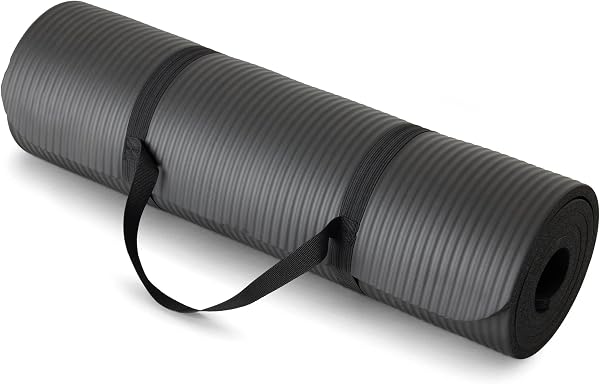
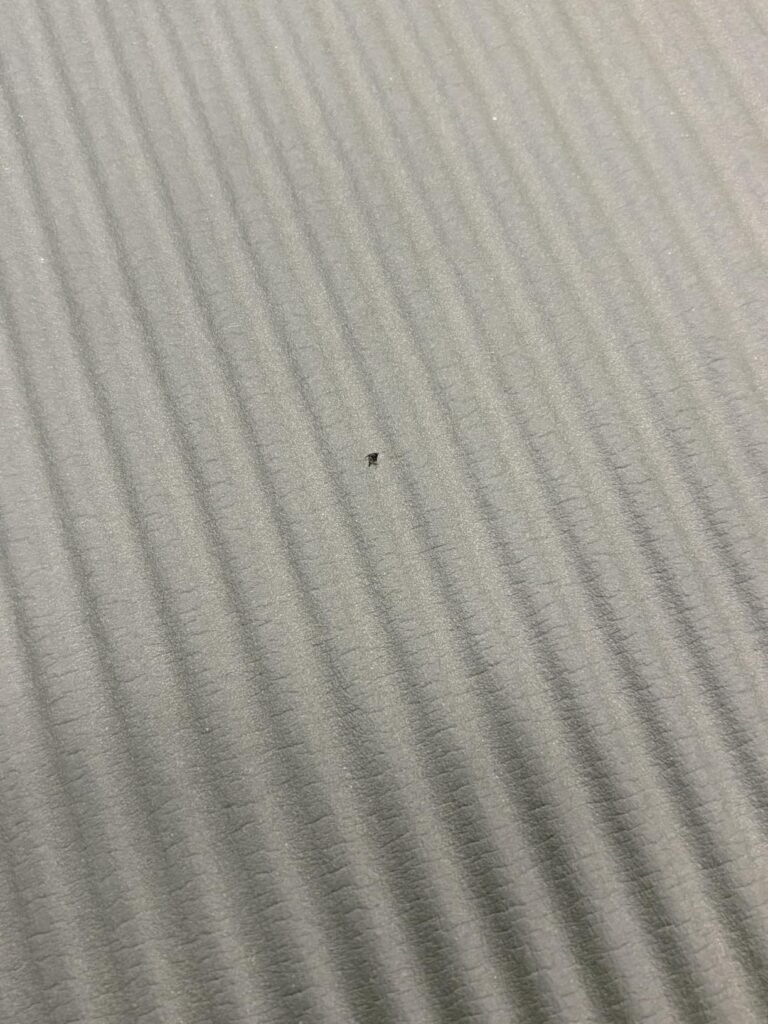
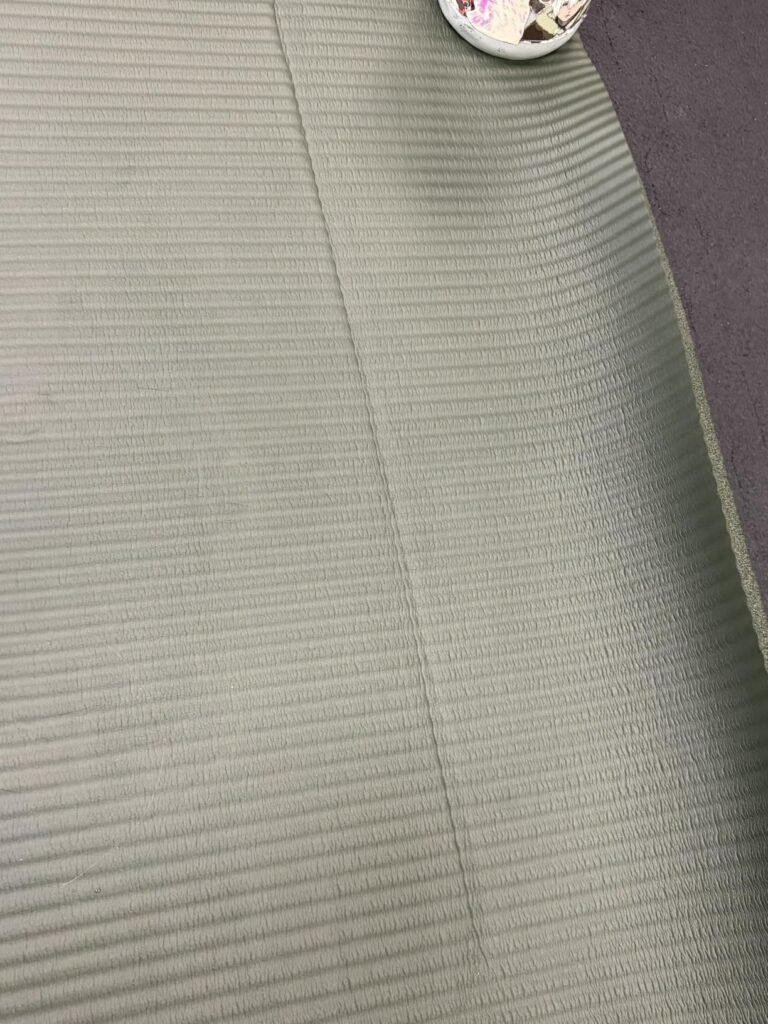
Liforme Classic Mat
9.2Editor score72.8 by 26.8 inches
4mm thick profile
Eco polyurethane rubber
AlignForMe guide system
Find the right yoga mats for 2026. We compare 10 standout options by build quality, useful features, owner feedback, value, and everyday trade-offs.
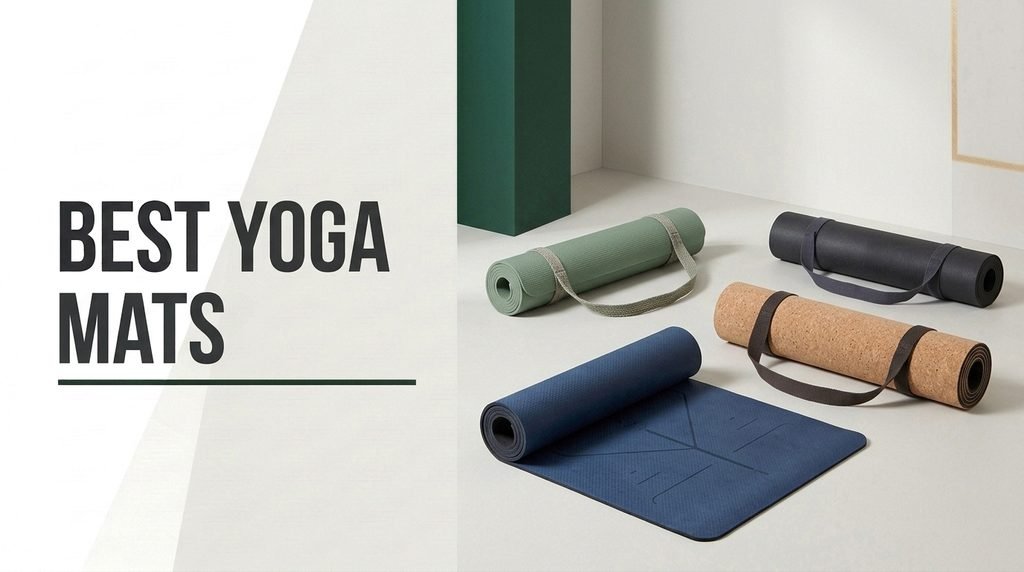
Find the right yoga mats for 2026. We compare 10 standout options across the details that genuinely shape your practice: material composition, thickness, surface grip, dimensions, portability, durability, cleaning requirements, owner feedback, and value. Each mat is matched to specific use cases so you can pick based on how you actually practice rather than marketing claims.
Yoga mats vary more than most shoppers realize. A thick NBR foam mat suited for Pilates is a poor choice for hot yoga, where a dense closed-cell PVC or polyurethane surface grips far better. Understanding how material, thickness, and texture interact will save you from buying a mat that fights your practice from day one.
This guide walks through budget-friendly beginner options, premium studio mats trusted by instructors, extra-wide and extra-thick choices for comfort, and specialty mats designed for sweaty sessions. Each review highlights who the mat fits best and where it falls short, so your decision reflects real priorities instead of guesswork.
We compared 10 yoga mats using the details that actually matter at purchase time: material type, mat thickness, surface texture and grip, dimensions, weight, included accessories like straps and bags, ease of cleaning, warranty signals, owner feedback, and overall value. The notes focus on practical trade-offs so each pick connects to how people actually practice yoga, Pilates, stretching, and floor workouts at home, in studios, or during travel.

Compare key features, scores, and current prices side by side. A shorter feature list means fewer details were available, not necessarily fewer capabilities.



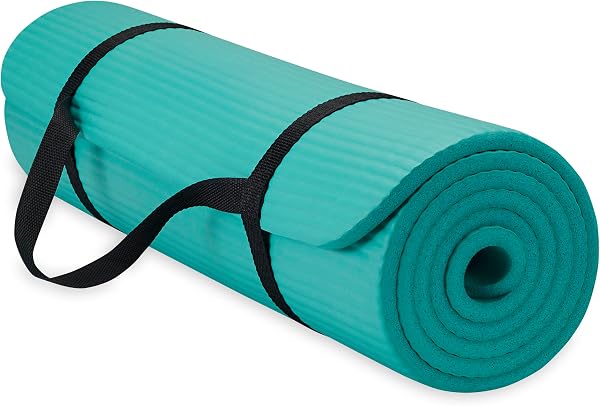
The Gaiam Thick mat is a comfort-focused option built around a generous 10mm layer of high-density NBR foam. If you work out on hardwood, tile, or concrete floors and feel pressure on your knees, hips, or wrists, the extra cushioning makes a noticeable difference during floor-based routines, Pilates sequences, and gentle stretching.
We may earn a commission when you buy through this link, at no additional cost to you.
The textured foam surface provides reasonable traction on dry floors and keeps the mat from sliding during low-impact movements. The cushioning is the real selling point: it absorbs shock during kneeling poses, planks, and physical therapy exercises in a way that thinner yoga mats simply cannot match. For beginners sensitive to pressure points, this plushness often makes the difference between finishing a session and giving up early.
Maintenance is simple since NBR foam wipes clean with a damp cloth and no special cleaner is needed. New mats typically carry a mild foam odor that fades within a day or two after unrolling in a well-ventilated space. The included cinch strap makes carrying the mat between rooms or to a nearby class straightforward.
Nitrile butadiene rubber foam is softer and more shock-absorbent than standard PVC yoga mats, which makes it ideal for routines that spend significant time on knees, hips, and elbows. The trade-off is a less stable surface for standing balances, since the foam compresses unevenly under your foot. If your practice emphasizes stretching, Pilates, and physical therapy over flowing yoga sequences, NBR foam is the right choice.
The main compromise is that very thick foam creates an unstable surface for standing balance poses like tree or warrior three. If your routine is mostly floor work, stretching, or rehabilitation exercise, that trade is worth taking. For dedicated vinyasa flows or hot yoga, a thinner, firmer mat will serve you better.
Hot yoga practitioners or anyone who prioritizes stability during standing balance poses.
We may earn a commission when you buy through this link, at no additional cost to you.
The Liforme Classic sits at the premium end of this comparison and earns its position through genuine innovation rather than branding alone. The AlignForMe system prints etched guides directly into the mat surface, giving practitioners visual references for hand placement, foot positioning, and symmetry during every pose. For solo home practice without an instructor, these guides are far more useful than a plain surface.
We may earn a commission when you buy through this link, at no additional cost to you.
The GripForMe polyurethane top layer delivers some of the strongest grip available in a yoga mat. The surface becomes tackier under moisture, so hot yoga, vinyasa flow, and sweaty sessions all benefit from the increased traction. The 72.8 by 26.8 inch footprint also runs larger than standard, giving taller practitioners real room to extend into warrior and triangle poses.
The mat uses an eco-polyurethane top bonded to a natural rubber base, with no PVC and non-toxic construction throughout. The free carrying bag protects the mat during transport, which matters more than it sounds since polyurethane surfaces are susceptible to scratches from zippers and sharp objects. Weight is managed well for a mat this size, keeping it practical for commuting.
The etched alignment system on this mat is subtle but genuinely useful. It provides reference points for centering your body, checking foot symmetry, and verifying hand placement during inversions and arm balances. Over time, these cues help build muscle memory for proper form, which pays off especially during unassisted home practice where you lack a teacher to make real-time corrections.
The only real drawbacks are price and surface care. Polyurethane produces incredible grip but is slightly less durable than PVC or closed-cell surfaces. If you take care of the mat and store it in the included bag, it will last years. If you need maximum durability regardless of grip quality, the Manduka PRO is the alternative worth considering.
Budget-conscious shoppers or anyone unwilling to carefully maintain a polyurethane surface.
We may earn a commission when you buy through this link, at no additional cost to you.
The Gruper mat gives shoppers a choice between 6mm and 8mm thickness in the same 72 by 24 inch footprint, which is a useful option that many brands skip. Thinner buyers who want more stability can pick the 6mm version, while those who prioritize cushioning can go with the 8mm. Both use the same eco-friendly material formulation.
We may earn a commission when you buy through this link, at no additional cost to you.
The double-layer construction with textured non-slip surfaces on both sides addresses a common failure mode in budget mats: tearing along fold lines and curling edges. The grip texture is applied to both the top and bottom, so the mat stays planted on hard floors while the top surface keeps your hands and feet from sliding during moderate flow sessions.
The included carry strap and storage bag add real value at this price point, since buying these accessories separately typically costs almost as much as the mat itself. The material is noted as softer than traditional PVC or EVA mats and formulated to be more environmentally friendly, though it is not natural rubber. Care instructions call for spot cleaning with mild detergent and avoiding both machine washing and prolonged sun exposure.
The 6mm version weighs 2.6 pounds and provides balanced cushioning suitable for most styles of yoga. The 8mm option weighs 3.1 pounds and adds noticeable comfort for knees and wrists during floor work. If you mix standing flows with floor sequences, the 6mm is the better all-rounder. If your practice emphasizes seated or kneeling poses, the extra half pound of material pays off.
This mat suits practitioners who want the ability to choose their preferred thickness without spending premium money. The 8mm version works well for Pilates and gentle yoga, while the 6mm option handles more dynamic flows. If you plan to practice in shoes or want a mat your pets can walk on, note that the surface is designed for barefoot use only.
Anyone needing a mat tough enough for shoes or pets to use alongside their practice.
We may earn a commission when you buy through this link, at no additional cost to you.
The Manduka PRO is a studio staple for a reason. Its ultra-dense 6mm cushioning offers stability that most other mats simply cannot match, and the closed-cell surface seals out moisture, sweat, and bacteria. For yoga teachers and dedicated practitioners who use their mat daily, the lifetime durability guarantee makes this one of the few mats you can realistically buy once and keep forever.
We may earn a commission when you buy through this link, at no additional cost to you.
The surface construction prioritizes long-term performance over out-of-the-box grip. The closed-cell PVC resists absorbing sweat and oils, which keeps the mat hygienic over years of use, but it needs a break-in period before it reaches its full grip potential. Many practitioners accelerate this by scrubbing the surface with coarse salt or using the mat consistently for a few weeks.
The 71 by 26 inch footprint provides ample space for most practitioners, and larger sizes exist for taller users. Manufactured in a certified emissions-free facility in Germany from OEKO-TEX certified PVC, the mat meets strict safety standards and is latex-free. The non-slip dot pattern on the bottom keeps it planted on studio and home floors without additional accessories.
New Manduka PRO mats have a slick factory finish that reduces initial grip. The standard remedy is to scrub the surface with coarse sea salt and a damp cloth, then rinse and let dry. This process gently abrades the surface and opens up the grip texture. After a few weeks of consistent use, the mat develops its characteristic reliable traction that will remain stable for years.
The main trade-offs are weight and initial grip. At 7.5 pounds, this is a heavy mat that works best in a dedicated practice space rather than a daily commute. The break-in period also tests patience, but the lifetime of reliable use that follows justifies the wait. For serious practitioners who value durability above all, the Manduka PRO remains the benchmark.
Daily commuters or anyone who wants immediate out-of-the-box grip without a break-in process.
We may earn a commission when you buy through this link, at no additional cost to you.
The Amazon Basics Extra Thick mat covers the fundamentals at one of the lowest price points in this comparison. The half-inch NBR foam provides solid shock absorption and support for yoga, gym work, and everyday exercise, making it a sensible starting point for anyone new to home practice who does not want to spend heavily on their first mat.
We may earn a commission when you buy through this link, at no additional cost to you.
The textured surface provides reasonable traction during dry workouts, and the foam construction is springy enough to return to shape between sessions. At 74 by 24 inches, the extra length is a quiet advantage over many competitors in this price range, giving taller users enough room without feeling cramped during full-length poses or stretches.
The elastic strap keeps the mat rolled up neatly for storage and makes over-the-shoulder carrying straightforward. Cleaning is as simple as wiping with a damp cloth, and the foam does not absorb moisture the way more porous materials can. New mats may have a mild foam smell initially that dissipates with airing out.
Starting any new activity with inexpensive equipment lets you confirm that the practice fits before investing more. If you find yourself using this mat daily and it begins to show wear after a year, upgrading becomes an informed decision based on real preferences. Many people also keep budget mats as a secondary option for travel, outdoor use, or guest practice.
This is the smart choice for beginners, casual practitioners, and anyone building out a home gym on a budget. The compromise is lifespan: NBR foam does not match the durability of natural rubber or dense PVC, so expect to replace this mat sooner than premium options. For the price, that trade-off is reasonable.
Dedicated daily practitioners who want a mat that will last five or more years.
We may earn a commission when you buy through this link, at no additional cost to you.
The Retrospec Solana 1-inch mat takes cushioning seriously. A full inch of padding is more than double the thickness of a standard yoga mat, which translates into dramatic pressure relief for anyone with sensitive knees, hips, or wrists. For physical therapy, restorative yoga, and gentle stretching routines, this level of cushioning is a real difference maker.
We may earn a commission when you buy through this link, at no additional cost to you.
The non-slip surface stays planted on hard floors during dynamic exercise, and the firm construction holds its shape under weight rather than compressing into a pillow. The BPA-free, phthalate-free, and latex-free materials address common safety concerns, and the mild factory odor fades with a day or two of airing out in a well-ventilated space.
At 72 by 24 inches, the footprint matches standard mats while the extra thickness gives it a very different feel underfoot. The included nylon strap simplifies transport, though a 1-inch mat is inherently bulkier to roll and store than thinner options. Cleaning is straightforward with gentle soap and water, with the caveat that the mat should not be submerged.
Thicker mats offer more joint protection but less stability for balance poses. On a 1-inch mat, standing on one foot creates a soft, uneven surface that forces your supporting muscles to work harder. For some practitioners this is actually beneficial, but for most it feels wobbly and distracting. If your routine is primarily floor-based, the extra thickness pays off. If you mix standing flows with floor work, a half-inch mat is the better compromise.
This mat makes the most sense for Pilates, physical therapy, kneeling-heavy routines, and anyone with joint pain that limits practice on thinner surfaces. The trade-off is that standing balance poses become harder because the thick surface compresses under single-leg weight. For a pure yoga practitioner, the half-inch Solana may be a better match.
Vinyasa practitioners or anyone whose routine depends on stable standing balance poses.
We may earn a commission when you buy through this link, at no additional cost to you.
The Gaiam Classic Print mat targets practitioners who want the traditional yoga mat experience without unnecessary bulk. At 4mm thickness, it falls into the standard range used in most studios and provides enough cushioning for standard practice while remaining light enough for daily transport to classes.
We may earn a commission when you buy through this link, at no additional cost to you.
The textured sticky surface delivers reliable grip for dry yoga sessions, and the PVC construction is formulated without six specific phthalates that are commonly flagged for health concerns. The print designs give the mat a distinctive look that stands out from the sea of plain black and solid-color options, which some practitioners find motivating during home sessions.
The 68 by 24 inch footprint is slightly shorter than premium options, which is worth noting for taller users. Rolling and carrying are both easy thanks to the modest weight and standard thickness. New mats produce a mild odor from the fresh PVC, which fades after two or three days of airing out before first use.
Most yoga studios provide 4mm or similar mats because they offer a reliable compromise between cushioning and stability. You get enough padding to protect your joints during moderate practice while retaining the firmness needed for standing balance poses and inversions. If your practice follows standard studio yoga styles, matching that thickness at home builds a consistent experience.
This is a solid choice for beginners wanting a lightweight studio-style mat and for practitioners who commute to classes regularly. The included downloadable yoga workout adds genuine value for newcomers who need guided practice to get started. If you need extra length or want maximum cushioning, other mats in this comparison will serve you better.
Tall practitioners or anyone who needs significant joint cushioning for floor work.
We may earn a commission when you buy through this link, at no additional cost to you.
The KEEP Extra Wide mat solves a problem that standard 24-inch mats create for larger practitioners and anyone who moves dynamically through poses: not enough lateral space. The generous 32-inch width accommodates wider stances, side-to-side movements, and bigger body frames without forcing you to constantly reposition the mat during practice.
We may earn a commission when you buy through this link, at no additional cost to you.
The 7mm thickness provides substantial cushioning for knees, elbows, and wrists while remaining firm enough for standing stability. TPE construction keeps the mat free from plasticizers and formamide, making it a safer and more environmentally friendly choice than traditional PVC. The fingerprint-like texture on top and comprehensive anti-slip pattern on bottom create traction on both dry and lightly wet surfaces.
Despite the larger footprint and thicker build, the mat weighs only 2.86 pounds, which is surprisingly light for its size. The included adjustable polyester strap makes carrying easy, though the width means the rolled mat is bulkier than standard options and may not fit into narrow cubbies at studios or gyms. Care is simple with cold-water spot cleaning and air drying away from sunlight.
Standard 24-inch mats feel adequate for narrow poses but become limiting the moment you widen your stance in warrior two, extend into side angle, or move through dynamic sequences. The extra 8 inches of width on this mat eliminates the constant need to reposition yourself to stay on the surface. For practitioners with broader shoulders or longer arms, this width difference transforms the practice.
This is the right mat for larger practitioners, those who feel cramped on standard widths, and anyone who incorporates dynamic lateral movement into their routine. Pilates and HIIT crossover sessions particularly benefit from the extra width. If you need to fit the mat into a slim studio locker, measure first to confirm compatibility.
Shoppers whose studio storage space cannot accommodate wider rolled mats.
We may earn a commission when you buy through this link, at no additional cost to you.
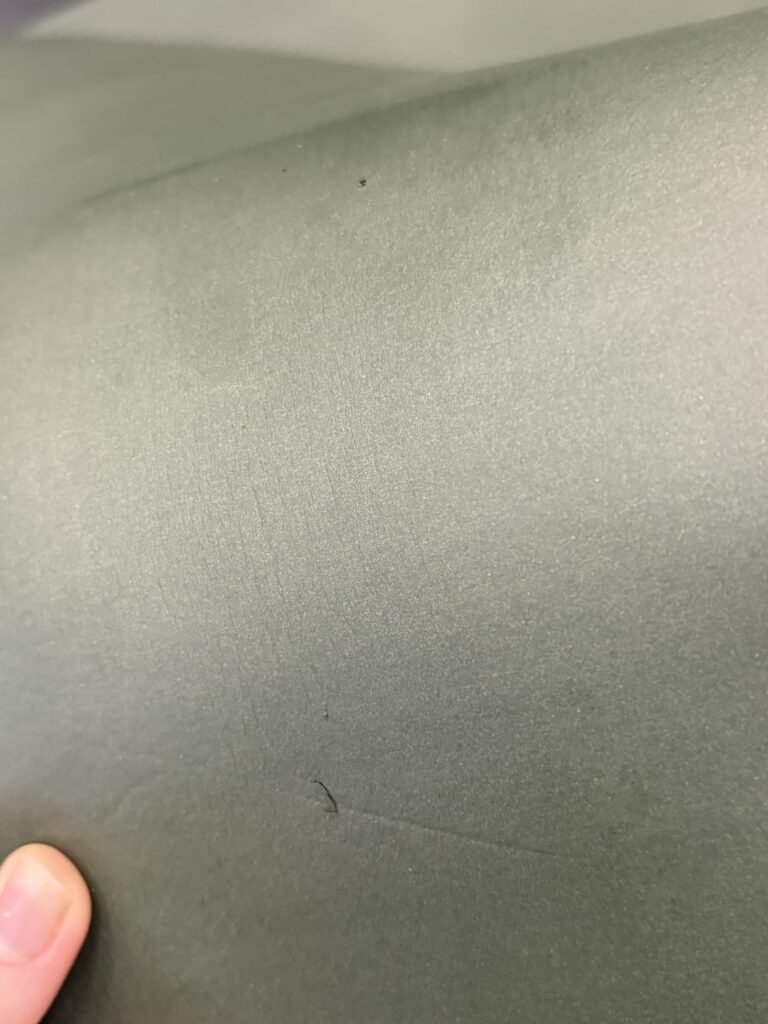
The half-inch version of the Retrospec Solana hits a more balanced spot than its 1-inch sibling. It still provides noticeable cushioning compared to standard 4mm or 6mm yoga mats, but it is thin enough to maintain stability during standing poses and dynamic sequences. For most home practitioners, this is the better of the two Solana options.
We may earn a commission when you buy through this link, at no additional cost to you.
The non-slip surface keeps the mat planted on hard floors during intense exercise, and the firm construction holds up to daily use without compressing permanently. BPA-free, phthalate-free, and latex-free materials address safety concerns common to foam mats, and the mild initial odor fades quickly with airing out.
The 72 by 24 inch footprint matches standard mat dimensions, and the included nylon carrying strap simplifies transport. The thicker profile makes the rolled mat slightly bulkier than ultra-thin yoga mats but still manageable for commuting. Easy cleaning with gentle soap and water keeps the surface fresh between sessions.
Half-inch mats represent the middle ground between standard 4-6mm yoga mats and extra-thick 1-inch exercise mats. They provide meaningful joint protection without sacrificing too much stability. Most mixed-practice yogis find this thickness ideal because it handles both standing flows and seated or floor sequences without becoming a liability in either direction.
This mat suits practitioners who want more cushion than a standard yoga mat but need to retain stability for mixed routines. It handles yoga, Pilates, stretching, and bodyweight exercises well. If your practice is primarily hot yoga with heavy sweat, a dedicated grip-focused mat like the Gaiam Dry-Grip will perform better.
Dedicated hot yoga practitioners who need maximum moisture-wicking grip.
We may earn a commission when you buy through this link, at no additional cost to you.
The Gaiam Dry-Grip mat is purpose-built for the challenge most yoga mats fail at: maintaining traction during heavy sweat. The moisture-wicking topcoat actively pulls perspiration away from the surface, which keeps grip reliable through hot yoga, Vinyasa, Bikram, and high-intensity workouts where standard mats become dangerously slippery.
We may earn a commission when you buy through this link, at no additional cost to you.
The rubber base provides cushioning and support for hands, feet, knees, wrists, elbows, and spine during floor exercises and transitions. This combination of a grip-focused top surface and supportive base makes the mat genuinely versatile across heated yoga styles, meditation, mobility work, and recovery stretching. The design reduces or eliminates the need for a separate yoga towel during sweaty sessions.
The lightweight construction makes carrying easy, whether you commute to a studio or move between rooms at home. The mat pairs well with blocks, straps, and other accessories for alignment and support work. Cleaning requires gentle care to preserve the moisture-wicking topcoat, so avoid harsh chemicals and abrasive scrubbing.
Standard yoga mats become slippery when wet because sweat pools on the surface and reduces friction. Moisture-wicking topcoats are engineered to absorb and distribute moisture across the surface, maintaining consistent grip rather than letting puddles form under your hands and feet. This is why dry-grip mats perform in heated sessions where even premium standard mats require a towel overlay.
This is the right pick for anyone whose practice regularly involves heavy sweat. The lower rating compared to some mats in this comparison likely reflects the specialized nature of the product rather than overall quality issues: a hot yoga mat is a different tool than a general-purpose yoga mat. If you primarily practice gentle or restorative yoga, a different mat will serve you better.
Practitioners whose routines are primarily gentle or dry-floor styles like Hatha or yin.
We may earn a commission when you buy through this link, at no additional cost to you.
A yoga mat should match the way you actually practice. Thickness, material, grip, size, and portability all shift the experience, and the right balance depends on your style, body, and space. Use the factors below to narrow down which combination fits your real routine rather than the one you aspire to.
Yoga mat thickness typically ranges from 3mm to 10mm or more, and each range serves different needs. Standard 4-6mm mats offer a reliable balance between cushioning and stability, which is why most studios use them. Thicker 7-10mm mats prioritize joint comfort over stability, making them ideal for Pilates, restorative yoga, and anyone with knee or hip sensitivities. Ultra-thick 1-inch mats cross into fitness mat territory and work best for floor-heavy routines.
The trade-off with thicker mats is reduced stability during standing balance poses. A soft, deep mat compresses unevenly under single-leg weight, making poses like tree, warrior three, and dancer feel wobbly. If your practice centers on standing flows, a thinner firm mat will serve you far better than a thick cushioned one, even if the latter feels more comfortable during savasana.
Pick thinner for flow and balance work, thicker for floor and joint-sensitive routines. If you need to split the difference, half-inch mats often strike the best compromise for mixed practice.
Yoga mats come in several core materials, each with distinct properties. PVC mats offer the best durability and are generally the longest-lasting option, though some practitioners prefer to avoid them for environmental reasons. Natural rubber provides excellent grip and is biodegradable, but it is heavier and some people react to latex. TPE is lighter and more eco-friendly than PVC but less durable than rubber. NBR foam prioritizes cushioning over grip and durability. Polyurethane bonded to rubber delivers premium grip at a premium price.
Beyond base materials, look for certifications and safety claims that matter to you: PVC that is phthalate-free, OEKO-TEX certified for low emissions, latex-free formulations for allergy sufferers, and verified non-toxic construction. These details affect the mat’s long-term safety and environmental impact, and they are especially relevant if you practice on your mat for hours at a time or have children and pets who share the space.
Choose PVC or natural rubber for longevity, TPE for lightweight eco-conscious practice, NBR for maximum comfort, and polyurethane blends for premium grip. Match the material to your priorities, not just the price.
Grip is often the single most important factor during practice. A mat that slides during downward dog or lets your foot shift during warrior one disrupts your flow and increases injury risk. Different mat surfaces grip differently: textured PVC and NBR foam provide dry grip but struggle with sweat; closed-cell PVC like the Manduka PRO needs break-in but delivers reliable long-term traction; polyurethane and dry-grip topcoats excel in sweaty conditions.
Hot yoga, Vinyasa, and high-intensity flow practitioners should prioritize moisture-activated or wicking surfaces because standard textured mats become slippery when wet. Gentle yoga, Pilates, and dry-floor stretching work fine on standard textured surfaces. Rubber bases on the underside also matter because they prevent the mat itself from sliding across the floor during practice.
Match grip technology to your sweat level. If you run hot or practice heated styles, pay the premium for a mat engineered for moisture. If you practice gently, standard textured surfaces will serve you well.
Standard yoga mats measure around 68 by 24 inches, which works for practitioners up to about 5 feet 10 inches. Taller users should look for 72-inch or longer options to avoid feet or hands falling off the mat during full-length poses. Width also matters: standard 24-inch mats fit most practitioners but feel cramped during wide-stance poses or dynamic lateral movements. Extra-wide mats at 26 to 32 inches eliminate this issue for larger frames or more expansive practice.
Check dimensions carefully against your available space and storage. Larger mats offer more freedom during practice but take up more floor space when rolled out and more storage space when rolled up. If you share your practice area with other activities or have limited storage, a standard-size mat may be the practical choice even if a larger mat would be more comfortable.
Measure your current practice space and pick a mat that fits both your body and your storage situation. For taller users or wider stances, prioritize longer and wider dimensions even if they add weight.
Mat weight ranges from under 3 pounds for lightweight TPE and foam options to over 7 pounds for premium dense PVC like the Manduka PRO. If you commute to a studio regularly, carry your mat between work and home, or travel with it, the weight difference is significant. Walking several blocks with a 7-pound mat on your shoulder gets old quickly, while a 3-pound mat feels like nothing.
Carrying accessories also matter: a quality strap or dedicated bag makes transport comfortable and protects the mat from dust and damage during travel. Many budget and mid-range mats include basic straps, while premium mats often come with carrying bags that justify part of their higher price. If your mat does not include a strap, buying one separately typically costs under $10.
If you commute daily, prioritize lightweight TPE or foam mats with included carrying straps. If your practice stays mostly at home, weight becomes less important and durability or performance can take priority.
Yoga mats accumulate sweat, oils, and dirt over time, and proper cleaning extends their useful life significantly. Closed-cell PVC mats like the Manduka PRO resist absorbing moisture and clean easily with mat spray or diluted soap. Open-cell polyurethane mats like the Liforme absorb sweat into the top layer, which creates excellent grip but requires more careful cleaning to prevent odor and bacteria buildup. NBR and TPE foam mats clean with simple damp-cloth wiping but should never be submerged.
Durability varies dramatically across materials and brands. Premium PVC mats can last a lifetime with proper care. Natural rubber mats typically last 3 to 5 years before showing significant wear. TPE and NBR foam mats tend to need replacement every 1 to 3 years depending on use intensity. Look for warranty signals: a lifetime guarantee like the Manduka PRO offers signals genuine confidence, while shorter or absent warranties suggest shorter expected lifespans.
Match the mat’s durability to your use intensity. Daily practitioners should invest in long-lasting rubber or dense PVC, while casual users can save money with TPE or foam options that match their lower wear rate.
Some mats include printed or etched alignment guides to help practitioners center their body, position their hands and feet correctly, and verify symmetry during poses. These are particularly useful for solo home practice without an instructor to make real-time corrections. The Liforme AlignForMe system is the best-known example, but other brands offer simpler center lines or basic reference marks.
For intermediate and advanced practitioners refining their form, alignment guides provide subtle but useful feedback. For complete beginners, they can be overwhelming unless paired with instruction that explains what the guides mean. For experienced practitioners who have internalized proper alignment, guides may feel unnecessary or even distracting during meditation and gentle practice.
Add alignment guides to your must-have list if you practice solo at home and want to refine your form. Skip them if you already train with a teacher or prefer a clean minimal mat surface.
Yoga mats span an enormous price range, from under $25 for basic foam options to over $160 for premium polyurethane and rubber constructions. Budget mats cover the fundamentals and work well for beginners or casual practitioners, but they typically wear faster and offer less grip performance. Mid-range mats between $30 and $70 provide meaningful upgrades in material quality, dimensions, and durability. Premium mats over $100 justify their price through specialized features, lifetime durability, or exceptional grip technology.
The most expensive mat is not always the best mat for your practice. A $120 polyurethane mat is wasted on someone who practices gentle yoga twice a week on carpeted floors. A $25 foam mat is a false economy for a dedicated daily practitioner who will replace it every year. Match price to your usage frequency and practice intensity for the best long-term value.
Buy up when you practice daily, down when you practice occasionally. For most dedicated practitioners, a $40 to $80 mid-range mat delivers 90 percent of the premium experience at a reasonable price.
Unroll your mat on a clean, flat surface before each practice and allow it to lay flat for a minute if it has been stored rolled for an extended period. New mats often carry a mild factory odor from the manufacturing process, which fades after 24 to 48 hours of airing out in a well-ventilated room. For PVC and closed-cell mats like the Manduka PRO, a salt scrub treatment can accelerate the initial grip break-in period by gently abrading the factory finish.
Clean your mat regularly to remove sweat, oils, and dirt that accumulate during practice. For most mats, a damp cloth with gentle soap or diluted vinegar handles routine cleaning. Avoid harsh chemicals, abrasive scrubbers, or machine washing, which can damage the surface and compromise the grip. Open-cell polyurethane mats like the Liforme need gentler cleaning to preserve the grip surface, while closed-cell mats tolerate more vigorous cleaning. Never submerge any mat in water, and always allow it to air dry fully before rolling or storing.
Store your mat in a cool, dry location away from direct sunlight, which can degrade both rubber and foam materials over time. Avoid leaving the mat rolled tightly for long periods, which can cause it to retain curling and make it harder to lay flat during practice. If your mat came with a carrying bag, use it during transport to protect the surface from zippers, keys, and sharp objects that can scratch or tear premium surfaces.
Standard studio-style practice works best with 4 to 6mm mats, which balance cushioning and stability. If you have sensitive knees or practice floor-heavy routines like Pilates and restorative yoga, 7 to 10mm or thicker mats provide better joint protection. For maximum stability during balance poses, thinner mats around 3 to 4mm are ideal. Match thickness to your dominant practice style rather than choosing the thickest option by default.
Dense PVC mats like the Manduka PRO offer the longest durability and often come with lifetime guarantees. Natural rubber mats typically last 3 to 5 years with regular use. TPE and NBR foam mats generally need replacement after 1 to 3 years depending on how intensely you practice. If longevity is your priority, invest in a premium PVC or rubber mat rather than cycling through cheaper options every year.
Hot yoga benefits significantly from a mat with moisture-wicking or moisture-activated grip. Standard textured mats become slippery when wet and can be unsafe during heated sessions. Dry-grip mats and polyurethane-topped mats like the Liforme or Gaiam Dry-Grip handle sweat without losing traction, often eliminating the need for a yoga towel. If you practice hot yoga regularly, a specialized mat is a worthwhile investment.
Wipe your mat with a damp cloth after each practice to remove sweat and oils. For deeper cleaning, use a mix of water with a few drops of gentle soap or diluted white vinegar. Avoid harsh chemicals, abrasive scrubbers, and machine washing. Never submerge the mat in water, and always let it dry completely before rolling or storing to prevent odor and bacteria growth.
Most new mats release a mild odor from the manufacturing process, especially PVC, foam, and rubber mats. This smell typically fades within 24 to 48 hours of airing out in a well-ventilated space. Unrolling your mat and leaving it in a spare room or outdoors for a day or two before first use usually eliminates the smell completely. The odor is harmless and does not affect performance.
Expensive mats justify their price through specialized features like superior grip technology, exceptional durability, or alignment systems. For dedicated daily practitioners, a premium mat like the Manduka PRO or Liforme can last decades and improve the practice meaningfully. For casual users who practice once or twice a week, mid-range mats around $30 to $50 deliver most of the benefits at a fraction of the cost.
Standard mats around 68 inches work for practitioners up to about 5 feet 10 inches. Taller users should look for 72-inch or longer options to avoid hands or feet hanging off during full-length poses. The Liforme at 72.8 inches, Amazon Basics at 74 inches, and KEEP Extra Wide at 72 inches all accommodate taller frames. Measure your height in savasana to confirm what length you need.
Yes, yoga mats work well for Pilates, stretching, bodyweight training, physical therapy, and general home workouts. Thicker mats like the Retrospec Solana 1-inch excel at floor-based exercise and gentle fitness, while standard yoga mats handle most mixed routines. For high-impact exercise or weight training, dedicated exercise mats or gym flooring may be more appropriate. Dedicated yoga mats are not designed for shoes or heavy equipment.
Beginners benefit from affordable mats that cover the fundamentals without overwhelming features. The Amazon Basics Extra Thick mat and the Gaiam Classic Print are both solid starting options. They provide adequate cushioning, reliable grip for dry practice, and include carrying straps for transport. Starting with a budget-friendly mat lets you confirm that yoga suits your schedule before investing in premium equipment.
Choose a mat with a textured or non-slip bottom surface, which keeps it planted on hardwood, tile, and studio floors. Rubber-based mats like the Manduka PRO and Gaiam Dry-Grip provide the best floor grip. If your mat still slides, place it on carpet or a yoga rug underneath, or wet the bottom lightly before practice. Avoid practicing on dusty floors, which reduce bottom-surface traction.
The strongest overall choice for serious practitioners is the Liforme Classic, which combines innovative alignment guides, exceptional moisture-activated grip, generous dimensions, and eco-conscious materials. For those who prioritize legendary durability above all else, the Manduka PRO delivers studio-grade construction backed by a lifetime guarantee that makes it a once-in-a-decade purchase. Both represent the premium end of the market and reward their price with years of reliable daily practice.
For different priorities, several alternatives stand out. The Amazon Basics Extra Thick mat offers remarkable value for beginners and casual practitioners who want quality without a major investment. The KEEP Extra Wide mat solves lateral space constraints for larger practitioners or anyone who moves dynamically. The Gaiam Dry-Grip targets hot yoga enthusiasts specifically, while the Retrospec Solana 1-inch delivers maximum cushioning for joint-sensitive floor work and Pilates sessions.
Your best decision starts with honest assessment of how and where you actually practice. Match thickness to your dominant style, grip technology to your sweat level, dimensions to your body size, and price to your practice frequency. A mat that fits your real routine will support consistent progress far better than one chosen on specs or price alone. Buy once with intention and your mat will become an invisible foundation of your practice rather than a daily distraction.