Sleep Apnea Auto
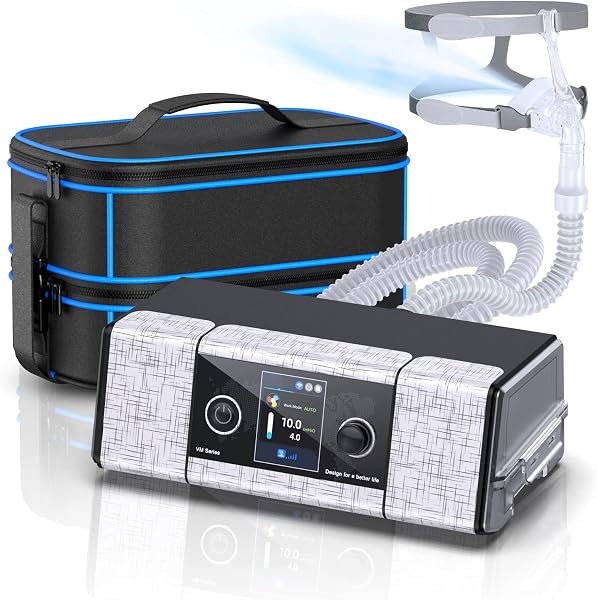
4.0Editor scoreAuto CPAP machine
Built-in humidifier
Over-the-counter use
Home and travel
Compare 10 top travel CPAP machines and CPAP batteries for sleep apnea. Find lightweight, FAA-friendly options for home, camping and air travel.
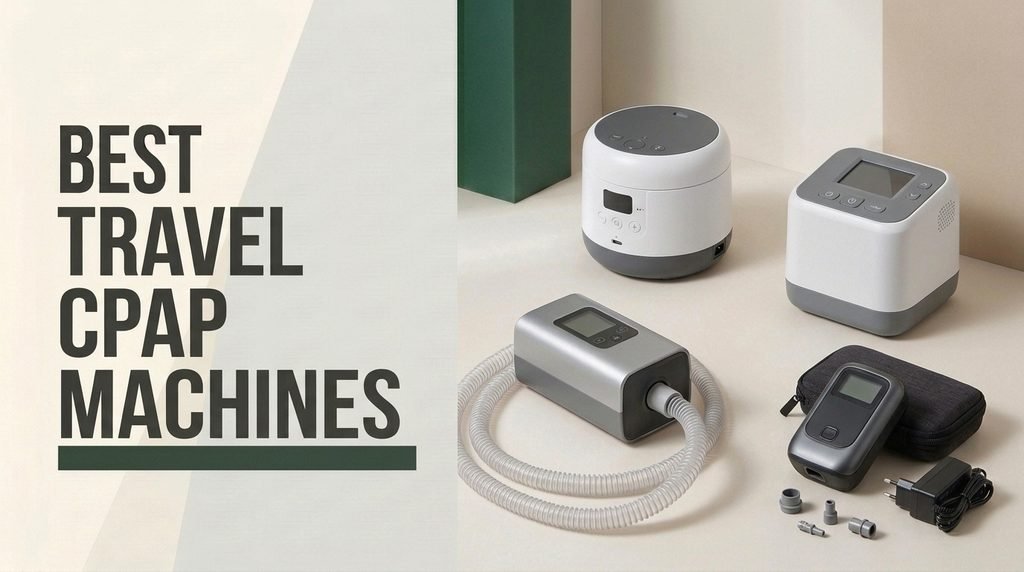
Find the right travel CPAP machines for 2026 to maintain consistent sleep apnea therapy away from home. We compare 10 standout options across the factors that matter most including machine size and portability, pressure delivery, humidification, battery runtime, airline compliance, compatibility, owner feedback, value and everyday practicality for frequent travelers and occasional vacation users.
Travel CPAP therapy presents unique challenges compared to a full-sized home unit. Weight, power availability, noise, airline travel, camping without outlets and battery runtime all become far more important. Understanding the difference between a compact travel CPAP machine and a portable CPAP battery backup helps you build the correct setup for your specific therapy needs and prescribed device.
This guide breaks down compact auto CPAP machines along with some of the highest-rated CPAP power banks and universal travel batteries on the market. Each review explains realistic runtimes, compatibility limitations, tradeoffs and who the product fits best so you can protect your therapy consistency without overpacking or overspending on unnecessary features.
We compared 10 travel CPAP machines and CPAP battery backups using the details that actually help buyers decide: portability and weight, FAA and TSA airline compliance, CPAP machine compatibility, battery capacity in watt-hours, estimated runtime, humidification support, power pass-through, recharge speed, build quality, owner ratings and real-world value. The notes focus on practical tradeoffs between full travel CPAP units and backup power for existing CPAP devices used at home or on the road.

Compare key features, scores, and current prices side by side. A shorter feature list means fewer details were available, not necessarily fewer capabilities.


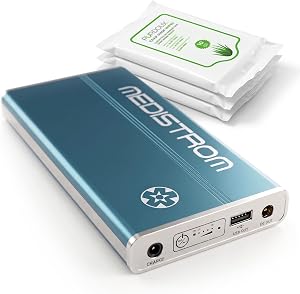


The biggest mistake when buying travel CPAP equipment is assuming every compact product fits every prescribed CPAP device. Some shoppers need a complete compact auto CPAP machine, while most existing CPAP users simply need a reliable travel battery to power the machine they already own and know how to use.
Before comparing products, decide which problem you are trying to solve. If you do not currently own a CPAP and need a compact unit for travel and home use, a travel auto CPAP machine with an integrated humidifier makes the most sense. If you already own a ResMed, Philips Respironics, Luna or other CPAP device, a high-quality CPAP battery backup is often far more cost-effective and lets you keep your exact pressure settings, data, mask and comfort preferences.
Battery backups also give you far more flexibility. One quality battery can power your home CPAP for camping, RV trips, power outages and hotel stays without an outlet. However, battery runtime drops drastically when using heated humidification and heated tubing, which is extremely important to factor into realistic expectations when comparing watt-hour ratings.
Decide between replacing your machine or extending your existing machine first. For most current CPAP users, extending their existing device with an airline-approved battery is the smartest buying decision.
Air travel is one of the largest reasons people search for travel CPAP equipment. The FAA allows most CPAP devices and batteries under 100Wh in carry-on luggage, though individual airlines can have slightly different policies. Batteries at or around 99.9Wh like the EASYLONGER ES270 fall under that common airline threshold, while larger capacity batteries above 160Wh are typically not TSA carry-on approved for air travel.
Weight matters just as much at airports, road trips and camping. Ultra-light batteries under one pound drastically reduce packing bulk, but smaller batteries almost always mean shorter runtimes. Larger capacity LiFePO4 batteries provide multi-night power for RV and off-grid use but take up more space in luggage.
Always check your airline’s current CPAP battery policy before flying. For air travel prioritize sub-100Wh airline-friendly batteries. For car camping and RV use, higher watt-hour capacity becomes far more valuable.
Watt-hours are the most honest way to compare CPAP batteries. However, manufacturer runtime claims can be misleading. Running your CPAP without heated humidification and without a heated tube can often double or triple runtime compared to using full humidity and heat. Pressure settings also heavily impact how long any battery will last throughout the night.
Lithium iron phosphate batteries like those found in higher-capacity power stations offer longer cycle life, improved thermal stability and consistent power output over time. Standard lithium-ion batteries are lighter and more compact, making them ideal for air travel where size and weight take priority over multi-night runtime.
Plan your realistic runtime by assuming you will disable humidification while traveling. This single adjustment gives the most accurate expectation for a full night of therapy off-grid.
Not every CPAP battery works with every CPAP machine. Some batteries include multiple DC cables in the box while others require buying separate adapter cables for specific models. Universal batteries that automatically detect voltage are extremely convenient for households that own multiple devices or for international travelers.
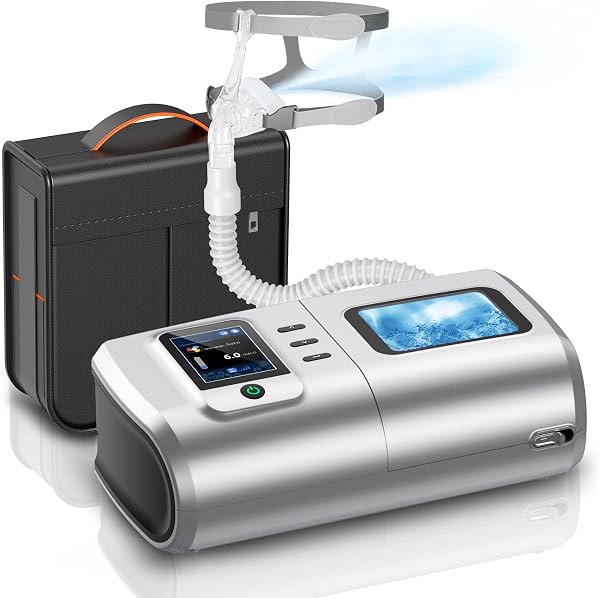
Compact travel CPAP machines like the REMSTAR Plus bundle helpful items such as a travel bag, power supply and included accessories. When purchasing a battery, verify exact compatibility with your prescribed machine model and software version before ordering to avoid return issues.
Always confirm compatibility with your exact CPAP model first. Included cables often separate a great value from an expensive surprise.
Test your complete travel setup at home before your first trip. Run your CPAP on battery power overnight to measure your actual runtime with your prescribed pressure and your preferred humidity setting. This single test prevents unpleasant surprises in a hotel, on a camping trip or far from an electrical outlet. For new travel CPAP machines, learn the menu settings and water tank filling limits before traveling.
When flying, pack your CPAP and airline-approved battery in your carry-on bag rather than checked luggage. Never overfill the integrated humidifier water chamber and empty it completely before transporting the device. Keep charging cables organized and verify your airline’s most current battery policy prior to departure as policies can change over time.
Extend battery lifespan by avoiding full deep discharges when possible, storing batteries at a partial charge for long periods and keeping them away from extreme heat. Clean your CPAP tubing, mask and water chamber on your travel schedule to prevent moisture buildup and maintain healthy therapy while away from home.
If you already own a CPAP machine you are comfortable using, a CPAP battery is usually the most practical and affordable option. If you do not own a CPAP or want an extremely compact dedicated travel unit, a travel auto CPAP machine is a better choice.
Many batteries under 100Wh are TSA and FAA carry-on friendly, including models around 99.9Wh. Larger batteries above 160Wh are often not allowed in carry-on luggage. Always confirm with your specific airline before flying as policies can change.
Runtime depends on battery capacity, pressure settings, humidifier use and heated tubing. Turning off heated humidification and heated tubing often provides the largest runtime increase. Testing overnight at home with your exact settings gives the most accurate result.
Many batteries can, but runtime drops significantly. High-power draw from heated humidifiers drastically reduces hours of use. For maximum runtime while traveling, most users disable humidity and use a CPAP mask with good seal or distilled water planning accordingly.
For a single night of therapy without humidity, 95–150Wh covers many portable CPAP devices. For two or more nights or for higher pressure settings, 200–300Wh LiFePO4 batteries are more realistic. For air travel, staying under 100Wh greatly simplifies airline approval.
Universal batteries are extremely valuable if you own multiple CPAP devices, travel internationally or want maximum compatibility. Models with included cables and automatic voltage detection remove much of the guesswork and prevent expensive adapter mistakes.
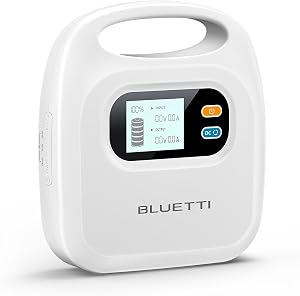
Yes. Higher capacity batteries with solar or car charging support are excellent for camping and RV use. LiFePO4 power stations like the EASYLONGER ES960 PRO and BLUETTI X30 are well suited for multi-night off-grid therapy when sized correctly for your settings.
Pass-through charging allows you to power your CPAP while the battery itself is charging from a wall outlet. This is extremely helpful during power outages, at hotels with limited outlets or when you want uninterrupted therapy while recharging.
Powering your existing home CPAP with a quality battery lets you keep your exact prescribed settings, therapy data, mask fit and comfort. Buying a dedicated travel CPAP only makes more sense if your current machine is bulky, incompatible or you want a completely separate device.
Disable heated humidification and heated tubing, use a well-fitted mask to prevent leaks, lower unnecessary features, fully charge before departure, use airplane or battery mode if available and test overnight at home. Mask leaks are one of the most overlooked causes of drastically reduced battery runtime.
For most CPAP users, the smartest travel investment is extending the machine they already rely on with an airline-friendly battery. The EASYLONGER ES270 stands out in that category with its 99.9Wh airline-approved capacity, broad cable selection, PD 100W fast charging and highly practical feature set. For those who need a complete compact auto CPAP unit, the REMSTAR Plus CPAP offers an integrated humidifier with a travel-friendly package for home and road use.
For extended off-grid trips and RV camping, high-capacity LiFePO4 batteries like the EASYLONGER ES960 PRO, BLUETTI X30 and Zopec Explore 5700 provide multi-night power with excellent versatility. Ultra-light travelers who prioritize pack weight will appreciate the Zopec Explore Mini for its incredibly small footprint and fast recharge time.
Your best choice ultimately comes down to compatibility with your prescribed CPAP, your travel style and realistic runtime expectations. Always test your full travel setup at home, disable humidity when maximizing battery life and verify airline policies before flying. With the right travel CPAP setup, you can protect consistent sleep apnea therapy and safeguard your health wherever your travels take you.