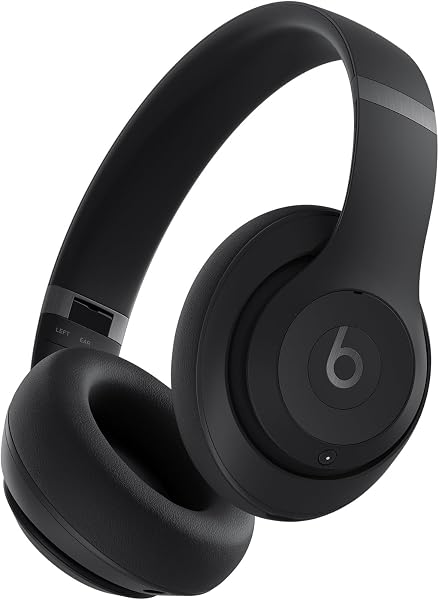
Beats Studio Pro
9.0Editor scoreOver-ear design
40 hour battery
Active noise cancelling
USB-C lossless audio
Compare 10 top workout headphones across fit, sweat resistance, battery life, and sound. Find the right earbuds or over-ear pair for your training routine.
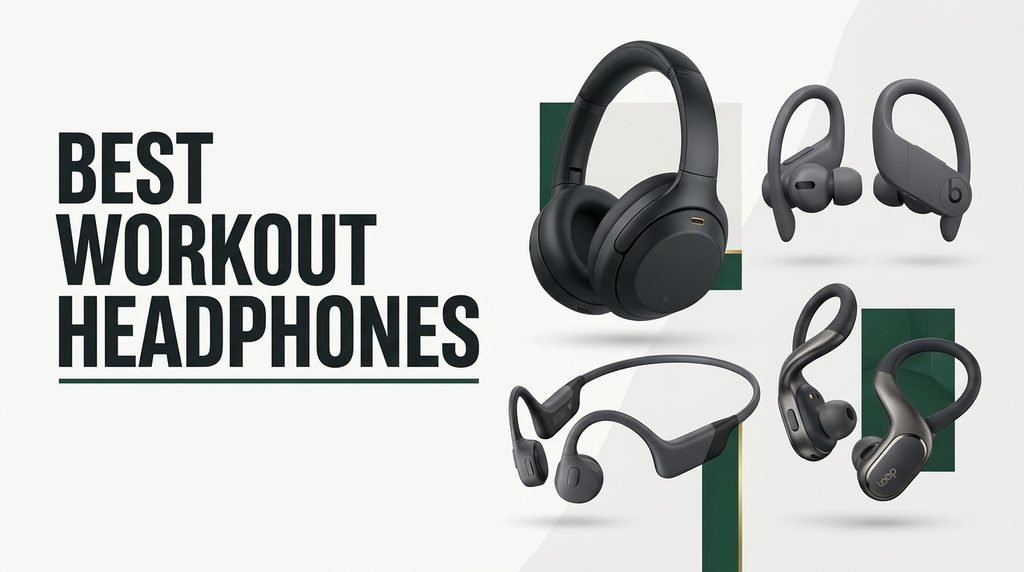
Choosing the right pair of workout headphones in 2026 comes down to balancing secure fit, sweat resistance, sound quality, battery life, and safety features against how and where you actually train. We compare 10 standout options ranging from over-ear noise cancelling models to bone conduction sport headphones so you can match the right pair to your gym sessions, runs, and rides.
The differences between these options matter more than most shoppers expect. Earhook designs stay locked in during heavy lifts and sprints, bone conduction models keep you aware of traffic and surroundings, and open-ear earbuds provide breathability for hot workouts. IP ratings, mic quality for calls, and app-based EQ customization also shape long-term daily use in meaningful ways.
This guide breaks each option down by ideal training style, strengths, and honest limitations. Whether you want maximum situational awareness for outdoor running, gym-ready active noise cancelling for tuning out distractions, or ultra-budget wireless earbuds that survive sweaty sessions, the reviews below deliver clear practical guidance for finding the right pair.
We compared 10 workout headphones using the factors that shape real training sessions: fit stability during intense movement, sweat and water resistance ratings, battery life, wireless connection reliability, microphone quality for calls, sound signature for motivation, situational awareness for outdoor safety, control layout, app support for customization, weight and comfort during long wear, warranty coverage, and owner feedback. The notes focus on real trade-offs so each pick connects to how people actually train, run, cycle, and lift with headphones day to day.

Compare key features, scores, and current prices side by side. A shorter feature list means fewer details were available, not necessarily fewer capabilities.


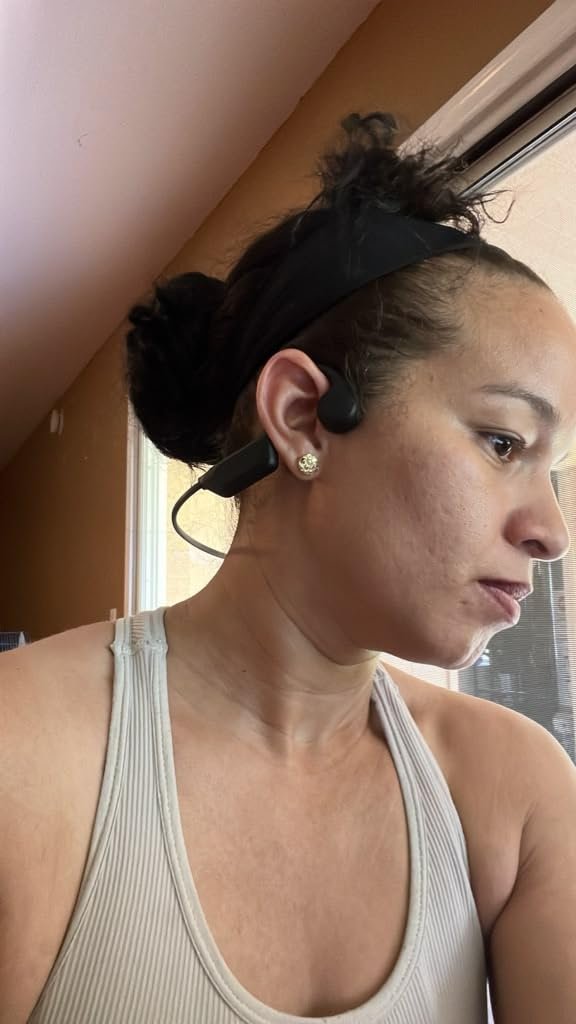
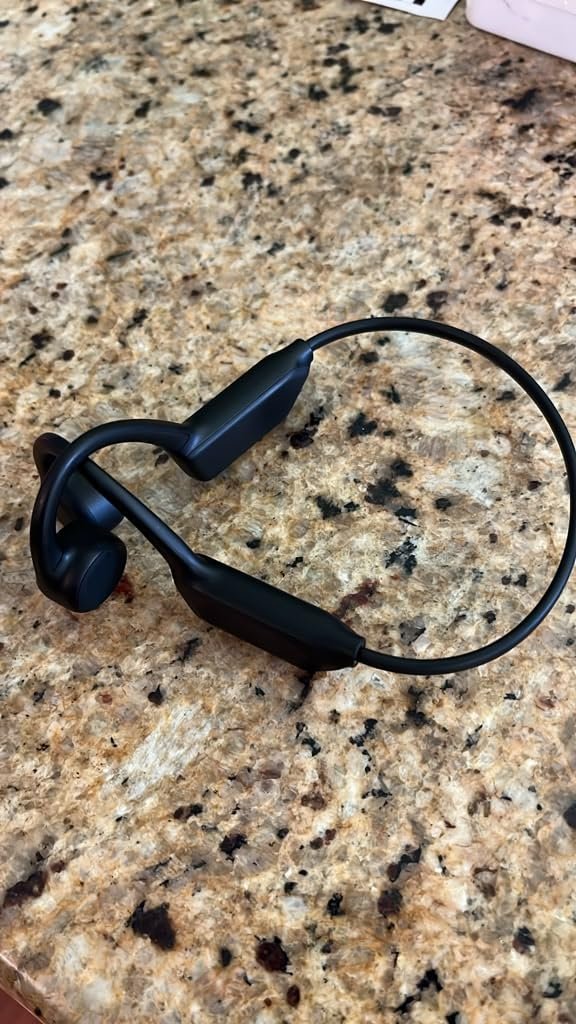
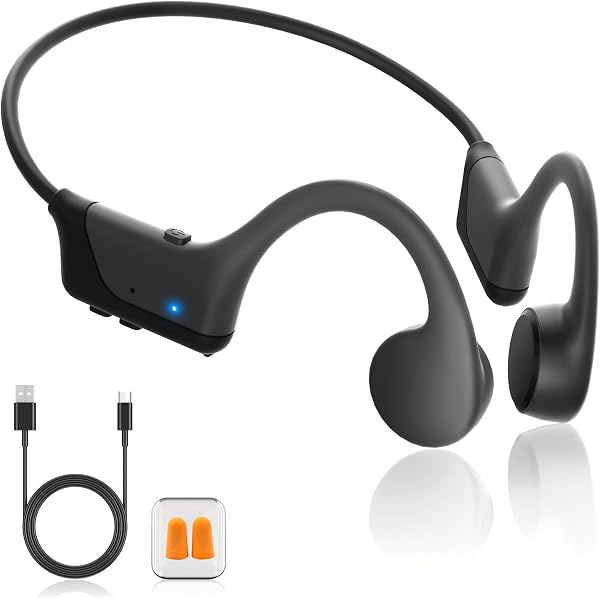
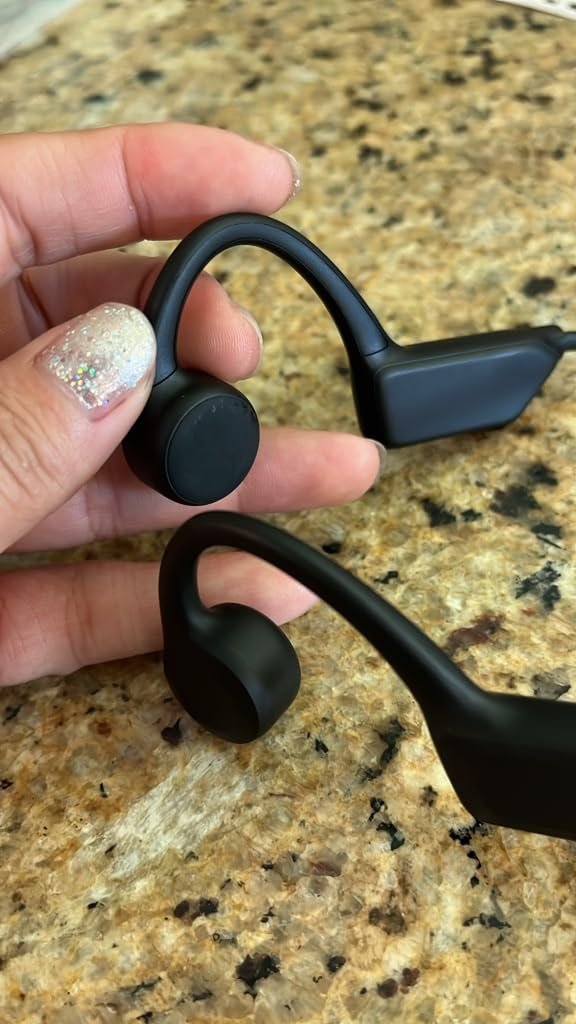
This bone conduction headset delivers exceptional value at a mid-budget price point, earning the highest owner rating in this guide at 4.8 stars. Bone conduction technology transmits sound through the cheekbones directly to the inner ear, leaving your ear canals completely open for full situational awareness. This makes it particularly well-suited for outdoor running, cycling, and walking where hearing traffic and surroundings matters for safety.
We may earn a commission when you buy through this link, at no additional cost to you.
The titanium frame weighs just 29 grams and feels barely noticeable during extended wear. The design is flexible and durable enough to withstand stretching and bending without deformation, which matters for gear that spends time in gym bags and travel packs. Bluetooth 5.4 connectivity provides a stable connection with lower latency than older Bluetooth generations, useful for video content and calls.
The IPX5 waterproof rating handles sweat, rain, and splashes without concern, making this suitable for intense workout sessions and outdoor training in variable weather. The improved technology and fully enclosed cavity design reduce sound leakage by up to 50 percent compared to earlier bone conduction models, meaning your music stays more private in shared gym spaces.
Bone conduction transducers rest on your cheekbones just in front of your ears, using vibrations to transmit sound directly to your inner ear through bone. This bypasses your eardrums entirely, leaving ear canals completely open to hear ambient sounds. The technology has been used in hearing aids for decades and works particularly well for people with mild hearing loss in the outer ear. Sound quality naturally emphasizes mid frequencies over deep bass.
Choose these headphones if you want bone conduction safety and awareness at a fraction of premium prices. The trade-off is that sound quality, particularly bass response, doesn’t match premium bone conduction options like the SHOKZ OpenRun Pro 2. For safety-focused outdoor training where full awareness matters more than audiophile sound, this delivers remarkable value with the highest owner satisfaction in the guide.
Bass enthusiasts and audiophiles seeking premium sound quality should choose in-ear or over-ear alternatives.
We may earn a commission when you buy through this link, at no additional cost to you.
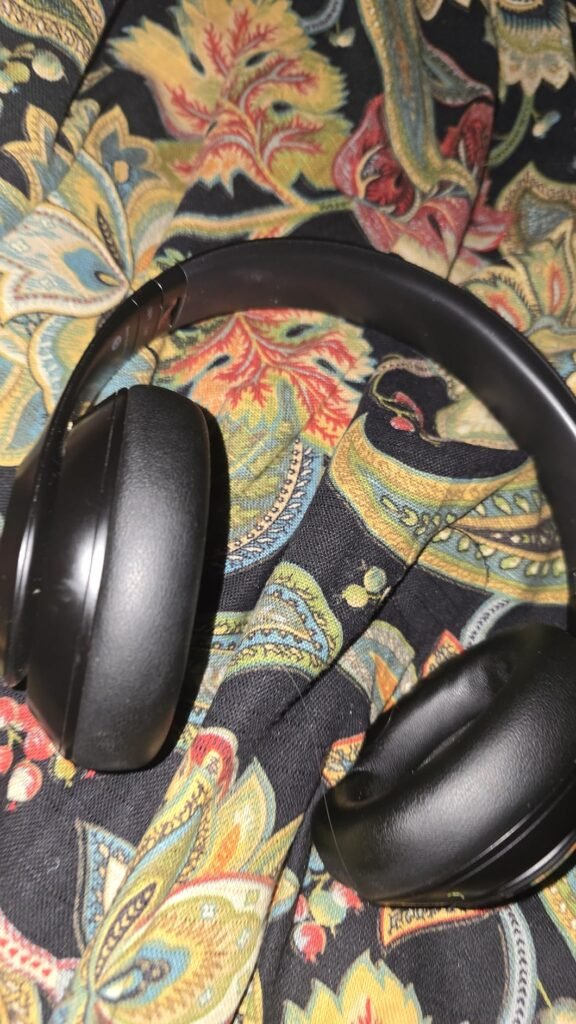
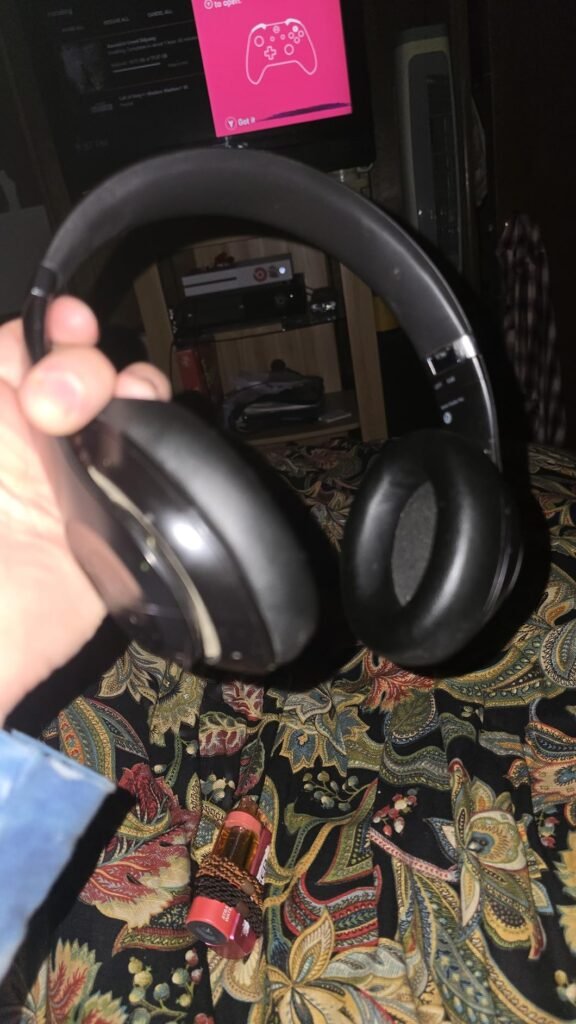
The Beats Studio Pro targets buyers who want premium over-ear sound quality for indoor workouts, weight training, and stationary cardio like spin bikes or ellipticals. The custom acoustic platform delivers rich, balanced audio that pulls you into music during longer sessions, and the 40-hour battery covers weeks of typical gym use before needing a charge.
We may earn a commission when you buy through this link, at no additional cost to you.
USB-C lossless audio support is a genuine differentiator that appeals to audiophiles who want the best possible sound quality from their music files. Active noise cancelling effectively blocks gym music, HVAC noise, and other distractions, while transparency mode lets ambient sound in when you need to hear a trainer or gym announcement. The 3.5mm cable option provides wired backup when needed.
Comfort holds up well during longer sessions thanks to the UltraPlush cushions and adjustable headband. Voice-targeting mics keep calls clear during breaks between sets, and one-touch pairing with both Apple and Android devices makes switching between phone and tablet effortless. Spatial audio with dynamic head tracking creates a more immersive experience for workout playlists and videos.
Over-ear headphones excel for indoor stationary training where you don’t move your head aggressively. Weight training between sets, spin classes, elliptical work, and yoga all work well with over-ear designs. They struggle during running, plyometrics, and any activity involving jumping or fast head movements, where they shift and cause discomfort. Match the form factor to your actual training style rather than defaulting to sport earbuds.
Choose the Studio Pro if you primarily train indoors and want premium sound quality with effective noise isolation. The trade-off is that over-ear headphones become uncomfortable during high-intensity cardio due to heat buildup and shift during dynamic movements. For running, HIIT, or outdoor training, dedicated sport earbuds or bone conduction options make more sense. For gym floors and home workouts, this delivers exceptional value.
Runners and high-intensity trainers who need secure-fit designs should choose earhook or bone conduction options.
We may earn a commission when you buy through this link, at no additional cost to you.
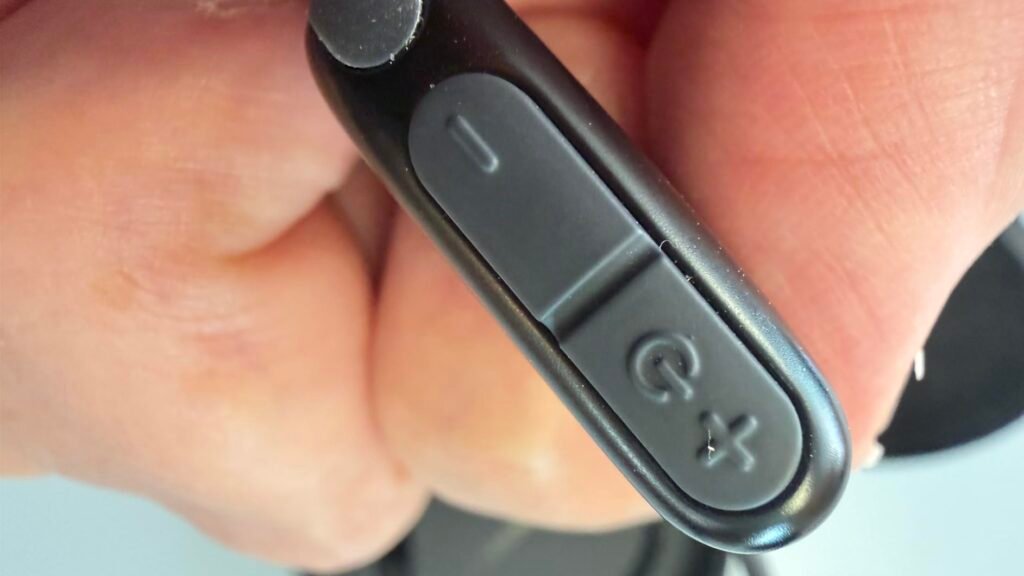
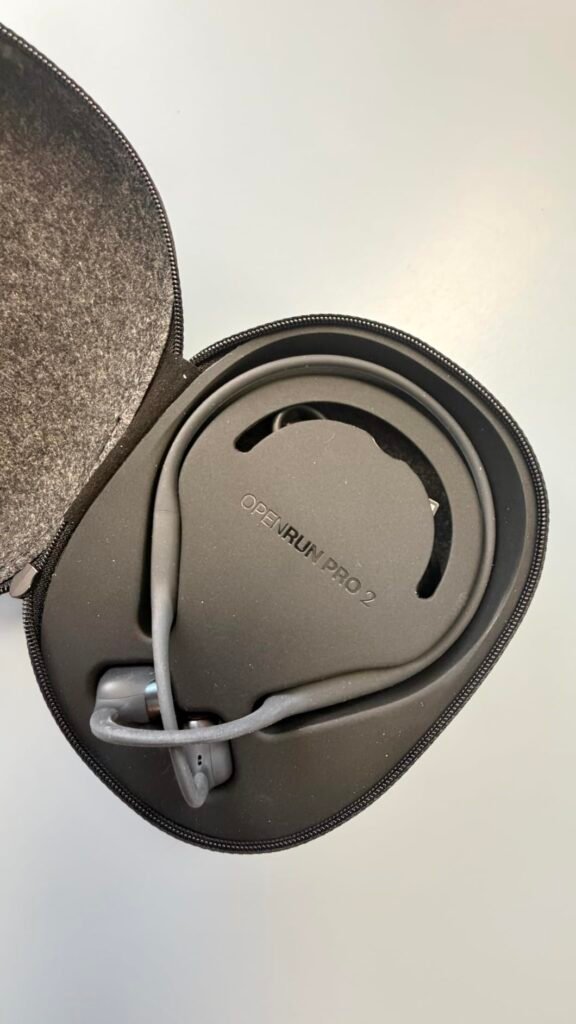
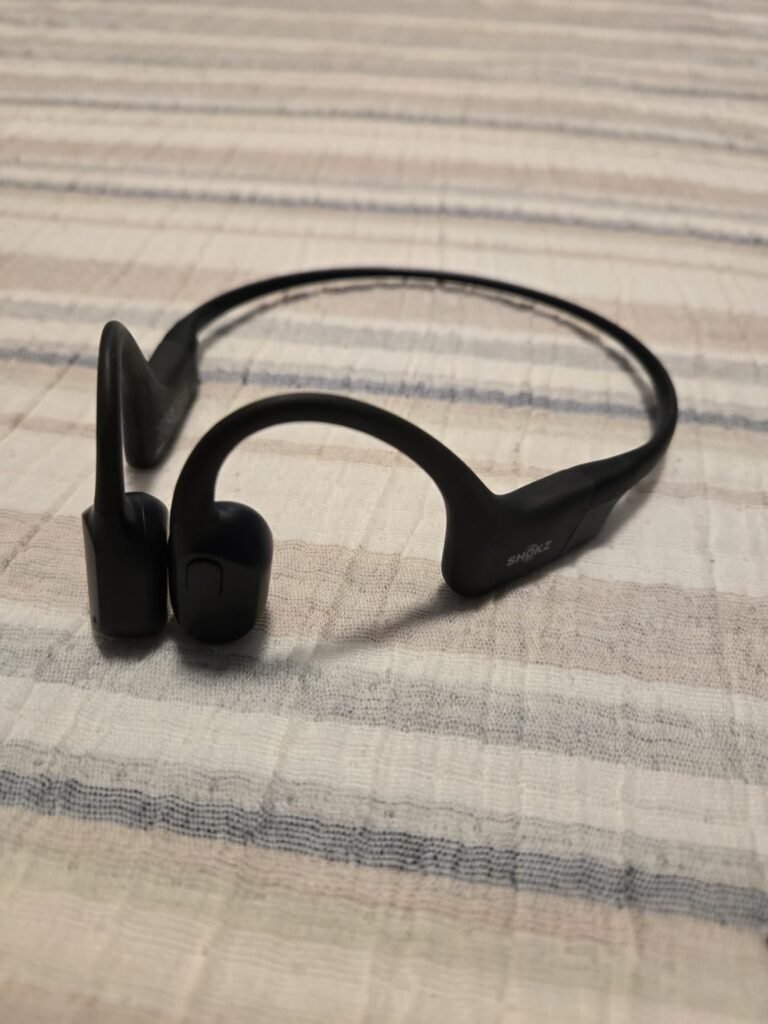
The SHOKZ OpenRun Pro 2 represents the premium end of bone conduction technology, combining the safety benefits of open-ear design with meaningfully improved sound quality through its dual driver system. The bone conduction driver delivers clear highs while an air conduction driver adds the deep bass that traditional bone conduction models struggle to produce, creating a more balanced 3D audio experience during workouts.
We may earn a commission when you buy through this link, at no additional cost to you.
The 12-hour battery life significantly exceeds most bone conduction alternatives, comfortably covering multi-day training weeks without daily charging. The dedicated EQ modes in the Shokz app let you customize sound for different environments, including a Classic Mode for pure bone conduction sound and Volume Boost Mode for noisy gyms or traffic-heavy outdoor routes.
Call quality genuinely stands out thanks to strategically positioned dual wind-resistant microphones and an AI noise reduction algorithm that filters out 96.5 percent of background noise, including wind at speeds up to 15 miles per hour. This makes the headset practical for taking calls during outdoor runs and bike rides without the caller hearing distracting wind noise on your end.
Standard microphones struggle badly with wind noise, making calls unintelligible during runs and rides above jogging pace. The 96.5 percent noise reduction on the OpenRun Pro 2 filters wind up to 15 mph, which covers most outdoor training conditions. This is a meaningful practical feature for anyone who takes calls during workouts or uses voice assistants outdoors. Traditional earbuds without wind-resistant microphones often fail completely in these conditions.
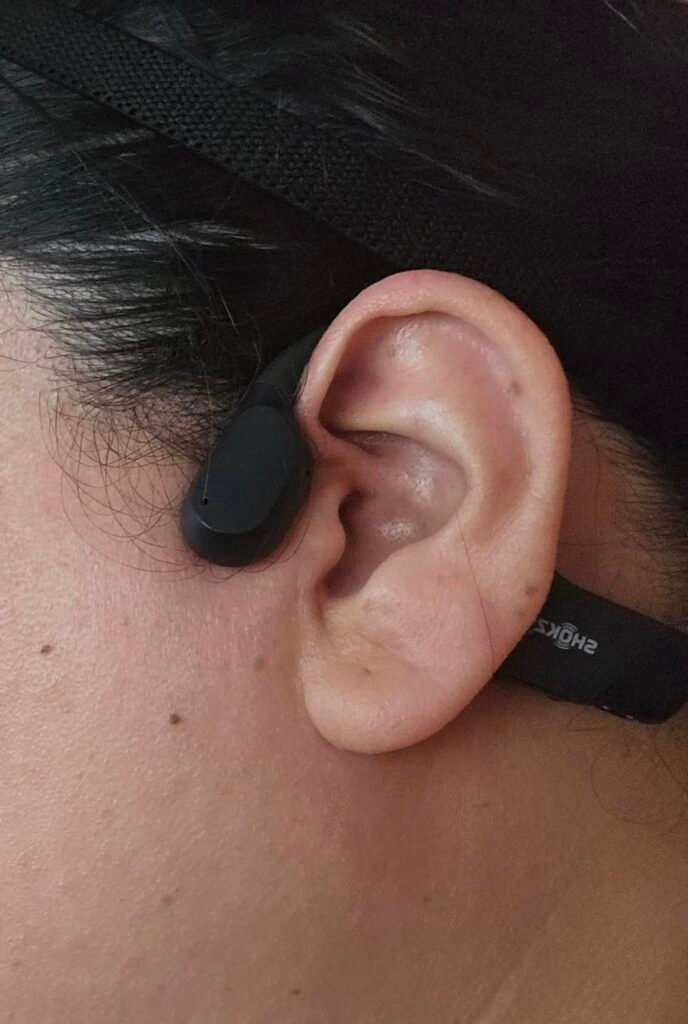
Choose the OpenRun Pro 2 if you’re a serious outdoor athlete who wants premium bone conduction sound quality with safety awareness. The Ni-Ti alloy memory wire and ergonomic ear hooks create a secure fit that defies slips during gym sessions and cycling. The trade-off is the higher price compared to budget bone conduction options, but the sound quality upgrade and premium build justify the investment for regular outdoor use.
Buyers who need in-ear passive noise isolation for indoor training should choose sport earbuds instead.
We may earn a commission when you buy through this link, at no additional cost to you.
The SHOKZ OpenRun is the workout-tested bone conduction option from the brand that pioneered the technology for sport use. The featherweight wraparound frame delivers earbud-free listening comfort that suits long training sessions where in-ear options cause fatigue. The 8th generation bone conduction technology delivers reliable audio quality while keeping your ears open for surroundings.
We may earn a commission when you buy through this link, at no additional cost to you.
The IP67 waterproof rating is meaningfully higher than typical sport earbud IPX ratings, protecting against sweat, rain, and even short submersion in shallow water (though not suitable for swimming). This makes the OpenRun genuinely rugged for outdoor training in variable conditions, and the moisture detection alert prevents charging when the port isn’t fully dry, protecting the electronics from damage.
Battery life reaches 8 hours per charge, and the 10-minute quick charge feature provides 1.5 hours of playback when you forget to charge before a workout. Bluetooth pairs seamlessly with Android, iOS, Windows, and other Bluetooth-enabled devices. Bone conduction call quality is good enough for most training situations, though not as refined as the newer OpenRun Pro 2 model.
The standard OpenRun uses single-driver bone conduction technology and delivers 8 hours of battery life. The Pro 2 adds a dual-driver system with both bone and air conduction for improved bass response, extends battery to 12 hours, and adds premium call features. If sound quality matters most, choose the Pro 2. If you want proven SHOKZ reliability at lower cost, the standard OpenRun remains an excellent choice.
Choose the standard OpenRun if you want proven bone conduction technology at a lower price than the Pro 2 model. The trade-off is that sound quality, particularly bass response, doesn’t match the dual-driver Pro 2 version. For outdoor runners and cyclists who prioritize safety and awareness over premium audio, this delivers exceptional real-world value with SHOKZ brand reliability.
Buyers who need the deepest bass response and best call quality should upgrade to the OpenRun Pro 2.
We may earn a commission when you buy through this link, at no additional cost to you.
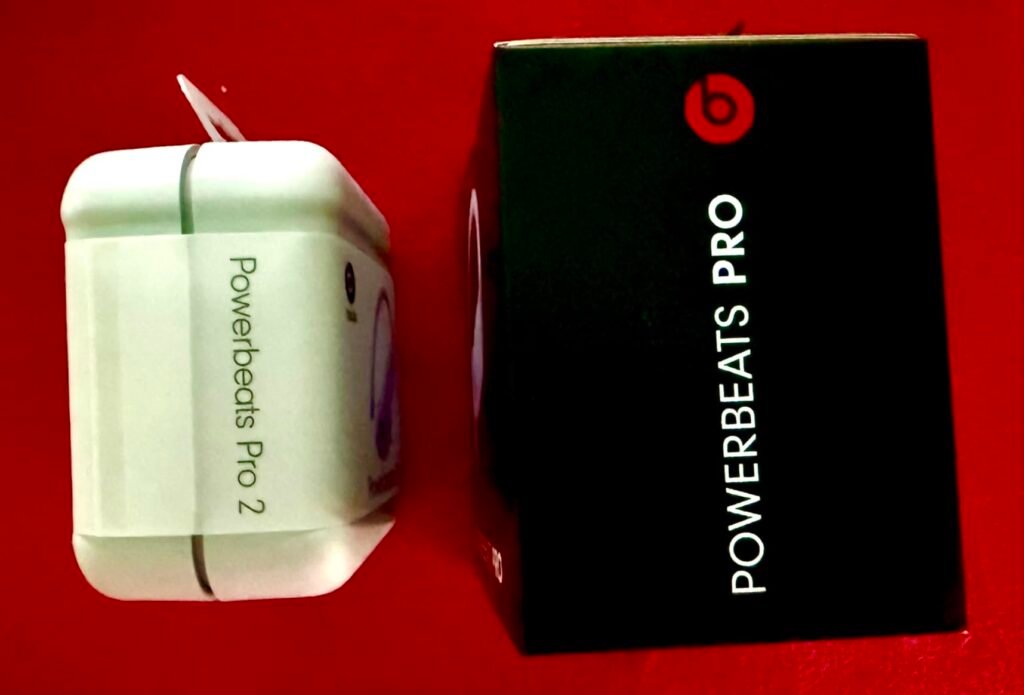
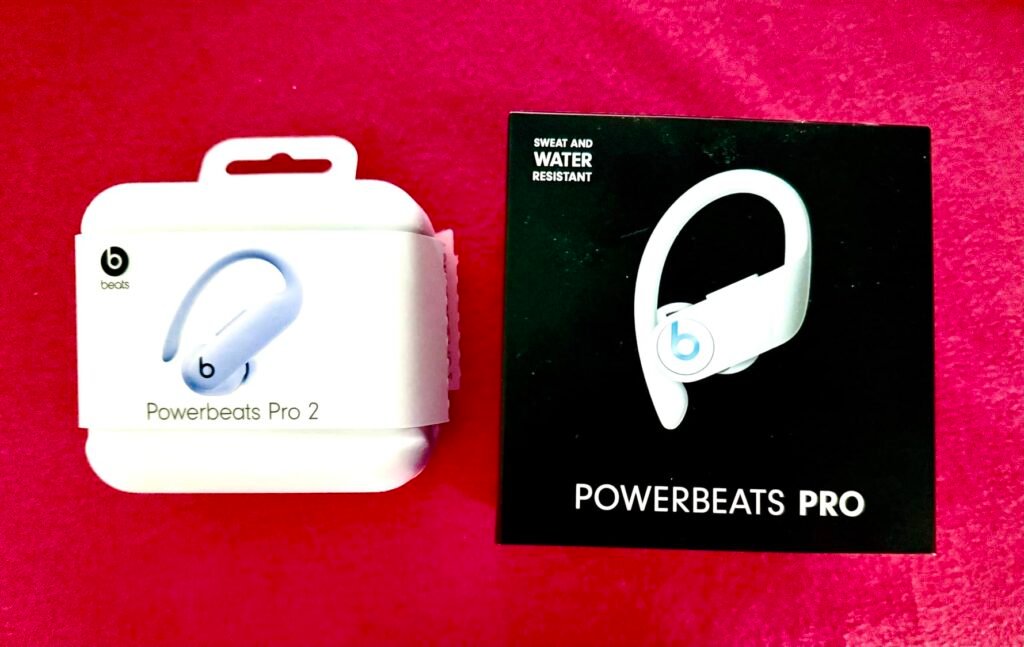
The Beats Powerbeats Pro 2 targets serious athletes who need earbuds that stay put during intense training. After 1,500 hours of testing across athletes of every ear shape and intensity level, the secure-fit earhook design stays locked in whether you're sprinting, doing heavy squats, or moving through a high-energy class. This is genuinely one of the most secure earbud fits available.
We may earn a commission when you buy through this link, at no additional cost to you.
The built-in heart rate monitoring is a rare feature at this price point, using sensors that pulse 100+ times per second for real-time tracking without needing a chest strap or smartwatch. This is a meaningful feature for training analysis and heart rate zone workouts. The IPX4 rating handles sweat and water resistance for typical training environments.
The Apple H2 chip powers 45 hours of total listening time with the charging case, which is exceptional for true wireless earbuds. Fast Fuel delivers 1.5 hours of playback from just 5 minutes of charging. Active noise cancelling is specifically designed for training environments, filtering the noise floor so you can focus, while transparency mode lets in ambient sounds when needed. The wireless Qi charging case adds convenience.
Standard earbuds rely on eartip pressure alone to stay in place, which fails during vigorous head movement, jumping, and sweating. Earhook designs like the Powerbeats Pro 2 use a physical hook that wraps around the outer ear, providing a secondary anchor point that resists movement. This is particularly valuable for CrossFit, running, boxing, and any activity involving impact or head movement. The nickel titanium alloy earhook flexes to fit different ear shapes while maintaining strength.
Choose the Powerbeats Pro 2 if you’re a serious athlete who needs the most secure earbud fit available and values heart rate monitoring integration. The trade-off is the premium price and the fact that some features work best in the Apple ecosystem, though Android compatibility through the Beats app provides most core functionality. For dedicated athletes willing to invest in premium training gear, this delivers class-leading capability.
Buyers on tighter budgets or those who dislike earbuds with earhooks should consider bone conduction alternatives.
We may earn a commission when you buy through this link, at no additional cost to you.
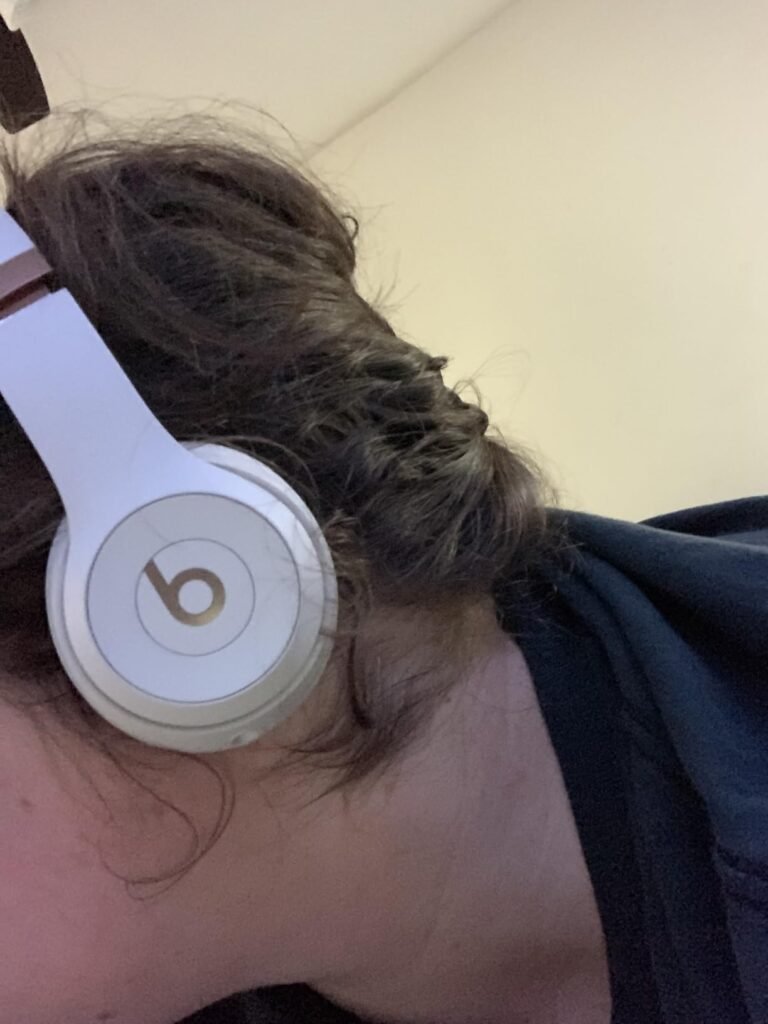
The Beats Solo 4 delivers the highest owner rating for over-ear headphones in this guide at 4.6 stars, targeting buyers who want premium sound quality for indoor workouts, walks, and gym sessions without earbud discomfort. The ultralight ergonomic design with flex-grip headband and adjustable ear cups provides all-day comfort that meaningfully outlasts heavier alternatives.

We may earn a commission when you buy through this link, at no additional cost to you.
The 50-hour battery life is genuinely class-leading for wireless headphones, comfortably covering weeks of typical use before needing a charge. Fast Fuel technology provides 5 hours of playback from just a 10-minute charge, ensuring you’re never stuck without music before a workout. High-resolution lossless audio support via USB-C or 3.5mm cable satisfies audiophile-level sound preferences.
Custom acoustic architecture and updated drivers deliver powerful Beats sound with better balance than earlier generations, appealing to those who found older Beats models bass-heavy. Personalized Spatial Audio with dynamic head tracking creates an immersive listening experience for workout playlists. Industry-leading Class 1 Bluetooth extends range and reduces dropouts compared to standard Bluetooth implementations.
On-ear headphones sit on the outside of your ears rather than fully enclosing them like over-ear designs. They’re lighter, more portable, and less prone to heat buildup during workouts, but they provide less passive noise isolation and can shift more during dynamic movement. On-ear designs work well for lower-intensity training and commuting, while over-ear designs excel for stationary indoor use with better sound isolation.
Choose the Solo 4 if you want the most comfortable and long-lasting over-ear option for lower-intensity indoor training. The on-ear design is more portable than full over-ear models like the Studio Pro. The trade-off is that on-ear designs shift more during vigorous movement compared to over-ear or earhook designs. For walking, stationary cardio, weight training between sets, or commuting to the gym, this delivers exceptional comfort and battery life.
Runners, high-intensity trainers, and those who sweat heavily should choose earhook or bone conduction alternatives.
We may earn a commission when you buy through this link, at no additional cost to you.
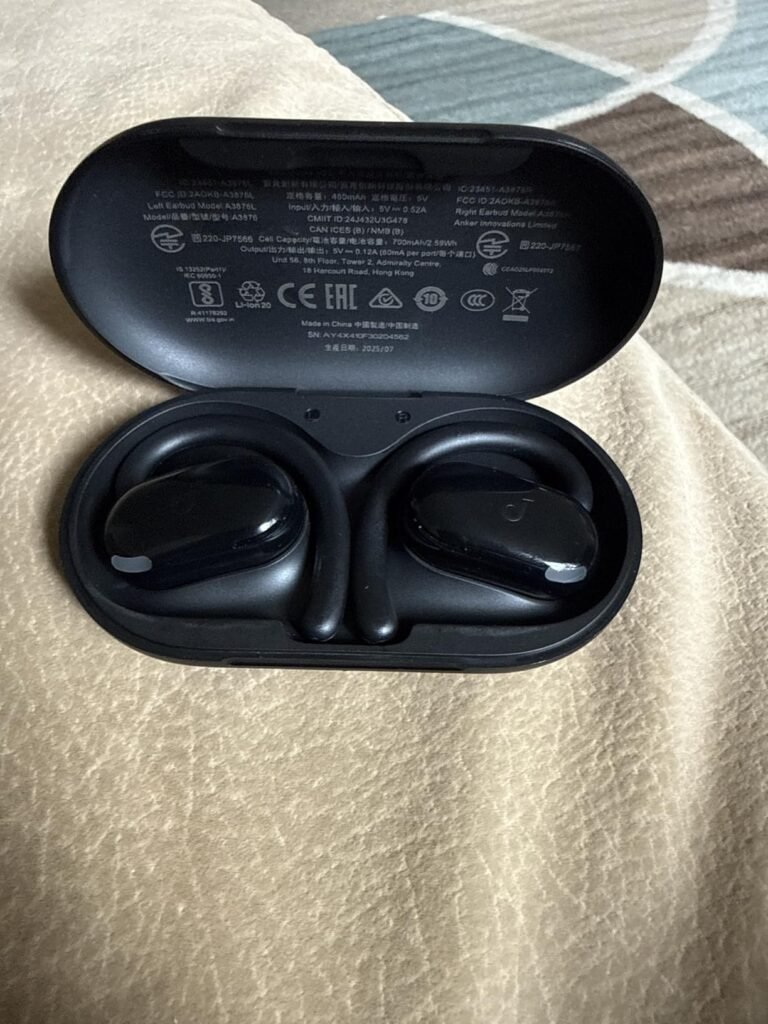
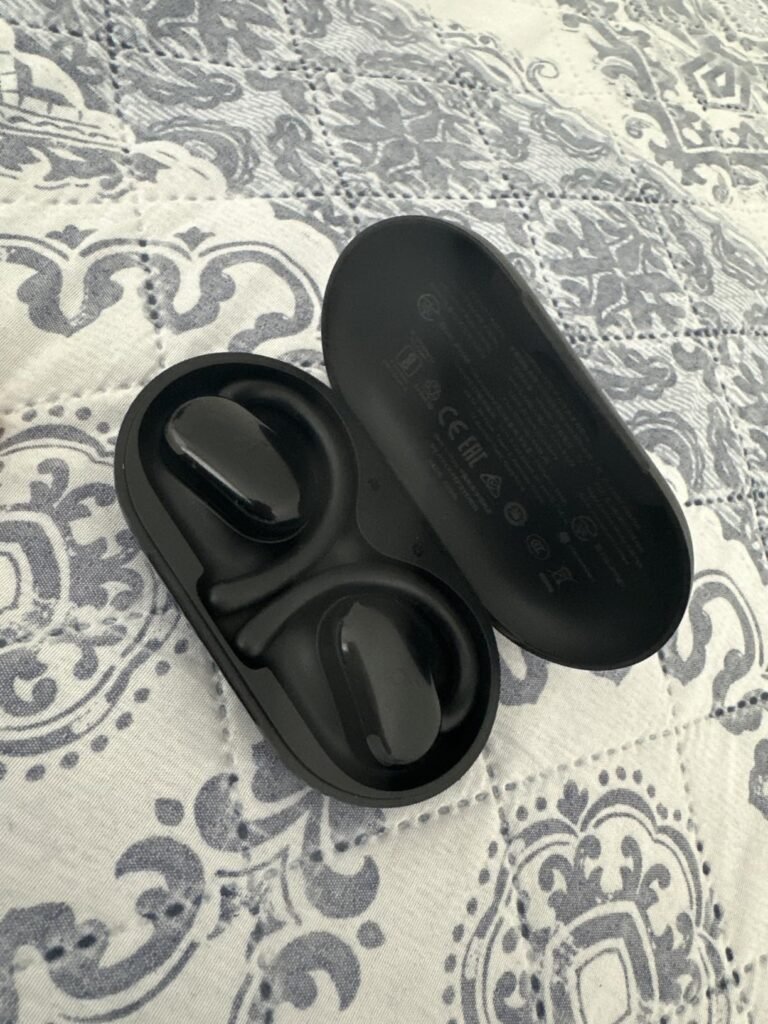
The Soundcore V20i delivers open-ear earbud technology at one of the lowest prices in the category. Open-ear design keeps your ear canals completely unobstructed for all-day comfort and full situational awareness, which is particularly valuable for outdoor training where hearing traffic and surroundings improves safety. This is a smart entry point into the open-ear category without spending premium money.
We may earn a commission when you buy through this link, at no additional cost to you.
Four adjustable rotation and extension positions let you customize the fit to your specific ear shape, boosting both stability and comfort during movement. The 16mm dynamic drivers with titanium-coated domes and Soundcore’s BassUp technology deliver surprisingly powerful sound for an open-ear design, addressing the bass response weakness that plagues many open-ear alternatives.
Four microphones with AI enhancement ensure clear calls wherever you are, which matters for anyone who takes calls during outdoor workouts. The customizable tune-synced lights add visual flair (turn off to save battery), and the Soundcore app provides HearID audio profiling, EQ modes, spatial audio settings, and OTA firmware updates for long-term device improvement.
Both open-ear and bone conduction designs leave your ear canals open for awareness, but they work differently. Open-ear earbuds like the V20i use traditional speakers positioned near your ears, offering better bass response than bone conduction but with some sound leakage in quiet environments. Bone conduction uses vibrations through your cheekbones, providing minimal sound leakage but weaker bass. Choose based on whether sound quality or privacy matters more.
Choose the V20i if you want to try open-ear earbud technology without spending significantly. The trade-off is that fit security doesn’t match earhook designs, so high-intensity activities may still cause shifting. Sound leakage is also more noticeable in quiet environments compared to enclosed earbuds. For casual outdoor training and daily wear at an approachable price, this delivers exceptional value with Anker’s reliable brand backing.
Buyers who need maximum fit security for high-intensity training should choose earhook designs.
We may earn a commission when you buy through this link, at no additional cost to you.
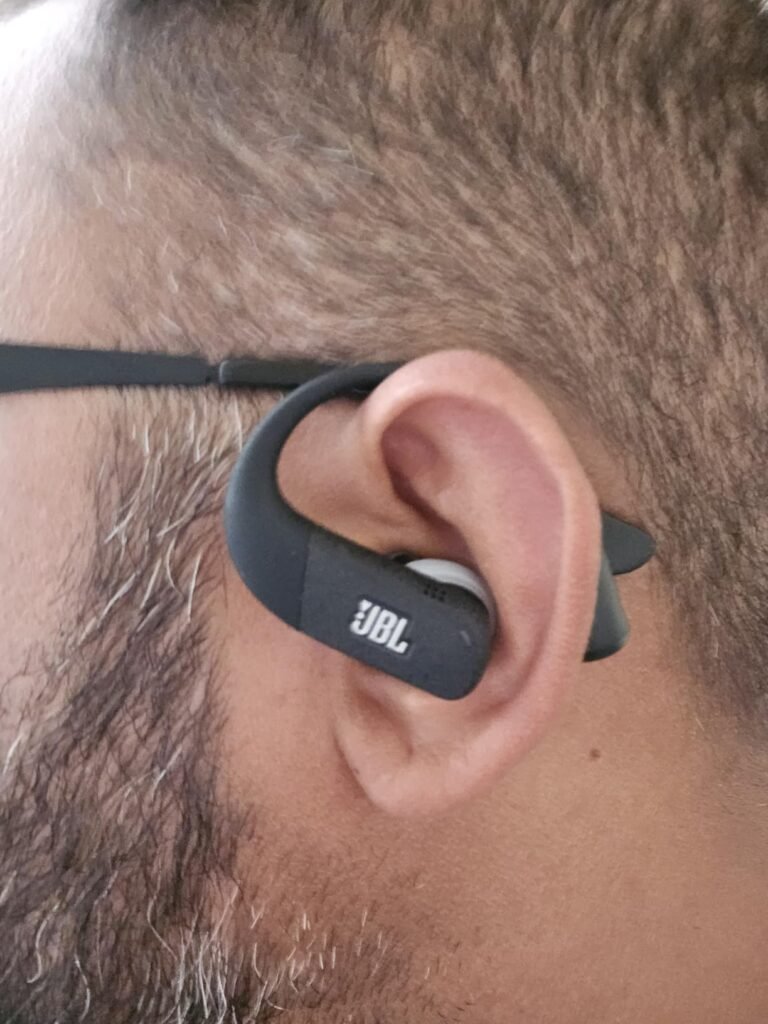
The JBL Endurance Peak 4 targets athletes who need maximum protection against sweat, water, dust, and rugged use conditions. The IP68 rating exceeds virtually all sport earbuds in this guide, handling sweat, rain, salt water, sand, high temperatures, and high humidity without concern. This makes it particularly well-suited for outdoor endurance training, beach workouts, and harsh environmental conditions.
We may earn a commission when you buy through this link, at no additional cost to you.
The TwistLock design with OvalTubes and liquid silicone ear hooks provides a secure fit that stays comfortable during all-day wear. The memory wire hooks adapt to different ear sizes, making the fit customizable across users. Four noise-sensing microphones enable adaptive noise cancelling that minimizes distractions while Smart Ambient keeps you fully aware of surroundings and helps conversation without removing headphones.
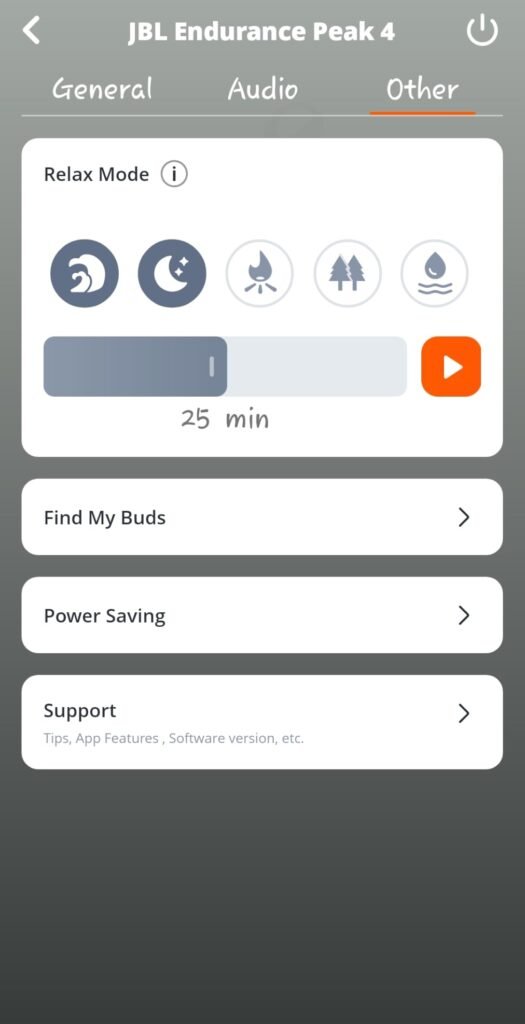
Battery life reaches an impressive 48 hours total with the charging case (12 hours in the earbuds themselves), or 8 hours plus 24 hours with ANC on. Speed charging provides 4 more hours from just 10 minutes on the cable. The JBL Headphones app offers preset modes for light, medium, or intense activity, plus Relax Mode with five peaceful sounds for post-workout cooldown.
IP ratings measure dust and water resistance. The first number rates dust protection (6 is the highest, dust-tight). The second number rates water protection (8 supports continuous submersion at manufacturer-specified depths). Most sport earbuds carry IPX4 ratings that handle sweat and splashes but not submersion. The IP68 rating on the Endurance Peak 4 provides genuinely exceptional environmental protection that survives conditions that would destroy lesser earbuds.
Choose the Endurance Peak 4 if you need maximum environmental protection for demanding outdoor training. Six microphones (three per ear) ensure clear calls even in windy outdoor conditions. The trade-off is the lower owner rating in this guide at 3.9 stars, which warrants careful research before purchase, and the charging cable is not included. For environmental durability at reasonable price, this remains a strong option.
Buyers who want highest owner satisfaction should consider alternatives with better ratings in this guide.
We may earn a commission when you buy through this link, at no additional cost to you.
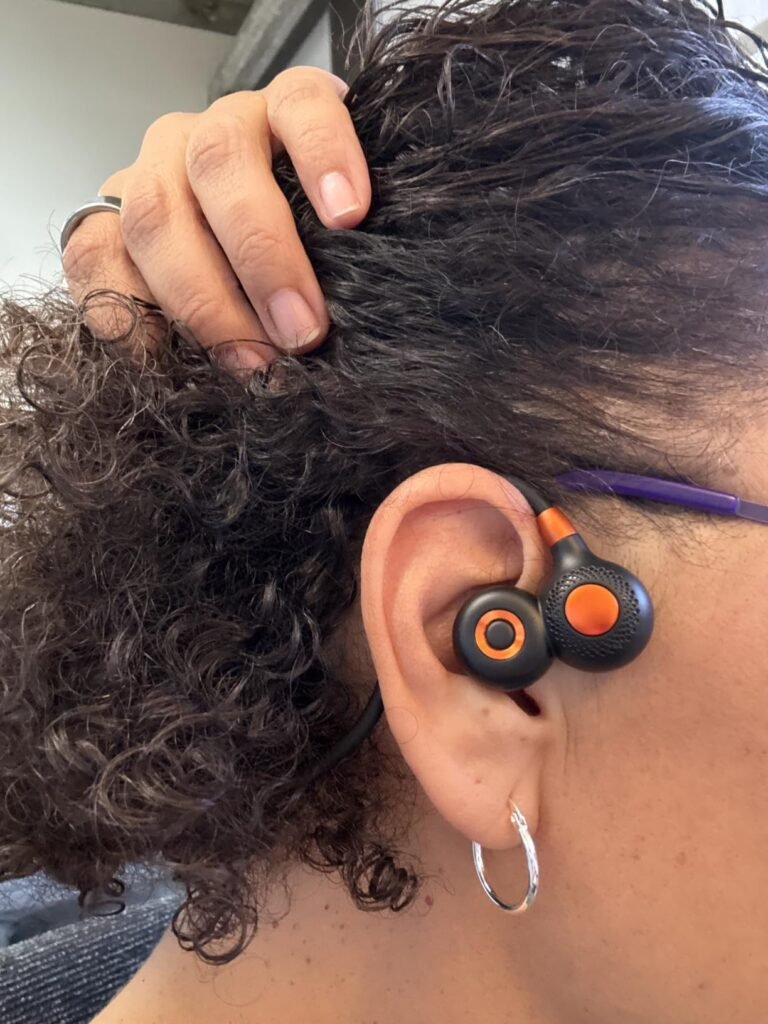
The Ortizan Open Ear headphones deliver air conduction technology in an ultralight 19-gram package at an accessible price point. Air conduction differs from bone conduction by using traditional directional speakers positioned near your ears rather than transducers on your cheekbones, providing better bass response while maintaining open-ear awareness of surroundings.
We may earn a commission when you buy through this link, at no additional cost to you.
The aviation-grade liquid silicone construction provides both durability and comfort during extended wear. Special omnidirectional surround speakers accurately adjust through multi-stage sound cavity structures, matching audio parameters and directional vocalization to transmit sound to your ear canal at a specific angle. This directional design reduces sound leakage compared to some open-ear alternatives.
The IPX6 waterproof rating handles rain, heavy sweat, and outdoor training in poor weather without concern. The 10-hour battery life supports full training days, and the magnetic fast charging provides 1 hour of playback from 10 minutes of charging. Gold-plated charging contacts resist sweat corrosion, extending the long-term durability of a component that often fails first on cheap wireless earbuds.
Open-ear earbuds sound noticeably different from in-ear designs because they don’t seal your ear canal. Bass response is naturally weaker, and background noise mixes with your music rather than being blocked. Most users adapt within a few sessions, appreciating the awareness benefits enough to accept the sound trade-offs. If you can’t adjust to open-ear sound, in-ear sport earbuds like the Powerbeats Pro 2 provide the passive isolation that boosts bass response.
Choose the Ortizan Open Ear if you want an ultralight open-ear design at budget pricing with reliable durability. Bluetooth 5.3 provides fast, stable connections with lower data transmission latency than older Bluetooth generations. The trade-off is that sound leakage remains more noticeable than fully enclosed earbuds, and fit varies across ear shapes. For casual outdoor training and daily wear at a low price, this delivers strong value.
Buyers who need premium sound quality or complete sound isolation should choose in-ear or over-ear alternatives.
We may earn a commission when you buy through this link, at no additional cost to you.
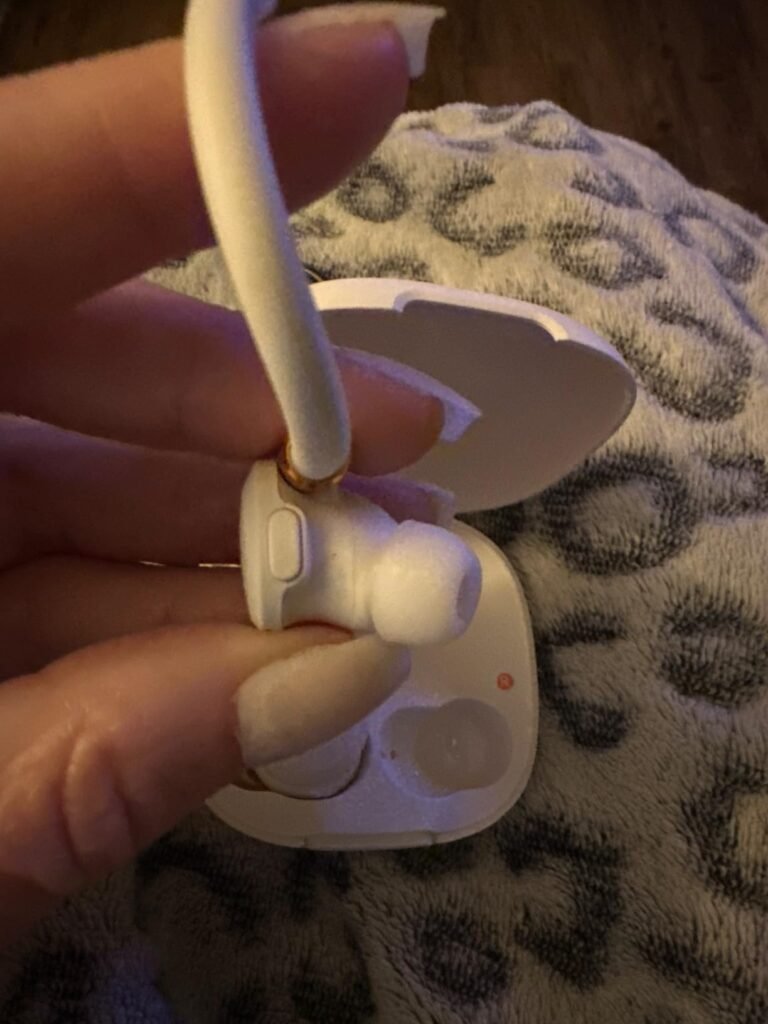
The Soundcore Sport X20 combines ear hook security with active noise cancelling at a mid-range price, targeting serious gym-goers who want distraction-free training. The adjustable ear hooks rotate up to 30 degrees and extend up to 4mm, letting you customize the position for a comfortable and secure fit across different ear shapes. This adjustability meaningfully improves fit versatility compared to fixed earhook designs.
We may earn a commission when you buy through this link, at no additional cost to you.
Active noise cancelling specifically tuned for gym environments turns loud spaces into peaceful areas, blocking out clanging weights, loud grunts, and distracting music from other members. Both manual adjustment and adaptive ANC keep you focused on training rather than fighting environmental distractions. This is particularly valuable for commercial gyms with loud music playing over the speakers.
The 11mm dynamic drivers powered by Soundcore’s BassUp technology deliver pulse-pounding sound that elevates workout motivation. The unique cavity design combined with SweatGuard technology creates a submarine-inspired seal that protects internal components against water, sweat, and dust damage, meaningfully extending the lifespan of earbuds in the demanding sport environment.
Standard ear hooks come in one shape that may or may not fit your specific ear. Adjustable hooks like those on the Sport X20 rotate and extend to accommodate different ear shapes, dramatically improving fit versatility. This is particularly valuable for buyers with unusual ear shapes who struggle with standard earbud designs. The customizable fit also improves long-term comfort during extended training sessions.
Choose the Sport X20 if you want ear hook security combined with effective ANC at a reasonable price. The Soundcore app provides HearID audio profiling, EQ modes, spatial audio settings, and OTA firmware updates for long-term feature improvements. The trade-off is the higher price compared to basic sport earbuds, though the combination of secure fit, ANC, and Anker brand reliability delivers real value for regular gym users.
Runners who need maximum situational awareness for outdoor safety should choose bone conduction alternatives.
We may earn a commission when you buy through this link, at no additional cost to you.
The right workout headphones depend on your training style, environments, safety needs, and budget. The factors below break down what actually matters when narrowing your choice across over-ear, in-ear, earhook, open-ear, and bone conduction designs.
Fit type is the single most important factor for workout headphones because uncomfortable or unstable headphones become drawer clutter within weeks. Over-ear headphones like the Beats Studio Pro work well for stationary indoor training but shift during running or jumping. On-ear designs like the Beats Solo 4 offer more portability but less stability. Earhook earbuds like the Beats Powerbeats Pro 2 stay locked in during any activity. Bone conduction options like the SHOKZ OpenRun Pro 2 rest on your cheekbones without going in your ears at all.
Match fit type to your primary training. Weight lifters and gym users often prefer over-ear or on-ear for sound isolation. Runners benefit from bone conduction for awareness or earhook earbuds for security. Cyclists typically choose bone conduction or open-ear designs for traffic awareness. High-intensity trainers need the most secure fit possible, typically earhook designs.
Prioritize secure fit over sound quality if you train intensely. Beautiful audio doesn’t matter if headphones fall out mid-workout. Choose the form factor that stays in place during your specific activities.
IP ratings quantify environmental protection against dust and water. Sport headphones should carry at least IPX4 (splash resistance for sweat and rain) as a minimum. IPX5 like the bone conduction Bluetooth 6.0 handles heavier water exposure. IP67 like the SHOKZ OpenRun protects against dust and short water submersion. IP68 like the JBL Endurance Peak 4 provides the highest protection including sustained water exposure.
Higher ratings matter more for outdoor training in variable weather, sweaty indoor sessions, and adventures where you might rinse the headphones under running water to clean them. Lower ratings are adequate for climate-controlled gym use where you towel off sweat regularly. Note that IP ratings measure fresh water resistance; salt water and chlorine can damage headphones even with high ratings.
Match IP rating to your training environment. IPX4 works for casual gym use. IPX5-6 covers most serious sport applications. IPX7-8 provides margin for demanding outdoor conditions and easier cleaning.
Battery life varies dramatically across sport headphones. Bone conduction options typically deliver 8-12 hours per charge. In-ear sport earbuds often provide 8-12 hours per bud plus 24-36 additional hours from charging cases. Over-ear headphones can reach 40-50 hours per charge. The Beats Solo 4 leads this guide at 50 hours, while the Beats Powerbeats Pro 2 delivers 45 hours total.
Fast charging features matter when you forget to charge before workouts. Fast Fuel technology on Beats products, quick charge on SHOKZ options, and speed charge on JBL models all provide meaningful playback time from brief 5-15 minute charging sessions. This is a small feature that saves workouts when battery runs low unexpectedly.
Match battery life to your training schedule. Casual users doing 3-4 workouts per week can manage with 8-12 hour batteries. Daily trainers benefit from longer reserves. Prioritize fast charging features if you’re forgetful about charging routines.
Situational awareness matters significantly for outdoor training safety. Traditional in-ear headphones block ambient sound, which prevents you from hearing traffic, other people, or emergency signals during outdoor runs and rides. This creates genuine safety risks that many trainers underestimate until they experience close calls.
Open-ear and bone conduction designs solve this by keeping your ear canals unobstructed. Bone conduction options like the SHOKZ OpenRun Pro 2 provide the most complete awareness, while open-ear earbuds like the Soundcore V20i and Ortizan Open Ear offer directional sound with better bass response. Transparency modes on premium in-ear options like the Beats Powerbeats Pro 2 provide software-based awareness but never match physically open designs.
Prioritize open-ear or bone conduction designs if you train regularly outdoors, especially in traffic. Choose closed in-ear or over-ear options if you train exclusively indoors or need maximum sound isolation.
Sound quality varies significantly across form factors. Over-ear and in-ear designs typically deliver the strongest bass response due to sealed acoustic chambers. Open-ear and bone conduction options provide inherently weaker bass because they can’t create air pressure in your ear canal. Premium bone conduction designs like the SHOKZ OpenRun Pro 2 use dual driver technology to improve bass response, but they still trail sealed alternatives.
Consider what music energizes your workouts. Heavy bass electronic and hip-hop tracks benefit most from sealed designs with strong bass response. Podcasts, audiobooks, and vocal-driven music work well with any design including bone conduction. If you switch between sealed indoor headphones for weight training and open-ear designs for outdoor runs, you get the best of both worlds.
Prioritize sealed in-ear or over-ear designs if bass response drives your workout motivation. Accept the sound trade-offs of open-ear designs if safety and awareness matter more than audio quality.
Microphone quality matters if you take calls during workouts or use voice assistants outdoors. The Beats Powerbeats Pro 2 uses six microphones (three per earbud) to isolate voice and filter ambient noise. The SHOKZ OpenRun Pro 2 uses AI noise reduction algorithms that filter out 96.5 percent of background noise including wind up to 15 mph. The JBL Endurance Peak 4 features six microphones with beamforming for outdoor call clarity.
Wind noise specifically challenges microphones during outdoor training. Standard microphones become unintelligible above jogging pace in even mild wind. Options with wind-resistant designs like the SHOKZ OpenRun Pro 2 and JBL Endurance Peak 4 handle wind meaningfully better, making calls practical during outdoor runs and rides.
Prioritize microphone quality if you take calls or use voice assistants during workouts. Skip this consideration if you only listen to music during training and take calls only after workouts end.
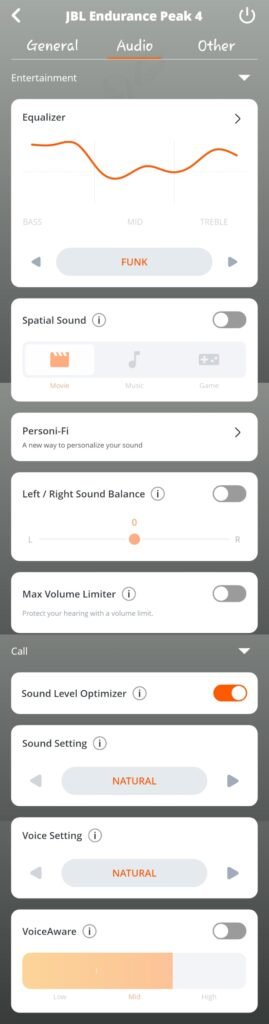
Companion apps unlock important features on many workout headphones. The Soundcore app for the V20i and Sport X20 provides HearID audio profiling, EQ modes, spatial audio settings, and OTA firmware updates. The Shokz app for OpenRun Pro 2 offers dedicated EQ modes including Classic Mode and Volume Boost Mode. The JBL Headphones app for the Endurance Peak 4 provides preset activity modes and post-workout Relax Mode with peaceful sounds.
App support matters more to some users than others. Buyers who love customization benefit significantly from EQ adjustments, sound profiling, and firmware updates that improve features over time. Casual users who prefer plug-and-play simplicity may never open the companion app, making these features less valuable in their purchase decision.
Prioritize app-supported headphones if you customize your setup extensively. Choose plug-and-play alternatives if you prefer minimal software installation and immediate use out of the box.
Modern wireless headphones use various Bluetooth versions with different capabilities. Bluetooth 5.3 (Ortizan Open Ear) and Bluetooth 5.4 (Bone Conduction Bluetooth 6.0) provide better connection stability and lower latency than older Bluetooth 5.0 implementations. Class 1 Bluetooth on Beats products extends range and reduces dropouts compared to standard implementations.
Latency matters most for video watching and gaming during workouts. Audio delay becomes annoying when watching workout classes or video content where lip sync matters. Latest Bluetooth versions minimize this delay to imperceptible levels, but older versions can create noticeable lag that disrupts video content viewing.
Prioritize newer Bluetooth versions if you watch workout videos or content during training. Older Bluetooth versions remain adequate for music-only use where slight audio delay doesn’t matter.
Start by completing initial pairing with your primary workout device before your first session, and install any companion apps to unlock features like EQ customization, activity modes, and firmware updates. Complete a full initial charge before first use to condition the battery properly. For earbuds and in-ear designs, try different eartip sizes if included to find the best fit for your ear shape, as proper eartip fit dramatically affects both comfort and sound quality. Test the fit during actual movement patterns you’ll use during training to verify security before committing to a workout playlist.
Clean your headphones regularly to prevent sweat, skin oils, and dust from degrading performance and hygiene. Wipe down all surfaces with a slightly damp microfiber cloth after each workout session, paying particular attention to earpieces that contact skin. For in-ear designs, remove eartips periodically and clean both the tips and the driver openings with a dry cotton swab to remove earwax buildup. Bone conduction models benefit from wiping the transducers where they contact your cheekbones. Avoid harsh chemicals, solvents, and full submersion (unless your IP rating explicitly supports it) as these can damage seals and coatings.
Preserve battery health by following healthy charging practices. Avoid leaving headphones plugged in continuously at 100 percent charge for extended periods, and try to keep the battery between 20-80 percent for daily use when possible. Take advantage of auto-sleep features to prevent unnecessary drain when you set headphones down between workouts. Store them in the included charging case (for earbuds) or a soft protective bag (for over-ear designs) to prevent damage during transport in gym bags. If your headphones become wet during outdoor training in the rain, dry them thoroughly before charging to prevent moisture damage to the charging port. Replace eartips every 6-12 months to maintain sound quality and hygiene.
The best type depends on your training style. Weight lifters and stationary cardio users often prefer over-ear or on-ear designs for better sound isolation. Runners benefit from bone conduction options like the SHOKZ OpenRun Pro 2 for safety awareness. HIIT and high-intensity trainers need earhook designs like the Beats Powerbeats Pro 2 for maximum fit security. Match the form factor to how you actually train rather than defaulting to one type.
Yes, bone conduction technology has been used in hearing aids for decades and is considered safe for regular use. Because bone conduction bypasses your eardrums, some studies suggest it may be gentler on hearing than traditional headphones at high volumes. However, prolonged use at any high volume can still cause hearing fatigue, so follow reasonable volume guidelines regardless of the technology used.
IP ratings matter significantly for workout headphones because sweat, rain, and moisture cause the most common headphone failures. Look for at least IPX4 as a minimum for any workout use. IPX5-6 handles heavier water exposure. IP67 or IP68 provides genuine environmental protection for outdoor training in demanding conditions. Higher ratings extend the lifespan of headphones exposed to sweat regularly.
ANC helps significantly for gym use where loud music, clanging weights, and other members' conversations distract from focus. It's less important for outdoor training where you actually want to hear surroundings for safety. Options like the Beats Powerbeats Pro 2 offer both ANC and transparency modes to switch based on environment. Consider your training environments before prioritizing this feature.
Fit security is the biggest challenge for earbud designs during high-intensity training. Earhook designs like the Beats Powerbeats Pro 2 provide the most secure fit by physically hooking around your outer ear. Try different eartip sizes to find the best seal. Some athletes benefit from third-party foam eartips that expand for a more secure fit. If earbuds still fall out despite these adjustments, consider bone conduction or open-ear alternatives that don't rely on ear canal fit.
Quality workout headphones from established brands typically last 2-4 years of regular use with proper care. Sweat exposure is the primary cause of premature failure, so prioritize higher IP ratings for longer lifespan. Rechargeable batteries typically show noticeable degradation after 2-3 years of daily charging. Establish a cleaning routine to prevent sweat and skin oils from damaging components. Higher-quality options generally last longer than budget alternatives.
Technically yes, but over-ear headphones aren't ideal for running because they shift during head movement, create uncomfortable heat buildup, and may fall off during hard efforts. On-ear designs like the Beats Solo 4 work better for casual jogs but still shift more than dedicated sport designs. For serious running, choose earhook earbuds like the Powerbeats Pro 2 or bone conduction options like the SHOKZ OpenRun for better fit stability.
Most modern workout headphones use standard Bluetooth and work with both iPhone and Android phones. Some Beats products offer additional features when paired with Apple devices through the H2 or W1 chip, but core functionality works across platforms. Verify specific feature availability before purchasing if you use Android and want advanced features. Bluetooth 5.0 and newer versions provide the best compatibility and performance.
Open-ear headphones like the Soundcore V20i and bone conduction options can be loud enough for most workout environments, but they don't match the volume of sealed in-ear designs due to sound leakage in open environments. In quiet gyms or outdoor settings, volume is typically adequate. In loud commercial gyms with music blasting over speakers, you may struggle to hear open-ear designs clearly. Consider your typical training environments before choosing open-ear options.
Quality workout headphones start around $50-80 for reliable options like the bone conduction Bluetooth 6.0 model. Mid-range options like the SHOKZ OpenRun ($130) or Soundcore Sport X20 ($80) offer meaningful upgrades in sound quality, features, and durability. Premium options like the Beats Powerbeats Pro 2 ($200) or SHOKZ OpenRun Pro 2 ($180) provide the best fit, sound, and features. Match spend to how often you train and how important audio quality is to your motivation.
The Beats Powerbeats Pro 2 stands as the strongest overall choice for serious athletes thanks to its athlete-tested secure-fit earhook design, built-in heart rate monitoring, active noise cancelling, and impressive 45-hour total battery life with the wireless Qi charging case. It delivers premium performance across virtually every training environment from gym floors to outdoor runs, with the H2 chip powering fast device switching and reliable connectivity across both Apple and Android ecosystems.
For different priorities, the SHOKZ OpenRun Pro 2 delivers the best combination of safety awareness and premium sound quality through its dual driver bone conduction system, making it ideal for outdoor runners and cyclists who prioritize situational awareness. The Bone Conduction Bluetooth 6.0 model offers exceptional budget value with the highest owner rating in this guide at 4.8 stars. Buyers seeking premium over-ear sound should consider the Beats Solo 4 (best on-ear rating) or Beats Studio Pro (premium features), while the JBL Endurance Peak 4 delivers class-leading IP68 environmental protection.
Your best decision starts with clarifying whether you train primarily indoors or outdoors, whether situational awareness matters more than sound isolation, and how intense your typical training sessions are. Match form factor to your actual activities: earhook designs for high-intensity training, bone conduction for outdoor safety, over-ear for indoor comfort, and open-ear for balanced daily use. Any of these 10 headphones will improve your workout experience; the right choice for you matches your training style, environments, and budget priorities.