Jack Boss Camera
9.4Editor score13.6×11.4×6 inch exterior
12×9 inch interior
Customizable foam insert
Sealed waterproof shell
Compare 10 waterproof hard cases for cameras, drones, and gear. Covers IP67 sealing, foam options, sizes, and portability with practical buying guidance.
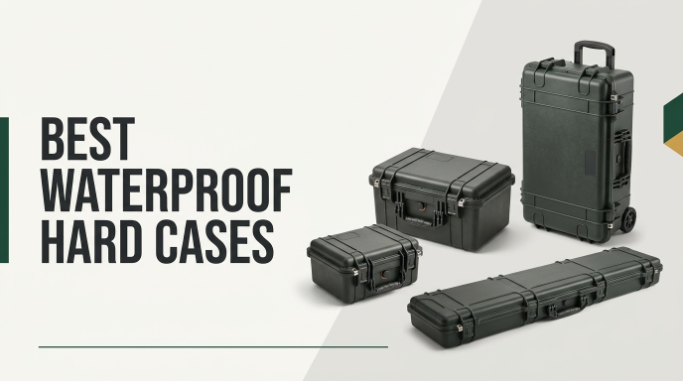
Choosing the right waterproof hard case in 2026 means balancing protection, size, foam customization, and portability against your specific gear. We compare 10 standout options across compact camera boxes, mid-size drone cases, and rolling travel-grade shells, focusing on IP ratings, sealing quality, latch security, foam layout, and everyday value for photographers, hobbyists, and field professionals.
Not every case suits every job. A compact pick-and-pluck box works well for a mirrorless kit or handheld tools, while a wheeled IP67 shell makes more sense for heavy drones or professional gear on long trips. Understanding these distinctions upfront prevents buying a case that is either too small or overkill for your actual needs.
This guide covers models from Pelican, VEVOR, K&F Concept, Monoprice, MEIJIA, HUL, CASOMAN, and Jack Boss. Each review explains the practical tradeoffs, from pressure-equalization valves and lock hasps to foam density and shell material, so you can match a case to your gear, your travel style, and your budget.
We compared 10 waterproof hard cases using the details that matter for real gear protection: IP rating, seal quality, shell material, latch and lock design, foam customization, interior dimensions, portability features like wheels and handles, pressure equalization, owner feedback, and overall value. The notes focus on practical tradeoffs so each pick connects to how people actually pack, transport, and protect cameras, drones, and sensitive equipment in the field.

Compare key features, scores, and current prices side by side. A shorter feature list means fewer details were available, not necessarily fewer capabilities.


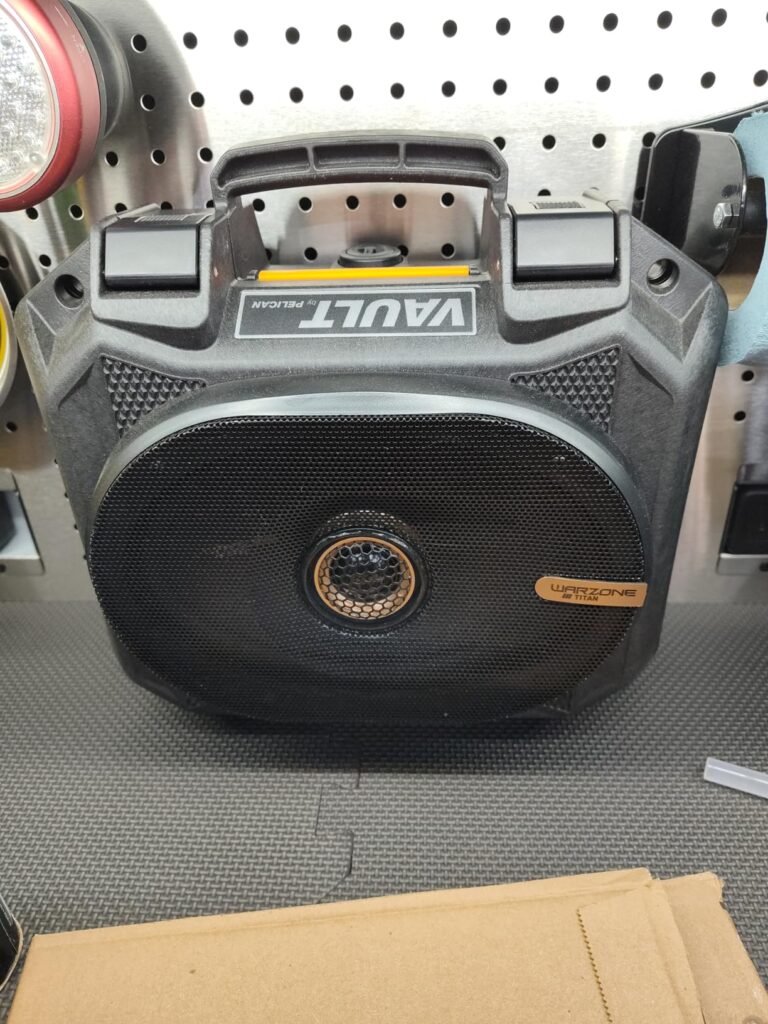
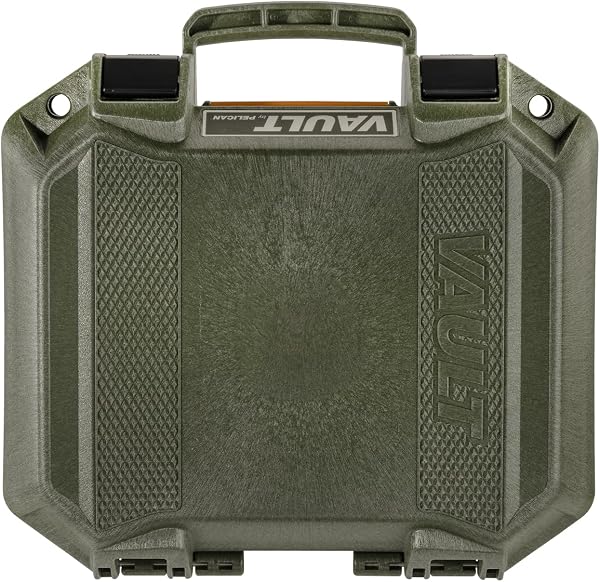
The Pelican Vault V100 brings the trusted Pelican name into a more affordable price bracket while retaining the core traits that made the brand a fixture with photographers, law enforcement, and industrial users. The crushproof high-impact polymer shell, heavy-duty handles, and stainless steel lock hasps set it apart from cheaper cases that use lower-grade hardware prone to bending or corroding.
We may earn a commission when you buy through this link, at no additional cost to you.
Protection focuses on impact and weather rather than deep submersion. The sealed design keeps out moisture and dust for long-term storage or travel in variable conditions. The standard-density foam is designed to be cut for a custom fit, letting you shape precise cutouts for cameras, pistols, drones, or specialized electronics. The 12.28 by 12.03 by 5.16-inch exterior yields an 11 by 8 by 4.5-inch interior, which works well for compact camera systems or handgun kits.
Owner ratings of 4.9 reflect the reliability that Pelican has built its reputation on over decades. Push-button latches operate smoothly and consistently, hinges resist wear, and the overall build quality holds up to years of hard use. If you have owned a Pelican before, the V100 delivers the same familiar experience at a more accessible price.
Lock hasps get abused: they are pulled, forced, and often exposed to moisture. Cheap zinc or plated steel hasps can bend under pressure or corrode with salt exposure, eventually rendering the case unlockable. Stainless steel resists both problems, which matters for anyone using a case for years in demanding conditions.
For buyers who want brand-name reliability, long service life, and a name that carries weight when insurance claims or professional accountability matter, the Vault V100 is the safe, sensible choice. It sacrifices some of the underwater-rated sealing of premium Pelican Storm and Air lines, but for the vast majority of protective use cases, that trade delivers substantial savings without meaningful compromise.
Not the right choice for buyers who need a fully submersible IP-rated case for underwater or extreme wet environments.
We may earn a commission when you buy through this link, at no additional cost to you.
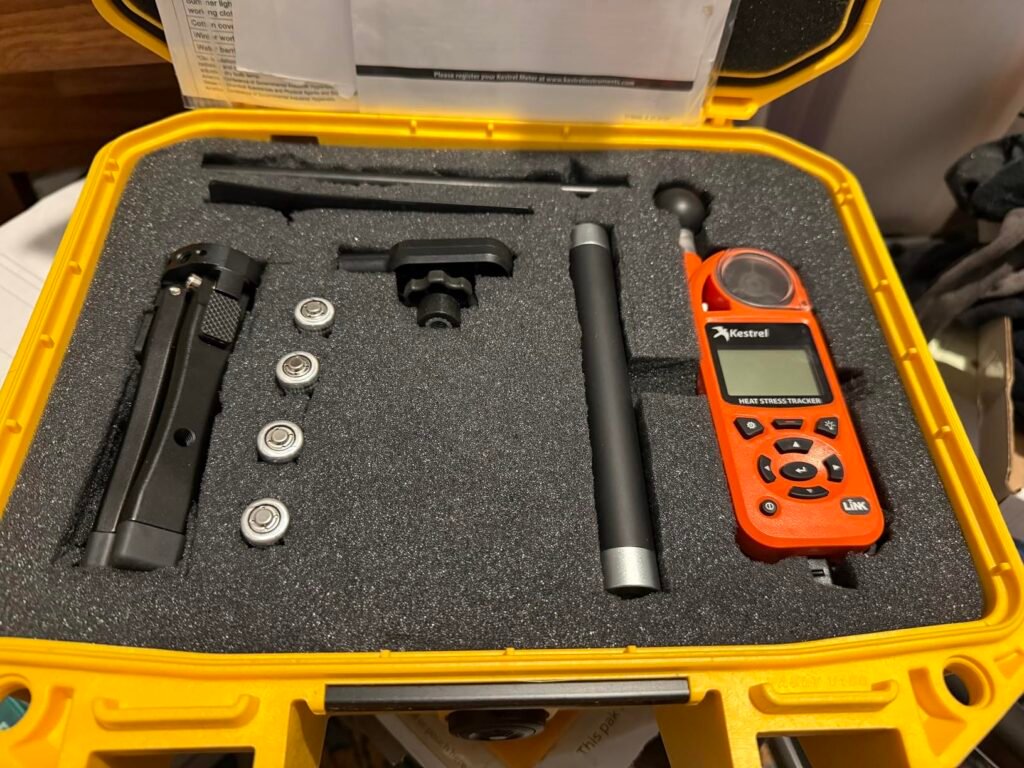
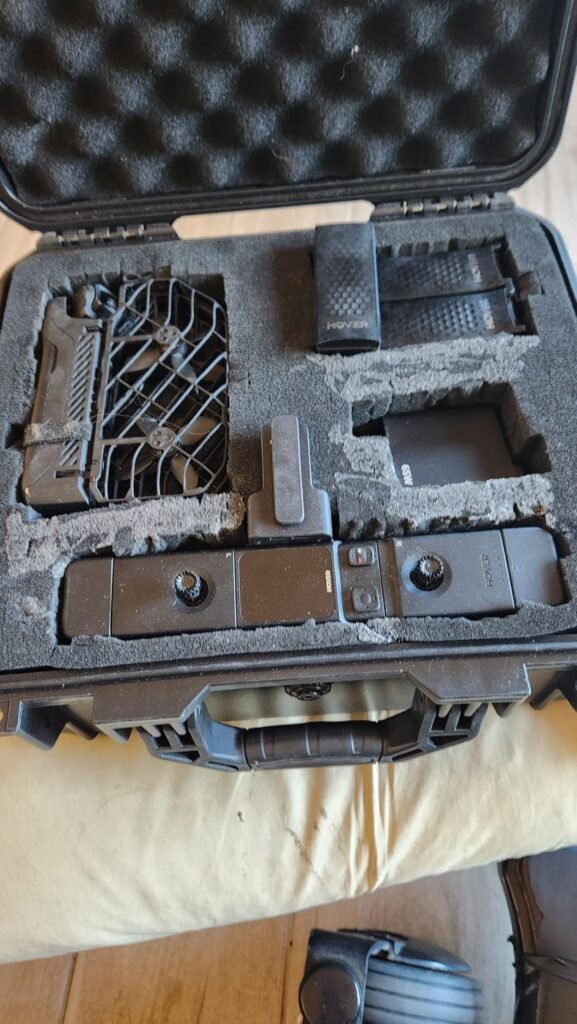
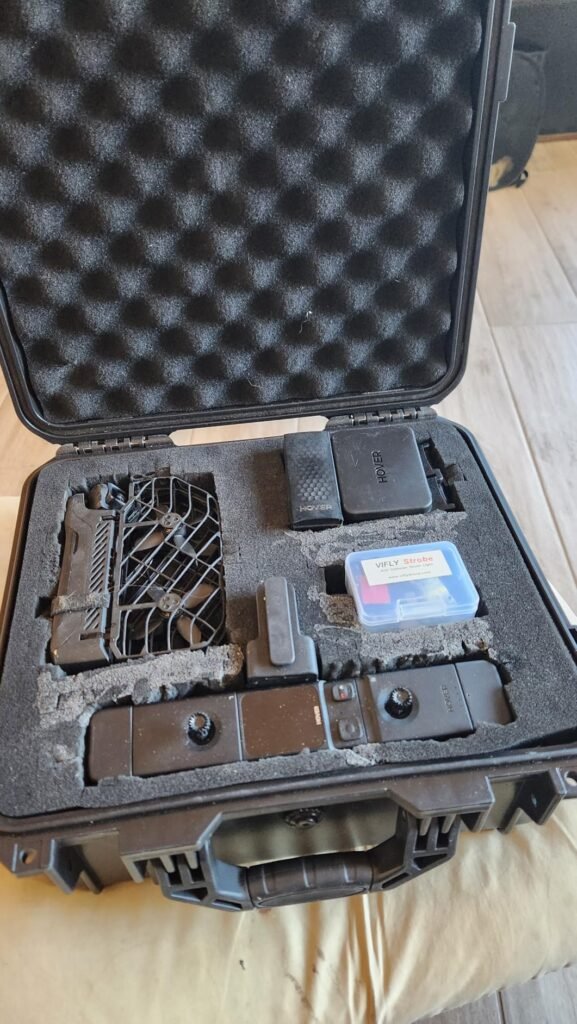
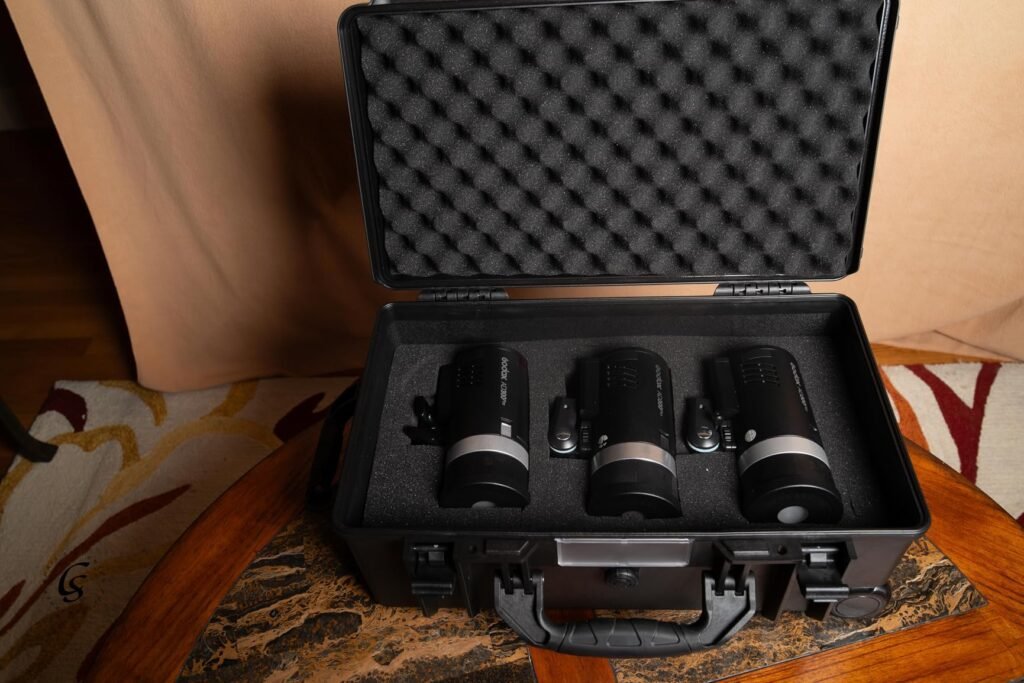
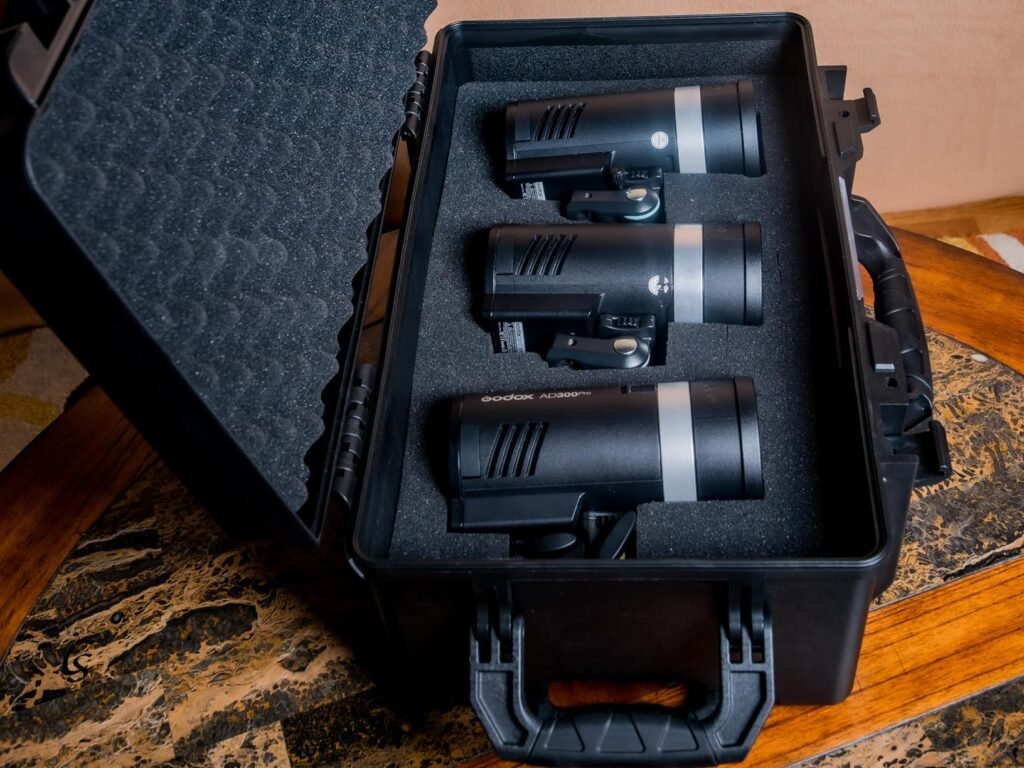
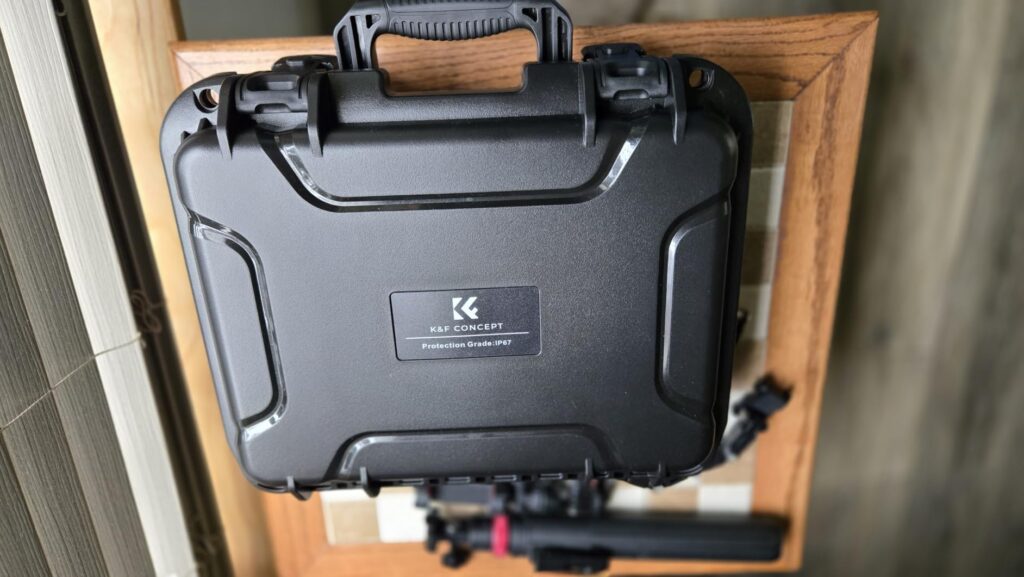
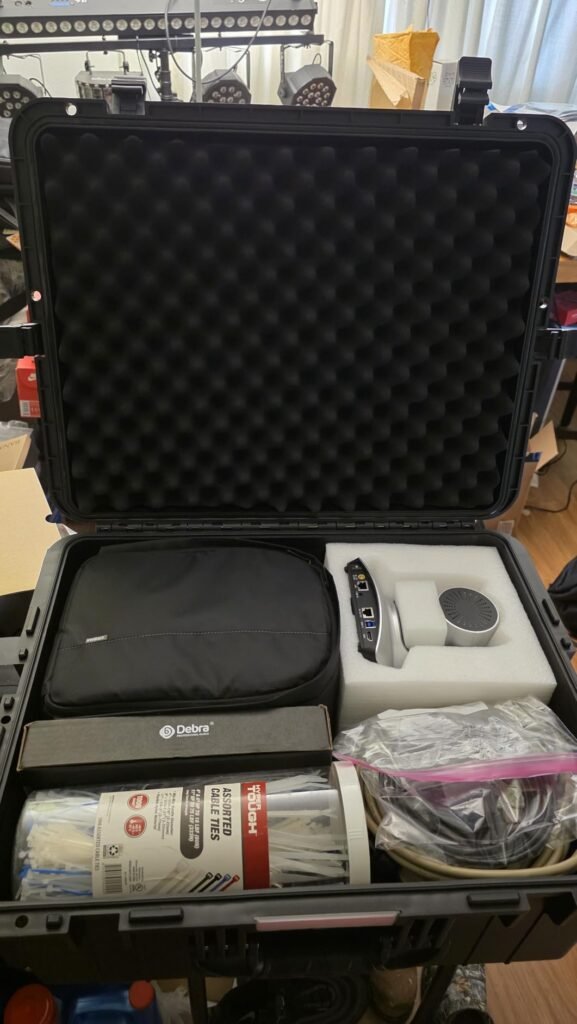
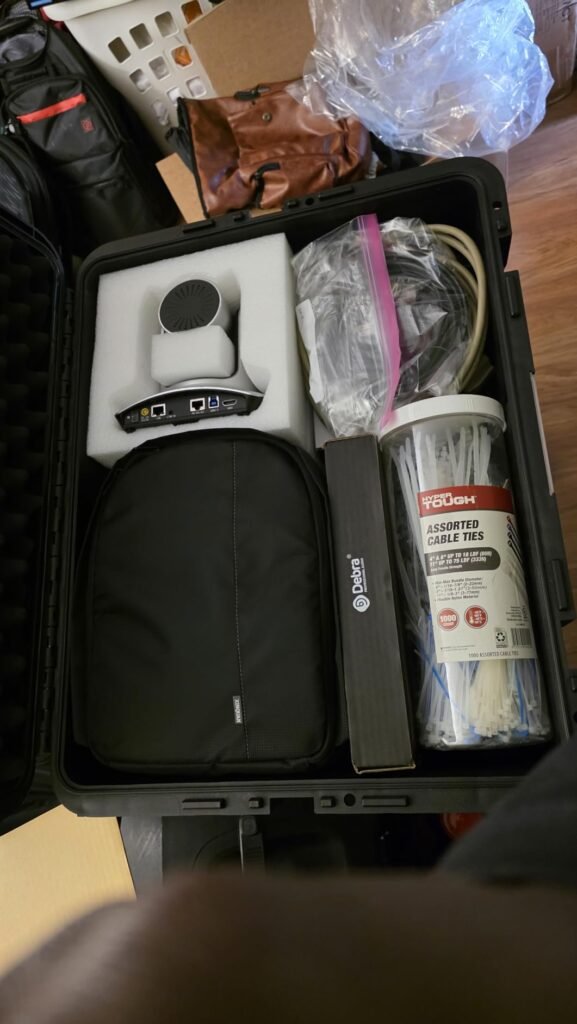
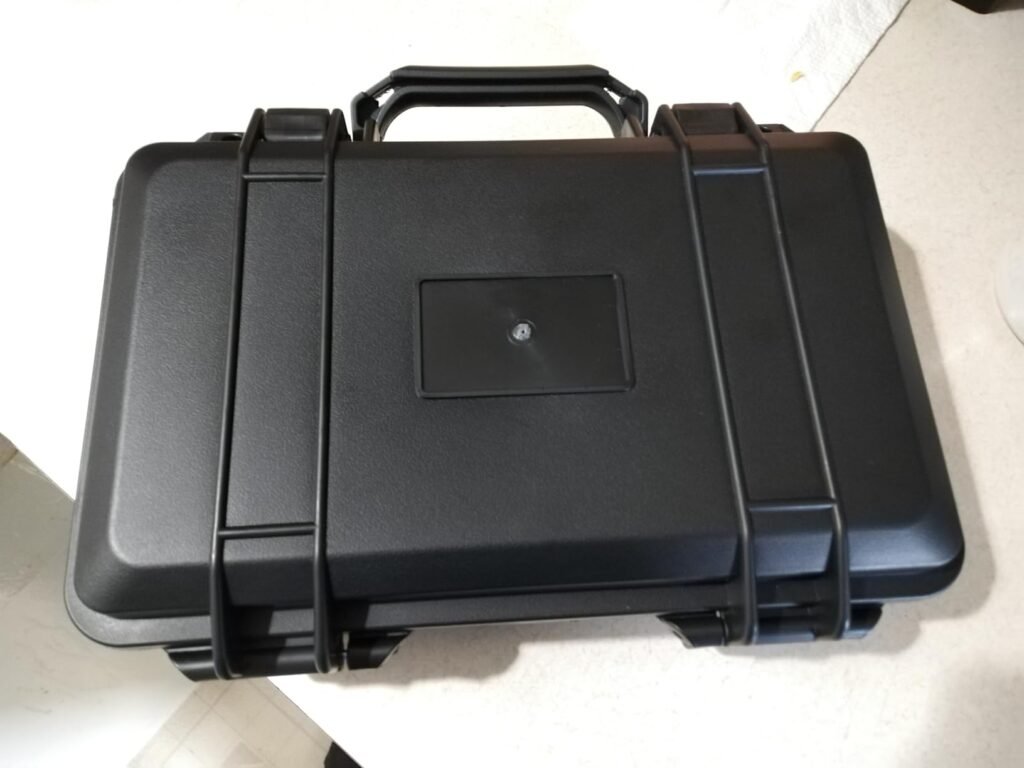
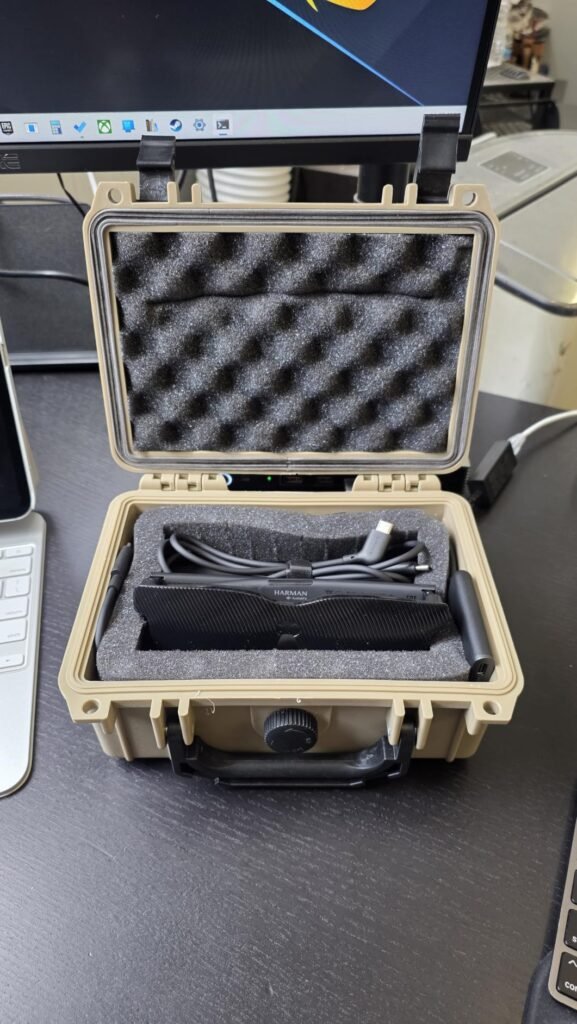
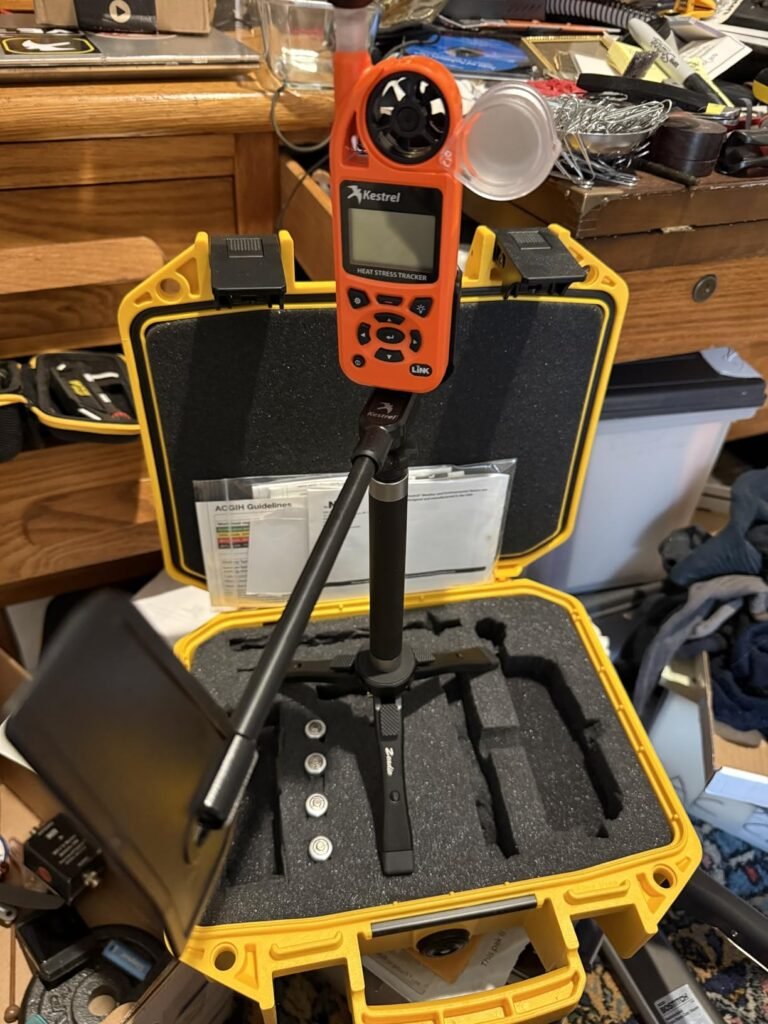
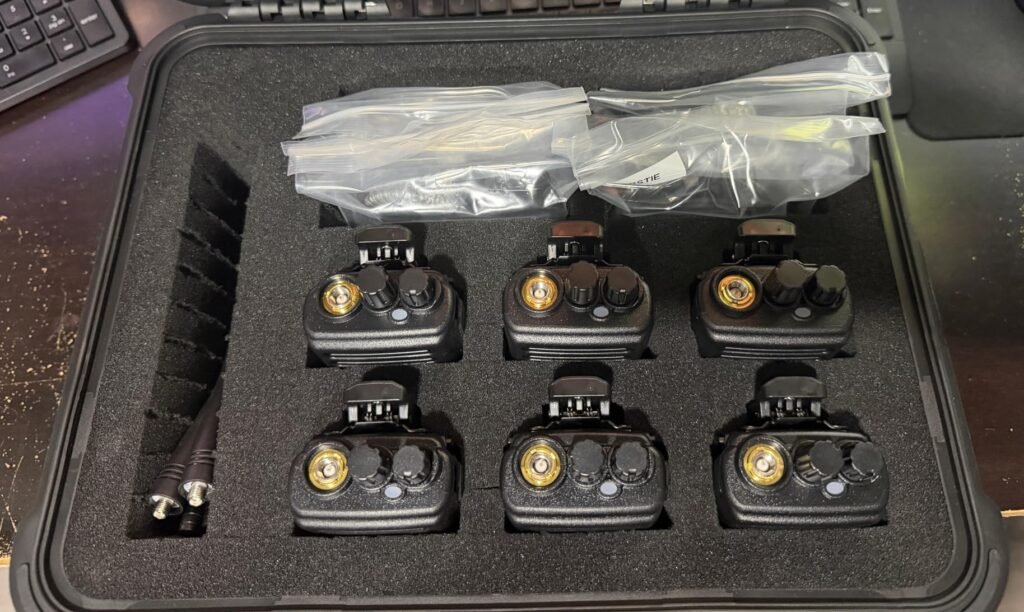
The Jack Boss camera case sits in a practical middle ground for photographers and drone pilots who want serious protection without moving up to a rolling travel case. With outside dimensions of 13.6 by 11.4 by 6 inches and roughly 12 by 9 inches of interior space, it comfortably holds a mid-size DSLR or mirrorless body with a couple of lenses, or a folding drone with controller and spare batteries.
We may earn a commission when you buy through this link, at no additional cost to you.
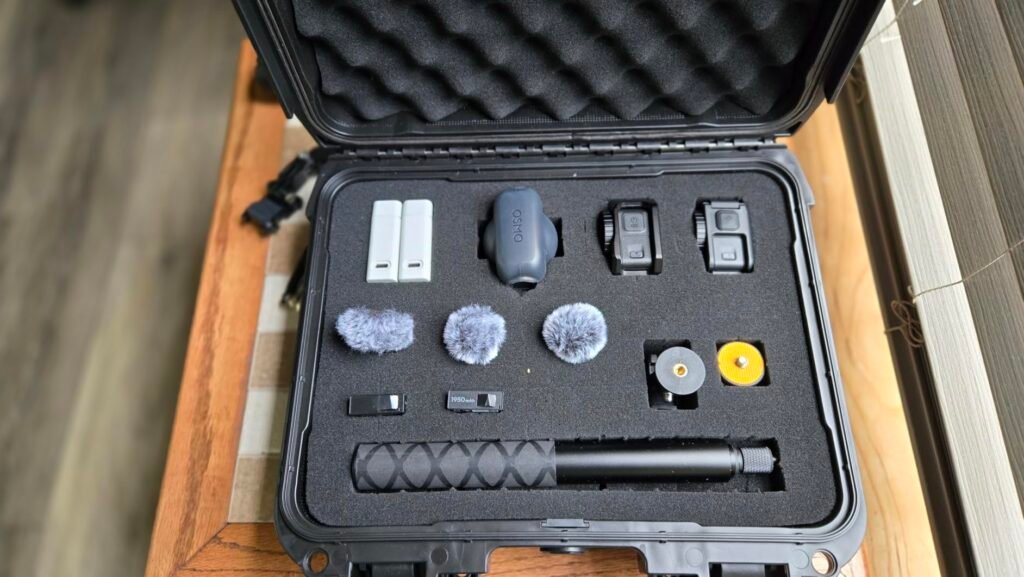
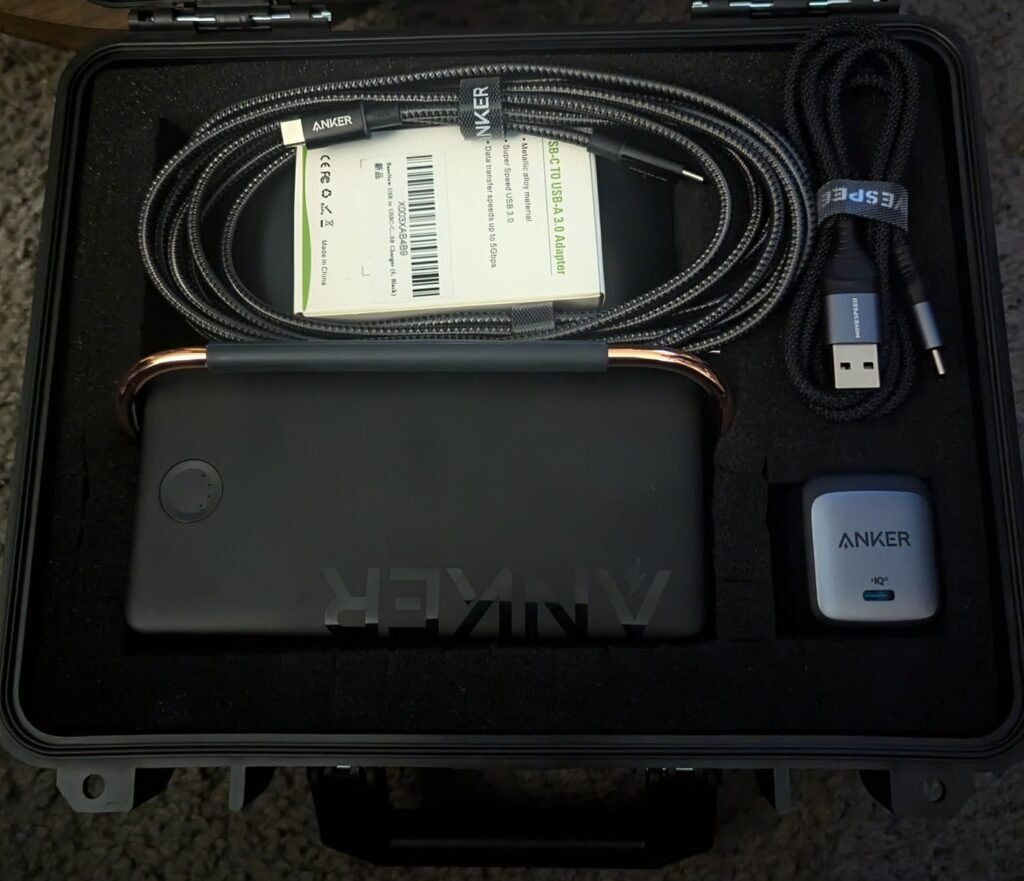
The waterproof seal and rigid shell handle the essentials of protection well. Rain, splashes, and dust are kept out during outdoor shoots, while the hard exterior resists the everyday impacts of throwing a case into a trunk or checking it under a plane seat. The customizable foam insert lets you carve out precise cutouts for each item, which keeps expensive glass from shifting around during transit.
Practically, this is a case you carry by its handle rather than roll behind you. That makes it a good match for shoots where you cover moderate distances on foot, load in and out of a vehicle, or store gear on a shelf between jobs. The trade for skipping wheels is a smaller footprint that fits more easily into overhead bins and closet storage.
Before plucking any foam, lay all your gear on top of the insert and outline each item with a marker. Leave at least a half-inch of foam between cutouts so walls do not tear or compress over time. Group frequently used items near the top so you can grab them without unpacking everything else.
For serious travelers hauling large kits across airports, a wheeled case makes more sense. For photographers, real estate shooters, and drone hobbyists who need a rugged, mid-size protective home for their gear, the Jack Boss delivers strong value with room to grow into as your kit expands.
Not ideal for travelers hauling heavy loads long distances who need built-in wheels and a telescoping handle.
We may earn a commission when you buy through this link, at no additional cost to you.
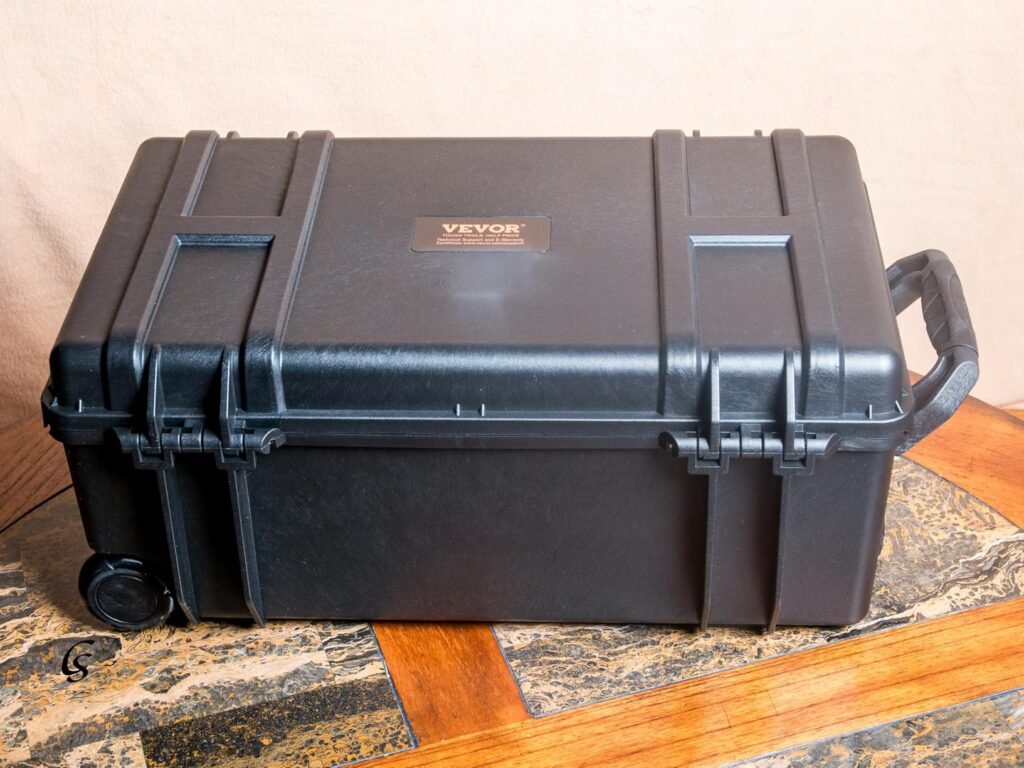
The VEVOR mid-size rolling case brings features usually associated with premium travel cases to a more accessible price point. The polycarbonate PP shell holds an IP67 rating, meaning it is sealed against dust and can handle short submersion, which is exactly the kind of protection you want if your work takes you to beaches, muddy job sites, or humid tropical locations.
We may earn a commission when you buy through this link, at no additional cost to you.
Two design details make a real practical difference here. The O-ring seal and automatic pressure equalization valve handle altitude changes during flights or long drives through the mountains, preventing the lid from becoming stuck after landing. The padlock hole combined with the standard latch lock provides genuine theft deterrence, which matters when a case sits in a hotel room or checked baggage.
The pre-cut foam is a mixed feature depending on your kit. If your gear happens to fit the existing cutouts, setup is instant and you can start using the case immediately. If your items are odd shapes or unusual sizes, you may find yourself wishing for pick-and-pluck foam that allows fully custom layouts. Buyers should look at the foam configuration before purchasing.
IP67 certification means the case is fully protected against dust and can survive brief immersion in water up to about one meter for thirty minutes. For most users, this translates to peace of mind during heavy rain, accidental splashes, or brief drops into shallow puddles. It does not mean the case is suitable for underwater use during dives.
For travelers who need wheeled portability with real waterproof credentials, this VEVOR model is a strong middle-ground choice. It costs less than premium brand-name rolling cases while delivering the sealing, structure, and mobility that field photographers, hunters, and equipment operators actually use every day.
Not the right choice for buyers whose equipment shapes conflict with the pre-cut foam layout and who need fully custom cutouts.
We may earn a commission when you buy through this link, at no additional cost to you.
The Monoprice Pure Outdoor case is built for buyers who need to protect larger equipment loads. With outside dimensions of 22 by 14 by 8 inches and roughly 1497 cubic inches of usable volume inside, it accommodates full DSLR bodies with multiple lenses, larger drones with accessories, audio recording rigs, or bulky test equipment that simply will not fit in compact cases.

We may earn a commission when you buy through this link, at no additional cost to you.
The IP67 rating and shockproof construction match what you would expect at this size class. The shell is also treated to resist ultraviolet degradation, which matters if the case sits in direct sun for long periods, on boat decks, in truck beds, or at outdoor shoots. Over time, untreated plastics can become brittle and fade, so UV resistance extends the practical service life.
The customizable foam insert is essential for a case this size, because a large interior with poorly organized gear can turn into a shifting mess during transport. Taking time to carefully plan cutouts pays off in both protection and quick access. The Pure Outdoor design also offers padlock provisions for security when the case is out of your immediate control.
A quick way to check if a case is the right size is to measure your largest single item plus about 20 percent for foam padding on all sides. Then add space for accessories, cables, batteries, and small tools you carry together. If your total exceeds the interior volume of a smaller case, sizing up to something like the Monoprice avoids the frustration of leaving items behind.
This case is best for buyers whose gear genuinely needs the space. Buying oversized for a small kit results in equipment sliding around inside a mostly empty case, which defeats the purpose. For professionals with production-scale equipment or hobbyists with expanding collections, the Monoprice Pure Outdoor provides the volume, protection, and durability that smaller cases cannot match.
Not suitable for photographers with compact mirrorless kits who would end up with mostly empty case space.
We may earn a commission when you buy through this link, at no additional cost to you.
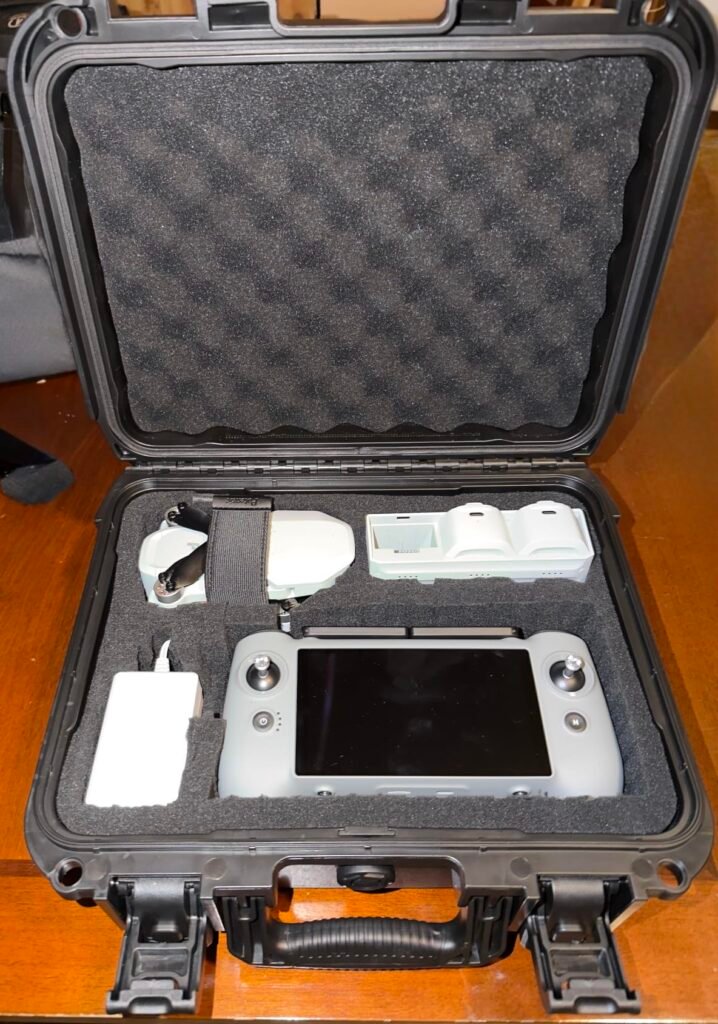
The K&F Concept IP67 case earns its high owner ratings by delivering premium-style features at a mid-range price. Its two-layer pick-and-pluck foam system is the standout benefit, giving you both a top layer that supports lens hoods, small accessories, and cable coils and a bottom layer that holds the main body and larger items. This layered approach uses interior space far more efficiently than a single deep foam block.
We may earn a commission when you buy through this link, at no additional cost to you.
Structural protection is also strong. The reinforced frame and thickened shell resist drops from about one meter, and the two-stage latch adds a second click that prevents the case from popping open if bumped or jostled. The IP67 seal protects against dust and short water exposure, so field use in rain or dusty environments does not require a second protective bag.
The reinforced integrated hinge deserves a mention because it is a common failure point on cheaper cases. When a hinge fails, the entire case becomes awkward to use, so a well-built hinge is worth paying for. Combined with the premium PP material, this case feels closer in build quality to more expensive brand-name equivalents.
Use the shallower top foam for items you access frequently, such as memory cards, cleaning cloths, filters, or a spare battery. Reserve the deeper bottom layer for camera bodies and lenses, which need more surrounding padding. This arrangement keeps everyday items reachable without unpacking your main gear.
At about 4.5 pounds empty, it is a substantial box, so anyone hauling it long distances by hand will notice the weight. For photographers, drone pilots, and gear owners who want durable, well-organized protection without paying premium-brand prices, the K&F Concept IP67 offers one of the best overall value propositions in this guide.
Not ideal for travelers who need built-in wheels for airport transport or long walking distances.
We may earn a commission when you buy through this link, at no additional cost to you.
The VEVOR large rolling case is aimed at users who need to move serious amounts of gear through demanding environments. With 2.5 to 3 cubic feet of interior storage, it easily holds full production kits, multiple drones with accessories, large lens collections, or specialized tools that would never fit in a mid-size case.

We may earn a commission when you buy through this link, at no additional cost to you.
The engineering focuses on practical field use. The IP67 rating handles rain, splashes, and dust, while the automatic pressure equalization valve prevents the pressure differential problems that can lock a large sealed case shut after air travel or drives through mountain passes. The double-layer anti-theft design combines a padlock hole with a push-latch lock, providing both security and confidence that the case will not pop open in transit.
Mobility is well handled with wheels and an extendable pull handle for airport-style rolling, plus comfortable soft-grip side handles for lifting into vehicles or up stairs. Empty, the case is manageable to move, but with gear packed inside, its weight and size demand attention. Check airline dimensions before flying, as this size class often falls into oversized baggage territory.
Before flying with any large hard case, verify current airline size and weight limits for checked baggage. Cases in this size class often push into oversized fees on certain carriers. Weighing your fully loaded case in advance also prevents surprises at the counter and helps you decide whether to redistribute gear across multiple bags.
For hobbyists with small kits, this case is significantly more than needed. For working professionals, expedition photographers, and anyone regularly transporting large equipment loads through variable conditions, the VEVOR large rolling case delivers protection and mobility that mid-size boxes simply cannot match.
Not suitable for casual users or hobbyists whose kits fit easily inside compact camera cases.
We may earn a commission when you buy through this link, at no additional cost to you.
The CASOMAN 11.5-inch box is a smart entry point for buyers who need basic waterproof protection without spending a lot. Despite its accessible price, it includes core features that matter: IP67 sealing, a pressure release valve, and a customizable DIY foam insert. For protecting a compact camera, a set of tools, a two-way radio, or small electronic instruments, this level of protection is often all that is required.

We may earn a commission when you buy through this link, at no additional cost to you.
The PP construction is thickened enough to survive normal drops and impacts, and the pressure valve prevents air pressure differentials from locking the case shut after temperature or altitude changes. The new latch design adds convenience for frequent opening, while the extra keyhole provides basic security when needed. These are the same fundamental features found on much more expensive cases.
Interior space is the main trade. At 11.6 by 8.3 by 3.6 inches on the outside, the interior is best suited to relatively flat or small items. A compact mirrorless camera with a small lens fits, as do handheld tools, a first aid kit, or fishing tackle. Deeper items or gear with tall vertical dimensions may not fit at all.
Not every item requires premium protection. A backup camera, older accessories, or emergency kit gear often does not justify a hundred-dollar case. A budget IP67 case protects value-appropriate items at a value-appropriate price, letting you save your premium cases for the equipment that truly warrants them.
For buyers on a budget or those needing multiple cases for different items, the CASOMAN offers real IP67 protection at a fraction of the cost of premium options. Just verify your gear dimensions before ordering to confirm it fits the shallower interior profile.
Not suitable for tall or bulky gear that requires deeper interior space than this shallow-profile case provides.
We may earn a commission when you buy through this link, at no additional cost to you.
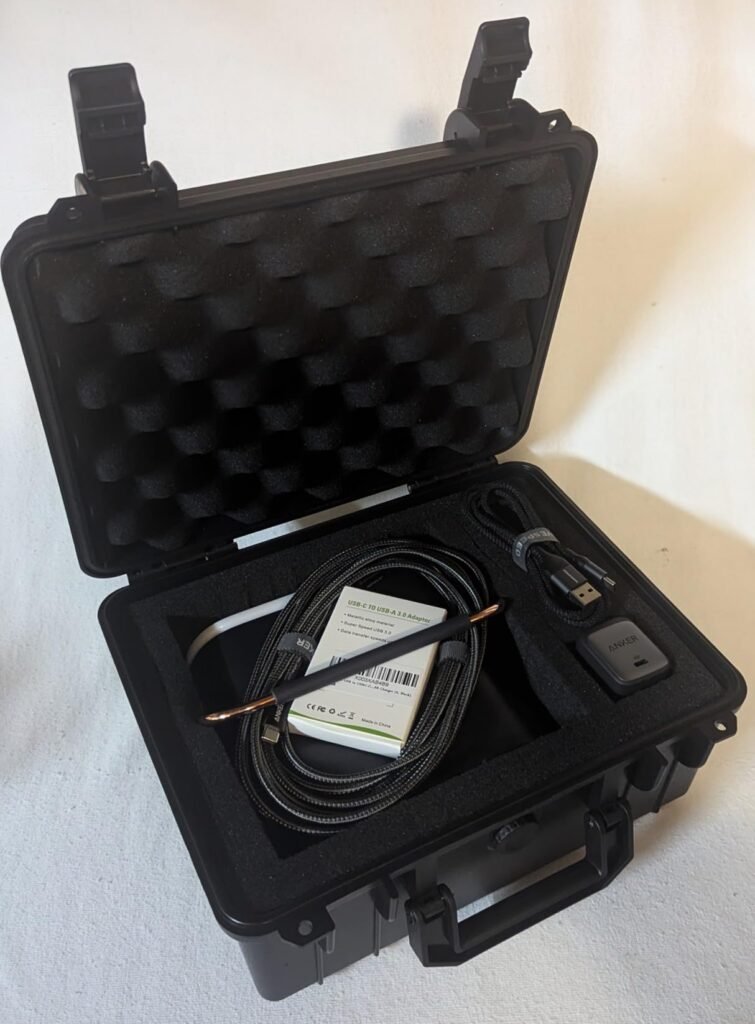
The HUL 11-inch case is designed for buyers who need to protect smaller items like test instruments, compact cameras, drones, or hand tools. At about 2 pounds empty and with 10 by 8 by 4.5-inch interior dimensions, it hits a sweet spot for electricians, HVAC technicians, service professionals, and hobbyists who need reliable protection for a specific set of tools or a small camera.
We may earn a commission when you buy through this link, at no additional cost to you.
The rubber gasket around the lid provides an airtight and watertight seal, which is the fundamental barrier that keeps moisture, dust, and debris away from sensitive equipment. Pick-and-pluck foam lets you create a custom interior layout, which is especially useful for tool kits where each item needs its own defined spot to prevent damage and keep everything organized.
The two padlock holes are a practical detail for anyone who leaves gear in shared workspaces, service vehicles, or job sites. Combined with the fold-down handle that keeps the case tidy in storage, these features add up to a case that fits comfortably into daily professional workflows without unnecessary bulk.
Small hard cases shine for specialty items: a multimeter and probes, a set of jeweler’s tools, an action camera kit, or a portable audio recorder. Trying to store these items in a full backpack or drawer often leads to lost accessories or damaged components. A dedicated compact case keeps everything together, protected, and ready to grab in a moment.
This is not a premium waterproof case aimed at deep submersion or extreme conditions, and it does not emphasize pressure equalization for air travel. For most tool and small camera protection needs, however, the HUL offers a well-sized, well-priced solution that meets everyday demands without the cost or bulk of larger, more specialized cases.
Not suitable for large DSLR kits with multiple lenses or bulky drones that exceed the compact interior dimensions.
We may earn a commission when you buy through this link, at no additional cost to you.
The MEIJIA 11.65-inch case is aimed at photographers and hobbyists with mid-size compact kits who want serious protection without the bulk of larger cases. At about 2.10 pounds empty and just under 12 inches long, it fits easily into backpacks, carry-on luggage, or vehicle storage while still holding a mirrorless body with one or two lenses, or a folding drone with accessories.

We may earn a commission when you buy through this link, at no additional cost to you.
The IP67 rating and included pressure release valve address the two most common complaints with cheap waterproof cases: water intrusion during heavy rain and lids that stick shut after air travel. The pressure valve equalizes internal pressure without letting moisture in, keeping the case sealed but easy to open when you land or descend from altitude. Double-throw latches add a secure closure that resists accidental opening.
The pick-and-pluck foam interior allows precise custom layouts for whatever kit you carry. The soft handle keeps carrying comfortable for reasonable distances, though for very long hauls a shoulder strap or bag would still be more comfortable. The compact size makes it particularly good for travel photographers who cannot afford excess bulk in their carry-on setup.
Sealed cases can develop significant pressure differentials when moved between altitudes. Without a way to equalize, the lid can stick tightly enough that opening requires serious effort. A pressure release valve automatically balances the internal and external pressure while blocking water and moisture, letting you open the case smoothly after any journey.
For serious travelers with large kits, a bigger case is inevitable. For photographers, drone pilots, and hobbyists with focused, mid-size setups who prioritize portability alongside protection, the MEIJIA 11.65-inch delivers the right balance of features, size, and weight at a fair price.
Not deep enough for tall camera bodies with attached vertical grips or oversized battery grips.
We may earn a commission when you buy through this link, at no additional cost to you.
The MEIJIA 8.12-inch orange case is the smallest option in this guide, designed for buyers who need serious protection for genuinely compact items. Weighing just 1.43 pounds and small enough to slip into most day bags, it works for action cameras, small drones, wireless microphones, GPS units, medications, or any similar valuables that need weather protection in a portable format.

We may earn a commission when you buy through this link, at no additional cost to you.
Despite its size, this case includes the same core features found on larger MEIJIA models: an IP67-rated seal against water and dust, a pressure release valve to prevent stuck lids after altitude changes, and double-throw latches for a secure closure. The customizable pick-and-pluck foam interior lets you create precise cutouts for whatever specific items you carry.
The bright orange exterior is a functional choice beyond aesthetics. High-visibility colors make a small case easy to spot in a car trunk, on a boat deck, or in a cluttered bag. This matters more than expected when the case holds an easily misplaced item like a wireless mic transmitter or a small medical kit. A padlock hole adds basic security for shared or public environments.
High-visibility colors like orange help prevent lost cases in the field, especially outdoors where black blends into shadows and gear piles. If your case travels to boats, campsites, or job sites, a bright color pays off by making the case easy to locate at a glance.
For photographers with full DSLR kits, this case is too small. For anyone protecting a genuinely compact item that would rattle around in a larger case, the MEIJIA 8.12-inch delivers professional-grade sealing in the smallest reasonable form factor at a very approachable price.
Not large enough for DSLR bodies, mid-size drones, or gear collections that exceed the compact interior dimensions.
We may earn a commission when you buy through this link, at no additional cost to you.
Picking the right protective case starts with a clear understanding of what you are protecting, where you will use it, and how you will transport it. The best case for a travel photographer is very different from the best case for a service technician or a weekend drone hobbyist.
Ingress protection ratings, commonly written as IP followed by two digits, describe how well an enclosure resists solids and liquids. For hard cases, IP67 is the most common target. The 6 means fully dust-tight, and the 7 means the case can survive brief immersion in water up to about one meter for thirty minutes. Models like the VEVOR rolling cases, K&F Concept case, and both MEIJIA options carry IP67 ratings, meaning rain, splashes, and accidental drops into shallow water should not compromise your gear.
Sealing quality also depends on the O-ring or rubber gasket that runs along the lid. Cheap cases use thin or inconsistent gaskets that can develop gaps over time. Better cases use continuous molded O-rings that maintain even pressure across the entire lid perimeter. The HUL case, for example, uses a full rubber gasket for its airtight seal, which is the same principle used in premium cases at higher prices. Inspect the gasket for cuts, debris, or compression damage before each use.
For most users, IP67 is sufficient. If your work truly involves underwater use, look specifically for cases marketed for diving or continuous submersion, which is a separate category.
Interior dimensions matter more than exterior dimensions when deciding on a case. A case with impressive outside measurements may still have limited usable interior space once wall thickness is accounted for. Always check the listed interior dimensions and compare them to your largest single item plus roughly a half-inch of foam on each side. For a mid-size DSLR with a standard zoom lens attached, that typically means an interior at least 10 to 12 inches long and 3.5 to 5 inches deep.
Foam systems come in three common varieties. Pick-and-pluck foam is scored into small cubes that you remove by hand to create custom cutouts. Pre-cut foam has predefined slots for specific equipment and works well only if your gear matches those cutouts. Two-layer foam systems, like the K&F Concept model, combine a shallow top layer for small accessories with a deeper bottom layer for main equipment, using vertical space more efficiently.
If your kit is fixed and unusual, prioritize pick-and-pluck for full custom layouts. If your kit is standard, pre-cut foam saves setup time. For mixed kits with lots of small accessories, two-layer systems offer the best organization.
The shell material determines both weight and impact resistance. Most quality hard cases use polypropylene or polycarbonate polymer blends. Polypropylene offers good general durability and flex resistance at reasonable weight, while polycarbonate blends provide higher rigidity and impact strength. Premium options like the Pelican Vault V100 use high-impact polymer specifically formulated for crushproof performance, which matters when a case might sit under other luggage or gear.
Drop ratings, when provided, offer a useful benchmark. The K&F Concept case is rated for drops from about one meter, which represents realistic real-world scenarios like dropping the case off a truck tailgate or a stack of gear. Cases without drop ratings should not be assumed to withstand major impacts, though most quality hard cases handle everyday bumps and short drops without issue.
For fieldwork in demanding environments, prioritize crushproof polymer shells and cases with published drop ratings. For garage or studio use, standard PP shells provide adequate protection at lower cost.
How you plan to move the case determines whether wheels and telescoping handles are essential or unnecessary. Small cases under about 15 inches in exterior length are usually fine with a single carry handle. Once cases exceed roughly 18 to 20 inches or when packed weight climbs above 20 pounds, wheels and a pull handle transform the transport experience, particularly in airports, hotels, or across long parking lots.
Consider handle placement and comfort as well. Soft-grip side handles ease the process of lifting a heavy case into a vehicle or onto shelving. Fold-down handles on smaller cases like the HUL model keep the case tidy for storage. On rolling cases, look for telescoping handles with multiple height stops so users of different heights can find a comfortable pulling angle.
For airport travel or long-distance transport, rolling designs like the two VEVOR models pay for themselves quickly. For local shoots or short walks, a well-designed grab handle is often lighter and more compact.
Sealed cases behave like small pressure vessels. When you seal a case at ground level and then fly to altitude, the outside pressure drops but the inside pressure stays the same. When you land, the situation reverses. Without a way to equalize, the resulting pressure differential can lock the lid shut so tightly that opening the case requires significant force, and repeated cycles can stress the seal and latches.
Pressure equalization valves solve this problem. They allow air to slowly move in and out to balance pressure differences while blocking moisture and contaminants. Models like both VEVOR cases, the CASOMAN box, and both MEIJIA cases include this feature. For anyone who flies with sealed cases or drives through mountain passes, a pressure valve is not a luxury but a practical necessity.
If you never fly or change altitude significantly, this feature matters less. For frequent travelers, filter your case selection to only those with automatic pressure equalization.
Padlock holes and secure latches serve two purposes: preventing accidental opening in transit and deterring casual theft. Most quality hard cases include at least one padlock provision, and premium options add stainless steel hasps like those on the Pelican Vault V100 that resist bending or corrosion. Some cases, like the VEVOR models, combine a padlock hole with a two-stage latch mechanism for double-layer security.
For airline travel, TSA-approved locks are the safer choice, since standard padlocks can be cut by screeners if inspection is needed. When leaving a case in a hotel room, vehicle trunk, or shared workspace, even a modest padlock significantly raises the effort required to access the contents, which is often enough to deter opportunistic theft.
For high-value gear or professional use, prioritize cases with dual latch mechanisms and quality lock hardware. For personal use in secure environments, standard latch designs are usually sufficient.
When setting up a new case for the first time, take the time to plan your foam layout carefully. Lay all your gear on the foam, mark cutouts with a light pen, and confirm each item has at least a half-inch of foam wall around it before plucking any cubes. Rushing this step often leads to items shifting during transport or foam walls tearing because they were cut too thin. If your case uses pre-cut foam, verify that your specific gear actually fits the intended slots before assuming compatibility.
Maintain the seal by keeping the O-ring gasket clean and free of debris. After trips to sandy or dusty environments, wipe the entire gasket with a damp cloth to remove particles that could compromise the seal on the next closure. Avoid using harsh solvents that could degrade the rubber. Every few months, apply a thin coat of silicone-based O-ring conditioner to keep the gasket supple and prevent it from drying out or cracking. Store the case with the latches unlocked when it is not in use to reduce long-term compression on the gasket.
For long-term care, keep cases out of direct sunlight during storage to prevent UV degradation of the shell material, even on UV-resistant models. If a case gets wet on the outside, dry it thoroughly before packing away, especially around the hinge and latch areas where moisture can cause corrosion on metal components. Periodically inspect latches, hinges, and lock hasps for smooth operation, and address any stiffness or damage promptly to prevent small issues from becoming failures at inconvenient times.
IP67 means the case is fully sealed against dust and can survive brief immersion in water up to about one meter deep for thirty minutes. This covers rain, splashes, and accidental short drops into shallow water. It does not mean the case is suitable for prolonged underwater use or diving. For those applications, look for cases specifically rated for continuous submersion.
Pressure equalization is most critical for air travel and significant altitude changes. If your case stays at similar elevations most of the time, the feature matters less. However, temperature changes can also create smaller pressure differentials, so a valve remains useful even for ground-based use. If your case will ever fly or cross mountain passes, prioritize models with automatic pressure valves.
Pick-and-pluck foam offers full customization for any gear shape, which is ideal for unusual or mixed kits. Pre-cut foam saves setup time if your specific equipment matches the intended cutouts. For most photographers and hobbyists with varied gear, pick-and-pluck provides more flexibility. For standardized industrial or specialty kits, pre-cut foam can be more efficient.
Start by measuring your largest single item, typically a camera body with an attached lens. Add at least half an inch of foam padding on each side. Then account for additional lenses, a battery grip, filters, batteries, memory cards, and cleaning supplies. A mirrorless kit typically fits well in cases around 11 to 14 inches long, while full DSLR kits with multiple lenses often need cases in the 14 to 18-inch range.
Yes, quality hard cases are designed to handle checked baggage handling. Choose a case with a pressure equalization valve to prevent altitude-related sealing issues, and use TSA-approved locks so screeners can inspect the case without cutting your locks. Verify airline size and weight limits in advance, as larger cases can trigger oversized baggage fees on certain carriers.
Quality foam typically lasts many years with normal use. Over time, foam can compress in high-pressure areas, develop tears in thin walls, or lose its resiliency. When foam no longer holds gear securely or shows visible damage, replacement inserts are available for most popular case sizes. Avoid exposing foam to solvents, oils, or extreme heat, which can accelerate degradation.
Premium cases from brands like Pelican typically offer better hardware, more consistent build quality, and longer service life than budget alternatives. For professionals whose income depends on protecting expensive gear, this reliability is worth the premium. For hobbyists with lower-value equipment or occasional use, mid-range cases from brands like K&F Concept or VEVOR offer excellent protection at more accessible prices.
Many hard cases, including the Pelican Vault V100, are designed to accommodate pistols and other firearms. Always follow local laws regarding firearm transport and storage, use appropriate locks, and verify airline regulations before flying with any firearm. The customizable foam interiors of these cases allow secure custom cutouts for handguns, magazines, and accessories.
Wipe the O-ring clean after use in dusty or sandy environments to remove particles that could compromise the seal. Every few months, apply a thin coat of silicone-based O-ring conditioner to keep the rubber supple. Store the case with latches unlocked when possible to prevent long-term compression on the gasket. Replace the O-ring if you notice cracks, gaps, or permanent deformation.
The Pelican Vault V100 stands out as the strongest overall choice for most buyers, combining trusted brand reliability, crushproof polymer construction, stainless steel hasps, and a 4.9-star owner rating in a case that fits mid-size camera kits or pistols comfortably. For anyone who wants long-term dependability from a name backed by decades of professional use, the V100 delivers premium protection at a genuinely accessible price.
For different priorities, the K&F Concept IP67 case offers exceptional value with its two-layer foam system and 1-meter drop rating, the VEVOR large rolling case handles serious professional gear with wheels and full IP67 sealing, and the CASOMAN 11.5-inch box provides real waterproof protection at a budget-friendly price for smaller items. Compact travelers should look at the MEIJIA models for lightweight, well-sealed protection in truly portable form factors.
Start by clearly identifying what you are protecting and how you will move it. Match the interior dimensions to your gear, prioritize IP67 sealing and pressure equalization if you travel by air, and choose a foam system that fits your organizational needs. A well-chosen protective case pays for itself many times over by preventing damage to gear that costs far more than the case itself.