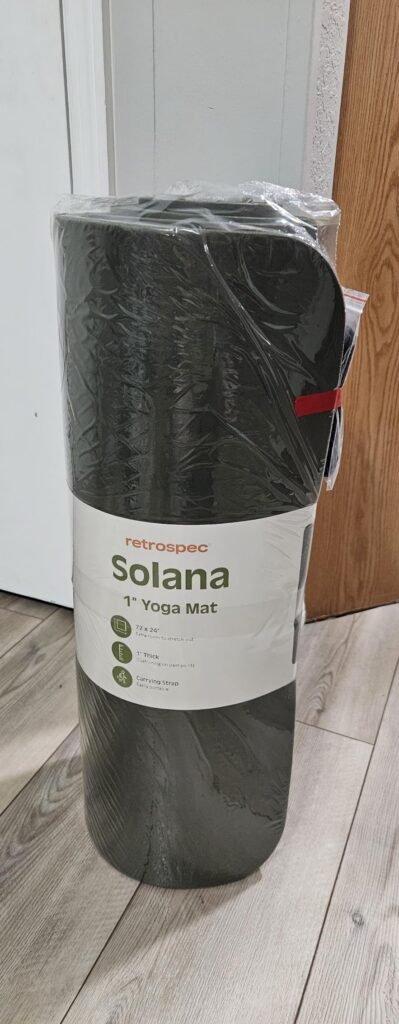
Retrospec Solana 1-Inch
9.0Editor scoreOne-inch thick foam
72×24 inch surface
Non-slip material
BPA-free construction
Find the right thick yoga mats for 2026. We compare 10 standout options by build quality, useful features, owner feedback, value, and everyday trade-offs.

Find the right thick yoga mat for 2026. We compare 10 standout options by the factors that matter most for cushioned practice, including foam density, thickness, surface grip, material safety, dimensions, portability, and real-world comfort on hard floors.
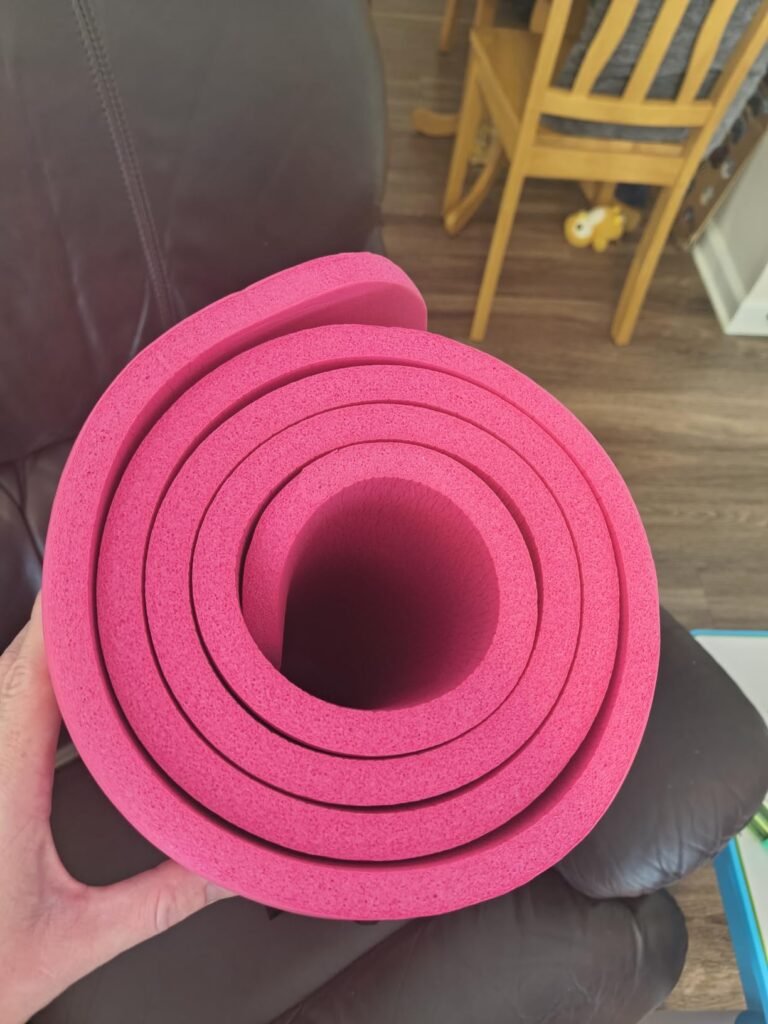
A thicker mat can transform your practice by reducing joint strain on knees, wrists, and hips during floor poses and transitions. The difference between a standard 3mm mat and a 10mm or 1-inch option is immediately noticeable during kneeling poses, supine stretches, and Pilates sequences.
Not every thick mat performs the same way, however. Foam density, surface texture, and material composition all influence how stable you feel during standing balances and how well the mat holds up over months of regular use. This guide breaks down the key trade-offs to help you decide.
We compared 10 thick yoga mats using the details that actually help a buyer decide: foam thickness, material type, surface grip, mat dimensions, weight, chemical safety, durability signals, owner feedback, and overall value. The notes focus on practical trade-offs so each pick feels connected to how people actually practice yoga, Pilates, and floor exercises at home or in a studio.


Compare key features, scores, and current prices side by side. A shorter feature list means fewer details were available, not necessarily fewer capabilities.


The Gaiam 10mm mat is a strong starting point for anyone new to yoga or returning after a long break. Its high-density NBR foam creates a plush barrier between your joints and hard flooring, which makes kneeling poses like Cat-Cow and Low Lunge far more comfortable than they would be on a standard thin mat. If you practice mostly at home on tile or hardwood, the extra padding is immediately noticeable.

We may earn a commission when you buy through this link, at no additional cost to you.
The textured surface provides reliable traction during dry workouts and gentle flow sequences. Because the foam prioritizes softness over firmness, you get excellent shock absorption for floor-based Pilates, stretching routines, and physical therapy exercises. The trade-off is that very soft foam can feel slightly unstable during single-leg standing poses, so practitioners focused on advanced balance work may want a firmer option.
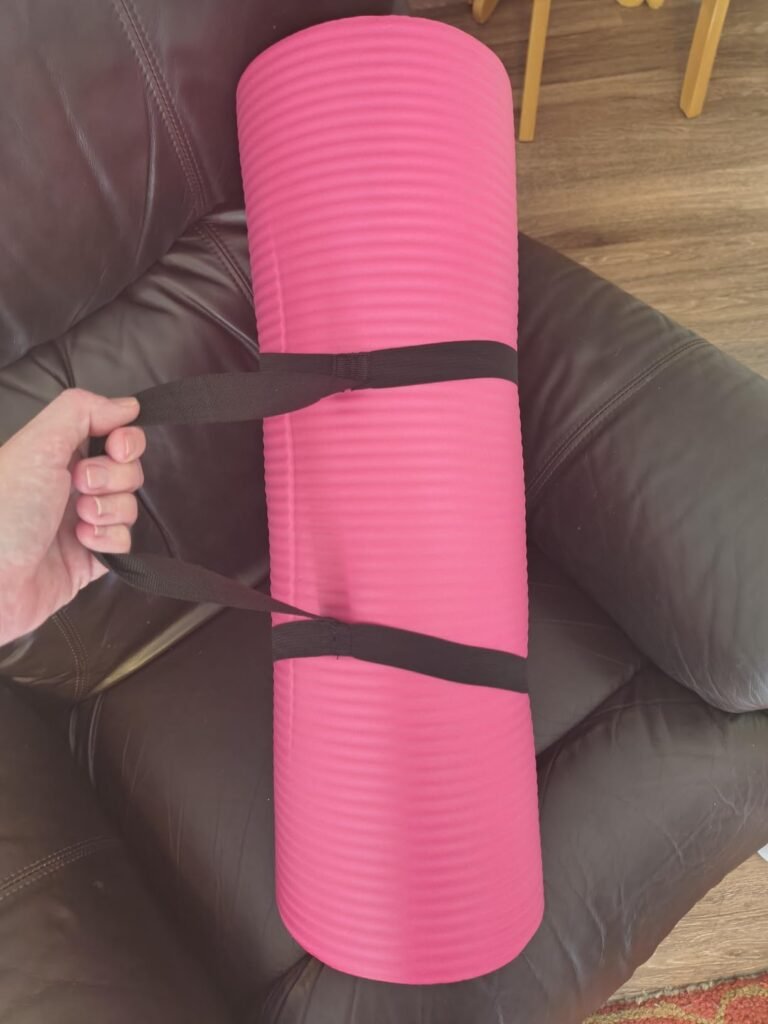
Day-to-day upkeep is straightforward. A quick wipe with a damp cloth is usually all it takes to keep the surface clean after a session. The mat rolls up compactly and ships with an adjustable cinch strap, making it easy to move between rooms or carry to a casual class. Initial foam odor is common with NBR mats and typically dissipates within a day or two of airing out.
Practitioners with sensitive knees, wrists, or hips tend to notice the biggest improvement when switching from a standard 3-5mm mat to a 10mm NBR option. The extra foam depth distributes body weight more evenly across contact points, which reduces the sharp pressure that thin mats can create on bony joints. This makes the Gaiam a practical choice for restorative yoga, prenatal routines, and rehabilitation exercises where comfort takes priority over advanced grip performance.
This mat suits beginners, casual practitioners, and anyone whose primary goal is joint comfort during low-impact floor work. If you need a mat that doubles as a comfortable surface for core workouts, stretching, and gentle yoga on hard floors, the Gaiam 10mm delivers solid value at an accessible price point.
Advanced practitioners who need a firm, stable surface for demanding balance poses and hot yoga sessions.
We may earn a commission when you buy through this link, at no additional cost to you.
The Retrospec Solana 1-inch mat delivers the thickest cushioning in this lineup alongside the Amazon Basics and CAP one-inch models, but it distinguishes itself with a firmer foam feel that helps maintain stability during moderate-paced flows. The 72-by-24-inch footprint covers enough ground for most adult practitioners, and the non-slip surface keeps the mat anchored on wood, tile, and laminate floors.

We may earn a commission when you buy through this link, at no additional cost to you.
What sets this mat apart is the balance between plushness and structure. A full inch of foam absorbs significant impact, which is ideal for anyone dealing with joint sensitivity or recovering from injury. At the same time, the denser composition prevents the mat from bottoming out under sustained pressure, so your knees and elbows stay protected even during longer holds in Pigeon or Child’s Pose.
The Solana is free of phthalates, heavy metals, and latex, which matters for buyers who want to avoid common chemical irritants. Cleaning is simple: a gentle soap-and-water wipe followed by air drying keeps the surface fresh. The included nylon carrying strap makes transport manageable, though the extra thickness does add some weight compared to a standard travel mat.
A one-inch mat provides outstanding joint protection, but the extra height raises your center of gravity slightly during standing poses. If you practice a mix of floor work and standing balances, consider placing the mat on a flat, even surface and taking a few moments to find your footing before transitioning into single-leg postures. The firmer foam density of the Solana helps mitigate this issue better than softer NBR alternatives.
Choose this mat if you want the most cushioning possible without sacrificing too much stability. It works well for home practice, Pilates, stretching, and any routine where floor comfort is your top priority. Practitioners who move quickly through Vinyasa sequences may find the thickness slightly cumbersome during rapid transitions.
Practitioners who need a lightweight mat for daily studio commuting or fast-paced Vinyasa flows.
We may earn a commission when you buy through this link, at no additional cost to you.
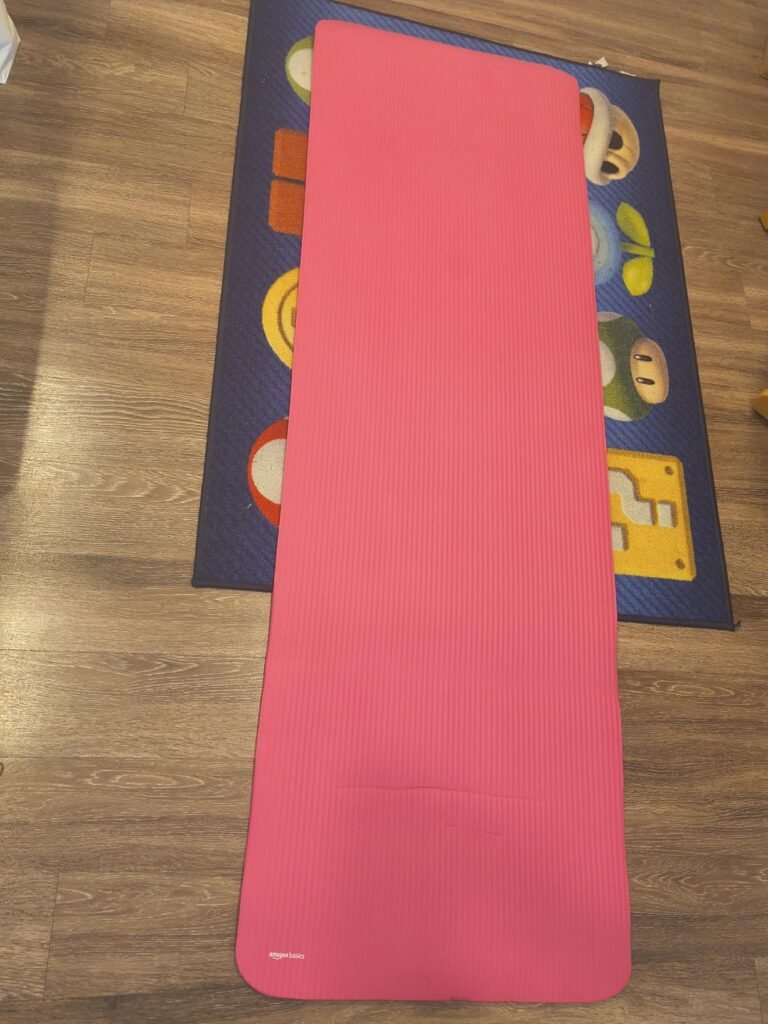
The Amazon Basics one-inch mat uses memory foam rather than standard NBR, which gives it a distinctive feel that molds around your knees, elbows, and spine during floor poses. This conforming quality is especially helpful for practitioners who find that traditional foam creates pressure points even at thicker gauges. The 74-inch length also provides a bit more room than the standard 72-inch mats in this comparison, which taller users will appreciate.
We may earn a commission when you buy through this link, at no additional cost to you.
The textured non-slip surface offers confident grip during dry practice, and the high-density foam construction is designed to maintain its shape over months of regular use. The mat is free of a comprehensive list of phthalates, heavy metals, and latex, making it a reassuring choice for buyers who are cautious about chemical exposure in their fitness gear.
One practical note: the manufacturer recommends unrolling the mat and letting it air out in a ventilated space for at least 48 hours before your first session. This is longer than the 24-hour window some other mats suggest, so plan accordingly if you want to use it right away. Once the initial odor clears, maintenance is straightforward with a damp cloth wipe-down.
Memory foam responds to body heat and pressure by softening and contouring around contact points, which can reduce localized discomfort during long holds. Standard NBR foam, by contrast, provides more uniform cushioning with a bouncier feel. If you tend to hold poses for extended periods or practice Yin yoga, the conforming nature of memory foam may feel more supportive. If you prefer a responsive surface that springs back quickly between movements, traditional NBR may suit you better.
This mat is a strong fit for taller practitioners and anyone who prefers the body-conforming feel of memory foam over traditional NBR. The combination of extra length, one-inch thickness, and thorough chemical safety credentials makes it a well-rounded option for home yoga, Pilates, and general floor fitness.
Practitioners who want a quick-setup mat they can use immediately out of the box without an extended airing period.
We may earn a commission when you buy through this link, at no additional cost to you.
The half-inch Retrospec Solana occupies a practical middle ground between ultra-thick comfort mats and standard thin yoga mats. At 12.7mm, it provides noticeably more padding than a typical 3-5mm mat while remaining thin enough to feel stable during standing poses and faster flow sequences. This makes it a versatile choice for practitioners who mix yoga with Pilates, bodyweight exercises, and stretching.
We may earn a commission when you buy through this link, at no additional cost to you.
The non-slip surface keeps the mat securely in place on most hard flooring, and the firm foam composition prevents the sinking feeling that can occur with softer one-inch mats. You still get meaningful pressure relief for knees and wrists during floor work, but the reduced thickness means your connection to the ground feels more direct during Warrior poses and single-leg balances.
Like its thicker sibling, this Solana model is free of phthalates, heavy metals, and latex. It cleans up easily with mild soap and water and ships with a nylon carrying strap for transport. The 72-by-24-inch dimensions are standard for the category and accommodate most adult practitioners comfortably.
A half-inch mat is often the most practical choice for practitioners who are not dealing with significant joint issues but still want more comfort than a standard thin mat offers. The moderate thickness provides enough shock absorption for kneeling and seated poses while preserving the proprioceptive feedback that helps you maintain balance during standing postures. If you are unsure whether you need a full inch of foam, starting with a half-inch option is a sensible approach.
Choose this mat if you want more cushioning than a basic yoga mat provides but do not want to sacrifice the stability needed for a varied practice. It is particularly well suited for home practitioners who transition between yoga, core work, and stretching in a single session and need a surface that handles all three without feeling too soft or too thin.
Practitioners with significant joint pain or those who practice exclusively on very hard surfaces like concrete.
We may earn a commission when you buy through this link, at no additional cost to you.
The Hatha Yoga Large TPE mat stands out immediately because of its 72-by-48-inch footprint, which is roughly twice the width of a standard yoga mat. This extra coverage is a genuine advantage for practitioners who find themselves stepping off the edge of a conventional mat during wide-legged poses, supine twists, or dynamic flow sequences. The additional space also makes it a practical choice for partner yoga or for anyone who simply likes more room to move.

We may earn a commission when you buy through this link, at no additional cost to you.
The mat is constructed from TPE, a thermoplastic elastomer that is phthalate-free, lightweight, and fully recyclable. TPE offers a different feel than NBR foam: it tends to be firmer and more responsive, which translates to better stability during standing balances while still providing half an inch of cushioning for joint comfort. The double-sided non-slip texture grips both the floor and your hands and feet effectively.
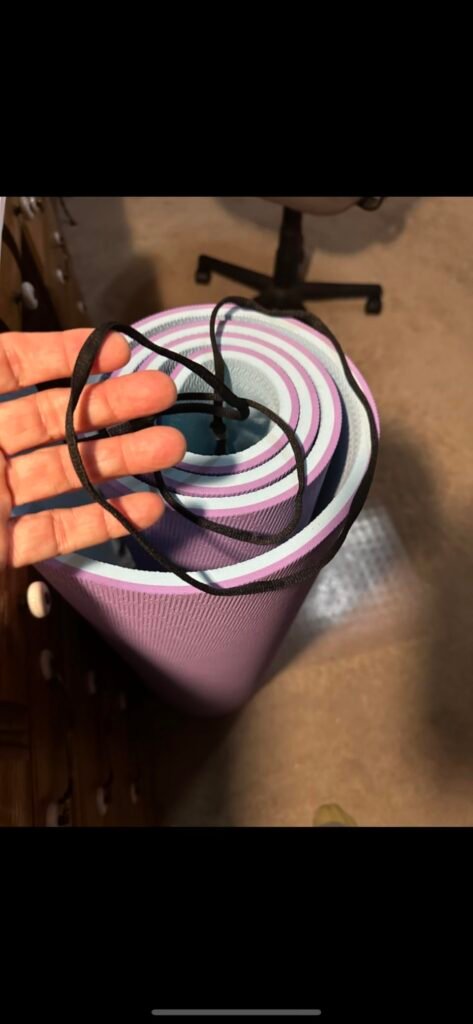
Durability is another strong point. The high-density TPE construction resists tearing even during vigorous use that includes jump-backs, lunges, and repeated rolling. The mat ships with two bundling ribbons for storage, though its larger size means you will need a bit more closet or corner space than a standard mat requires.
Most standard yoga mats measure 24 inches wide, which can feel restrictive during poses like Wide-Legged Forward Fold, Star Pose, or any sequence that involves lateral movement. A 48-inch mat eliminates the constant micro-adjustments that happen when your hands or feet drift off the edge, allowing you to focus on alignment and breath rather than spatial awareness. If you have a larger body frame or practice on a slippery floor where the mat shifts, the extra width provides a meaningful improvement in both comfort and confidence.
This mat is ideal for practitioners who value freedom of movement and want an eco-conscious material option. The premium price reflects the larger dimensions and TPE construction, but the combination of width, grip, and sustainability credentials makes it a compelling choice for dedicated home practitioners.
Buyers on a tight budget or those with limited storage space in a small apartment.
We may earn a commission when you buy through this link, at no additional cost to you.
At the lowest price point in this comparison, the CAP Barbell half-inch mat delivers surprisingly capable performance for everyday home use. The high-density NBR foam provides solid cushioning under knees, elbows, and hips during floor exercises, and the latex-free construction is a welcome feature for anyone with latex sensitivities. For the price, the material quality is a genuine strength.

We may earn a commission when you buy through this link, at no additional cost to you.
The 68-by-24-inch surface is slightly shorter than the 72-inch standard found on most other mats in this guide. This is worth noting if you are taller than about 5 feet 8 inches, as your feet or head may extend beyond the mat during full-body stretches like Savasana. For shorter practitioners or those who primarily do seated and kneeling exercises, the difference is negligible.
The mold and mildew resistant NBR foam makes this mat a practical choice for humid environments or shared workout spaces where moisture buildup is a concern. Cleaning is as simple as wiping the textured surface with a damp cloth after each session. The included carrying strap makes storage and transport straightforward.
A lower-priced mat can serve you well for years if you take a few simple steps to protect it. Avoid leaving it in direct sunlight or extreme heat, which can accelerate foam degradation. Roll it loosely rather than folding it to prevent permanent creases, and give it a quick wipe-down after sweaty sessions to prevent odor buildup. These small habits extend the lifespan of any NBR mat significantly.
This mat is the clear choice for budget-conscious buyers who need dependable cushioning without extra frills. It handles yoga, Pilates, core work, and general stretching competently, and the low price makes it an easy entry point for anyone building a home fitness setup.
Taller practitioners over 5 feet 10 inches who need full-length coverage during supine stretches.
We may earn a commission when you buy through this link, at no additional cost to you.
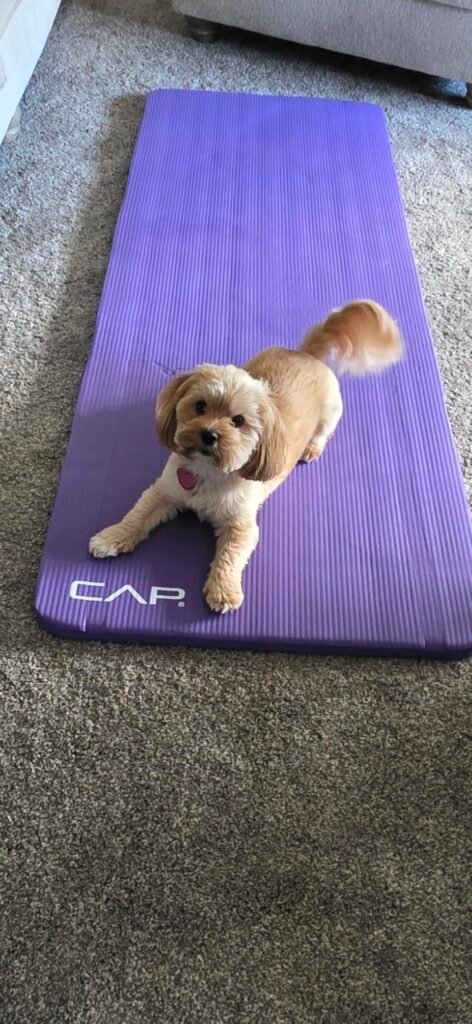
The CAP one-inch mat offers the same generous thickness as the Retrospec Solana and Amazon Basics models at a noticeably lower price. The high-density NBR foam creates a deeply cushioned surface that protects joints during kneeling, seated, and supine exercises, making it a practical choice for home practitioners who prioritize comfort above all else.

We may earn a commission when you buy through this link, at no additional cost to you.
The textured surface provides adequate grip for controlled movements like Pilates hundreds, slow yoga flows, and stretching routines. The latex-free and mold-resistant construction adds durability and peace of mind, especially if you plan to use the mat in a basement gym or garage workout space where humidity can be an issue.
Like other one-inch mats, the extra thickness adds some bulk when rolled, so consider your storage situation before purchasing. The included carrying strap helps keep the mat neatly rolled between sessions, and the wipe-clean surface makes post-workout maintenance quick and easy.
When choosing between the three one-inch mats in this guide, consider the foam feel and material differences. The Retrospec Solana uses a firmer composition that supports stability during moderate flows. The Amazon Basics model uses memory foam for a body-conforming feel. The CAP option uses standard high-density NBR, which tends to feel softer and more plush. Your preference depends on whether you prioritize a stable platform or a cloud-like cushion under your joints.
This mat is a smart pick for anyone who wants maximum cushioning without paying a premium. It works well for gentle yoga, Pilates, physical therapy exercises, and general floor fitness. If you practice high-intensity routines that involve a lot of jumping or rapid directional changes, a thinner and firmer mat may provide better stability.
Practitioners who need a firm, responsive surface for advanced balance work or high-intensity interval training.
We may earn a commission when you buy through this link, at no additional cost to you.
The Hatha TPE 72×32 mat combines a wider-than-standard 32-inch surface with 12mm of eco-friendly TPE foam, creating a comfortable and spacious practice area for home and studio use. The extra eight inches of width compared to a standard 24-inch mat gives you more room for lateral movements and wide stances without stepping off the edge.

We may earn a commission when you buy through this link, at no additional cost to you.
The double-layer construction is designed to resist tearing even during vigorous practice that includes jump-backs and dynamic transitions. The sticky non-slip texture on both sides grips wood, tile, and cement floors effectively, and the TPE material is naturally odorless and free of latex. This makes the mat a strong choice for practitioners who are sensitive to the chemical smell that some NBR mats produce when new.
Care instructions are straightforward but slightly more specific than NBR mats: spot clean with cold water and mild detergent, then dry flat rather than hanging. Avoiding prolonged sun exposure helps preserve the TPE material over time. The 30-day return policy adds a layer of buyer confidence if the mat does not meet your expectations.
Thermoplastic elastomer, or TPE, is a synthetic material that combines the elasticity of rubber with the processing advantages of plastic. In yoga mat applications, TPE tends to be lighter, more odor-resistant, and more environmentally friendly than PVC or NBR because it is recyclable and free of common plasticizers like phthalates. The trade-off is that TPE mats typically cost more and may feel less plush than NBR foam of the same thickness, but they often provide superior grip and long-term durability.
This mat suits eco-conscious practitioners who want a wider surface and durable construction without relying on PVC or NBR. The 12mm thickness provides meaningful joint cushioning while the TPE material delivers a firmer, more stable feel than comparably thick NBR mats. The higher price reflects the material quality and wider dimensions.
Budget-focused buyers who prioritize the lowest possible price over material sustainability.
We may earn a commission when you buy through this link, at no additional cost to you.
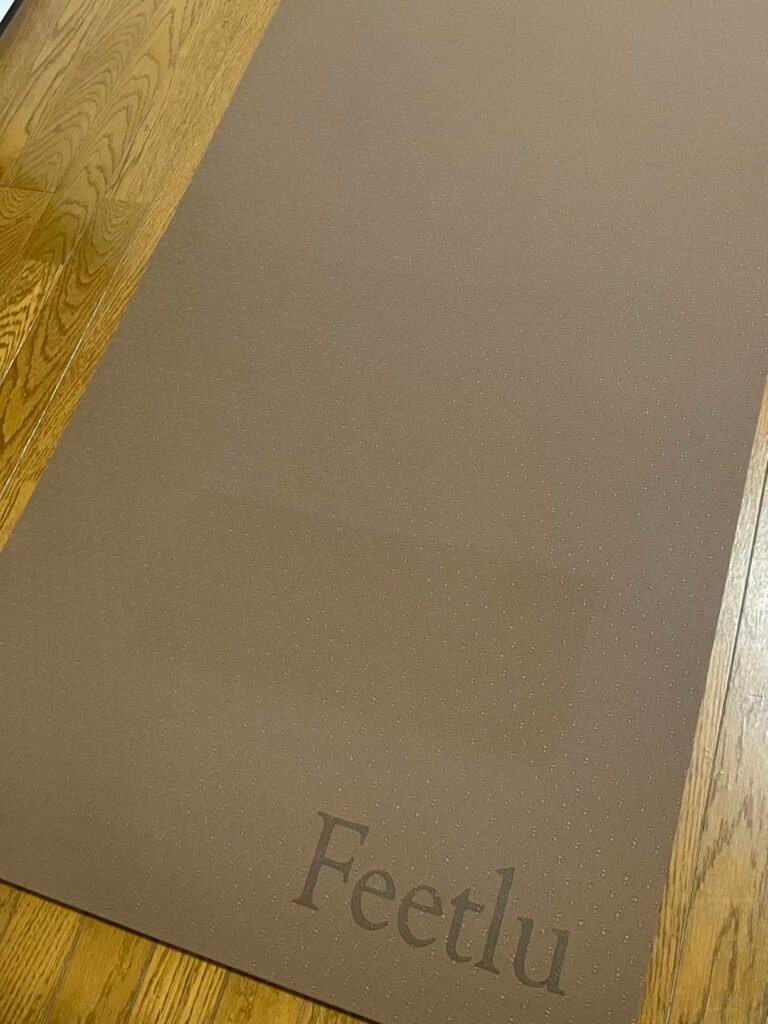
The Feetlu cushioned mat earns its travel-friendly reputation by combining 10mm of joint-protecting foam with a remarkably low weight of just 1.2 kilograms. For a mat that provides meaningful cushioning, this is lighter than most competitors in the thick mat category, making it a practical choice for practitioners who carry their mat to a studio, office, or outdoor workout location.

We may earn a commission when you buy through this link, at no additional cost to you.
The dual-textured surface design offers grip on both the floor side and the practice side, which helps prevent the mat from sliding during use and keeps your hands and feet planted during poses. The ITS certification signals that the mat has undergone independent durability testing, and the tear-resistant construction is designed to withstand regular rolling and unrolling without degrading.
The odorless foam is a notable advantage for anyone who has been put off by the strong chemical smell that some new NBR mats produce. You can unroll and use this mat with minimal airing time, which is convenient if you need it for a class or session shortly after purchase. The included carrying strap makes transport simple.
A one-inch NBR mat can weigh significantly more than a 10mm option, which adds up quickly if you are carrying it on public transit, walking several blocks, or biking to a studio. The Feetlu at 1.2kg is light enough to sling over your shoulder without noticeable fatigue, while still providing roughly three times the cushioning of a standard 3mm travel mat. If your commute is long or physically demanding, the weight savings can make a real difference in whether you actually bring your mat with you.
Choose this mat if you want a balance of portability and cushioning. It provides more padding than a standard thin travel mat while remaining light enough to carry without strain. It is well suited for practitioners who split their practice between home and studio and need a mat that performs reliably in both environments.
Practitioners who need maximum one-inch cushioning for severe joint sensitivity or rehabilitation exercises.
We may earn a commission when you buy through this link, at no additional cost to you.
The KEEP NBR mat pushes cushioning to the upper limit with 15mm of upgraded foam, making it the thickest option in this entire comparison. Combined with a 32-inch width, this mat creates a generous, deeply padded practice surface that is particularly well suited for meditation, restorative yoga, Pilates, and any routine where you spend extended time on your knees, back, or hips.

We may earn a commission when you buy through this link, at no additional cost to you.
The extra foam depth provides exceptional shock absorption, which can make a significant difference for practitioners with chronic joint pain or those recovering from injury. The noise-dampening quality of the thick NBR foam is a secondary benefit that matters if you exercise in an apartment or shared living space where floor impact sounds can be disruptive.
The non-slip textured surface helps maintain grip during controlled movements, though the 15mm thickness does create a softer, less stable platform than thinner mats. Standing balances and fast transitions may feel wobbly until you adjust to the extra height. The wider 32-inch format gives you more lateral room than a standard 24-inch mat, which is helpful during wide-legged poses and supine stretches.
While excessive thickness can compromise stability for standing poses, it provides real benefits for specific use cases. If you practice on a concrete garage floor, have significant knee or hip sensitivity, or spend most of your session in seated and supine positions, the additional foam depth creates a meaningful comfort improvement. The key is matching the thickness to your practice style rather than assuming that thicker is always better for every type of yoga.
This mat is best for practitioners whose primary concern is maximum joint protection and who practice mostly floor-based routines. If your practice centers on gentle yoga, meditation, stretching, or rehabilitation exercises, the KEEP 15mm provides a level of comfort that thinner mats simply cannot match. Be prepared for a larger, heavier roll when it comes time to store or transport it.
Practitioners who focus on standing balance poses, hot yoga, or fast-paced Vinyasa flows that require a firm, stable surface.
We may earn a commission when you buy through this link, at no additional cost to you.
Selecting a thick yoga mat involves more than simply picking the highest number on the thickness scale. The right choice depends on your practice style, joint sensitivity, floor surface, body size, and how you plan to transport and store the mat. This section breaks down the most important factors to consider before you buy.
Thickness is the most visible specification on any yoga mat, and in the thick mat category it typically ranges from 10mm to a full inch (approximately 25mm). A 10mm mat provides noticeably more cushioning than a standard 3-5mm mat while still maintaining reasonable stability for standing poses. A half-inch mat (roughly 12-13mm) adds more padding for kneeling and seated work. A full-inch mat delivers maximum joint protection but raises your center of gravity enough to affect balance during single-leg postures.
Density matters just as much as thickness, even though it is harder to judge from a product listing. Two mats can both measure one inch thick but feel completely different underfoot if one uses soft, compressible foam and the other uses firm, high-density material. Softer foam feels plush initially but may bottom out under sustained pressure, while denser foam provides more consistent support over longer holds. Pay attention to descriptions that mention high-density construction, as this usually indicates better long-term performance.
Match thickness to your primary use case. If you practice mostly floor-based yoga, Pilates, or stretching, a thicker mat in the 15mm to one-inch range will serve you well. If your practice includes a significant amount of standing balance work, a 10mm to half-inch mat offers a better compromise between comfort and stability.
NBR (nitrile butadiene rubber) is the most common material in thick yoga mats because it is affordable, lightweight, and provides excellent cushioning. NBR foam has a soft, plush feel that excels at shock absorption, making it ideal for joint-sensitive practitioners. The main trade-off is that NBR can have a noticeable odor when new, though this typically fades within 24 to 48 hours of airing out. NBR is also less environmentally friendly than some alternatives because it is a synthetic rubber that is not easily recyclable.
TPE (thermoplastic elastomer) is a newer material that combines rubber-like elasticity with plastic processing advantages. TPE mats tend to be firmer, lighter, and more odor-resistant than NBR mats of comparable thickness. They are also recyclable and free of phthalates and heavy metals, which makes them a popular choice for eco-conscious buyers. The firmer feel provides better stability during standing poses, though some practitioners find TPE less plush than NBR for extended floor work.
Memory foam, found in the Amazon Basics one-inch mat, offers a unique body-conforming feel that molds around pressure points. This can be especially comfortable during long holds in restorative poses. The trade-off is that memory foam can retain body heat and may feel less responsive during dynamic movements. Choose NBR for maximum plushness, TPE for eco-friendly firmness, or memory foam for contouring comfort.
Grip is critical for safety and confidence during yoga practice, and thicker mats present a unique challenge because the softer foam can compress unevenly under your hands and feet. A textured surface helps compensate for this by creating friction between your skin and the mat, reducing the likelihood of slipping during Downward Dog, Plank, and other weight-bearing poses. Look for mats that describe a non-slip or textured surface on the practice side.
Floor-side grip is equally important but often overlooked. A mat that slides across your hardwood or tile floor during transitions is frustrating and potentially dangerous. Mats with dual-textured surfaces or high-density construction tend to stay planted more reliably than very soft, lightweight options. If you practice on a particularly smooth floor, consider placing a non-slip rug pad underneath your mat for additional security.
If you practice hot yoga or tend to sweat heavily, be aware that most thick NBR and TPE mats are designed for dry practice. Excessive moisture on the surface can reduce grip significantly. For sweaty sessions, a thinner mat with a specialized wet-grip surface or a microfiber towel overlay may be a better solution than relying solely on a thick foam mat.
Standard yoga mats measure approximately 68 to 72 inches long and 24 inches wide. This works well for most practitioners of average height, but taller individuals may find their feet or head extending beyond the mat during full-body stretches. If you are over 5 feet 10 inches, look for mats that are at least 72 inches long, and consider the Amazon Basics 74-inch option for extra coverage.
Width is an often-underestimated factor that can significantly affect your practice experience. A standard 24-inch width feels restrictive during wide-legged poses, lateral lunges, and any sequence that involves side-to-side movement. Wider mats like the Hatha Yoga 48-inch or the KEEP 32-inch options provide substantially more room and reduce the need for constant repositioning. If you have a larger body frame or simply prefer more space, investing in a wider mat is one of the most impactful upgrades you can make.
Before purchasing, measure the space where you plan to practice. A 48-inch-wide mat requires a significantly larger floor area than a standard 24-inch mat, and you need enough clearance around the edges to move freely. Make sure your practice area can accommodate the mat dimensions you are considering.
Thick mats are inherently heavier and bulkier than thin travel mats, and the difference becomes more pronounced as thickness and width increase. A standard 10mm NBR mat typically weighs between 1 and 2 kilograms, while a one-inch mat can weigh 2 to 3 kilograms or more. If you plan to carry your mat to a studio, gym, or outdoor location, weight is a practical consideration that affects how consistently you will actually bring it with you.
The Feetlu 10mm mat at 1.2 kilograms is one of the lightest options in the thick mat category and represents a good compromise between cushioning and portability. If you primarily practice at home and rarely transport your mat, weight is less important and you can prioritize maximum thickness and width without worrying about the carrying burden.
Consider how you will transport the mat before choosing. If you commute by car, weight and bulk are minor concerns. If you walk, bike, or use public transit, a lighter 10mm option with a carrying strap will be much more practical than a heavy one-inch mat that is awkward to carry over long distances.
Many thick yoga mats are made from synthetic foams that can release volatile organic compounds when new, producing a noticeable chemical odor. While this smell is generally considered harmless and fades within a few days, it can be unpleasant and may be a concern for individuals with chemical sensitivities or respiratory conditions. Look for mats that are labeled as free of phthalates, heavy metals, and latex, as these certifications indicate a higher standard of material safety.
TPE mats tend to be the most odor-resistant option because the material is naturally low-emission and does not require the same chemical plasticizers used in PVC and some NBR formulations. If odor is a significant concern for you, a TPE mat like the Hatha Yoga options in this guide is likely to provide the most pleasant unboxing experience. NBR mats can also be low-odor, but the specific formulation varies by manufacturer.
Regardless of the material you choose, unroll your new mat in a well-ventilated area for at least 24 to 48 hours before your first practice session. This simple step allows any residual manufacturing odors to dissipate and ensures a more comfortable experience from the start.
A thick mat is a bigger investment than a thin one, so durability matters. High-density foam resists compression and maintains its cushioning properties longer than low-density alternatives, which can flatten and lose their shock absorption after a few months of regular use. Look for descriptions that mention high-density construction, tear resistance, or independent durability certifications as indicators of long-term quality.
The type of practice you do also affects how quickly a mat wears out. Vigorous routines that include jump-backs, lunges, and repeated friction from hands and feet will degrade a soft NBR surface faster than gentle stretching or meditation. If your practice is high-intensity, a denser TPE mat or a reinforced NBR option with anti-tear construction will hold up better over time.
To maximize the lifespan of any thick mat, avoid exposing it to direct sunlight for extended periods, store it rolled rather than folded, and clean it regularly with a damp cloth and mild detergent. These simple habits can extend the usable life of your mat by months or even years.
When you first unroll your new thick yoga mat, lay it flat in a well-ventilated room for 24 to 48 hours to allow any residual manufacturing odor to dissipate. This is especially important for NBR foam mats, which tend to have a stronger initial smell than TPE options. Avoid placing the mat in direct sunlight during this airing period, as prolonged UV exposure can degrade the foam and cause discoloration over time.
For daily use, unroll the mat on a clean, flat surface and take a moment to smooth out any curling at the edges before beginning your practice. Thick mats can take a few minutes to fully flatten after being tightly rolled, so unrolling it a few minutes early helps ensure a stable, even surface. If the mat shifts on your floor during practice, try placing it on a slightly textured surface or using a non-slip underlay for additional grip.
After each session, wipe the mat down with a damp cloth and a small amount of mild soap or a dedicated yoga mat cleaner. Avoid soaking the mat or submerging it in water, as this can damage the foam structure and promote mold growth inside the material. Allow the mat to air dry completely before rolling it up for storage, and keep it in a cool, dry place away from heat sources and direct sunlight to preserve the foam integrity.
Most yoga mats in the thick category measure 10mm or more, with common options ranging from 10mm to a full inch (approximately 25mm). Standard yoga mats typically measure 3 to 5mm, so anything above 6mm is generally considered thicker than average. The ideal thickness depends on your joint sensitivity, practice style, and the hardness of your floor surface.
Not necessarily. While thicker mats provide more joint cushioning, they also raise your center of gravity and can feel less stable during standing balance poses. A 10mm to half-inch mat offers a good balance of comfort and stability for most practitioners. A full-inch mat is better suited for floor-based routines, restorative yoga, and practitioners with significant joint pain.
NBR foam is softer, more plush, and generally more affordable, making it popular for joint cushioning. TPE is firmer, lighter, more odor-resistant, and recyclable, which appeals to eco-conscious buyers. NBR tends to feel more cushioned under pressure, while TPE provides better stability and grip during standing poses. Both materials are free of latex and common harmful chemicals in most modern formulations.
Thick NBR and TPE mats are primarily designed for dry practice and may lose grip when exposed to heavy sweat. For hot yoga, a thinner mat with a specialized wet-grip surface or a microfiber towel overlay is usually a better choice. If you prefer the cushioning of a thick mat, try using it with an absorbent yoga towel on top to manage moisture and maintain traction.
Wipe the surface with a damp cloth and a small amount of mild soap or a dedicated yoga mat cleaner after each use. Avoid soaking or submerging the mat in water, as this can damage the foam and promote mold growth. Allow the mat to air dry completely before rolling it up. For deeper cleaning, a gentle spray-and-wipe approach works better than heavy saturation.
New synthetic foam mats, especially NBR options, often release a mild chemical odor from the manufacturing process. This smell is generally harmless and fades within 24 to 48 hours when the mat is unrolled in a well-ventilated space. TPE mats tend to have less initial odor. If the smell persists beyond a few days, continue airing the mat out and avoid using strong chemical cleaners that could damage the foam.
A standard 68 to 72-inch length works for most practitioners up to about 5 feet 10 inches. Taller individuals should look for mats that are 74 inches or longer. For width, a standard 24-inch mat is adequate for most poses, but a 32-inch or 48-inch wide mat provides significantly more room for lateral movements and wide stances. Consider your height, body frame, and practice style when choosing dimensions.
With regular use and proper care, a high-quality thick yoga mat can last anywhere from one to three years. Durability depends on the foam density, material type, and intensity of your practice. High-density NBR and TPE mats tend to outperform low-density options, and gentle stretching routines cause less wear than high-intensity workouts with frequent jump-backs and lunges.
Yes, but the combination of a thick mat and a soft carpet can create an unstable surface that makes balancing more difficult. If you practice on carpet, a thinner or firmer mat may actually provide better stability. If you prefer the cushioning of a thick mat on carpet, choose a denser foam option and take extra care during standing poses until you adjust to the softer combined surface.
Thick mats are excellent for Pilates because the practice involves a significant amount of floor work, including rolling, kneeling, and supine exercises that put pressure on the spine, hips, and tailbone. A 10mm to one-inch mat provides the cushioning needed to perform these movements comfortably on hard floors. Many of the mats in this guide are specifically designed to handle both yoga and Pilates routines.
The Retrospec Solana 1-inch mat earns the top spot in this guide because it delivers the most complete combination of deep cushioning, reliable grip, and chemical safety for a wide range of practitioners. Its firmer foam density sets it apart from softer NBR alternatives, providing enough stability for moderate flow sequences while still protecting sensitive joints during floor work. For most home practitioners seeking a thick mat that handles yoga, Pilates, and stretching equally well, it is the strongest all-around choice.
If budget is your primary concern, the CAP Barbell half-inch mat offers dependable cushioning and latex-free construction at the lowest price in this comparison. For those who need maximum padding for joint rehabilitation or restorative practice, the KEEP 15mm mat provides the deepest cushioning available. And if you value extra space and eco-friendly materials, the Hatha Yoga Large TPE mat with its 48-inch width and recyclable construction is a premium option worth the investment.
Ultimately, the best thick yoga mat for you depends on how you practice, where you practice, and what your body needs. Consider your primary exercise style, your joint sensitivity, your floor surface, and how often you plan to transport the mat. Use the comparison table and detailed reviews above to narrow your options, and choose the mat that aligns most closely with your specific priorities rather than simply defaulting to the thickest or most expensive option.