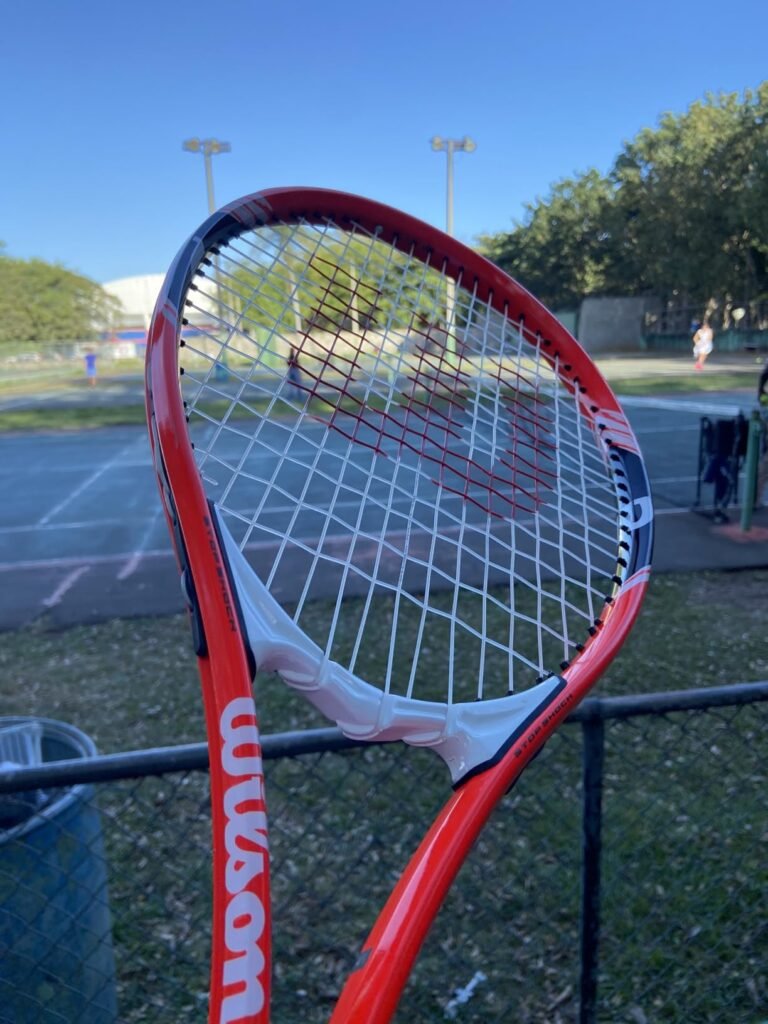
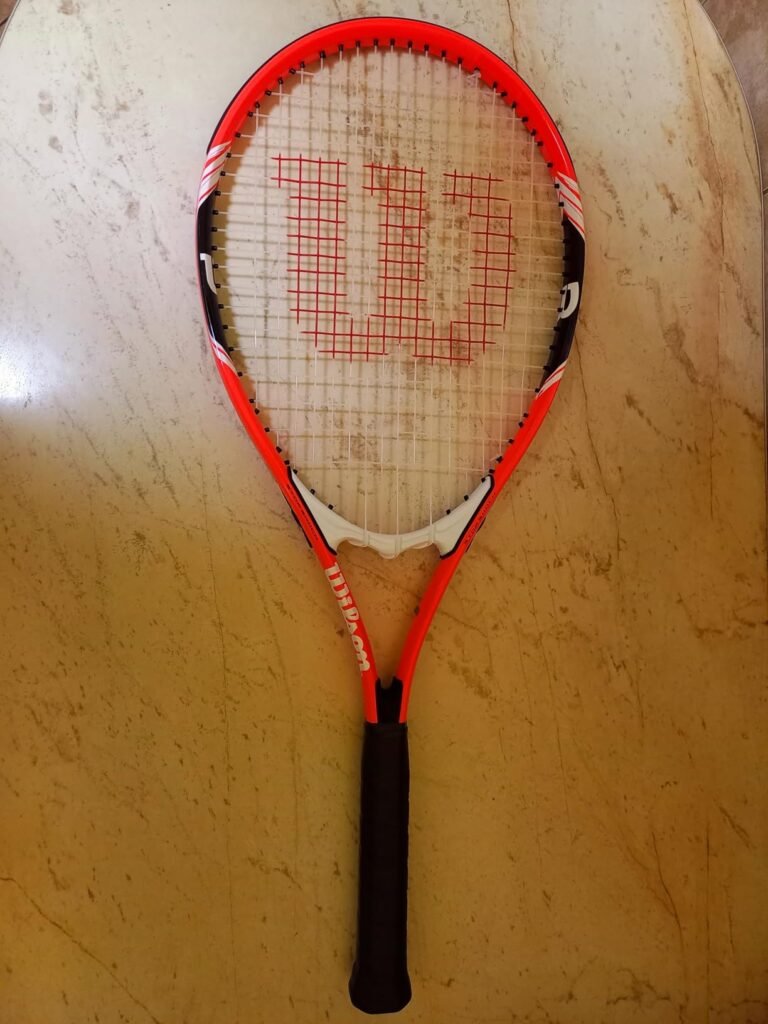
Wilson Hyper Hammer
9.2Editor scoreOversize head frame
Head-heavy balance
Open string pattern
Hammer Technology construction
Find the right tennis rackets for 2026. We compare 8 standout options by build quality, useful features, owner feedback, value, and everyday trade-offs.

Choosing the right tennis racket in 2026 comes down to matching head size, weight, balance, string pattern, and frame stiffness to your skill level and swing style. We compare 10 standout frames from Wilson, HEAD, and Babolat to help you find a racket that improves your consistency, power, and control on the court.
The lineup covers everything from lightweight oversize rackets built for beginners and recreational players to precision midplus frames aimed at intermediate and advanced hitters. Each design carries specific trade-offs between forgiveness and control, so understanding what actually matters for your game is the first step toward a smart purchase.
This guide focuses on the specifications and practical realities that shape court performance and long-term satisfaction. Use the comparisons below to understand where each racket excels, which type of player it suits, and how features like extended length, head-light balance, or open string patterns affect your shots.
We compared 10 tennis rackets using the details that actually shape on-court performance: head size, strung weight, balance point, string pattern, frame material, length, grip size, skill-level suitability, comfort features, and value. The notes focus on practical trade-offs between power and control, forgiveness and precision, so each pick connects to how real players swing, hit, and improve during recreational matches, league play, and competitive tournaments.


Compare key features, scores, and current prices side by side. A shorter feature list means fewer details were available, not necessarily fewer capabilities.


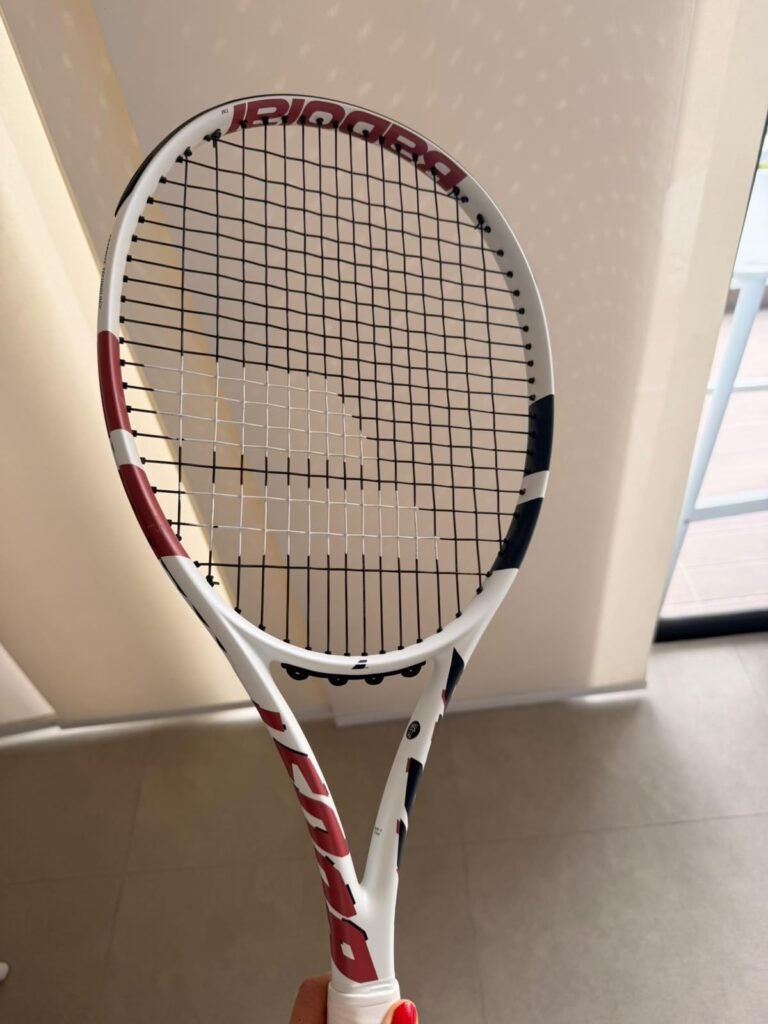
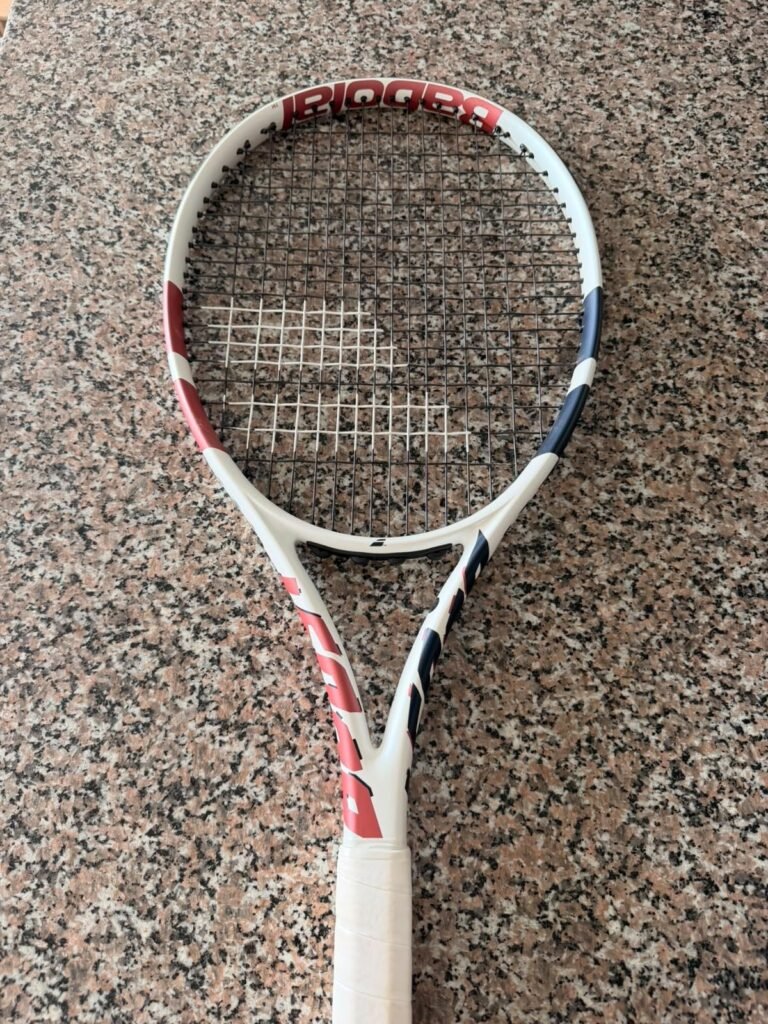
The Babolat Boost Drive is designed specifically for beginners who want an easy-to-handle racket that still supports meaningful improvement. Babolat's Woofer System is a frame-string interaction technology that extends the contact time between ball and strings, which improves control and comfort. This kind of engineering matters more for developing players than raw power numbers, because control is what lets you keep the ball in play and enjoy longer rallies.
We may earn a commission when you buy through this link, at no additional cost to you.
The 105 square inch head sits between traditional oversize beginner frames and control-oriented performance rackets, offering a sensible balance for developing players. The graphite construction keeps the racket at 9.8 ounces strung while providing the solidity and durability of a serious frame. This weight is manageable for most players but heavy enough to plow through the ball with authority.
The 1-point head-heavy balance adds a little momentum to shots without going as far as more extreme power frames. The 16×19 open string pattern encourages spin, and the pre-strung setup means you can play immediately after purchase. The white colorway with blue and orange accents gives the racket a distinctive modern look that appeals to players who care about aesthetics on the court.
Babolat’s Woofer System allows the strings and frame to interact in a way that extends the time the ball spends on the string bed. This longer contact gives you more chances to influence the shot’s direction and depth, which translates to better control for developing players. It also softens the feel at impact, which contributes to a more comfortable experience across long practice sessions.
This racket earned the highest customer rating in the lineup, which reflects broad satisfaction among buyers. It suits beginners who want to improve their game with a versatile, easy-to-handle frame from a trusted brand. Advanced players will eventually outgrow the beginner tuning, but for players progressing through the early and intermediate stages, the Boost Drive delivers real value.
Advanced tournament players who need a smaller, more control-oriented professional-tier frame.
We may earn a commission when you buy through this link, at no additional cost to you.
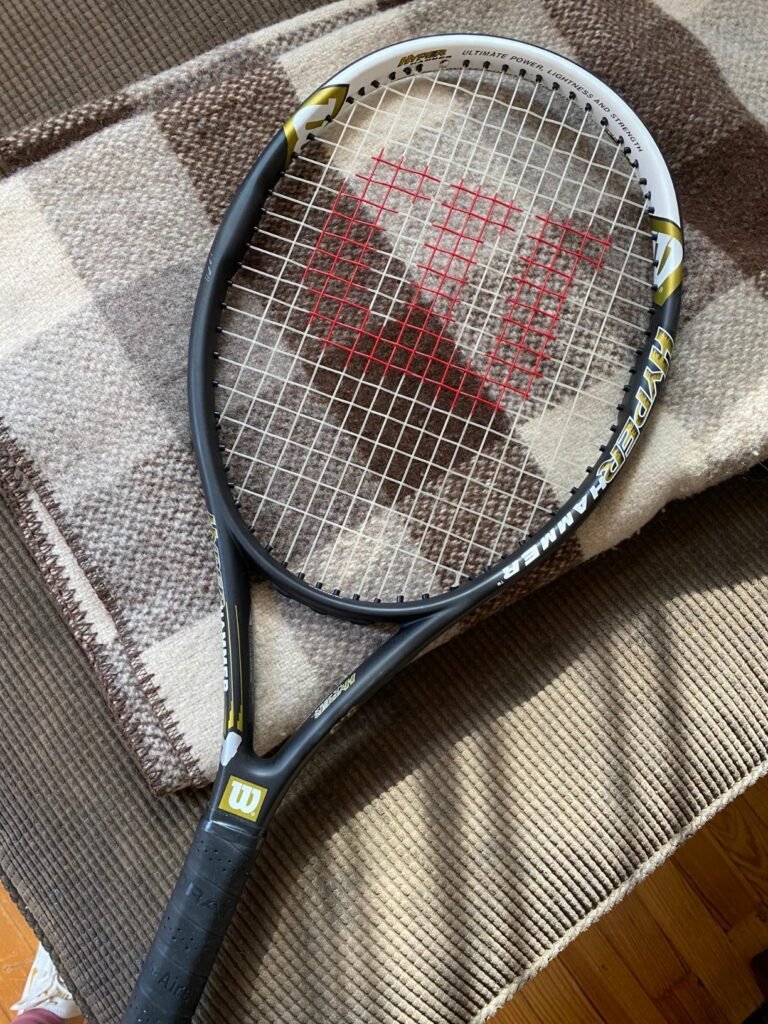
The Hyper Hammer 5.3 targets players whose swings are shorter or more compact and who want the racket itself to supply extra pop. Wilson's Hammer Technology shifts more mass toward the head of the frame, which increases plow-through on contact and produces power without requiring a big, fast swing. That makes it particularly appealing to seniors, doubles specialists, and anyone returning to the sport after time away.

We may earn a commission when you buy through this link, at no additional cost to you.
The oversize head creates an enlarged sweet spot that dramatically improves forgiveness on off-center contact. When you clip the ball high on the string bed or catch it slightly off the frame’s centerline, the response stays predictable rather than collapsing into a weak, dead shot. The open string pattern also lets the strings bite into the ball more aggressively, which translates to natural topspin generation even at moderate swing speeds.
The head-heavy balance is the defining feel of this racket, and it comes with a tradeoff. On serves and groundstrokes, the extra weight in the head drives through the contact zone and produces a heavier ball. At the net, though, the same balance can feel slightly sluggish compared to head-light performance frames, so quick reaction volleys require a bit more discipline. The overall frame is still light enough to swing comfortably through a match.
A head-heavy balance shifts the racket’s mass toward the tip, which increases momentum at contact and helps generate power on shorter swings. This is why frames like the Hyper Hammer 5.3 suit players who cannot or prefer not to take huge cuts at the ball. The tradeoff is reduced maneuverability during quick net exchanges, so consider whether you spend more time at the baseline generating pace or at the net reacting to fast volleys.
This racket is the strongest pick for recreational players who want maximum power assistance and forgiveness in a package that does not demand an aggressive full swing. If you play primarily singles at a competitive level with long, fast strokes, a more traditional head-light frame will suit you better, but for casual singles, doubles, and social play, the Hyper Hammer 5.3 makes the game easier and more enjoyable.
Advanced singles players with long, fast swings who want a maneuverable head-light frame for precision hitting.
We may earn a commission when you buy through this link, at no additional cost to you.
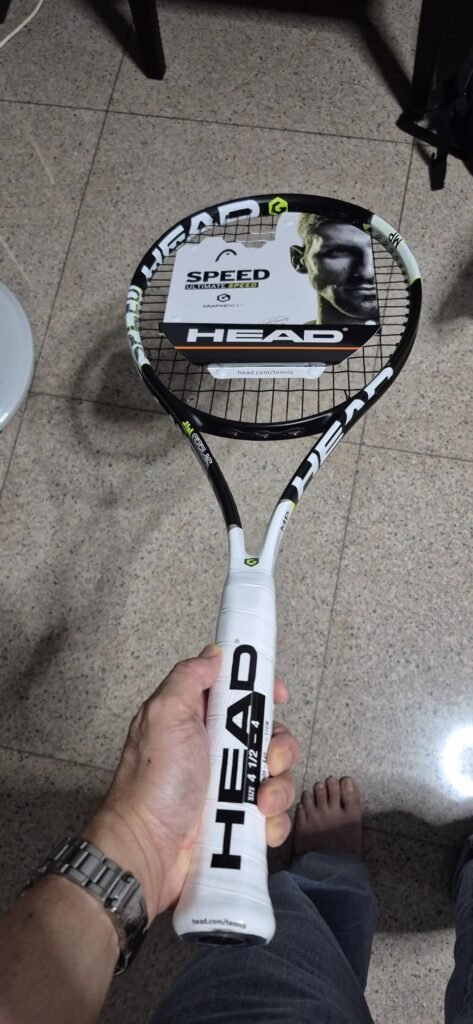
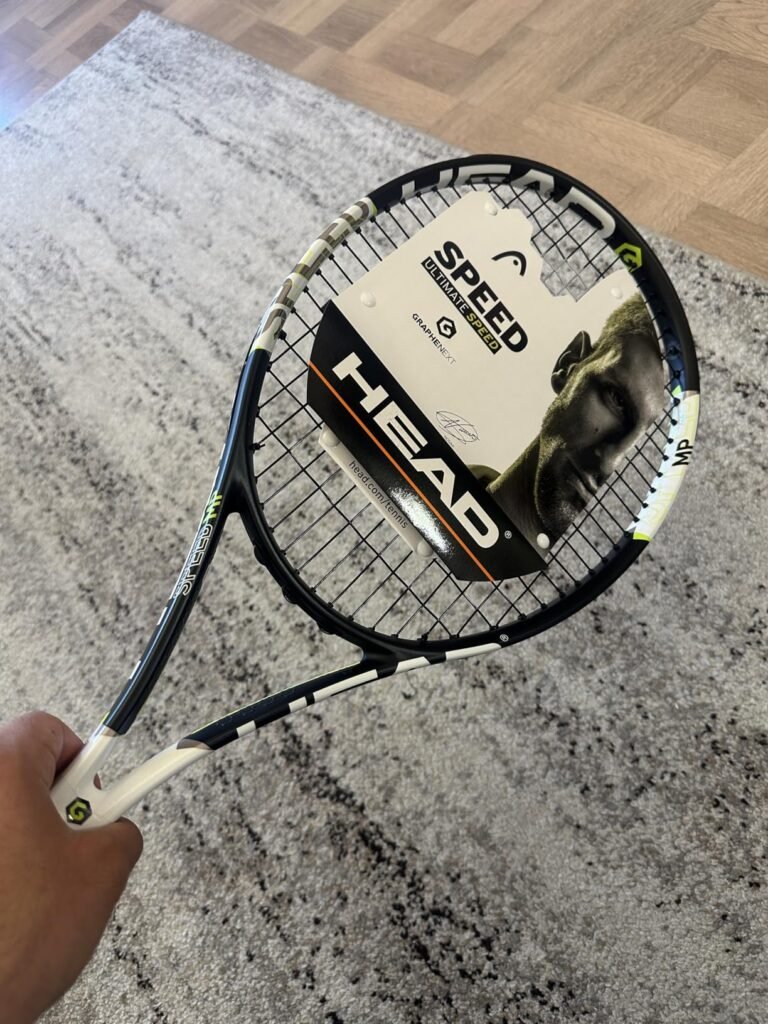
The HEAD Speed MP sits in the sweet spot of the tennis racket market: light enough to swing quickly, heavy enough to plow through the ball, and balanced for the kind of all-court play that intermediate and advanced players want. The Graphene XT fiber technology in the frame delivers a stiff, responsive feel that translates swing speed into ball pace efficiently, which is exactly what improving players need as their strokes develop.

We may earn a commission when you buy through this link, at no additional cost to you.
The 100 square inch head strikes an ideal balance between forgiveness and control. Larger heads produce more power but sacrifice precision, while smaller heads reward clean contact but punish mishits. At 100 square inches, this racket rewards good technique without requiring perfection, making it a great long-term frame that can grow with your game as you improve.
The 4-point head-light balance keeps the racket agile in the hand, which matters for quick net exchanges and fast reaction volleys. At 11.1 ounces strung, the frame carries enough mass to remain stable against heavy incoming balls while still swinging quickly enough for aggressive serve returns. The head-light distribution also reduces the risk of arm fatigue over long matches.
A 100 square inch head is the modern standard for players who want a balance of forgiveness and precision. It provides a large enough sweet spot to handle off-center contact without giving up the control that tighter frames deliver. Most touring professionals use head sizes between 95 and 100 square inches, so this specification is a genuine performance benchmark that suits developing and skilled players alike.
This is the strongest overall pick for intermediate to advanced players who want a versatile frame for all-court play. The tradeoff is that beginners may find the weight and control-oriented tuning less forgiving than an oversize recreational racket. For competitive players developing spin, precision, and shot variety, the Speed MP delivers professional-caliber performance at a reasonable price.
Complete beginners who benefit more from an oversize head and lighter recreational frame.
We may earn a commission when you buy through this link, at no additional cost to you.
The Clash 100 V3 represents Wilson's continued refinement of a genuinely innovative racket concept: a frame that combines the flexibility of an older-generation frame with the stability of modern engineering. The Hit Stabilizer improves off-center stability by increasing racket inertia at the 3 o'clock and 9 o'clock positions without changing balance or adding weight, which meaningfully increases forgiveness on shots that catch the edges of the string bed.

We may earn a commission when you buy through this link, at no additional cost to you.
The SI3D system optimizes three-dimensional frame bending for targeted power, spin, and control. This engineering approach lets the frame flex in specific directions rather than uniformly, which produces a distinctive feel that some players describe as arm-friendly and comfortable while still delivering competitive performance. The Click-and-Go bumper and grommet system enhances durability and makes future string jobs more consistent.
The racket comes strung with Sensation 16 Natural string at a mid-range tension, which means it is ready to play immediately. This is a genuine convenience compared to unstrung frames that require an additional visit to a stringer. The string setup provides a balanced starting point that most players can enjoy without immediate customization.
Stiffer frames generally produce more power but transmit more shock to the arm, which can contribute to tennis elbow and general arm fatigue. More flexible frames absorb some of that shock during contact, which reduces stress on the elbow and shoulder over long matches. The Clash design targets this specific comfort factor while maintaining competitive performance, making it a strong choice for players with any history of arm discomfort.
This is the premium pick for intermediate to advanced players who want a modern performance frame with meaningful comfort features. The price is the highest in the lineup, but the technology and included pre-strung setup justify the cost for buyers who value long-term arm comfort and consistent playability. If you find traditional stiff performance rackets uncomfortable, the Clash 100 V3 is worth serious consideration.
Beginners on a tight budget or players who prefer traditional stiff frames for maximum feedback.
We may earn a commission when you buy through this link, at no additional cost to you.
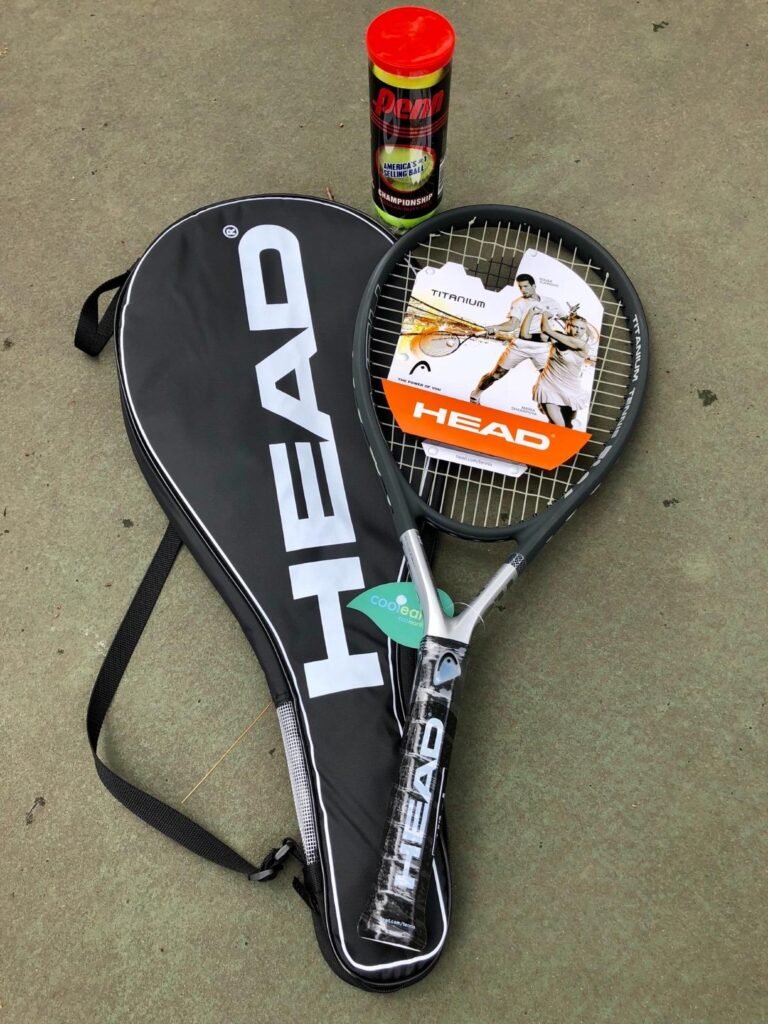
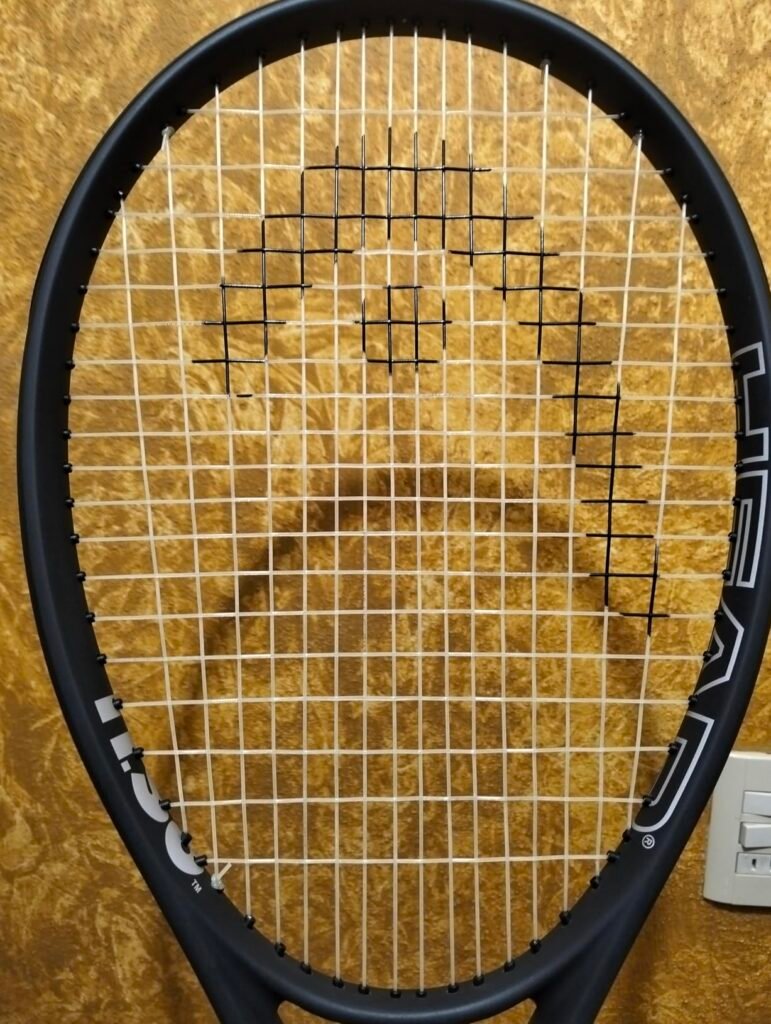
This is the enduring classic version of the HEAD Ti S6, and it continues to sell well because it delivers on its core promise: a forgiving, easy-to-hit racket that helps recreational players enjoy the game. The 115 square inch oversize head remains one of the largest available and produces a massive sweet spot that helps players make solid contact even when their form is imperfect. This forgiveness is exactly what beginners and social players need.
We may earn a commission when you buy through this link, at no additional cost to you.
The 8.6 ounce strung weight is exceptionally light by modern standards, which reduces fatigue during long matches or extended practice sessions. The titanium and graphite composite construction keeps the frame stable and durable despite its low weight, avoiding the flexy, uncontrolled feel that some ultra-light rackets suffer from. The result is a racket that feels responsive without being tiring to swing.
The 27.7 inch extended length provides slightly more reach and leverage than standard 27 inch frames, which helps with wide defensive shots and serve mechanics. The 16×19 open string pattern encourages spin generation, which is particularly useful for players learning topspin groundstrokes. The pre-strung SofTac grip offers a soft, comfortable hold that reduces hand fatigue.
Titanium adds strength and stability to a graphite frame without adding meaningful weight. This composite approach lets manufacturers build ultra-light rackets that still feel stable at contact, which is technically difficult to achieve with graphite alone. The result is a lightweight frame that resists twisting on off-center hits and delivers consistent power, which is exactly what casual players need.
This edition suits players who want the proven Ti S6 formula in a well-established package. The tradeoff is that the head-heavy balance can feel sluggish during quick net exchanges, and the oversize head sacrifices precision at higher swing speeds. For beginners, recreational players, and anyone who prioritizes ease of play over control, the Ti S6 remains a benchmark value.
Advanced players seeking a control-oriented midsize head and head-light balance for precision shot-making.
We may earn a commission when you buy through this link, at no additional cost to you.
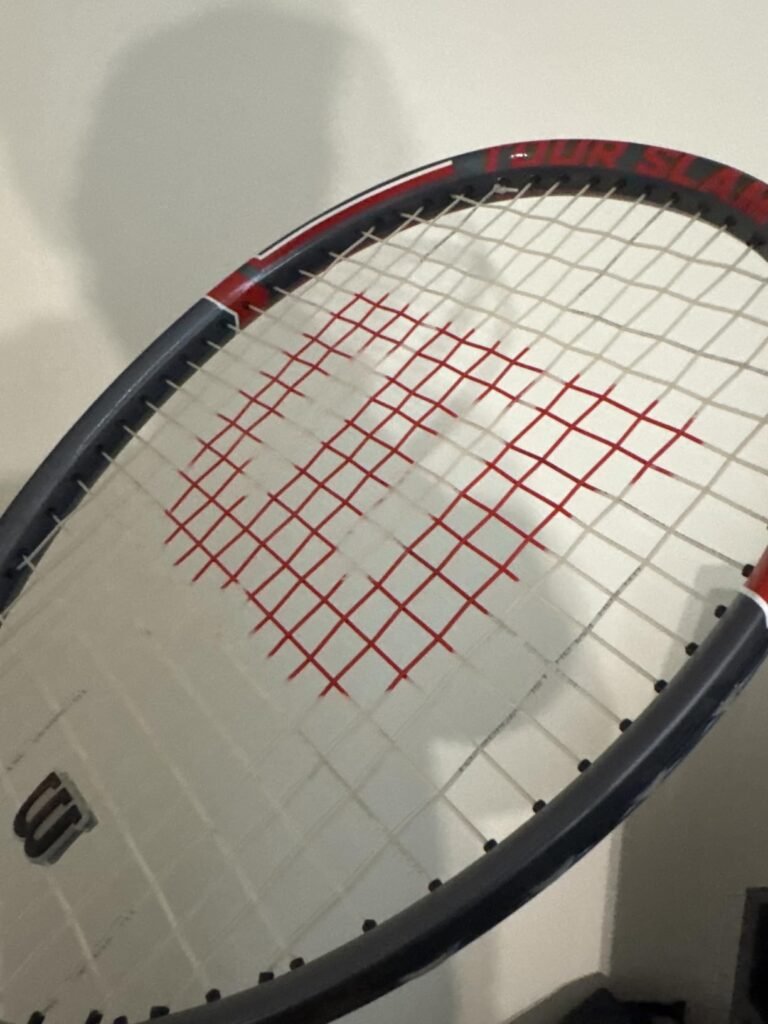
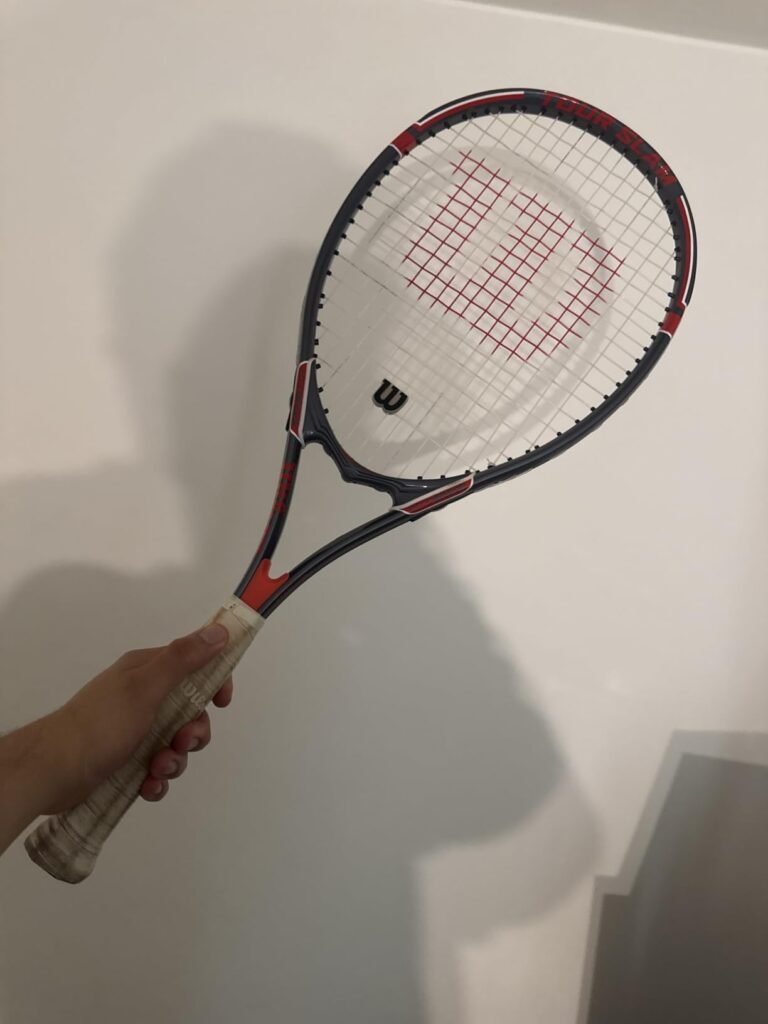
The Wilson Tour Slam is one of the most accessible tennis rackets available, aimed squarely at buyers who want a functional racket without significant investment. The aluminum construction keeps the price low while providing enough durability for regular recreational play. This is the kind of racket that makes sense for occasional players, kids growing into adult-sized frames, or as a backup for households where multiple people want to play.
We may earn a commission when you buy through this link, at no additional cost to you.
Volcanic Frame Technology provides added stability and power despite the affordable materials. The Power Strings design adds pop to shots, and the Stop Shock pads reduce racket vibrations for better feel and comfort. These features help the Tour Slam punch above its weight class, delivering a playing experience that is genuinely enjoyable for casual matches.
The 3-point head-light balance keeps the racket surprisingly maneuverable, which helps at the net and during quick reaction volleys. This balance also reduces the risk of arm fatigue over long play sessions, which is important for beginners who may not have built up racket-swinging endurance yet. The racket comes ready to play out of the box.
Aluminum rackets are heavier, less responsive, and less capable of transferring energy efficiently compared to graphite. That said, aluminum is significantly cheaper to manufacture and durable enough for casual play. For occasional players or first-time buyers who want to try tennis before investing seriously, an aluminum frame is a reasonable starting point. Just plan to upgrade to graphite once you commit to playing regularly.
This is the top budget pick for casual weekend players and buyers who want a legitimate branded racket at the lowest possible price. The tradeoff is that aluminum frames do not deliver the refined feel of graphite performance rackets, and serious players will outgrow the Tour Slam quickly as their skills develop. For truly casual use, it delivers real value.
Regular players and anyone progressing beyond casual weekend hitting who needs a graphite performance frame.
We may earn a commission when you buy through this link, at no additional cost to you.
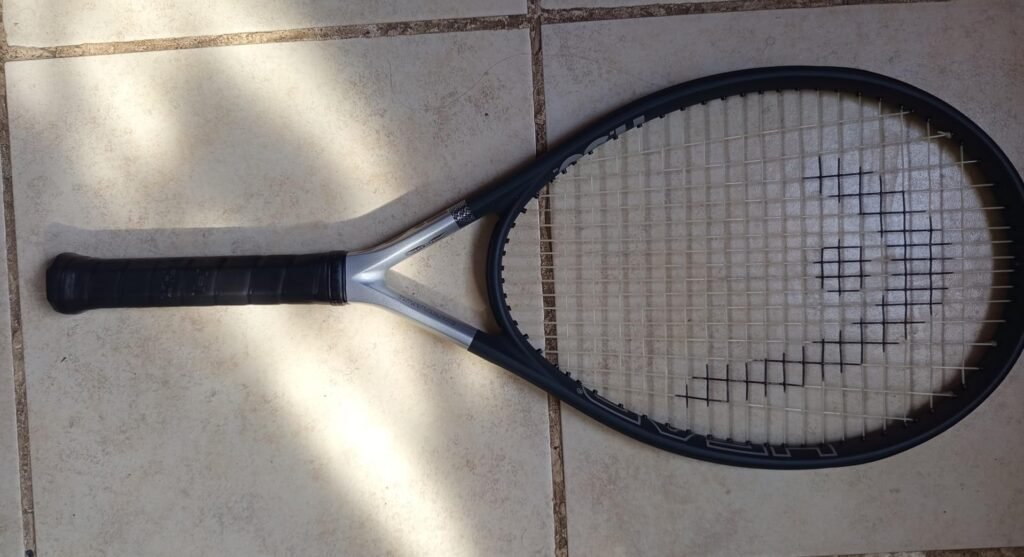
This configuration of the HEAD Ti S6 highlights the specific advantages of its extended length design. The 27.7 inch frame provides extra leverage on serves, deeper groundstrokes, and greater court coverage on defensive shots. For players who want to add pace to their serve without changing technique, extended length is one of the most efficient upgrades available in a recreational frame.

We may earn a commission when you buy through this link, at no additional cost to you.
The open 16×19 string pattern makes it easier to generate topspin and slice, which are essential shot types for keeping opponents off balance. Combined with the 115 square inch oversize head, this pattern creates a forgiving, spin-friendly platform that suits developing players who are learning to hit with net clearance and shape. The titanium and graphite composite construction remains lightweight while providing the stability needed for consistent contact.
At 8.6 ounces strung, this remains one of the lightest performance-oriented recreational rackets available, which reduces arm fatigue over long matches and lessons. The pre-strung SofTac grip provides comfortable, immediate playability. The frame’s design philosophy targets confidence-building rather than pure precision, which is exactly what improving players need during their early competitive experiences.
A longer racket increases the effective arc of your swing and adds leverage at the contact point on the serve. This can translate to noticeably faster serves without requiring more effort. For players who struggle with serve pace, an extended-length frame is one of the easiest ways to add speed. The tradeoff is a small reduction in racket-head speed, but for most recreational players the reach and leverage benefits outweigh the minor swing-speed cost.
This is the top pick for players who specifically want extended-length benefits in a forgiving frame. The tradeoff is that extended length reduces maneuverability slightly compared to standard 27 inch frames, and the head-heavy oversize design limits precision at higher swing speeds. For serving power and reach, however, the Ti S6 extended configuration delivers meaningful advantages.
Advanced players who want a standard 27 inch length for maximum swing speed and control.
We may earn a commission when you buy through this link, at no additional cost to you.
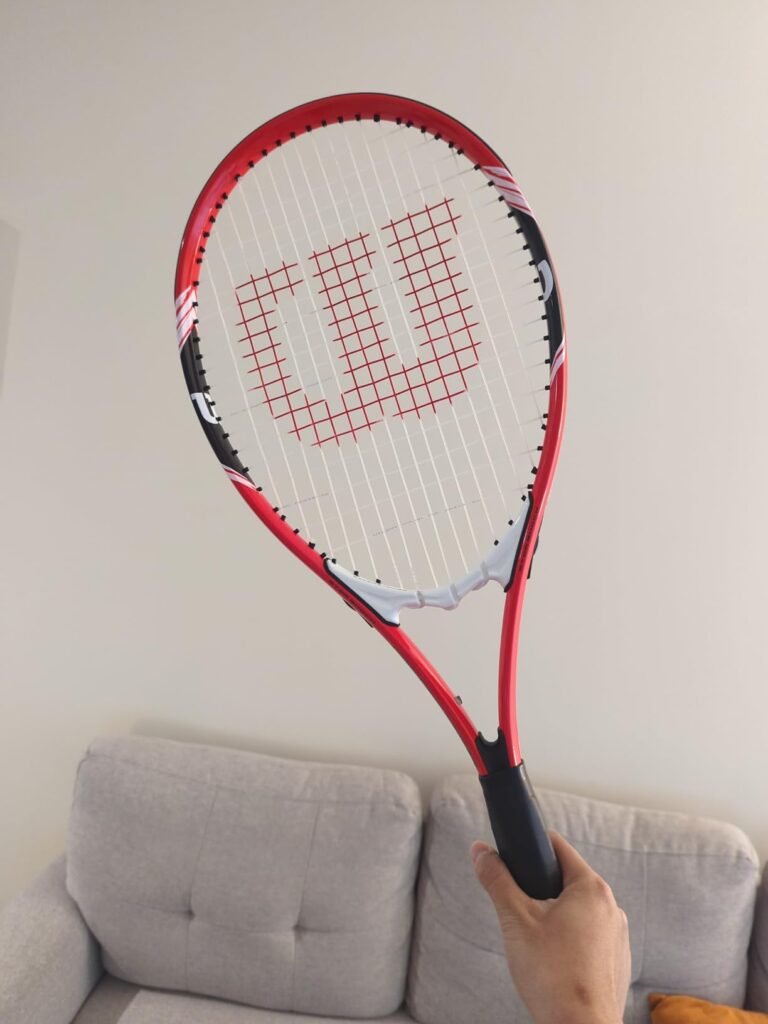
This configuration highlights the styling and grip size details of Wilson's Federer recreational racket. The classic red, white, and black colorway draws directly from Roger Federer's iconic Pro Staff line, giving the racket a professional-looking aesthetic that appeals to players who care about how their gear looks on the court. It is one of the most recognizable recreational designs available.
We may earn a commission when you buy through this link, at no additional cost to you.
The grip size 3 measurement, which corresponds to 4 3/8 inches in circumference, fits most adult male and larger female hand sizes comfortably. This is the most common grip size sold, so it suits the majority of buyers without requiring custom sizing. If your hand is smaller or larger, consider whether adjusting with overgrip tape or shopping for a different grip size would improve your comfort.
The AirLite Alloy frame keeps the racket lightweight and durable, and the Power Strings feature longer mainstrings that flex more on contact for added pop. Stop Shock pads at the throat reduce racket vibrations and improve feel on off-center hits. The extra length gives you extended reach for wide defensive shots, and the midplus head provides a good balance of power and control for recreational play.
Tennis grip sizes are typically numbered from 0 to 5, with grip size 3 corresponding to 4 3/8 inches in circumference. This is the most popular size for adult players. To check whether a grip fits you, hold the racket in a Continental grip and see if you can fit the index finger of your other hand between your fingers and palm. Too tight is worse than slightly loose, since you can always build up a grip with overgrip tape.
This racket suits casual and recreational players who want a well-known brand at an accessible price with attractive styling. The tradeoff is that the alloy frame does not match the performance of graphite competition rackets, so serious players will eventually want to upgrade. For social matches, backyard hitting, and beginner learning, it delivers legitimate value and pride of ownership.
Intermediate and advanced players who need a graphite performance frame for tournament-level competitive play.
We may earn a commission when you buy through this link, at no additional cost to you.
Selecting a tennis racket involves more than picking a familiar brand or the most expensive option. The right frame depends on your skill level, swing style, physical strength, and playing goals. This section breaks down the specifications that genuinely shape on-court performance.
Head size is measured in square inches and typically ranges from 85 to 135 square inches for adult rackets. Smaller heads around 90 to 98 square inches offer more control and precision but demand cleaner contact to produce good shots. These frames are favored by advanced players and tour professionals who can consistently find the sweet spot. Midplus heads between 98 and 105 square inches balance forgiveness and control, making them versatile for a wide range of intermediate and advanced players.
Oversize heads at 106 square inches and above significantly enlarge the sweet spot, producing more power and forgiveness on off-center hits. Rackets like the HEAD Ti S6 with its 115 square inch head are specifically designed to help beginners and recreational players enjoy the game without demanding perfect contact. The tradeoff is reduced precision at higher swing speeds, so competitive players often prefer smaller heads as their skills develop.
Choose oversize heads if you are a beginner or recreational player. Choose midplus if you are progressing and want a versatile frame. Choose midsize only if you are advanced and can consistently make clean contact.
Racket weight is measured in ounces or grams when strung. Lighter rackets under 10 ounces are easier to swing quickly and reduce fatigue, which suits beginners, players with less upper-body strength, and anyone recovering from injury. However, lighter rackets can feel unstable when hitting hard incoming shots and may transmit more shock to the arm. Heavier rackets above 11 ounces plow through the ball with more authority and provide better stability, but they demand more strength and can cause fatigue over long matches.
Balance describes where the racket’s weight is concentrated relative to its total length. Head-heavy rackets shift mass toward the tip, adding power on shorter swings but reducing maneuverability at the net. Head-light rackets like the HEAD Speed MP concentrate mass in the handle, which improves quickness for volleys and fast reactions but requires the player to supply more of their own power. Even-balance rackets sit in the middle and try to offer a bit of both.
Match weight and balance to your physical strength and playing style. Beginners typically benefit from lighter, head-heavy or even-balance frames. Intermediate and advanced players usually prefer heavier, head-light rackets that reward developed technique.
String pattern refers to the number of main strings and cross strings on the racket, expressed as numbers like 16×19 or 18×20. Open string patterns like 16×19 have fewer strings spaced further apart, which allows the strings to move more on contact and grip the ball for enhanced spin generation. This makes open patterns popular with players who hit with heavy topspin, and it also produces slightly more power than tighter patterns.
Dense string patterns like 18×20 place strings closer together, which reduces string movement and creates a more controlled, predictable response. Dense patterns favor players who value precision and shot placement over raw spin. They also tend to be more durable because strings do not saw against each other as aggressively during play. The tradeoff is less spin potential and a slightly firmer feel.
If you want more spin and power, choose an open 16×19 pattern like the HEAD Ti S6 uses. If you value control and durability, look for tighter 18×20 patterns. Most recreational and intermediate players benefit from open patterns.
Frame materials significantly affect the feel, power, and price of a tennis racket. Aluminum frames like the Wilson Tour Slam are the most affordable but also the heaviest and least responsive. They work for casual weekend play and beginners on a strict budget, but serious players will outgrow them quickly. Aluminum simply cannot match the responsiveness and energy transfer of composite frame materials.
Graphite is the standard for performance rackets because it is lightweight, stiff, and responsive. Most modern intermediate and advanced rackets like the HEAD Graphene XT Speed MP and Babolat Boost Drive use graphite as the primary frame material. Composite frames may combine graphite with titanium, kevlar, or basalt fibers to fine-tune stiffness, weight distribution, and vibration dampening. These composite constructions deliver the refined feel that competitive players want.
Choose aluminum only for casual weekend play or true beginners on tight budgets. Graphite and composite frames are the practical choice for anyone who plans to play regularly and improve.
Standard tennis rackets measure 27 inches from butt cap to tip. This length has been the norm for decades and remains the choice of most touring professionals because it optimizes the balance between swing speed and reach. Standard-length rackets are also the most predictable in terms of how they interact with your typical footwork and positioning patterns on the court.
Extended-length rackets between 27.25 and 28 inches provide additional reach for wide balls and extra leverage on serves. Frames like the HEAD Ti S6 use their 27.7 inch length to help beginners and recreational players cover more court and add pace to their serves without changing technique. The tradeoff is a small reduction in swing speed and slightly more difficulty maneuvering the racket for quick net exchanges.
Choose standard 27 inch frames if you play competitively or value maximum swing speed. Choose extended length if you want extra reach and serve power and are willing to accept slightly reduced maneuverability.
Grip size is measured in inches around the handle circumference, with common sizes ranging from 4 to 4 5/8 inches. The most popular adult sizes are 4 1/4 (grip size 2), 4 3/8 (grip size 3), and 4 1/2 (grip size 4). To measure your correct grip size, hold the racket in a Continental grip and check whether you can fit the index finger of your non-dominant hand between your fingers and palm. A perfect fit allows for that finger with no extra space.
A grip that is too small forces you to squeeze harder to prevent the racket from twisting on contact, which can lead to hand fatigue and eventually tennis elbow. A grip that is too large limits wrist snap and reduces your ability to generate spin. Neither extreme is comfortable over long matches. Most manufacturers offer multiple grip sizes for the same racket model, so pay attention to the sizing before ordering.
When in doubt, choose a grip slightly smaller than you think you need. You can always build up a grip with overgrip tape, but you cannot easily reduce a grip that is too large.
Many rackets sold to recreational players come pre-strung, which means they are ready to use straight out of the box. Pre-strung rackets like the HEAD Ti S6 and Babolat Boost Drive save time and money by eliminating the need to visit a stringer separately. The included strings are typically synthetic gut or basic multifilament string, tensioned at a moderate mid-range setting that works reasonably well for most recreational players.
Performance rackets aimed at intermediate and advanced players are often sold unstrung, giving buyers the freedom to choose specific string types and tensions based on their playing style. This flexibility matters because string choice significantly affects how a racket plays. A control-oriented player might choose polyester at lower tension, while a power hitter might prefer multifilament at higher tension. Custom stringing typically adds 20 to 40 dollars to the racket price.
Choose pre-strung rackets if you are new to tennis or want maximum convenience. Choose unstrung rackets if you know what strings you prefer and want to customize your setup.
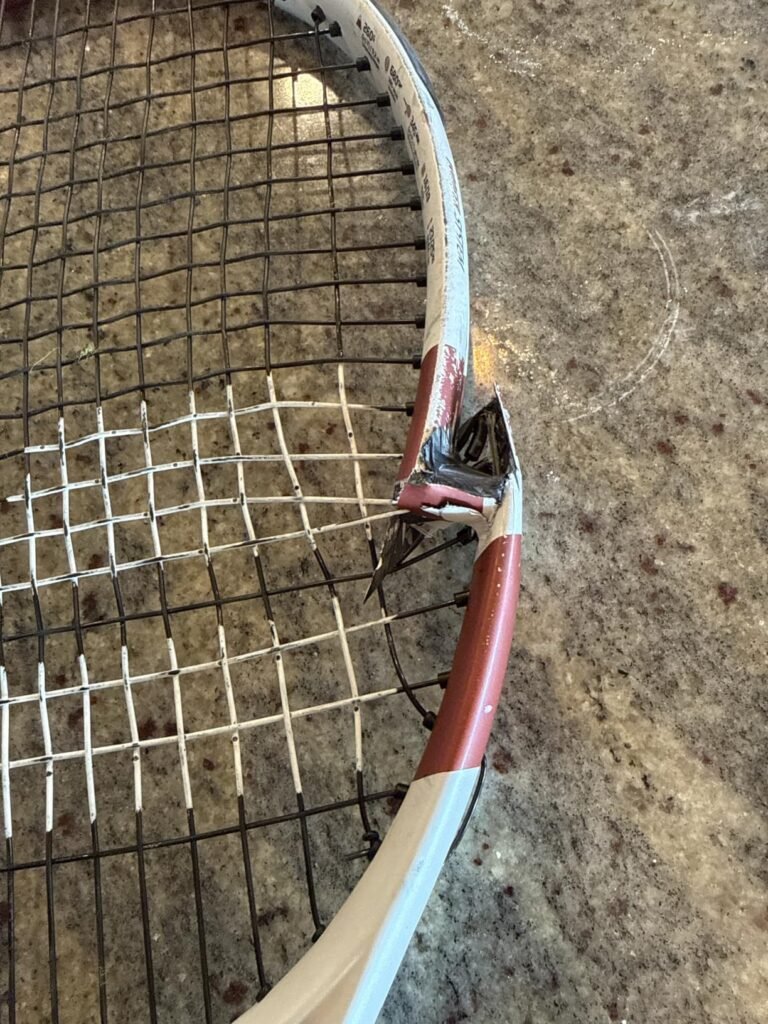
Break in your racket gradually during the first few sessions rather than immediately playing intense matches. New strings settle during initial play, and you may notice tension dropping slightly over the first few hours of use. This is normal and does not indicate a problem. Check the frame periodically for any signs of cracks or bumper wear, especially after mishits that make contact with the court surface. Small nicks in the bumper are cosmetic, but structural cracks in the frame itself compromise safety and performance.
Store your racket in a cover or bag when not in use, and avoid leaving it in extreme temperatures like a hot car trunk or freezing garage. Extreme heat can weaken the frame’s adhesives and warp the strings, while extreme cold makes strings more brittle and prone to breakage. If you play in humid conditions, wipe down the grip after each session to remove sweat that can accelerate grip degradation. Replace worn overgrips regularly to maintain a secure hold.
String tension gradually decreases even when the racket is not in use, so plan to restring based on how often you play. A common guideline is to restring as many times per year as you play per week. Recreational players who hit once weekly might restring annually, while competitive players hitting several times per week may need to restring every few months. When strings break, replace them promptly rather than continuing to play with the damaged string bed, which places uneven stress on the frame.
Beginners generally benefit from oversize heads between 105 and 115 square inches. The larger sweet spot dramatically reduces mishits and helps new players make consistent contact while they develop technique. Rackets like the HEAD Ti S6 with its 115 square inch head are widely recommended for beginners because they make the game easier and more enjoyable during the learning phase.
Beginners typically do well with rackets between 9 and 10 ounces strung, which are easy to swing without causing fatigue. Intermediate players often prefer 10 to 11 ounce frames for improved stability. Advanced and competitive players commonly use rackets above 11 ounces because the extra mass provides better plow-through and stability against hard-hit balls. Match weight to your physical strength and endurance.
Head-heavy rackets concentrate mass toward the tip, adding power on shorter swings but reducing maneuverability at the net. Head-light rackets shift mass to the handle, improving quickness for volleys and fast reactions but requiring the player to supply more power. Beginners often prefer head-heavy or even-balance frames, while intermediate and advanced players typically choose head-light rackets.
Most pre-strung recreational rackets play well straight out of the box, so restringing is not required immediately. The included strings will lose tension gradually over months of use, and you should plan to restring once you notice a significant drop in playability. Serious players often replace factory strings with their preferred string type and tension when they buy a new performance racket.
Hold the racket in a Continental grip and check whether you can fit the index finger of your other hand between your fingers and palm. A perfect fit accepts that finger with no extra space. If your finger will not fit, the grip is too small. If there is significant extra space, the grip is too large. Grip size 3 (4 3/8 inches) fits most adult players.
A common guideline is to restring as many times per year as you play per week. A recreational player hitting once weekly might restring annually, while a competitive player hitting five times weekly might restring every couple of months. Strings gradually lose tension even when unused, so time-based restringing matters too. Restring immediately when a string breaks.
Not necessarily. Expensive performance rackets are engineered for developed players who can take advantage of precise control and specific playing characteristics. Beginners typically play better with affordable oversize rackets that emphasize forgiveness. Match the racket to your skill level rather than assuming higher price equals better play. A well-chosen 50 dollar racket often serves a beginner better than a 300 dollar tour racket.
An open string pattern like 16×19 has fewer strings spaced further apart, allowing the strings to move more on contact. This movement grips the ball for enhanced spin generation and produces slightly more power. Dense patterns like 18×20 offer more control and durability but less spin. Most recreational players benefit from open patterns because spin helps keep shots in the court.
Absolutely. Most players use the same racket for both formats, though tactical preferences may lean slightly different. Doubles players often value quick maneuverability for net play, which favors head-light balance. Singles players may want more power for baseline rallies, which can favor slightly heavier or head-heavy frames. A versatile midweight, midplus racket handles both formats well.
A well-maintained graphite racket can last many years of regular play if you avoid dropping it or hitting the court. Frame materials do not degrade quickly, though the strings, grip, and bumper wear out and need periodic replacement. Serious competitive players sometimes replace rackets every year or two to maintain consistent performance, but recreational players often keep the same frame for five years or more.
The HEAD Graphene XT Speed MP stands out as the strongest overall choice for intermediate and advanced players who want a balanced performance frame that delivers control, spin, and power in one versatile package. The 100 square inch head, 4-point head-light balance, and Graphene fiber construction combine into a racket that rewards developing technique and grows with your game as your skills improve.
For buyers with different priorities, the HEAD Ti S6 remains the definitive beginner recommendation thanks to its huge 115 square inch head and forgiving lightweight design, while the Wilson Clash 100 V3 delivers premium comfort technology for players who want the most refined modern feel. Budget-focused shoppers should look at the Wilson Tour Slam or Federer recreational rackets for legitimate branded value under 40 dollars, and the Babolat Boost Drive offers excellent beginner-to-intermediate progression with the highest customer rating in the lineup.
Start by identifying your skill level, your typical swing style, and how often you plan to play. Beginners should prioritize oversize heads and lighter weights for maximum forgiveness, while intermediate and advanced players benefit from midplus heads, head-light balance, and graphite construction. Choose a grip size that fits your hand correctly, and consider whether pre-strung convenience or custom stringing better matches your preferences. The right racket will support your development for years.