SVBONY SV135 Zoom
9.0Editor score7-21mm zoom range
40-57 degree field
18mm eye relief
1.25 inch barrel
Find the right telescope eyepieces for 2026. We compare 10 standout options by build quality, useful features, owner feedback, value, and everyday trade-offs.

Choosing the right telescope eyepiece in 2026 comes down to matching focal length, field of view, eye relief, and optical quality to the objects you want to observe and the telescope you already own. We compare 10 standout eyepieces ranging from budget Plossl designs to premium zoom and ultra-wide options so you can build a practical viewing kit without overpaying.
The differences between these lenses matter more than most beginners expect. Short focal lengths deliver high magnification for planetary detail, while longer focal lengths pull in wider fields for star clusters and nebulae. Coatings, glass quality, eye relief, and barrel size (1.25 inch versus 2 inch) also shape whether an eyepiece delivers crisp views or frustrating aberrations.
This guide breaks each option down by ideal use case, strengths, and meaningful limitations. Whether you want a versatile zoom lens, a wide-field deep-sky performer, a planetary high-power specialist, or a complete accessory kit with filters and Barlow lens included, the reviews below deliver clear practical guidance for building your observing setup.
We compared 10 telescope eyepieces using the factors that shape real observing sessions: focal length range, apparent field of view, eye relief comfort, glass quality and coatings, barrel size compatibility, filter thread inclusion, build materials, weight balance, versatility across targets, price positioning, brand warranty support, and owner feedback. The notes focus on real trade-offs so each pick connects to how amateur astronomers actually use eyepieces to view planets, the moon, star clusters, nebulae, and other celestial targets across different telescope types.


Compare key features, scores, and current prices side by side. A shorter feature list means fewer details were available, not necessarily fewer capabilities.


The Celestron Accessory Kit stands out as the top pick for buyers who want a complete observing solution rather than building an eyepiece collection piece by piece. Earning the highest owner rating in this guide at 4.7 stars, it delivers exceptional value by combining five Plossl eyepieces, a 2x Barlow lens, and a full set of color filters in one durable case.
We may earn a commission when you buy through this link, at no additional cost to you.
The five included eyepieces cover focal lengths from 32mm down to 6mm, providing a well-thought-out progression from low to high power. Each is a four-element Plossl design with a 52-degree field of view. Adding the 2x Barlow lens effectively doubles your options to ten different magnifications, giving you enormous flexibility across observing targets from wide star fields to planetary details.
The included color filter set unlocks specific observing techniques. A moon filter reduces glare from bright lunar surfaces during full moon periods. Red and orange filters help reveal Mars surface features and polar caps. Blue filters bring out details in Jupiter’s cloud bands. These filters transform an ordinary observing session into a more scientific and educational experience.
Colored filters block specific wavelengths of light while transmitting others, which enhances contrast on planetary features that reflect certain colors more than others. Red filters darken blue-tinted Martian atmosphere to reveal surface features. Blue filters darken Jupiter’s red bands to bring out contrast. Moon filters reduce overall brightness for comfortable lunar viewing. These are inexpensive tools that meaningfully improve what you can see.
Choose this kit if you’re building your first serious accessory collection or want everything in one purchase. The trade-off is a standard 52-degree field of view rather than the wider fields available in premium individual eyepieces. For most amateurs and educational settings, the completeness and value are compelling. The hard-sided foam-lined case even has room to add more eyepieces as your collection grows.
Observers who already own multiple eyepieces or want premium wide-field designs should choose individual specialized lenses.
We may earn a commission when you buy through this link, at no additional cost to you.
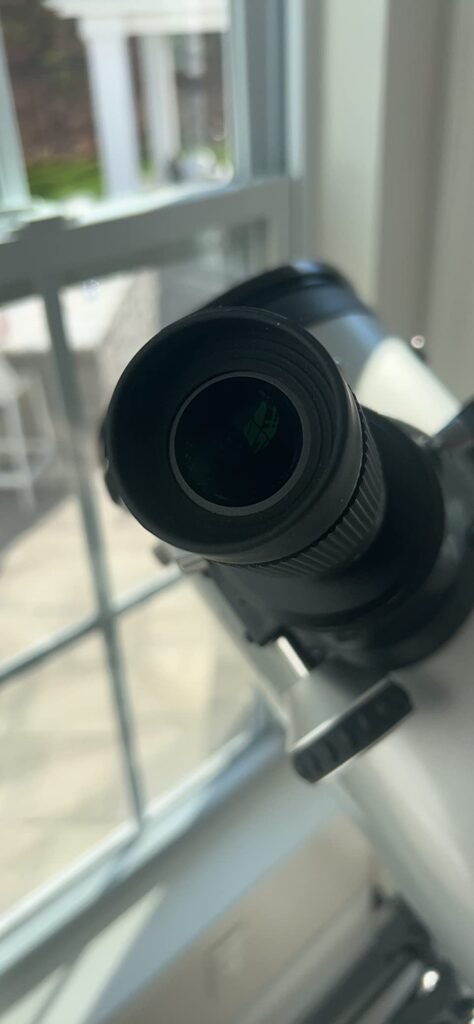
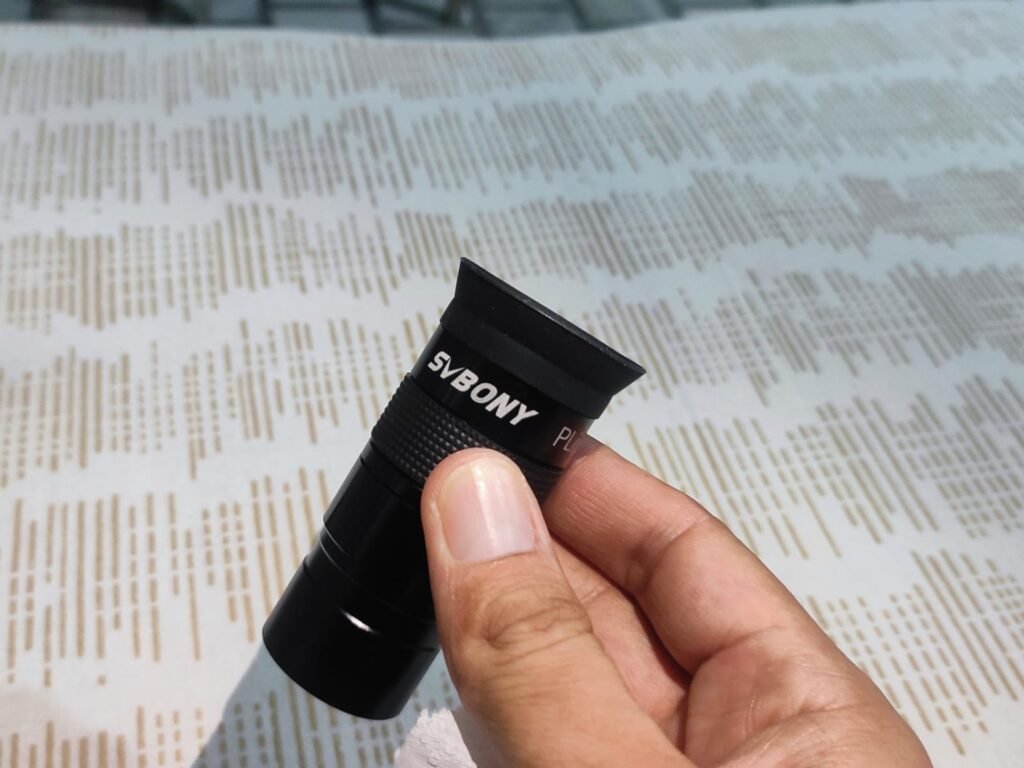
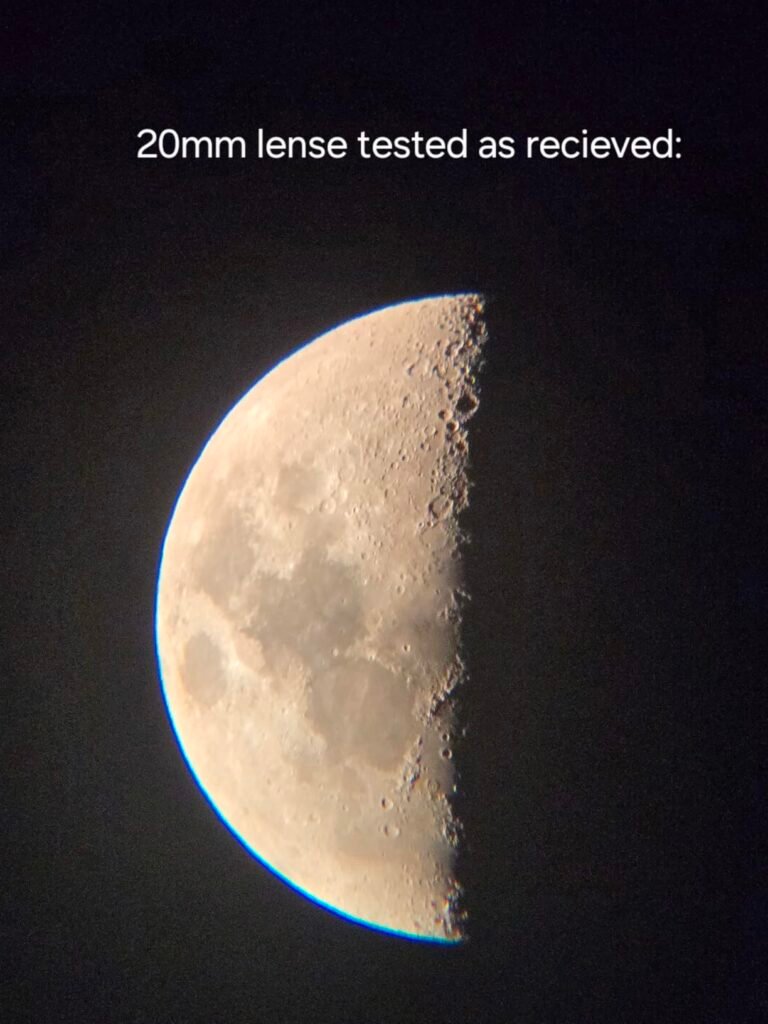
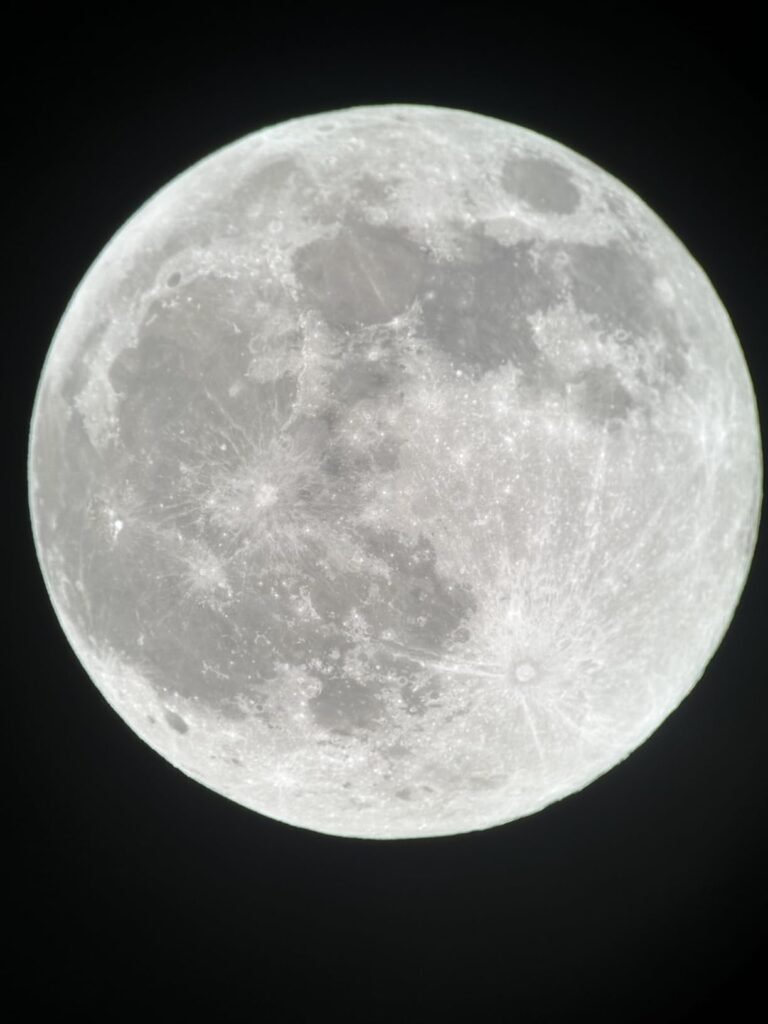
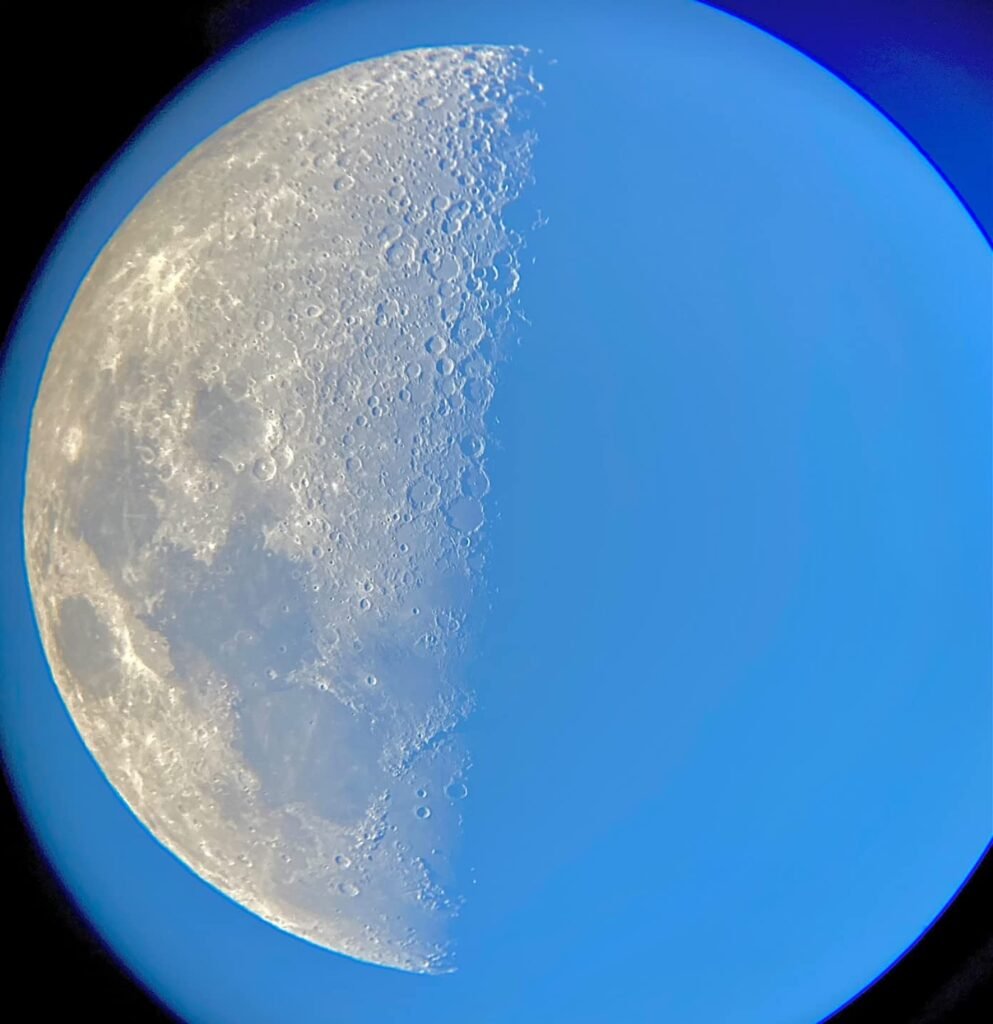
The SVBONY SV135 zoom eyepiece targets amateur astronomers who want the flexibility of multiple magnifications without carrying a bag full of fixed eyepieces. Zooming continuously from 7mm to 21mm covers most planetary and lunar observing needs in a single lens, which saves fumbling with swaps in the dark during productive sessions.
We may earn a commission when you buy through this link, at no additional cost to you.
The 6-element 4-group premium optical design delivers noticeably sharper edge and center views than typical Plossl eyepieces, and the fully multi-coated surfaces improve light transmission for higher contrast. Eye relief stays comfortable at 16.3-18mm across the range, which matters significantly for eyeglass wearers who need distance between their glasses and the lens.
The 40-57 degree apparent field of view expands as you zoom to shorter focal lengths, delivering wider views at higher magnification. The all-metal body feels solid and the rubber eye guard blocks stray light while adding grip. The 1.25 inch standard barrel fits any telescope accepting that common size, making this a universal upgrade for most consumer scopes.
Eye relief is the distance from the eyepiece lens where you can see the full field of view. Short eye relief forces your eye right up against the glass, which is uncomfortable and impossible with eyeglasses. The 16-18mm eye relief on the SV135 lets eyeglass wearers use the eyepiece without removing their glasses, which is a genuine daily-use advantage over cheaper eyepieces with 5-10mm relief.
Choose the SV135 if you want to reduce the number of eyepieces you carry and prefer continuous zoom over discrete focal lengths. The trade-off is that the field of view is narrower than dedicated ultra-wide eyepieces at each focal length, and you may need to refocus slightly as you zoom. For most casual and intermediate observers, the convenience genuinely outweighs these limitations.
Serious observers who want the widest possible fields at each focal length should choose dedicated wide-angle eyepieces.
We may earn a commission when you buy through this link, at no additional cost to you.
The Celestron 8-24mm zoom offers a slightly different focal range than the SVBONY SV135, extending to 24mm at the wide end for lower magnification views of star clusters and larger deep-sky objects. This makes it especially useful as a single-eyepiece solution for observers who prefer one versatile tool over multiple fixed eyepieces.
We may earn a commission when you buy through this link, at no additional cost to you.
Every lens surface receives Celestron’s proprietary multi-coating, which noticeably improves brightness, color rendition, and contrast compared to uncoated or partially coated alternatives. The result is punchier planetary views and slightly better performance on faint deep-sky targets. The zoom mechanism operates smoothly and includes clear focal length markings.
The 1.25 inch barrel with filter threads accepts standard 1.25 inch lunar and planetary color filters, expanding the eyepiece’s usefulness for specific observing scenarios. The Celestron 2-year US warranty and unlimited support from California-based experts provides real peace of mind if issues arise, which distinguishes this from many budget imports.
Zoom eyepieces sacrifice some optical performance for convenience. A dedicated 10mm Plossl typically shows slightly sharper edges and better contrast than a zoom set to 10mm. However, the zoom lets you quickly experiment with different magnifications without swapping eyepieces, which many observers value more than the last 5-10% of optical quality. This trade-off makes zooms particularly valuable for grab-and-go setups.
Choose the Celestron zoom if you value brand backing and want the wider 24mm end for low-power views. The trade-off is that any zoom eyepiece cannot match the optical quality of a dedicated premium fixed eyepiece at its native focal length. For casual and intermediate observers who prioritize convenience, this remains one of the most respected zoom options available.
Serious planetary observers seeking the absolute sharpest views should invest in dedicated fixed high-quality eyepieces.
We may earn a commission when you buy through this link, at no additional cost to you.
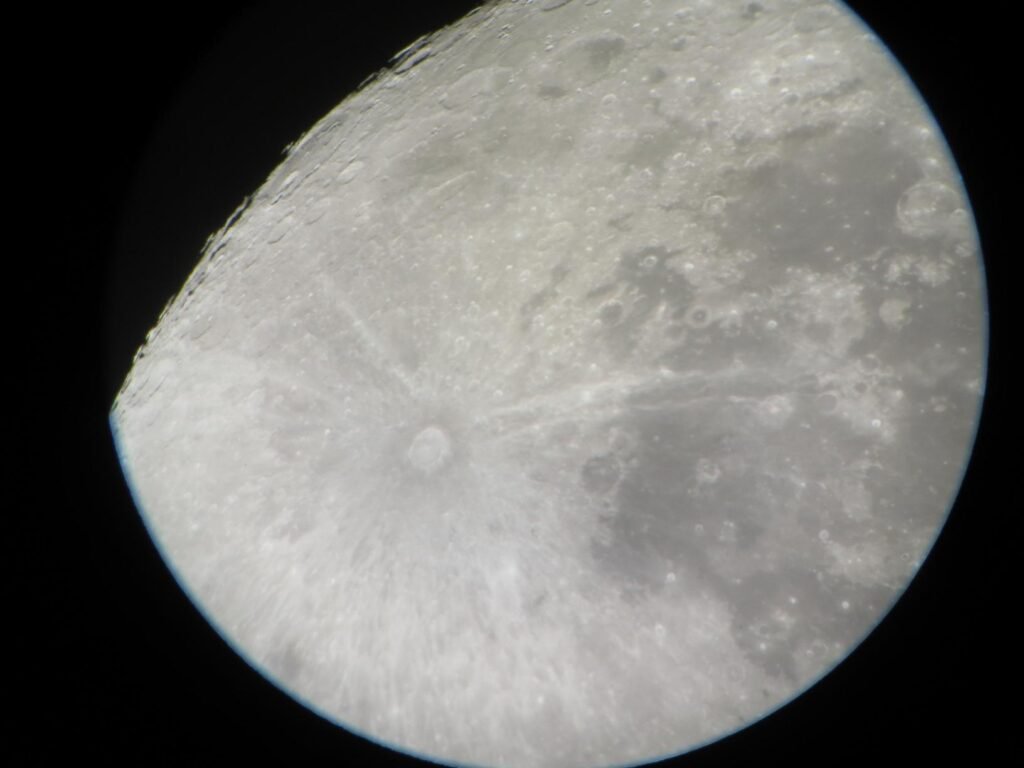
The Celestron X-Cel LX 5mm targets serious planetary observers who want maximum detail on Jupiter's belts, Saturn's rings and Cassini division, and lunar features at close range. The 5mm focal length delivers high magnification on any telescope, and the six-element fully multi-coated lens system produces sharp, high-contrast images optimized specifically for planetary work.
We may earn a commission when you buy through this link, at no additional cost to you.
The 60-degree apparent field of view is meaningfully wider than the 40-52 degrees typical of standard Plossl eyepieces, which reduces the constant slewing needed to keep planets centered at high magnification. This wider field makes tracking objects much more relaxing during observing sessions, especially with alt-azimuth mounts that require frequent manual adjustments.
The pop-up rubber eyeguard twists up and down to comfortably block stray light while accommodating both glasses-wearers and those who prefer their eye close to the lens. The threaded rubber grip provides secure handling even in cold weather with gloves. Filter threads on the 1.25 inch barrel accept standard color filters for enhanced planetary contrast.
A general rule limits useful magnification to about 50-60x per inch of telescope aperture. A 4-inch (100mm) telescope tops out around 200-240x under excellent conditions. Using 5mm eyepieces on shorter focal length telescopes may exceed practical magnification limits, producing dim, blurry images. Match eyepiece choice to your telescope’s optical characteristics for the best results.
Choose the X-Cel LX 5mm if you have a telescope with sufficient aperture (typically 100mm+) to support high magnification and want the best possible planetary detail. The trade-off is that 5mm delivers extreme magnification that requires very steady atmospheric conditions and a stable mount to use effectively. On nights with poor seeing, longer focal length eyepieces produce better images.
Deep-sky observers or those with small telescopes should choose longer focal length eyepieces for wider, brighter views.
We may earn a commission when you buy through this link, at no additional cost to you.
The SVBONY 40mm Plossl delivers the widest possible true field of view achievable in a 1.25 inch eyepiece format, making it ideal for low-power sweeping across star clusters, larger nebulae, and the Milky Way. This is often the first eyepiece experienced observers reach for when locating targets before switching to higher magnification lenses.

We may earn a commission when you buy through this link, at no additional cost to you.
The classic 4-element Plossl design with fully multi-coated optics and a completely blackened interior reduces internal reflections and ghost images, producing clean, high-contrast views. The lens shows minimal color fringing on bright objects, which matters when observing Jupiter, Venus, or lunar features where chromatic aberration can distort details.
The custom-fitted soft rubber eye guard folds down for eyeglass wearers and protects glasses from scratches, a thoughtful design detail. The M28.5 x 0.6 filter thread accepts standard 1.25 inch color and lunar filters. Full metal construction and a plastic protective case make this durable for years of use.
The 1.25 inch barrel physically limits how wide a true field of view any eyepiece can achieve, regardless of apparent field specifications. A 40mm Plossl in a 1.25 inch barrel reaches the practical maximum. To get significantly wider true fields, you need 2 inch eyepieces and a telescope with a 2 inch focuser. This is why serious deep-sky observers often invest in 2 inch focusers and eyepieces.
Choose the 40mm Plossl if you want a low-power finder eyepiece and don’t have a 2 inch focuser. The trade-off is that the 1.25 inch barrel physically limits the maximum true field of view, so 2 inch alternatives like the SVBONY SV154 offer wider views on compatible telescopes. For 1.25 inch only telescopes, this delivers exceptional value at a low price.
Observers with 2 inch focusers who want maximum true field of view should invest in 2 inch wide-angle eyepieces.
We may earn a commission when you buy through this link, at no additional cost to you.
The SVBONY 6mm wide-angle eyepiece bridges the gap between planetary detail and immersive field of view. The 68-degree apparent field is significantly wider than the 40-60 degrees typical of standard eyepieces, creating a spacewalk-like sensation while still delivering the high magnification needed to see planetary details like Saturn's rings and Jupiter's moons.

We may earn a commission when you buy through this link, at no additional cost to you.
The 17mm eye relief is exceptionally comfortable for a high-power eyepiece, making it usable for eyeglass wearers who typically struggle with short-focal-length lenses. The FMC coating improves light transmission significantly, and the blackened interior tube reduces stray reflections that would otherwise wash out fine details on planetary surfaces.
The all-metal construction with a handheld rubber grip ring provides secure handling during nighttime swaps, and the folding eyecup accommodates both glasses users and those observing without them. Two included dust covers protect the lenses during storage, and the M26.5 x 0.6 thread supports standard 1.25 inch filter adapters for planetary color filter use.
At high magnification, planets and moon features drift across the field of view quickly due to Earth’s rotation and any manual mount adjustments. Narrow-field eyepieces require constant repositioning that breaks concentration and reveals mount vibrations. Wide 68-degree fields let objects drift longer before needing adjustment, dramatically improving the observing experience. This is one of the biggest quality-of-life upgrades for planetary observers.
Choose this eyepiece if you want high magnification with a genuinely immersive field of view for tracking planets and lunar features. The trade-off is that 6mm delivers high magnification that requires appropriate telescope aperture (typically 100mm+) and stable atmospheric conditions. For observers with capable telescopes, this delivers a premium wide-angle experience at a mid-range price.
Observers with small telescopes under 80mm aperture should avoid such high magnifications for better image quality.
We may earn a commission when you buy through this link, at no additional cost to you.
This 3-piece eyepiece set delivers exceptional value for beginners or as backup eyepieces at a very low price. The three focal lengths (4mm, 10mm, and 20mm) provide low, medium, and high magnification coverage that lets new observers experience how different magnifications affect various celestial objects.

We may earn a commission when you buy through this link, at no additional cost to you.
The multi-coated lens elements provide better light transmission and image contrast than uncoated glass alternatives, delivering acceptable performance across all three focal lengths. Chromatic aberration is corrected to reasonable levels for the price point, producing clear images of the moon, planets, star clusters, and larger deep-sky objects.
The upgraded soft eyecups add real comfort during extended observing sessions, and the standard 1.25 inch barrel size ensures compatibility with all telescopes accepting that common size. The set works with both refractor and reflector telescopes, making it versatile for observers with different scope types.
Starter eyepiece sets get you observing quickly, but as you develop preferences, individual upgrades pay off. Most observers upgrade their most-used focal length first, typically a medium-power eyepiece around 10-15mm. Then they add a low-power wide-field lens for finding objects and a high-quality high-power lens for planetary detail. This gradual upgrade path costs less overall than replacing everything at once.
Choose this set if you’re just starting out and want to experience multiple magnifications without committing to individual premium eyepieces. The trade-off is that image quality, field of view, and eye relief cannot match dedicated premium eyepieces. As your interest deepens, you can upgrade individual focal lengths while keeping the others as backups. For the price, this delivers genuine value for absolute beginners.
Experienced observers who want premium image quality or wider fields should invest in individual specialized eyepieces.
We may earn a commission when you buy through this link, at no additional cost to you.
The SVBONY SV215 targets serious planetary observers who want zoom convenience without sacrificing performance. Unlike general-purpose zooms, this parfocal design maintains focus as you change focal length, and the click-stop positions at 3, 4, 5, 6, 7, and 8mm let you reliably return to specific magnifications, useful for planetary imaging or comparative observations.

We may earn a commission when you buy through this link, at no additional cost to you.
The constant apparent field of view and constant eye relief across the entire zoom range are unusual features that meaningfully improve the observing experience. Most zooms narrow the field and change eye relief as you zoom, but the SV215 maintains consistent characteristics throughout. This makes zooming through magnifications feel more natural and less disorienting.
The 6-element 4-group lens structure with fully multi-coated optics delivers sharpness, contrast, and color correction that approaches dedicated fixed eyepieces. The 1.25 inch barrel with safety undercut prevents accidental drops during eyepiece changes, and the rubber grip ring provides secure handling. The smooth zoom mechanism operates comfortably even in cold weather with gloves.
Parfocal eyepieces maintain focus as you change focal length, eliminating the need to refocus every time you zoom. This matters significantly during observing sessions when you want to quickly change magnification to see different planetary features. Non-parfocal zooms require constant refocusing that breaks concentration and can cause you to lose your target during the adjustment. Parfocal design is a premium feature worth paying for.
Choose the SV215 if you’re focused on planetary observation and want zoom versatility with premium performance. The trade-off is the higher price point and focal range limited to high magnifications (3-8mm), which requires substantial telescope aperture. For dedicated planetary observers with capable scopes, this delivers a rare combination of convenience and quality.
Deep-sky observers or those seeking low-power views should choose longer focal length eyepieces or zooms with wider ranges.
We may earn a commission when you buy through this link, at no additional cost to you.
The Celestron X-Cel LX 25mm complements the 5mm version reviewed earlier, providing a wide-field low-power eyepiece for finding targets and observing larger deep-sky objects. The 60-degree apparent field of view creates an immersive experience for star cluster and nebula observation while the 25mm focal length delivers comfortable low magnification.

We may earn a commission when you buy through this link, at no additional cost to you.
The six-element fully multi-coated lens system produces sharp, high-contrast views across the entire field, with minimal edge distortion or color fringing. This optical quality matches what you’d expect from premium eyepieces at higher prices. The design is optimized for planetary viewing but performs equally well on deep-sky targets and star fields.
The pop-up rubber eyeguard twists up and down to accommodate eyeglass users and those preferring bare-eye viewing, a genuinely useful feature during shared observing sessions. The threaded rubber grip provides secure handling during cold-weather observing with gloves, and the 1.25 inch filter thread accepts standard color and light-pollution filters.
Buying eyepieces from the same product line (like Celestron X-Cel LX) provides consistent optical characteristics, field of view, and eye relief across focal lengths. This creates a more coherent observing experience than mixing brands with different specs. Typical serious collections include 3-4 eyepieces spanning low, medium, and high powers, often supplemented by a 2x Barlow to effectively double the options.
Choose the X-Cel LX 25mm if you want a premium wide-field eyepiece to pair with higher-magnification lenses, and don’t mind paying more for individual quality over set convenience. The trade-off is the higher per-eyepiece cost compared to purchasing a complete kit. For observers building a premium collection over time, this represents the low-power end of a coordinated set with the 5mm and other X-Cel LX focal lengths.
Budget-conscious buyers or those wanting a complete set should choose the Celestron Accessory Kit instead.
We may earn a commission when you buy through this link, at no additional cost to you.
The SVBONY SV154 unlocks the wide-field observing capability that 1.25 inch eyepieces simply cannot deliver. The 2 inch barrel physically enables a much larger true field of view, combined with a 70-degree apparent field, this creates the sweeping vistas that make observing large star clusters, nebulae, and the Milky Way a truly immersive experience.

We may earn a commission when you buy through this link, at no additional cost to you.
The 5-element 3-group lens structure uses high index glass to provide clear, high-contrast views with crisp, realistic images. The fully multi-coated surfaces maximize light transmission while minimizing distortion and aberrations across the wide field. This is particularly noticeable when observing faint deep-sky objects where every photon matters.
The 2 inch filter thread accepts standard 2 inch filters including light pollution reduction filters that dramatically improve visibility of nebulae from urban and suburban skies. The removable and foldable silicone rubber eye cup accommodates both glasses wearers and bare-eye observers. The safety undercut on the barrel reduces the risk of the eyepiece slipping out of the focuser or diagonal.
2 inch eyepieces require a 2 inch focuser and diagonal, which adds cost if your telescope only has 1.25 inch capability. However, for deep-sky observation, the wider true fields possible with 2 inch eyepieces genuinely transform the experience. Objects like the Andromeda Galaxy, Pleiades cluster, and North America Nebula benefit enormously from wide fields. Consider a 2 inch upgrade if you observe deep-sky targets regularly and have a compatible telescope.
Choose the SV154 if your telescope has a 2 inch focuser and you want the widest possible true field for deep-sky observation. The trade-off is the requirement for a 2 inch focuser and diagonal, which not all telescopes have. The manufacturer specifically notes this eyepiece is not recommended for use with reflector telescopes, so verify compatibility before purchase. For refractor and catadioptric users, this delivers premium wide-field performance at an accessible price.
Owners of telescopes with only 1.25 inch focusers cannot use this eyepiece without a focuser upgrade.
We may earn a commission when you buy through this link, at no additional cost to you.
The right eyepieces transform an average telescope into a powerful observing tool, while the wrong choices leave you frustrated with dim, blurry, or awkward views. The factors below break down what actually matters when building an eyepiece collection that matches your telescope and observing interests.
Eyepiece focal length determines magnification when combined with your telescope’s focal length. Divide the telescope focal length by the eyepiece focal length to get magnification. A 1000mm telescope with a 25mm eyepiece produces 40x magnification. The same telescope with a 5mm eyepiece produces 200x. Understanding this relationship helps you select eyepieces that produce useful magnifications for your telescope.
Different focal lengths serve different purposes. Longer focal lengths (25-40mm) provide low magnification with wide fields ideal for finding targets, viewing large star clusters, and observing the Milky Way. Medium focal lengths (10-20mm) suit lunar observation and larger deep-sky objects. Short focal lengths (4-10mm) deliver high magnification for planetary detail and small planetary nebulae.
Build a collection covering low, medium, and high magnifications rather than concentrating in one range. Starting with 3-4 well-spaced focal lengths (like 25mm, 15mm, 10mm, and 6mm) provides versatile coverage for most observing situations.
Apparent field of view measures how wide the eyepiece view appears to your eye, measured in degrees. Standard Plossl eyepieces typically provide 50-52 degrees. Wide-angle designs like the SVBONY 6mm reach 68 degrees, and super-wide 2 inch eyepieces like the SVBONY SV154 hit 70 degrees. Ultra-wide premium eyepieces exceed 80 degrees.
Wider apparent fields create more immersive views and reduce the need to constantly reposition your telescope as objects drift across the field due to Earth’s rotation. This matters especially at high magnifications where objects move through the view quickly. Wider fields also make locating and centering targets significantly easier during observing sessions.
Consider wider apparent fields as you develop preferences, particularly for higher-magnification eyepieces where the benefit is most pronounced. Standard 50-52 degree Plossls remain adequate for casual observation and offer better value per dollar.
Eye relief is the distance from the eyepiece lens where you can see the full field of view. Short eye relief (5-10mm) forces your eye directly against the glass, which is uncomfortable for extended sessions and impossible with eyeglasses. Long eye relief (15-20mm) accommodates eyeglasses and reduces eye strain during extended observing.
Eyeglass wearers specifically need at least 15mm of eye relief to see the full field with their glasses on. The SVBONY SV135 zoom with 16-18mm eye relief, the SVBONY 6mm with 17mm eye relief, and the Celestron X-Cel LX line all accommodate eyeglass users comfortably. Traditional Plossls at short focal lengths often have very short eye relief that’s uncomfortable.
Prioritize longer eye relief if you wear glasses or observe for extended sessions. Eye relief becomes especially important at short focal lengths (under 10mm) where traditional designs suffer most.
Telescope eyepieces come in two standard sizes: 1.25 inch and 2 inch. The 1.25 inch format is universal, working with virtually all consumer telescopes. The 2 inch format requires a compatible focuser and diagonal, providing physically larger fields of view that particularly benefit low-power deep-sky observation.
Verify your telescope’s focuser size before purchasing eyepieces. Many telescopes have 1.25 inch focusers only, which limits you to that eyepiece size. Some larger telescopes have 2 inch focusers with 1.25 inch adapters, giving you access to both formats. Upgrading to a 2 inch focuser is possible but adds significant cost.
Match eyepiece barrel size to your focuser capability. Don’t buy 2 inch eyepieces if your telescope only accepts 1.25 inch, unless you plan a focuser upgrade first.
Optical quality depends on lens element count, glass quality, and anti-reflection coatings. Fully multi-coated lenses (like the SVBONY 40mm Plossl, Celestron X-Cel LX, and Celestron zoom) receive multiple coating layers on every glass-air surface, transmitting significantly more light than uncoated or partially coated alternatives. This meaningfully improves views of faint objects.
More lens elements generally correct aberrations better but can reduce overall light transmission slightly. Six-element designs like the Celestron X-Cel LX 5mm and SVBONY SV215 zoom balance correction and transmission well for planetary work. Simple four-element Plossls provide exceptional value for general observation.
Prioritize fully multi-coated eyepieces from reputable brands. The visible difference in image brightness and contrast justifies the modest price increase over cheaper alternatives.
Fixed focal length eyepieces provide optimal optical performance at their specific magnification, with sharper edges and better contrast than zoom alternatives at equivalent settings. They’re also generally less expensive per focal length than premium zooms. Building a collection of 3-4 fixed eyepieces covers most observing needs at reasonable cost.
Zoom eyepieces like the SVBONY SV135, Celestron 8-24mm, and premium SVBONY SV215 provide continuous focal length adjustment that dramatically reduces eyepiece swapping. This convenience matters most during observing sessions with multiple targets or when experimenting with different magnifications on the same object. The trade-off is slightly reduced optical performance compared to dedicated fixed eyepieces.
Consider zoom eyepieces as versatile primary tools that complement 1-2 dedicated fixed eyepieces for specific tasks. For beginners with limited budget, a good zoom provides more flexibility than a single fixed eyepiece.
Barlow lenses multiply the magnification of any eyepiece they’re paired with. A 2x Barlow effectively doubles your eyepiece collection: a 10mm eyepiece becomes both 10mm and 5mm depending on Barlow use. The Celestron Accessory Kit includes a 2x Barlow that transforms its five eyepieces into ten effective magnification options.
Quality Barlows preserve optical quality reasonably well, though extreme magnifications approach the limits of atmospheric seeing and telescope aperture. Filter threads on eyepiece barrels accept color filters (for planetary contrast), lunar filters (for glare reduction), and light pollution filters (for nebula observation from urban skies).
A quality 2x Barlow is one of the highest-value accessory purchases available. Filters become worthwhile once you’ve optimized your eyepiece collection and want to enhance specific observing scenarios.
Different telescope types have different optical characteristics that influence eyepiece choice. Refractors typically work well with any eyepiece type. Reflectors (Newtonians) often benefit from wider-field eyepieces due to shorter focal ratios and can show more aberration issues with cheap wide-angle designs. Catadioptric telescopes (SCTs, Maks) work well with most eyepiece types.
Focal ratio matters significantly. Fast telescopes (f/4-f/6) demand higher-quality eyepieces to control edge aberrations, while slow telescopes (f/8-f/15) are more forgiving. Note that the SVBONY SV154 2 inch eyepiece explicitly is not recommended for reflectors, so telescope compatibility must be verified.
Consider your telescope’s optical design and focal ratio when choosing eyepieces. Buyers with fast telescopes should prioritize higher-quality optics to avoid edge distortion. Slow telescopes tolerate a wider range of eyepiece designs.
Start each observing session by carefully cleaning eyepiece lenses only when necessary, as unnecessary cleaning risks scratching the delicate coatings. Use a blower brush to remove dust particles first, then apply lens cleaning solution to a microfiber cloth or lens tissue (never directly to the lens) and gently wipe from center outward in circular motions. Store eyepieces in their protective cases when not in use to prevent dust accumulation and physical damage from bumps and drops.
When switching eyepieces during observing sessions, hold the new eyepiece ready before removing the current one to minimize the time your open focuser is exposed to dust. Insert eyepieces firmly but gently into the focuser or diagonal, then tighten the retention screw to prevent accidental drops. Never force an eyepiece that doesn’t fit, and verify barrel size compatibility (1.25 inch vs 2 inch) before attempting insertion. Cold weather can shrink metal parts slightly, so eyepieces may feel tighter during winter observing.
Protect eyepieces from temperature shock by allowing them to acclimate to outdoor temperatures before use. Going directly from a warm indoor environment to a cold telescope can cause condensation to form on the lens surfaces. Store eyepieces in a case that stays with the telescope during transport to maintain consistent temperature. Avoid touching lens surfaces with bare fingers, as skin oils leave residues that require cleaning. When not observing for extended periods, store eyepieces in a low-humidity environment to prevent fungal growth on interior lens elements.
Most observers do well with 3-4 eyepieces covering low, medium, and high magnifications. A typical starter collection might include a 25mm for low-power finding, a 15mm for general observation, a 10mm for lunar detail, and a 6mm for planetary detail. Adding a 2x Barlow effectively doubles your options. The Celestron Accessory Kit provides five eyepieces plus Barlow in one purchase, which covers virtually all observing scenarios.
For casual and intermediate observers, quality zoom eyepieces like the SVBONY SV135 or Celestron 8-24mm provide excellent convenience that many find worth the slight optical compromise versus fixed eyepieces. Serious planetary observers may prefer dedicated fixed high-power eyepieces for absolute best image quality. Zooms work particularly well for grab-and-go setups where minimizing accessory swapping matters.
The physical barrel size determines maximum possible true field of view. 1.25 inch eyepieces are universal and work with all consumer telescopes. 2 inch eyepieces require a 2 inch focuser and diagonal but provide dramatically wider true fields for deep-sky observation. If your telescope has a 2 inch focuser, wide-field 2 inch eyepieces like the SVBONY SV154 unlock immersive views impossible with 1.25 inch alternatives.
Divide your telescope's focal length by the eyepiece focal length to calculate magnification. For example, a 1000mm telescope with a 10mm eyepiece produces 100x magnification. General guidelines suggest not exceeding 50-60x magnification per inch of telescope aperture for practical viewing. Match eyepiece choices to your typical targets: longer focal lengths for wide-field deep-sky viewing, shorter focal lengths for planetary detail.
Planetary observation benefits from higher magnification (shorter focal lengths like 5-10mm) and often narrower fields work fine since planets are small. Deep-sky observation benefits from lower magnification (longer focal lengths like 20-30mm) and wider fields to fit larger objects. However, most observers use the same eyepieces for both by simply selecting appropriate focal lengths for each target type.
Premium eyepieces from established brands like Celestron X-Cel LX generally provide better edge sharpness, wider fields, longer eye relief, and superior coatings compared to budget alternatives. However, the difference matters most at higher magnifications and in fast focal ratio telescopes. Beginners with modest telescopes see less benefit from premium eyepieces than experienced observers with quality scopes.
Eyeglass wearers need at least 15mm of eye relief to see the full field of view with glasses on. Options like the SVBONY SV135 zoom (16-18mm), SVBONY 6mm wide angle (17mm), and Celestron X-Cel LX line all accommodate glasses. Traditional short-focal-length Plossls typically have inadequate eye relief for eyeglass use. Consider this before purchasing eyepieces if you observe with glasses.
Yes, quality Barlow lenses like the one included in the Celestron Accessory Kit work with any eyepiece of matching barrel size. A 2x Barlow doubles the magnification of any 1.25 inch eyepiece it's paired with. This effectively doubles the useful range of your eyepiece collection at reasonable cost. Buy one quality Barlow rather than duplicating focal lengths across multiple eyepieces.
Use a blower brush to remove dust particles first without touching the lens. If cleaning is needed, apply lens cleaning solution to a microfiber cloth or lens tissue, never directly to the lens. Wipe gently from center outward in circular motions. Never use paper towels, tissues, or clothing that can scratch coatings. Clean only when necessary since every cleaning risks minor damage.
Quality eyepieces from reputable brands last decades with proper care. There are no consumable parts that wear out, and modern coatings resist degradation for many years. Damage typically comes from drops, scratches during cleaning, or fungal growth in humid storage conditions. Investing in quality eyepieces makes sense because they'll outlast several telescope upgrades and transfer easily to future scopes.
The Celestron Accessory Kit stands as the strongest overall choice for most buyers thanks to its exceptional value proposition and highest owner rating in this guide at 4.7 stars. It provides five Plossl eyepieces spanning 32mm to 6mm focal lengths, a 2x Barlow lens that effectively doubles your magnification options, a complete set of color and moon filters, and a durable foam-lined carrying case. For new observers building their first accessory collection or educational users needing versatile equipment, this kit delivers everything needed in one purchase.
For different priorities, the Celestron 8-24mm zoom offers excellent single-eyepiece versatility with trusted brand backing and a 2-year US warranty. The SVBONY 40mm Plossl provides the widest possible field in a 1.25 inch format at an extremely accessible price. Serious planetary observers should invest in the Celestron X-Cel LX 5mm for high-magnification detail or the SVBONY SV215 zoom for parfocal convenience. Deep-sky enthusiasts with 2 inch focusers should consider the SVBONY SV154 for immersive wide-field views.
Your best decision starts with clarifying what you'll observe most often, your telescope's focal length and barrel size compatibility, and whether you prefer building a collection over time or purchasing a complete set immediately. Verify barrel size compatibility before purchasing, and match focal lengths to produce useful magnifications for your specific telescope aperture. Any of these 10 eyepieces will improve your observing experience; the right choices for you depend on your telescope, your targets, and your budget.