Carbide Carving Disc
8.6Editor scoreFine quality alloy
High hardness rating
Wear-resistant construction
Easy installation
Compare the top stump grinders for homeowners, landscapers, and tractor owners. See engine power, cutting depth, tooth design, and value trade-offs.
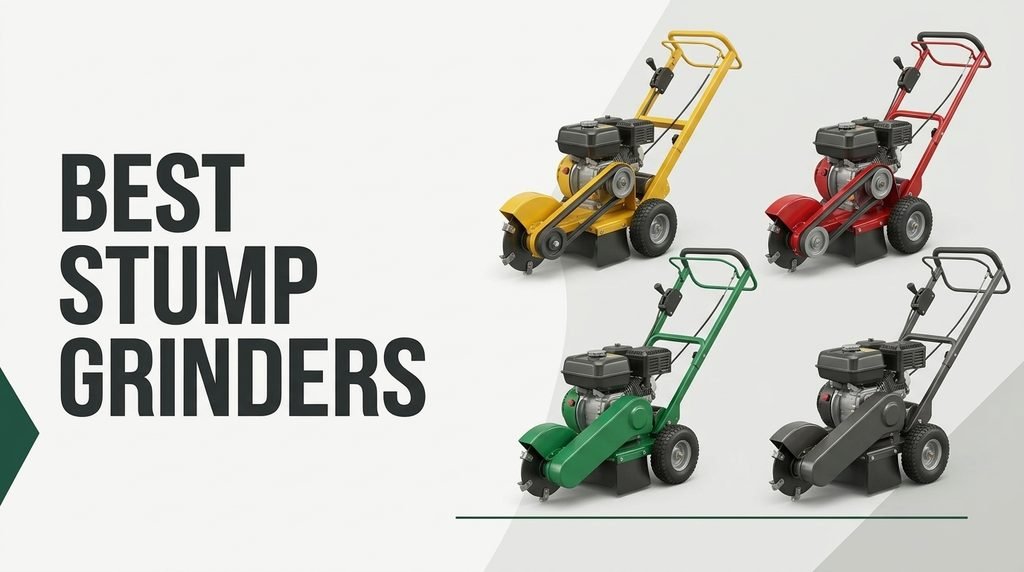
Choosing the right stump grinder for 2026 comes down to matching engine power, cutting wheel size, tooth material, and mobility to the size of the stumps you actually deal with. This guide compares standout options across gas-powered walk-behind units, PTO tractor attachments, and compact carving accessories so you can pick a machine that fits your property and workload.
The differences between these tools are significant. A 15HP gas grinder handles yard stumps independently, while a PTO attachment leverages tractor horsepower for heavy land clearing. Small carbide carving discs, meanwhile, tackle only shallow roots or decorative work. Understanding these categories before shopping prevents overspending on capacity you will never use.
Owner ratings, cutting depth, tooth count, and safety features shape long-term satisfaction more than headline horsepower alone. The reviews below cover the practical trade-offs of each option, including who benefits most from each design, so you can make a confident decision without wading through repetitive marketing claims.
We compared these stump grinders using the details that genuinely help buyers decide: engine or PTO power, cutting wheel diameter, tooth count and material, cutting depth and swing range, mobility and setup, safety controls, warranty coverage, owner feedback, and price relative to capability. The notes focus on practical trade-offs so each pick connects to real use cases, from occasional backyard stump removal to serious land clearing on rural property.


Compare key features, scores, and current prices side by side. A shorter feature list means fewer details were available, not necessarily fewer capabilities.


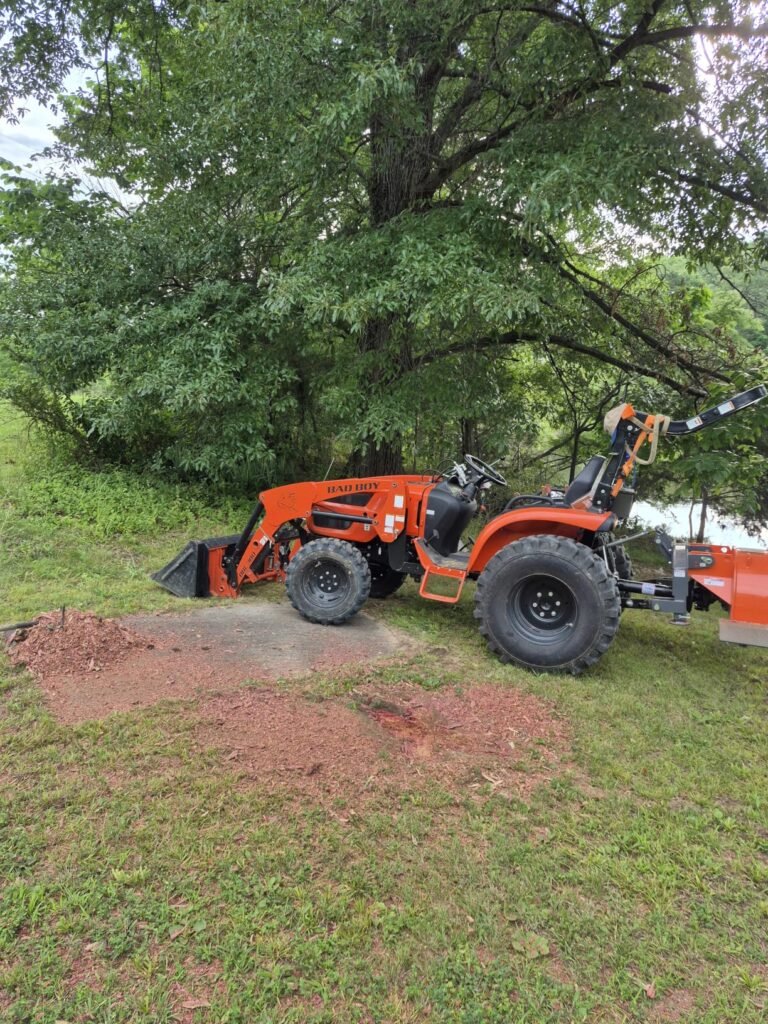
Considered strictly as a value proposition, this PTO grinder is remarkably cost-effective compared with buying a standalone commercial machine of equivalent capacity. Since the tractor supplies the engine, transmission, and mobility, the attachment itself only needs to contain the flywheel, gearbox, and mounting hardware, which keeps its price manageable.

We may earn a commission when you buy through this link, at no additional cost to you.
For a farmer or rural landowner already running a 25-40HP tractor, adding this attachment expands the machine’s capability significantly without another motor to maintain. That means one oil change routine, one fuel tank, and one set of controls to learn, which simplifies ownership compared to keeping a separate gas-powered grinder in the shed.
The included PTO drive shaft is a small detail that saves headaches, since sourcing the right shaft length and yoke configuration for a specific tractor can be surprisingly tricky. Buyers just need to confirm their 3-point hitch is Category 1 and their PTO turns at the standard 540 RPM, both of which are true for the vast majority of compact and utility tractors sold in North America.
The tractor’s ground speed determines how quickly the flywheel encounters new wood, and matching that speed to the stump density is the key to smooth cutting. Move too fast and the engine bogs down; move too slowly and you waste time. Modern hydrostatic transmissions make speed adjustment easy on the fly, while gear-drive tractors benefit from selecting a low range gear that lets you creep forward while maintaining full PTO speed.
This is the smart pick for tractor owners who want maximum stump removal capability at a reasonable investment. The trade-off is that you cannot use it independently, and the tractor-plus-attachment combination is not maneuverable in tight suburban yards. For open rural work, the arrangement is close to ideal.
Anyone without a Category 1 tractor or those clearing stumps in fenced suburban yards without tractor access.
We may earn a commission when you buy through this link, at no additional cost to you.
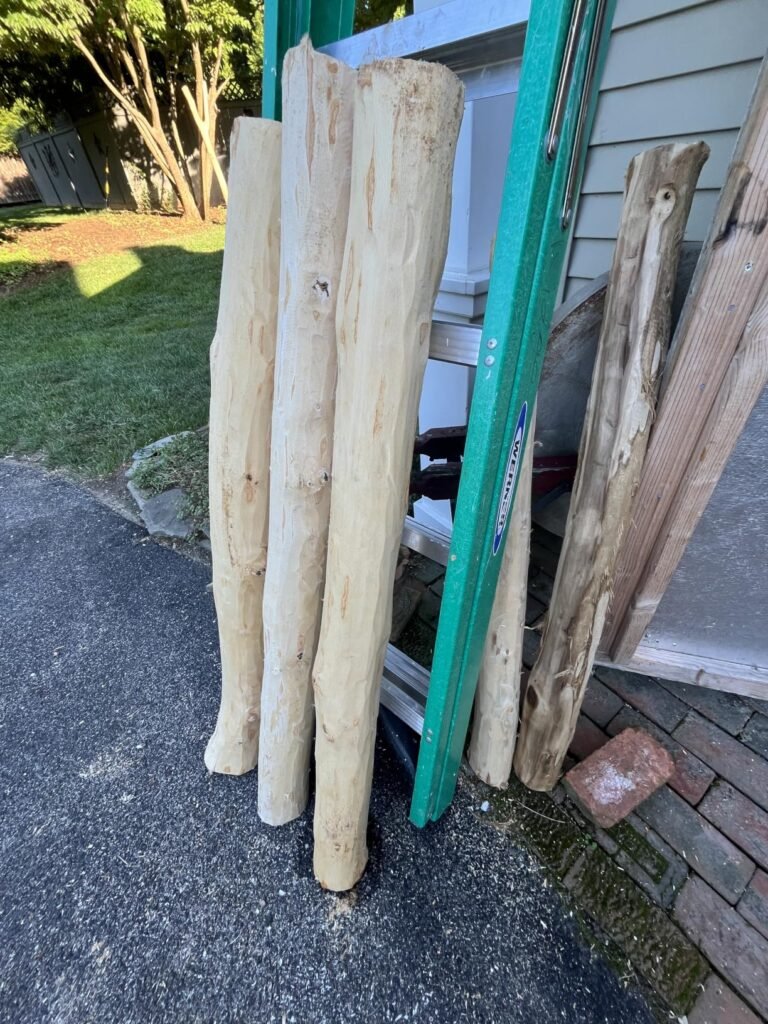
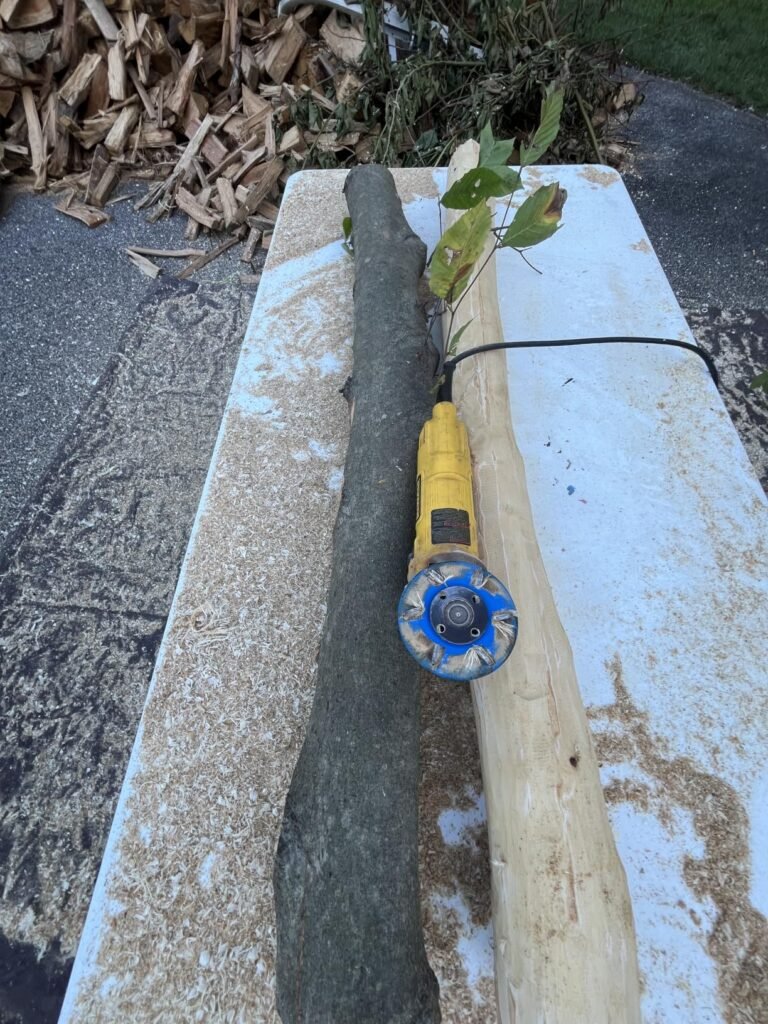
DIY homeowners with a small stump problem often do not want to rent a machine or invest four figures in a walk-behind grinder just to handle one job. This carbide disc gives that shopper a genuine option, provided the stump is already flush-cut or small enough that surface grinding produces an acceptable result.
We may earn a commission when you buy through this link, at no additional cost to you.
The disc’s practical value comes from leveraging an angle grinder you probably already own for other projects. There is no gas to keep fresh, no engine to maintain, and nothing to store between uses beyond hanging the disc on a nail. That simplicity makes it approachable for occasional users who would otherwise avoid buying dedicated equipment.
For actual root removal, the technique matters. Work in short passes, keep the grinder moving, and expect the process to take much longer than a purpose-built machine. Deep roots below the soil line are essentially out of reach, and hardwood stumps larger than a coffee cup in diameter will test both your patience and the disc’s edge life. Realistic expectations are essential.
If you are looking at more than a couple of stumps, any stump larger than about 8 inches in diameter, or roots that extend deep into the soil, renting or buying a real stump grinder will produce dramatically better results in less time. The carving disc is best reserved for touch-up work, single small stumps that have already been sawn flush, and craft projects rather than serious removal jobs.
This accessory is best suited to DIY owners with small tasks in mind, plus woodworkers who want an additional shaping tool in the shop. Anyone dealing with actual tree stumps of meaningful size should step up to a real grinder. Used within its limits, though, the disc represents genuine value at a fraction of the cost of any alternative.
Anyone with medium or large stumps, multiple removal jobs, or a need to grind below the soil surface.
We may earn a commission when you buy through this link, at no additional cost to you.
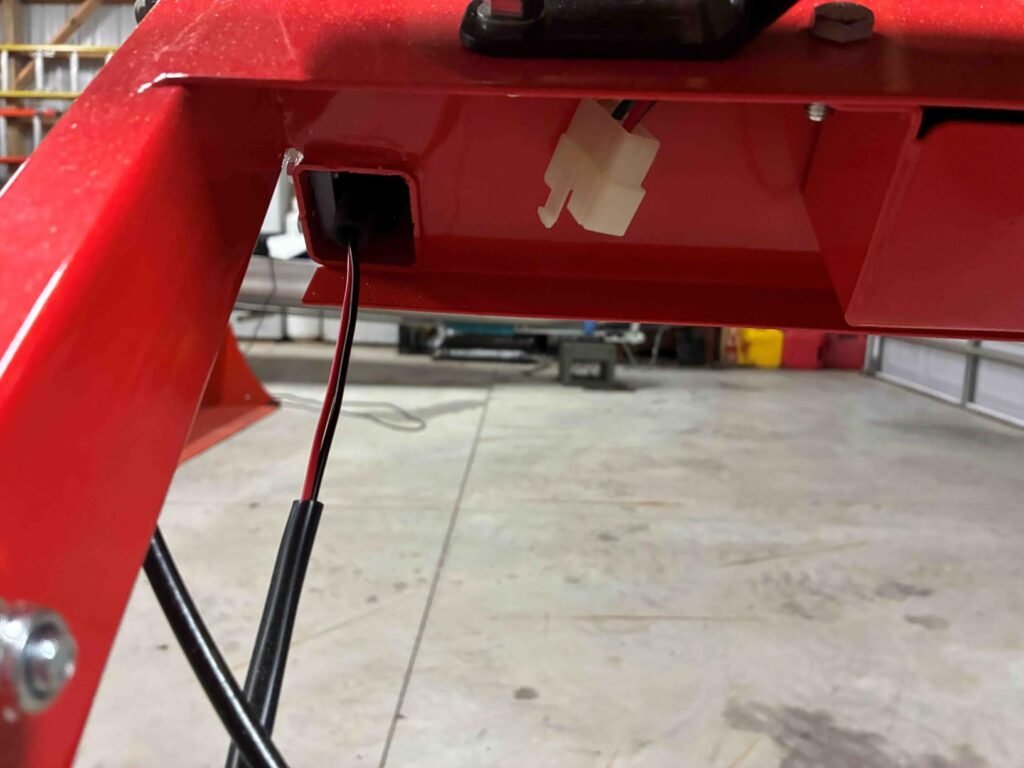
Safety-conscious buyers evaluating the SGR1500 will find the built-in protective features worth serious weight in the decision. The design fixes both tires simultaneously when the brake is engaged, so the machine cannot roll unexpectedly during a cut. This addresses one of the more common ways operators get injured on lighter grinders that only lock a single wheel.
We may earn a commission when you buy through this link, at no additional cost to you.
The emergency stop button is positioned on the control panel where the operator’s hand naturally rests, meaning a reflex response to a bind, kickback, or unexpected event actually reaches the switch in time. Grinders that place the kill switch away from normal hand position lose valuable seconds when it matters most. Combined with the chassis-locking lever, the control layout keeps the operator in command of the machine at all times.
The one-year manufacturer warranty covers defects and gives you a support channel if something fails prematurely. Combined with the safety design and the widely available Ducar engine parts, ownership over the long term looks manageable. Keep the operator manual close, use the emergency stop occasionally to confirm it functions, and inspect the tooth mounts before each session.
A face shield protects against flying wood chips, small rocks, and debris that gets thrown by high-speed cutting teeth. Hearing protection matters because sustained exposure to a 420cc engine plus cutting noise crosses safe decibel thresholds quickly. Steel-toe boots, cut-resistant gloves, and long pants complete the setup. Never operate a stump grinder in shorts, sandals, or loose clothing that could catch on moving parts.
This grinder is the right pick for buyers who take safety seriously and want a machine that supports careful operation rather than fighting against it. First-time stump grinder owners in particular benefit from the thoughtful controls, though every operator regardless of experience should wear a full-face shield, hearing protection, sturdy boots, and long pants when running any machine of this power.
Buyers who plan to operate the machine without proper safety gear or who want a smaller, lighter unit for occasional light-duty work.
We may earn a commission when you buy through this link, at no additional cost to you.
Stump grinders vary enormously in size, power, and price, and matching the machine to your actual needs saves both money and frustration. The factors below cover the decisions that most affect long-term satisfaction, from power source and cutting capacity to safety and maintenance.
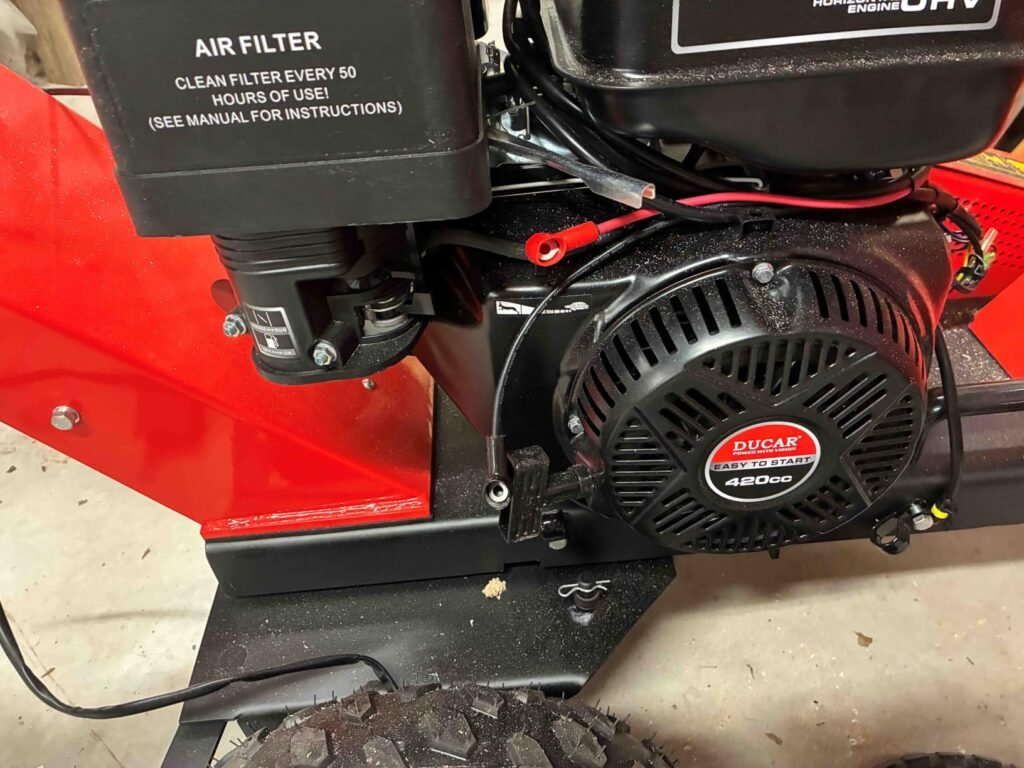
The first major decision is what powers the cutting wheel. Self-contained gas engines like the 420cc Ducar on the MechMaxx SGR1500 give you a walk-behind machine that operates independently, which is ideal for homeowners and landscapers who need to move the grinder to different job sites or use it where no tractor is available. Gas engines add maintenance items like oil changes, spark plugs, and fuel management, but they deliver serious cutting power in a self-sufficient package.
PTO attachments like the MechMaxx 24-inch grinder use the tractor’s existing engine to spin the cutting flywheel. This approach eliminates the need for a second powerplant, reduces long-term maintenance, and often costs less than a comparable standalone machine. The trade-off is that you must own a compatible tractor with a 540 RPM PTO and Category 1 three-point hitch, which limits the option to rural property owners and small commercial operators.
For very small jobs, an angle-grinder-mounted carbide disc offers the lowest cost of entry but only handles surface work on flush-cut stumps. Match the power source to the frequency and scale of your stump work, not to the flashiest specification.
The cutting wheel is the working end of any stump grinder, and its diameter combined with the number and quality of teeth determines both cutting speed and stump capacity. A 12-inch wheel like the one on the SGR1500 handles residential stumps efficiently, while a 24-inch flywheel with 34 teeth on the PTO grinder chews through much larger and deeper root systems in a single pass.
Tooth material matters as much as tooth count. Tungsten carbide grades like YG11C retain their edges through abrasive soil and hardwood, while cheaper steel teeth dull quickly and need frequent replacement. Fewer high-quality teeth arranged in a productive pattern will often outperform a wheel crowded with lower-grade teeth, since each tooth needs to take a clean bite rather than skidding across the wood.
For residential work with occasional stumps under 24 inches in diameter, a 12-inch wheel is usually sufficient. For rural clearing, land prep, or removing stumps deeper than a few inches below grade, invest in a larger flywheel with a proven carbide tooth setup.
The vertical range of the cutting wheel defines what the grinder can actually accomplish. Above-grade cutting height matters when the stump is tall or you want to reduce it in stages, while below-grade depth determines how completely you can remove the root system. A machine like the SGR1500 with 24 inches of above-grade reach and 10 inches of below-grade depth handles most homeowner needs, including grinding low enough to allow sod or new plantings on top.
For land clearing where roots must be fully removed to allow grading or building, the 6-foot depth capability of a serious PTO attachment becomes essential. Anything less leaves buried root balls that will interfere with future work or sprout suckers that regrow. Matching depth capability to your intended follow-up use of the site is critical.
Homeowners who just want a stump gone should look for at least 8 inches of below-grade depth. Land clearing operations should prioritize maximum depth even if the machine costs more, because incomplete root removal creates expensive problems later.
How you move the grinder to and around a job site affects usability more than most buyers realize. Walk-behind gas machines have their own wheels and can typically be pushed through standard gates, but they are heavy enough that loading them on a trailer requires ramps and care. Verify gate widths, driveway slopes, and any stairs or terrain features before assuming a walk-behind will reach every stump on your property.
PTO attachments require no separate transport since the tractor moves them, but the combined length of tractor plus implement will not fit through many suburban yards. Attachment and detachment take a few minutes each cycle, so PTO grinders work best when you can leave them mounted for the duration of a project rather than swapping implements frequently.
Assess your access points and typical work locations before choosing. A machine that cannot physically reach the stump is worthless regardless of its cutting specifications.
Stump grinders are among the more dangerous pieces of outdoor power equipment because of their high-speed cutting wheels, heavy chip discharge, and significant torque. Look for machines with well-placed emergency stops, dual-wheel braking that keeps the unit stationary during cuts, and control layouts that let you keep both hands on the machine while operating.
The MechMaxx SGR1500 illustrates good practice with its simultaneous tire lock and emergency stop button placed within easy reach on the control panel. PTO attachments carry their own safety considerations, especially around the exposed drive shaft, which must remain fully shielded and treated with respect. Never bypass or remove PTO shields.
First-time buyers should prioritize models with clearly documented safety systems and read the operator manual thoroughly before starting the engine. Experienced operators still benefit from these features because familiarity can breed complacency.
A one-year manufacturer warranty like the coverage MechMaxx provides on its grinders gives you a support channel if defects appear during early ownership. More important than the warranty length is the availability of consumable parts, especially replacement teeth. Grinders that use standard tooth patterns from established manufacturers make long-term ownership straightforward, while proprietary teeth from obscure brands can leave you scrambling for replacements after the original set wears out.
Engine parts are generally easier to source than cutting teeth. Widely used engines like the Ducar 420cc used on the SGR1500 share components with many other outdoor power products, so filters, plugs, and gaskets are readily available at online retailers and small engine shops. Verify parts availability before committing to any less common brand.
For a tool that may see occasional but hard use over many years, plan for the reality that teeth, belts, and eventually engine components will need service. Choose brands with reasonable support infrastructure and stock a few spare teeth from the start.
The single biggest mistake buyers make is overbuying or underbuying relative to their real needs. A homeowner with one stump to remove every few years does not need a PTO grinder and probably does not need a 15HP gas walk-behind either. Renting a machine for a weekend or hiring a service may make more financial sense. On the other hand, a landscaping business that removes multiple stumps per week will save money quickly by owning a capable machine rather than renting repeatedly.
Estimate your annual stump volume honestly. If you plan to remove one or two per year, consider whether ownership is worthwhile at all. If you expect a handful per season, a walk-behind gas grinder pays back within a year or two. If you clear land regularly or run a professional service, a PTO attachment paired with a suitable tractor delivers the depth and productivity you need.
Buy the smallest machine that comfortably handles your typical job, not the largest one you can afford. Excess capacity you never use is money left in the driveway.
Before starting any stump grinder, walk the work area and clear away rocks, metal debris, fence wire, and anything else that could get thrown by the cutting teeth or damage the wheel. Rocks are the most common cause of tooth damage and can also become dangerous projectiles. Mark underground utilities using your local locate service before grinding below grade, since striking a buried line is both expensive and hazardous. Set up a safety perimeter around the work area to keep bystanders and pets out of the discharge zone.
Operate the machine methodically rather than aggressively. Start with a shallow cut, let the teeth do the work, and use the machine’s sweep motion or ground travel to work across the stump in controlled passes. Forcing the wheel into the wood only stresses the engine, dulls the teeth faster, and increases the risk of a kickback. Clear chips periodically so the cutting teeth continue to engage fresh wood, and take breaks on large stumps to let the engine cool and to give yourself a rest from the noise and vibration.
Maintenance keeps a stump grinder running for years. On gas machines, change the engine oil according to the manufacturer’s break-in and regular service intervals, keep the air filter clean, and use fresh fuel with stabilizer during storage. Inspect the cutting teeth before every session and replace any that are chipped, worn flat, or missing carbide. Grease pivot points and axles as recommended, and store the machine under cover to prevent rust on the cutting wheel and chassis. For PTO attachments, keep the driveline greased, verify the shear pin is intact, and always disengage the PTO before dismounting the tractor.
Walk-behind gas grinders like the MechMaxx SGR1500 can handle stumps up to about 31.5 inches in diameter thanks to the swinging chassis design. Larger stumps may require multiple setups or a PTO attachment with a bigger flywheel. Above-grade cutting height typically reaches 24 inches, and below-grade depth of around 10 inches lets you grind well below the visible stump for sodding or replanting.
Yes, PTO stump grinders like the MechMaxx 24-inch attachment require a compatible tractor with a 540 RPM power take-off shaft and a Category 1 three-point hitch. Recommended tractor size is typically 15 to 45 horsepower. If you do not already own a suitable tractor, buying one purely for stump grinding rarely makes financial sense, so a walk-behind gas machine is usually the better choice.
An angle grinder carbide carving disc can shape wood and clean up flush-cut stumps, but it is not designed to remove full stumps or grind below grade. The process would be extremely slow and hard on the tool. For actual stump removal, invest in a proper walk-behind or PTO grinder. Reserve carving discs for detail work, small root cleanup, and woodworking projects.
For lawn restoration or sodding, grinding 4 to 6 inches below grade is usually sufficient. For replanting a new tree or shrub in the same location, aim for 10 to 12 inches. For building sites or areas that will be graded, remove the stump and major roots as deeply as your machine allows. Deeper grinding also prevents any regrowth or suckering from remaining root wood.
Wear a full-face shield or safety glasses combined with a face mask, hearing protection, cut-resistant gloves, long pants, and steel-toe boots. Stump grinders throw wood chips and occasionally rocks at high velocity, and the engine noise crosses safe hearing thresholds quickly. Never operate in shorts, sandals, or loose clothing that could get caught in moving parts.
Tungsten carbide teeth like the YG11C alloy used on quality grinders can last through many stumps in clean soil, but abrasive conditions or hitting rocks and buried metal will damage them quickly. Inspect teeth before every session and replace any that are chipped, worn flat, or missing carbide inserts. Keep a spare set on hand so a damaged tooth does not end a work day.
If you have just one or two small stumps to remove and no plans for future tree work, renting for a weekend usually costs less than buying. If you expect to remove multiple stumps over several years, own a mixed-use property, or run a landscaping business, owning a machine like the SGR1500 pays for itself quickly. Compare the total rental cost over your expected usage window against the purchase price.
Walk-behind grinders typically reach about 10 inches below grade, which handles the main root flare but leaves deeper roots intact. Heavy-duty PTO attachments can reach up to 6 feet below ground level, effectively removing complete root systems for land clearing or building preparation. Choose the machine based on how completely you need the roots gone.
A mechanical stump grinder physically chews the stump into wood chips, completing the job in minutes to hours. Chemical stump removers accelerate natural rotting and take weeks or months to soften a stump enough for manual removal, and they still leave you with the demolition work afterward. Grinders are far faster and produce immediate results, while chemicals may appeal to those with no time pressure and only small stumps to address.
Plan for basic small engine maintenance including oil changes at the recommended intervals, air filter cleaning or replacement, spark plug service, and fresh fuel with stabilizer during storage. Cutting teeth need periodic inspection and replacement as they wear. Grease pivot points and axles per the manual, and store the machine under cover. Overall maintenance is comparable to a mid-sized push mower or generator with the added tooth service.
The MechMaxx 24-inch PTO grinder stands out as the strongest overall choice for buyers who already own a Category 1 tractor. Its 34 tungsten carbide teeth on a 24-inch flywheel reach roots as deep as 6 feet below grade, making it capable of true land clearing rather than just cosmetic stump removal. The tractor-powered design also keeps long-term maintenance simple compared with owning a second engine.
For property owners without a tractor, the MechMaxx SGR1500 walk-behind grinder delivers self-contained power with its 15HP Ducar engine, a swinging chassis that handles stumps up to 31.5 inches in diameter, and thoughtful safety features including simultaneous tire locking and a well-placed emergency stop. Landscapers running a small business will find its productivity worth the investment. The carbide carving disc, meanwhile, fills the very different role of a woodworking accessory that can handle occasional small root cleanup on a budget.
Choose based on the honest scale of your stump work. Rural property owners with tractors and periodic clearing projects should pick the PTO attachment. Suburban homeowners and landscapers dealing with multiple residential stumps benefit most from the walk-behind gas grinder. Buyers with just a single flush-cut stump or woodworking hobby needs can start with the affordable carving disc. Matching the tool to real workload prevents both overspending and disappointment, and any of these options will serve well within its intended use case.