Big Horn Infrared Gas
19000 BTU burner
1500°F infrared heat
7-tier adjustable rack
Pulse ignition system
9.0
Check priceFind the right salamander broilers for 2026. We compare 2 standout options by build quality, useful features, owner feedback, value, and everyday trade-offs.
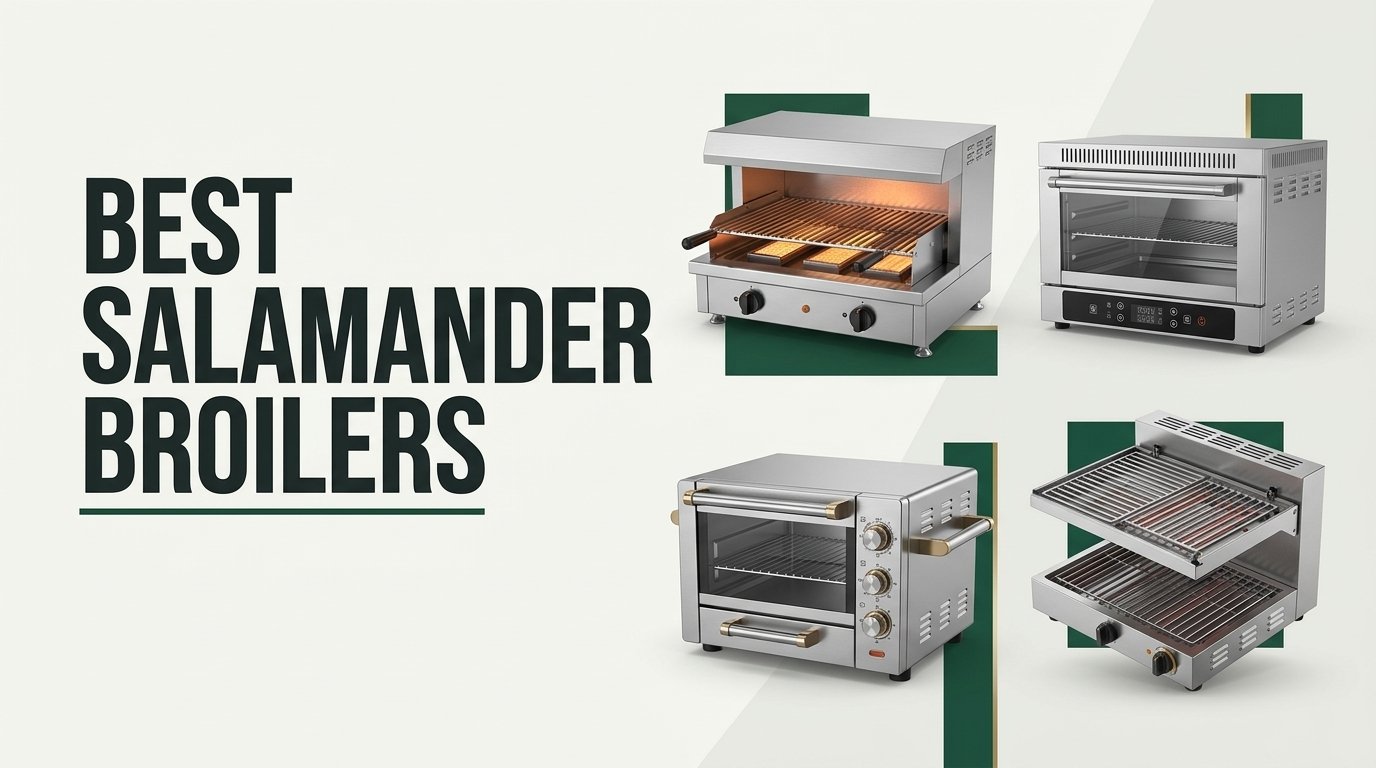
Finding the right salamander broiler in 2026 means weighing heat output, fuel type, rack adjustability, construction quality, and cleanup convenience against how you plan to use it. We compare standout electric and infrared gas options by the factors that matter most for melting cheese, searing steaks, and finishing dishes with professional-quality results at home or in a commercial kitchen.
The differences between these broilers are significant. Electric models plug into standard outlets and deliver consistent overhead heat up to 550°F, while infrared gas units reach extreme temperatures above 1500°F in minutes for restaurant-grade searing. Rack configurations, cooking surface area, and portability also shape which model fits your workflow.
This guide breaks each option down by ideal use case, strengths, and practical limitations. Whether you need a countertop electric cheese melter for a small kitchen or a high-output infrared gas broiler for outdoor steak searing, the reviews below deliver clear guidance to help you choose the right tool for your cooking needs.
We compared salamander broilers using the details that actually help a buyer decide: heat output and temperature range, fuel type and energy source, cooking surface dimensions, rack adjustability, construction materials, ease of cleaning, portability, ignition system, safety features, owner feedback, and overall value. The notes focus on practical trade-offs so each pick connects to how people actually melt, sear, glaze, and finish dishes in real kitchen and outdoor cooking environments.
Compare key features, scores, and current prices side by side. A shorter feature list means fewer details were available, not necessarily fewer capabilities.

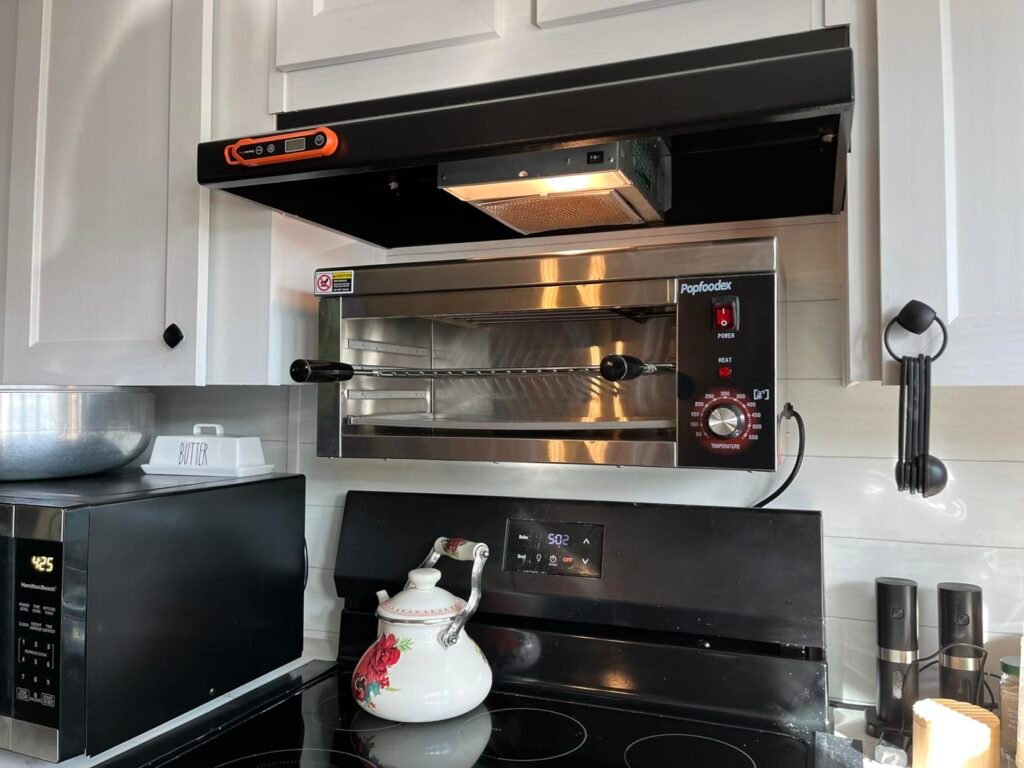
This 1500W electric salamander broiler targets home cooks and small food service operations that need reliable overhead heat for melting, browning, and finishing dishes. The plug-and-play electric design eliminates the need for gas lines or propane tanks, making it practical for indoor kitchen use right out of the box. If your primary goal is melting cheese on French onion soup, browning gratins, or glazing sauces, this unit handles those tasks well.
We may earn a commission when you buy through this link, at no additional cost to you.
The 550°F maximum temperature is sufficient for most finishing applications including cheese melting, crème brûlée caramelization, and light surface searing on pre-cooked meats. The 8mm thick stainless steel heating element provides even heat distribution across the cooking area, reducing hot spots that can cause uneven browning. The 17.8 by 15.5 inch cooking grate offers enough surface area for multiple servings at once.
The 4-position adjustable rack lets you control the distance between food and the heating element, which is critical for managing browning intensity. Lower positions work well for thicker items that need gentler heat penetration, while the top position delivers maximum radiant heat for quick cheese melts. The removable crumb tray slides out easily for cleanup, reducing downtime between services in a busy kitchen.
Electric salamanders like this 1500W model offer convenience and indoor compatibility since they plug into standard outlets and produce no combustion byproducts. The trade-off is lower maximum temperatures compared to gas-fired infrared units. Gas broilers reach 1500°F or higher, enabling restaurant-quality steak searing that electric models cannot match. Choose electric for indoor finishing work and gas for high-heat searing applications.
Choose this electric salamander if you need an indoor, plug-in solution for finishing dishes and melting cheese without the complexity of gas connections. The trade-off is that 550°F is not hot enough for the hard crust sear that infrared gas broilers deliver on raw steaks. For finishing, glazing, and melting tasks in a home or small commercial kitchen, this delivers solid performance at a reasonable price.
Cooks who need extreme heat for raw steak searing or outdoor grilling should choose an infrared gas broiler instead.
We may earn a commission when you buy through this link, at no additional cost to you.
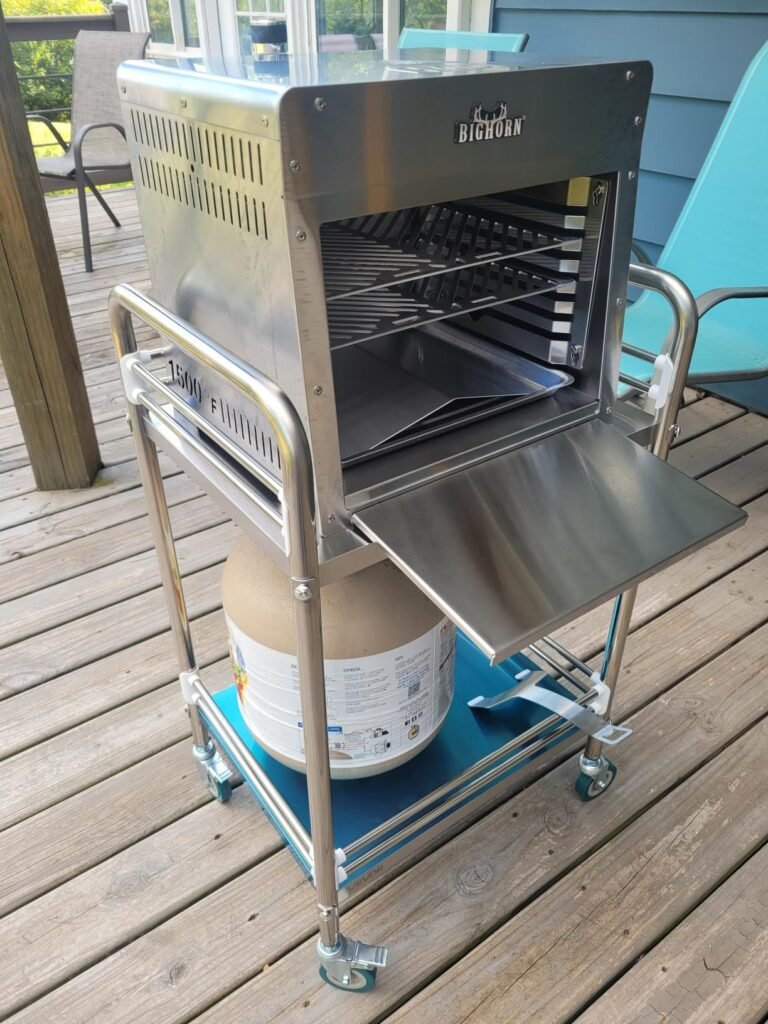
The Big Horn Outdoors infrared propane grill brings restaurant-style salamander broiling to the backyard and campsite. The 19,000 BTU infrared burner reaches 1500°F in just 3 to 5 minutes, delivering the kind of intense top-down radiant heat that creates a genuine steakhouse crust on beef, pork, and lamb. This is the tool for cooks who want professional-quality searing without a commercial kitchen setup.
We may earn a commission when you buy through this link, at no additional cost to you.
The top-down infrared heating approach mirrors the design of professional salamander broilers found in restaurant kitchens. Infrared energy transfers heat directly to the food surface rather than heating the surrounding air, which locks in moisture and creates a superior crust while reducing smoke output. This method is particularly effective for steaks, chops, and any protein where a caramelized exterior and juicy interior are the goal.
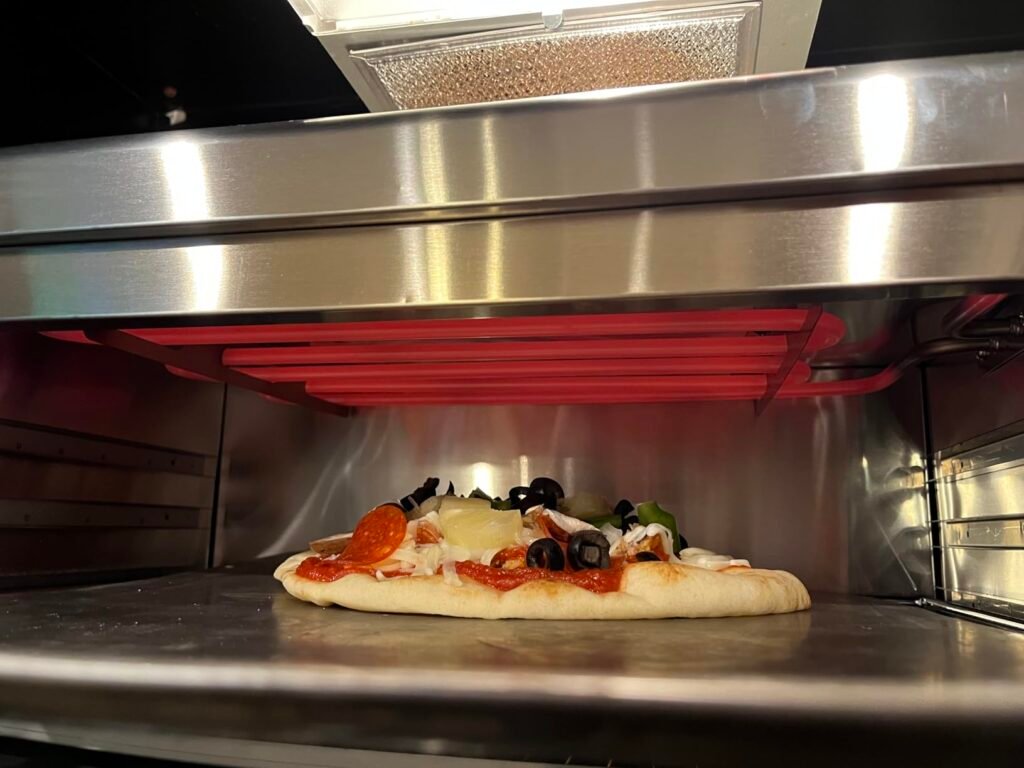
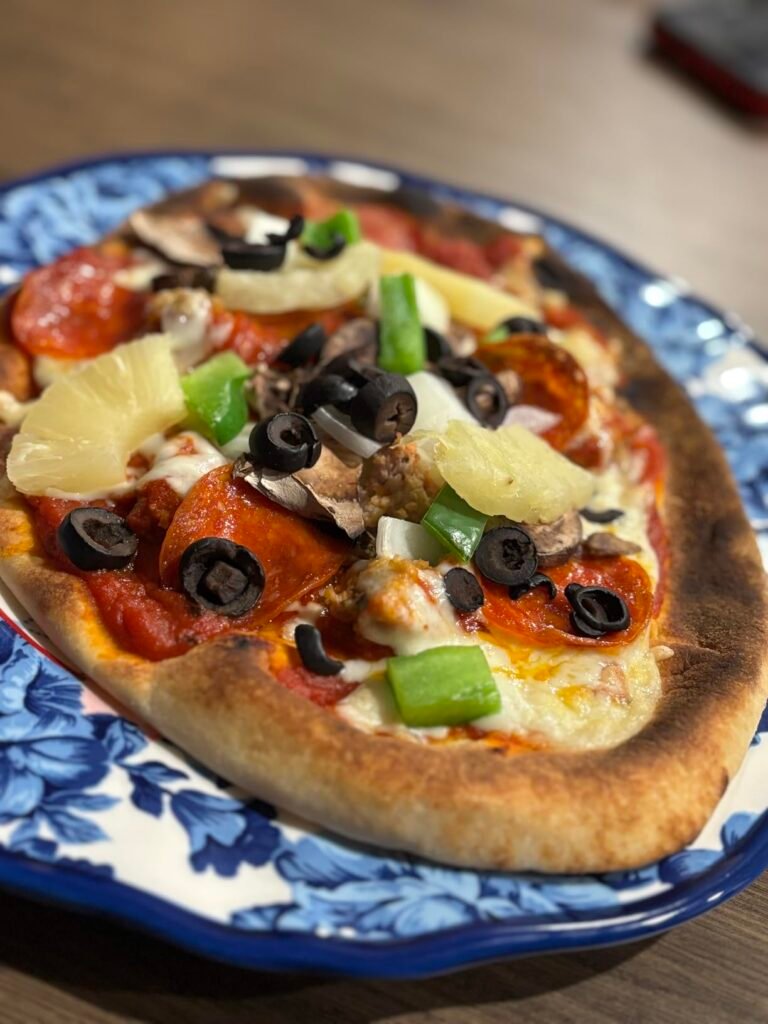
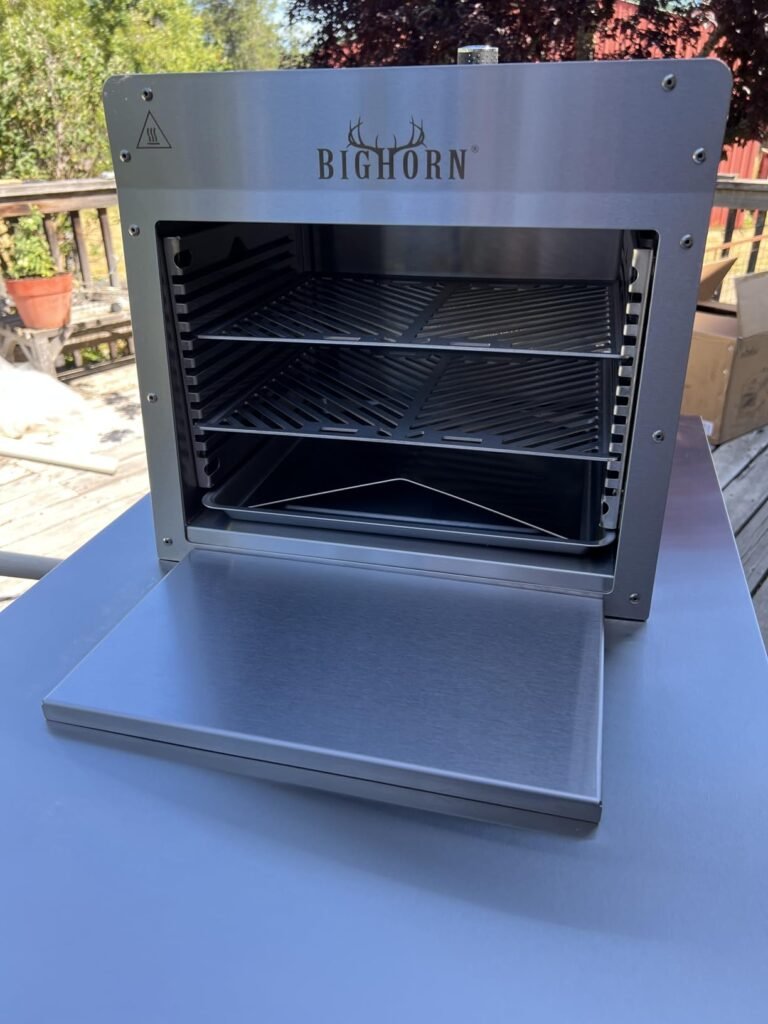
The 7-tier adjustable rack system provides significantly more positioning flexibility than the 4-tier setup on the electric model, letting you fine-tune the distance between food and the infrared burner for different cooking tasks. The 13-inch wide cooking chamber accommodates the included pizza stone for high-temperature baking, and all components detach for dishwasher-safe cleaning. The windproof pulse ignition starts reliably in outdoor conditions with the push of a button.
Infrared burners emit radiant energy that heats food surfaces directly rather than warming the surrounding air like conventional burners. This means the food surface reaches searing temperatures almost instantly, creating the Maillard reaction crust that defines a great steak while the interior stays rare to medium-rare. Conventional heat sources warm the air first, which cooks the interior faster and can overcook the center before the crust develops. Infrared is the technology behind most high-end steakhouse broilers.
Choose the Big Horn infrared gas broiler if you want extreme heat for steak searing and outdoor cooking versatility. The trade-off is that it requires a propane tank (sold separately) and is designed for outdoor use only, making it impractical for indoor kitchen finishing tasks. For backyard cookouts, tailgating, camping, and anyone who prioritizes searing performance above all else, this delivers exceptional results at a competitive price.
Indoor kitchen use or cooks who need a plug-in solution for melting and finishing should choose the electric model.
We may earn a commission when you buy through this link, at no additional cost to you.
Salamander broilers serve a specific and valuable role in both professional and home kitchens, providing intense overhead heat for melting, browning, searing, and finishing dishes. The factors below break down what actually matters when selecting the right model for your cooking needs and environment.
The most fundamental decision when choosing a salamander broiler is fuel type, which directly determines maximum temperature, installation requirements, and where you can use the unit. Electric salamanders like the 1500W model plug into standard 120V outlets and typically reach 500-600°F, which is ideal for cheese melting, gratin browning, sauce glazing, and crème brûlée caramelization. They produce no combustion gases, making them safe for indoor use without ventilation hoods in most residential settings.
Gas-fired infrared salamanders like the Big Horn Outdoors model use propane or natural gas to generate temperatures exceeding 1500°F through infrared burner technology. This extreme heat is necessary for restaurant-quality steak searing, where the goal is a deeply caramelized crust in under two minutes while keeping the interior rare. Gas units require outdoor use or professional ventilation due to combustion byproducts, and they need a fuel source connection.
Choose electric for indoor finishing and melting tasks where convenience and plug-in simplicity matter most. Choose gas infrared when your primary goal is high-heat searing and you have outdoor space or proper ventilation available.
Different cooking tasks require different temperature ranges, and matching your broiler’s capabilities to your intended use prevents frustration. Cheese melting and sauce glazing work well at 400-550°F, which is the sweet spot for electric salamanders. At these temperatures, cheese bubbles and browns evenly without burning, and sauces develop a glossy caramelized surface in minutes. French onion soup gratins, nachos, and open-faced sandwiches all benefit from this moderate overhead heat.
Steak searing and protein crusting demand temperatures above 1000°F to trigger the Maillard reaction quickly before the interior overcooks. Infrared gas broilers reach 1500°F, creating the kind of instant crust that defines steakhouse-quality results. At these temperatures, a one-inch steak develops a deep brown exterior in 60-90 seconds per side. Attempting this on a 550°F electric broiler produces gray, steamed meat rather than a proper sear.
Identify your primary cooking application before purchasing. If you mainly melt and finish, an electric model provides adequate heat at lower cost and greater convenience. If searing is your priority, invest in an infrared gas unit that reaches the temperatures required for proper crust development.
Rack adjustability determines how precisely you can control the distance between food and the heat source, which is the primary variable in broiling results. The Big Horn Outdoors model offers 7 rack positions, providing fine-grained control for everything from high-heat searing at the top position to gentler baking at the bottom. The electric 1500W model provides 4 positions, which covers the basics but offers less precision for dialing in specific browning levels.
Cooking surface area matters for throughput. The electric model provides a 17.8 by 15.5 inch grate, which accommodates multiple servings simultaneously and handles larger items like sheet pan gratins. The Big Horn’s 13-inch wide chamber is more compact but still sufficient for individual steaks and smaller portions. Consider how many servings you typically prepare at once when evaluating cooking space.
Prioritize more rack positions if you cook a variety of foods that need different heat intensities. Prioritize larger cooking surfaces if you regularly prepare multiple servings or larger dishes. Both factors affect daily usability more than most buyers anticipate.
Salamander broilers operate at extreme temperatures that quickly degrade inferior materials. Commercial-grade stainless steel construction, found on both models in this guide, resists corrosion, warping, and heat damage far better than painted steel or aluminum alternatives. The electric model features an 8mm thick stainless steel heating element that provides structural durability and even heat distribution across the cooking surface.
Rust resistance matters particularly for gas models used outdoors, where exposure to moisture, humidity, and temperature fluctuations accelerates corrosion. The Big Horn Outdoors unit uses rust-resistant stainless steel throughout, and its detachable components are dishwasher-safe for easy maintenance. Look for models with stainless steel interiors, grates, and crumb trays rather than coated or painted surfaces that chip and degrade under repeated high-heat exposure.
Invest in stainless steel construction regardless of fuel type. The modest price premium over coated alternatives pays for itself in longevity, especially given the extreme thermal cycling that salamander broilers endure during every use.
Salamander broilers accumulate grease, food debris, and carbon buildup rapidly due to their high-heat overhead cooking method. Models with removable crumb trays, like the electric 1500W broiler, significantly simplify routine cleanup by catching drips and fallen food particles in a slide-out pan. Non-stick grate coatings further reduce scrubbing time after cheese-heavy or sauce-glazed dishes.
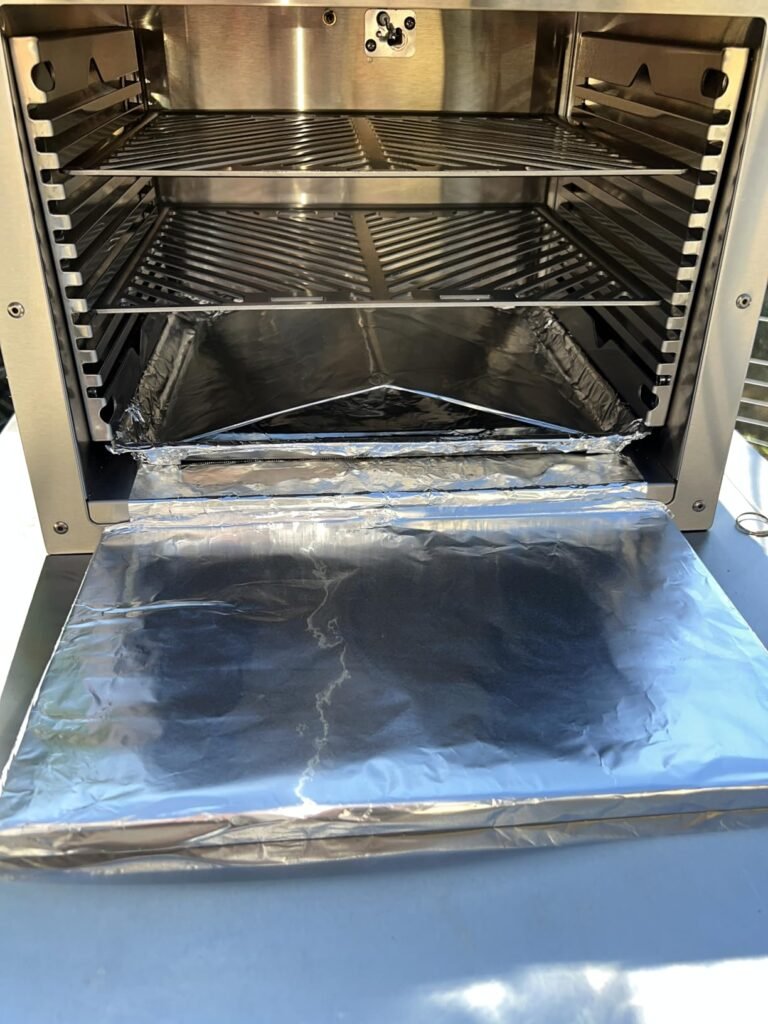
Gas broilers like the Big Horn Outdoors model feature fully detachable components that are dishwasher-safe, making deep cleaning straightforward after heavy use sessions. The rack guide removes easily for access to the cooking chamber interior. Regular cleaning prevents grease fires, maintains even heat distribution, and extends the lifespan of burner elements and heating components.
Prioritize models with removable trays and dishwasher-safe parts if you plan to use the broiler frequently. Quick cleanup between uses reduces downtime in busy kitchens and prevents the buildup that leads to performance degradation over time.
Installation requirements vary dramatically between electric and gas salamanders. Electric models plug into standard household outlets with no special wiring, gas lines, or ventilation requirements, making them suitable for any kitchen countertop. This plug-and-play simplicity is a major advantage for home cooks and small food service operations that lack commercial kitchen infrastructure.
Gas salamanders require a propane tank connection (or natural gas line for some models) and must be used outdoors or under professional ventilation hoods to safely exhaust combustion gases. The Big Horn Outdoors model is designed as a portable tabletop unit for backyard cookouts, camping, tailgating, and RV use. This portability is an advantage for outdoor entertaining but limits indoor utility.
Choose electric for permanent indoor kitchen installation with zero setup complexity. Choose gas for outdoor cooking flexibility and portability, accepting the need for fuel supply management and outdoor-only operation.
Gas salamanders require reliable ignition systems for safe and convenient startup. The Big Horn Outdoors model uses a windproof pulse ignition that starts the burner with a button press, eliminating the need for matches or lighters in outdoor conditions. This is a meaningful safety improvement over manual ignition methods, especially in windy environments where open flames are hazardous. Note that the ignition battery is not included and must be purchased separately.
Electric salamanders avoid ignition concerns entirely since they use resistive heating elements that warm up when plugged in and switched on. The primary safety consideration for electric models is ensuring adequate clearance from combustible materials above and around the unit, as the overhead heating element radiates intense heat upward and outward during operation.
For gas models, verify that the ignition system is reliable and wind-resistant if you plan to use the broiler in outdoor conditions. For electric models, ensure your kitchen layout provides adequate clearance and ventilation around the unit during operation.
Before first use, inspect all components for shipping damage and remove any protective films, dust, or manufacturing residues from the heating elements, grates, and interior surfaces. For gas models, perform a leak test on all propane connections using soapy water before igniting the burner for the first time, and ensure the unit is positioned on a stable, heat-resistant surface outdoors with adequate clearance from walls, overhangs, and combustible materials. For electric models, verify that your outlet can handle the 1500W draw without tripping a circuit breaker, especially if other high-draw appliances share the same circuit.
During operation, preheat the broiler for 3 to 5 minutes before placing food inside to ensure even heat distribution across the cooking surface. Position the rack at the appropriate height for your task: closer to the heat source for quick searing and cheese melting, farther away for gentler browning and thicker items. Monitor food closely during broiling, as the intense overhead heat can transition from perfectly browned to burnt in seconds, especially at higher rack positions. Use heat-resistant gloves and long-handled tools when adjusting racks or removing food, as all interior surfaces reach extreme temperatures during operation.
After each use, allow the broiler to cool completely before cleaning. Remove the crumb tray and grate, wash with warm soapy water or place in the dishwasher if the manufacturer permits, and wipe down the interior chamber with a damp cloth to remove grease splatter and carbon deposits. For gas models, inspect the infrared burner periodically for clogged ports and clean with a soft brush to maintain even heat output. Store the unit in a dry location when not in use, and cover outdoor gas models to protect against moisture and debris between cooking sessions.
A salamander broiler provides intense overhead radiant heat for finishing dishes. Common uses include melting and browning cheese on French onion soup and gratins, searing steaks and chops, caramelizing sugar on crème brûlée, glazing sauces, toasting open-faced sandwiches, and browning the tops of casseroles. The overhead heat source browns surfaces quickly without overcooking the interior of the food.
Electric salamander broilers are designed for indoor use and plug into standard outlets without producing combustion gases. Gas-fired infrared models like the Big Horn Outdoors unit must be used outdoors or under professional ventilation hoods due to carbon monoxide and other combustion byproducts. Always follow the manufacturer's ventilation requirements for your specific model to ensure safe operation.
Temperature varies significantly by fuel type. Electric models typically reach 500-600°F, which is sufficient for melting, browning, and light finishing tasks. Infrared gas models reach 1500°F or higher, enabling restaurant-quality steak searing. The higher the temperature, the faster the surface browning and crust development, which is critical for searing applications.
Yes, gas-fired salamander broilers require a propane tank (or natural gas connection for some models) that is typically sold separately. The Big Horn Outdoors model uses a standard propane tank connection. Factor in the ongoing cost of propane fuel when budgeting for a gas broiler, and always store propane tanks outdoors in an upright position away from heat sources.
Allow the broiler to cool completely, then remove the crumb tray, grate, and any detachable components for washing with warm soapy water or in the dishwasher if permitted. Wipe the interior chamber with a damp cloth to remove grease and carbon buildup. For gas models, periodically clean the infrared burner ports with a soft brush to maintain even heat distribution. Regular cleaning prevents grease fires and extends the life of the unit.
A salamander broiler provides more focused, intense overhead heat than a typical oven broiler, producing faster and more even browning results. It excels at tasks where you need quick surface browning without heating the entire oven cavity. However, it cannot replace an oven for baking, roasting, or cooking tasks that require enclosed ambient heat. Think of it as a specialized finishing tool that complements your existing cooking equipment.
Gas infrared models like the Big Horn Outdoors reach full temperature in 3 to 5 minutes due to the rapid heat output of the infrared burner. Electric models may take slightly longer to reach their maximum temperature of 500-550°F, typically 5 to 10 minutes depending on ambient conditions. Always preheat fully before placing food inside to ensure even cooking and proper browning results.
A salamander broiler is worth the investment if you frequently prepare dishes that benefit from overhead browning, such as gratins, French onion soup, nachos, or seared steaks. The results are noticeably superior to a standard oven broiler due to the more focused and intense heat. For occasional use, a standard oven broiler may suffice, but dedicated home cooks and entertainers will appreciate the speed and quality improvement.
The 1500W Electric Salamander Broiler stands as the most practical choice for most home cooks and small food service operations thanks to its plug-and-play convenience, 550°F heating capability, and versatile 4-tier rack system. It handles the most common salamander tasks including cheese melting, gratin browning, sauce glazing, and crème brûlée finishing without requiring gas connections or outdoor space. For indoor kitchen use focused on finishing and melting, this delivers reliable performance at a reasonable price point.
For cooks who prioritize extreme heat and steakhouse-quality searing, the Big Horn Outdoors Infrared Gas Grill delivers 1500°F infrared heat in under five minutes, creating the kind of instant crust that electric models simply cannot achieve. Its 7-tier rack system, portable tabletop design, and included pizza stone make it a versatile outdoor cooking tool for backyard entertaining, tailgating, and camping. The trade-off is outdoor-only operation and the need for a separate propane tank.
Your best decision starts with clarifying where you plan to use the broiler and what cooking tasks matter most. Choose electric for indoor finishing and melting convenience. Choose gas infrared for outdoor searing performance. Either option will elevate your cooking results beyond what a standard oven broiler can deliver, and both represent solid value in their respective categories.