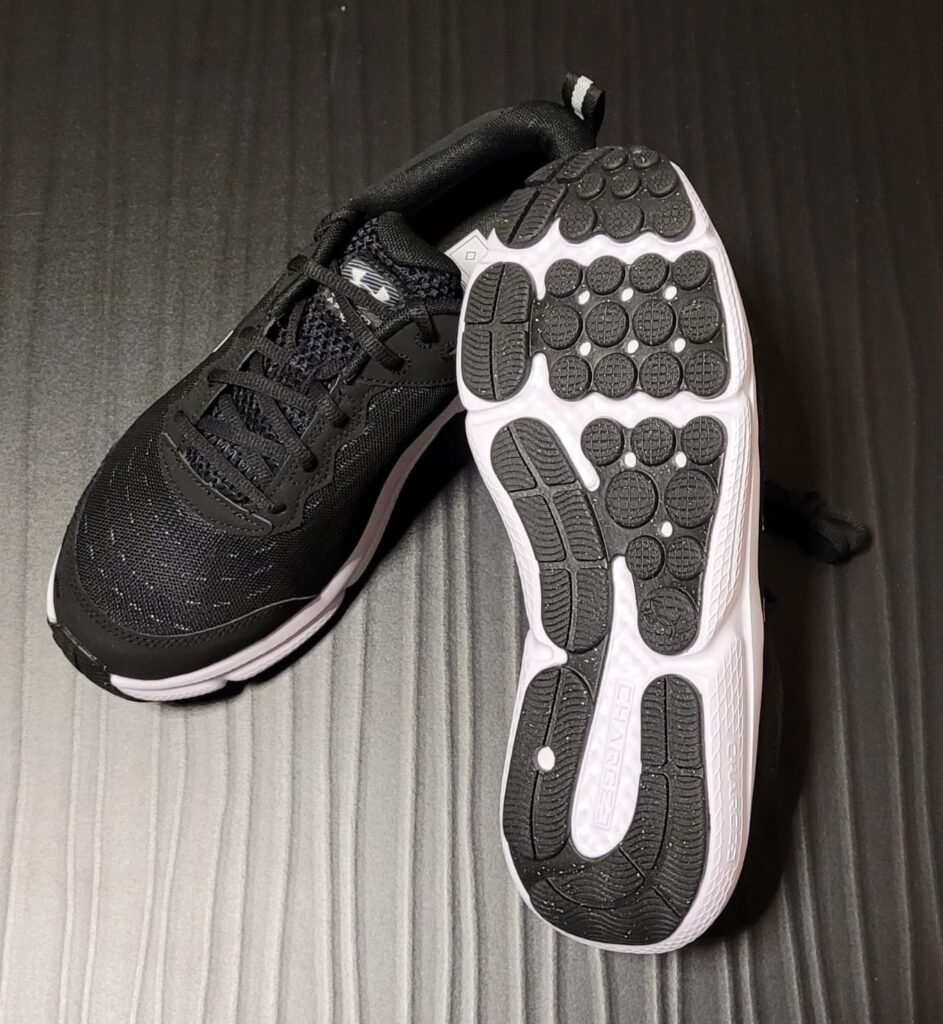
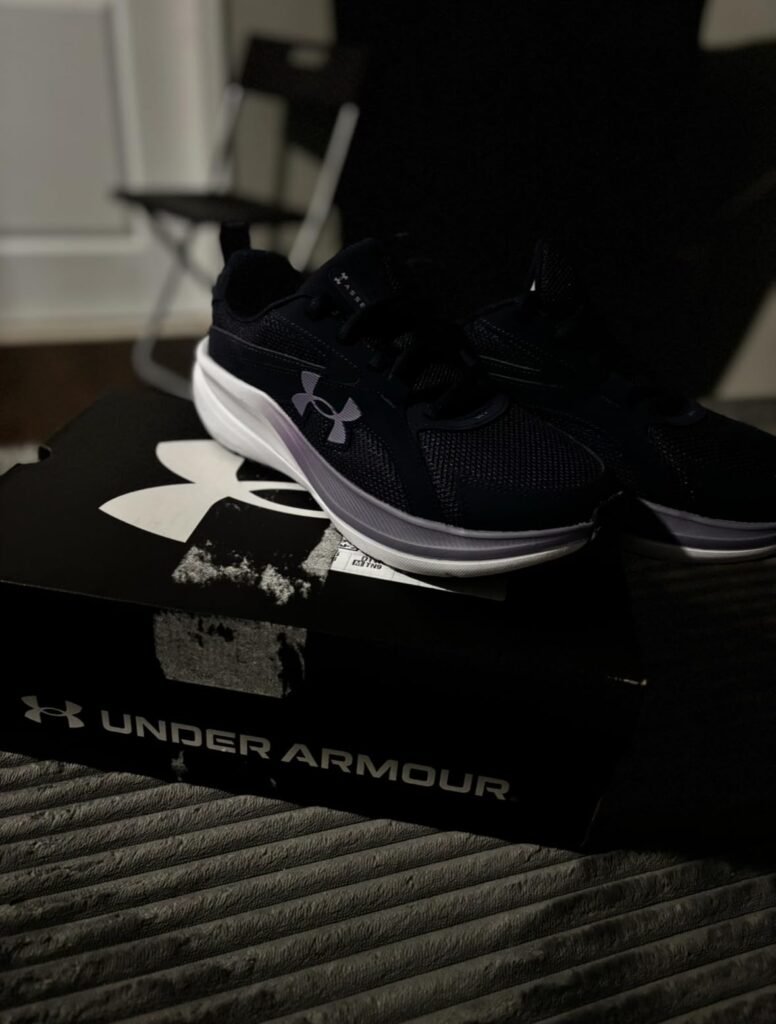
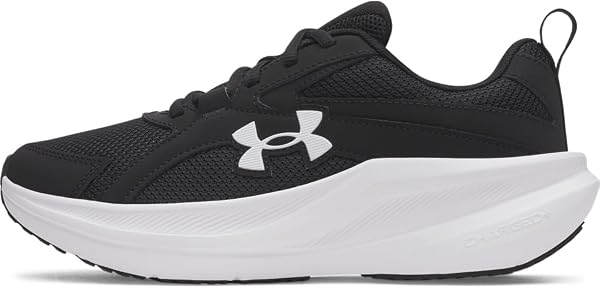
UA Charged Assert
9.0Editor scoreCharged Cushioning midsole
10mm heel drop
Mesh breathable upper
Solid rubber outsole
Find the right running shoes for 2026. We compare 10 standout options by build quality, useful features, owner feedback, value, and everyday trade-offs.
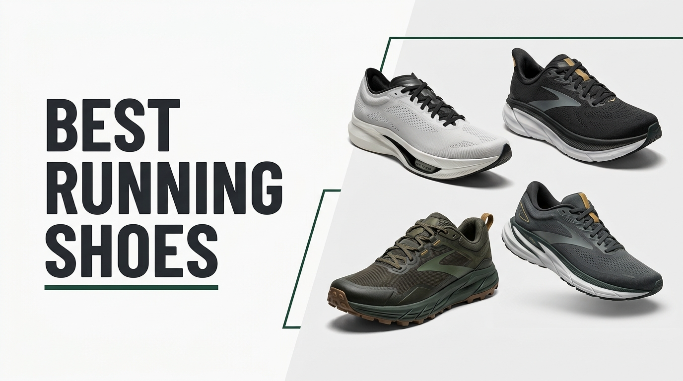
Finding the right running shoes for 2026 means matching cushioning level, heel-to-toe drop, weight, and fit to your training style, mileage, and body mechanics. We compare 10 standout options across daily trainers, max-cushion recovery shoes, budget picks, and premium neutral models so you can identify the pair that supports your goals and keeps injuries at bay.
Running shoes vary widely in midsole foam, upper construction, outsole grip, and stability features. The most important differences involve cushioning technology, weight, and how the shoe transitions through your stride. Understanding these factors prevents buying a shoe that looks great in photos but leaves your feet aching after a few miles on pavement or the treadmill.
This guide covers everything from affordable everyday trainers under $50 to premium max-cushion shoes above $150. Each review highlights the foam type, weight, drop, target runner, and practical tradeoffs so you can identify the right pair for daily miles, long weekend runs, gym cross-training, or just comfortable walking around town.
We compared 10 running shoes using the factors that actually shape purchase decisions: midsole cushioning technology, heel-to-toe drop, shoe weight, upper construction and breathability, outsole traction and durability, fit and sizing consistency, target runner profile, price point, and owner feedback. The notes focus on practical trade-offs so each pick connects to how runners actually train, recover, race, and cross-train across pavement, treadmills, and mixed surfaces.

Compare key features, scores, and current prices side by side. A shorter feature list means fewer details were available, not necessarily fewer capabilities.


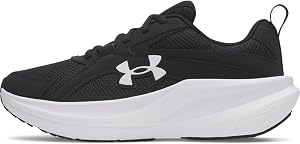


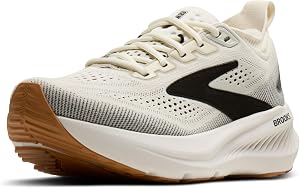
The Under Armour Charged+ Assert 11 for men refines the popular Assert line with upgraded cushioning technology and more sustainable materials. The Charged+ midsole delivers noticeably softer feel than the standard Charged Cushioning found in the Assert 10, providing more comfort for daily training runs and all-day wear. At $56, it maintains the accessible pricing that made the Assert line popular.

We may earn a commission when you buy through this link, at no additional cost to you.
The athletic mesh upper with durable leather overlays adds midfoot support and visual dimension while the recycled content in the upper reflects Under Armour’s growing sustainability focus. At 10.2 ounces, the shoe sits in the traditional daily trainer weight range, offering enough cushioning for comfort without becoming ponderous on longer runs. The neutral designation suits runners who need a balance of flexibility and cushioning.
The durable rubber outsole with strategically placed flex grooves supports natural toe-off during your stride cycle. This construction extends shoe life while maintaining reasonable flexibility through the forefoot. The standard tie lacing gives you full control over fit customization for different foot shapes and swelling patterns during longer runs.
Recycled upper materials reduce virgin plastic use and lower the carbon footprint of each shoe manufactured. While 30% recycled content is not fully sustainable, it represents meaningful progress toward reducing environmental impact in the athletic footwear industry. Runners who value eco-conscious choices can prioritize shoes with recycled content, carbon neutral certifications, or recyclable construction when making purchase decisions.
Pick this shoe if you want an updated everyday trainer with softer cushioning and modest sustainability credentials at an accessible price. Runners wanting maximum cushioning for recovery days or specialized stability features should look at the Hoka, Brooks, or ASICS options in this guide.
Runners seeking maximum cushioning or specialized stability features for overpronation.
We may earn a commission when you buy through this link, at no additional cost to you.
The Under Armour Charged Assert 10 targets runners who want a dependable everyday trainer without spending premium prices. At roughly $56, it delivers the essentials for daily miles, treadmill sessions, and casual walking without the frills of higher-tier shoes. The classic silhouette also works well as a versatile gym and cross-training shoe for buyers who want one pair to handle multiple activities.

We may earn a commission when you buy through this link, at no additional cost to you.
The compression-molded EVA Charged Cushioning midsole provides balanced responsiveness and shock absorption that suits most neutral runners logging moderate weekly mileage. The 10mm heel-to-toe drop favors heel-striking runners, which describes the majority of recreational runners. The lightweight breathable mesh upper with synthetic overlays balances ventilation with structural support, keeping feet cool during longer efforts.
The solid rubber outsole covers high-impact zones for durability without adding excessive weight. That approach extends shoe life for runners who log consistent miles on pavement or treadmills where abrasion accumulates over time. The EVA sockliner provides comfortable step-in feel from the first wear, which matters for buyers who dislike lengthy break-in periods.
Heel-to-toe drop refers to the height difference between the heel and forefoot of the shoe. A 10mm drop is traditional for road running shoes and works well for heel strikers, who make up the majority of recreational runners. Lower drops (4 to 6mm) encourage midfoot striking and require gradual adaptation. If you have always run in traditional shoes, sticking with 8 to 10mm drops avoids sudden calf and Achilles stress.
Choose this shoe if you want a reliable daily trainer at an accessible price point that handles general running and cross-training well. Runners seeking premium cushioning, tempo performance, or specialized stability features should look at higher-tier options in this guide.
Serious racers or runners wanting maximum cushioning for long-distance recovery days.
We may earn a commission when you buy through this link, at no additional cost to you.
The Under Armour Charged Assert 11 women's version brings the same updated Charged+ cushioning to a female-specific fit at one of the most accessible prices in this guide. At 7.7 ounces, it ranks among the lighter shoes reviewed here, making it ideal for runners who prefer a nimble feel over maximum cushioning. The sub-$40 price makes it approachable for beginners exploring running or budget-conscious buyers replacing worn training shoes.

We may earn a commission when you buy through this link, at no additional cost to you.
The Charged+ midsole delivers noticeably softer cushioning than the previous Assert generation, providing better shock absorption for daily training miles and casual gym use. The athletic mesh upper with leather overlays adds structural support around the midfoot while maintaining breathability during warmer training sessions. The neutral designation suits the majority of female runners who do not have specific pronation control needs.
The durable rubber outsole with strategic flex grooves supports natural toe-off through each stride. Standard tie laces let you dial in the fit to your specific foot shape, and the 30% recycled content in the upper adds a modest sustainability angle. The overall package delivers competent everyday running performance without the premium price tags found on specialty racing or maximum cushion models.
Lighter shoes reduce energy expenditure over longer distances, which can translate to less fatigue during runs. However, lighter often means less cushioning, so the tradeoff is real for higher-mileage runners. A 7 to 8 ounce shoe suits shorter runs and faster efforts, while 9 to 11 ounce shoes provide the cushioning most runners need for daily training miles above five miles per session.
Choose this shoe if you want a lightweight, affordable daily trainer for moderate mileage and general fitness use. Runners logging heavy weekly mileage or preparing for long-distance events should consider more cushioned options like the Brooks Glycerin 23 or Hoka Bondi 9 in this guide.
Runners logging high weekly mileage who need maximum cushioning for long training sessions.
We may earn a commission when you buy through this link, at no additional cost to you.
The Hoka Bondi 9 represents the pinnacle of the max-cushion running shoe category, targeting runners who prioritize soft landings and joint protection over responsive speed. The Bondi line has built a devoted following among ultramarathoners, recovery-focused runners, and anyone dealing with joint sensitivity who needs maximum shock absorption during training. The 9th generation continues Hoka's refinement of the platform.

We may earn a commission when you buy through this link, at no additional cost to you.
The signature Hoka meta-rocker geometry combined with generous foam cushioning creates a smooth, cushioned ride that reduces the impact felt through knees, hips, and lower back. This construction makes the Bondi particularly popular for recovery runs the day after hard workouts, easy long runs, and walking or standing for extended periods. The engineered mesh upper adapts comfortably to different foot shapes while providing structured support.
The plush textile lining adds comfort during longer efforts when foot swelling and hot spots can become issues. While the max-cushion platform adds some weight compared to lighter daily trainers, most Bondi owners consider that a fair tradeoff for the cushioning benefits. The shoe works equally well for road running, walking, standing at work, and general all-day comfort wear.
Max-cushion shoes like the Bondi excel for runners logging over 30 miles per week, those with knee or hip sensitivity, ultramarathon training, walking programs, and recovery days after intense workouts. The extra foam reduces peak impact forces that accumulate over high mileage. However, the plush platform can feel disconnected from the ground for runners who prefer a firmer, more responsive ride during tempo runs and shorter efforts.
Choose the Bondi 9 if you value maximum cushioning for long runs, recovery days, or joint protection during high-mileage training. Runners seeking a lightweight racing shoe, minimalist feel, or budget-friendly daily trainer should look at other options in this guide.
Speed-focused runners, budget shoppers, or those who prefer a firm ground feel.
We may earn a commission when you buy through this link, at no additional cost to you.
The Brooks Ghost has been one of the most consistently recommended daily trainers in running specialty stores for years, and the Ghost 17 continues that legacy with updated cushioning and sustainability improvements. Brooks designed it as the reliable everyday companion for runners and walkers seeking smooth, cushioned comfort without unnecessary complexity. The certifications add real credibility for buyers with specific medical or environmental concerns.

We may earn a commission when you buy through this link, at no additional cost to you.
The nitrogen-infused DNA Loft v3 midsole delivers lightweight softness with feel-good comfort that maintains its character across many miles. The Ghost 17 adds 1mm more cushioning in the heel and 3mm more in the forefoot compared to the Ghost 16, which owners will notice as improved comfort during longer runs. The newly designed midsole flex grooves promote smooth heel-to-toe transitions during natural stride cycles.
The double jacquard air mesh upper provides premium comfort and breathability during warm-weather runs, while the kick-back collar adds structural support without sacrificing comfort. The certified PDAC A5500 diabetic shoe status makes it appropriate for runners and walkers with diabetes-related foot concerns, while the APMA Seal of Acceptance signals podiatrist-verified comfort and support benefits. The carbon-neutral certification and recycled silica outsole reflect Brooks’ sustainability commitments.
The APMA Seal of Acceptance means the American Podiatric Medical Association has evaluated the shoe and confirmed it supports good foot health. The PDAC A5500 designation certifies the shoe meets Medicare requirements for therapeutic diabetic footwear, which matters for runners with diabetes needing insurance coverage. These certifications provide meaningful third-party validation that goes beyond marketing claims about comfort and support.
Choose the Ghost 17 if you want a proven, versatile daily trainer that handles road running, walking, cross-training, travel, and gym sessions equally well. Runners specifically wanting maximum cushioning should look at the Bondi 9, while budget-conscious shoppers should consider the Under Armour Assert options.
Runners specifically seeking maximum cushioning or a specialized racing shoe.
We may earn a commission when you buy through this link, at no additional cost to you.
The ASICS NOVABLAST 5 targets runners seeking an energetic, bouncy ride that makes tempo runs and interval training more enjoyable. The FF BLAST MAX foam provides lightweight cushioning with a distinctive springy feel that many runners describe as fun and motivating. The trampoline-inspired outsole geometry amplifies the responsive rebound, creating a shoe that encourages faster training paces.

We may earn a commission when you buy through this link, at no additional cost to you.
The breathable engineered jacquard mesh upper wraps the foot comfortably while allowing airflow during warm weather. The tongue wing construction adds strategic stretch that improves fit and reduces tongue movement during runs, which is a small but meaningful detail that prevents distraction during longer efforts. Reflective details enhance visibility during dawn and dusk runs when many committed runners log their miles.
The sustainability angle deserves attention: at least 75% of the shoe’s main upper material comes from recycled sources, which is one of the highest recycled content percentages in this guide. This reduces manufacturing waste and carbon emissions without sacrificing performance. Note that the NOVABLAST 5 runs large per the manufacturer’s own guidance, so sizing down half a size compared to your normal running shoe is often the right approach.
When a manufacturer notes their shoe runs large, sizing down a half size from your normal fit usually works. Try the shoe on with the socks you plan to run in, and ensure you have about a thumbnail’s width of space between your longest toe and the front of the shoe. Toe wiggle room prevents black toenails and blisters during longer runs when feet naturally swell.
Pick the NOVABLAST 5 if you want a lively, responsive shoe for varied training including tempo runs and interval work. Runners seeking maximum cushioning for recovery days should choose the Bondi 9, while budget-focused buyers should consider the Under Armour Assert options in this guide.
Runners who prefer traditional firm cushioning or need specialized stability features.
We may earn a commission when you buy through this link, at no additional cost to you.
This Under Armour Charged+ Assert 11 listing represents an alternative colorway or sizing configuration of the same shoe reviewed earlier in this guide, often available at a lower price point around $43. For buyers who care primarily about function and are willing to accept whatever color combination is currently discounted, this listing can deliver even better value than the standard Assert 11.
We may earn a commission when you buy through this link, at no additional cost to you.
The core construction remains identical: athletic mesh upper with leather midfoot overlays, Charged+ midsole cushioning for softer feel than the standard Charged foam, and durable rubber outsole with strategic flex grooves. Weight sits at 10.2 ounces, which falls in the traditional daily trainer range that suits most recreational runners logging moderate weekly mileage. The neutral designation makes it appropriate for runners without specific overpronation concerns.
The 30% recycled upper content adds modest sustainability credentials without compromising the shoe’s function or feel. Standard tie laces provide full fit customization for different foot shapes and mid-run adjustments. Under Armour’s Charged Cushioning platform has proven itself over multiple generations, delivering reliable comfort for buyers who want a straightforward everyday training shoe.
Athletic shoe pricing often varies significantly between colorways of the same model, with less popular colors discounted more heavily than trending options. If you prioritize price over style, check all available colorways before purchasing. Amazon, running specialty stores, and manufacturer sites frequently list different colorways at meaningful price differences even for the exact same shoe model and generation.
Choose this listing when a colorway you like appears at a lower price than the main Assert 11 listing. It delivers identical function at potentially better value. Runners seeking premium cushioning technology, sub-8 ounce weights, or specialized stability features should look at other options in this guide.
Buyers wanting premium cushioning technology or lighter weight for faster running.
We may earn a commission when you buy through this link, at no additional cost to you.
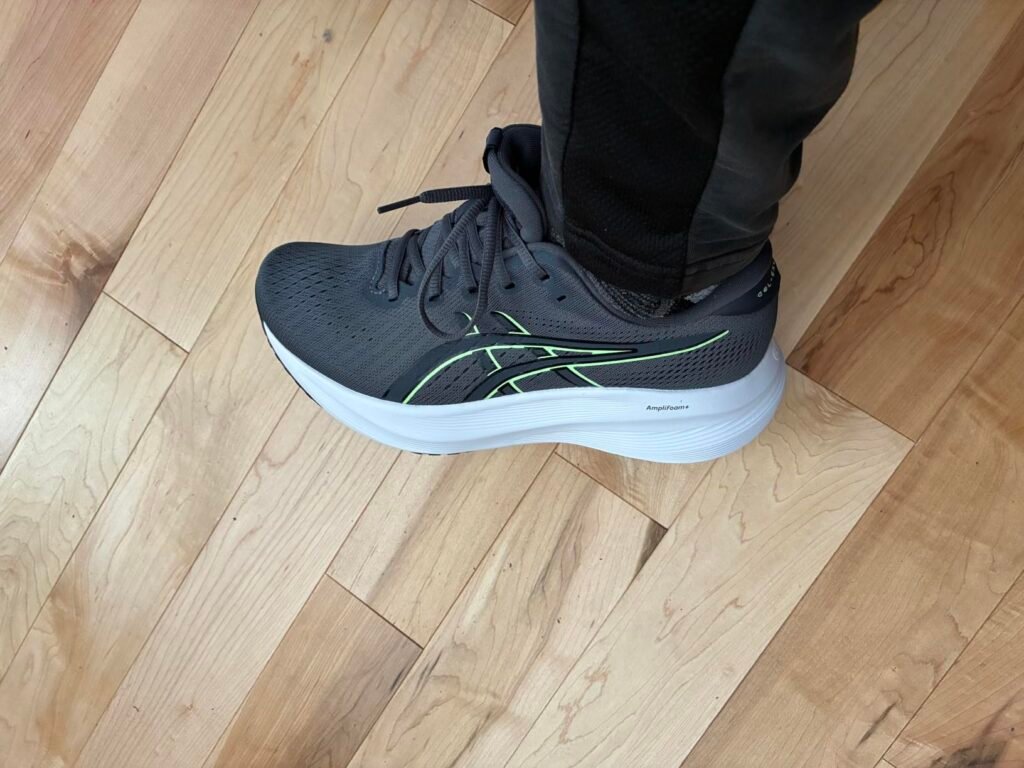
The ASICS Gel-Excite 11 delivers the brand's signature gel cushioning technology at a mid-range price around $75, targeting runners who want that distinctive ASICS feel without the premium cost of higher-tier models. The Gel-Excite line has served as ASICS's accessible entry point into their cushioning philosophy for years, and this eleventh generation refines the formula with updated foam and gel technology.
We may earn a commission when you buy through this link, at no additional cost to you.
The PureGEL heel technology represents a significant upgrade from standard GEL, being approximately 65% softer for improved impact absorption at initial ground contact. This matters most for heel-striking runners, who benefit most from cushioning where their foot first hits the ground. The AMPLIFOAM PLUS midsole provides softer, more comfortable cushioning than the previous standard AMPLIFOAM, extending the improved feel through the full stride.
The engineered mesh upper reduces the need for additional overlays, keeping the shoe lightweight and breathable during warmer training runs. The OrthoLite X-30 sockliner adds moisture management to keep feet cooler and dryer during longer efforts, which reduces blister risk. The knit heel pull tab makes putting the shoe on easier, a small quality-of-life detail that matters especially for runners with limited mobility. Note that ASICS marks this shoe as running small, so sizing up half a size is often the right approach.
ASICS Gel has been one of the most recognizable cushioning technologies in running for decades, providing distinctive shock absorption that many runners find comfortable and reliable. The PureGEL evolution offers softer feel for improved impact absorption while maintaining the durability that made the original popular. If you have enjoyed ASICS shoes in the past, this line continues that heritage with modern refinements.
Choose the Gel-Excite 11 if you want ASICS’s signature cushioned feel at an accessible price point with meaningful comfort upgrades. Runners seeking maximum cushioning should look at the Bondi 9, while budget-focused buyers should consider the Under Armour Assert options.
Runners wanting the bouncy responsive feel of the NOVABLAST or maximum cushioning of the Bondi.
We may earn a commission when you buy through this link, at no additional cost to you.
The Under Armour Charged Surge 4 sits at the intersection of running shoe and casual sneaker, targeting buyers who want one shoe that handles daily runs, gym sessions, walking, and general around-town wear. At under $50, it delivers versatility that many higher-priced specialty shoes cannot match, making it appealing for buyers who prefer one capable pair over multiple specialized shoes.

We may earn a commission when you buy through this link, at no additional cost to you.
The Charged Cushioning midsole provides all-day comfort with responsive feel, while the 8mm drop offers slightly more forefoot cushioning than traditional 10mm drop trainers. This lower drop can benefit runners transitioning toward a more midfoot strike or those who prefer a more level stance during weight training and cross-training sessions. The breathable mesh upper with synthetic overlays adds structural support during dynamic movements.
The enhanced cushioning around the ankle collar delivers superior comfort during longer wear sessions, which matters when the shoe doubles as everyday footwear. The Deluxe Comfort System sockliner molds to your foot for personalized step-in comfort that improves as the shoe breaks in. The durable rubber outsole provides traction and durability with flexibility where needed for natural toe-off during your stride.
Not everyone needs multiple specialized shoes for different activities. A versatile sneaker that handles running, gym work, walking, and casual wear reduces closet clutter and simplifies packing for trips. The tradeoff is that no single shoe excels at everything, so serious specialists in any one area will benefit from dedicated equipment. For casual fitness enthusiasts and general daily wear, the versatile approach often provides better value.
Buy the Charged Surge 4 if you want a versatile, affordable sneaker that handles light running, gym workouts, walking, and casual wear equally well. Serious runners logging significant weekly mileage should look at dedicated running shoes like the Ghost 17 or Bondi 9 for better long-term performance.
Serious runners logging heavy weekly mileage or preparing for competitive events.
We may earn a commission when you buy through this link, at no additional cost to you.
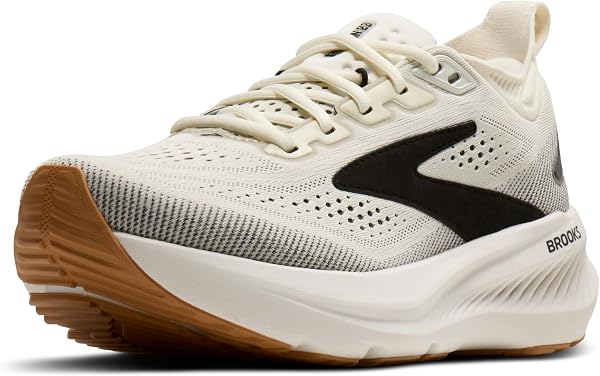
The Brooks Glycerin 23 sits above the Ghost in the Brooks lineup, targeting neutral runners who want premium plush comfort for long training runs, recovery days, and high-mileage weeks. It appeals to runners who prioritize luxurious cushioning and distraction-free comfort over lightweight speed, making it a favorite for marathon training programs and dedicated recreational runners.

We may earn a commission when you buy through this link, at no additional cost to you.
The upgraded nitrogen-infused DNA Tuned midsole includes 2mm more cushioning in the forefoot compared to the Glycerin 22, creating softer landings and more responsive toe-offs. This adaptive foam delivers luxurious feel across every step while maintaining consistent performance over longer distances. The 8mm offset paired with premium midsole cushioning suits high-mileage comfort seekers who want a plush ride without sacrificing everyday versatility.
The triple jacquard warp-knit upper delivers a plush, comfortable fit with balanced stretch and structure. This modern upper wraps the foot securely while reducing hot spots and pressure during extended wear, which matters most during long runs when foot swelling can cause issues in lesser uppers. The wide platform combined with strategic midsole sculpting promotes balanced movement and seamless heel-to-toe transitions.
The Ghost 17 provides everyday versatility with balanced cushioning for varied training and cross-training use. The Glycerin 23 adds premium plush cushioning designed specifically for long runs and recovery days where maximum comfort matters most. If you value versatility across multiple activities, choose the Ghost. If you prioritize plush comfort for extended running, choose the Glycerin. Both share Brooks’ quality construction and diabetic footwear certifications.
Choose the Glycerin 23 if you want premium plush cushioning for long runs, daily training, or recovery days at a similar price point to the Hoka Bondi 9. Runners on tight budgets should consider the Ghost 17 or Under Armour Assert options, while those wanting a more responsive tempo shoe should look at the ASICS NOVABLAST 5.
Budget-focused shoppers or runners wanting a lightweight tempo and racing shoe.
We may earn a commission when you buy through this link, at no additional cost to you.
Selecting the right running shoes requires balancing cushioning, weight, fit, drop, and your specific running goals. The factors below cover the key decision points that separate a purchase you will love for hundreds of miles from one that ends up unused in your closet after a few disappointing runs.
Running shoe cushioning ranges from minimal barely-there feel to maximum plush platforms. Traditional daily trainers like the Brooks Ghost and Under Armour Assert lines provide balanced cushioning that suits most runners. Max-cushion shoes like the Hoka Bondi and Brooks Glycerin add more foam for extra shock absorption on long runs and recovery days. Responsive shoes like the ASICS NOVABLAST use bouncy foams that store and return energy for faster running.
Consider your training goals and body signals. If you have knee, hip, or lower back sensitivity, more cushioning generally helps by reducing peak impact forces. If you want a shoe that feels lively for tempo runs and intervals, responsive foams suit you better. Most runners benefit from having one daily trainer with moderate cushioning and considering a max-cushion shoe for recovery days when logging high weekly mileage.
Start with moderate cushioning like the Ghost 17 or Assert 11 for a versatile daily trainer. Add specialized shoes only after understanding what your training actually requires.
Heel-to-toe drop refers to the height difference between the heel and forefoot of the shoe. Traditional running shoes use 10 to 12mm drops, which suit heel-striking runners who make up the majority of recreational runners. Modern trends favor slightly lower 6 to 8mm drops, which encourage a more midfoot strike but require some adaptation from the calves and Achilles tendons if you are used to higher drops.
The Under Armour Charged Surge uses an 8mm drop, the Brooks Glycerin uses 8mm, and traditional shoes like the Charged Assert 10 use 10mm. The differences seem small but affect running mechanics meaningfully over time. Never dramatically change drop between shoes without gradual transition, as sudden changes can cause calf strains and other injuries.
If you have always worn traditional 10mm drop shoes, stick with 8 to 10mm drops. Only experiment with lower drops gradually and after your regular shoes are wearing out.
Running shoe weight ranges from ultra-light racing flats around 5 to 6 ounces to heavily cushioned trainers over 12 ounces. Most daily trainers fall in the 8 to 11 ounce range for men and 7 to 9 ounces for women. Lighter shoes reduce fatigue during long efforts and feel faster for tempo work. Heavier shoes typically provide more cushioning and durability.
Consider what you value more: speed and lightness for shorter faster runs, or cushioning and support for longer easier runs. The Under Armour women’s Charged Assert 11 at 7.7 ounces represents the lighter end of daily trainers. The Hoka Bondi and Brooks Glycerin weigh more but provide maximum cushioning. Most recreational runners benefit from moderate weight shoes that balance both factors.
For most training, choose moderate weight shoes in the 8 to 11 ounce range. Save ultra-light shoes for race day and heavy cushioned shoes for recovery and long slow runs.
The upper of a running shoe determines how the shoe wraps and holds your foot during runs. Engineered mesh uppers provide breathability and lightweight comfort, while jacquard mesh adds structure and support. Overlays around the midfoot help stabilize the foot during side-to-side movements. Padded ankle collars and heel counters prevent slippage that causes blisters.
Fit matters more than any spec sheet feature. Try on shoes late in the day when feet are naturally swollen from daily activity, wear the socks you plan to run in, and ensure about a thumbnail width of space between your longest toe and the front of the shoe. Note that some brands and models run large or small, so read manufacturer sizing notes carefully. The ASICS NOVABLAST 5 runs large while the Gel-Excite 11 runs small.
Prioritize fit over features. A perfectly-specced shoe that fits poorly will cause injuries, while a moderately-featured shoe that fits your foot well will serve you for hundreds of miles.
The outsole affects both grip during runs and how long the shoe lasts before needing replacement. Full rubber outsoles provide maximum durability at some weight cost. Exposed foam outsoles reduce weight but wear faster on abrasive surfaces. Flex grooves in the outsole promote natural foot flex during toe-off, improving running mechanics.
Consider your running surfaces. Pavement and treadmills wear outsoles slower than concrete and asphalt roads. Wet or slippery surfaces benefit from more aggressive tread patterns. The Brooks Ghost 17 uses recycled silica in its rubber compound for balanced durability and grip, while the Under Armour Assert lines use traditional solid rubber for maximum abrasion resistance.
For most road running, standard rubber outsoles with flex grooves provide adequate traction and durability. Prioritize outsole coverage over unique tread patterns unless you run frequently on wet or mixed surfaces.
Pronation refers to how your foot rolls inward when it hits the ground. Neutral runners have a moderate inward roll and can use any neutral shoe. Overpronators have excessive inward roll and traditionally needed stability shoes, though modern research questions whether stability shoes actually prevent injuries. Underpronators have insufficient inward roll and typically need well-cushioned neutral shoes.
Most shoes in this guide are designed for neutral runners, which describes most people. If you are unsure of your pronation type, visit a specialty running store for a gait analysis or check the wear pattern on your current shoes. Even wear across the sole indicates neutral pronation. Heavy wear on the inside edge suggests overpronation. Heavy wear on the outside suggests underpronation.
For most runners, neutral shoes work well. Only consider stability shoes if you have documented overpronation or a history of related injuries. When in doubt, get professionally fitted at a specialty store.
Before your first run, take new shoes on a shorter test run of two to three miles to identify any hot spots or discomfort issues while a return is still possible. Wear the same socks you plan to run in for training. Lace them using a heel lock technique if your heel slips, and adjust lacing tightness across the midfoot to eliminate pressure points. Save new shoes for planned runs rather than casual all-day wear so their cushioning stays fresh for training miles when you need them most.
During regular use, rotate between two pairs of running shoes if possible. This allows the midsole foam to fully decompress and recover between runs, extending overall shoe life by up to 50%. Avoid drying wet shoes with direct heat like radiators or dryers, which damages foams and adhesives. Instead, stuff wet shoes with newspaper or dry towels to absorb moisture, then air dry at room temperature. Keep shoes clean by wiping off dirt after runs and occasionally hand-washing uppers with mild soap and cool water.
For long-term care, track total mileage on each pair of shoes and plan replacement between 300 and 500 miles depending on the shoe model, your body weight, and running style. Signs it is time to replace include visible midsole compression, worn outsole tread, new aches in your feet or lower legs, or a general dead feeling underfoot. Store shoes in a cool dry location away from direct sunlight, which degrades foams and colors over time. When traveling, use a shoe bag to prevent dirt from spreading to other items in your luggage.
Most running shoes last between 300 and 500 miles, though this varies based on your body weight, running style, and the specific shoe model. Heavier runners and those with aggressive running styles typically get fewer miles per pair. Track mileage in a training log or fitness app to know when replacement is due. New unexplained aches in your feet, knees, or lower legs often signal that current shoes have lost their cushioning capacity.
Neutral shoes provide balanced cushioning without corrective features, suiting the majority of runners who have normal pronation. Stability shoes add features to reduce excessive inward foot rolling for overpronators. Most modern shoes in this guide are neutral models. Unless you have documented overpronation or a history of related injuries, neutral shoes generally serve well. A gait analysis at a specialty running store can confirm your specific needs.
Most runners benefit from a half size larger than their regular shoe size to allow room for foot swelling during runs. Ensure about a thumbnail width of space between your longest toe and the front of the shoe. Some shoe models specifically run large or small, so check manufacturer sizing notes. The ASICS NOVABLAST 5 runs large while the Gel-Excite 11 runs small, requiring corresponding size adjustments.
Max-cushion shoes like the Hoka Bondi 9 can benefit beginners by reducing impact forces during the transition to regular running. However, extremely thick platforms can affect balance and running mechanics for some runners. A moderate cushioning trainer like the Brooks Ghost or Under Armour Assert typically provides better versatility for beginners exploring different types of runs. If joint sensitivity is a specific concern, max cushion can be a good choice.
No, the same shoes work well for both surfaces. Treadmills provide slightly softer surfaces than roads, which extends outsole life somewhat, but the running mechanics remain essentially identical. If you run primarily on treadmills, focus on cushioning and comfort. If you split time between surfaces, standard road running shoes serve well for both.
Heel-to-toe drop is the height difference between the heel and forefoot of the shoe, typically ranging from 0mm to 12mm. Traditional running shoes use 10 to 12mm drops that suit heel strikers. Lower drops around 4 to 8mm encourage midfoot striking but require gradual adaptation. If you have always worn traditional shoes, stick with 8 to 10mm drops. Sudden drop changes can cause calf and Achilles injuries.
Quality daily trainers range from about $50 to $150 depending on features and technology. Budget-focused runners can find capable shoes like the Under Armour Assert line under $50. Premium max-cushion models like the Hoka Bondi 9 or Brooks Glycerin 23 cost around $150. Higher price often correlates with better cushioning technology and materials, but many mid-range shoes provide excellent value for recreational runners.
Yes, running shoes typically work well for walking and often provide better cushioning than dedicated walking shoes. Max-cushion models like the Hoka Bondi 9 are particularly popular for extended walking, standing at work, and general all-day wear. If walking is your primary activity, you may prefer shoes with slightly more flexibility through the forefoot for natural walking gait, but most running shoes transition well between activities.
Yes, women's running shoes typically feature narrower heels, different lasts to accommodate female foot shapes, and adjusted midsole geometry for typical differences in weight distribution and pronation patterns. Women can sometimes wear men's shoes with different sock thickness, but purpose-built women's models generally fit better. The reverse is less common due to sizing and shape differences. Try both if you have unusual foot proportions.
The Brooks Ghost 17 women's model stands out as the strongest overall choice for buyers who want a versatile, proven daily trainer that handles varied training well. Its nitrogen-infused DNA Loft v3 cushioning, APMA Seal of Acceptance, PDAC A5500 diabetic certification, and carbon-neutral construction deliver a complete package that has earned Brooks a devoted following among runners and walkers alike. It suits recreational runners logging moderate weekly mileage exceptionally well.
For different priorities, the Hoka Bondi 9 delivers premium max-cushion comfort for long runs, recovery days, and joint protection at $155. The Under Armour Charged+ Assert 11 provides genuine value with softer cushioning and recycled materials under $60. The ASICS NOVABLAST 5 offers responsive bouncy feel for runners who enjoy tempo work and interval training. The Brooks Glycerin 23 delivers plush luxury cushioning as a premium alternative to the Ghost.
Before purchasing, honestly assess your training goals, typical weekly mileage, and any current foot or joint sensitivities. Prioritize fit over features by getting the right size for your foot shape, and consider sizing recommendations for shoes that run large or small. Any of the 10 shoes in this guide will serve well when matched to the right runner and training situation, so choose based on your specific needs rather than headline marketing features alone.