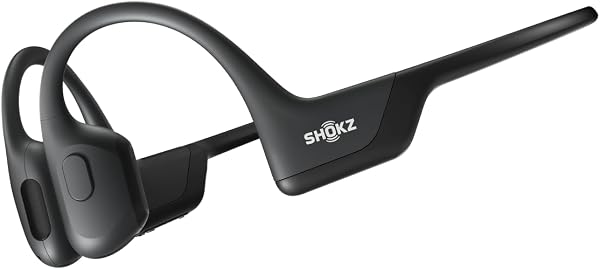
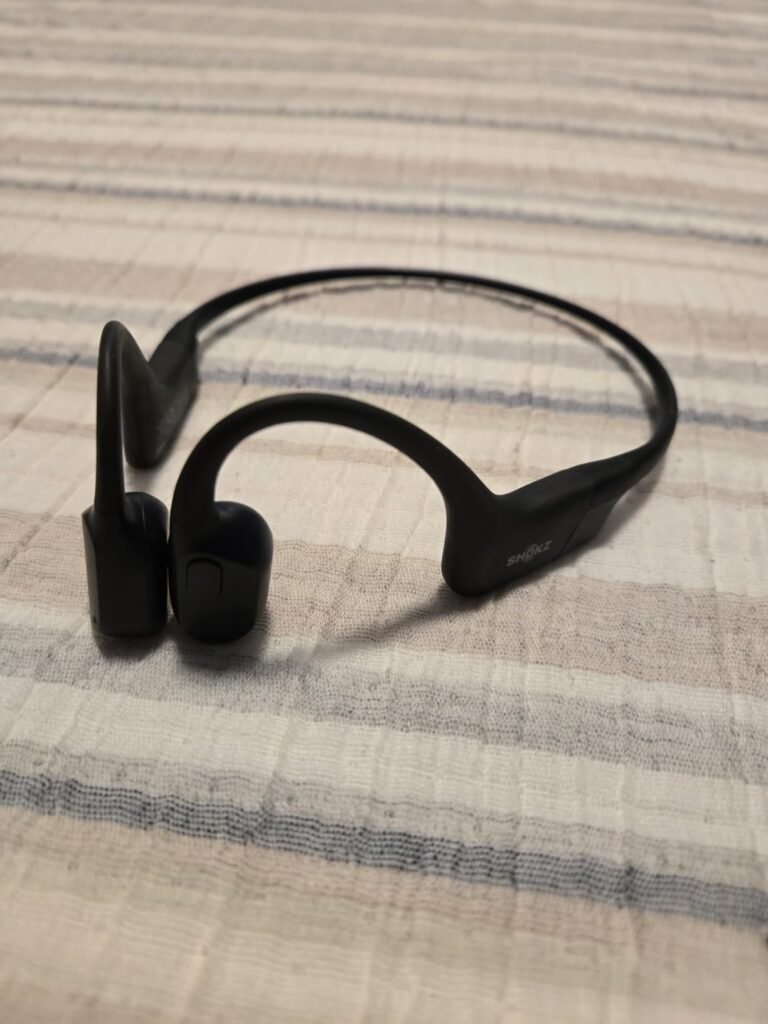
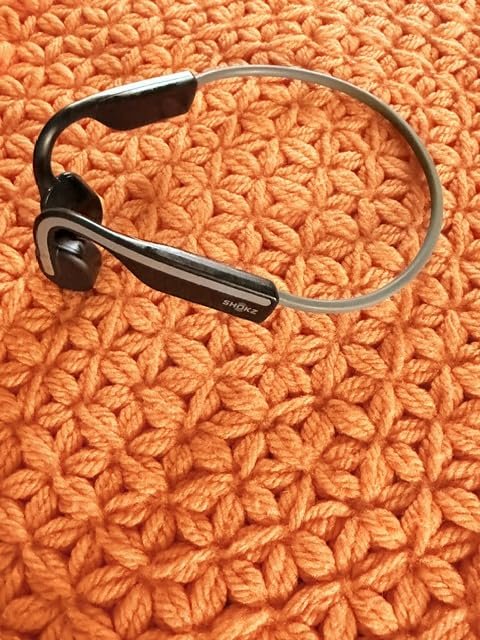
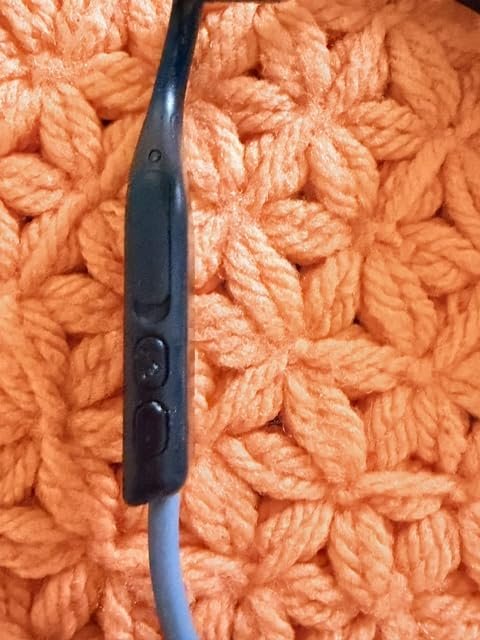
SHOKZ OpenRun Pro
8.6Editor scoreDual audio drivers
12-hour battery life
Ni-Ti memory wire frame
Wind-resistant dual microphones
Compare 10 top running headphones by fit, sound, battery, water resistance, situational awareness, and value for every type of runner.
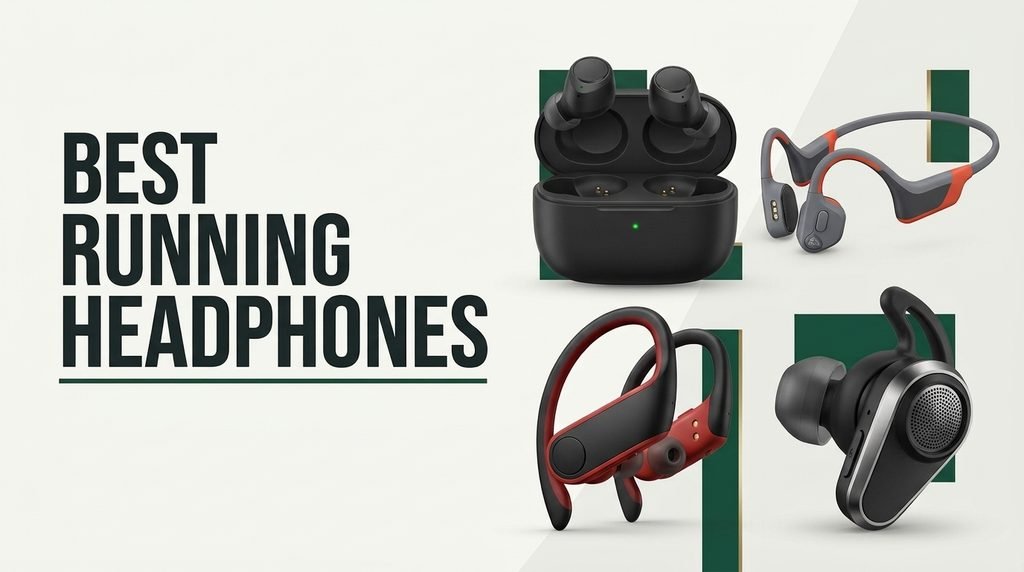
Finding the right running headphones in 2026 means weighing secure fit, situational awareness, sound quality, sweat resistance, battery life, and comfort across hours of continuous wear. We compare 10 standout options by these factors along with call quality, water-resistance ratings, charging convenience, and overall value at every price tier.
The biggest fork in this category is choosing between open-ear designs and traditional in-ear earbuds. Bone conduction and open-ear headphones keep your ear canals free so you stay aware of traffic and your surroundings, while sealed in-ear earbuds deliver richer bass and optional noise cancellation at the cost of reduced environmental awareness.
Before buying, consider where you run most often. Road runners sharing space with traffic benefit from open-ear or open-style designs for safety, while treadmill sessions favor earbuds with active noise cancelling. Also check sweat and water ratings carefully — a quick outdoor run in the rain needs different protection than marathon-distance exposure.
We compared 10 running headphones using the details that actually help a runner decide: fit security and comfort during impact, open-ear versus in-ear design and situational awareness, battery life for long sessions, sweat and water-resistance ratings, microphone and call quality, sound delivery method, companion app features, charging speed, weight, and price-to-performance value. The notes focus on practical trade-offs so each pick connects to how runners actually train, commute, and race.

Compare key features, scores, and current prices side by side. A shorter feature list means fewer details were available, not necessarily fewer capabilities.


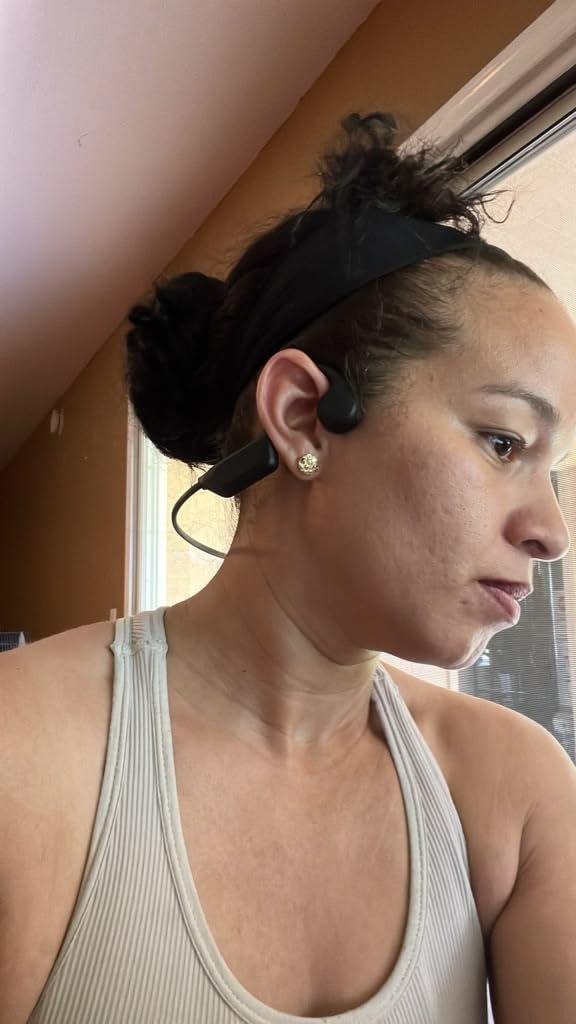
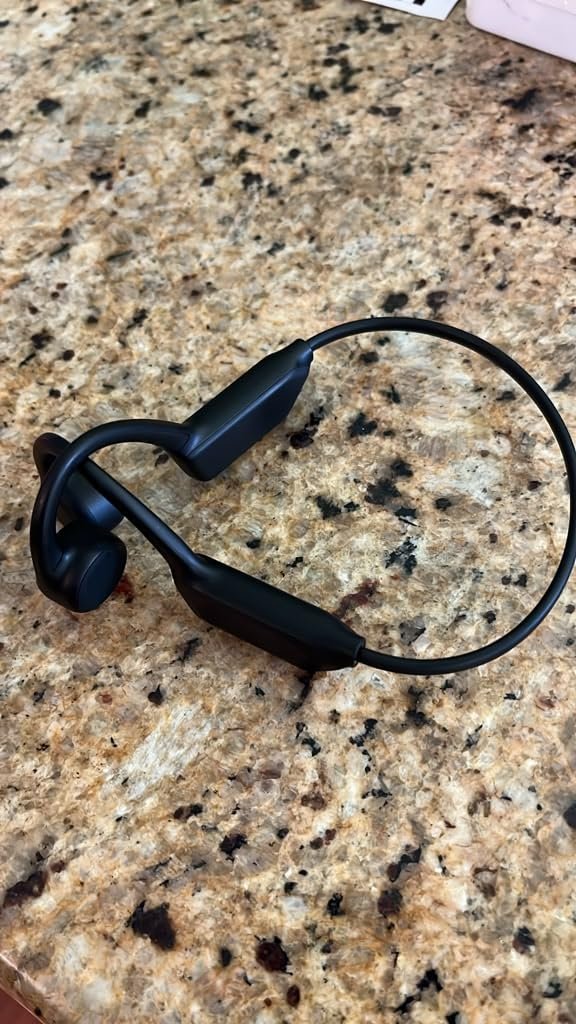
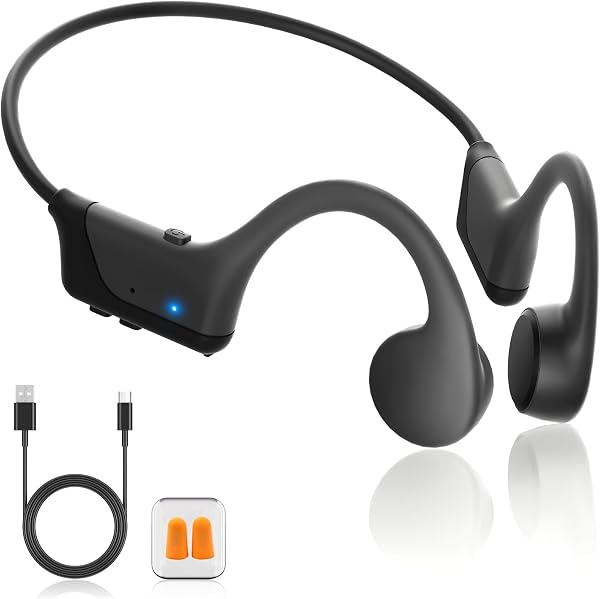
The Bone Conduction Open-Ear Headphones earn the Editor's Choice badge by combining the highest customer rating in this guide — 4.8 stars — with a design that addresses the primary safety concern for outdoor runners. Sound travels through your cheekbones rather than blocking the ear canal, so you stay aware of traffic, other runners, and your environment while listening to music, podcasts, or training cues.
We may earn a commission when you buy through this link, at no additional cost to you.
The bone conduction drivers use a fully enclosed cavity design that reduces sound leakage by up to 50% compared with earlier generations, meaning audio stays focused on your ears rather than broadcasting outward. Bluetooth 5.4 provides a stable connection to your phone, and the integrated noise-cancelling microphone supports clear hands-free calls during cool-down walks or while taking work calls from the trail. Type-C fast charging keeps the turnaround between sessions brief.
The titanium frame weighs only 29 grams and withstands stretching and bending without permanent deformation, which means you can toss them in a gym bag without worrying about frame damage. An IPX5 waterproof rating handles sweat, light rain, and humid conditions comfortably — it is not designed for submersion but covers virtually every outdoor running scenario. The 10-hour battery endurance is sufficient for back-to-back sessions without a midweek charge.
Running with sealed earbuds in busy traffic removes one of your most important safety senses: hearing. Open-ear designs keep the ear canal completely free, so approaching vehicles, cyclists calling out, and changes in your environment register instantly without pausing your music. For runners who share roads with cars, this single factor often outweighs any difference in sound richness. The open-ear approach lets you maintain your playlist while retaining full awareness — a combination that sealed in-ear earbuds simply cannot match.
For runners who want an open-ear design at a mid-range price with the strongest customer satisfaction score in this roundup, this is the clear top pick. The tradeoff versus sealed in-ear earbuds is lower bass impact — bone conduction inherently delivers less low-end punch than ear tips that seal the canal. If road awareness matters more than maximum bass, the balance here is hard to beat.
Runners who prioritize heavy bass or want active noise cancelling for treadmill and indoor sessions.
We may earn a commission when you buy through this link, at no additional cost to you.
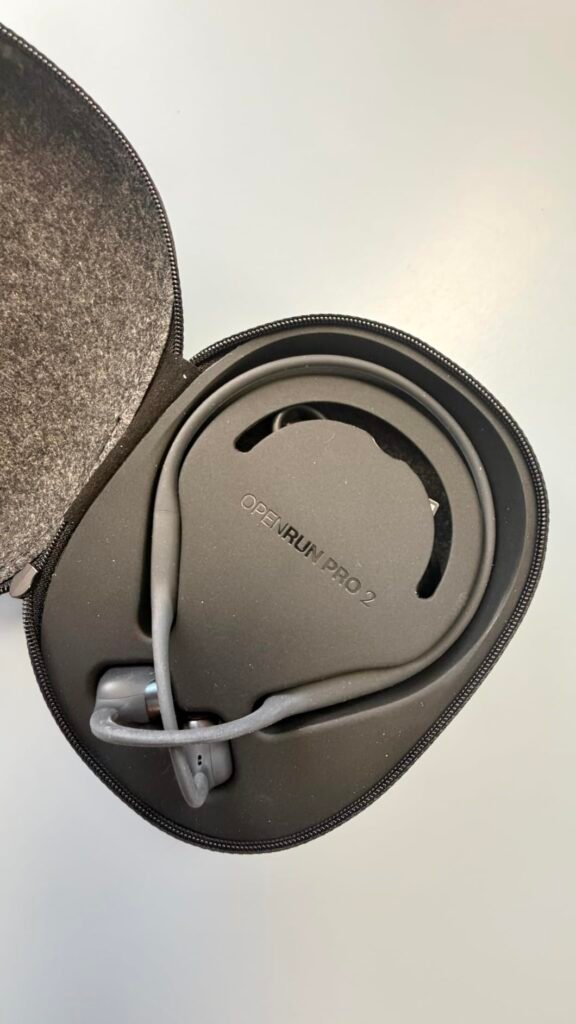
The SHOKZ OpenRun Pro 2 is the most advanced bone conduction model in this guide, and it addresses the historical weakness of open-ear audio — thin bass — through a dual-driver system. Bone conduction drivers deliver the clear highs while an air conduction component adds deep bass, producing a full-range 3D audio experience that sounds closer to traditional headphones without sealing your ears. For runners who want open-ear safety without giving up musical depth, this is the strongest option available.
We may earn a commission when you buy through this link, at no additional cost to you.
The 12-hour battery endurance is the longest among the open-ear models here, covering ultramarathon training sessions, all-day hikes, and multi-workout days without a recharge. Dual wind-resistant microphones with an AI noise reduction algorithm filter out up to 96.5% of background noise — including wind at speeds up to 15 mph — so call clarity holds up even during breezy outdoor runs where cheaper microphones become unusable.
The unibody frame integrates a Ni-Ti alloy memory wire with ergonomic ear hooks, creating a secure fit that resists slipping during sprints, climbs, or gym circuits. The Shokz App adds dedicated EQ modes including a Classic Mode for pure bone conduction sound and a Volume Boost Mode for noisy environments, giving you flexibility to tailor audio to your training setting rather than accepting one fixed sound signature.
Traditional bone conduction headphones vibrate your cheekbones to send sound to your inner ear, which naturally rolls off low frequencies. Adding an air conduction driver supplements the bass range that bone conduction cannot reproduce effectively, creating a fuller sound profile without requiring ear tips. The practical result for runners is music that feels richer and more motivating during hard efforts while retaining the open-ear awareness that makes this category appealing in the first place.
At $179.95, the OpenRun Pro 2 is the most expensive option in this guide. The price reflects the dual-driver technology and wind-resistant microphone array, but budget-conscious runners will find that the Bone Conduction Open-Ear Headphones deliver 4.8-star satisfaction at a much lower cost. Choose the Pro 2 if bass quality and call clarity in windy conditions are worth the premium to you.
Budget-conscious runners or those who are satisfied with the sound quality of single-driver bone conduction models.
We may earn a commission when you buy through this link, at no additional cost to you.
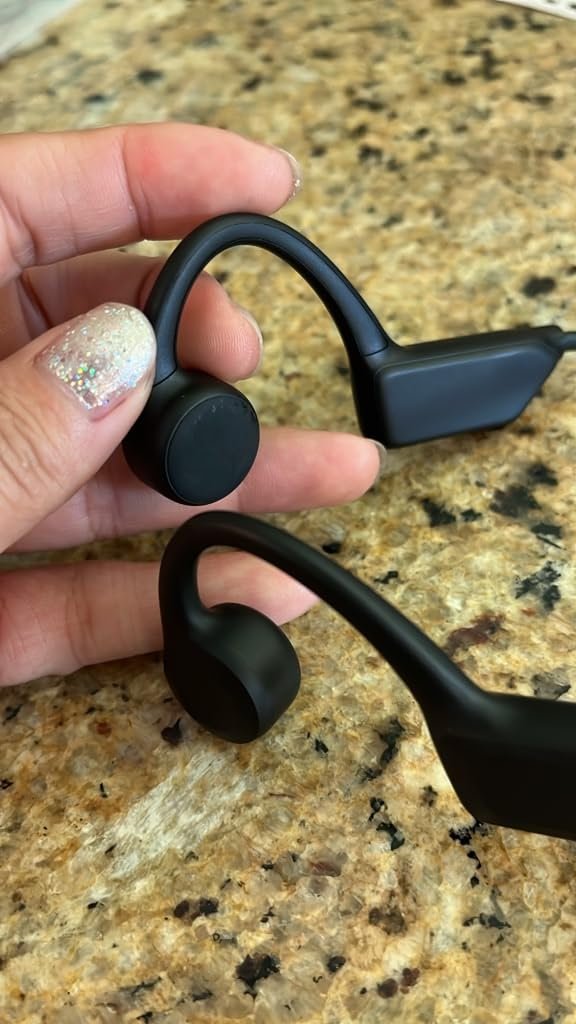
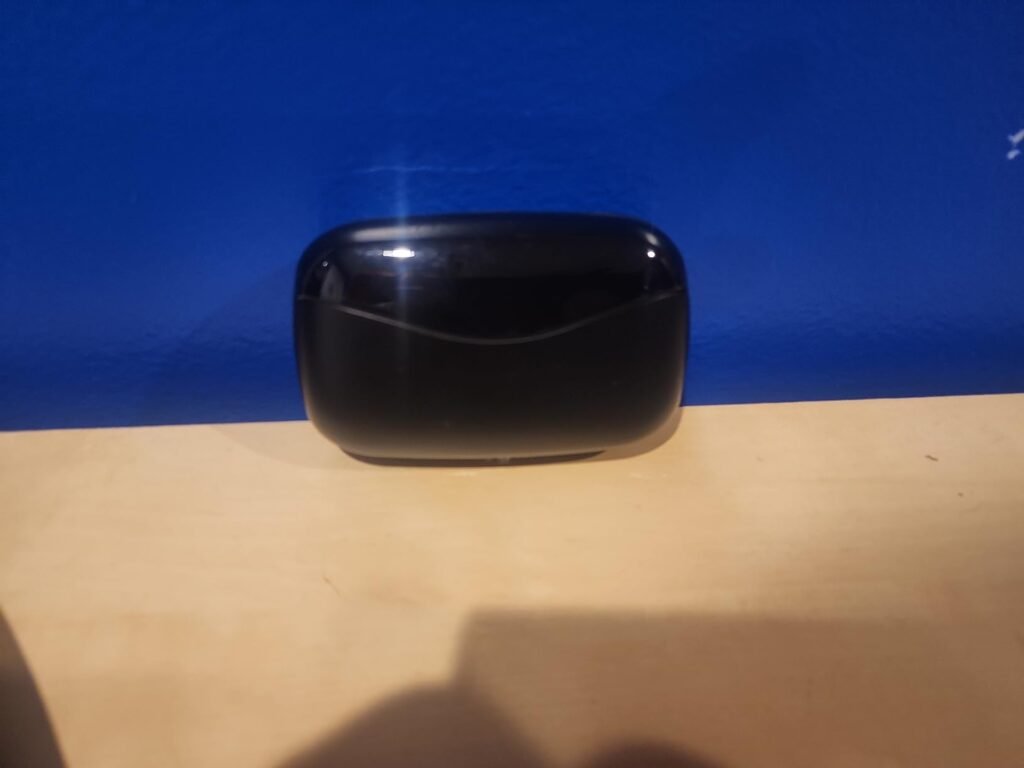
The PSIER Bone Conduction headphones deliver open-ear running audio at the lowest price in this guide — $29.99 — while still packing features that appear on models costing several times more. At just 23 grams, they are the lightest option in this roundup, and the memory-titanium frame contours to your head shape for a stable fit that stays put during high-impact movement. For runners who want to try bone conduction without a significant commitment, this is the natural entry point.
We may earn a commission when you buy through this link, at no additional cost to you.
Bluetooth 6.0 provides instant pairing, ultra-stable connectivity, 60ms low latency, and a reliable 33-foot range with minimal dropouts. The large 13mm bone conduction drivers with 90dB sensitivity produce balanced sound with crisp highs and detailed mids — strong performance for the price. Upgraded acoustic sealing reduces sound leakage by up to 50%, addressing one of the most common complaints about budget bone conduction headphones.
Battery endurance reaches 10 hours at 50% volume with a 200-hour standby, and Type-C fast charging restores a full charge in approximately two hours. An IPX5 waterproof rating handles sweat and sudden rain during outdoor sessions, though it is explicitly not suitable for underwater use. The Boean App adds adjustable EQ settings, AI-generated music features, and real-time translation across 91 languages — features that extend the value proposition well beyond a typical budget headphone.
Open-ear designs are polarizing — some runners love the awareness immediately, while others find the sound signature unusual at first. Spending $29.99 to find out which camp you fall into is a far lower-risk experiment than committing $180 to a premium model. If the bone conduction listening style suits you, you can later upgrade to a higher-tier model knowing your preference is confirmed. If it does not, you have lost very little and can pivot to traditional earbuds without regret.
The PSIER is the strongest value option for runners who want open-ear safety, modern Bluetooth, and solid battery life without paying premium prices. The tradeoffs are typical for this price tier: sound leakage can still occur at high volumes, and some of the app-based features require a companion download. If your priority is finding capable running headphones with the smallest financial risk, the PSIER delivers a feature set that is genuinely impressive for under $30.
Audiophiles who need deep bass or runners who prefer sealed in-ear isolation during training.
We may earn a commission when you buy through this link, at no additional cost to you.
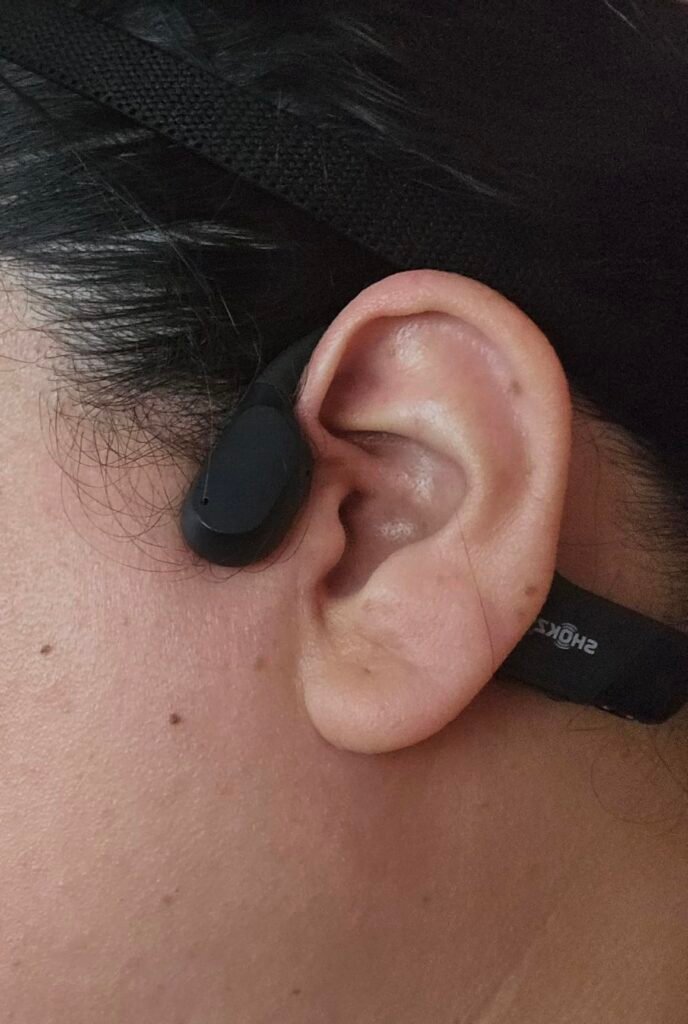
The SHOKZ OpenRun Pro sits in the premium tier at $159.95 and represents the established benchmark for open-ear running headphones. Its 9th generation bone conduction technology combined with TurboPitch engineering delivers clear sound, powerful volume, and rich bass — the strongest audio quality from a single-driver bone conduction system in this guide. The result is music that motivates during hard efforts without the ear fatigue that in-ear tips can cause over marathon-distance sessions.

We may earn a commission when you buy through this link, at no additional cost to you.
The wraparound titanium frame is lightweight and stays secure through intense training, while the sweat-resistant construction handles the most demanding workout conditions. A 10-hour battery covers ultramarathon training and back-to-back sessions, and the 5-minute quick charge function provides up to 1.5 hours of additional playback — invaluable when you realize the battery is low minutes before a scheduled run. Universal compatibility with Android, iOS, and Windows devices means no platform-specific limitations.
The bud-free design eliminates the discomfort of in-ear tips during long runs, and the open-ear format keeps your ear canals ventilated, reducing moisture buildup and the irritation that sometimes accompanies hours of sealed earbuds. The included Shokz headband adds an extra layer of security during high-intensity sessions where sweat might otherwise cause a wraparound frame to shift. Built-in microphone support handles calls without requiring you to reach for your phone.
Music during hard intervals or long steady runs serves a motivational purpose, and bass plays an outsized role in how driving a track feels. Bone conduction traditionally struggles with low frequencies, but TurboPitch technology engineers additional bass into the cheekbone-transmitted signal. For runners who rely on music to push through tough miles, this is a meaningful quality-of-life improvement over budget bone conduction options that can sound thin during bass-heavy playlists.
For runners who want proven open-ear performance with enhanced bass and are willing to invest in a premium product, the OpenRun Pro is a strong choice. The main tradeoff is the price — the PSIER at $29.99 offers open-ear convenience at a fraction of the cost, though with noticeably less audio refinement. If you run frequently and value sound quality during every session, the TurboPitch bass improvement justifies the premium.
Runners who need explicit waterproof certification or want to minimize their spending on running audio.
We may earn a commission when you buy through this link, at no additional cost to you.
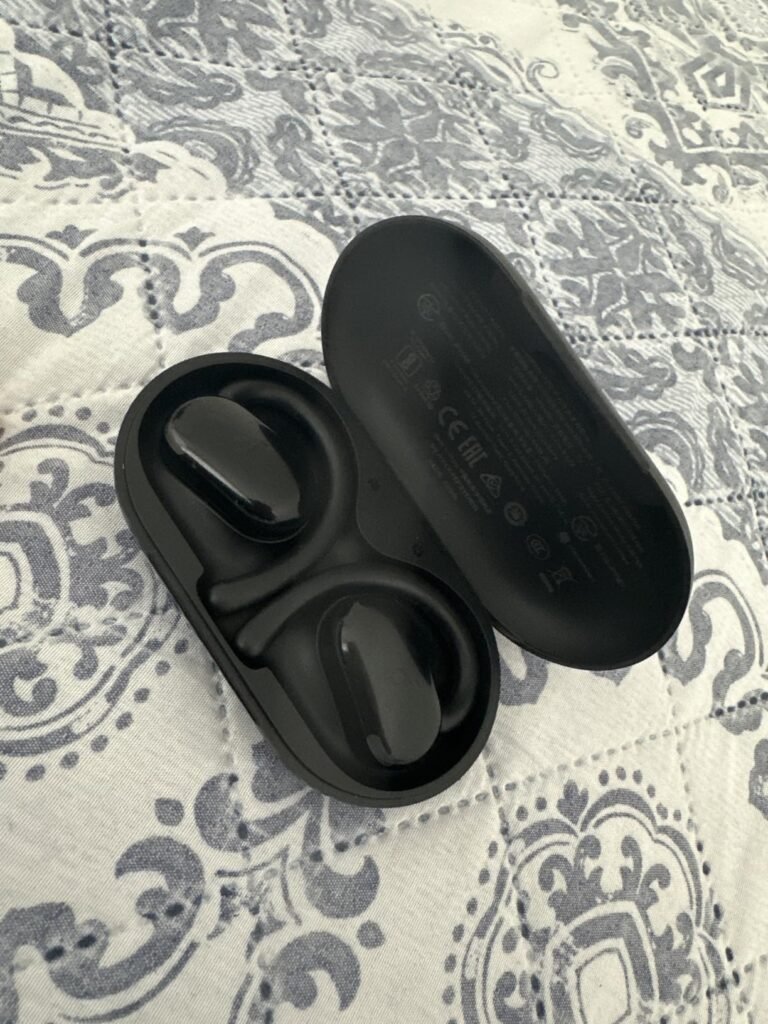
The Soundcore V20i is an open-ear true wireless earbud that sits outside the ear canal rather than inside it, giving runners a middle ground between the full awareness of bone conduction and the bass punch of sealed in-ear earbuds. Four adjustable positions let you rotate the earbuds to find the sweet spot for your ear shape, boosting both stability and comfort during movement — a design that accommodates more ear types than fixed-position alternatives.
We may earn a commission when you buy through this link, at no additional cost to you.
The 16mm drivers with titanium-coated domes and BassUp technology deliver rich, resonant bass that bone conduction models cannot replicate at this price. This makes the V20i a practical choice for runners who want open-ear awareness but find bone conduction audio too thin. Four microphones with an AI algorithm ensure crisp and clear calls, handling gym-floor conversations and outdoor call quality with competent noise rejection.
Soundcore app support adds HearID personalization, EQ modes, and Spatial Audio, letting you tailor the sound signature to your preferences rather than accepting a fixed tuning. OTA firmware updates keep the earbuds current with feature improvements over time. The tune-synced customizable lights add a visual element that appeals to some users but may not matter to performance-focused runners — it is a stylistic feature rather than a functional one.
Bone conduction keeps the ear canal completely untouched, providing maximum environmental sound. Open-ear earbuds like the V20i rest outside the canal, which reduces but does not eliminate outside noise — a middle ground that some runners prefer. If you run exclusively on quiet trails or treadmills, the V20i’s stronger bass may be worth the modest reduction in awareness. For shared roads with active traffic, the fully open bone conduction format provides a safety margin that partially open designs cannot match.
For runners who want open-ear comfort with stronger bass than bone conduction delivers and appreciate EQ customization, the V20i at $29.99 provides impressive value. The key tradeoff versus bone conduction is situational awareness: because the driver sits near (but not inside) the ear canal, some environmental sound is reduced compared with a fully open bone conduction design. For road runners who need maximum awareness, bone conduction models remain the safer choice.
Road runners who need maximum environmental awareness from a fully open-ear bone conduction design.
We may earn a commission when you buy through this link, at no additional cost to you.
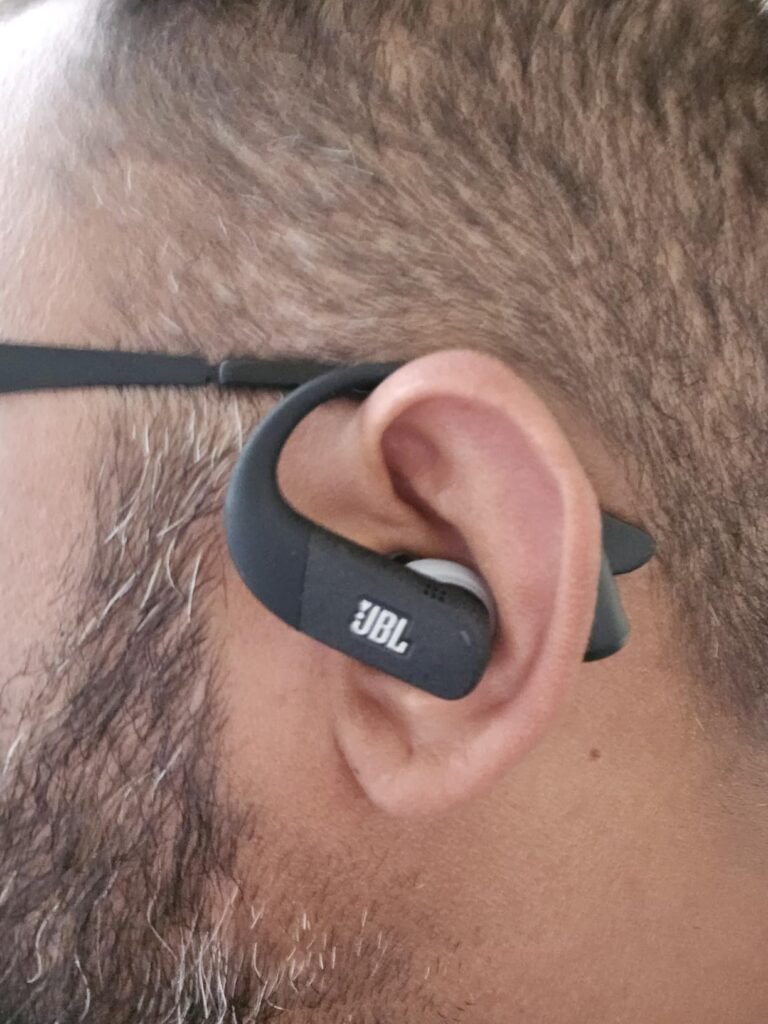
The JBL Endurance Peak 4 is the most durable option in this guide, carrying an IP68 rating that covers sweat, rain, salt water, sand, high temperatures, and high humidity — a level of environmental protection that no other product here matches. For runners who train in extreme conditions, encounter sandy beaches, or simply want maximum confidence that their earbuds will survive anything a season throws at them, the IP68 rating is a significant differentiator.
We may earn a commission when you buy through this link, at no additional cost to you.
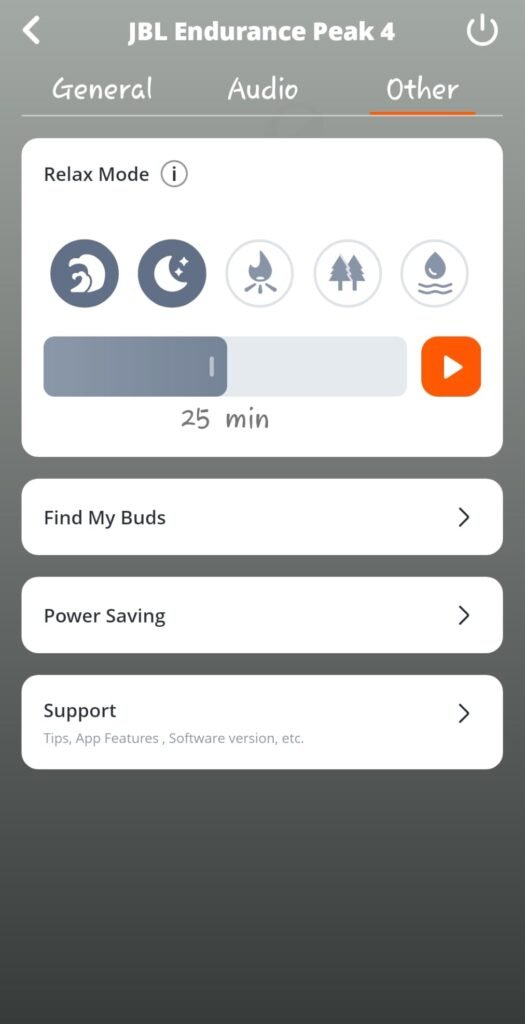
Adaptive noise cancelling with Smart Ambient gives you the option to isolate from distractions during focused sessions or open up to your environment when needed — all adjustable through the JBL Headphones app. Four noise-sensing mics handle the cancellation, while six total microphones (three per ear) capture your voice during calls with a beamforming algorithm that reduces ambient noise. The windproof design minimizes distortion from air friction, maintaining call clarity during outdoor runs.
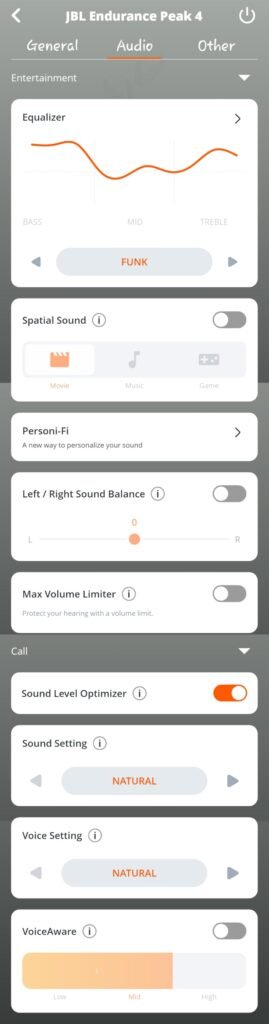
JBL Pure Bass from a 10mm dynamic driver delivers powerful stereo sound with deep bass, and Personi-fi 3.0 lets you run a quick hearing test to adapt the audio profile to your personal hearing characteristics. The TwistLock design with JBL OvalTubes and liquid silicone ear hooks with memory wire provides a secure fit for all-day wear. Up to 48 hours of total playback with the charging case — 12 hours from the earbuds plus three full case recharges — means charging every few days rather than daily.
IP68 certification means the earbuds are dust-tight and can withstand continuous submersion in water beyond one meter under specified conditions. In practical terms for runners, this means no worries about sweat saturation, heavy rain, splashing through puddles, or sandy conditions that would damage lesser-rated earbuds. The IP68 rating on the Endurance Peak 4 is the most protective specification among all 10 products reviewed here, which is the primary reason to consider it despite the lower customer rating.
The Endurance Peak 4 has the lowest rating in this guide at 3.9 stars, which suggests a meaningful number of buyers have encountered issues worth investigating before purchase. Despite this, its IP68 rating, adaptive noise cancellation, and 48-hour battery endurance represent the most complete feature set for runners who want sealed in-ear performance with maximum environmental protection. The tradeoff is reduced situational awareness compared with open-ear designs — a safety consideration that matters for road runners.
Road runners who need environmental awareness during runs or buyers who prioritize high customer satisfaction ratings.
We may earn a commission when you buy through this link, at no additional cost to you.
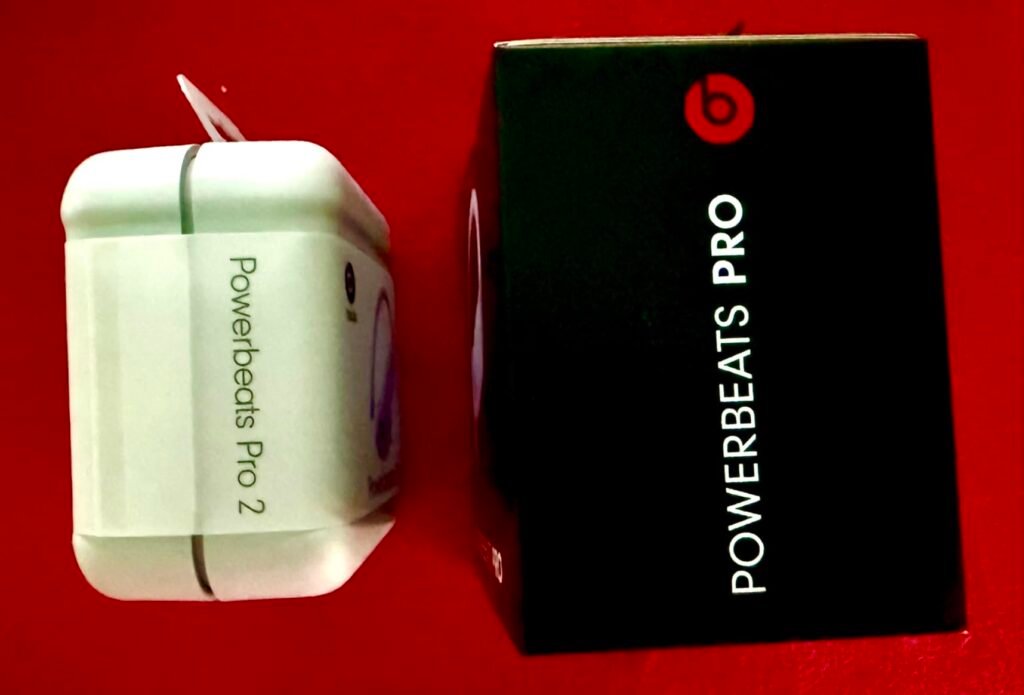
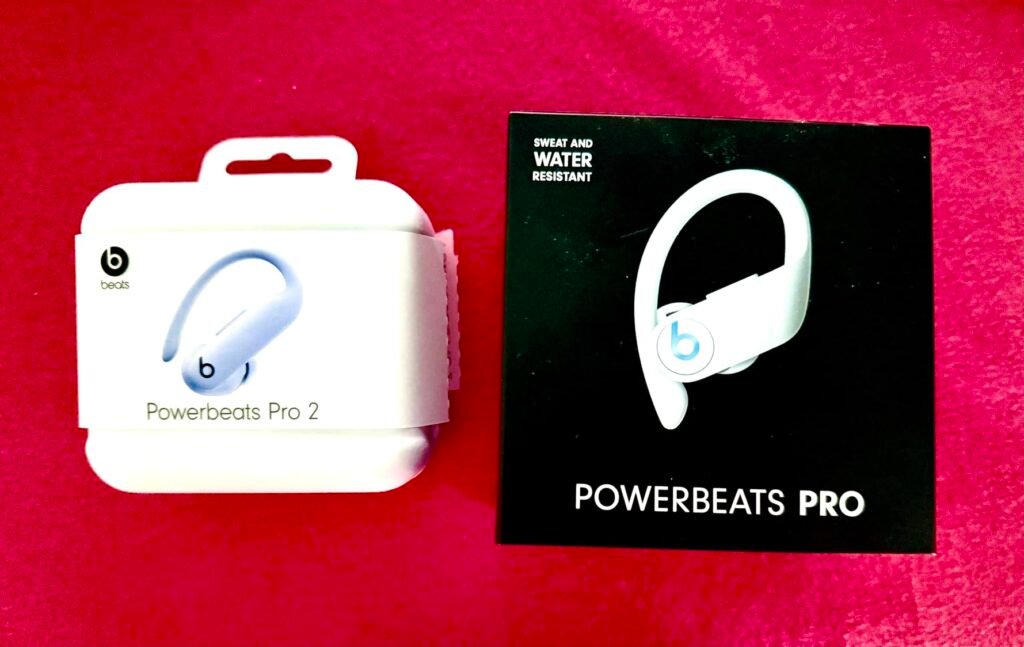
The Beats Powerbeats Pro 2 is the most feature-rich earbud in this guide, built around the Apple H2 chip with capabilities that extend well beyond audio playback. The standout feature is built-in heart rate monitoring — sensors pulse over 100 times per second to provide real-time heart rate data directly from your ears, eliminating the need for a chest strap or wrist-based monitor during training. For runners who want consolidated biometric data without wearing multiple devices, this integration is genuinely unique.
We may earn a commission when you buy through this link, at no additional cost to you.
Active noise cancelling designed specifically for training environments filters the noise floor so you can focus during hard sessions, while Transparency mode lets outside sound in when situational awareness matters. The nickel titanium alloy earhook is 20% lighter than the previous generation and provides flexible comfort across different ear shapes with the secure hold needed for sprints and heavy lifts. Five included ear tip sizes create a personalized acoustic seal for both fit and sound isolation.
45 hours of total listening time with the Qi wireless charging case covers an entire week of typical training without needing an outlet. Fast Fuel provides 1.5 hours of playback from a 5-minute charge — a feature that matters when you are rushing out the door. Adaptive EQ measures your listening environment in real time and adjusts frequencies accordingly, while Personalized Spatial Audio with head tracking on Apple devices adds an immersive dimension to your playlist.
Wrist-based optical heart rate monitors can struggle with accuracy during high-intensity intervals due to arm movement and sweat-induced signal noise. Ear-based sensors maintain more consistent skin contact because the earhook locks the sensor in place regardless of arm swing. For runners who rely on heart rate zones for pacing — particularly during intervals, tempo runs, or threshold work — having reliable readings directly from your earbuds removes an entire variable from your training data chain.
At $199.95, the Powerbeats Pro 2 carries the highest price in this guide, and its 4.1-star rating suggests the feature set has not satisfied every buyer at that price point. The heart rate monitoring feature works best within the Apple ecosystem, though full feature access including heart rate monitoring and customizable controls is available on Android through the Beats app. Choose these if heart rate integration and premium build quality are worth the investment; budget-focused runners have stronger value options here.
Budget-focused runners who do not need heart rate monitoring integrated into their audio equipment.
We may earn a commission when you buy through this link, at no additional cost to you.
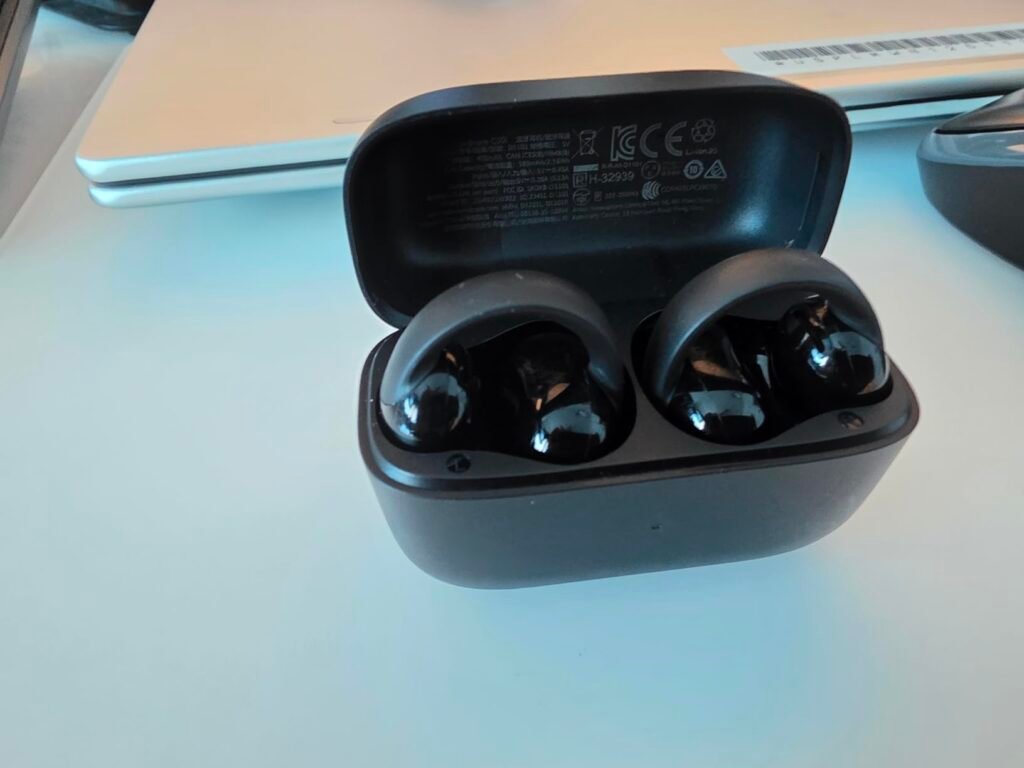
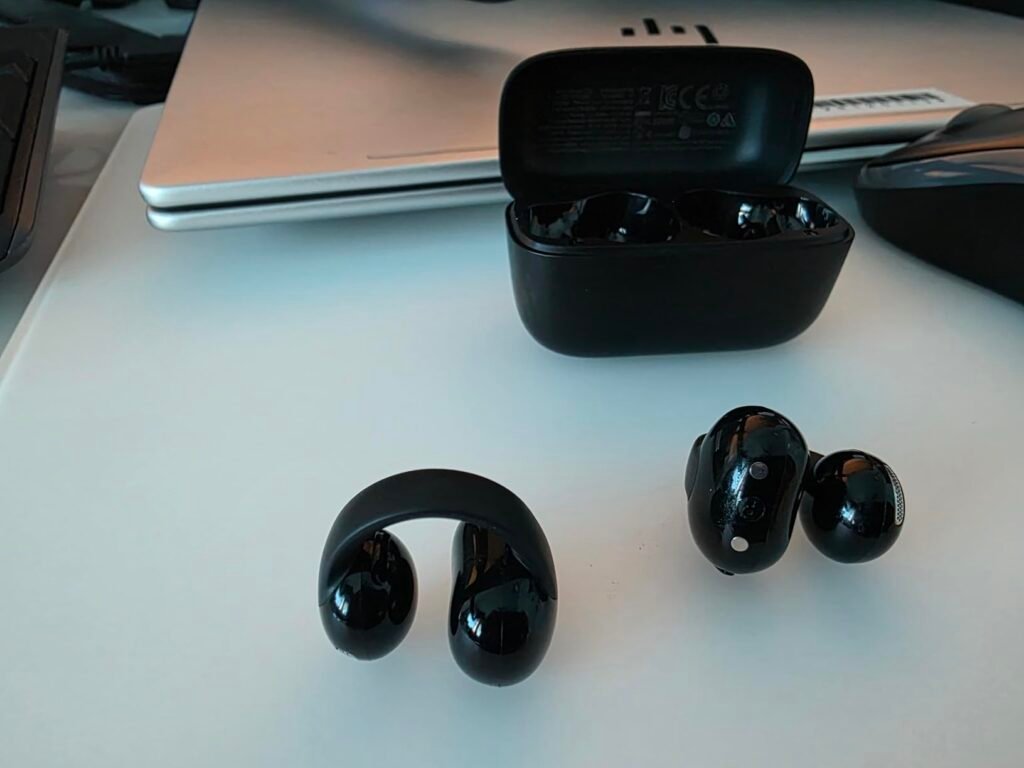
The Soundcore C50i introduces a clip-on form factor that sits over the ear without blocking the ear canal or requiring the wraparound frame common to bone conduction models. The memory titanium FlexiClip adapts to any ear shape for all-day comfort while remaining stable enough for intense workouts and running. For runners who find wraparound frames bulky or ear-hook designs uncomfortable over long sessions, the clip-on approach offers a genuinely different fit experience.

We may earn a commission when you buy through this link, at no additional cost to you.
Custom 12mm drivers deliver deep bass and up to 86dB of max output — notably stronger audio performance than bone conduction headphones at a comparable price. The open-ear design maintains environmental awareness for running and outdoor workouts, while the larger driver area means more bass presence than the 12-gram bone conduction options here. Advanced AI filtering handles background noise during calls, supporting clear conversations whether you are outdoors, in the gym, or commuting.
Eight hours per single charge with 28 hours total using the charging case covers a full training week without frequent recharging. IP55 waterproofing protects against sweat and rain — adequate for outdoor running but not submersion. Bluetooth 6.0 provides an ultra-stable connection, and Soundcore app support adds HearID personalization, EQ modes, and Spatial Audio with OTA firmware updates to keep features current over time.
Ear hooks and wraparound frames work well for most runners but can create pressure points during very long sessions or cause discomfort for users with smaller ears or glasses. The clip-on design distributes its grip across the outer ear rather than concentrating pressure in one area, which some runners find more comfortable over multi-hour use. The tradeoff is that clip security depends more on ear shape than a wraparound frame does — runners with very small or very large ears should verify fit compatibility before committing.
The C50i at $39.99 offers a compelling blend of comfort, sound quality, and open-ear awareness for runners who prefer a clip-on fit over bone conduction frames. The IP55 rating is less protective than the IP67 and IP68 ratings found on other products in this guide, so extra care is warranted in heavy rain. If your ears find traditional frames or ear hooks uncomfortable and you want stronger bass than bone conduction provides, the clip-on design deserves serious consideration.
Runners who need IP67 or IP68 water resistance for extreme weather or submersion conditions.
We may earn a commission when you buy through this link, at no additional cost to you.
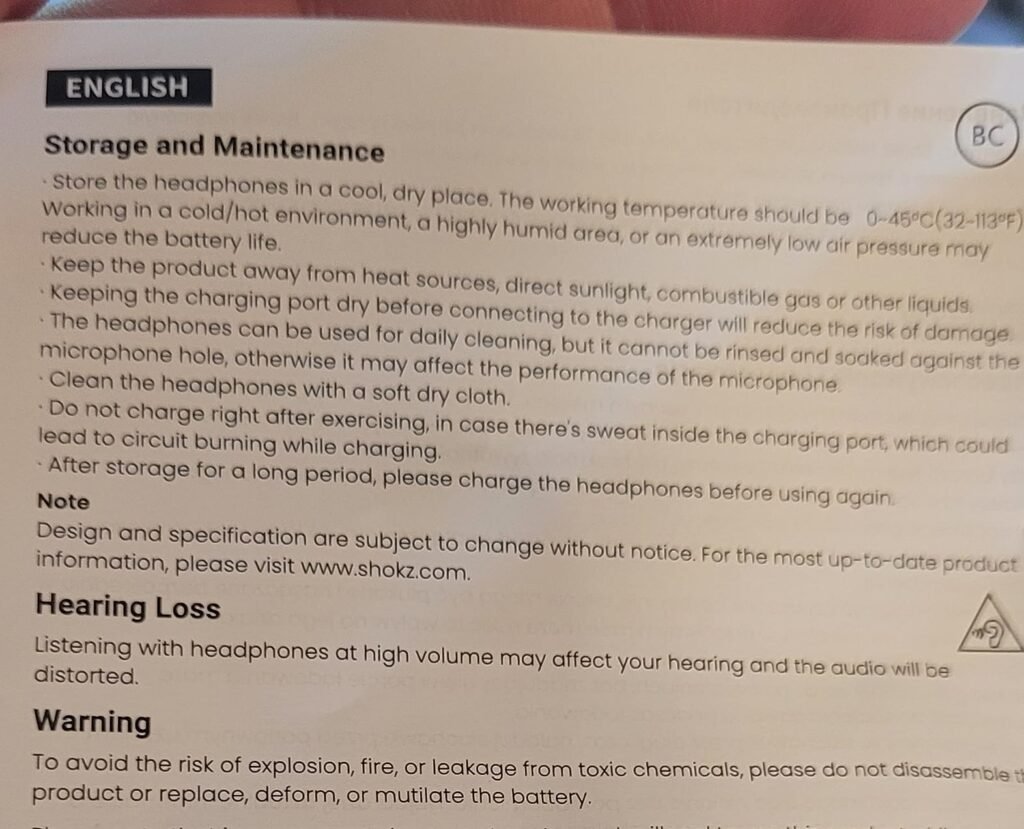
The SHOKZ OpenRun carries an IP67 waterproof rating — the highest water-resistance certification among the open-ear bone conduction models in this guide. This means it can handle full submersion in fresh water under specified conditions, making it the natural choice for trail runners who regularly encounter stream crossings, heavy downpours, and mud-splashed conditions. A moisture detection alert warns you before attempting to charge with residual water present, protecting the charging contacts.
We may earn a commission when you buy through this link, at no additional cost to you.
8th generation bone conduction technology delivers quality audio while leaving your eardrums open to your surroundings — the safety advantage that defines this category. The featherweight wraparound titanium frame stays comfortable during long trail sessions, and the open-ear format prevents the moisture buildup inside ear canals that sealed earbuds can cause during hours of sweating. Universal compatibility with Android, iOS, and Windows devices means no platform restrictions.
Eight hours of continuous music, calls, and podcasts covers most trail running sessions comfortably, and the 10-minute quick charge provides up to 1.5 hours of additional playback when you are short on time before heading out. The rugged sweat-resistant construction is designed specifically for intense workouts, and the inclusion of a Shokz headband adds a secondary retention method for particularly technical terrain where frame slippage could be disruptive.
Trail environments are unpredictable — a sudden rainstorm, a muddy descent, or an accidental dip in a creek can expose headphones to water that would damage lesser-rated devices. IP67 certification means the OpenRun can withstand immersion beyond one meter of fresh water for a limited time, providing a safety margin far beyond what IP55-rated devices offer. Combined with the moisture detection alert that prevents charging while wet contacts are present, the OpenRun gives trail runners confidence that environmental water will not end a session prematurely.
At $129.95, the OpenRun sits between the budget PSIER at $29.99 and the premium OpenRun Pro 2 at $179.95. Its IP67 rating and moisture detection system make it the most weather-resistant open-ear option here, which is a meaningful advantage for trail and all-weather runners. The 8-hour battery is shorter than the Pro models, so ultramarathon-distance runners may want the extended endurance of the OpenRun Pro instead. For trail runners who prioritize waterproof confidence, this is the strongest open-ear pick.
Runners who need more than 8 hours of battery for ultramarathon or all-day training sessions.
We may earn a commission when you buy through this link, at no additional cost to you.
The SHOKZ OpenMove is the brand's most accessible entry point at $79.95, delivering the core open-ear experience that defines the SHOKZ lineup without the premium features of the Pro models. The bone conduction design keeps your ear canals open for environmental awareness while providing balanced audio, optimal volume, and rich bass through your cheekbones. For runners who want a trusted brand name at a reasonable price, the OpenMove fills a practical gap.
We may earn a commission when you buy through this link, at no additional cost to you.
The wraparound titanium frame keeps the headphones in place during low-impact activities from light jogs to everyday commutes, and the rugged sweat-resistant build handles intense workouts without degradation. Six hours of continuous music, calls, and podcasts on a single charge covers most individual training sessions — though it is the shortest battery endurance among all 10 products in this guide. A USB-C cable is included for convenient charging.
Universal compatibility pairs seamlessly with Android, iOS, Windows, and other Bluetooth-enabled devices, and the included sticker pack adds a personalization element that some users appreciate. The earbud-free design eliminates the discomfort of in-ear tips and the ear fatigue that sealed headphones can cause during hours of continuous wear. Clear call quality supports hands-free conversations without requiring you to stop your session.
Six hours of continuous playback covers most individual running sessions — a typical training run ranges from 30 minutes to three hours, and the OpenMove’s battery handles multiple such sessions before needing a charge. The limitation emerges with back-to-back activities on a single day or ultramarathon-distance training where you are wearing headphones for five-plus hours. For runners whose longest sessions stay under three hours and who charge every few days, the 6-hour rating is functionally sufficient for daily use.
The OpenMove is best suited for runners who are new to bone conduction and want a reliable, well-reviewed product from an established brand without the cost of premium models. The 6-hour battery is its most notable limitation — marathon training sessions with GPS running simultaneously on your watch will need to be planned around a charge. If battery endurance and waterproof certification are priorities, the SHOKZ OpenRun at $129.95 offers both for a moderate price increase.
Ultramarathon runners or athletes who need extended all-day battery endurance from a single charge.
We may earn a commission when you buy through this link, at no additional cost to you.
Choosing running headphones involves weighing fit security, situational awareness, sound quality, and durability against your specific running environment. This guide breaks down each factor so you can match a pair of headphones to how and where you actually train.
The first decision every runner faces is whether to use an open-ear design or sealed in-ear earbuds. Open-ear options — including bone conduction models like the SHOKZ OpenRun Pro and budget-friendly alternatives like the PSIER — leave your ear canal completely exposed, letting ambient sound from traffic, other runners, and your environment reach you naturally. This design prioritizes safety for road and trail runners who need to hear approaching vehicles, cyclists calling out, or changes in terrain conditions.
Sealed in-ear earbuds like the JBL Endurance Peak 4 and Beats Powerbeats Pro 2 physically block the ear canal, which isolates you from external noise and delivers richer bass through a proper acoustic seal. This isolation can be motivating during focused training sessions but introduces a safety tradeoff — hearing loss of environmental cues on shared roads is a genuine concern that should not be dismissed. Some in-ear models include ambient sound modes to partially address this, but they never fully replicate the natural hearing of an open-ear design.
Choose open-ear for road and trail running where environmental awareness matters most. Choose in-ear for treadmill sessions, controlled environments, or situations where maximum sound isolation is your priority.
Running introduces repetitive impact that tests any headphone’s ability to stay in place. Secure fit depends on the design approach: bone conduction models use wraparound frames that grip the back of your head, in-ear earbuds rely on tips and sometimes ear hooks, and clip-on designs like the Soundcore C50i grip the outer ear. The SHOKZ OpenRun Pro 2 integrates Ni-Ti alloy memory wire with ergonomic ear hooks for a fit that resists slipping during sprints and climbs, while the Beats Powerbeats Pro 2 uses a nickel titanium earhook engineered specifically for athletic movement.
Comfort matters equally during long sessions — a headphone that irritates your ears after 45 minutes will not survive marathon training where you might wear them for hours. Open-ear designs generally score higher on extended comfort because they do not insert anything into the ear canal, reducing moisture buildup and pressure fatigue. In-ear earbuds with multiple tip sizes can also be comfortable if you find the right seal, but the tradeoff between a tight seal for bass and a loose fit for comfort is real.
Prioritize fit security if you run at high intensity or on uneven terrain. Prioritize comfort if your sessions regularly exceed 90 minutes or you wear headphones for both running and extended daily use.
Situational awareness is arguably the most important safety consideration for outdoor runners, and headphone design directly determines how much environmental sound reaches you. Bone conduction models like the SHOKZ OpenRun and OpenRun Pro provide the highest awareness because the ear canal remains completely unobstructed. Partially open designs like the Soundcore V20i and C50i reduce but do not eliminate outside sound, offering a middle ground. Sealed in-ear earbuds block the most environmental noise, though models with transparency or ambient modes attempt to reintroduce some awareness through microphones.
The practical difference becomes apparent in specific scenarios: hearing a car approaching from behind at a crosswalk, detecting a cyclist overtaking on a narrow path, or noticing a dog off-leash before it reaches you. These moments happen in fractions of a second, and headphones that fully seal your ears can delay your reaction time. Open-ear designs remove this delay entirely because environmental sound passes through naturally without electronic processing.
If you run on roads shared with vehicle traffic, open-ear bone conduction is the safest choice. If you primarily run on protected trails, treadmills, or closed courses, sealed in-ear with active noise cancellation may serve your training better.
Battery endurance determines how often you need to charge your headphones and whether they will survive your longest training sessions. The range in this guide is substantial: the SHOKZ OpenMove provides 6 hours, the PSIER and SHOKZ OpenRun Pro deliver 10 hours, the SHOKZ OpenRun Pro 2 reaches 12 hours, and the Beats Powerbeats Pro 2 offers an exceptional 45 hours with its charging case. Battery life typically decreases when using higher volume levels, active noise cancellation, or continuous call functionality.
Consider your longest realistic session rather than average use. A runner who trains for marathons might have weekend long runs approaching four hours with headphones continuously active. In-ear earbuds like the JBL Endurance Peak 4 provide 12 hours from the earbuds alone with an additional 36 hours from the charging case, giving substantial headroom. Open-ear models with shorter batteries — like the OpenMove at 6 hours — can still cover most sessions but leave less margin for forgetting to charge.
Match battery capacity to your longest sessions plus a comfortable buffer. Quick-charge features on several models in this guide can rescue a low-battery situation minutes before heading out the door.
Running headphones are exposed to sweat, rain, and occasionally full immersion in water or mud, making environmental resistance a practical durability concern rather than a spec-sheet detail. IP ratings communicate specific protection levels: IP55 means protected against sweat and light rain, IP67 means protected against submersion in fresh water, and IP68 adds dust protection alongside water resistance. The SHOKZ OpenRun carries IP67 for trail conditions, the JBL Endurance Peak 4 has the highest rating at IP68, and the Soundcore C50i provides IP55 for typical workouts.
Sweat is more corrosive than clean water over time, so even headphones without an explicit waterproof rating can be affected by regular exposure during intense sessions. Rinsing headphones with fresh water after sweaty runs — when the rating allows it — helps prevent salt and mineral buildup that can affect charging contacts and speaker grilles. The SHOKZ OpenRun includes a moisture detection alert that warns before charging with residual water present, which is a thoughtful protection feature for all-weather runners.
Select IP67 or IP68 for trail running and extreme weather conditions. IP55 is adequate for most road running and gym sessions. Always check whether rinsing is permitted before cleaning any headphone with water.
Sound delivery varies dramatically across this category, and the technology used directly affects what you hear during a run. Bone conduction transmits sound through your cheekbones to your inner ear — this keeps the ear canal open but inherently rolls off low frequencies, producing a thinner sound compared with traditional drivers. The SHOKZ OpenRun Pro 2 addresses this with dual drivers that combine bone conduction for highs and air conduction for bass, while the SHOKZ OpenRun Pro uses TurboPitch engineering to enhance bass within a single-driver system.
Traditional in-ear earbuds with dynamic drivers — like the 16mm drivers in the Soundcore V20i and 10mm driver in the JBL Endurance Peak 4 — deliver the fullest frequency range because they create an acoustic seal that traps bass energy inside the ear canal. For runners who prioritize music quality and bass-heavy playlists, in-ear or open-ear designs with traditional drivers will sound noticeably richer than standard bone conduction models. However, sound preference is subjective, and many runners find the open-ear sound signature perfectly adequate for training music and podcasts.
If bass and musical richness are priorities, lean toward in-ear or open-ear designs with traditional drivers. If situational awareness matters more than audio fidelity, bone conduction remains the practical choice despite its inherent bass limitations.
Many runners take calls during cooldown walks, commutes, or while coordinating with training partners, making microphone quality a more important factor than spec sheets typically suggest. Wind is the biggest challenge — running outdoors exposes microphones to air friction that creates distortion and background noise for the person on the other end. The SHOKZ OpenRun Pro 2 uses dual wind-resistant microphones with AI noise reduction that filters up to 96.5% of background noise including wind at 15 mph, while the Beats Powerbeats Pro 2 employs six total microphones with beamforming to isolate your voice.
Budget models may include microphones that handle quiet environments adequately but struggle outdoors during movement. The PSIER and Bone Conduction Open-Ear Headphones both include noise-cancelling microphones that work reasonably well, though they lack the wind-resistant engineering found in premium options. If you regularly take calls while running or in noisy gym environments, investing in a model with advanced microphone arrays and wind resistance saves frustration on both ends of the conversation.
Prioritize multi-microphone arrays with wind resistance if you frequently take calls during or immediately after runs. For runners who rarely take calls on the move, microphone quality is a secondary consideration compared with fit and sound.
Running headphones span an enormous price range — from $29.99 for the PSIER and Soundcore V20i to $199.95 for the Beats Powerbeats Pro 2. The price gap reflects differences in build materials, driver technology, battery capacity, smart features, and brand positioning rather than a simple quality hierarchy. A $29.99 bone conduction headphone with a 4.6-star rating provides open-ear safety and 10 hours of battery life, while a $179.95 SHOKZ OpenRun Pro 2 adds dual-driver sound, wind-resistant microphones, and app-based EQ customization for runners who want every refinement.
Long-term value depends on how frequently you run and which features you actually use. A runner who trains four times a week and values secure fit and reliable battery will extract excellent value from a mid-range option like the SHOKZ OpenRun at $129.95. Someone who runs daily and wants heart rate monitoring, noise cancellation, and the longest battery life may find the Beats Powerbeats Pro 2’s price justified by eliminating the need for separate heart rate and audio devices.
Match the price to your running frequency and feature priorities. Occasional runners will find strong value under $50, while daily trainers who rely on headphones for every session benefit from investing in premium durability and battery life.
Start by downloading any companion app associated with your headphones — the Shokz App, Soundcore app, or JBL Headphones app — to access firmware updates, EQ customization, and feature settings. For bone conduction models, position the transducers flat against your cheekbones just in front of your ears for optimal sound transmission; a poor contact point noticeably reduces volume and clarity. Pair the headphones with your phone using Bluetooth before your first run so you are not fumbling with connections at your starting point.
After sweaty sessions, wipe the headphones down with a slightly damp cloth and allow them to dry completely before storing or charging. For models with IP67 or higher ratings like the SHOKZ OpenRun, rinsing with fresh water after particularly salty or muddy runs helps prevent buildup on charging contacts and speaker grilles — but verify your model’s water rating before exposing it to any liquid. Avoid charging headphones while still wet, and store them in a cool, dry place away from direct sunlight to protect the battery and frame materials.
Charge your headphones when the battery drops below 20-30% rather than running them to zero, as lithium-ion batteries last longer with moderate charge cycles. Use the quick-charge features many models in this guide offer — a five to ten-minute top-up before a run can add hours of playback. Keep the ear hooks, clips, and frames clean of sweat residue, as dried salt deposits can gradually affect grip and comfort. Periodically check for firmware updates through the companion app to benefit from connectivity improvements and new features.
Bone conduction headphones are widely considered safe for running because they do not insert anything into the ear canal or block environmental sound. Sound is transmitted through your cheekbones directly to your inner ear, leaving your eardrums free to receive ambient noise like traffic and other runners. The open-ear design is specifically valued by outdoor runners who need to maintain situational awareness while listening to audio during training.
Bone conduction headphones deliver clear highs and mids but inherently struggle with deep bass compared with sealed in-ear earbuds that create an acoustic seal. Models like the SHOKZ OpenRun Pro 2 address this with dual drivers that supplement bass through air conduction, producing a fuller sound. For training music and podcasts, most runners find bone conduction audio fully satisfactory, though audiophiles or bass enthusiasts may prefer traditional in-ear designs.
IP55 or higher is recommended for runners who train in sweat-heavy conditions or light rain, as it protects against water jets from any direction. IP67 adds protection against submersion in fresh water for situations like stream crossings on trails, while IP68 additionally covers dust protection for sandy or gritty environments. Most road runners will find IP55 sufficient, but trail runners and all-weather athletes should prioritize IP67 or IP68 ratings.
Battery endurance should comfortably exceed your longest realistic training session with margin for error. Most individual runs range from 30 minutes to three hours, so headphones with 6-10 hours of battery cover the majority of runners easily. For marathon training with four-hour weekend runs or ultramarathon preparation, prioritize models offering 10+ hours of continuous playback, and check whether quick-charging features can rescue a low battery before heading out.
Open-ear designs like bone conduction are generally recommended for road running because they preserve your ability to hear approaching vehicles, cyclists, and other environmental cues. Sealed in-ear earbuds block these sounds, which can create safety risks on shared roads. If you run on protected trails, closed courses, or treadmills where traffic exposure is minimal, in-ear earbuds with active noise cancellation may provide a better training experience with richer sound isolation.
Fit stability depends on the design approach. Bone conduction models use wraparound titanium frames that grip the back of your head, clip-on designs like the Soundcore C50i grip the outer ear, and in-ear earbuds rely on tips or ear hooks for retention. Most models reviewed here are specifically engineered for athletic movement and maintain secure fit during running. Ear shape varies significantly, so trying different designs or checking return policies can help you find the most stable option for your ears.
Most running headphones in this guide include built-in microphones for hands-free calls, but quality varies significantly based on microphone count, wind resistance, and noise-cancellation technology. Premium models like the SHOKZ OpenRun Pro 2 and Beats Powerbeats Pro 2 use multiple microphones with AI noise reduction for clear calls even during movement. Budget options typically handle quiet environments adequately but may struggle with wind noise during outdoor runs where call clarity becomes challenging.
Wipe your headphones with a slightly damp cloth after each sweaty session to remove salt and moisture buildup that can affect charging contacts and speaker grilles over time. For models rated IP67 or higher like the SHOKZ OpenRun, rinsing under fresh water is safe — but always check your specific model's water resistance rating before exposing it to liquid. Allow headphones to dry completely before charging, and avoid storing them in sealed containers while still damp to prevent moisture damage.
Bone conduction headphones transmit sound through vibrations on your cheekbones, keeping the ear canal completely untouched for maximum environmental awareness. Open-ear earbuds like the Soundcore V20i sit outside the ear canal with a driver facing toward it, which allows stronger bass but slightly reduces ambient sound compared with bone conduction. Both designs maintain more awareness than sealed in-ear earbuds, but bone conduction provides the highest level of environmental transparency for road safety.
A companion app is not strictly necessary for basic playback and call functionality, but it unlocks features like EQ customization, firmware updates, and personalized sound profiles that enhance the experience. Apps like the Shokz App, Soundcore app, and JBL Headphones app let you adjust sound signature, manage settings, and receive software improvements over time. For runners who want to customize their audio or keep their headphones updated with the latest features, downloading the companion app during initial setup is worthwhile.
The Bone Conduction Open-Ear Headphones earn the strongest overall recommendation by combining the highest customer rating in this guide — 4.8 stars — with a 29-gram titanium frame, 10-hour battery endurance, and the open-ear design that road runners need for safety. At $59.99, they deliver proven bone conduction performance with Bluetooth 5.4 connectivity and Type-C fast charging, making them the most well-rounded choice across fit, awareness, sound, and price.
For runners with different priorities, several alternatives address specific needs. The SHOKZ OpenRun Pro 2 provides the richest audio with dual drivers and the longest battery at 12 hours for those willing to invest $179.95 in premium performance. The PSIER at $29.99 opens the door to bone conduction at minimal financial risk, while the JBL Endurance Peak 4's IP68 rating offers the most extreme environmental protection. The Beats Powerbeats Pro 2 adds heart rate monitoring for runners who want consolidated biometric data from their earbuds.
Match your choice to your primary running environment. Road runners who need maximum traffic awareness should prioritize open-ear bone conduction designs, while treadmill and gym sessions favor in-ear earbuds with noise cancellation. Consider battery life against your longest sessions, check water resistance ratings against your weather exposure, and match the price to how frequently you train. The right running headphone should feel invisible during your run and reliable every time you reach for them.