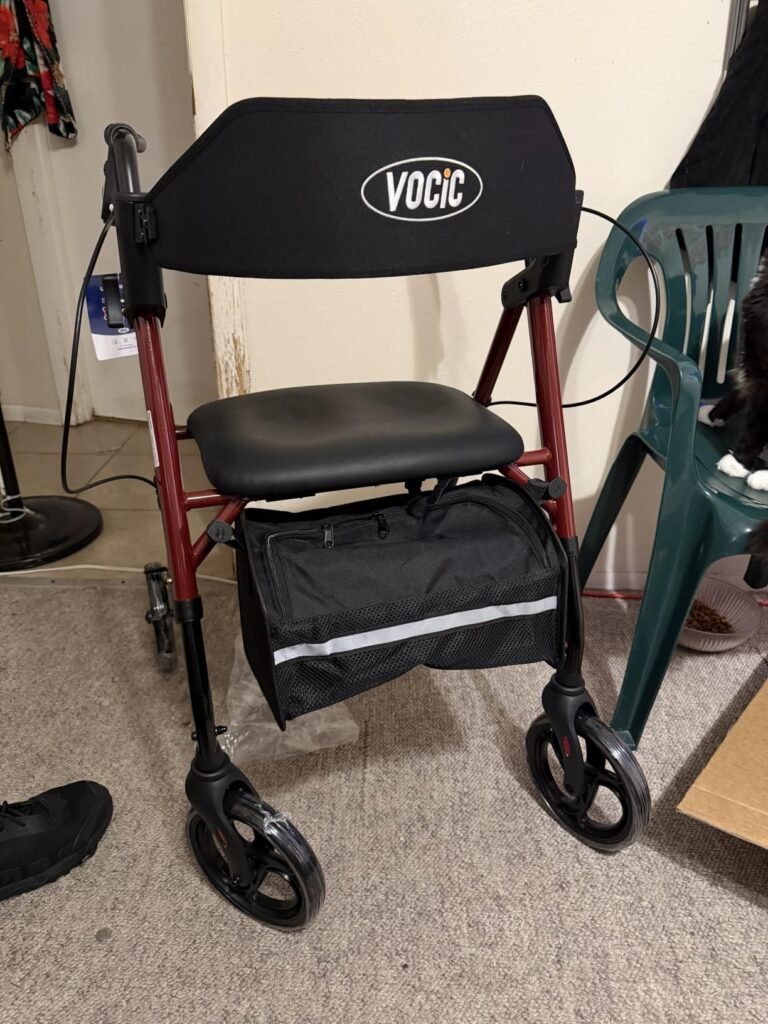
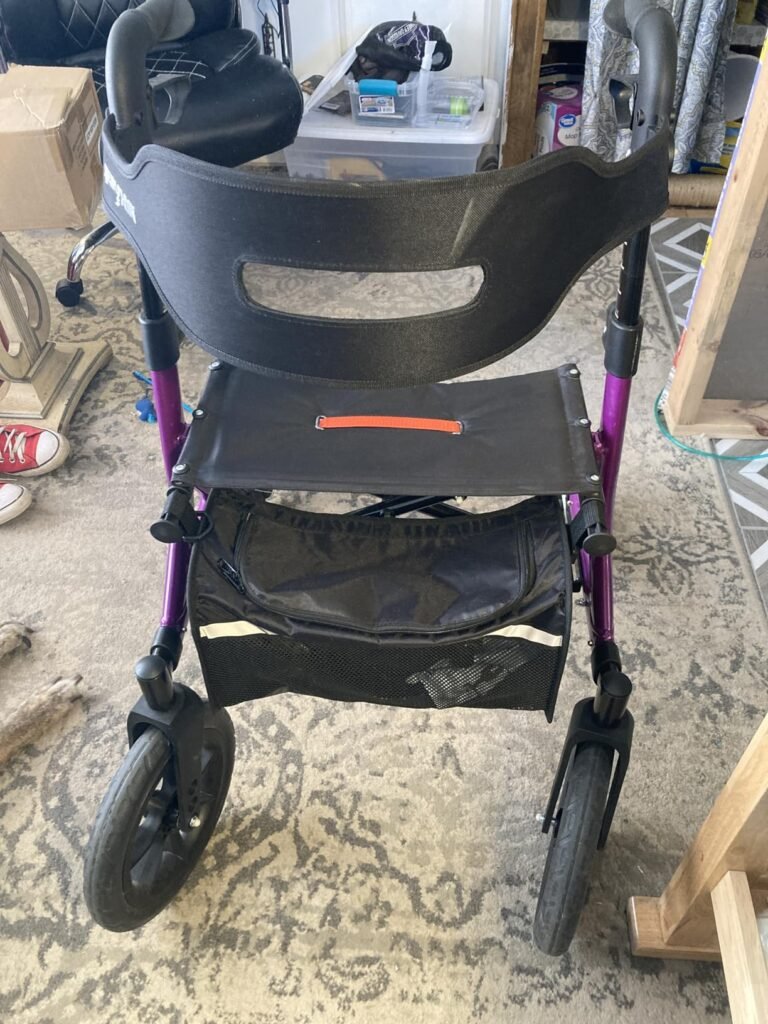
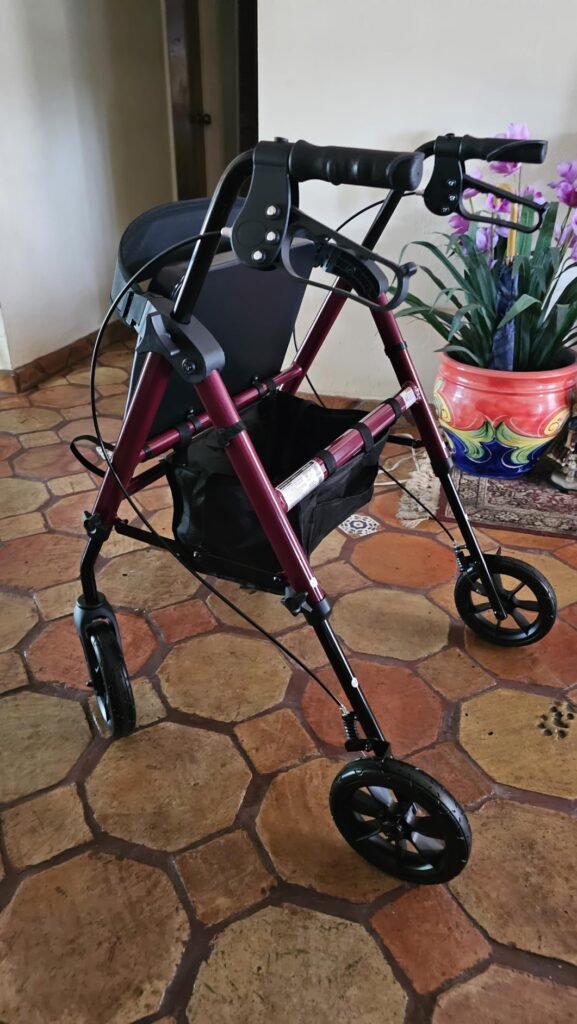
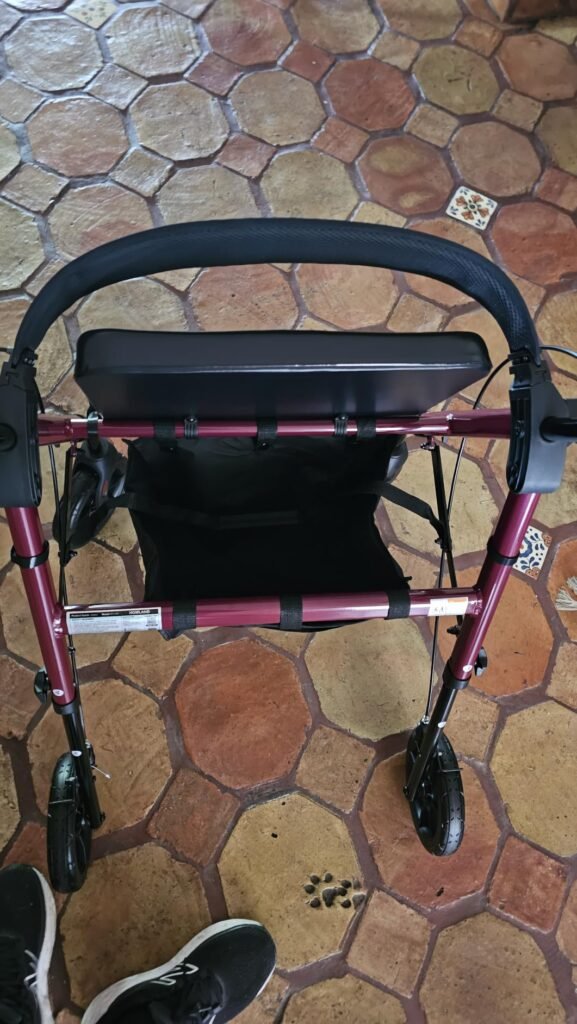
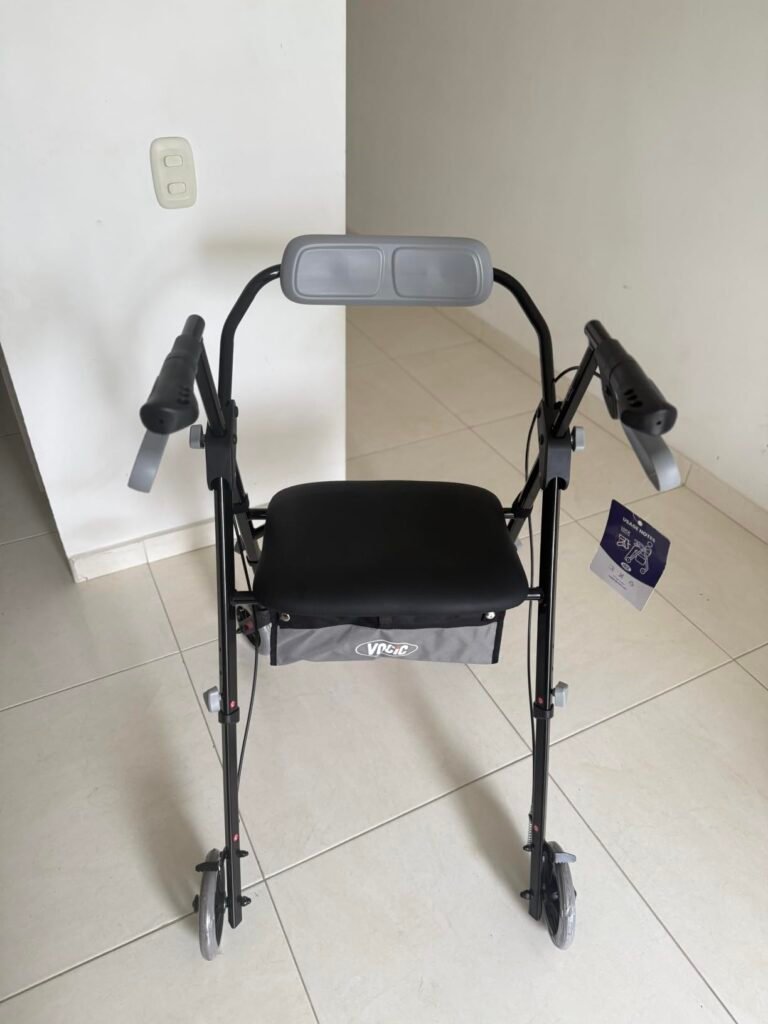
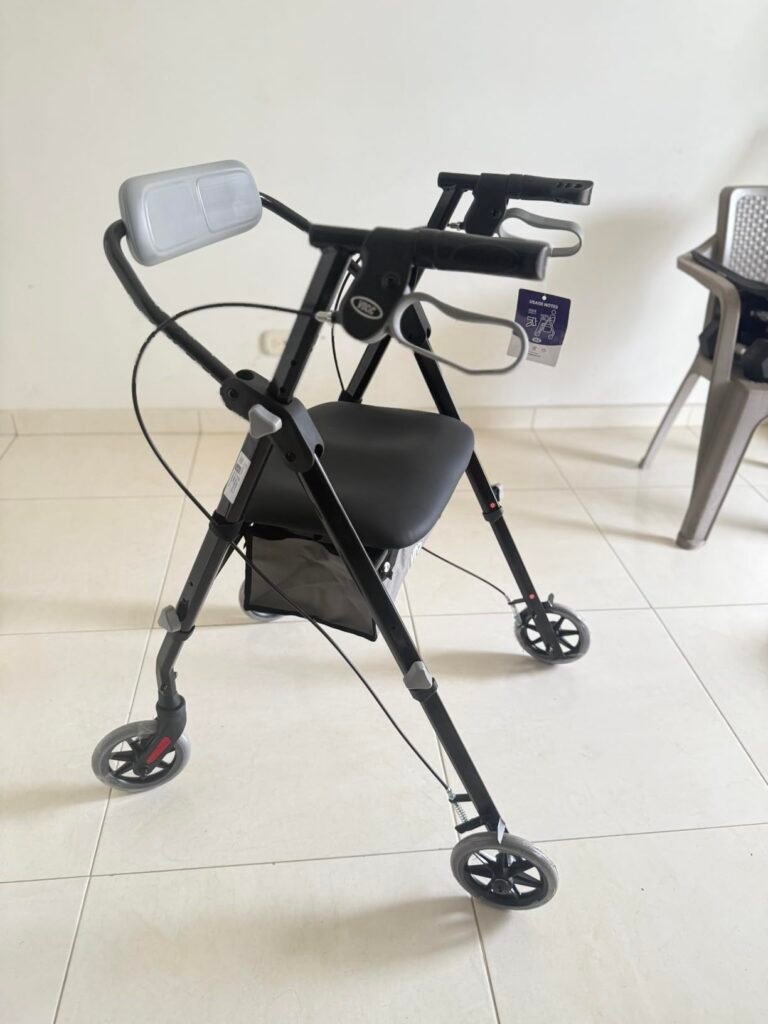
VOCIC Z21
9.2Editor score8-inch all-terrain wheels
350-pound weight capacity
3-second quick folding
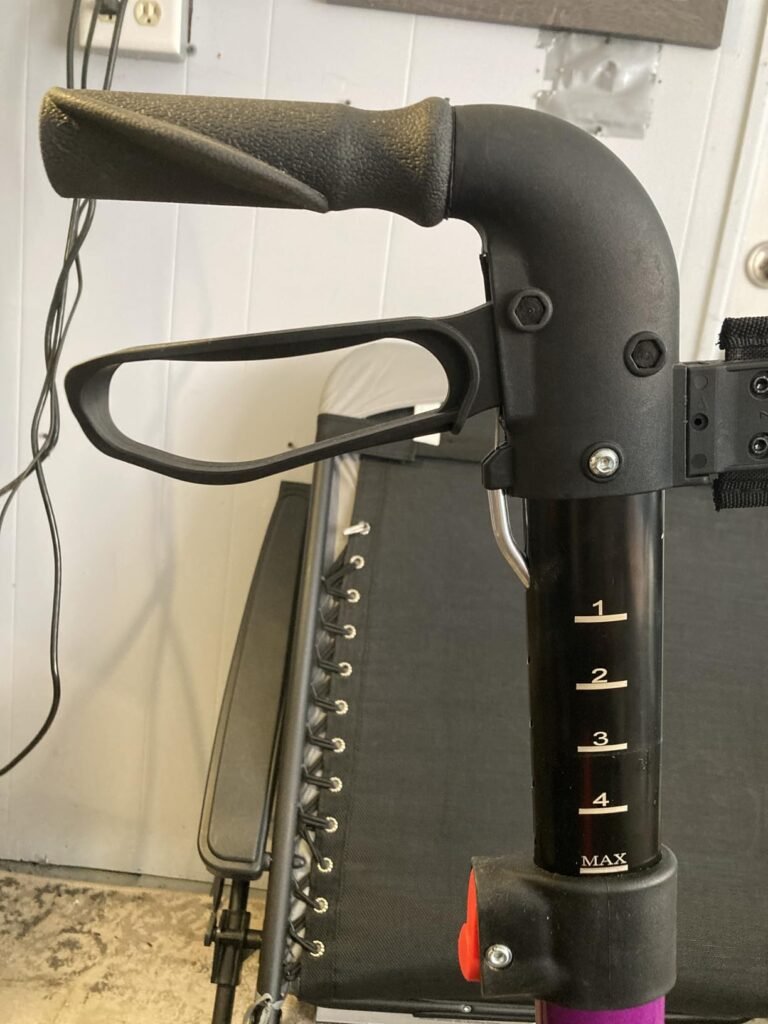
Dual height adjustment
Find the right rollator walkers for 2026. We compare 10 standout options by build quality, useful features, owner feedback, value, and everyday trade-offs.
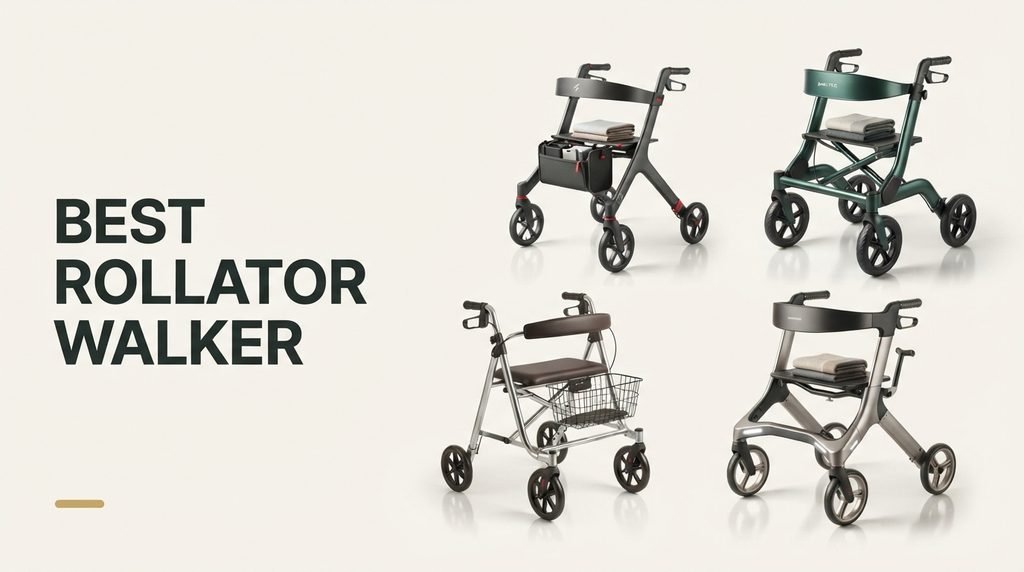
Finding a reliable rollator walker means balancing stability, comfort, and portability for daily mobility. We compare 10 standout models by frame strength, wheel size, seat comfort, braking systems, folding ease, weight capacity, and real-world maneuverability to help you choose the right support for your lifestyle.
Rollator walkers range from basic two-button folding frames to premium upright models with large all-terrain tires. The right choice depends on where you plan to walk, how much support you need, and whether you frequently transport the walker in a vehicle.
Key differences include wheel diameter, frame material, seat padding, and overall weight. A heavier steel frame may feel more stable indoors, while a lightweight aluminum model with large rubber tires handles outdoor paths more comfortably. Prioritize the features that match your daily routine.
We compared 10 rollator walkers using the details that matter most for mobility decisions: frame material, weight capacity, wheel size, seat dimensions, braking reliability, folding convenience, handle adjustability, and overall weight. The notes focus on practical trade-offs so each pick connects to how people actually navigate sidewalks, stores, and living spaces with a rolling walker.


Compare key features, scores, and current prices side by side. A shorter feature list means fewer details were available, not necessarily fewer capabilities.





The Drive Medical Two-Button Folding Walker is the most affordable option in this lineup and serves a different purpose than the full-featured rollators with seats. It is a traditional front-wheeled walker designed for users who need steady support while walking but do not require a place to sit down. The 4.7-star rating reflects its popularity among buyers who want straightforward, no-frills stability.
We may earn a commission when you buy through this link, at no additional cost to you.
The aluminum frame keeps the weight low while still supporting up to 350 pounds, which is impressive for a walker at this price. The dual push-button mechanism lets you fold the frame flat for storage in a closet or car. The 5-inch front wheels roll smoothly on hard indoor surfaces, and the rear glide caps help the back legs slide across carpet and tile without catching or scratching.
Because this is a standard walker rather than a four-wheel rollator, it does not include hand brakes, a seat, or a storage pouch. That simplicity is actually an advantage for users who find brakes and folding seats confusing or unnecessary. The ergonomic hand grips provide comfortable control in narrow hallways and doorways. Height adjustment lets you set the handles to a comfortable position for your arm length.
A two-button walker provides more deliberate, step-by-step support than a rolling four-wheel model. Users who tend to lean heavily on their walker or who need to move slowly with a controlled gait often find the partial-lift motion of a front-wheeled walker safer. The rear glide caps add just enough slide to keep movement smooth without the risk of the frame rolling away unexpectedly.
Choose this walker if your primary need is indoor stability and you do not plan to rest during walks. It works well for post-surgery recovery, short trips around the house, and navigating tight living spaces. If you need a seat, larger wheels for outdoor use, or hand brakes, one of the four-wheel rollators in this guide will serve you better.
Anyone who needs a seat for rest breaks, hand brakes for slope control, or large wheels for outdoor terrain should choose a four-wheel rollator instead.
We may earn a commission when you buy through this link, at no additional cost to you.
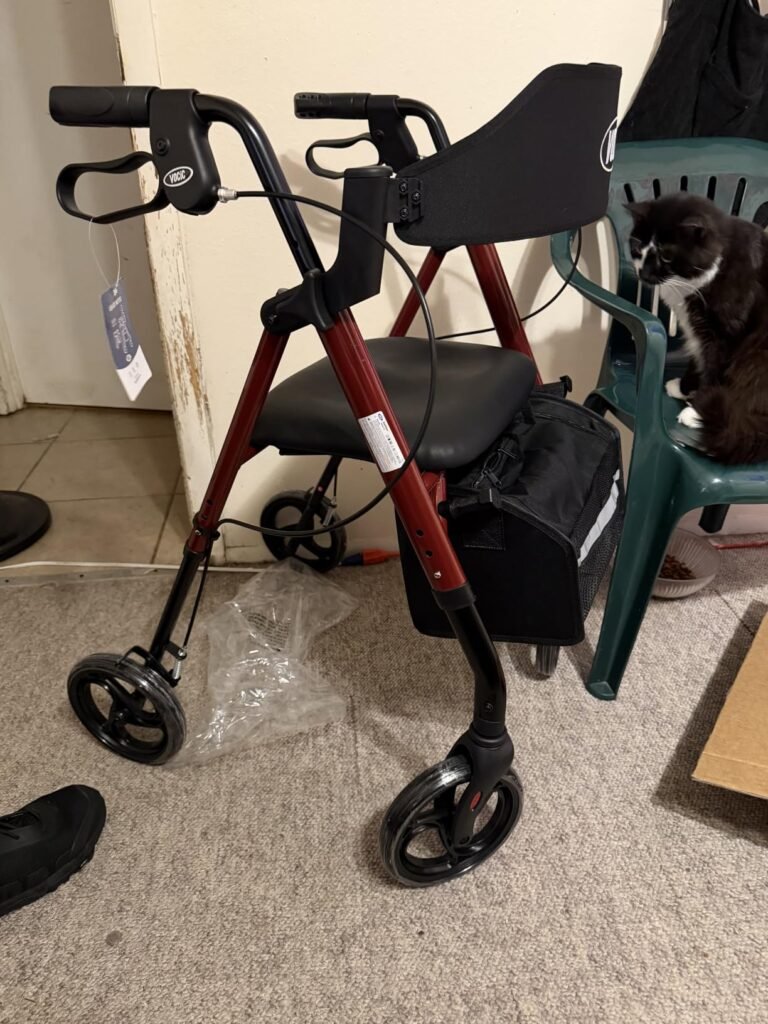
The VOCIC Z21 targets seniors who need a dependable everyday walker that transitions smoothly between indoor floors and outdoor sidewalks. Its 350-pound weight capacity and thickened tubing give it a sturdy feel without pushing into the ultra-heavy category. At roughly 22 pounds, it sits in the middle of the pack, which is manageable for most users who occasionally need to lift it into a vehicle.
We may earn a commission when you buy through this link, at no additional cost to you.
The 8-inch puncture-proof wheels are the standout feature here. Compared to the 6-inch wheels found on many budget rollators, the larger diameter rolls over cracks, thresholds, and gravel with noticeably less resistance. The 360-degree rotating front casters add maneuverability in tight spaces like grocery aisles and bathroom doorways. The three-mode braking system gives you free-rolling, deceleration, and full-lock options, which is helpful on gentle slopes or when you need to sit down securely.
Comfort details matter when you plan to rest frequently during walks. The Z21 uses a bionic seat design with 1.6 inches of waterproof padding, which distributes weight more evenly than flat plastic seats. The widened breathable backrest is also a step up from the thin tubular straps on basic models. Both the seat height and handle height adjust independently, so you can fine-tune the fit whether you are 5 feet tall or over 6 feet.
Many rollators only offer a simple on-off parking brake. The Z21 adds a deceleration mode that lets you slow down gradually on ramps or gentle hills without locking the wheels completely. This is particularly useful if you walk in areas with curb cuts, driveway inclines, or parking garage ramps. The ability to modulate speed rather than abruptly stopping reduces the chance of losing your balance.
This rollator is a strong mid-range choice for someone who walks both indoors and outdoors and wants a comfortable seat for rest breaks. The folding mechanism collapses the frame in about three seconds to a footprint that fits most sedan trunks. If you need an ultra-lightweight model under 18 pounds, you may want to look at the HOMLAND 17-pound options instead, but for overall balance of features and price, the Z21 holds up well.
Users who need an ultra-lightweight walker under 18 pounds for frequent car loading may find the 22-pound frame cumbersome.
We may earn a commission when you buy through this link, at no additional cost to you.
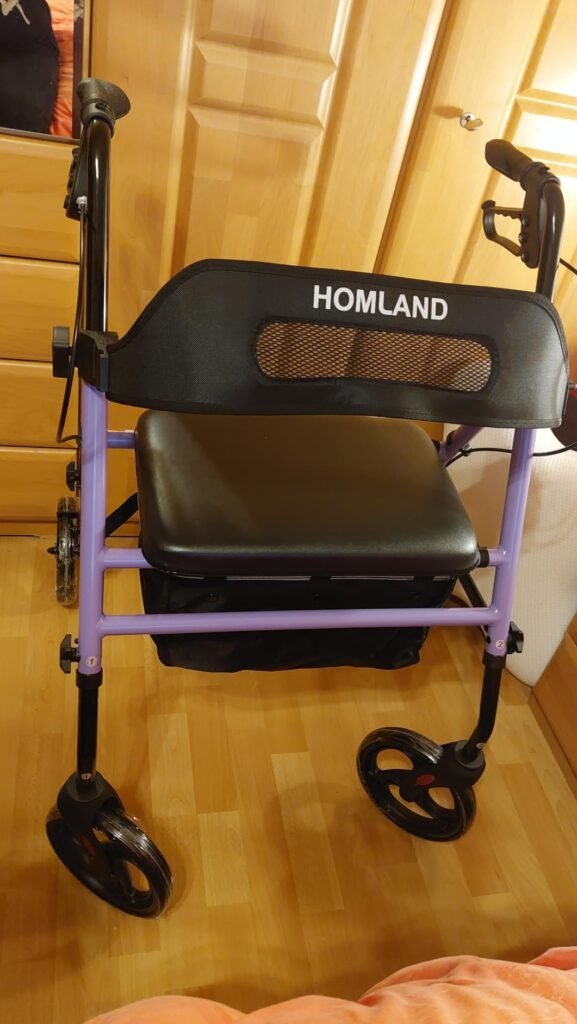
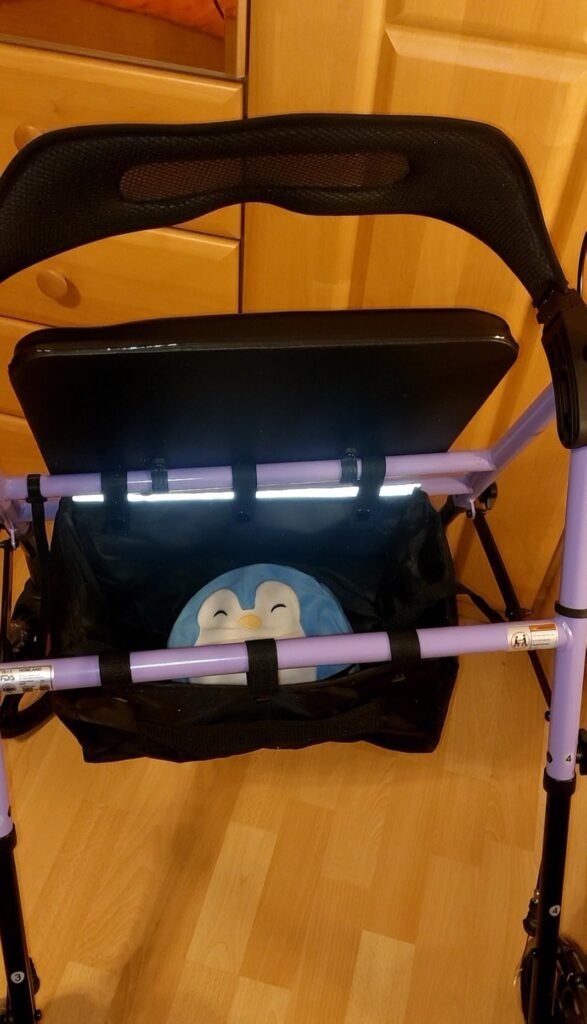
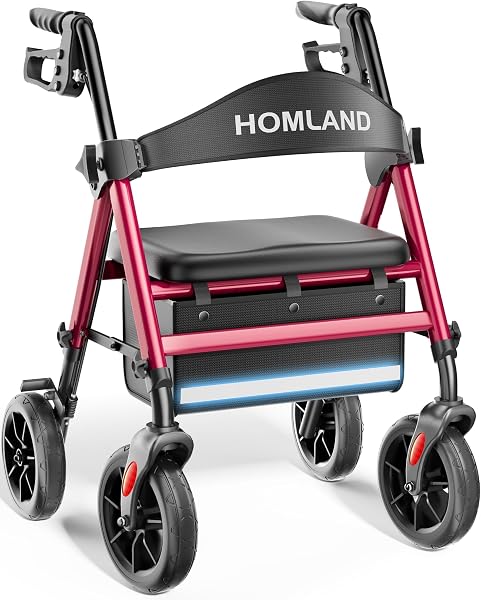
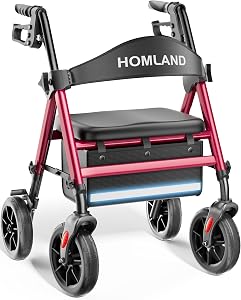
The HOMLAND 16-inch seat rollator addresses one of the most common complaints about standard walkers: a seat that is too narrow and uncomfortable for extended sitting. The 16-by-12-inch cushion is significantly wider than the typical 14-by-10-inch seat, and the 1.6-inch padding adds genuine comfort during rest stops at the park or while waiting at a medical appointment.
We may earn a commission when you buy through this link, at no additional cost to you.
The tri-angle load-bearing geometry and dual-reinforced front supports give this frame a rigid, wobble-free feel that inspires confidence on uneven ground. The 8-inch puncture-proof wheels clear thresholds and sidewalk cracks more easily than smaller wheels, and the 360-degree front casters keep steering responsive. The loop-style brake handles require less squeeze force than traditional lever brakes, which is a meaningful advantage for users with arthritis or reduced hand strength.
Adjustability is generous on this model. The seat height ranges from 20 to 23 inches and the handles adjust from 33 to 40 inches, accommodating users from 4 feet 7 inches to 6 feet 6 inches tall. The pinch-proof folding mechanism is a thoughtful safety detail that keeps fingers clear of the hinge points during collapse. At 20.4 pounds, it folds to a compact 39 by 25 by 11.5 inches for trunk storage.
Traditional lever brakes require a firm pinching motion that can be painful for hands affected by arthritis or neuropathy. The loop-style brakes on this HOMLAND model let you wrap your fingers through the loop and pull back with your whole hand, distributing the force across more joints. This design reduces fatigue during long walks where you need to brake frequently.
This rollator is ideal for larger users or anyone who finds standard seats cramped. The lifetime frame warranty and US-based support add long-term peace of mind. If you navigate very tight spaces such as narrow bathroom doors or crowded public transit, the wider frame footprint is worth measuring against your doorways before purchasing.
Users with very narrow doorways under 24 inches wide may find the extra-wide frame difficult to maneuver through tight spaces.
We may earn a commission when you buy through this link, at no additional cost to you.
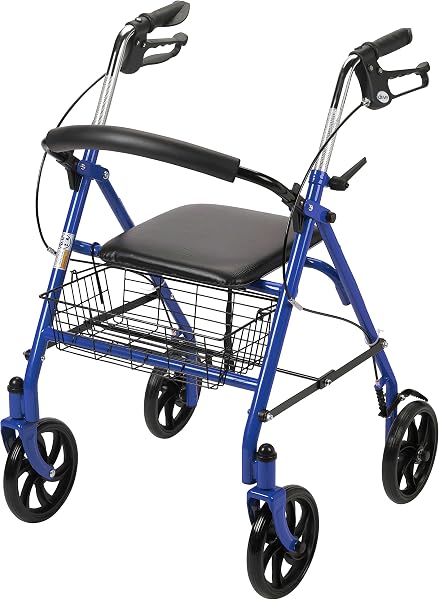
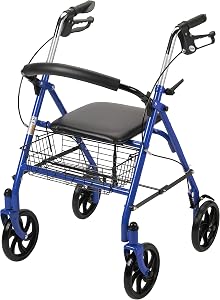
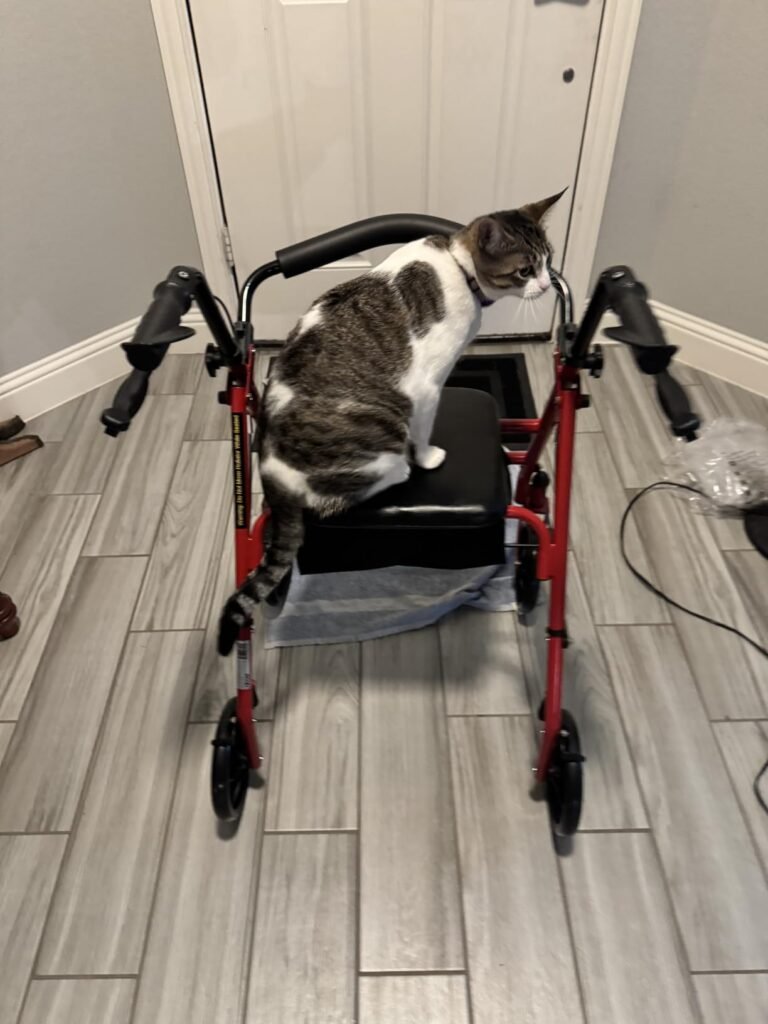
Drive Medical is one of the most recognized names in home medical equipment, and this blue rollator represents their classic four-wheel design. The steel frame provides a solid, planted feel that many users prefer over lighter aluminum models, especially for indoor use on smooth floors. The 7.5-inch wheels strike a middle ground between compact indoor casters and large outdoor tires.
We may earn a commission when you buy through this link, at no additional cost to you.
The padded seat and fold-down backrest give you a comfortable spot to rest during longer outings. The locking hand brakes engage with a simple squeeze-and-push motion, and the height adjustment lever lets you set the handles to a comfortable position without tools. The under-seat pouch is convenient for carrying a water bottle, phone, or small grocery items during errands.
Because the frame is steel rather than aluminum, this rollator weighs more than some competitors in this guide. That extra weight contributes to stability but makes lifting the folded walker into a car trunk more demanding. The folding mechanism is straightforward and reduces the footprint enough to fit in most vehicle cargo areas. The smooth-rolling casters perform best on hard, even surfaces like tile, linoleum, and paved walkways.
Steel frames tend to feel more rigid and stable, which can be reassuring for users who put significant weight on their walker. The tradeoff is additional weight when folding and transporting the unit. Aluminum frames sacrifice a small amount of perceived solidity for easier lifting and carrying. For most users who keep the walker at home and only occasionally load it into a car, the steel frame is a practical and durable choice.
This is a dependable choice for buyers who value brand reputation and a sturdy steel build over ultralight portability. It works well for daily indoor use, medical appointments, and short outdoor walks on paved surfaces. If you frequently walk on gravel, grass, or rough sidewalks, a model with 8-inch or larger puncture-proof wheels will handle those conditions more smoothly.
Users who need to frequently lift the walker into a vehicle may find the steel frame too heavy for comfortable daily transport.
We may earn a commission when you buy through this link, at no additional cost to you.
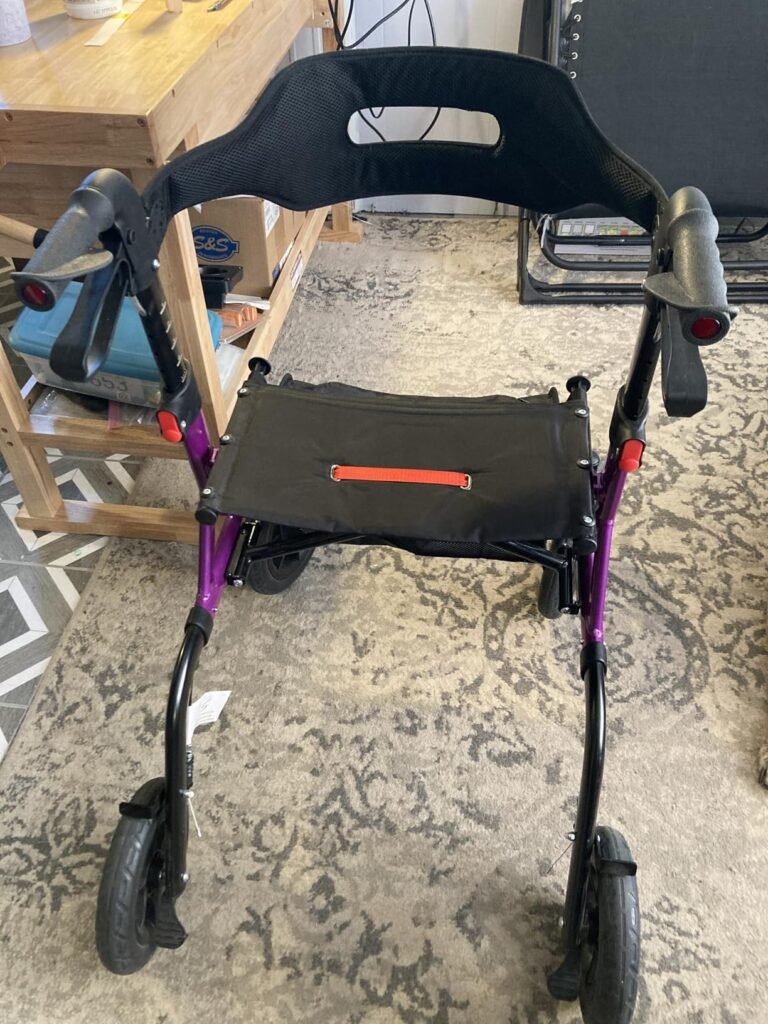
The MAXWALK stands out immediately with its 12-inch front and 10-inch rear rubber wheels, the largest in this entire comparison. That extra diameter translates directly to better obstacle clearance on rough surfaces. Gravel driveways, cracked sidewalks, grassy park paths, and uneven brick walkways are where this rollator earns its keep, rolling over bumps that would stop smaller-wheeled models in their tracks.
We may earn a commission when you buy through this link, at no additional cost to you.
The built-in brake cable design is a practical improvement over exposed cables that can snag on clothing or door frames. The dual braking system lets you control speed on declines and lock the wheels for sitting. The triangular aluminum frame structure distributes weight across three contact points per side, reducing the side-to-side flex that can make narrower frames feel tippy on uneven ground. At 20.3 pounds, it remains manageable for transport.
The seat is 17.5 inches wide, which is roomier than average, and the padded backrest adds comfort during rest stops. The included removable cup holder, cane holder, and storage pouch are useful accessories that eliminate the need for aftermarket add-ons. Handle height adjusts across five levels from 33.5 to 37.4 inches, fitting users between 5 and 6.5 feet tall. The fold-down mechanism uses a pull cord on the seat for quick collapse.
Wheel diameter directly affects how a rollator handles surface irregularities. A 12-inch wheel bridges gaps and rolls over obstacles that a 6-inch wheel would catch on, reducing the jarring vibrations transmitted through the frame to your hands and arms. The larger contact patch of rubber also improves grip on wet or loose surfaces, giving you more confidence on rainy days or leaf-covered paths.
Choose the MAXWALK if your daily walks take you over unpaved paths, gravel, or poorly maintained sidewalks. The large rubber tires absorb vibration and maintain traction where hard plastic wheels would skid or jam. The 300-pound weight capacity is slightly lower than several competitors, so heavier users should verify it meets their needs before purchasing.
Users who weigh over 300 pounds or who primarily walk indoors on smooth floors may not benefit enough from the oversized wheels to justify the larger footprint.
We may earn a commission when you buy through this link, at no additional cost to you.
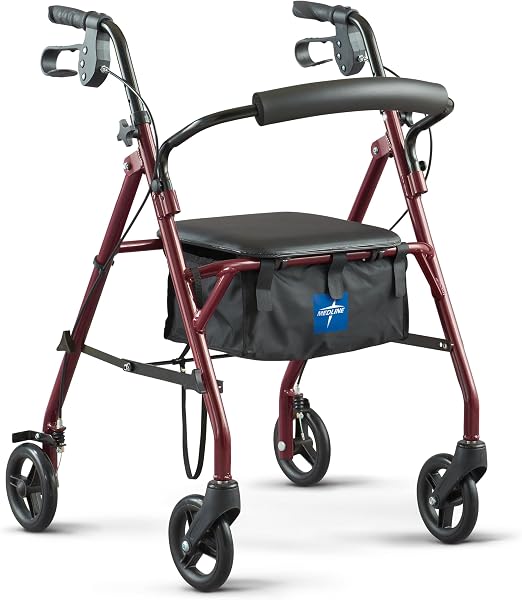
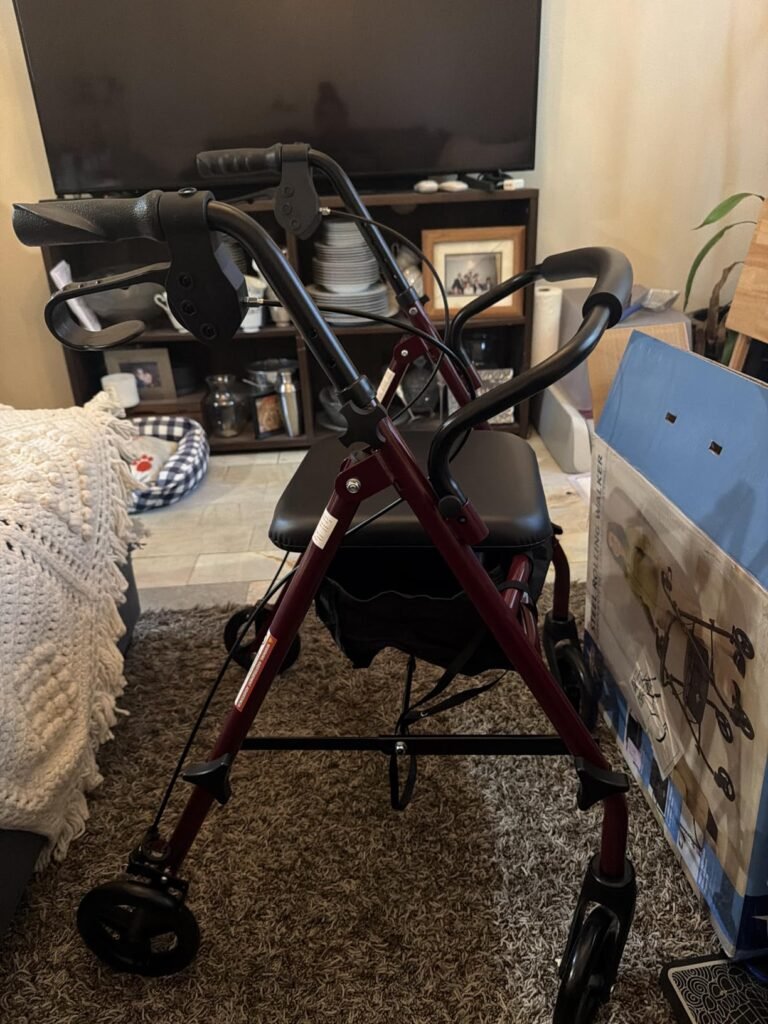
Medline is a major healthcare supply brand, and this burgundy steel rollator delivers solid performance at a moderate price. The most surprising specification is the 16.5-pound weight, which is remarkably light for a steel-frame walker. That makes it one of the easier steel rollators to lift into a car trunk, bridging the gap between heavy-duty stability and everyday portability.
We may earn a commission when you buy through this link, at no additional cost to you.
The 6-inch wheels are designed for smooth rolling on indoor surfaces and paved outdoor walkways. The ergonomic handles are shaped to reduce hand fatigue and provide a secure grip even for users with limited hand strength. The push-up-to-brake and push-down-to-lock mechanism is intuitive and easy to operate. Handle height adjusts from 31 to 35 inches, which covers a reasonable range for average-height users.
The 12-by-12-inch padded seat and backrest provide a comfortable resting spot during shopping trips or medical appointments. The under-seat storage pouch keeps essentials within reach. The folding mechanism collapses the frame flat enough to store in a closet or vehicle. The burgundy color is a nice aesthetic touch that looks less clinical than standard gray or blue walkers.
If a caregiver or family member frequently helps load and unload the walker from a vehicle, every pound counts. A 16.5-pound rollator is significantly easier to lift than a 22-pound model, reducing strain on the caregiver’s back and shoulders. The Medline’s combination of steel durability and low weight makes it a considerate choice when someone else handles transport.
This rollator is a practical choice for users who want the durability of a steel frame without the typical weight penalty. It performs best on smooth indoor floors and well-maintained outdoor paths. If you regularly walk on rough terrain or need a larger seat, consider one of the 8-inch or 12-inch wheel models in this guide instead.
Tall users over 6 feet may find the 35-inch maximum handle height too low for comfortable upright walking.
We may earn a commission when you buy through this link, at no additional cost to you.
At just 17.6 pounds, this HOMLAND rollator is the lightest four-wheel model in this comparison, and that weight advantage makes a real difference in daily life. Loading it into a car trunk, carrying it up a step, or repositioning it in a tight hallway all become noticeably easier when the frame is this light. The 4.7-star rating reflects strong satisfaction among buyers who prioritize portability.
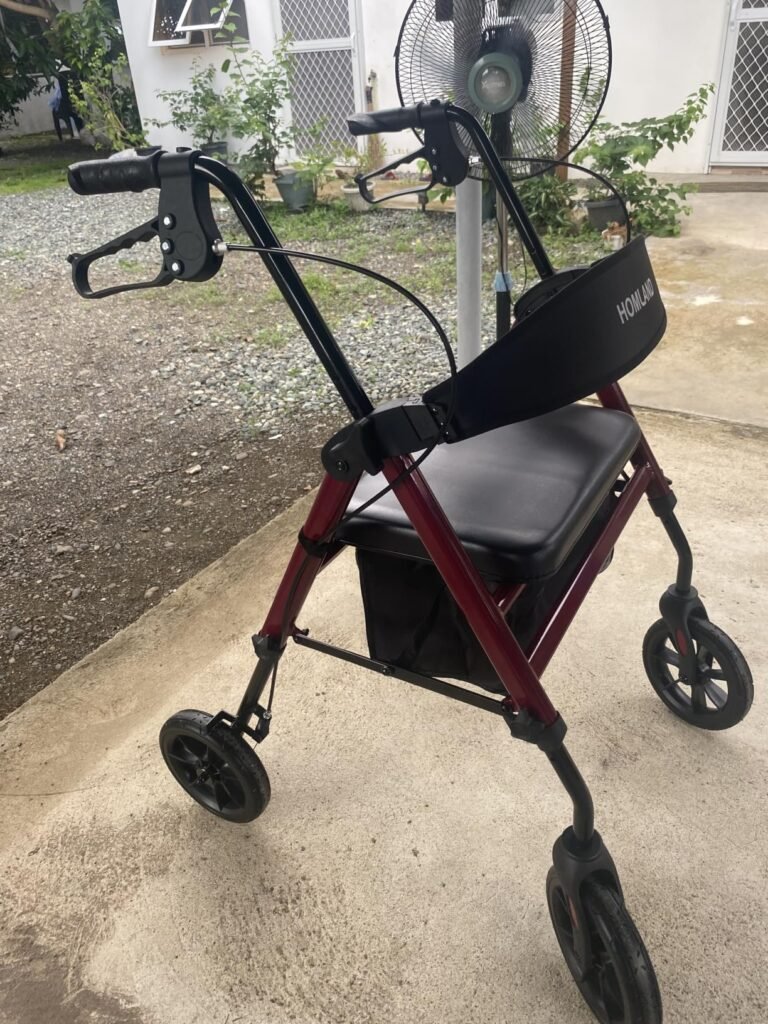
We may earn a commission when you buy through this link, at no additional cost to you.
Despite the low weight, the aluminum frame supports up to 350 pounds, which matches or exceeds many heavier steel walkers. The 8-inch wheels handle outdoor terrain competently, rolling over sidewalk cracks and door thresholds without catching. The dual locking hand brakes include a tension adjustment feature that lets you customize how much squeeze force is needed to engage the brakes, a useful option for users with varying grip strength.
The one-hand fold mechanism is genuinely convenient. A single lift strap collapses the frame in under three seconds, and a hook-and-loop strap secures it in the folded position. This is faster and simpler than two-hand folding systems that require you to squeeze levers on both sides simultaneously. The padded seat and ergonomic backrest provide adequate comfort for short to moderate rest breaks, and the handle height adjusts from 33 to 41 inches.
Most rollators require you to pull a strap or squeeze levers on both sides of the frame to fold it. The one-hand mechanism on this HOMLAND model uses a single central lift strap that releases the folding joints simultaneously. This is especially helpful if you have limited mobility in one hand or if you need to fold the walker while holding a door open or steadying yourself with your other hand.
This is the top pick for anyone who frequently transports their walker or struggles with heavier models. The combination of ultralight weight, high capacity, and all-terrain wheels is difficult to match at this price point. The seat padding is functional but not as plush as the memory foam option on the HOMLAND premium model, so users who sit for extended periods may want to add a cushion.
Users who prioritize maximum seat cushioning for long rest periods may prefer a model with thicker memory foam padding.
We may earn a commission when you buy through this link, at no additional cost to you.
This premium HOMLAND rollator builds on the lightweight 17.6-pound platform of its sibling model but upgrades the seating experience with an extra-wide memory foam cushion. If you spend significant time sitting during walks, whether at bus stops, park benches, or medical waiting rooms, the memory foam distributes pressure more evenly and reduces the numbness that flat seats can cause after 10 or 15 minutes.
We may earn a commission when you buy through this link, at no additional cost to you.
The reinforced aluminum alloy frame with double support bars maintains the 350-pound weight capacity while keeping the overall weight competitive. The 8-inch rubber wheels provide smooth rolling on both indoor and outdoor surfaces, and the push-up brake with push-down wheel lock is intuitive to operate. The widened breathable backrest adds lumbar support that thinner strap-style backrests lack.
The height adjustability is among the most generous in this guide, with handles ranging from 33 to 40 inches and the seat from 20 to 23 inches. This accommodates users from 4 feet 7 inches to 6 feet 6 inches, covering nearly the full adult height spectrum. The removable cup holder and large storage pouch add everyday convenience for carrying drinks, medications, and personal items.
Standard foam padding compresses quickly under body weight, creating pressure points on the sit bones after a few minutes. Memory foam conforms to your body shape and distributes weight across a larger surface area, which delays the onset of discomfort. For users who take frequent or prolonged rest breaks during walks, the difference in comfort can be substantial enough to justify the higher price.
This model is the right choice if seat comfort is your top priority and you are willing to pay a premium for it. The lifetime frame warranty and US-based customer support provide long-term confidence. The price is higher than the standard HOMLAND 17-pound model, so consider whether the memory foam upgrade justifies the additional cost for your specific usage patterns.
Budget-conscious buyers who only need short rest breaks may find the standard padded seat on less expensive models perfectly adequate.
We may earn a commission when you buy through this link, at no additional cost to you.
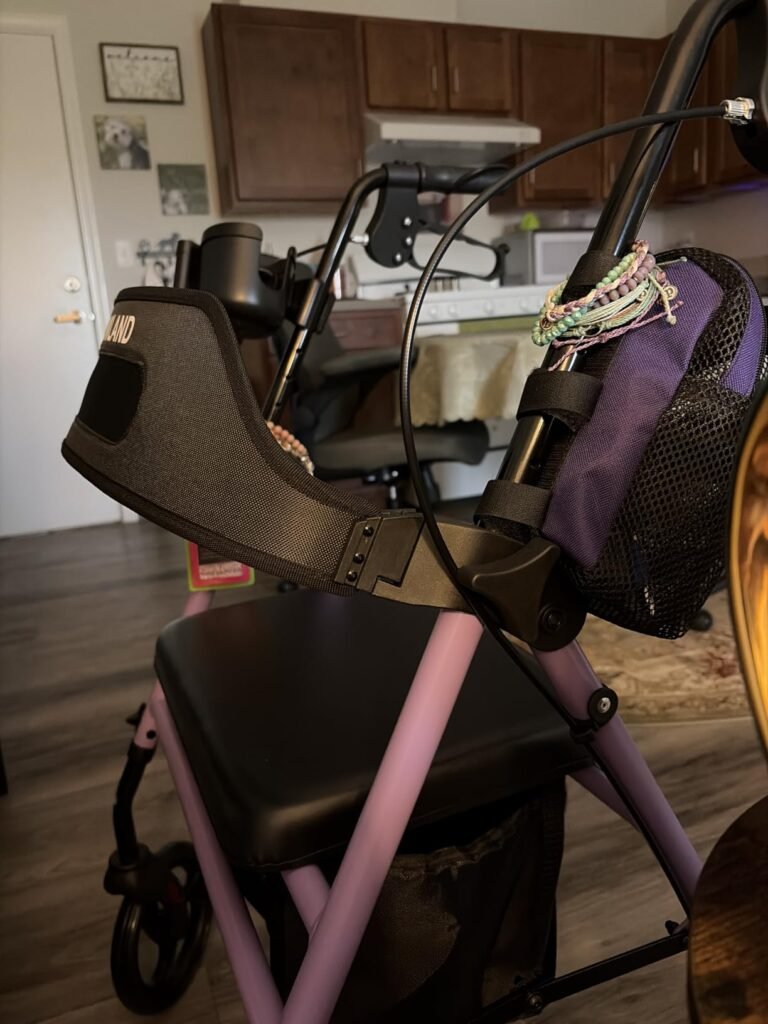
The Helavo upright walker takes a fundamentally different approach to mobility support. Instead of gripping handles at waist height, you rest your forearms on padded platforms and walk in a more natural upright position. This design shifts weight away from your wrists, shoulders, and lower back, which can significantly reduce pain for users with arthritis, spinal stenosis, or chronic posture issues.
We may earn a commission when you buy through this link, at no additional cost to you.
The 10-inch puncture-proof rubber front tires provide excellent cushioning on outdoor surfaces, absorbing vibrations from rough pavement and gravel. The aluminum frame supports up to 300 pounds and weighs 22.7 pounds, which is reasonable for a walker of this size and capability. The braking system includes a parking brake for secure stops, and the overall build quality reflects the German engineering heritage that Helavo emphasizes.
The seat is 18.9 inches wide and 9.1 inches deep, providing a comfortable resting spot. The softly padded armrests are made from a durable material that resists wear from daily use. The included cup holder and integrated cane holder add practical convenience. Assembly is straightforward with video instructions, and the two-year warranty can be extended to three years with registration.
Upright walkers are particularly helpful for users who tend to hunch forward over a standard rollator, which can worsen back and neck pain over time. By supporting your weight through your forearms rather than your hands, the Helavo encourages a straighter spine and more natural gait. Users recovering from hip or knee surgery, those with kyphosis, and anyone who experiences wrist pain from gripping handles often find the upright design transformative.
This upright walker is best suited for users who experience wrist, shoulder, or back pain with traditional rollators and want a more ergonomic walking position. The forearm support design takes some getting used to, so expect a brief adjustment period. The higher price reflects the specialized design and build quality, making it a worthwhile investment for users who walk frequently and need lasting comfort.
Users who prefer the familiar feel of traditional hand-grip handles or who need the lightest possible walker for frequent transport may find the upright design unnecessarily bulky.
We may earn a commission when you buy through this link, at no additional cost to you.
The VOCIC Z11 claims the highest weight capacity in this comparison at 380 pounds, backed by a carbon steel multi-triangular frame that has been tested through over 200,000 high-impact cycles. For heavier users who have struggled to find a rollator rated for their weight, this model provides a meaningful margin of safety and structural confidence that standard 300-pound or 350-pound walkers cannot match.

We may earn a commission when you buy through this link, at no additional cost to you.
The multi-faceted tubing design is not just aesthetic, though the modern X-line styling does look more contemporary than typical medical equipment. The faceted cross-section adds structural rigidity compared to round tubing of the same weight, which contributes to the zero-shake stability claim. The ergonomic butterfly grip handles are shaped to reduce wrist strain and make braking effortless, even for users with limited grip strength.
The five-level handle adjustment ranges from 30.7 to 38.2 inches, fitting users from 4 feet 11 inches to 6 feet 3 inches. The high-sensitivity dual-brake system provides reliable stopping and parking control. The 11-liter storage bag is one of the largest in this comparison, easily accommodating a water bottle, jacket, medications, and personal items for a full day out.
Weight capacity ratings indicate the maximum load the frame and components are designed to support safely during normal use. Choosing a walker with a capacity well above your actual weight provides a safety margin that accounts for dynamic forces like leaning, sudden stops, and uneven terrain. A 380-pound rating means the frame has been engineered and tested to handle significant stress, which translates to a more durable and stable walking experience for all users.
This rollator is the clear choice for users who need the highest possible weight capacity without sacrificing modern features and styling. The carbon steel frame is heavier than aluminum alternatives, so consider whether the extra capacity is necessary for your situation. For users within the 300-pound range, a lighter aluminum model may offer easier portability with sufficient structural support.
Users under 250 pounds who prioritize ultralight portability will find lighter aluminum models easier to handle without needing the extra structural capacity.
We may earn a commission when you buy through this link, at no additional cost to you.
Selecting a rollator walker involves more than comparing prices. The right model depends on your body type, daily walking environment, storage needs, and physical limitations. This guide breaks down the most important factors to consider before making your purchase.
Rollator frames are typically made from aluminum or steel, and each material has distinct advantages. Aluminum frames are lighter, often weighing between 17 and 21 pounds, which makes them easier to fold, lift, and transport. Steel frames are heavier, usually 16 to 23 pounds depending on the design, but they tend to feel more rigid and planted under heavy use. The weight difference may seem small on paper, but it becomes very noticeable when you are loading the walker into a car trunk multiple times per week.
Weight capacity ratings range from 300 to 380 pounds across the models in this guide. It is important to choose a walker rated well above your actual body weight because the frame must also handle dynamic forces created by leaning, braking, and navigating uneven ground. A walker rated at exactly your body weight may feel less stable over time as components experience repeated stress near their design limits. Look for reinforced joints, thickened tubing, and triangular or multi-faceted frame geometries that distribute load more effectively.
If you weigh under 250 pounds and prioritize portability, an aluminum frame in the 17-to-20-pound range will serve you well. If you need maximum stability or weigh over 300 pounds, a steel or reinforced aluminum frame with a 350-to-380-pound rating provides a more confident walking experience.
Wheel diameter is one of the most impactful specifications on a rollator walker because it directly determines how smoothly the frame rolls over obstacles. Small 5-to-6-inch wheels work well on smooth indoor floors and paved sidewalks but tend to catch on cracks, thresholds, and gravel. Medium 7.5-to-8-inch wheels offer a versatile compromise, handling most indoor and outdoor surfaces with reasonable ease. Large 10-to-12-inch wheels, typically made of rubber, provide the best performance on rough terrain including grass, gravel, brick paths, and uneven concrete.
Tire material also matters. Hard plastic wheels are lightweight and durable on smooth surfaces but transmit more vibration to your hands and arms on rough ground. Rubber tires absorb shock and provide better traction on wet or loose surfaces, reducing the risk of skidding. Puncture-proof rubber tires eliminate the maintenance concern of flat tires, which is especially important for users who rely on their walker daily and cannot easily arrange repairs.
Match your wheel size to your primary walking environment. If you walk mostly indoors and on well-maintained sidewalks, 6-to-8-inch wheels are sufficient. If your routes include gravel driveways, park trails, or poorly maintained streets, invest in a model with 10-inch or larger rubber tires for a noticeably smoother and safer experience.
The seat is one of the most overlooked features when choosing a rollator, yet it becomes critically important if you take frequent rest breaks during walks. Standard seats measure around 14 by 10 inches with thin padding, which can become uncomfortable after just a few minutes of sitting. Wider seats in the 16-to-18-inch range provide more room to shift your weight, and thicker padding or memory foam cushions reduce pressure on the sit bones and hips.
Seat height is equally important for safe transfers. If the seat is too low, standing up requires more leg strength and can strain your knees. If it is too high, your feet may not rest flat on the ground while sitting, which reduces stability. Most rollators offer adjustable seat heights between 20 and 23 inches, which accommodates a wide range of user heights. Look for models with independent seat and handle height adjustment so you can fine-tune both measurements separately.
If you plan to sit for more than a few minutes at a time, prioritize a wider seat with at least 1.5 inches of padding or memory foam. For brief rest stops during short walks, a standard padded seat is usually adequate and keeps the overall weight and cost lower.
How easily a rollator folds and unfolds affects your daily experience more than you might expect. Basic folding mechanisms require you to squeeze levers on both sides of the frame simultaneously, which can be difficult if you have limited hand strength or mobility in one arm. More advanced systems use a single pull strap or lift cord that releases all the folding joints at once, allowing one-hand operation in under three seconds.
The folded dimensions determine whether the walker fits in your car trunk, closet, or storage area. Most rollators fold to roughly 30 to 40 inches long, 20 to 26 inches wide, and 10 to 14 inches deep. If you drive a compact car with a small trunk, measure the cargo space before purchasing and compare it to the folded dimensions listed in the product specifications. Some models also feature a locking strap or clip that keeps the frame secured in the folded position during transport.
If you frequently load the walker into a vehicle, prioritize a one-hand folding mechanism and a total weight under 20 pounds. If the walker stays at home most of the time, a heavier frame with a simpler folding system is perfectly acceptable and may offer better stability.
A reliable braking system is essential for safe rollator use, especially on slopes, ramps, and uneven ground. Most rollators feature hand-operated brakes on both handles that squeeze to slow the wheels and push down to lock them in a parked position. The quality and responsiveness of the brakes vary significantly between models, and a brake that requires excessive squeeze force can be difficult for users with arthritis or weak grip strength.
Some advanced models offer three-mode braking systems with free-rolling, deceleration, and full-lock settings. The deceleration mode is particularly useful on gentle slopes where you want to control speed without coming to a complete stop. Built-in brake cables that run inside the frame tubing are a worthwhile upgrade because they eliminate the risk of cables snagging on clothing, door frames, or furniture legs, which can cause sudden stops or tripping hazards.
Test the brake operation before relying on the walker for outdoor use. If you have limited hand strength, look for loop-style brakes or models with adjustable brake tension that let you customize the squeeze force to your comfort level. Reflective strips on the frame or wheels add visibility for evening walks.
Proper handle height is critical for maintaining good posture and avoiding shoulder, back, and wrist pain. When the handles are too low, you will hunch forward, which strains your lower back and reduces your field of vision. When they are too high, your shoulders will tense up and your arms will fatigue quickly. The ideal handle height positions your elbows at a slight bend of about 15 to 20 degrees when your arms hang naturally at your sides.
Most rollators offer handle height adjustment across four to six levels, typically spanning a range of 5 to 8 inches. The best models accommodate users from about 4 feet 7 inches to 6 feet 6 inches tall. Some rollators also offer independent seat height adjustment, which is important because the seat-to-handle distance affects how comfortably you can sit down and stand up. Ergonomic handle shapes, such as curved or butterfly-style grips, reduce pressure on the palms and wrists during extended walks.
Before purchasing, measure the distance from the floor to your wrist crease while standing upright with your arms relaxed. Compare that measurement to the handle height range of the rollator to ensure a proper fit. If you share the walker with another user, choose a model with a wide adjustment range and easy-to-operate height locks.
Before each use, take a moment to verify that the frame is fully unfolded and all locking mechanisms are engaged. Check that the wheels rotate freely, the brakes respond promptly, and the seat and backrest are securely attached. Adjust the handle height so your elbows maintain a slight bend when gripping the handles, and test the brakes on a flat surface before venturing onto slopes or uneven ground. When walking, keep the rollator about one step ahead of you and avoid pushing it too far forward, which can compromise your balance.
Regular maintenance extends the life of your rollator and keeps it safe to use. Wipe down the frame and seat with a damp cloth weekly to remove dirt and debris that can accumulate in the joints and wheel axles. Inspect the brake cables for fraying or slack, and tighten any loose bolts or knobs on the folding mechanism. If your rollator has rubber tires, check them periodically for excessive wear or embedded debris that could affect traction. Lubricate the wheel axles and folding joints with a light silicone spray every few months to maintain smooth operation.
Store your rollator in a dry, indoor location when not in use to prevent rust and corrosion on metal components. If you fold the walker for transport, secure it with the built-in strap or a bungee cord to prevent it from unfolding unexpectedly in the vehicle. Avoid leaving the walker in direct sunlight for extended periods, as UV exposure can degrade rubber tires and plastic components over time. If any part becomes damaged or excessively worn, contact the manufacturer for replacement parts rather than attempting improvised repairs that could compromise safety.
A standard walker has four legs and no wheels, requiring you to lift and place it with each step. A rollator has four wheels, hand brakes, and usually a built-in seat, allowing you to push it forward continuously without lifting. Rollators are better suited for users who can maintain a steady walking pace and want the option to sit down during outings.
Stand upright with your arms relaxed at your sides and have someone measure from the floor to the crease of your wrist. Set the handle height to match that measurement so your elbows bend at approximately 15 to 20 degrees when gripping the handles. This position minimizes shoulder and back strain during extended walks.
Rollators with 8-inch or larger rubber wheels handle outdoor terrain well, including cracked sidewalks, gravel paths, and grass. Models with small 5-to-6-inch plastic wheels are better suited for smooth indoor floors and paved surfaces. If you walk outdoors frequently, choose a model with puncture-proof rubber tires and a wide wheelbase for maximum stability.
Most rollator walkers support between 300 and 350 pounds, with some heavy-duty models rated up to 380 pounds. Always check the manufacturer's weight capacity rating and choose a model that exceeds your body weight by a comfortable margin to account for dynamic forces during walking and braking.
Yes, nearly all modern rollators feature a folding mechanism that collapses the frame to a compact size suitable for car trunks. Folded dimensions typically range from 30 to 40 inches long and 10 to 14 inches deep. Measure your trunk space before purchasing to ensure a proper fit, especially if you drive a compact vehicle.
Wheels that are 10 inches or larger provide the best performance on grass, gravel, and uneven terrain because they roll over obstacles more easily and maintain traction on loose surfaces. Rubber tires outperform hard plastic wheels on rough ground by absorbing shock and gripping wet or uneven surfaces more effectively.
Test your brakes before every outing by squeezing the handles and verifying that the wheels stop promptly. Inspect the brake cables monthly for signs of fraying, stretching, or corrosion. If the brakes feel loose or require excessive force to engage, adjust the cable tension or contact the manufacturer for replacement parts.
An upright walker is better for users who experience wrist, shoulder, or back pain with traditional handle-grip designs because it supports your weight through padded forearm platforms. However, upright walkers are heavier, more expensive, and have a learning curve. A standard rollator is more versatile and easier to use for most people without chronic upper body pain.
Most four-wheel rollators include an under-seat storage pouch or bag that can hold a water bottle, phone, wallet, and small groceries. Some premium models also feature removable cup holders, cane holders, and larger storage bags with capacities of 10 liters or more. Check the included accessories before purchasing if storage is important for your daily routine.
Basic maintenance includes wiping the frame clean weekly, checking brake cables and wheel axles monthly, and tightening any loose bolts or knobs. Lubricate the folding joints and wheel bearings with silicone spray every few months. Store the walker indoors to prevent rust, and replace worn tires or brake pads promptly to maintain safe operation.
The HOMLAND 17lb Lightweight rollator earns the top recommendation for its exceptional combination of ultralight portability, high weight capacity, and all-terrain capability. At just 17.6 pounds with 8-inch wheels and a one-hand folding mechanism, it addresses the most common frustrations that rollator users face when transporting and maneuvering their walkers in daily life.
For buyers on a tighter budget, the Drive Medical Two-Button walker provides reliable basic support at a fraction of the cost, while the VOCIC Z21 offers the best balance of features and price in the mid-range category. Users who need maximum seat comfort should consider the HOMLAND Premium with memory foam, and those who walk primarily on rough outdoor terrain will appreciate the MAXWALK's oversized 12-inch rubber wheels.
Ultimately, the best rollator walker is the one that matches your specific body type, walking environment, and daily routine. Measure your doorways, check your car trunk dimensions, and consider how often you will need to fold and lift the walker before making your final decision. A well-chosen rollator can significantly improve your mobility, independence, and confidence for years to come.