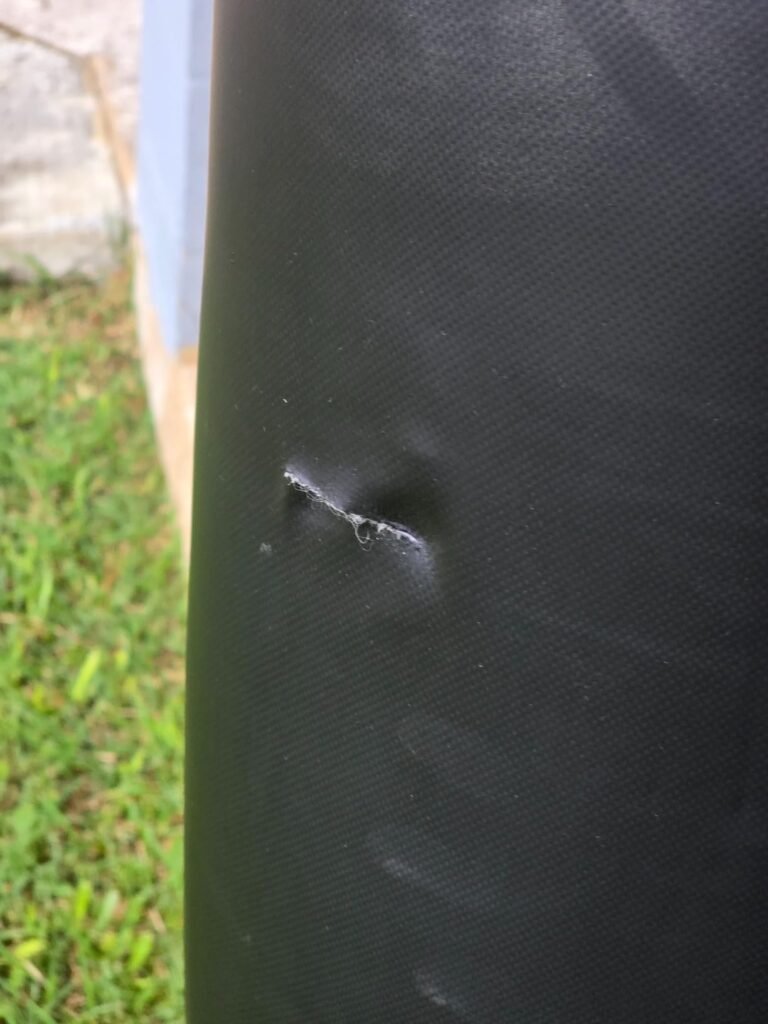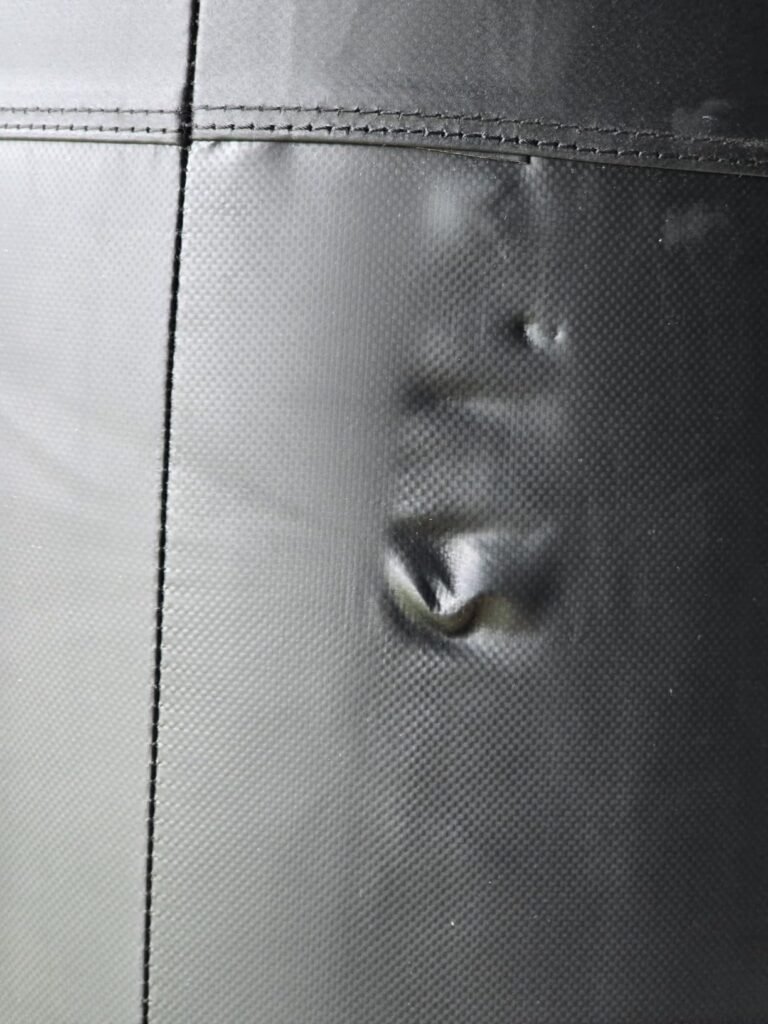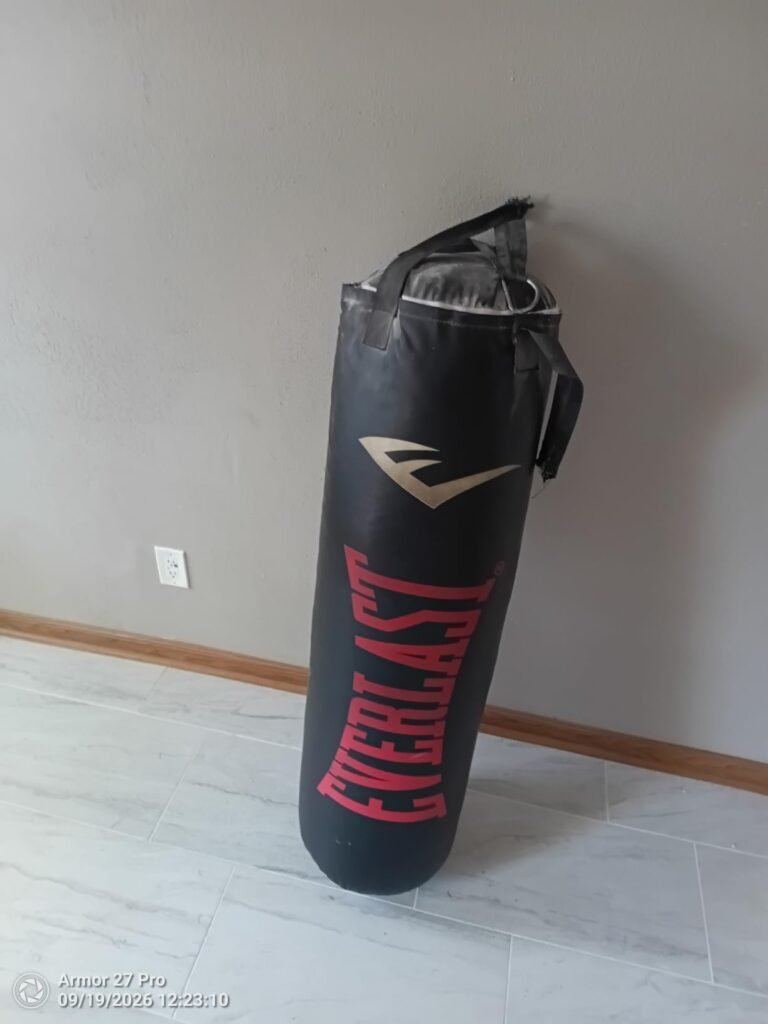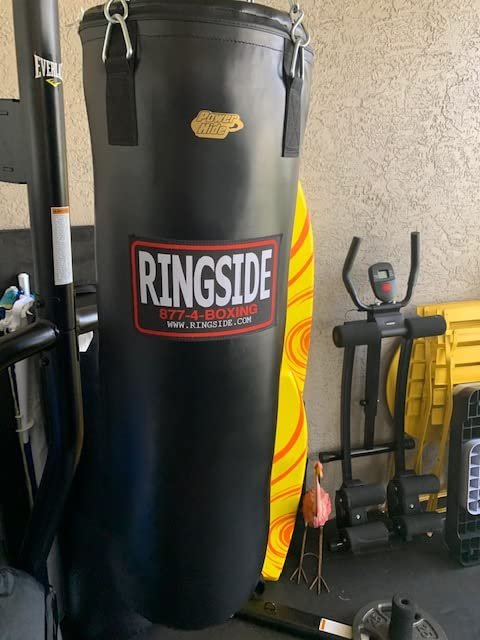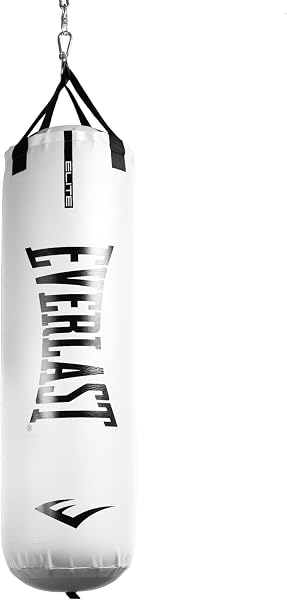
Everlast Elite Punching
9.6Editor scoreSand and cloth fill
PVC exterior shell
Bottom tie-down strap
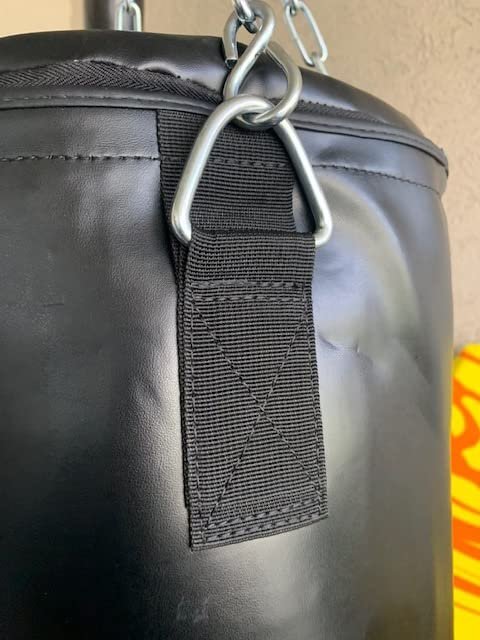
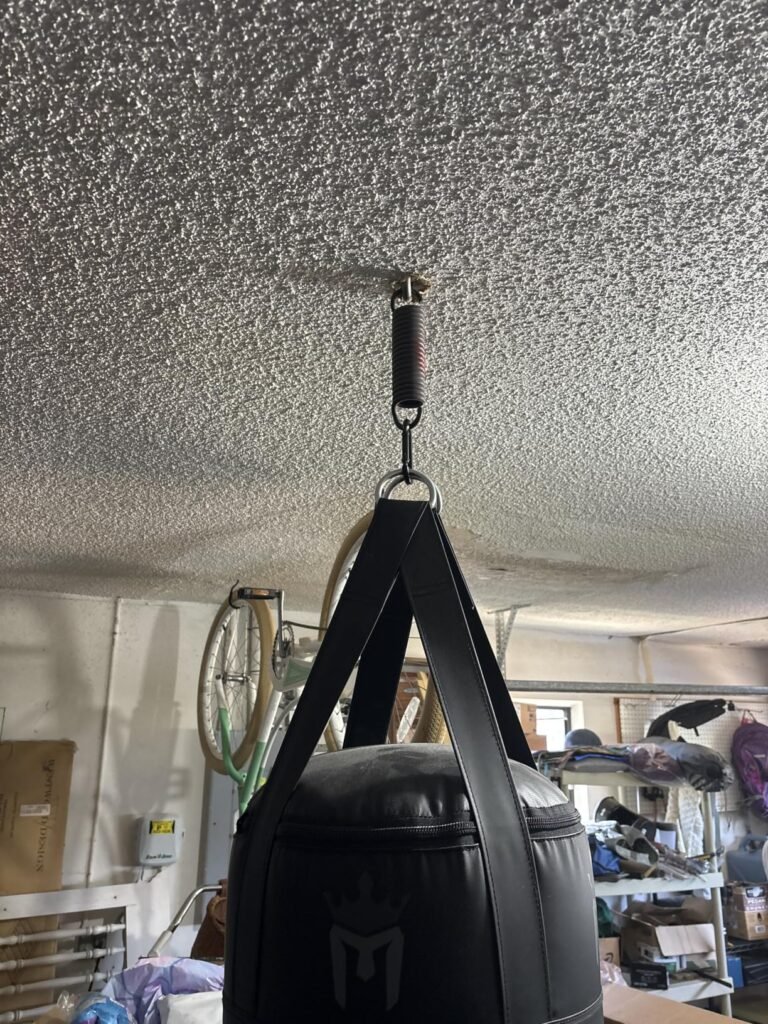
Double-reinforced D-rings
Find the right punching bags for 2026. We compare 10 standout options by build quality, useful features, owner feedback, value, and everyday trade-offs.

Find the right punching bag for 2026. We compare 10 standout options across weight, construction quality, mounting style, filler density, striking surface, and intended discipline. Whether you train boxing, MMA, Muay Thai, or use a bag for stress relief and cardio at home, the right choice depends on your space, training goals, and skill level.
The gap between models is wider than it looks. Hanging heavy bags deliver the authentic feel serious strikers want, while freestanding bags with weighted bases fit apartments and garages where ceiling mounts are not an option. Bag length, diameter, and filler density also shape how the bag responds to punches, kicks, elbows, and knees.
Prioritize the training you actually do most often. A 100-pound hanging bag is ideal for power punching and kick combinations, while a freestanding reflex bag suits speed and accuracy work. Beginners and casual users benefit from lighter, forgiving bags, while experienced athletes should invest in dense, professional-grade construction that stands up to daily punishment.
We compared 10 punching bags using the details that actually help buyers decide: bag weight, length and diameter, filler type and density, outer material durability, mounting style, base stability for freestanding models, included accessories, striking discipline suitability, and overall value. The picks reflect real training scenarios, from home cardio and beginner boxing to serious Muay Thai kicks and heavy MMA combinations, so each bag connects to how strikers actually train.


Compare key features, scores, and current prices side by side. A shorter feature list means fewer details were available, not necessarily fewer capabilities.





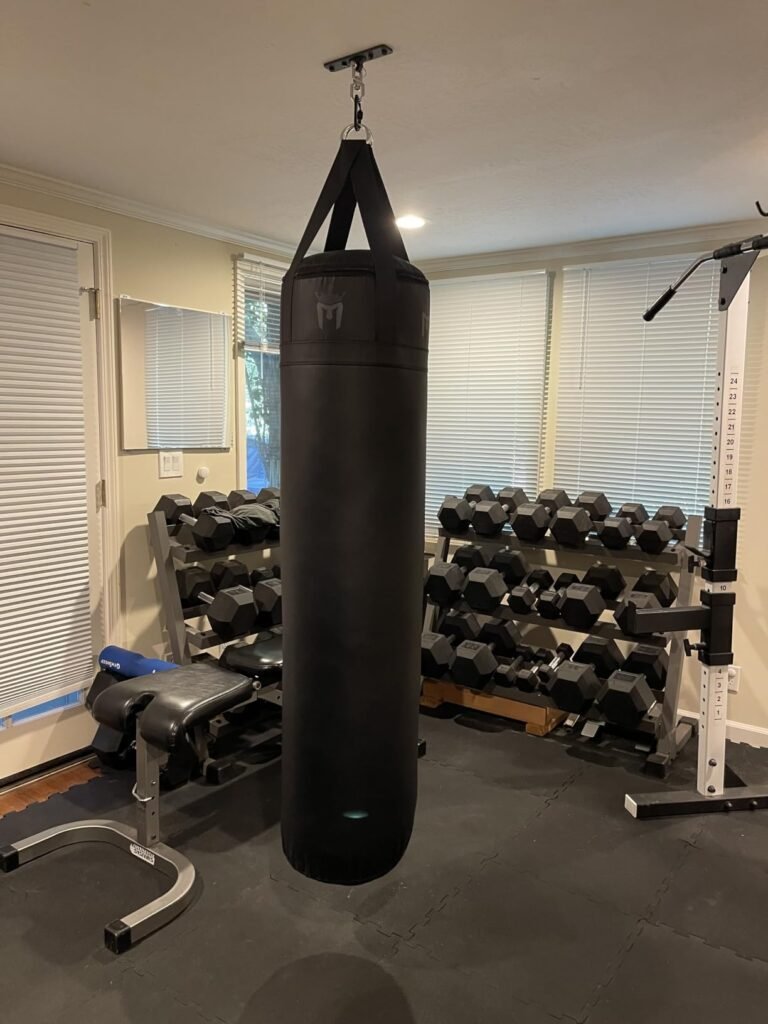
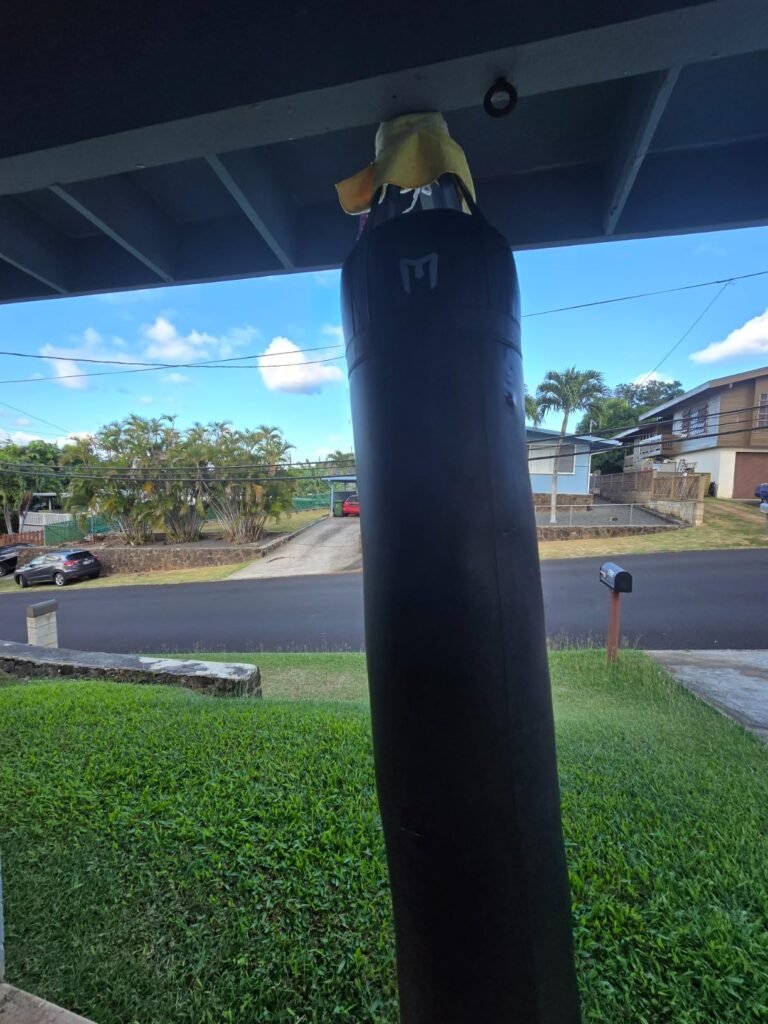
The Meister 110lb Muay Thai bag earns its place as the top pick for serious strikers, particularly those training Muay Thai, MMA, or heavy kickboxing. The 72-inch banana bag design is what separates this from standard boxing bags, providing the full-length striking surface needed for low kicks, knees, and clinch work. At 110 pounds, it delivers the professional gym feel that lighter home bags simply cannot match.
We may earn a commission when you buy through this link, at no additional cost to you.
The 100 percent packed textile fill is what defines a truly professional-grade bag. Unlike sand-based fillers that settle and create hard spots, packed textiles maintain consistent density from the hanger straps down to the bottom of the bag. This lets you train the full range of Muay Thai strikes at any height with reliable, predictable feedback. Pro Muay Thai athletes and coaches specifically prefer this weight and length because it mimics the feel of striking a training partner’s body during pad work.
The military-grade textured vinyl outer shell is optimized for bare skin strikes such as elbows and knees, which is the defining challenge of Muay Thai training. Cheaper bags with slick or brittle surfaces cause skin burn and irritation during clinch drills, while this textured surface holds up to sustained contact without abrading skin. Integrated heavy-duty hanger straps with D-rings eliminate the noise and hardware requirements of traditional chain systems.
Muay Thai banana bags are longer and typically slightly narrower than boxing heavy bags, extending down to allow low kicks to the imaginary opponent’s thigh. This longer profile is essential for training the roundhouse kicks that define the sport, since standard 42-inch boxing bags leave no surface for kicks below the belt line. The textured vinyl surface also matters because Muay Thai uses bare-skin elbows and knees, which slick surfaces would abrade during hard contact.
The tradeoff with a bag of this size and weight is installation. At 110 pounds and 72 inches long, it demands proper mounting to a structural ceiling beam or heavy-duty stand rated for the load. Choose this bag if you train Muay Thai, MMA, or kickboxing seriously and want a piece of equipment that will last for years of hard use. The included reusable outer case protects the bag during moving or storage, adding a small but useful touch.
Casual home users, beginners just starting out, or anyone without proper structural mounting for a 110-pound hanging bag.
We may earn a commission when you buy through this link, at no additional cost to you.
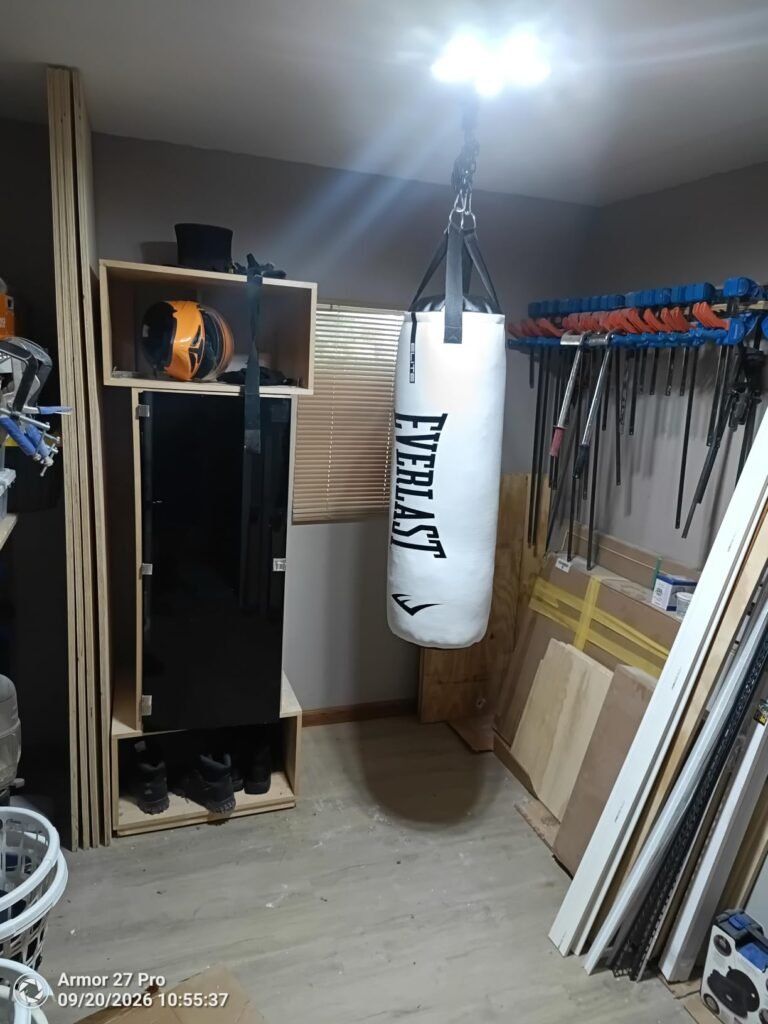
Everlast has been synonymous with boxing gear for generations, and the Elite Punching Bag continues the brand's reputation for approachable, well-built training equipment. It targets the widest possible audience of home strikers, from beginners learning combinations to intermediate athletes working on cardio and technique in a garage or basement gym. The mix of familiar branding, solid construction, and reasonable price makes it one of the most accessible starting points in the category.
We may earn a commission when you buy through this link, at no additional cost to you.
The outer shell uses durable PVC that stands up to daily use without cracking or peeling around the seams, which is where cheaper bags typically fail first. Inside, a blend of sand and recycled cloth creates a dense but forgiving core that absorbs impact energy rather than transferring it back into your wrists and shoulders. This kind of shock deadening matters more than most beginners realize, because a bag that feels too hard can cause joint pain and slow your progress.
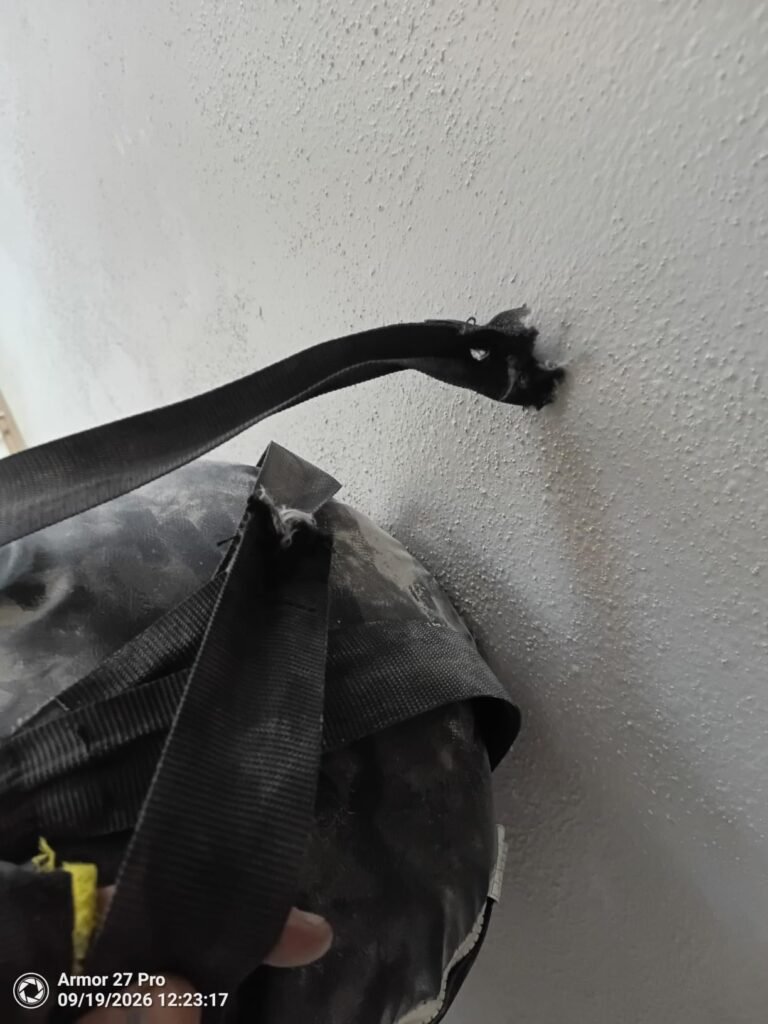
The bottom tie-down strap is a small feature with a real training benefit. By anchoring the bag to the floor or a heavy weight, you reduce the wild pendulum swing that plagues most hanging bags, letting you work combinations without chasing the bag around the room. The double-reinforced D-ring and nylon strap system connects to any properly rated ceiling mount, wall bracket, or heavy bag stand, so you can build the setup that fits your space.
Hanging heavy bags naturally swing when struck, which is fine for teaching timing but frustrating when you want to drill combinations at a steady pace. A tie-down strap attaches to the bottom of the bag and secures to a fixed point on the floor or a weighted anchor, dramatically reducing swing. This lets you land punches and kicks in rapid succession without waiting for the bag to return to center, making cardio rounds and technique work more productive.
Choose the Elite if you want a dependable hanging bag from a name you recognize without paying premium prices for professional-grade construction. The tradeoff is that the sand and cloth filler tends to settle toward the bottom over months of use, creating a hard base that requires occasional reshaping. For most home users training a few times a week, that is a minor maintenance task in exchange for a solid, versatile bag.
Serious strikers training multiple hours daily who need the density and longevity of pro-grade textile-filled bags.
We may earn a commission when you buy through this link, at no additional cost to you.
Freestanding punching bags solve one of the biggest problems in home boxing setups: the inability to install ceiling or wall mounts. The FITVEN 70-inch bag delivers a complete striking platform that stands on its own, making it a strong choice for renters, apartment dwellers, or anyone who does not want to drill into structural framing. At 70 inches tall, it accommodates strikers from about 4 feet to 6 feet, so most family members can use the same bag.

We may earn a commission when you buy through this link, at no additional cost to you.
The shock-absorbing system is where this bag separates itself from cheaper freestanding models. Dual absorbers and four springs deliver a fast rebound between 15 and 45 degrees while absorbing shock and noise across the full 360-degree range. If you prefer a stiffer, less bouncy feel for pure power training, the springs are removable, which is a thoughtful design detail that adapts the bag to different training styles.
The base is the foundation of any freestanding bag. This one uses a 5mm thick ABS round base with 12 strong suction cups that grip smooth, even flooring to keep the bag planted during strikes. When filled with sand, the base weighs up to 205 pounds, providing serious stability even during hard kick combinations. The multi-layer construction adds durability: stainless steel tube, eco-friendly fabric buffer, high-density EPE foam, and 2mm premium PU leather work together to withstand prolonged use.
Freestanding bags are the right choice when you cannot or do not want to install permanent mounting hardware. Renters, apartment dwellers, and anyone with drywall ceilings that cannot support a heavy bag will find freestanding designs practical. They also move easily between rooms, which suits users who need to reclaim floor space between workouts. The tradeoff is that they cannot fully replicate the dead-weight feel of a hanging bag on heavy shots, so serious Muay Thai athletes typically prefer hanging setups when possible.
The included pair of 12-ounce boxing gloves adds real value for buyers building their first home boxing setup, since gloves are essential for safe bag work. The main tradeoff with freestanding bags in general is that they move slightly under heavy kicks and can feel less grounded than a proper hanging heavy bag. Choose this bag if you need a complete package that works without permanent mounting, and be aware that the base ships as a separate parcel from the bag itself.
Advanced Muay Thai athletes who need the authentic dead-weight feel of a fully suspended hanging heavy bag.
We may earn a commission when you buy through this link, at no additional cost to you.
The Ringside Powerhide is aimed at strikers who want one serious bag capable of handling multiple disciplines. At 100 pounds, it delivers the grounded resistance that experienced users expect, so combinations of jabs, crosses, hooks, and kicks land with steady feedback rather than sending the bag flying across the room. The 42-inch length works for standard boxing height while still leaving room for low kicks and body shots.
We may earn a commission when you buy through this link, at no additional cost to you.
The soft-filled core creates a dense but resilient feel that receives strikes with the firm response serious training demands. This is not a cardio-focused bag for casual users; it is built for athletes who put in real time working combinations, footwork, and conditioning rounds. Gloves or hand wraps are essential for impact training, and using bare knuckles will quickly cause pain regardless of your experience level.
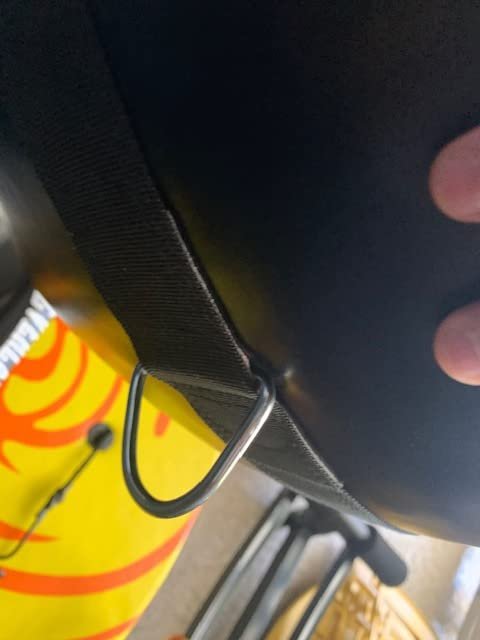
The Powerhide synthetic outer shell is paired with a foam liner between the shell and the core, creating a more forgiving strike surface without sacrificing the density needed for authentic feedback. This construction helps the bag maintain its shape and appearance through months of hard use, which is often where lower-tier bags start to deform and develop hard spots. The included chain assembly and swivel let you mount the bag to a properly rated ceiling hanger or beam.
The density of a heavy bag determines how it responds to strikes. Dense, tightly packed bags deliver firm feedback that helps develop power and technique, but they can be punishing on hands and wrists if you strike without proper wraps and gloves. Softer bags absorb more energy and feel gentler on impact, which suits cardio and endurance work but limits their usefulness for developing knockout power. Match the density to your training goals and always protect your hands with wraps and gloves.
Choose the Powerhide if you train seriously and want a versatile bag that handles boxing, kickboxing, Muay Thai, and MMA drills equally well. The 14-inch diameter provides substantial surface area for elbows and knees while remaining narrow enough for tight boxing combinations. The tradeoff versus a longer Muay Thai banana bag is reduced surface area for low kicks, but for mixed training this is a fair compromise.
Complete beginners looking for the softest possible bag or users who need a freestanding design without permanent mounting.
We may earn a commission when you buy through this link, at no additional cost to you.
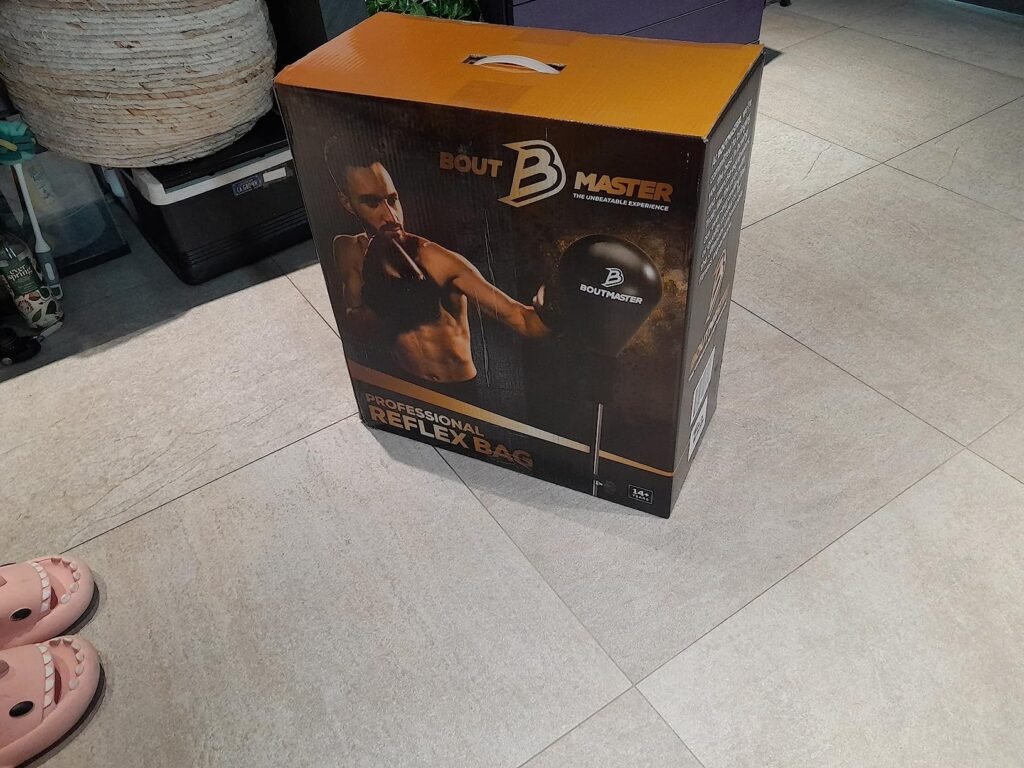
The Tech Tools reflex bag serves a completely different purpose than traditional heavy bags. Instead of building power through resistance, it develops hand-eye coordination, timing, and accuracy through a spring-loaded ball that bounces back after each strike. This makes it a valuable complement to heavy bag training rather than a replacement for it, and it works well as a standalone tool for cardio and skill work in tight spaces.
We may earn a commission when you buy through this link, at no additional cost to you.
The spring-mounted design is the core feature. When you strike the ball, the spring compresses and immediately snaps it back to position, forcing you to react and reset your guard. This drills the fundamental habits of returning your hands to defense after each punch, which competitive boxers spend years refining. It also raises your heart rate quickly, making it an efficient cardio tool for short conditioning rounds.
The adjustable stand extends from 49 to 63 inches, accommodating teens from about 14 years old up through adult users of most heights. The height adjustability matters because striking a ball at the wrong height causes bad form to develop over time. The heavy-duty base fills with 66 pounds of water or 100 pounds of sand for stability, keeping the bag planted during use. Sand-filled bases provide meaningfully more stability than water-filled bases if you strike with real force.
Reflex bags develop the neurological pathways for timing, accuracy, and defensive habits that heavy bags cannot address. A heavy bag builds strength and power, but it does not force you to react to a moving target. A reflex bag returns to position after every strike, teaching you to reset your guard, adjust your distance, and time your punches. Combining both tools in a training routine produces more well-rounded strikers than relying on either bag alone.
This is not a bag for heavyweight power training or serious kickboxing work. Choose it as a supplemental tool for developing speed, accuracy, and reactive defense, or as a primary option for users who want a low-impact striking workout in a small space. The included accessories do not include boxing gloves, so budget for a pair of light bag gloves separately to protect your knuckles during use.
Users who want a traditional heavy bag for power training or kickboxing work involving elbows and knees.
We may earn a commission when you buy through this link, at no additional cost to you.
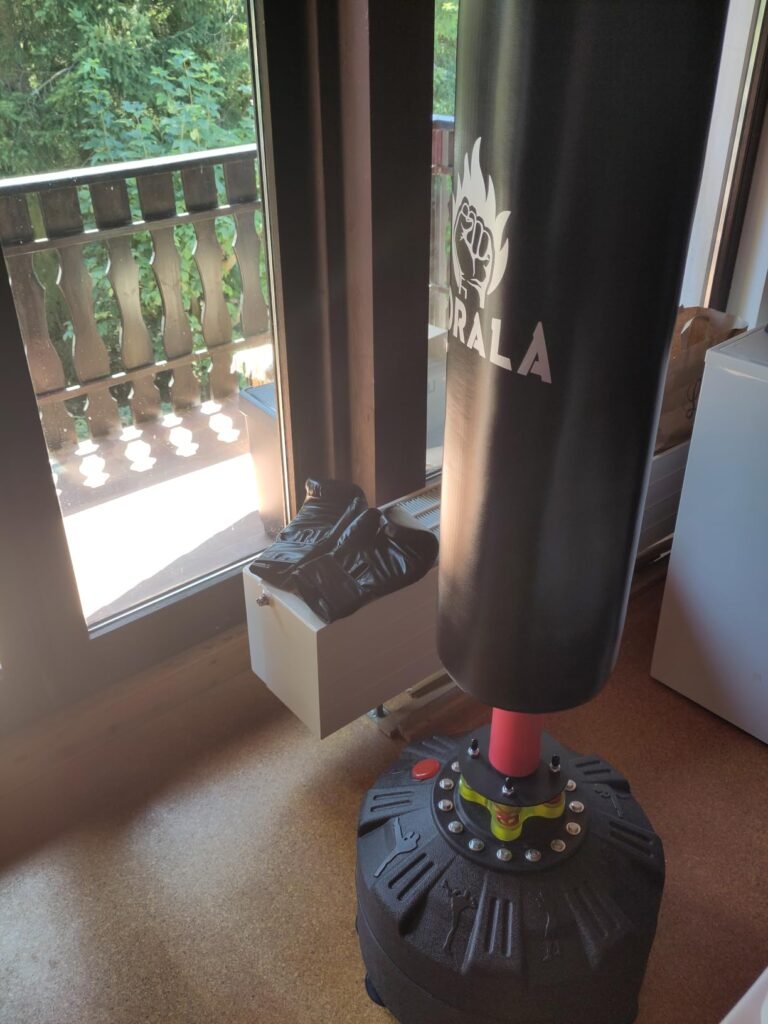
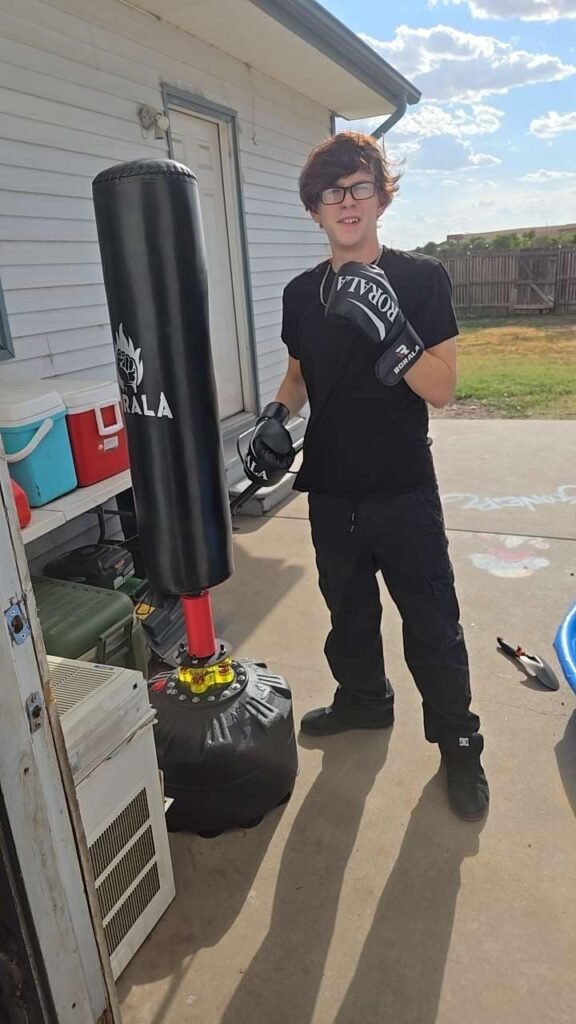
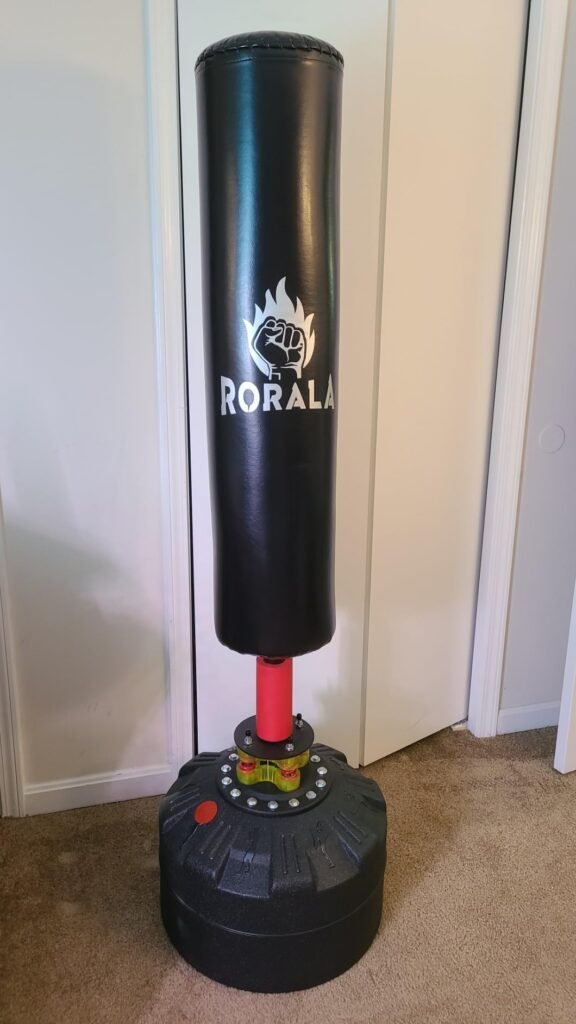
The RORALA freestanding bag delivers many of the same core features as more expensive freestanding options at a lower price point, making it an appealing choice for families and beginners who want a complete boxing setup without a major investment. Standing 70 inches tall, it works for users from about 4 to 6 feet in height, which covers most teens and adults in a typical household.
We may earn a commission when you buy through this link, at no additional cost to you.
The construction stack is more substantial than budget freestanding bags typically offer. A stainless steel tube prop provides the internal skeleton, wrapped in an eco-friendly fabric buffer, high-density EPE foam, and finished with 3mm premium PU leather. That extra millimeter of leather compared to some competitors improves tear resistance and hand protection during extended sessions. The multi-layer design generates fast rebound and balanced hardness for controlled feedback.
The 7.5mm thick ABS base is heavier duty than average and supports serious weight when filled with sand, reaching approximately 203 pounds for maximum stability. Twelve strong suction cups grip smooth floors to keep the base planted during hard strikes. Four springs deliver a 15 to 45 degree rebound angle, and two absorbers manage 360-degree shock and noise dispersion. For strikers who prefer minimal bounce, the springs are removable, which lets you tune the feel to your preference.
Freestanding bag bases can typically be filled with water or sand, and the choice significantly affects stability. Sand is denser than water, so a sand-filled base weighs roughly a third more than the same base filled with water, providing much better stability during hard strikes. Water is easier to fill and drain, making it practical for users who need to move the bag frequently. For permanent home gym installations where you will not relocate the bag, sand is almost always the better choice.
The included 12-ounce gloves feature 10mm high-density EVA foam and pre-curved anatomic construction, providing legitimate hand protection rather than the token gloves that ship with cheaper bag kits. Choose this bag if you want a complete freestanding boxing package for a family or beginner setup and prefer to save money without sacrificing meaningful construction quality. Remember that the base and bag ship separately, so allow for slightly staggered delivery.
Serious Muay Thai athletes who need the extended length and dead-weight feel of a hanging banana bag.
We may earn a commission when you buy through this link, at no additional cost to you.
The Mesetast 4ft set represents the most complete beginner kit in this guide at the lowest overall price. It targets buyers who need everything at once: bag, gloves, hand wraps, mounting hardware, a jump rope, grip trainer, and a reflex ball. For someone building their first home boxing station from scratch, avoiding the hassle of buying accessories piecemeal has real value beyond just cost savings.
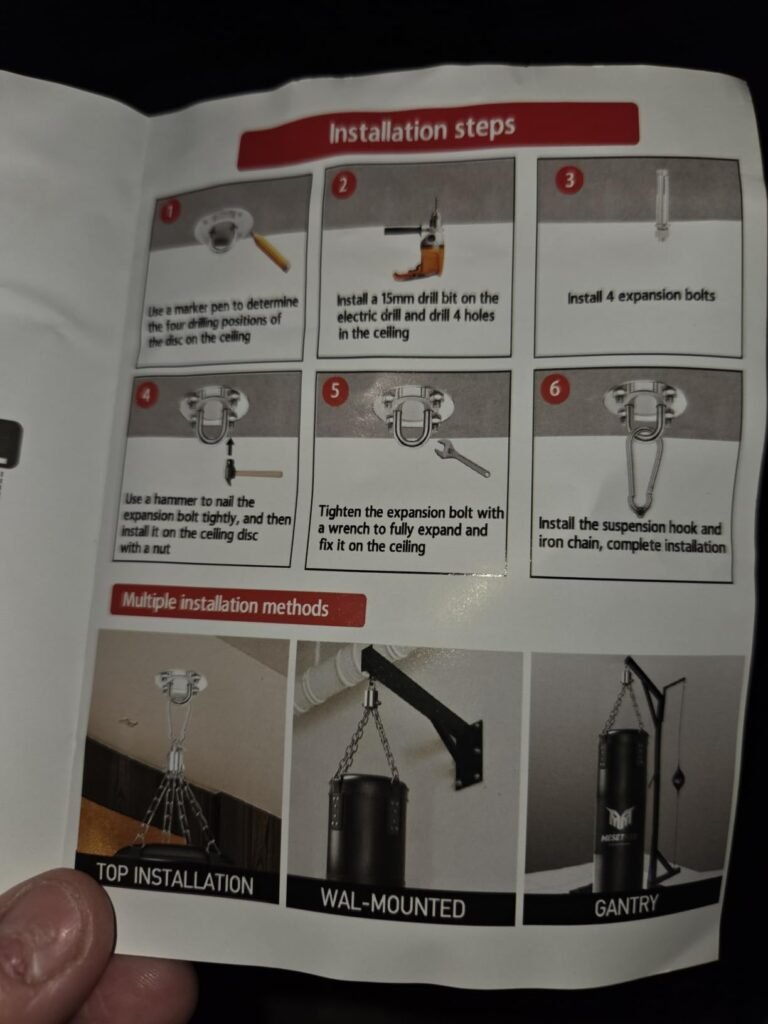
We may earn a commission when you buy through this link, at no additional cost to you.
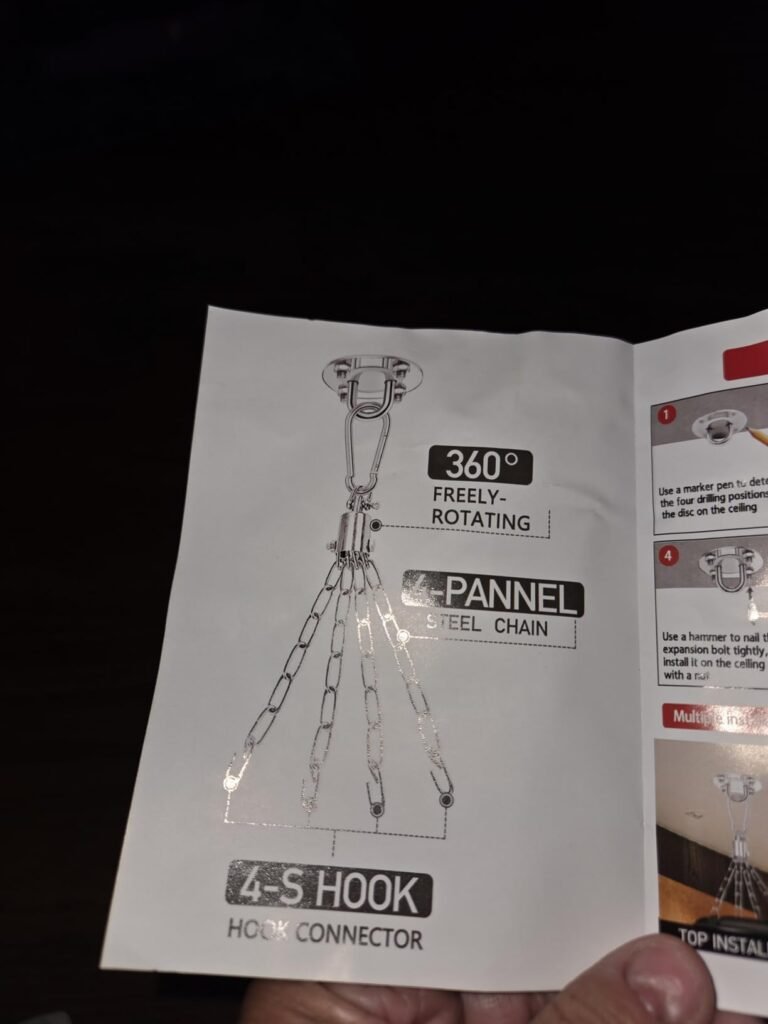
The bag itself uses thick oxford cloth and PU with a multi-layer shock-absorbing foam structure that reduces impact on wrists and joints. At 4 feet tall, it covers standard boxing combinations and body work but is shorter than dedicated Muay Thai bags, which limits low-kick training. The 360-degree stainless steel swivel ensures the bag rotates freely when struck and handles the load reliably during use.
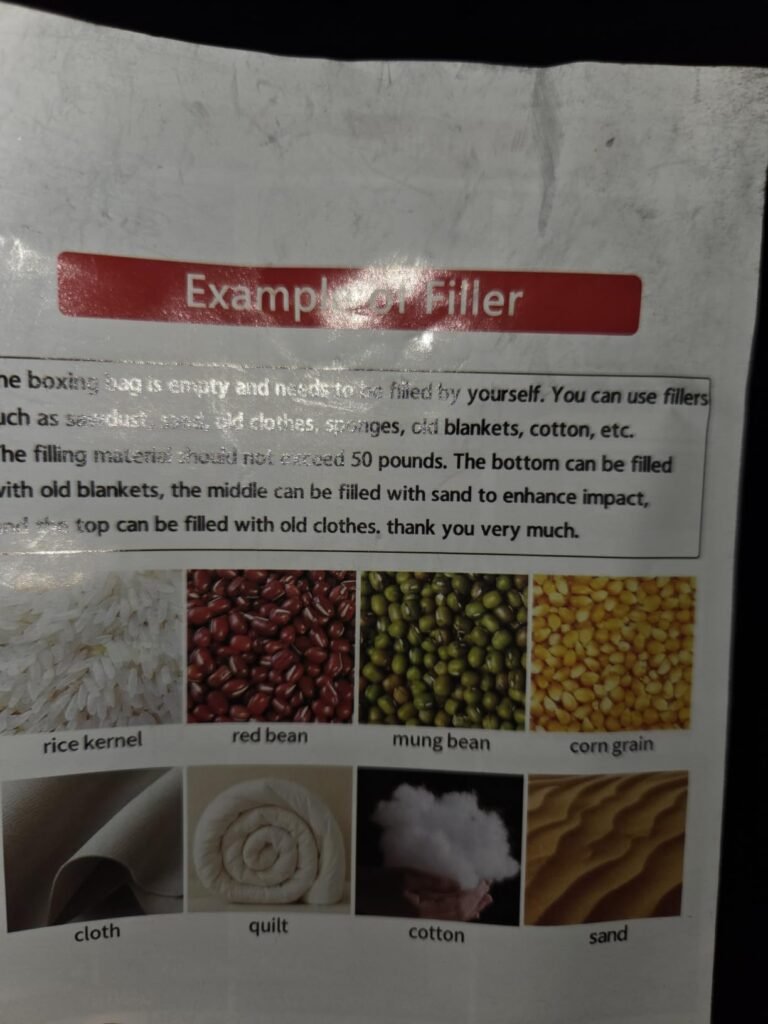
One important consideration: the bag ships unfilled, which is common for budget bags because it dramatically reduces shipping costs. You will need to source your own filler, and the manufacturer recommends against filling exclusively with sand, keeping the total fill weight under 50 pounds. Common filler options include sawdust, old clothes, sponge material, cotton, or a mix of these with a small amount of sand at the bottom for weight. This DIY approach lets you tune the bag’s feel to your preference but requires some patience during setup.
Filling a punching bag correctly makes a bigger difference than most beginners realize. Start with rags or old clothes packed tightly to give the bag body and shape, then work in denser materials as you fill toward the bottom. Adding a small amount of sand in a sealed inner bag at the bottom provides weight without making the entire bag rock hard. Pack materials firmly with a broom handle as you go to prevent settling and hard spots from forming during use.
Choose this kit if you are starting from zero and want a genuinely complete package without spending much money. The tradeoff is that the bag is not as dense or durable as premium options and will not withstand years of hard daily training, but for casual use, family workouts, or introducing kids to boxing, it delivers strong value. The included accessories make it particularly appealing as a gift for someone new to the sport.
Experienced strikers who need pre-filled, professional-grade construction ready for immediate heavy training.
We may earn a commission when you buy through this link, at no additional cost to you.
The Meister 100lb Heavy Bag is a gym-quality option built for athletes who want commercial-grade construction at home. Instead of the sand and cloth filler common in budget bags, this one uses packed textiles that deliver consistent density from top to bottom without the settling issues that plague sand-filled bags. That consistency translates to a more predictable striking surface that maintains its feel through years of use.
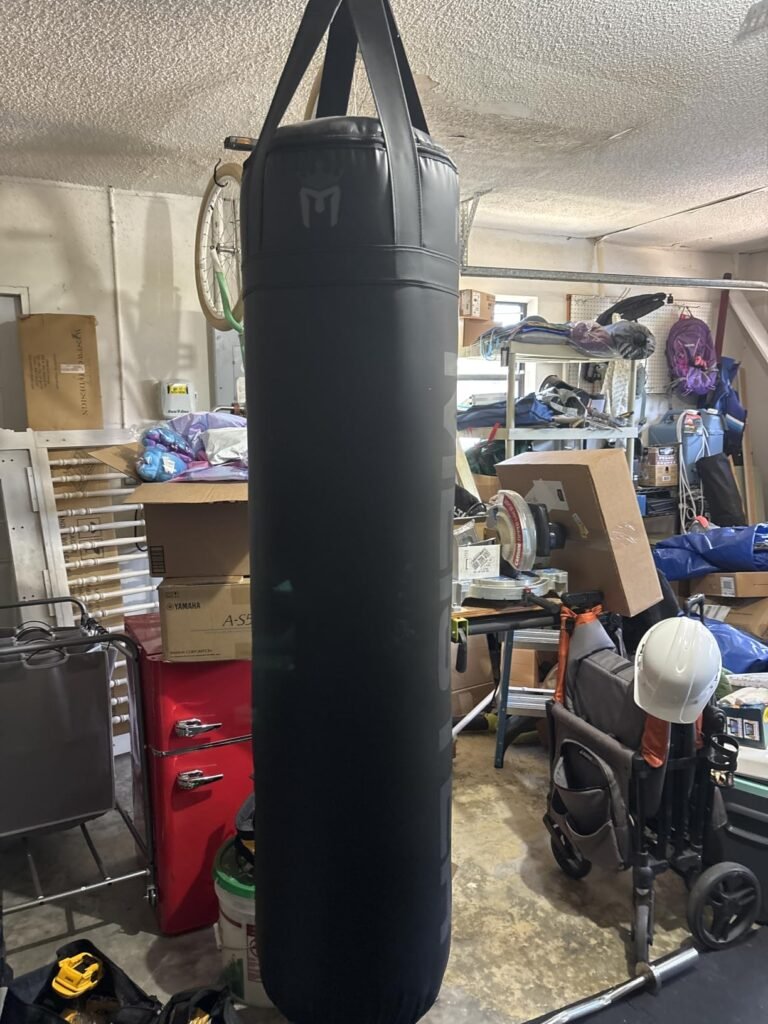
We may earn a commission when you buy through this link, at no additional cost to you.
The 60-inch length by 14-inch diameter provides enough surface area for the full range of striking techniques: punches, kicks, elbows, and knees. This makes it a strong fit for MMA and Muay Thai practitioners who train mixed disciplines and need a bag that responds well to all of them. At 100 pounds, it offers the grounded resistance experienced strikers expect without being so heavy that it becomes unwieldy to install.
The military-grade textured vinyl construction is the standout feature. This material provides the ideal striking surface for gloves, hand wraps, and even bare skin strikes like Muay Thai elbows and knees. It stands up to commercial gym use and shows no signs of cracking or peeling under normal home use conditions. Integrated heavy-duty hanger straps with D-rings replace the traditional chain assembly, which is a meaningful quality-of-life upgrade because it eliminates the metallic rattling that chains produce during use.
Bags filled with packed textiles maintain consistent density across their entire length, giving strikers the same feel from top to bottom. Sand-filled bags settle over time, creating a rock-hard base and a soft, hollow top that changes how the bag responds to strikes at different heights. Textile fills also weigh less per volume, which means a 100-pound textile bag distributes its weight more evenly than a 100-pound sand bag concentrated at the bottom. For serious training, this consistency is a genuine advantage.
Choose this bag if you train seriously and want professional-grade construction without stepping up to the 110-pound banana bag version. The included reusable outer case is a thoughtful addition for moving or storing the bag between locations. The main consideration is that any 100-pound bag requires solid mounting infrastructure, so verify your ceiling joists or beam can safely support the load before installation.
Casual users or beginners who only need occasional cardio bag work and do not want to invest in gym-quality equipment.
We may earn a commission when you buy through this link, at no additional cost to you.
The Ringside 100-pound Muay Thai bag provides a strong middle-ground option for strikers who want a banana-style bag without paying premium prices. At 69 inches tall and 11 inches in diameter, it delivers the extended length needed for low kicks while maintaining a narrower profile that works well for tight boxing combinations. This makes it a versatile choice for mixed disciplines including boxing, MMA, and kickboxing.
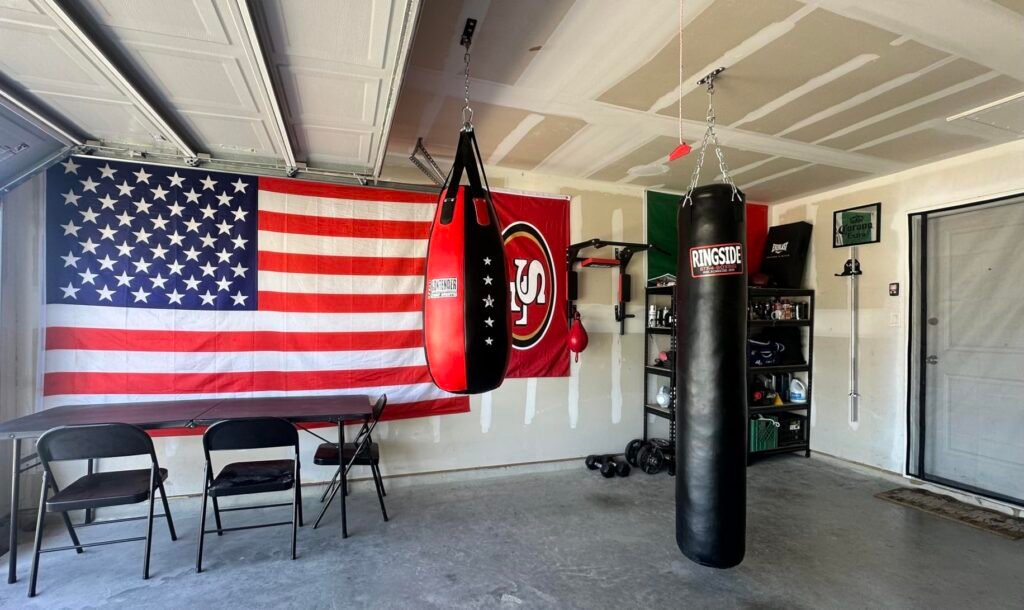
We may earn a commission when you buy through this link, at no additional cost to you.
Construction targets long-lasting performance in daily training. Ringside has built its reputation on gym-grade equipment, and this bag maintains an attractive, well-shaped design through repeated use rather than developing lumps and hard spots. The 100-pound weight sits at the sweet spot for most experienced strikers, providing enough resistance for power training without requiring the heavy-duty mounting infrastructure that 110 or 150-pound bags demand.
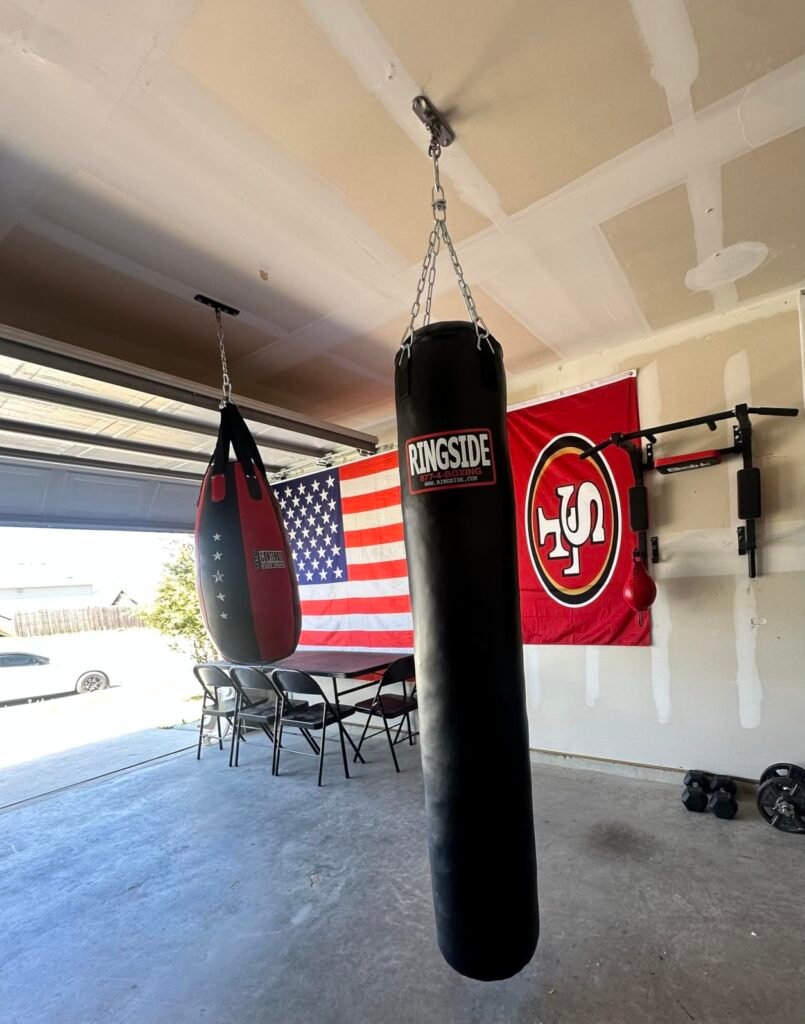
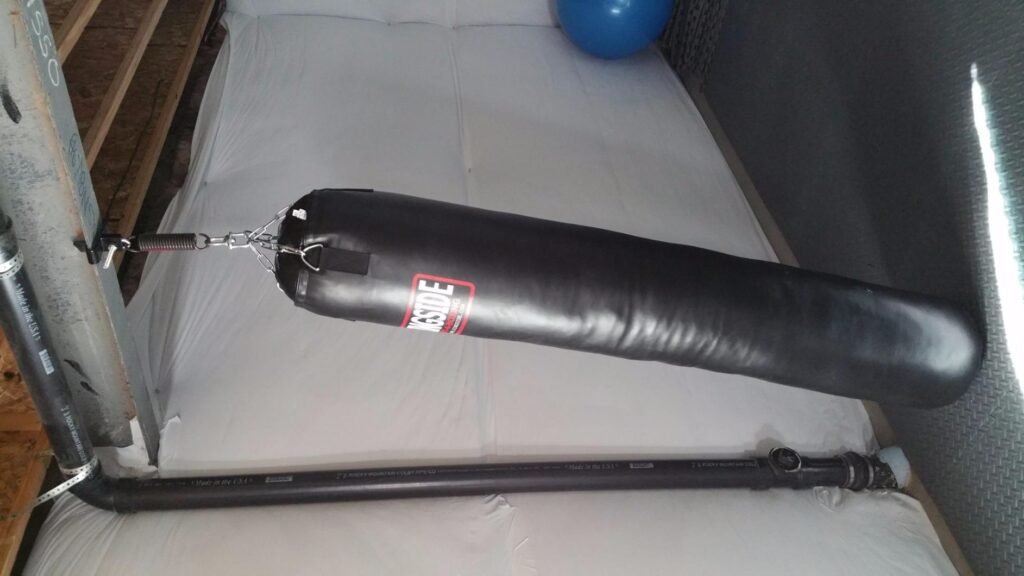
The complete kit includes a heavy-duty chain assembly and swivel, letting you install the bag to any properly rated ceiling mount, beam hanger, or heavy bag stand without buying additional hardware. The tradeoff versus integrated strap systems like Meister uses is that chains make noise during hard strikes, which some home gym users find distracting. If you install the bag in a shared space or basement, consider dampening the chain with foam sleeves.
Bag diameter changes how the bag responds to strikes and what techniques it best supports. Wider bags around 14 inches provide broad target surfaces for elbows, knees, and clinch work, but they can feel unwieldy for tight boxing combinations. Narrower bags around 11 inches favor precision boxing and kicking work with a more focused striking target, but they offer less surface area for full-contact elbow and knee techniques. Match the diameter to your primary training discipline.
Choose this bag if you train Muay Thai, kickboxing, or MMA and want banana-bag length at a more accessible price than premium options. The narrower 11-inch diameter delivers a different feel than wider bags, favoring tight boxing combinations and precise kick placement over broad target surfaces. It works well for both amateur and professional training environments, making it a solid step up from beginner bags without requiring a top-tier investment.
Users who prefer chain-free mounting systems or who need the widest possible diameter for clinch and elbow work.
We may earn a commission when you buy through this link, at no additional cost to you.
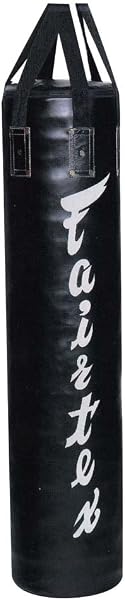
Fairtex is one of the most respected names in Muay Thai equipment, and the HB6 Banana bag brings that heritage to home training. The brand's reputation in Thailand and around the world stems from decades of producing gear used by professional fighters and elite gyms, so the HB6 targets buyers who value trusted craftsmanship over aggressive marketing specifications.
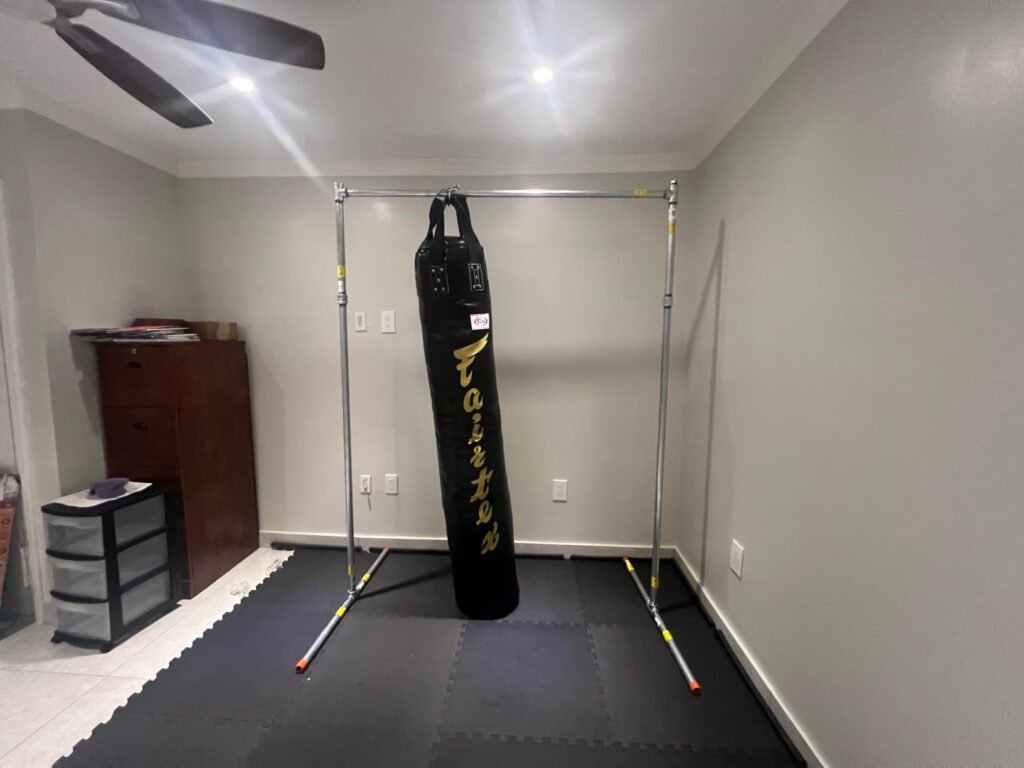
We may earn a commission when you buy through this link, at no additional cost to you.
The synthetic leather construction is chosen for its combination of durability and long-lasting appearance during regular use. Unlike vinyl shells that can crack in cold conditions or peel after heavy use, quality synthetic leather maintains a professional appearance and consistent striking surface through years of training. The banana bag shape supports the full range of Muay Thai techniques: jabs, crosses, hooks, uppercuts, roundhouse kicks, knees, and elbows all land with appropriate feedback.
The bag ships with sturdy hanging straps and a swivel, so it installs without additional hardware purchases as long as you have a proper mounting point. This out-of-the-box readiness matters for buyers who want to start training immediately rather than piecing together components. The swivel prevents the mounting hardware from twisting during rotation, which extends the life of both the bag and the ceiling mount.
Established brands in combat sports have earned their reputations through decades of product refinement based on feedback from professional fighters, coaches, and training gyms. This iterative improvement produces gear that reflects real-world training demands, which is difficult for newer brands to replicate quickly. Fairtex, Ringside, Meister, and Everlast all represent this kind of institutional knowledge, and choosing established brands often provides confidence about durability and design choices even when specifications alone do not tell the full story.
Choose the HB6 if brand heritage and authentic Muay Thai design matter to you, or if you have trained at gyms that use Fairtex equipment and want that familiar feel at home. The main tradeoff is that the published specifications are less detailed than some competitors, so buyers wanting to compare exact weights and dimensions may need to research further. For those who trust the Fairtex name and want a quality banana bag, this remains a strong choice suitable for all skill levels.
Budget-focused buyers who need detailed published specifications or who prefer complete accessory kits with gloves included.
We may earn a commission when you buy through this link, at no additional cost to you.
Selecting a punching bag involves matching the bag’s design, weight, and mounting style to your training goals, available space, and skill level. This guide covers the factors that actually shape your daily training experience.
The first major decision is whether to buy a hanging heavy bag or a freestanding bag with a weighted base. Hanging bags deliver the authentic dead-weight feel that serious strikers prefer, responding to punches and kicks with a natural pendulum motion that helps develop timing and range. They also tend to last longer under heavy use because the design has no springs, joints, or moving parts that can fatigue over time. However, they require proper mounting to structural ceiling beams, wall brackets, or dedicated heavy bag stands.
Freestanding bags solve the mounting problem by standing on their own weighted base, which is essential for renters, apartment dwellers, or anyone whose ceiling cannot safely support a heavy load. Modern freestanding designs like the FITVEN and RORALA use shock-absorbing springs and dense multi-layer construction to deliver a training experience that approaches hanging bags in feel, though they still move slightly under heavy strikes. They also occupy floor space permanently rather than tucking against a ceiling.
Choose hanging bags if you can install proper mounting and want the most authentic training feel. Choose freestanding bags if mounting is impossible or if you prioritize the flexibility to move the bag between rooms and reclaim floor space.
Bag weight determines how much resistance you get during strikes and how much the bag moves when hit. Lighter bags around 70 pounds swing more freely and suit cardio work, footwork drills, and lighter body types, but they can feel unstable during hard combinations. Standard 100-pound bags offer the balance most adult strikers prefer, providing enough grounded resistance for power training while remaining manageable to install and reposition. Bags of 110 pounds and above deliver near-immovable resistance ideal for hard hitters and Muay Thai athletes practicing knockout-level strikes.
A common rule of thumb is that your heavy bag should weigh approximately half your body weight, though this is only a starting point. Users focused on cardio and combinations may prefer a slightly lighter bag that swings more, while power-focused strikers benefit from heavier bags that stay grounded under hard shots. Freestanding bags with fillable bases follow different logic since the effective resistance depends on how completely you fill the base with sand or water.
Match weight to your training intensity and body size. Heavier bags reward experienced strikers with grounded resistance, while lighter bags suit beginners still developing technique and power.
Bag length and diameter shape which techniques the bag supports effectively. Standard boxing heavy bags run about 42 to 48 inches long, providing the surface area needed for punches to the head and body without excess length that gets in the way of tight combinations. Muay Thai banana bags stretch 60 to 72 inches long, extending down to the practitioner’s thigh level so low kicks land on the bag rather than swinging through empty air.
Diameter affects both target size and training feel. Wider bags around 14 inches provide broad target surfaces for elbows, knees, and clinch work, making them favored for MMA and Muay Thai training. Narrower bags around 11 inches feel more focused for precise boxing combinations and provide a smaller target that improves accuracy. Wider bags also weigh more per length, which affects installation requirements and how the bag responds to strikes.
Boxers can happily use shorter, wider bags. Muay Thai and MMA athletes should invest in banana bag length to train the full range of strikes their sports require.
The filler inside the bag determines how it feels when struck and how consistently it performs over time. Sand and cloth fillers are common in budget and mid-range bags, delivering solid impact absorption at a reasonable price. However, sand settles toward the bottom over months of use, creating a rock-hard base that changes the bag’s feel and can injure hands and wrists on hard strikes. Regular reshaping helps but does not eliminate the issue entirely.
Packed textile fills, used in premium bags like the Meister line, maintain consistent density from top to bottom because they do not settle. This provides predictable feedback at every strike height and dramatically extends the useful life of the bag. Unfilled bags let you customize the filler mix yourself using clothes, sawdust, foam, and small amounts of sand, which is a budget-friendly approach but requires patience and careful packing to prevent hard spots.
Serious strikers who train regularly benefit meaningfully from investing in packed textile fill. Casual users can save money with sand and cloth mixes as long as they accept the maintenance requirement.
The outer shell affects both the bag’s striking surface and its long-term durability. PVC and vinyl are common in mid-range bags, offering good durability at reasonable prices, though cheaper vinyl can crack in cold conditions or after extended exposure to sweat and repeated impact. Military-grade textured vinyl, used in premium bags, provides a superior striking surface that stands up to bare-skin strikes like Muay Thai elbows and knees without causing skin abrasion.
Synthetic leather offers the closest feel to genuine leather at a much lower cost, and it typically outlasts real leather in home training environments because it resists sweat and moisture better. PU leather with adequate thickness, around 2 to 3mm, delivers professional feel and long-term durability. Thin PU or vinyl coatings may look good initially but can peel after months of hard use.
For bare-skin striking disciplines, prioritize textured vinyl or thicker PU leather. For gloved training only, standard vinyl or PVC is often sufficient.
Proper mounting is critical for both safety and training quality. Ceiling mounts require you to install into a structural beam or joist rated for the bag’s full weight plus dynamic forces during hard strikes, which can effectively double the load momentarily. Drywall alone will not hold a heavy bag safely regardless of what anchor system you use. Wall brackets and swing arms work well for bags in garages and basements with exposed studs or beams.
Heavy bag stands are the alternative when structural mounting is not available. Quality stands with wide bases and reinforced construction can support 100-pound bags for serious training, while lightweight stands work better for lighter cardio bags. Freestanding bags eliminate the mounting question entirely, though they require adequate floor space and, in the case of suction-cup bases, smooth even flooring to grip properly.
Verify your mounting solution before buying a heavy bag. A perfect bag installed incorrectly is worse than a modest bag installed safely.
Beginners benefit from moderately dense bags that forgive imperfect technique while still providing meaningful resistance. Overly hard bags can cause hand and wrist pain that discourages consistent training, while overly soft bags fail to build the conditioning needed to transition to real striking. A quality mid-range bag paired with proper hand wraps and gloves provides the ideal learning environment for new strikers.
Intermediate and advanced athletes gain more from professional-grade bags with textile fills and durable outer shells. These bags provide the consistent, dense feedback needed for serious power development and hold up to daily training without deforming. Specialized needs like Muay Thai training call for banana bag lengths, while MMA training benefits from wider diameter bags that accommodate elbows, knees, and clinch work.
Match the bag’s professional level to your training frequency and intensity. Weekend cardio users can be well-served by beginner bags, while daily strikers should invest in gym-grade construction.
Always protect your hands before striking a heavy bag. Hand wraps stabilize the small bones and joints in your wrists and knuckles, and bag gloves or boxing gloves add cushioning between your hands and the bag surface. Skipping this protection quickly leads to knuckle bruises, wrist sprains, and long-term joint problems that can end your training. Even experienced strikers wear wraps and gloves for every bag session, and beginners should treat this rule as absolute rather than optional.
Set up your training space with adequate clearance around the bag so you can move freely without hitting walls or furniture. A minimum of three feet on all sides works for basic combinations, while active kickboxing and Muay Thai work benefits from five to six feet of clearance. If your bag is a hanging model, install it at a height that allows you to punch and kick at natural angles without stooping or reaching. Freestanding bags should sit on smooth, level flooring to maintain base stability during strikes.
Extend your bag’s life with basic maintenance. Wipe down the outer shell periodically with a damp cloth to remove sweat and dust, since sweat left on the surface can degrade vinyl and PU materials over time. For sand-filled bags, reshape the bag every few months by punching and kneading the sides to redistribute settled filler, which prevents hard bottoms from developing. Check mounting hardware regularly for signs of wear, and replace chains, straps, or swivels at the first indication of stretching, fraying, or corrosion to prevent dangerous failures during use.
Beginners typically do well with bags between 70 and 100 pounds, depending on body size and training intensity. A common guideline suggests a bag weighing about half your body weight, so a 160-pound adult would look at 80-pound bags. Lighter bags swing more but are gentler on hands and wrists as you build conditioning, while heavier bags provide more grounded resistance for power development. Freestanding bags with fillable bases offer flexibility because you can partially fill the base while learning.
Yes, always use hand wraps and gloves when training on a heavy bag. Bare-knuckle strikes on a dense bag quickly cause bruises, cuts, and long-term joint damage. Bag gloves or boxing gloves provide essential padding, and hand wraps stabilize your wrists and knuckles under the gloves. Some bags include gloves in the purchase, while premium bags typically require you to buy gloves separately.
Freestanding bags have improved significantly and work well for most home training, particularly for cardio, technique work, and lighter combinations. However, they cannot fully match the grounded, dead-weight feel of a properly hanging heavy bag under hard strikes. Serious power strikers and Muay Thai athletes still prefer hanging bags when possible, while renters and apartment dwellers benefit from freestanding designs that require no mounting.
Mount hanging heavy bags to structural ceiling beams, joists, or wall studs using hardware rated for the bag's weight plus dynamic forces from hard strikes. Drywall alone cannot safely hold heavy bags regardless of the anchor system. If you cannot access structural framing, use a dedicated heavy bag stand rated for your bag's weight. Have a professional verify your mounting solution if you are unsure about the structural integrity of your ceiling or walls.
Boxing bags typically run 42 to 48 inches long and focus on punching height, while Muay Thai banana bags stretch 60 to 72 inches to accommodate low kicks. Muay Thai bags also often use textured vinyl shells designed for bare-skin elbow and knee strikes, while boxing bags may use smoother materials. If you plan to train kicks, especially low kicks, invest in banana bag length rather than trying to make a standard boxing bag work.
Quality hanging bags with textile fills can last five to ten years or more with regular use and basic maintenance. Budget bags with sand and cloth fills typically last two to five years, depending on training intensity. Freestanding bags face additional wear on their bases and shock-absorbing components, generally lasting three to seven years with regular use. Proper maintenance including reshaping filler and cleaning the outer shell extends the useful life of any bag.
No, filling a bag with only sand creates a rock-hard training surface that can injure your hands and wrists. Sand also settles heavily at the bottom, creating imbalance and hard spots. Most bags recommend mixing sand with softer materials like cloth, sawdust, or foam, or filling primarily with softer materials and adding only a small sand-filled inner bag at the bottom for weight. Follow manufacturer fill instructions carefully.
Plan for at least three feet of clearance on all sides of the bag for basic punching combinations. Active kickboxing and Muay Thai training benefits from five to six feet of clearance to accommodate roundhouse kicks and lateral movement. Ceiling height matters for hanging bags, which need adequate clearance above and below when mounted. A dedicated garage bay, basement corner, or spare room typically provides enough space for most training styles.
Beginner-focused kits often include gloves as a convenience, saving you the effort of buying them separately. However, the included gloves are typically basic quality suitable for casual training rather than serious use. Experienced strikers usually prefer to select gloves independently based on their hand size, training style, and preferred padding thickness. If you already own quality gloves, buying a bag without them may save money.
Most recreational strikers benefit from three to five bag sessions per week, with rest days between sessions to allow recovery. Sessions of 20 to 45 minutes typically provide meaningful cardio and skill development without excessive strain. Beginners should start with shorter sessions, two to three times per week, to build hand and wrist conditioning gradually. Serious competitive athletes may train daily, but this requires proper recovery, nutrition, and technique to avoid injury.
The Meister 110lb Muay Thai bag stands out as the top overall choice for serious strikers, combining professional-grade textile fill, full banana-bag length, and military-grade textured vinyl construction into a package built for years of hard training. Its ability to handle boxing, kickboxing, Muay Thai, and MMA equally well makes it a versatile investment for athletes committed to their training, and the integrated hanger straps eliminate the noise of traditional chain systems.
For different priorities, the Everlast Elite delivers proven brand quality at a lower price point that suits most home users training a few times per week. The FITVEN 70-inch freestanding bag solves the mounting problem entirely for renters and apartment dwellers, while the Meister 100lb Heavy Bag provides gym-quality construction for those who prefer standard boxing dimensions over banana bag length. Budget-conscious beginners can start with the Mesetast complete kit and upgrade later as their training progresses.
Your final decision should match the bag to your actual training, not the training you aspire to. Cardio-focused users and beginners benefit from moderately priced bags with forgiving construction, while dedicated strikers should invest in professional-grade equipment that supports serious progression. Check your mounting options before committing to a hanging bag, and always plan to protect your hands with proper wraps and gloves regardless of which bag you choose.