Venterior Rechargeable Fish
8.6Editor scoreRechargeable wireless sonar sensor
Dual color display modes
Wide 105 degree beam
Long 262 foot range
Discover the best portable fish finders for kayaks, boats, shore, and ice fishing. Compare castable sonars, CHIRP displays, and battery-powered locators.
Find the right portable fish finders for 2026. We compare 10 standout options by the factors that matter in this category, such as sonar beam coverage, wireless casting distance, target separation, display readability in sunlight, battery endurance, mounting versatility, owner feedback, and practical value. These insights help you choose equipment tailored to your angling style.
Modern portable depth sounders bridge the gap between permanent boat installations and lightweight shore angling. Whether you cast a floating bobber from a rocky shoreline, drop a transducer through an ice borehole, or mount a compact display to a kayak track, having accurate underwater telemetry transforms how you locate structure, weed beds, and schooling fish.
Selecting the proper device involves choosing between standalone handheld units with integrated color displays and castable smart sonars that stream data directly to your mobile device. While phone-based units minimize pack weight, dedicated outdoor displays eliminate screen glare issues, protect your personal electronics from water damage, and maintain reliable operation in extreme temperatures.
We compared 10 portable fish finders using the technical details that actually help an angler decide: sonar frequency, beam angle coverage, casting range stability, target separation, display visibility in direct sunlight, app responsiveness, battery runtime, and structural water resistance. Our notes highlight practical trade-offs so every pick connects directly to how anglers search for fish across kayaks, docks, banks, and frozen lakes.

Compare key features, scores, and current prices side by side. A shorter feature list means fewer details were available, not necessarily fewer capabilities.


The Lucky Rechargeable Portable Fish Finder with Carrying Case is tailored for anglers who refuse to be tethered near their sonar probe. Offering an exceptional wireless operating distance of up to 853 feet, this system allows shore casters and kayak paddlers to fling the floating sonar bobber far into river currents, across lake coves, or behind trolling craft without suffering signal dropouts.
We may earn a commission when you buy through this link, at no additional cost to you.
Underwater scanning is managed by a wide 90-degree sonar beam operating from 3 feet down to 147 feet. Data streams in real time to an expansive 3.5-inch horizontal color LCD. The display uses right-to-left scrolling to paint a continuous visual history of bottom structure, water temperature, weed patches, and passing fish icons tagged with precise depth measurements.
Portability and gear safety are elevated by the included hard-shell carry case. Fitted with tailored interior foam cutouts, the case cushions both the horizontal display receiver and the spherical castable sensor alongside charging cables, preventing accidental impact damage inside crowded tackle bags. Both receiver and transducer feature rechargeable batteries that provide all-day scanning endurance without recurring battery costs.
The robust radio frequency link maintains steady data transfer over extreme casting distances, letting you scout distant weed lines and drop-offs well before positioning your kayak.
While its 147-foot maximum depth limits its utility in deep alpine reservoirs or ocean drops, it easily covers the vast majority of freshwater lakes, rivers, and coastal flats. Anglers who prioritize casting distance, broad beam coverage, and organized storage will find this kit exceptionally well conceived.
Deep lake trollers who regularly track lake trout or salmon in water depths exceeding 150 feet.
We may earn a commission when you buy through this link, at no additional cost to you.
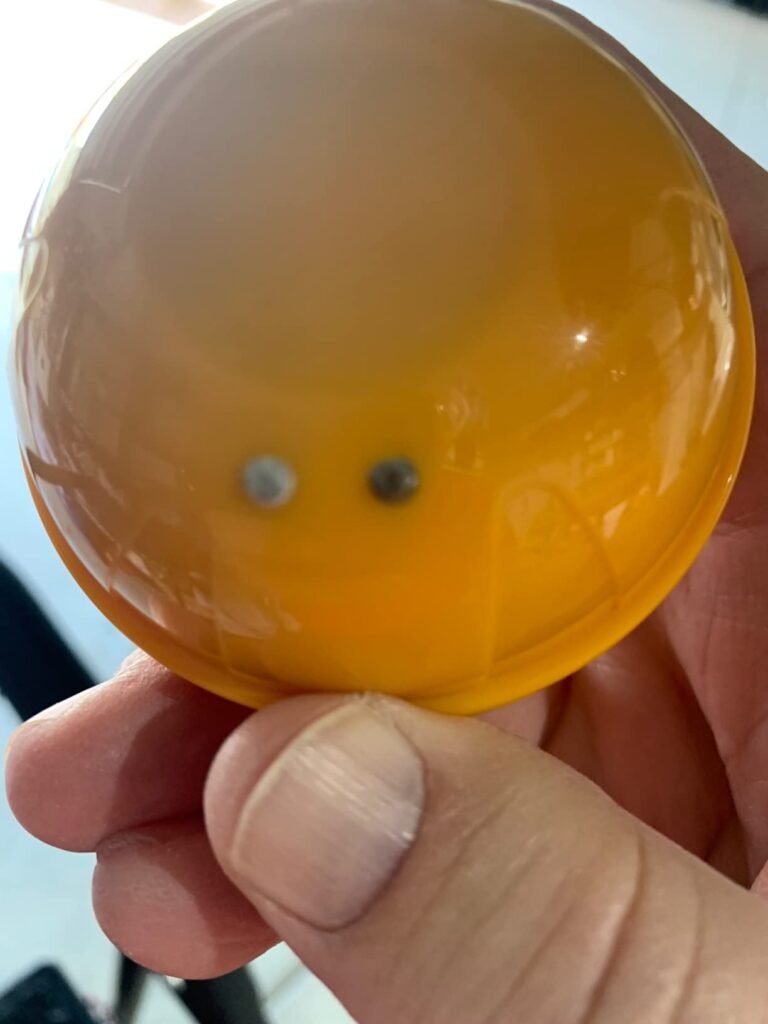
The Venterior Rechargeable Fish Finder is built for bank anglers, kayakers, and ice fishermen who want complete freedom from cumbersome wiring and external batteries. Rather than requiring hull drilling or bracket mounting, this system pairs a pocket-sized handheld monitor with a floating, castable sonar probe. Anglers who walk shorelines or fish from inflatable watercraft will find this setup exceptionally easy to carry and deploy.

We may earn a commission when you buy through this link, at no additional cost to you.
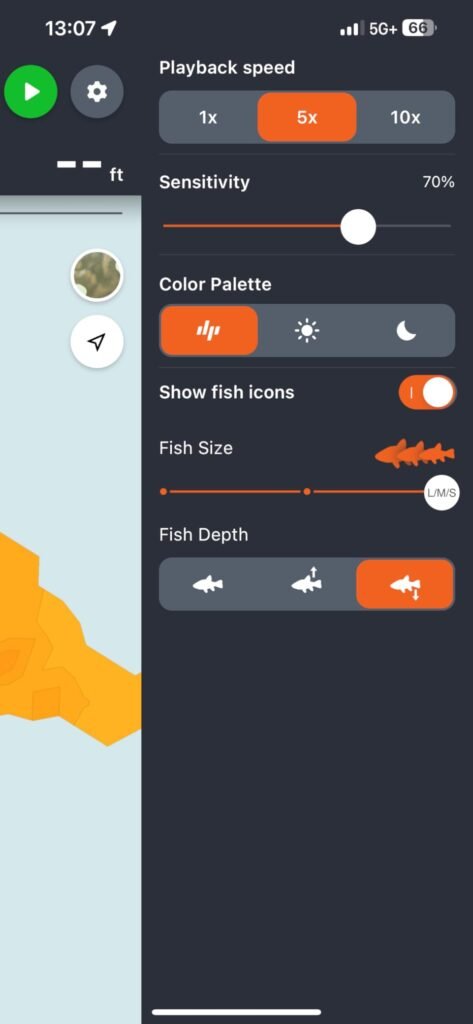
Performance centers on an ultra-wide 105-degree sonar beam that operates down to 164 feet. This wide cone angle allows you to survey broad sections of the water column quickly, identifying suspended fish, water temperature changes, and bottom contour transitions. The handheld receiver features an intuitive interface that categorizes detected targets into small, medium, and large fish icons, complete with depth tags that tell you exactly where to present your lure.
A thoughtful engineering touch is the selectable screen background. Anglers can toggle between a black display for dawn and dusk and an inverted high-contrast white background that remains legible under direct midday sunlight. Both the handheld receiver and the floating bobber house internal rechargeable lithium batteries, eliminating the recurring expense of disposable cells. Note that the floating sensor uses water-activated contact points, meaning its battery indicator populates on screen only once the probe is placed into water.
Switching the display background from dark mode to bright white prevents glare washout when reading bottom contours on open water under intense sun exposure.
While deep-water offshore trollers will require greater depth penetration than its 164-foot limit, the Venterior excels across inland ponds, shallow rivers, and frozen lakes. It delivers reliable wireless sonar data in an accessible format backed by a reassuring two-year warranty.
Deep-water boaters operating in marine trenches or offshore waters exceeding 164 feet of depth.
We may earn a commission when you buy through this link, at no additional cost to you.
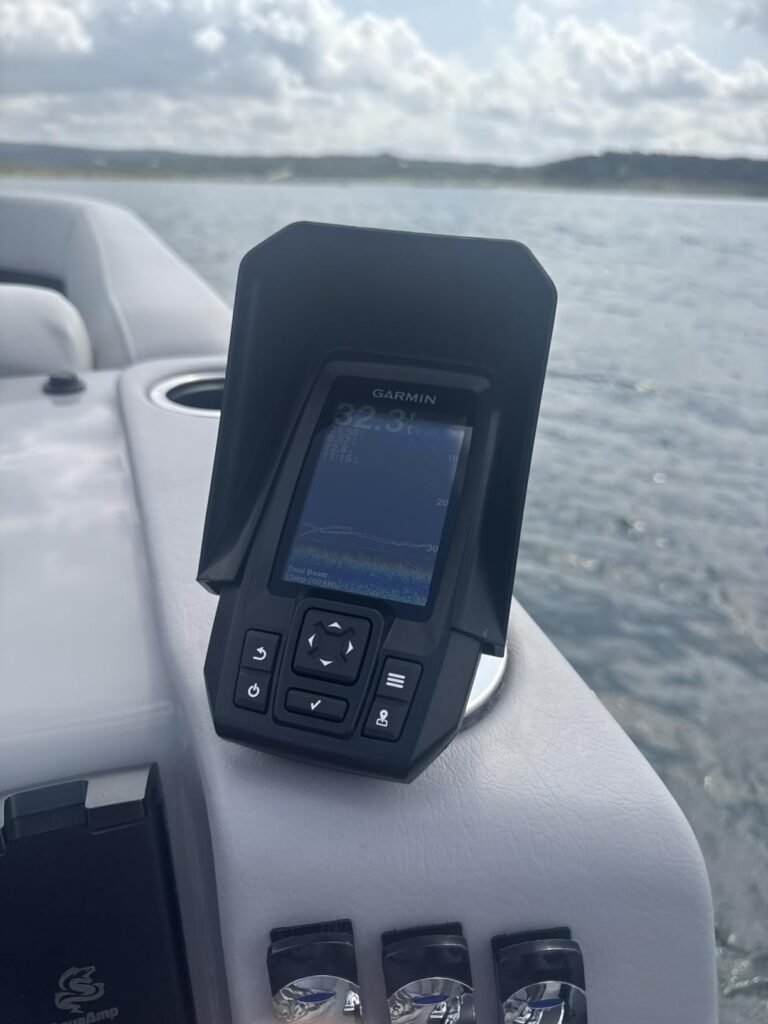
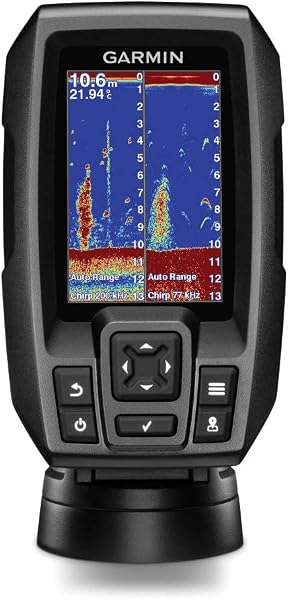
The Garmin Striker 4 stands as an industry benchmark for anglers seeking commercial-grade sonar clarity in a compact, dash- or track-mountable format. Outfitted with a bright 3.5-inch color display and Garmin's proven keyed interface, it provides dedicated outdoor functionality that does not rely on fragile mobile phones or wireless pairing. Kayak anglers and small-boat owners who desire dependable, permanent or semi-portable electronics gravitate toward this workhorse unit.
We may earn a commission when you buy through this link, at no additional cost to you.
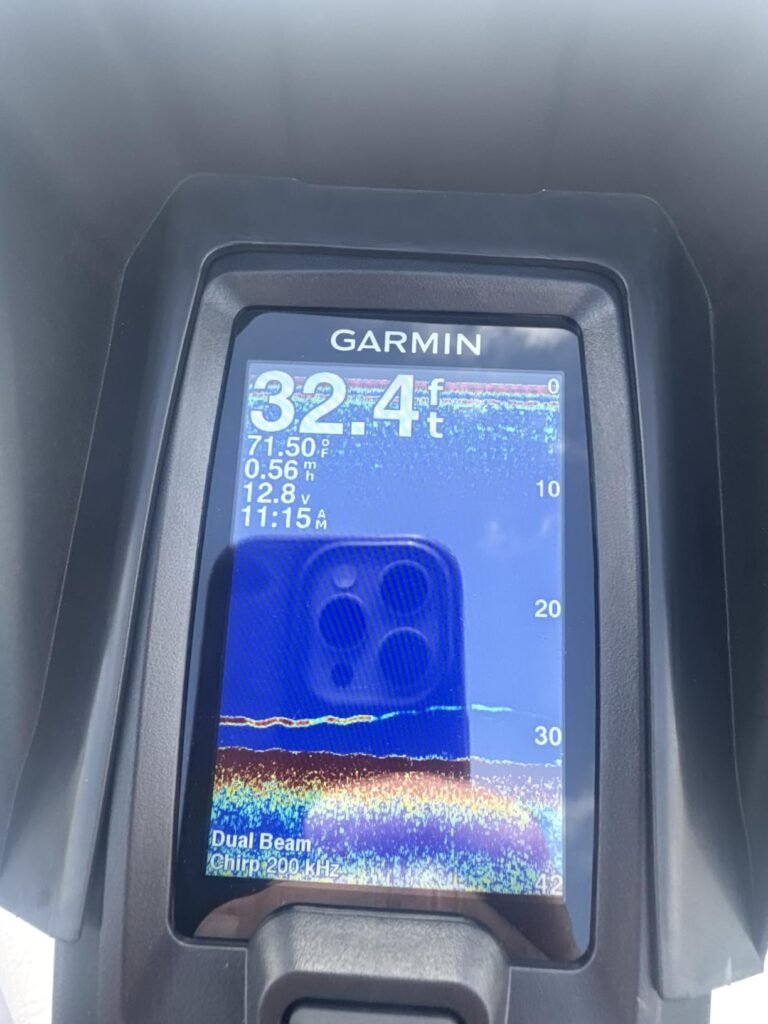
At the core of its performance is Garmin CHIRP traditional sonar. Unlike conventional single-frequency sounders that emit one burst at a time, CHIRP continuously sweeps a spectrum of frequencies from low to high. This continuous modulation returns detailed acoustic data, producing crisp fish arches, superior target separation, and distinct definitions between submerged brush piles, weed beds, and bottom sediment down to an astonishing 1,600 feet in freshwater.
Beyond raw sonar power, the Striker 4 integrates a high-sensitivity GPS receiver. While it does not include preloaded base cartography, it features a responsive waypoint map that lets you mark productive drop-offs, submerged stumps, boat ramps, and brush piles, guiding your return with pinpoint track accuracy. An integrated vertical flasher screen also gives ice anglers and vertical jiggers immediate real-time feedback on lure depth and approaching fish.
Sweeping across a broad band of high and low frequencies enables CHIRP technology to clearly distinguish individual game fish holding tightly within dense bait schools or timber.
Operating this standalone unit requires wiring it to an external 12-volt power source, meaning you will need a small sealed lead-acid or lithium battery pack for true portable use. For anglers willing to accommodate that compact power setup, the Striker 4 offers unrivaled sonar resolution and navigation reliability at an approachable price.
Shore-bound bank anglers who need a castable, line-tethered floating bobber that requires zero mounting hardware.
We may earn a commission when you buy through this link, at no additional cost to you.
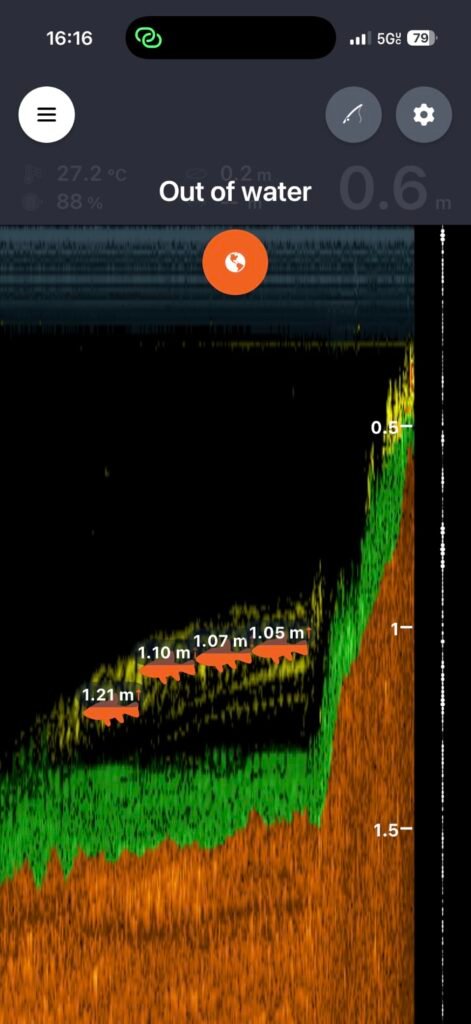
The Deeper PRO+ 2 Sonar represents the pinnacle of castable smart sonar engineering, aimed squarely at tech-focused anglers who want detailed bathymetric mapping and high target separation without mounting heavy boat hardware. Casting like a standard oversized lure from medium-heavy fishing rods, this spherical orb links directly to your smartphone or tablet via its self-generated Wi-Fi signal, requiring no cellular data plan.
We may earn a commission when you buy through this link, at no additional cost to you.
Performance sets a benchmark in the castable class thanks to its three-beam sonar architecture. Anglers can initiate broad searches using a wide 47-degree beam, narrow down to a 20-degree mid beam, and pinpoint holding fish or track tiny vertical jigs using a surgical 7-degree narrow cone. In narrow beam mode, target separation reaches an astonishing 0.4 inches, enabling you to distinguish a trophy bass hovering inches off a rocky bottom.
A game-changing advantage of the PRO+ 2 is its onboard GPS module. Unlike standard castables that rely on your phone’s location, this unit logs exact coordinates from the water surface, allowing you to generate custom bathymetric depth contour maps from shore, dock, kayak, or boat. All surveyed contours, fish sightings, and bottom hardness data automatically sync to the Fish Deeper platform for post-trip scouting.
Generate your own color-coded depth contour maps directly from the bank or kayak, unlocking detailed underwater topography of public waters that lack commercial marine charts.
Because it relies on your smartphone for display duties, you must manage your phone’s battery life and screen visibility in direct sunlight. However, for serious anglers demanding elite sonar resolution, customized depth mapping, and effortless multi-season versatility from ice to open water, the PRO+ 2 is unmatched.
Shoppers looking for a standalone handheld screen who prefer not to use their mobile phone or expose it to wet marine conditions.
We may earn a commission when you buy through this link, at no additional cost to you.
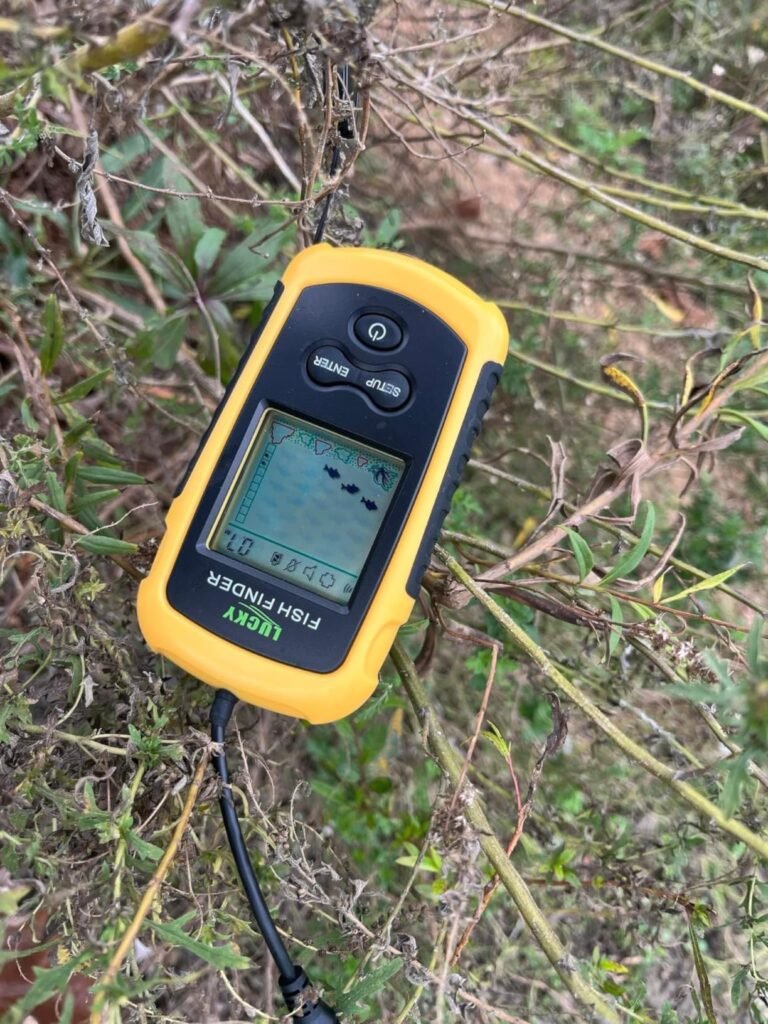
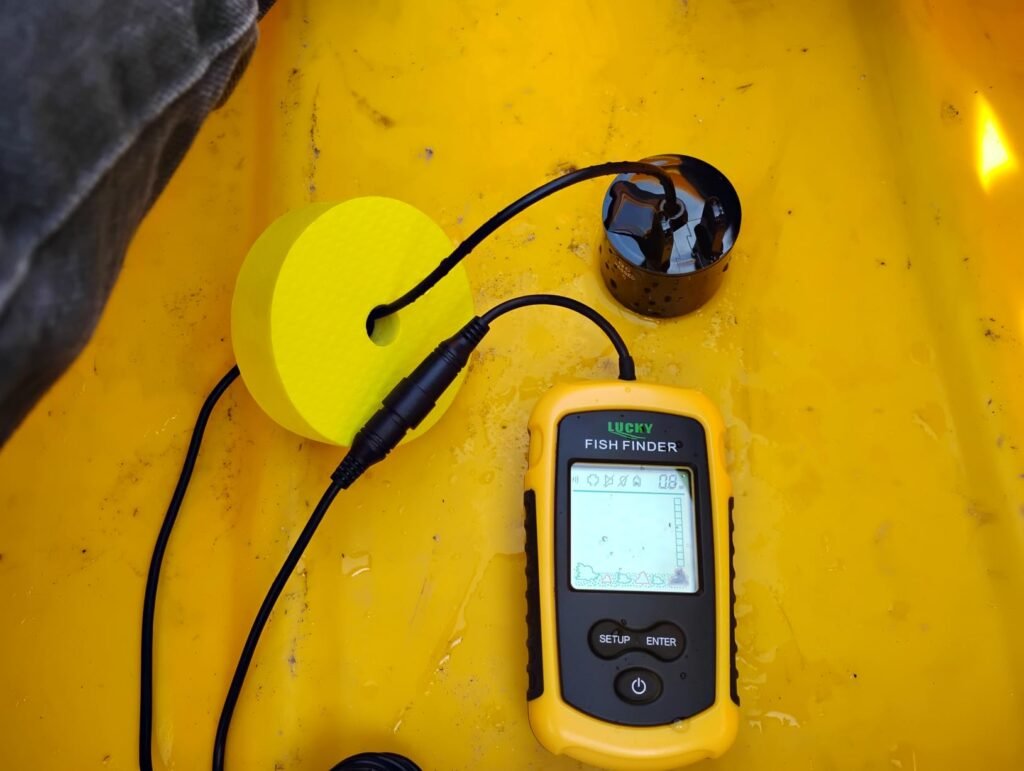
The Lucky FFC1108 Handheld Fish Finder is an accessible, practical choice for casual anglers, kayak paddlers, and ice fishermen who want essential underwater intelligence without complex menus or high costs. Built into a compact yellow casing designed for one-handed operation, this wired unit provides reliable depth and fish detection at an entry-level price.
We may earn a commission when you buy through this link, at no additional cost to you.
Unlike wireless castables that can suffer signal interference around metal docks or choppy swells, the FFC1108 utilizes a traditional wired sonar transducer attached to a 25-foot cable with an adjustable foam float. It reads bottom depths from 3 feet down to an impressive 328 feet, displaying water depth, short and tall weed beds, and sandy or rocky substrate. Five levels of sensitivity adjustment allow you to fine-tune sonar gain whether fishing stained river currents or crystal-clear alpine lakes.
Operating the unit is straightforward, featuring push-button backlight activation for night outings and an audible fish alarm that chimes when targets swim through the acoustic cone. The handheld form factor includes an eyelet and neck lanyard, allowing kayak paddlers to monitor depth hands-free while paddling through shallows. Power is supplied by four standard AAA batteries, which yield four to five hours of continuous operation or longer in battery-saver mode.
A hardwired 25-foot cable guarantees uninterrupted signal transmission directly to the display, eliminating wireless pairing dropouts when trolling or shooting through ice.
While its segmented LCD screen displays simplified icon graphics rather than detailed raw sonar returns or color arches, the FFC1108 delivers essential depth and bottom structure data. It serves as a dependable starter tool for budget-minded anglers exploring unfamiliar waters.
Anglers seeking advanced CHIRP separation, color screens, or wireless casting capabilities beyond their boat or bank position.
We may earn a commission when you buy through this link, at no additional cost to you.
The HawkEye FishPod 5X integrates smart algorithmic signal processing with smartphone convenience, offering a streamlined sonar solution for kayak owners, shore anglers, and winter ice jiggers. By utilizing intelligent signal filtering, this castable and mountable pod removes the confusion of tuning sensitivity settings, automatically isolating genuine fish targets from suspended weeds, bubbles, and floating debris.
We may earn a commission when you buy through this link, at no additional cost to you.
A defining advantage of the FishPod 5X is its four preset operating modes, engineered to auto-adjust screen parameters based on whether you are targeting schooling baitfish, tracking solitary predators near the bottom, or vertical jigging through ice. Its BottomScan technology deciphers bottom composition, helping you identify soft mud basins versus hard rock shelves where gamefish stage. Additionally, the vertical flasher mode amplifies the newest sonar echoes for real-time lure tracking.
Mounting versatility is elevated by HawkEye’s TraxNut mounting system, which integrates a standardized 1/4-20 threaded brass insert into the pod housing. This allows you to screw the sensor directly onto track-mount arms on fishing kayaks, boat suction brackets, or shoreline bank sticks rather than relying solely on floating tethers. Data syncs via low-energy Bluetooth to HawkEye’s intuitive mobile app on iOS and Android.
The integrated 1/4-20 brass thread allows secure attachment to camera mounts, kayak gear tracks, and boat arms, providing stable trolling sonar without jury-rigged brackets.
While Bluetooth communication naturally provides a more restricted operating radius than long-range Wi-Fi or radio frequency links, it excels in close-proximity scenarios like kayak hulls, float tubes, and ice boreholes. For anglers wanting smart automated tuning in a versatile package, the FishPod 5X is a compelling choice.
Extreme distance bank casters who require wireless transmission spans exceeding 100 feet across open water.
We may earn a commission when you buy through this link, at no additional cost to you.
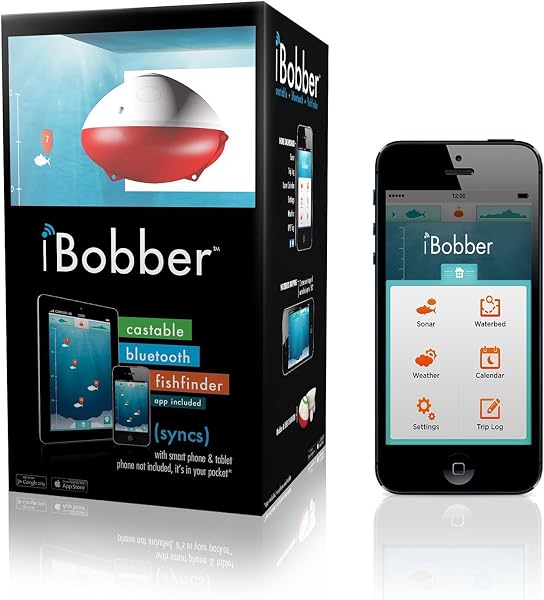
The Reelsonar iBobber is one of the most recognizable and travel-friendly castable fish finders on the market, built for dock anglers, bank walkers, and kayak fishermen who prioritize minimal gear bulk. Shaped and weighted like an oversized fishing bobber, it ties directly to your main fishing line, allowing you to cast it with standard medium-action spinning gear into quiet pockets where fish shelter.
We may earn a commission when you buy through this link, at no additional cost to you.
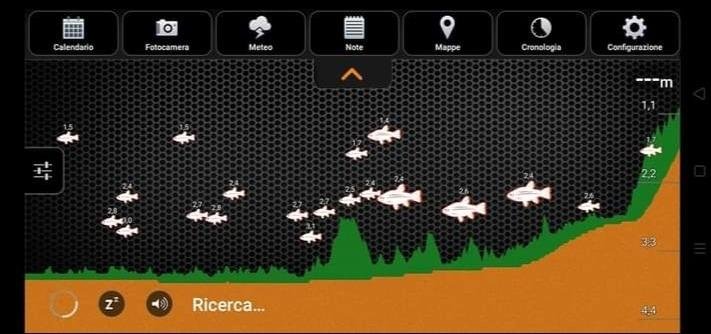
Once in the water, the iBobber automatically powers on and pings depths down to 135 feet. Sonar reflections transmit via Bluetooth to your connected smartphone or smartwatch, rendering visual bottom contours and color-coded fish icons categorized by size. A standout feature is the integrated strike alert, which detects vibrations when a predatory fish strikes your nearby tethered bait rig and sends an immediate alert to your wrist or phone.
Battery endurance is a strong suit of the iBobber, delivering more than 10 hours of active sonar pinging on a single USB charge. The accompanying mobile application includes bonus utility features such as GPS spot marking, trip logging, lunar calendar feeding predictions, and water temperature readouts, giving anglers a comprehensive digital tackle box companion.
The internal accelerometer senses when nearby predatory game fish disturb your line, vibrating your smartphone or smartwatch to ensure you never miss a light strike.
Because it utilizes Bluetooth Smart technology, heavy surface chop or long casts beyond 100 feet can occasionally interrupt the data stream. Nevertheless, for calm lake coves, urban ponds, slow-moving rivers, and dock fishing, the iBobber offers fun, functional, and ultra-portable fish detection.
Offshore saltwater trollers or rough-water surfcasters facing heavy swells that break Bluetooth line-of-sight connections.
We may earn a commission when you buy through this link, at no additional cost to you.
The Lucky MT-202 Wireless Sonar Fish Finder is tailored for anglers who want long-range casting capability paired with a dedicated outdoor display, eliminating the need to tie up their personal mobile phone on the water. Featuring an expansive 853-foot operational radius, this system lets bank anglers launch their sonar bobber deep into mid-river channels, reservoir points, and hard-to-reach bays.

We may earn a commission when you buy through this link, at no additional cost to you.
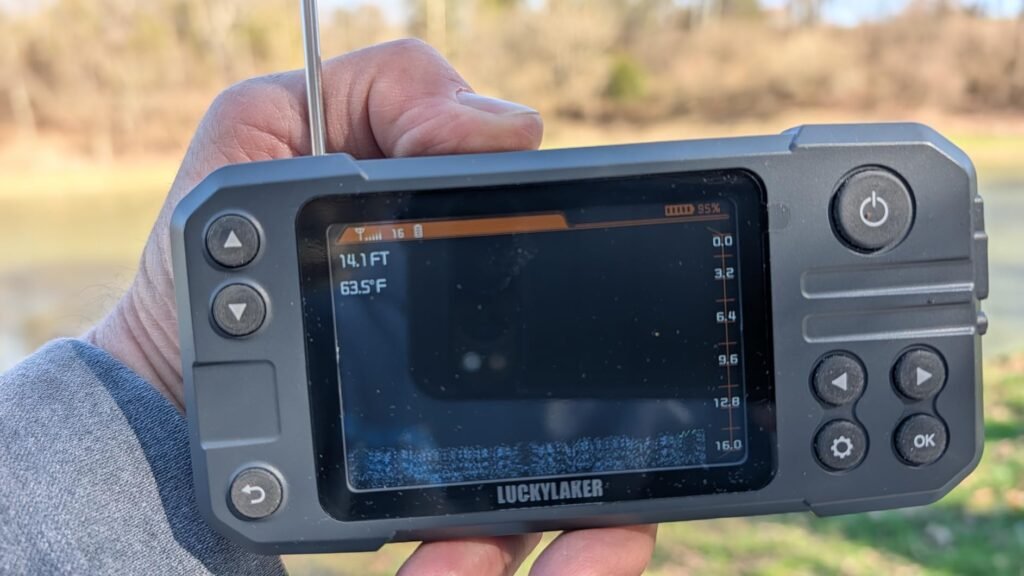
Operating with a wide 90-degree sonar beam, the MT-202 monitors depths ranging from 3 to 147 feet. The handheld receiver features a crisp 3.5-inch horizontal display that scrolls continuously from right to left. This horizontal scrolling window reveals what is directly below the probe while retaining a scrolling record of bottom transitions, drop-offs, and submerged cover you previously mapped.
Both the handheld monitor and the floating sensor house rechargeable batteries, ensuring quick preparation for impromptu fishing sessions without shopping for replacement dry cells. The display clearly presents fish icons alongside exact depth markers, surface water temperature, and bottom hardness lines, allowing you to position your bait precisely within the strike zone.
The smooth right-to-left screen scroll maintains a visible underwater timeline, making it easy to identify gradual depth shelves and weed lines as you drift.
While deep-water marine jiggers will find the 147-foot ceiling limiting, the MT-202 excels across standard freshwater venues. Its long-distance radio frequency link and dedicated color receiver make it an outstanding scout for shoreline, kayak, and small-craft anglers.
Anglers operating in deep offshore canyons or mountain lakes where water depths exceed 150 feet.
We may earn a commission when you buy through this link, at no additional cost to you.
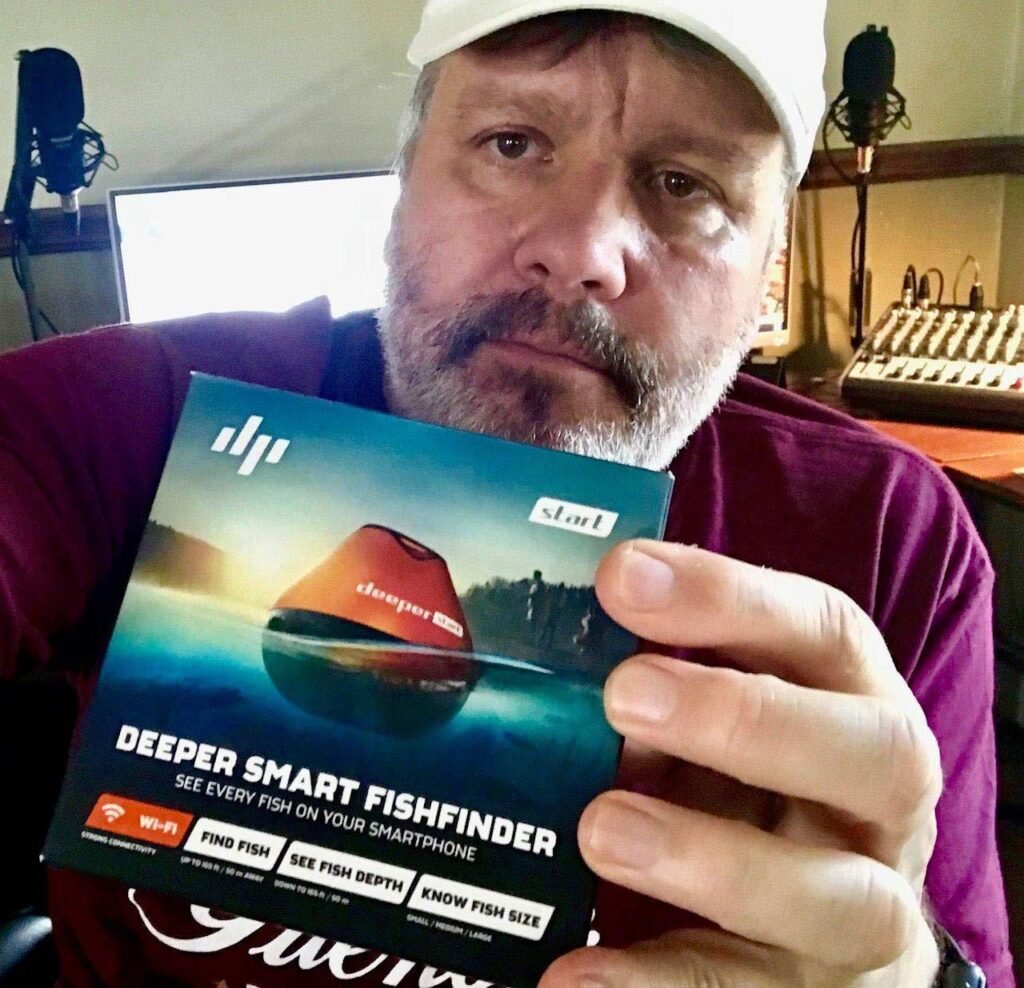
The Deeper Start is designed for family weekenders, bank casters, and dock anglers who want the connectivity of smart castable sonar without overwhelming technical complexity. Weighing roughly two ounces with an aerodynamic cone shape, it casts effortlessly using standard medium-power spinning rods, making it accessible to anglers of all experience levels.
We may earn a commission when you buy through this link, at no additional cost to you.
Connecting via its own dedicated Wi-Fi network over distances up to 165 feet, the Deeper Start transmits data directly to the Fish Deeper mobile app without consuming your cellular plan. Its 120 kHz sonar utilizes a balanced 40-degree scanning cone that reads down to 165 feet. The app interface intentionally strips away confusing raw clutter, presenting clear fish icons labeled with precise depths alongside distinct bottom profiles and vegetation zones.
Thoughtful features make evening sessions safer and more productive. An automatic night fishing mode engages an internal flashing beacon as darkness falls, keeping the floating sensor visible on the water’s surface. Reaching a full charge in just 2.5 hours, the internal battery provides up to six hours of continuous scanning, plenty for an afternoon on the bank.
A built-in light beacon activates in low-light conditions, allowing you to track your cast placement and retrieve line accurately during dusk and night sessions.
While serious tournament anglers may miss raw flasher displays and multiple beam frequencies, the Deeper Start delivers exactly what recreational casters need: quick setup, clear depth readouts, and dependable target confirmation at an attractive price.
Experienced sonar users who demand raw CHIRP acoustic returns, manual gain tuning, or sub-inch target separation.
We may earn a commission when you buy through this link, at no additional cost to you.
The Garmin Striker 4 with Portable Kit is the ultimate all-in-one package for anglers who want commercial-grade CHIRP performance across kayaks, rental skiffs, canoes, and ice fishing outings. Instead of forcing you to source aftermarket power cords, batteries, and carrying boxes, this factory kit packages the proven Striker 4 head unit into a rugged, soft-sided ballistic nylon carry bag equipped with a rigid internal base.
We may earn a commission when you buy through this link, at no additional cost to you.
Inside the zip-up carrying bag sits a rechargeable sealed lead-acid battery and smart AC wall charger, giving you a self-contained mobile sonar station. The package includes Garmin’s dual-beam CHIRP transducer alongside both a versatile kayak in-hull mounting solution and a heavy-duty suction cup mount for temporary attachment to boat transoms. On the ice, the transducer drops cleanly down an auger hole using the included foam float.
On the water, you gain the full power of Garmin’s high-frequency CHIRP sonar, delivering pinpoint target separation down to 1,600 feet in freshwater. The integrated high-sensitivity GPS lets you mark waypoints, track trolling speeds, and navigate back to productive structure in fog or darkness. The tactile, keyed push-button interface operates flawlessly even when wearing wet winter gloves.
With an integrated battery base, sealed 12-volt battery, charger, and dual mounting brackets included in one rugged travel case, this system is ready for immediate field deployment.
While the total kit weighs noticeably more than a pocket castable bobber, its all-season reliability, included power source, and superior acoustic clarity make it our top recommendation for serious multi-craft and ice anglers.
Ultralight backpackers or shore anglers who want a pocket-sized castable device that ties directly onto a fishing line.
We may earn a commission when you buy through this link, at no additional cost to you.
Investing in a portable fish finder requires matching sonar capabilities, wireless communication, power configurations, and mounting systems with how you fish. This guide breaks down the essential technical criteria to help you make an informed decision.
Understanding the underlying sonar engine is the first step in selecting a portable depth sounder. Traditional sonar models transmit bursts at single fixed frequencies, such as 200 kHz or 120 kHz. While effective for determining overall depth and identifying major bottom transitions, single-frequency pulses struggle to differentiate individual game fish holding tightly against sunken logs or schooling inside dense balls of baitfish.
CHIRP (Compressed High-Intensity Radiated Pulse) technology represents a major leap forward in acoustic resolution. Rather than firing one fixed frequency, CHIRP continuously modulates a sweeping band of frequencies across the water column. This continuous sweep collects substantially more acoustic data, delivering crisp target separation, thinner fish arches, and dramatically reduced surface clutter. In practical terms, CHIRP lets you see your jig dropping through the water and distinguish two fish swimming inches apart.
If you primarily fish shallow farm ponds or need basic depth confirmation for kayak navigation, standard single- or dual-beam sonar is fully adequate. However, if you vertical jig, fish around heavy submerged timber, or seek deep-water lake trout, investing in CHIRP sonar is well worth the added cost.
Portable fish finders split into two distinct categories: standalone dedicated displays and smart castables that stream data to a mobile phone or tablet. Dedicated units (such as the Garmin Striker series or Lucky handhelds) feature ruggedized, waterproof housings with integrated outdoor displays and physical buttons. These monitors withstand heavy rain, splashes, and freezing temperatures without risking your personal communications device.
Conversely, castable smart probes (like the Deeper PRO+ 2 and Reelsonar iBobber) leverage the high-resolution processing power and display screens of your smartphone. This architecture keeps pack weight minimal and unlocks advanced features like touch zooming, cloud syncing, and satellite map overlays. The trade-off is battery drain on your phone and potential screen glare under intense direct sun, often requiring waterproof cases and supplemental power banks.
Choose a standalone monitor if you fish in harsh weather, prefer tactile physical buttons while wearing gloves, or want to protect your smartphone from wet marine conditions. Choose a castable smart probe if you prioritize travel portability, bank casting distance, and detailed app-based mapping.
A sonar transducer emits sound waves downward in a cone-shaped beam, measured in degrees. The width of this cone angle dictates how much bottom area you survey relative to your depth. A wide cone angle (such as 90 to 105 degrees) covers a vast swath of water, making it ideal for scanning shallow coves, finding general fish activity, and scouting unfamiliar shorelines.
The drawback of an ultra-wide beam is reduced precision regarding exact target location and reduced depth penetration. A narrow cone angle (between 7 and 20 degrees) concentrates acoustic energy into a tight spotlight. This narrow beam excels in deep water, punches through thick weed canopies, and accurately reveals the exact contour of steep underwater drop-offs without distorting bottom readings.
For maximum versatility, look for multi-beam or dual-frequency sonars that allow you to toggle between broad search cones for locating structure and narrow beams for pinpointing fish holding near the bottom.
Castable and wireless fish finders rely on three primary communication protocols to send data from the floating transducer back to your receiver. Proprietary radio frequency (RF) connections, commonly found in Lucky and Venterior handheld systems, use low-frequency radio waves to transmit directly to dedicated handheld monitors. RF signals provide exceptional range—frequently exceeding 800 feet—without requiring mobile pairings or software updates.
Wi-Fi connectivity, utilized by advanced smart sonars like the Deeper series, establishes a localized hotspot between the floating probe and your smartphone. Wi-Fi delivers high data transfer rates, enabling high-frame-rate scrolling, raw sonar returns, and instant bathymetric rendering up to 330 feet away without consuming cellular data. Bluetooth, used in units like the HawkEye FishPod and iBobber, is energy efficient and pairs easily with phones and smartwatches, but offers shorter effective range (typically 100 to 135 feet) and can be sensitive to surface wave interference.
If extreme casting distance from bank or pier is your primary goal, prioritize long-range RF or robust Wi-Fi connections. For close-quarters kayak mounting or ice borehole tracking, low-energy Bluetooth provides a simple, compact link.
Integrating GPS capability elevates a fish finder from a simple depth gauge into a powerful spatial scouting system. Basic GPS integration allows you to save productive waypoints—such as submerged rock piles, brush attractors, weed edges, and boat launches—so you can navigate back to exact honey holes time and again, even in poor visibility or darkness.
Advanced portable systems take this further by offering live bathymetric mapping. By pairing continuous sonar depth readings with precise GPS coordinates, these units generate custom color-coded contour maps in real time. This capability is invaluable on small public lakes, private farm ponds, and remote rivers that have never been mapped by government agencies or commercial marine chart providers.
If you regularly fish the same familiar shoreline, basic depth telemetry is sufficient. However, if you explore new lakes, target nomadic pelagic fish, or kayak large reservoirs, built-in GPS and bathymetric mapping will save you hours of unproductive blind casting.
Battery architecture dictates how long you can remain on the water and how much preparation your gear requires. Many entry-level and traditional handheld finders operate on standard AAA or AA disposable batteries. While this guarantees you can swap in fresh cells on the bank if power runs dry, frequent battery purchases can become expensive over time.
Modern castable probes and high-end handheld receivers feature sealed internal lithium-ion rechargeable batteries that recharge via standard USB cables or magnetic contact docks. These systems typically deliver between 5 and 10 hours of active sonar pinging per charge. Standalone 12-volt systems, like the Garmin Striker 4 Portable Kit, utilize larger sealed lead-acid or lithium iron phosphate batteries, providing multiple days of intensive use between wall charges.
Match your power choice to your trip style. For day trips and weekend bank sessions, USB-rechargeable units are convenient. For multi-day wilderness expeditions or ice fishing trips, consider units compatible with portable power banks or easily replaceable cells.
A truly versatile portable fish finder adapts cleanly across different watercraft and seasons. Kayak anglers need flexible mounting options, such as track-mounted transducer arms, through-hull suction cups, or in-hull silicone transducer puck mounts that shoot sonar pulses directly through plastic hulls without drag or snag risks.
Small-boat and canoe users benefit from transom brackets or heavy-duty suction mounts that quickly clamp to rental skiffs or inflatables without permanent hardware. Ice anglers require specialized flasher displays and vertical cord floats that suspend the transducer squarely in an auger hole, pointing straight down into the strike zone.
Before purchasing, verify what mounting hardware is included in the package. Choosing a model that comes with modular brackets, suction cups, and floats eliminates the frustration and hidden cost of sourcing third-party adapters later.
Proper transducer positioning is essential for accurate sonar readings. When casting a floating probe, retrieve your line at a slow, steady cadence to ensure the sensor rides level on the water surface; cranking too quickly causes the transducer to plane and tilt, distorting depth readings. When mounting a wired transducer to a kayak or boat transom, ensure the face of the puck sits perfectly parallel to the water line and stays clear of turbulent air bubbles generated by paddle strokes or electric trolling motors.
Post-trip maintenance is vital, especially after fishing in brackish or saltwater environments. Rinse the transducer, cables, and display casing with fresh, cool tap water to prevent salt crystals from corroding electrical pins and charging ports. Wipe the display screen with a soft microfiber cloth rather than abrasive shirts or paper towels, which can scratch anti-glare screen coatings. Allow wireless castable probes to dry completely before storing them in airtight tackle boxes to prevent water-activated contact pins from draining the battery.
To preserve internal lithium battery longevity over off-season storage, avoid leaving units completely discharged for months at a time. Charge your fish finder and sensor probes to roughly fifty to eighty percent capacity every two to three months, and store them in a climate-controlled room away from extreme garage heat or sub-freezing winter basements. Periodically inspect rubber o-rings and charging port seals, applying a thin film of silicone grease if specified by the manufacturer.
Yes, castable portable fish finders are specifically designed for bank, pier, and dock angling. By securing the floating sonar probe to your fishing line, you can cast it out into promising areas and retrieve it slowly to map bottom structure, locate drop-offs, and spot holding fish without needing a boat.
No, castable fish finders generate their own local Wi-Fi or Bluetooth connection directly to your smartphone, meaning you do not need mobile cell towers, data plans, or internet service. You can use them in remote backcountry lakes and wilderness canyons without losing sonar telemetry.
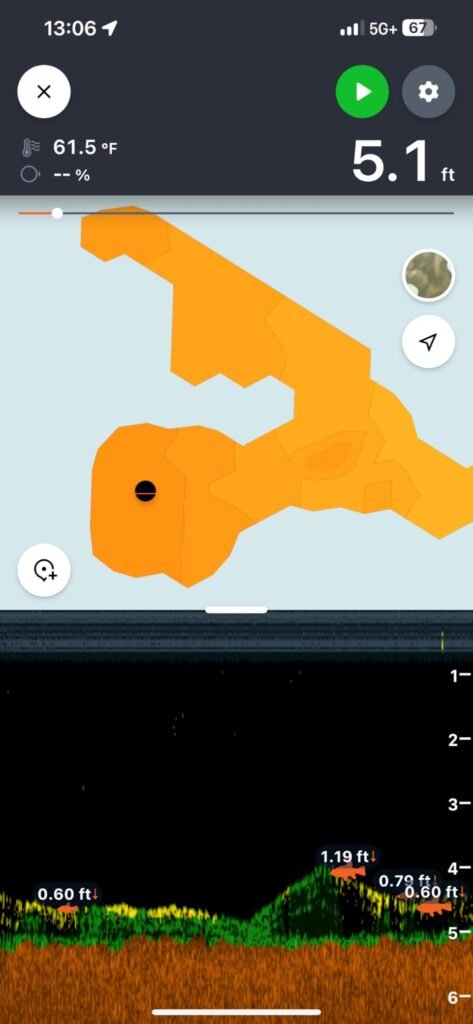
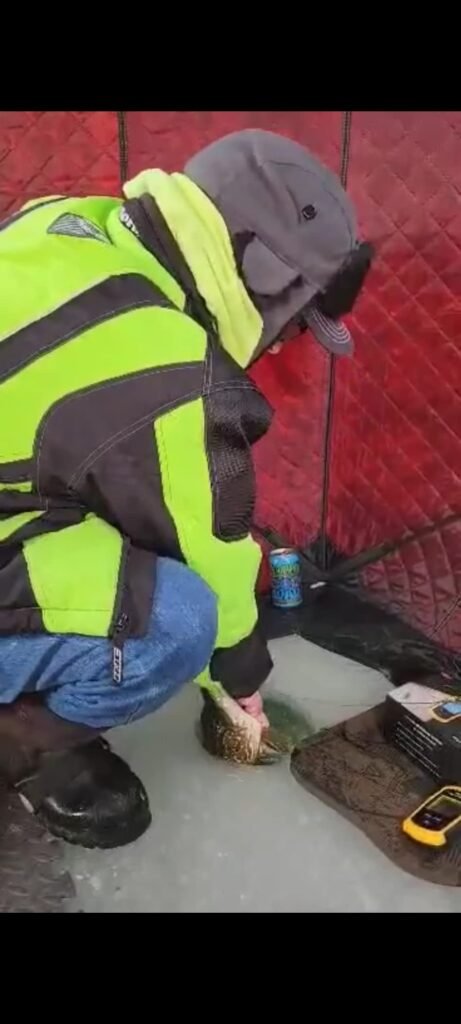
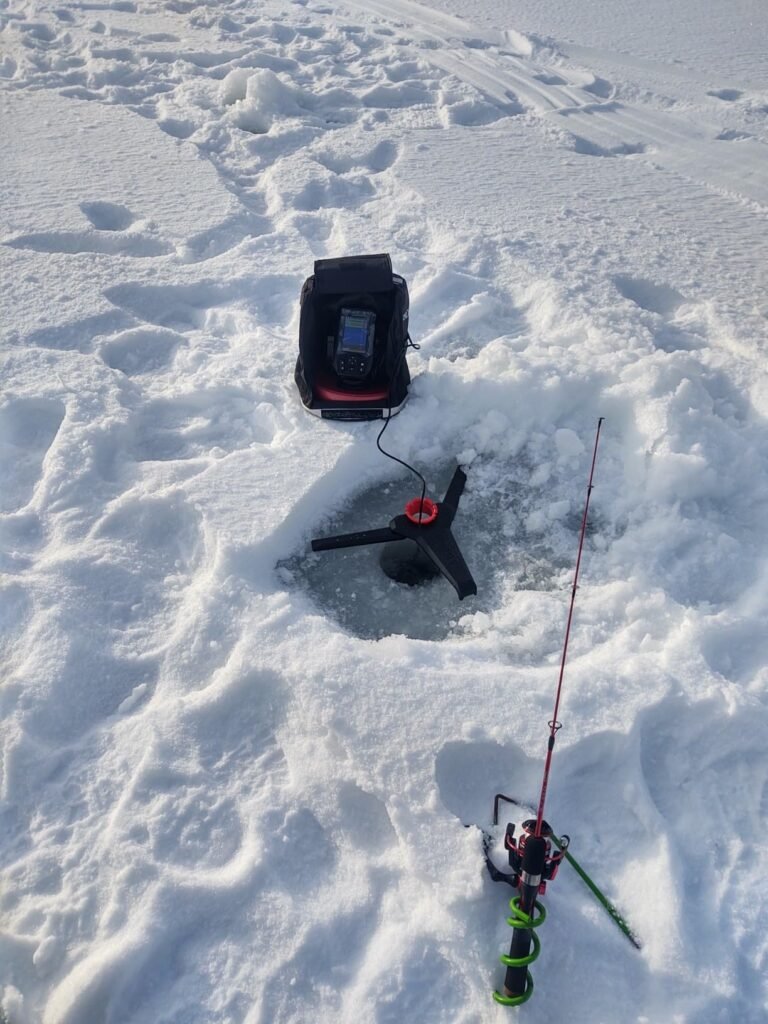
Portable fish finders are exceptionally effective for ice fishing. Many units include dedicated vertical flasher modes that let you monitor your jig and approaching fish in real time. You can clear surface snow, pour a small cup of water on smooth ice, and place the transducer directly on the ice sheet to check depth before augering a hole.
Traditional sonar transmits single-frequency pulses, which can blend multiple objects together into one indistinct blob. CHIRP sonar continuously sweeps through a wide spectrum of frequencies, gathering substantially more acoustic data to provide sharper fish arches, superior bottom definition, and target separation down to less than an inch.
Yes, wired transducers can shoot through solid polyethylene kayak hulls if mounted flush against the plastic without air bubbles. Applying ductile marine sealant or using dedicated water-scupper and in-hull foam mounts allows you to obtain clean sonar returns without hanging a bracket over the side of your kayak.
Most compact castable sensors run between 5 and 10 hours of continuous pinging on a single USB charge. Standalone 12-volt systems equipped with sealed lead-acid or lithium battery packs can operate for several consecutive days before needing a recharge.
Castable probes can be trolled behind kayaks, canoes, or small boats at slow speeds, typically under 2 to 3 miles per hour. Trolling faster than that creates turbulent water flow and causes the sensor to plane or bounce, which introduces acoustic surface clutter and risks breaking your tether line.
False surface readings are usually caused by surface clutter, such as floating vegetation, micro-bubbles from breaking waves, or high sensitivity gain settings. Lowering your sensitivity level slightly or engaging automatic surface clutter filters will eliminate these phantom echoes without obscuring deeper fish targets.
Because castable sonar probes weigh between 2 and 4 ounces, you should use a dedicated medium-heavy or heavy rod spooled with at least 15 to 20-pound test braided line or monofilament. Using light line risks snapping off your valuable electronics during aggressive casts or unexpected snagging on shoreline brush.
Selecting the right portable fish finder comes down to matching your primary fishing environments with the proper balance of acoustic clarity, display style, and mounting flexibility. For anglers who want an all-season, commercial-grade package ready for kayaks, rental boats, and ice holes, the Garmin Striker 4 Portable Kit remains our top Editor's Choice thanks to its true CHIRP separation, GPS navigation, and rugged carry case with integrated battery power.
If your priority is high-tech shore scouting, detailed bathymetric contour charting, and lightweight travel, the Deeper PRO+ 2 stands out as the premier castable smart sonar. For casual weekend anglers, beginners, and bank walkers seeking reliable depth mapping on an accessible budget, the Venterior Rechargeable Fish Finder offers outstanding value with its long wireless range and dual-mode color display.
Before making your final choice, consider how you prefer to view your data on the water. Whether you choose the rugged durability of a standalone keyed display or the lightweight convenience of a castable smartphone bobber, adding portable sonar to your tackle system eliminates the guesswork and helps you put more fish in the boat.