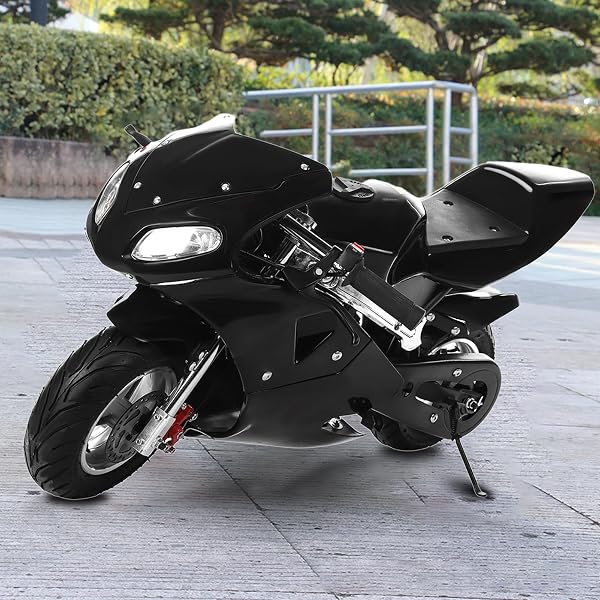
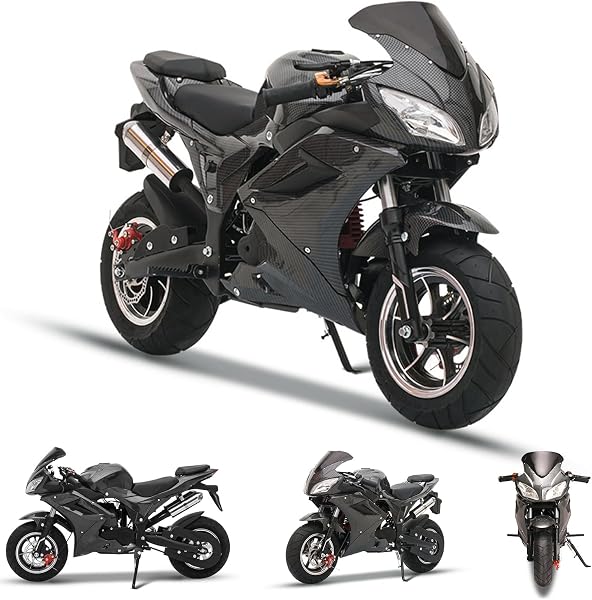
HEVIRGO 50cc Rocket
9.2Editor score49cc 2-stroke engine
Dual disc brakes
11-inch off-road tires
220 lb capacity
Find the right pocket bikes for 2026. We compare 10 standout models by comfort, intensity levels, safety features, ease of use, recovery value, and home.
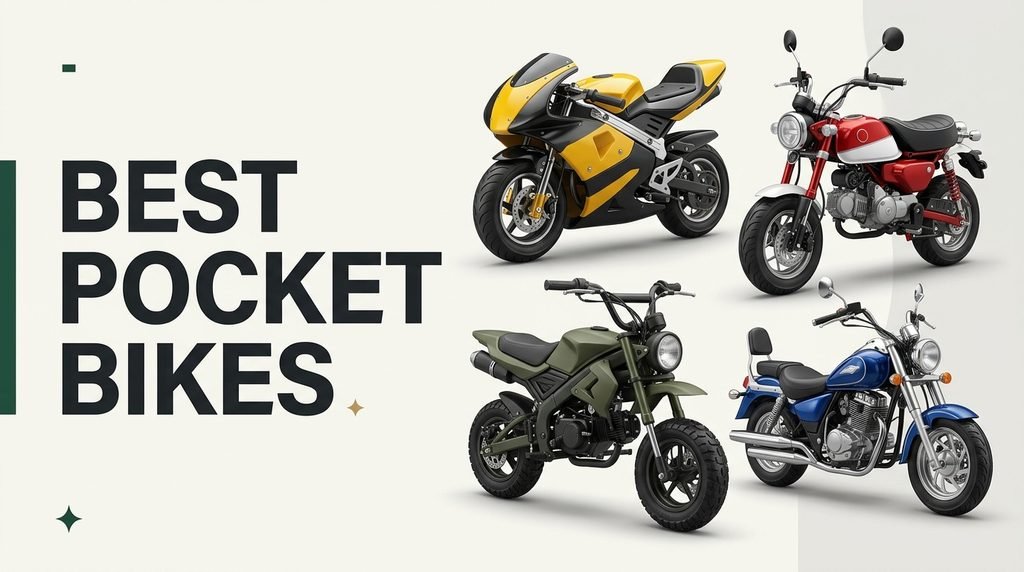
Find the right pocket bikes for 2026 without guesswork. We compare 10 standout models by the factors that matter in this category, including engine type and displacement, braking setup, frame strength and suspension, tire size and grip, top speed, weight capacity, fuel system, owner feedback, and overall value for everyday riding trade-offs.
Pocket bikes differ widely in character and capability. Compact 40cc and 50cc 2-stroke models emphasize light weight and responsive power for driveway practice, while 50cc and 99cc 4-stroke options run quieter and smoother with easier fueling. Electric models remove mixing and noise entirely, but require separate batteries and cost more.
Capacity, brakes, tires and riding surface determine whether a bike feels stable and safe. Light riders on flat pavement manage with smaller wheels and simple suspension, while heavier teens or adults benefit from welded steel frames, hydraulic shocks and larger road-pattern tires. The reviews below highlight practical differences so you can match a bike to rider age, size and surface.
We compared 10 pocket bikes using details that help buyers decide in real use: engine type and displacement, braking hardware, frame and suspension quality, tire size and tread, top speed and range, weight limits, fuel mixing requirements, ease of starting and assembly, and owner feedback. Notes focus on trade-offs so each pick connects to how kids, teens and adults actually learn, practice and ride in driveways, lots and private tracks.

Compare key features, scores, and current prices side by side. A shorter feature list means fewer details were available, not necessarily fewer capabilities.


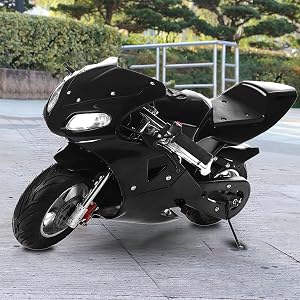


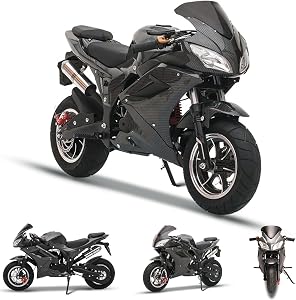
The 50CC Heavy Duty Mini earning a 5.0 rating stands out for families who need one bike that truly handles adults as well as older kids. With a 440-pound capacity supported by a rigid welded steel pipe frame and durable plastic shell, it more than doubles the limit of many pocket bikes, which makes demonstration rides and shared practice practical. The sleek road-racing look with windshield and dual headlights keeps it visually engaging for learners.
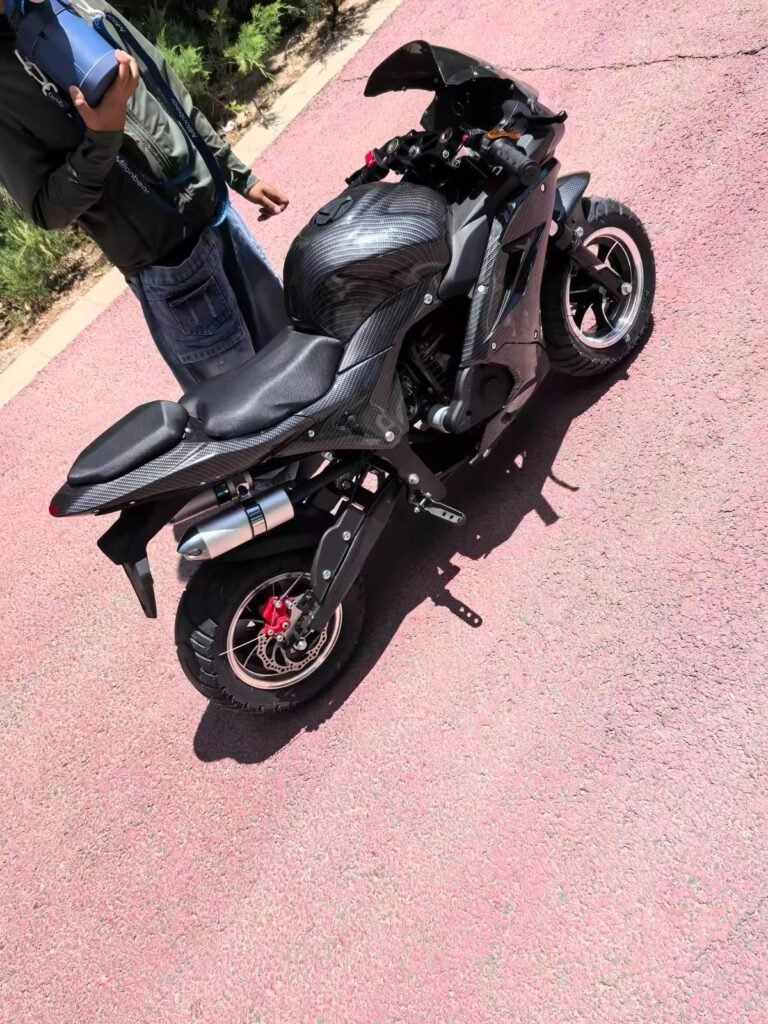
We may earn a commission when you buy through this link, at no additional cost to you.
Power comes from a 49cc 4-stroke that runs smoother and quieter than 2-stroke alternatives, with reduced vibration for steadier learning. Top speed near 25 MPH feels brisk but controlled on private lots, and dependable front and rear mechanical disc brakes plus professional hydraulic shock absorption handle rugged paths and driveway transitions. The variable twist-grip throttle allows fine speed control for beginners and teens alike.
Fueling is as simple as filling the 1.8-liter tank with regular unleaded 92 gasoline for up to 60 minutes of nonstop riding, with no oil mixing required. An easy pull start and included toolkit simplify first setup. The 6.5-inch tires keep the bike low and stable for smaller riders, though they trade some rollover ability on rough ground versus larger 11-inch off-road tires. Overall dimensions remain compact enough for garage storage.
A 440-pound limit removes the worry that an adult demonstration or a larger teen will overstress the frame or suspension. That headroom also means less sag, better brake performance and more consistent handling when carrying gear. For families sharing one bike, that margin translates to longer useful life and fewer compromises on who can ride when practice time is limited.
The small tire diameter and heavier pipe frame trade a bit of agility for unmatched capacity and durability. If your priority is the strongest, smoothest shared-use bike with the highest weight limit, this model is the clear leader. If you want maximum off-road cushion and larger tires for rough lots, the 11-inch off-road HEVIRGO or the SUNF-equipped 99cc bike offer more ground compliance.
Riders who prioritize light weight and large-diameter off-road tires over maximum load capacity.
We may earn a commission when you buy through this link, at no additional cost to you.
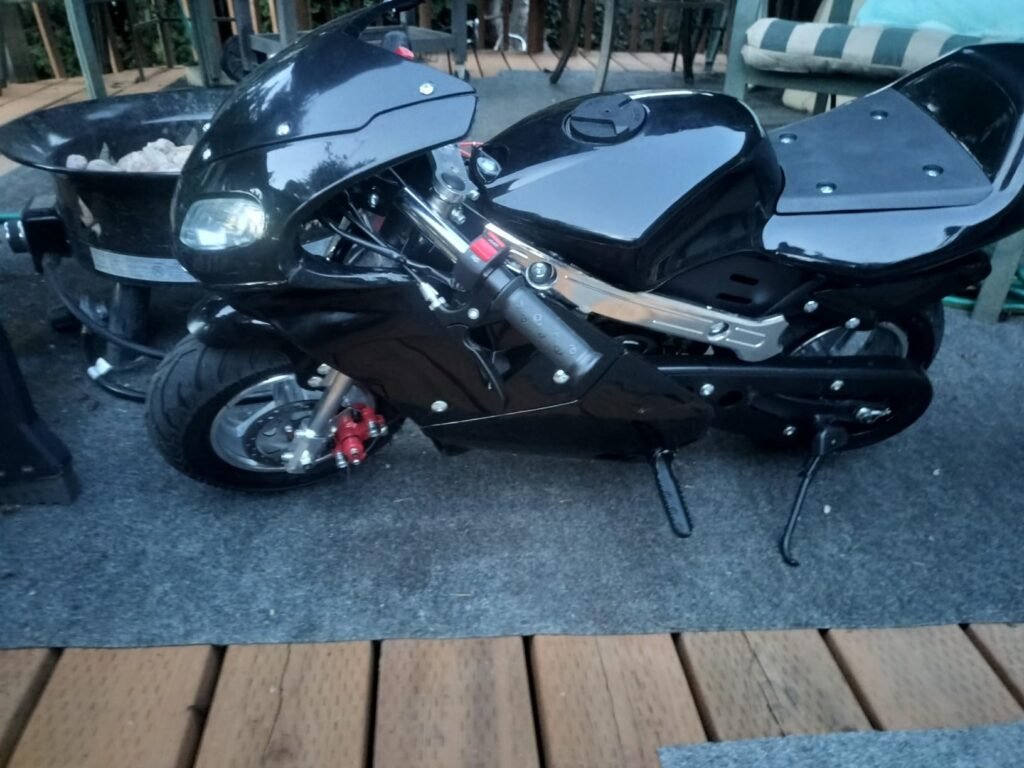
The HEVIRGO 50cc Pocket Rocket is built for youth riders aged 5 to 15 who want genuine mini-motorcycle excitement without moving to a full-size bike. Supporting up to 220 pounds, it accommodates lighter teens and smaller adults for shared practice sessions in driveways, parking lots and flat private tracks. The racing-inspired frame, windshield and single padded seat create an authentic look that motivates kids to spend time outdoors practicing balance and throttle control.
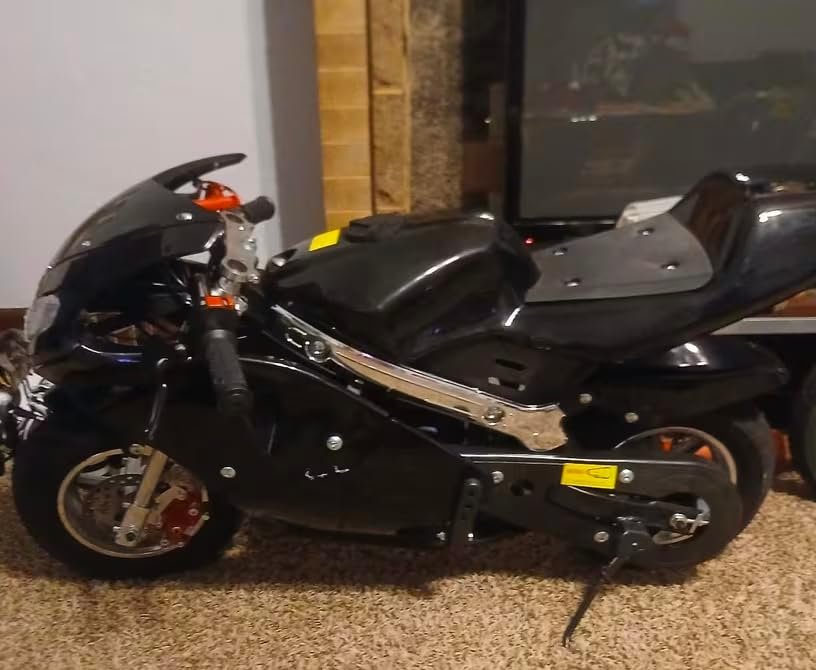
We may earn a commission when you buy through this link, at no additional cost to you.
Performance centers on a high-output 49cc 2-stroke engine that delivers noticeably stronger acceleration than typical 4-stroke 50cc units, which helps when climbing small inclines or accelerating from a rolling start. The rigid steel frame keeps the chassis stable at speed, while 11-inch anti-skid inflatable tires smooth uneven surfaces and resist wear on asphalt, grass and packed dirt. Front and rear disc brakes provide confident stopping power for learners still developing brake feel.
Usability is straightforward for families. A one-click start switch simplifies ignition, the twist throttle offers progressive speed control, and high-brightness dual headlights improve visibility in late afternoon sessions. Anti-slip rubber handlebars improve grip for smaller hands, and the compact layout stores easily in a garage. The bike runs on a gas and 2-stroke oil mix, so keeping a pre-mixed fuel container and measuring correctly ensures consistent performance and easier maintenance over time.
Use the correct gas to 2-stroke oil ratio and shake the container before fueling to avoid lean or rich running. Check 11-inch tire pressure before each ride, since low pressure hurts handling and overloads the small engine. Store mixed fuel no more than a few weeks and drain the carb if the bike sits, which prevents gumming and hard starts at the next session.
The trade-off is inherent to 2-strokes: you must mix fuel accurately, expect more noise and exhaust than a 4-stroke, and follow warm-up habits for best life. If your priority is maximum excitement and hill pull in a light package, this bike delivers. If you prefer quieter, no-mix operation for neighborhood use, a 4-stroke option will feel more neighbor-friendly and simpler to fuel.
Families seeking the quietest, lowest-maintenance bike with no fuel mixing for close-neighborhood riding.
We may earn a commission when you buy through this link, at no additional cost to you.
This 50cc Mini Motorcycle in the larger mini size targets families who need one bike to serve both youth and adults. Measuring 47.2 by 27.6 by 21.7 inches and supporting up to 200 kilograms, it handles heavier teens and adults where many pocket bikes limit out at 165 to 170 pounds. That capacity makes it more versatile for teaching, with an adult able to demonstrate riding position before handing off to a younger rider on the same machine.
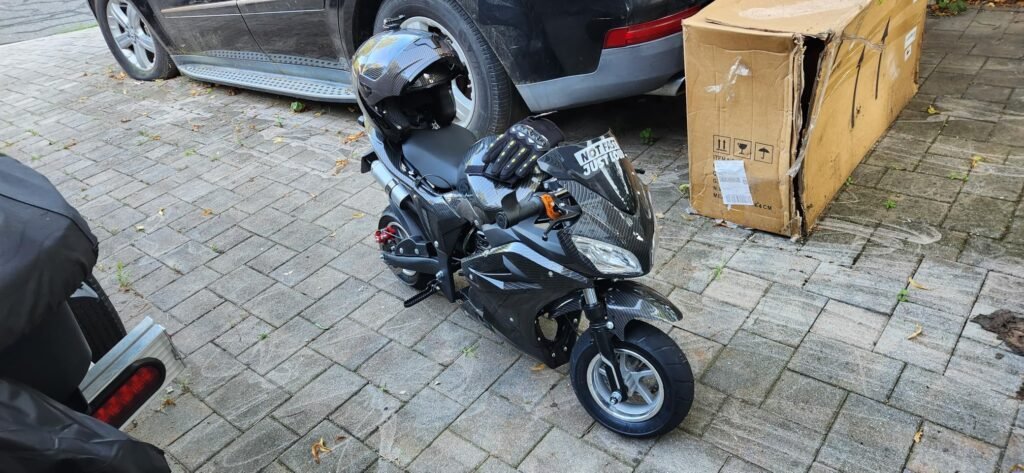
We may earn a commission when you buy through this link, at no additional cost to you.
The 49cc 4-stroke engine emphasizes smooth, lower-vibration running with reduced noise compared with 2-stroke alternatives, which is kinder for neighborhood sessions and longer practice loops. Top speed near 25 MPH feels lively without being overwhelming, and dual front and rear disc brakes give strong, balanced stopping power at any pace. Hydraulic shock absorption plus a sturdy metal frame with durable plastic shell helps control bumps on mixed surfaces.
Comfort and control features suit varied rider sizes. Adjustable handlebars and a twist-grip throttle with variable control let parents tune reach and response for different skill levels. High-intensity dual headlights light the path in dim conditions, while anti-slip handlebars improve grip security. The build prioritizes stability over featherweight agility, which helps heavier riders feel planted during low-speed learning.
Set handlebar angle so wrists stay neutral and elbows have slight bend for both the adult and the youth rider, then note each position for quick changes. Keep the twist throttle action light and teach progressive roll-on rather than snapping open. A short practice loop with cones helps both riders learn braking distances before moving to larger areas.
The lower 3.3 rating suggests quality and assembly consistency can vary, so unboxing inspection and careful setup matter more here than with higher-rated options. If you need the highest weight capacity and smoother 4-stroke character, this model fills that niche well. If you want the most refined finish and proven reliability, the higher-rated 4-stroke 440-pound model may provide more confidence.
Buyers who prioritize the highest owner satisfaction and most compact storage footprint.
We may earn a commission when you buy through this link, at no additional cost to you.
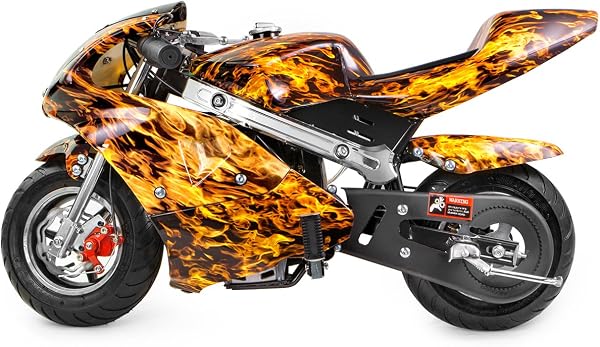
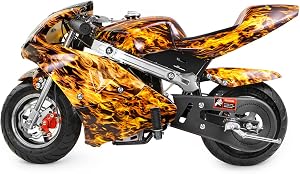
The XtremepowerUS 40cc Yellow Flame pocket bike is designed for driveway and parking lot entertainment for kids and teens 13 and older who need a manageable first gas bike. The smaller 40cc 4-stroke focuses on easy control rather than top speed, which helps new riders build throttle, brake and steering coordination without the stronger surge of 50cc 2-stroke models. The bright flame graphics add visual appeal that still feels sporty at lower speeds.
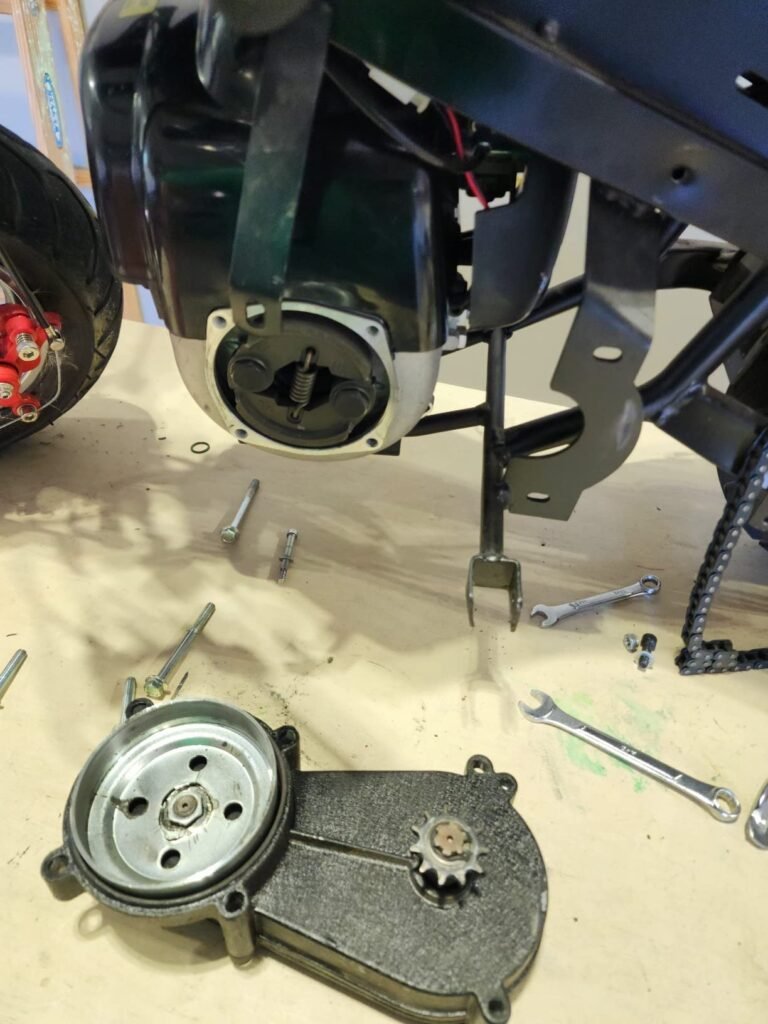
We may earn a commission when you buy through this link, at no additional cost to you.
The EPA-registered 4-stroke engine is notably fuel efficient and environmentally friendlier than 2-stroke alternatives, with longer engine life when maintained with regular oil changes. Power delivery is linear and forgiving, and the variable twist-grip throttle lets riders meter speed precisely around cones and tight turns. The tube steel frame adds stability for a lightweight bike, which reduces flex when practicing starts and stops repeatedly.
Comfort touches keep learning sessions longer. A padded single seat cushions bumps, and handlebars with adjustable angle allow parents to set a comfortable reach for growing riders. Height is not adjustable, so inseam fit should be checked before purchase. The overall light weight makes it easier to push back to the garage and to load for transport to a larger practice area when driveway space is limited.
EPA registration indicates the engine meets emissions requirements when used as directed, which can matter for local riding rules and for families sensitive to exhaust. The 4-stroke design avoids mixing gas and oil, simplifying fueling at the pump. Keep the air filter clean and change oil on schedule to maintain that clean, efficient running over many seasons.
The 40cc displacement and 165-pound capacity mean heavier teens or adults will find it underpowered and may outgrow it quickly. If you want a stepping stone that emphasizes fuel economy, quieter running and gentle learning characteristics, this bike is an approachable entry. If you need more pull for hills or shared adult use, a 50cc or 99cc option offers more headroom.
Heavier riders or those seeking the strongest acceleration and higher weight limits.
We may earn a commission when you buy through this link, at no additional cost to you.
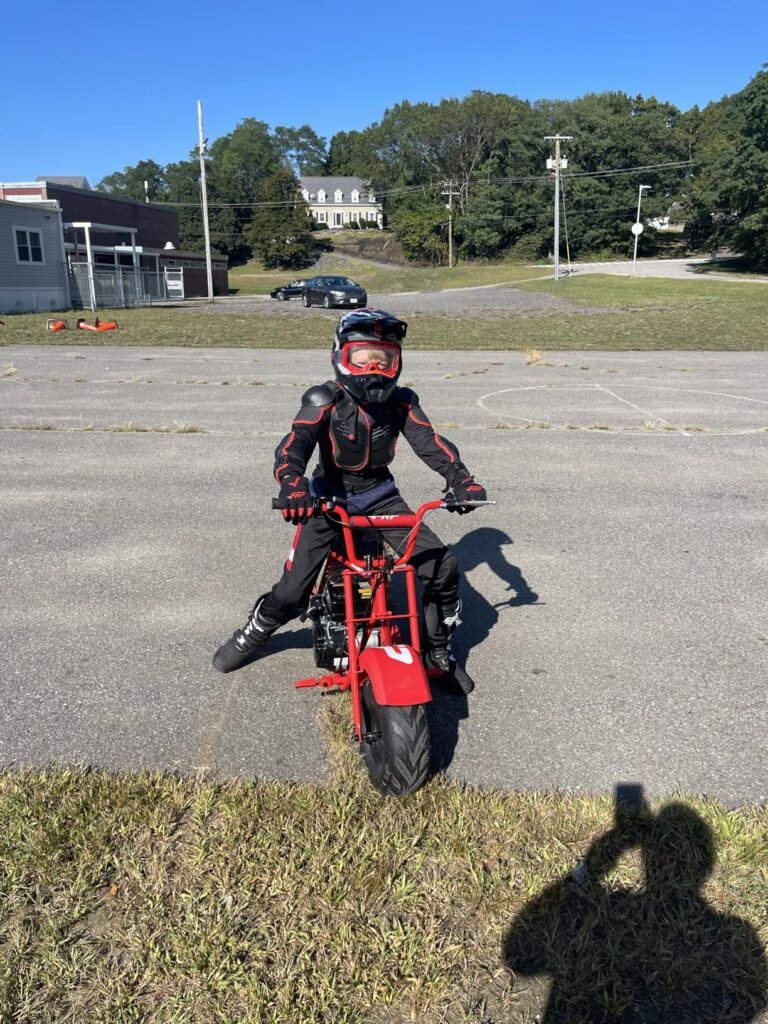
The FRP 50cc Kids Racer focuses on approachable performance for riders over 8 years old who are ready to step beyond push bikes. With a claimed 20 MPH top speed and up to 27 miles per full tank, it supports longer practice sessions without frequent refueling stops, which matters when the best nearby lot requires a short drive. The streamlined steel frame gives it a modern racing stance that appeals to younger riders while adding structural durability.
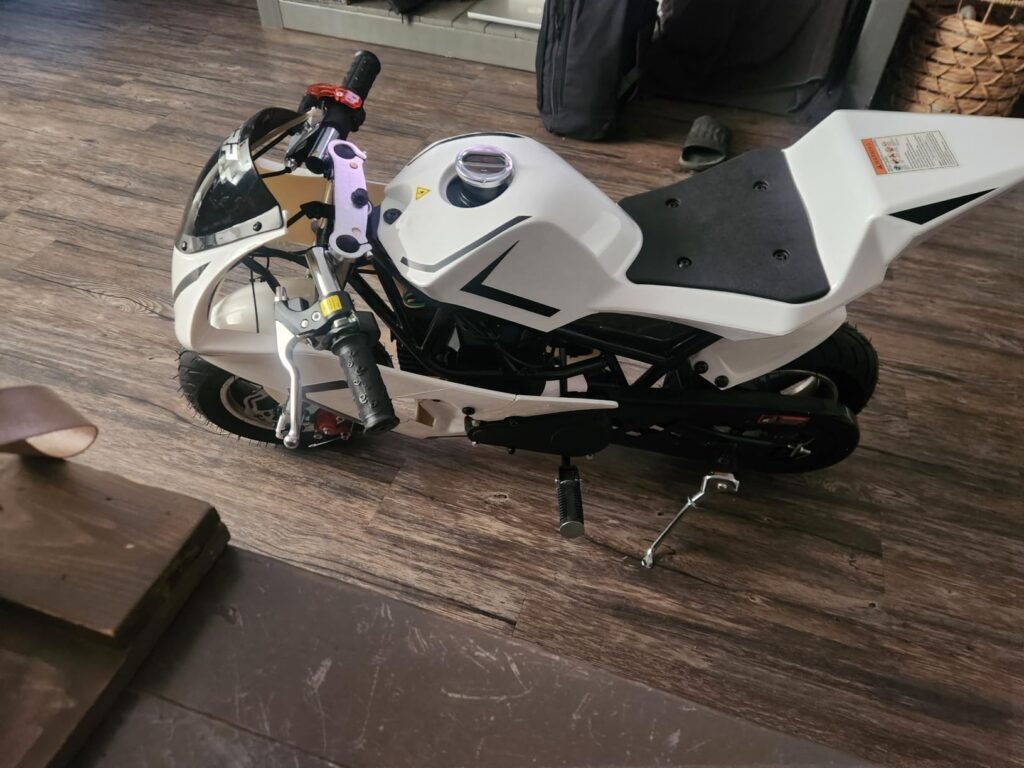
We may earn a commission when you buy through this link, at no additional cost to you.
The 50cc 2-stroke engine favors lively throttle response for its size, and the advanced dual brake control with front and rear brakes helps manage speed across different skill levels. A 50:1 gas and oil mixing ratio keeps fuel preparation simple once you have a dedicated mixing container. EPA approval indicates the bike meets emissions expectations when operated according to the manual, which is reassuring for families new to gas bikes.
Setup emphasizes rider development rather than raw speed. The compact chassis encourages proper body position, and the modest top speed lets beginners learn turning, braking points and line choice with less intimidation. Adult supervision and manual review are recommended, especially early on when establishing helmet, glove and closed-toe shoe habits. Keep riding to safe, private, flat areas away from traffic while skills build.
Top off with fresh 50:1 mix before heading to the lot and carry a small spill-proof fuel bottle for longer outings. Gentle throttle use and steady cruising extend the advertised 27-mile range, while constant full-throttle laps shorten it. Check chain slack and tire pressure before each ride, since both affect efficiency and handling more than riders expect on small bikes.
The 165-pound limit and small fuel tank trade some adult versatility for light, nimble handling ideal for kids. If you want extended run time and a forgiving 20 MPH ceiling for learning, this FRP hits a strong balance of style and practicality. For heavier riders or those chasing higher speed, the 30 MPH 2-stroke or the 99cc 4-stroke provide more capacity and power.
Heavier teens or adults who exceed the 165-pound limit or want higher top speed.
We may earn a commission when you buy through this link, at no additional cost to you.
The 50CC 2-Stroke Pocket Rocket targets kids 5 to 15 and beginner to intermediate youth who want a true step up in excitement at a modest price. The 49cc 2-stroke engine is the headline, delivering almost twice the punch of a standard 49cc 4-stroke, which translates to quicker launches and a more thrilling 30 MPH top speed on flat private surfaces. That character suits confident beginners ready for a faster learning curve.
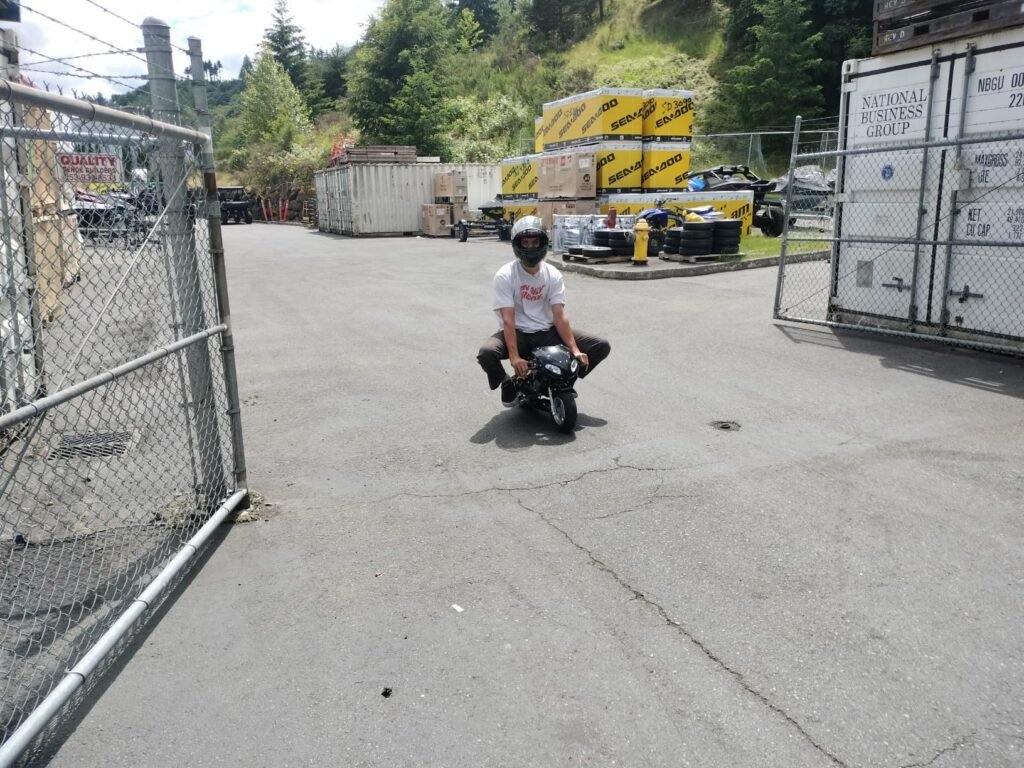
We may earn a commission when you buy through this link, at no additional cost to you.
Despite the performance intent, safety features remain practical for learning. High-brightness dual headlights clarify the path in low light, and front and rear disc brakes provide reliable stopping control at higher learner speeds. The anti-slip rubber handlebar improves control during acceleration and braking, and the 23-inch seat height keeps the bike compact enough for younger riders to plant feet when needed.
The design leans into racing style with a slick frame, windshield and single-seat cushion that looks like a scaled-down sport bike, which helps keep kids engaged and practicing longer. With a 170-pound limit, it covers most youth riders and lighter teens, while the light chassis makes pushing and maneuvering between sessions easy. Keep riding to private, traffic-free areas and ensure proper gear is always worn.
A 2-stroke fires every revolution, so a 49cc unit can feel significantly livelier than a same-size 4-stroke that fires every other revolution. That means stronger midrange pull and quicker revs, which kids perceive as excitement. The trade-off is more frequent spark plug checks and careful fuel mixing, so keep plugs and a plug wrench handy during the first weeks.
As with other 2-strokes, you must mix fuel, accept more noise and follow warm-up and storage habits for best longevity. If your rider craves stronger acceleration without jumping to a large mini bike, this model is a compelling value. If you prioritize quiet running, no mixing and smoother low-end control, a 49cc 4-stroke alternative will feel calmer and more neighborhood friendly.
Families wanting the quietest, lowest-maintenance bike or anyone planning to ride on public roads.
We may earn a commission when you buy through this link, at no additional cost to you.
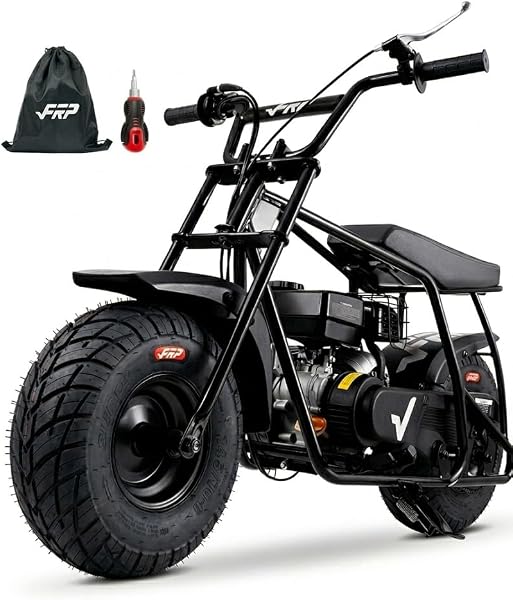
The FRP GMB100 is the choice for teens and adults who have outgrown small pocket bikes and want stronger pull without the fuss of mixing fuel. The 99cc 4-stroke runs on regular 87-octane gasoline, with pull start, throttle control and engine stop switch keeping operation straightforward. Up to 28 MPH with a 220-pound rider limit provides useful headroom for larger teens and adults practicing on private property.
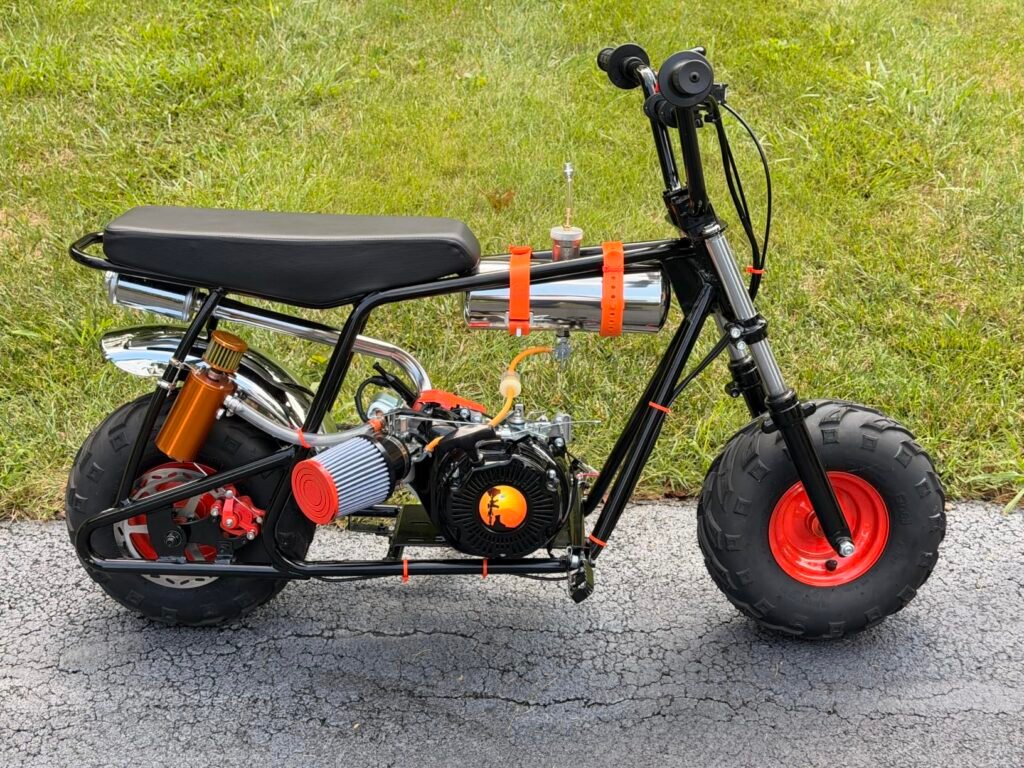
We may earn a commission when you buy through this link, at no additional cost to you.
Road-focused hardware sets this model apart. SUNF 145/70-6 pneumatic road-pattern tires carry both SUNF and FRP logos and offer predictable grip on pavement and hardpack compared with older chevron treads. Chain drive with a rear disc brake handles the extra power, while a chain tensioner helps maintain proper slack and foot pegs plus a kickstand support stable stops and starts. The setup is tailored for controlled lots and tracks rather than tight indoor use.
Practical ownership details are well considered. The bike ships about 85 percent assembled at 50 by 28 by 33 inches and about 81.57 pounds, so final assembly and pre-ride checks for oil and tire pressure are still important. Keeping the original box helps with future support needs. The larger displacement and heavier weight make it feel more planted than 40cc and 50cc pocket bikes, which helps with straight-line stability for newer adult riders.
Check engine oil before the first ride and after the first few hours, since new engines shed more particles early. Keep chain slack within the recommended range using the tensioner and lubricate lightly to reduce wear. Road-pattern tires perform best at the specified pressure, so a small floor pump with a gauge is a worthwhile addition to the toolkit.
The larger engine and weight trade agility for stability and require more storage space. If you want the most convenient fueling and a stronger, road-oriented ride on private land, this 99cc strikes a strong balance. If you need the smallest, lightest bike for a young lightweight rider, a 50cc pocket rocket will be easier to handle and store.
Riders seeking the lightest, most compact pocket bike for very young children.
We may earn a commission when you buy through this link, at no additional cost to you.
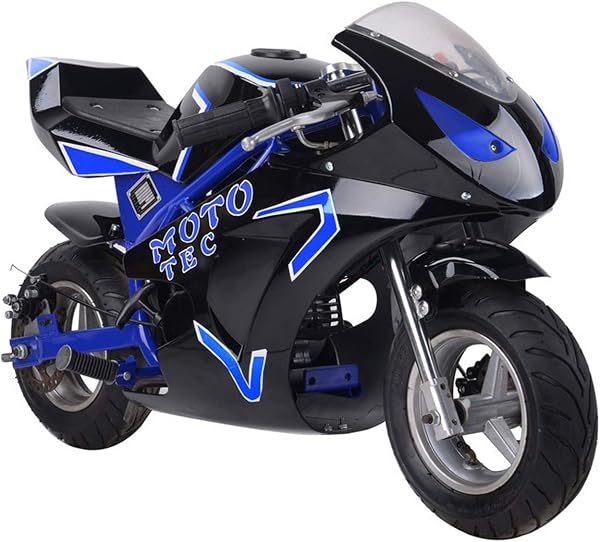
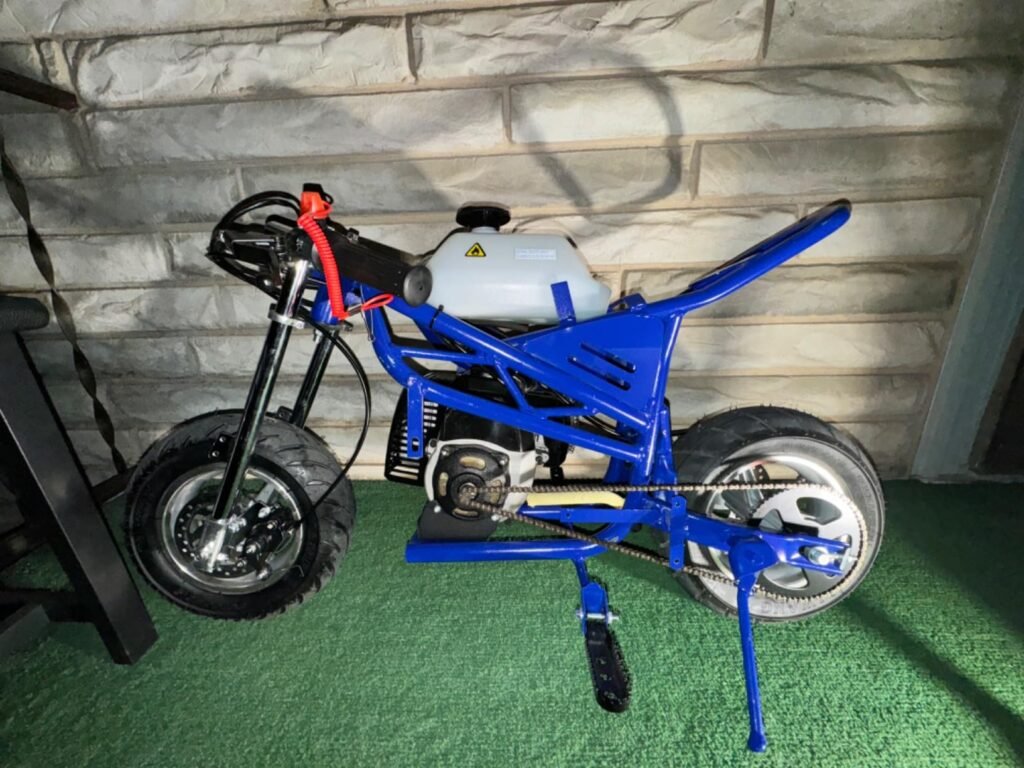
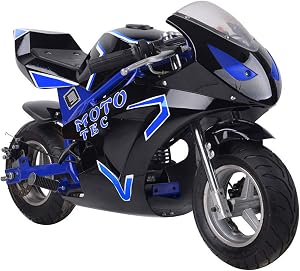
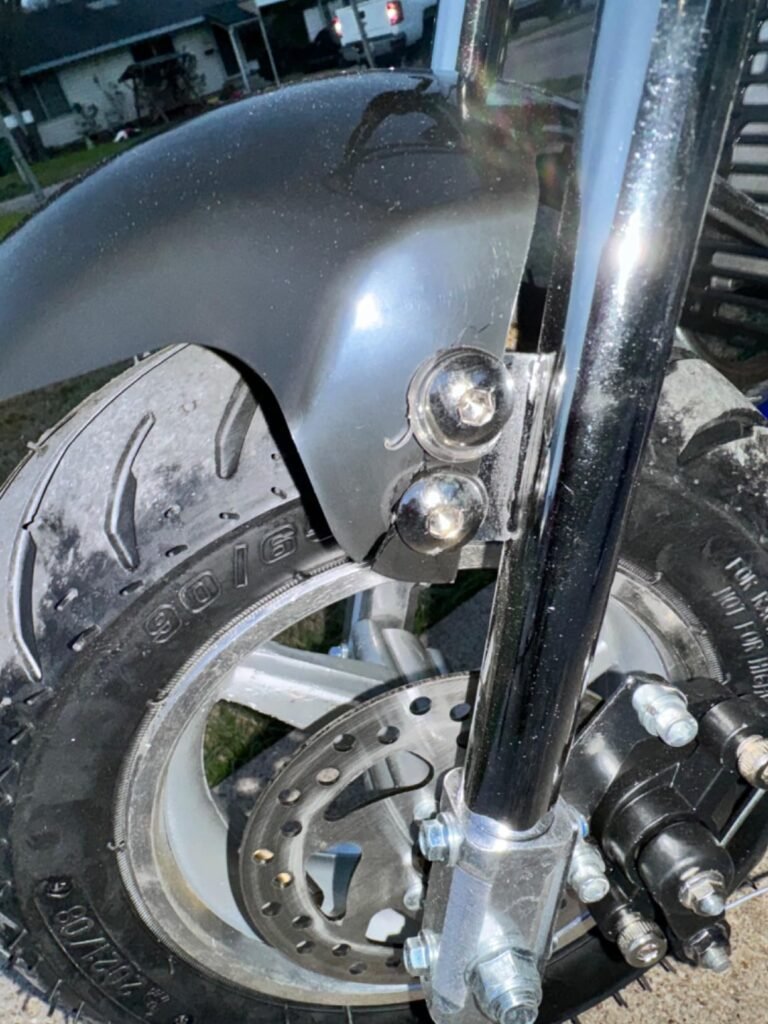
The MotoTec GT 49cc in blue represents the classic small-frame pocket bike formula that many families picture when they think of entry-level racing practice. Built around a 49cc 2-stroke with chain drive, it aims to deliver responsive power in a compact chassis suited to parking lots, driveways and flat private tracks. The blue colorway and sport styling appeal to kids who want a bike that looks ready for timed laps around cones.
We may earn a commission when you buy through this link, at no additional cost to you.
With a package size near 40 by 14 by 26 inches and about 57 pounds shipped, it stores and transports without occupying half the garage. The centrifugal chain drive keeps operation simple with twist-and-go control, which helps new riders focus on lines, braking points and balance rather than shifting. Expect a light, nimble feel that is easy to push back to the starting point between sessions.
Ownership is straightforward but plan for basic setup checks. As with most small gas bikes, verify brake adjustment, chain slack, tire pressure and fuel mix before first rides, and enforce full gear including helmet, gloves and sturdy shoes. Because published details are sparse, treat the first outing as a shakedown to confirm throttle return, brake bite and overall tightness before longer practice loops.
After assembly, walk the bike and check that the throttle snaps closed cleanly, both brakes engage firmly and the chain has correct slack without rubbing. Ride at low speed in a straight line to confirm tracking, then test stops from a slow roll. A ten-minute shakedown often reveals small adjustments that prevent bigger issues later.
The trade-off is refinement: limited specs mean you buy more on brand familiarity and classic size than on advanced features like hydraulic shocks or dual headlights found elsewhere. If you want a no-frills pocket bike with the traditional 49cc 2-stroke character, this MotoTec fits. If you want more documented features and higher owner ratings, the HEVIRGO 50cc or FRP models provide more detail and feedback.
Buyers who want detailed specs, advanced suspension and extensive owner feedback before purchase.
We may earn a commission when you buy through this link, at no additional cost to you.
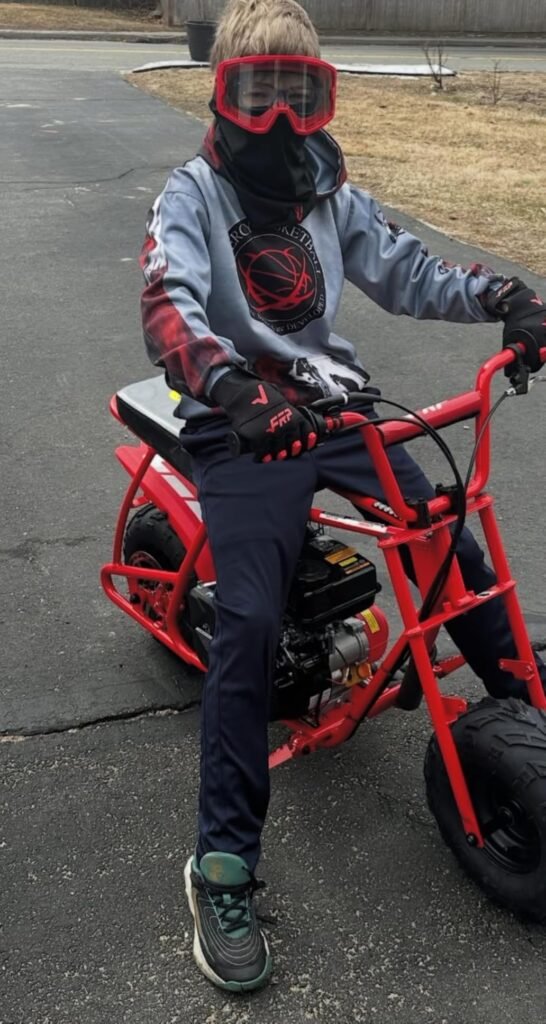
The FRP Ultra Edition in red blends realistic racing aesthetics with practical efficiency for kids learning on private lots. The 50cc 2-stroke with full steel frame captures the pocket rocket look while keeping the package to about 40 by 18.5 by 22.8 inches and 44 pounds, which is easy for parents to maneuver in tight garages. EPA approval signals environmental compliance when used as directed, a plus for families attentive to emissions.

We may earn a commission when you buy through this link, at no additional cost to you.
Safety and efficiency are core themes. Strong dual disc brakes with front and rear discs give dependable stopping authority and help riders modulate speed confidently. With just 0.32 gallon of fuel, the bike can cover up to 27 miles in gentle use, so a single fill supports extended practice without constant refueling. Recommended 10W-40 oil helps with smooth cold starts and steady lubrication across temperature swings.
Performance is intentionally approachable. Although marketed with higher peaks, real-world speed often settles near 18 to 20 MPH, which keeps learning manageable and reduces intimidation for first-timers. The steel frame adds durability for repeated starts, stops and low-speed tip overs that are common while mastering balance. A 60-day parts or return window provides some early ownership reassurance.
Use fresh premium fuel at the recommended 50:1 mix and avoid prolonged wide-open throttle, which quickly cuts into the advertised 27-mile figure. Smooth acceleration and coasting into stops extend range noticeably. Check tire pressure and chain tension regularly, since drag from either one quietly reduces miles per tank on small bikes.
The 165-pound limit and modest power trade adult versatility for light handling ideal for kids. If you want an efficient, great-looking bike with strong brakes and long range per tank, this Ultra Edition is a sensible pick. If you need more speed or higher capacity for larger teens, consider the 30 MPH 2-stroke or the 99cc road bike options.
Heavier riders or those seeking the highest top speed in the pocket bike category.
We may earn a commission when you buy through this link, at no additional cost to you.
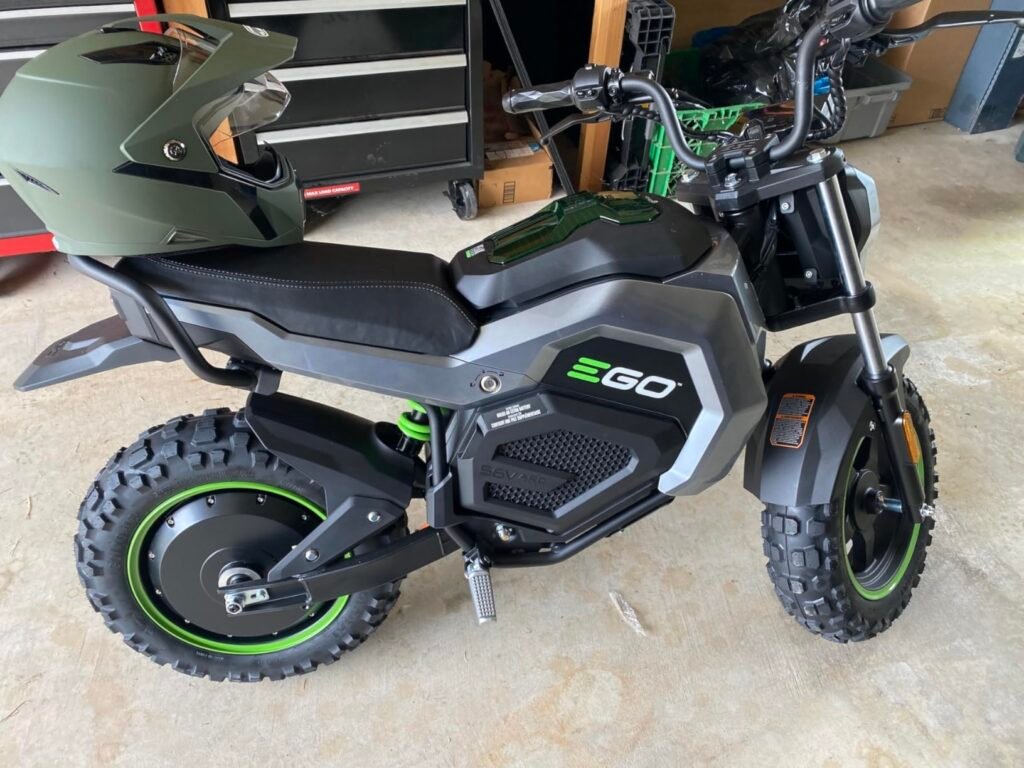
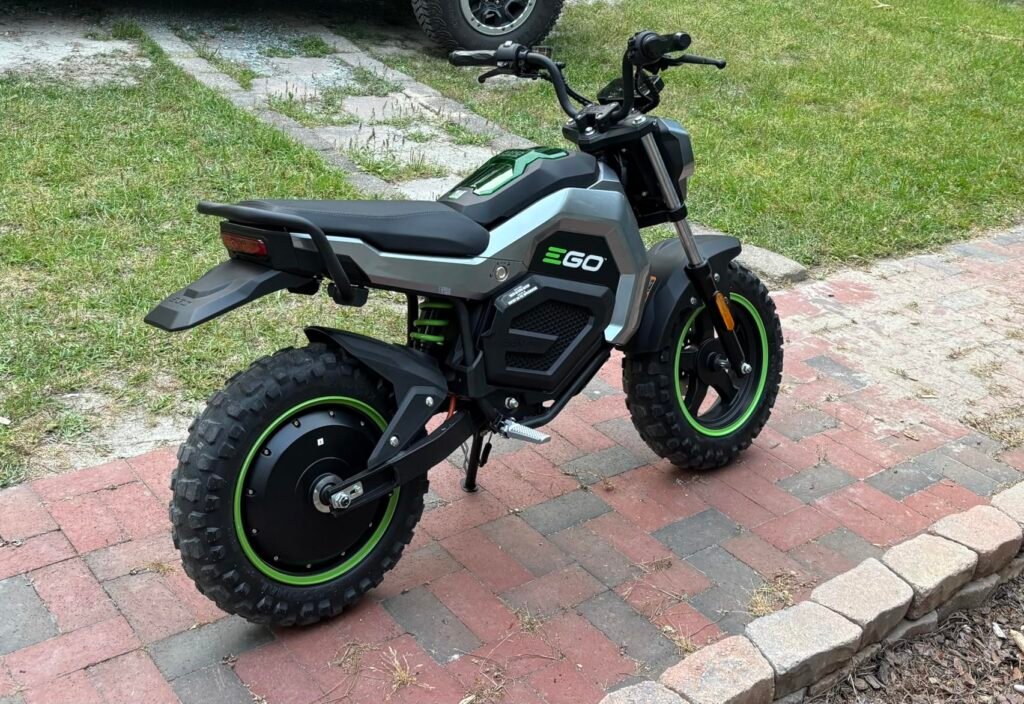
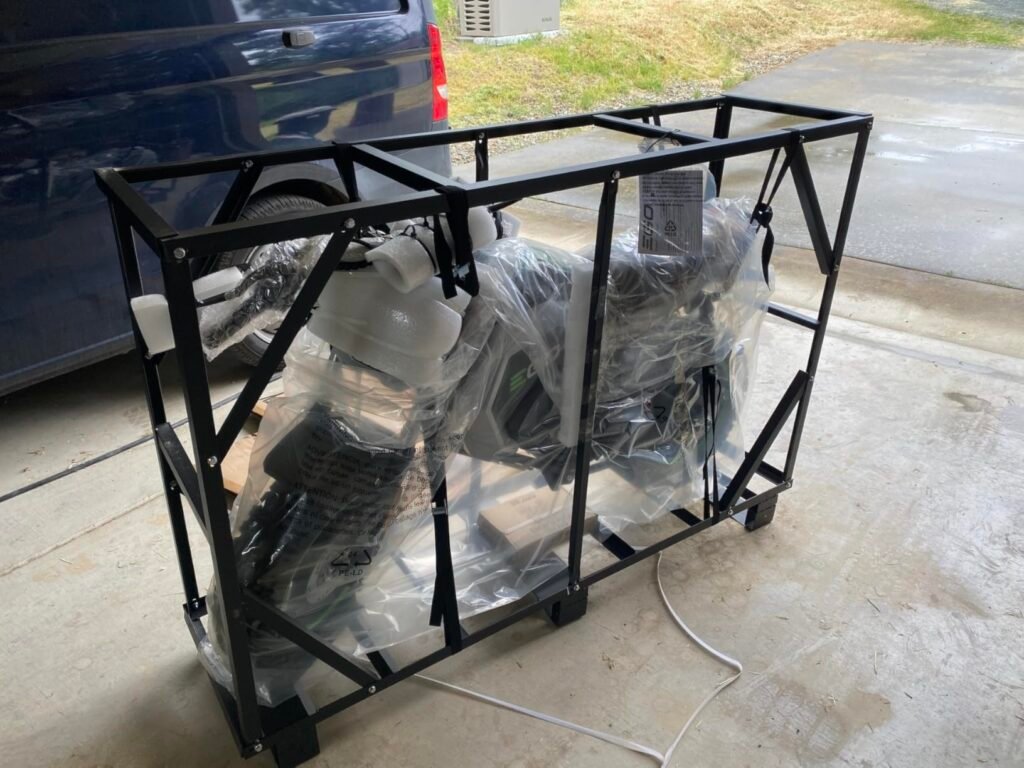
The EGO Power+ MB1000 is the electric alternative for riders 16 and older who want pocket bike fun without mixing fuel or dealing with 2-stroke noise. A powerful hub motor delivers quiet acceleration up to 28 MPH, with Eco, Normal and Sport modes plus reverse for versatile control. Parental controls allow adults to cap performance while younger adults build skill, which is a distinct advantage over fixed-output gas bikes.
We may earn a commission when you buy through this link, at no additional cost to you.
Range and usability are tailored to private track sessions. Up to 20 miles of range with two 7.5Ah ARC Lithium batteries keeps laps going, and an onboard storage compartment fits an extra battery for quick swaps. Front and rear suspension smooth rough lots, dual hydraulic disc brakes provide strong, progressive stopping power, and a digital display tracks speed, acceleration and range at a glance. An LED headlight extends usability into dusk.
Comfort and convenience details show the premium intent. IPX4 weather resistance handles light inclement conditions, and the overall fit supports riders up to 220 pounds. Because it is battery powered, starts are instant, there is no warm-up, and maintenance centers on charging, tire pressure and brake checks rather than carburetor and spark plug care. The bike is intended for off-road use only, so plan on private property sessions.
If you own EGO 56V ARC batteries, bring two 7.5Ah packs for the advertised 20-mile range and keep a third charging nearby for continuous riding. Use Eco mode while learning to extend range and tame acceleration, then step to Normal or Sport as confidence grows. Store batteries at room temperature and avoid running them to empty to preserve long-term health.
The main trade-offs are cost and completeness: batteries and charger are sold separately and the $1,599 price sits well above gas pocket bikes. If you already own EGO batteries, the value improves significantly. If you want the lowest upfront cost or the lightest gas-bike simplicity, the 50cc gas options will be more economical, though louder and requiring fuel mixing.
Young children under 16 or buyers who want a complete ready-to-ride package without purchasing batteries separately.
We may earn a commission when you buy through this link, at no additional cost to you.
Pocket bike choice comes down to rider size, intended surface, and how much maintenance you prefer. Use these factors to match engine, brakes, tires and build to real riding plans.
Two-stroke and four-stroke engines create different riding personalities even at the same displacement. A 49cc 2-stroke like the HEVIRGO 50cc Rocket or the 30MPH Pocket Rocket fires every revolution, so it feels peppier and revs quicker than a 49cc 4-stroke. That character helps with brisk launches and short hills, but it requires mixing gasoline with 2-stroke oil at a precise ratio such as 50:1, plus more attention to spark plug condition and warm-up.
Four-stroke options like the 40cc XtremepowerUS, the 49cc heavy-duty models and the 99cc FRP GMB100 run smoother, quieter and with less vibration, and they use straight gasoline without mixing. The larger 99cc displacement adds meaningful torque for heavier riders and gentle inclines, reaching about 28 MPH where 40cc bikes stay milder. Electric hub motors like the EGO MB1000 go a step further by eliminating fuel mixing entirely and delivering instant, quiet torque with selectable Eco, Normal and Sport modes, though they require separate batteries and chargers.
Choose 2-stroke when you want light weight and stronger punch for a given size and you are comfortable with mixing fuel. Pick 4-stroke for quieter neighborhoods, simpler fueling and smoother learning, and consider 99cc if adults will ride regularly. Go electric if you value silence, no exhaust and mode-based speed limiting for newer riders 16 and older.
Brakes are the most important safety system on a pocket bike, especially for new riders still learning modulation. Dual front and rear disc brakes, found on the HEVIRGO 50cc Rocket, the heavy-duty 440-pound mini and the EGO MB1000 with hydraulic discs, provide strong, progressive stopping with good feel. Single or mechanical disc setups still work but demand more lever effort and careful adjustment to avoid uneven wear or drag that can affect handling.
Control ergonomics matter as much as raw power. Variable twist-grip throttles let riders meter speed smoothly, while anti-slip rubber grips, adjustable handlebars and padded seats help maintain posture and reduce fatigue. Dual headlights, as on several 50cc models, improve visibility for late-day sessions, and features like engine stop switches and adjustable speed modes add layers of control. A bike that fits the rider’s hands and reach encourages proper braking technique and builds confidence faster.
Prioritize dual discs when the rider will approach 20 to 30 MPH or when the bike will carry heavier loads. Verify throttle return snap-back, lever reach for smaller hands and headlight function during setup. For households with multiple riders, adjustable bars and mode-limited electrics make it easier to tailor response for each skill level.
Frame construction determines how well a bike tolerates learning mistakes and heavier loads. Rigid steel frames and welded steel pipe frames, such as on the HEVIRGO and the heavy-duty 440-pound mini, resist flex and handle repeated low-speed tip overs better than thin tubular designs. Tube steel frames like the XtremepowerUS 40cc add stability at low weight, which helps keep the bike tracking straight during repeated starts and stops in a driveway course.
Suspension and tires decide ride comfort and grip. Hydraulic shocks and spring hydraulic systems smooth driveway lips and packed dirt, while solid or basic shocks transmit more bump to the rider and can deflect on rough lots. Tire choice follows surface: 11-inch anti-skid inflatable off-road tires float over grass and gravel, SUNF 145/70-6 road-pattern tires grip pavement predictably, and small 6.5-inch street tires keep seat height low but struggle on loose terrain. Larger diameters generally roll over obstacles more easily and feel more stable at speed.
Match frame and wheel package to rider weight and surface. Heavier riders and mixed pavement benefit from welded pipe frames, hydraulic shocks and larger road or off-road tires. Lighter youth on smooth pavement can use smaller tires and simpler suspension for easier handling and lower seat height, while still gaining stability from a steel chassis.
Weight limits are not suggestions, they directly affect handling, braking and longevity. Many compact pocket bikes cap at 165 to 170 pounds, which suits kids and lighter teens but leaves little margin for adults demonstrating technique. Models rated to 220 pounds, like the HEVIRGO and FRP GMB100, accommodate most teens, while the 440-pound heavy-duty mini truly supports adult riders and shared family use. Exceeding limits compresses suspension, extends stopping distances and stresses welds over time.
Fit is about more than capacity. Overall length around 40 inches versus 47 to 50 inches, seat height near 23 inches, and adjustable handlebars all change how comfortably a rider reaches controls and plants feet at stops. A bike that is too tall or too long feels unwieldy for a young rider, while a too-small bike cramps a taller teen and makes steering twitchy. Compact bikes store and transport easily, but larger minis provide more legroom and stability for adults.
Measure rider weight with gear and compare to the bike’s limit with at least 20 percent margin for best handling. Check seat height and handlebar reach in person if possible, or carefully review dimensions before ordering. If one bike must serve both a child and an adult, prioritize the higher capacity and adjustable bars to cover both users safely.
Fueling habits shape daily convenience. Two-stroke pocket bikes need a precise gas and oil mix, often 50:1, which means keeping a dedicated mixing bottle, shaking before fueling and avoiding stale mixed fuel that can gum the carburetor. Four-strokes simplify life by using straight unleaded gasoline, with regular oil checks and changes keeping them smooth. Electrics remove fueling entirely but shift attention to battery charging, storage temperature and avoiding deep discharges to preserve range.
Range determines how long you can practice without interruption. Small tanks near 0.32 gallon can still yield up to 27 miles in gentle use, while 1.25-liter and 1.8-liter tanks support 20 to 60 minutes of continuous riding depending on throttle use. Aggressive riding, low tire pressure and dragging brakes all cut range noticeably. Easy pull starts, one-click switches and clean air filters help ensure the bike fires promptly after a week in the garage.
If you want the simplest ownership for neighborhood use, choose a 4-stroke or electric. If you accept mixing for lighter weight and stronger response, set up a fuel station at home with a labeled container, spare spark plug and a small tire pump. For longer lot sessions, pick a model with larger tank volume or plan on carrying a small sealed fuel bottle or spare EGO battery.
Where you plan to ride dictates which bike makes sense legally and practically. All gas pocket bikes in this guide are intended for private property, driveways and closed lots, not public streets or sidewalks. Electric models like the EGO MB1000 are explicitly off-road for ages 16 and older, which aligns with many local rules that restrict small gas bikes to private areas. Confirm local regulations and always wear a helmet, gloves and sturdy shoes regardless of power type.
Surface and supervision needs also vary with age. Riders 5 to 8 benefit from the lowest speeds, dual brakes and close adult supervision on flat, smooth pavement free of traffic. Teens 13 and older can handle 40cc to 50cc bikes at 20 to 25 MPH with more independence, while stronger 30 MPH 2-strokes and 99cc 4-strokes suit larger teens and adults who have already mastered braking and turning basics. Off-road tires help on grass and packed dirt, while road-pattern tires excel on asphalt.
Define your primary environment before buying. For small driveway practice, prioritize light weight, compact length and strong dual brakes. For larger private lots with mixed pavement, lean toward hydraulic suspension, larger tires and higher capacity frames. If you want the quietest, most controllable experience for a 16-plus rider, the mode-limited electric offers the most adjustable progression.
Start with careful assembly and a pre-ride checklist. Even bikes shipped mostly assembled need brake adjustment, chain slack verification, handlebar tightening and tire pressure setting before first rides. For gas models, add the correct oil level, use fresh fuel at the proper mix for 2-strokes or straight gasoline for 4-strokes, and confirm throttle return and engine stop switch function. Walk the bike first to ensure wheels spin freely and brakes engage smoothly.
Ride with progression and protective gear every time. Choose flat, traffic-free private pavement, set cones for a small loop, and begin at low speed focusing on starts, stops and figure eights before adding speed. Apply both brakes together, look through turns and keep feet on pegs once moving. Enforce helmet, gloves, long sleeves, long pants and closed-toe shoes, with adult supervision for riders under 16 and no passengers on single-seat designs.
Care after each session preserves performance and safety. Wipe down the frame, check for loose fasteners, inspect tire pressure and chain tension, and clean the air filter regularly in dusty conditions. For 2-strokes, drain or stabilize mixed fuel if storing more than a few weeks to avoid carburetor gumming. For electrics, charge batteries at room temperature, store them partially charged and keep electrical connections dry and clean.
Most pocket bikes in this guide are intended for private property and closed lots, not public roads or sidewalks. Local rules vary, but even where small gas bikes can be registered, pocket bikes rarely meet lighting, mirror and licensing requirements. Always check local regulations and limit riding to driveways, private lots and tracks with permission, wearing full protective gear.
Manufacturers often list 5 to 15 for small 50cc models, 8 plus or 13 plus for slightly larger bikes, and 16 plus for stronger electrics like the EGO MB1000. Age alone is not enough, rider size, maturity and supervision matter more. Start with lower speeds, dual brakes and flat, traffic-free surfaces, and progress only as control and judgment improve.
Many 50cc models run about 18 to 25 MPH in real use, with some 2-stroke 49cc bikes reaching near 30 MPH on flat private pavement. The 40cc runs milder, the 99cc GMB100 reaches about 28 MPH with more torque, and the EGO electric tops near 28 MPH depending on mode and battery. Advertised peaks assume ideal conditions and rider weight.
Only 2-stroke pocket bikes require mixing, typically at 50:1 gasoline to 2-stroke oil, using a dedicated container and accurate measurement. Four-stroke models use straight unleaded gasoline and separate engine oil that you check and change. Electric models use no fuel at all, charging lithium batteries instead. Choose the system that matches your comfort with maintenance.
Limits range from about 165 pounds for compact 50cc racers to 220 pounds for several mid-size models and up to 440 pounds for the heavy-duty 4-stroke mini. Staying well under the limit improves handling, braking and frame life. If adults will occasionally ride or demonstrate, pick a bike rated for at least 20 percent more than the heaviest expected rider with gear.
Two-strokes fire every revolution, so they feel livelier and lighter for their size but need fuel mixing, produce more noise and require more spark plug attention. Four-strokes fire every other revolution, running smoother, quieter and with simpler fueling, often with longer engine life. If you value strong punch, choose 2-stroke, if you value quiet and simple ownership, choose 4-stroke or electric.
Small 0.32-gallon tanks can deliver up to 27 miles in gentle use, while 1.25-liter and 1.8-liter tanks often support 20 to 60 minutes of continuous riding depending on throttle use. Electric range varies with mode and terrain, with the EGO reaching up to 20 miles with two 7.5Ah batteries. Smooth throttle, correct tire pressure and proper chain tension all extend range.
Electric models offer instant starts, no fuel mixing and selectable Eco, Normal and Sport modes that let you cap speed while learning, which helps 16-plus beginners progress calmly. They are also quieter for neighborhood lots. Gas bikes cost less upfront and run longer with quick refueling. If you already own compatible batteries, electric value improves significantly.
Require a properly fitting helmet, gloves, long sleeves, long pants and closed-toe shoes for every ride, with no passengers on single-seat bikes. Before each session check tire pressure, brake engagement, throttle return, chain slack and fuel or battery level. Practice in a flat, traffic-free area and keep adult supervision for younger riders until skills are solid.
Shared-use families benefit most from higher capacity and smoother power, such as the 440-pound 4-stroke heavy-duty mini or the 99cc GMB100 with 220-pound capacity and road tires. Both provide smoother acceleration, stronger brakes and frames that tolerate adult weight. For very light adults, a 220-pound 50cc 2-stroke can work, but heavier riders will feel more stable on the larger options.
For the best balance of capacity, smooth power and everyday ease, the heavy-duty 440-pound 4-stroke mini stands out with its 5.0 rating, strong welded steel pipe frame and quiet 25 MPH performance that truly accommodates adults and older kids on the same bike. Straight gasoline fueling, dual headlights and hydraulic shock support make it a confident shared-use choice for private lot practice without the mixing required by 2-strokes.
Different riders will favor different strengths. The HEVIRGO 50cc 2-stroke and 30MPH Pocket Rocket deliver lively response and strong value for youth seeking excitement, the FRP 27-mile models stretch time between fill-ups, and the 99cc GMB100 adds road-tire stability and 28 MPH pull for larger teens. The EGO Power+ electric brings quiet, mode-limited progression for 16-plus riders who already own batteries and prefer no exhaust.
Match the bike to rider weight, surface and maintenance comfort first, then to speed and style. Stay well under weight limits, prioritize dual disc brakes and proper tire choice, and plan to ride only on private, traffic-free surfaces with full gear. With that fit dialed in, any of these pocket bikes can deliver safe, memorable practice sessions that build skills lap after lap.