VEVOR 6.5HP Compactor
8.2Editor score2360 lb force
12-inch compaction depth
351 sq inch plate
5600 vibrations per minute
Find the right plate compactors for 2026. We compare 7 standout options by build quality, useful features, owner feedback, value, and everyday trade-offs.
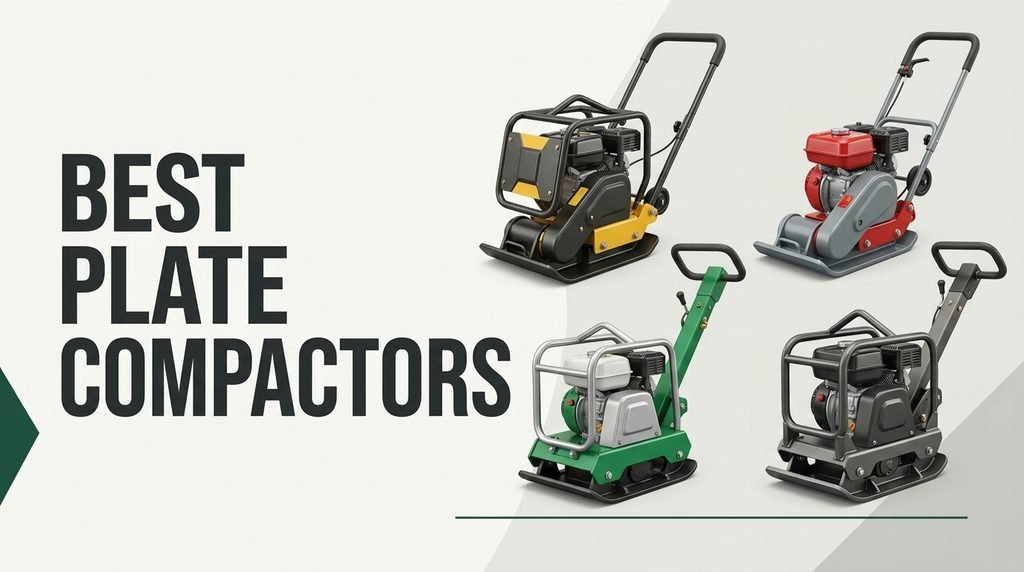
Finding the right plate compactor for 2026 means matching compaction force, plate size, and power source to your actual project scope. This guide compares eight standout models across gas and electric power, weighing compaction depth, vibration frequency, travel speed, weight, and build durability so you can choose the right tool for the job.
The differences between these compactors matter more than the price tags suggest. A lightweight compactor built for garden paths will struggle on a driveway sub-base, while an oversized gas unit is overkill for small patio repairs. Compaction force, plate dimensions, and operator comfort features all shape real-world results.
This guide breaks down which compactors suit DIY homeowners, landscaping contractors, and anyone tackling paver or gravel projects. Each review explains the tradeoffs in engine size, plate coverage, and portability, while the buying guide covers exactly what to check before buying so your compactor matches your soil type and jobsite conditions.
We compared these plate compactors using the details that determine real jobsite performance: compaction force, vibration frequency, plate size and coverage, engine power, travel speed, weight and portability, shock absorption design, power source, and owner feedback. The notes focus on practical tradeoffs between gas and electric compactors, so each recommendation connects to a specific project type, whether that is a backyard patio, a paver driveway, or a larger landscaping or municipal job.


Compare key features, scores, and current prices side by side. A shorter feature list means fewer details were available, not necessarily fewer capabilities.


The BILT HARD plate rammer is aimed at landscaping contractors and serious homeowners who want dependable daily performance without stepping up to a premium price tag. Its 196cc, 6.5HP engine produces 2,500 pounds of compaction force at 5,500 vibrations per minute, reaching a 10-inch compaction depth that handles most residential paving and landscaping base work effectively.

We may earn a commission when you buy through this link, at no additional cost to you.
Efficiency is a genuine strength of this model. The 21 by 14.5-inch one-piece stamped plate travels up to 82 feet per minute, and the manufacturer rates working efficiency at up to 5,600 square feet per hour, among the higher figures in this comparison for a compactor in this weight class. That combination of speed and plate size means fewer passes to finish a given area compared to smaller compactors.
Comfort and portability get real attention in the design. A specially engineered shock absorption system reduces vibration fatigue during extended operation, which matters on full workdays where operator endurance affects overall productivity. Folding transport wheels make it easy to move the 126-pound unit between work areas or load it for transport, and the compact footprint suits both open yards and tighter residential lots.
Warranty length is often overlooked when comparing plate compactors, but it says something about how a manufacturer expects the machine to hold up under regular use. A 90-day warranty is standard for many budget and mid-range compactors, while a two-year residential warranty, like the one offered on the WEN model, provides meaningfully more protection for buyers planning to use their compactor across multiple seasons and projects.
This is a solid choice for landscaping professionals and dedicated DIYers who need reliable, efficient compaction across a range of paving, sidewalk, and patio projects. The 90-day warranty is shorter than some competitors, so buyers planning heavy or frequent use should factor that into their long-term ownership expectations, particularly against the WEN’s two-year residential coverage.
Not the best fit for buyers who prioritize long warranty coverage over raw efficiency and speed.
We may earn a commission when you buy through this link, at no additional cost to you.
The VEVOR plate compactor is built for buyers tackling larger-scale projects like driveway sub-bases, municipal walkways, and road repair patches where covering ground quickly matters as much as compaction quality. Its 196cc, 6.5 HP gas engine generates 5,600 vibrations per minute, giving it enough vibratory force to settle gravel, sand, and soil into a stable foundation layer.
We may earn a commission when you buy through this link, at no additional cost to you.
The standout feature here is plate size. At 351 square inches with an 8mm thick stamped construction, this plate resists deformation even under repeated heavy tamping and covers ground fast, with a rated efficiency up to 7,300 square feet per hour. A 12-inch compaction depth means fewer passes are needed on deeper fill projects compared to shallower-reaching compactors.
Operating the VEVOR is straightforward thanks to an adjustable choke and linear throttle that let you dial in vibration intensity for different soil conditions. Wide, wear-proof wheels make repositioning the unit across a jobsite easier than lifting a bare plate compactor by hand, which matters given the machine’s 146.6-pound operating weight. This is a genuinely heavy-duty tool that rewards operators who take a moment to plan their compaction path.
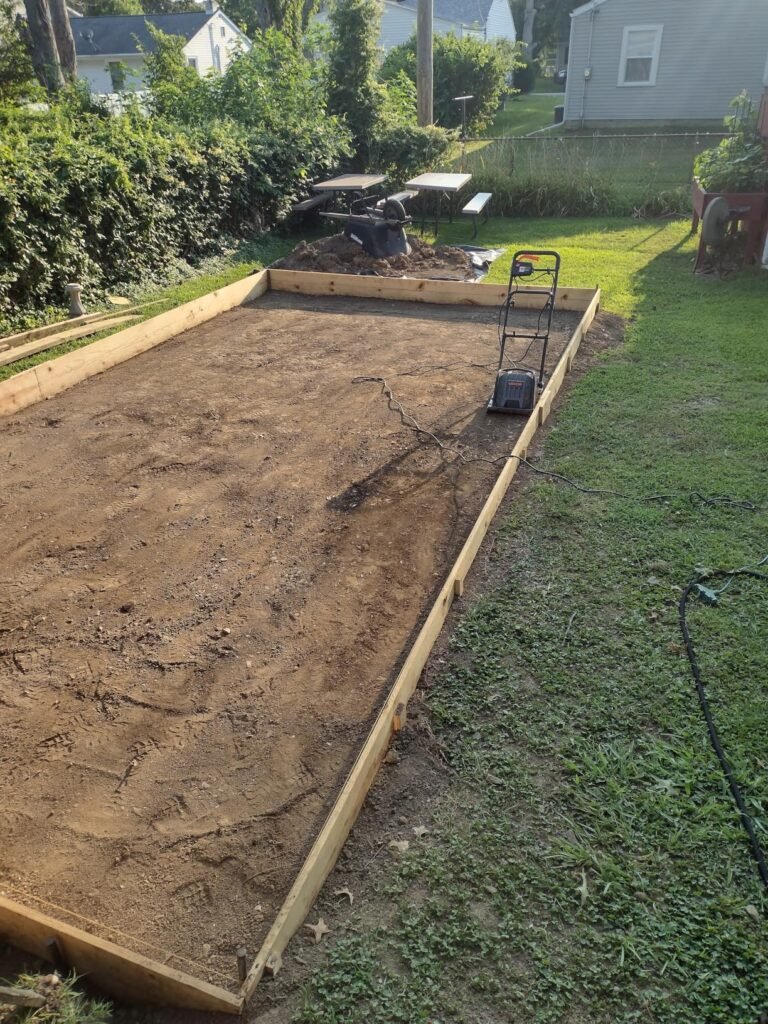
Larger plates cover more ground per pass, which saves real time on bigger projects but adds weight and reduces maneuverability in tight spaces. For open driveways, parking pads, or road patches, a plate over 300 square inches like this one meaningfully speeds up the job. For narrow trenches or small garden beds, that same size becomes a liability, so matching plate dimensions to your typical work area is worth doing before you buy.
This compactor is a strong choice for contractors and serious DIYers working on road, driveway, or larger landscaping projects who need a large plate and solid compaction depth. Homeowners tackling a single small patio or garden path may find the size and weight more machine than they actually need, and a lighter compactor like the YARDMAX YC0850 would be easier to maneuver for smaller jobs.
Not ideal for small residential jobs or narrow spaces where a lighter, more maneuverable compactor works better.
We may earn a commission when you buy through this link, at no additional cost to you.
The Evolution Hulk stands apart in this guide as the only electric-powered plate compactor, which makes it the natural choice for anyone working indoors, in a garage, or in an enclosed backyard where gas exhaust fumes are a genuine concern. Powered by a 120V electric induction motor, it delivers ground preparation performance without the smell, noise, or carbon monoxide risk that comes with small gas engines.
We may earn a commission when you buy through this link, at no additional cost to you.
Despite trading a gas engine for an electric motor, the Hulk still uses a thick, durable base plate designed to generate high centrifugal force through low-frequency, high-amplitude vibration. This combination works well for crusher run, sand, soil, and block paving preparation, and it can be adapted for use on block paving itself with an optional paving pad accessory. Travel speed is rated at 5 meters per minute, adequate for typical patio and pathway projects.
Everyday usability is where this compactor shines. The vibration damper system genuinely improves user comfort during extended use, and roll-bars add protection during transport between job locations. The easy-fold hinged handle collapses the unit down for storage in a garage or truck bed, which is a meaningful advantage for anyone with limited storage space or who needs to move the compactor frequently between residential jobs.
Electric plate compactors trade some raw compaction force for genuine practical benefits: no fuel storage, no exhaust fumes, quieter operation, and less routine maintenance than a small gas engine requires. For patio installs near a house, basement or garage projects, or any job where a cord reaches a power source, these tradeoffs are usually worth it. For remote jobsites without power access, a gas-powered compactor remains the more practical option.
This is the right pick for buyers whose projects happen in spaces where gas engine emissions are impractical or unsafe, or for anyone who simply prefers the lower noise and maintenance profile of electric power. Buyers working on large open areas or deep gravel bases will get more raw compaction force from a gas-powered alternative like the WEN or SuperHandy models in this guide.
Not suitable for remote jobsites without electrical access or for projects needing maximum gas-engine compaction force.
We may earn a commission when you buy through this link, at no additional cost to you.
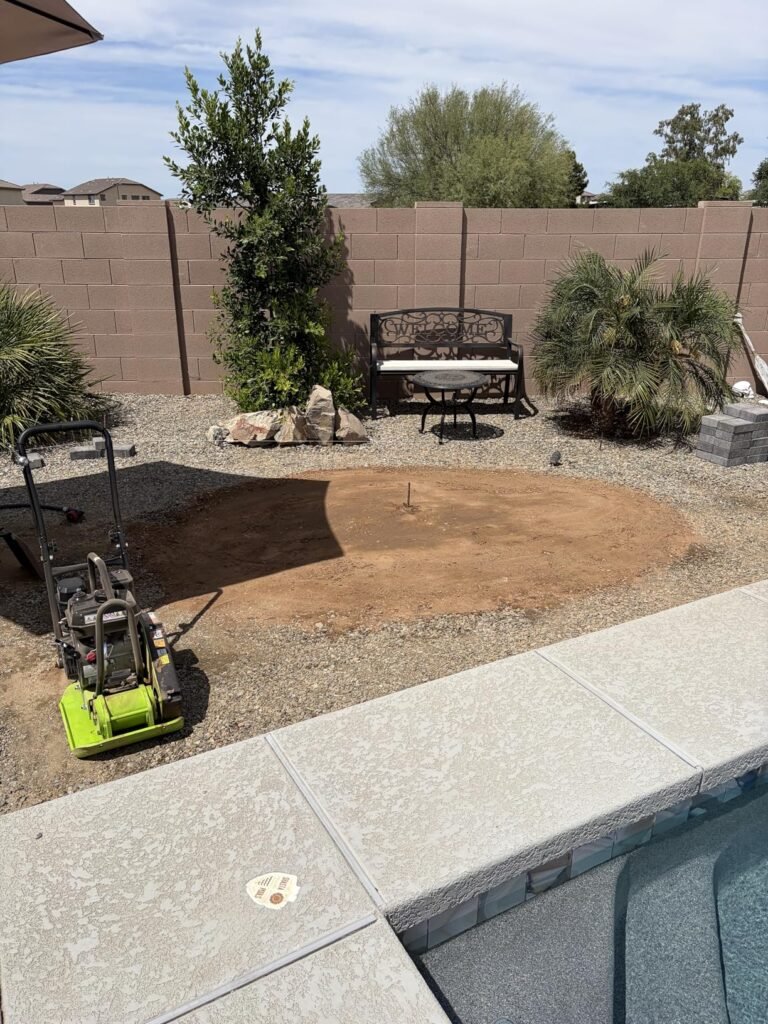
This 6.5HP gas compactor targets buyers who want to get straight to work without spending time on assembly. Arriving ready to run once fuel and oil are added, it removes a common source of frustration with imported compactors that require hardware assembly before first use. The 196cc four-stroke engine delivers 2,500 pounds of compaction force at 5,400 vibrations per minute, putting it solidly in the mid-range for residential and light commercial projects.
We may earn a commission when you buy through this link, at no additional cost to you.
The 20 by 15-inch effective base plate reaches a 10-inch compaction depth, suitable for typical patio, walkway, and paver base preparation. A travel speed of 75 feet per minute keeps the pace reasonable for methodical work without feeling sluggish. EPA certification confirms the engine meets emissions standards, which matters for buyers who want assurance the machine is compliant for regular use.
Real-world usability benefits from a special shock absorption system that reduces vibration transfer to the operator’s hands and arms, letting both contractors and DIYers work longer sessions with less fatigue. Folding handles and transport wheels make repositioning the 126-pound unit around a jobsite manageable for one person, and the durable frame shields the engine from debris and impact during transport.
Many imported plate compactors ship partially disassembled, requiring buyers to attach handles, wheels, or plates before first use. Skipping that step saves real time, especially for buyers who want to rent equipment for a single weekend project rather than becoming familiar with a machine long-term. Just remember that fuel and oil are still needed before the engine will start, since neither is included in the box.
This compactor suits buyers who want a straightforward, ready-to-run gas compactor for backyard patios, garden walkways, and paver installations in tight spaces. Buyers needing higher compaction force for deeper gravel bases or larger commercial jobs should consider the WEN or SuperHandy models instead, both of which deliver more force at a higher price point.
Not the best choice for buyers needing maximum compaction force on deep gravel or large commercial sites.
We may earn a commission when you buy through this link, at no additional cost to you.
The WEN 56096 earns its place as the top overall pick in this guide by combining strong compaction force with genuinely useful practical features and one of the better warranty terms available. Its 196cc engine generates up to 3,350 pounds of compaction force at 5,700 blows per minute, giving it more raw compacting power than most other gas models in this comparison at a similar engine displacement.

We may earn a commission when you buy through this link, at no additional cost to you.
Travel speed stands out as a real performance advantage, with the single-direction plate covering up to 125 feet per minute, noticeably faster than competitors like the BILT HARD or 6.5HP compactor reviewed earlier in this guide. That speed translates into real time savings across larger driveway, patio, or walkway projects where covering ground efficiently matters.
Everyday usability features round out why this compactor performs well in practice. A low-oil shutdown feature protects the engine from damage if oil levels run low during a long work session, and vibration dampers reduce fatigue for the operator. The included wheel kit and lifting handles make transport and storage noticeably easier than wrestling with a bare plate compactor, and the powder-coated finish resists corrosion better than unfinished steel over years of outdoor storage.
Small gas engines can suffer serious internal damage if run with insufficient oil, and a low-oil shutdown feature automatically stops the engine before that damage occurs. This is a genuinely valuable safeguard for buyers who might forget to check oil levels during a long, tiring work session, and it can meaningfully extend the practical lifespan of the engine compared to compactors without this protection.
This is the strongest all-around recommendation in this guide for buyers who want dependable compaction force, useful safety and convenience features, and confidence-inspiring warranty coverage. The two-year residential warranty, paired with a 90-day commercial warranty, reflects real confidence in the build quality. Buyers on a tighter budget who do not need this level of force can save money with the YARDMAX or 6.5HP alternatives instead.
Not the most budget-friendly option for buyers who only need occasional light compaction work.
We may earn a commission when you buy through this link, at no additional cost to you.
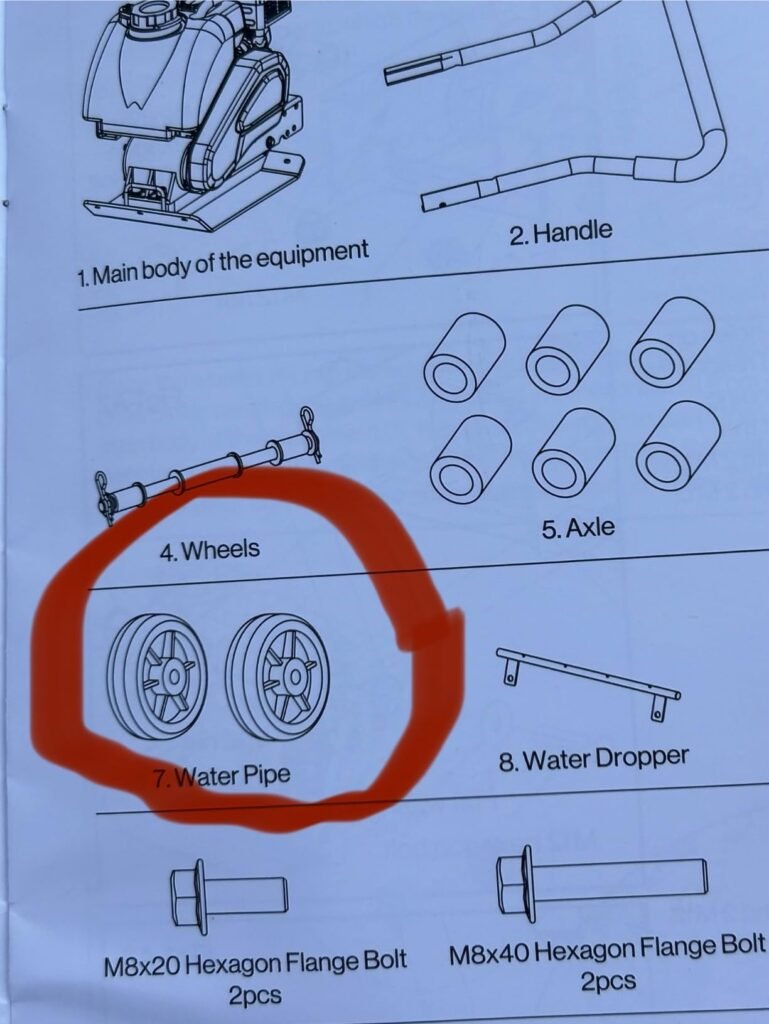
The SuperHandy compactor is the premium powerhouse in this guide, built for buyers facing the toughest ground conditions and deepest compaction requirements. A 7HP, four-stroke OHV engine delivering 5kW at up to 3,600 RPM produces 4,200 pounds of compaction force, the highest figure among every compactor covered here, making it well suited to asphalt repair, dense gravel bases, and demanding landscaping projects.
We may earn a commission when you buy through this link, at no additional cost to you.
Reaching a full 12-inch compaction depth with a 20 by 15-inch steel plate, this machine handles deep fill layers in fewer passes than lighter compactors can manage. The powder-coated frame is built to withstand rugged environments, and the plate itself is substantial enough to hold up under the repeated high-impact tamping this engine generates without deforming over time.
Despite its power, SuperHandy included a genuine shock-absorbing vibration isolation system that reduces operator fatigue, an important design choice given how much force this engine transmits through the frame. Folding handles and a relatively narrow 26 by 18.5-inch footprint help offset the machine’s weight and power by keeping it maneuverable enough for confined residential spaces despite its commercial-grade output.
Not every project needs 4,200 pounds of compaction force. Deep gravel driveways, asphalt patching, and heavy commercial sub-base work benefit genuinely from this level of power, but typical residential patios, garden paths, and paver walkways are usually well served by compactors in the 2,500 to 3,350-pound range. Buying more compaction force than a project requires adds weight, cost, and handling difficulty without a corresponding benefit.
This is the right choice for buyers working with tough soil, deep gravel bases, or asphalt patch repairs who need maximum compaction force and are willing to manage a heavier, more powerful machine. The lower average owner rating compared to other compactors in this guide suggests buyers should review recent feedback carefully and confirm this level of power genuinely matches their project needs before purchasing, since more moderate compactors like the WEN or BILT HARD may be sufficient and easier to handle for typical residential work.
Not the ideal choice for lighter residential projects where a smaller, easier-to-handle compactor performs just as well.
We may earn a commission when you buy through this link, at no additional cost to you.
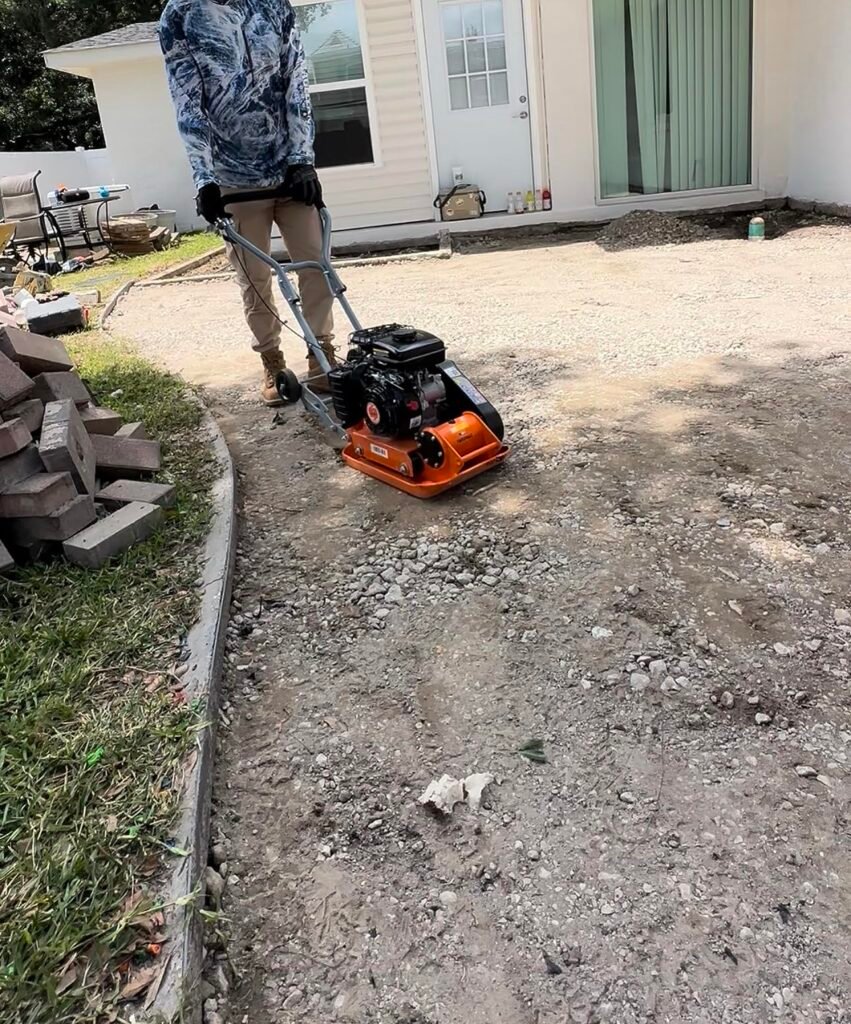
The YARDMAX YC0850 is the lightest and most approachable compactor in this guide, designed for homeowners and occasional users tackling small residential projects rather than commercial-scale ground preparation. Its 79cc engine and 2.5 HP output produce 1,850 pounds of compaction force, noticeably less than the larger 6.5 and 7HP units reviewed above, but entirely adequate for garden paths, small paver patios, and light landscaping work.
We may earn a commission when you buy through this link, at no additional cost to you.
One detail that stands out in this compactor’s construction is the single, stamped plate design with no weld beads. Welded seams on cheaper compactor plates can become weak points that rust or crack over time, so a smooth, weld-free plate offers better long-term durability, flatness, and smoothness against the ground during operation. At 5,900 blows per minute, the vibration frequency is actually the highest among all the compactors in this comparison, even though the overall force is lower.
Practical handling features make this compactor genuinely easy to live with. The three-point handle mount uses rubber bushings to absorb vibration before it reaches the operator’s hands, which matters given how frequently this compactor’s engine cycles. Fold-up transport wheels stay attached to the unit and are ready to use anytime, and a fold-down handle compresses the compactor’s footprint significantly for storage in a garage or shed.
Many budget compactor plates are assembled from welded steel sections, and those weld seams can become weak points where rust forms or cracks develop after repeated impact over years of use. A single-piece stamped plate, like the one on this YARDMAX model, avoids that failure point entirely, which is a meaningful durability advantage for buyers who plan to keep their compactor in regular rotation for years rather than a single project.
This is the right pick for homeowners and light-duty users whose projects rarely go beyond small patios, walkways, or garden beds. Buyers working on driveways, larger paver installations, or deeper gravel bases will find the 1,850-pound force ceiling limiting and should step up to one of the 6.5HP or larger compactors in this guide instead.
Not powerful enough for driveway sub-base work or larger paver installations requiring deeper compaction.
We may earn a commission when you buy through this link, at no additional cost to you.
Choosing the right plate compactor comes down to matching compaction force, plate size, and power source to your soil type and project scope. The following factors cover what genuinely affects results on the ground.
Compaction force, usually measured in pounds, indicates how much downward pressure the plate exerts with each vibration cycle. Lighter compactors like the YARDMAX YC0850 at 1,850 pounds of force suit garden paths, small paver patios, and light landscaping work where the fill material is shallow and loosely compacted to begin with. Mid-range compactors in the 2,500 to 3,350-pound range, including the BILT HARD, WEN, and several 6.5HP gas models in this guide, handle typical residential driveway sub-bases, walkways, and patio installations effectively.
Heavier-duty compactors like the SuperHandy at 4,200 pounds of force are built for demanding applications such as asphalt patching, deep gravel driveways, and commercial sub-base preparation where soil density requirements are stricter. Buying more compaction force than a project needs adds unnecessary weight and handling difficulty, while buying too little force means multiple passes may still fail to achieve proper density, risking settling and cracking later.
Match compaction force to your typical project depth and soil type rather than defaulting to the most powerful available model. For most homeowners tackling patios and walkways, 2,500 to 3,000 pounds of force is a practical sweet spot.
Plate dimensions directly affect how much ground a compactor covers per pass and how well it maneuvers in confined spaces. Larger plates, like the VEVOR’s 351 square inch design or the BILT HARD’s 21 by 14.5-inch plate, cover more area quickly on open sites like driveways and larger patios, reducing the total number of passes needed to finish a job. Smaller plates trade some coverage speed for better maneuverability around tight corners, existing structures, and narrow trenches.
Plate thickness also matters for long-term durability. Thicker plates, such as the VEVOR’s 8mm design, resist deformation better under sustained heavy tamping, which extends the working life of the compactor especially on rocky or uneven ground. Thinner stamped plates found on lighter-duty compactors are adequate for typical residential soil and gravel but may show wear faster under commercial-level daily use.
For open, larger project areas, prioritize a bigger plate to save time. For residential jobs with tight access points or landscaping features to work around, a moderately sized plate in the 300 square inch range balances coverage with maneuverability.
Gas-powered compactors, which make up most of the models in this guide, generally deliver higher compaction force and longer continuous run time without needing to stay near a power outlet. They are the practical choice for remote jobsites, large open areas, and projects requiring maximum compaction depth. The tradeoff is exhaust fumes, engine noise, and the ongoing maintenance that comes with any small gas engine, including oil changes and fuel management.
Electric compactors, represented in this guide by the Evolution Hulk, produce zero exhaust fumes and run more quietly, making them the better choice for enclosed spaces, indoor projects, or noise-sensitive neighborhoods. They also require less routine maintenance since there is no combustion engine to service. The tradeoff is a dependency on a nearby power source and generally somewhat lower peak compaction force compared to larger gas engines.
Choose gas power for outdoor projects with no power access or where maximum force is a priority, and choose electric power for enclosed spaces, quieter neighborhoods, or buyers who want to avoid fuel and oil maintenance.
Plate compactor weight ranges from around 126 pounds on lighter gas models up to 146 pounds or more on higher-force units, and that difference has a real impact on how easily one person can transport, load, and reposition the machine during a project. Features like folding transport wheels, lifting handles, and fold-down handle designs, found across most of the compactors in this guide, make a meaningful difference in day-to-day usability regardless of the machine’s raw weight.
Storage footprint matters for buyers with limited garage or shed space. Compactors with hinged, fold-down handles, like the Evolution Hulk and YARDMAX YC0850, collapse into a noticeably smaller footprint than models with fixed handles, which can be the deciding factor for buyers working with tight storage constraints or those who need to transport the compactor in a smaller vehicle.
If you plan to move the compactor between multiple job sites regularly, prioritize models with integrated wheel kits and lifting points. If storage space is the bigger constraint, look specifically for folding handle designs.
Plate compactors transmit significant vibration through their handles during operation, and prolonged exposure without dampening can cause real operator fatigue and discomfort over a full workday. Most of the compactors in this guide address this with rubber bushings, vibration isolation systems, or dedicated shock absorption designs, but the effectiveness and design approach varies between models.
Buyers who plan to operate a compactor for multiple hours at a stretch, such as contractors working full job days, should prioritize models with explicitly engineered comfort features like the SuperHandy’s vibration isolation system or the WEN’s vibration dampers. Occasional users tackling a single weekend project may find this factor less critical since exposure time is naturally limited.
For frequent or extended use, choose a compactor with a dedicated shock absorption or vibration isolation system rather than relying on basic rubber handle grips alone.
Warranty length is a useful proxy for how confident a manufacturer is in their compactor’s long-term durability. The WEN 56096 stands out with a two-year residential warranty, meaningfully longer than the 90-day commercial-style warranties offered on several other gas compactors in this guide. The Evolution Hulk’s three-year warranty is similarly a strong signal of build confidence for an electric model.
Shorter warranties are not necessarily a dealbreaker, especially on compactors priced competitively for occasional or seasonal use, but buyers planning frequent or professional-level use should weigh warranty length alongside compaction force and plate quality when comparing similarly priced options.
When two compactors offer similar specifications at a similar price, let warranty length be the tiebreaker, since it reflects the manufacturer’s own confidence in the machine’s durability.
Before starting any compaction job, clear the work area of large debris, rocks, and roots that could damage the plate or interfere with even compaction. Check the engine oil and fuel levels on gas models before each use, and always verify that the plate mounting nuts and bolts are tight, since vibration during operation can gradually loosen hardware over time. For electric models like the Evolution Hulk, confirm the power cord is rated for outdoor use and positioned away from the machine’s travel path to avoid running over it during operation.
During operation, walk behind the compactor at a steady pace rather than forcing it forward, since the vibration and forward travel speed are calibrated to achieve proper compaction density without operator intervention. Make multiple passes over the same area when working with deeper fill layers, and pay attention to moisture content in the soil or gravel, since material that is too dry or too saturated compacts less effectively than properly moistened fill. Wear hearing and eye protection throughout operation, and gloves are recommended to reduce vibration transfer to your hands during extended sessions.
After each use, clean caked soil, gravel, or debris off the plate before storage to prevent corrosion and buildup that can affect future performance. For gas models, follow the manufacturer’s guidance on fuel stabilization if the compactor will sit unused for an extended period, and periodically check the air filter and spark plug as part of routine maintenance. Store the compactor in a dry area, and take advantage of folding handle designs to minimize its footprint between projects.
For a typical backyard patio or paver walkway, a compactor delivering 1,850 to 2,500 pounds of compaction force is usually sufficient, especially if the base layer is gravel or sand rather than dense clay soil. Larger patios or those built over deeper gravel bases may benefit from a compactor in the 2,500 to 3,350-pound range for faster, more thorough results. Reserve compactors above 4,000 pounds of force for driveways, asphalt repair, or commercial-grade sub-base work.
Choose gas power if you are working outdoors on larger areas or in locations without easy access to an electrical outlet, since gas engines generally deliver more compaction force and longer continuous run time. Choose electric power if you are working indoors, in an enclosed space, or in a noise-sensitive area, since electric compactors like the Evolution Hulk produce no exhaust fumes and run more quietly. Electric models also typically require less routine maintenance.
Paver driveways typically require a compacted gravel base of at least 6 to 8 inches, so a compactor rated for a 10 to 12-inch compaction depth, like the BILT HARD or SuperHandy models in this guide, provides enough reach to properly settle the full base layer in fewer passes. Shallower compaction depth ratings can still work but may require additional passes to achieve the same density throughout the full base thickness.
Most plate compactors in the 126 to 150-pound range are designed for single-operator use, especially when equipped with folding transport wheels and lifting handles that assist with repositioning rather than requiring the operator to lift the full weight. Buyers with back or mobility concerns should prioritize models with integrated wheel kits and confirm the total operating weight before purchasing, since maneuvering a compactor across a work area involves guiding rather than lifting in most cases.
Most gas-powered plate compactors require unleaded gasoline with an octane rating of 86 or higher, along with SAE 10W-30 engine oil, though exact requirements vary by model and should always be confirmed in the owner's manual. Neither fuel nor oil is typically included with the compactor at purchase, so budget for these separately before your first use. Electric models like the Evolution Hulk avoid this requirement entirely since they run on standard household power.
Check the oil level and air filter before every use, and change the engine oil according to the manufacturer's recommended interval, typically after the first 20 hours of use and then periodically thereafter. Inspect the plate mounting hardware regularly since vibration can loosen bolts over time, and clean debris off the plate after each job. Following a consistent maintenance routine significantly extends the working life of the engine and vibration mechanism.
Plate compactors work best on soil with moderate, controlled moisture content rather than soil that is either bone dry or saturated with water. Overly wet or muddy soil tends to push out from under the plate rather than compact evenly, while overly dry soil resists forming a stable, dense layer. Lightly moistening dry soil or gravel before compaction, without saturating it, typically produces the best results.
Compaction force, measured in pounds, describes the downward pressure the plate exerts with each strike against the ground, while vibration frequency, measured in vibrations or blows per minute, describes how many times that force is applied each minute. A compactor can have high vibration frequency with lower force, like the YARDMAX YC0850 at 5,900 blows per minute but only 1,850 pounds of force, or the reverse, so both figures matter together when evaluating overall compaction performance.
Yes, plate compactors use a flat vibrating plate best suited for granular materials like gravel, sand, and crushed stone across broad, relatively flat areas such as driveways and patios. Jumping jack rammers use a different tamping mechanism better suited for cohesive soils like clay in narrow trenches, such as utility line backfill. All the compactors in this guide are plate-style units, appropriate for surface preparation rather than deep trench backfill work.
The WEN 56096 stands out as the strongest overall choice for buyers who want dependable compaction force, genuinely useful convenience features like low-oil shutdown, and a two-year residential warranty that reflects real confidence in the build. Its 3,350-pound force output and fast 125 feet per minute travel speed make it capable across a wide range of residential and light commercial projects.
Buyers with different needs will find strong alternatives throughout this guide. The Evolution Hulk is the clear pick for enclosed spaces or noise-sensitive projects where gas exhaust is impractical. The SuperHandy delivers maximum compaction force for demanding gravel and asphalt work, while the YARDMAX YC0850 offers the lightest, most approachable option for small residential patios and garden paths. The BILT HARD and 6.5HP gas models fill the practical middle ground for landscaping contractors and DIYers who want solid performance without paying for excess capacity.
Match your final choice to your typical project depth, plate coverage needs, and power source access rather than simply choosing the highest compaction force available. For most homeowners handling patios and walkways, a mid-range gas compactor in the 2,500 to 3,350-pound force range offers the best balance of capability and manageability, while contractors facing deeper or more demanding ground conditions should lean toward the higher-force options in this guide.