Fostoy Portable Set
9.4Editor score22ft or 11ft
18-ply PE mesh
1mm metal frame
600D carry bag
Find the right pickleball nets for 2026. We compare 10 standout options by build quality, useful features, owner feedback, value, and everyday trade-offs.
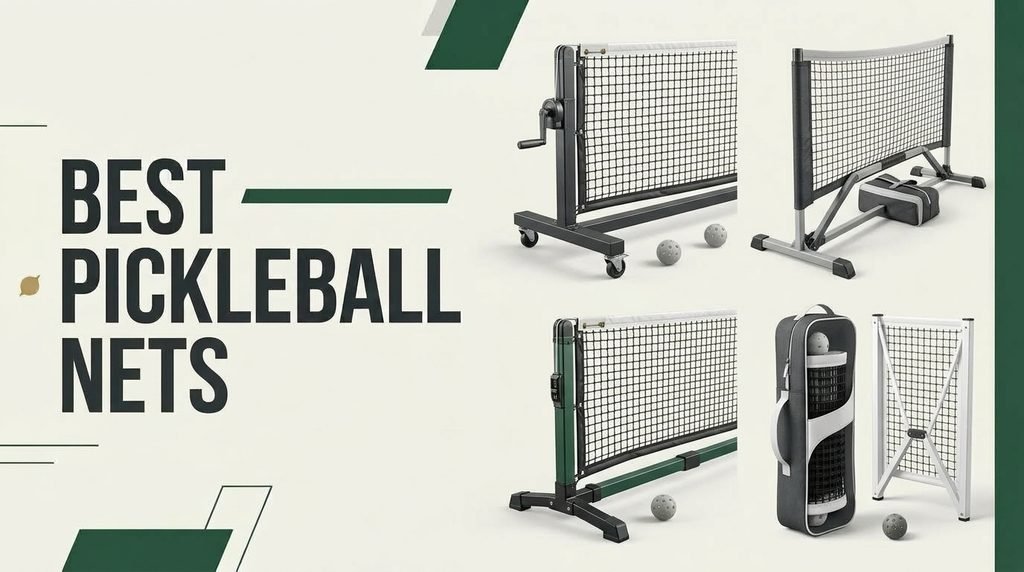
Choosing the right pickleball net in 2026 comes down to matching frame stability, mesh durability, portability, setup speed, and tension system quality to how and where you plan to play. We compare 10 standout nets from tournament-grade systems to affordable driveway kits so you can find one that holds regulation shape, transports easily, and lasts through many seasons of use.
The lineup spans budget-friendly portable nets under 70 dollars, mid-range tournament designs with hand crank tensioning, and premium aluminum systems with locking wheels for facility use. Each design carries specific trade-offs between weight, wind resistance, mobility, and long-term durability, so understanding what actually matters for your setting is the first decision.
This guide focuses on the specifications and practical realities that shape real usability during backyard games, community events, and league play. Use the comparisons below to understand where each net excels, what surface it suits, and how features like ball collectors, wheeled bases, or convertible half-court modes affect your setup.
We compared 10 pickleball nets using the details that actually shape real-world use: regulation size accuracy, frame material and thickness, mesh ply count and tear resistance, tensioning system quality, wind stability, portability, wheel and locking features, assembly speed, carry bag design, warranty support, and value. The notes focus on practical trade-offs so each pick connects to how people actually set up nets in driveways, backyards, gyms, community courts, and tournaments across different weather conditions and skill levels.


Compare key features, scores, and current prices side by side. A shorter feature list means fewer details were available, not necessarily fewer capabilities.


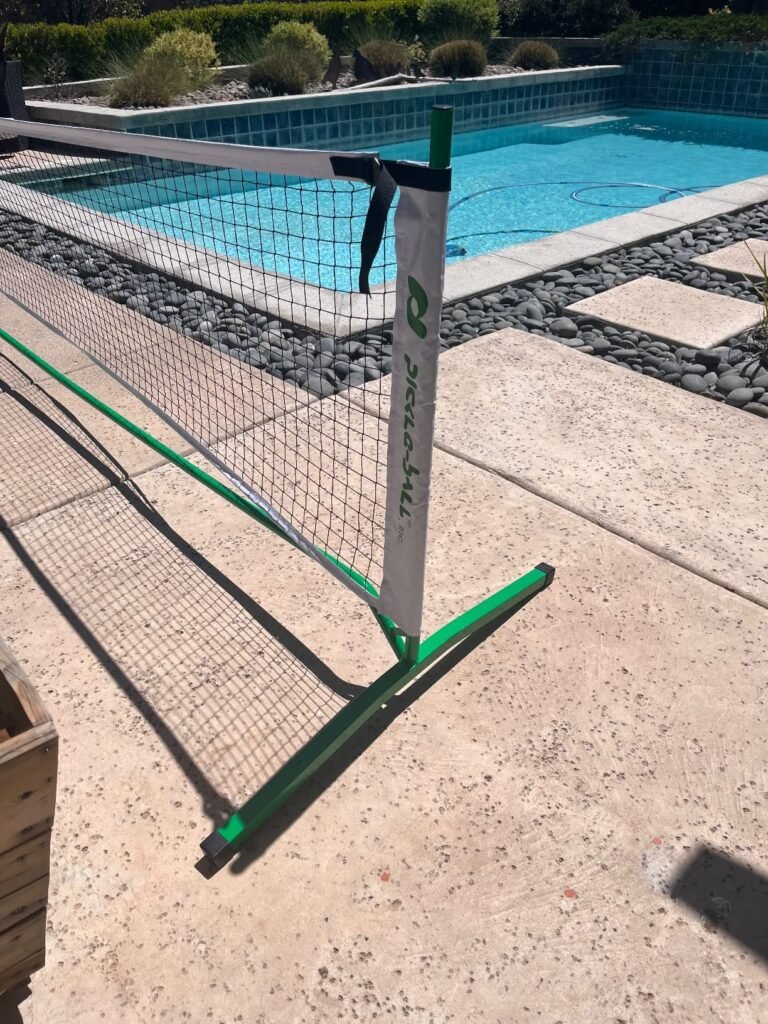
Pickle-Ball Inc. was founded by the families who invented the sport in 1965, and the 3.0 represents their third-generation tournament net design. The company's decades of experience show in the details, particularly the no-Velcro buckle tension system that avoids the sagging problem plaguing budget nets whose Velcro straps lose grip over time. This buckle system lets you incrementally tighten the net and keep it tournament-taut game after game.
We may earn a commission when you buy through this link, at no additional cost to you.
The net measures the true 22-foot regulation width with 36-inch sidelines and 34-inch center height, matching USA Pickleball standards exactly. A fiberglass center rod holds the middle at the correct height, which matters for consistent play and legitimate practice for tournament conditions. Powder-coated steel tubing keeps the frame at just 22 pounds while delivering the stability needed to resist wind and casual bumps.
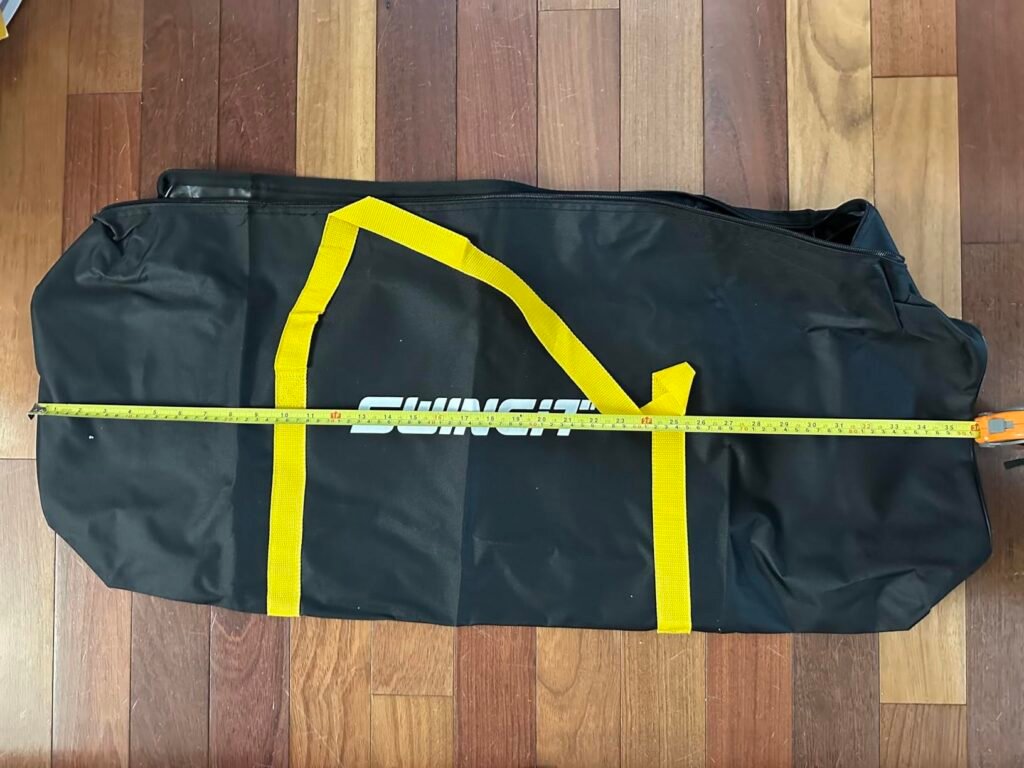
The raised center crossbar is a genuinely thoughtful design detail that protects the net from ball impacts and lets pickleballs roll underneath between points, saving time during play. Only two snap-together joints are required for setup or breakdown, which takes about five minutes with no tools. The oversized nylon carry bag includes Velcro frame straps and pockets for paddles and balls, making transport to driveways, gyms, parks, or cul-de-sacs practical.
Velcro straps gradually lose grip as the hook and loop material wears through repeated cycles of attachment and separation. When straps stop holding, the net sags and loses its correct height. A mechanical buckle system does not suffer from this wear pattern because it uses physical latching rather than friction. Over many months of use, this difference translates to a net that consistently plays at regulation height rather than needing frequent replacement or re-tensioning.
This is the strongest overall pick for buyers who value quality engineering, brand heritage, and long-term reliability. The tradeoff is a higher price than budget nets and no wheels for rolling transport, but the buckle tension system alone is a meaningful upgrade over Velcro alternatives. Trusted by clubs, YMCAs, and tournament organizers, this net delivers legitimate tournament-caliber play in a portable package.
Facility managers who need locking wheels for daily transport across large venues between multiple courts.
We may earn a commission when you buy through this link, at no additional cost to you.
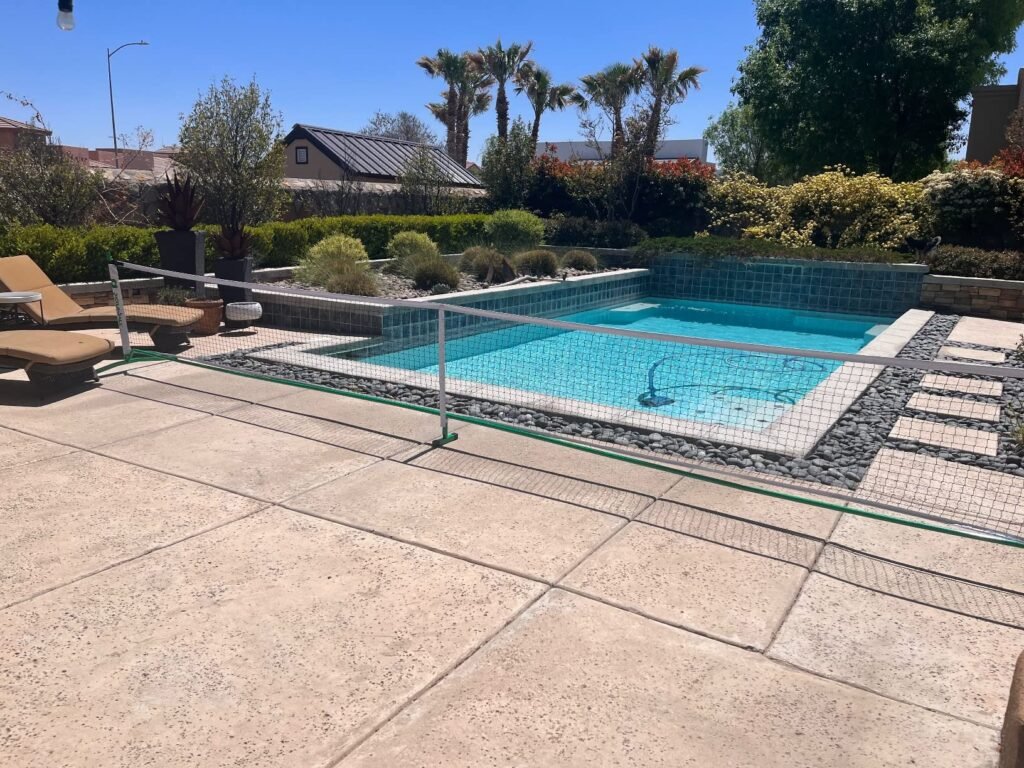
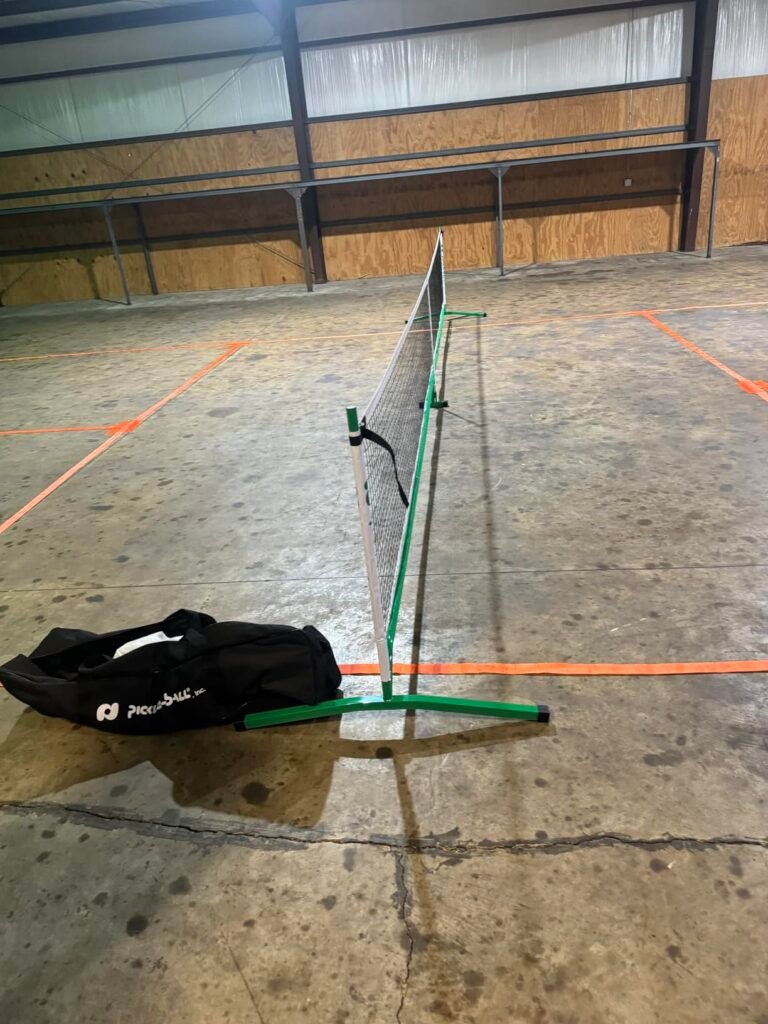
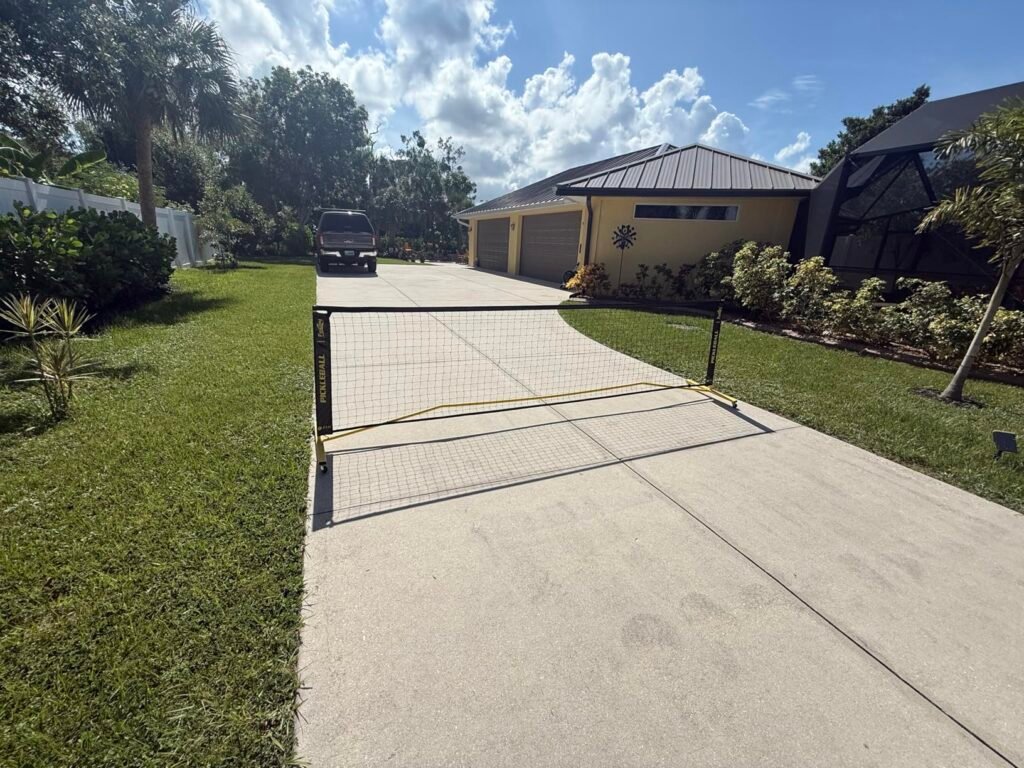
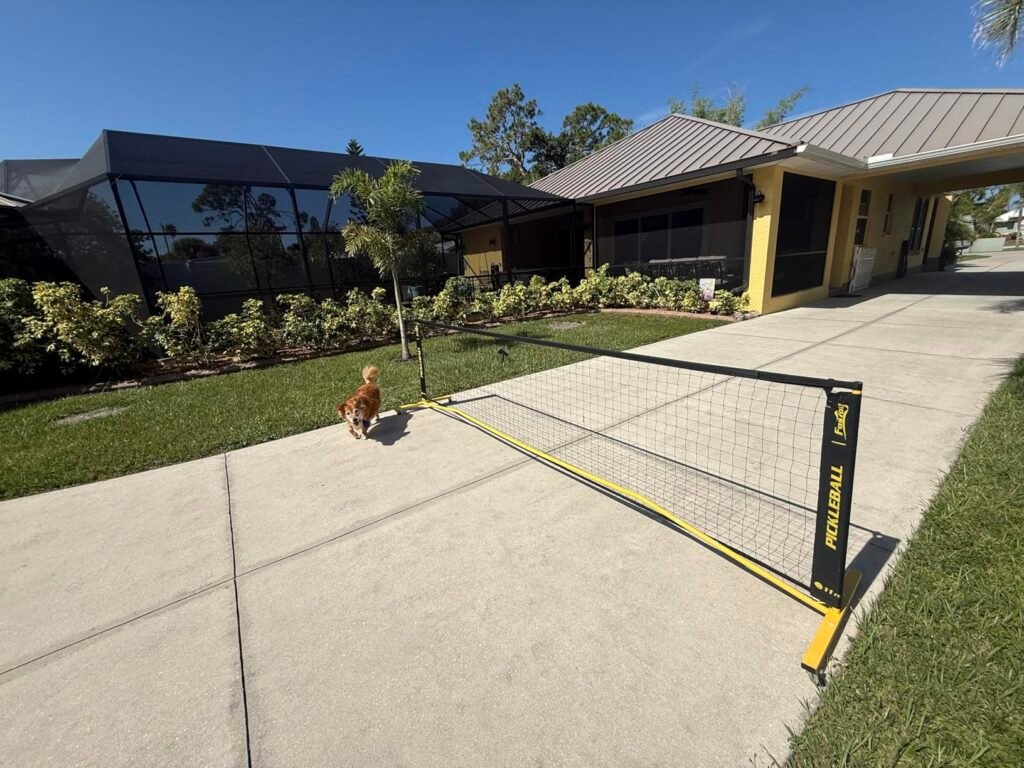
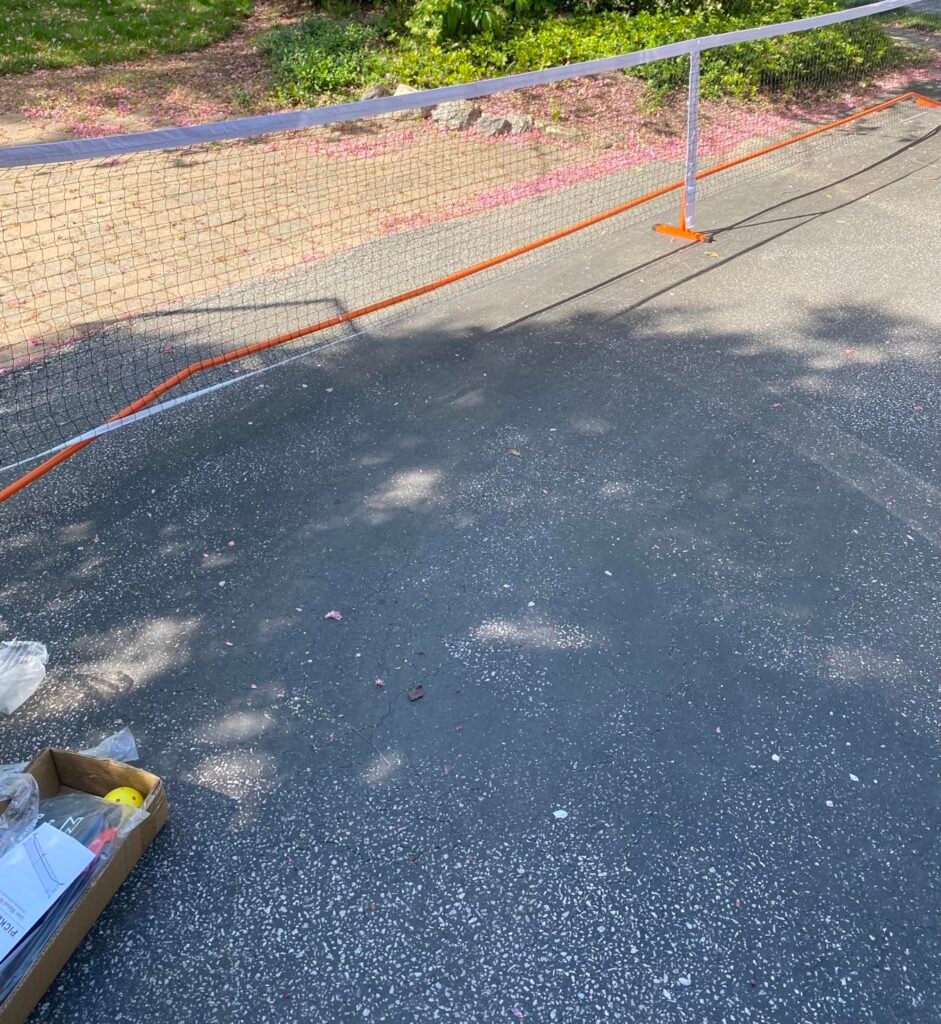
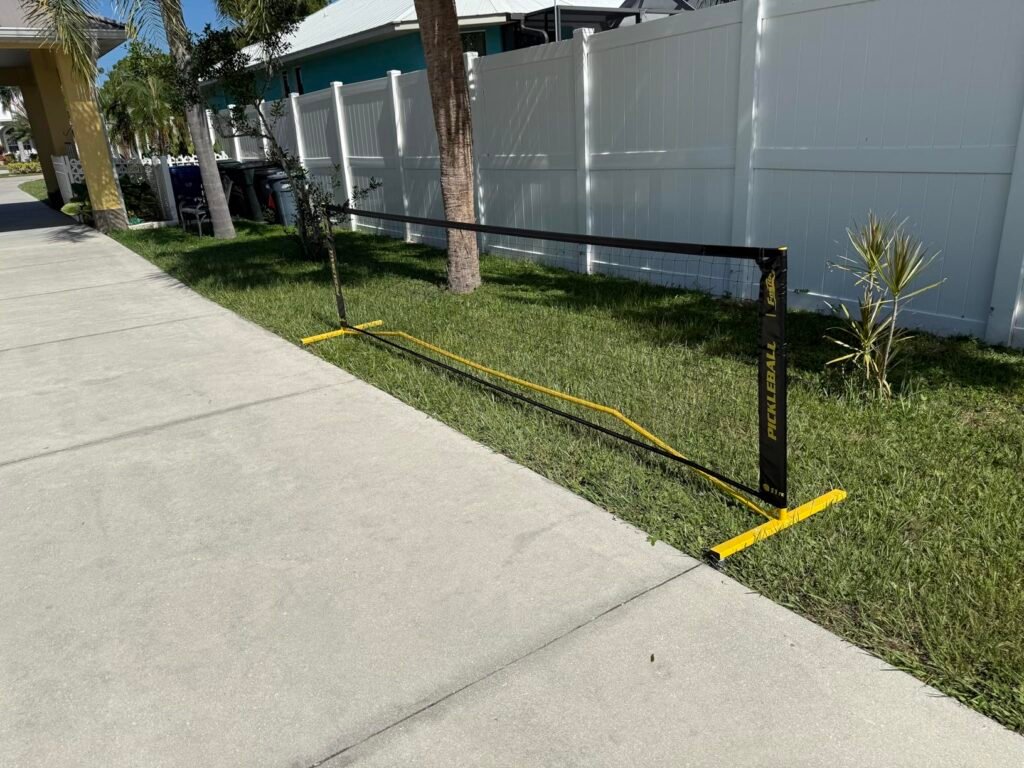
The Fostoy set solves a common problem for casual players: getting both regulation-size play and solo practice from a single purchase. The kit includes one frame system and two nets, letting you assemble a 22-foot full court for standard games or an 11-foot half court for quick drills and warm-ups. This dual-configuration approach is genuinely useful for households where different family members have different practice goals.
We may earn a commission when you buy through this link, at no additional cost to you.
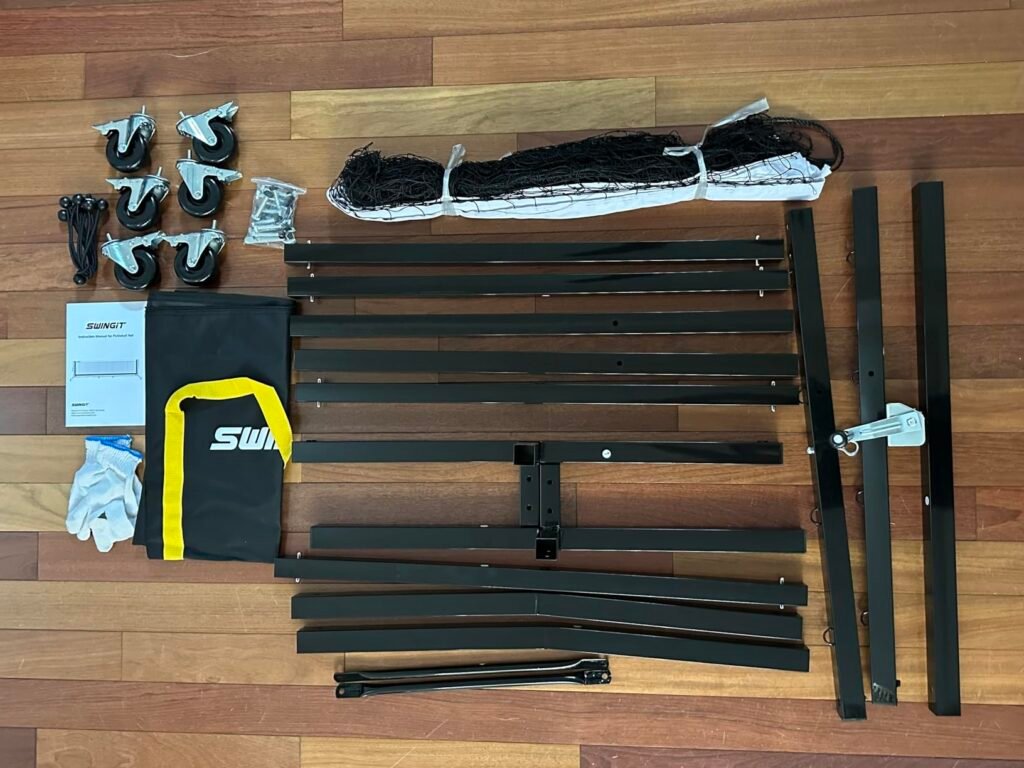
The 18-ply PE mesh is substantially thicker than the 15-ply or lower construction used in many budget nets, which translates to noticeably better tear resistance during hard shots. The sides are double-sewed onto the PVC tarp, adding stitching redundancy at the highest stress points. The metal frame uses 1mm wall thickness with a 24-inch wide end base, providing enough stability to keep the net upright during typical outdoor conditions.
Assembly is tool-free thanks to the interlocking design, and each part is labeled to remove guesswork. The magic straps at the top allow you to fine-tune net tension until the shape looks correct. The middle support rod is iron rather than the flimsier fiberglass used in some cheaper kits, which helps maintain the correct 34-inch center height throughout long play sessions.
An 11-foot half court net lets a single player practice serves, dinks, and volleys without needing a partner or a full court’s worth of space. This is genuinely helpful for improving specific shot types, warming up before matches, or squeezing in practice sessions when full-court space is not available. Having both configurations in one kit means you can transition between social play and focused solo training without buying additional equipment.
This is the strongest value pick for buyers who want a versatile net for driveway play, backyard games, and casual practice sessions. The tradeoff is that it is not designed for permanent installation or heavy-duty tournament use. For families, recreational players, and anyone who wants both configurations without buying two separate kits, the Fostoy delivers real practical value.
Tournament directors and facilities that need aluminum frames and locking wheels for constant transport across a venue.
We may earn a commission when you buy through this link, at no additional cost to you.
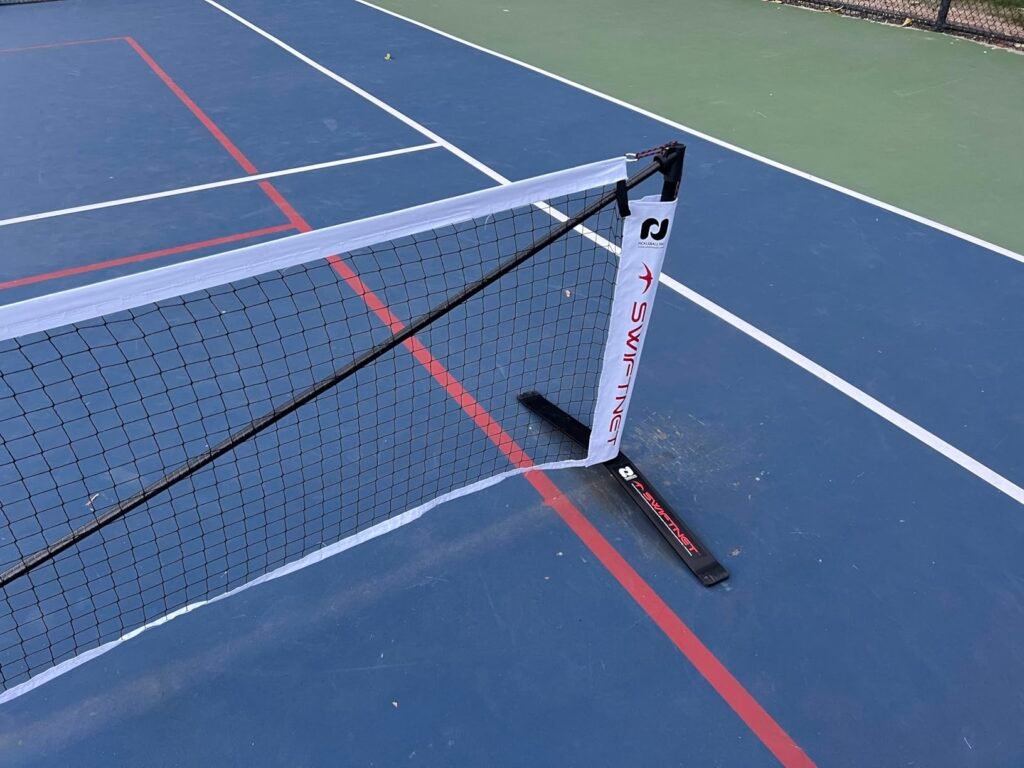
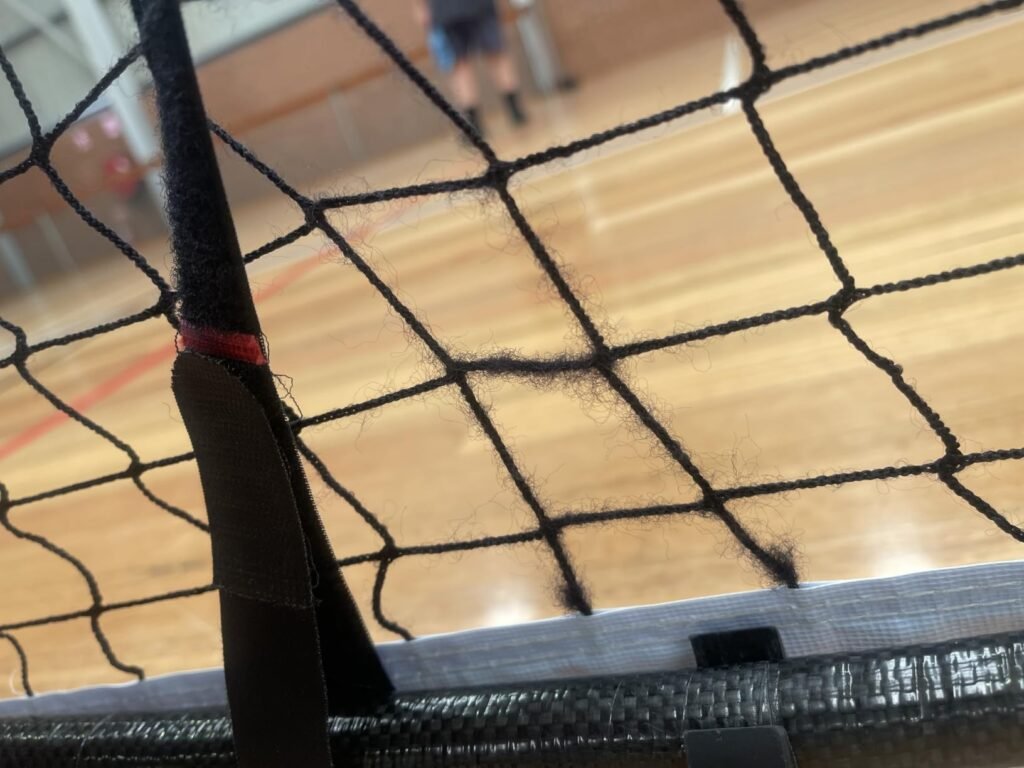
The SwiftNet 2.1 addresses the most common complaint about tournament-grade nets: they are heavy to carry. By building the frame from carbon fiber rather than steel or aluminum, this system dramatically reduces transport weight while maintaining the structural integrity needed for regulation play. For players who carry equipment to different courts weekly, this weight savings genuinely matters over the long term.
We may earn a commission when you buy through this link, at no additional cost to you.
The regulation-size compliance ensures a professional-level playing experience at 22 feet wide with the correct sideline and center heights. The robust base and tensioning system engineered for the SwiftNet keep the net firm and level across various surfaces, from asphalt driveways to indoor gym floors. This consistency matters because uneven tension makes shots play differently on different sides of the court.
Assembly and takedown are designed for speed, letting you focus on playing rather than fighting with equipment. The net folds down into a compact size and includes a carrying case, making it practical to load into a car trunk or store in a closet without dedicating significant space. For players who move between multiple courts or store equipment in tight spaces, this compact design is a real convenience.
Carbon fiber is significantly lighter than steel while providing comparable strength in properly engineered structures. For equipment that gets transported frequently, this weight difference reduces fatigue during setup and makes single-person transport practical. The tradeoff is higher material and manufacturing cost, but for players who move equipment often, the physical benefit is genuinely valuable over hundreds of setups.
This is the top pick for buyers who prioritize portability without sacrificing regulation-size play. The tradeoff is that the carbon fiber frame carries a premium price, and the lighter weight may require sandbag ballasts in strong wind. For traveling players, tournament organizers, and anyone who values setup speed and portability, the SwiftNet delivers a well-engineered solution.
Buyers on a strict budget who want basic tournament-size play without paying for premium carbon frame construction.
We may earn a commission when you buy through this link, at no additional cost to you.
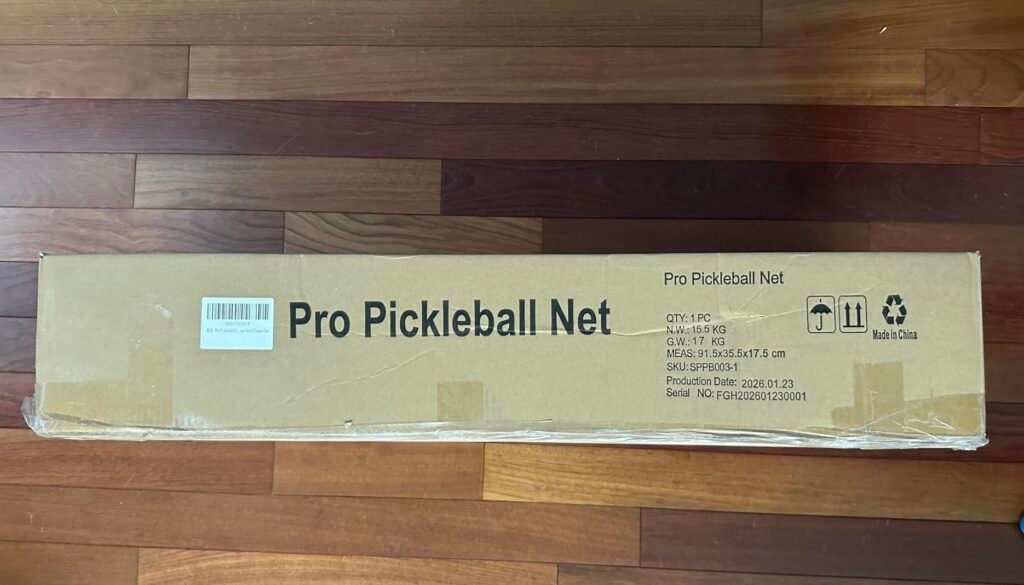
The Pro Pickleball Net's defining feature is its hand winch tensioning system, which lets you precisely adjust net tension with a crank rather than depending on straps or buckles. This mechanical approach keeps the net tight and straight throughout long play sessions, addressing the sag problem that develops in less refined tensioning systems. For serious players who care about consistent net height game after game, this system is a meaningful upgrade.
We may earn a commission when you buy through this link, at no additional cost to you.
The 22-foot IFP regulation size ensures the net meets professional standards with a 34-inch center height and 36-inch sideline height. The heavy-duty frame construction resists wind and maintains stability even in outdoor conditions, though the additional weight is a tradeoff for portability. The 3-inch locking wheels allow you to move the net between locations and lock it in place once positioned, adding practical convenience for facility use.
Assembly speeds up thanks to pre-attached quick-tie points that eliminate the tedious rope threading required by some competitors. Metal buckle clips on the frame make base assembly a matter of minutes rather than a lengthy process. The included carry bag keeps parts organized during storage and transport, though the overall system is heavier than budget alternatives.
A hand winch lets you apply and adjust net tension with mechanical precision, which is fundamentally different from strap-based systems. Once tensioned, the winch holds position through pure mechanical resistance rather than friction, meaning the net stays at the intended tension throughout play. This is particularly valuable for tournament-caliber games where consistent net height affects shot outcomes and scoring.
This net suits buyers who prioritize a professional-grade tensioning system and mobility features for court switching. The tradeoff is a lower average rating than some competitors, which suggests occasional quality control variance, and the heavier construction makes single-person transport more effortful. For gym managers, community centers, and serious league players, the hand crank system is a legitimate differentiator worth considering.
Casual weekend players who do not need precision tensioning and prefer lighter, less complex portable systems.
We may earn a commission when you buy through this link, at no additional cost to you.
The BAGAIL set combines convertibility with genuinely useful convenience features. The 2-in-1 frame design assembles into either a 22-foot regulation full-court configuration or an 11-foot half-court practice setup, adapting to different playing situations from the same purchase. This flexibility suits families and mixed-group play where different sessions have different requirements.

We may earn a commission when you buy through this link, at no additional cost to you.
The exclusive ball collector is the standout feature, keeping pickleballs organized and within reach during games. Instead of scattered balls rolling across the court, players can grab the next serve quickly and maintain game rhythm. Combined with the 4 pickleballs included in the kit, this addresses two common frustrations at once for beginners setting up a home court.
The 360-degree rotating lockable wheels provide smooth mobility when repositioning and secure the net firmly once locked. The reinforced 8-ply PE net is tear-resistant enough for regular use, though it does not match the 18-ply density of premium alternatives. The 0.8mm powder-coated rust-proof metal poles provide a solid foundation for weather resistance and long-term outdoor use, and the adjustable tension straps on both sides help prevent sagging.
Pickleballs that scatter across a play area interrupt game flow and can create tripping hazards. A dedicated ball collector on the net gives players a defined place to grab serving balls, keeping games moving and reducing the time spent chasing loose balls between points. For casual home setups and family play, this small convenience meaningfully improves the overall experience.
This net suits home players who want convertibility, ball organization, and mobility in one package with substantial warranty protection. The tradeoff is that the 8-ply mesh will not last as long under intense play as heavier constructions, and setup requires careful attention to the numbered assembly instructions. For driveway players and casual home use, the ball collector and convertibility features add real everyday value.
Tournament and high-intensity league play where the 8-ply mesh may wear faster than higher-ply competitors.
We may earn a commission when you buy through this link, at no additional cost to you.
The A11N Pro targets community centers, gyms, and locations hosting multiple sports events where nets need frequent repositioning. Six caster wheels distribute the frame's weight and let it move smoothly across outdoor courts or wooden gymnasium floors. Once positioned, the wheels lock to hold the net firmly in place during play, which is genuinely useful for venues that need to reconfigure court layouts throughout the day.

We may earn a commission when you buy through this link, at no additional cost to you.
The hand winch tensioning system keeps the net tight and straight consistently, addressing the sag problem inherent to strap-based systems. The thick metal frame uses rust-resistant powder coating that stands up to outdoor moisture and weather changes. The wide bent-leg design provides stability in windy conditions, and the included empty sand bag ballasts let you add weight when playing in particularly gusty outdoor settings.
The regulation dimensions of 22 feet wide with 36-inch sideline height and 34-inch center height meet official pickleball guidelines. This ensures training on this net translates directly to tournament play conditions. The warranty coverage of 12 months on the net posts and 6 months on the net itself provides meaningful protection for the frame components most likely to face wear.
Wind can shift or tip lightweight nets during outdoor play, disrupting games and potentially damaging the frame. Sand-filled ballast bags add significant weight at the base without requiring a heavier permanent frame construction. This is particularly valuable in coastal areas, open parks, or elevated locations where wind is a regular concern. Filling the bags when you set up and emptying them for transport keeps the system portable while adding stability when needed.
This net is a strong choice for facilities and homeowners who prioritize mobility and wind stability options. The tradeoff is that the sand bags require you to fill them separately, and the shorter warranty on the net itself suggests it may need replacement before the frame does. For community centers, multi-sport venues, and outdoor courts in windy locations, the combination of wheels and sand ballast options provides practical flexibility.
Buyers who want a lighter, more portable design without wheeled bases and ballast complexity.
We may earn a commission when you buy through this link, at no additional cost to you.
The Zdgao net delivers regulation-size play at one of the most accessible price points in the lineup. The 22-foot width with 36-inch sideline height and 34-inch center height meets official standards, so buyers get legitimate play dimensions without paying tournament-grade prices. This positioning makes it a practical choice for households buying their first net or for buyers who want a backup set for occasional guests.

We may earn a commission when you buy through this link, at no additional cost to you.
The upgraded 15-ply knotless mesh is meaningfully thicker than the 8-ply mesh in some budget alternatives, providing better tear resistance for regular play. Double machine-sewing on both the side sleeves and middle connections adds structural redundancy at the highest stress points. For a net at this price, the mesh construction is genuinely a step above basic budget options.
The sturdy steel frame with interlocking design allows for quick and hassle-free assembly in less than 5 minutes. Numbered piece labels and easy-to-follow instructions eliminate guesswork, and no assembly tools are required. The included carrying bag makes transport and storage straightforward, and Velcro straps at the top let you tighten the net to maintain shape even in windy conditions.
Mesh ply count refers to how many layers of woven material make up the net. Higher ply counts like 15 or 18 provide substantially better tear resistance than 8-ply alternatives because forces from hard shots spread across more material. For nets that see frequent use, the difference in longevity between 8-ply and 15-ply mesh can be significant over a full season, making the specification worth checking before purchase.
This net is the top budget pick for families and casual players who want a regulation-size net at minimal cost. The tradeoff is no wheels for mobility and the Velcro top system will eventually weaken with heavy use compared to buckle-based alternatives. For driveways, backyards, and occasional play, the Zdgao delivers real value that punches above its price bracket.
Tournament venues and facilities that need wheeled mobility and premium construction for heavy daily use.
We may earn a commission when you buy through this link, at no additional cost to you.
The PickleNet Deluxe represents a step up from standard portable nets through several thoughtful engineering choices. The 1.5-inch by 3-inch oval tubing frame provides substantially more resistance to bending than round tubing of comparable weight, which translates to a more stable net even under lateral pressure. This construction philosophy prioritizes stability over minimum weight, which suits venues and serious home courts.

We may earn a commission when you buy through this link, at no additional cost to you.
The hybrid design uses over 50 percent aluminum, making it lighter than the original PickleNet while maintaining structural rigidity through powder-coated steel components. The locking 4-inch wheels are larger than the 3-inch wheels used on some competitors, which makes rolling across rough asphalt, grass, or gym floor thresholds meaningfully easier. Once locked, the wheels hold the net firmly in place during play.
The center-strap design maintains consistent net height throughout play, and the elastic bottom net band speeds up setup while extending net durability by reducing stress at attachment points. These details reflect experience with real-world use patterns rather than just meeting minimum specifications. The included heavy-duty zippered duffel bag has wheels of its own and convenient dividers for organized storage and transport.
Oval tubing has greater resistance to bending in the vertical direction than round tubing of comparable weight because the shape distributes structural loads more efficiently along the vertical axis. For net frames that need to resist downward pressure from the net’s own tension and lateral pressure from wind, oval tubing provides better rigidity without requiring heavier walls. This engineering choice is common in premium sports equipment for exactly this reason.
This is the premium pick for buyers who want long-term reliability and thoughtful engineering in a mobile net system. The tradeoff is a significantly higher price and heavier weight compared to budget or ultralight alternatives. For serious home courts, community centers, and locations where the net will see daily use, the PickleNet Deluxe delivers premium construction that justifies the investment.
Budget-focused buyers who need basic regulation-size play without paying for premium construction features.
We may earn a commission when you buy through this link, at no additional cost to you.
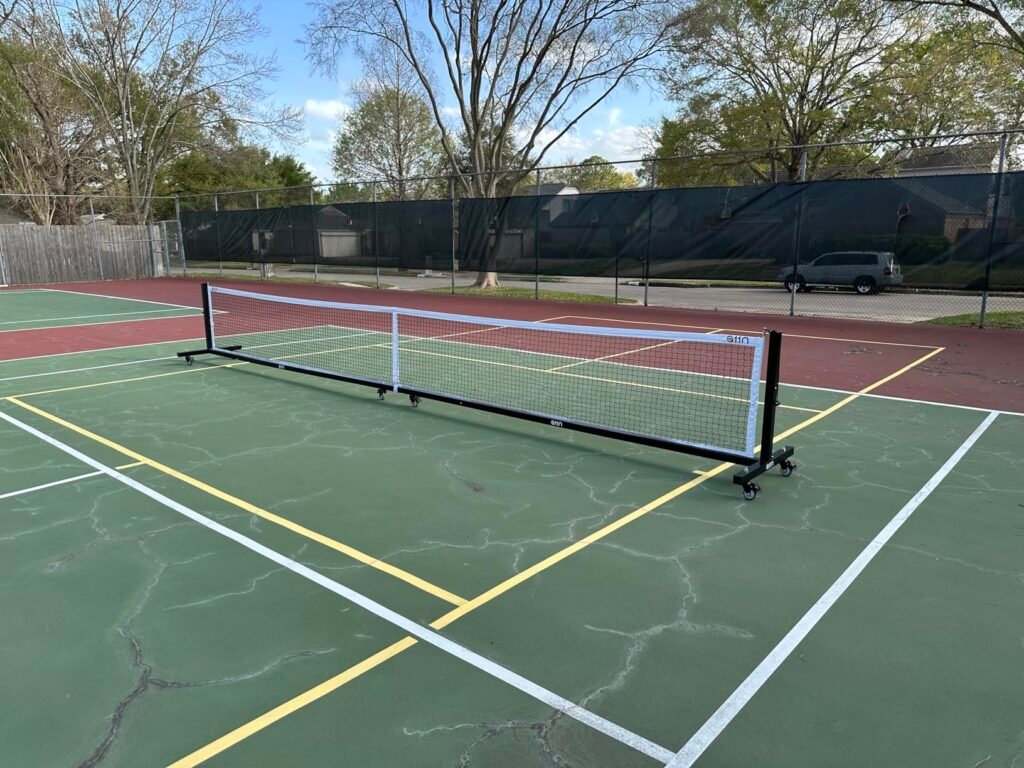
The A11N Aluminum Tournament net targets facilities and serious players who want a rust-proof, corrosion-resistant frame for indoor and outdoor use. The 50mm box-shaped pure aluminum poles are reinforced with an internal 2.7mm aluminum tube at each connection point, and tube thickness exceeds 5mm. This construction avoids the rust concerns that eventually affect steel-framed nets left outdoors, making it a smart choice for permanent outdoor court installations.
We may earn a commission when you buy through this link, at no additional cost to you.
The IFP tournament net standards compliance ensures the 22-foot length, 34-inch center height, and 36-inch sideline height match professional expectations. The heavy-duty knotted netting resists weather-related degradation and maintains consistent performance across humidity, temperature swings, and sun exposure. For outdoor courts that see extended weather exposure, the material choices matter significantly for long-term appearance and function.
The quick tension lock system uses a cord-and-frame design that lets you tension the net simply by pulling the cord after inserting it into the frame. This eliminates the fiddly threading required by some systems and speeds setup dramatically. The screwless assembly design further reduces setup complexity, and the six built-in caster wheels let the entire net glide across outdoor courts or wooden gym floors between play sessions.
Aluminum resists rust and corrosion far better than steel, making it the better choice for outdoor equipment exposed to moisture and humidity. Steel is generally more impact-resistant and stronger per unit weight, but properly designed aluminum frames can match steel’s structural performance while lasting longer in wet conditions. For coastal areas, outdoor installations, or storage in unheated buildings, aluminum’s corrosion resistance is genuinely valuable over the years of use.
This net suits facilities and serious players who prioritize rust resistance and quick tensioning in a mobile system. The tradeoff is the premium price for aluminum construction and the fact that aluminum is less impact-resistant than steel if the frame takes a hard hit. For outdoor court installations in humid climates, coastal areas, or facilities that store equipment outdoors, the rust-resistant aluminum construction is a genuine long-term advantage.
Buyers who want the lowest price and do not need corrosion-resistant construction for outdoor storage.
We may earn a commission when you buy through this link, at no additional cost to you.
The A11N All-Weather net provides regulation-size play in a 20-pound package that one person can easily carry to and from a court. The 22-foot width with 36-inch sidelines and 34-inch center height matches official pickleball guidelines, so training on this net translates directly to tournament conditions. This combination of legitimate dimensions and manageable weight makes it practical for players who move equipment frequently.

We may earn a commission when you buy through this link, at no additional cost to you.
The sturdy interlocking metal frame stands up to outdoor weather while the solid PE knotless net provides better durability than the polyester used by some other brands. The dual PVC fabric adds an extra layer of protection at high-stress points on the mesh. Together, these material choices help the net maintain its appearance and function through repeated exposure to sun, rain, and temperature changes.
Assembly is tool-free thanks to labeled parts that eliminate guesswork about which piece connects where. The included carrying bag holds the entire disassembled system compactly for storage in a car trunk or closet. The bright yellow stoving varnish-coated frame and black net color combination provides good visibility on white indoor court surfaces or against grass backdrops outdoors.
A 20-pound net frame is genuinely manageable for one person to carry, load into a vehicle, and set up without assistance. Heavier tournament systems often require two people or a wheeled base for practical transport. For players who move equipment to different courts, community centers, or park settings, this weight difference makes the difference between easily bringing a net along and leaving it at home.
This net suits buyers who want regulation-size play at an accessible price with genuinely portable weight. The tradeoff is that no wheels are included for rolling transport, and the lightweight construction may benefit from sandbag ballasts in gusty outdoor conditions. For weekend players, families, and buyers who want a light, reliable net for varied play locations, the A11N All-Weather delivers strong value.
Facility use where daily transport across large venues favors wheeled bases and heavier stability features.
We may earn a commission when you buy through this link, at no additional cost to you.
Selecting a pickleball net involves more than picking the cheapest option or the most feature-loaded system. The right net depends on where you will play, how often you will set it up, and what stability and portability priorities matter most for your situation. This section breaks down the specifications that genuinely shape long-term satisfaction.
USA Pickleball regulation dimensions call for a net that measures 22 feet wide with a 36-inch height at the sidelines and a 34-inch height at the center. This slight dip toward the middle is intentional and creates the characteristic play dynamics of the sport. All 10 nets in this guide meet the 22-foot regulation size, which means practicing on any of them translates directly to what you would experience in league or tournament settings.
Some nets like the Fostoy and BAGAIL sets also include an 11-foot half-court configuration, which is useful for solo practice or when full-court space is not available. Half-court setups work well for serving drills, dinking practice, and warm-ups but do not replicate full match conditions. If you plan to primarily play doubles matches with family or friends, prioritize the full 22-foot configuration and consider the half-court option a bonus rather than a primary use case.
Choose full 22-foot regulation for match play. Add half-court capability if you plan to practice solo or teach beginners in reduced spaces.
Frame materials significantly affect a net’s weight, stability, weather resistance, and price. Powder-coated steel is the most common choice for portable pickleball nets because it provides good strength at reasonable cost. Steel frames like those on the Pickle-Ball 3.0 and Zdgao nets deliver the stability needed for outdoor use and resist damage from casual bumps. The tradeoff is heavier weight and potential rust concerns if the powder coating gets damaged during years of outdoor storage.
Aluminum frames are lighter and rust-resistant, making them ideal for outdoor courts, coastal areas, or facilities that store equipment in unheated buildings. Systems like the A11N Aluminum Tournament net use pure aluminum for the entire frame, while hybrids like the PickleNet Deluxe combine aluminum with steel to balance weight and impact resistance. Carbon fiber, seen on the SwiftNet 2.1, offers the lightest weight but at premium prices reserved for buyers who value portability above all else.
Choose steel for value and stability in a stationary setup. Choose aluminum for weather resistance and lighter portability. Choose carbon fiber only if minimum weight is essential.
Mesh construction determines how long the net portion of the system will last under regular play. Ply count refers to how many layers of woven material make up the net, with higher ply counts providing better tear resistance. Budget nets often use 8-ply construction, mid-range options like the Zdgao use 15-ply, and premium systems like the Fostoy use 18-ply. The difference matters most for nets that see frequent use, where lower-ply meshes may develop tears within a season.
The style of mesh construction also matters. Knotless mesh, used on nets like the Zdgao and A11N All-Weather, resists snagging on paddle edges and lasts longer than knotted alternatives in most conditions. Knotted mesh, found on premium tournament systems like the A11N Aluminum, is thicker at each intersection but can catch on rough paddle edges. Double machine-sewn edges add durability at the highest stress points where the net attaches to the frame.
Prioritize 15-ply or higher mesh for regular use. Look for knotless construction and double-sewn edges to maximize net longevity across many seasons.
The tensioning system determines how tight and consistent your net stays during play. Basic systems use Velcro straps at the top to attach the net to the frame, and while these work initially, the hook and loop material gradually loses grip over months of use, leading to sag. This is the primary limitation of budget nets and the reason premium systems use different approaches.
Buckle tension systems, like the one on the Pickle-Ball 3.0, use mechanical latching that does not wear from repeated use. Hand winch systems, found on the Pro Pickleball Net and A11N Pro, use a cranking mechanism to apply precise tension that stays locked in place. These systems represent meaningful upgrades over Velcro for buyers who play frequently and want the net to consistently sit at regulation height without adjustment every few games.
Choose Velcro tension for occasional play. Choose buckle or hand winch systems if you play weekly or more, or if you care about tournament-caliber consistency.
How you plan to move the net between play sessions dramatically affects which features matter. If you set up in your driveway and store the disassembled net in a garage, portability weight and carry bag quality are the primary concerns. Lightweight systems like the 20-pound A11N All-Weather net and the 22-pound Pickle-Ball 3.0 are easy for one person to carry to and from storage.
For facilities, community centers, or homes where the net stays assembled between play sessions, wheeled systems make a real difference. Locking caster wheels on the PickleNet Deluxe, A11N Pro, and A11N Aluminum Tournament let you roll the net between locations and lock it firmly in place during play. This matters especially for gym managers who need to reconfigure court layouts throughout the day or for outdoor courts where the net needs to move away from parking areas during off-hours.
Choose lightweight carry-bag systems for storage-based use. Choose wheeled systems if the net stays assembled and needs to be repositioned frequently.
Setup time affects how often you actually use the net. Nets that take 15 minutes or more to assemble tend to sit in storage more often than those that set up in five minutes. Most modern portable nets aim for a 5-minute or faster setup through interlocking parts, numbered pieces, and clear instructions. Tool-free assembly is standard for portable systems, and this feature is worth confirming before purchase.
The Pickle-Ball 3.0 uses only two snap-together joints for setup, which is among the fastest in the category. Nets with quick-tie or pre-attached rope points, like the Pro Pickleball Net, eliminate the time-consuming process of threading rope through the mesh. Systems with screwless assembly, like the A11N Aluminum Tournament, further reduce complexity. For daily-use scenarios, these design choices meaningfully affect whether the net gets used or stays in the bag.
Prioritize tool-free setup with numbered parts and pre-attached tension points if you plan to set up and take down frequently. Complex assembly is only acceptable for permanent installations.
Wind is the biggest challenge for portable nets in outdoor settings. Lightweight nets can shift or tip during gusty conditions, disrupting games and potentially damaging the frame. Wider bent-leg designs, like those on the Pickle-Ball 3.0 and A11N Pro, spread the base for better stability. Heavier frames like the PickleNet Deluxe resist wind through sheer mass without needing additional ballast.
For outdoor courts in windy areas, look for systems that include ballast options. The A11N Pro comes with empty sand bags that you can fill for extra stability. Some players add DIY weights like water jugs or gym plates to the base of lighter nets in windy conditions. Understanding your local wind conditions helps determine whether you need a heavier system with built-in stability or a lighter system with ballast capability.
Choose heavier frames with wide bases for consistently windy outdoor courts. Choose lighter systems with ballast options if wind is only an occasional concern.
Set up the net on a flat, level surface to ensure proper tension distribution and consistent height across the entire 22-foot span. Follow the numbered assembly instructions carefully during your first setup, as skipping steps or incorrectly connecting parts can lead to uneven tension or premature wear at connection points. Take a few minutes to adjust the tension until the top of the net sits at the correct 34-inch center height and 36-inch sideline height. Use a tape measure during initial setups to develop a feel for correct tension by sight.
Store the disassembled net in the included carry bag when not in use, and keep the bag in a dry location like a garage, closet, or covered storage area. Prolonged exposure to sun and moisture accelerates wear on the mesh and can cause powder coatings to fade or peel. If the net gets wet during play, let it dry fully before packing it away to prevent mildew and rust. For frames with painted or coated finishes, wipe them down periodically with a soft cloth to remove dirt and prevent buildup.
Inspect the net and frame periodically for signs of wear, particularly at the tension points, connection joints, and mesh attachment areas. Small tears in the mesh can be temporarily repaired with mesh repair tape, but significant damage means it is time to replace the net portion. Frame components with damaged powder coating should be touched up or replaced before rust sets in. For nets used in windy conditions, check ballasts, sandbags, or additional weights before each session to ensure the net stays stable throughout play.
USA Pickleball regulation dimensions require a net that measures 22 feet wide with a 36-inch height at the sidelines and a 34-inch height at the center. The slight dip in the middle is intentional and defines the characteristic play dynamics of the sport. All 10 nets in this guide meet this regulation size, so practice on any of them translates directly to competitive play conditions.
Portable nets are the standard for driveways, home courts, community centers, and gyms because they can be moved, stored, and repositioned as needed. Permanent installations are rare for pickleball and typically found only at dedicated pickleball facilities. For virtually all recreational and league play situations, a portable net is the correct choice.
Most modern portable nets set up in 5 minutes or less thanks to tool-free interlocking designs and numbered parts. The Pickle-Ball 3.0 uses only two snap-together joints for even faster assembly. First-time setups may take slightly longer as you learn the sequence, but experienced users can reliably set up most nets in under 5 minutes.
Yes, most portable pickleball nets work for both indoor and outdoor use. Powder-coated steel and aluminum frames resist weather, and the mesh materials handle both gym floors and outdoor surfaces. For frequent outdoor use in humid or coastal areas, aluminum frames like the A11N Aluminum Tournament resist rust better than steel over the long term.
Choose nets with wide bent-leg designs that spread the base for stability, and consider systems that accept sandbag ballasts for windy conditions. The A11N Pro includes empty sand bags for this purpose. In gusty outdoor conditions, you can also add water jugs or gym weights at the base of lighter nets for additional stability.
Wheeled nets are worth the investment if you need to move the net between play sessions without disassembling it. Facility managers, gym operators, and homeowners with dedicated courts benefit most from wheels. If you disassemble and store the net after each use, a lighter non-wheeled system may serve you better and cost less.
A well-maintained net can last several years of regular use. The frame typically outlasts the mesh, and many manufacturers offer separate warranties on frame and net components. Storing the net in its carry bag between uses, keeping it dry, and inspecting for wear regularly extends useful life significantly. Expect to eventually replace the mesh even if the frame remains functional.
Velcro tension systems use hook-and-loop straps that gradually lose grip over months of use, leading to net sag. Buckle systems, like the one on the Pickle-Ball 3.0, use mechanical latches that do not wear from repeated use. Hand winch systems apply precise tension through a crank mechanism. For frequent play, buckle or winch systems significantly outperform Velcro over time.
Most portable pickleball nets are designed for one-person setup thanks to interlocking parts, numbered pieces, and manageable component weights. Lightweight systems like the 20-pound A11N All-Weather net are especially easy for solo assembly. Heavier tournament systems may benefit from two people during setup, though most can still be assembled alone with a bit more effort.
A dedicated ball collector, like the one on the BAGAIL set, gives players a defined place to grab serving balls between points. This keeps game flow moving and reduces the time spent chasing loose balls across the court. For casual home play and family games, this small convenience meaningfully improves the overall experience and reduces mid-game interruptions.
The Pickle-Ball 3.0 Tournament stands out as the strongest overall choice for buyers who value engineering quality, brand heritage, and long-term reliability. Made by the families who invented the sport, it delivers true regulation size, a buckle tension system that outperforms Velcro over time, and a manageable 22-pound weight that one person can transport easily. The 4.8 average rating and tournament use across clubs and YMCAs speak to consistent performance.
For buyers with different priorities, the Fostoy portable set offers exceptional value with its convertible full and half-court design at an accessible price, while the PickleNet Deluxe delivers premium construction with oval tubing and locking wheels for facilities and dedicated home courts. Budget-focused buyers should look at the Zdgao portable net for regulation-size play under 60 dollars, and the SwiftNet 2.1 provides carbon fiber portability for players who move equipment frequently.
Start by identifying where you will play, how often you will set up and take down the net, and what stability and mobility features matter for your situation. Driveway and backyard players typically do well with lightweight portable systems, while facility and community court managers benefit from wheeled tournament designs. Choose a net with the tension system, mesh quality, and portability features that match your actual use patterns, and the right pick will deliver years of reliable pickleball enjoyment.