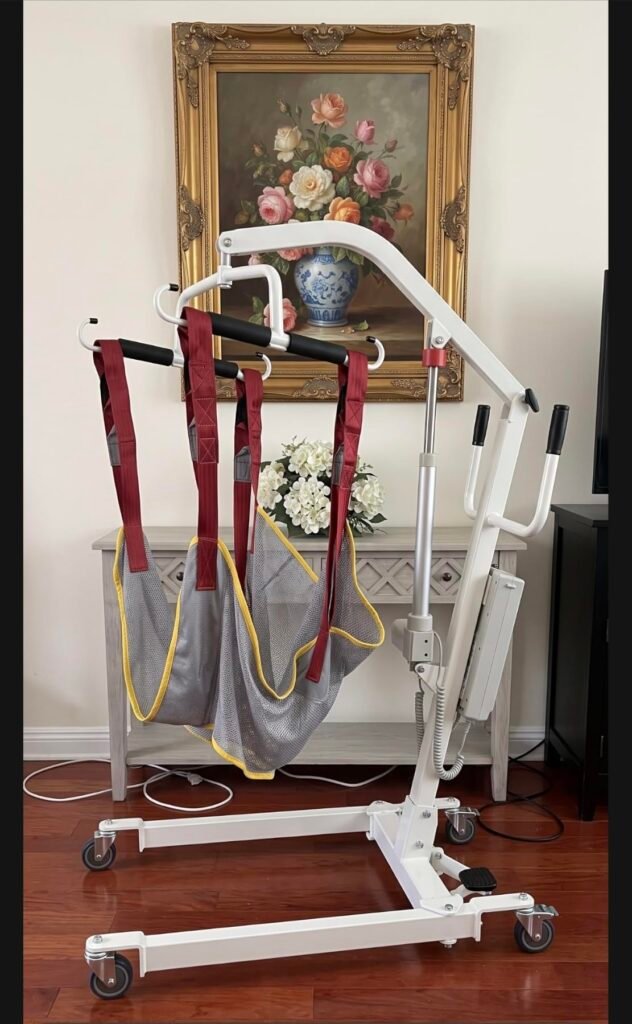
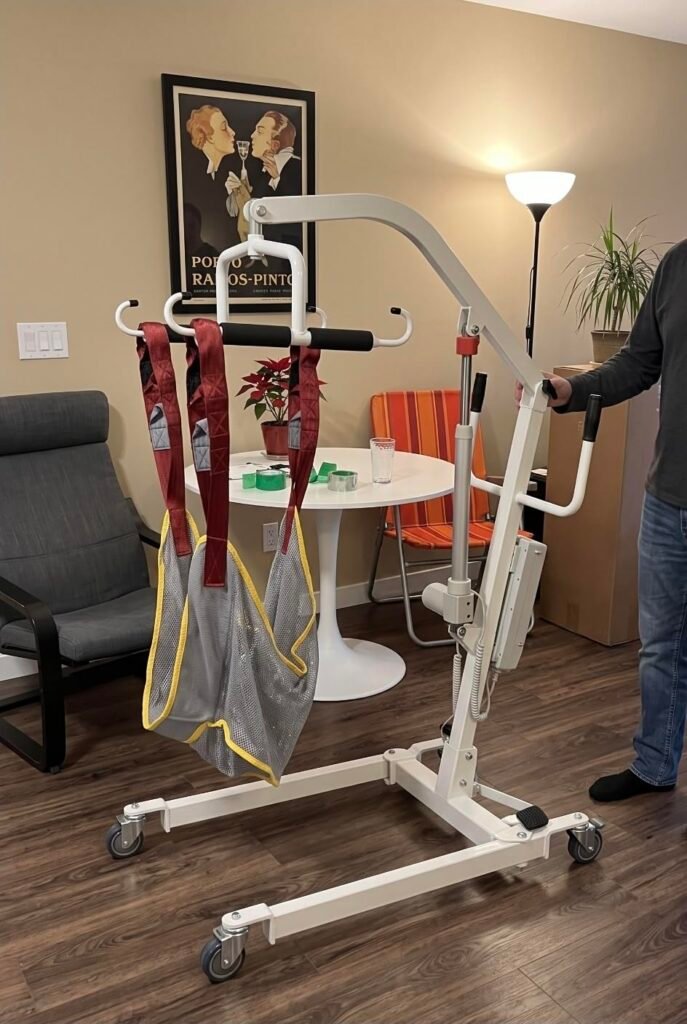
VOCIC AY05 Electric
8.4Editor score330 lb capacity
Detachable lithium handset
Manual emergency crank
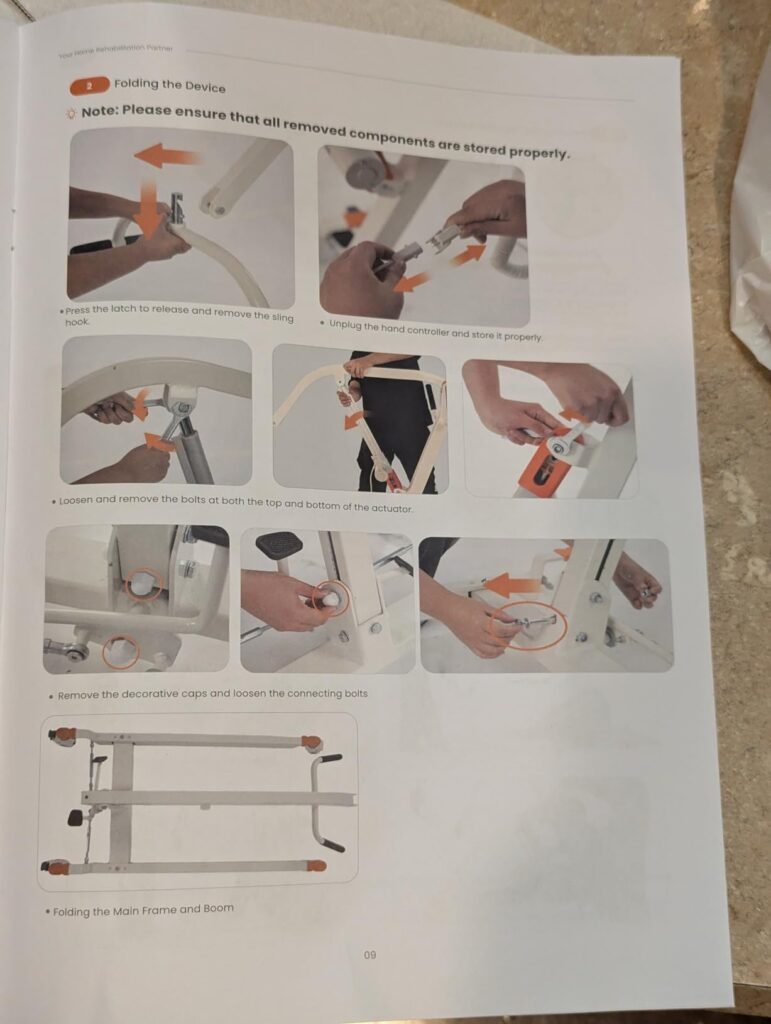
Foldable steel frame
Find the right patient lifts for 2026. We compare 9 standout options by build quality, useful features, owner feedback, value, and everyday trade-offs.
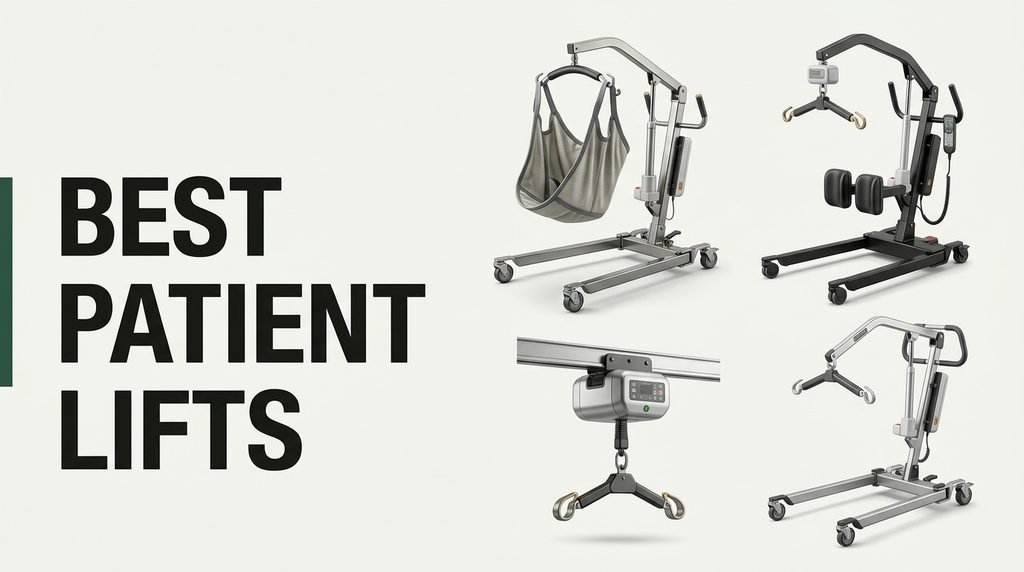
Choosing a patient lift for 2026 comes down to matching the right transfer device to a specific care situation. This guide compares nine standout options across full-body electric lifts, sit-to-stand transfers, hydraulic models, portable folding units, and replacement slings, weighing weight capacity, base clearance, safety features, ease of use, and caregiver ergonomics along the way.
The differences between models matter far more than they do in most product categories. A lift with the wrong base width may not fit through a doorway, and one without floor-level recovery cannot help after a fall. Weight capacity, sling compatibility, power source, and manual override capability all shape whether a lift genuinely improves daily care.
This guide focuses on practical buying advice for family caregivers and professional users alike. Every review explains who the product suits, where it falls short, and what to check before ordering. The buying guide covers the specifications that actually affect safety and comfort, so shoppers can make confident decisions the first time.
We compared these patient lifts using the details that shape safe, comfortable daily transfers: weight capacity, lift range, base width adjustability, sling compatibility, power source, backup systems, caster mobility, frame material, assembly complexity, warranty coverage, and owner feedback. The notes emphasize practical trade-offs between full-body electric lifts, sit-to-stand transfers, and replacement slings, so each recommendation connects to real caregiver needs, room dimensions, and the physical abilities of the person being transferred.


Compare key features, scores, and current prices side by side. A shorter feature list means fewer details were available, not necessarily fewer capabilities.


This electric transfer lift targets caregivers who need a robust device for larger patients or bariatric care. A 500-pound capacity ranks at the top of the residential category, and the base opens from 24 inches to 44.4 inches through a foot pedal, which provides excellent access around wheelchairs, recliners, and commodes. Before ordering, measure the doorway you plan to move it through, since the fully open base needs meaningful clearance.

We may earn a commission when you buy through this link, at no additional cost to you.
The lift arm reaches from 41.3 inches to 71.6 inches, giving caregivers plenty of vertical range for most bed and chair heights. A six-point breathable, machine-washable sling comes in the box and includes head support along with an open bottom for toileting. The hook swivels a full 360 degrees, which makes positioning between bed, wheelchair, and commode much easier for a single caregiver working alone.
Safety and control features are thoughtful. A dual control device lets the caregiver operate the lift from multiple angles, which helps in tight bathrooms or when visibility from one side is blocked. The manual emergency descent and stop button protects everyone if the battery dies mid-transfer, and rear wheel locks keep the unit stationary during the actual lift. One important note: the device cannot lift while it is charging, and the red power button must be on for the battery to accept a charge.
Six-point slings attach to the spreader bar at six locations instead of the four used by lighter slings. That extra support distributes the patient’s weight more evenly, reduces pressure on the shoulders and hips, and produces a more upright, seated posture during transfers. Head support in the sling also matters for anyone with limited neck control. Combined, these details make a large capacity lift genuinely comfortable for the patient rather than just powerful.
This is a strong pick for households caring for a larger family member or for small facilities that need a high-capacity electric lift without industrial-scale pricing. Its footprint is bigger than the compact lifts in this guide, so a home with narrow hallways or small rooms may struggle to maneuver it. When the space allows, the combination of high capacity, wide base, and full sling support delivers excellent value.
Not ideal for small homes with tight hallways or for caregivers who need to charge and use the lift simultaneously.
We may earn a commission when you buy through this link, at no additional cost to you.
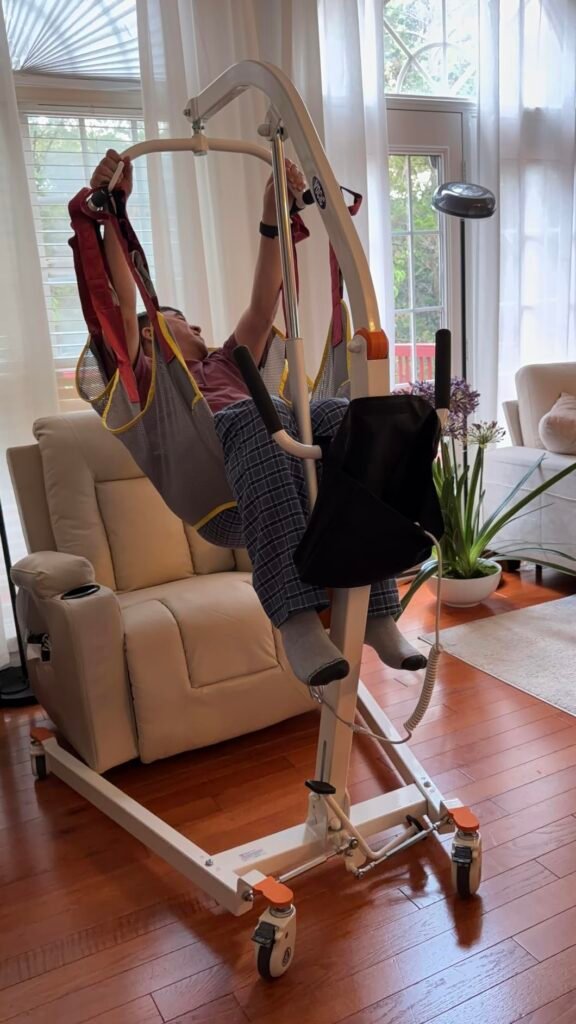
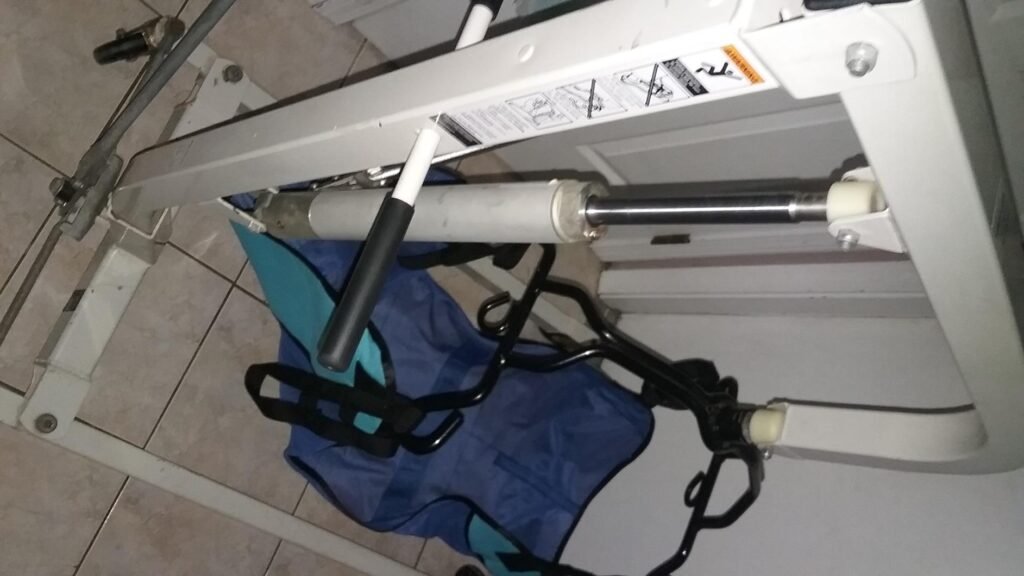
The VOCIC AY05 targets home caregivers who want a full-featured electric patient lift without the price of professional-grade models. Its most distinctive feature is a detachable handset that combines the controller and lithium battery in one lightweight unit, replacing the heavy lead-acid battery boxes that make traditional lifts awkward to charge. Being able to remove the battery and charge it anywhere in the house is a real convenience.

We may earn a commission when you buy through this link, at no additional cost to you.
Lift performance covers the situations most families need. The vertical range spans 29.5 inches at the floor up to 61 inches at maximum boom height, which is enough to help a fallen loved one off the floor and safely into a bed or wheelchair. A 330-pound weight capacity suits most adult patients, and the Q235 carbon steel frame keeps the structure stable during transfers. The mesh sling included in the box has integrated head support and thickened leg padding for comfort.
Daily operation is well thought out. The base opens from 24.4 inches to 38 inches through a foot pedal, so caregivers can slip past narrow doorways and then widen the legs around wheelchairs and recliners. Three-inch silent front casters roll smoothly and slide under low beds and sofas. The manual override crank stored in the accessory bag provides a reliable way to lower a patient safely if the power ever fails, which is a genuine safety advantage over electric-only units.
Electric patient lifts are wonderfully convenient until the battery dies mid-transfer or a power outage strikes at the wrong moment. A manual override crank ensures the caregiver can always lower a patient safely to a bed or chair without heroics or panic. Any electric lift used in the home should include this feature, and knowing where the crank is stored and how it attaches is part of setting up a safe care routine.
This lift makes the most sense for home caregivers who want reliable electric lifting, floor recovery capability, and modern battery convenience at a mid-tier price. Anyone caring for a patient over 330 pounds should size up to a 400- or 500-pound-capacity model. Take a moment to compare the vertical range against your bed height before buying so the maximum boom height clears your specific setup.
Not the right choice for patients over 330 pounds or care settings requiring hospital-grade certifications.
We may earn a commission when you buy through this link, at no additional cost to you.
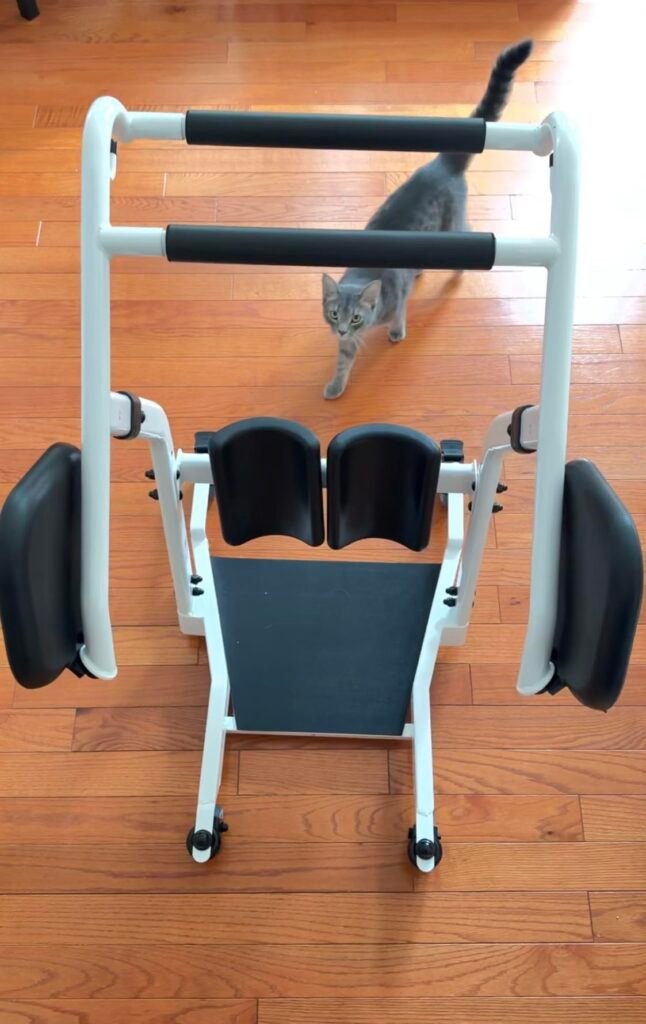
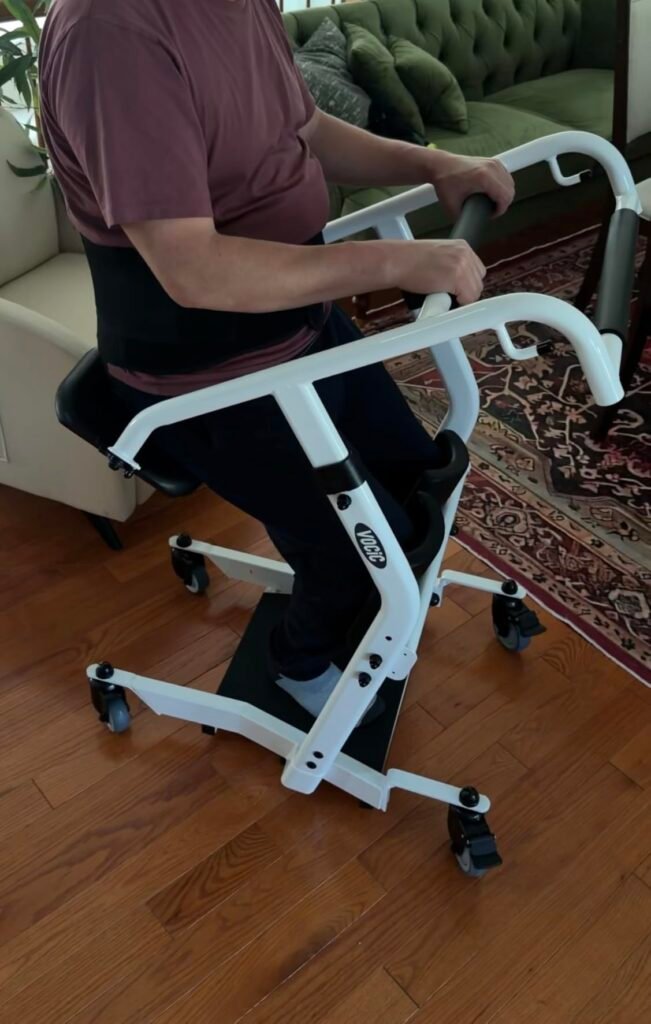
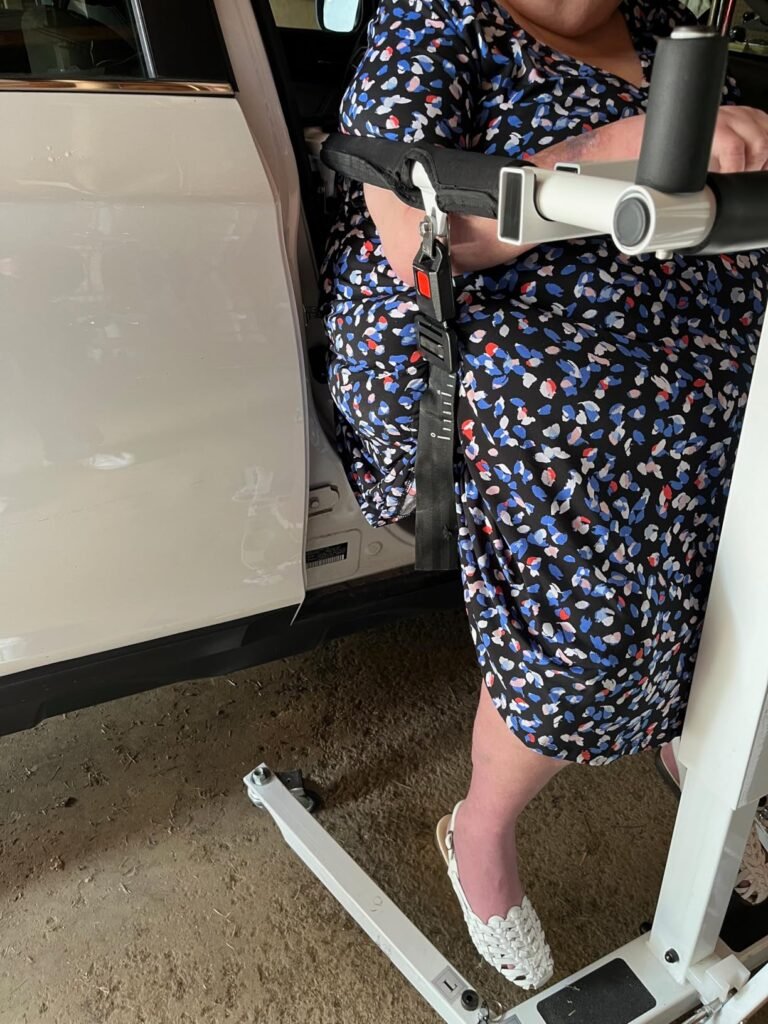
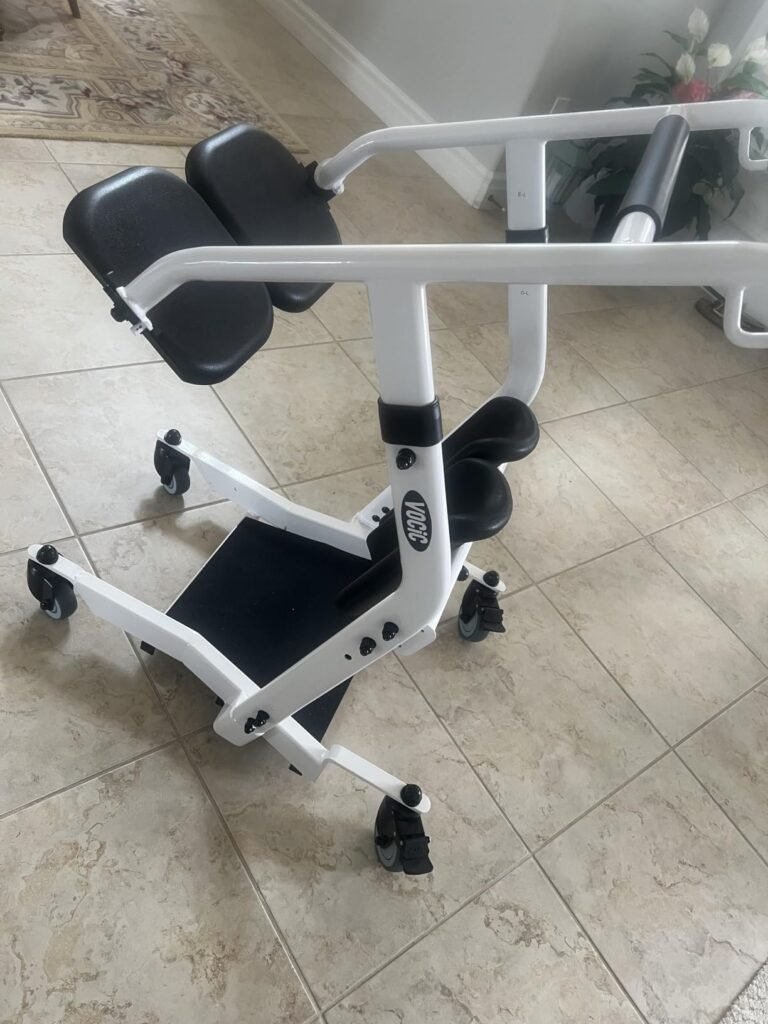
This sit-to-stand transfer aid fills a specific niche in home care: helping a patient who has enough upper body strength to hold on but needs stable support to move from a sitting position to standing and then to a nearby chair, wheelchair, or commode. It is not appropriate for fully immobile patients, and there is no safety belt restraint. Buyers should be honest about whether the intended user can genuinely participate in the transfer before choosing this style over a full-body sling lift.
We may earn a commission when you buy through this link, at no additional cost to you.
The frame uses reinforced high-grade steel with a 400-pound weight capacity, which is generous for this category. Padded shin pads and split-seat cushions help avoid pressure points during the transfer, and foam-wrapped handgrips reduce hand fatigue for both patient and caregiver. A two-level adjustable knee pad with a range of about 20 to 22 inches accommodates different body proportions and helps the device work well for more than one household member.
Safety touches are practical rather than flashy. The dual-locking brake system on the front and rear casters holds the unit firmly in place during transfers, and the low six-centimeter base clearance lets the wheels slide under most beds and sofas so the patient can be positioned close to the chair. Assembly is manageable at home with the included tool kit, and instructions are clear enough for a family caregiver to complete without special training.
Sit-to-stand aids work best for patients recovering from surgery, dealing with early-stage mobility decline, or living with conditions that leave leg strength limited but upper body function intact. Occupational therapists often recommend them as an intermediate step between full independence and full sling lifts. Choosing the correct category prevents both frustration and injury for the patient and caregiver alike.
This is a smart pick for someone caring for a partially mobile family member who struggles with standing but can grip the handles and participate in the motion. It costs a fraction of a full electric sling lift and takes far less space to store. Full sling lifts remain the better option for patients who cannot hold themselves up at all, and buyers should never try to force a sit-to-stand device into a role beyond its design.
Not safe for completely immobile or paralyzed patients who cannot support their own upper body.
We may earn a commission when you buy through this link, at no additional cost to you.
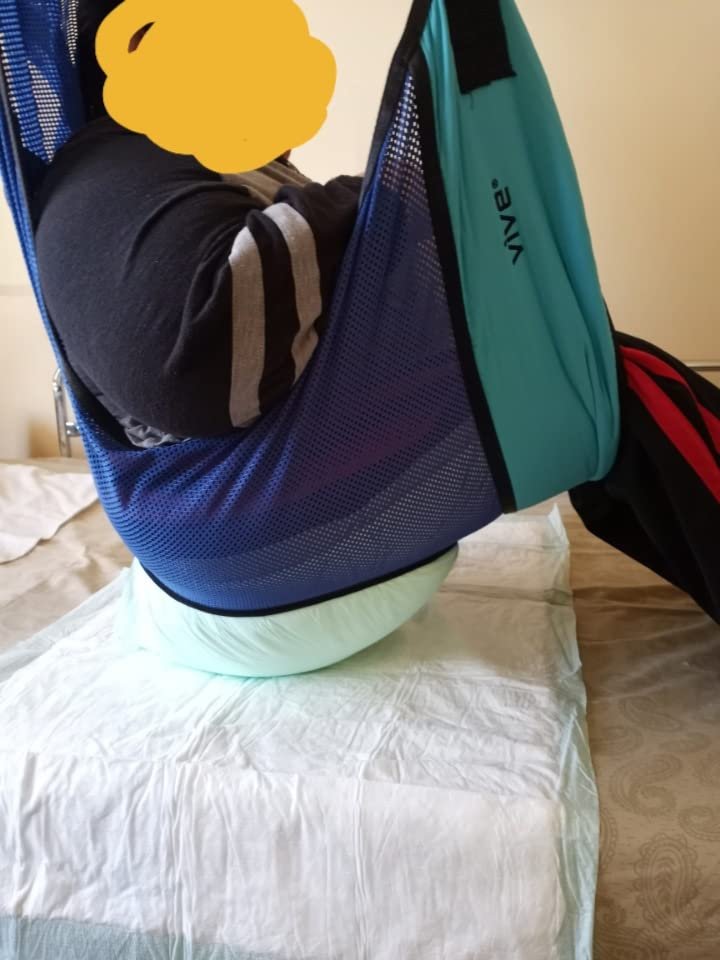
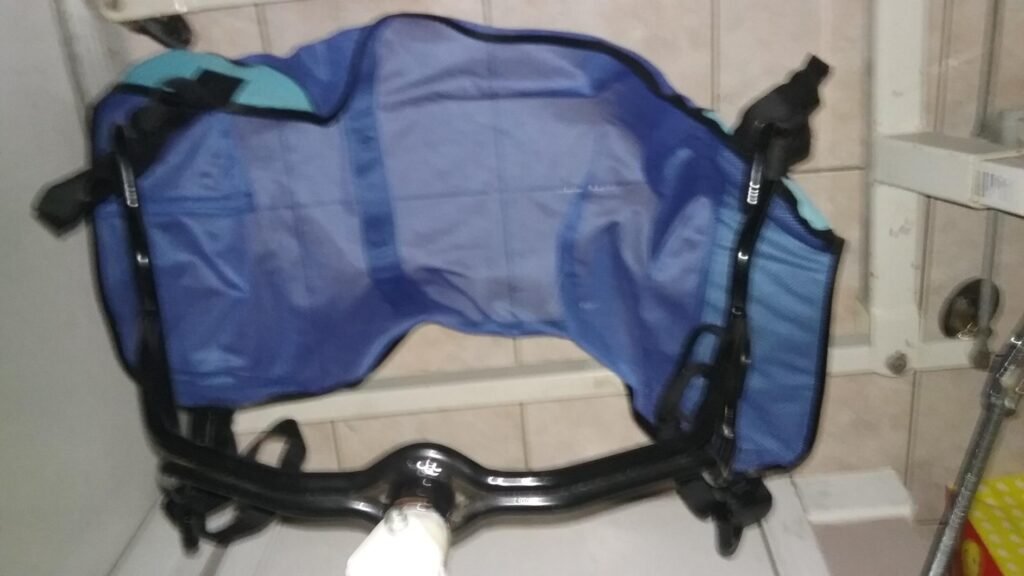
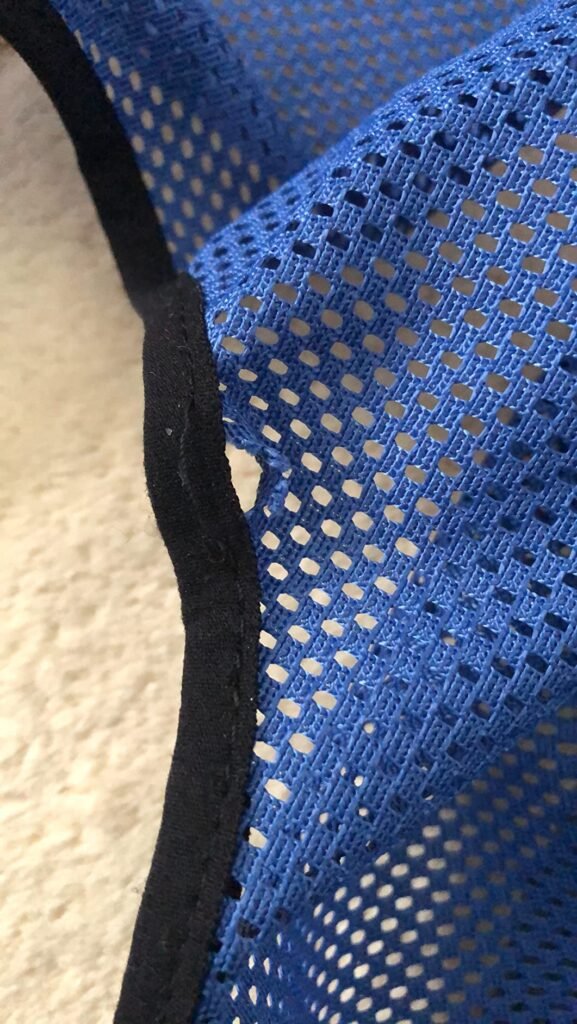
This Vive sling adds a reinforced opening for toileting to the same practical mesh construction found in the standard model. That opening is genuinely useful for households where the patient uses a commode or bedside toilet regularly, because it removes the need to unhook and rehook the sling during bathroom trips. For daily care routines, this small design choice saves significant time and physical effort for the caregiver.
We may earn a commission when you buy through this link, at no additional cost to you.
The core specifications match the reliable Vive formula. Four sling points connect to most floor lifts, reinforced stitching at each corner protects wear points, and three additional handles on the underside help caregivers reposition patients smoothly. The 400-pound capacity works for most adult users, and the water-resistant mesh cleans easily and dries quickly between uses.
Cleaning and maintenance are straightforward. Machine wash the sling as often as needed, air dry to preserve the mesh construction, and inspect the stitching and sling points regularly for signs of wear. Slings are wear items in any patient lift setup, so having a spare or two in rotation is a sensible investment that ensures a clean, dry sling is always ready when the patient needs one.
Toileting several times a day is one of the most physically demanding parts of home care. A sling with a purpose-built opening lets the caregiver keep the patient in the sling during the entire routine, which dramatically reduces the number of transfers required. That means less strain on the caregiver, less discomfort for the patient, and lower risk of a mishap during transitions.
This is a smart choice for households where toileting is a regular part of the daily transfer routine, and pairs well with any of the electric or hydraulic lifts in this guide that use four-point spreader bars. If bathing rather than toileting is your primary concern, the standard Vive mesh sling without the opening is a slightly better fit. Always verify compatibility with your specific lift model before ordering.
Not the right pick if the primary use case is bathing rather than commode use.
We may earn a commission when you buy through this link, at no additional cost to you.
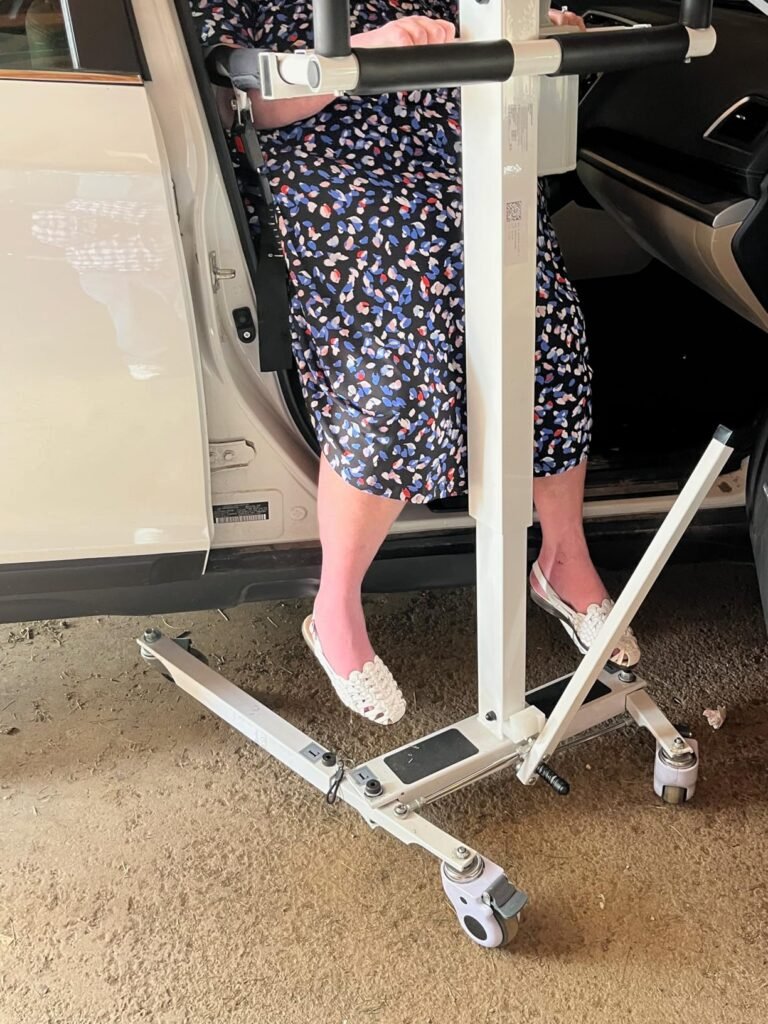
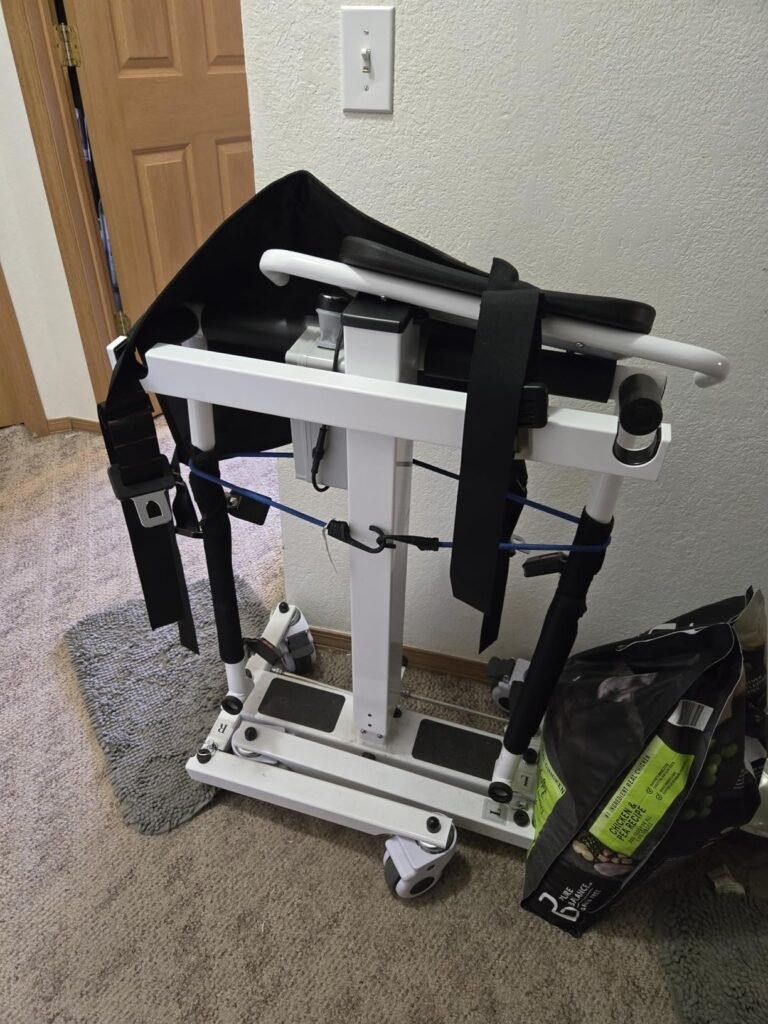
The VOCIC AY06 is designed for a specific and often overlooked need: transferring a partially mobile person between wheelchairs, cars, and other seats away from home. Its foldable design fits in most car trunks, which makes it a practical option for families who travel to appointments, family visits, or vacations with a loved one who needs transfer help but cannot walk safely.
We may earn a commission when you buy through this link, at no additional cost to you.
The one-button electric lift adjusts from 35.8 to 49.7 inches, which covers the range needed for typical car seats, sofas, wheelchairs, and toilets. The base width adjusts from 19.3 to 33.1 inches, and locking swivel casters hold the unit stable during transfers. The extended backrest provides better back support during the seated transfer, and the thickened sponge cushion keeps the patient comfortable during the process.
Setup and portability are the practical strengths here. Assembly takes about 10 minutes with basic tools, which is fast for this category. The unit does require doorway clearance of at least 23 inches and a bed or sofa clearance of at least six inches at the base. This is a caregiver-assisted device rather than a fully independent one, so it is not appropriate for patients who cannot sit upright or participate in the movement.
Portable transfer lifts open up options for family outings, medical appointments, and visits that would otherwise require ambulance transport or hired caregivers. Confirm trunk dimensions before buying, and plan how the lift will be set up at the destination. Practicing setup at home a few times before the first trip removes stress from the actual outing and helps the caregiver feel confident in the process.
This lift makes the most sense for families who need to move a semi-mobile loved one between locations that a full-size home lift cannot reach. It is not a replacement for a stationary sling lift when the patient is fully immobile. The lower overall owner rating suggests careful review of user feedback and confirmation of the intended user’s ability to participate before buying.
Not suitable for completely immobile or fully paralyzed patients who cannot sit upright with support.
We may earn a commission when you buy through this link, at no additional cost to you.
The Invacare 9805P is a trusted clinical-grade hydraulic patient lift that has been used in home care and facility settings for years. Its bent mast and boom design creates a wider lift path that keeps the patient away from the metal frame during transfers, which is more comfortable and less claustrophobic than the swinging feel of straight-mast lifts. That clinical detail is one of the reasons this lift consistently earns high recommendations from occupational therapists.

We may earn a commission when you buy through this link, at no additional cost to you.
Capacity and range are strong. A 450-pound weight limit handles most adult patients including many bariatric users, and the lift range of 20 to 64 inches reaches from the floor up to typical bed heights. Floor recovery capability transforms a potential emergency after a fall into a manageable transfer, without requiring the caregiver to manually lift the patient. That single feature justifies buying a full-size lift for many households.
Practical mobility features earn everyday appreciation. The integrated shifter handle closes the base to 22 inches for doorway passage and opens it to 62 inches for stable transfers, all through a simple lever rather than a foot pedal. Low-friction five-inch casters reduce the effort needed to move a loaded lift across carpet, and the padded push handle spares the caregiver’s back and shoulders. At 68 pounds, the frame is genuinely light for its class, so disassembly and vehicle transport are realistic possibilities.
A bent mast angles the vertical support away from the patient, which creates a wider clearance zone during lifting. That geometry prevents the patient from swinging into hard metal, keeps them more visually oriented during the transfer, and generally produces a smoother, less anxious experience. Straight mast lifts remain common because they are cheaper to manufacture, but the bent mast is a real ergonomic and safety upgrade.
This lift is the strongest overall pick in this guide for buyers who want proven clinical quality, high capacity, and long-term durability without stepping up to the price of a premium electric model. Manual hydraulic pumping is required for lifting, which is a real physical task, and there is no battery backup. Households that need push-button convenience should consider an electric lift instead. For everyone else, the three-year frame warranty and Invacare reputation make this an easy recommendation.
Not the right pick for caregivers who cannot perform the manual pumping motion or who require battery-powered lifting.
We may earn a commission when you buy through this link, at no additional cost to you.
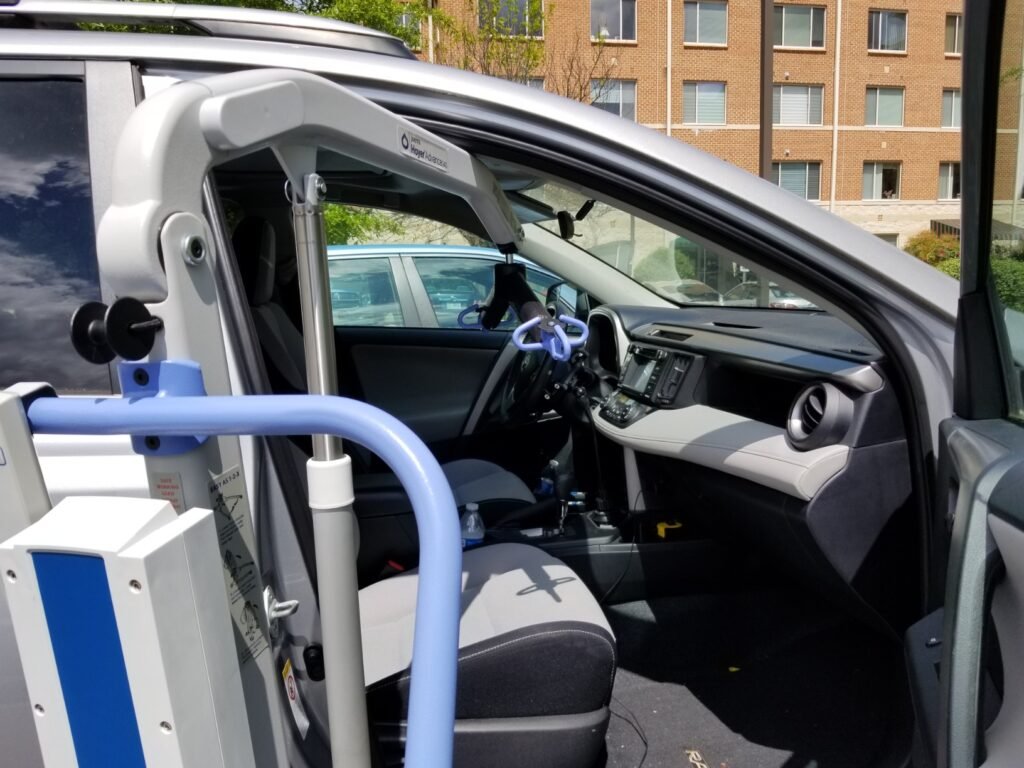
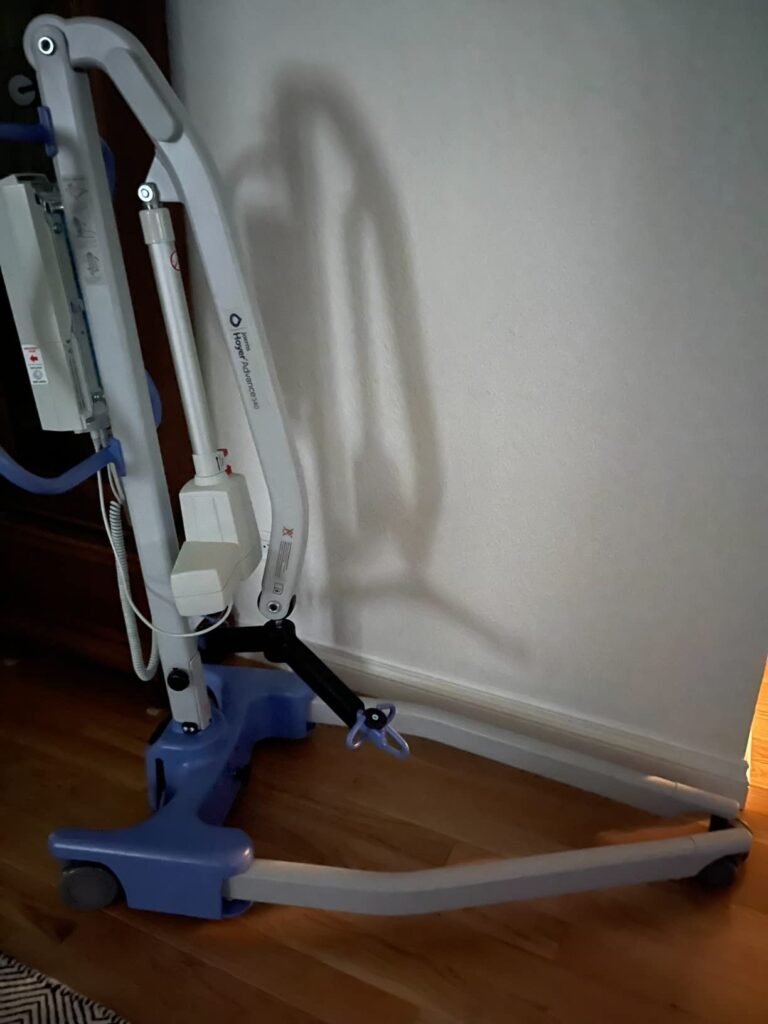
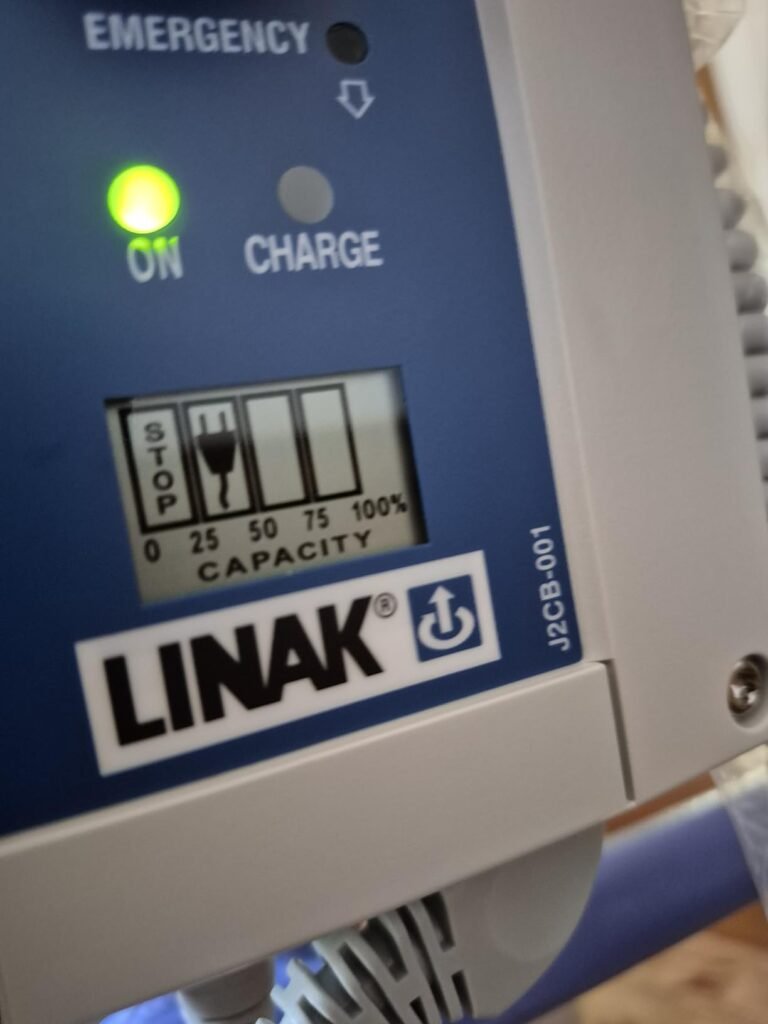
The Joerns Hoyer Advance E340 is the premium recommendation in this guide for buyers who want the combination of battery-powered convenience, portability, and the Hoyer brand's clinical reputation. Battery operation is smooth and quiet, and the lift reaches from floor level up to 66.5 inches, which covers everything from fall recovery to standard bed transfers. A 340-pound capacity suits most adult patients in home care settings.
We may earn a commission when you buy through this link, at no additional cost to you.
Portability is where this lift genuinely stands out. At 69.9 pounds with a tool-free folding design, it fits easily into most car trunks and stores efficiently in small closets. Traveling families, seasonal-home users, and small facilities all benefit from being able to move a full-featured electric lift without a truck. The premium aluminum frame contributes both to the low weight and to long-term durability, and construction meets EN ISO 10535 international standards.
Caregiver-focused details make daily use easier. The swan-neck tapered legs slide closer to beds, wheelchairs, and other furniture, which is a subtle but valuable ergonomic improvement over standard straight legs. A foot-pedal spreader adjusts the base quickly and smoothly, and the oversized ergonomic handle reduces strain during pushing. Compatibility with most Hoyer slings, sold separately, opens up a wide range of accessories for specific transfer needs.
Aluminum frames deliver a significantly lower weight than equivalent steel frames without sacrificing structural strength for typical residential loads. That lower weight translates directly into easier folding, easier lifting into a car trunk, and less caregiver fatigue during transport and setup. For a lift that will move between locations or be stored between uses, aluminum construction is a real practical advantage.
This lift is a strong pick for buyers who want top-tier residential quality and value portability. The 340-pound capacity is lower than some competing lifts in this guide, so households caring for heavier patients should size up. The premium price is a real consideration, but the combination of Hoyer engineering, folding portability, and long-term reliability makes it a worthwhile investment for many families.
Not appropriate for patients over 340 pounds or for buyers who need the lowest possible purchase price.
We may earn a commission when you buy through this link, at no additional cost to you.
The ProHeal electric full-body lift is engineered for homes and facilities that need serious lifting capacity in a versatile package. The 500-pound weight rating serves bariatric patients as well as smaller adults, and the compact base slides under most beds even at their lowest position. That fit matters because it lets the caregiver position the lift close to the patient without moving furniture around first.

We may earn a commission when you buy through this link, at no additional cost to you.
The six-point spreader bar is a meaningful engineering choice. It accepts ProHeal slings and most other major brand slings, which gives caregivers flexibility to choose the right sling for each transfer type: bathing, toileting, full-body support with head positioning, or basic bed-to-chair moves. Clip-free sling hookups make attaching and detaching the sling faster and reduce the risk of accidental slippage during the transfer.
Safety details are strong. Dual rear locking casters keep the lift stationary during the actual lift, and the base opens through an ergonomically designed foot pedal that keeps the caregiver’s hands free to steady the patient. Manual emergency lowering handles power loss situations, and the modular design allows individual parts to be replaced rather than requiring a whole new lift when something wears out. A three-year warranty on the frame backs the sturdy welded construction.
Six-point spreader bars accept a wider range of slings than four-point bars, and they distribute patient weight more evenly during the transfer. That combination reduces pressure points and produces a more upright seated posture. For households that use multiple sling types across bathing, toileting, and everyday transfers, a six-point bar makes the lift much more flexible over the long term.
This lift is a strong pick for households or facilities that need high capacity, floor lifting capability, and long-term durability at a price below full clinical-facility models. Its footprint requires meaningful storage space, so tight apartments may prefer a lower-capacity but more compact option. For most family caregivers with a dedicated care room, the ProHeal delivers professional-quality performance with a reasonable learning curve.
Not ideal for small apartments with limited storage space or households on a tight equipment budget.
We may earn a commission when you buy through this link, at no additional cost to you.
This entry highlights the Vive mesh sling in its role as a spare and rotational accessory rather than as a primary purchase. Anyone using a patient lift daily benefits from having at least two slings in circulation so one can be washed and dried while the other is in use. Skipping this basic supply consideration often leads to hygiene compromises or delayed transfers when a single sling is unavailable.
We may earn a commission when you buy through this link, at no additional cost to you.
As a spare, this sling checks all the important boxes. Compatibility with most four-point lifts means it will work with any of the compatible full-body lifts in this guide, and the 400-pound weight rating covers typical adult users. The breathable, water-resistant mesh is comfortable against the skin and dries much faster than solid fabric alternatives, which shortens the turnaround time between uses.
Practical care details matter here. The reinforced stitching at the sling points is what separates a quality sling from a bargain option that fails after a few months. Machine washing preserves the material as long as air drying is used, and regular inspection of the sling points prevents dangerous failures during transfers. A one-year unconditional guarantee from Vive backs the purchase and reduces risk for buyers trying the brand for the first time.
A workable rotation typically includes at least one everyday transfer sling, one toileting sling with an opening, and one bathing sling that can handle wet use. Adding a spare of the most-used design keeps the caregiver from ever being caught without a clean sling. Storing them in a labeled bin near the lift makes the daily routine faster and more consistent.
This is a smart supplemental purchase for any household running a patient lift on a daily basis, and it complements the Vive sling with opening for a complete two-sling rotation covering both regular transfers and toileting or bathing sessions. Households with more complex needs, such as head support or six-point compatibility, may need to look at higher-specification slings from other manufacturers.
Not a substitute for a specialty sling with head support or six-point attachments when those features are required.
We may earn a commission when you buy through this link, at no additional cost to you.
Choosing a patient lift is a safety decision as much as an equipment decision. The right lift protects both the patient and the caregiver from injury, and the wrong one can create new risks or simply go unused. The factors below cover what matters most when making this purchase.
Every patient lift carries a stated weight capacity that must never be exceeded, and buyers should choose a lift with meaningful headroom above the patient’s current weight rather than a lift that just barely meets the minimum. Common residential lifts range from 330 pounds for lightweight models up to 500 pounds for bariatric-focused units. If the patient’s weight fluctuates or is expected to increase, size up to avoid replacing the lift later.
Patient size affects more than raw capacity. Taller patients need a lift with a higher maximum boom height so their heads clear surfaces during the seated transfer, and larger-framed patients may need a wider spreader bar or a six-point sling for comfortable positioning. A 500-pound-capacity lift with a narrow spreader bar can still be uncomfortable for a large-framed 250-pound patient because the sling angles will pinch instead of support.
Measure the patient’s height and shoulder width, note their current and projected weight, and match those numbers against the lift specifications before ordering. Erring on the side of higher capacity is almost always the safer choice.
Full-body sling lifts, like the VOCIC AY05, Invacare 9805P, Joerns Hoyer Advance, and ProHeal electric, support patients who cannot bear weight on their legs or hold themselves upright. These are the right choice for anyone who is fully or largely immobile, and they provide the safest transfers for that population. They also require adequate space to maneuver and enough clearance under beds and sofas.
Sit-to-stand lifts, like the VOCIC sit-to-stand and the 500-pound electric sit-to-stand, support patients who have enough upper body strength to hold on but need help transitioning from sitting to standing. These are unsafe for fully immobile patients and should never be used with someone who cannot participate in the movement. Portable transfer chairs like the VOCIC AY06 fall into a similar assisted category, primarily useful for travel and outings.
Match the lift type to the patient’s genuine physical capabilities today, not to what you hope they will be able to do later. An occupational therapy consultation is genuinely worth the time before making this decision.
Electric lifts operate with a button press and require far less physical effort from the caregiver, which is a major daily benefit especially for smaller or older caregivers. Modern units use rechargeable batteries with runtime measured in dozens of lifts per charge. A well-designed electric lift includes a manual emergency lowering system so a power loss does not strand a patient mid-transfer. Look specifically for this safety feature before buying any electric model.
Hydraulic lifts, like the Invacare 9805P, rely on a manual pump handle to raise the boom. They are typically less expensive, more mechanically simple, and never at risk of a dead battery. The tradeoff is real physical effort each time the lift is raised, and caregivers with back issues, arthritis, or limited upper body strength often struggle. Hydraulic lifts remain a solid choice for households where the caregiver is physically capable and reliability is prioritized over convenience.
For most modern home care situations, electric is the more sustainable choice for long-term daily use. Reserve hydraulic lifts for buyers who specifically want the mechanical simplicity or need the lower price point.
The lift base must fit through your home’s doorways when closed and open wide enough to fit around wheelchairs, recliners, and commodes at transfer points. Measure every doorway the lift needs to pass through, then compare against the closed base width in the specifications. Many residential doorways are 32 inches or narrower, and some lifts have closed widths as small as 22 inches while others exceed 25 inches when fully collapsed.
Caster size and quality affect how much effort it takes to push the loaded lift, especially over carpet or thresholds. Larger casters roll more easily and handle small obstacles better than tiny wheels. Locking casters, especially on the rear, keep the lift stationary during the actual transfer, which is a critical safety feature. Low-friction wheels like those on the Invacare 9805P significantly reduce the physical strain on the caregiver.
Sketch a rough floor plan of the rooms where the lift will be used, mark doorway widths and turning zones, and confirm the specifications work before ordering. Returning a large lift is a real logistical challenge.
The sling is where the patient’s weight actually rests, and choosing the right sling is as important as choosing the right lift. Standard four-point slings work with most residential lifts and handle typical transfers. Six-point slings distribute weight more evenly and support a more upright posture, especially valuable for larger patients or longer transfers. Toileting slings include a purpose-built opening that lets the caregiver keep the patient in the sling during bathroom use. Bathing slings use water-resistant mesh that drains and dries quickly.
Sling compatibility is not universal. Confirm that the sling you want will attach to the spreader bar on your lift before ordering. Most Vive slings work with standard four-point lifts, and most ProHeal slings work with six-point bars like the one on the ProHeal electric lift. Owning multiple slings in a proper rotation reduces laundry pressure and lets you match the right sling to each transfer type.
Plan on at least two slings from day one, and add specialty slings for toileting or bathing based on the patient’s actual daily routine.
Vertical range determines whether the lift can help a fallen patient off the floor and whether it can reach the height of your specific bed. Lifts with true floor-level lifting, like the Invacare 9805P at 20 inches minimum and the VOCIC AY05 at 29.5 inches, turn a potential emergency into a manageable transfer. Without floor recovery capability, a fall means either heroic manual lifting or a call to emergency services.
Maximum boom height also matters. Adjustable-height hospital beds may go up to 30 inches or higher, and some living room recliners sit at similar heights. Confirm that the lift’s maximum reach comfortably clears the tallest surface the patient will transfer to or from. Add several inches of margin because the sling adds vertical space between the spreader bar and the seated patient.
Measure the bed height in its typical position, note the height of any other transfer surfaces, and confirm both the minimum and maximum boom heights work for your home.
Patient lifts see heavy daily use in serious safety-critical applications, so warranty coverage matters more than it does for most home products. A three-year frame warranty like those offered by Invacare and ProHeal signals confidence in the mechanical design and protects against the most expensive potential failures. Shorter warranties often correlate with lighter-duty construction or newer manufacturers with less service history.
Consider replacement part availability alongside the warranty. Modular designs, like the ProHeal, let individual components be replaced instead of requiring a whole new lift when something wears out. Slings, batteries, and casters are all wear items that will need replacement over years of daily use. Confirm that spares are readily available before committing to a specific brand.
For lifts you plan to use daily for years, prioritize established brands with strong warranty coverage and clear customer support channels. The upfront savings on a bargain lift disappear quickly if a part fails and cannot be replaced.
Read the manual thoroughly before the first transfer, and practice the full process with an empty sling until the caregiver feels confident with every step. Rushing through unfamiliar equipment during a real transfer is how injuries happen. Assemble the lift on a flat, dry surface following the manufacturer’s instructions, and confirm that all pins, bolts, and locking mechanisms are properly engaged before use. If possible, have a physical therapist or occupational therapist demonstrate proper technique in person during the first few sessions.
During transfers, always lock the rear casters before raising the patient, and never leave the patient unattended in the sling. Position the lift so the patient’s weight is centered over the base, and move slowly to avoid swinging. When transferring to a wheelchair or bed, guide the patient gently into the seated position and confirm they are stable before removing the sling. For sit-to-stand devices, verify the patient can grip the handles firmly and support their own upper body throughout the movement.
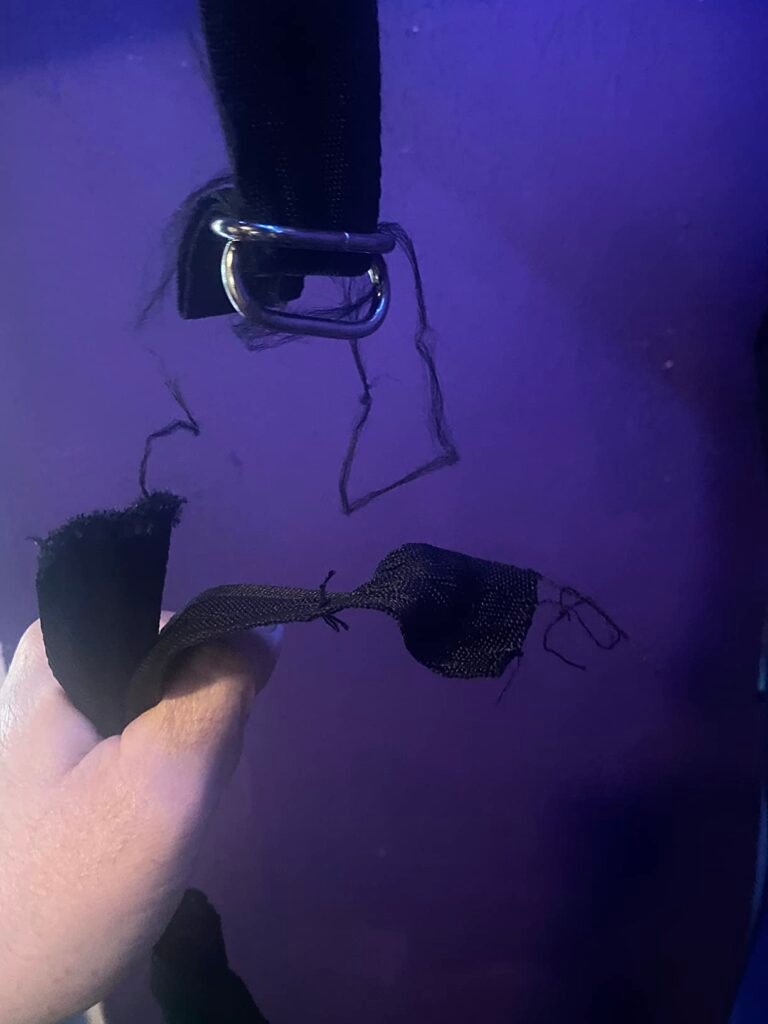
Regular maintenance keeps the lift reliable over years of use. Wipe the frame and casters after each use to remove skin oil, moisture, and debris. Inspect the sling points, straps, and stitching weekly for signs of wear, and replace slings at the first sign of fraying or tearing. Charge electric lift batteries according to the manufacturer’s schedule, and periodically check that the manual override mechanism still works properly. Store the lift in a dry area away from extreme temperatures, and keep any charging cable or accessory bag in a consistent, easy-to-find location.
Choose a lift with meaningful headroom above the patient's current weight. For most adult patients, a 400-pound-capacity lift provides adequate margin. Bariatric patients or those with fluctuating weight should look at 500-pound-capacity models. Never operate a lift near or above its rated capacity, as that dramatically increases the risk of mechanical failure during a transfer.
Electric lifts require far less physical effort from the caregiver and are usually the better choice for long-term daily use. Hydraulic lifts, like the Invacare 9805P, cost less and never run out of battery, but require the caregiver to manually pump the handle for each lift. Caregivers with back issues, arthritis, or limited strength should choose electric. Any electric lift should include a manual emergency lowering system for power outages.
Yes, modern patient lifts are designed for single-caregiver operation. Electric models with detachable controllers, like the VOCIC AY05, and lifts with dual-side control options, like the 500-pound sit-to-stand model, make solo operation especially manageable. The key is proper training, following the manufacturer's procedure step by step, and never rushing. Complex transfers or unusually large patients may still benefit from a second caregiver.
Sit-to-stand lifts help patients who can support their own upper body transition from sitting to standing, then move between chairs or to a commode. Full-body sling lifts support patients who cannot bear weight or hold themselves upright at all. Using a sit-to-stand device on a fully immobile patient is unsafe. Match the lift type to the patient's genuine physical abilities, and consult an occupational therapist if unsure.
Measure every doorway the lift needs to pass through, then compare against the closed base width in the product specifications. Many residential doorways are 32 inches, and closed base widths vary from about 22 inches on the Invacare 9805P up to 25 inches or more on other models. Also plan the turning radius in each room, since a straight fit through the doorway does not guarantee usable maneuvering space inside.
Plan on at least two slings from the start so one can be washed while the other is in use. Households with regular toileting or bathing transfers benefit from having a dedicated toileting sling with an opening and a water-resistant mesh sling for bath use. Slings are wear items and need periodic replacement, so budgeting for spares over time is normal. Always verify sling compatibility with your specific lift model before ordering.
Only lifts with true floor-level lifting can safely recover a fallen patient. The Invacare 9805P reaches down to 20 inches, and the VOCIC AY05 reaches 29.5 inches at the floor. Without this capability, a fall becomes either a manual lifting emergency or a call to first responders. If floor recovery matters for your situation, confirm the minimum lift height in the specifications before buying.
Medicare Part B may cover a portion of the cost for a hydraulic or electric patient lift when prescribed by a doctor as medically necessary, though coverage varies. Many private insurance plans and HSA or FSA accounts also cover patient lifts and compatible slings. Vive slings are HSA and FSA eligible, and other brands often qualify as well. Check with your insurance provider or account administrator to confirm eligibility for specific models.
You need enough space to open the base fully around the wheelchair, bed, or other transfer surface, plus room to maneuver the lift between locations. Most full-body lifts need at least 4 to 5 feet of open floor around the transfer point. Portable models like the Joerns Hoyer Advance and the VOCIC AY06 fold for storage, but still need working space during use. Sketch your care room layout before ordering to confirm the lift will actually work.
The Invacare 9805P stands out as the strongest overall choice for buyers who want proven clinical quality, high 450-pound capacity, floor-level recovery, and long-term durability at a reasonable price. Its bent mast design, low-friction casters, and three-year frame warranty reflect the engineering that has made Invacare a trusted name in home care. Caregivers who can perform the manual hydraulic pumping motion get an excellent lift that will last for years.
For buyers with different priorities, several strong alternatives stand out. The VOCIC AY05 delivers full electric convenience with floor recovery at a mid-tier price, and the Joerns Hoyer Advance offers premium portability with an aluminum foldable frame for households that travel. The high-capacity electric sit-to-stand and ProHeal 500-pound electric lifts serve larger patients or bariatric care, while sit-to-stand models like the VOCIC transfer aid work well for patients who can participate in their own transfers. Vive slings round out the selection as reliable accessories for any compatible lift.
Match your choice to the patient's actual physical abilities, your home layout, and your caregiver capacity. Take real measurements before ordering, verify sling compatibility, and prioritize safety features like manual override and locking casters. A well-chosen patient lift protects both the patient and the caregiver every day for years, and the range of quality options available means there is a genuine fit for almost every home care situation.