HSP VX18 Nitro
8.6Editor score2.74cc displacement engine
Integrated pull starter
Rotary carburetor design
HSP 02060 part number
Find the right nitro rc cars for 2026. We compare 5 standout options by build quality, useful features, owner feedback, value, and everyday trade-offs.
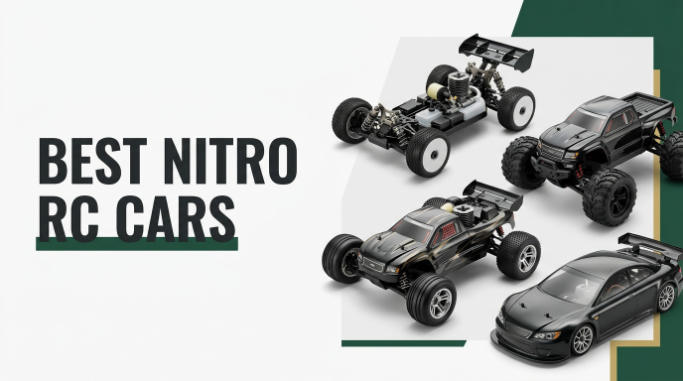
Choosing nitro RC cars and the gear that keeps them running in 2026 means weighing engine displacement, carburetor type, starting method, fuel and glow-plug support, chassis durability, top speed, and ongoing maintenance. We compare 5 standout options across the nitro ecosystem and the fast electric alternatives that many former fuel drivers now consider, so you can decide with clear eyes.
Nitro power delivers real engine sound, tuning involvement, and long refuel-and-go sessions, but it also demands break-in, temperature management, and cleanup after every run. Brushless electric bashers now reach similar speeds with far less upkeep. The right choice depends on whether you enjoy wrenching or simply want maximum run time per hour of effort.
This guide covers a replacement 2.74cc pull-start engine for 1/10 nitro buggies, a complete glow-plug igniter and tool combo, two brushless trucks capable of 42 to 50 mph, and an inexpensive 1/18 4WD car for newcomers. Each pick includes practical notes on who it suits and what to check before ordering.
We compared 5 nitro RC cars, engines, and supporting gear using the details that actually help a buyer decide: engine displacement and carburetor design, starting method, brand compatibility, included starter tools, chassis materials, drivetrain construction, achievable top speed, battery or fuel requirements, radio features, owner feedback, and value. The notes focus on real trade-offs so each pick connects to how hobbyists actually tune, start, bash, and maintain their vehicles between sessions.


Compare key features, scores, and current prices side by side. A shorter feature list means fewer details were available, not necessarily fewer capabilities.


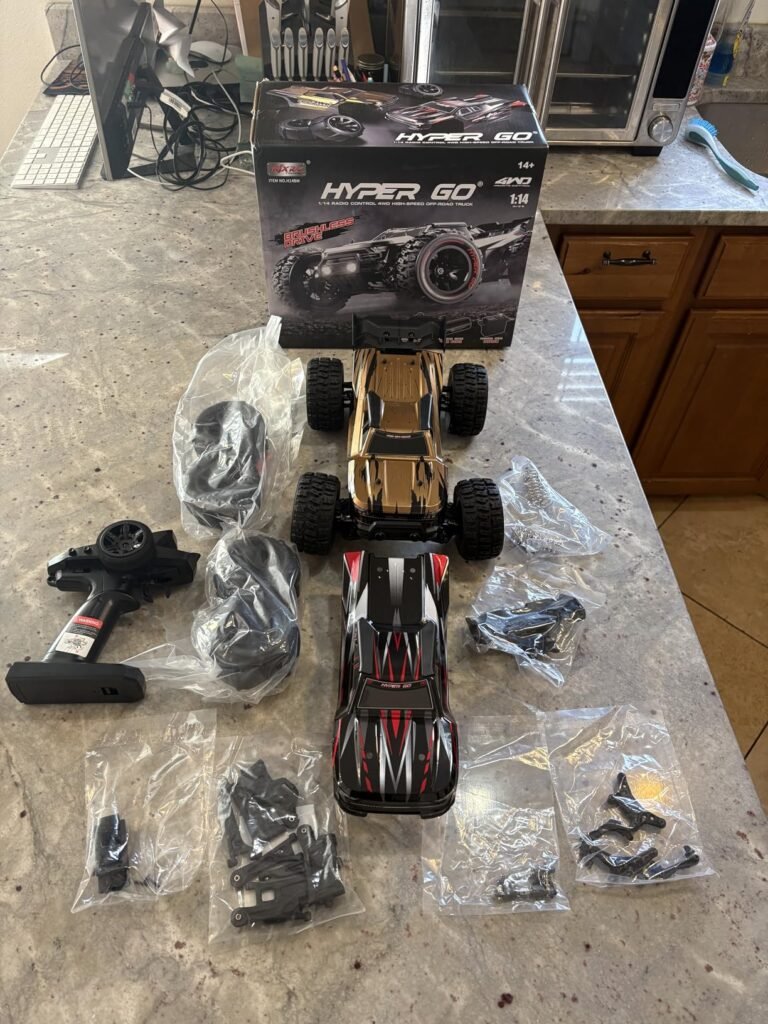
For drivers drawn to nitro because of raw speed rather than engine sound, the H14BM V3 makes a strong case for going electric instead. This 1/14 brushless truggy reaches 45 mph and beyond on a 3S battery, with 50 mph achievable under ideal conditions, which puts it in the same league as many .18 nitro trucks while requiring no fuel, glow plugs, or carburetor tuning.

We may earn a commission when you buy through this link, at no additional cost to you.
The V3 revision focuses on durability under that speed. A sealed steel differential paired with powder-metallurgy spur and pinion gears, steel universal drive shafts, and a laser-etched 6061 aluminum chassis plate address the weak points that usually break on fast small-scale bashers. The 2852 4400KV four-pole motor is cooled by a heatsink and fan, and the independent 45A ESC accepts 2S or 3S packs, leaving room to upgrade.
Out of the box the truck is limited to 33 mph until you unlock it with five switch presses, and the transmitter includes a 70 percent throttle limiter for newer drivers. Oil-filled adjustable shocks and foam-inserted 111mm tires keep the chassis composed at speed, and a spare set of paddle tires opens up sand, snow, and mud. The 2.4GHz three-channel radio also controls lights and offers steering and throttle trim.
Start on 2S with the throttle limiter engaged to learn the truck’s balance before moving to a 3S pack. Once on 3S, run on open pavement or hard-packed dirt first, and check motor and ESC temperatures by touch after each run. Excess heat is the main enemy of small brushless systems at 45 mph and above.
Buy the H14BM V3 if you want top-end speed with low maintenance and do not care about engine noise. Nitro purists will miss the sound and the ritual, and anyone wanting a large, planted truck should note that 1/14 scale demands quick reflexes when the speed lock comes off.
Buyers who specifically want a fuel-burning engine with the sound, smell, and tuning experience of nitro.
We may earn a commission when you buy through this link, at no additional cost to you.
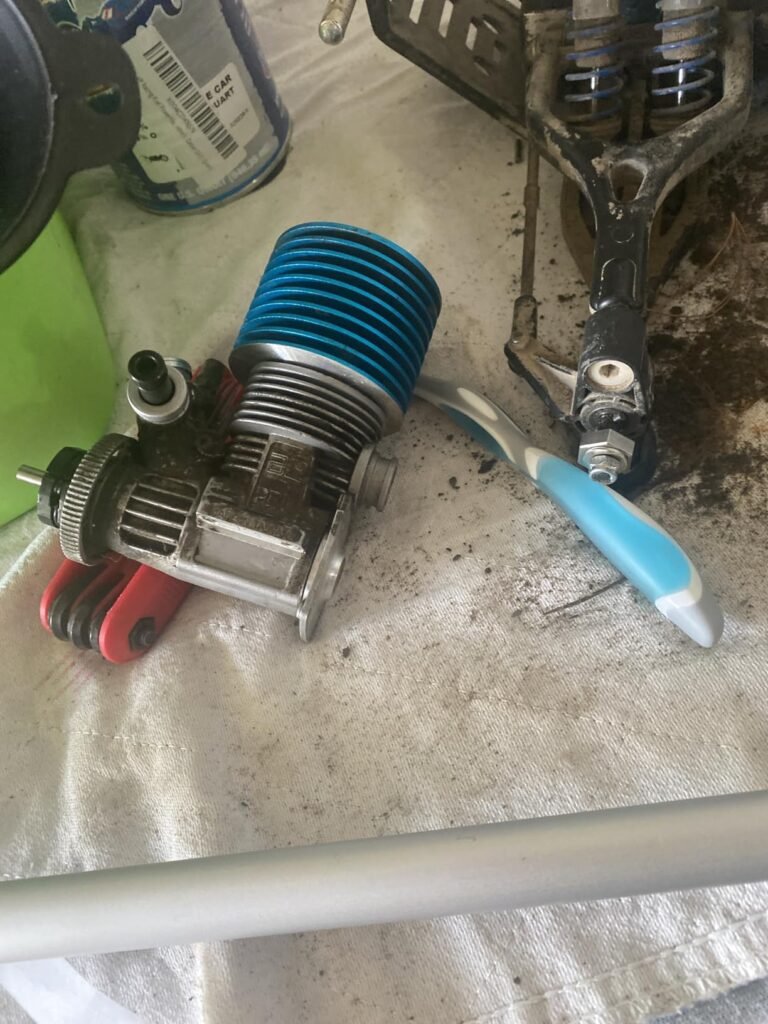
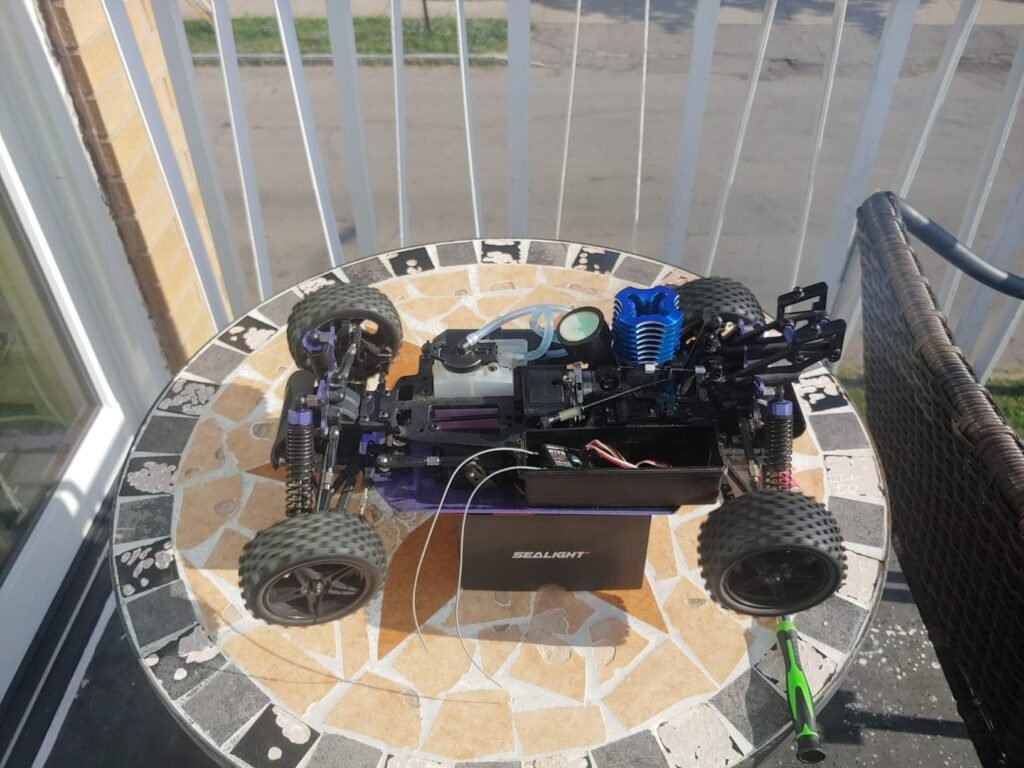
The HSP VX18 is the engine at the heart of countless entry-level 1/10 nitro buggies, trucks, and on-road cars, and buying it as a standalone unit is the most economical way to get a worn or blown motor back on the track. Owners of HSP, Redcat, Amax, Windhobby, and similar chassis will find it a direct replacement, and its mounting pattern also lines up with a range of Kyosho and Tamiya-style setups.
We may earn a commission when you buy through this link, at no additional cost to you.
At 2.74cc, which is the familiar .18 class, the engine offers a sensible balance of power and manageability for 1/10 scale vehicles. The rotary carburetor is a straightforward design with high-speed and low-speed needle adjustments, making it approachable for hobbyists learning to tune air-fuel mixture by ear and by exhaust smoke. Because it is not a highly strung race engine, it tolerates slightly rich settings, which is exactly what a new tuner wants while learning.
The integrated pull starter means you do not need a starter box or a rotary starter shaft, which keeps the total cost of getting running low. You will still need a glow plug igniter, 20 to 25 percent nitro car fuel, and a fuel bottle, and a starter combo like the OGRC kit later in this guide pairs naturally with this engine. Plan on a careful break-in of several tanks at a rich setting before leaning it out for full power.
Run the first several tanks with the high-speed needle set rich so the engine four-strokes at part throttle and produces heavy blue smoke. Keep head temperatures moderate, avoid extended full-throttle runs, and lean the mixture in small increments over each successive tank. A patient break-in seats the piston and sleeve properly and dramatically extends engine life.
Choose the VX18 if you already own a compatible chassis and want the cheapest path back to nitro sound and smell. It is not a performance upgrade over a healthy .18 or .21 engine, and it is not for anyone who wants to skip the tuning and break-in ritual that defines nitro ownership.
Hobbyists who do not already own a compatible nitro chassis, since this is a bare engine rather than a complete vehicle.
We may earn a commission when you buy through this link, at no additional cost to you.
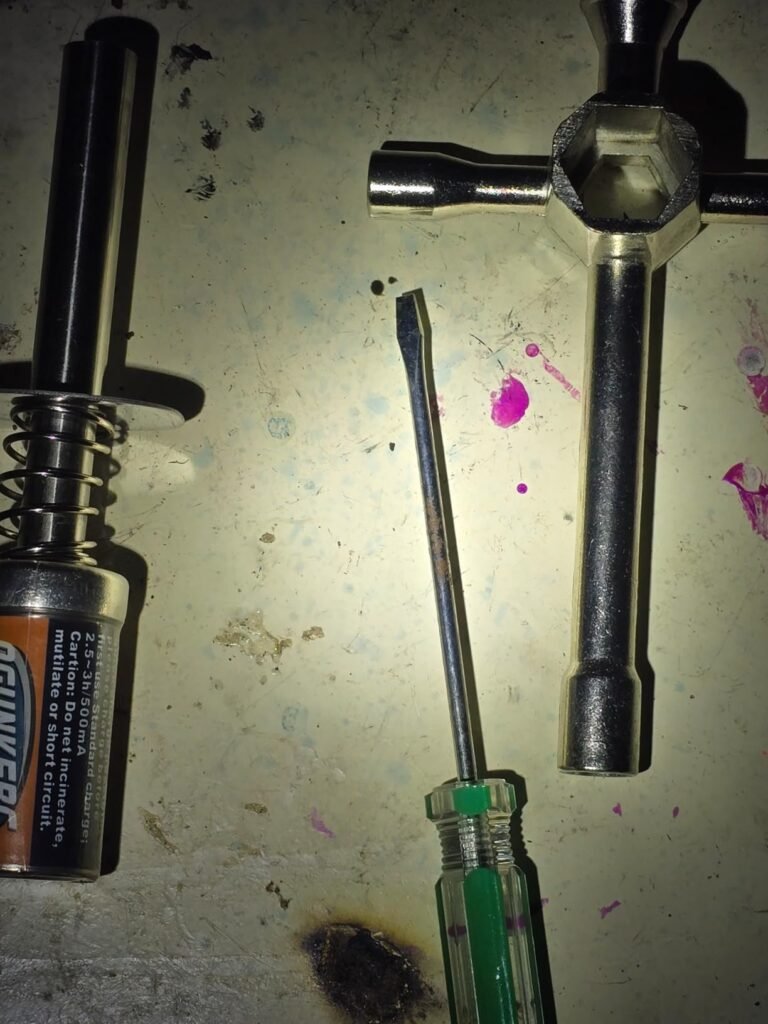
Nearly every ready-to-run nitro car arrives without the one item that makes it start: a glow plug igniter. The OGRC combo fills that gap with an aluminum-bodied igniter, its charger, a 250cc fuel bottle, a multi-size cross wrench, and two small screwdrivers. For someone unboxing a first Traxxas, Redcat, HSP, Kyosho, or Losi nitro vehicle, it covers the immediate essentials in one purchase.
We may earn a commission when you buy through this link, at no additional cost to you.
The igniter heats the glow plug element so the fuel-air mixture will fire when you pull the starter or engage a starter box. The 1.2V 1800mAh Ni-Cd cell is adequate for a session of starts, and the aluminum body handles drops and fuel splashes better than plastic designs. Recharge it after each outing, and expect a lithium-based igniter to hold a charge longer if you eventually upgrade.
The fuel bottle is a small but important inclusion, since pouring fuel directly from a jug is messy and spills onto the chassis. The cross wrench covers glow plugs and common wheel nuts, and the screwdrivers handle carburetor needle adjustments and small chassis screws. Keep the kit together in a small tool bag so it travels with the car.
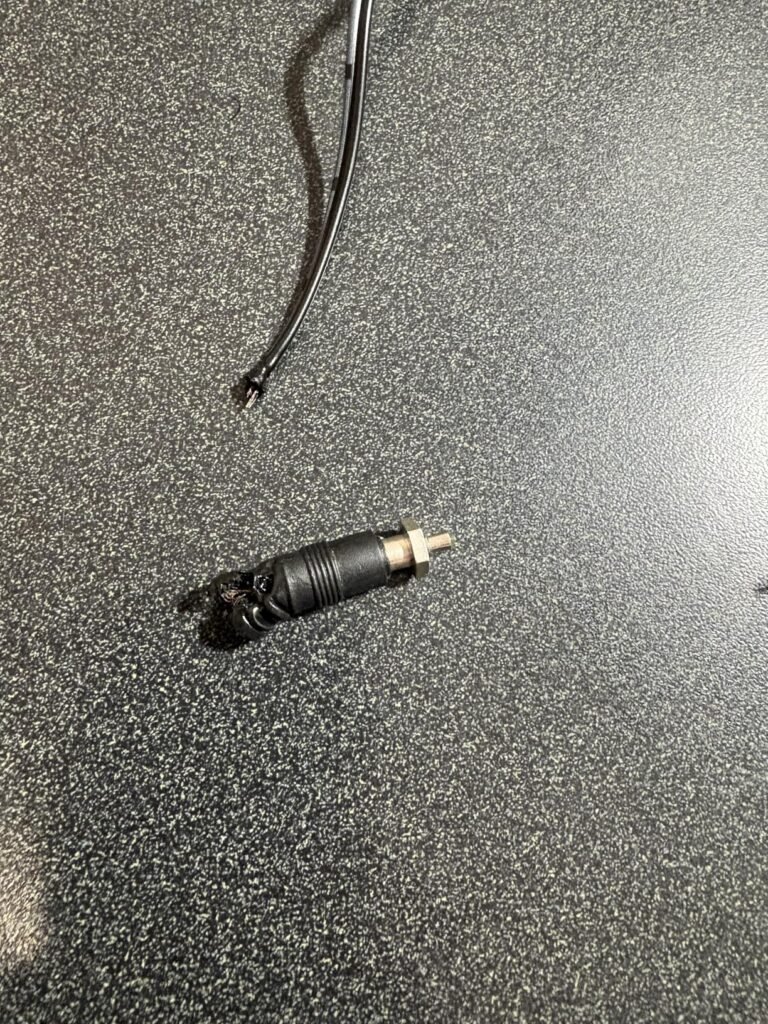
If the engine will not fire, remove the glow plug, attach the igniter, and confirm the element glows bright orange. A dull glow indicates a discharged igniter, while no glow usually means a dead plug. Ruling out the plug and igniter first saves a lot of frustration before you touch the carburetor needles.
This is the right add-on for anyone buying their first nitro vehicle or replacement engine. Experienced nitro drivers who already own a lithium igniter and a proper pit setup will not need it, and racers may prefer a more robust starter box system over a pull-start-and-igniter workflow.
Electric RC owners, since none of these tools are needed for brushless or brushed vehicles.
We may earn a commission when you buy through this link, at no additional cost to you.
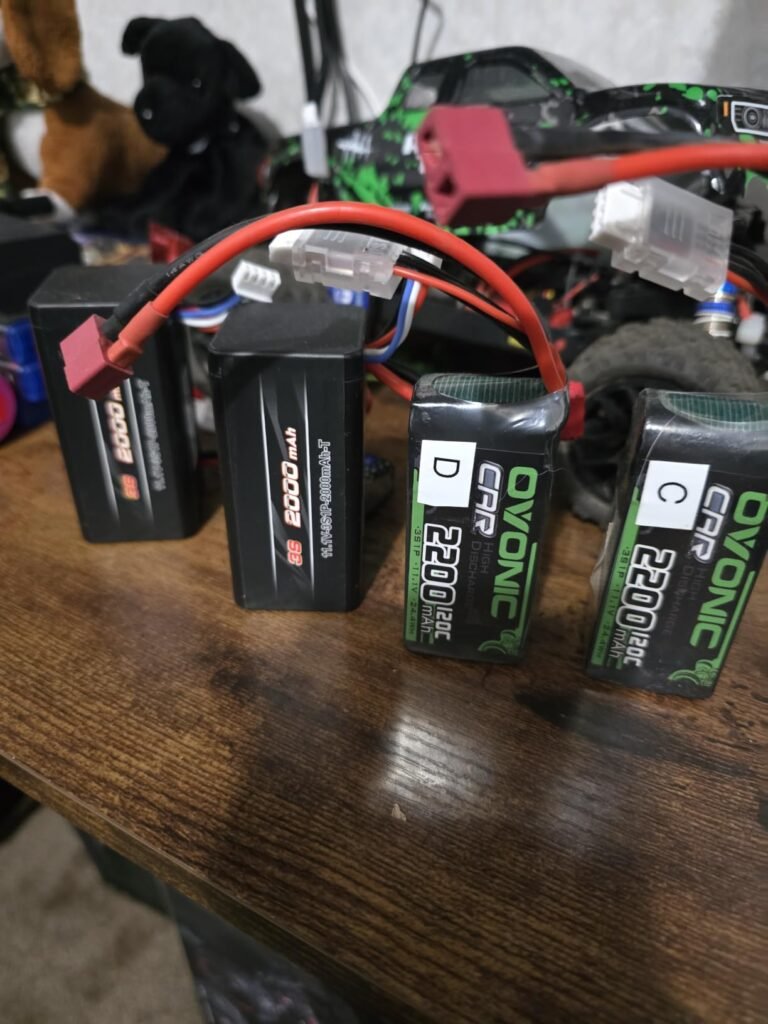
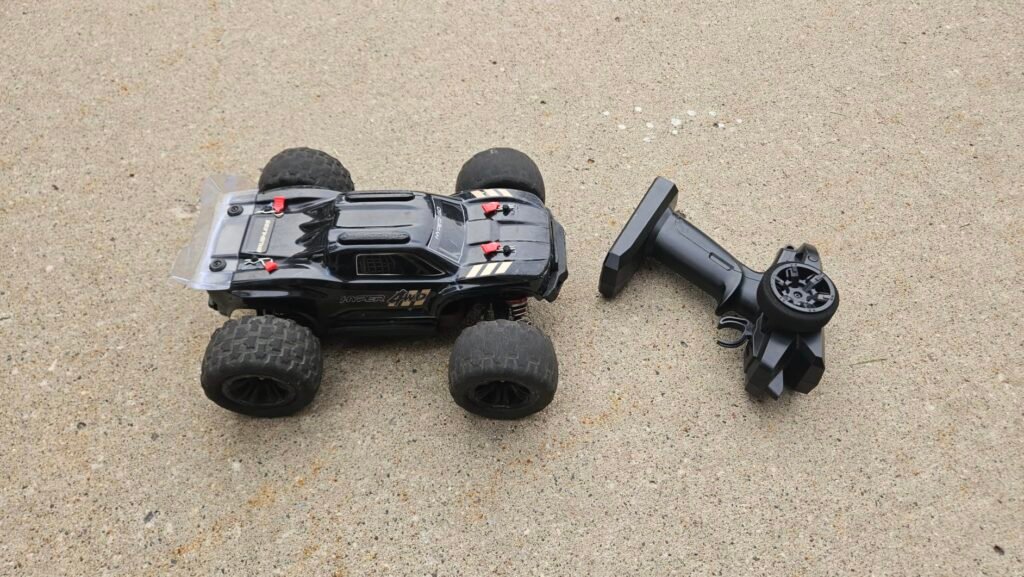
The H16BM is the more affordable sibling to the H14BM and a sensible first brushless truck for someone weighing electric against a budget nitro car. The 1/16 scale keeps it compact, and the included 2S 1050mAh LiPo delivers a GPS-verified 27 mph, with 42 mph available when you add a 3S pack to the 3S-capable 45A ESC.
We may earn a commission when you buy through this link, at no additional cost to you.
Drivetrain hardware is stronger than the price suggests. Metal gears and a metal differential deliver power to all four wheels through 5.5mm axles, sixteen ball bearings cut friction, and a honeycomb composite chassis with front and rear zinc plates absorbs landings from jumps and wheelies. The 2845 4200KV four-pole motor uses a heatsink and fan to manage heat during extended bashing.
Oil-filled shocks and foam-inserted tires keep the truck stable on rough ground, and the three-channel 2.4GHz transmitter includes a light bar control and a 70 percent throttle limiter. The battery casing uses flame-retardant material, which is a welcome safety touch on a LiPo-powered vehicle aimed at newcomers. Run time on the stock pack is short, so budget for a second battery early.
A larger-capacity 2S pack that still fits the tray will lengthen sessions considerably. Confirm dimensions before ordering, and let the motor and ESC cool for several minutes between packs, since back-to-back runs at full throttle build heat faster than a single longer run.
The H16BM is the pick for hobbyists who want brushless punch and 4WD durability for the least money. It is not a substitute for anyone who wants the nitro experience itself, and drivers planning aggressive off-road use may eventually want a stronger servo and larger battery.
Buyers who want the engine sound and refuel-and-go sessions of nitro rather than battery-powered driving.
We may earn a commission when you buy through this link, at no additional cost to you.
Not everyone should start with a nitro car, and this 1/18 4WD truck exists for exactly that reason. It gives a new driver proportional steering and throttle, independent suspension, and a gear differential for the price of a couple of gallons of nitro fuel, making it a low-risk way to build car control before investing in an engine-powered vehicle.

We may earn a commission when you buy through this link, at no additional cost to you.
The 380 brushed motor tops out around 40 km/h, which is quick enough to be exciting at this scale without being destructive. Anti-skid tires and metal shock absorbers handle gravel and short grass, while four included drift tires and an adjustable drift-assist system let you practice controlled slides on pavement. Two PVC shells in red and green swap easily and shrug off tumbles.
The 2.4GHz proportional radio offers roughly 280 feet of range with smooth throttle and brake response, and LED headlights extend play into dusk. Being a small brushed vehicle, it is best on smooth to moderately rough surfaces; tall grass and deep ruts will stop it where the larger brushless trucks push through.
Start with drift sensitivity high so the system corrects most of the body swing while you learn throttle and counter-steer timing. Lower the sensitivity gradually until you are controlling slides yourself, which builds the reflexes that transfer directly to faster and heavier vehicles.
Pick this car as a first step for a young or budget-limited driver, or as a low-stakes practice car for a household that also owns nitro vehicles. Anyone seeking real speed, upgrade potential, or the nitro experience should look at the HYPER GO trucks or a complete nitro chassis paired with the VX18 engine.
Experienced hobbyists or anyone wanting a vehicle they can tune, upgrade, or run at nitro-level speeds.
We may earn a commission when you buy through this link, at no additional cost to you.
Buying into nitro means choosing an engine class and chassis, but also committing to fuel, starting gear, and regular maintenance. This guide explains the decisions that matter most and helps you judge honestly whether nitro or a fast brushless alternative fits the way you want to spend your hobby time.
Nitro engines are sized in cubic centimeters or cubic inches, and the class defines the vehicle they suit. A .18 engine such as the 2.74cc HSP VX18 is the standard for 1/10 scale buggies, trucks, and touring cars, offering enough power for 30 to 40 mph while remaining easy to tune. Larger .21 to .28 engines power 1/8 scale buggies and monster trucks, producing more torque and speed but consuming more fuel and demanding more careful temperature management.
A common mistake is assuming bigger is better. An oversized engine in a light chassis is harder to control, wears drivetrain parts faster, and can overheat if the chassis lacks airflow. Conversely, an undersized engine in a heavy monster truck will run hot and feel sluggish. Match the class to the chassis the manufacturer designed it for, and if you are replacing an engine, stay in the same displacement unless you are prepared to change gearing and clutch setup.
For a first nitro car, a 1/10 scale vehicle with a .18 engine is the most forgiving combination. Move to 1/8 scale once you are comfortable tuning and maintaining a smaller engine.
Nitro engines start with a pull starter, a rotary starter shaft driven by a handheld electric starter, or a starter box that spins the flywheel from beneath the chassis. Pull start is the cheapest and needs no extra hardware, which is why engines like the VX18 include it. Starter boxes are faster and easier on the engine but add cost and bulk to your pit setup. Regardless of method, you need a glow plug igniter to heat the plug during starting.
New buyers frequently discover on unboxing day that they cannot start the car because the igniter, fuel, and fuel bottle are not included. A combo like the OGRC starter kit resolves that with an igniter, charger, fuel bottle, plug wrench, and screwdrivers in one package. Keep spare glow plugs on hand as well, since a fouled plug is the most common reason a nitro engine refuses to fire.
Budget for starting gear as part of the car’s price. Pull-start vehicles are the simplest entry point; add a starter box later if you find yourself starting the engine many times per session.
Most hobby nitro engines use either a rotary or a slide carburetor. Rotary carburetors, like the one on the VX18, are common on entry-level engines and are straightforward to adjust using the high-speed needle, low-speed needle, and idle screw. Slide carburetors are found on higher-performance race engines and offer sharper throttle response at the cost of slightly more sensitive tuning.
Tuning is unavoidable with nitro. Air temperature, humidity, altitude, and fuel nitro percentage all shift the ideal mixture, so you will adjust needles regularly. Running too lean produces more power briefly but overheats and damages the engine, while running too rich fouls plugs and feels sluggish. Learning to read exhaust smoke, engine sound, and head temperature is a core nitro skill.
If you enjoy mechanical involvement, tuning is part of the appeal. If it sounds like a chore, a brushless electric truck like the HYPER GO models delivers similar speed with none of it.
The performance gap between nitro and electric has narrowed dramatically. A .18 nitro buggy typically runs 30 to 40 mph, while the brushless H14BM V3 reaches 45 to 50 mph on 3S and the H16BM hits 42 mph, both with no fuel cost and minimal maintenance. Nitro still wins on run time per session, since a refuel takes seconds while a LiPo pack must be swapped or recharged, and many hobbyists simply prefer the sound and smell of a real engine.
Consider total cost of ownership. Nitro requires fuel at several dollars per quart, regular glow plug replacement, after-run oil, and periodic air filter cleaning. Electric requires LiPo packs and a balance charger up front, plus safe charging and storage habits, but almost nothing per run afterward. Noise also matters: nitro engines are loud enough to draw complaints in residential areas, while brushless trucks run nearly silent.
Choose nitro if the engine experience itself is the attraction and you have space to run loudly. Choose brushless if you want maximum speed per hour of effort and quiet operation.
Whether nitro or electric, the chassis and drivetrain determine how many crashes a vehicle survives. Aluminum chassis plates like the 6061 unit on the H14BM V3 resist flex and heat, while reinforced composite designs like the H16BM’s honeycomb chassis with zinc plates absorb impacts at lower weight and cost. Nitro chassis take additional abuse from engine heat and vibration, so metal engine mounts and a robust center differential matter more than on electric vehicles.
Inside the drivetrain, look for metal differential gears, steel outdrives, and ball bearings throughout. Plastic gears and bushings are the first parts to fail under high power, and sealed differentials keep dirt and nitro residue out of the gears. Universal drive shafts handle suspension travel more smoothly than dog-bone shafts and reduce vibration at high speed.
Prioritize metal internals and a rigid chassis if you plan to jump or bash hard. A budget vehicle with plastic gears is fine for learning on smooth ground.
Scale affects where a vehicle can run. Small 1/18 and 1/16 vehicles are nimble on pavement and short grass but get stopped by tall grass, ruts, and deep gravel. Larger 1/10 and 1/8 nitro vehicles have the ground clearance and wheel diameter to handle rough fields and trails. The 111mm tires on the H14BM V3 and its included paddle tires expand its range into sand and snow despite the 1/14 scale.
Nitro adds an environmental consideration: exhaust residue and noise. You cannot run a nitro car indoors, and many parks and neighborhoods will not tolerate the sound. You also need to clean oily residue from the chassis after every session. Electric vehicles can run in a garage, a quiet street, or a schoolyard without those constraints.
Match scale to your usual surface and be realistic about where you can make noise. If your only running space is a suburban street, brushless electric is the practical choice.
A good transmitter makes a fast vehicle safer to learn. Look for full proportional steering and throttle, steering and throttle trim, and a throttle limiter or dual-rate function that caps top speed while a new driver builds control. Both HYPER GO trucks include a 70 percent throttle limiter, and the H14BM V3 also ships speed-locked at 33 mph until deliberately unlocked. A third channel for lights is a bonus rather than a necessity.
Range matters less than most buyers assume, since you will lose sight of a small vehicle long before a 2.4GHz radio loses signal at 280 to 300 feet. Fail-safe behavior is more important: the receiver should bring the throttle to neutral if signal drops, which prevents a runaway nitro car that would otherwise keep running at whatever throttle position it last received.
Prioritize a throttle limiter and reliable fail-safe over range or extra channels, especially if the vehicle will be shared with younger drivers.
Before the first run of a new nitro engine, fill the tank with fresh 20 to 25 percent nitro car fuel, install a new glow plug, and set the carburetor needles to the factory-recommended starting position. Break the engine in over several tanks at a rich mixture with moderate throttle, allowing it to cool between tanks, and only lean it toward peak performance once the engine turns over smoothly and holds a steady idle. For brushless vehicles, balance charge the LiPo pack fully, engage the throttle limiter, and learn the vehicle on 2S before moving to 3S power.
After every nitro session, drain unused fuel from the tank, run the engine dry, remove the glow plug, and add a few drops of after-run oil to the cylinder while turning the engine over to coat the internals. Clean the air filter and re-oil it, wipe exhaust residue from the chassis, and check that engine mount screws, wheel nuts, and suspension fasteners have not loosened from vibration. Electric owners should check motor and ESC temperatures by touch after runs, keep the drivetrain free of grit, and never store LiPo packs fully charged or fully drained.
Store nitro fuel in a sealed container away from heat and sunlight, since it absorbs moisture and degrades over months. Keep the glow igniter charged, carry spare plugs and a fuel bottle in a small pit bag, and inspect the pull-start cord for fraying. Run only in open areas away from people and pets, wear eye protection when tuning a running engine, and remember that engine heads and exhaust pipes get hot enough to burn skin for several minutes after shutdown.
At minimum you need nitro car fuel, a glow plug igniter with its charger, a fuel bottle, and a glow plug wrench. Many ready-to-run nitro cars include none of these, so a starter combo covers the gap. Spare glow plugs and after-run oil are wise additions, since a fouled plug is the most common reason a nitro engine will not fire.
A typical 1/10 scale .18 nitro buggy runs roughly 30 to 40 mph, while modern brushless trucks like the HYPER GO H14BM V3 reach 45 to 50 mph on 3S power. Larger 1/8 nitro vehicles can match or exceed those speeds. Electric now equals or beats nitro on top speed in most classes, while nitro retains the advantage of quick refueling for longer continuous sessions.
Yes, noticeably. Nitro requires engine break-in, ongoing carburetor tuning, glow plug replacement, air filter cleaning, after-run oiling, and chassis cleanup after each session. Electric vehicles need battery care and occasional drivetrain cleaning but very little per-run maintenance. Nitro rewards hobbyists who enjoy the mechanical involvement; electric suits those who want to spend more time driving.
Most 1/10 and 1/8 car engines run well on 20 to 25 percent nitro car fuel, which includes the oil blend suitable for RC engines. Do not use airplane fuel, since its oil content differs. Higher nitro percentages add power but run hotter and require careful tuning, so stay near 20 percent while learning.
Check the glow plug and igniter first by removing the plug and confirming it glows bright orange. Next, verify the fuel line is primed and free of air bubbles and that the tank is not empty. If those are fine, the mixture is usually too lean or too rich; return the needles to factory settings and adjust in small increments. Old fuel that has absorbed moisture also causes hard starting.
Often yes, provided the mounting pattern, crankshaft size, and flywheel and clutch setup match. The HSP VX18, for example, fits HSP, Redcat, Amax, Windhobby, and many similar 1/10 chassis. Confirm the displacement class matches the original so gearing and clutch remain appropriate, and check that the exhaust manifold and header line up.
For speed and bashing durability, yes. The H14BM V3 and H16BM offer brushless power, metal drivetrain parts, and 3S-capable ESCs that deliver nitro-level speeds with no fuel or tuning. What they cannot replicate is the engine sound, the exhaust smell, and the hands-on tuning that many nitro drivers value. Decide based on which experience you actually want.
Loud enough to be an issue in residential areas. A tuned pipe on a .18 or .21 engine produces a high-pitched buzz that carries a long way, and many parks and neighborhoods will not tolerate it. Plan to run at dedicated tracks, open fields, or industrial areas. Brushless electric vehicles are nearly silent by comparison.
Most beginners are better served by electric, since it removes tuning and starting frustrations and lets them focus on driving. A budget 1/18 4WD car or a brushless truck with a throttle limiter builds car control cheaply. Move to nitro once you are confident driving and are genuinely interested in engine work rather than just speed.
For hobbyists committed to nitro, the HSP VX18 engine is the most practical pick in this guide. Its 2.74cc displacement suits the 1/10 buggies and trucks most people start with, the rotary carburetor is approachable for new tuners, and the integrated pull starter keeps the cost of getting running low. Paired with the OGRC starter combo for the igniter, fuel bottle, and tools, it forms a complete path to nitro ownership on a modest budget.
Drivers chasing speed rather than engine sound should look hard at the HYPER GO H14BM V3, which reaches 45 to 50 mph on 3S with an aluminum chassis and steel drivetrain built to survive it, or the more affordable H16BM, which delivers 42 mph on 3S with metal gears and a beginner-friendly throttle limiter. The 1:18 4WD speed car remains the sensible low-cost starting point for young or hesitant drivers who want to learn control before investing further.
Decide first whether you want the involvement of a fuel engine or the convenience of batteries. If tuning, refueling, and the smell of nitro appeal to you, buy the engine and starter kit and commit to learning break-in and mixture adjustment. If you simply want to go fast with minimal upkeep, a brushless truck will give you more driving per hour of effort. Either path is rewarding when it matches how you actually want to spend your time.