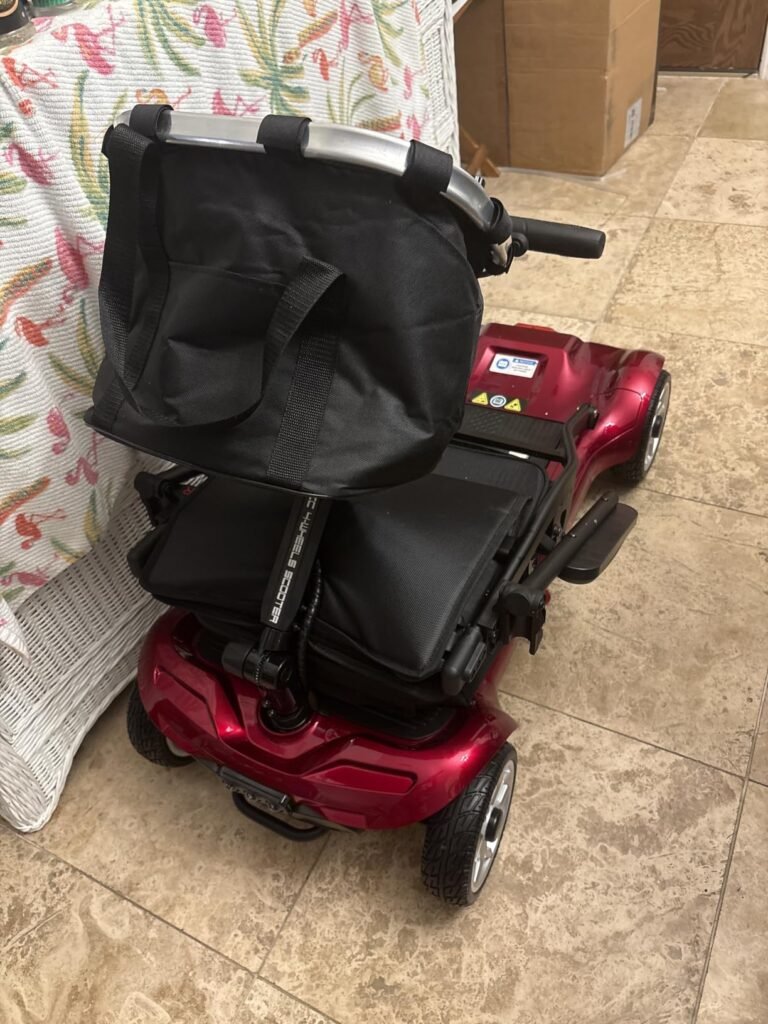
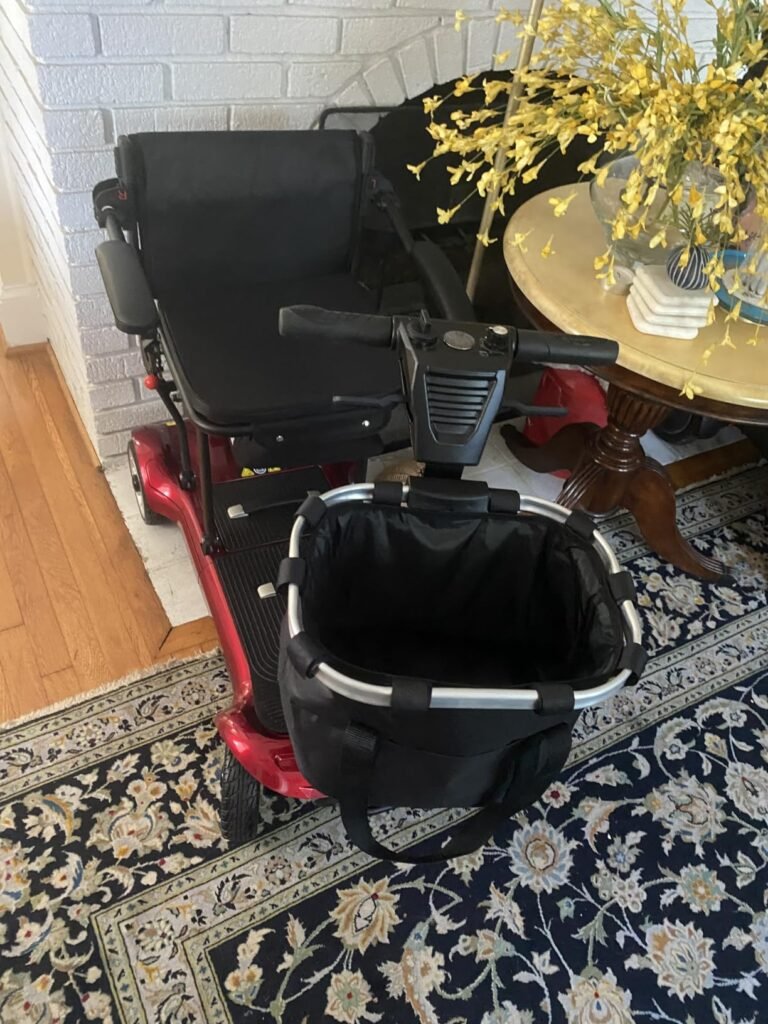
Rascal Venture Portable
9.4Editor score10 mile range
4 mph top speed
300 lb capacity
34.5 lb heaviest piece
Find the right mobility scooters for 2026. We compare 10 standout options by build quality, useful features, owner feedback, value, and everyday trade-offs.
Finding the right mobility scooter in 2026 means balancing weight, range, motor power, and terrain capability. We compare 10 standout models by the factors that matter most: battery type, weight capacity, folding convenience, slope handling, safety features, and real-world portability for daily errands and travel.
Lightweight travel scooters and heavy-duty outdoor models serve very different needs. A compact foldable unit may be perfect for airline trips, while a 1000W all-terrain rig handles gravel paths and steep hills. Understanding these trade-offs prevents costly mismatches.
This guide breaks down each model’s strengths and limitations so you can match a scooter to your lifestyle. Whether you need cruise-ship approval, long rural range, or a budget-friendly daily rider, the comparisons below clarify which features deserve your attention.
We compared 10 mobility scooters using the specifications that directly affect daily independence: motor wattage, battery chemistry and range, weight capacity, folded dimensions, slope rating, tire type, braking systems, and disassembly ease. The notes emphasize practical trade-offs between portability and power so each recommendation connects to how riders actually navigate sidewalks, stores, parking lots, and outdoor trails.


Compare key features, scores, and current prices side by side. A shorter feature list means fewer details were available, not necessarily fewer capabilities.


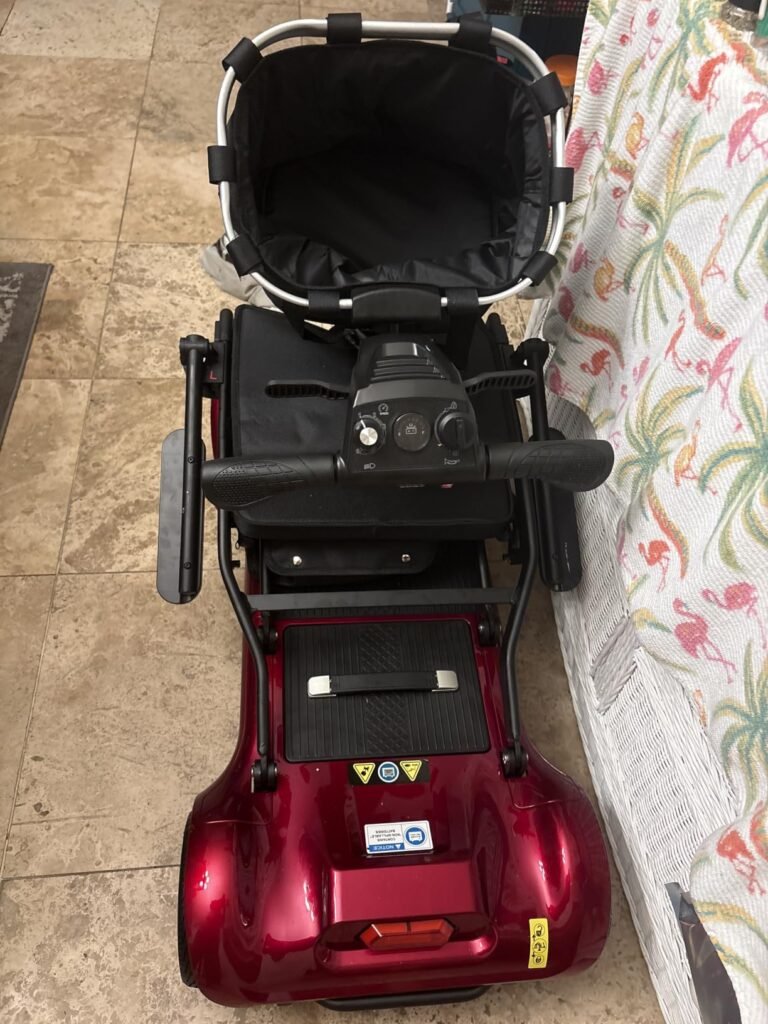
This scooter targets travelers and seniors who need a ride light enough to lift into a car trunk without assistance. At 43 lbs total with an aluminum alloy frame, it is significantly lighter than steel-framed alternatives, and the 24V 12Ah lithium battery detaches for airline-friendly carry-on storage. If you fly or cruise regularly, the battery's compact size and low weight simplify the boarding process considerably.
We may earn a commission when you buy through this link, at no additional cost to you.
The 270W brushless motor provides enough torque to handle 12° inclines, which covers most parking garage ramps and gentle hills. A single three-hour charge delivers up to 12.4 miles of range, enough for a full day of errands or sightseeing. The variable speed dial lets you cruise anywhere from a slow indoor walk to 6.2 mph outdoors, giving you fine control in crowded spaces.
Comfort and convenience details stand out at this price point. The 8-inch flat-free tires roll smoothly over sidewalk cracks and tile floors, while the 270° flip-up armrests make side transfers much easier for riders with limited flexibility. A front basket and under-seat storage bag come included, so you can carry groceries or a small bag without adding aftermarket accessories.
Airlines generally require lithium batteries to be carried in the cabin rather than stored in the cargo hold. This scooter’s 5 lb removable pack meets that requirement and detaches without tools, so you can separate it from the frame at the gate. The aluminum frame then folds flat enough to fit in most overhead compartments or gate-check bags, streamlining the entire airport experience.
The main trade-off is speed versus portability. Riders who want highway-pace outdoor cruising will find 6.2 mph limiting, but anyone prioritizing a scooter they can fold, lift, and stow independently will appreciate the weight savings. The optional second battery slot is a smart addition for longer outings, though it does add cost.
Riders who need speeds above 6 mph for long outdoor commutes or who regularly tackle steep hills beyond 12°.
We may earn a commission when you buy through this link, at no additional cost to you.
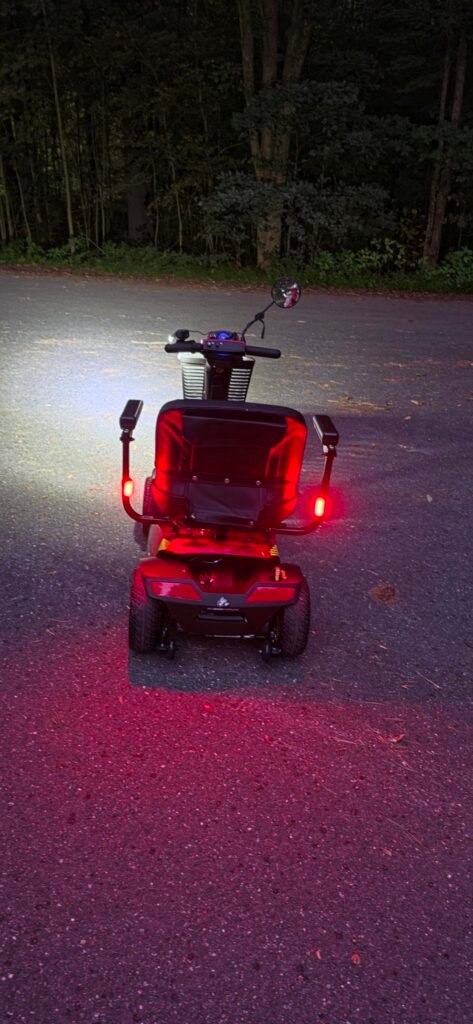
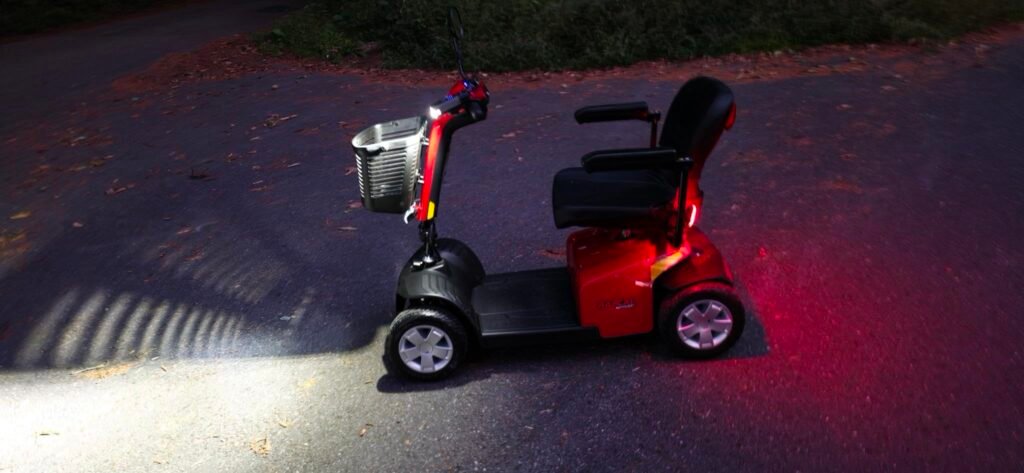
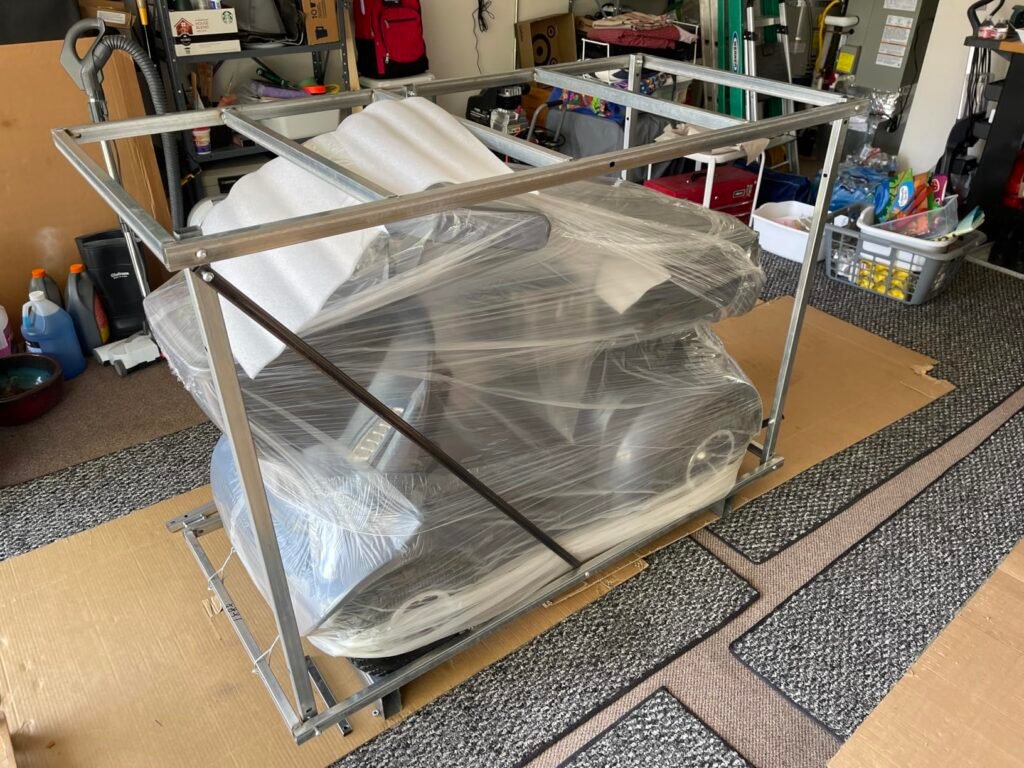
The Rascal Venture is built around a straightforward disassembly concept that makes car transport manageable even for solo riders. The frame breaks into five pieces with the heaviest section weighing just 34.5 lbs, a threshold most adults can handle without straining. This modular approach is especially useful if you switch vehicles frequently or have limited trunk space.

We may earn a commission when you buy through this link, at no additional cost to you.
Performance is tuned for safe, predictable operation rather than speed. The 4 mph top speed keeps pace with a brisk walk, which is ideal for indoor shopping centers, medical facilities, and crowded sidewalks. Regenerative and electromechanical brakes work together to slow the scooter gradually, reducing the jerky stops that can unsettle riders with balance concerns.
Comfort adjustments are generous for a portable model. Seat height, armrest position, and tiller angle all adjust without tools, letting you dial in a natural driving posture over the course of a day. The swivel seat rotates to face outward for transfers, which is a meaningful convenience for anyone with hip or knee stiffness.
FDA Class II designation means the scooter has undergone specific safety and performance testing beyond standard consumer electronics requirements. For buyers who rely on their scooter as a primary mobility aid, this certification provides an extra layer of confidence in build quality and long-term reliability.
Range is the primary limitation to consider. Ten miles per charge covers a typical day of local errands but may fall short for full-day excursions or large outdoor venues. If your routine stays close to home and you value easy breakdown over long-distance capability, the Venture is a well-rounded choice backed by FDA Class II certification.
Users who need more than 10 miles of range per charge or who want faster outdoor cruising speeds.
We may earn a commission when you buy through this link, at no additional cost to you.
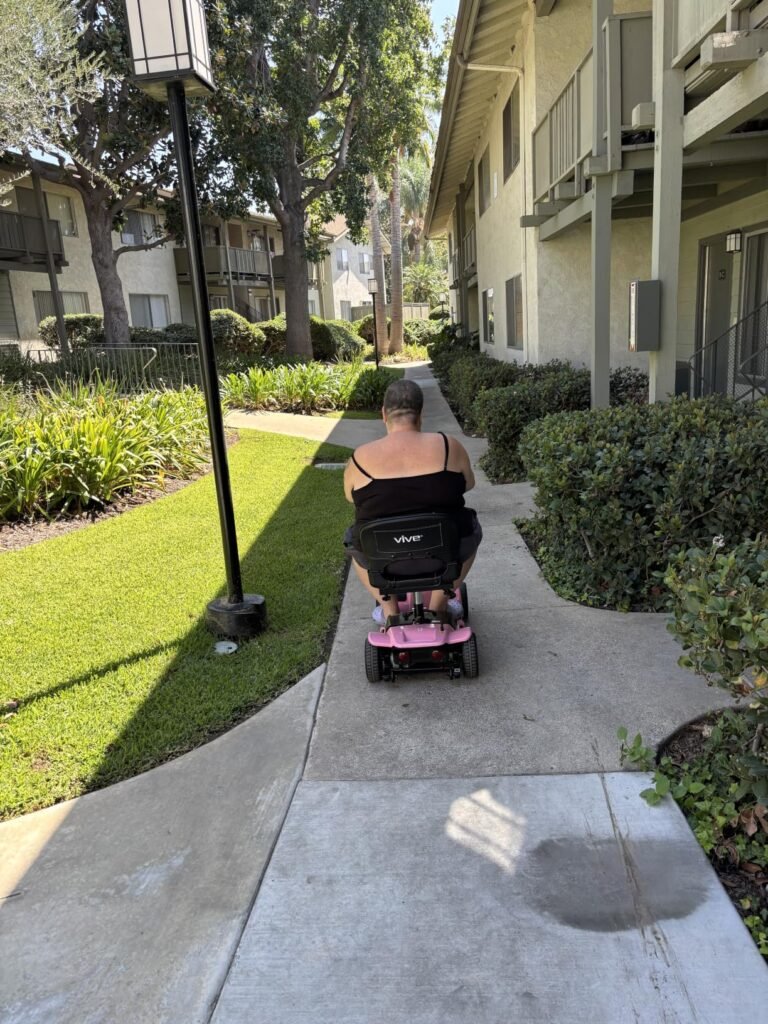
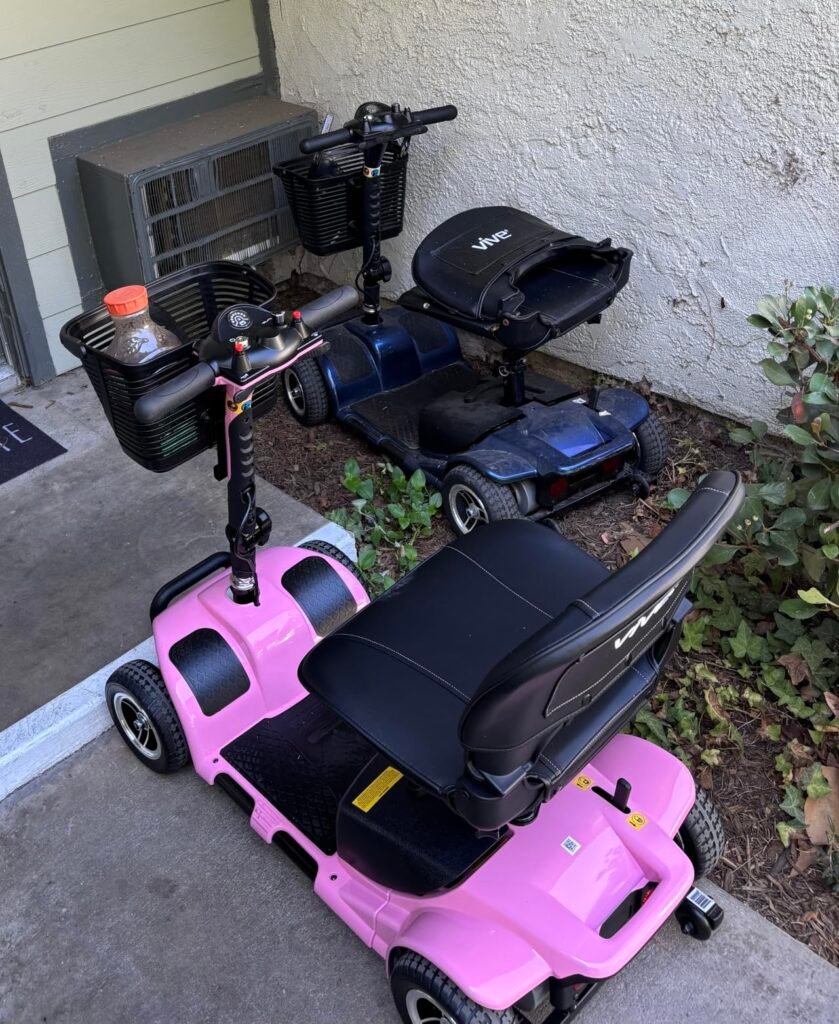
The Vive 4-Wheel Scooter is designed for riders who spend most of their time indoors or on smooth paved surfaces. Its 3.7 mph top speed and responsive tiller steering make it easy to navigate narrow store aisles, apartment hallways, and medical office corridors without feeling rushed or unstable. The 15.75-inch padded seat provides comfortable support during extended use.
We may earn a commission when you buy through this link, at no additional cost to you.
Disassembly is one of the strongest practical advantages here. The scooter separates into four pieces with the heaviest section at just 29 lbs, making it one of the lightest breakdown weights in this comparison. A folding tiller and removable seat fit into standard sedan trunks without requiring a large SUV or van.
The control panel is refreshingly simple. A variable speed dial, forward-reverse toggle, headlight switch, and horn are all grouped on the tiller console within easy reach. The color-coded battery indicator gives a quick visual check of remaining charge, which is more intuitive than trying to interpret a single LED bar.
Non-marking tires prevent scuff marks on hardwood, tile, and linoleum floors, which is an important consideration if you use your scooter inside your home, at a workplace, or in a medical facility. The 8-inch flat-free design also eliminates the risk of punctures from small debris, reducing maintenance headaches over time.
The 265 lb weight capacity is lower than many competing models in this guide, so heavier riders should verify compatibility before purchasing. For lighter users who prioritize easy transport and indoor agility, the Vive offers a well-thought-out package backed by a five-year guarantee that signals long-term manufacturer support.
Riders over 265 lbs or those who need higher speeds for outdoor neighborhood travel.
We may earn a commission when you buy through this link, at no additional cost to you.
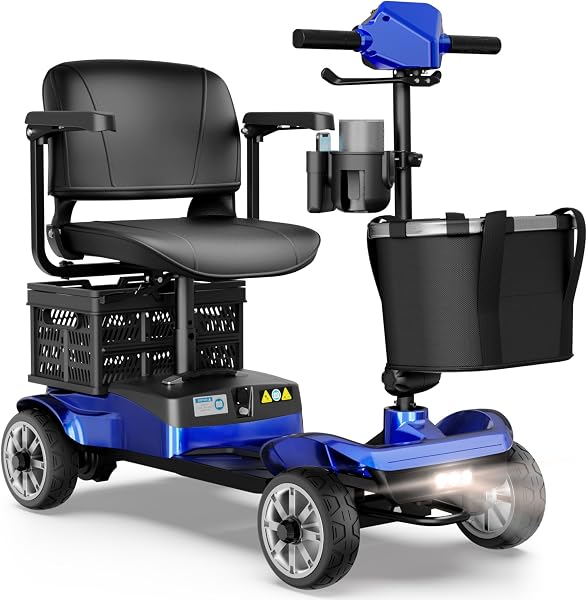
This foldable scooter stands out for its practical accessory package and roomy riding position. Dual removable baskets, a phone holder, and a cup holder come standard, eliminating the need for aftermarket add-ons that many riders end up purchasing separately. The updated frame design adds 8 inches of legroom compared to typical compact scooters, which makes a noticeable difference for taller riders or anyone who finds standard footwells cramped.

We may earn a commission when you buy through this link, at no additional cost to you.
The 250W motor handles 15° inclines and supports up to 330 lbs, giving it more pulling power than several lighter travel models. A single charge delivers up to 15 miles of range, enough for a full day of local errands with battery to spare. Variable speed control from 0 to 4.3 mph keeps the ride manageable in pedestrian areas.
Folding and transport are straightforward but require a bit more effort than the lightest options. The scooter breaks into four pieces with the heaviest at 50 lbs, which is manageable for most able-bodied adults but may be challenging for riders with limited upper-body strength. The folded footprint of 40 by 19 by 14 inches fits most mid-size car trunks.
Standard compact scooters often force taller riders into a cramped knee position that becomes uncomfortable after 20 to 30 minutes. The additional 8 inches of legroom on this model lets you extend your legs more naturally, reducing fatigue and stiffness during longer shopping trips or outdoor excursions.
The six-hour charge time is the main inconvenience to plan around. If you can charge overnight, it is a non-issue, but riders who need quick turnaround between trips should consider keeping a spare battery on hand. Overall, this model offers strong value for anyone who wants a well-equipped daily scooter without paying premium prices.
Riders who cannot lift 50 lbs or who need rapid battery turnaround between multiple daily trips.
We may earn a commission when you buy through this link, at no additional cost to you.
At just 37.5 lbs for the frame alone, this is one of the lightest mobility scooters available that still delivers meaningful motor power. The 350W brushless motor is notably stronger than the 250W units found in many competing travel scooters, giving it better hill-climbing ability and more confident acceleration from a stop. For seniors who want a scooter they can lift independently, the weight advantage is substantial.

We may earn a commission when you buy through this link, at no additional cost to you.
The 24V 12Ah lithium battery weighs only 4 lbs and is approved for airline and cruise travel, removing one of the biggest logistical headaches for frequent travelers. A full charge takes three to four hours and provides up to 12 miles of range. The extra battery slot lets you double that distance by carrying a spare, which is a practical option for full-day sightseeing.
Daily usability is well considered. The LCD panel displays speed and battery level clearly, and the integrated USB port keeps a phone charged during outings. Three storage areas—front, under-seat, and rear—provide more cargo space than most foldable scooters, reducing the need to carry a separate bag. The 7.5-inch puncture-proof tires and reinforced four-point frame deliver stable handling on paved surfaces.
Most ultra-light scooters sacrifice motor wattage to keep weight down, resulting in sluggish hill performance. This model’s 350W motor breaks that pattern by delivering climbing power closer to mid-weight scooters while maintaining a sub-40 lb frame. If your travel destinations include hilly boardwalks or sloped parking structures, the extra wattage provides a meaningful real-world advantage.
The trade-off is tire size versus portability. Smaller 7.5-inch wheels keep the folded package compact but may transmit more vibration on cracked sidewalks or gravel. Riders who stick to smooth pavement and prioritize the lightest possible lift will find this scooter hard to beat. The combination of low weight, strong motor, and travel-friendly battery makes it the most versatile pick for active seniors.
Riders who frequently travel on unpaved paths, gravel, or heavily cracked surfaces where larger tires perform better.
We may earn a commission when you buy through this link, at no additional cost to you.
The Rascal Conquest shifts the focus from portability to outdoor endurance. With 17 miles of range on a single charge and a 6 mph top speed, it covers more ground than most travel-oriented scooters without requiring a mid-day recharge. This makes it a strong fit for riders who use their scooter as a primary vehicle for neighborhood travel, park visits, and longer errands.

We may earn a commission when you buy through this link, at no additional cost to you.
The 350 lb weight capacity and sturdy frame construction provide a stable, planted ride that inspires confidence on uneven pavement and gentle slopes. Regenerative and electromechanical brakes work together for controlled deceleration, and the swivel seat simplifies transfers at your destination. Adjustable seat height, armrest position, and tiller angle let you customize the fit for all-day comfort.
Visibility features are a welcome addition for outdoor use. A rearview mirror helps you monitor traffic behind you in shared paths and parking lots, while the high-intensity LED headlight improves visibility during early morning or evening rides. These are small details that significantly improve safety in real-world conditions.
Travel scooters optimize for light weight and compact folding, which inherently limits battery size and range. If your daily routine involves covering several miles between destinations—such as riding from home to a grocery store, then to a pharmacy, and back—a 17-mile range provides a comfortable buffer that prevents range anxiety and eliminates the need to plan your day around charging stops.
The trade-off is portability. This is a full-size scooter that does not fold into a compact package, so you will need a vehicle lift or ramp for transport. If your lifestyle centers on outdoor independence rather than frequent car travel, the Conquest delivers the range and durability to support that routine reliably.
Riders who need to frequently load their scooter into a car trunk or who travel by air.
We may earn a commission when you buy through this link, at no additional cost to you.
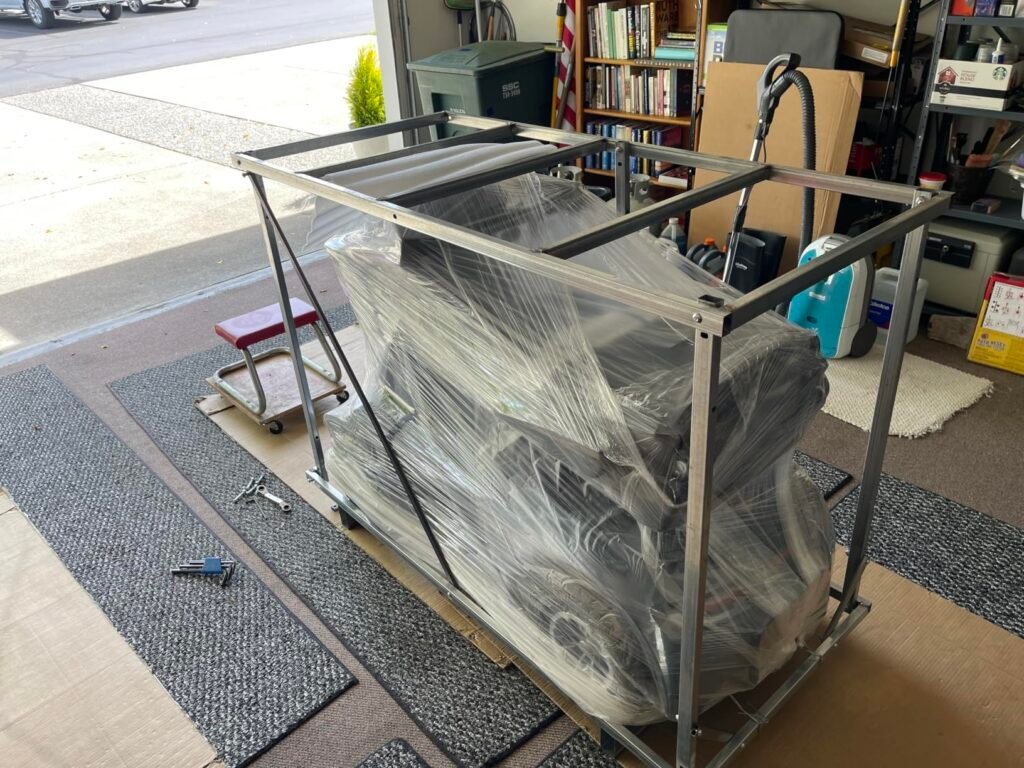
The Ecomobi MS02 MAX is built for riders who need serious capability beyond paved sidewalks. Its 1000W motor and 960Wh battery deliver up to 32 miles of range and a 15 mph top speed, putting it in a different performance class than the travel scooters in this guide. The 20° climbing ability handles steep driveways, rural farm roads, and campground grades that would stall lighter models.
We may earn a commission when you buy through this link, at no additional cost to you.
Ride quality is a major differentiator. The suspension system absorbs bumps from gravel and uneven terrain, while 4.3 inches of ground clearance prevents the frame from scraping on rough paths. Pneumatic rear wheels measuring 13.78 inches provide traction and cushioning that solid tires simply cannot match on loose surfaces. Selectable drive modes let you adjust power delivery for different conditions.
Convenience features match the premium positioning. Six-way adjustable seating accommodates a wide range of body sizes, and the spacious storage compartments handle groceries, picnic supplies, or travel gear. A built-in USB port charges mobile devices, and the comprehensive lighting and signaling package includes turn signals, a warning tail light, and rearview mirrors for road-adjacent riding.
Pneumatic tires filled with air provide superior shock absorption and grip on loose or uneven surfaces compared to solid flat-free tires. The trade-off is that they can puncture, though the larger diameter and thicker tread on this model reduce that risk significantly. If your routes include gravel, grass, or dirt paths, pneumatic tires deliver a noticeably smoother and more controlled ride.
The main considerations are cost and size. At nearly $2,000, this is a significant investment, and the full-size frame requires a garage or dedicated storage area. However, for riders in rural settings or anyone who wants a scooter that functions more like a small electric vehicle, the Ecomobi delivers capability that lighter models cannot approach. The fact that it arrives fully assembled is a welcome bonus.
Budget-conscious buyers or those who need a compact scooter for apartment living and frequent car transport.
We may earn a commission when you buy through this link, at no additional cost to you.
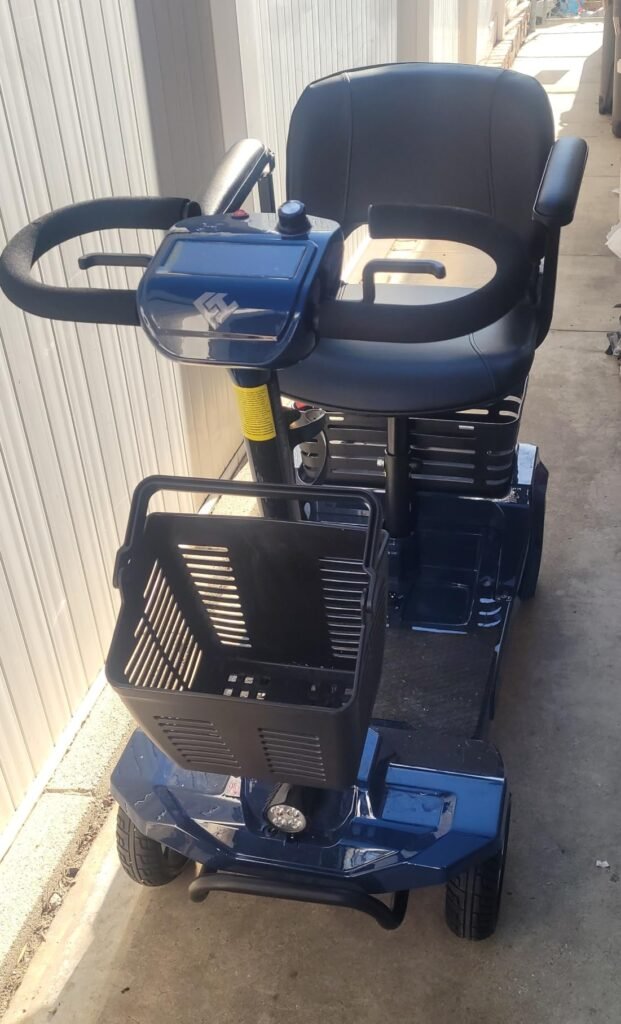
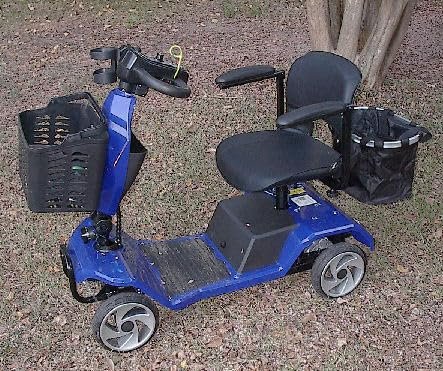
At under $300, this foldable scooter offers a compelling entry point for riders who need reliable daily mobility without a major financial commitment. The 300W motor and 330 lb weight capacity match or exceed several more expensive models, and the 15.5-mile range is more than sufficient for local errands, medical appointments, and neighborhood walks.
We may earn a commission when you buy through this link, at no additional cost to you.
The control dashboard is straightforward and includes everything a new rider needs: direction control, speed dial, battery indicator, headlights, and horn. A built-in key system prevents unauthorized use, which is a practical security feature if you park your scooter in a shared building or community space. The learning curve is minimal, making this a good option for first-time scooter users.
Comfort and convenience are well addressed for the price. The high-back swivel seat provides solid lumbar support, and the adjustable armrests fold up for easy side transfers. The included phone holder, cup holder, and rear basket add everyday utility that budget models often skip, saving you the cost and hassle of purchasing accessories separately.
Budget scooters typically use simpler suspension, smaller batteries, and lighter-gauge frame materials than premium models. This means the ride may feel firmer on rough surfaces and the long-term durability may not match a $1,000-plus unit. For riders who use their scooter a few hours per day on paved surfaces, these trade-offs are usually acceptable and the cost savings are significant.
The 10 km/h top speed translates to roughly 6.2 mph, which is adequate for pedestrian areas but may feel slow on open paths or bike lanes. Build quality at this price point is functional rather than premium, so riders who plan to use their scooter heavily for years may want to consider investing more upfront. For moderate daily use on a tight budget, however, this model delivers strong practical value.
Riders who need high-speed outdoor travel or who plan to use the scooter intensively for many hours every day.
We may earn a commission when you buy through this link, at no additional cost to you.
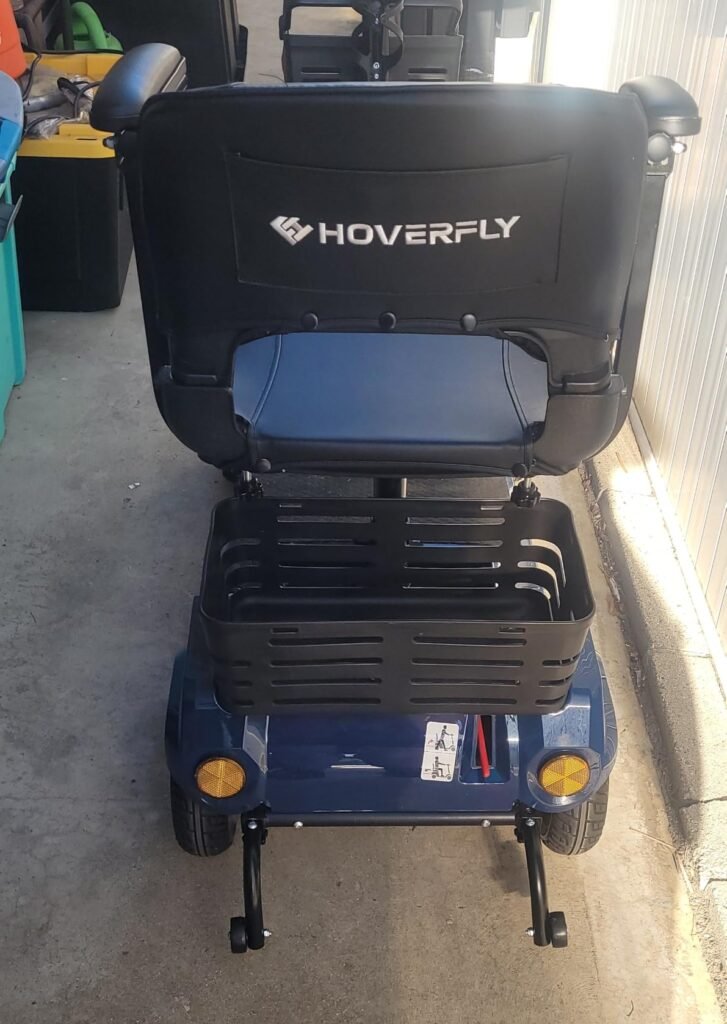
The Hoverfly T4 brings a genuinely useful smart feature to the mobility scooter category: NFC keyless start. Instead of fumbling with a physical key, you simply tap an NFC card to the console to power on and ride. For riders with arthritis or limited hand dexterity, this eliminates one of the small but persistent frustrations of traditional key ignition systems.

We may earn a commission when you buy through this link, at no additional cost to you.
Performance is solid for a mid-range four-wheel scooter. The 250W motor supports up to 330 lbs and handles 10° inclines, while the 12Ah removable battery provides up to 12.4 miles per charge at speeds up to 4.7 mph. The 9-inch puncture-proof solid tires are larger than those on many travel models, providing a smoother ride over sidewalk imperfections and threshold bumps.
Charging flexibility is a standout detail. You can charge through the console port, the battery port, or remove the battery entirely for indoor charging—useful if your scooter is stored in a garage or vehicle without a nearby outlet. The dual baskets each hold up to 55 lbs, which is more than enough for a full grocery run, and the built-in USB port and cup holder add everyday convenience.
Having three ways to charge your scooter means you are not locked into a single setup. If your parking spot lacks an outlet, you can remove the 21 lb battery and charge it at your kitchen counter. If you have a garage outlet nearby, plugging directly into the console is faster and simpler. This flexibility is especially valuable for apartment dwellers and riders who store their scooter in varied locations.
The main consideration is the NFC card itself. While convenient, it is a small item that could be misplaced, so keeping a spare in a consistent location is wise. Riders who prioritize modern convenience features and flexible charging options will find the Hoverfly a well-designed daily scooter that simplifies the ownership experience.
Riders who need more than 12 miles of range per charge or who prefer traditional key ignition for simplicity.
We may earn a commission when you buy through this link, at no additional cost to you.
The VEVOR heavy-duty scooter is engineered for riders who need the highest weight capacity and the most robust outdoor performance in this comparison. Its 500 lb rating exceeds every other model on this list by a wide margin, and the reinforced frame construction provides the structural integrity to support that load safely over time. The 1000W brushless motor tackles 20° slopes without strain.

We may earn a commission when you buy through this link, at no additional cost to you.
Range and speed are both impressive. The 60V 20Ah battery delivers up to 21.5 miles per charge, and the three-speed settings let you choose between a gentle 6 mph stroll, a moderate 10 mph cruise, and a brisk 15 mph pace for covering distance quickly. The 16-inch tubeless tires and spring suspension absorb bumps from gravel, grass, and uneven pavement effectively.
Safety and security features are comprehensive. A full 360° lighting system, front disc and rear drum brakes, anti-tip wheels, protective bumpers, rearview mirrors, a seat belt, and a built-in anti-theft alarm provide layered protection for varied riding conditions. The lockable rear trunk is a practical addition for securing groceries or personal items during stops.
Weight capacity ratings reflect the maximum load a scooter’s frame, motor, and suspension can handle safely over time. Operating consistently near or above the rated limit accelerates wear on the motor, battery, and tires. Choosing a model with a capacity well above your actual weight provides a margin of safety and typically results in better long-term performance and ride quality.
The trade-offs are size and weight. This is a full-size outdoor scooter that requires significant storage space and a vehicle lift for transport. The 4.0 star rating, while still positive, is the lowest in this guide and suggests that some owners have encountered issues worth researching before purchasing. For heavier riders or anyone who needs maximum durability and all-terrain capability, the VEVOR offers specifications that few competitors can match.
Riders who need a portable scooter for car transport, air travel, or compact apartment storage.
We may earn a commission when you buy through this link, at no additional cost to you.
Selecting a mobility scooter involves more than comparing prices. The right choice depends on where you ride, how far you travel, how you transport the scooter, and your physical needs. The factors below cover the most important decision points.
Motor wattage directly determines how well a scooter handles inclines, headwinds, and uneven surfaces. Scooters in the 250W to 300W range perform well on flat pavement and gentle slopes up to about 10°, making them suitable for indoor use, shopping centers, and paved neighborhood paths. Models with 350W to 1000W motors handle steeper grades and rougher terrain with greater confidence, which matters if your routes include hills, gravel driveways, or grassy park paths.
The type of terrain you encounter daily should drive this decision more than raw numbers. A 250W motor is perfectly adequate for smooth indoor floors and flat sidewalks, and choosing a more powerful motor than you need adds weight and cost without practical benefit. Conversely, underpowering a scooter for hilly rural roads leads to frustrating performance and accelerated motor wear.
Match motor wattage to your steepest regular route. If you rarely encounter slopes above 10°, a 250W to 300W motor is sufficient. For hills up to 15° to 20°, look for 350W or higher.
Lithium batteries are lighter, charge faster, and last longer than traditional lead-acid batteries, but they cost more upfront. A typical lithium pack weighs 4 to 5 lbs compared to 15 to 25 lbs for an equivalent lead-acid system, which is a critical difference if you need to remove the battery for airline travel or indoor charging. Lead-acid batteries are heavier and bulkier but remain common in larger outdoor scooters where weight is less of a concern.
Range ratings represent ideal conditions on flat terrain at moderate speed with a lighter rider. Real-world range is typically 20 to 30 percent lower, especially on hilly routes or in cold weather. A scooter rated for 15 miles may realistically deliver 10 to 12 miles under demanding conditions, so it is wise to choose a model whose rated range exceeds your longest typical trip by a comfortable margin.
Calculate your longest regular round trip and add a 30 percent buffer. If your longest outing is 8 miles, look for a scooter rated for at least 11 to 12 miles. Consider a spare battery if your needs vary significantly from day to day.
Total scooter weight and the weight of the heaviest disassembled piece are two different numbers that both matter. A scooter may weigh 43 lbs overall but break into pieces where the heaviest section is only 29 lbs, making it manageable for most adults to lift into a car trunk. Heavier outdoor models may not disassemble at all, requiring a vehicle lift or ramp for transport.
Frame material plays a major role in weight. Aluminum alloy frames are 40 to 50 percent lighter than steel frames while maintaining adequate strength for riders up to 300 lbs. The weight savings are most noticeable when you need to lift the scooter frequently, such as loading it into a car several times per week. For a scooter that stays in one location most of the time, a heavier steel frame may offer greater durability at a lower cost.
If you plan to transport your scooter by car, check the heaviest piece weight against what you can comfortably lift. If you cannot lift more than 35 lbs, prioritize models with lighter breakdown sections or consider a vehicle lift.
Weight capacity ratings range from about 265 lbs on compact travel models to 500 lbs on heavy-duty outdoor scooters. Choosing a scooter with a capacity close to your actual weight reduces the margin of safety and can lead to faster wear on the motor, battery, and suspension. A good rule of thumb is to select a model rated at least 50 lbs above your body weight for optimal performance and longevity.
Seat comfort becomes increasingly important for riders who use their scooter for several hours at a time. Look for padded seats with adjustable height, swivel functionality for easier transfers, and flip-up armrests that allow side entry. Wider seats with reinforced support structures provide better stability for heavier riders and reduce the wobbling that can occur on lighter frames.
Choose a weight capacity that provides a comfortable buffer above your actual weight, and prioritize seat adjustability if you plan to ride for more than an hour at a time.
Folding scooters collapse into a compact package in two to three steps, typically reducing to dimensions around 38 by 20 by 14 inches. This is the most convenient option for car trunk storage and air travel, but folding mechanisms add complexity and may develop play over time. Disassembly scooters break into four or five separate pieces, which can result in lighter individual sections but requires more time and effort to reassemble at your destination.
The best choice depends on how often you transport your scooter and how much physical effort you can manage. If you load and unload daily, a quick-fold design saves time and reduces frustration. If you transport less frequently and prioritize a lighter lift per piece, a multi-piece disassembly model may be more practical. Some riders keep a folding scooter for travel and a full-size model for daily home use.
Test the folding or disassembly process mentally against your typical routine. If you will be loading the scooter alone, prioritize the method that requires the least physical strain for your specific situation.
Electromagnetic brakes are the most common type on modern mobility scooters and engage automatically when you release the throttle, preventing the scooter from rolling on inclines. Response times vary, with faster systems stopping within half a second. Disc and drum brakes found on heavier outdoor models provide stronger stopping power at higher speeds but add weight and complexity.
Additional safety features worth evaluating include anti-tip wheels that prevent backward tipping on steep slopes, LED headlights and taillights for visibility, rearview mirrors for monitoring traffic, and reinforced bumpers that protect the frame during low-speed impacts. Anti-slip footrests and non-marking tires contribute to stability and indoor safety. A seat belt is a valuable addition on higher-speed outdoor models.
Prioritize electromagnetic braking with a fast response time for everyday use. If you ride at speeds above 10 mph or on steep terrain, look for models with disc or drum brakes and a comprehensive lighting package.
Most travel and indoor scooters top out between 3.7 and 6.2 mph, which matches a comfortable walking pace and is appropriate for pedestrian areas, stores, and medical facilities. Outdoor and heavy-duty models can reach 10 to 15 mph, which is useful for covering longer distances on bike paths and neighborhood roads but requires more attention to braking distance and traffic awareness.
Slope handling is measured in degrees and indicates the steepest incline the scooter can climb under load. A 10° rating handles gentle ramps and slight hills, while 15° to 20° ratings are needed for steeper driveways, parking garage ramps, and hilly terrain. Motor wattage, battery voltage, and rider weight all affect real-world climbing performance, so published slope ratings should be treated as approximate guidelines rather than absolute guarantees.
Choose a top speed that matches your riding environment. For indoor and pedestrian use, 4 to 6 mph is ideal. For outdoor roads and paths, 10 to 15 mph provides practical utility. Match slope rating to the steepest incline on your regular routes.
Built-in storage options vary widely across models. Basic travel scooters may include a single front basket, while more equipped models offer dual baskets, under-seat bags, rear trunks, cup holders, and phone mounts. These accessories add genuine daily convenience by eliminating the need to carry items on your lap or attach aftermarket solutions that may not fit securely.
Consider what you typically carry during your daily routine. If you regularly pick up prescriptions or small groceries, dual baskets with adequate weight capacity make a real difference. If you rely on your phone for navigation or communication, a built-in phone holder and USB charging port keep your device accessible and powered throughout the day. Lockable storage is a valuable feature for outdoor scooters that you may leave unattended briefly.
List the items you carry most often and choose a scooter that accommodates them natively. Adding aftermarket accessories later is possible but often less secure and more expensive than buying a model with integrated storage.
Before your first ride, fully charge the battery according to the manufacturer’s recommended time and familiarize yourself with the control layout in a safe, open area. Practice starting, stopping, turning, and reversing at low speed until the controls feel natural. Adjust the seat height, armrest position, and tiller angle so you can reach all controls comfortably without leaning forward or straining your shoulders.
Regular maintenance extends the life of your scooter and prevents unexpected breakdowns. Check tire condition and inflation monthly if your model uses pneumatic tires, and inspect solid tires for cracks or excessive wear. Keep the battery charged between uses and avoid letting it drain completely, as deep discharge cycles shorten lithium battery lifespan. Wipe down the frame and controls with a damp cloth to prevent dirt buildup in moving parts and electrical connections.
Store your scooter in a dry, temperature-controlled environment whenever possible. Extreme heat and cold degrade battery performance over time, and moisture can corrode electrical contacts. If you fold or disassemble your scooter for storage, follow the manufacturer’s sequence to avoid stressing the locking mechanisms. Charge the battery at least once every two to three weeks during extended storage periods to maintain cell health.
Many lightweight mobility scooters with removable lithium batteries are approved for airline travel. The battery typically must be carried in the cabin rather than checked, and it must meet the airline's watt-hour limits. Check with your specific airline before booking, as policies vary, and confirm that your scooter's battery capacity falls within the permitted range.
Range varies significantly by model, from about 10 miles on compact travel scooters to over 30 miles on heavy-duty outdoor models. Published range figures assume ideal conditions, so real-world performance is typically 20 to 30 percent lower depending on terrain, rider weight, speed, and temperature. Choose a scooter whose rated range exceeds your longest typical trip by a comfortable margin.
Select a scooter rated at least 50 lbs above your actual body weight for optimal performance and durability. Operating near the maximum capacity rating puts extra strain on the motor, battery, and frame, which can reduce range and accelerate wear. Models in this guide range from 265 lbs to 500 lbs capacity.
Folding and disassembly scooters break down into pieces that fit in most car trunks. Check the heaviest piece weight to ensure you can lift it safely. Full-size outdoor scooters typically require a vehicle-mounted lift or ramp. Measure your trunk dimensions before purchasing to confirm compatibility with the scooter's folded or disassembled size.
Charge times range from about three hours for smaller lithium batteries to eight hours or more for large lead-acid packs. Most riders charge overnight, which makes charge time less critical for daily use. If you need quick turnaround between trips, look for models with shorter charge times or consider purchasing a spare battery to swap.
Yes, most four-wheel mobility scooters are designed for both indoor and outdoor use. Lower speed settings, tight turning radii, and non-marking tires make them suitable for homes, stores, and medical facilities. Compact models with narrower frames navigate doorways and aisles more easily than full-size outdoor scooters.
In most jurisdictions, mobility scooters do not require a driver's license, registration, or insurance. They are classified as mobility aids rather than motor vehicles. However, local regulations vary, so check your city or state rules if you plan to ride on public roads or shared-use paths.
Avoid letting the battery drain completely before recharging, as deep discharge cycles reduce lithium cell longevity. Store the scooter in a moderate-temperature environment and charge the battery at least every two to three weeks during periods of non-use. Use only the charger provided by the manufacturer to prevent overcharging or voltage mismatch.
Yes, but capability varies by model. Most travel scooters handle slopes up to 10° to 12°, while heavy-duty models with 1000W motors can climb 20° or more. Check the slope rating against the steepest inclines on your regular routes, and remember that rider weight and battery charge level affect real-world climbing performance.
Three-wheel scooters offer a tighter turning radius and more legroom, making them better suited for indoor use and narrow spaces. Four-wheel scooters provide greater stability on uneven terrain and at higher speeds, making them the safer choice for outdoor riding. All 10 models in this guide use a four-wheel configuration for maximum stability.
The 37.5 lb lightweight scooter earns our top recommendation for its exceptional balance of portability, motor power, and travel-friendly battery design. At under 40 lbs with a 350W motor and airline-approved lithium pack, it serves the widest range of daily use cases from grocery runs to cruise ship excursions without requiring compromises on performance.
Budget-conscious riders will find strong value in the sub-$300 foldable model, which delivers 15.5 miles of range and a 330 lb capacity at a fraction of the cost of premium options. For those who need serious outdoor capability, the Ecomobi 1000W and VEVOR heavy-duty scooters provide the range, speed, and terrain handling that lighter travel models simply cannot match.
Start by identifying your primary use case—indoor errands, car transport, air travel, or outdoor exploration—and then prioritize the specifications that matter most for that scenario. A scooter that perfectly matches your daily routine will provide years of reliable independence, while one chosen on specs alone may disappoint in practice. Use the comparison table and detailed reviews above to find the model that fits your life.