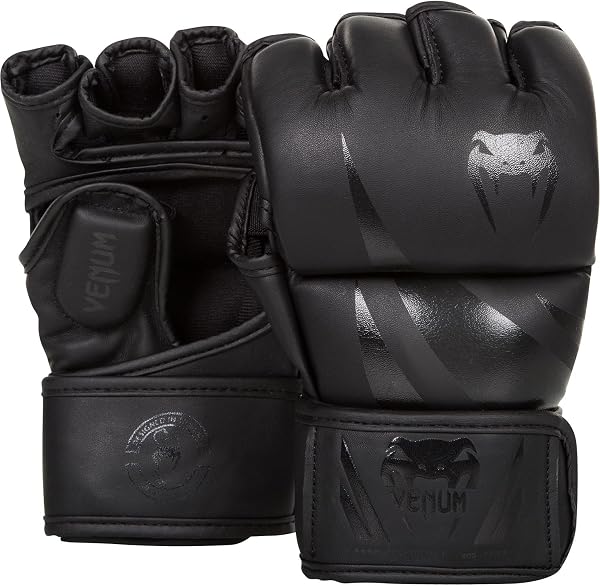
Venum Challenger 3.0
9.2Editor scoreMulti-layer foam padding
Synthetic leather shell
Pre-curved fit design
Wide hook closure
Find the right mma gloves for 2026. We compare 10 standout options by build quality, useful features, owner feedback, value, and everyday trade-offs.
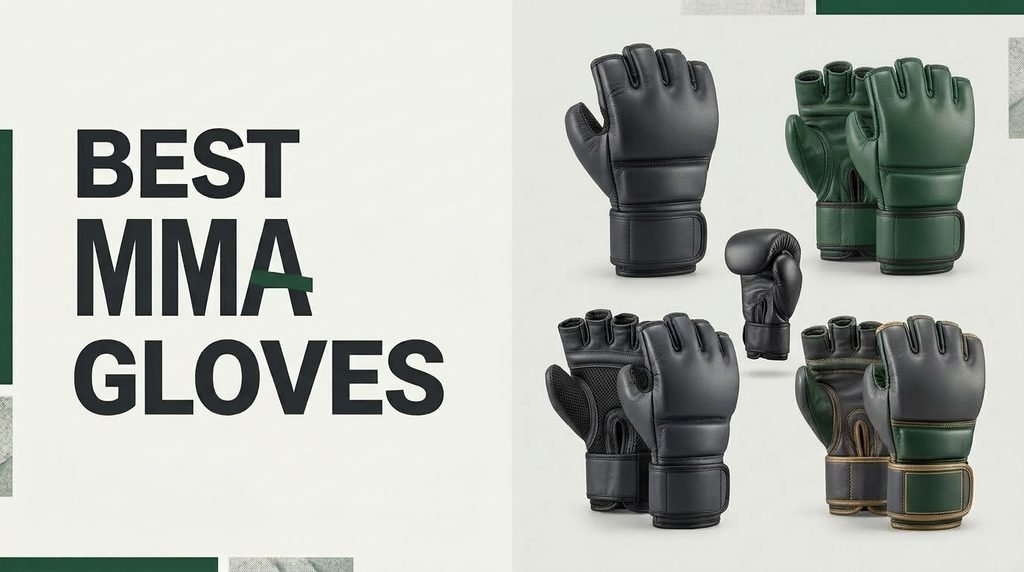
Choosing the right MMA gloves for 2026 means balancing knuckle padding, grappling flexibility, wrist support, and material durability against how you actually train. We compare 10 standout options across padding thickness, palm design, closure systems, leather quality, ventilation, weight, and value so you can match a pair to your discipline and skill level.
The category spans lightweight 4oz competition-style mitts, 7oz hybrid sparring gloves, and heavier training gloves built for bag work. Each type serves different training goals and skill progressions. Understanding when to prioritize open-palm mobility versus knuckle protection prevents buying gloves that hurt your hands or hinder your ground game.
This guide breaks down each pair’s strengths and limitations, from sub-$30 entry options to premium leather models built in the home of Muay Thai. Whether you spar hard, drill grappling, or hit the heavy bag, the comparisons below clarify which specifications matter most and which are marketing fluff you can safely ignore.
We compared 10 MMA gloves using the details that actually shape a fighter’s decision: padding density and layering, open-palm design, wrist closure and strap length, shell material quality, stitching reinforcement, ventilation, thumb protection, weight class options, brand track record, and owner feedback. The notes focus on how each pair performs across striking, grappling, and bag work so each pick reflects the real trade-offs that matter to MMA athletes, kickboxers, and Muay Thai practitioners.


Compare key features, scores, and current prices side by side. A shorter feature list means fewer details were available, not necessarily fewer capabilities.


This LIBERLUPUS model targets fighters who want reliable knuckle protection for heavy bag work without stepping up to premium leather pricing. The 10mm reinforced EVA foam over the knuckles is genuinely substantial padding that spreads impact and reduces the joint soreness that accumulates from repeated bag sessions.
We may earn a commission when you buy through this link, at no additional cost to you.
The 0.8mm synthetic leather shell balances durability with cost. Premium synthetic materials at this thickness resist cracking and wear reasonably well through regular training, and the surface wipes clean easily after sweaty sessions. The half-finger open-palm design maintains flexibility for grappling drills and clinch work, so these gloves are not limited to pure striking use.
The 4.7 owner rating puts these gloves at the top of the category for user satisfaction, which typically reflects strong fit consistency and reliable padding performance. The versatility across MMA, Muay Thai, kickboxing, and self-defense training makes them a smart choice for hobbyists who cross-train across disciplines without wanting to buy sport-specific gloves for each.
Heavy bag work compounds impact over hundreds of strikes per session, and thinner padding transfers more of that repeated force into the small joints of the hand. Thicker padding around the knuckles absorbs more impact per strike and reduces the cumulative soreness that limits how long you can train. For dedicated bag sessions, 10mm foam is a meaningful upgrade over standard 6-8mm gloves.
The trade-off is that synthetic leather will not last as long as genuine leather under heavy daily training, and the thick padding does slightly reduce the finger sensitivity that some grapplers prefer for fine grip work. For bag-focused training and general MMA drilling at an accessible price, this is one of the strongest value picks in the category.
Grapplers who prioritize fingertip sensitivity for detailed grip work over knuckle padding.
We may earn a commission when you buy through this link, at no additional cost to you.
The Venum Challenger 3.0 targets beginner to intermediate athletes who train three to four times per week and want a versatile sparring glove that handles both striking and grappling well. Venum's reputation in MMA and Muay Thai communities means these gloves are familiar to most coaches, which is a real advantage when getting fit and use feedback at your gym.

We may earn a commission when you buy through this link, at no additional cost to you.
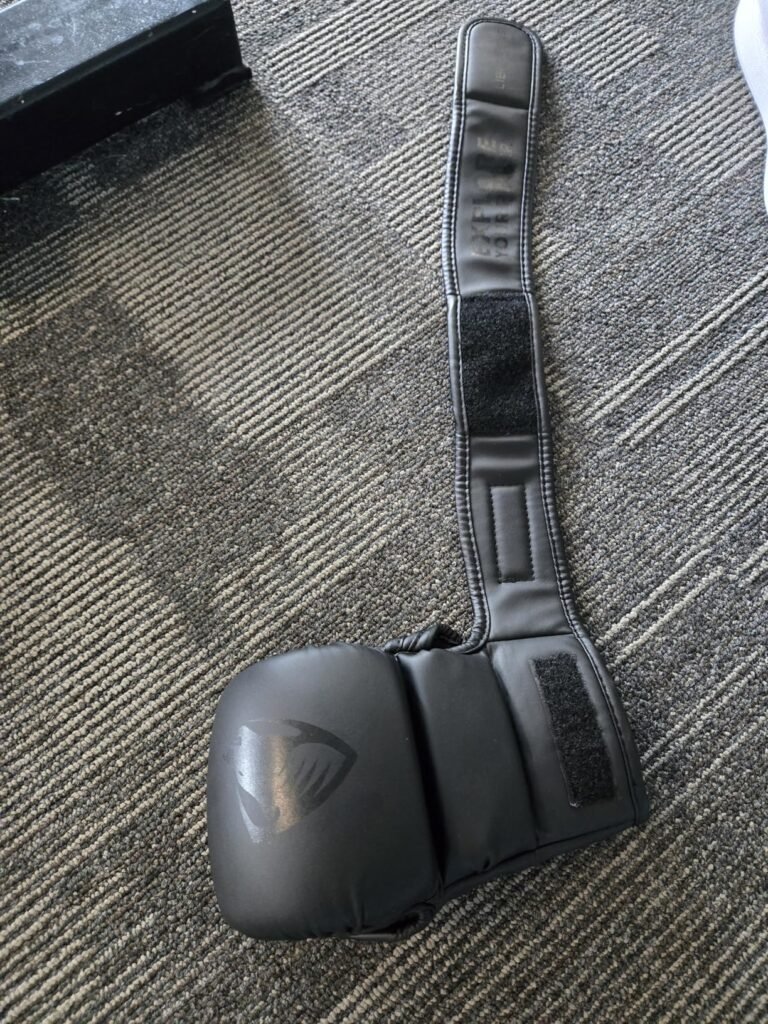
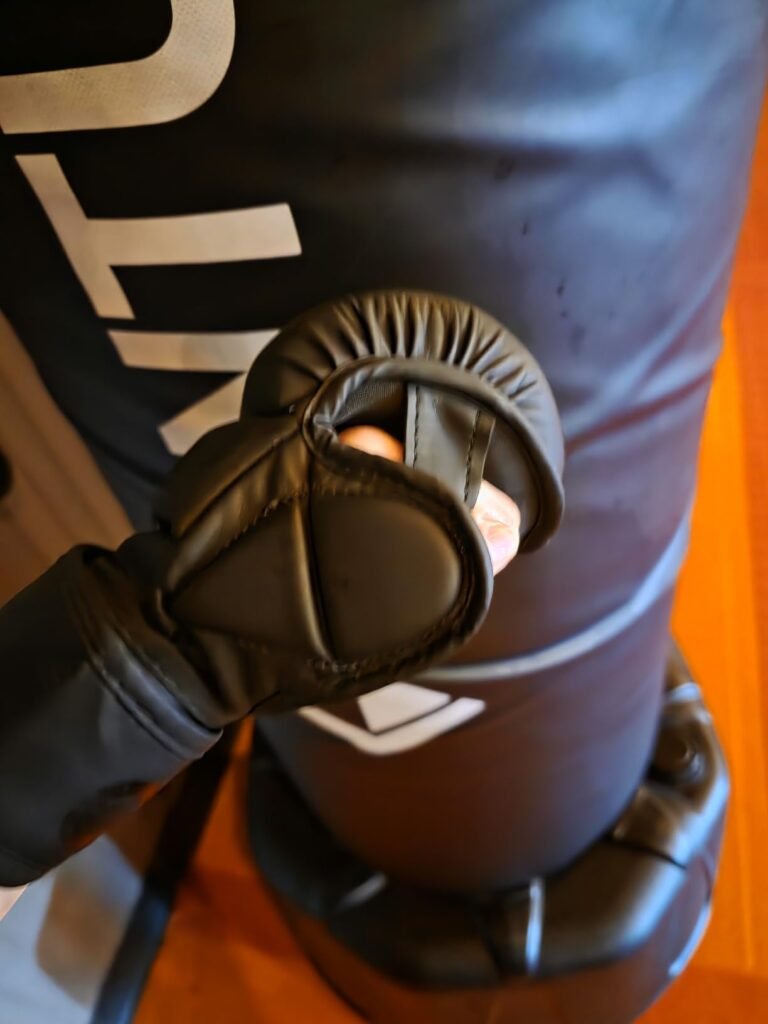
The multi-layer foam padding is the most important performance feature. Layered foam absorbs impact more effectively than single-density padding and reduces the peak forces reaching your knuckles during heavy bag work or hard sparring. The pre-curved shape follows the natural resting position of your hand so you can make a fist without fighting the glove, which matters more the longer your session runs.
The wide hook and loop wrist strap provides solid support that reduces sprain risk during heavy strikes, and the open palm design keeps your fingers free for clinch control and ground work. Synthetic leather with reinforced stitching keeps costs reasonable while holding up to regular training use, though it will not match the multi-year durability of genuine leather models.
Flat-cut gloves force your hand to fight against the material every time you close your fist, which fatigues the small muscles of the hand and slows your combinations. Pre-curved gloves are shaped to match the natural resting curl of a closed fist, letting you strike more efficiently and grip more naturally during grappling exchanges. It is a small design detail that noticeably improves comfort during long sessions.
The trade-off is that synthetic leather shows wear faster than premium options and the gloves can feel slightly stiff during the initial break-in period. For sparrers and hobbyists who want reliable performance across mixed training without spending premium money, this is our top overall pick. Serious competitors should consider genuine leather alternatives.
Competitive fighters who want genuine leather durability for years of intense training.
We may earn a commission when you buy through this link, at no additional cost to you.
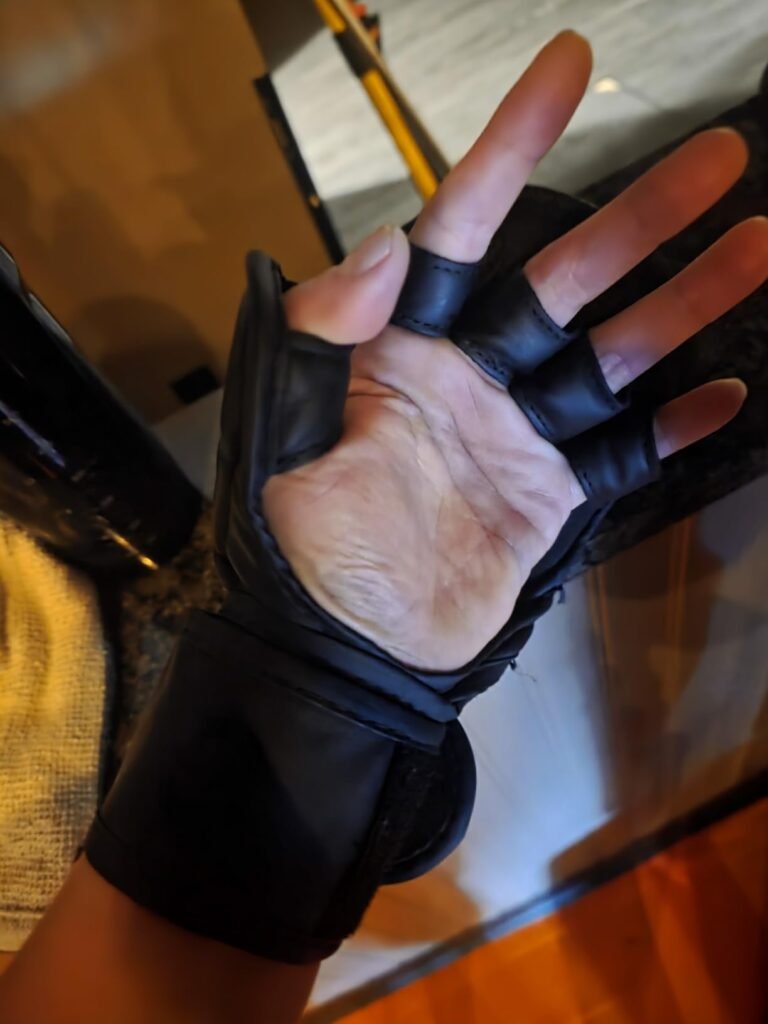
This RDX hybrid glove solves a common problem for MMA athletes: you want more knuckle padding for hard striking than a 4oz competition glove offers, but you also need the open palm and finger freedom for grappling that boxing gloves cannot provide. The 7oz hybrid design splits that difference, giving boxing-style impact protection alongside MMA-style mobility in one piece of gear.
We may earn a commission when you buy through this link, at no additional cost to you.
The Quadro-dome punch padding is built from multiple foam layers that spread impact across a wider surface area, which protects your fists during crosses, jabs, and uppercuts. The padded thumb segment is a small but meaningful detail because thumb injuries are common in MMA training and most gloves neglect this area. Segmented pre-curved padding lets each foam section flex independently for natural hand movement.
The 52cm triple-lock closure strap wraps around your wrist with three hook-and-loop patches, providing significantly more support than standard single-Velcro designs. That extra length lets you fine-tune fit and lock the wrist firmly in place through hard combinations. Maya Hide leather resists wear better than typical synthetic shells, and the ventilated open-palm design keeps your hands cooler during long sessions.
Hybrid gloves shine during MMA sparring where you throw hard strikes but also work clinches and takedowns. Pure 4oz gloves protect your knuckles less during heavy contact, while boxing gloves eliminate grappling entirely. If your training program includes striking exchanges that would benefit from extra padding but you still need finger freedom, hybrid designs are the right compromise.
The trade-off is that 7oz gloves are bulkier than pure 4oz MMA gloves, so they take up slightly more space in the pocket and add small delays to grip transitions. For sparrers who want serious knuckle protection without giving up grappling capability, this is one of the best hybrid designs available. Pure grapplers or competition-style training should consider lighter options.
Competitors preparing for cage bouts where 4oz competition-style gloves are standard.
We may earn a commission when you buy through this link, at no additional cost to you.
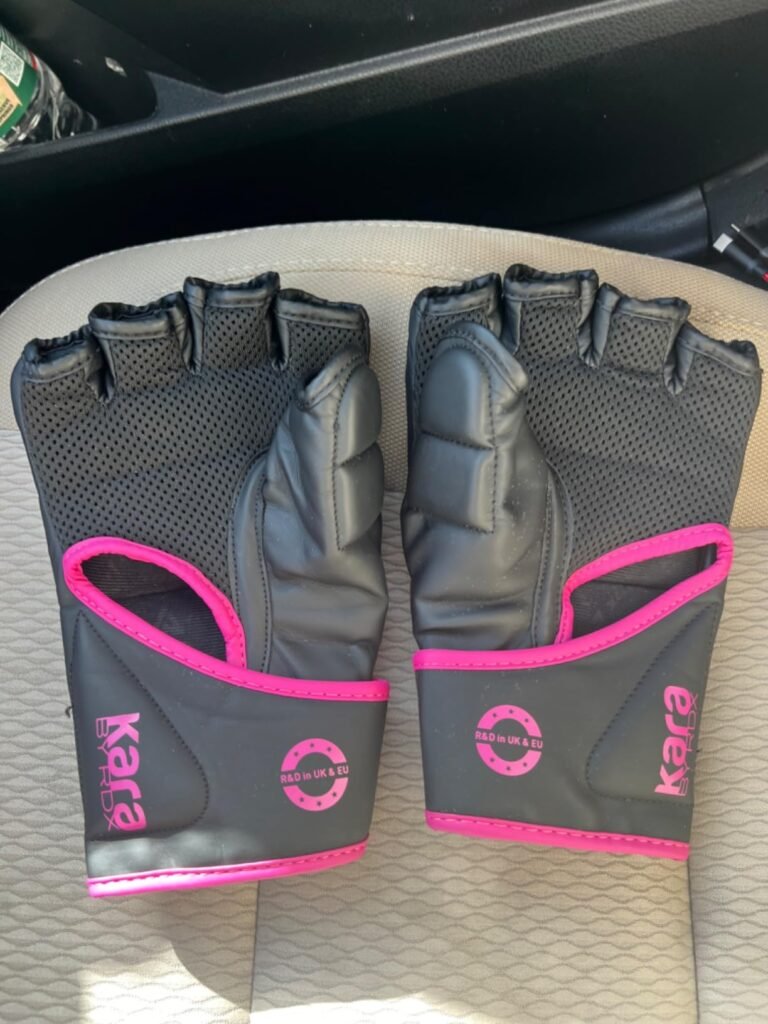
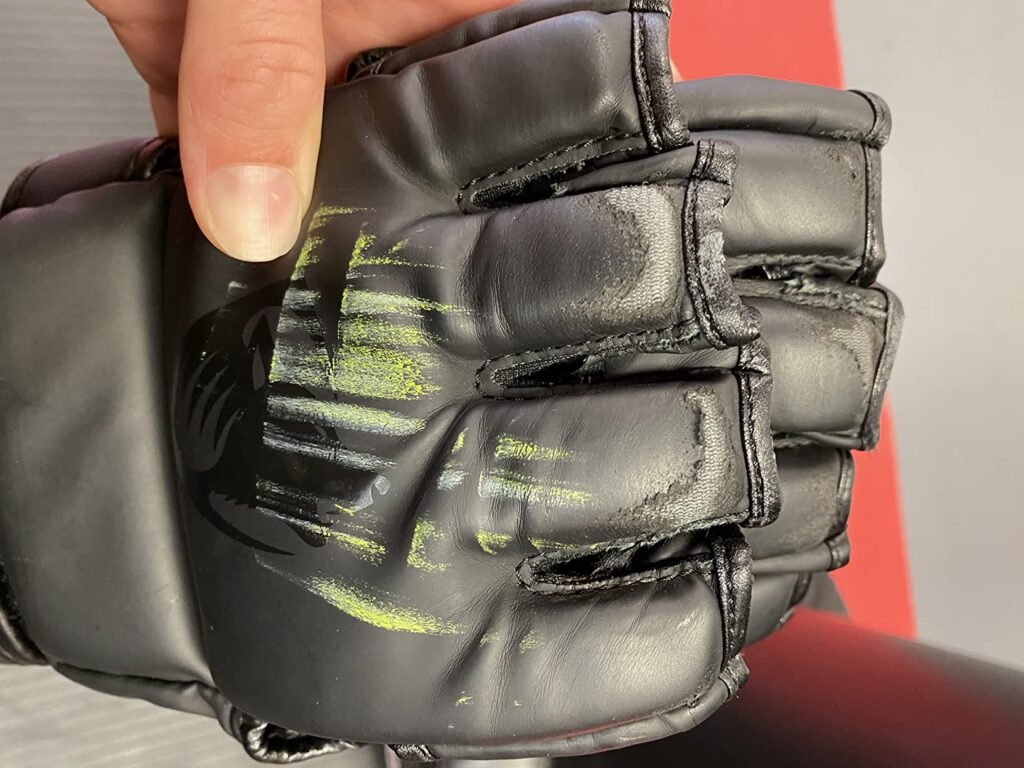
This LIBERLUPUS training glove hits an appealing price point for beginners exploring MMA, kickboxing, or Muay Thai without committing to premium gear. At just over $20, these gloves deliver more features than the price suggests, making them a smart starter option for anyone still figuring out their preferred training style.
We may earn a commission when you buy through this link, at no additional cost to you.
The 1.4-inch multi-layer foam padding across the knuckles, thumb, and back of the hand provides real impact absorption for heavy bag work and moderate sparring. Multi-layer construction is unusual at this price point and represents genuine value compared to single-density budget alternatives that leave your hands sore after long sessions.
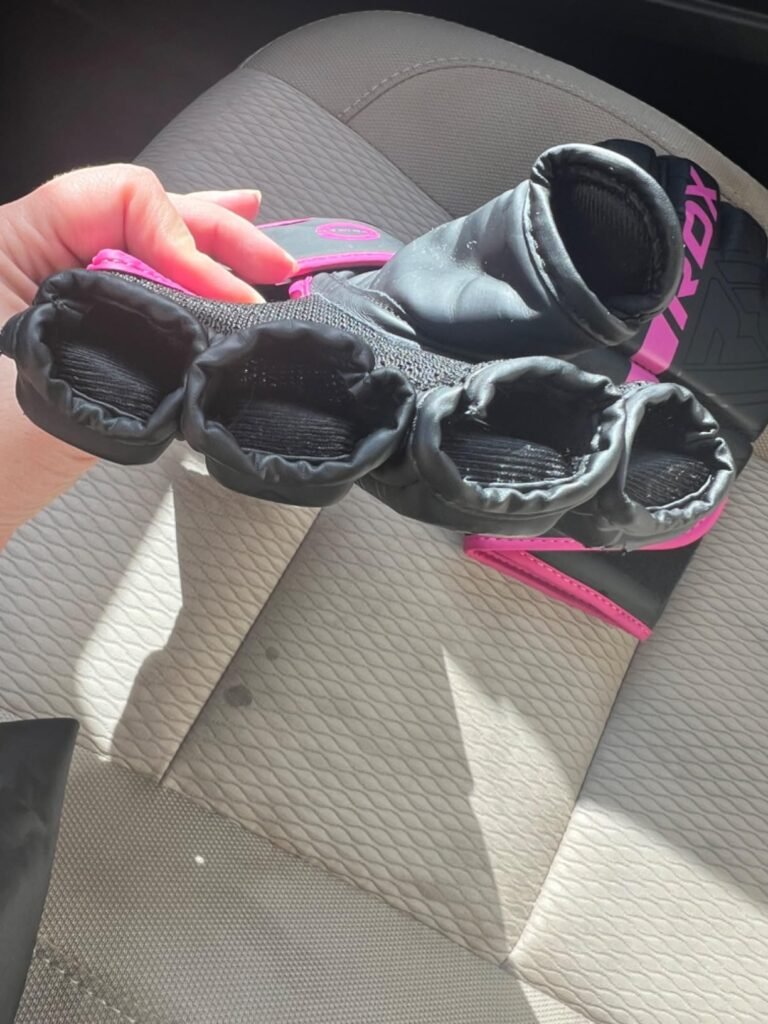
The 17-inch extended wrist wrap is a standout feature that many pricier gloves skip. Longer wraps provide better wrist stability and reduce sprain risk during hard strikes, which matters especially for beginners who have not yet built the wrist strength that experienced fighters develop. The shaped finger loops keep your fingers positioned naturally and reduce rubbing during long sessions.
Standard MMA gloves use short Velcro straps that provide minimal wrist support. Extended wraps of 15 inches or more wind around the wrist for meaningful stability, which helps prevent the sprains that plague beginners still learning to keep a firm wrist through impact. This feature alone often justifies choosing one budget glove over another at the same price point.
The trade-off is that budget construction means the gloves will not last as long as premium options under heavy daily use, and the materials feel less refined in hand. For beginners, casual practitioners, or anyone who wants a solid backup pair, these gloves punch well above their price point. Serious sparrers who train hard multiple times per week should plan to upgrade eventually.
Advanced fighters who need premium leather durability for daily intense training.
We may earn a commission when you buy through this link, at no additional cost to you.
The classic Venum Challenger MMA glove earns strong owner ratings for its focus on wrist support and locked-in fit. The exclusive Velcro strap system uses a pre-positioning approach that helps you get consistent placement every time, which matters more than beginners realize because inconsistent glove positioning changes how your hand contacts targets and can create bad habits.

We may earn a commission when you buy through this link, at no additional cost to you.
The high wrist coverage is the key structural feature. More material wrapping the wrist provides greater stability during hard strikes and reduces sprain risk, which is why competition-oriented fighters often prefer higher-cut designs. The trade-off is slightly less wrist flexibility for grappling maneuvers, but for training that emphasizes striking cleanly, the added support is worth it.
Layered foam padding delivers reliable shock absorption for both bag work and sparring. The adjustable strap allows fine-tuning across different hand widths, and the Venum brand recognition means most coaches and training partners will be familiar with these gloves’ characteristics. The 4.7 owner rating reflects consistent quality across users.
Higher wrist coverage adds material around the wrist joint for extra support during strikes, favoring boxing and Muay Thai training. Lower coverage leaves more of the wrist exposed for grappling flexibility during clinches and takedowns. Choose based on whether striking or grappling dominates your training focus.
The trade-off is that the design leans toward striking use, so pure grapplers may find the higher wrist coverage slightly restrictive compared to lower-cut alternatives. For sparrers who value wrist stability and want a well-established brand with proven consistency, this classic Venum design remains a strong choice. Grappling specialists should consider lower-cut hybrid designs.
Wrestling and grappling specialists who need maximum wrist flexibility for takedowns.
We may earn a commission when you buy through this link, at no additional cost to you.
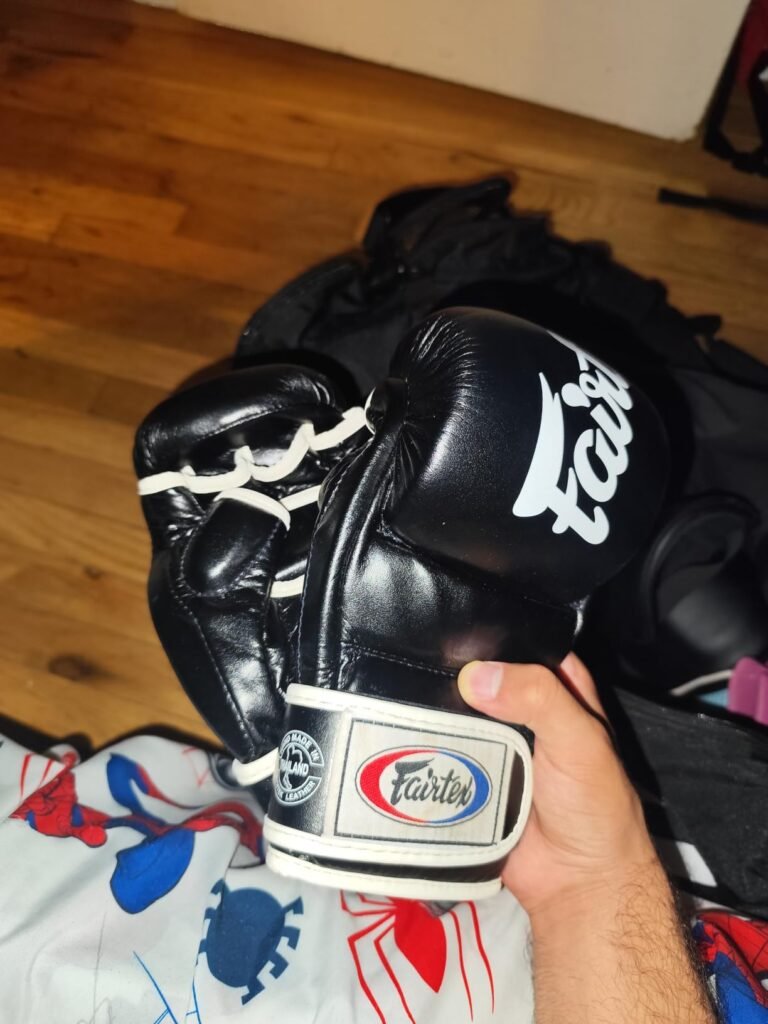
Fairtex is a legendary name in Muay Thai equipment, and the FGV18 represents the brand's approach to premium hybrid MMA and boxing gloves. Handmade in Thailand from genuine leather with foam padding and breathable mesh lining, these gloves are built to serve serious combat sports athletes through years of intense training.
We may earn a commission when you buy through this link, at no additional cost to you.
The genuine leather construction is the defining feature. Real leather molds to your hand over time for a fit that synthetic materials cannot match, and premium leather resists cracking and wear through years of regular use. The consistent weight distribution across the pattern and padding provides better impact absorption and more predictable feel than mass-produced alternatives.
The size range from 8oz to 16oz makes these gloves unusually versatile within a single model line. Lighter weights suit MMA-style training with grappling emphasis, while heavier weights work for boxing-focused sessions with more knuckle protection. The double-stitched adjustable hook-and-loop closure holds fit reliably through hard sessions, and the breathable mesh lining manages sweat during long training.
Thailand is the home of Muay Thai, and Thai glove manufacturers have refined their craft over generations. Handmade construction using traditional patterns produces gloves with more consistent weight distribution, better fit, and superior durability compared to mass-produced alternatives. The premium price reflects both the materials and the craftsmanship built into each pair.
The trade-off is the premium price near $100 and the break-in period that genuine leather requires. Real leather feels stiff initially and takes several sessions to soften into a personalized fit. For serious combat sports practitioners who plan to train for years and appreciate craftsmanship, these gloves deliver premium quality that outlasts multiple pairs of synthetic alternatives. Casual users may find the investment excessive.
Casual practitioners or beginners who are not sure they will train long enough to justify the investment.
We may earn a commission when you buy through this link, at no additional cost to you.
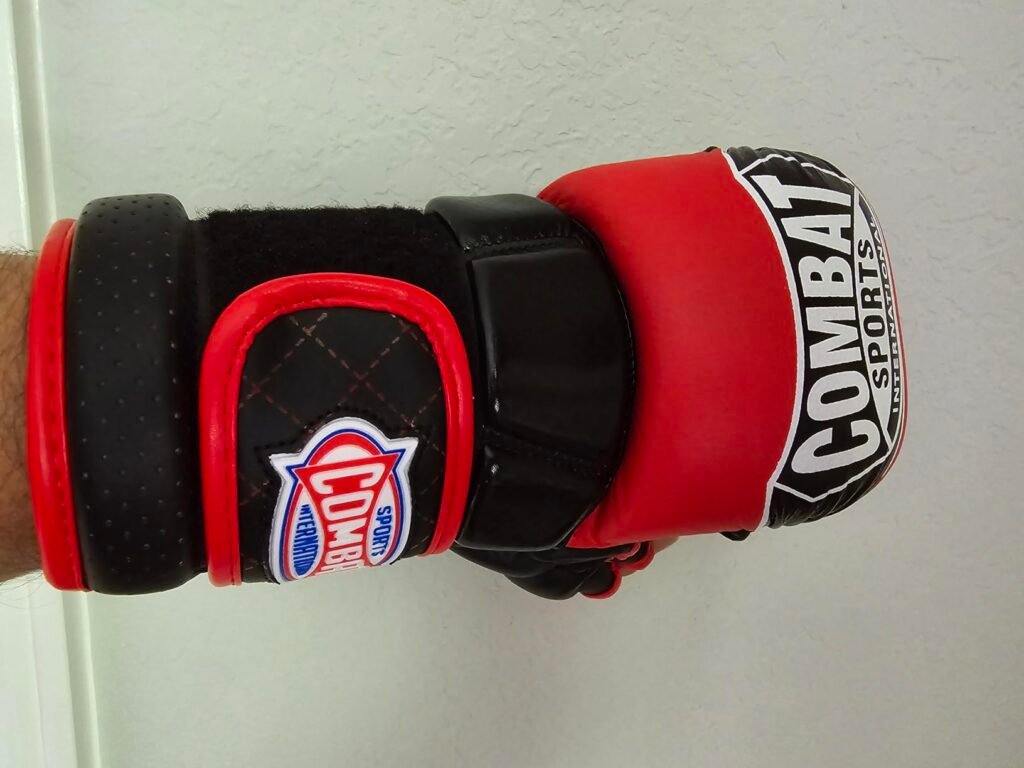
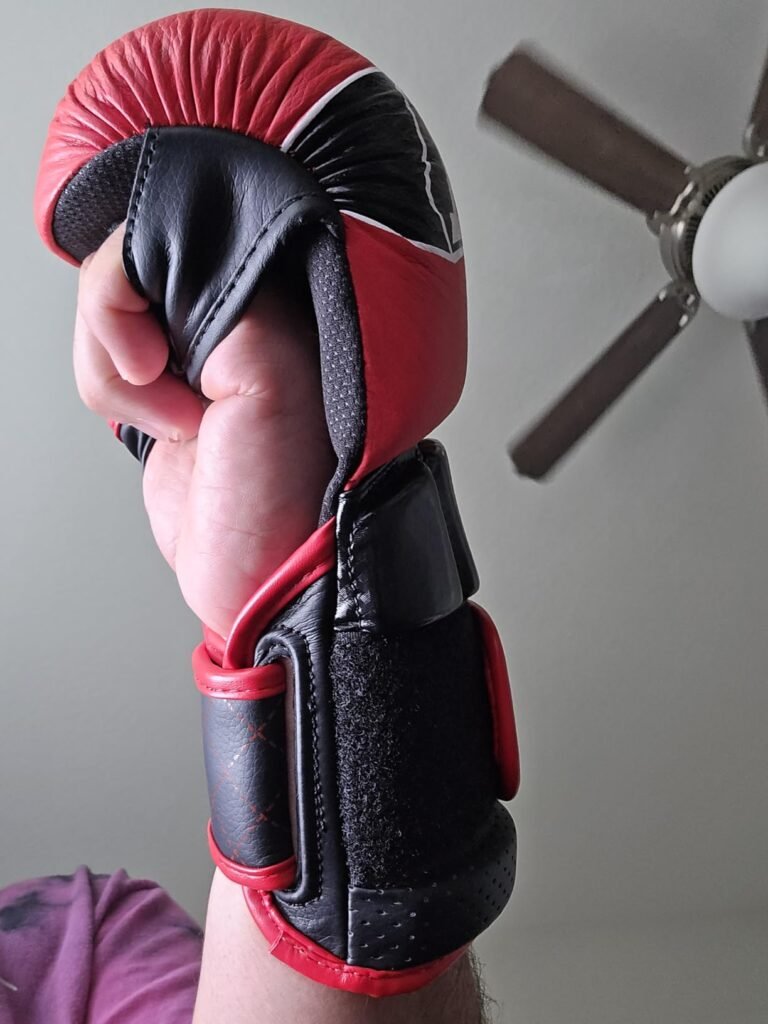
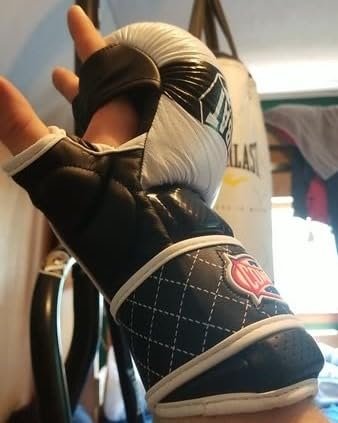
The Combat Sports Max Strike targets serious MMA athletes who want cage-ready training gloves with maximum knuckle protection. The 2-inch molded foam padding is genuinely substantial and provides both hand protection during hard strikes and softer impact on sparring partners, which extends training relationships by reducing sparring-related injuries.
We may earn a commission when you buy through this link, at no additional cost to you.
Premium leather construction delivers the durability serious fighters need. Combat Sports has been a trusted name in combat gear for decades, and their materials and stitching quality reflect that experience. The hinged knuckle design allows full range of motion for making a proper fist, which flat-molded gloves often restrict during grappling exchanges.
The wrap-around wrist strap provides secure support that reduces sprain risk during heavy combinations, and the fingerless open-palm design maintains the skin-to-skin contact needed for effective grappling. These gloves suit fighters preparing for competition or anyone who trains hard enough that lighter gloves leave them sore between sessions.
Heavier padding does not just protect your hands, it softens the impact your strikes deliver to training partners. This matters for training longevity because sparring partners who get hurt eventually stop training with you. Serious gyms often prefer thicker gloves for exactly this reason: they preserve the training relationships that make progression possible.
The trade-off is that thicker padding adds bulk that some grappling specialists find awkward for delicate finger work, and the premium construction commands a higher price than budget alternatives. For serious MMA athletes, coaches, or gym members who train with hard sparring partners, this is a strong professional-grade choice. Casual bag workers may find the padding excessive for their needs.
Grappling specialists who prefer minimal padding for fine finger control during ground work.
We may earn a commission when you buy through this link, at no additional cost to you.
The RDX F6 addresses one of the most common frustrations in MMA training: sweaty hands losing grip mid-session. The dedicated ventilation panel on the palm maximizes airflow and wicks sweat away, which keeps your hands drier during long training rounds and improves grip during grappling exchanges. That practical feature makes a real difference over 60-plus minute sessions.

We may earn a commission when you buy through this link, at no additional cost to you.
The multi-layered padding structure disperses heavy impacts across the surface of the glove to protect your hands during striking, while the additional thumb padding guards against the specific thumb injuries that plague MMA training. Segmented pre-curved padding lets each foam section flex independently, allowing natural hand movements without the stiffness that hurts performance.
The half-finger design maintains hand freedom for clinch work and ground control, and the soft palm supports fluid motion during grappling transitions. Maya Hide leather resists daily wear better than standard synthetic materials, and reinforced stitching adds strength that extends the gloves’ useful life through intense training sessions.
Sweaty hands compromise grip during clinch work, takedown attempts, and submission grappling. Gloves that trap moisture inside become slippery on both the outside and inside, making techniques harder to execute cleanly. Ventilation features that wick sweat away preserve grip and let you train longer without the frustration of losing hold mid-technique.
The trade-off is that ventilation openings inevitably reduce some palm coverage compared to fully enclosed designs, and the standard hook-and-loop closure is less secure than RDX’s premium triple-lock system. For MMA athletes who train long sessions and want practical sweat management alongside solid striking and grappling capability, this is a strong all-around choice.
Fighters who train primarily indoors in cool gyms where sweat is not a limiting factor.
We may earn a commission when you buy through this link, at no additional cost to you.
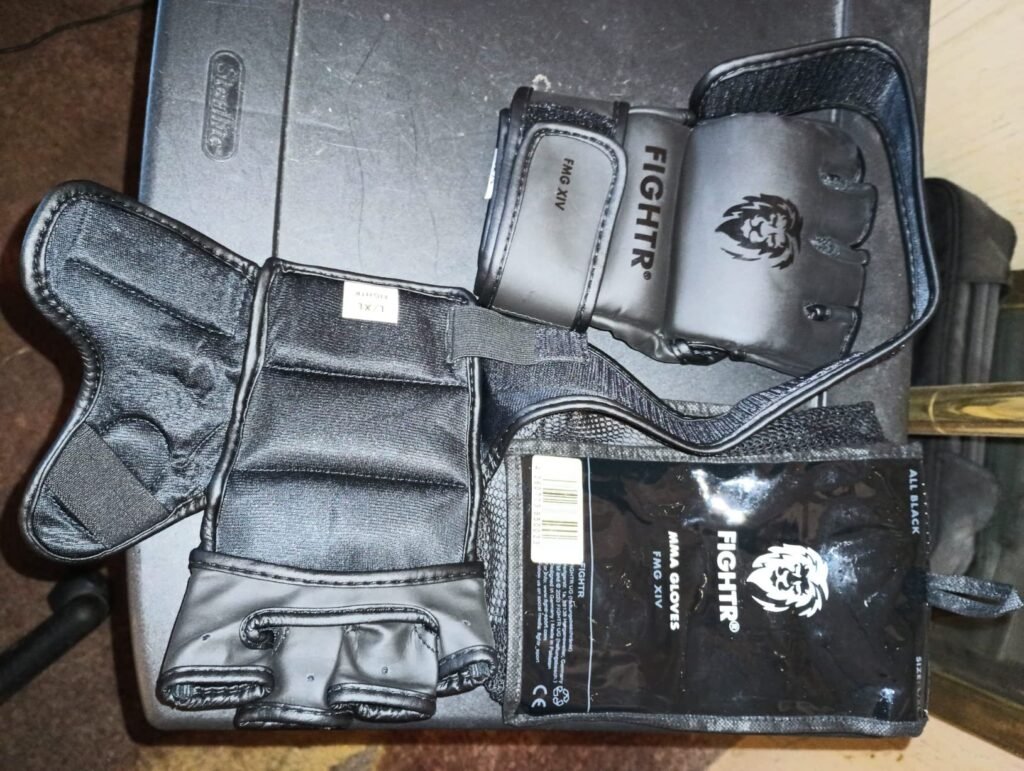
The FIGHTR Pro takes a distinctly consumer-friendly approach by including a carrying bag with the gloves. Small details like this matter more than they sound because a dedicated bag keeps sweaty gloves separate from clean gym clothes and speeds drying between sessions. For beginners setting up their first MMA training kit, this small extra reduces one small purchase from the shopping list.

We may earn a commission when you buy through this link, at no additional cost to you.
High-quality PU leather with sturdy stitching and hard-wearing inner materials delivers durability appropriate for regular training use. The quick-release fastener speeds putting the gloves on and off between rounds, which adds up during long sessions with multiple partners. The ergonomic design with extra soft inner material addresses one of the common complaints about budget gloves: rough interiors that irritate hands during long sessions.
As a German-designed brand founded in 2026, FIGHTR is newer to the market than legacy names, but the company backs products with a 24-hour customer support guarantee. That responsive support is meaningful when buying from a less-established brand. The gloves suit MMA, sparring, martial arts training, and sandbag work across skill levels.
MMA gloves need to breathe between sessions to prevent odor and extend their useful life. Sealed in a regular gym bag with damp clothes, gloves develop persistent smells and material degrades faster. A dedicated bag keeps the gloves separate and often uses breathable material that speeds drying, addressing a small but real maintenance problem that beginners often do not anticipate.
The trade-off is that the 4.4 owner rating sits below the category leaders, and PU leather will not match the multi-year durability of Maya Hide or genuine leather alternatives. For beginners who want a complete starter package with responsive customer support, these gloves offer solid value. Experienced fighters should consider more established brands with higher user ratings.
Serious sparrers who train hard enough to demand premium leather durability.
We may earn a commission when you buy through this link, at no additional cost to you.
The RDX F12 introduces several genuine design innovations that separate it from typical MMA gloves. The Tri-slabbed PC3 padding combines multiple foam layers into one impact-absorbing surface that spreads force effectively across your knuckles, and the D-cut palm design opens up the grip area more than standard open-palm gloves for improved clinch control.

We may earn a commission when you buy through this link, at no additional cost to you.
The segmented pre-curved padding lets each foam section move naturally with your hand, allowing dynamic hand motion for both strikes and takedowns. That segmentation solves one of the persistent problems with cheap MMA gloves: stiffness that fights your natural hand movement and slows technique execution. The pre-curved shape also reduces the break-in time compared to flat-cut alternatives.
The dual-lock wrist strap uses two hook-and-loop patches for a more secure closure than standard single-Velcro designs. That extra security matters during hard training when a strap that pops open mid-round is dangerous. The QD1 sweat-wicking inner lining pulls moisture away from your skin, keeping your hands cooler and drier during long sessions.
Standard open-palm gloves leave a rectangular opening in the palm area, while D-cut designs use a curved shape that opens up more of the palm for improved grip contact. This subtle change enhances grappling control during clinches and ground work while maintaining knuckle padding for strikes. It is one of several small innovations that separate thoughtfully designed gloves from generic alternatives.
The trade-off is that the D-cut palm exposes more skin than fully enclosed palm designs, which some fighters find less protective during rough grappling. The dual-lock strap adds slight setup time compared to single-Velcro closures. For fighters who value grip innovation and secure wrist support, this is one of the more thoughtfully designed options in the category, backed by Maya Hide leather durability.
Fighters who prefer maximum palm coverage for skin protection during rough grappling exchanges.
We may earn a commission when you buy through this link, at no additional cost to you.
Picking the right MMA gloves means matching padding, weight, palm design, materials, and wrist support to how you actually train. The factors below cover the decisions that most influence real training performance and long-term satisfaction with your purchase.
MMA gloves come in different weight classes that serve distinct purposes. Competition-style 4oz gloves offer minimal padding for actual cage bouts, while 6oz and 7oz training gloves add knuckle protection for regular sparring. Heavier training gloves in the 8oz to 16oz range shift toward boxing-style bag work with more substantial padding but less grappling capability.
The right weight depends on your primary training focus. Grapplers who spar lightly can use 4oz to 6oz gloves for maximum finger sensitivity. MMA sparrers who throw meaningful contact should use 7oz or heavier gloves to protect both their hands and their partners. Heavy bag specialists benefit from thicker gloves in the 10oz to 14oz range for maximum impact absorption.
Match glove weight to your training intensity. Light drilling calls for 4-6oz, moderate sparring for 7oz, and serious bag work for 10oz and up.
Padding is the primary safety feature of any MMA glove. Single-density foam compresses uniformly under impact and transfers more force to the hand, while multi-layer or multi-density foam systems compress at staged rates that spread impact across a longer time window. Look for gloves that specify their foam construction: Quadro-dome, Tri-slabbed PC3, layered EVA, or multi-layer designs all indicate more sophisticated approaches than plain foam.
Foam quality also affects long-term performance. EVA foam holds its shape well through regular use, while lower-grade foams compress permanently over time and lose protective capacity. Thumb padding is often overlooked but critical because thumb injuries are common in MMA training. Prioritize gloves that specifically call out padded thumb protection alongside knuckle coverage.
For casual drilling, standard foam is adequate. For regular sparring or heavy bag work, prioritize multi-layer construction and dedicated thumb padding.
Shell material affects both durability and how the glove feels over time. Genuine leather is the premium standard, molding to your hand over time for personalized fit and lasting through years of regular use. Maya Hide leather is a durable synthetic-leather hybrid that resists wear well at a lower price than genuine leather. PU leather and standard synthetic shells cost less but show wear faster.
Stitching quality matters as much as shell material. Reinforced stitching at high-stress points prevents the seam failures that end a glove’s useful life. Double-stitched closures and reinforced palm and thumb areas indicate manufacturers thinking about durability rather than just cost. Cheap gloves often fail at the stitching before the shell material shows any wear.
For serious ongoing training, invest in genuine leather or Maya Hide construction. For casual or beginner use, quality synthetic shells offer adequate performance at lower cost.
Palm design directly affects grappling capability. Standard open-palm gloves leave a rectangular opening for finger movement, while D-cut and other specialized designs open up more of the palm for improved grip during clinch work. Fully enclosed palm designs sacrifice grappling flexibility for maximum knuckle protection and are more common on hybrid boxing-MMA gloves.
Finger design also matters. Half-finger open designs maintain hand freedom for grabbing and controlling opponents during grappling exchanges. Fingerless designs with shaped loops position each finger naturally to reduce rubbing during long sessions. Full-finger designs limit grappling but add protection for pure striking work.
For MMA training that combines striking and grappling, prioritize half-finger open-palm designs. For pure bag work or boxing-style training, more enclosed designs offer better knuckle protection.
Wrist support prevents the sprains that plague MMA training, particularly for beginners who have not built the wrist strength that experienced fighters develop. Longer wrist wraps of 15 inches or more provide more stability than short Velcro straps, and dual-lock or triple-lock closure systems hold fit more securely than single-Velcro designs.
The trade-off with heavier wrist support is slightly reduced flexibility for grappling maneuvers. High-cut designs that wrap more of the wrist favor striking, while lower-cut designs preserve wrist flexibility for takedowns and clinch work. Consider whether striking or grappling dominates your training when choosing between coverage levels.
For beginners or fighters who throw hard strikes, prioritize extended wrist wraps and multi-lock closure systems. For grappling specialists, choose lower-cut designs that preserve wrist mobility.
Sweat management affects both grip quality and glove longevity. Sweaty hands compromise grip during clinch work and submission grappling, while trapped moisture inside gloves accelerates material breakdown and creates persistent odor problems. Ventilation panels, open-palm designs, and sweat-wicking inner linings all address these issues in different ways.
Palm ventilation panels maximize airflow through the glove interior, keeping hands cooler during long sessions. Sweat-wicking inner linings like QD1 pull moisture away from the skin rather than trapping it against your palms. Both features become more important as session length increases and training intensity rises.
For long training sessions or hot gym environments, prioritize ventilation and sweat-wicking features. For short technical drilling in cool spaces, these features matter less.
Poor fit is one of the most common complaints about MMA gloves, and it affects both performance and safety. Gloves that are too loose shift during strikes and reduce impact absorption, while gloves that are too tight restrict blood flow and become uncomfortable during long sessions. Most manufacturers offer S, M, L, and XL sizes based on hand circumference.
Measure your hand circumference just below the knuckles with your fist relaxed, then compare against the manufacturer’s sizing chart before ordering. If you fall between sizes, sizing up typically works better than sizing down because you can use hand wraps to tighten the fit. Some brands run notably small or large, so checking recent reviews for sizing feedback is wise.
Order based on your measured hand circumference, not your general clothing size. When in doubt, size up and use hand wraps to fine-tune the fit.
Prices in this category range from about $20 for entry-level synthetic gloves to over $100 for premium genuine leather options. Spending more generally buys better padding construction, more durable materials, better fit adjustability, and longer useful life. Past a certain price point, however, returns diminish and mid-range gloves often deliver most of the benefit for significantly less money.
Long-term value depends on training frequency and intensity. A $60 pair used four times a week for three years costs less per session than a $25 pair replaced every six months. Match spending to your realistic training commitment, and consider that upgrading equipment as your skill and training intensity grow is a normal part of the sport.
Set a budget that reflects how much you actually train, then within that budget prioritize padding quality, material durability, and fit adjustability over cosmetic features.
Before your first session, adjust the wrist closure to a snug fit that supports the wrist joint without cutting off circulation. The gloves should feel secure without pressing painfully on any point, and your fingers should reach the ends of the loops without being crammed against the material. Use hand wraps underneath your gloves for additional wrist support and to help absorb sweat that would otherwise reach the glove interior directly.
Post-workout care extends glove life significantly. Wipe down the exterior after each session with a clean cloth or antibacterial wipe, and turn the gloves inside out or use a glove dryer to speed interior drying. Never seal damp gloves in a gym bag because trapped moisture accelerates odor and material breakdown. Leaving gloves open in a well-ventilated space is the simplest effective drying method.
Long-term storage matters as much as daily care. Keep gloves in a cool, dry space away from direct sunlight, which can degrade both leather and synthetic materials over time. Check the padding periodically for signs of permanent compression, and replace gloves when the foam no longer springs back to shape or when the shell shows structural damage. A well-maintained quality pair can last several years of regular training use.
For general MMA training with a mix of striking and grappling, 6oz to 7oz gloves offer a good balance of protection and mobility. Competition-style 4oz gloves are best for actual cage bouts, while heavier training gloves suit primarily bag work. Match glove weight to your training intensity: lighter for grappling, heavier for hard sparring and bag sessions.
Yes, hand wraps significantly improve wrist support and help absorb sweat before it reaches the glove interior. Wraps also add a hygiene layer between your skin and the glove, which extends glove life and reduces odor. Even the best gloves perform better with wraps underneath, particularly for beginners still developing wrist strength.
MMA gloves use an open-palm, fingerless design that maintains hand freedom for grappling, clinching, and submissions. Boxing gloves fully enclose the hand with much more padding for pure striking. MMA gloves are typically 4oz to 8oz, while boxing gloves range from 8oz to 20oz. You cannot use boxing gloves for MMA training or vice versa without major compromises.
Measure your hand circumference just below the knuckles with your fist relaxed, then compare against the manufacturer's sizing chart. Most brands offer S, M, L, and XL sizes. If you fall between sizes, size up because you can use hand wraps to tighten the fit. Sizing charts vary between brands, so check recent reviews for sizing feedback specific to the model you are considering.
Replace gloves when the padding no longer springs back to shape, the shell shows visible cracking or peeling, or the closure system stops holding fit reliably. Well-maintained quality gloves can last two to three years of regular training, while cheaper synthetic pairs may need replacement annually. Heavy sparrers and bag workers should inspect their gear more frequently than casual practitioners.
Yes, but choose gloves with sufficient knuckle padding. Standard 4oz competition gloves offer minimal bag protection and can leave hands sore, while 7oz hybrid or 10mm-padded training gloves work well for bag sessions. For dedicated heavy bag training, some fighters prefer bag gloves specifically designed for repetitive impact.
Open palms preserve the finger and grip control that MMA requires for clinching, takedowns, and submission grappling. Fully enclosed gloves like boxing gloves would make grappling impossible. The open-palm design is what separates MMA gloves from boxing gloves and is essential for practicing the full range of MMA techniques.
Wipe down the exterior with a clean cloth or antibacterial wipe after each session, and let the gloves air-dry completely with the interior exposed. Avoid soaking leather gloves in water, which damages the shell. For deeper cleaning of the interior, some fighters use glove deodorizers or antibacterial sprays. Never machine wash MMA gloves.
Premium gloves offer better padding, more durable materials, and longer useful life. For serious sparrers who train multiple times per week for years, the higher cost per pair typically works out to less per session than replacing budget gloves annually. For beginners or casual practitioners, mid-range gloves offer excellent value without the premium price.
Maya Hide is a durable synthetic-leather hybrid that resists wear well and costs less than genuine leather. Genuine leather molds to your hand over time for personalized fit and lasts longer under intense training. For serious ongoing use, genuine leather is superior; for training two to three times per week, Maya Hide offers excellent durability at a lower price point.
The Venum Challenger 3.0 earns our top overall recommendation because it delivers reliable multi-layer padding, pre-curved ergonomic fit, and wide adjustable wrist support at a price accessible to beginners and intermediate athletes alike. For most sparrers who train three to four times a week and want a trusted brand with proven consistency, it strikes the best balance of protection, mobility, and value in this guide.
Serious combat sports practitioners who want premium quality should consider the Fairtex FGV18 for its handmade Thai craftsmanship and genuine leather construction. Budget-conscious beginners will find strong value in the LIBERLUPUS Training Gloves under $25, while fighters who want hybrid boxing-MMA protection should look at the RDX 7oz model for its Quadro-dome padding and triple-lock strap system.
Start by identifying your primary training focus and intensity, then match those needs to glove weight, padding construction, and material durability. A pair that fits your training style and gets used consistently for years delivers far more value than the most expensive option that never breaks in properly. Use the comparisons above to find the model that supports the way you actually train.