Gourmet Easy Classic
9.4Editor scoreStainless steel construction
Dual-sided hammer head
Non-slip ergonomic grip
Dishwasher safe design
Find the right meat tenderizers for 2026. We compare 10 standout options by build quality, useful features, owner feedback, value, and everyday trade-offs.
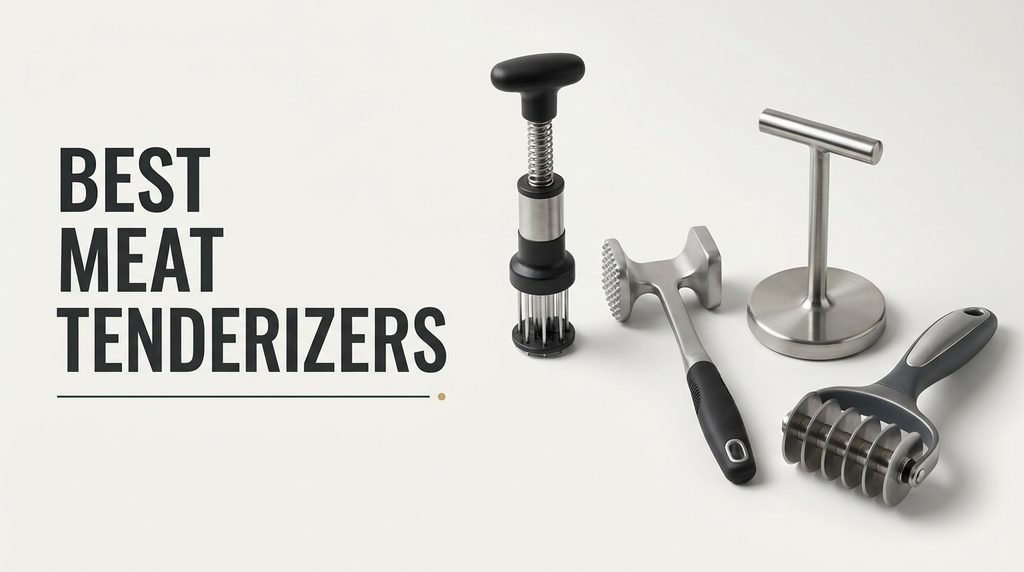
Find the right meat tenderizers for 2026. We compare 10 standout options across mallet, needle-blade, and enzymatic powder styles, evaluating head design, blade count, handle comfort, material durability, cleanup ease, and real-world versatility for home cooks and grill enthusiasts.
Tough cuts of beef, pork, and poultry respond differently to each tenderizing method. A heavy mallet physically breaks fibers, needle blades create marinade channels, and enzyme powders work at the protein level. Choosing the right approach depends on your cooking style and frequency.
This guide covers budget-friendly picks under ten dollars alongside premium stainless steel needle tools built for years of daily use. Whether you need a quick weeknight solution or a professional-grade kitchen companion, the comparisons below highlight the practical trade-offs that matter most.
We compared 10 meat tenderizers using the details that actually help a buyer decide: tenderizing method, blade count, head material, handle ergonomics, ease of cleaning, versatility across proteins, durability signals, owner feedback, and overall value. The notes focus on practical trade-offs so each pick feels connected to how home cooks and grill enthusiasts actually prepare steaks, chicken breasts, pork chops, and roasts on a regular basis.


Compare key features, scores, and current prices side by side. A shorter feature list means fewer details were available, not necessarily fewer capabilities.


KitchenAid's multi-sided mallet earns the highest rating in this comparison, and the reason is straightforward: it delivers reliable dual-surface tenderizing at a price that undercuts most competitors. The aluminum construction keeps the tool light enough for comfortable one-handed use while still providing enough mass to break down tough steak fibers with a few firm strikes.
We may earn a commission when you buy through this link, at no additional cost to you.
One side features a textured pattern designed to grip and separate muscle fibers in beef, pork, and game, while the opposite smooth face flattens chicken breasts and cutlets into even layers for schnitzel or piccata. Switching between sides is seamless, and the transition covers most weeknight protein prep without requiring a second tool. The aluminum body also resists rust, which is a practical advantage in humid kitchens.
The ergonomic handle includes a built-in hang hole, a small detail that makes a real difference in kitchens where drawer space is at a premium. Hanging the mallet on a wall hook or pegboard keeps it accessible and prevents it from getting buried under heavier pots. The main maintenance note is that KitchenAid recommends hand washing with warm soapy water and immediate drying, which adds a minor step compared to dishwasher-safe alternatives.
The hang hole in the handle is more than a design flourish. In compact kitchens, keeping a mallet on a wall rail or inside a cabinet door hook prevents it from sliding around in a crowded utensil drawer. This also helps the tool air-dry fully after hand washing, reducing the chance of moisture-related wear over time.
This mallet is an excellent starting point for anyone who wants a proven, brand-name tenderizer without spending much. It works well for moderate use across common proteins and doubles as a nut cracker or shellfish opener. If you routinely pound very thick, bone-in cuts with heavy force, a stainless steel mallet may hold up longer, but for most home kitchens the KitchenAid strikes the right balance of performance, weight, and cost.
Buyers who want dishwasher-safe convenience or who regularly pound very thick, bone-in cuts that demand heavier striking force.
We may earn a commission when you buy through this link, at no additional cost to you.
The Gourmet Easy Classic mallet targets home cooks who want a single, durable pounding tool that handles everything from chicken cutlets to crab shells. Its stainless steel construction gives it a heft that translates directly into effective fiber-breaking strikes, meaning you spend less time swinging and more time cooking. The lifetime replacement policy also signals long-term confidence from the manufacturer.
We may earn a commission when you buy through this link, at no additional cost to you.
The dual-sided head is the real workhorse here. The textured side grips and tears through tough beef and pork fibers, while the flat side flattens chicken breasts and veal cutlets into even thicknesses for uniform cooking. This two-in-one approach eliminates the need for separate tools, which matters if your kitchen drawer space is limited. The stainless steel surface also resists corrosion far better than plated alternatives.
In hand, the non-slip grip keeps the mallet stable even when your hands are wet or greasy from handling raw meat. The weight distribution feels balanced rather than top-heavy, which reduces wrist strain during longer prep sessions. Cleanup is straightforward since the entire tool is dishwasher safe, though a quick rinse immediately after use prevents protein from drying into the textured crevices.
While the primary job is tenderizing, this mallet also handles crushing nuts, cracking ice for cocktails, smashing garlic cloves, and breaking open lobster and crab shells. If you want a single heavy-duty tool that replaces several single-use gadgets, the flat and textured surfaces give you enough versatility to justify keeping it within arm’s reach on a hook or in a countertop crock.
This mallet is best suited for cooks who prefer the traditional pounding method and want a tool that will last for years without rusting or loosening at the head joint. The main trade-off is weight and price: if you only tenderize occasionally, a lighter aluminum option may be more practical. But for frequent use across a wide range of proteins and kitchen tasks, the stainless steel build and lifetime guarantee make a strong case.
Cooks who prefer a lightweight tool or who only tenderize meat a few times per year may find the stainless steel weight and higher price unnecessary.
We may earn a commission when you buy through this link, at no additional cost to you.
Adolph's Original takes a completely different approach from the mallets and needle tools in this guide. Instead of physically breaking meat fibers, it uses bromelain derived from pineapple extract to enzymatically soften proteins from the surface inward. This makes it ideal for cooks who want tender results without any pounding effort, especially when preparing thin cuts or delicate proteins that could tear under a mallet.
We may earn a commission when you buy through this link, at no additional cost to you.
The unseasoned formula is a key advantage for anyone who wants full control over their spice profile. Because the powder contains no added herbs, garlic, or smoke flavoring, it works silently in the background without competing with your marinade or rub. The ingredient list is short and natural, featuring sea salt, sugars, and pineapple fruit extract with no MSG, which appeals to label-conscious shoppers.
Application is simple: sprinkle the powder evenly over the meat surface, let it sit briefly, and cook. For thinner cuts, a few minutes is sufficient, while thicker roasts may benefit from up to 30 minutes of contact time. The critical caution is to avoid leaving the enzyme on for too long, as extended exposure can turn the outer layer mushy. Following the timing guidance on the package prevents this common mistake.
Enzymatic tenderizers work quickly, and leaving them on meat for too long can produce an unpleasantly soft, almost pasty surface texture. As a general guideline, apply the powder just before cooking for thin cuts and no more than 30 minutes ahead for thicker pieces. This preserves the structural integrity of the meat while still delivering noticeable tenderness.
Adolph’s is best for occasional cooks or anyone who wants a zero-effort tenderizing step that fits into an existing seasoning routine. The small 3.5 oz container is convenient for pantry storage but will need frequent replacement if you cook meat daily. For high-volume use, the bulk McCormick options later in this guide offer better long-term value.
High-volume cooks who need a large supply or anyone who prefers a mechanical tenderizing method that does not involve adding ingredients to the meat surface.
We may earn a commission when you buy through this link, at no additional cost to you.
McCormick's 35-ounce unseasoned tenderizer is designed for serious home cooks, catering operations, and anyone who prepares large batches of meat on a regular basis. The sheer volume sets it apart from the small shaker bottles most shoppers encounter, and the per-ounce cost drops significantly compared to smaller packages. If you grill weekly or meal-prep proteins in bulk, this container can last for months.
We may earn a commission when you buy through this link, at no additional cost to you.
Like the Adolph’s powder, this formula relies on natural enzymes to break down connective tissue at the protein level. The unseasoned profile means it integrates seamlessly into any rub, marinade, or brine without altering your intended flavor. McCormick specifically notes that the tenderizer has no taste of its own, allowing the natural character of beef brisket, pork shoulder, or chicken thighs to come through clearly.
The application process mirrors other enzymatic tenderizers: apply to the meat surface and cook within the recommended window. For thicker cuts like brisket or whole roasts, McCormick suggests allowing up to 30 minutes of contact time before cooking. Thinner steaks and chops need far less. The kosher certification and absence of added MSG make this a practical choice for households with specific dietary requirements.
When you are preparing proteins for a large gathering or a week of meal-prepped lunches, the 35 oz container eliminates the frustration of running out mid-batch. The wide-mouth design also makes it easy to measure out consistent amounts with a spoon or shaker, which helps maintain even tenderizing results across multiple cuts.
This product makes the most sense for high-frequency meat preparation. The large container is a clear advantage in terms of value, but it does require adequate pantry storage and a commitment to using enzymatic tenderizing as part of your regular routine. If you only tenderize a few times a month, a smaller package will stay fresher and take up less space.
Occasional cooks who would not use a 35-ounce supply before it loses potency, or those with very limited pantry storage space.
We may earn a commission when you buy through this link, at no additional cost to you.
The Gourmet Easy 60-needle tenderizer pushes past the standard 48-blade configuration found on most competitors, adding 25 percent more piercing points per press. This higher density means fewer passes are needed to cover a large steak or roast, which speeds up prep time and creates more uniform channels for marinade absorption. The one-piece construction also eliminates the hinge or joint failures that can plague detachable designs over time.
We may earn a commission when you buy through this link, at no additional cost to you.
The 304-grade stainless steel used throughout the body and needle array is a meaningful upgrade over lower-grade alternatives. This alloy resists rust, corrosion, and pitting even with frequent exposure to moisture and acidic marinades. The needles stay sharp longer, and the solid build prevents the wobble or flex that cheaper needle tenderizers sometimes develop after months of use.
The ergonomic handle distributes pressing force evenly across the needle plate, which matters when you are working through a thick pork loin or a dense beef roast. A secure grip reduces the chance of the tool slipping sideways on a slick meat surface. After use, the entire unit can go straight into the dishwasher, though a quick rinse under running water is often sufficient for light prep sessions.
Each needle creates a narrow channel through the meat’s surface, allowing marinades, brines, and dry rubs to penetrate deeper into the muscle fibers. With 60 needles instead of 48, you create roughly 25 percent more pathways per press, which translates to faster and more thorough flavor infusion. This is especially noticeable with thick cuts that normally require overnight marinating to achieve full penetration.
This is the right choice for cooks who want the most effective needle tenderizer available and are willing to pay a premium for long-term durability. The five-year warranty provides additional peace of mind. The main consideration is cost: if you only tenderize a couple of times a week, a less expensive 48-blade model may deliver similar results without the higher investment.
Budget-conscious buyers who only tenderize occasionally and do not need the extra needle density or extended warranty coverage.
We may earn a commission when you buy through this link, at no additional cost to you.
The XSpecial 48-blade tenderizer solves one of the most common complaints about needle-style tools: trapped food particles between the blades that are difficult to reach with a brush or rinse. The detachable head separates from the handle, giving you full access to the blade plate for thorough cleaning. This design is particularly valuable for anyone who prioritizes kitchen hygiene and wants to avoid cross-contamination between proteins.
We may earn a commission when you buy through this link, at no additional cost to you.
The 48 stainless steel blades are arranged in a uniform grid that creates consistent channels across the meat surface with each press. The weighted handle helps drive the needles through tougher cuts without requiring excessive downward force, which reduces hand fatigue during batch prep. The blades are sharpened on both sides to maintain cutting effectiveness as they age.
In practice, the detachable mechanism adds a few seconds to both setup and cleanup, but the trade-off is a level of cleanliness that solid-body needle tenderizers struggle to match. After disassembly, all components can go directly into the dishwasher. Reassembly is straightforward, though it is worth checking the connection periodically to ensure the head remains firmly seated during use.
If you regularly switch between raw chicken, beef, and pork during the same prep session, the ability to fully disassemble the tenderizer means you can sanitize the blade plate between proteins. This reduces the risk of cross-contamination and gives you confidence that no residual bacteria remain trapped in hard-to-reach crevices.
This tenderizer is a strong fit for food-safety-conscious cooks who prepare multiple types of protein in a single session and want to clean the tool thoroughly between uses. The detachable design does introduce a potential wear point at the joint, so buyers who prefer a simpler, single-piece tool may want to consider the Gourmet Easy 60-needle option instead.
Buyers who want a simple, single-piece tool with no moving parts or joints to maintain over time.
We may earn a commission when you buy through this link, at no additional cost to you.
At under ten dollars, this 48-blade needle tenderizer delivers the core benefits of mechanical tenderizing without the investment required by premium models. The standout feature is the auto-retract safety system: the needles extend only when you press the tool against the meat and spring back into the housing when you lift it. This prevents accidental pricks during handling and storage, which is a genuine concern with exposed-needle designs.
We may earn a commission when you buy through this link, at no additional cost to you.
The 48 double-sharpened stainless steel blades create fine channels that improve marinade penetration and reduce cooking time by allowing heat to reach the interior of the meat more quickly. The manufacturer claims up to a 40 percent reduction in cooking time, which is most noticeable with thicker cuts like pork loin or bone-in chicken thighs. The result is juicier meat with less moisture loss during cooking.
The ABS plastic handle is shaped for a comfortable, non-slip grip and keeps the overall weight low. While plastic will not match the longevity of a full stainless steel handle, it performs well for typical home kitchen use and keeps the price accessible. The transparent safety cover snaps over the blade plate after cleaning, keeping the needles protected and the tool drawer-safe.
The auto-retract mechanism and transparent blade cover address two of the most common safety concerns with needle tenderizers. The retracting blades prevent accidental contact when the tool is sitting on the counter, and the snap-on cover keeps curious hands and fingers safe during storage. These features make this model a practical choice for households with children or shared kitchen spaces.
This is an ideal first needle tenderizer for anyone curious about the method but unwilling to spend heavily before deciding if it fits their cooking routine. The safety features make it family-friendly, and the low price means there is little risk in trying it out. If you find yourself using it daily, upgrading to a full stainless steel model later is a natural next step.
Cooks who want an all-metal construction for maximum durability or who need a larger blade plate for tenderizing wide roasts in a single press.
We may earn a commission when you buy through this link, at no additional cost to you.
The KITEXPERT mallet distinguishes itself through careful weight distribution. At 9.5 ounces, it sits in a sweet spot between ultra-light aluminum mallets that require extra swings and heavy stainless steel pounders that tire the wrist quickly. The result is a tool that lets gravity and momentum do most of the work, which is especially helpful when flattening multiple chicken breasts for a family dinner.
We may earn a commission when you buy through this link, at no additional cost to you.
The dual-sided head follows the proven textured-and-flat configuration. The textured face breaks down tough fibers in steaks and pork chops, while the smooth face produces evenly flattened cutlets and fish fillets. The 9.4-inch overall length provides adequate leverage without making the tool unwieldy in smaller kitchens or cramped prep areas.
The comfortable-grip handle is designed to fit naturally in the palm, and the balance point sits close to the head rather than at the end of the handle. This forward-weighted feel means each strike lands with more force and less effort. Cleanup is dishwasher safe, though washing the mallet immediately after use prevents meat residue from drying into the textured surface.
A mallet that is too light requires more swings to achieve the same fiber breakdown, increasing prep time and hand fatigue. A mallet that is too heavy can over-flatten delicate proteins or cause wrist strain. The 9.5 oz weight of the KITEXPERT falls in a range that provides effective striking force for most common proteins while remaining comfortable for extended use.
This mallet is a strong option for cooks who want a middle-ground weight that handles both delicate fish fillets and tougher beef cuts without switching tools. The price is competitive, and the dishwasher-safe construction adds everyday convenience. If brand familiarity is important to you, the KitchenAid mallet offers similar performance with a more established name, but the KITEXPERT’s weight balance gives it a practical edge for extended prep sessions.
Buyers who specifically want the lightest possible mallet for delicate tasks or who prefer a longer handle for maximum leverage on very thick cuts.
We may earn a commission when you buy through this link, at no additional cost to you.
The JY Cookment 48-blade tenderizer focuses on speed and convenience, with the manufacturer highlighting a five-minute marinade absorption window that dramatically shortens the traditional overnight marinating process. The 48 needles create a dense network of micro-channels through the meat surface, allowing seasoning liquids and dry rubs to reach the interior fibers almost immediately.
We may earn a commission when you buy through this link, at no additional cost to you.
The ergonomic handle features a non-slip texture that maintains grip even when your hands are wet from handling raw proteins. Pressing the tool straight down through the meat requires moderate force, and the blade array distributes pressure evenly to prevent uneven tenderizing. The result is consistent texture improvement across the entire cut rather than isolated soft spots.
Cleaning involves soaking the blade plate in warm soapy water for a few minutes to loosen any trapped particles, followed by a rinse or gentle brush. While the tool can handle occasional dishwasher cycles, hand washing preserves blade sharpness and handle integrity over the long term. The included packaging is designed to look presentable, making this a practical gift for grill enthusiasts or new homeowners.
To maximize the five-minute marinade benefit, apply the tenderizer to the meat first, then pour or brush your marinade directly over the freshly pierced surface. The open channels will draw the liquid inward much faster than an intact surface. For best results, let the marinated meat rest in the refrigerator for the full five minutes before cooking to allow the flavors to distribute evenly.
This tenderizer is a solid mid-range choice for cooks who want fast marinade results without investing in a premium model. The five-minute absorption claim is most realistic with thinner cuts and liquid marinades; thicker roasts will still benefit from longer contact times. If gift presentation matters or you want a reliable everyday needle tool at a moderate price, the JY Cookment delivers consistent performance.
Buyers who want a fully stainless steel construction or who primarily cook very thick roasts that require deeper mechanical tenderizing.
We may earn a commission when you buy through this link, at no additional cost to you.
Unlike the unseasoned enzymatic powders earlier in this guide, McCormick's seasoned tenderizer combines protein-softening enzymes with a bold spice blend featuring celery, onion, and paprika. This two-in-one approach saves a step for grill masters and barbecue enthusiasts who want to tenderize and flavor their meat in a single application. The result is a convenient shortcut for weeknight grilling when time is short.
We may earn a commission when you buy through this link, at no additional cost to you.
The 32-ounce commercial-size container provides excellent value for frequent use, and the wide-mouth design makes it easy to shake or spoon out consistent amounts. The spice blend is formulated to complement grilled and roasted proteins, adding a savory depth that works particularly well with beef steaks, pork ribs, and chicken quarters. The kosher certification broadens its appeal across different dietary preferences.
Application is straightforward: coat the meat surface evenly and cook within the recommended timeframe. Because the powder already contains seasoning, you may want to reduce or eliminate additional salt and spices in your recipe to avoid over-seasoning. This is the main trade-off compared to unseasoned options: you gain convenience but lose some control over the final flavor profile.
The celery-onion-paprika profile in this blend complements the smoky char of outdoor grilling particularly well. For best results, apply the tenderizer to the meat about 15 to 30 minutes before placing it on the grill. This gives the enzymes time to begin softening the proteins while the spices form a flavorful crust during the searing process.
This seasoned tenderizer is best for cooks who grill or barbecue regularly and want a single product that handles both tenderizing and basic seasoning. It is less suitable for recipes that call for a specific spice profile, such as Asian-inspired marinades or herb-crusted roasts, where the built-in celery and paprika notes could clash. For maximum versatility, pair it with the unseasoned McCormick option and choose based on the dish.
Cooks who want complete control over their seasoning profile or who prepare dishes with delicate or non-traditional flavor combinations that could clash with the built-in spice blend.
We may earn a commission when you buy through this link, at no additional cost to you.
Selecting a meat tenderizer involves more than picking the cheapest option on the shelf. The three main categories, mallet, needle-blade, and enzymatic powder, each work through fundamentally different mechanisms and suit different cooking styles. Understanding these differences will help you choose a tool that actually improves your results rather than collecting dust in a kitchen drawer.
Mallet tenderizers use physical force to crush and separate muscle fibers. A heavy head with a textured surface tears through tough connective tissue, while a flat side flattens cutlets into even thicknesses for uniform cooking. Mallets are the most versatile option because they also handle tasks like cracking ice, crushing nuts, and opening shellfish. The main drawback is that pounding can distort the shape of delicate proteins and requires more physical effort than other methods.
Needle-blade tenderizers pierce the meat with dozens of tiny stainless steel blades, creating narrow channels that break internal fibers without changing the exterior appearance. These channels also allow marinades and heat to penetrate more quickly, which can reduce cooking time by up to 40 percent. Needle tools excel with steaks, chops, and roasts where you want to preserve the original shape and presentation. They are less effective on very thin cuts that may tear under the blade pressure.
Enzymatic powders use natural enzymes, typically derived from pineapple or papaya, to chemically break down proteins at the molecular level. They require no physical effort and work well on all protein types, including delicate fish. The trade-off is less control over texture, as leaving the enzyme on too long can produce a mushy surface. Powders also add an ingredient to your meat, which may or may not align with your seasoning plans.
Most needle tenderizers on the market feature either 48 or 60 blades arranged in a grid pattern across the pressing plate. The difference may seem small, but 60 blades create roughly 25 percent more channels per press, which translates to faster marinade absorption and more uniform tenderizing across the meat surface. For thick cuts like bone-in ribeye or pork shoulder, the extra blade density makes a noticeable difference in how thoroughly the interior fibers are reached.
Steel quality matters just as much as blade count. Look for 304-grade stainless steel, which resists rust and corrosion even with frequent exposure to moisture, acidic marinades, and dishwasher detergents. Lower-grade steel may discolor or develop surface pitting over time, and dull blades will tear rather than cleanly slice through fibers, producing uneven results. Double-sharpened blades maintain their cutting edge longer and provide cleaner channels.
A comfortable handle is more important than most buyers realize, especially if you regularly prepare multiple portions in a single session. Look for non-slip grip textures that maintain traction when your hands are wet or greasy from handling raw meat. Ergonomic shaping that fits naturally in the palm reduces wrist strain and helps you apply even downward pressure across the entire blade plate or mallet head.
Weight distribution affects both comfort and effectiveness. A mallet that is too light requires extra swings to break tough fibers, while one that is too heavy causes fatigue quickly. For needle tenderizers, a forward-weighted design helps drive the blades through dense cuts with less effort. Consider the overall weight in relation to how often you will use the tool and the types of proteins you prepare most frequently. A 9 to 10 ounce mallet strikes a good balance for most home cooks.
Meat tenderizers come into direct contact with raw proteins, making thorough cleaning essential for food safety. Dishwasher-safe models offer the most convenient cleanup, as the high-temperature wash cycle sanitizes the tool without manual scrubbing. Most stainless steel mallets and many needle tenderizers are dishwasher compatible, though it is always worth checking the manufacturer’s care instructions before the first wash cycle.
Needle-blade tenderizers present a unique cleaning challenge because meat fibers and fat can become trapped between the closely spaced blades. Models with detachable heads allow you to separate the blade plate from the handle for more thorough washing, while auto-retract designs with safety covers help prevent debris from lodging in the mechanism. If you choose a non-detachable model, soaking the blade plate in warm soapy water for a few minutes before rinsing will loosen most trapped particles.
Many meat tenderizers double as general-purpose kitchen tools, and this versatility can justify keeping one within easy reach even if you do not tenderize meat daily. Mallet-style tenderizers are particularly multi-functional: the flat side flattens chicken cutlets and fish fillets, while the textured side crushes ice for cocktails, breaks apart garlic cloves, cracks crab and lobster shells, and even crushes nuts for baking.
Needle tenderizers are more specialized but still useful across a wide range of proteins. They work effectively on beef, pork, chicken, turkey, veal, and firm fish fillets. Some cooks also use them to pierce vegetables like eggplant or zucchini before grilling, which helps marinades penetrate and reduces cooking time. Enzymatic powders are the most limited in scope, as they are designed specifically for protein tenderizing and cannot be repurposed for other kitchen tasks.
Build quality varies significantly across the price range, and the cheapest option is not always the most economical over time. A full stainless steel mallet or needle tenderizer may cost two to three times more than a plastic-handled alternative, but it will resist rust, maintain blade sharpness, and withstand daily use for years. Look for one-piece construction in needle tools, as joints and hinges are common failure points in detachable designs.
Warranty coverage provides a useful signal of manufacturer confidence. A five-year warranty on a stainless steel needle tenderizer suggests the company expects the product to last, while a one-year warranty on a budget model reflects more modest durability expectations. Consider how frequently you plan to use the tool and whether the higher upfront cost of a premium model will pay off through years of reliable service rather than repeated replacements.
For mallet-style tenderizers, place the meat between two sheets of plastic wrap or inside a resealable bag before pounding. This prevents splatter, keeps the work surface clean, and protects the meat from tearing. Use the textured side for breaking down tough fibers in steaks and chops, and switch to the flat side when you need an even thickness for cutlets or schnitzel. Let the weight of the mallet do most of the work rather than swinging with excessive force.
For needle-blade tenderizers, press the tool straight down onto the meat surface with firm, even pressure. Avoid dragging or twisting the blades across the meat, as this can tear the fibers rather than cleanly piercing them. For large cuts, work in a systematic grid pattern to ensure complete coverage. Apply your marinade or seasoning immediately after tenderizing to take full advantage of the freshly opened channels.
Clean your tenderizer as soon as possible after use to prevent protein residue from drying onto the blades or textured surfaces. Rinse under warm running water, use a small brush to dislodge particles from between needles or mallet crevices, and dry thoroughly before storing. If your model is dishwasher safe, place it on the top rack to avoid contact with heating elements. Store the tool in a dry location with the blade cover or safety guard in place to protect both the blades and your hands.
A mallet uses physical pounding force to crush and separate muscle fibers, which also flattens the meat. A needle tenderizer pierces the meat with dozens of small blades, creating internal channels without changing the exterior shape. Mallets are more versatile for general kitchen tasks, while needle tools excel at improving marinade absorption and preserving the meat's original appearance.
Yes, all three types of tenderizers work well on chicken. Use the flat side of a mallet to pound chicken breasts into even thicknesses for uniform cooking. Needle tenderizers are effective on thicker chicken thighs and boneless breasts. Enzymatic powders work quickly on chicken but require careful timing to avoid over-softening the delicate meat.
Enzymatic powders contain natural enzymes, usually bromelain from pineapple or papain from papaya, that chemically break down the protein bonds in connective tissue. When applied to the meat surface, these enzymes soften tough fibers without any physical effort. The process works quickly, often within minutes, but leaving the powder on too long can produce a mushy texture.
Most effective needle tenderizers feature 48 or 60 blades. A 48-blade model provides good coverage for standard steaks and chops, while a 60-blade version creates more channels per press for faster marinade absorption and more thorough tenderizing of thick cuts. For most home cooks, 48 blades are sufficient, but frequent users preparing large roasts may benefit from the higher density.
Many stainless steel mallets and some needle tenderizers are dishwasher safe, but it depends on the specific model. Always check the manufacturer's care instructions. Aluminum mallets and models with plastic components may require hand washing to prevent damage. Even dishwasher-safe tools benefit from a quick pre-rinse to remove large meat particles before the wash cycle.
Needle-blade tenderizers are specifically designed to accelerate marinade absorption. The tiny channels created by the blades allow liquid seasonings to reach the interior of the meat in minutes rather than hours. Mallets also improve marinade penetration to some degree by breaking the surface fibers, but needle tools are significantly more effective for this purpose.
Rinse the blade plate under warm running water immediately after use, then soak it in warm soapy water for a few minutes to loosen trapped particles. Use a small brush to clean between the blades, rinse thoroughly, and dry completely before storing. If your model has a detachable head, separate the components for more thorough cleaning. Always engage the safety cover or retract mechanism before handling the blades.
Even occasional cooks can benefit from a meat tenderizer, especially a budget-friendly mallet or needle tool under fifteen dollars. A mallet doubles as an ice crusher and nut cracker, making it useful beyond meat prep. Enzymatic powders are another low-commitment option since they require no storage space for a physical tool and can be used only when needed.
Yes, but with caution. Fish flesh is much more delicate than beef or pork, so use the flat side of a mallet with very light pressure or choose an enzymatic powder with a short contact time. Needle tenderizers can work on firm fish like swordfish or tuna steaks, but they may tear apart flaky varieties like cod or tilapia. Always err on the side of gentleness with seafood.
For thin cuts like steaks and chops, apply the powder and cook within five to ten minutes. For thicker roasts and whole poultry pieces, you can extend the contact time to 20 to 30 minutes. Avoid exceeding 30 minutes, as prolonged enzyme exposure can break down the surface proteins too aggressively and create an unpleasantly soft, mushy texture.
The KitchenAid multi-sided mallet stands out as the strongest overall choice for most home kitchens, combining the highest owner rating in this comparison with a lightweight aluminum build, dual-surface versatility, and a price under ten dollars. It handles everything from weeknight chicken cutlets to weekend steak prep without requiring a significant investment or learning curve.
For cooks who prefer needle-blade tenderizing, the Gourmet Easy 60-needle tool offers the most thorough coverage and longest warranty, while the budget-friendly 48-blade heavy duty model provides an excellent entry point with thoughtful safety features. On the enzymatic side, the McCormick unseasoned 35 oz container delivers the best per-ounce value for frequent use, and the seasoned 32 oz version adds convenient flavor for grill enthusiasts.
Your best choice ultimately depends on how you cook. If you value simplicity and multi-tasking, go with a mallet. If marinade speed and presentation matter most, choose a needle tool. If you want zero-effort tenderizing that integrates into your existing seasoning routine, an enzymatic powder is the way to go. Any of the ten options in this guide will meaningfully improve the texture and flavor of your favorite proteins.