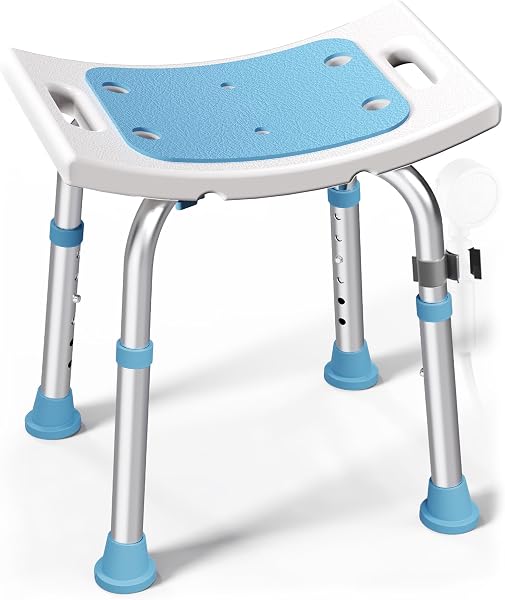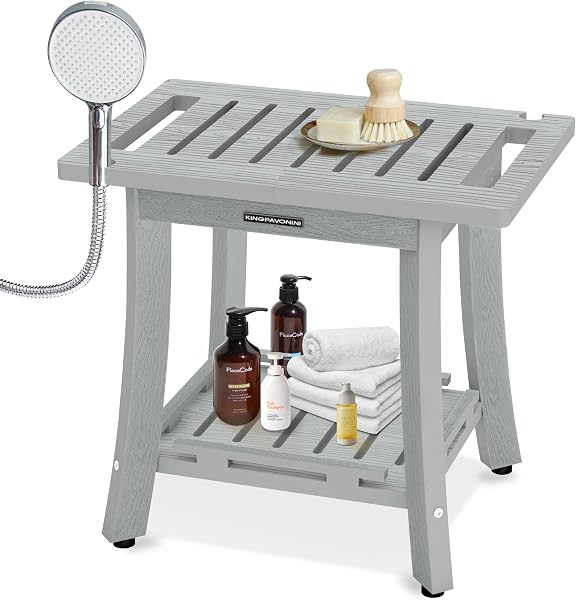
KingPavonini HDPS Bench
9.2Editor scoreHDPS wood-look material
400 lb weight capacity
3-in-1 bath stool
Adjustable rubber feet
Find the right shower benches for 2026. We compare 10 standout options by build quality, useful features, owner feedback, value, and everyday trade-offs.
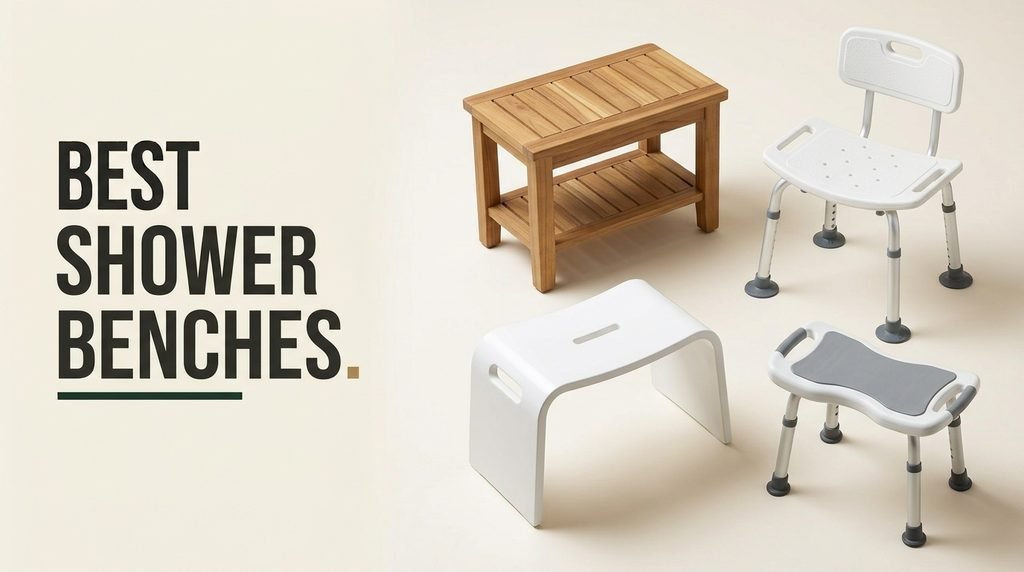
Finding the right shower bench for 2026 means weighing material durability, weight capacity, footprint, and safety features against your bathroom layout and mobility needs. We compare 10 standout options by the factors that matter most: construction material, load rating, adjustability, drainage design, non-slip stability, assembly ease, and long-term water resistance in wet environments.
Shower benches differ significantly in build and purpose. Solid teak models offer natural water resistance and spa-like warmth, while aluminum medical-style chairs prioritize adjustability and lightweight portability. Bamboo and HDPS alternatives provide budget-friendly middle ground with varying degrees of durability and moisture tolerance.
Whether you need a compact stool for a tight stall, a heavy-duty transfer bench for tub access, or a premium teak seat that doubles as bathroom decor, the picks below cover the most practical options available. Read on to find the shower bench that fits your space, your body, and your daily routine.
We compared 10 shower benches using the details that actually help a buyer decide: material quality, weight capacity, seat dimensions, height adjustability, drainage, non-slip feet, assembly difficulty, and long-term moisture resistance. The notes focus on practical trade-offs so each pick connects to how people actually use bath seating daily, from seniors needing stable transfer support to anyone wanting a comfortable place to sit while shaving or resting in the shower.


Compare key features, scores, and current prices side by side. A shorter feature list means fewer details were available, not necessarily fewer capabilities.






The NNN 14-inch teak stool earns the highest rating in this guide by combining premium materials with thoughtful engineering in a compact package. Marine-grade Javanese teak provides the natural oil content and density that make this wood the gold standard for wet environments, and the three factory-applied coats of European water-based teak oil mean the stool is ready to use immediately without any initial treatment.
We may earn a commission when you buy through this link, at no additional cost to you.
The Japan-made non-slip leveling feet are a standout detail that addresses a common shower bench frustration. Most rubber feet provide grip but do not compensate for the sloped floors found in walk-in showers with center drains. These adjustable feet let you level the stool precisely on uneven surfaces, eliminating the wobble that makes sitting down on a wet bench feel unstable. The non-marking compound also protects tile and stone from scuff marks.
Assembly is refreshingly simple, requiring just four parts and the included wrench to complete in roughly 10 minutes. The patented design covers the seat, integrated legs, and structural frame, which reflects genuine engineering investment rather than generic manufacturing. Marine-grade stainless steel hardware ensures that screws and connectors will not rust or leave yellow stains on your shower floor over time.
Most modern walk-in showers have a subtle slope toward the drain, typically a quarter inch per foot. On a four-legged bench, even a small slope can cause one leg to lift slightly, creating a rocking motion that feels unsafe on wet tile. Adjustable leveling feet compensate for this slope by letting you extend individual legs until all four contact the floor firmly. If your shower has a noticeable slope or a pebble floor, leveling feet are not optional but essential for safe use.
This stool is the right choice for buyers with limited shower space who want the highest quality teak construction in the smallest possible footprint. The tradeoff is that the 14-inch seat is compact and lacks a backrest or handles, so it works best for users who need a simple sitting surface rather than full mobility support. For small showers, guest bathrooms, or as a shaving stool, the NNN delivers exceptional quality that justifies its premium positioning.
Users who need a wider seat, backrest, or armrests for full mobility support during bathing.
We may earn a commission when you buy through this link, at no additional cost to you.
The KingPavonini HDPS shower bench targets buyers who want the aesthetic of natural wood without the maintenance that real timber demands in a wet environment. HDPS, a high-density polystyrene composite, mimics the grain and color of wood while resisting water absorption, staining, and scratching far better than untreated bamboo or softwood alternatives. For households that want a low-maintenance bench that still looks attractive, this material choice makes practical sense.
We may earn a commission when you buy through this link, at no additional cost to you.
Structural stability comes from the outward-expanding inclined leg design, which distributes weight across a wider footprint and supports up to 400 pounds. This is a meaningful capacity for larger users or anyone who wants extra confidence when sitting down on a wet surface. The hollowed-out seat promotes drainage so water does not pool on the sitting surface between uses, reducing the slippery film that can develop on solid-seat benches.
The 3-in-1 design packs in more utility than most benches at this price. Dual handles provide grip support when standing or sitting, a shower head holder keeps a handheld wand within reach, and the two-tier storage area gives you a place to set shampoo bottles and razors off the shower floor. The four adjustable rubber feet compensate for sloped shower floors, which is a common issue in walk-in showers with center drains.
HDPS composite material will not warp, crack, or rot regardless of how much water exposure it receives, which gives it a clear longevity advantage over untreated wood in constantly wet showers. Real teak resists moisture through natural oils but still benefits from periodic re-oiling to maintain its appearance. If you want a zero-maintenance bench and do not mind a synthetic material, HDPS removes the upkeep equation entirely.
This bench is the right choice for buyers who want a feature-rich, low-maintenance shower seat without paying teak prices. The tradeoff is that HDPS, while durable, does not feel as warm or premium underfoot as real teak. If material authenticity matters to you, a natural wood option will feel more luxurious. For pure practicality and value, however, the KingPavonini delivers a lot of function in a compact package.
Buyers who prioritize the natural warmth and feel of real wood or who need a bench narrower than 18 inches for a very tight shower stall.
We may earn a commission when you buy through this link, at no additional cost to you.
This 22-inch teak bench is designed for walk-in showers and small stalls where a wider bench would crowd the space. The compact footprint leaves room to move around the bench comfortably, which matters in showers that are 36 inches wide or less. For seniors and anyone with limited mobility, the reinforced teak handles provide genuine structural support for pushing off when standing, not just decorative towel hooks.
We may earn a commission when you buy through this link, at no additional cost to you.
The 100 percent solid plantation teak construction is finished with moisture-resistant wood oil only, avoiding lacquers and stains that can peel or crack in humid conditions. Dense, oil-rich teak naturally resists warping and cracking from daily water exposure, which is why it has been the standard marine decking wood for decades. The slatted seat design allows water to drain through rather than pooling on the surface, keeping the bench drier between showers.
Four non-slip rubber feet with leveling adjustment keep the bench stable on uneven or sloped shower floors, which is critical for safety on wet tile. The lower slatted shelf provides convenient storage for shampoo, soap, and razors within arm’s reach while seated. Assembly uses pre-installed metal insert nuts that align with each hole, so setup is straightforward with just the included hardware.
Not all shower bench handles are created equal. Decorative handles may look supportive but can flex or loosen under real body weight. The reinforced teak handles on this bench are built to bear the force of someone pushing up from a seated position, which is the moment when falls are most likely. If you or a family member relies on handles for stability, confirm that they are structurally integrated into the frame rather than surface-mounted.
This bench is ideal for buyers with smaller showers who want real teak quality and functional handles for mobility support. The 300-pound capacity is adequate for most users but lower than some aluminum alternatives rated at 400 or 500 pounds. If you need higher weight support, an aluminum-frame chair may be a better match. For anyone who values natural materials and a compact footprint, this teak bench delivers excellent quality at a mid-range price.
Users who exceed 300 pounds or who need a wider bench for larger shower enclosures.
We may earn a commission when you buy through this link, at no additional cost to you.
This bamboo shower stool offers a thoughtful ergonomic design at a price point well below teak alternatives. The curved seat surface follows the natural contour of the hips, which improves both comfort and stability compared to flat-seat benches that can feel slippery when wet. For anyone who spends more than a few minutes seated in the shower, that ergonomic shaping makes a noticeable difference in comfort.
We may earn a commission when you buy through this link, at no additional cost to you.
The A-shaped leg construction angles the four thickened legs outward, widening the base footprint and increasing the 300-pound load rating. This geometry provides more lateral stability than straight-leg designs, which is important on wet tile where any wobble can feel alarming. PVC non-slip rubber mats on each foot grip the shower floor and protect tile surfaces from scratching.
Storage is generous for a bench this size, with two full shelves plus a shower head holder and two removable stainless steel hooks for hanging washcloths or loofahs. The slatted seat surface promotes drainage, and the water-resistant finish helps protect the bamboo from moisture absorption. Assembly takes roughly 15 minutes with the included hardware and illustrated instructions, and the built-in stainless steel insert nuts allow repeated disassembly without stripping the bamboo.
Bamboo is a grass rather than a hardwood, which means it absorbs moisture more readily than dense tropical woods like teak. To extend the life of a bamboo shower bench, ensure your bathroom has adequate ventilation to allow the bench to dry between uses. Wipe down the surface weekly and consider reapplying a water-resistant sealant every few months. These small maintenance steps can add years to the bench’s useful life in a humid shower environment.
This stool is the right choice for budget-conscious buyers who want a natural-material bench with ergonomic comfort and ample storage. The main tradeoff is that bamboo, even with a water-resistant finish, is inherently less moisture-tolerant than teak or HDPS over years of daily shower exposure. If your shower has excellent ventilation and you are willing to reapply a protective finish periodically, this bamboo bench offers strong value and comfort.
Buyers who want a zero-maintenance bench or whose shower lacks good ventilation for drying between uses.
We may earn a commission when you buy through this link, at no additional cost to you.
The HOMLAND adjustable shower chair is the most affordable option in this guide, and it delivers solid functionality for the price. The reinforced aluminum alloy frame supports up to 400 pounds while remaining light enough to lift and reposition between bathrooms with one hand. For post-surgery recovery, temporary mobility limitations, or caregivers who need a portable bathing solution, this lightweight practicality matters more than aesthetic appeal.
We may earn a commission when you buy through this link, at no additional cost to you.
Height adjustability ranges from 14 to 19 inches in 1-inch increments, which lets you dial in the exact seat height that allows the user’s feet to rest flat on the shower floor with knees at a comfortable angle. Proper seat height is critical for safe transfers, as a seat that is too high or too low increases the risk of slipping during sit-to-stand movements. The push-button adjustment mechanism is simple enough for users with limited hand strength.
The included accessories add practical value that many competing chairs sell separately. An anti-slip cushion prevents sliding on the smooth aluminum seat surface, a clip holder keeps a handheld showerhead within reach, and a bath sponge is included for convenience. Wide non-slip rubber feet grip smooth tub and shower floors, and the compact 16.3 by 10.5 inch footprint fits into narrow tubs and tight stalls.
The ideal shower seat height lets the user sit with feet flat on the floor and thighs roughly parallel to the ground. For most adults, this falls between 17 and 19 inches, but shorter users or deep tubs may need a lower setting. Measure from the shower floor to the back of the user’s knee while standing, then subtract about an inch to find the target seat height. An adjustable chair like this HOMLAND model removes the guesswork and lets you fine-tune the fit.
This chair is the right choice for budget-conscious buyers, temporary recovery situations, or anyone who needs a lightweight portable shower seat that can move between bathrooms. The tradeoff is a utilitarian appearance and the cold feel of aluminum against bare skin, which some users find uncomfortable compared to wood. If you need a long-term daily-use bench that looks good in your bathroom, a teak or HDPS option will be more satisfying. For function-first value, however, this HOMLAND chair is hard to beat.
Buyers who want a permanent, attractive bathroom fixture or users who need backrest and armrest support for stability.
We may earn a commission when you buy through this link, at no additional cost to you.
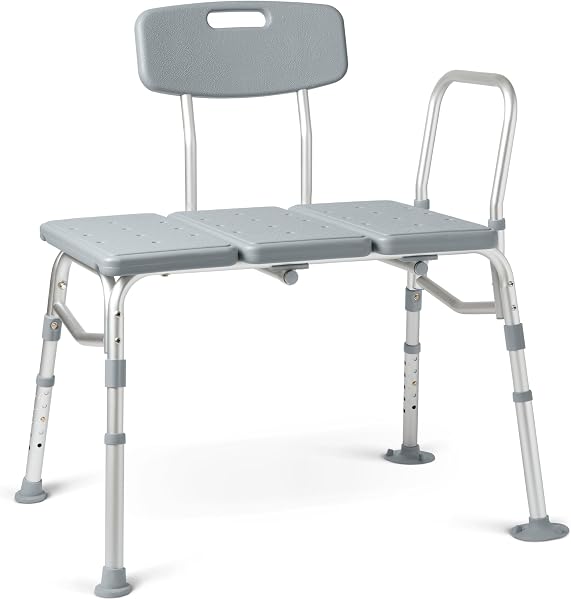
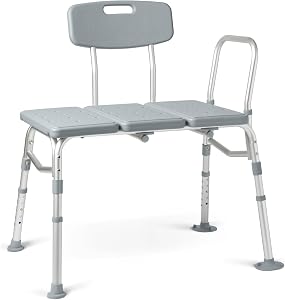
The Medline transfer bench serves a fundamentally different purpose than the other benches in this guide. Rather than sitting inside the shower, it straddles the bathtub wall with two legs inside the tub and two legs outside, allowing users to sit down outside the tub and slide across the seat to the inside. This transfer method eliminates the dangerous step-over motion that causes many bathtub falls among seniors and mobility-impaired individuals.
We may earn a commission when you buy through this link, at no additional cost to you.
The reversible backrest is a key design feature that lets the bench accommodate left-facing or right-facing tub configurations. The stationary armrest on one side provides a stable grip for pushing up or lowering down, and the seat height adjusts from 17.5 to 22 inches using push-button locks that require no tools. The 400-pound weight capacity and rust-resistant aluminum frame provide confidence for heavier users.
Safety details include slip-resistant feet on the outside legs to prevent sliding on bathroom floors and wide suction cup feet on the inside legs to grip the tub surface. The 16-inch deep by 26.5-inch wide seat provides a generous sitting surface, and the overall 32-inch width ensures stable positioning across standard bathtub walls. Tool-free assembly means caregivers can set up the bench in minutes without searching for wrenches or screwdrivers.
A standard shower bench sits entirely inside the shower or tub and requires the user to step over the threshold before sitting down. A transfer bench bridges the tub wall, letting the user sit down on the outside and slide across without lifting their legs over the rim. For anyone with hip replacements, knee injuries, balance issues, or significant weakness, the transfer method is dramatically safer. Choose a transfer bench when the main challenge is getting into the tub, not just sitting while washing.
This transfer bench is the right choice for seniors, post-surgery patients, or anyone who cannot safely step over a bathtub wall. The tradeoff is its large footprint and clinical appearance, which may not suit smaller bathrooms or design-conscious spaces. If your primary need is safe tub access rather than in-shower seating, a transfer bench like this Medline addresses a safety problem that standard shower benches simply cannot solve.
Walk-in shower users who do not need to cross a tub wall, or buyers with bathrooms too narrow to accommodate the 32-inch overall width.
We may earn a commission when you buy through this link, at no additional cost to you.
The NNN 30-inch commercial teak bench is the most substantial and expensive option in this guide, built for buyers who want a permanent, spa-quality shower seat that will last decades. The 30-inch width provides a generous seating surface that accommodates larger users comfortably and creates a luxurious feel in spacious walk-in showers. For master bathrooms with room to spare, this bench transforms the shower into a spa-like experience.
We may earn a commission when you buy through this link, at no additional cost to you.
The eight Japan-made non-slip leveling feet are the defining engineering feature, with two feet per leg providing rock-solid stability even on pebble floors, over drain covers, and across significant floor slopes. This dual-foot design distributes weight more evenly than single-foot legs and virtually eliminates any rocking or shifting, which is critical for heavier users or anyone who needs absolute confidence when transferring to a seated position.
Construction uses the same marine-grade Javanese teak and stainless steel hardware as the smaller NNN 14-inch stool, with three factory coats of European water-based teak oil for immediate use. The patented design covers the seat, integrated legs, and structural frame, and NNN backs the bench with a five-year craftsmanship commitment supported by a US-based team. Assembly takes roughly 10 minutes with the included wrench.
Commercial-grade teak furniture uses thicker lumber, more robust joinery, and higher-quality hardware than residential alternatives. In a shower environment where the bench faces daily water exposure, temperature fluctuations, and repeated weight loading, these construction differences compound over years. A bench that feels merely adequate in year one may develop wobble, loose joints, or surface degradation by year five. Commercial-grade construction like the NNN 30-inch model maintains structural integrity far longer, making the higher initial cost more economical over a decade or more of use.
This bench is the right choice for buyers with large walk-in showers who want the highest level of stability, quality, and long-term durability available. The tradeoffs are the premium price and the space requirement, as a 30-inch bench will dominate a small shower. If you have the room and the budget, this NNN bench delivers commercial-grade construction that will outlast virtually any alternative on the market.
Small shower stalls, tight budgets, or buyers who need a lightweight portable bench they can move between bathrooms.
We may earn a commission when you buy through this link, at no additional cost to you.
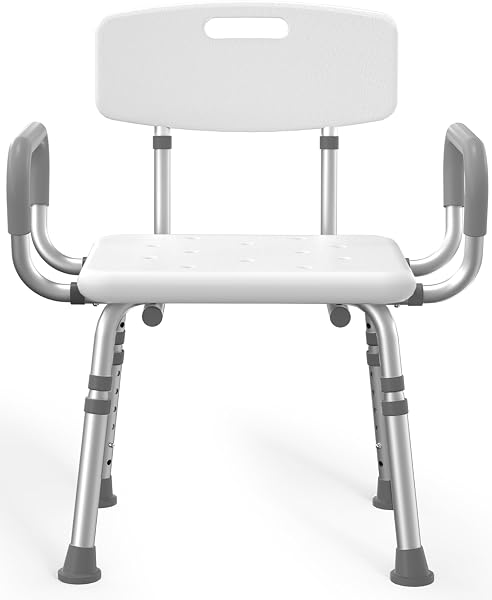
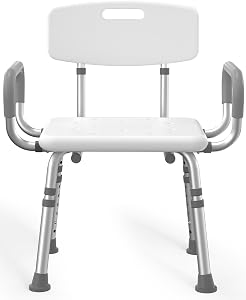
The HOMLAND padded armrest shower chair offers the highest weight capacity in this guide at 500 pounds, making it the clear choice for heavier users who need absolute structural confidence. The reinforced aluminum alloy frame uses an integrated widened design that distributes load across a broader base, and the recommended user weight of 400 pounds provides a substantial safety margin below the maximum rating.
We may earn a commission when you buy through this link, at no additional cost to you.
Comfort features set this chair apart from basic aluminum models. The padded armrests and backrest provide cushioned support that makes extended sitting more comfortable, and the wider seat gives larger users more room to sit without feeling confined. The removable components let you customize the configuration to your needs: use it with both arms and the back for maximum support, remove one arm for easier lateral transfers, or strip it down to a simple stool.
Height adjustment works in 1-inch increments to fit various tub and shower configurations, and the stainless steel washer-reinforced feet resist rust stains on shower floors. The push-and-click integrated frame design enables tool-free assembly that even users with limited hand dexterity can manage. At just under 45 dollars, the chair delivers features that competing models charge significantly more for.
The removable arms and back on this HOMLAND chair let you adapt the setup as your needs change. During early post-surgery recovery, you may want both arms and the backrest for maximum stability. As mobility improves, removing one arm can make it easier to slide on and off the chair from the side. This modularity extends the useful life of the chair across different recovery stages and makes it adaptable for multiple users in the same household with different support needs.
This chair is the right choice for heavier users, seniors who need full arm and back support, and anyone recovering from surgery who benefits from padded contact surfaces. The main tradeoff is that padded surfaces can retain moisture longer than slatted wood or bare aluminum, so wiping the pads dry after use helps prevent mildew. If you need the highest capacity and most supportive configuration in this guide, the HOMLAND padded chair delivers both at a reasonable price.
Buyers who want a natural wood aesthetic or who have very narrow shower stalls that cannot accommodate the wider padded frame.
We may earn a commission when you buy through this link, at no additional cost to you.
Dr Kay's shower chair balances comfort and portability in a lightweight aluminum package that weighs little enough to carry between bathrooms or pack for travel. The padded seat surface provides cushioning that bare aluminum chairs lack, while strategically placed drainage holes prevent water from pooling on the sitting surface. For users who find hard plastic or metal seats uncomfortable during longer showers, the padding makes a meaningful difference.
We may earn a commission when you buy through this link, at no additional cost to you.
The 350-pound weight capacity covers most adult users, and the five height settings from 14.5 to 19.5 inches provide enough range to accommodate different tub depths and user heights. Built-in side handles give users something to grip when lowering themselves onto the seat or pushing up to stand, which adds a layer of safety beyond what a handle-less stool provides. The handles also double as holders for a handheld showerhead.
Assembly uses wing-tipped screws that tighten by hand without any tools, which is particularly helpful for seniors or caregivers setting up the chair independently. The lightweight construction makes repositioning easy, and the compact 16.7 by 10.5 inch footprint fits into narrow tubs and small shower stalls. The aluminum frame resists corrosion in wet environments and wipes clean easily.
A lightweight aluminum shower chair is one of the most practical items to pack when traveling to a rental property, hotel, or family member’s home where shower accessibility is uncertain. At roughly 5 to 7 pounds, chairs like the Dr Kay’s model fit in a suitcase or car trunk without adding significant weight. For post-surgery patients who need consistent shower support across different locations, a portable chair ensures you have safe seating wherever you go.
This chair is the right choice for users who want a comfortable padded seat in a lightweight, portable format at a budget-friendly price. The 350-pound capacity is lower than some competing aluminum chairs, so heavier users should look at the HOMLAND options rated at 400 or 500 pounds. For travelers, temporary recovery setups, or anyone who values easy portability alongside basic comfort, Dr Kay’s delivers practical performance without unnecessary complexity.
Users who exceed 350 pounds or who need a backrest and armrests for full upper-body support during bathing.
We may earn a commission when you buy through this link, at no additional cost to you.
The Teakcraft Hermod bench solves the most common complaint about teak shower furniture: assembly. While every other teak bench in this guide requires some degree of screw-together setup, the Teakcraft ships fully assembled by hand. You lift it from the box, place it in your shower, and it is ready to use immediately. For seniors, people with limited hand strength, or anyone who simply does not want to deal with tools and instructions, this convenience is genuinely valuable.
We may earn a commission when you buy through this link, at no additional cost to you.
The 100 percent solid Indonesian teak is certified legal and sustainable by Indonesia’s Ministry of Forestry, which addresses the environmental concerns that some buyers have about tropical hardwood furniture. Teak’s natural oil content makes it inherently waterproof without chemical treatments, which is the same property that makes it the preferred wood for boat decks and outdoor marine furniture. The solid joinery and non-corroding stainless steel hardware support up to 350 pounds with confidence.
Each leg adjusts independently to keep the bench stable on sloped shower floors, and the rubber non-slip feet grip wet tile securely. The gently curved seat is shaped for lasting comfort during extended sitting, and the slatted lower shelf provides storage for towels, soap, and toiletries. At 21 inches wide by 14 inches deep, the bench fits comfortably in most standard walk-in showers without dominating the space.
Assembly may seem like a minor inconvenience, but for seniors, people with arthritis, or anyone recovering from surgery, struggling with screws and wrenches can be a genuine barrier to using a new shower bench. Fully assembled delivery eliminates this problem entirely and also ensures that the bench was put together by experienced craftspeople rather than rushed through a home assembly process. The result is tighter joints, better alignment, and a bench that is structurally sound from the moment it arrives.
This bench is the right choice for buyers who want the ultimate combination of premium teak quality, zero-assembly convenience, and long-term durability. The price is the highest in this guide, reflecting both the material quality and the hand-assembly labor. If you view your shower bench as a long-term investment that should last a decade or more while looking beautiful in your bathroom, the Teakcraft delivers the kind of quality that justifies the premium.
Budget-conscious buyers or those with very small shower stalls that cannot accommodate a 21-inch wide bench.
We may earn a commission when you buy through this link, at no additional cost to you.
Selecting a shower bench involves matching material, size, weight capacity, and safety features to your specific bathroom layout and mobility needs. The benches in this guide range from compact teak stools to full-width transfer benches. This guide walks through the factors that genuinely matter when narrowing down your options.
Shower bench materials fall into three main categories, each with distinct advantages and maintenance requirements. Natural teak is the premium standard, offering inherent water resistance through its dense oil content. Teak benches like the Teakcraft 21-inch and NNN models resist warping, cracking, and rot even with daily water exposure, and they develop an attractive silver patina over time if left unoiled. The tradeoff is higher cost and the need for occasional re-oiling if you want to maintain the original golden-brown color.
Aluminum frames, used in medical-style chairs like the HOMLAND and Dr Kay’s models, offer excellent corrosion resistance, lightweight portability, and high weight capacities at lower prices. The tradeoff is a clinical appearance and a cold surface feel against bare skin. HDPS and bamboo provide middle-ground options: HDPS mimics wood grain with zero maintenance, while bamboo offers natural warmth at a budget price but requires more attention to moisture management.
Choose your material based on your priorities. If aesthetics and long-term durability matter most, invest in teak. If portability and adjustability are paramount, choose aluminum. If you want low-maintenance wood-look appeal on a budget, HDPS is worth considering.
Weight capacity ratings on shower benches range from 300 to 500 pounds in this guide, and choosing the right rating involves more than matching your body weight. A bench rated at 300 pounds may be adequate for a 180-pound user, but the safety margin shrinks if the user shifts weight suddenly or leans heavily on one side. Most experts recommend selecting a bench with a capacity at least 25 to 50 percent above the user’s actual weight for comfortable safety margins.
Structural stability depends on leg design, foot grip, and frame construction as much as raw weight ratings. Outward-angled legs like those on the KingPavonini HDPS bench widen the base footprint for better lateral stability. Multiple leveling feet per leg, as on the NNN 30-inch commercial bench, distribute weight more evenly across uneven floors. Suction cup feet on transfer benches like the Medline grip tub surfaces to prevent sliding during lateral transfers.
Prioritize weight capacity and stability features based on the user’s actual needs. Heavier users and anyone with significant balance challenges should choose benches rated well above their body weight with wide bases and non-slip feet. Lighter users in stable shower environments can safely choose more compact options with lower ratings.
Measuring your shower space before buying is essential to avoid ordering a bench that does not fit. Standard walk-in showers range from 32 to 48 inches wide, and a bench that is too wide will crowd the space and make standing showering difficult for other household members. Compact stools like the NNN 14-inch model fit easily in tight stalls, while wider benches like the NNN 30-inch require spacious walk-in showers or wet rooms.
Seat depth matters for comfort and safety. A seat that is too shallow may not support the full thigh, causing the user to slide forward. A seat that is too deep can press against the back of the knees and restrict circulation. Most shower benches offer seat depths between 10 and 14 inches, which suits the majority of adult users. If the bench will be used by someone with very long or very short legs, check the depth specification carefully.
Measure your shower width, depth, and the distance from the showerhead to the back wall before ordering. Leave at least 12 to 18 inches of clear standing space beside or in front of the bench so other household members can shower comfortably when the bench is in place.
Proper seat height is critical for safe and comfortable shower bench use. The ideal height lets the user sit with feet flat on the shower floor and thighs approximately parallel to the ground. For most adults, this falls between 17 and 19 inches, but the optimal height varies with leg length, shower floor slope, and whether the bench sits inside a raised tub. Adjustable-height chairs like the HOMLAND and Dr Kay’s models let you fine-tune the seat in 1-inch increments to find the perfect fit.
Fixed-height teak benches typically stand around 17 to 18 inches tall, which works well for average-height adults on flat shower floors. If your shower has a significant slope or a raised drain, the effective height may vary across the bench footprint. Benches with independently adjustable legs, like the Teakcraft and NNN models, let you compensate for floor slope while maintaining a level seat surface.
If the bench will be used by multiple people of different heights, an adjustable aluminum chair offers the most flexibility. If a single user of average height will use a teak bench on a relatively flat floor, a fixed height is usually fine.
Safety features vary significantly across shower bench types and should match the user’s specific mobility challenges. Non-slip rubber feet are the baseline requirement for any shower bench, preventing the legs from sliding on wet tile. Leveling feet add stability on sloped floors. Suction cup feet, found on transfer benches, provide additional grip on smooth tub surfaces. Backrests and armrests offer upper-body support for users who need help maintaining balance while seated or transitioning between sitting and standing.
For users with significant mobility limitations, the choice between a standard shower bench and a transfer bench is the most important safety decision. A transfer bench like the Medline model eliminates the need to step over a tub wall entirely, which is the single most dangerous moment in the bathing process for many seniors. Handles and armrests provide grip points for controlled sit-to-stand movements, reducing fall risk during the most vulnerable transitions.
Assess the user’s specific mobility challenges honestly. If stepping over a tub wall is the main difficulty, choose a transfer bench. If balance while seated is the concern, prioritize a bench with a backrest and armrests. If the primary need is simply a comfortable place to sit while washing, a simple stool with non-slip feet may be sufficient.
Water drainage affects both safety and long-term bench durability. Slatted seat designs, found on most teak benches, allow water to pass through the seat surface rather than pooling on top. This keeps the sitting surface drier and reduces the slippery film that can develop on solid seats. Perforated or hollowed-out seats on HDPS and aluminum models achieve similar drainage through holes or channels in the seat surface.
Maintenance requirements vary by material. Teak benches benefit from periodic cleaning with a soft brush and mild soap, plus re-oiling every 6 to 12 months if you want to maintain the original color. Aluminum chairs need only a wipe-down to prevent soap scum buildup. Bamboo benches require the most attention, with regular drying and periodic resealing to prevent moisture damage. HDPS benches are essentially maintenance-free beyond basic cleaning.
Choose a material and drainage design that matches your willingness to perform ongoing maintenance. If you want a bench you can install and forget, HDPS or aluminum with drainage holes will require the least attention over the years.
Position your shower bench on the flattest area of the shower floor, ideally away from the direct spray of the showerhead to reduce constant water exposure. If your shower floor slopes toward a center drain, use the adjustable leveling feet to compensate for the angle and ensure all four legs make firm contact with the floor. Test stability by pressing down on each corner of the seat before sitting down for the first time, and recheck the feet periodically as rubber pads can compress over time.
For teak benches, clean the surface monthly with a soft bristle brush and mild soapy water to remove soap scum and body oil buildup that can create a slippery film. Allow the bench to air dry fully between uses by ensuring adequate bathroom ventilation. If you prefer the original golden-brown teak color, apply a thin coat of teak oil every 6 to 12 months after cleaning. If you prefer the natural silver-gray patina that teak develops over time, simply clean and let the wood age naturally.
For aluminum and HDPS benches, wipe down the frame and seat weekly with a non-abrasive bathroom cleaner to prevent soap residue and mineral deposits from building up on the surface. Check rubber feet and suction cups monthly for wear, cracking, or loss of grip, and replace them promptly if they show signs of deterioration. For padded seats, squeeze out excess water after each use and allow the padding to dry fully to prevent mildew growth inside the cushion material.
The safest option depends on the specific mobility challenge. For seniors who cannot step over a tub wall, a transfer bench like the Medline model is the safest choice because it eliminates the step-over entirely. For seniors who need support while seated, a chair with padded armrests and a backrest like the HOMLAND padded model provides the most stability. For walk-in showers with level floors, a teak bench with non-slip leveling feet offers secure, comfortable seating.
Shower bench weight capacities in this guide range from 300 to 500 pounds. Most teak benches support 300 to 350 pounds, while aluminum-frame chairs often rate higher at 400 to 500 pounds due to the strength of reinforced metal tubing. Always choose a bench rated at least 25 to 50 percent above the user's actual weight to maintain a comfortable safety margin during dynamic movements like sitting down and standing up.
Teak does not require oiling for structural integrity because its natural oils provide inherent water resistance. However, applying teak oil every 6 to 12 months helps maintain the original golden-brown color. Without oiling, teak gradually develops a silver-gray patina that many people find attractive. The choice is purely aesthetic, and either approach will keep the bench structurally sound for years of daily shower use.
Yes, most shower benches are designed for permanent placement in wet environments. Teak, aluminum, and HDPS materials all tolerate continuous water exposure without structural damage. The main consideration is ensuring adequate drainage around and under the bench so water does not pool beneath the legs, which can lead to soap scum buildup and slippery surfaces. Lift the bench periodically to clean the floor underneath and check the feet for wear.
Measure your shower width and depth before choosing a bench size. Leave at least 12 to 18 inches of clear standing space beside or in front of the bench for other users. Compact 14-inch stools fit tight stalls, 18 to 22-inch benches work in standard walk-in showers, and 30-inch benches suit spacious master showers. Also consider seat depth, which typically ranges from 10 to 14 inches, to ensure comfortable thigh support.
Medicare Part B may cover a shower bench as durable medical equipment if a doctor prescribes it as medically necessary for a specific condition. Coverage typically applies to basic aluminum bath chairs rather than premium teak benches. Contact your Medicare Advantage plan or private insurance provider to confirm coverage requirements, which usually include a doctor's prescription and purchase from an approved supplier.
Non-slip rubber feet are the first line of defense against sliding on wet tile. Ensure all four feet make full contact with the floor by using adjustable leveling legs to compensate for any slope. For additional security, place a non-slip bath mat under the bench legs, or choose a model with suction cup feet that grip smooth surfaces. If sliding persists, the rubber feet may be worn and need replacement.
Yes, many shower benches double as seating for patios, entryways, poolside areas, and gardens. Teak benches in particular are popular for outdoor use because the same natural water resistance that protects them in showers also handles rain and sun exposure. HDPS and aluminum benches also work well outdoors. Bamboo benches are less suited to prolonged outdoor exposure unless protected under a covered area.
A quality teak bench can last 10 to 20 years or more with basic maintenance, while aluminum chairs typically remain functional for 5 to 10 years. Replace your bench when you notice structural wobble that leveling cannot fix, cracked or split wood, corroded hardware, or worn rubber feet that no longer grip the floor. Regular inspection every few months helps you catch these issues early before they become safety hazards.
The Teakcraft 21-inch teak bench stands out as the strongest overall choice for buyers who want premium quality with zero assembly hassle. Its fully assembled delivery, certified sustainable Indonesian teak, independently adjustable legs, and 350-pound capacity make it a long-term investment that combines spa-like aesthetics with genuine structural reliability. For anyone who values natural materials and wants a bench that arrives ready to use, the Teakcraft sets the standard.
For buyers with different priorities, several strong alternatives address specific needs. The NNN 14-inch teak stool delivers the highest quality in the smallest footprint for tight showers. The HOMLAND padded armrest chair offers the highest weight capacity and most customizable support configuration for users with significant mobility needs. The Medline transfer bench solves the specific safety challenge of getting over a tub wall. Budget-conscious buyers get solid performance from the HOMLAND adjustable chair and Dr Kay's padded seat at prices well under 35 dollars.
Choosing the right shower bench starts with honestly assessing the user's mobility needs, measuring the available shower space, and deciding whether material aesthetics or functional adjustability matters more. Match the bench type to the primary use case: teak for permanent luxury, aluminum for adjustable medical support, transfer benches for tub access, and compact stools for small spaces. Any of the 10 options in this guide will improve shower safety and comfort when matched to the right user and bathroom.