Retrospec Tidal
9.0Editor score41-inch drop deck
9-ply Canadian maple
ABEC-9 precision bearings
85A PU wheels
Find the right longboards for 2026. We compare 10 standout options by build quality, useful features, owner feedback, value, and everyday trade-offs.

Find the right longboard for your riding style in 2026. We compare 10 standout options by the factors that matter most, including deck shape, wood construction, truck geometry, wheel durometer, bearing precision, stability at speed, and overall value for different skill levels.
Longboards vary far more than most new riders expect. A drop-through commuter board handles completely differently from a pintail carver or an all-terrain cruiser, and choosing the wrong deck style can make learning frustrating or limit your progress as you advance.
This guide breaks down each board’s strengths, practical trade-offs, and ideal use cases so you can match a setup to the way you actually plan to ride, whether that is relaxed campus cruising, fast downhill runs, or rough-surface commuting.
We compared 10 longboards using the details that actually help a rider decide: deck shape and material, truck type and angle, wheel size and durometer, bearing grade, board dimensions, weight capacity, grip quality, and owner feedback. The notes focus on practical trade-offs so each pick connects to how people actually commute, carve, cruise, and ride hills in everyday conditions.


Compare key features, scores, and current prices side by side. A shorter feature list means fewer details were available, not necessarily fewer capabilities.


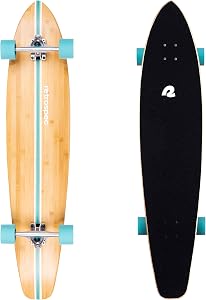


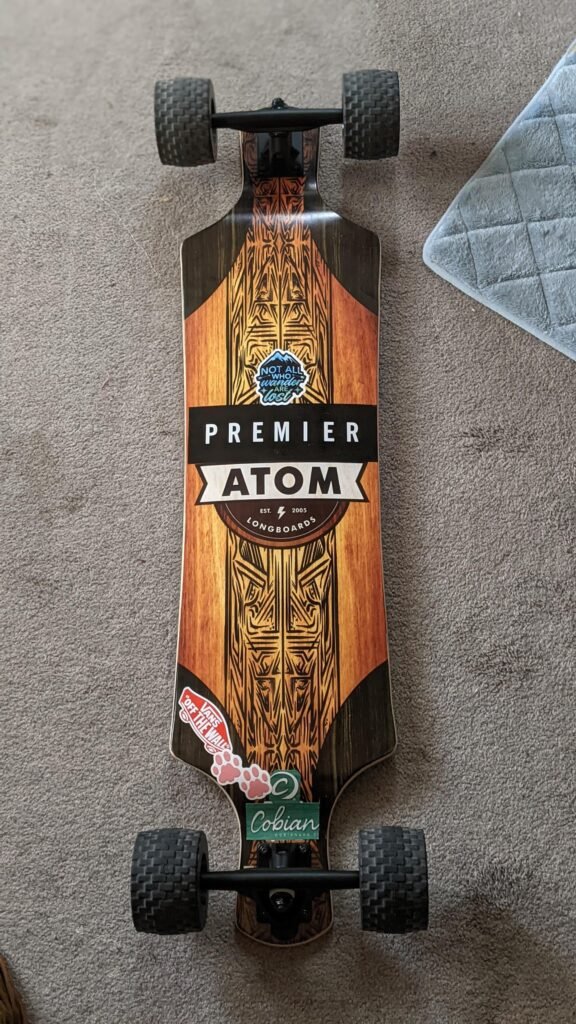
The Atom All-Terrain occupies a unique niche in this lineup. While every other board here is designed primarily for paved surfaces, the Atom rolls on massive 100x65mm wheels cast from 78A super-high-rebound urethane that can handle gravel paths, packed dirt, grass, and cracked urban streets that would stop a standard longboard cold. If your routes include unpaved sections or you want the freedom to leave the bike path entirely, this is the board to consider.

We may earn a commission when you buy through this link, at no additional cost to you.
The maple-laminate drop deck keeps your center of gravity low despite the oversized wheels, which is critical for maintaining control when the terrain gets unpredictable. The reverse kingpin trucks feature 50-degree baseplates, 7-inch aluminum hangers, heat-treated chromoly axles, and grade 8 kingpins, giving the Atom a level of hardware robustness that far exceeds typical cruiser boards. The rubber-shielded ABEC-9 bearings with high-speed lubricant keep the large wheels spinning freely.
Riding the Atom feels different from a conventional longboard. The huge wheels smooth out everything beneath you, making expansion joints, pebbles, and rough asphalt almost imperceptible. The trade-off is weight and a higher stand height compared to drop-through boards with 70mm wheels. Pushing requires more effort initially, but once the 100mm wheels build momentum, they carry speed impressively well over long distances.
Standard 70mm longboard wheels perform best on smooth asphalt and concrete. Once you encounter gravel, brick roads, or heavily cracked pavement, smaller wheels tend to catch and decelerate rapidly. The Atom’s 100mm wheels roll over these obstacles with minimal disruption, maintaining momentum and reducing the jarring impacts that make rough-surface riding exhausting. The 78A durometer also provides excellent grip on loose surfaces where harder wheels would slide out.
This board is the clear choice for riders who encounter mixed surfaces or want a longboard that can handle light off-road adventures. It is also the highest-rated board in this comparison, which speaks to how well it delivers on its all-terrain promise. If you ride exclusively on smooth pavement and prioritize a lightweight, nimble feel, a traditional cruiser will serve you better. But for versatility across surfaces, the Atom is in a class of its own.
Riders who want a lightweight, low-profile board for smooth-surface carving and commuting.
We may earn a commission when you buy through this link, at no additional cost to you.
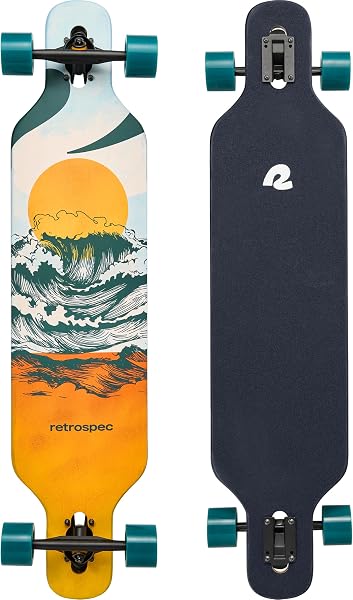
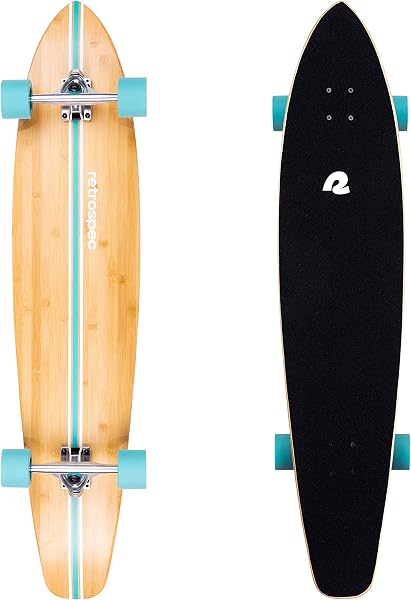
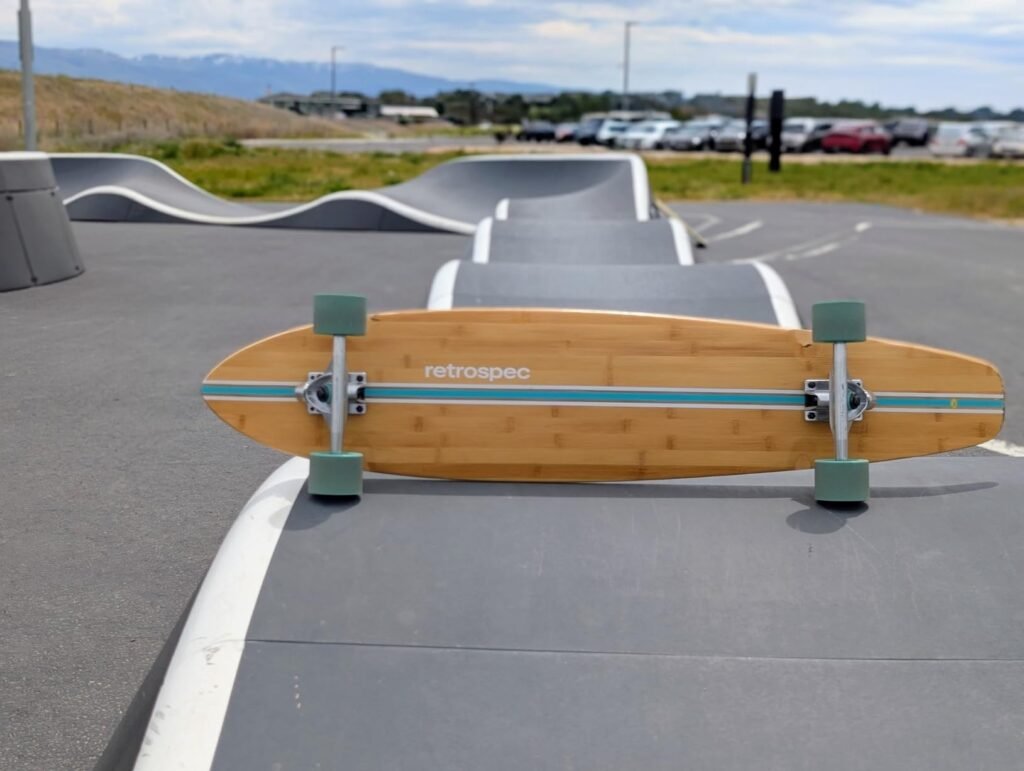
The Retrospec Tidal targets riders who want a planted, stable feel when picking up speed on hills or cruising through busy streets. Its drop-down deck design positions your feet below the truck mounting points, which noticeably lowers your center of gravity compared to a top-mount board. That geometry difference matters most when you are learning to control speed or carving hard at the bottom of a grade.

We may earn a commission when you buy through this link, at no additional cost to you.
Under the hood, the Tidal uses nine plies of Canadian maple, making it one of the stiffer and more durable decks in this lineup. The 180mm reverse kingpin trucks pair with ABEC-9 stainless steel bearings to deliver a smooth, efficient roll that requires less pushing effort over distance. The 70x51mm 85A polyurethane wheels lean toward the firmer end of the spectrum, which gives you a more responsive slide feel but transmits more road vibration on cracked pavement.
Day to day, the extra-wide deck and aggressive OS780 grip tape make the Tidal feel secure underfoot, even in wet conditions or when wearing smooth-soled shoes. The high-rebound bushings add a lively turning response that rewards leaning into carves rather than forcing the board through tight turns. Pushing is comfortable thanks to the low ride height, and foot fatigue stays manageable on longer commutes.
A drop-down deck places the standing platform below the truck axles rather than above them. This lowers your center of gravity by roughly an inch compared to a top-mount board, which translates to noticeably better stability at speed and less wobble when you are still developing your balance. For riders transitioning from a standard skateboard or stepping onto a longboard for the first time, that extra stability can shorten the learning curve significantly.
This board is a strong match for intermediate riders who want downhill confidence without stepping up to a dedicated freeride setup. If your routes include a lot of rough chip-seal roads, consider swapping the 85A wheels for something softer in the 78A range to smooth out the ride. For the price, the Tidal offers solid construction and a geometry that genuinely helps newer riders feel more in control.
Riders who prioritize a surfy, loose carving feel over high-speed stability.
We may earn a commission when you buy through this link, at no additional cost to you.
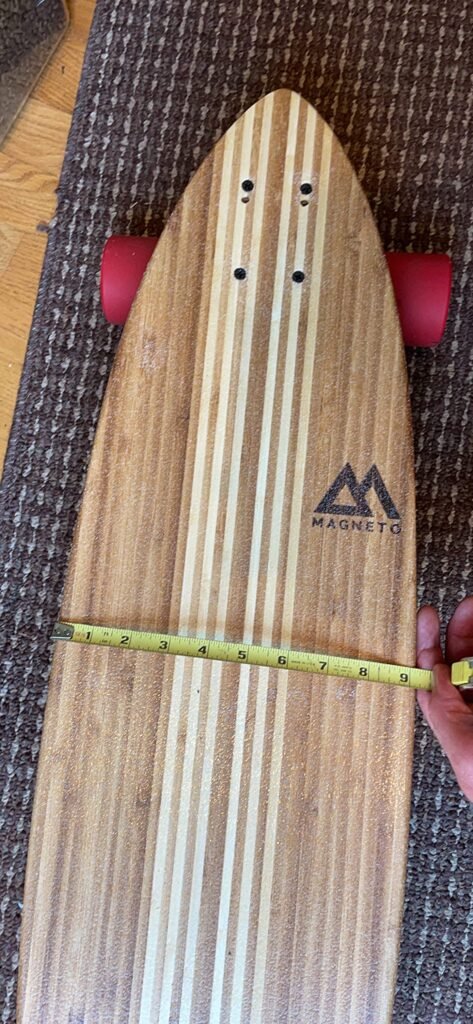
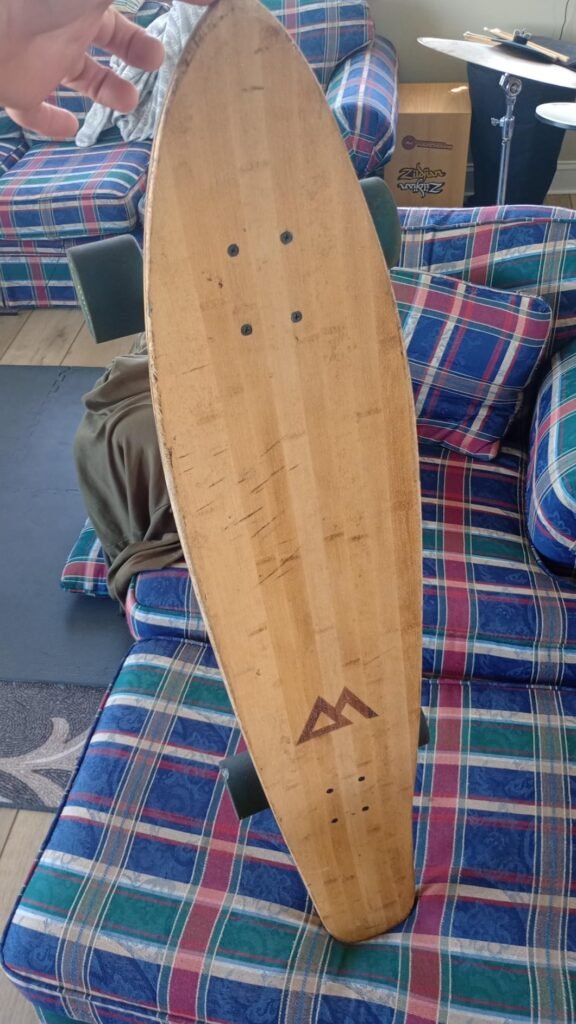
The Magneto Kicktail Cruiser stands out because it bridges the gap between a traditional longboard and a city-friendly cruiser. The functional kicktail lets you pop the board over curbs, pivot around tight corners, and navigate crowded sidewalks in ways a pintail or drop-through simply cannot. If your daily ride involves dodging pedestrians, hopping off the board frequently, or navigating urban obstacles, that tail makes a real difference.
We may earn a commission when you buy through this link, at no additional cost to you.
The deck combines a bamboo veneer with a hard maple core, giving you a lively flex pattern that absorbs road chatter without feeling mushy underfoot. At 44 inches, the wheelbase is long enough to provide a stable platform at moderate speeds while still being manageable for younger or smaller riders. The 70mm soft urethane wheels roll smoothly over cracks, pebbles, and expansion joints that would rattle harder setups.
Grip comes from a sand-grit finish applied directly to the bamboo surface rather than traditional grip tape. This keeps the board looking clean and prevents the shredded-shoe problem that aggressive tape can cause, but it does sacrifice some traction in wet conditions. The translucent wheel design is a nice visual touch that sets this board apart aesthetically from the sea of opaque wheels on most cruisers.
Most longboards sacrifice a kicktail in favor of a longer, more symmetrical deck shape optimized for carving or speed. The Magneto keeps the tail functional, which means you can lift the front wheels to roll over cracks, hop curbs without dismounting, and execute quick direction changes in tight spaces. For urban commuters and campus riders, that small feature removes a surprising number of daily annoyances.
At its price point, the Magneto Kicktail delivers a combination of versatility and ride quality that is hard to beat. It works well as a first longboard for teens, a casual cruiser for adults, and a practical commuter for anyone dealing with curb-heavy routes. Riders who plan to do aggressive downhill runs should look at a drop-through or drop-down option instead, but for everyday cruising and carving, this board covers a lot of ground.
Riders focused on high-speed downhill or deep sliding where a symmetrical deck is preferred.
We may earn a commission when you buy through this link, at no additional cost to you.
The Retrospec Rift is built around a drop-through truck mounting system that threads the baseplate through a cutout in the deck, dropping the standing platform closer to the ground. This geometry reduces the effort needed for each push stroke, which adds up quickly on commutes of a mile or more. If your primary goal is getting from point A to point B efficiently, the Rift's low ride height is a genuine advantage.

We may earn a commission when you buy through this link, at no additional cost to you.
The Canadian maple deck provides a stiff, predictable platform that handles well under heavier riders and resists the flex-induced speed wobbles that can plague softer boards at higher velocities. The 180mm reverse kingpin trucks deliver sharp, surfy turning response, making the Rift surprisingly agile for a board designed around straight-line commuting efficiency. The 70mm polyurethane wheels and ABEC-7 stainless steel bearings provide a smooth, reliable roll across typical urban surfaces.
Underfoot, the 80A grip tape offers a good balance between traction and shoe longevity. It holds your feet securely during hard carves and moderate downhill sections without shredding sneaker soles after a few weeks of daily use. The board arrives fully assembled, so you can ride it straight out of the box without worrying about truck alignment or bearing installation.
Both drop-through and drop-down designs lower the ride height, but they achieve it differently. A drop-through board mounts the trucks through cutouts in the deck, keeping the standing surface flat and close to the ground. A drop-down board bends the deck itself downward between the trucks. Drop-through boards like the Rift tend to offer a more versatile feel for mixed commuting and carving, while drop-down boards prioritize maximum stability at speed.
The Rift occupies a practical middle ground between a dedicated commuter and a capable carver. It handles moderate hills, flat bike paths, and campus quads with equal competence. Riders who want maximum speed should consider upgrading the bearings eventually, and lighter riders may find the stiff maple deck less forgiving than a bamboo hybrid. For most commuting scenarios, though, the Rift delivers reliable performance at a reasonable price.
Riders who want a highly flexible, surfy deck for relaxed beach-style cruising.
We may earn a commission when you buy through this link, at no additional cost to you.
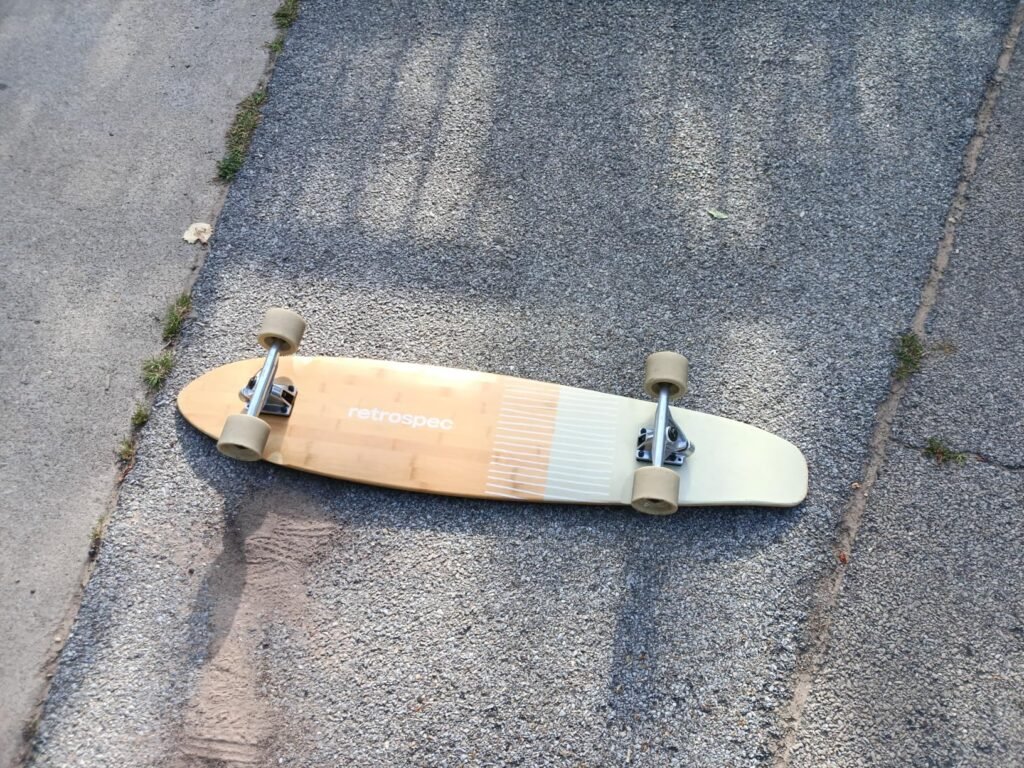
The Retrospec Zed channels the look and feel of 1950s backyard longboards with its elongated pintail silhouette and warm bamboo-maple deck. This shape is purpose-built for relaxed cruising and mellow carving rather than technical tricks or aggressive downhill, making it an appealing choice for riders who want a smooth, laid-back experience on bike paths and boardwalks.
We may earn a commission when you buy through this link, at no additional cost to you.
The 44-inch deck uses eight plies of Canadian maple layered with sustainably sourced bamboo, creating a hybrid flex pattern that absorbs road vibration while maintaining enough stiffness for confident turning. Retrospec includes wheel wells cut into the deck above each wheel, which eliminates the wheel-bite problem that plagues many pintail boards when you lean into deeper carves. The 70x51mm 85A polyurethane wheels with a rock finish provide good grip on smooth surfaces.
Riding the Zed feels intuitive from the first push. The long wheelbase tracks straight with minimal effort, and the reverse kingpin trucks initiate turns gradually rather than snapping into sharp angles. The ABEC-7 bearings keep rolling resistance low enough for comfortable distance cruising without encouraging the kind of speed that might overwhelm a newer rider. The rock-finish wheels add a bit of extra traction on dusty or slightly damp pavement.
Wheel bite occurs when the deck contacts the wheel during a hard turn, causing the board to stop abruptly and often throwing the rider. Pintail boards are especially prone to this because their narrower tail and nose leave less clearance. The Zed addresses this with molded wheel wells that create extra space between the deck and the 70mm wheels, allowing deeper leans without interruption. This is a small design detail that significantly improves ride confidence.
This board is ideal for casual riders who value aesthetics and a smooth, unhurried ride over technical performance. The pintail shape narrows toward the tail, which limits rear foot placement options and makes the board less practical for freestyle or dancing. If your riding consists mostly of relaxed cruising on smooth paths and you appreciate a board that looks as good as it rides, the Zed is a compelling option.
Riders who need a compact, maneuverable board for crowded city streets or technical freestyle.
We may earn a commission when you buy through this link, at no additional cost to you.
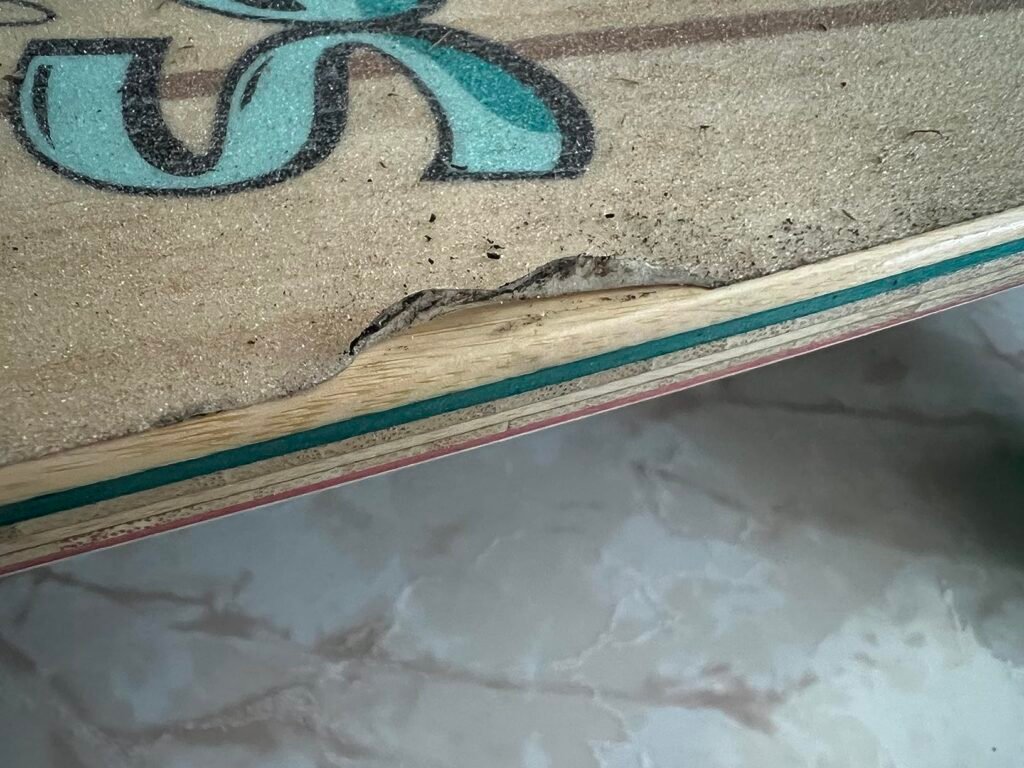
Sector 9 is one of the most recognized names in longboarding, and the Bamboo Maverick Stack reflects that heritage with premium components throughout. The 44-inch pintail deck uses a bamboo stack construction that delivers a springy, responsive flex pattern ideal for carving and cruising. At 9.75 inches wide with a 30.5-inch wheelbase, the platform provides ample room for comfortable foot placement during long rides.
We may earn a commission when you buy through this link, at no additional cost to you.
The standout component here is the set of 9-inch Gullwing Charger trucks, which are widely regarded as some of the best carving trucks available. Their unique double-kingpin design allows for deeper, smoother turns than standard reverse kingpin setups, giving the Maverick a surf-like carving feel that is difficult to replicate with budget hardware. The 70mm 78A Nineball wheels complement the trucks perfectly, offering soft, grippy contact with the pavement.
The clear grip tape preserves the natural bamboo grain visible through the deck surface, which gives the Maverick a clean, premium appearance that stands out from boards covered in black sandpaper. The 1.25-inch hardened steel bolts and factory-direct assembly mean the board arrives dialed in and ready to ride. The overall build quality reflects the higher price point, with attention to detail in every component choice.
Gullwing Charger trucks use a dual-pivot geometry that allows the hanger to articulate through a wider range of motion than a single-kingpin truck. This creates a progressive turning feel that starts gentle at small lean angles and deepens smoothly as you commit to harder carves. The result is a board that feels stable in a straight line yet capable of dramatic, flowing turns when you want them, closely mimicking the sensation of surfing.
The Maverick is the right pick for riders who value brand heritage, premium truck performance, and a board that feels like a step up in every category. The price is significantly higher than most options in this guide, but the Gullwing Chargers alone justify a meaningful portion of that premium. If you are a casual rider who does not need top-tier carving performance, a more affordable pintail will deliver a similar cruising experience at a fraction of the cost.
Budget-conscious buyers or riders who need a symmetrical deck for freeride and sliding.
We may earn a commission when you buy through this link, at no additional cost to you.
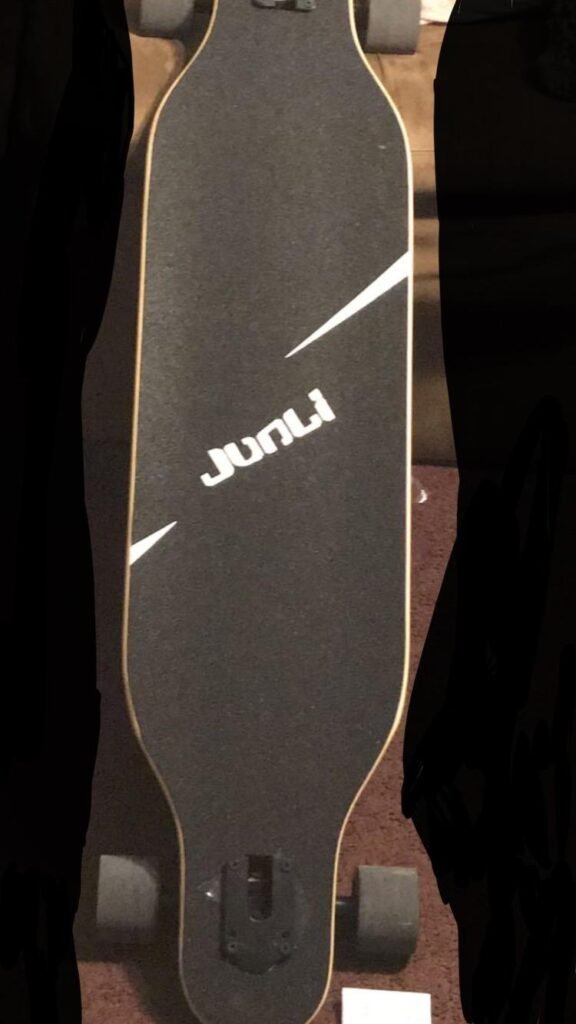
The Junli Freeride is the most affordable board in this comparison, making it an accessible entry point for anyone curious about longboarding without a large upfront investment. Despite the low price, it includes several features that punch above its weight class, including ABEC-11 chrome steel bearings and a cold-pressed 8-ply maple deck rated for up to 330 pounds.
We may earn a commission when you buy through this link, at no additional cost to you.
The 41-inch deck uses a symmetrical freeride shape that works for cruising, carving, and introductory sliding. The 7-inch aluminum alloy trucks with high-elasticity PU support pads provide responsive turning and decent stability at moderate speeds. The 70x51mm 80A wheels with a rock finish offer a middle-ground durometer that balances grip and slide ability, which is useful if you want to experiment with basic freeride techniques.
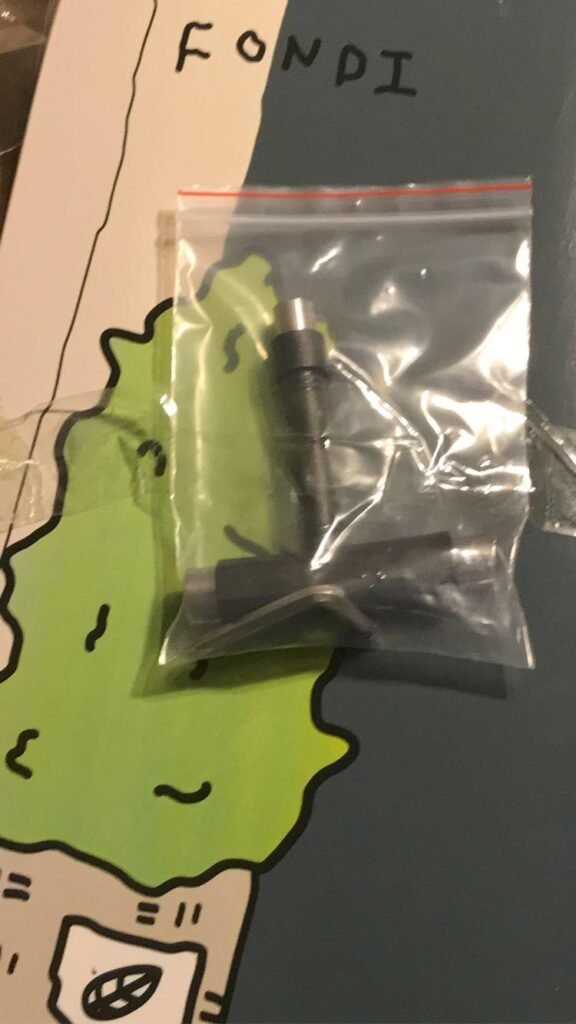
One practical advantage is the included T-tool, which lets you adjust truck tightness and wheel nut tension without hunting for a skate tool separately. The brushed black deck surface provides some grip without traditional grip tape, though it will not hold your feet as securely during aggressive maneuvers or in wet conditions. The PU shock-absorb ring in the wheel assembly helps dampen vibrations on rougher pavement.
Budget longboards like the Junli use functional components that get you rolling safely, but they typically lack the refinement of mid-range and premium setups. Bearings may need cleaning sooner, bushings may feel less responsive, and the deck may not have the same flex characteristics as a bamboo hybrid. These are normal trade-offs at this price point, and most can be addressed with inexpensive aftermarket upgrades as your skills develop.
This board makes the most sense as a first longboard for someone who is still figuring out what style of riding they enjoy. The component quality is adequate for learning and casual cruising but may not hold up to sustained aggressive use. If you discover a passion for downhill or freeride, you will likely want to upgrade to a board with higher-grade trucks and wheels. For the price, though, the Junli offers a surprisingly capable starting point.
Experienced riders who demand precise component performance for aggressive downhill or technical freeride.
We may earn a commission when you buy through this link, at no additional cost to you.
The Magneto Bamboo Drop-Through is one of the few boards in this lineup that explicitly supports longboard dancing, thanks to its 42-inch length, 9.5-inch width, and lively bamboo-fiberglass flex pattern. Dancing requires a long, wide platform with enough spring to absorb cross-steps and shuffle movements, and this board delivers that combination at a mid-range price point.

We may earn a commission when you buy through this link, at no additional cost to you.
The deck layers bamboo with fiberglass reinforcement, creating a flex profile that is noticeably more energetic than a pure maple board. The subtle W-concave running along the deck’s length helps keep your feet centered during footwork and provides tactile feedback about where your feet are positioned without looking down. The drop-through truck mounting keeps the ride height low, making step-on and step-off transitions smoother during dance routines.
The 70mm 78A wheels are among the softest in this comparison, providing a buttery smooth ride on rough surfaces and excellent grip during carving transitions. The wheel wells prevent bite during deeper leans, and the overall setup feels forgiving enough for riders who are learning basic dance steps like the Peter Pan or cross-step. The laser-etched bamboo graphics add visual appeal without the peeling and wear that printed designs often show.
Longboard dancing requires a deck that is at least 40 inches long and 9 inches wide to give your feet room to move. A moderate flex pattern helps absorb the impact of cross-steps and adds a rhythmic bounce to your footwork. The W-concave on the Magneto provides subtle channels that guide your feet into position, which is especially helpful when you are learning new steps and need consistent foot placement without looking down.
This board is a strong choice for riders who want to explore longboard dancing or freestyle footwork without investing in a dedicated dance board that can cost twice as much. The flexible deck is a trade-off: it makes dancing and carving more enjoyable but reduces high-speed stability compared to a stiff maple drop-through. If your primary goal is commuting at speed, a stiffer deck will serve you better.
Riders who prioritize high-speed downhill stability over flex and footwork capability.
We may earn a commission when you buy through this link, at no additional cost to you.
Santa Cruz is one of the most storied brands in skateboarding, and the Lion God Rasta Drop Thru brings that heritage to the longboard category with its iconic Screaming Hand-inspired graphic and quality-matched components. The 40-inch drop-through deck provides a stable, low-slung platform that works well for freeride, cruising, and moderate downhill riding.

We may earn a commission when you buy through this link, at no additional cost to you.
The 10-inch deck width is one of the widest in this comparison, giving you a generous standing platform that inspires confidence at speed and during slides. The drop-through truck mounting lowers the center of gravity for easier pushing and better stability, while the freeride-oriented deck shape provides enough symmetry for basic slide practice. The board arrives fully assembled with Santa Cruz trucks and wheels, ensuring component compatibility right out of the box.
On the road, the Lion God feels solid and predictable. The wide deck and drop-through geometry make it easy to maintain a comfortable tuck position on descents, and the matched truck-and-wheel setup provides balanced turning response without the twitchiness that can come from mismatched aftermarket parts. The rasta colorway and classic Santa Cruz branding make this one of the most visually striking boards in the lineup.
When a board arrives with trucks, wheels, and bearings selected by the manufacturer as a matched set, you avoid the compatibility guesswork that comes with building a custom setup. The Santa Cruz trucks and wheels on the Lion God are tuned to work together with the 40-inch deck geometry, providing a balanced ride feel that might take several iterations to achieve with individual component purchases.
This board is ideal for riders who value brand authenticity and want a reliable freeride-capable setup without assembling a custom build. The price reflects the Santa Cruz name and the matched component package, so riders on a tight budget may find similar performance from less expensive options. If you want a board that looks iconic, rides well, and carries genuine skate heritage, the Lion God delivers on all three fronts.
Riders who prefer to customize every component or who need a longer deck for dancing.
We may earn a commission when you buy through this link, at no additional cost to you.
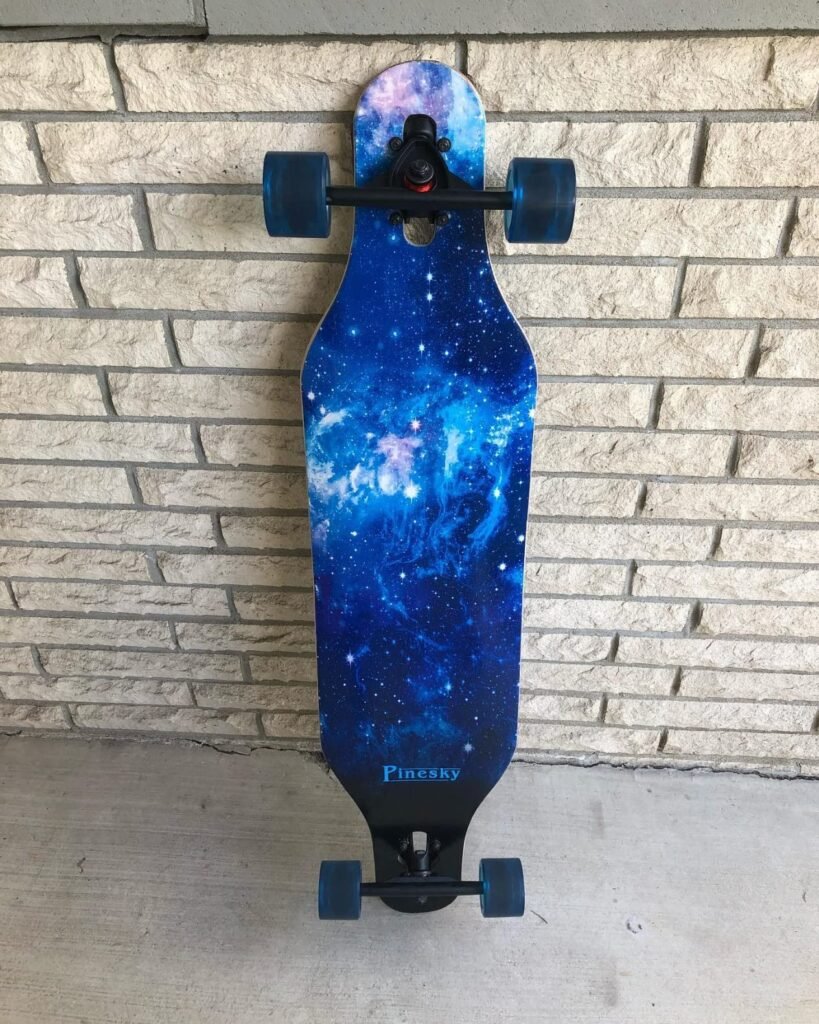
This 41-inch maple cruiser rounds out the lineup as a straightforward, no-frills longboard that covers the basics well at a budget-friendly price. The 8-ply natural maple deck uses a symmetrical shape that works for cruising, carving, introductory freestyle, and light downhill, making it a practical choice for riders who have not yet settled on a single discipline.
We may earn a commission when you buy through this link, at no additional cost to you.
The board features 8-inch aluminum trucks, 70x51mm 80A polyurethane wheels, and ABEC-11 chrome steel bearings, which is a solid specification sheet for the price. The PU shock-absorb ring built into the wheel assembly provides an extra layer of vibration dampening that makes rough pavement more tolerable during longer rides. The low-to-ground deck profile helps newer riders feel stable and confident from their first session.
The included T-tool is a practical addition that lets you fine-tune truck tightness and wheel bearing tension without purchasing separate tools. Adjusting truck tightness is one of the most impactful changes you can make to a longboard’s ride feel, and having the tool on hand encourages experimentation as your skills develop. The 80A wheel durometer sits in a versatile middle ground that provides adequate grip for carving while allowing basic slide initiation.
The single most impactful upgrade you can make to a budget longboard is adjusting the truck kingpin nut. Tightening it increases stability at speed but reduces turning responsiveness, while loosening it does the opposite. Start with a medium setting and adjust in quarter-turn increments until you find the balance that matches your comfort level and riding style. This free adjustment can dramatically improve how a budget board feels.
This board is best suited for beginners and casual riders who want a capable all-rounder without spending heavily on a specialized setup. The generic branding and mid-tier bushings mean it may not satisfy experienced riders looking for precise performance characteristics, but as a learning platform and everyday cruiser, it delivers reliable functionality. Pair it with a helmet and pads, and you have an affordable entry into longboarding.
Riders seeking premium brand identity or competition-grade component precision.
We may earn a commission when you buy through this link, at no additional cost to you.
Selecting a longboard involves more than picking a graphic you like. The deck shape, material, truck geometry, wheel size, and bearing grade all interact to create a specific ride feel that may or may not match the way you plan to ride. This section breaks down the key decision factors so you can narrow the field before committing to a purchase.
Longboard deck shapes fall into several broad categories, each optimized for a different type of riding. Pintail boards feature a tapered nose and tail that mimic the silhouette of a surfboard, providing a long wheelbase for smooth, stable cruising and gentle carving. Drop-through decks have cutouts that allow the truck baseplates to mount through the board, lowering the ride height for easier pushing and better stability. Drop-down decks bend the standing platform below the truck mounting points for the lowest possible center of gravity, which is ideal for downhill speed control. Symmetrical freeride decks offer identical nose and tail shapes for riding switch and practicing slides.
The shape you choose should align with your primary riding activity. If you plan to commute on flat bike paths and campus quads, a drop-through or pintail will serve you well. If you want to tackle steep hills and learn to slide, a symmetrical freeride or drop-down shape provides the stability and control you need. Kicktail cruisers like the Magneto Kicktail add urban functionality for popping curbs and navigating tight spaces, but the tail reduces the effective wheelbase and can limit deep carving angles.
Start by honestly assessing where and how you will ride most often, then choose the deck shape that supports that activity. A mismatched shape will not prevent you from riding, but it will make your preferred style more difficult and less enjoyable than it needs to be.
Most longboard decks are constructed from layers of maple, bamboo, or a combination of both. Canadian maple is the industry standard for durability and stiffness, providing a solid, predictable platform that handles heavy riders and aggressive use well. Bamboo is lighter and more flexible, creating a springy ride feel that absorbs road vibration and adds energy to carves and dance steps. Hybrid decks that layer bamboo with maple or fiberglass aim to combine the best qualities of both materials, offering moderate flex with good structural integrity.
Flex is a matter of personal preference and riding style. A stiffer deck provides better stability at high speeds and more precise slide control, making it preferable for downhill and freeride. A more flexible deck absorbs bumps more effectively and creates a livelier carving sensation, which is desirable for cruising, dancing, and relaxed riding. Heavier riders generally need stiffer decks to prevent excessive flex, while lighter riders may find stiff boards uncomfortably harsh on rough surfaces.
Check the ply count and material composition when comparing decks. A 9-ply maple deck will be significantly stiffer than an 8-ply bamboo hybrid of the same length. If the manufacturer specifies a weight limit, use it as a guide for whether the flex profile will suit your body weight.
Longboard trucks come in two main configurations: reverse kingpin and traditional kingpin. Reverse kingpin trucks, which are standard on most longboards, position the kingpin on the outside of the hanger, creating a wider turning arc and a more surf-like carving feel. Traditional kingpin trucks, found on some shorter cruisers, offer a tighter, more responsive turn that feels closer to a street skateboard. The baseplate angle also matters: 50-degree trucks turn more sharply for a given lean angle, while 44-degree trucks provide greater stability at speed.
Truck width should roughly match your deck width for optimal performance. A truck that is too narrow for the deck will feel tippy and unstable, while a truck that is too wide can cause wheel bite and make the board feel sluggish in transitions. Most complete longboards come with appropriately sized trucks, but if you plan to swap components later, measure your deck width at the truck mounting points and choose hangers that align with the deck edges.
If you are new to longboarding, the reverse kingpin trucks that come on most complete boards will serve you well across a range of riding styles. As your skills develop, you can experiment with different baseplate angles and bushing durometers to fine-tune the turning response to your exact preferences.
Longboard wheels typically range from 65mm to 100mm in diameter, and the size you choose has a direct impact on ride feel and performance. Smaller wheels around 65-70mm accelerate quickly and are lighter, making them suitable for freeride sliding and technical riding. Larger wheels in the 75-100mm range maintain momentum better over rough surfaces and roll over cracks and pebbles more easily, which is why they are preferred for commuting and all-terrain use. The Atom All-Terrain’s 100mm wheels are an extreme example of this principle.
Durometer measures wheel hardness on the A scale, with lower numbers indicating softer wheels. Most longboard wheels fall between 75A and 86A. Softer wheels around 75A-78A provide excellent grip and vibration absorption on rough pavement, making them ideal for cruising and commuting. Harder wheels around 83A-86A slide more predictably and are preferred for freeride and downhill disciplines where controlled sliding is part of the riding technique. The 80A wheels found on several boards in this guide represent a versatile middle ground.
Match your wheel choice to the surfaces you ride most often. If your commute includes brick roads, chip seal, or cracked concrete, lean toward softer, larger wheels. If you ride smooth asphalt and want to practice sliding, a harder, smaller wheel will give you more predictable breakaway characteristics.
Bearings are rated on the ABEC scale, which measures manufacturing precision and tolerance. Common ratings in longboarding include ABEC-5, ABEC-7, ABEC-9, and ABEC-11. Higher numbers indicate tighter tolerances and theoretically smoother, faster rolling, though the practical difference between ABEC-7 and ABEC-11 is subtle for most recreational riders. The ABEC rating does not account for material quality, lubrication, or seal design, all of which significantly affect real-world performance and longevity.
For most riders, ABEC-7 bearings provide an excellent balance of speed, durability, and cost. ABEC-9 and ABEC-11 bearings may offer a slight speed advantage that becomes more noticeable on long downhill runs or extended distance pushes, but they also tend to be more sensitive to contamination from dust and water. Rubber-shielded bearings, like those on the Atom All-Terrain, offer better protection against debris than open bearings, which matters if you ride in dusty or wet conditions.
Do not over-index on bearing ratings when choosing a longboard. The difference between ABEC-7 and ABEC-11 is far less impactful than the difference between 70mm and 100mm wheels or between a drop-through and a pintail deck. Invest in good bearings if you plan to ride long distances frequently, but prioritize deck shape and wheel selection first.
Longboard length affects stability, turning radius, and portability. Shorter boards around 36-39 inches are more maneuverable and easier to carry but can feel twitchy at higher speeds. Mid-length boards in the 40-44 inch range offer a balanced combination of stability and agility that suits most riding styles. Longer boards above 44 inches provide maximum stability and foot space for dancing but are harder to transport and less nimble in tight spaces.
Deck width is equally important and often overlooked. A wider deck provides more foot space and better leverage for turning, which improves stability and comfort during long rides. Most longboards range from 8.5 to 10 inches wide. If you have larger feet or plan to practice dancing and cross-stepping, look for a deck that is at least 9.5 inches wide. Narrower decks are lighter and more responsive but can feel cramped for riders with larger shoe sizes.
Consider your body size and riding environment when choosing dimensions. A taller, heavier rider will generally benefit from a longer, wider deck, while a smaller rider or someone navigating crowded city streets may prefer something more compact. The wheelbase, which is the distance between the inner truck mounting holes, is often a more useful stability indicator than overall length.
Grip tape is the abrasive surface applied to the top of the deck to keep your feet from slipping during riding. Standard grip tape comes in various grit levels, with coarser grades providing more traction at the expense of faster shoe wear. Some longboards use alternative surface treatments like sand-grit finishes, clear grip tape, or brushed deck surfaces that preserve the natural wood appearance while providing moderate traction.
The right grip choice depends on your riding style and shoe preferences. Aggressive freeride and downhill riding demand coarse grip tape that locks your feet in place during slides and high-speed tucks. Casual cruising and dancing can work well with medium-grit tape or clear grip that is gentler on footwear. Boards with sand-grit or brushed finishes look cleaner but may not provide enough traction in wet conditions or during hard carving.
Grip tape is one of the easiest and least expensive components to replace, so do not let it be a dealbreaker when choosing a board. If a board you love comes with grip that is too aggressive or too mild for your needs, a replacement sheet costs only a few dollars and takes about ten minutes to install.
Before your first ride, check that all truck kingpin nuts and wheel axle nuts are snug but not overtightened. New boards often ship with trucks set to a medium-tight factory default, which is a good starting point for most riders. Stand on the board on a flat, grassy surface to get a feel for the balance point and practice shifting your weight from heel to toe before attempting to ride on pavement. Always wear a helmet, and consider knee and elbow pads if you are new to board sports.
Regular maintenance will extend the life of your longboard and keep it riding smoothly. Clean your bearings every few months by removing the wheels, popping out the bearing shields, and soaking the bearings in isopropyl alcohol to dissolve accumulated dirt and old lubricant. After drying, apply a few drops of bearing lubricant or light machine oil before reassembling. Check your grip tape for wear and replace it when the abrasive surface becomes smooth and loses traction.
Store your longboard in a dry, temperature-stable environment to prevent the wood deck from warping or delaminating. Avoid leaving it in a hot car trunk or leaning it against a damp wall for extended periods. If you ride in wet conditions, dry the board thoroughly afterward and pay special attention to the bearings, which can rust quickly if left wet. Periodically inspect the deck for cracks around the truck mounting holes, especially if you ride aggressively or exceed the manufacturer’s weight rating.
A drop-through or drop-down longboard with a wide deck, soft wheels around 78A, and reverse kingpin trucks is generally the most forgiving setup for beginners. The low ride height makes pushing easier and improves balance, while soft wheels absorb road imperfections that could destabilize a new rider. Boards in the 40-44 inch range provide a stable platform without being unwieldy.
Match the board length to your height and riding style. Riders under 5'5" often feel comfortable on boards around 38-41 inches, while taller riders may prefer 42-44 inches for better foot spacing and stability. Width matters too: aim for at least 9 inches if you have larger feet or want room for dancing. The wheelbase is often a more reliable stability indicator than overall length.
Longboards are excellent commuting vehicles, especially drop-through models that make pushing efficient over longer distances. Look for a board with soft, large wheels to handle rough urban pavement and a deck height low enough to minimize leg fatigue. A kicktail can be helpful for navigating curbs and tight spaces on city routes.
Longboards are typically 36-44 inches long with larger, softer wheels and wider trucks designed for cruising, carving, and downhill riding. Standard skateboards are shorter, usually 28-33 inches, with smaller, harder wheels optimized for tricks and skatepark riding. Longboards prioritize smooth, stable transportation and carving, while skateboards prioritize technical maneuverability and flip tricks.
On flat ground, most recreational riders cruise at 8-15 mph depending on pushing effort and wheel size. On downhill grades, experienced riders can reach 30-50 mph or more, though these speeds require significant skill, protective gear, and a board specifically set up for downhill stability. Beginners should focus on controlling speed through foot braking and gentle carving before attempting steep descents.
Yes, a helmet is strongly recommended for all longboard riding regardless of skill level. Longboards can reach higher speeds than standard skateboards, and falls at even moderate speeds can cause serious head injuries. A certified skate or bike helmet that fits snugly and sits level on your head provides essential protection. Add wrist guards, knee pads, and elbow pads for downhill or freeride sessions.
Wheel lifespan depends on the durometer, riding surface, and how aggressively you ride. Softer wheels around 78A wear faster on rough asphalt and may need replacement every few months with daily use, while harder 85A+ wheels can last significantly longer. Replace wheels when they develop flat spots, become noticeably smaller, or lose their grip characteristics. Rotating your wheels periodically can extend their usable life.
Riding a longboard in the rain is possible but requires caution. Wet pavement dramatically reduces wheel grip and increases the risk of sliding out during turns. Softer wheels provide better wet traction than harder ones, but no longboard wheel grips wet surfaces as well as dry ones. After riding in the rain, dry your board and bearings thoroughly to prevent rust and deck warping.
Wheel bite occurs when the deck contacts the wheel during a sharp turn, causing the board to stop suddenly and potentially throwing the rider. You can prevent it by using riser pads between the trucks and deck, choosing smaller wheels, selecting a deck with wheel wells, or tightening your trucks to limit the turning angle. Most modern longboards designed for carving include wheel wells or sufficient clearance to minimize this issue.
The Atom All-Terrain stands out as the strongest overall pick in this lineup thanks to its unmatched versatility across surfaces, robust hardware, and the highest customer rating among the ten boards. Its 100mm wheels and drop-deck geometry make it a genuinely unique option for riders who encounter mixed terrain or want a longboard that can handle light off-road exploration without sacrificing on-road comfort.
For riders with more specific needs, the Magneto Kicktail Cruiser offers exceptional value and urban versatility at an approachable price, while the Sector 9 Bamboo Maverick delivers premium carving performance through its Gullwing Charger trucks for those willing to invest in top-tier components. Budget-conscious beginners will find capable starting points in the Junli Freeride and the 41-inch Maple Cruiser, both of which provide solid fundamentals without a large financial commitment.
The best longboard for you depends on where you ride, how you ride, and what you value most in a setup. Use the buying guide factors above to identify your priorities, match them to the boards that align with your riding style, and do not hesitate to start with an affordable option and upgrade components as your skills and preferences evolve. The most important thing is to get out and ride.