VEVOR 13 Gallon
8.8Editor score13-gallon drum capacity
Heavy-duty steel construction
U-shaped ergonomic handle
Integrated metal scraper
Find the right lawn rollers for 2026. We compare 9 standout options by build quality, useful features, owner feedback, value, and everyday trade-offs.
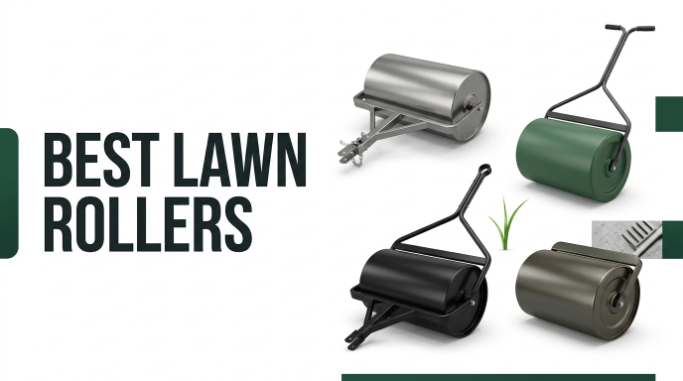
Find the right lawn rollers for 2026. We compare 10 standout options across the details that shape real yard results, including drum capacity, material construction, push versus tow design, handle ergonomics, ease of filling and draining, storage footprint, and long-term durability, so you can match a roller to your yard size and workload.
The gap between a basic 8-gallon push roller and a 54-gallon tow-behind unit is significant, and choosing incorrectly leads to either wasted effort on a small tool or frustration hauling an oversized drum. Understanding the difference between poly and steel drums, along with how weight capacity affects seed-to-soil contact, helps clarify the right pick.
This guide walks through 10 popular models with a focus on practical use cases, from small suburban lawns and garden beds to large open turf areas that call for a tractor or ATV. Each review highlights the setup, maintenance realities, and buyer profile that a particular roller genuinely fits.
We compared 10 lawn rollers using the details that actually help a buyer decide: drum capacity, filled weight, drum material and rust resistance, push or tow compatibility, handle ergonomics, plug design, scraper bar inclusion, storage footprint, assembly effort, owner feedback, and overall value. The notes focus on practical trade-offs so each pick connects to how homeowners and property caretakers actually smooth turf, press seed, and repair frost heave across different yard sizes.


Compare key features, scores, and current prices side by side. A shorter feature list means fewer details were available, not necessarily fewer capabilities.


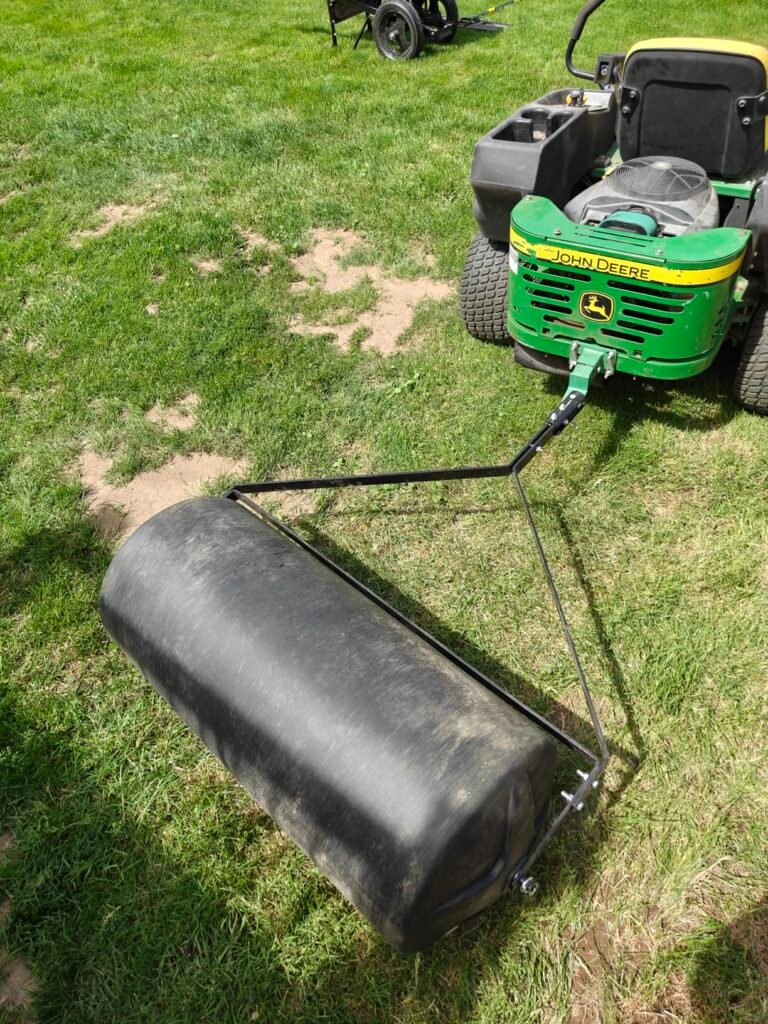
The VEVOR 400-pound tow-behind roller is aimed at property owners with acreage, small farms, or larger residential lots where a push roller would require far too many passes to be practical. When filled, its weight is enough to smooth uneven turf caused by winter freeze-thaw cycles and to press newly overseeded areas into firm contact with the soil.
We may earn a commission when you buy through this link, at no additional cost to you.
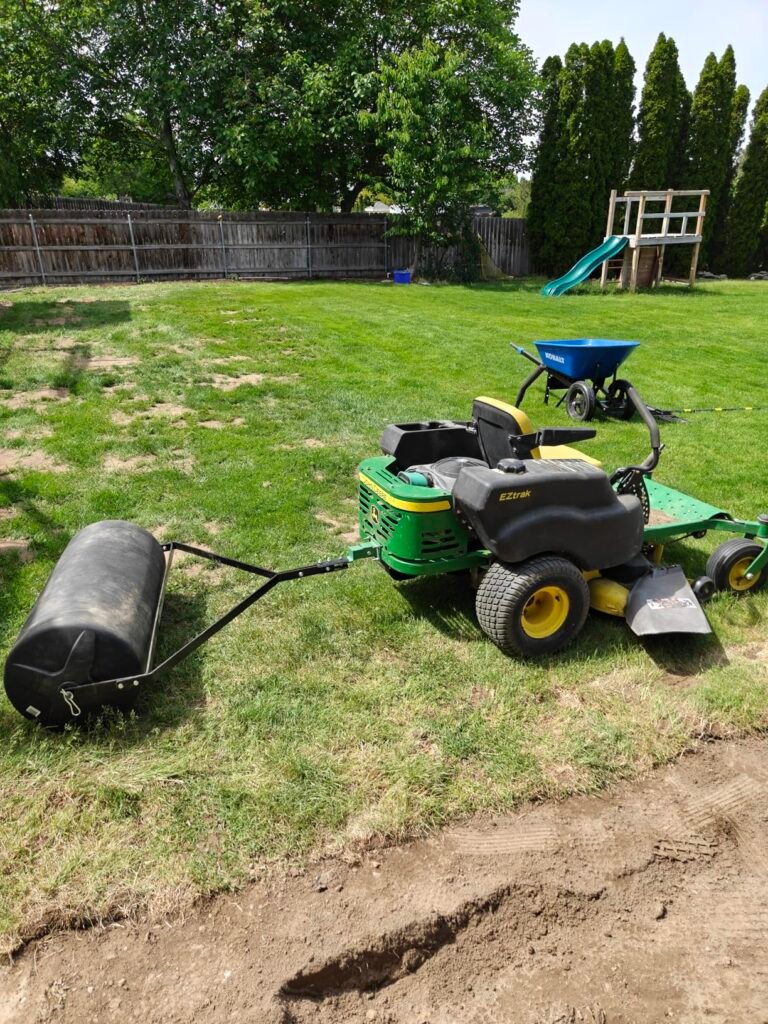
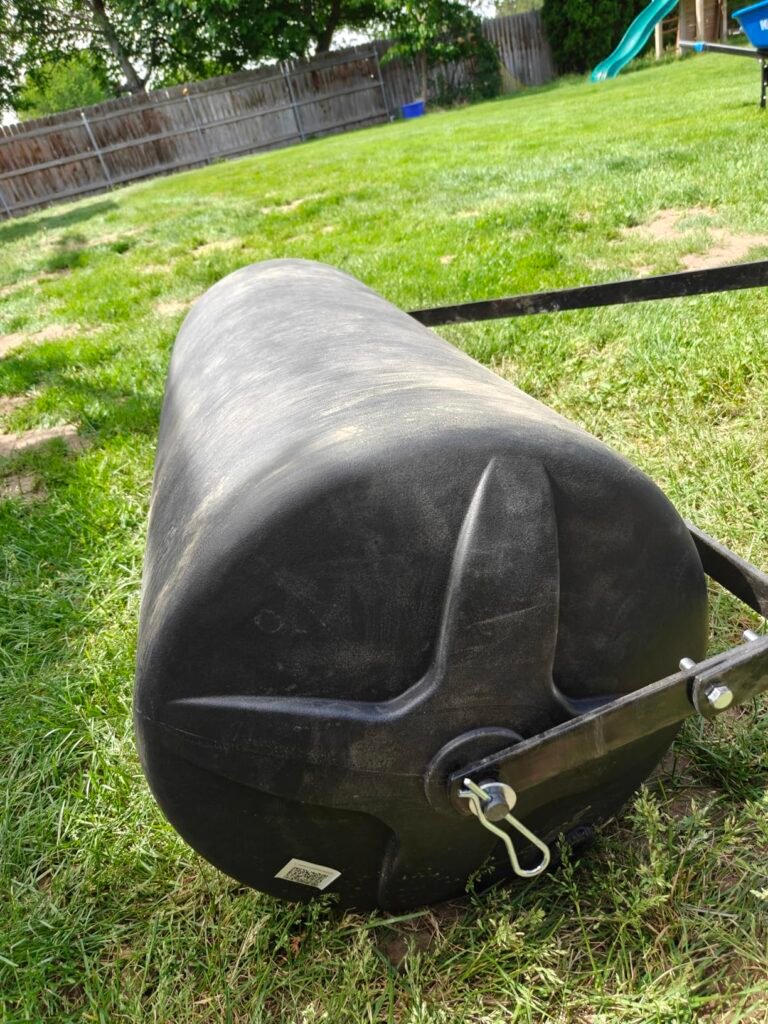
The LLDPE poly drum is a meaningful upgrade over bare steel for a tow-behind design, since it resists rust and denting even after seasons of exposure to water and outdoor storage. A reinforced steel frame carries the load and connects to the towing hitch, keeping the drum stable as it rolls across uneven ground behind a lawn tractor or ATV.
Two water inlets speed up filling, which is a practical detail when you are working with a 400-pound capacity and dragging a garden hose around a yard. The tethered easy-turn plugs stay attached during draining, and the scraper bar mounted above the drum keeps mud, clippings, and thatch from accumulating during long rolling passes. The extended hooks make attachment to standard hitch receivers straightforward.
Poly drums avoid the rust concerns that come with steel and are less likely to dent from accidental bumps against curbs or fences. Steel drums, on the other hand, tend to feel more rigid under heavy loads and can sometimes be repaired with a coat of paint. For tow-behind rollers left outdoors, poly usually wins on long-term durability.
The main consideration is that this roller only makes sense if you already own a tractor, riding mower with a hitch, or ATV. Attempting to push a 400-pound drum by hand is not practical, so buyers without a tow vehicle should look at the push-and-tow combination units instead. For those with the right equipment, this model delivers heavy compaction at a reasonable price.
Homeowners without a tractor, riding mower, or ATV to tow the loaded drum.
We may earn a commission when you buy through this link, at no additional cost to you.
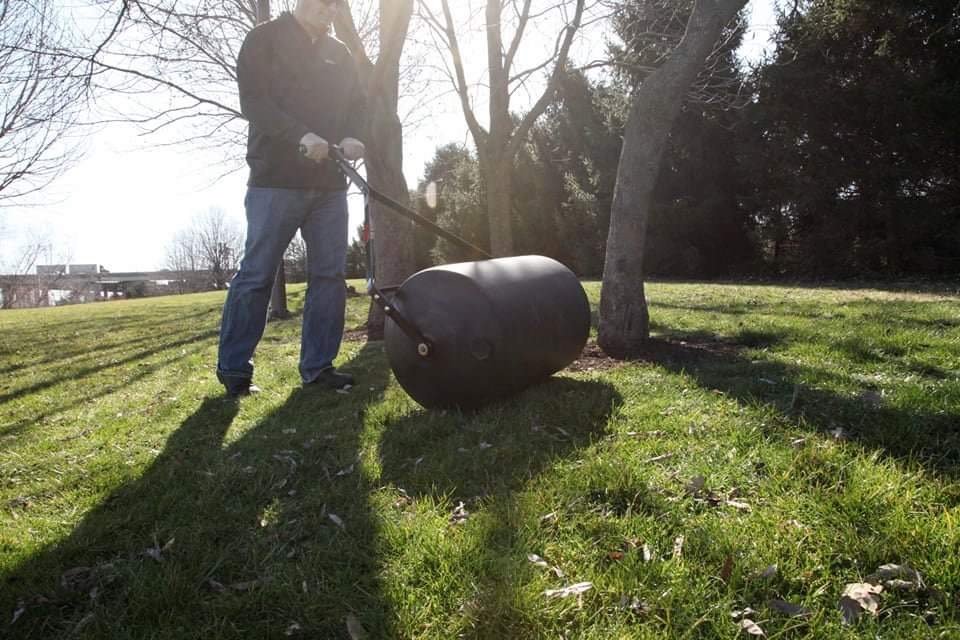
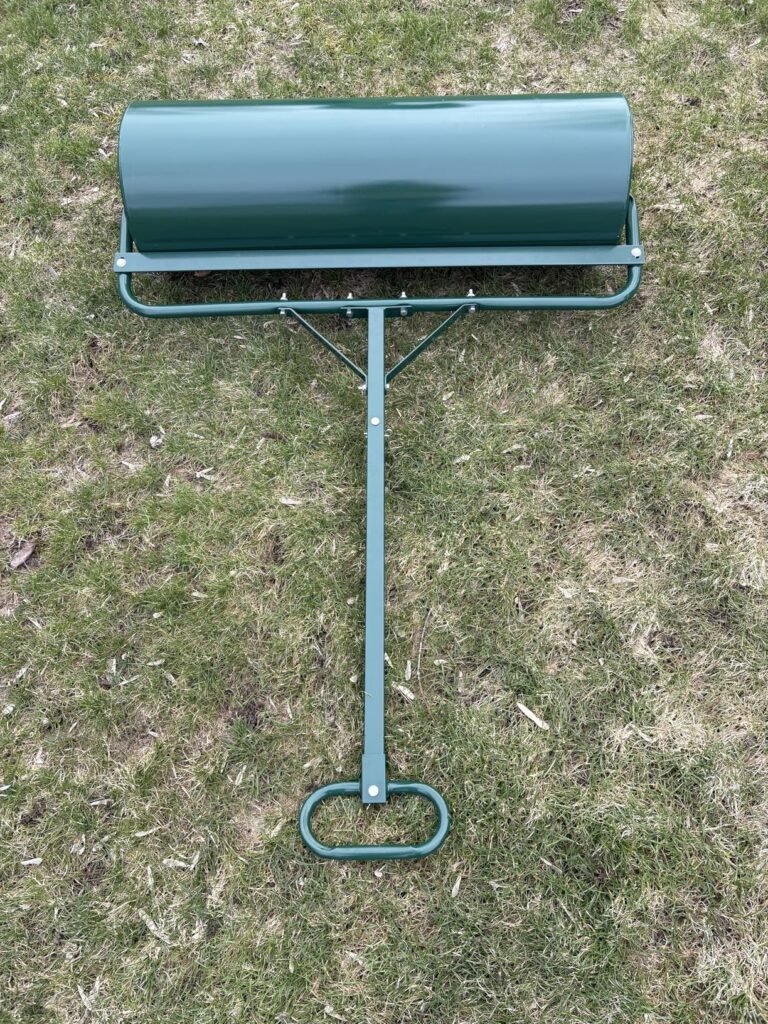
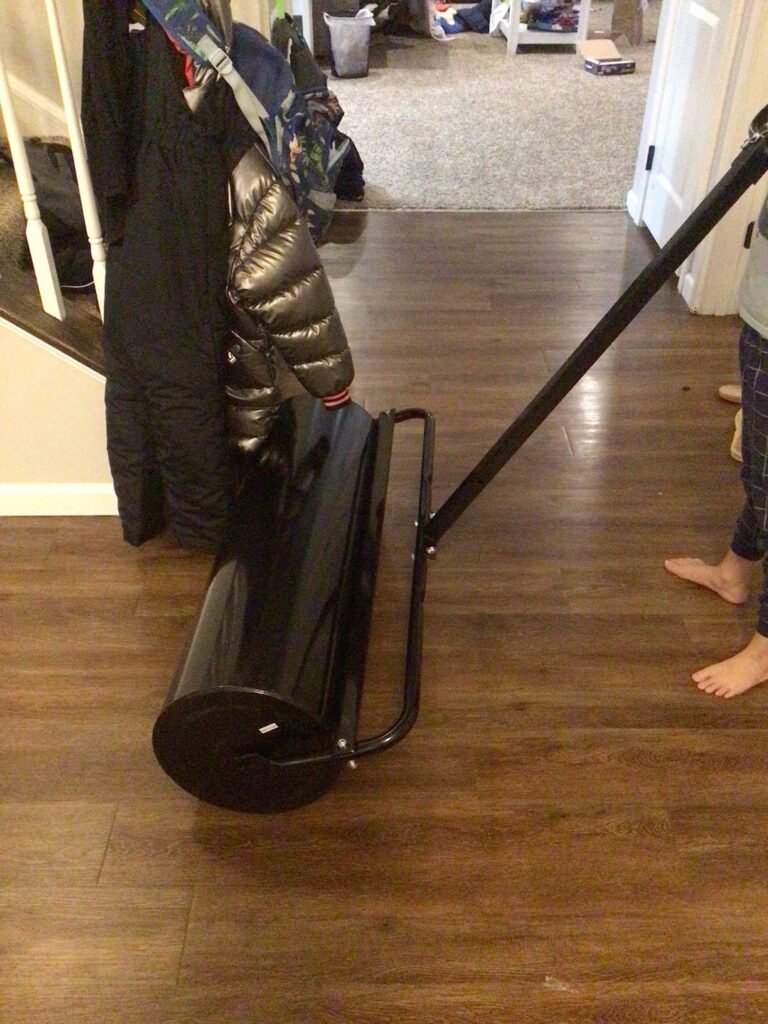
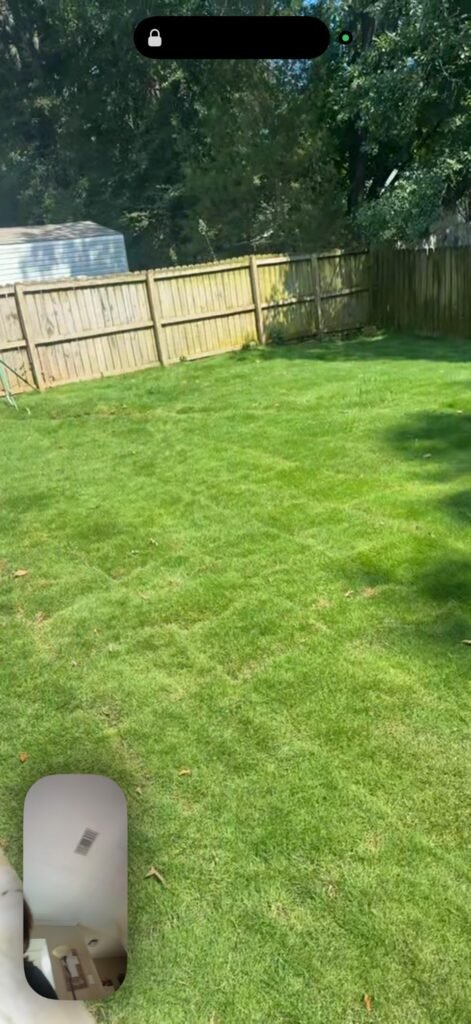
The VEVOR 13-gallon push roller targets homeowners with modest lawns who want a manual tool for pressing new seed into soil, smoothing frost heave, or leveling minor bumps without stepping up to a tow-behind unit. Its main advantage is the balance between useful weight when filled and manageable size for storage in a shed or garage, which makes it practical for weekend yard work.
We may earn a commission when you buy through this link, at no additional cost to you.
The steel drum construction provides the rigidity needed to compact soil evenly, while the rounded drum edges help avoid the ring marks that can appear when a roller tilts during turns. Filled with water, the drum applies enough downward pressure to improve seed-to-soil contact for germination, and the metal scraper bar prevents mud and clippings from building up along the drum surface during work.
Usability is helped by the U-shaped handle, which distributes pushing effort across both arms rather than forcing a one-handed grip. The sealed easy-turn plug is a small but genuinely useful detail, since traditional plugs are easy to misplace during a busy yard session. Empty, the drum is light enough for one person to move, and it can be hung on a wall hook to free up floor space when not in use.
A plug that unscrews completely tends to end up lost in the grass or misplaced during storage, which leaves you with a roller you cannot properly fill. Sealed or tethered plug designs stay attached to the drum, saving time and reducing the frustration of hunting for a small part when spring lawn work begins.
The trade-off is that this is strictly a push-and-pull tool, so anyone with a large lot or a riding mower would find themselves working harder than necessary. For yards under a quarter acre, or for garden beds and smaller open areas, this VEVOR model provides a workable balance of capacity, durability, and price.
Owners of large properties who want to tow a roller behind a tractor or ATV.
We may earn a commission when you buy through this link, at no additional cost to you.
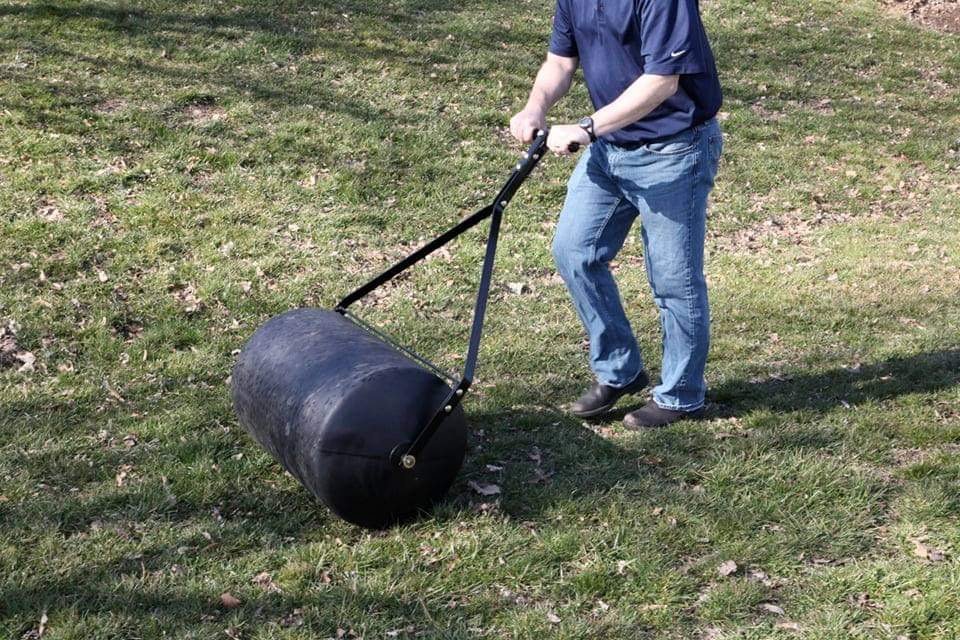
The Brinly 270-pound combination roller is the pick for buyers who want a single tool that handles both hand-rolling around garden beds and tow-behind work across a larger lawn. The 28-gallon poly drum offers enough weight when filled to compact meaningful areas, while the 24-inch rolling width fits between garden features without requiring a full-size tractor implement.
We may earn a commission when you buy through this link, at no additional cost to you.
The poly construction is a genuine advantage over steel for buyers who plan to store the roller outdoors or in a damp shed. Brinly’s tethered easy-turn plug simplifies filling and draining, and the extra-large fill opening speeds up the process of adding water from a standard garden hose. That matters because a 28-gallon fill can otherwise take longer than the rolling job itself.
The push-and-tow versatility comes from a handle that engages for manual work and can be repositioned or removed when connecting to a mower or tractor hitch. For homeowners with an acre or so of mixed terrain, that flexibility means you can smooth the main lawn behind a rider and then detach to hand-roll around flower beds, walkways, and tighter areas.
Combination rollers earn their keep on properties with both open lawn and tight garden zones. A pure tow-behind roller struggles to maneuver around raised beds, patios, and fence lines, while a pure push roller becomes exhausting on large open turf. Having both modes in one tool avoids owning two separate rollers.
The trade-off is that the roller is heavier and pricier than a bare-bones push unit, so buyers with only a small yard may not need the extra capability. For those juggling multiple lawn zones or planning to expand their equipment over time, this Brinly model delivers a durable, well-engineered platform that adapts to different tasks.
Owners of very small lawns who only need a lightweight push tool for occasional touch-ups.
We may earn a commission when you buy through this link, at no additional cost to you.
The VINGLI 20-inch push roller focuses on affordability and simplicity, giving buyers with small backyards or garden plots an entry-level tool for basic lawn compaction. The 10.5-gallon capacity is modest, but for pressing grass seed into topsoil across a small area or knocking down minor mole activity, it provides just enough weight to be useful without being unwieldy.

We may earn a commission when you buy through this link, at no additional cost to you.
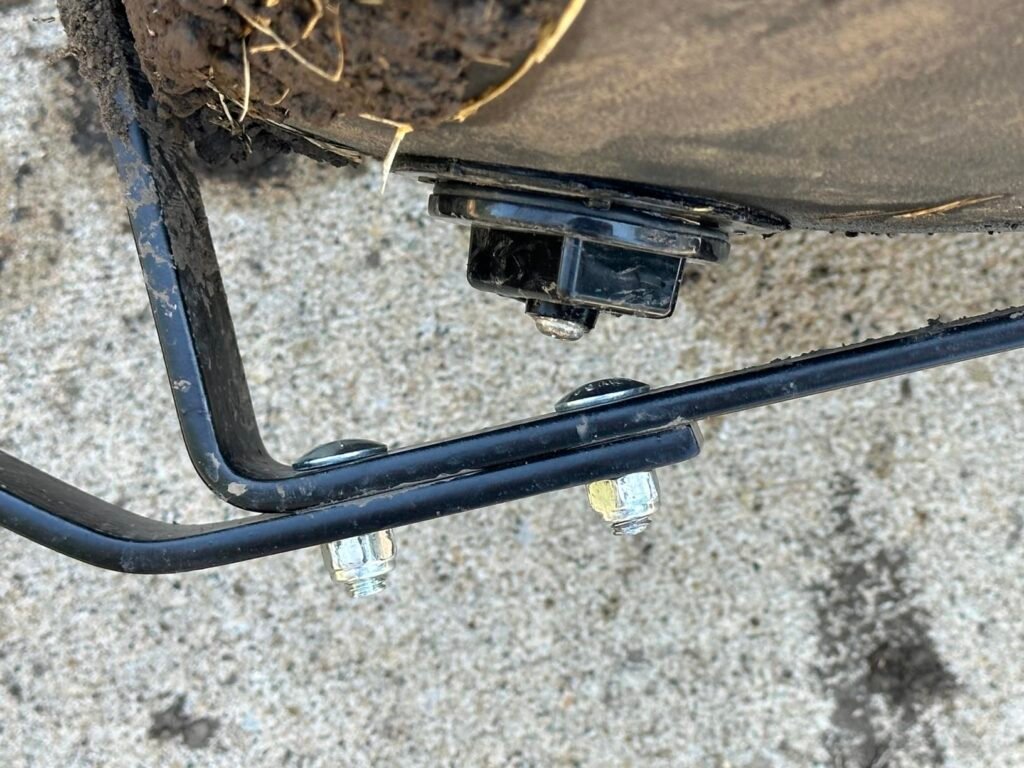
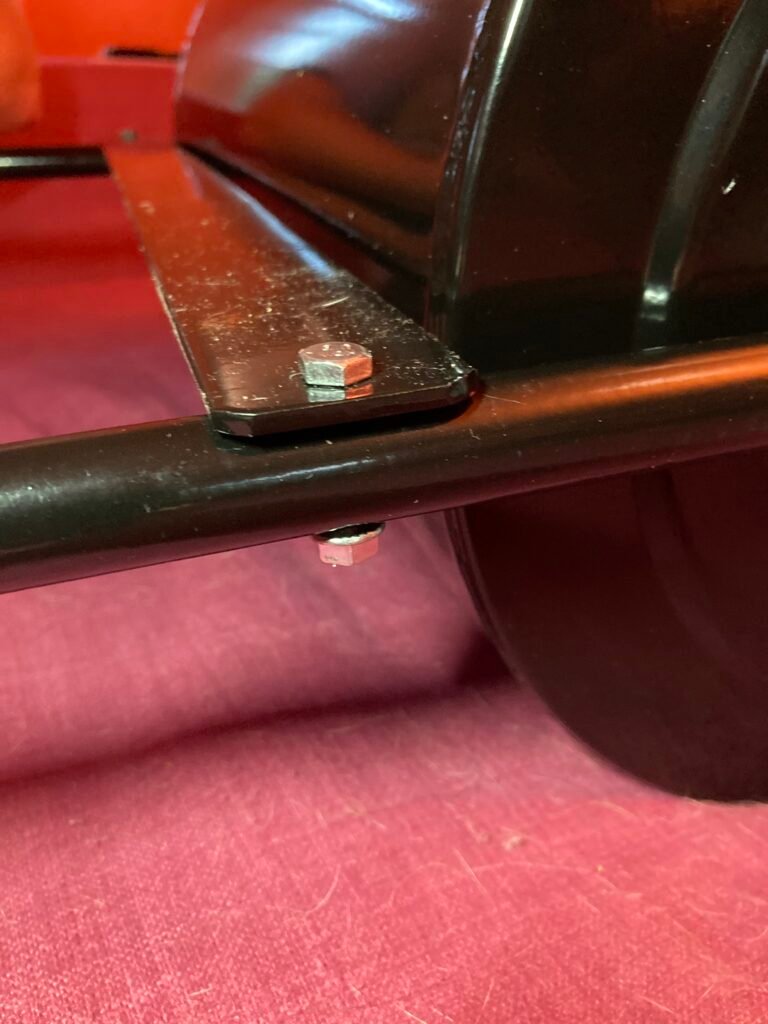
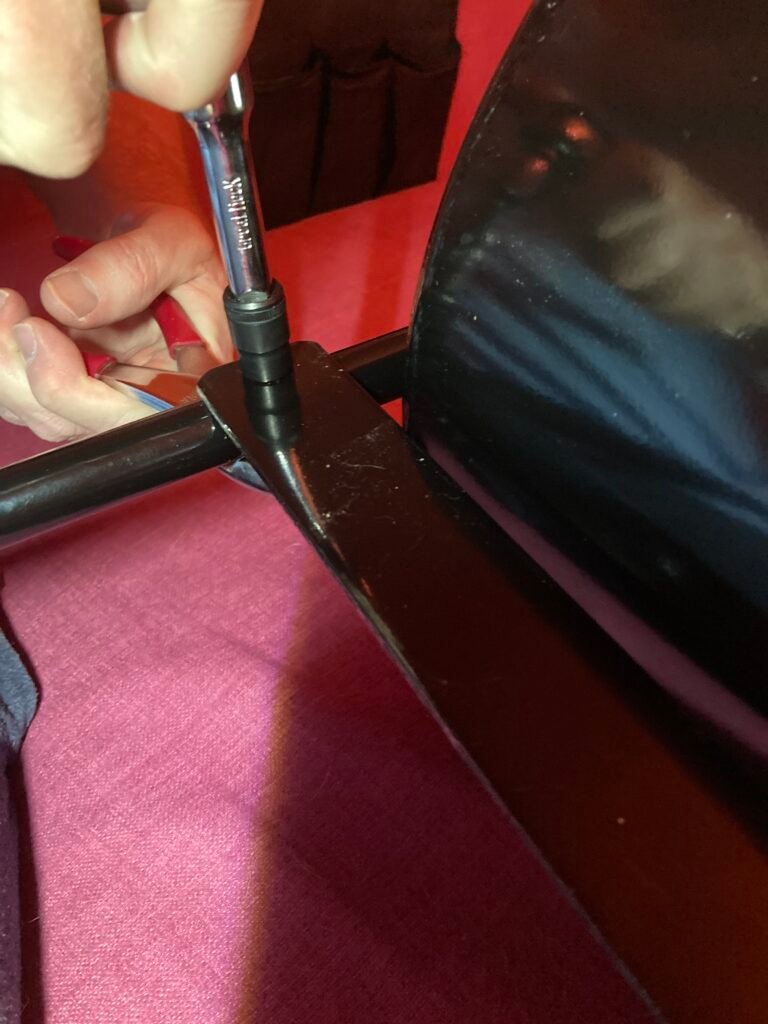
Assembly is a quick job, typically requiring only that you attach the handle to the drum and connect a few fasteners. That matters because complicated setup often turns first-time buyers off from lawn equipment. The steel drum is sturdy for its size, and the rounded ends help prevent scoring or ring marks when you pivot the roller during turns.
The 47.5-inch handle height suits most adult users comfortably, and the U-shape distributes force across two hands so pushing feels less awkward than a straight bar. When empty, the whole unit is easy to lift and hang on a garage wall or slide behind other tools, which suits buyers with limited storage space.
Compacting soil works most effectively when the ground is slightly damp but not saturated. Rolling after a moderate rain or a deep watering allows the drum weight to press seed and soil together without pushing mud around or leaving heavy compaction ruts. Avoid rolling on soaking wet lawns to prevent soil compaction that hurts long-term grass health.
The trade-off is that at 10.5 gallons filled, this roller cannot deliver the compaction weight needed for large open lawns or heavy soil work. Owners of quarter-acre or larger lots will likely wish for more capacity by their second season. For small yards or gardens where a simple, low-cost manual tool is the right fit, this VINGLI model does the basic job well.
Homeowners with large open lawns that need heavier compaction across many passes.
We may earn a commission when you buy through this link, at no additional cost to you.
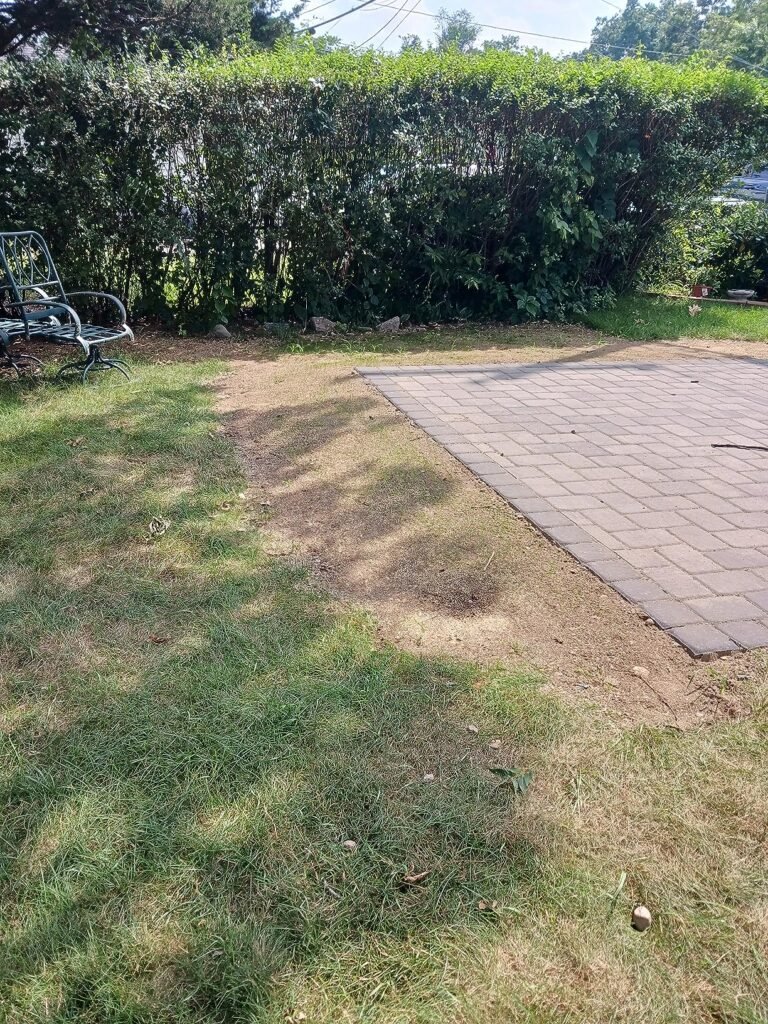
The Arnot 16-gallon roller aims at homeowners who want a no-nonsense steel drum that handles typical yard smoothing, ball field maintenance, and seed pressing without over-complicating the tool. Its 16-gallon capacity sits in a practical middle ground for small to medium yards, giving useful compaction weight while remaining manageable to fill and empty.
We may earn a commission when you buy through this link, at no additional cost to you.
The steel drum is coated with a powder finish that helps guard against rust from repeated exposure to water fills, which is a common weak point on entry-level steel rollers. A U-shaped handle provides two-handed grip for pushing or pulling, and the push-or-tow design lets you connect it behind a small tractor when working larger open sections of a property.
Assembly is designed to be straightforward with a small number of fasteners, and the roller stores compactly when hung on a garage wall. The absence of a scraper bar found on some competing models means you may need to occasionally wipe down the drum manually after wet rolling sessions, though for many homeowners this is a minor consideration.
Compact steel rollers like this one are common on youth ball fields, community garden plots, and mixed-use recreation areas because they can be moved by hand and stored easily. If you volunteer with a community sports program or maintain multiple small spaces, a moderate-capacity push roller is often more practical than a large tow-behind unit.
The trade-off is that at 20 inches wide, this roller covers less per pass than 36 or 48-inch tow-behind models, so it works best when total yard size stays modest. For buyers who value a proven simple design and want to avoid the higher cost of premium poly rollers, the Arnot offers solid function at a reasonable price.
Owners of large properties who need wide drum coverage and heavy tow-behind compaction.
We may earn a commission when you buy through this link, at no additional cost to you.
The VINGLI 8-gallon roller is the compact option in this lineup, designed for gardeners and homeowners with small plots, raised bed borders, or narrow lawn strips where a larger drum simply cannot maneuver. Its 16-inch drum width lets you work close to fences, edging, and garden structures without repositioning the tool constantly.
We may earn a commission when you buy through this link, at no additional cost to you.
The 8-gallon capacity provides modest downward pressure, which is enough for pressing overseeded patches, smoothing a small section after aeration, or finishing a garden path with fresh soil. The foam-padded handle offers a comfortable grip during extended manual work, and the water-resistant steel drum construction helps the tool hold up to seasonal outdoor use.
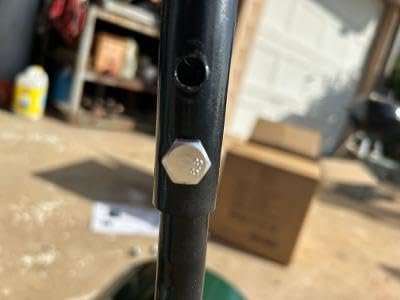
Because the drum is small and light when empty, the roller is easy to transport from a shed to a work area without straining. The side drain plug is removable for filling, cleaning, and adjusting the internal weight. For casual users who only occasionally need to roll a section of lawn, the reduced size can be an advantage rather than a limitation.
Not every yard task calls for hundreds of pounds of compaction. Overseeding a small bare patch, smoothing a garden bed before mulching, or leveling a strip of new sod are all jobs where a compact roller is more practical than dragging out heavy equipment. Matching the tool to the task avoids overbuying.
The trade-off is clear: 8 gallons filled does not deliver enough compaction weight to handle medium or large lawn projects efficiently. The lower average customer rating also suggests buyers should set realistic expectations about what this small tool can accomplish. For small gardens, tight areas, or as a supplement to a larger roller, this VINGLI model fills a specific niche.
Buyers with lawns larger than a few hundred square feet who need meaningful compaction weight.
We may earn a commission when you buy through this link, at no additional cost to you.
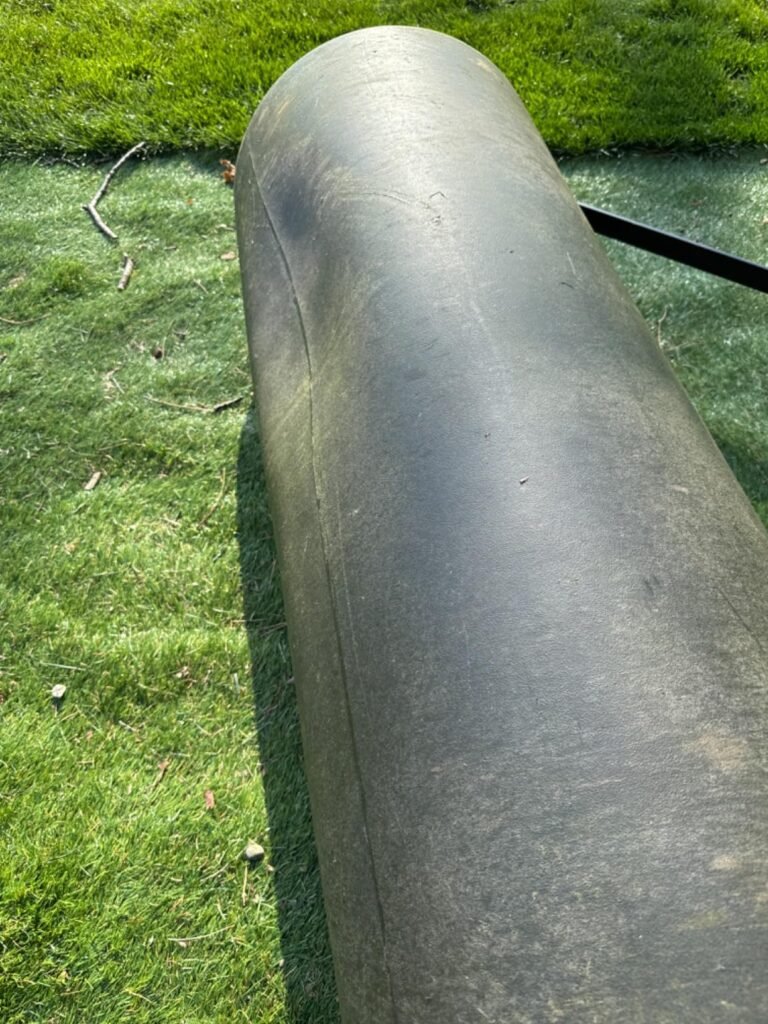
The Brinly 485-pound tow-behind roller is built for large properties, small farms, and community spaces where every extra inch of drum width saves meaningful time on total rolling passes. The 48-inch drum is wider than most residential rollers, and the 485-pound filled weight is enough to smooth substantial frost heave, mole tunneling, and other terrain issues common on larger lots.
We may earn a commission when you buy through this link, at no additional cost to you.
The poly drum construction removes concerns about rust that plague steel drums left outdoors, and it resists denting from typical bumps and knocks during transport. The extra-large fill opening speeds up filling from a garden hose, which is particularly welcome given the 54-gallon capacity. The easy-turn plug design stays with the drum during draining, avoiding lost parts.
A universal hitch pin is included, which lets the roller attach to most riding mowers, lawn tractors, ATVs, and zero-turn mowers with a standard hitch receiver. The metal scraper bar mounted above the drum keeps mud and clippings from building up during work, and the rounded drum ends help prevent the ring marks that can occur during turns. Empty, the drum drains and stores compactly on a garage wall.
A useful rule of thumb: if your lawn requires more than an hour to mow with your current equipment, a wider tow-behind roller will save meaningful time compared to a narrower push unit. The 48-inch coverage of this Brinly model makes it well suited to yards of a half acre or more where efficiency matters.
The trade-off is straightforward: this roller demands a capable tow vehicle and the storage room for a 48-inch drum. Small suburban lots do not need this much capacity, and pulling 485 pounds by hand is not realistic. For owners of large yards, hobby farms, or multi-acre properties, this Brinly model provides the coverage and weight that make big rolling jobs manageable.
Homeowners with small lots or without a tractor or ATV to tow the loaded drum.
We may earn a commission when you buy through this link, at no additional cost to you.
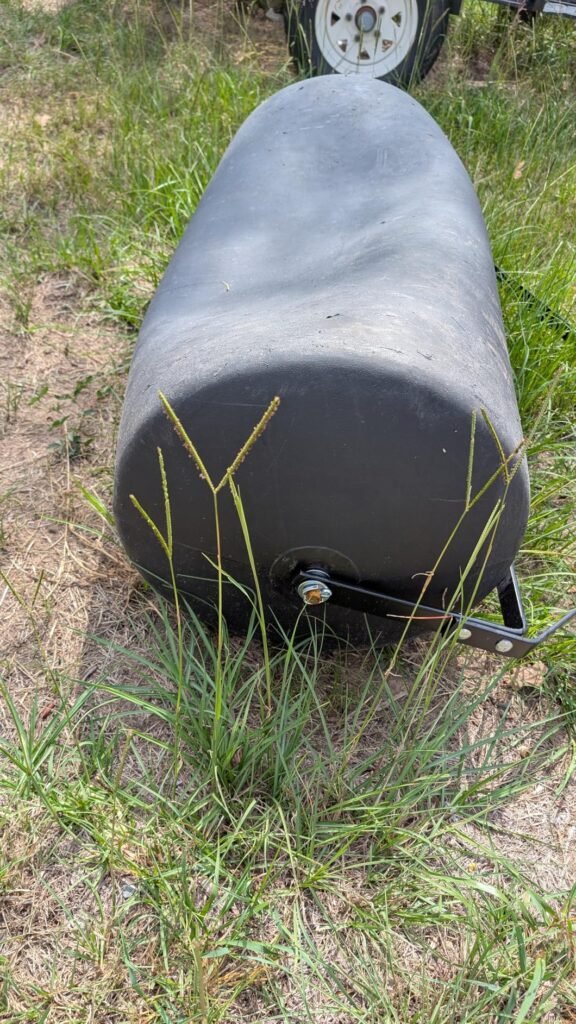
The Brinly 42-gallon tow-behind sits between the brand's smaller combination roller and its largest 48-inch model, targeting owners of medium to large residential yards who want strong compaction without stepping up to the widest available drum. The 36-inch rolling width is a sensible balance between coverage efficiency and maneuverability around trees, garden zones, and lot corners.
We may earn a commission when you buy through this link, at no additional cost to you.
At 390 pounds filled, this roller delivers plenty of weight for typical residential compaction work, including seed pressing, frost repair, and sod finishing. The poly drum construction avoids rust and dent issues, and Brinly’s reputation for durable lawn and garden equipment adds confidence for buyers making a substantial purchase.
The extra-large fill opening is a small but genuinely time-saving detail when working with 42 gallons of water. Combined with the tethered easy-turn plug, it means less standing around during filling and draining. The rounded drum ends and metal scraper bar mirror the design features found on Brinly’s larger roller, translating to smoother turns and cleaner drum surfaces.
The 36-inch drum is more nimble around obstacles and easier to store, while the 48-inch drum finishes larger open areas faster. If your property has many trees, garden beds, or tight corners, 36 inches tends to be more practical. For wide open pastures or long straight runs of lawn, 48 inches saves more time per session.
The trade-off is that this remains a tow-only tool, so it requires a lawn tractor, ATV, or similar vehicle with a hitch. Buyers with acreage between roughly a half acre and two acres often find a 36-inch drum to be the ideal fit, delivering meaningful time savings without the storage footprint of the 48-inch model. For that middle ground of yard size, this Brinly roller works well.
Suburban lot owners without a tractor or hitch-equipped riding mower to tow the roller.
We may earn a commission when you buy through this link, at no additional cost to you.
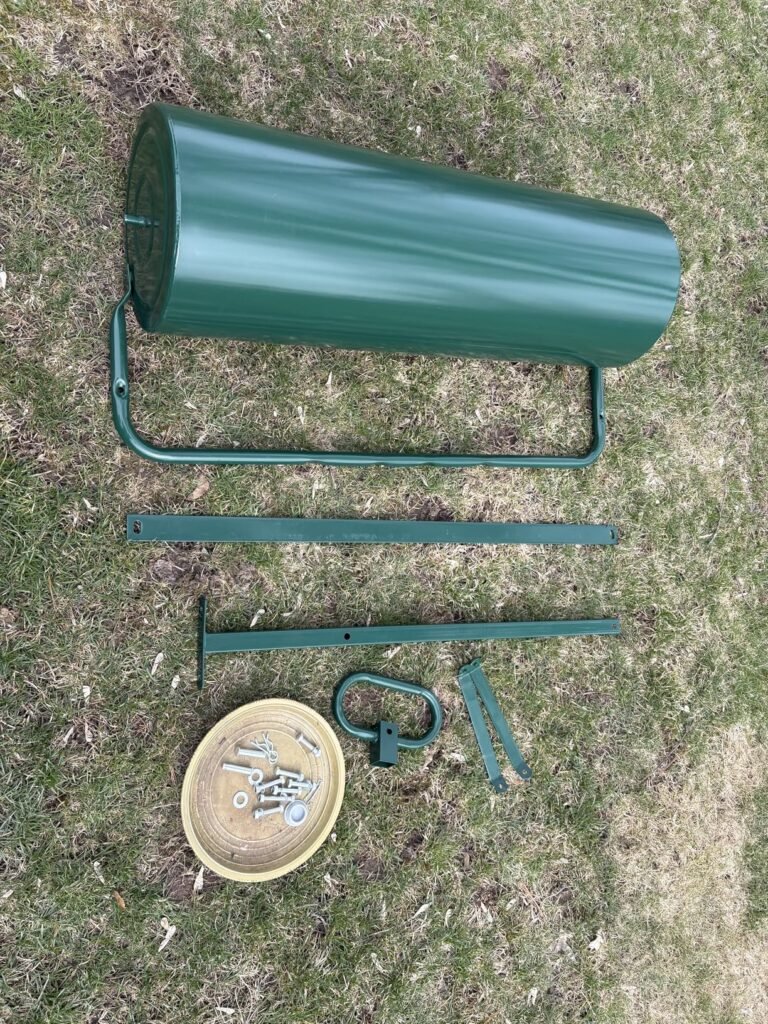
The Goplus 17-gallon steel roller earns a second look in this list because its combination of 36-inch drum width, push-and-tow versatility, and mid-range capacity fits a common buyer profile: someone whose yard has grown too large for a small push roller but who does not yet own or want to commit to a 400-pound tow-behind unit. It bridges that gap effectively.
We may earn a commission when you buy through this link, at no additional cost to you.
The 36-inch width matches the coverage of much larger poly rollers, and the steel drum construction with a powder-coated finish balances rigidity and rust resistance at a lower price point than premium poly alternatives. A metal scraper bar keeps the drum surface clean during rolling, and the rounded corners prevent ring marks during turns.
The detachable gripping handle deserves special attention. It converts the roller from a manual tool to a tow-behind unit without requiring extra hardware, and it makes storage more compact by removing the handle when needed. That flexibility is genuinely useful for homeowners who alternate between hand-rolling garden zones and tow-rolling open lawn areas.
Rollers with removable or foldable handles take up dramatically less space in a garage or shed compared to fixed-handle units. If your storage area is tight or shared with other lawn equipment, this small design detail can make a meaningful difference in how easy the tool is to live with over multiple seasons.
The trade-off is that at 17 gallons, the compaction weight sits below the tow-behind heavyweights. For homeowners actively growing their equipment collection or preferring one flexible tool over two specialized ones, this Goplus model represents strong practical value. It handles most residential jobs while remaining approachable in price and storage requirements.
Large property owners who need the maximum compaction weight of 400-pound or heavier tow-behind rollers.
We may earn a commission when you buy through this link, at no additional cost to you.
Choosing the right lawn roller comes down to matching drum capacity, material, and operating style to your yard size, equipment, and the specific lawn issues you want to address. The factors below cover what genuinely matters when making this decision.
Drum capacity, usually measured in gallons, directly determines how much compaction weight the roller applies to the ground when filled with water or sand. A small 8 to 10-gallon drum applies modest pressure suitable for pressing seed into topsoil or leveling garden beds, while a 40 to 54-gallon drum delivers hundreds of pounds of compaction weight that can smooth significant frost heave and mole damage on large lawns.
Filling with water is the most common choice because it is free and easy to drain, while sand provides higher weight per gallon but is harder to remove when the season ends. Buyers often underestimate how much weight is actually needed for their yard. A general guide is that small suburban lawns work well with 10 to 20 gallons, medium yards benefit from 20 to 30 gallons, and larger properties or hobby farms typically need 40 gallons or more.
If your yard has serious frost heave or heavy soil, prioritize higher capacity over a low price. Underpowered rollers force you to make many more passes to achieve the same compaction, which wastes time and effort.
Steel drums have long been the traditional choice for lawn rollers because they feel rigid and substantial under load. Modern steel drums typically feature powder-coated finishes to resist rust from repeated water fills, and they tend to be a bit cheaper than comparable poly models. The downside is that if the coating is scratched or chipped, rust can develop over time, especially if the roller is stored outdoors or in a damp shed.
Poly drums, made from durable plastics like LLDPE, avoid rust entirely and resist denting from accidental bumps during transport or storage. They also tend to be lighter when empty, which makes moving the drum around easier before filling. The trade-off is that poly rollers usually cost more than steel equivalents of similar capacity, and some buyers simply prefer the feel and appearance of metal.
For rollers stored in a garage year-round, steel with a good coating works fine. For rollers left outdoors or subjected to rougher use, poly typically offers better long-term durability at a modest price premium.
The operating style determines how the roller integrates with your existing equipment and physical ability. Push rollers require you to walk behind and manually propel the drum, which works well for small yards and gives you precise control around garden features, but becomes tiring on larger lawns. Tow-behind rollers attach to a lawn tractor, riding mower, or ATV via a hitch, and they let you cover large areas with much less physical effort.
Combination rollers offer both modes, typically with a handle that engages for push work and can be repositioned or removed when connecting to a tow vehicle. This versatility suits properties with mixed terrain, where you might tow across the open lawn and switch to push mode for garden beds, walkways, and tight corners near the house or fence.
If you already own a tractor or riding mower, a tow-behind or combination model is almost always worth the investment. If your only equipment is a walk-behind mower, a push or combination roller sized to your yard capacity makes more sense.
Drum width determines how much ground you cover in a single pass. Narrow drums of 16 to 20 inches work well in tight areas like garden paths, raised bed borders, and small lawn strips. Wider drums of 36 to 48 inches cover open lawn areas much more efficiently, cutting the total number of passes needed to finish a job.
The trade-off is that wider drums are less maneuverable around obstacles like trees, patio corners, and garden features. They also require more storage space and generally need a tow vehicle because pushing a wide, heavy drum by hand becomes impractical. Yard shape matters too: long open lawns benefit from wider drums, while irregularly shaped yards with many features may work better with a moderate 24 to 36-inch drum.
Match drum width to both your total yard size and its layout. Bigger is not always better if it cannot navigate the actual terrain you need to roll.
The drum plug is a small part with an outsized impact on daily usability. Traditional plugs that unscrew completely from the drum are easy to misplace during a busy work session, leaving you with a roller that cannot be properly sealed for use. Tethered or captive plug designs stay attached to the drum during filling and draining, eliminating this frustration entirely.
Fill opening size also matters. A larger diameter opening speeds up filling from a garden hose, which is genuinely helpful when working with 30 or 40-plus gallon drums. Multiple fill openings, found on some tow-behind models, cut filling time roughly in half by letting water flow into two points at once. These details may seem minor, but they add up across a rolling season.
Look for tethered plugs and large fill openings, especially on larger rollers where filling time otherwise becomes tedious. It is a small feature that pays off every time you use the tool.
On push and combination rollers, handle design directly affects how tiring the work becomes. U-shaped handles distribute pushing force across two arms and let you use your body weight naturally, while straight bar handles can feel awkward during longer sessions. Foam-padded or ergonomic grips reduce hand fatigue and improve control on uneven ground.
Handle height also matters for user comfort. A handle that is too low forces you to hunch over while pushing, which strains the back over extended work. Most rollers position handles between 40 and 50 inches high, which suits average adult users, but very tall users may want to check dimensions before buying.
If you plan to do most of your rolling by hand, prioritize handle ergonomics as much as drum capacity. A well-designed handle turns a tiring chore into a manageable one.
A scraper bar mounted above the drum wipes away mud, wet clippings, and thatch as the roller turns, keeping the drum surface clean and preventing buildup that can leave uneven marks on the lawn. Rollers without scrapers can accumulate debris quickly on damp lawns, requiring you to stop and manually clean the drum surface periodically.
Scraper bars are more important on larger, heavier rollers used across wet terrain, and less critical on small push rollers used mainly for pressing dry seed. If you plan to roll after rain or in early morning when dew is present, a scraper bar adds meaningful convenience and helps produce more consistent results.
For any tow-behind roller or larger push model intended for regular use, look for an included scraper bar. Retrofitting one later is usually not practical.
A filled roller weighs hundreds of pounds, but an empty roller should be easy to move and store. Consider where the roller will live when not in use: a garage wall hook, a shed corner, or under a covered patio. Rollers with detachable or removable handles take up much less space than fixed-handle models, and some designs allow the drum to be stored vertically for a smaller footprint.
Portability also matters when moving the empty drum from storage to the work area. Wheels or handles that make dragging an empty drum easier can save real effort at the start and end of each work session. For homeowners without a large garage or shed, storage footprint may be as important as drum capacity in the buying decision.
Measure your available storage space before buying, and favor rollers that break down or fold compactly if space is tight. A tool you cannot store conveniently is one you will hesitate to use.
Setup starts with proper assembly and filling. Follow the included instructions carefully to ensure the handle, hitch, and drum are securely connected before adding water or sand. Fill the drum to the weight appropriate for your task. Lighter fills work well for pressing new seed into loose topsoil, while fuller drums are better for smoothing frost heave or leveling firmer ground. Attach tow-behind models to a compatible tractor or ATV hitch and confirm the connection is secure before beginning work.
Timing your rolling sessions makes a meaningful difference in results. Roll when the soil is slightly damp but not saturated, typically a day or two after moderate rain or a deep watering. Rolling saturated soil can create harmful compaction that hurts long-term grass health, while rolling bone-dry soil is less effective at pressing seed and smoothing terrain. Work in overlapping passes across the lawn to ensure even coverage, and avoid sharp turns with heavy tow-behind rollers to prevent tearing the turf.
Long-term care extends the life of your roller significantly. Drain the drum completely at the end of each work session, especially before storing it through freezing weather that could damage a full drum. For steel drums, inspect the coating periodically for scratches or chips and touch up any exposed metal with rust-resistant paint. Store the roller in a garage or shed when possible to shield it from prolonged sun and weather exposure. Clean the drum surface and scraper bar after use, and check hitch pins and fasteners on tow-behind models before each season.
For lawns under a quarter acre, a 10 to 20-gallon push roller usually handles the work efficiently. Medium yards between a quarter and a half acre benefit from a 20 to 30-gallon combination roller. Larger properties over a half acre are best served by tow-behind models with 40-plus gallon capacity, especially if you already own a tractor or riding mower. Matching capacity to yard size prevents both underpowered rolling and unnecessary expense.
Water is the most common choice because it is free, easy to add with a garden hose, and simple to drain when the job is done or before winter storage. Sand provides higher weight per gallon, which can be useful when maximum compaction is needed, but it is much harder to remove from the drum and can be messy. For most homeowners, water is the practical choice unless you specifically need extra weight.
Most lawns benefit from rolling once a year in early spring after the ground has thawed but is still slightly damp. Additional rolling may be needed after overseeding to press seed into the soil, or after significant frost heave, mole damage, or freeze-thaw cycles that leave the surface uneven. Avoid over-rolling, which can lead to harmful soil compaction that hurts grass root health.
Rolling should happen when soil is slightly damp but not saturated, typically a day or two after rain or watering. Rolling wet, saturated soil can create serious compaction that damages grass roots and hurts long-term lawn health. If you can walk on the lawn without leaving deep footprints, it is usually dry enough to roll safely.
No, many rollers are designed as push units that you operate manually. However, larger tow-behind rollers with 30-plus gallon capacity require a tractor, riding mower with a hitch, ATV, or similar vehicle. Combination rollers offer both push and tow options, giving you flexibility if you might add a tow vehicle to your equipment later. Choose the design that matches your current setup.
For steel drums, always drain the drum completely after use and store it in a dry location like a garage or shed when possible. Inspect the powder-coated or painted finish periodically for scratches or chips and touch up any exposed metal promptly. If storage space is limited to outdoors, consider a poly-drum roller instead, since poly drums avoid rust entirely regardless of exposure.
Lawn rollers work best for smoothing minor bumps caused by frost heave, mole tunnels, or freshly laid sod. They are not designed to level significant grade issues or deep depressions, which usually require topdressing with soil and reseeding, or in more extreme cases, professional grading. For minor surface irregularities, a rolling pass or two typically produces noticeable improvement.
The scraper bar is a metal strip mounted just above the drum that wipes away mud, wet grass clippings, and thatch as the roller turns. This keeps the drum surface clean during work, preventing buildup that could leave uneven marks on your lawn. Scraper bars are especially useful when rolling damp turf or after aeration, when soil plugs might otherwise stick to the drum.
Always drain the drum completely before winter storage to prevent damage from frozen water expanding inside the drum. Store the roller in a garage, shed, or under a covered area to protect it from prolonged weather exposure. Many rollers can be hung on a wall hook to save floor space, and rollers with detachable handles take up even less room. For steel drums, a light coat of rust preventive is a good precaution.
The Brinly 270-pound combination roller stands out as the strongest overall choice because it bridges push and tow use with a durable poly drum and refined design details like the tethered easy-turn plug and extra-large fill opening. For homeowners with mixed yard zones, its versatility avoids the compromise of choosing between a small push unit and a large tow-behind model.
For value-focused buyers, the Goplus 17-gallon roller delivers a wider 36-inch drum and push-tow compatibility at a more accessible price point. Owners of large properties should consider the Brinly 485-pound model, which offers 48-inch coverage and heavy compaction weight for smoothing acreage efficiently. Compact garden users may find the VINGLI 8-gallon roller sufficient for tight spaces and small overseeding tasks.
Your final decision should start with an honest look at your yard size, existing equipment, and storage space. Match drum capacity to your actual compaction needs, choose steel or poly based on where the roller will live between uses, and pick push, tow, or combination operation based on the vehicles you already own. A well-matched roller makes lawn work faster and produces better results season after season.