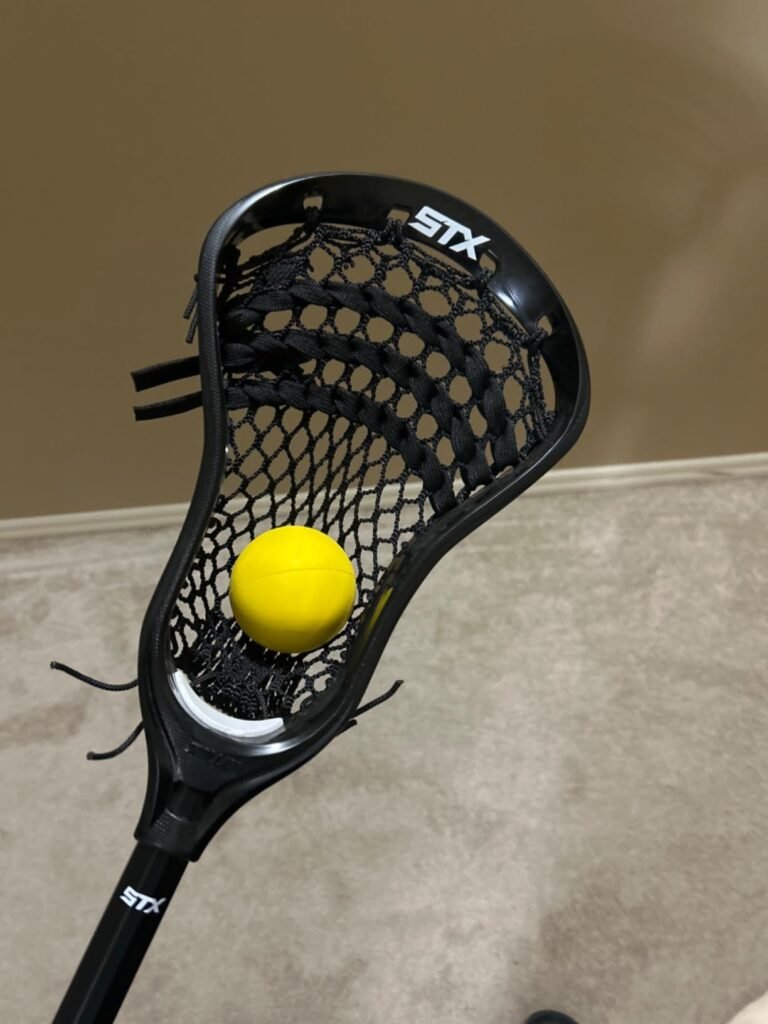
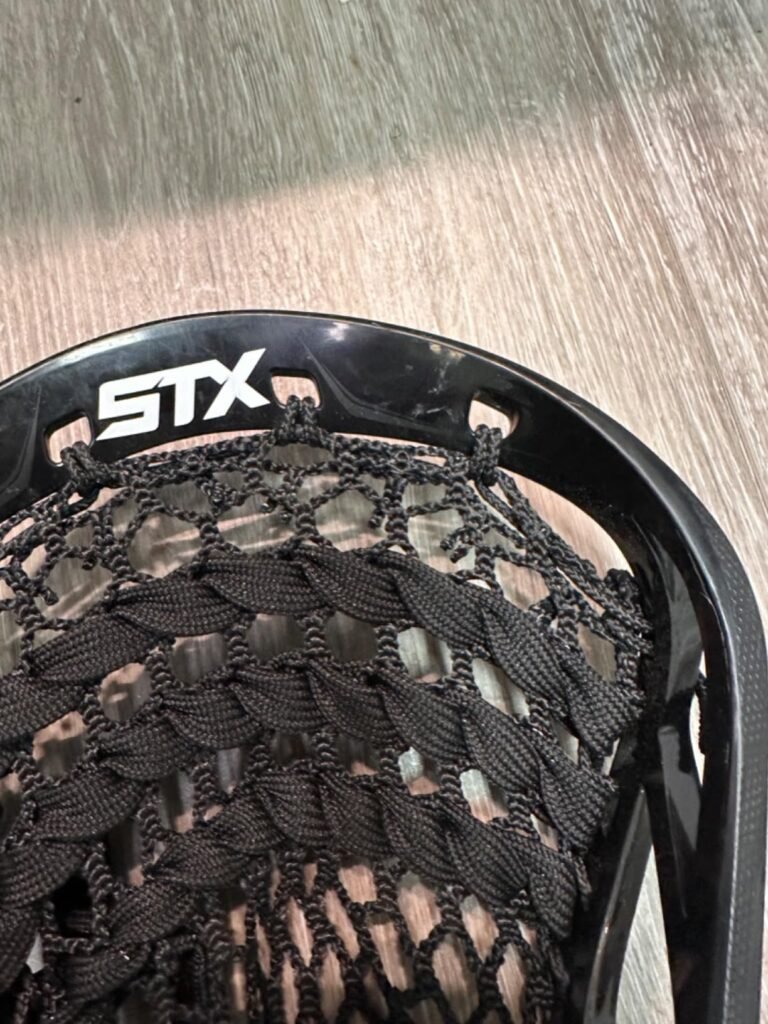
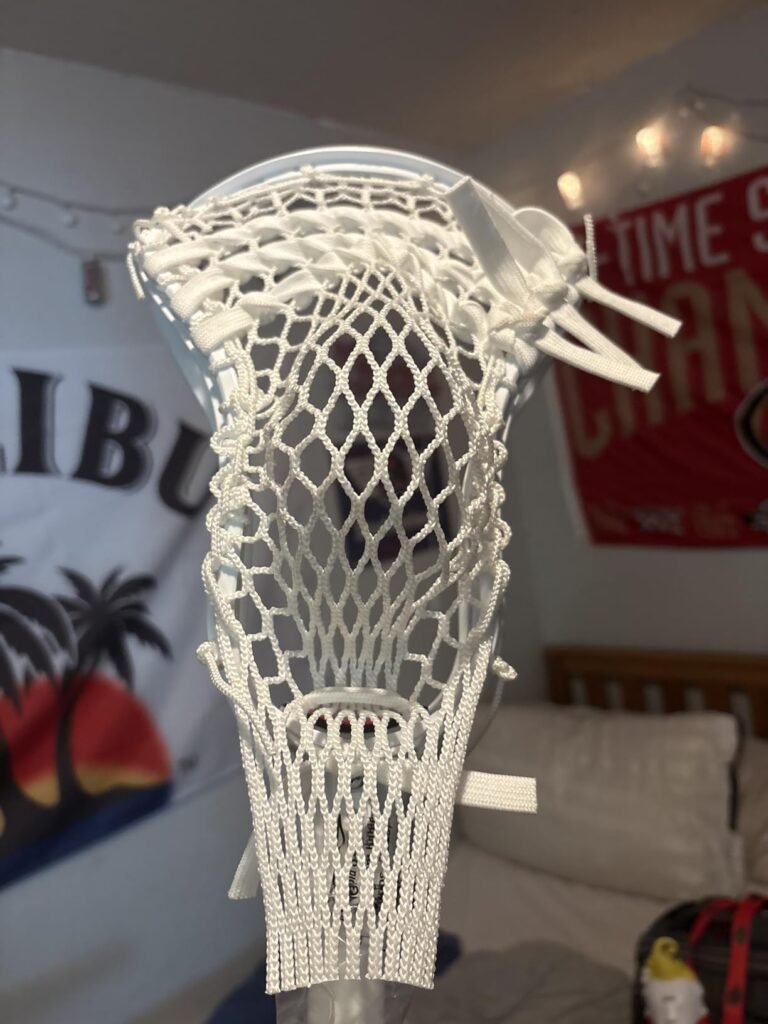
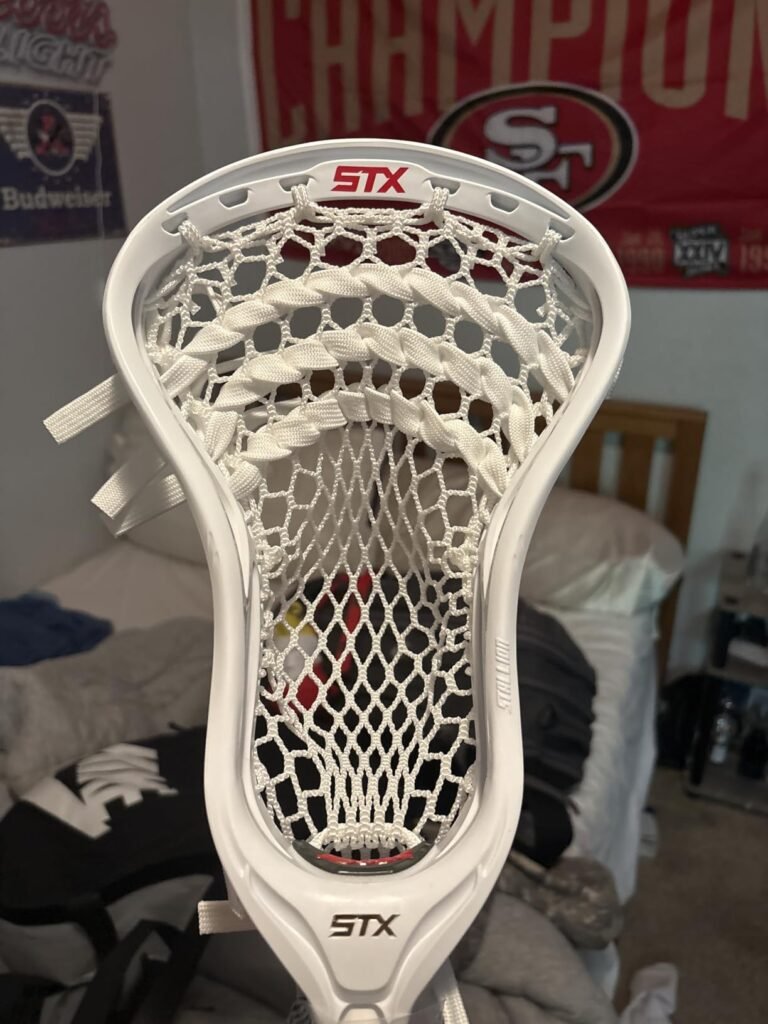
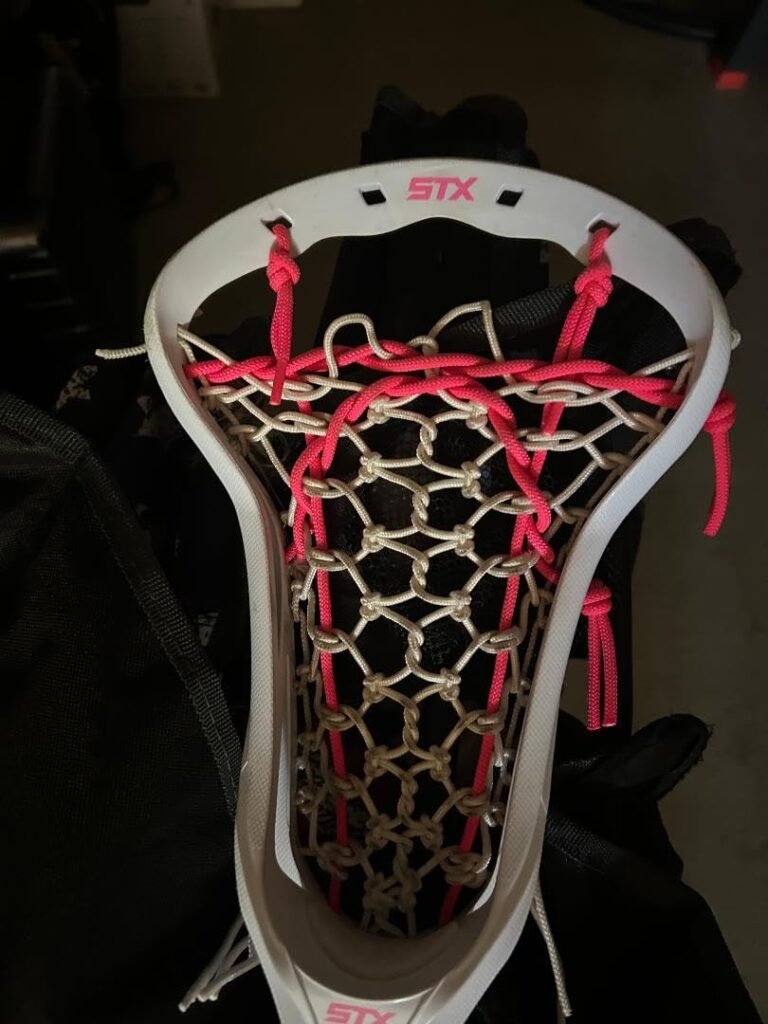
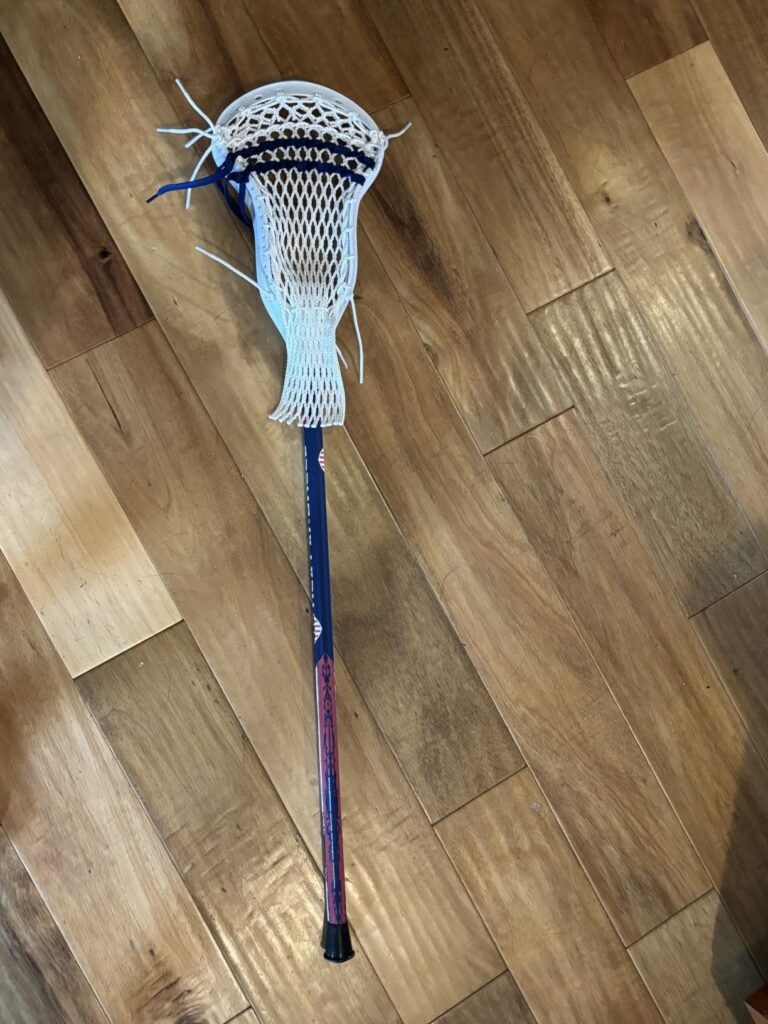
STX Stallion 200
9.4Editor scoreAttack/midfielder position
6000 series alloy
Soft mesh pocket
NCAA and NFHS approved
Find the right lacrosse sticks for 2026. We compare 10 standout options by build quality, useful features, owner feedback, value, and everyday trade-offs.

The right lacrosse stick shapes how a player catches, cradles, passes, and shoots. This 2026 guide compares 10 standout complete sticks across the details that decide performance: head design and offset, shaft material and weight, pocket construction, grip texture, position specialization, skill level fit, and how well each stick supports fundamental development or competitive play.
Lacrosse sticks fall into distinct tiers based on player age and skill. Entry-level youth sticks prioritize soft mesh, forgiving heads, and shorter shafts for smaller hands. Middle school and high school sticks add composite handles, tighter pockets, and position-specific head shapes. Elite sticks feature premium alloys, advanced mesh systems, and refined designs built for competitive game play.
Position matters as much as skill level. Attackers and midfielders use different shaft lengths than defenders, and boys’ sticks differ significantly from girls’ sticks in head shape and pocket depth. Women’s lacrosse rules require shallower pockets and different head profiles than men’s rules allow. Understanding these differences up front prevents buying a stick that doesn’t match your player’s actual position and league requirements.
We compared 10 lacrosse sticks using the criteria that genuinely affect player development and game performance: head design and offset, shaft material and weight, pocket type and break-in feel, grip texture, position-specific length and construction, skill-level fit, brand reputation, warranty support, and owner feedback. The notes focus on practical trade-offs so each pick reflects how players actually use these sticks for youth learning, middle school competition, high school varsity, and elite-level game play.

Compare key features, scores, and current prices side by side. A shorter feature list means fewer details were available, not necessarily fewer capabilities.
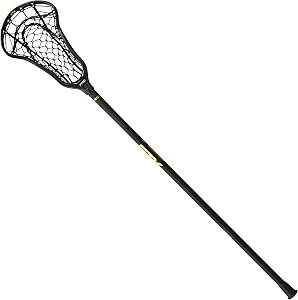


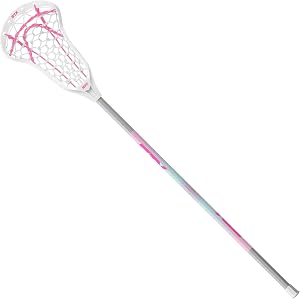


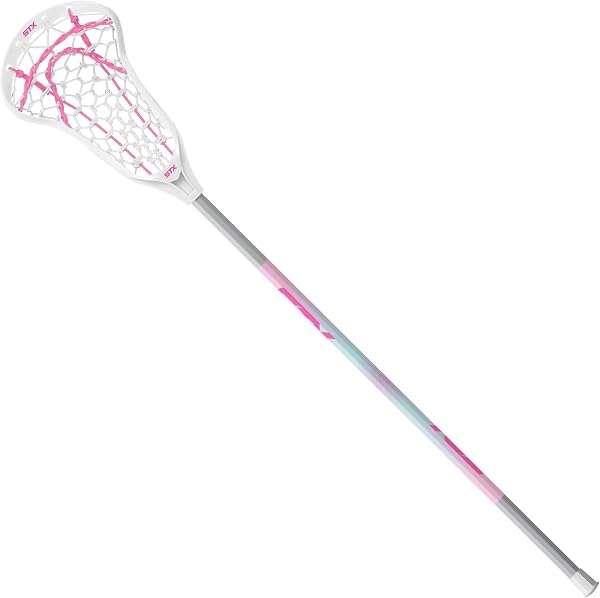
The STX Crux Pro Women's stick sits at the top tier of women's lacrosse equipment, targeting elite attackers who compete at high school varsity, club, and collegiate levels. The ultra lightweight head paired with the composite Crux Pro handle creates a stick that reduces player fatigue during long games and quick tournaments while maintaining the responsiveness that elite play demands.

We may earn a commission when you buy through this link, at no additional cost to you.
The Lock Pocket system is a significant advantage for competitive women’s lacrosse because it maintains a consistent pocket shape with easier adjustment than traditional stringing. Women’s lacrosse rules require shallower pockets than men’s, and maintaining legal pocket depth throughout a season can be challenging with basic mesh. Lock Pocket helps keep the pocket compliant and playable through weeks of practice and games.
The 7/8 inch diameter handle features extra grip texture designed specifically for the demands of women’s attack play, where quick stick changes, precise passing, and shot power all require reliable grip. The molded end cap that cannot come off addresses a common frustration with lower-quality sticks where end caps loosen or fall off during play. These design details reflect the premium positioning of this equipment.
Women’s and men’s lacrosse sticks are not interchangeable due to fundamental rule differences. Women’s sticks must have shallower pockets, different head shapes, and comply with specific stringing rules that men’s sticks don’t follow. Buying a men’s stick for a female player results in equipment that doesn’t meet league rules and won’t be allowed in games. Always confirm the stick is specifically designed for the player’s league and gender before purchasing.
Choose the Crux Pro if you’re an elite female attacker who competes seriously and needs equipment that matches your skill level. It’s genuinely built for the demands of high-level women’s lacrosse, and the near-perfect owner rating reflects consistent quality across the buyer base. For developing players who haven’t yet reached elite levels, consider the more accessible STX Crux 100 or Exult Rise as intermediate options.
Beginners or intermediate players who would benefit from developmental sticks before elite equipment.
We may earn a commission when you buy through this link, at no additional cost to you.
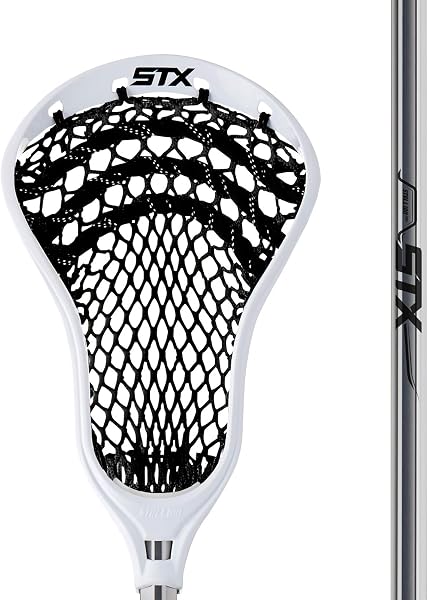
The STX Stallion 200 Boys targets young players who need a proper first stick for organized youth or middle school lacrosse. It draws design inspiration from the elite STX Stallion U550 head used by advanced players, giving beginners a head shape that helps develop proper fundamentals rather than teaching bad habits with a poorly designed pocket.

We may earn a commission when you buy through this link, at no additional cost to you.
The soft mesh stringing is particularly important for entry-level players because it forgives errors in catching technique and gives the ball a predictable pocket feel. Combined with the 6000 series alloy handle featuring tonal memory marker graphics, this stick delivers a balanced complete package at a price that makes sense for developing athletes who may outgrow their equipment within a season or two.
The construction meets both NCAA and NFHS rules, which matters more than beginners realize. A stick that doesn’t meet league requirements can be flagged during equipment checks, and buying a compliant stick from the start prevents needing to replace equipment mid-season. Attack and midfielder position spec makes this the appropriate choice for the majority of youth players who typically start in these positions.
Beginner sticks that borrow head design elements from advanced elite models help young players develop the muscle memory and technique they will use as they progress. A poorly designed beginner stick can teach compensating movements that become hard to unlearn later. Starting with a head shape inspired by pro-level equipment supports proper cradling, catching, and passing form from the start, which pays off as the player advances to more competitive levels.
Choose this stick if you’re outfitting a beginner or intermediate youth boys player who needs reliable STX construction without paying for elite features. It’s not the stick for varsity high school competition, but for building fundamentals and playing recreational or middle school lacrosse, it delivers real value from a trusted brand. Plan to upgrade to a composite-handled stick like the Stallion 700 once skills develop.
Advanced high school or elite competitive players who need composite handles and refined pocket systems.
We may earn a commission when you buy through this link, at no additional cost to you.
The STX Stallion 700 bridges the gap between entry-level youth sticks and elite high school gear, making it the sweet spot for middle school and early high school players who have developed fundamentals and need equipment that can keep up with their improving game. The advanced Stallion 700 Enduraform head paired with Memory Mesh delivers control and precision that basic sticks can't match.

We may earn a commission when you buy through this link, at no additional cost to you.
The iconic two-sidewall brace design provides optimal stability during shooting, checking, and ground ball battles. This construction detail directly affects how the stick responds during physical play, which becomes increasingly important as players advance to more competitive levels. The stability translates into more consistent passes, better ground ball retention, and stronger checks during defensive work.
The fiber composite handle is a meaningful upgrade over standard alloy shafts because it reduces weight while maintaining strength. The grit coating provides a non-slip grip surface that performs in rain, humidity, and sweaty game conditions when smooth handles become slippery. This is a genuine performance advantage during outdoor games where weather variables affect stick handling.
Composite handles reduce weight while maintaining strength, making them noticeably better for advanced players who play at faster paces and need quicker stick reactions. Alloy handles work fine for beginners and casual players, but competitive middle school and high school players benefit meaningfully from the upgrade. Consider composite when your player is playing multiple times per week, competing at competitive levels, or specifically noticing that stick weight is limiting their game.
Choose the Stallion 700 if your player has moved past the beginner stage and needs competition-grade equipment for middle school or JV high school play. It won’t compete with true elite sticks used at the highest levels, but for the developmental years when players are refining their game, it delivers the right combination of performance and value. Upgrade to elite sticks like the ECD Bravo1 setup once players reach varsity competitive levels.
True beginners who would benefit from a more forgiving entry-level stick before upgrading.
We may earn a commission when you buy through this link, at no additional cost to you.
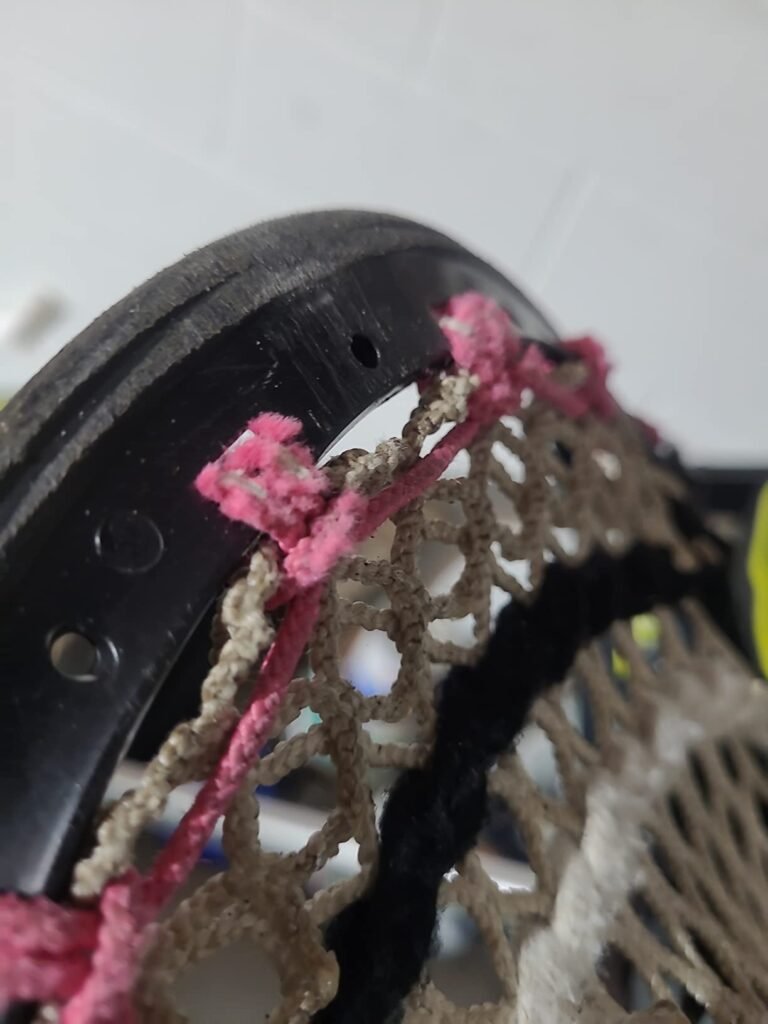
This complete attack and midfield stick targets budget-conscious buyers who need a legal, playable lacrosse stick without paying premium prices. At the lowest price point in this comparison, it delivers the essential elements a beginner needs: a professionally strung mesh pocket, a soft molded head, and a lightweight alloy handle that meets high school and college play rules.
We may earn a commission when you buy through this link, at no additional cost to you.
The professionally strung premium mesh is a genuine advantage over sticks that arrive with poorly-strung pockets requiring immediate adjustment. A pro-strung pocket is playable out of the box, letting new players focus on developing skills rather than fighting a stiff or misshapen pocket. This alone justifies the modest price for buyers who don’t want to deal with pocket restringing.
The head uses softer material designed to provide forgiving response, which matters more than beginners realize. A stiff head bounces balls off the pocket, while a softer head absorbs errors and helps beginners actually complete catches. This forgiving construction supports skill development during the frustrating early stages when players are still learning fundamental stick control.
Pocket quality dramatically affects how a lacrosse stick performs, and cheap sticks often ship with poorly-strung pockets that require immediate adjustment or replacement. A professionally-strung pocket delivers proper ball feel, consistent release point, and correct depth right out of the box. When comparing budget sticks, prioritize models that specifically mention professional stringing over cheaper alternatives that may need work before they’re playable.
Choose this stick if you’re outfitting a first-time player on a tight budget or need an inexpensive backup stick for practice. It’s not going to compete with established STX or ECD sticks for performance or long-term durability, but for basic learning and casual backyard play, it delivers real value. Consider upgrading to a branded stick once the player commits to serious training or organized competition.
Serious competitive players who need brand-name equipment and premium construction.
We may earn a commission when you buy through this link, at no additional cost to you.
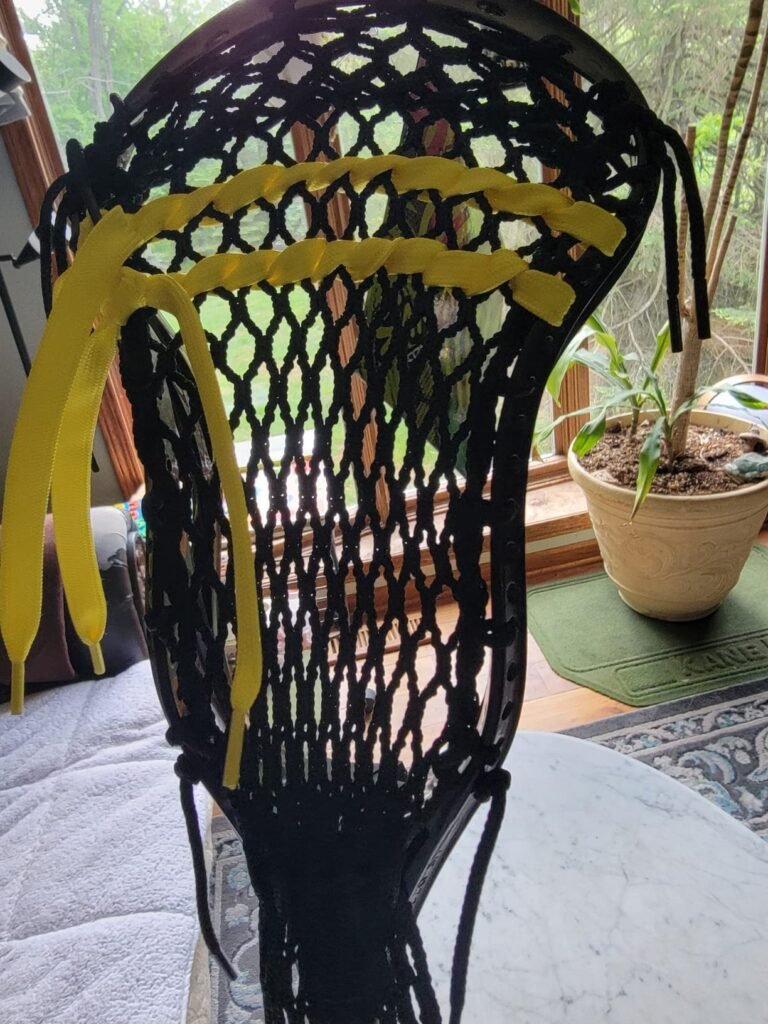
The Franklin Ambush stick targets beginner and intermediate players who want a well-featured aluminum stick from a recognized sporting goods brand. The 30-inch shaft length puts it in attack and midfield territory, making it appropriate for the majority of youth and recreational players who typically start in these positions.
We may earn a commission when you buy through this link, at no additional cost to you.
The Neo-Grip surface texture is a genuine performance feature that improves control and stability during cradling and quick hand adjustments. Grip texture matters during outdoor games when moisture, sweat, and rain can make smooth handles slippery. Franklin’s proprietary Neo-Grip provides reliable purchase even in adverse conditions, supporting confident stick handling during passes and shots.
The 10-diamond semi-soft mesh is designed to break in quickly, which is valuable for beginners who want to start playing rather than spending time working in a stiff new pocket. The semi-soft construction also allows for a deeper pocket that supports better ball control during cradling. Aluminum shaft construction keeps the stick lightweight and reduces drag during quick stick movements.
Aluminum shafts offer good weight and durability at accessible prices, making them the standard for beginner and intermediate sticks. Composite shafts reduce weight further while maintaining strength, which benefits advanced players who play at faster paces. For most youth and recreational players, aluminum provides everything needed at a much better price point. Upgrade to composite once your player specifically identifies that stick weight is affecting their game.
Choose the Franklin Ambush if you want a solid intermediate stick that ships ready to play from a mainstream sporting goods brand. It’s a strong pick for parents buying a first serious stick for a developing player, or for recreational adults who want reliable equipment without the commitment of a premium purchase. Not the choice for elite competitive play, but excellent for the developmental stages where most players spend the majority of their time.
Elite competitive players who need composite construction and advanced pocket systems.
We may earn a commission when you buy through this link, at no additional cost to you.
The STX Stallion 50 Youth is specifically sized for young beginner boys who need a stick they can actually control at their current size. Full-length adult sticks are too long and heavy for many young players, leading to poor technique and frustration. The 39-inch length combined with a thinner handle provides proper proportions for kids learning fundamentals.

We may earn a commission when you buy through this link, at no additional cost to you.
The forgiving response from the softer molded head is genuinely important for building confidence in young players. Failed catches and dropped balls during early practice can discourage kids from continuing, but a stick that helps them make successful plays keeps them engaged and motivated. This construction philosophy prioritizes learning success over premium performance.
The shorter and thinner handle makes cradling, catching, and throwing easier for smaller hands that can’t yet control full-size adult sticks. This detail matters more than most parents realize because a poorly-sized stick teaches wrong technique that becomes hard to unlearn. Starting with proper proportions supports correct fundamentals that translate to advanced sticks as the player grows.
Kids should move from youth sticks to full-length sticks based on physical size and skill development rather than age alone. Watch for signs that your player’s stick is limiting their game: consistently keeping hands too close together, struggling to reach checks or ground balls, or asking for a bigger stick. Most players make the transition around age 10 to 12, but well-developed younger players may be ready earlier and smaller kids may benefit from staying with youth sticks longer.
Choose the Stallion 50 for young boys just starting lacrosse, typically ages 6 to 10 depending on size and strength. Note the specific warning that this is not for use in girls lacrosse due to rule differences between boys’ and girls’ games. Plan to upgrade to a full-length stick like the Stallion 200 once the player grows into it, but starting with age-appropriate equipment supports proper development from day one.
Girls lacrosse players or older youth who have outgrown youth-sized equipment.
We may earn a commission when you buy through this link, at no additional cost to you.
The STX Crux 100 Girl's stick targets young female lacrosse players who play attack and want equipment that supports their position-specific needs. Women's lacrosse rules require different pocket depths and head shapes than men's rules, and this stick is designed specifically to comply with those requirements while helping developing attackers build attack-appropriate skills.

We may earn a commission when you buy through this link, at no additional cost to you.
The signature Crux face shape provides a tight pinch into a wide catching area, giving attackers the ball control advantage they need for accurate shots on goal. This head design specifically supports the shooting and passing techniques that attackers use most, rather than the more general-purpose design of a midfielder or defender stick. Position-specific equipment supports position-specific skill development.
The Lock Pocket Jr system maintains a consistent pocket shape with easy maintenance, addressing one of the most common frustrations with women’s lacrosse sticks. Traditional stringing can shift and require adjustment throughout a season, but Lock Pocket provides stability that lets players focus on their game rather than pocket maintenance. This is a valuable feature for young players who may not yet know how to adjust traditional stringing.
Girls lacrosse sticks are often designed with position-specific head shapes and pocket configurations. Attack sticks like the Crux 100 emphasize ball control and shooting precision, while midfielder sticks like the Exult Rise focus on all-around versatility. Defender sticks are usually the same length as attack sticks in women’s lacrosse. Match the stick to the player’s actual position for the best skill development, but general-purpose sticks work fine for developing players who may still be exploring different positions.
Choose the Crux 100 for young female attackers who are moving beyond beginner stage and need attack-specific equipment. It won’t compete with the elite Crux Pro at the highest levels, but for developing players learning attack fundamentals, it delivers the right combination of features and value. The 7/8 inch alloy handle provides comfortable grip proportioned for developing players.
Girls playing midfielder or defense who would benefit from position-specific alternatives.
We may earn a commission when you buy through this link, at no additional cost to you.
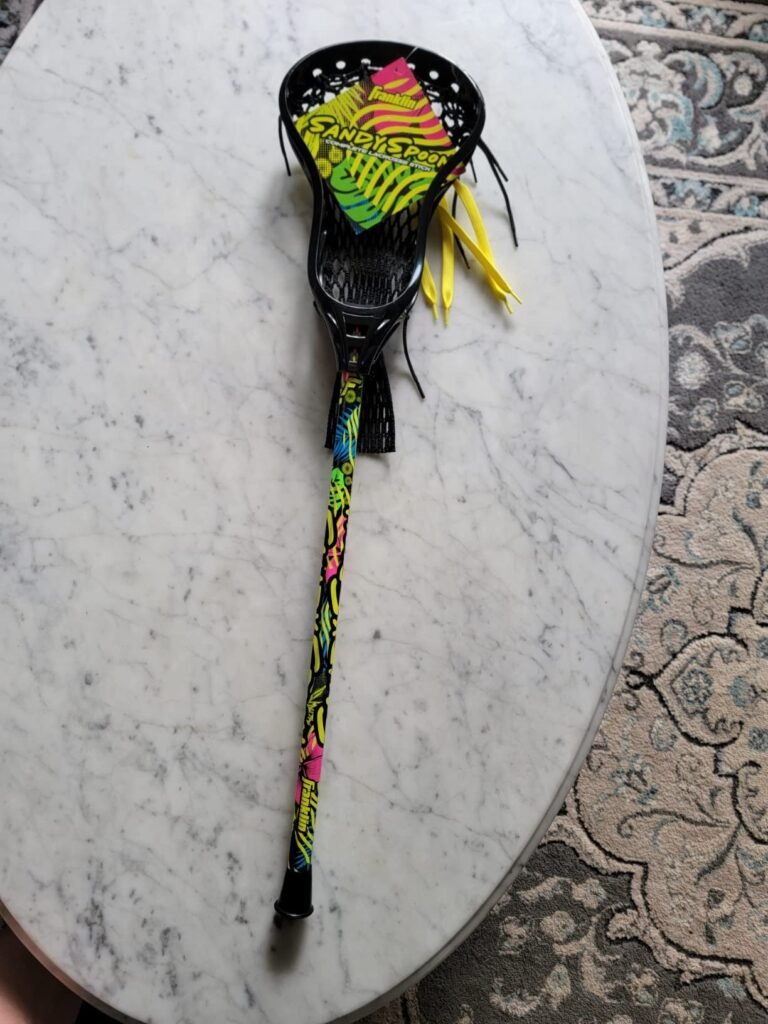
This Franklin youth stick combines the trusted USA Lacrosse branding with features that specifically support young players building their skills. The 36-inch length is well matched for youth attack and midfield play, giving kids a stick they can properly control while learning the fundamentals of stick handling, cradling, and shooting.

We may earn a commission when you buy through this link, at no additional cost to you.
The ready-to-play pocket features 10-diamond semi-soft mesh that breaks in quickly, letting young players start developing real skills rather than fighting a stiff new pocket. This mesh construction also provides excellent ball feel for smooth cradling, sharp passes, and accurate shots right out of the box. The pocket construction is optimized for developing players’ learning curves.
The exclusive QR code access to USA Lacrosse drills and training content is a genuinely useful bonus that other sticks don’t provide. New players and parents often struggle to find quality practice resources, and having curated training content from the official governing body of American lacrosse gives young athletes a structured path for skill development. This adds meaningful value beyond the physical stick itself.
Buying equipment that includes access to quality training content addresses a common problem for lacrosse newcomers: not knowing what drills to practice or how to develop skills systematically. Structured training content from the sport’s governing body provides a reliable starting point that goes beyond what parents can typically find through casual internet searches. This makes bundled training access a genuine value-add for families new to lacrosse.
Choose this stick if you’re outfitting a beginner or intermediate youth boys player and value the combination of proper equipment with training resources. The Neo-Grip textured shaft provides comfort and stability that helps prevent slipping during quick hand adjustments. It’s an excellent choice for parents new to lacrosse who need both equipment and educational support for their young player.
High school competitive players who need advanced composite construction and elite features.
We may earn a commission when you buy through this link, at no additional cost to you.
The STX Exult Rise Girl's stick is engineered specifically for young female lacrosse players developing into midfielder positions. Midfield is arguably the most demanding position in lacrosse because it requires both offensive and defensive skills, and the moderate offset design of this stick supports the versatile play midfielders need.

We may earn a commission when you buy through this link, at no additional cost to you.
The moderate offset provides additional control that empowers developing athletes to maintain possession, execute precise passes, and navigate the field with confidence. Offset refers to how the head angles down from the shaft, and moderate offset offers a balance between the deep offset preferred by attackers and the neutral profile preferred by defenders. For midfielders working the full field, this balance is genuinely useful.
The Lock Pocket Jr system delivers the same consistent pocket shape and easy maintenance found on other STX girls’ sticks in this comparison. Combined with the 7/8 inch profile 6000 alloy handle, this stick provides a comfortable grip and responsive feel that supports the agility and finesse midfielders need for effective playmaking. The ergonomic design helps young players build proper technique from the start.
Head offset refers to how much the head angles down from the plane of the shaft, and it affects ball retention, passing accuracy, and shooting release. Deep offset heads favor ball control and shooting power, ideal for attackers. Neutral or low offset heads favor quick release and precise passing, ideal for defenders. Moderate offset splits the difference, making it the versatile choice for midfielders who need both attack and defensive capabilities.
Choose the Exult Rise if you’re outfitting a young female midfielder who is moving past beginner stage into more competitive play. It’s specifically designed for the demands of midfield rather than being a general-purpose stick, which supports position-specific skill development. Female attackers would be better served by the Crux 100, while advanced players should consider stepping up to the elite Crux Pro.
Girls playing attack positions who would benefit from an attack-specific stick like the Crux 100.
We may earn a commission when you buy through this link, at no additional cost to you.
The STX Stallion 200 Defense targets young players who are moving into defensive positions and need equipment matched to that specialized role. Defensive players use significantly longer poles than attackers and midfielders, and switching from a short stick to a defensive pole requires equipment specifically designed for the longer reach and defensive techniques.

We may earn a commission when you buy through this link, at no additional cost to you.
The pole length is the defining feature that separates defensive sticks from attack and midfielder equipment. Defenders use the extra length to check opposing attackers from a distance, disrupt passing lanes, and provide zone defense coverage. Learning to control the longer pole is a skill unto itself, and starting with a properly-designed defensive stick supports development of correct defensive technique.
The soft mesh stringing helps entry-level defenders build confidence with ball control after checks and ground ball battles. The STX 6000 series alloy handle featuring tonal memory marker graphics delivers reliable construction at a beginner-appropriate price. This is the same trusted STX quality found in the attack version of the Stallion 200, adapted for defensive play requirements.
Players don’t typically specialize into defense until they’ve developed general lacrosse fundamentals and shown aptitude for defensive play. Coaches usually move players into defense based on physical size, aggressive play style, and comfort with longer sticks. Don’t rush into buying a defensive pole for a young player who’s still exploring different positions. Wait until they’re committed to defense before investing in position-specific equipment, or start with a versatile attack/midfielder stick until the specialization is clear.
Choose the Stallion 200 Defense for young players committing to defensive positions who need equipment sized appropriately for their role. The longer pole requires more strength and coordination than attack sticks, so make sure your player is physically ready to handle a long pole before making this purchase. For casual play where positions rotate, an attack or midfielder stick may be more versatile than a defense-specific pole.
Attackers, midfielders, or young players who haven’t yet specialized into defensive positions.
We may earn a commission when you buy through this link, at no additional cost to you.
Choosing a lacrosse stick involves matching the equipment to the player’s age, size, position, gender, skill level, and competition demands. The right stick supports skill development and game performance, while the wrong stick can teach bad habits and frustrate players. This section breaks down the factors that actually matter when making this decision.
Stick length must match player size for proper technique development. Young players need shorter, thinner-shafted sticks like the STX Stallion 50 Youth at 39 inches, while older youth and adults need full-length sticks around 36 to 40 inches for attack and midfield positions, or longer poles for defense. Using an oversized stick teaches wrong hand positioning and prevents proper cradling technique.
Physical size matters as much as age. A large 8-year-old may handle a longer stick better than a small 10-year-old. Watch for signs that a stick is wrong-sized: hands too close together, difficulty controlling the head during cradling, or the stick dragging on the ground. Young beginners typically start with 32 to 40 inch sticks, with full-length sticks becoming appropriate around ages 10 to 12 depending on physical development.
For young beginners under 10, prioritize youth-specific sticks over adult sticks scaled down. Youth sticks like the Signature Starter Stick or STX Stallion 50 have proportions designed for smaller hands and lighter body weights.
Lacrosse positions require different stick lengths and head designs. Attackers and midfielders use short sticks around 36 to 40 inches with heads designed for ball control and shooting. Defenders use long poles around 52 to 72 inches with heads emphasizing checking and reach. Goalies use specialized wide-head sticks that don’t apply to field players. Girls’ lacrosse has different position-specific stick designs from boys’ lacrosse.
For beginners who haven’t specialized, general attack/midfielder sticks are the most versatile choice because most players start in these positions. Committing to a defense-specific stick like the STX Stallion 200 Defense should wait until the player has clearly specialized into defensive play. Girls’ sticks with position-specific designs like the STX Crux 100 for attackers or Exult Rise for midfielders support position-specific skill development once specialization becomes clear.
For players still exploring positions, prioritize versatile attack/midfielder sticks. Specialize equipment only after the player has committed to a specific position and shown they can handle position-specific demands.
Boys’ and girls’ lacrosse sticks are not interchangeable due to fundamental rule differences between the two games. Girls’ lacrosse rules require shallower pockets, specific head shapes, and different stringing patterns than boys’ rules allow. Buying a boys’ stick for a girl player or vice versa results in equipment that doesn’t meet league requirements and won’t be allowed in games. This is a critical distinction that some parents new to lacrosse don’t realize until an equipment check reveals the problem.
Girls’ sticks like the STX Crux 100, Crux Pro, and Exult Rise are specifically designed to comply with women’s lacrosse rules while supporting position-specific play. Boys’ sticks like the STX Stallion 200 and Franklin Ambush are designed for men’s lacrosse rules with deeper pockets and different head geometries. Always confirm the stick is designed for the correct gender before purchasing.
Match the stick specifically to the player’s league and gender. Never assume a stick is universal, and check league equipment requirements before purchasing to avoid buying non-compliant gear.
Shaft material affects weight, durability, and price significantly. Aluminum shafts like those on the Franklin Ambush and STX Stallion 200 offer good balance of weight and durability at accessible prices, making them the standard for beginner and intermediate sticks. Composite shafts like the STX Stallion 700 and Crux Pro reduce weight while maintaining strength, which benefits advanced players who play at faster paces.
Alloy shafts using 6000 series aluminum are common in entry-level sticks and provide reliable performance for youth and recreational players. Premium alloys like Scandium-Titanium used in the Silverfin Sc-Ti offer weight reductions and strength improvements over standard aluminum. Composite construction represents the top tier for competitive play, delivering the lightest weight and most responsive feel for elite players.
Beginners and casual players get more value from quality aluminum shafts than from paying premium prices for composite. Upgrade to composite once your player specifically identifies that stick weight is affecting their game or reaches competitive levels where every advantage matters.
The pocket is arguably the most important component of a lacrosse stick because it determines how the ball feels during catching, cradling, passing, and shooting. Soft mesh like that on the STX Stallion 200 forgives errors and helps beginners make successful plays. Memory Mesh in the STX Stallion 700 provides more consistency and responsiveness for developing players. Lock Pocket systems like those on the STX Crux Pro and Exult Rise maintain consistent shape with easy maintenance.
Semi-soft 10-diamond mesh in Franklin sticks strikes a balance between ease of break-in and long-term pocket performance. Traditional stringing offers the most customization but requires skill to adjust properly. Pre-strung Lock Pocket systems eliminate the need for restringing while maintaining legal pocket depth throughout a season. For women’s lacrosse specifically, pocket depth compliance is critical because rules require shallower pockets than men’s rules allow.
For beginners, prioritize soft mesh or Lock Pocket systems that are ready to play out of the box. For advanced players, consider whether traditional stringing customization matters enough to justify learning the maintenance skills required.
Handle grip affects how confidently players can execute quick stick moves, especially in wet or humid conditions. Textured grips like the Neo-Grip on Franklin sticks or the grit coating on the STX Stallion 700 provide reliable purchase during passes, shots, and defensive plays. Smooth handles work fine in ideal conditions but can become slippery when players’ hands are sweaty or during rainy games.
Handle diameter also affects feel and control. Standard 7/8 inch handles like those on STX girls’ sticks provide comfortable grip for developing players. Some elite sticks offer thinner profiles for advanced players who prefer maximum stick feel, while some beginner sticks use thicker profiles for easier grip. Match handle diameter to the player’s hand size and skill level.
For outdoor play in variable weather, prioritize textured grips over smooth handles. For indoor practice or ideal outdoor conditions, either works fine. Handle grip is one of the meaningful upgrade points when moving from beginner to competitive equipment.
Match the stick to the player’s actual skill level and competition demands rather than aspiring to elite equipment they can’t yet use effectively. Beginner sticks like the STX Stallion 50 or Signature Starter Stick prioritize forgiveness and skill development at accessible prices. Intermediate sticks like the STX Stallion 200 or Franklin Ambush add competition-grade features for developing players. Elite sticks like the STX Crux Pro or ECD Bravo1 Elite Setup deliver premium construction for high-level competitive play.
Buying premium equipment for a beginner rarely accelerates development and often wastes money because young players outgrow sticks quickly and don’t yet have the skills to appreciate elite features. Similarly, buying beginner equipment for a competitive player limits their game performance and may put them at a disadvantage against opponents using appropriate gear. Honest assessment of the player’s current level helps make smart equipment decisions.
Be realistic about competition level when choosing. Youth recreational players don’t need elite composite sticks, and varsity high school competitors need equipment that matches their commitment level. Upgrade equipment as skills develop rather than trying to purchase performance improvements upfront.
Break in new sticks with regular use over the first few weeks to develop the pocket to its ideal shape and depth. New pockets can feel stiff at first, and playing catch, wall ball, and drills helps the mesh soften and settle into consistent form. For soft mesh sticks, break-in happens naturally through use. For semi-soft or hard mesh, wetting the pocket lightly and playing with a broken-in ball can speed up the process. Check pocket depth regularly to ensure it stays within league rules, especially for women’s lacrosse where compliance is strict.
Store your stick properly to protect the pocket shape and shaft integrity. Keep it out of direct sunlight and away from extreme heat, both of which can warp plastic heads and degrade mesh. Avoid leaving the stick in a hot car or garage during summer months. Store it upright or hanging rather than laying flat with weight on the head, which can distort pocket shape over time. Loosen the shooting strings slightly before long-term storage to preserve pocket depth.
Maintain your stick by wiping down the shaft and head after games and practices to remove dirt, sweat, and moisture. Check the mesh regularly for wear, especially in the shooting strings and lower channels where friction is highest. Replace worn shooting strings before they break during play, and consider having the pocket restrung once per season for competitive players. Inspect the head for cracks or damage after hard checks and impacts, and don’t play with a compromised head that could fail during a game and cause injury.
Stick size depends on age, position, and physical development. Young beginners typically use 32 to 40 inch sticks. Attack and midfielder players use full-length sticks around 36 to 42 inches. Defenders use long poles from 52 to 72 inches depending on league rules. Girls' sticks have different length standards than boys' sticks. Match the stick to the player's actual size and position rather than defaulting to a specific length.
Boys' and girls' lacrosse have fundamentally different rules that require different stick designs. Girls' sticks have shallower pockets, different head shapes, and specific stringing requirements. Boys' sticks have deeper pockets and heads optimized for the more physical men's game. Using the wrong gender stick means the equipment won't meet league rules and won't be allowed in games. Always match the stick specifically to the player's league and gender.
For beginners and youth players, complete sticks are almost always the right choice because they come pre-assembled and pre-strung, ready to play out of the box. Advanced players sometimes buy heads and shafts separately to customize their setup with specific components. Unless you have specific preferences about head design or shaft characteristics, a complete stick from a trusted brand like STX or ECD delivers everything most players need.
Entry-level youth sticks start around $30 to $50 and work fine for beginners and casual players. Intermediate sticks at $50 to $75 offer better construction for developing players. Advanced sticks at $75 to $125 feature composite construction and refined pocket systems. Elite sticks over $150 deliver premium components for competitive high school and college play. Match spending to the player's current skill level rather than paying for features they can't yet use.
A quality lacrosse stick can last multiple seasons with proper care, though youth players often outgrow their sticks before wearing them out. Heads may crack under hard impacts and need replacement. Mesh pockets typically need restringing once per season for competitive players. Shafts can bend or break in serious collisions. Regular inspection and maintenance extend useful life significantly, but expect to replace pieces or complete sticks as players progress through age groups and skill levels.
Yes, most players use one stick for both practice and games, though serious competitive players sometimes maintain a dedicated game stick separate from a practice stick. This rotation extends the life of the game stick and provides a backup if the primary stick fails. For youth and recreational players, one well-maintained stick handles both uses effectively. Consider a second stick only when you have specific reasons to preserve your primary equipment.
Mesh pockets use a woven synthetic material that's easier to install and maintain, and it's now the standard for most modern lacrosse sticks. Traditional stringing uses individual leather strings woven through the head, offering more customization but requiring skill to string and maintain properly. Beginners should always start with mesh because it delivers reliable performance without stringing expertise. Advanced players may prefer traditional stringing for specific pocket characteristics.
Beginners should stick with pre-strung pockets rather than attempting to string their own. Stringing requires specific skills and knowledge that take time to develop, and a poorly-strung pocket performs worse than a professionally-strung one. Advanced players sometimes learn stringing to customize their setups, but most players never need this skill because quality complete sticks come with proper stringing installed. Have a coach or experienced player restring your pocket if needed.
Yes, established brands like STX, ECD, Franklin, and Silverfin invest in research, materials, and construction quality that generic sticks often lack. This shows up in head design, mesh quality, shaft materials, and overall durability. Generic sticks can work for casual play, but competitive players benefit meaningfully from established brand equipment. For serious youth and high school players, spending on a trusted brand delivers better performance and longer useful life.
Warranty coverage varies by brand and model. Some manufacturers like Signature offer lifetime warranties on their starter sticks. Others provide standard limited warranties against manufacturing defects. Premium sticks often include more comprehensive coverage than budget alternatives. Check the specific warranty terms before purchasing, especially for higher-priced sticks where the cost of replacement would be significant. Warranty support adds real value for competitive players who put equipment through hard use.
The STX Stallion 700 stands out as the strongest overall pick for developing players because it delivers competition-ready composite construction, the advanced Enduraform head, and super soft Memory Mesh at a price that makes sense for middle school and early high school athletes. For players who have moved past the beginner stage and need equipment that supports their improving skills without stepping up to elite pricing, the Stallion 700 hits the sweet spot with trusted STX construction and thoughtful upgrades over entry-level alternatives.
For different buyer profiles, several alternatives deserve serious consideration. The STX Stallion 200 Boys is the smart Best for Beginners choice for young players starting organized lacrosse, while the STX Stallion 50 Youth works well for even younger beginners who need proper youth sizing. The STX Crux Pro Women's takes the Premium Pick badge for elite female attackers who compete at high levels. Female midfielders should look at the STX Exult Rise, while young attackers benefit from the STX Crux 100. Budget-conscious buyers can consider the Franklin Ambush or Franklin USA Lacrosse Youth for value from established sporting goods brands.
The right stick for you depends on the player's age, position, gender, skill level, and competition demands. Match the equipment honestly to the player's actual level rather than aspiring to elite gear they can't yet use effectively. Use the comparison table and reviews above to narrow your options based on your specific priorities, then invest in a stick that supports skill development at the current stage. Good equipment matters, but consistent practice and quality coaching drive the real skill development that turns beginners into competitive players over time.