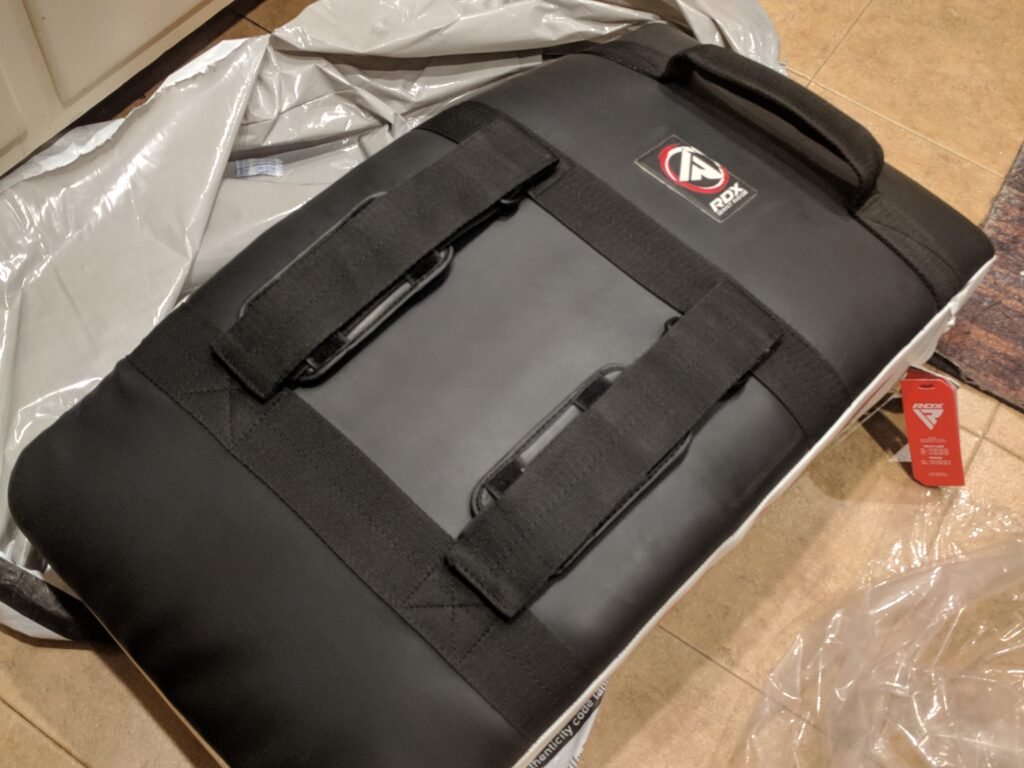
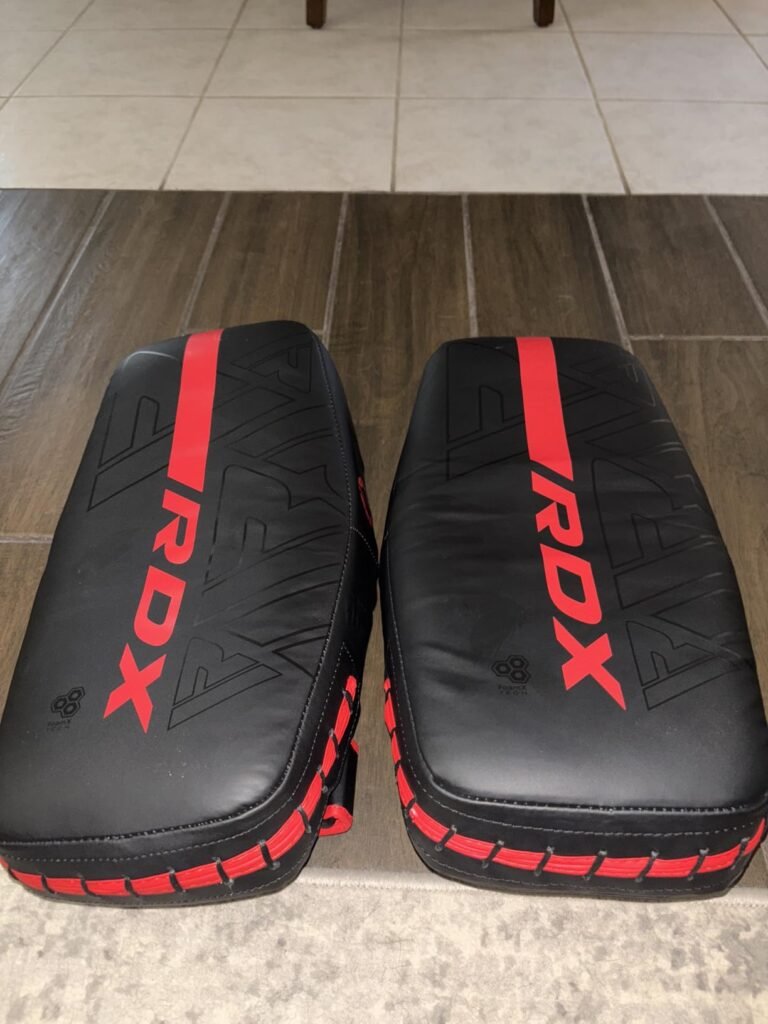
RDX Large Curved
9.4Editor score60x36cm striking area
13cm padded thickness
Three padded handles
SpongEX foam core
Find the right kick shields for 2026. We compare 10 standout options by build quality, useful features, owner feedback, value, and everyday trade-offs.
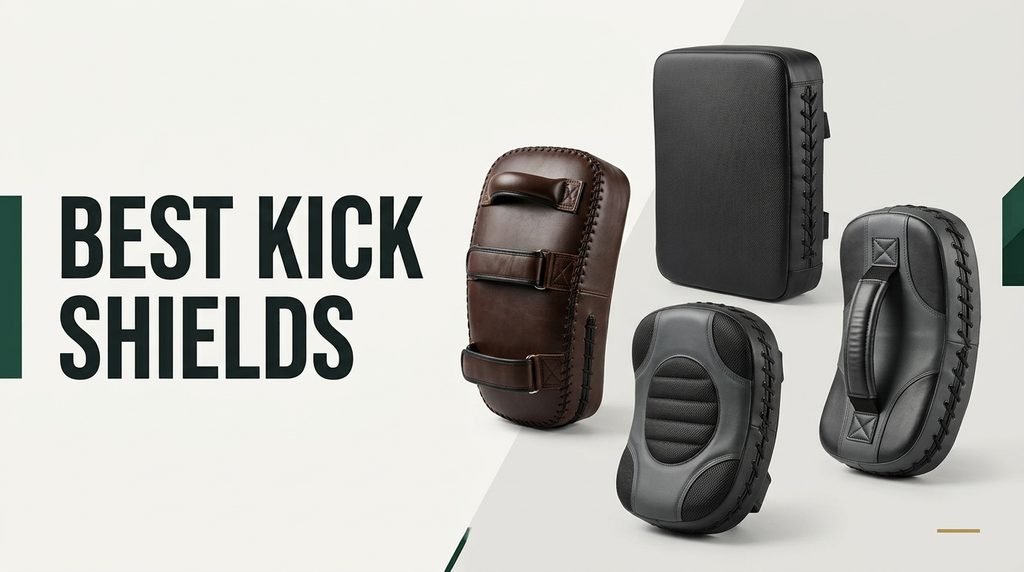
Choosing the right kick shield shapes how effectively you can drill power kicks, knees, and combinations without wearing out your training partner. This 2025 comparison looks at 10 striking pads across the details that matter: foam density, thickness, striking area, handle configuration, outer leather quality, stitching reinforcement, holder comfort, and how well each shield holds up under repeated heavy contact.
The differences between shields are more significant than they first appear. A pad built for pro Muay Thai coaching feels nothing like a beginner training shield, and a compact leg kick pad serves a completely different purpose than a full-body striking wall. Weight, curvature, and handle placement all affect how the shield behaves when you’re absorbing high-volume rounds.
This guide breaks down which shields suit heavy hitters, which work best for youth or beginner coaching, and which cross over into other contact sports like football and rugby. Understanding these differences up front helps you match the shield to your actual training goals rather than paying for features you won’t use.
We compared 10 kick shields using the criteria that genuinely affect training quality: foam density and thickness, striking area dimensions, handle count and placement, outer material durability, stitching reinforcement, holder comfort, discipline compatibility, warranty support, and owner feedback. The notes focus on practical trade-offs so each pick reflects how coaches and training partners actually use these pads for Muay Thai, MMA, kickboxing, and multi-sport contact drills.


Compare key features, scores, and current prices side by side. A shorter feature list means fewer details were available, not necessarily fewer capabilities.


Fairtex curved Thai pads are widely regarded as the reference standard for serious Muay Thai training, and this reputation is earned through genuine cowhide leather construction and handmade production in Thailand. For fighters and coaches who take the sport seriously, the difference in feel and durability compared to entry-level synthetic pads is immediately apparent.

We may earn a commission when you buy through this link, at no additional cost to you.
The curved shape is engineered specifically for the demands of Muay Thai coaching, where trainers hold pads round after round while fighters throw at full intent. Thick padding absorbs impact without transmitting shock into the holder’s arms, and the curve naturally catches kicks, knees, and elbows with a solid feel that fighters find satisfying. This isn’t marketing language, it’s the reason Thai pads are considered essential in serious gyms.
Two support straps provide holder comfort during long coaching sessions. Fairtex specifically designed these to be lightweight, which matters more than beginners realize because holding heavy pads through five-minute rounds accumulates fatigue quickly. Lighter pads let coaches maintain proper form and positioning throughout a training session, which directly benefits the fighter working with them.
Pads made in Thailand by manufacturers like Fairtex benefit from decades of refinement based on feedback from active Muay Thai fighters and trainers. The construction techniques, foam layering, and leather quality are optimized specifically for the demands of the sport rather than adapted from generic sporting goods manufacturing. This shows up in subtle details like weight distribution, catch feel, and long-term durability that separate premium Thai pads from mass-produced alternatives.
This is the shield to buy if you’re serious about Muay Thai and willing to invest in top-tier equipment. The premium cowhide leather requires more care than synthetic alternatives, but it develops character with use and typically outlasts cheaper pads several times over. For competitive fighters, dedicated coaches, and gyms that expect daily heavy use, the price is justified.
Budget-conscious beginners who don’t yet need pro-grade equipment for their training level.
We may earn a commission when you buy through this link, at no additional cost to you.
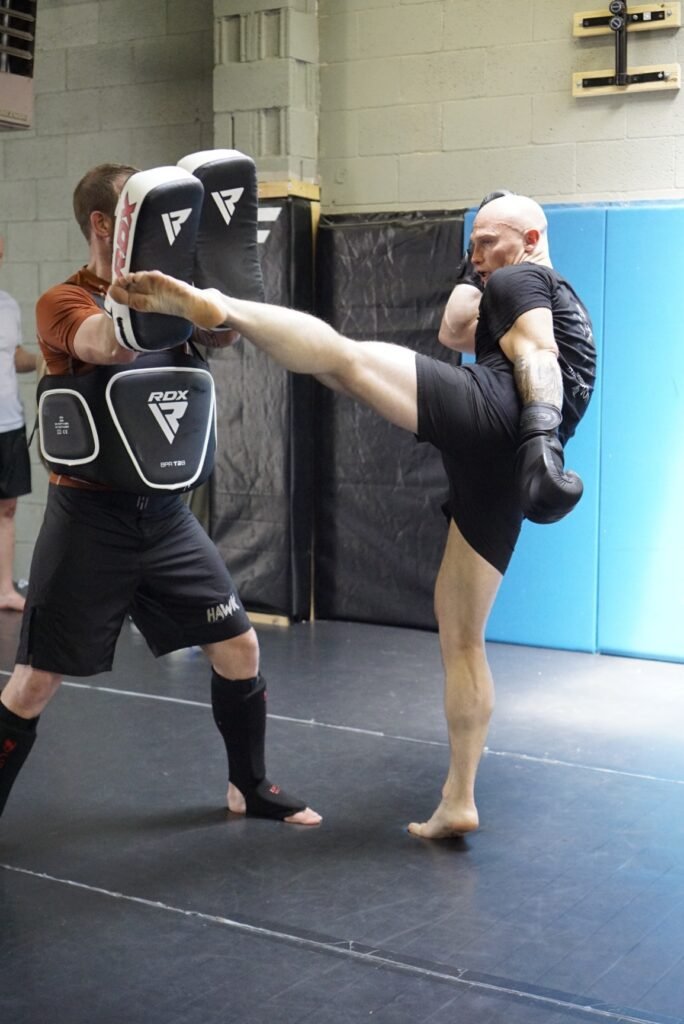
This RDX shield is designed for serious striking practice where the holder needs meaningful protection against powerful kicks, knees, and elbows. The 60 by 36 centimeter striking area is one of the largest in this comparison, giving your training partner plenty of margin to catch high roundhouse kicks, teep kicks, and knee strikes without needing pinpoint accuracy on every rep.
We may earn a commission when you buy through this link, at no additional cost to you.
The 13-centimeter thickness paired with SpongEX and Denzo Tron padding does a genuine job of diffusing impact across the surface. This matters more than most beginners realize because a thin pad transfers force directly into the holder’s arms and torso, leading to fatigue and eventual bruising during long rounds. Thicker, layered foam turns hard strikes into manageable impact.
The three-handle configuration includes padded lower straps with Maya Hide leather and a PVC reinforced top handle. The double hook-and-loop closure on the lower straps prevents the shield from shifting mid-round, which is a common frustration with cheaper pads. Adjustability lets holders of different arm sizes find a secure grip.
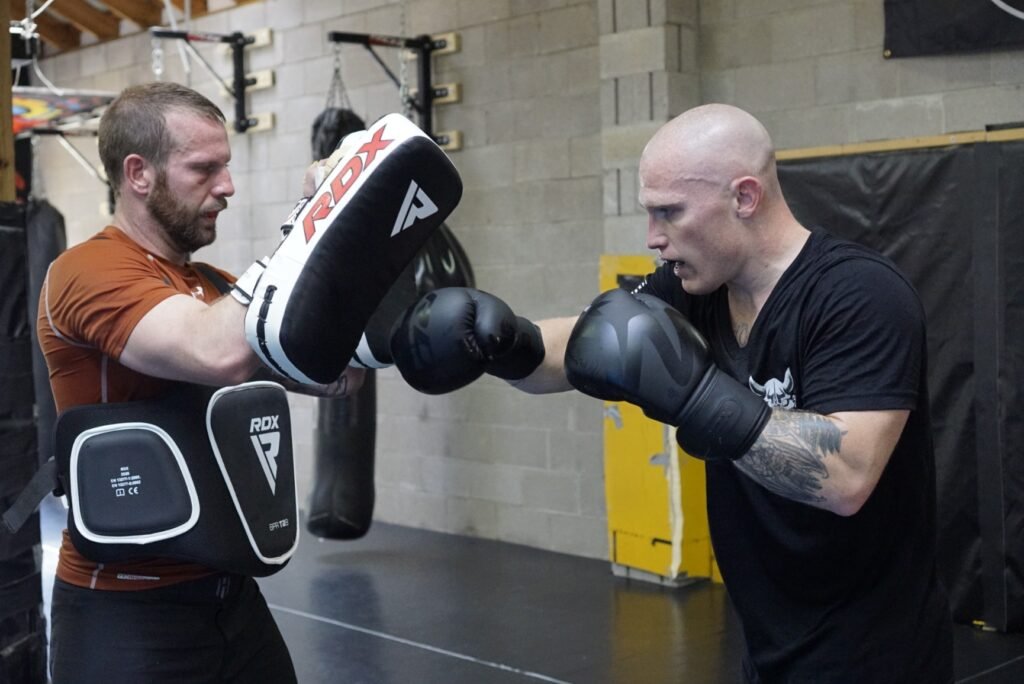
A curved striking pad wraps around the holder’s torso, which distributes the force of kicks and knees more evenly across their body rather than concentrating impact on a single flat surface. This makes long training rounds significantly more comfortable for the person holding the pad, which in turn lets the striker throw with real intent instead of pulling shots to protect their partner. Curvature also improves ball catches on hooks and body shots.
This is the shield to choose if you or your training partner work high volume Muay Thai, MMA, or kickboxing rounds and need pro-grade impact absorption. The size and weight make it less ideal for kids or lightweight users, but for adult heavy hitters it delivers the kind of protection that lets you train hard without wearing out your partner.
Youth practitioners or lightweight users who need a smaller, easier-to-handle training pad.
We may earn a commission when you buy through this link, at no additional cost to you.
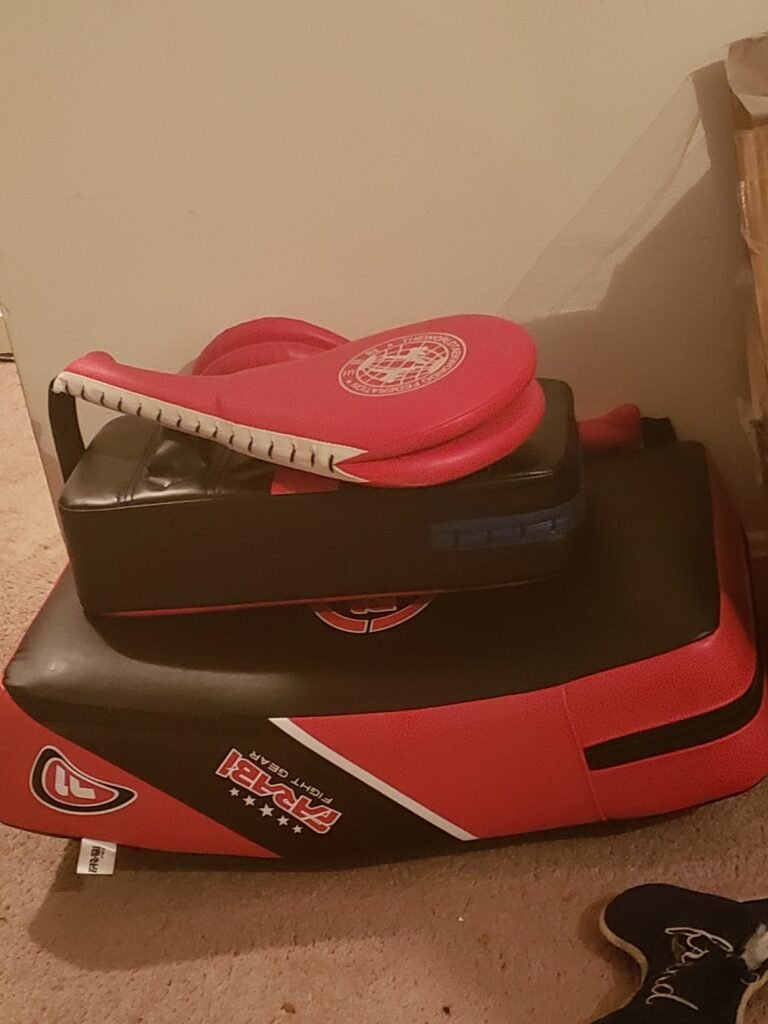
The Farabi Sports shield targets everyday coaching and training use where you want a properly sized striking pad without paying premium Thai-import prices. The 20.5 by 14.5 inch target area sits between compact leg kick pads and oversized professional shields, making it a versatile option for a wide range of drills.
We may earn a commission when you buy through this link, at no additional cost to you.
Five layers of padding in a 4.5-inch profile handle strong strikes from Muay Thai, kickboxing, karate, and MMA drilling. The layered construction distributes impact through multiple foam densities rather than relying on a single thick block, which typically produces a more responsive catch feel that trainers appreciate during long rounds.
The handle and strap combination gives the holder solid control from multiple angles. One durable center handle anchors the shield vertically for kicks and knees, while two adjustable straps let you brace it across your forearm for punch combinations and body drills. This flexibility matters because good coaching often means transitioning between kick catches and mitt-style holds without swapping equipment.
Layered foam construction is more sophisticated than a single block of dense foam because different densities absorb different types of impact. Softer outer layers catch the initial strike smoothly, while denser inner layers stop the force from reaching the holder. This layered approach reduces the sharp jolt that cheaper pads transmit, making longer coaching sessions genuinely more comfortable.
This shield suits recreational fighters, hobbyist coaches, and small gyms that need a reliable multi-purpose pad. It won’t compete with premium Thai-made shields in outright durability, but the balance of features and price makes it a smart everyday choice for anyone who trains multiple times per week.
Heavy hitters who need pro-grade thickness above 5 inches for full-power leg kicks.
We may earn a commission when you buy through this link, at no additional cost to you.
This RDX arm pad occupies a specific niche between mitts and full-size shields, giving coaches a compact striking target that works well for combination drills, footwork practice, and reflex sharpening. At 37 by 19 centimeters, it's easy to move quickly and reposition, which is what makes it useful for dynamic training where the holder is calling audibles and shifting angles.

We may earn a commission when you buy through this link, at no additional cost to you.
IMT Gel Foam padding paired with the curved design distributes strikes evenly across the pad surface. This construction reduces the rebound effect that transfers force back into the holder’s arms, letting coaches work longer rounds without accumulating strain in their wrists and elbows. The curve also naturally catches hooks and roundhouse-style strikes.
Maya Hide leather forms the outer shell, backed by triple reinforced stitching and rivets at the seams. This combination is important because arm pads take a lot of edge stress during angled strikes and quick pivots. Cheaper stitching fails at the corners first, so reinforced construction meaningfully extends the pad’s useful life. Long quick hook-and-loop straps with an integrated padded patch make setup fast and comfortable.
Compact arm pads let coaches move dynamically and simulate an opponent’s movement, which is ideal for developing footwork, angles, and reflexes. Full-size shields are better for absorbing high-power single strikes and building raw striking capacity. Most serious training programs use both, with compact pads for skill development and shields for power work. Understanding this distinction helps you buy the right tool for the training you actually do.
This pad is best for coaches who work active pad rounds and want a versatile tool for offense-defense drills, not just static kick catching. It’s also useful for trainers who want to add mobility to their pad work rather than relying on a heavier static shield. Buying two matched pads unlocks the full range of combination drills.
Practitioners who need a large stationary shield for heavy-power leg kick drilling.
We may earn a commission when you buy through this link, at no additional cost to you.
The Hikeen pad crosses over between multiple contact sports, making it a smart pick for households or coaches who need one training tool that handles football tackling drills, basketball defense practice, martial arts sparring, and hockey work. The 24 by 16 inch dimensions provide a large target area without being unwieldy to handle.

We may earn a commission when you buy through this link, at no additional cost to you.
The denser foam core is a specific design choice that gives the pad more resistance to bending and warping under sustained heavy use. This matters for football blocking and tackling drills where the pad takes full-body impact repeatedly. The trade-off is a slightly firmer catch feel compared to softer Muay Thai foam, which some strikers prefer for building conditioning and others find harsh.
Five holding handles are a notable advantage, giving the holder multiple grip options depending on the drill. Horizontal grips work for football blocking, vertical grips catch kicks, and the additional straps let two people hold the pad together for very heavy contact drills. This handle system is one of the reasons the pad works across so many sports.
A multi-sport pad works best when you understand its limitations. Football and rugby drills favor denser foam and multiple handles for team blocking scenarios. Martial arts favor curved surfaces and thick shock-absorbing padding. A general-purpose pad compromises between both, which is fine for varied training but not optimal for pure Muay Thai power work. Be realistic about what your primary sport demands before choosing.
Choose this pad if you coach or train across multiple contact disciplines and want one versatile tool rather than a specialized shield for each sport. It won’t replace a purpose-built Muay Thai shield for high-volume kick catching, but for general-purpose contact training it delivers solid value.
Pure Muay Thai practitioners who want a curved shield optimized for heavy roundhouse kicks.
We may earn a commission when you buy through this link, at no additional cost to you.
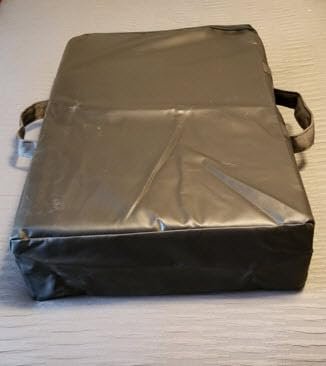
The Fairtex LKP1 is a specialty tool designed specifically for leg kick training, which is a distinct discipline within Muay Thai and kickboxing. The suitcase-style form factor lets a holder present a broad, low target for calf kicks, low roundhouses, and inside/outside leg attacks without needing to bend awkwardly or hold a full-size shield at knee level.

We may earn a commission when you buy through this link, at no additional cost to you.
Syntek synthetic leather forms the outer surface, chosen for durability and long-term wear resistance. Multi-layer foam padding delivers real shock absorption, which is essential because low kicks generate significant force despite the compact target area. A properly padded leg kick shield lets holders absorb full-power strikes without accumulating pain in their hands and forearms.
The compact portable size is a genuine practical advantage. Full-size Muay Thai shields can be awkward to transport and store, while a suitcase-style pad fits into a gear bag alongside gloves and shin guards. For fighters preparing for competition or coaches traveling between gyms, this portability matters.
Leg kicks are one of the most damaging techniques in Muay Thai and MMA, but they require specific angles, timing, and setups that are hard to drill effectively with a full-size body shield. A dedicated leg kick pad lets holders present the target at the exact height and angle used in live combat, which improves the striker’s accuracy and power delivery on this specific technique. Serious kickboxing programs typically include a dedicated leg kick pad in their equipment.
Choose this shield if leg kick development is a specific focus in your training. It’s not a general-purpose striking pad, and it doesn’t replace a full-size shield for high-line work. But for dedicated leg kick rounds, timing drills, and specialized coaching, the design does something no oversized shield can match.
Beginners looking for a general-purpose striking pad or those who don’t specifically train leg kicks.
We may earn a commission when you buy through this link, at no additional cost to you.
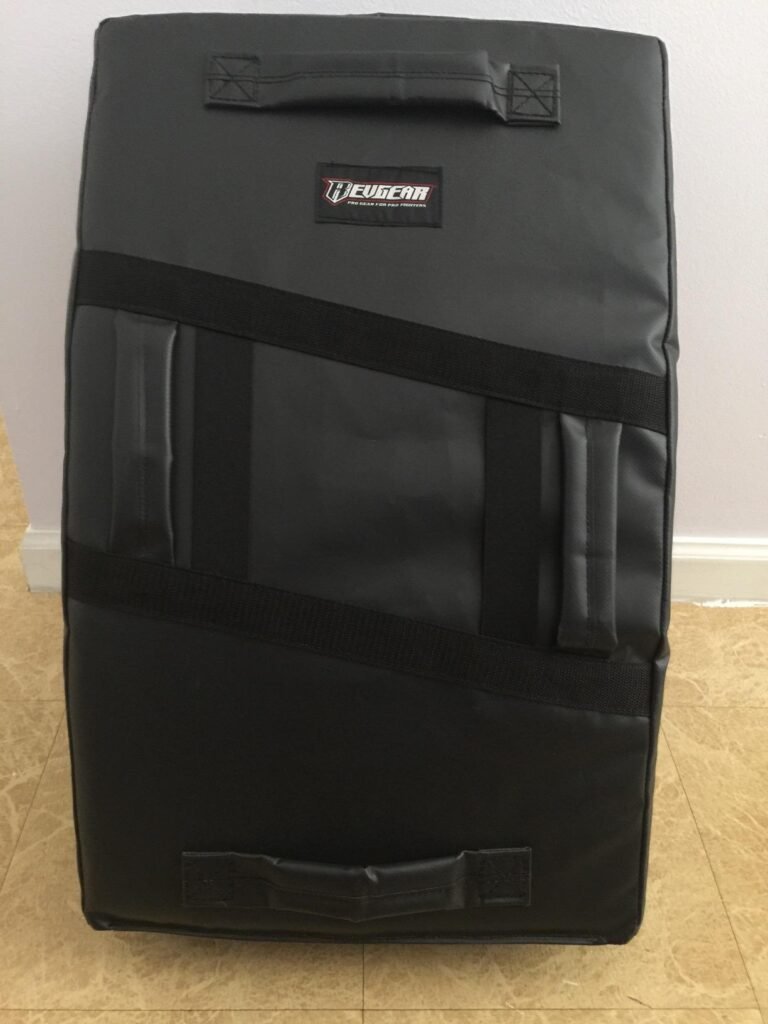
The Revgear Heavy Hitter targets serious strikers who need real protection during high-power drilling. The 6-inch thickness stands out in this category because most kick shields fall in the 3.5 to 5.5 inch range, and the extra depth translates directly into better impact absorption for heavy hooks, roundhouses, and knee strikes.
We may earn a commission when you buy through this link, at no additional cost to you.
The 22 oz vinyl coated nylon outer construction is heavier duty than the leather covers used on lighter shields. This material handles years of abrasion from gi fabric, shin contact, and repeated ground contact between rounds. Triple stitching along the seams reinforces the high-stress points where cheaper shields typically fail first.
Side handles are a design detail that adds meaningful versatility. Standard shields use only rear handles, which limits the holder to standing directly behind the pad. Side handles let the holder present the shield at angles, catch strikes coming from unusual directions, and manipulate the target during dynamic combination drills. For coaches running active pad rounds, this matters.
Vinyl coated nylon offers superior abrasion resistance and easier cleaning compared to traditional leather covers. It wipes down quickly, doesn’t absorb sweat, and holds up better to repeated ground contact between rounds. Leather has a more premium feel and can develop character over time, but for pure durability and low maintenance, vinyl coated nylon is often the smarter choice for high-use training equipment.
This shield is built for adult heavy hitters and serious training environments where the shield sees daily heavy use. It’s more of an investment than budget shields, but the construction quality and design details justify the price for practitioners who train hard multiple times per week. Revgear has been in the martial arts equipment business since 1996, which adds credibility to the durability claims.
Casual users or beginners who don’t need pro-grade thickness and would benefit from a lighter shield.
We may earn a commission when you buy through this link, at no additional cost to you.
The Gagalileo shield differentiates itself with a five-handle system that gives holders significantly more grip options than standard two-handle designs. This lets you hold the pad vertically for high kicks, horizontally for body shots, or at angles for uppercut and knee drills without twisting your wrists into uncomfortable positions.

We may earn a commission when you buy through this link, at no additional cost to you.
The 5.5-inch thick high-density sponge core delivers real impact absorption for Taekwondo kicks, Karate chops, powerful punches, and MMA knee strikes. This thickness sits in a useful middle range that’s substantial enough for adult power training but not so bulky that it becomes unwieldy for youth or lightweight users.
Waterproof synthetic leather covers the shell, wiping clean easily after high-intensity dojo sessions or humid home garage workouts. The 24 by 16 inch dimensions provide a large target area while keeping weight manageable for extended holding. One important note: the foam ships vacuum-sealed and needs 24 to 48 hours to fully expand to its 5.5-inch thickness after unboxing.
A pad with only two handles limits how the holder can present the target. Five strategically placed handles let coaches transition seamlessly between different drills without swapping equipment or awkwardly repositioning. This is particularly valuable in mixed-technique training where you might drill high kicks, then transition to body shots, knees, and elbows in the same round. Multiple handles support this fluid coaching style.
This shield suits coaches and parents who need a versatile pad that works for many different striking techniques and angles. The five-handle system makes it particularly useful for family training or youth coaching where different-sized users need comfortable grips. It’s also a solid pick for behavioral training programs and Krav Maga schools.
Practitioners who need immediate use out of the box without waiting for foam expansion.
We may earn a commission when you buy through this link, at no additional cost to you.
These shin guards aren't a kick shield, but they belong in this conversation because striker protection is often the missing piece in a home training setup. Kicking a shield repeatedly without shin protection leads to bruising, micro-fractures, and long-term conditioning issues that slow down your training progress.

We may earn a commission when you buy through this link, at no additional cost to you.
High-density shock absorption foam covers both the shin and instep, which are the two areas most vulnerable during kicking practice. Adjustable Velcro straps at the top, calves, and foot keep the guards securely in place during dynamic movement. A poor fit is the biggest complaint with cheap shin guards, so multiple adjustment points genuinely matter for holding position through active sparring or pad work.
The soft breathable fabric lining helps manage sweat during long sessions, which is important because guards that trap moisture become uncomfortable quickly and start to develop odors. Light but high-density padding balances protection with agility, so you can maintain speed and technique rather than feeling weighed down by bulky gear.
Even a well-padded shield transmits some impact back into the striker’s shin, especially during high-volume rounds and full-power kicks. Shin guards distribute this rebound force across a larger area, protecting the delicate bone and tissue on the front of your leg. Skipping shin protection leads to accumulated damage that limits how hard you can train, so treating guards as a required part of your kick shield setup is the smarter approach.
Add these to any kick shield purchase if you plan to drill heavy kicks regularly. They’re particularly important for beginners who haven’t yet developed shin conditioning and for anyone training on modest-thickness pads where the striker takes some rebound impact. Serious training programs treat shin guards as essential rather than optional gear.
Buyers looking specifically for a striking pad rather than complementary protective gear.
We may earn a commission when you buy through this link, at no additional cost to you.
The RDX F6 Kara series is aimed at coaches who run active pad rounds and want a compact striking target that supports both offensive and defensive drills. At 38 by 20 centimeters, these pads offer approximately 760 square centimeters of striking area, which is enough to catch full-power punches, elbows, knees, and kicks without needing precision from the striker.

We may earn a commission when you buy through this link, at no additional cost to you.
The curved design combined with multiple inner padding layers distributes impact evenly across the pad surface. This construction reduces the rebound effect that transfers force back into the coach’s arms, allowing longer rounds without accumulating strain. Maya Hide leather outer construction provides durability against the friction and abrasion that comes with active pad work.
A solid reinforced handle sits at the center of the design philosophy here. Slipping handles are a common frustration with cheaper pads, especially during high-intensity combinations where the coach needs to react quickly to the fighter’s timing. The reinforced grip stays put through hard strikes, and long padded hook-and-loop straps lock the pad securely to the coach’s forearm.
Compact Thai pads work best when purchased as a matched pair rather than a single unit. This lets coaches simulate a full opponent by presenting two targets for combinations, working defensive scenarios where the fighter has to slip and counter, and building the kind of active pad work that develops complete strikers. If you’re serious about coaching, budget for two matched pads rather than a single unit.
This pad is best for coaches who work active rounds and want a versatile tool for combination drills, footwork practice, and reflex development. Buying two matched pads unlocks the full range of coaching drills that develop a well-rounded striker. Triple reinforced stitching and rivets at the seams provide long-term durability under the stress of daily coaching use.
Practitioners who need a single large stationary shield for solo power training.
We may earn a commission when you buy through this link, at no additional cost to you.
Choosing a kick shield involves more than picking the biggest or most padded option. The right shield depends on your training discipline, your role as striker or holder, how hard your typical training sessions are, and whether you need a single large shield or matched coaching pads. This section breaks down the factors that actually matter.
Thickness and foam density work together to determine how much protection a shield provides for the holder and how the pad feels to the striker. Most kick shields in this category range from 3.5 inches to 6 inches thick, with premium shields sitting at the upper end. A thicker pad absorbs more impact but adds weight and bulk, while a thinner pad is lighter but transmits more force into the holder’s arms and body.
Foam density is arguably more important than raw thickness. High-density foam like the SpongEX used in RDX shields or the multi-layer construction in Fairtex pads absorbs and disperses impact more effectively than budget single-density foam. Layered foam construction typically outperforms single-block foam because different densities catch different phases of the strike. This is why premium shields feel dramatically different from budget alternatives even at similar thicknesses.
For heavy hitters or coaches running multiple rounds daily, prioritize both thickness and high-quality layered foam. For lighter training or occasional home use, a 4 to 5 inch pad with quality foam is often sufficient.
The size of the striking area affects how forgiving the shield is for the striker and what techniques it can accommodate. Larger shields around 24 by 16 inches or bigger let strikers land kicks and combinations without pinpoint accuracy, which is helpful for beginners still developing technique. They also allow multiple targets on the same pad, so a coach can call for a low kick followed by a body shot without repositioning.
Smaller shields around 20 inches tall are more portable and easier for lighter holders to control, but they demand more accuracy from the striker. Specialty pads like the Fairtex LKP1 leg kick shield are compact by design because they target a specific technique. Compact coaching pads like the RDX F6 Kara series are meant to be moved dynamically by the coach rather than held stationary.
Match the size to your primary use case. Large shields work well for heavy power training and beginner-friendly drilling, while compact pads suit dynamic coaching, portability, and specialized drills.
How a shield is held affects everything about the training experience. Standard two-handle configurations work fine for basic vertical holds, but multi-handle designs like the five-handle systems on the Hikeen and Gagalileo pads open up significantly more versatility. Multiple handles let the holder present the target vertically for high kicks, horizontally for body shots, or at angles for uppercuts and knees without awkward wrist positioning.
Grip quality matters just as much as handle count. Slipping handles are one of the most common frustrations with cheaper shields, especially during high-intensity rounds where the holder needs to react quickly. Look for reinforced handles with PVC or shredded textile cores, padded straps with hook-and-loop closures, and additional grip material that keeps the pad locked in position even when sweaty. Padded straps also reduce holder fatigue during long sessions.
For versatile coaching, prioritize shields with three or more handles. For basic training with a partner, standard two-handle designs are usually sufficient as long as the handles are well-reinforced and don’t slip.
The curve of a shield changes how it interacts with strikes and the holder’s body. Curved shields like the RDX large curved and Fairtex Thai pads wrap around the holder’s torso, distributing kick and knee impact more evenly across their body. This makes long training rounds significantly more comfortable and lets the striker throw with real intent instead of pulling shots. Curved surfaces also catch hooks and roundhouse-style strikes better than flat pads.
Flat shields work well for straight-line techniques and cross-sport applications like football blocking. They’re often less expensive because the manufacturing is simpler, and they can be more versatile for mixed-discipline training. The trade-off is that flat surfaces don’t distribute impact as evenly, which can lead to holder fatigue during high-volume kicking rounds.
Choose curved for pure Muay Thai, kickboxing, and MMA striking practice. Choose flat if you need a multi-sport pad or you’re primarily working straight-line techniques like straight kicks and body punches.
The outer shell material affects both the feel of the pad and how long it lasts. Genuine cowhide leather, used on premium pads like the Fairtex curved Thai pads, offers the best long-term durability and develops character with use. It also has a specific feel that experienced fighters recognize and prefer. The trade-off is higher cost and more maintenance since leather can dry out or crack without occasional conditioning.
Maya Hide leather is a synthetic composite used on many RDX pads that mimics the feel of natural leather while offering better sweat resistance and lower maintenance. Faux leather covers on budget shields like the Farabi Sports pad reduce cost but typically wear faster under heavy use. Vinyl coated nylon, used on the Revgear Heavy Hitter, offers superior abrasion resistance and easy cleaning, making it ideal for high-use training environments.
For pro-level training and long-term investment, genuine leather is worth the premium. For everyday training that balances cost and durability, Maya Hide or vinyl coated nylon are practical choices. Faux leather is fine for occasional home use but not for daily heavy training.
Stitching is where cheap shields fail first, typically at the seams where straps attach or along the edges where impact concentrates. Look for reinforced stitching descriptions like triple reinforced stitching, cross stitching, or reinforced seams. Rivets at high-stress points add another layer of durability by mechanically fastening components rather than relying solely on thread.
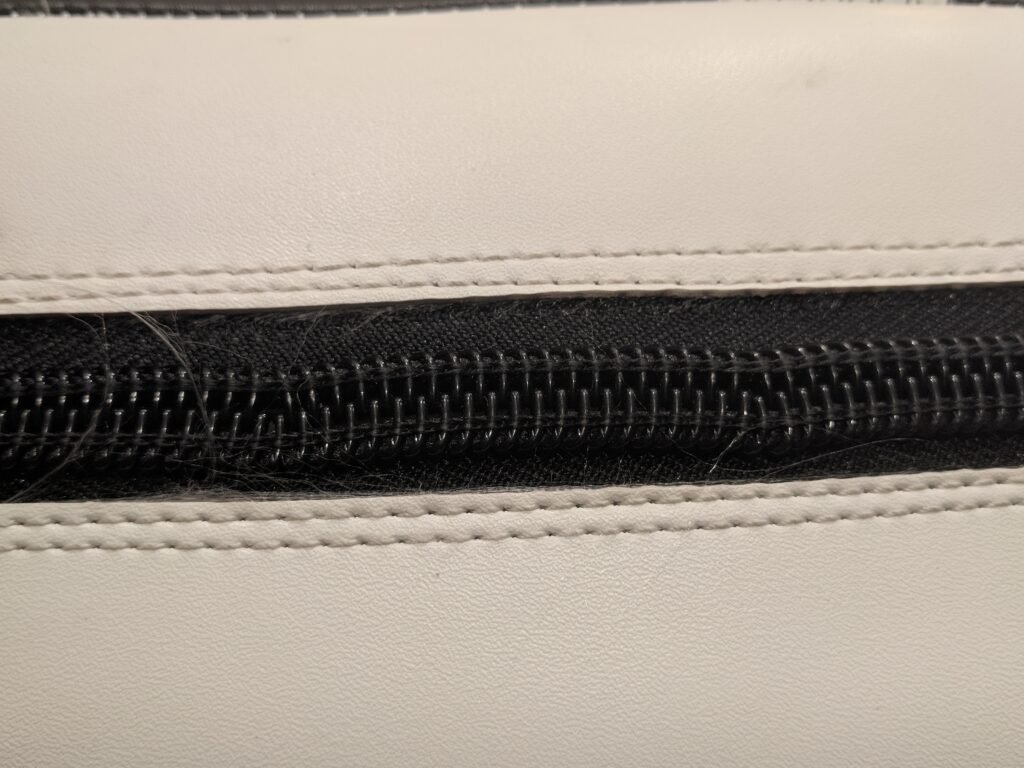
Construction details like padded straps, protective covers over zippers, and reinforced corners all contribute to long-term durability. These features add manufacturing cost but pay off through years of additional useful life. A well-constructed shield in the mid-price range often outlasts two or three cheaper alternatives, making it the better value over time.
Prioritize construction quality if you plan to train several times per week. For occasional home use, standard stitching is usually adequate as long as the pad isn’t obviously cheaply made.
A shield that’s too heavy exhausts the holder quickly, which limits how many rounds you can effectively train. Weight comes from foam density, size, and outer material, so pro-grade thick shields naturally weigh more than compact coaching pads. The trade-off is real: heavier shields protect better but require more holder strength and endurance.
Holder comfort features like padded straps, ergonomic handle placement, and lightweight construction directly affect how long you can coach effectively. This matters more than most beginners realize because pad holding is a physically demanding skill that requires proper technique and endurance. A well-designed shield lets the holder focus on presenting the target and reacting to the fighter rather than fighting the pad itself.
For adult heavy hitters, prioritize protection over weight since the training demands justify the tradeoff. For coaches working with kids, beginners, or lightweight fighters, a lighter shield is often the better choice because it enables longer, more productive training sessions.
Before your first session with a new shield, check that all straps are properly adjusted and the handles feel secure. If the pad ships vacuum-sealed or compressed, allow 24 to 48 hours for the foam to fully expand to its intended thickness before use. Start with lighter techniques to break in the padding and get familiar with how the shield catches strikes. Different pads have different feel characteristics, so a few rounds of moderate work helps you understand your shield’s response before pushing to full power.
During training, wear appropriate protective gear like shin guards, gloves, and hand wraps to protect yourself during high-volume kicking and punching. Rotate holders during long sessions to prevent fatigue from compromising technique or safety. If the shield starts shifting or the straps loosen during a round, stop and readjust rather than trying to compensate mid-strike. A properly held shield lets you train hard safely, while a poorly held one can lead to wrist injuries and awkward impact angles for both the holder and striker.
Between sessions, wipe down the shield with a damp cloth and mild soap to remove sweat and prevent bacterial buildup. Vinyl and synthetic leather covers clean easily with a quick wipe, while genuine leather benefits from occasional conditioning to prevent drying or cracking. Store the shield in a cool, dry location out of direct sunlight, which can degrade both the outer material and internal foam over time. Check the seams and stitching periodically for early signs of wear, and address any small issues before they become major problems.
For general Muay Thai, MMA, and kickboxing training, a shield around 20 to 25 inches tall works well for most adults. Larger shields around 24 by 16 inches provide more forgiving targets for beginners and allow multiple striking angles. Compact leg kick pads are designed specifically for low-line work. Match the size to your primary training discipline and the height of both the holder and striker.
Most quality kick shields range from 4 to 6 inches thick. Thicker shields around 6 inches provide better protection for the holder during heavy power training, while 4 to 5 inch shields work well for general training and are easier to handle. Foam density matters as much as thickness, so a well-constructed 5-inch shield with layered high-density foam often outperforms a cheaper 6-inch pad.
Curved shields distribute impact more evenly across the holder's body, making long training rounds more comfortable and allowing strikers to throw with full intent. Flat shields work fine for basic drilling and cross-sport applications like football blocking, but for dedicated Muay Thai, MMA, and kickboxing training, curved designs are generally superior. The curve also catches hooks and roundhouse kicks more naturally.
Yes, shin guards are strongly recommended for regular kick shield training. Even well-padded shields transmit some rebound force back into the striker's shin, and repeated kicks without protection can cause bruising, micro-fractures, and long-term conditioning issues. Quality shin guards distribute this force across a larger area and let you train harder and more consistently.
Standard shields have two or three handles, which works fine for basic training. Multi-handle designs with five or more handles offer significantly more versatility for coaching, allowing the holder to present the target at various angles without twisting their wrists uncomfortably. For versatile coaching and mixed-technique drilling, prioritize shields with three or more well-reinforced handles.
Thai pads are compact arm-worn striking targets typically used in pairs for active coaching, combinations, and reflex drilling. Kick shields are larger stationary pads designed to catch full-power kicks, knees, and body strikes. Both serve important but different roles in a complete training program. Serious practitioners often use both, with Thai pads for skill development and shields for heavy power work.
With proper care, a quality kick shield can last several years of regular use. Premium shields with genuine leather and triple reinforced stitching often outlast cheaper alternatives by 2 to 3 times. Budget shields may show wear within a year of heavy training, especially at seam points. Regular cleaning, proper storage, and avoiding excessive moisture all extend the useful life.
Some kick shields, particularly multi-sport designs like the Hikeen blocking pad, work well across football tackling, basketball defense, and martial arts training. Purpose-built Muay Thai shields with curved designs are optimized specifically for striking and don't cross over as well. If you need one pad for multiple sports, look for flatter designs with denser foam and multiple handles.
Entry-level shields start around $35 to $50 and work fine for casual home use. Mid-range shields at $60 to $90 offer better construction and durability for regular training. Premium shields at $130 and up feature genuine leather, superior foam layering, and construction quality that lasts through years of heavy use. Match your budget to your training frequency and intensity.
Warranty coverage varies significantly by brand. Some manufacturers offer 1-year warranties against material defects, while others rely on general customer satisfaction guarantees. Premium brands like Fairtex and Revgear typically stand behind their products with meaningful support. For higher-priced shields, check the warranty terms carefully since the cost of replacement can be significant.
The Fairtex Curved Muay Thai Pads stand out as the strongest overall pick for serious practitioners, combining genuine cowhide leather, handmade Thai construction, and a curved design specifically engineered for the demands of active pad work. For fighters, coaches, and gyms that put their equipment through daily heavy use, the premium price is justified by superior feel and long-term durability. The reputation Fairtex has built in Thailand is earned through decades of refinement.
For different buyer profiles, several alternatives deserve serious consideration. The RDX Large Curved Shield offers a massive 60 by 36 centimeter striking area at a more accessible price, making it a smart Editor's Choice for heavy hitters who want pro-grade dimensions. The Hikeen Football Blocking Pad delivers strong multi-sport versatility for coaches working across disciplines. The Revgear Heavy Hitter provides US-brand support and a 6-inch thick build for the hardest training environments. Youth coaches and casual users should consider the Farabi Sports or Gagalileo pads for their balance of features and value.
The right shield for you depends on your training discipline, how hard you actually train, and whether you need a single stationary pad or matched coaching tools. Prioritize foam density and stitching quality over raw thickness numbers, and match the size to your primary use case. Use the comparison table and reviews above to narrow your options, then invest in gear that matches your commitment level rather than defaulting to the cheapest or most expensive option available. Good equipment supports better training, which is where real progress happens.