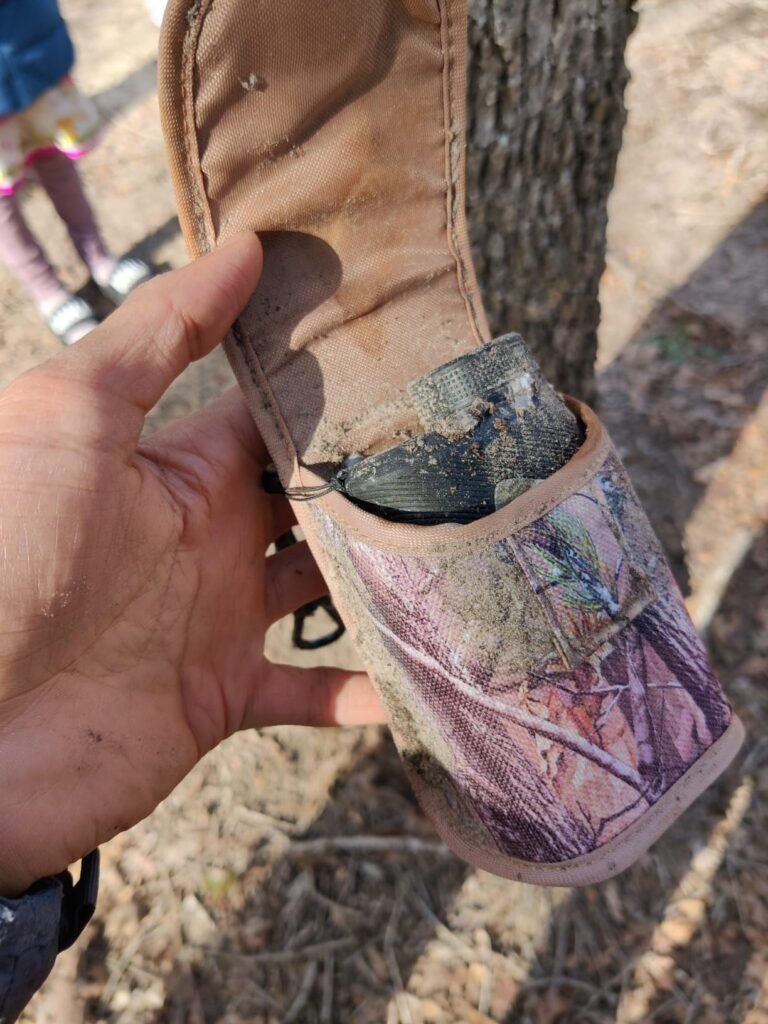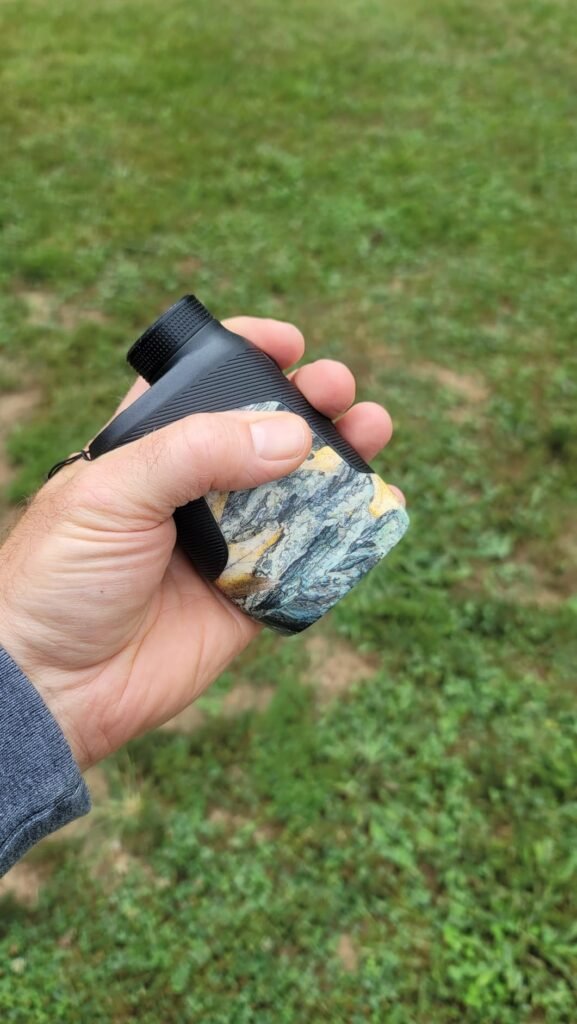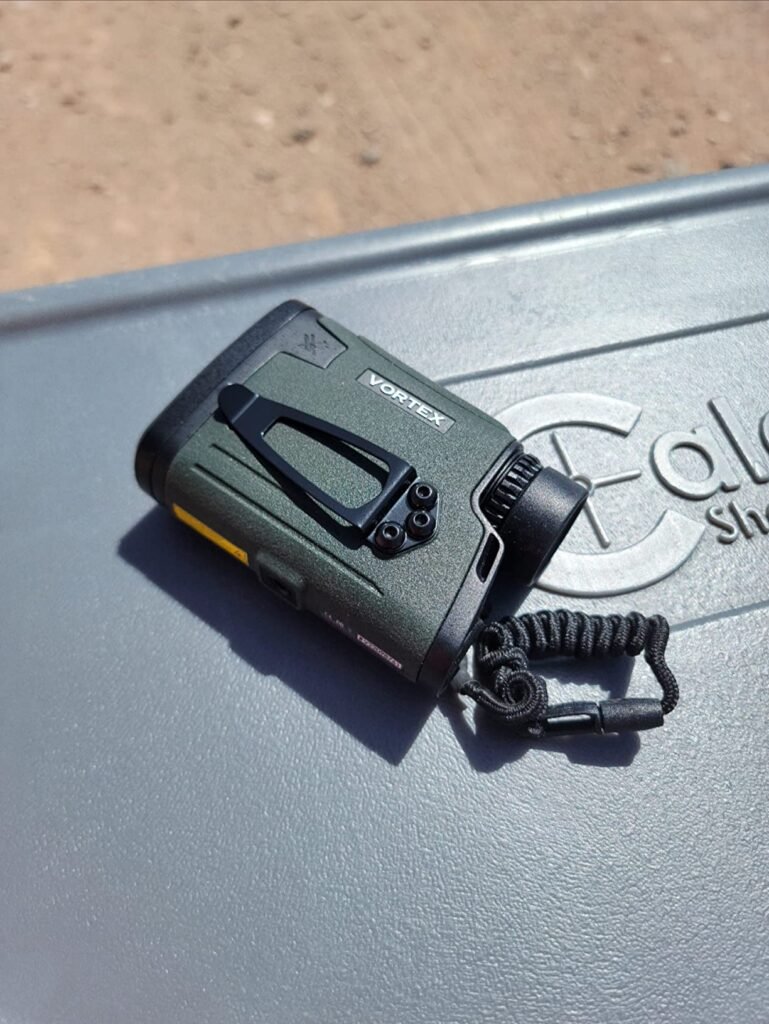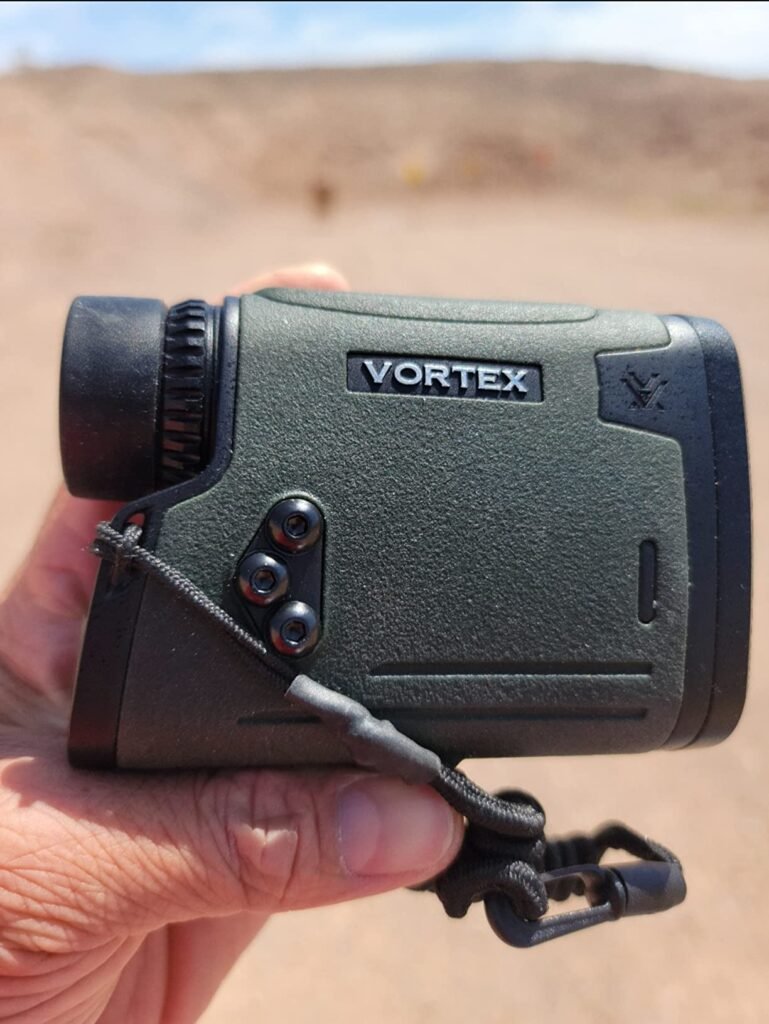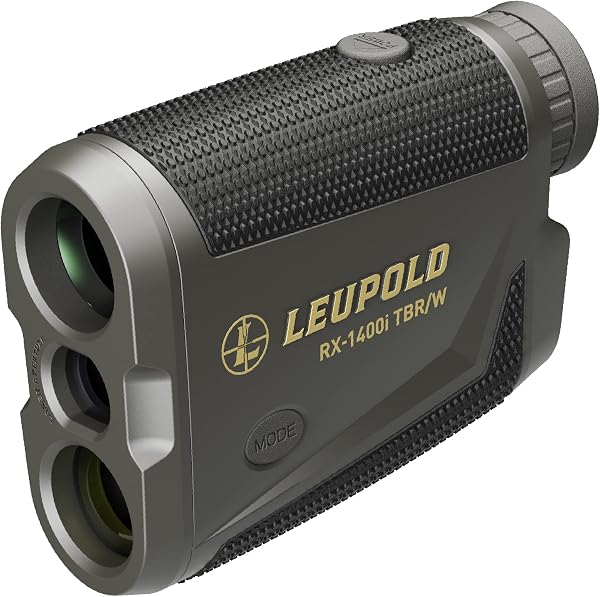
Leupold RX-1400i Gen
9.4Editor score1,400-yard max range
TBR/W ballistic tech
Flightpath bow mode
TOLED red display
Find the right hunting rangefinders for 2026. We compare 8 standout options by build quality, useful features, owner feedback, value, and everyday trade-offs.
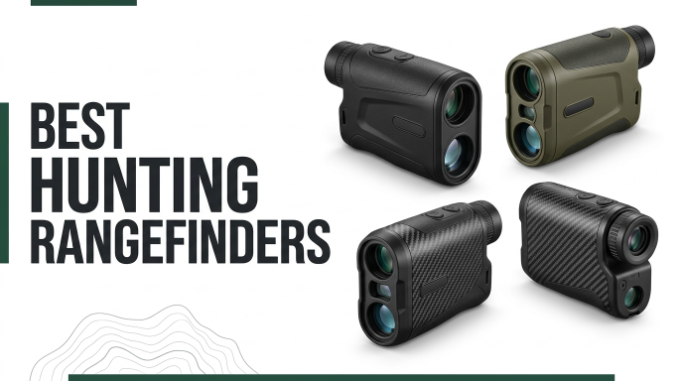
Choose the right hunting rangefinder for 2026 with a clear comparison of standout laser models. We break down the specs that actually matter in the field: maximum ranging distance, effective range on game versus reflective targets, magnification, angle compensation, display type, battery system, weatherproofing, and the ballistic features that separate a basic yardage tool from a serious hunting instrument.
The gap between a $65 entry-level rangefinder and a $500 flagship comes down to optical clarity, ranging speed, low-light display performance, and how far the unit can reliably read on non-reflective targets like fur and brush. Matching those capabilities to your hunting style, terrain, and typical shot distances is what turns a rangefinder from a gadget into a decision-making tool.
This guide covers compact bow-hunting rangefinders with angle compensation, mid-range rifle units for whitetail country, and long-range flagships built for open western terrain and extended precision shooting. Use the comparison table, reviews, and buying guide below to match a rangefinder to your weapon, hunting environment, and typical engagement distances.
We compared 10 hunting rangefinders using the specs that actually help a buyer decide in the field: maximum ranging distance, effective range on game versus reflective targets, magnification, objective lens size, angle compensation modes, ballistic features, display type and brightness, battery system, weatherproofing, weight, and owner feedback. The notes focus on practical trade-offs so each pick connects to how hunters actually range game, calculate shots on steep terrain, and use ballistic data at real hunting distances.


Compare key features, scores, and current prices side by side. A shorter feature list means fewer details were available, not necessarily fewer capabilities.




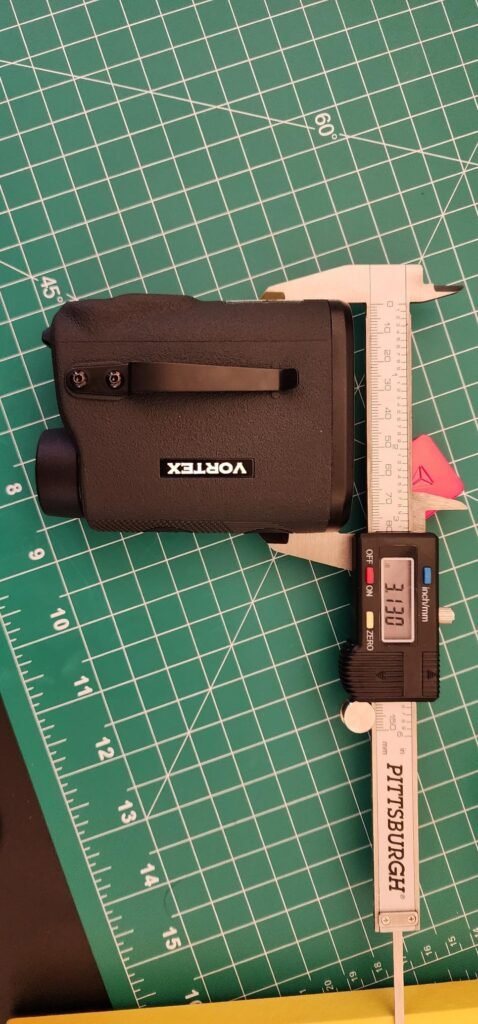
The Vortex Diamondback HD 2000 earns the Editor's Choice for delivering the best overall balance of range capability, optical quality, and price in this comparison. The 2,000-yard maximum on reflective targets and 1,400 yards on game is enough for the vast majority of hunting scenarios across both eastern and western terrain, without paying flagship prices for capability you may never use.
We may earn a commission when you buy through this link, at no additional cost to you.
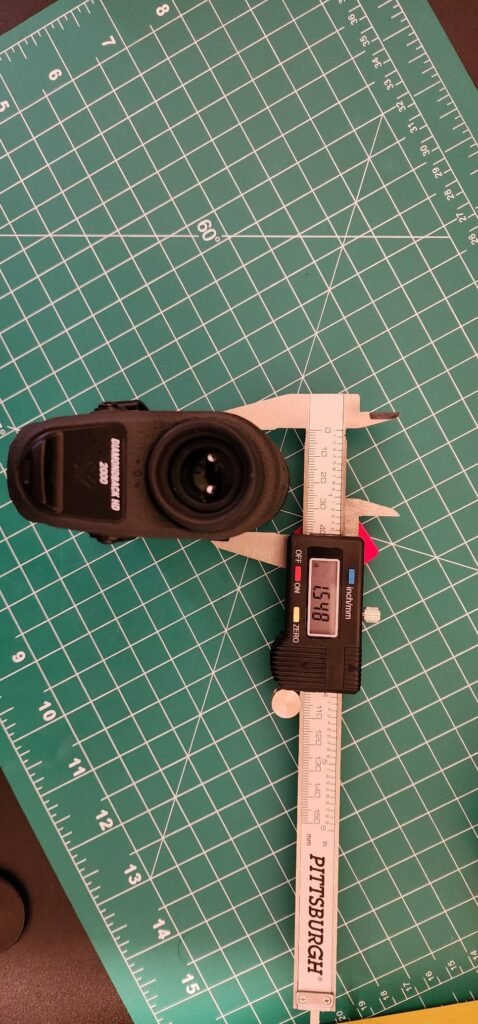
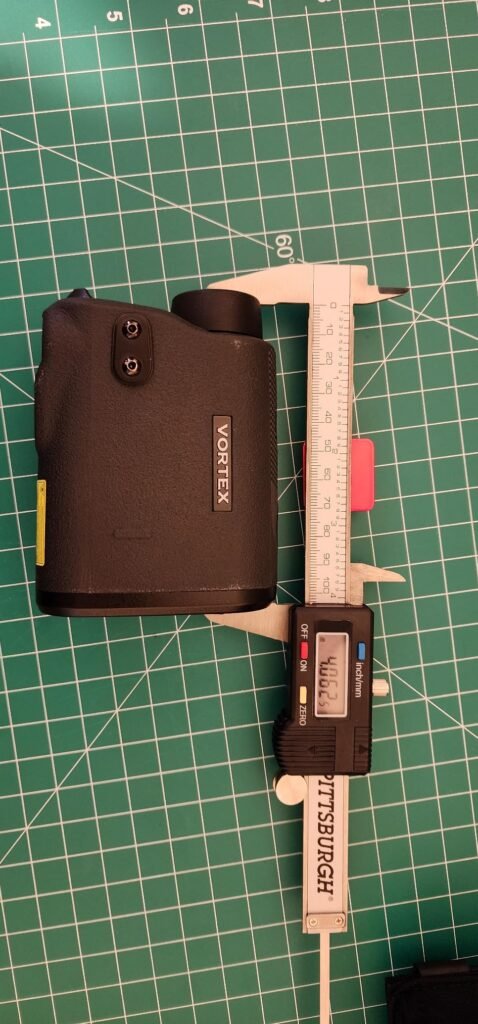
The 7x magnification and 24mm objective lens provide crisp target identification, and the HD optical system with select glass elements delivers exceptional resolution while cutting chromatic aberration. XR lens coatings maximize light transmission, and the red OLED display stays clearly readable in low-light conditions where LCD displays become difficult to see. This combination matters for early-morning and late-evening hunts when shooting light is fading.
Two ranging modes (Horizontal Component Distance and Line of Sight) and two target modes (Normal and Last) cover the essential decisions hunters need to make in the field. The unit is tripod adaptable for extended glassing sessions, ArmorTek coatings protect the lenses from abrasion, and the Vortex VIP Warranty backs the unit with lifetime coverage that transfers with resale. Rubber armor provides a secure grip in cold or wet conditions.
Most hunting happens during the first and last hour of daylight when animals are most active. OLED displays glow with their own light and stay bright and readable in dim conditions, while LCD displays rely on ambient light and can become nearly invisible against dark backgrounds. Paying up for an OLED-equipped rangefinder is one of the most practical optics upgrades a serious hunter can make.
Choose the Diamondback HD 2000 if you want a rangefinder that will handle every practical hunting scenario for years without compromise. It’s the sweet spot pick that midwestern, western, and Great Plains hunters will find genuinely capable. If you need ELR mode for extreme distances or ballistic wind compensation, step up to the Viper HD 3000 or Razor HD 4000.
Extreme long-range shooters who need ELR mode or hunters who want built-in wind compensation.
We may earn a commission when you buy through this link, at no additional cost to you.
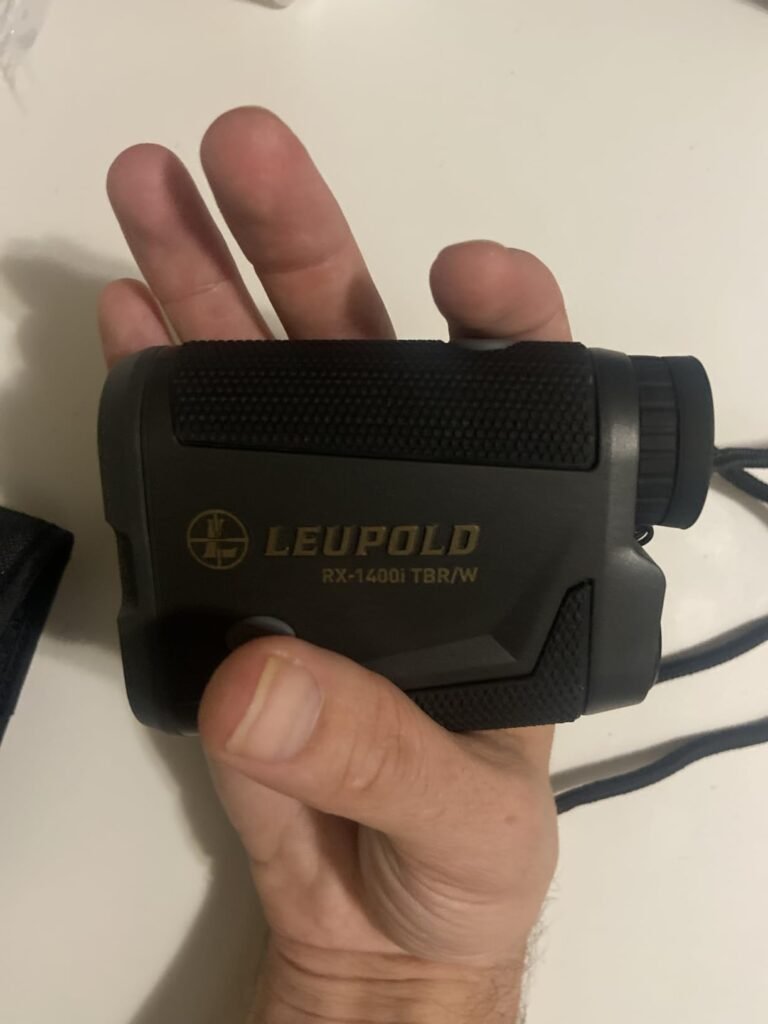
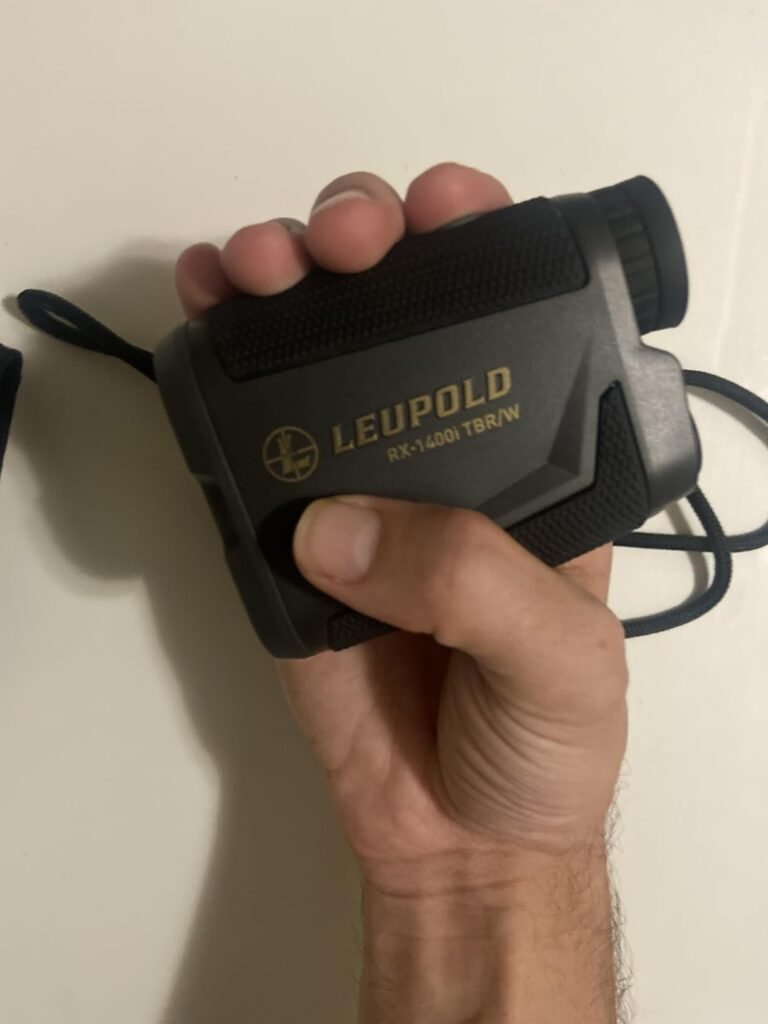
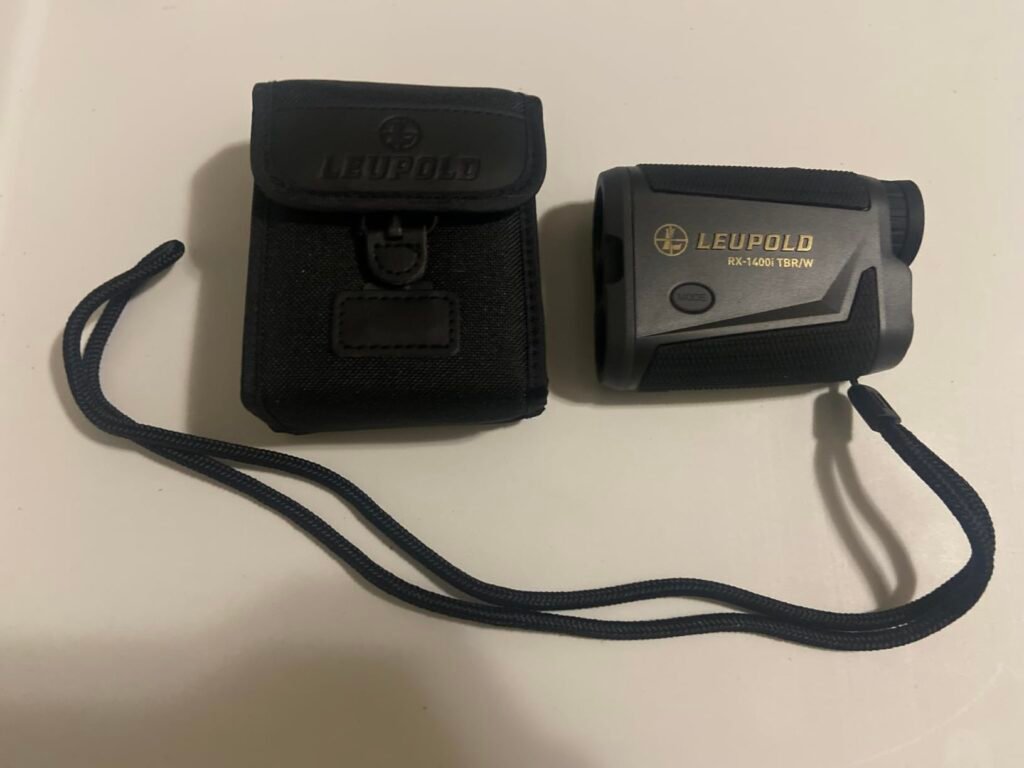
The Leupold RX-1400i Gen 2 stands out as one of the best-value hunting rangefinders that offers true ballistic technology rather than just a raw yardage number. Leupold's True Ballistic Range with Wind (TBR/W) feature calculates the actual holdover a shooter needs for a given distance and slope angle, and it even generates a hold point for a 10-mph crosswind out to 800 yards.
We may earn a commission when you buy through this link, at no additional cost to you.
The 1,400-yard maximum range on reflective targets and 1,200 yards on trees covers virtually every realistic hunting scenario in wooded terrain and moderate western hunts. What makes this unit stand apart from budget models at similar prices is the selectable bow mode with Flightpath technology, which highlights potential arrow obstructions along the flight path and calculates angle-compensated ranges specifically for archery.
The TOLED display uses bright red numbers and letters with adjustable brightness settings, which makes reading distances easy in both bright midday conditions and dim first or last light. Optical quality follows Leupold’s traditional standards, and the compact housing is easy to operate with gloves during cold-weather hunts. Both rifle and bow hunters can benefit from the same unit without needing to buy separate specialized rangefinders.
True Ballistic Range translates the actual line-of-sight distance into the equivalent horizontal shooting distance, which is what your rifle scope’s holdover marks are calibrated for. On steep terrain, ranging a buck at 400 line-of-sight yards might equal only 340 horizontal yards for hold purposes. The wind compensation adds another layer that helps shooters make fast decisions in variable conditions without pulling out a phone or ballistic calculator.
Choose this rangefinder if you want proven ballistic features from a trusted brand at a price that undercuts most flagship competitors. Elk hunters glassing across canyons and bow hunters shooting from tree stands both benefit from the angle compensation and mode selection. If you need to range past 1,400 yards for extreme long-range work, a Vortex Viper or Razor will reach further.
Long-range shooters who need reliable readings beyond 1,400 yards on game or reflective targets.
We may earn a commission when you buy through this link, at no additional cost to you.
The TIDEWE Camo 700 is a compelling entry point for hunters who want a functional rangefinder without spending flagship money. At under $70 with 6x magnification and a rechargeable battery good for 21,000 measurements, it hits the sweet spot for whitetail hunters, tree stand shooters, and anyone whose typical engagement range stays inside 300 yards.

We may earn a commission when you buy through this link, at no additional cost to you.
The 700-yard maximum on reflective targets with plus or minus one yard accuracy is enough for the vast majority of eastern and midwestern hunting scenarios. Multiple ranging modes include straight-line, vertical, and horizontal distance plus speed measurement and continuous scan. The 0.46-second reading speed is genuinely fast, which matters when a deer steps into a shooting lane and disappears just as quickly.
Ergonomics favor field carry. At 5.67 ounces and just over four inches long, it fits easily in a pack pocket or hangs on the included lanyard without adding meaningful weight. The camo pattern helps the unit blend into a hunting environment, and the rechargeable Li-ion battery eliminates the frustration of dead CR2 batteries during a critical moment in the woods.
Traditional rangefinders use CR2 or CR2032 batteries that die at the worst possible times and require carrying spares in the field. A built-in Li-ion battery good for tens of thousands of measurements means one charge before the season likely lasts most of the year for casual hunters. USB charging also means you can top off from a truck outlet or portable power bank during multi-day trips.
This rangefinder is the right choice for hunters on a budget who need a reliable tool for ranges under 500 yards. If your hunting includes long shots across western terrain or you want ballistic compensation for steep angles, step up to a Leupold RX-1400i or Vortex Diamondback for meaningful capability improvements.
Western hunters or long-range shooters who regularly need to range targets beyond 500 yards.
We may earn a commission when you buy through this link, at no additional cost to you.
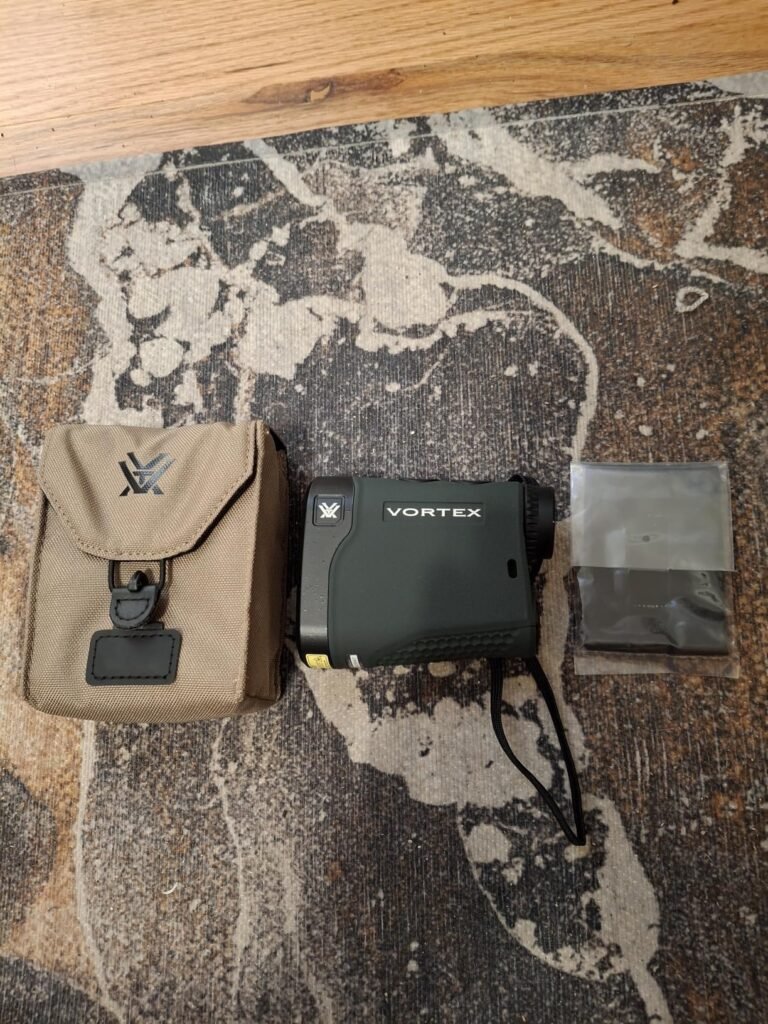
The Vortex Triumph HD 850 targets hunters who want reliable performance and premium optics without paying for extreme long-range capability they may never use. The 850-yard maximum range on reflective targets, 500 on trees, and 350 on game covers essentially every practical whitetail scenario in wooded and mixed terrain.
We may earn a commission when you buy through this link, at no additional cost to you.
The HD optical system is the standout feature at this price point. Select glass elements deliver sharp resolution, accurate color rendering, and excellent light transmission that makes ranging in dim first light and last light noticeably easier than budget alternatives. Three ranging modes (Line of Sight, Horizontal Component Distance, and Scan) plus three target modes (Normal, First, and Last) give hunters flexibility to range through brush or pick out specific targets in busy backgrounds.
The soft-touch exterior provides a secure grip in wet conditions or while wearing gloves, which matters during late-season hunts when hands are cold and rain or snow is falling. The unit is fully waterproof and shockproof, and it’s backed by the Vortex VIP Warranty, which is one of the most generous in the optics industry and is fully transferable if you sell the rangefinder later.
Vortex’s unlimited, unconditional, lifetime warranty is a genuine differentiator in the optics market. If the rangefinder ever breaks, fails, or malfunctions, Vortex repairs or replaces it regardless of who owns it, when it was purchased, or how the damage occurred (excluding loss, theft, and cosmetic damage). That warranty transfers when you sell the unit, which supports strong resale value and reduces the risk of buying a used Vortex product.
Choose the Triumph HD 850 if you hunt deer in wooded country, prioritize optical clarity over maximum range numbers, and want a rangefinder that will still work perfectly in ten years. If you need OLED display technology for dim conditions or maximum range beyond 850 yards, look at the Diamondback HD 2000 or Viper HD 3000.
Long-range shooters or hunters who need advanced ballistic features and extreme range capability.
We may earn a commission when you buy through this link, at no additional cost to you.
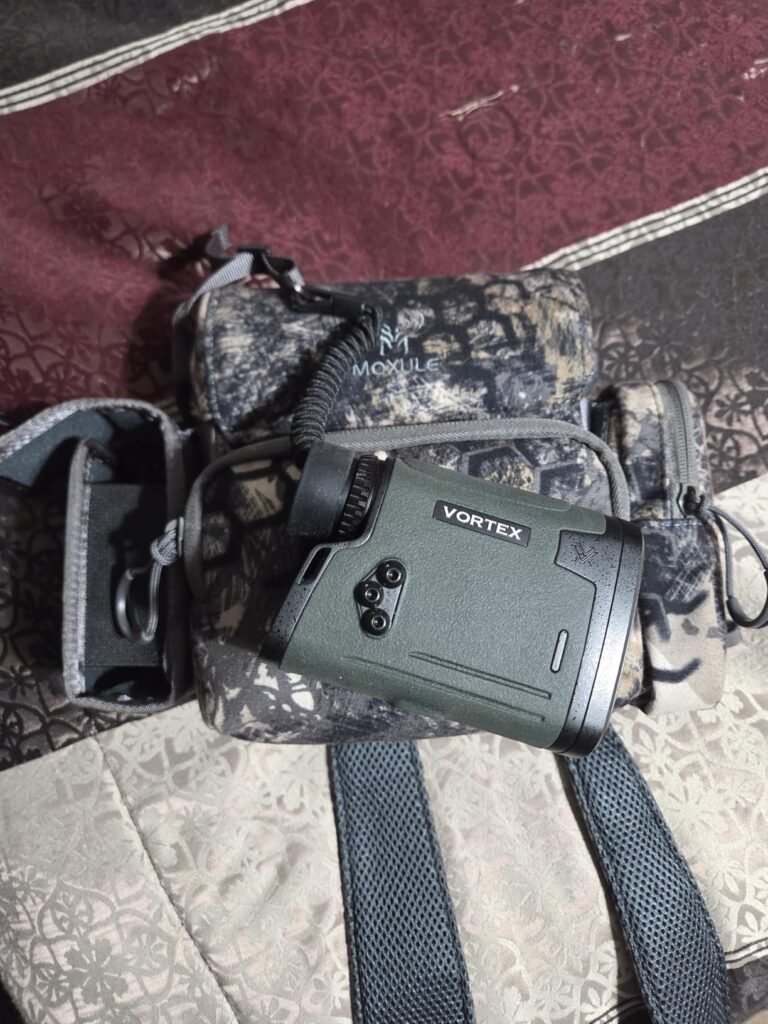
The Vortex Viper HD 3000 is built for hunters who work in open country where shots stretch beyond what a mid-range unit can handle. The 3,000-yard maximum on reflective targets and 2,000 yards on game gives serious range headroom for western elk, mule deer, and pronghorn hunts where extended distances are the norm rather than the exception.
We may earn a commission when you buy through this link, at no additional cost to you.
Four target modes (Normal, First, Last, and Extended Laser Range) plus two ranging modes (Horizontal Component Distance and Line of Sight) give hunters real flexibility to isolate specific targets. ELR mode pushes the rangefinder past standard limits when conditions allow. The 7x magnification and 25mm objective lens provide detail and light gathering that helps identify animals at long distances before pressing the range button.
The HD optical system uses select glass elements and XR Plus lens coatings to maximize light transmission and reduce chromatic aberration, which matters when scanning across canyons in changing light. The red OLED display stays crisp in dim conditions, and tripod adaptability is genuinely useful for extended glassing sessions where a handheld unit becomes unsteady. ArmorTek coatings protect the lenses from abrasion during hard-use hunts.
ELR mode isn’t just marketing. It allows the rangefinder to work harder to return a distance from difficult targets that would defeat standard modes, particularly at extreme distances and in adverse conditions. For most whitetail hunting, ELR is unnecessary. For a hunter glassing a distant mule deer bedded in shadow across a canyon, it can be the difference between a confirmed distance and a guessed shot.
Choose the Viper HD 3000 if your hunts involve open terrain, long shots, and the need to positively identify targets at distance. It’s a serious tool for serious hunts. If your typical shots stay inside 500 yards or you don’t need extreme range capability, the Diamondback HD 2000 delivers most of the value at a lower price.
Woods hunters and eastern whitetail hunters whose typical shots stay under 500 yards.
We may earn a commission when you buy through this link, at no additional cost to you.
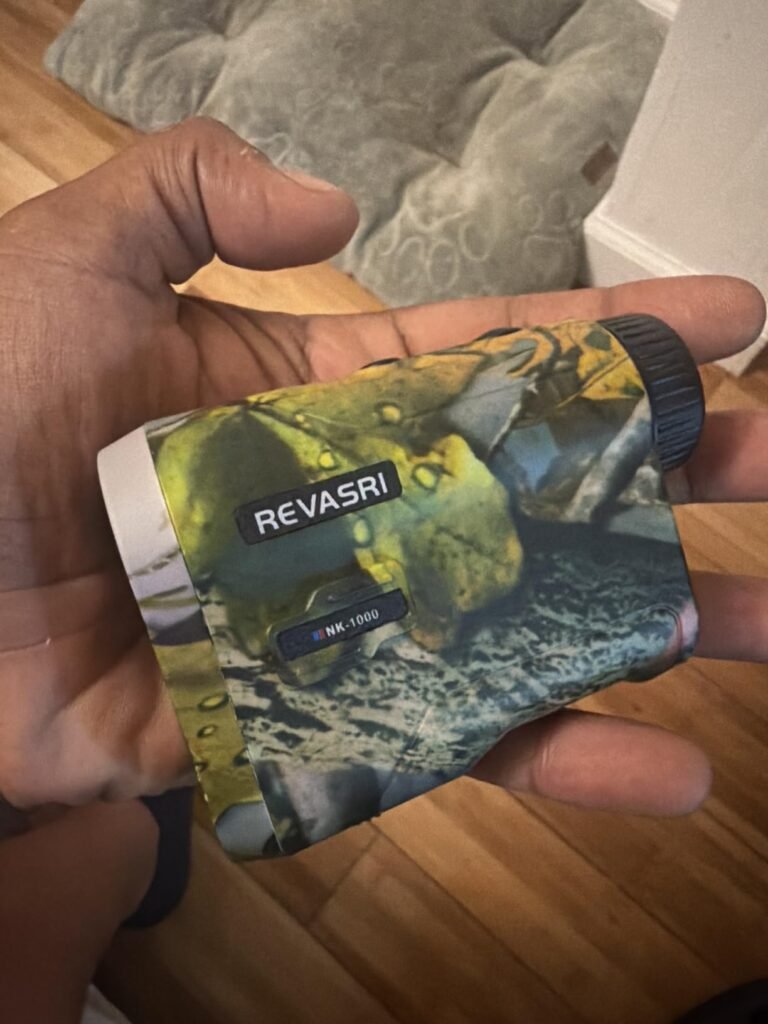
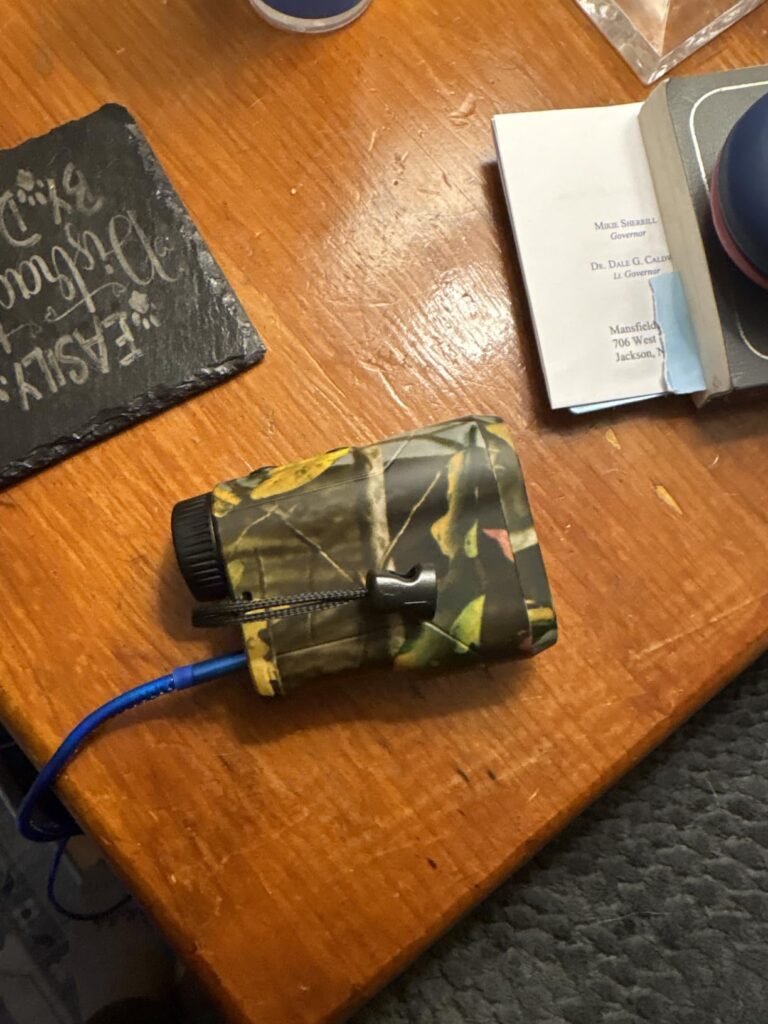
The REVASRI 1000-Yard rangefinder targets budget-conscious hunters who want a versatile tool that handles both hunting and golf without spending premium money. The seven functions include ranging, all-in-one, scanning, speed measurement, two-point height measurement, golf distance compensation, and storage modes, providing more feature depth than most competitors at this price.
We may earn a commission when you buy through this link, at no additional cost to you.
Mode memory is a small but genuinely useful feature. The unit remembers the last mode used before shutdown, so hunters don’t need to cycle through menus every time they power on the device. That saves seconds in the field when quick ranging matters. The 1,000-yard maximum range and 6.5x magnification hit the sweet spot for most whitetail and turkey hunting scenarios where ranges rarely exceed 300 yards.
The rechargeable Li-ion battery with USB-C charging eliminates the need to carry spare CR2 batteries, and the 4.23-ounce weight is among the lightest in this comparison. Multi-layer coated glass lenses and a high-transmissive LCD display provide clear viewing in most conditions, though the LCD is less readable than OLED displays in dim first-light or last-light situations. The pouch, lanyard, and cleaning cloth included in the box round out the value proposition.
Golf distance compensation mode locks onto pin flags or specific targets by scanning across a broad area, which is useful beyond just golfing. During hunting off-season, the same feature helps range specific trees along a shooting lane, mark distances to fence posts, or check yardage to feed sites. Multi-use rangefinders extend their value throughout the year rather than sitting in a drawer between hunts.
This rangefinder makes sense for hunters who want maximum feature versatility at minimum cost and are willing to accept the trade-offs that come with a budget brand. If you prioritize proven optical performance, low-light display clarity, or long-term warranty support, one of the Vortex or Leupold options will serve you better.
Hunters who prioritize premium optics, low-light OLED displays, or long-term warranty backing.
We may earn a commission when you buy through this link, at no additional cost to you.
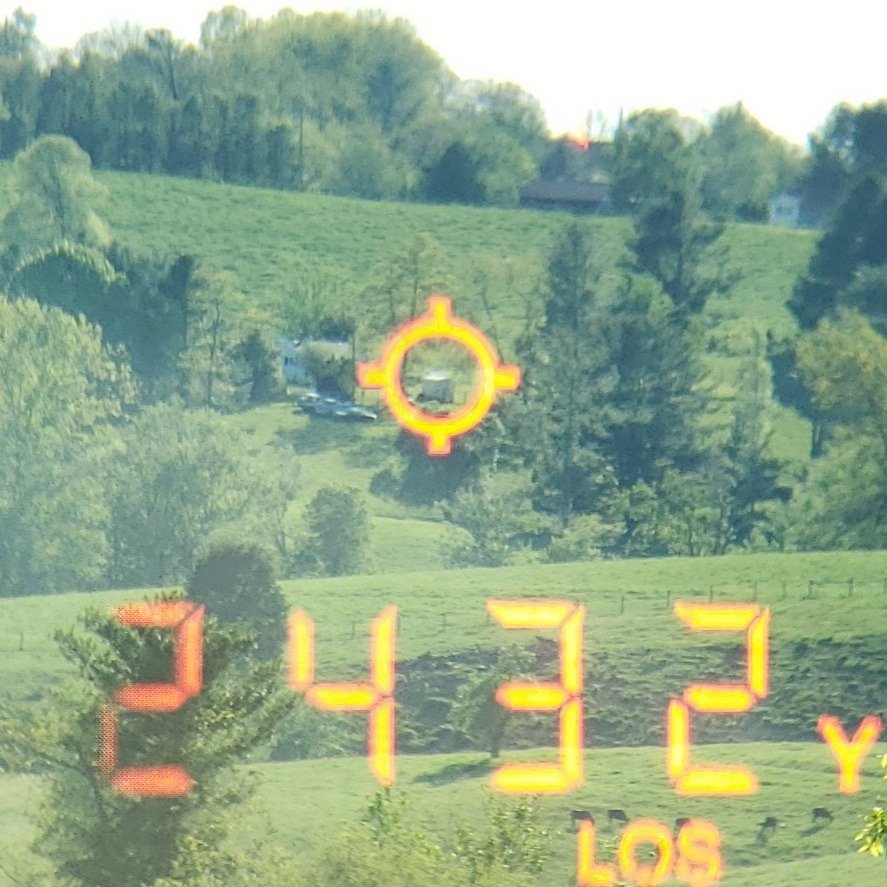
The Vortex Razor HD 4000 is the flagship rangefinder built for extreme hunters, long-range shooters, and archers who refuse to settle for compromise. The 4,000-yard maximum range is genuinely class-leading and provides significant headroom for real-world ranging on non-reflective targets like game and vegetation at extended distances.
We may earn a commission when you buy through this link, at no additional cost to you.
Four target modes (Normal, First, Last, and Extended Laser Range) combined with two ranging modes (Horizontal Component Distance and Line of Sight) provide flexibility to isolate specific targets in complex backgrounds. The scan feature displays continuous distance readings when panning across landscapes or tracking moving animals, which matters when trying to keep tabs on a distant elk or mule deer moving through cover.
All-weather ranging is a standout feature that returns distance readings even in adverse conditions like heavy rain, snow, or fog when lesser rangefinders fail. The X Plus fully multi-coated lenses provide maximum light transmission for peak clarity and low-light performance, and IPX7 waterproofing means the unit continues working even during prolonged exposure to rain. Tripod adapter compatibility supports extended glassing on car window mounts or spotting tripods.
Manufacturer max ranges are typically achieved on highly reflective targets under ideal conditions. Real-world game ranges are usually 40 to 60 percent of the advertised maximum. A 4,000-yard advertised range translates to roughly 1,600 to 2,400 yards of practical game ranging capability, which is enough for even the most extreme western hunts. Buying more range than you need also gives faster and more reliable readings at moderate distances because the unit isn’t working near its limits.
Choose the Razor HD 4000 if you’re a serious long-range hunter, precision shooter, or archer who wants a lifetime tool that handles every scenario without compromise. The premium price reflects the flagship engineering. If your typical shots stay inside 1,000 yards, a Diamondback HD 2000 or Viper HD 3000 delivers most of the capability at a substantially lower price.
Woods hunters or budget-conscious buyers whose typical ranges stay well under 1,000 yards.
We may earn a commission when you buy through this link, at no additional cost to you.
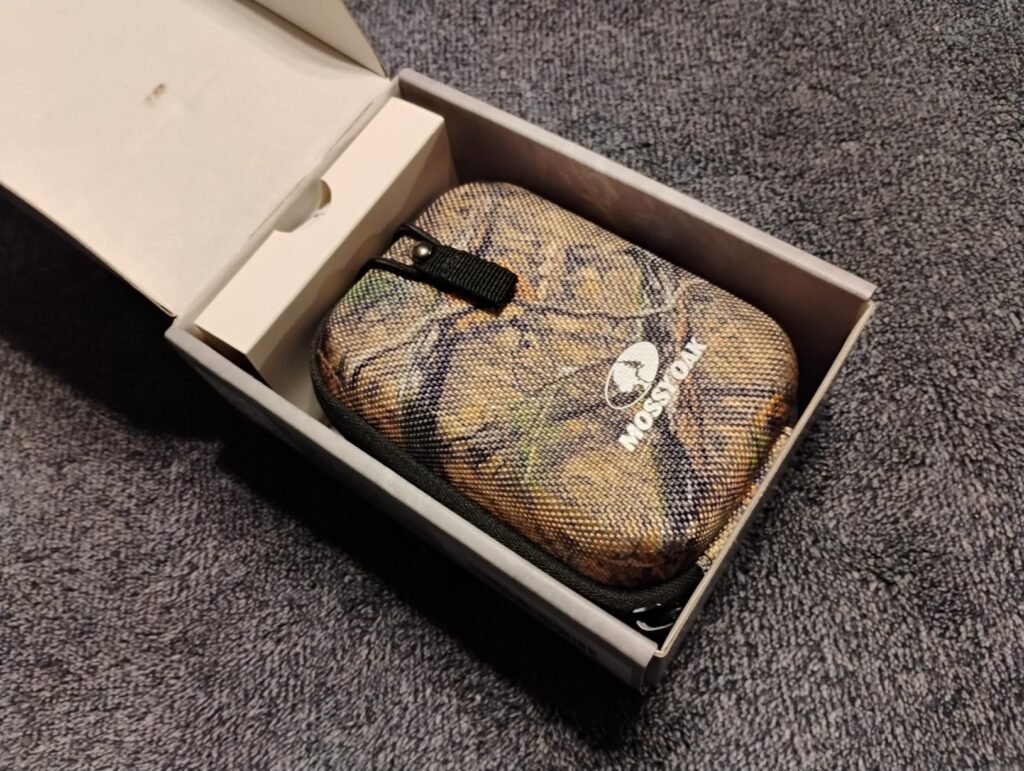
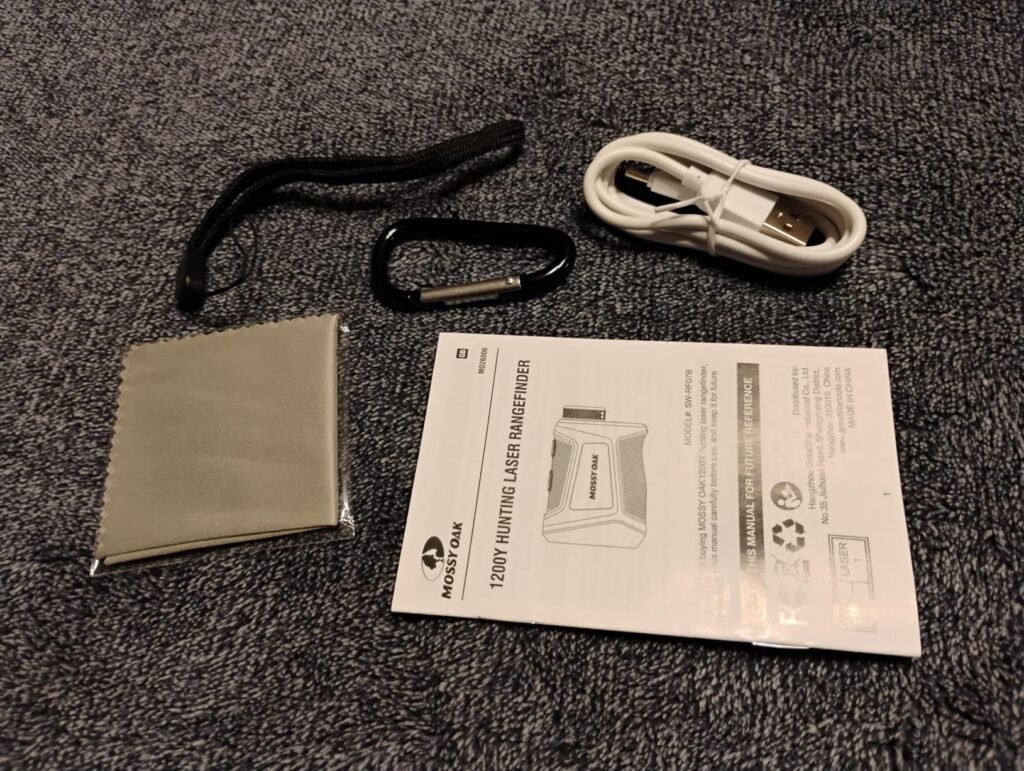
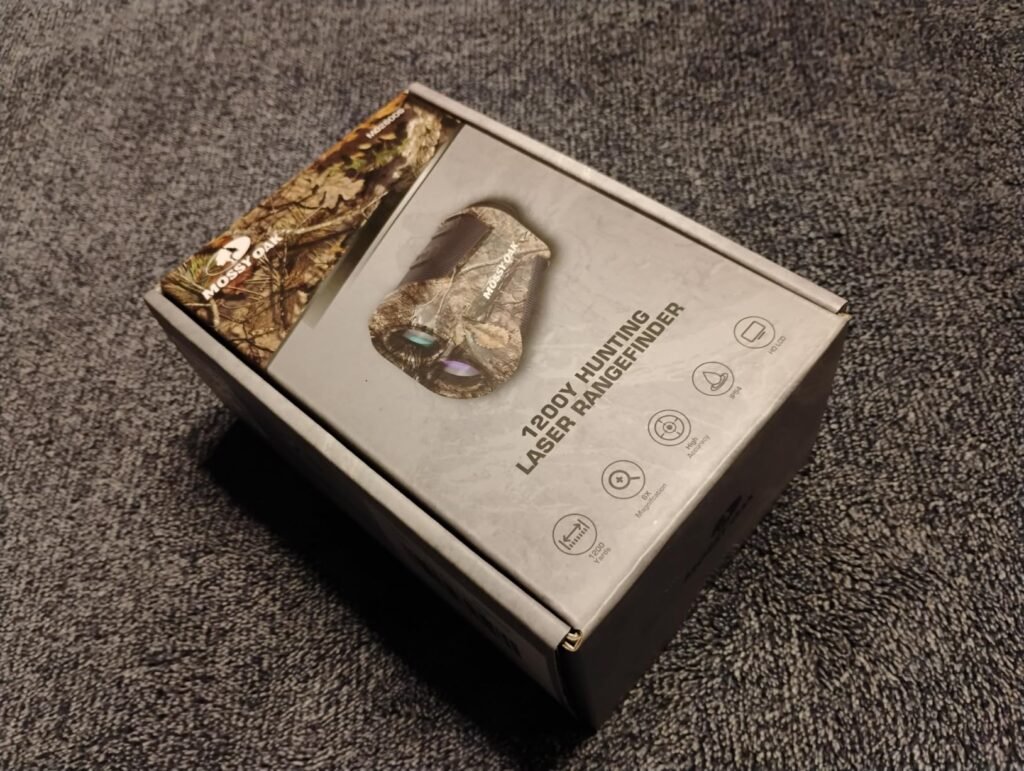
The Mossy Oak 1200Y combines a well-known camo pattern with modern features like USB-C rechargeable operation and fast measurement speeds. The authentic Mossy Oak camouflage design blends naturally into wooded and field environments, which appeals to hunters who want their gear to disappear against the surroundings rather than stick out.
We may earn a commission when you buy through this link, at no additional cost to you.
The 1,200-yard maximum range with sub-half-second measurement speed and plus or minus one yard accuracy covers the vast majority of practical hunting scenarios. The 6x magnification and HD optical system provide clear target identification, and three modes (Range, Speed, and Scan) handle basic distance work, moving target tracking, and continuous scanning across brush edges or trail systems.
The 750mAh built-in rechargeable battery supports up to 20,000 measurements per charge, which is enough for many hunting seasons without recharging. USB-C charging is more convenient than micro-USB and works with most modern chargers and power banks. The complete accessory kit includes a carrying pouch, charging cable, lens cleaning cloth, and user manual, making it a genuine gift-ready package for new hunters or as a birthday or holiday gift.
IP54 ratings mean the unit is protected against dust and splashing water from any direction, but it’s not rated for full immersion or heavy sustained rain. That’s fine for most hunting conditions where the rangefinder gets used briefly and then returned to a pack or pocket. For duck hunters, coastal hunters, or those regularly hunting in downpours, a fully waterproof unit like the Vortex Razor HD 4000 with IPX7 provides more peace of mind.
Choose the Mossy Oak 1200Y if you want brand-recognized camo aesthetics with modern rechargeable features at a moderate price point. It’s a solid choice for whitetail hunters and mid-range shooters. If you need waterproof (rather than splash-resistant) construction or ranges beyond 1,200 yards, look at the Vortex Triumph HD or Diamondback HD 2000.
Hunters who need fully waterproof construction or maximum ranges beyond 1,200 yards.
We may earn a commission when you buy through this link, at no additional cost to you.
A hunting rangefinder is one of the most decision-critical pieces of gear in your pack. The right unit gives you fast, confident yardage that supports ethical shots, while the wrong one leaves you guessing at critical moments. Use the factors below to match a rangefinder to your weapon, hunting terrain, and typical shot distances.
Manufacturer maximum range specifications are almost always measured on highly reflective targets under ideal conditions. The practical distance you’ll actually get on game (fur, dark hides, dense brush) is usually only 40 to 60 percent of the advertised maximum. A rangefinder advertised at 1,000 yards typically ranges game reliably out to 400 to 600 yards, while a 3,000-yard unit gets 1,200 to 1,800 yards on game.
Match the effective range to your typical hunting distances plus meaningful headroom. If your shots rarely exceed 300 yards, a 700-yard unit like the TIDEWE handles the job easily. If you hunt open western terrain where shots can stretch past 500 yards, step up to a 2,000-yard-plus unit like the Diamondback HD 2000 or Viper HD 3000. Buying more range than you need provides faster, more reliable readings at moderate distances because the unit isn’t working near its limits.
For most eastern and midwestern whitetail hunting, 1,000 to 1,400 yards of maximum range is plenty. For western hunts, elk hunting, or long-range precision shooting, prioritize 2,000-yard-plus units with proven long-distance performance.
Angle compensation is the single most important feature after basic ranging accuracy. When shooting uphill or downhill, gravity acts on the bullet or arrow over the horizontal distance rather than the line-of-sight distance. A deer ranged at 400 yards across a canyon with a 30-degree angle actually requires a hold for about 346 yards of horizontal travel. Without angle compensation, high-angle shots consistently miss high.
Basic angle compensation modes (called HCD, TBR, or similar depending on the brand) calculate this automatically and display the corrected shooting distance. More advanced ballistic features like Leupold’s TBR/W add wind compensation and specific holdover values for known loads. Bow modes like Leupold’s Flightpath also calculate the arc a specific arrow will travel and warn about potential obstructions in the flight path, which matters for tree stand shooters.
For rifle hunting on any terrain with elevation changes, angle compensation is essential. For bow hunting from tree stands or elevated blinds, a dedicated bow mode with arrow flight visualization is a genuine safety and accuracy feature. Flat-country hunters may find these features less critical.
Magnification determines how large the target appears in the eyepiece, and objective lens size determines how much light the unit gathers. Common hunting rangefinder magnifications range from 5x to 8x, with 6x and 7x being the most common sweet spot. Lower magnification (5x to 6x) provides a wider field of view for finding and tracking targets, while higher magnification (7x to 8x) helps identify specific animals at long distances.
Objective lens diameters typically range from 20mm to 26mm. Larger objectives gather more light, which helps in low-light dawn and dusk situations when animals are most active. A 25mm objective on a 7x rangefinder like the Viper HD 3000 or Razor HD 4000 offers meaningfully better low-light performance than a smaller 20mm lens on the same magnification.
For woods hunting where quick target acquisition matters, 5x to 6x magnification works well. For open terrain or long-range identification, 7x with a 24mm or 25mm objective provides the best balance of detail and light gathering.
Rangefinder displays come in two main types: LCD (black or gray numbers on the viewing screen) and OLED (illuminated red or amber numbers). LCD displays work well in bright light but can become difficult to read against dark backgrounds like shadows, forest cover, or twilight. OLED displays glow with their own light and remain crisp and readable in the dimmest hunting conditions.
Most serious hunting happens during the first and last hour of daylight when animals are moving. This is exactly when LCD displays are hardest to read and OLED displays shine. Adjustable display brightness is another important feature that lets hunters dial in the right intensity for changing light conditions. Bright displays are great in daylight but can blind night vision in low light if they can’t be dimmed.
Choose OLED displays with adjustable brightness for hunts that involve dawn, dusk, or low-light conditions. LCD displays are fine for daytime hunting or golf-only use where lighting stays consistent.
Target modes tell the rangefinder how to interpret multiple returns when the laser bounces off objects at different distances. Normal mode returns the closest strong reading, First Priority (or First mode) always returns the nearest target and ignores backgrounds, and Last Priority (or Last mode) returns the farthest object and ignores intervening brush or grass. This matters more than most buyers realize.
For hunting through brush or timber, Last mode helps range a deer standing behind a screen of grass by ignoring the vegetation and returning the deer’s actual distance. For open-country hunting where the animal is the only object at that distance, Normal mode works fine. First mode is useful when trying to range specific closer objects like a shooting lane marker while ignoring background trees.
For most hunting scenarios, having at least Normal and Last modes is important. Advanced units add First and Extended Laser Range modes for specialized situations. Match mode availability to the type of terrain and targets you typically encounter.
Rangefinders traditionally use CR2 or CR2032 coin batteries, which are lightweight and provide long runtime but require carrying spares and dealing with dead batteries at inconvenient moments. Modern rechargeable Li-ion designs eliminate this problem by charging via USB-C, though they add slight weight and require charging access.
Rechargeable units like the TIDEWE, REVASRI, and Mossy Oak models can support 20,000 or more measurements per charge, which typically covers multiple hunting seasons for casual users. This convenience factor matters for hunters who forget to check battery status before season or who don’t want to keep spare CR2 batteries on hand. Battery-powered units still offer the advantage of quick swap capability in the field with no charging required.
Choose rechargeable units for casual or occasional hunting where convenience matters. Choose CR2 battery units for hardcore hunts where you can’t recharge for days at a time and want the ability to swap in a fresh battery instantly.
Hunting rangefinders face rain, snow, dust, and physical abuse. Weatherproof ratings range from basic splash resistance (IP54) to full immersion protection (IPX7). Splash-resistant units handle light rain and dusty conditions but shouldn’t be submerged. IPX7 units can survive full immersion in shallow water for limited periods, which matters for duck hunters, boat-based hunts, or hunting in heavy sustained rain.
Physical durability comes from rubber armor coatings, ArmorTek lens protection, and rugged internal construction. Vortex units use ArmorTek coatings that resist scratches and grime, and rubber armor provides drop protection and a secure grip in wet or cold conditions. Cheaper units often lack these protections and can develop lens scratches or internal damage from moderate drops.
For general hunting, splash-resistant construction with rubber armor is sufficient. For duck hunters, coastal hunters, or those who regularly hunt in wet conditions, prioritize fully waterproof (IPX7 or better) construction with reinforced housing.
Rangefinder weight ranges from about 4 ounces for compact budget units up to 8 or 9 ounces for full-featured premium models. Every ounce matters over a long day of hunting, especially for backcountry hunters who count every gram in their pack. Compact units also fit better in jacket pockets, chest harnesses, or bino harness dumps.
Ergonomics affect real usability. Rubber-armored bodies grip better in wet or gloved conditions. Well-placed buttons operate easily without looking, which matters when you need to range fast without taking your eye off the target. Focus adjustment should be smooth and hold its position without drifting. Some hunters prefer lanyards for quick deployment while others prefer bino harness attachment for hands-free carry.
For backcountry or mountain hunting, prioritize lightweight compact units under 6 ounces. For tree stand or ground blind hunting, weight matters less and ergonomic features like larger buttons and secure grip take priority.
Practice with your rangefinder before hunting season starts. Range known distances at your local shooting range, learn how the different modes behave in real conditions, and get comfortable operating the buttons without looking at the unit. Understand the difference between your rangefinder’s line-of-sight and angle-compensated readings, and know which mode is appropriate for the terrain you’ll be hunting. If your rangefinder has ballistic features, verify that the ballistic curve matches your actual load through testing at multiple distances.
Protect the optics by keeping the rangefinder in its included pouch or a dedicated pocket that doesn’t share space with keys, knives, or other abrasive items. Use the included cleaning cloth to remove dust and moisture from the lenses, and avoid touching the lenses with fingers or clothing that could leave oil residues. Store the unit in a dry location during the off-season, and if using a rechargeable model, top off the battery every few months to prevent deep discharge that can shorten battery life.
In the field, keep the rangefinder accessible for quick deployment. A lanyard around the neck, a bino harness pocket, or a dedicated chest pocket all work well depending on your hunting style. Turn off the unit between uses to preserve battery, but know how quickly it powers on when you need to range fast. In cold weather, keep the rangefinder inside your jacket to prevent the display from becoming sluggish and the battery from draining faster. After hunts in wet conditions, dry the unit thoroughly before storing, paying special attention to the battery compartment on units that use replaceable batteries.
For most whitetail and turkey hunting, 700 to 1,000 yards of maximum range covers all realistic scenarios since practical game ranges are usually 40 to 60 percent of the maximum. For western hunts involving elk, mule deer, or long-range shooting, step up to 2,000 yards or more of maximum range to ensure reliable readings on game at extended distances. Buying more range than you strictly need provides faster and more reliable readings at moderate distances.
Yes, if you hunt any terrain with elevation changes, including tree stands, hillsides, canyons, or mountains. Angle compensation calculates the equivalent horizontal shooting distance your bullet or arrow actually needs to travel, which differs from the straight-line distance to the target. Uncorrected shots on steep angles consistently miss high because gravity acts over the horizontal distance rather than the line-of-sight distance. Only completely flat-terrain hunters can safely skip this feature.
OLED displays glow with their own light and remain clearly readable in dim conditions, while LCD displays rely on ambient light and can become nearly invisible against dark backgrounds in low light. Since most hunting happens during dawn and dusk when animals are most active, OLED displays are meaningfully better for serious hunting use. LCD displays work fine in bright daylight or for golf use where lighting stays consistent.
It depends on your hunting style. Rechargeable units eliminate the hassle of dead batteries and often provide 20,000 or more measurements per charge, which covers multiple seasons. CR2 battery units allow instant field swaps with spare batteries when needed. For casual hunts near power access, rechargeable is more convenient. For extended backcountry trips, the ability to swap batteries instantly is more practical than needing charging access.
Bow modes with angle compensation matter significantly for archery, especially from tree stands where steep downward angles are common. Advanced bow modes like Leupold's Flightpath visualize the actual arrow trajectory and warn about branches or obstructions in the flight path, which is a genuine safety and accuracy feature. If you bowhunt regularly, a rangefinder with dedicated bow mode is worth the investment. Rifle-only hunters don't need these features.
Basic splash resistance (IP54) is enough for most hunting scenarios where the rangefinder is used briefly and returned to a pack or pocket. Fully waterproof construction (IPX7 or better) matters for duck hunters, coastal hunts, and hunts in prolonged heavy rain where the unit stays exposed. Also consider that fully waterproof units usually handle general hard use better than splash-resistant models.
For woods hunting where quick target acquisition matters, 5x to 6x magnification provides a wider field of view. For open terrain or long-range identification, 7x magnification helps identify specific animals at distance. 8x magnification is available on some flagship units but starts to make handheld use more shaky. Most hunters find 6x or 7x provides the best balance of detail and stability.
Established optics brands like Vortex and Leupold offer proven optical quality, strong warranties, and reliable long-term performance. Vortex's VIP Warranty is particularly generous, covering the unit for life regardless of who owns it. Budget brands like TIDEWE and REVASRI offer good value for casual hunters but typically have shorter warranties and less proven optical quality. Match brand choice to your budget, hunting frequency, and how much you value long-term backing.
Yes, most hunting rangefinders work for golf, and some models like the REVASRI include specific golf distance compensation modes. However, golf-specific rangefinders often include pin-locking features and tournament-legal slope-disable modes that hunting units lack. For occasional golf use, a hunting rangefinder is fine. For competitive golf use, a dedicated golf rangefinder is a better choice.
The Vortex Diamondback HD 2000 stands out as the strongest overall choice for most serious hunters. Its combination of 2,000-yard maximum range, 1,400 yards on game, 7x magnification, and red OLED display covers the vast majority of hunting scenarios across both eastern woods and western open country. The Vortex VIP Warranty backs the unit for life and adds long-term value that budget brands can't match.
For buyers with different priorities, the Leupold RX-1400i Gen 2 delivers advanced ballistic features and a dedicated bow mode at a reasonable price, the TIDEWE Camo 700 offers rechargeable convenience for budget-conscious tree stand hunters, and the Vortex Razor HD 4000 provides class-leading 4,000-yard range for extreme long-range and precision shooters. The Vortex Triumph HD 850 hits a sweet spot for woods hunters who prioritize premium optics over maximum range.
Start by identifying your typical hunting terrain and shot distances, then determine whether you need angle compensation, bow-specific features, or extreme long-range capability. Match those requirements to a rangefinder with appropriate effective range on game and the display technology suited to your typical hunting light. Use the buying guide factors above to weigh trade-offs between range, features, and price, and choose the rangefinder that will make confident shot decisions easier for years of hunts ahead.