Bona Hardwood Floor
9.4Editor score32 fl oz
pH-neutral formula
95% biobased content
Safer Choice Certified
Compare 10 top hardwood floor cleaners by formula, safety, shine, scent, and value to find the right pick for your finished wood floors.
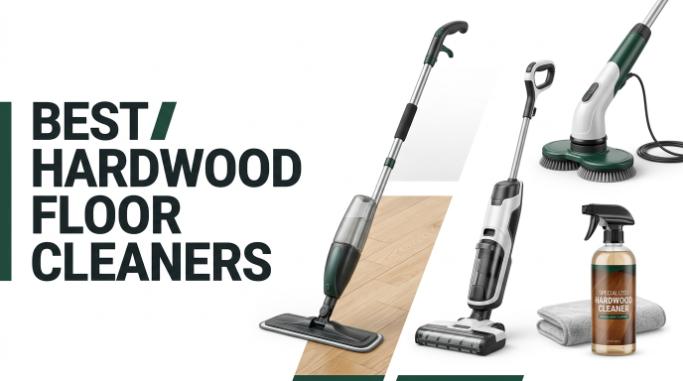
Finding the right hardwood floor cleaner in 2026 comes down to more than just picking a familiar bottle. We compare 10 standout options by the factors that matter most for wood floors: pH balance, residue behavior, drying time, safety around kids and pets, scent, packaging format, refill options, compatibility with mop systems, and long-term shine.
Not every cleaner works on every floor. Polyurethane-finished hardwoods need pH-neutral formulas, engineered planks require gentle chemistry, and waxed or oiled surfaces demand entirely different products. Choosing incorrectly can dull a finish, leave sticky buildup, or cause discoloration that takes professional refinishing to fix, so matching the cleaner to your specific floor type is essential.
This guide covers ready-to-use sprays, concentrated refills, complete mop systems, and cleaner-and-polish bundles. Whether you have a busy family kitchen, a formal living room with delicate finishes, or high-traffic hallways that need weekly attention, one of these picks should match your routine and your floors without any guesswork.
We compared 10 hardwood floor cleaners using the factors that genuinely help buyers decide: pH balance, residue behavior, drying speed, streak performance, safety around kids and pets, scent profile, floor-type compatibility, packaging format, refill and concentrate options, environmental certifications, mop system pairing, owner feedback, and value per ounce. The notes focus on real trade-offs so each recommendation connects to how people actually maintain finished wood floors day to day.


Compare key features, scores, and current prices side by side. A shorter feature list means fewer details were available, not necessarily fewer capabilities.




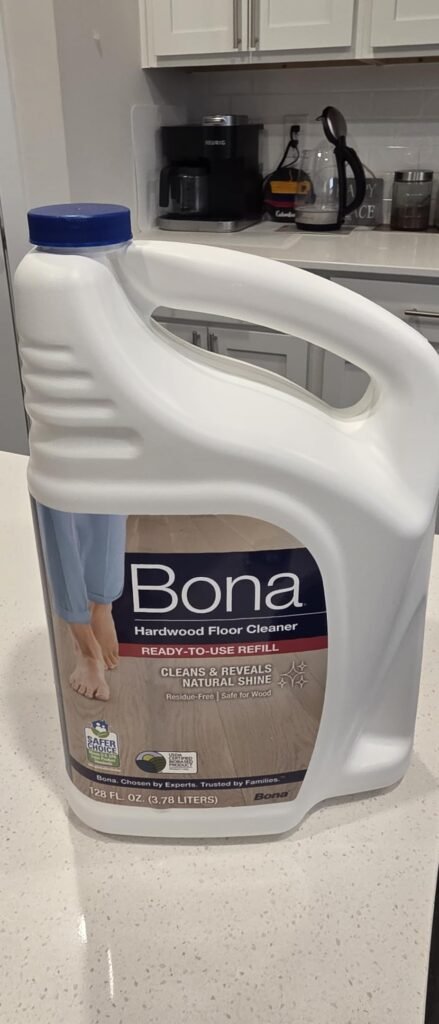
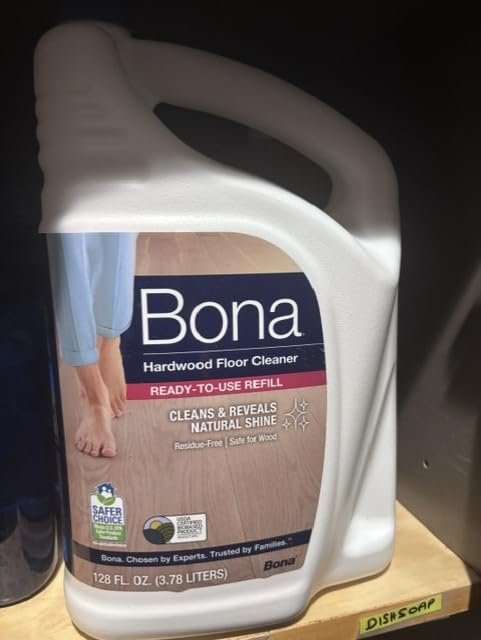
For anyone already using the Bona system, this gallon-size refill is the smart way to buy. The formula matches the standard ready-to-use spray, so you get the same pH-neutral, residue-free cleaning at a substantially lower price per ounce. It refills any Bona spray bottle or mop cartridge.
We may earn a commission when you buy through this link, at no additional cost to you.
The cedar wood scent variant blends essential oils of rosemary and cedarwood with notes of peony and eucalyptus. That gives it a warmer, more distinctive aroma than the standard unscented option, which appeals to buyers who want their cleaning routine to feel a bit more spa-like without shifting to a heavy fragrance.
Practical details matter with a large jug. The splashless technology and wide handle make pouring into smaller bottles easier and less prone to spills. The formulation carries the same 95% biobased content, Safer Choice certification, and 30% post-consumer recycled bottle credentials as the smaller ready-to-use spray.
Keep large refills sealed tight and stored in a cool, dark location such as a laundry room or utility closet. Excessive heat and sunlight can degrade botanical scent oils and reduce shelf life. Refilling smaller bottles as needed keeps your daily cleaning ergonomic while preserving the bulk product.
This is the value pick for regular Bona users cleaning multiple rooms weekly. It requires already owning or purchasing a compatible spray bottle or mop cartridge, so first-time buyers should pair it with a spray bottle or the branded mop system. Households cleaning small areas occasionally may find the 32 oz spray more practical.
Not for buyers who need a ready-to-use bottle out of the box.
We may earn a commission when you buy through this link, at no additional cost to you.
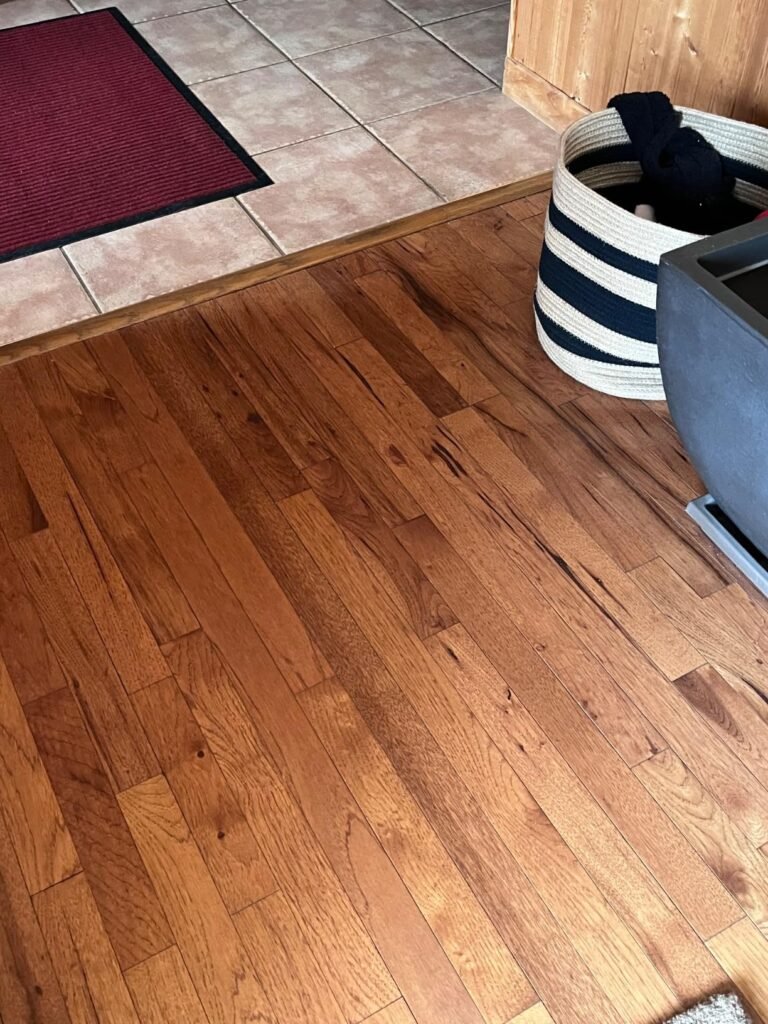
Bona's hardwood floor spray has become a default choice for anyone with polyurethane-finished wood, and it earns that reputation. The pH-neutral formulation cleans dust, tracked-in soil, and everyday grime without stripping the finish or leaving a film that dulls the surface over time. For most homeowners, this is the safest first pick.
We may earn a commission when you buy through this link, at no additional cost to you.
The spray-and-mop workflow keeps daily maintenance simple. There is no diluting or rinsing required, so a quick pass over a kitchen floor or hallway takes only a few minutes. The formula dries fast enough that you can walk on the floor again shortly after cleaning, which matters in busy households where the kitchen never really closes.
Beyond performance, the environmental credentials add real value. The formula contains 95% USDA certified biobased content, meets EPA product standards, and carries Safer Choice certification. The bottle itself uses 30% post-consumer recycled content. That matters for buyers who want a clean-label option without sacrificing effectiveness.
Acidic or alkaline cleaners can slowly break down the protective polyurethane layer on hardwood floors, leading to cloudiness, discoloration, or lifting. A pH-neutral formula cleans effectively without chemically stressing the finish. Over years of weekly use, that difference is what keeps floors looking freshly finished rather than gradually worn.
For daily and weekly cleaning of finished hardwood, this is the pick that combines safety, performance, and convenience. If your floors are unwaxed and unoiled with a polyurethane finish, you can use it confidently. Buyers who clean large homes frequently may want to skip straight to the larger refill format for better long-term value.
Not suitable for waxed, oiled, or unfinished wood floors.
We may earn a commission when you buy through this link, at no additional cost to you.
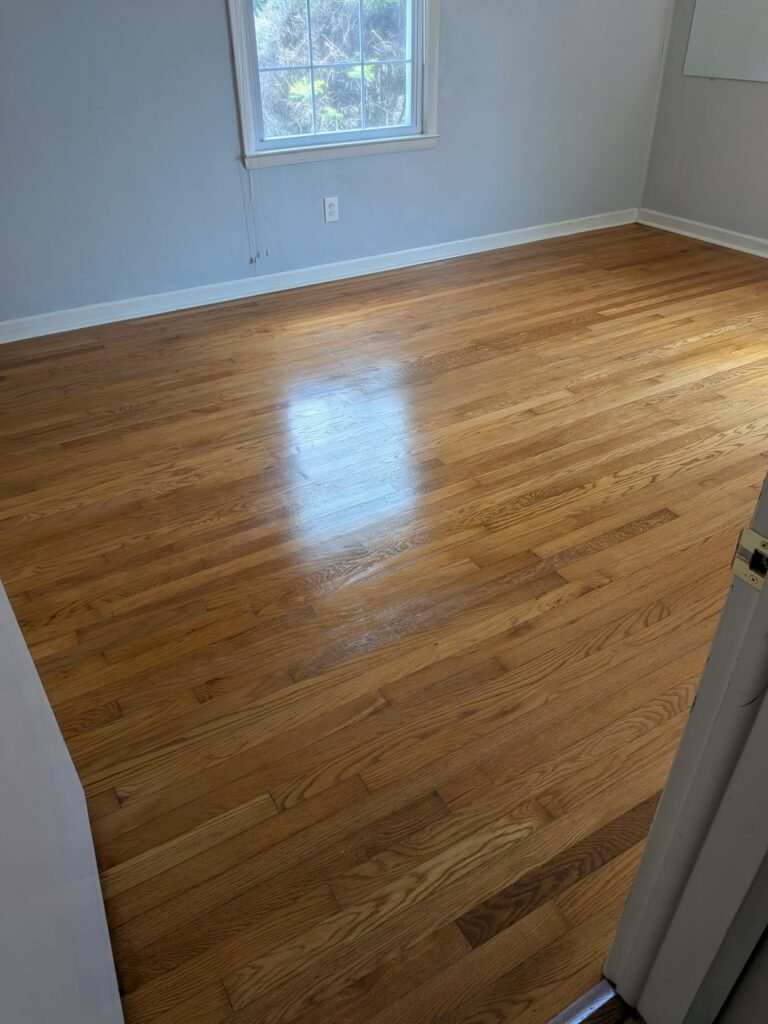
This bundle steps beyond routine cleaning by pairing a hardwood cleaner with a polish restorer designed to minimize the look of surface scratches. It is a smart pick for floors that clean up fine but still look tired, especially in entryways, kitchens, and hallways where scuffs accumulate quickly.
We may earn a commission when you buy through this link, at no additional cost to you.
The cleaner handles day-to-day dirt and grime without leaving a sticky film. The polish then adds a thin protective layer that visually fills fine scratches and adds shine. Used together on a periodic basis, they can meaningfully refresh floors that have lost some of their original luster, which is often the goal in older homes.
Compatibility extends to finished hardwood, engineered planks, laminate, and vinyl, so this set works across most modern flooring materials. The ready-to-use formula is designed to be safe around children and pets once dry, and the citrus scent is noticeably fresh without being overwhelming. That makes it easier to use in living areas where lingering chemical smells would be a problem.
Polishing is not required as often as cleaning. Most homeowners get good results applying polish every one to three months in high-traffic areas and less frequently elsewhere. Overapplying polish can cause buildup, so follow the label directions and use only in areas where visible dullness or fine scratches justify the extra step.
Choose this bundle if your floors need more than routine cleaning and you want a visible improvement in appearance. Skip it if your finishes are new or you already use a manufacturer-recommended maintenance product, since layering polishes can eventually require stripping and reapplication.
Not for waxed or oil-finished hardwood floors.
We may earn a commission when you buy through this link, at no additional cost to you.
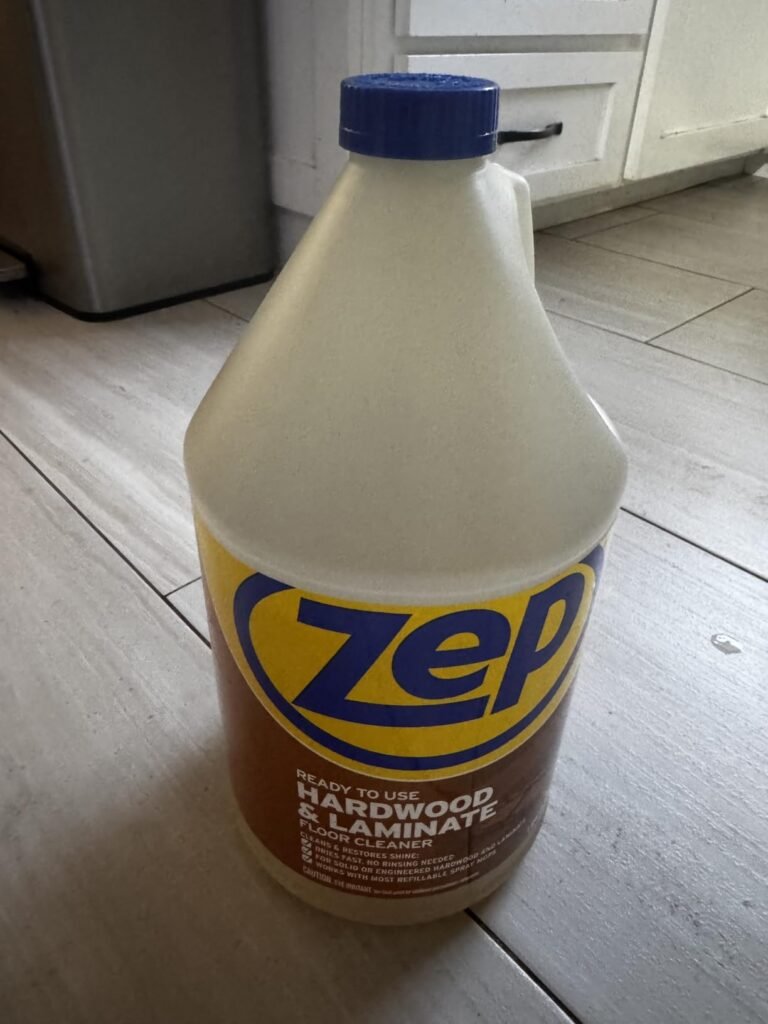
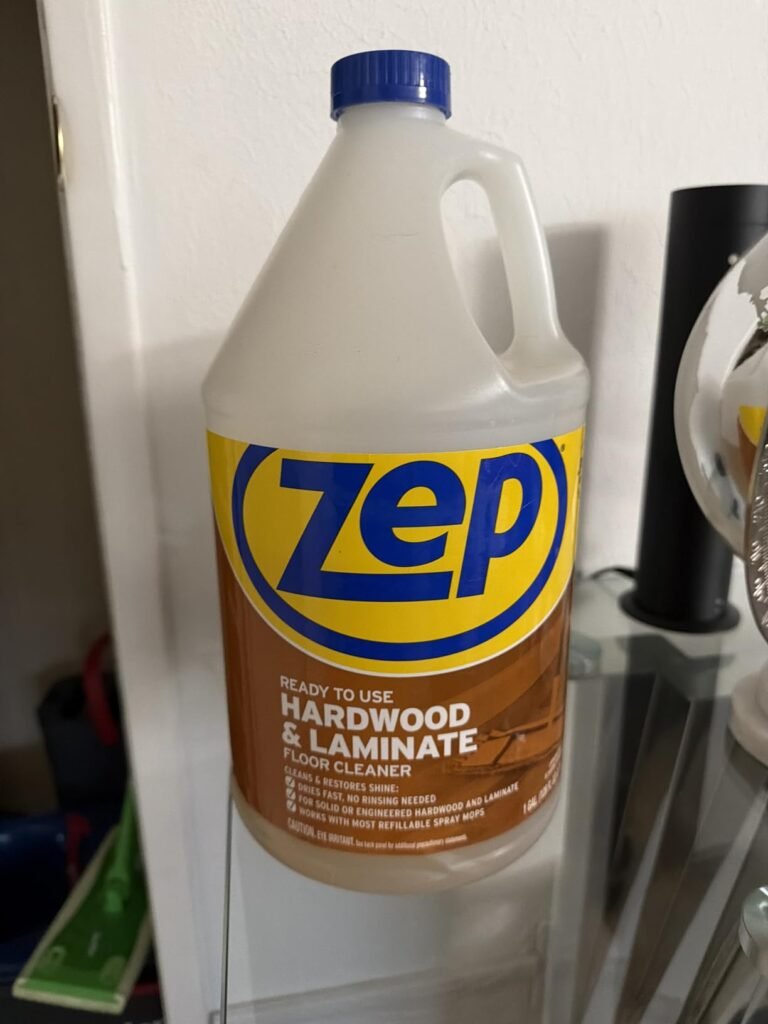
ZEP's professional-grade formula targets homes with heavier soil loads, scuff marks, and older stains that gentler cleaners might not fully remove. The mild detergent chemistry is aimed at varnish, acrylic, and polyurethane-finished wood and laminate surfaces, giving it a slightly broader use case than pure hardwood-only products.
We may earn a commission when you buy through this link, at no additional cost to you.
The formula works quickly and does not require rinsing, so spraying and wiping with a dry mop or towel is enough for a clean, streak-free result. That efficiency matters most in larger homes or rental properties where floor cleaning has to fit into limited maintenance windows.
Beyond floors, the formula is safe to use on baseboards, cabinet doors, and crown molding, which is useful during deeper cleaning sessions. The formulation is compatible with most refillable spray mops, so you can pair it with the mop system you already own rather than being locked into a proprietary refill format.
Most modern hardwood floors installed in the last few decades use polyurethane or acrylic finishes. If your floor beads water and has a glossy or satin sheen, it is likely finished. Older homes with waxed or oiled wood require entirely different products, so identify your finish before choosing a cleaner. When in doubt, check with the flooring installer or manufacturer.
Choose this cleaner if your floors see genuine wear and you want stronger cleaning power without stepping outside the safe range for polyurethane finishes. Avoid it on tile, grouted flooring, waxed wood, or oil-finished surfaces where the chemistry is not appropriate.
Not for tile, grouted floors, waxed wood, or oil-finished surfaces.
We may earn a commission when you buy through this link, at no additional cost to you.
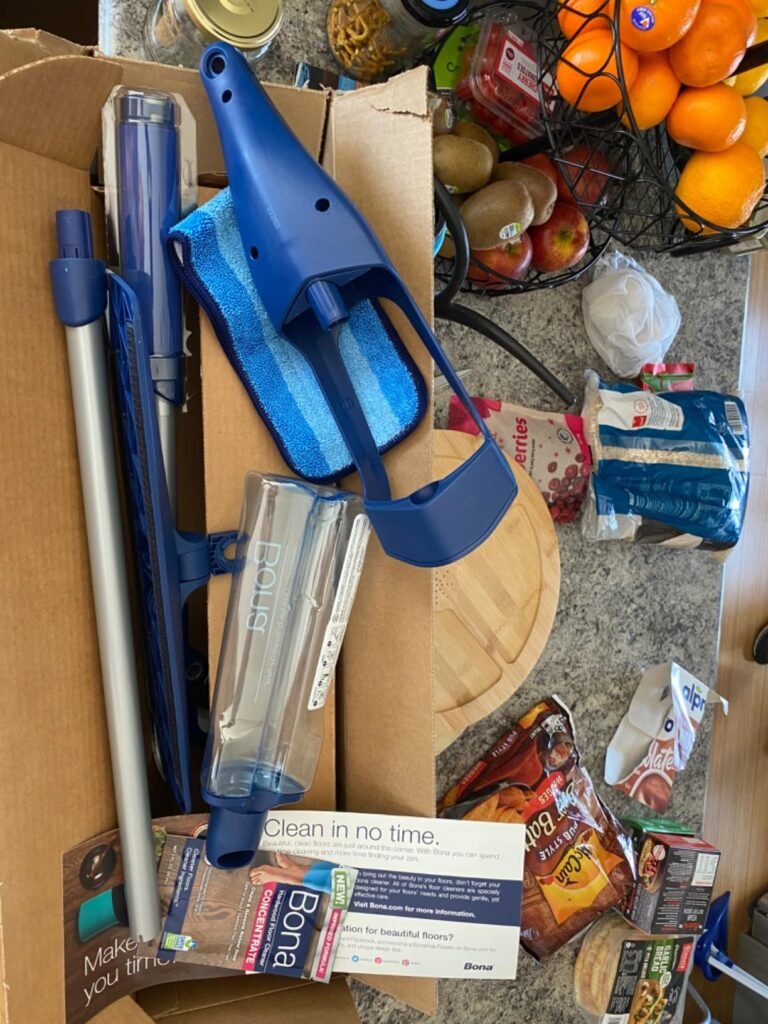
This complete mop system is aimed at buyers who want a purpose-built tool for hardwood care rather than piecing together a spray bottle, refills, and a separate mop. The kit includes the mop itself, a concentrated cleaner pouch, a refillable 34 oz cartridge, and a large machine-washable microfiber pad.

We may earn a commission when you buy through this link, at no additional cost to you.
The concentrate approach is genuinely useful. Mixing the small pouch with water inside the cartridge creates ready-to-use cleaner without shipping full liquid bottles repeatedly. That reduces packaging over time and makes refills more compact to store. The mop features a secondary foam grip that adds leverage for scrubbing stuck-on messes.
The dual-zone microfiber pad is one of the standout details. It traps dry debris on one section while absorbing liquid on another, so a single pass handles both aspects of cleaning. The extra-large head with a swivel design and rubberized soft corners covers ground quickly while resisting scuffs on furniture and baseboards.
Machine wash the pad separately from linty items like towels to preserve its trapping ability. Skip fabric softener since it coats fibers and reduces performance. Rotate between two pads if you clean large areas so each has time to fully dry between uses. Following these steps easily gets you close to the 500 wash cycles the pad is rated for.
Choose this system if you clean hardwood regularly and want the efficiency of a purpose-built mop. The higher entry price pays back over time thanks to the reusable pad, refillable cartridge, and compact concentrates. Buyers who clean only occasionally may find a simple spray-and-cloth approach more economical.
Not the best fit for buyers who prefer traditional bucket-and-mop cleaning.
We may earn a commission when you buy through this link, at no additional cost to you.
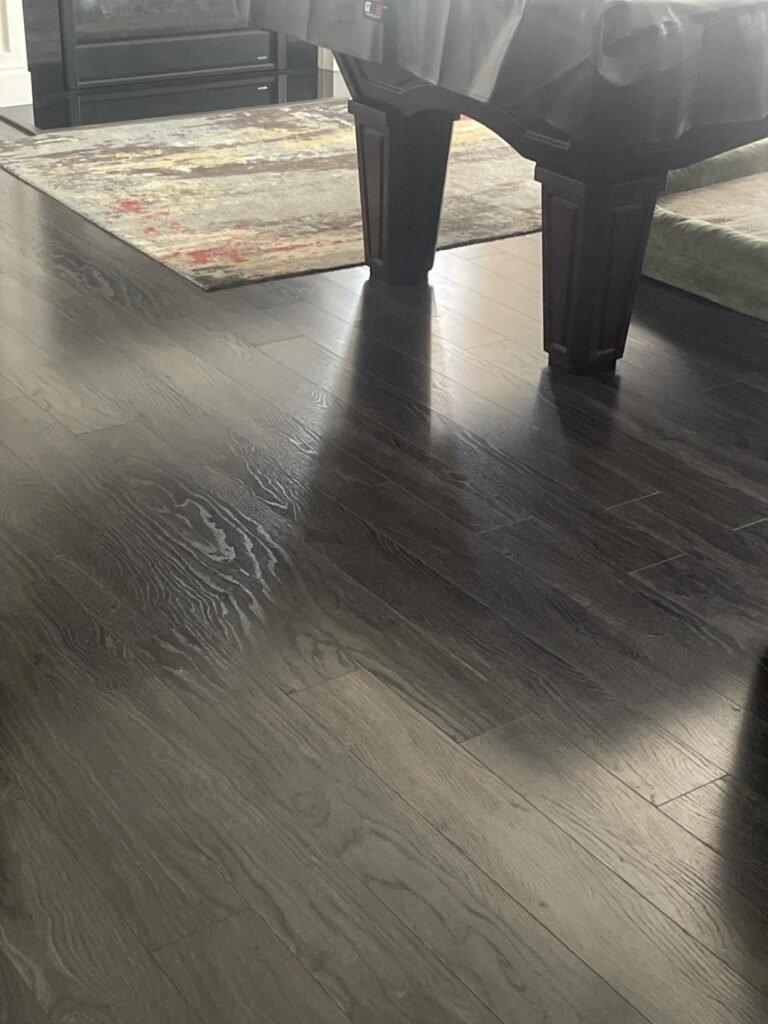
Method's Squirt Plus Mop cleaner is a straightforward choice for anyone who wants to keep hardwood clean without over-thinking product selection. The design encourages the simplest possible workflow: squirt a small amount directly on the floor, then mop it up. That approach suits people who prefer familiar techniques over spray-mop systems.
We may earn a commission when you buy through this link, at no additional cost to you.
The wax-free formulation is worth highlighting. Wax buildup is a common long-term issue with wood floors that receive frequent cleaning, and it can lead to hazy, uneven surfaces that require stripping to fix. Using a wax-free product from the start avoids that problem entirely, keeping the floor’s finish visible and consistent.
The almond fragrance is distinctive and lingers pleasantly for a short time after cleaning. Some buyers love that character, while others prefer a more neutral scent, so consider your household preferences. The bottle uses naturally derived fibers as part of Method’s broader eco-conscious approach to household cleaning products.
Squirting cleaner directly on the floor allows more targeted application on visibly dirty spots. Spraying with a mop system distributes cleaner more evenly across a larger area. Neither is inherently better, but the squirt approach can use less product overall when you focus on high-traffic zones rather than blanketing the whole floor.
This is a solid pick for small apartments, condos, or single rooms with hardwood where a compact, affordable bottle makes sense. Larger homes with extensive wood flooring will burn through the 25 oz volume quickly and might do better with a refill-based system.
Not the best pick for large homes needing frequent whole-floor cleaning.
We may earn a commission when you buy through this link, at no additional cost to you.
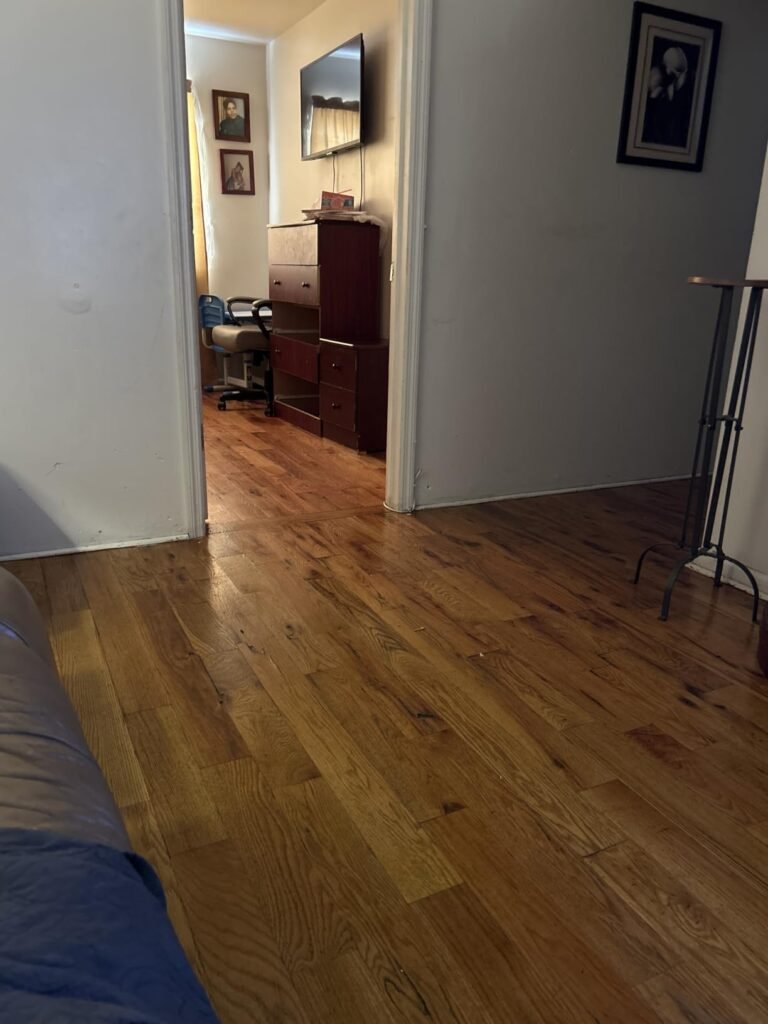
Streaking is one of the most frustrating outcomes when cleaning wood, and this Weiman formula is designed specifically to avoid that problem. It rejuvenates finished hardwood surfaces without leaving a sticky residue or hazy film, which is especially noticeable on darker floor stains where streaks tend to show most.
We may earn a commission when you buy through this link, at no additional cost to you.
The plant-based ingredient profile and EPA Safer Choice certification are meaningful for households with children or pets. Once dry, the treated surface is safe for kids and animals to walk on, so cleaning can fit into daily routines without disrupting the household. That practical safety matters more than any marketing claim.
Application is flexible thanks to compatibility with refillable squirt mops. That flexibility means you can pair this cleaner with an existing microfiber mop system rather than being locked into a proprietary format. Compatibility extends beyond hardwood to engineered floors, vinyl, and laminate, so it covers most modern residential flooring.
Streaks usually come from either overly wet mopping or residues left behind by cleaners that are not fully residue-free. Using a well-wrung microfiber pad and a residue-free formula together practically eliminates the issue. Dark floors show streaks first, so start on hidden areas when testing any new cleaner.
Choose this cleaner if streak-free results are your top priority, especially on dark or high-gloss floors. Pair it with Weiman’s high-traffic polish for enhanced long-term shine. Skip it if your floors are unfinished, waxed, or oiled, since the formula is designed for finished surfaces only.
Not for unfinished, waxed, or oiled hardwood floors.
We may earn a commission when you buy through this link, at no additional cost to you.
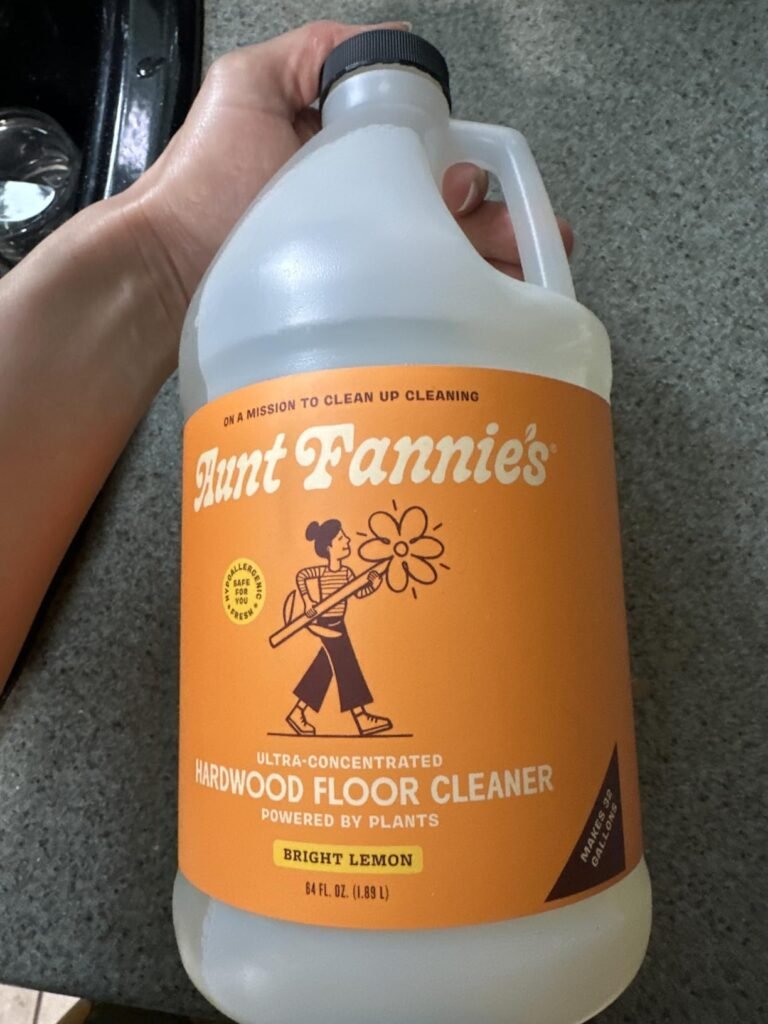
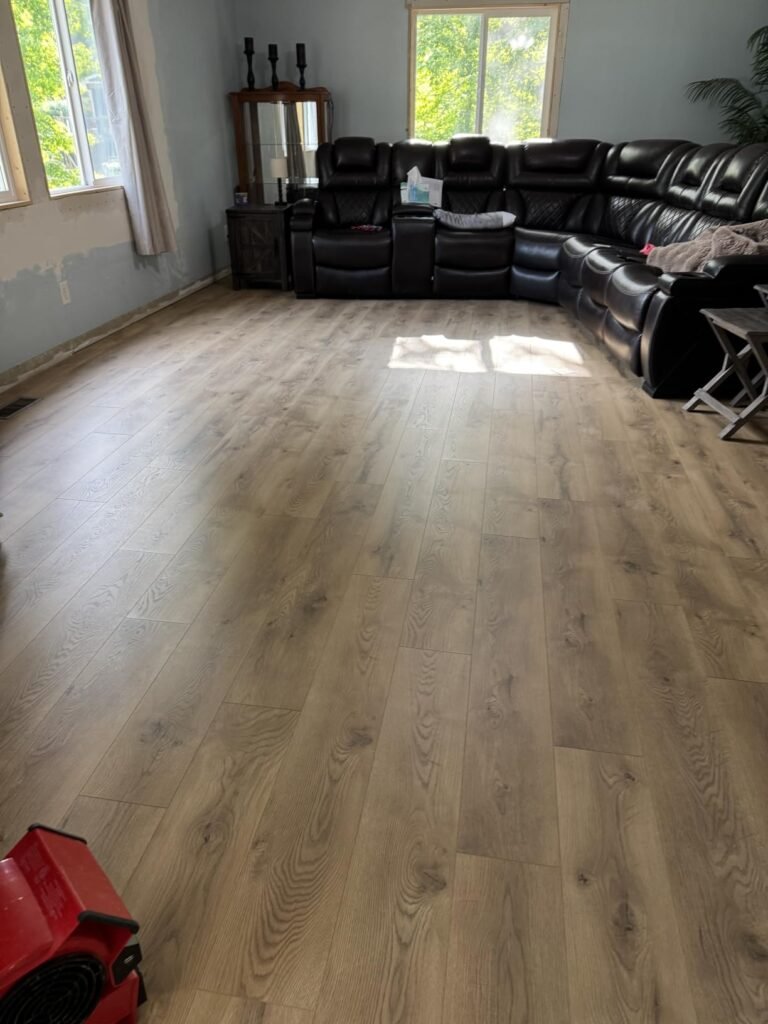
Aunt Fannie's approach appeals to buyers who prioritize ingredient transparency and natural formulations. This concentrated hardwood cleaner uses plant-based ingredients and skips vinegar, which is important because acidic vinegar can slowly harm the polyurethane finishes common on modern wood floors.
We may earn a commission when you buy through this link, at no additional cost to you.
The concentrate format offers meaningful economy. Half a cup mixed into two gallons of water creates a substantial working solution, so a single bottle handles many cleaning sessions in a large home. Compatibility with mop buckets, floor cleaning machines, and refillable spray bottles gives you multiple ways to apply it.
Compatibility extends to solid, engineered, bamboo, manufactured, and laminated floors, which covers essentially every modern wood or wood-look flooring type. The natural lemon essential oil scent adds a bright freshness during cleaning without the artificial character some commercial fragrances carry. The formula is EWG A-rated and hypoallergenic.
Use a marked measuring cup rather than eyeballing amounts. If you use a spray bottle, dilute smaller batches to keep the mixture fresh. Concentrates tend to work best with warm water, which helps them mix evenly and dissolve any residual soil more effectively. Never mix with vinegar or other cleaning products.
This is the pick for homes prioritizing clean-label products, especially where family members have sensitivities to fragrances or synthetic chemicals. The main trade-off is remembering to dilute correctly. Applying concentrate without diluting will leave a slick residue, so measure carefully every time.
Not for buyers who want a ready-to-use spray with no measuring required.
We may earn a commission when you buy through this link, at no additional cost to you.
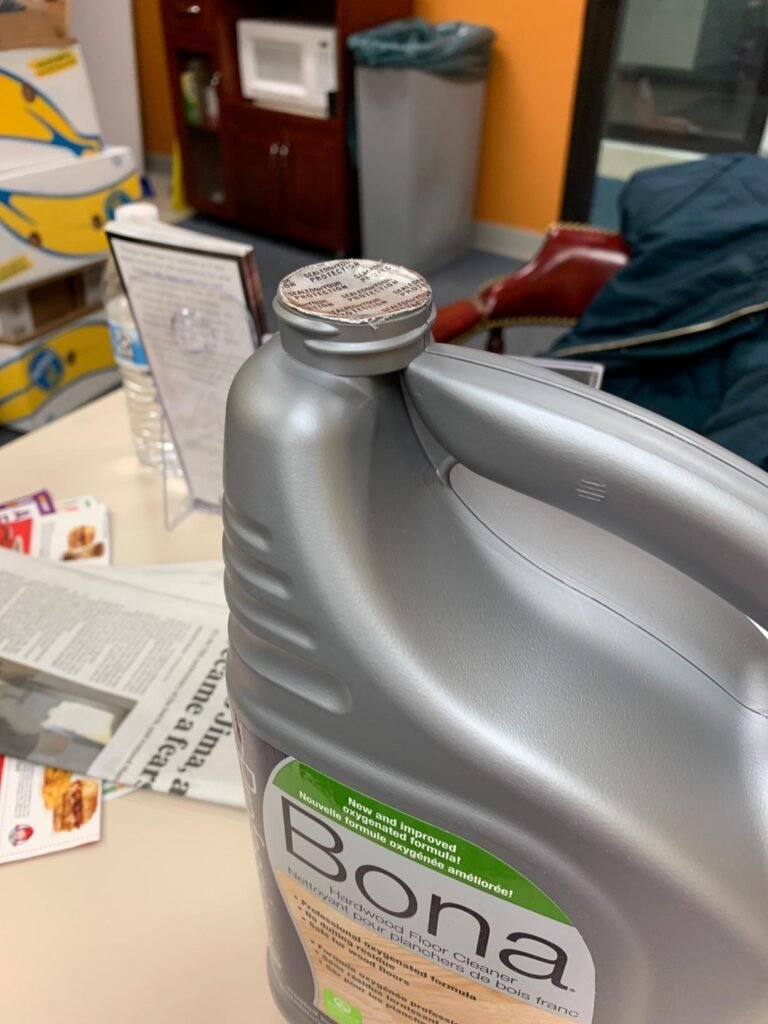
Bona's Professional Series refill is a step up in cleaning strength for buyers dealing with higher soil loads, commercial-adjacent spaces, or floors that see rougher wear than a typical residential room. The oxygenated formula tackles ground-in dirt more aggressively while still respecting hardwood finishes.
We may earn a commission when you buy through this link, at no additional cost to you.
The 128 fl oz refill size delivers strong value for anyone cleaning wood floors regularly across multiple rooms. Because it is formulated to leave no dulling residue, repeated use over months and years does not gradually cloud the finish, which is critical for maintaining the intended appearance of your floors long term.
The formula is specifically designed for hardwood, so unlike some multi-surface products, it does not compromise on wood-specific performance. Made in the USA, it carries the reliability signals many professional installers and cleaning services look for when they need a product that behaves predictably on a wide range of finished wood floors.
Professional-grade formulas typically use stronger surfactant systems tuned for higher soil removal without harming finishes. That extra cleaning power is welcome in high-traffic homes but may be more than necessary for lightly used rooms. Match formula strength to your actual cleaning needs rather than always choosing the strongest option.
Choose this refill if your floors see heavy use or if you appreciate a slightly stronger cleaning formula than the standard Bona consumer line. Pair it with a compatible spray bottle or mop cartridge. If your cleaning needs are modest, the standard formula is more than adequate and slightly gentler.
Not necessary for lightly used floors where standard formulas suffice.
We may earn a commission when you buy through this link, at no additional cost to you.
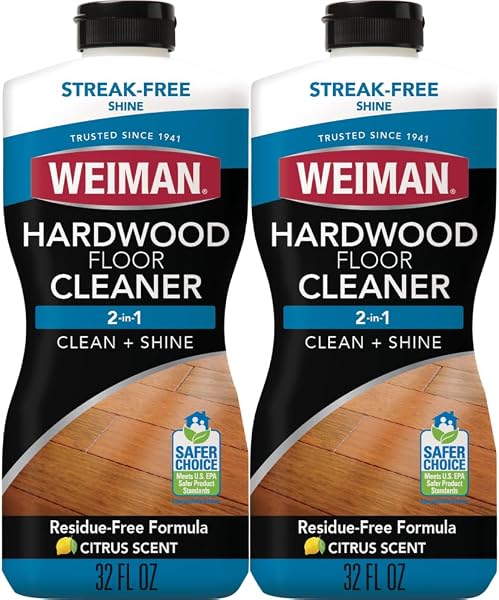
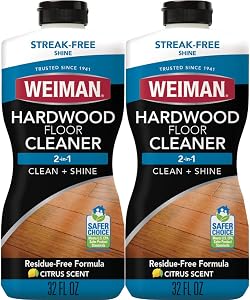
For households already committed to Weiman's streak-free formula, the two-pack offers a smart way to keep a backup on hand. Running out of floor cleaner mid-cleaning is one of those minor annoyances that always seems to happen at the wrong time, and buying in pairs eliminates the risk.
We may earn a commission when you buy through this link, at no additional cost to you.
The formula behind these bottles matches the single-bottle version: plant-based ingredients, EPA Safer Choice certification, and streak-free performance on finished hardwood, engineered planks, vinyl, and laminate. The citrus scent adds a bright, clean finish to the cleaning experience without lingering too aggressively afterward.
The bottles work well with refillable squirt mops, giving you flexibility in how you apply the cleaner. Pairing this cleaner with Weiman’s high-traffic polish delivers longer-lasting shine, which is worth considering if your floors see heavy foot traffic in a large family home or entertaining spaces.
Multi-packs make the most sense once you have confirmed a product works well in your home. Buying in bulk before testing risks committing to a scent or formula you dislike. Once verified, multi-packs cut cost per ounce, reduce shopping trips, and ensure you always have supply on hand for regular cleaning schedules.
This is the pick for buyers who already know they like Weiman’s product and want the convenience and slight per-ounce savings of buying two. First-time users should try a single bottle first to confirm the scent and finish appeal work for their household.
Not for first-time buyers who have not confirmed the scent and formula work for them.
We may earn a commission when you buy through this link, at no additional cost to you.
The right cleaner depends on your floor finish, cleaning frequency, household needs, and how much convenience you want built into the product. The factors below will help you narrow the choices with confidence.
The first and most important consideration is what finish your floors actually have. Most modern hardwood is protected with a polyurethane finish, which forms a hard, water-resistant surface layer. Cleaners designed for polyurethane floors are pH-neutral and residue-free. Using the wrong cleaner on the wrong finish can dull the surface, cause hazing, or in extreme cases require professional refinishing to correct.
Waxed and oil-finished floors are entirely different. They require specialty products that support and maintain the finish rather than clean over the top of a hard sealant. Applying a standard hardwood cleaner to a waxed floor can strip the wax, leaving uneven appearance and reduced protection. If you are unsure about your floor finish, drop a small amount of water on it: if it beads, the floor is finished; if it soaks in, it is likely unfinished, waxed, or oiled.
For most homeowners with modern hardwood, a pH-neutral polyurethane-compatible cleaner is the right default. When in doubt, contact your flooring installer or manufacturer for their maintenance recommendation before committing to a routine cleaner.
Cleaners that leave residue behind are the most common cause of dull, hazy floors over time. Every use adds a thin film that eventually clouds the finish and can trap dust and dirt against the surface. Look explicitly for products marketed as residue-free, no-rinse, or streak-free. These formulas rinse away with the mop pad rather than leaving a chemical film.
Streaking is more noticeable on darker floor stains and high-gloss finishes. If your floors show streaks easily, prioritize residue-free cleaners and use well-wrung microfiber pads rather than saturating the floor. Applying too much cleaner is a common cause of streaks even with high-quality products, so start with less than you think you need and add more only if necessary.
Test any new cleaner in an inconspicuous area first. That small step catches surprises before they affect visible floor areas.
Household safety is a significant factor for buyers with children, pets, or allergies. Look for cleaners with certifications such as EPA Safer Choice, USDA Certified Biobased, EWG A-rating, or hypoallergenic and dermatologist-tested claims. These signals indicate the formula has been reviewed against established ingredient safety standards.
Most quality hardwood cleaners are safe for kids and pets to walk on once dry. The drying window matters: quick-drying formulas reduce the exposure time. Keep pets and small children off the floor until the surface is fully dry, and ensure adequate ventilation during and after cleaning, especially with scented products.
For households sensitive to fragrances, look for unscented or lightly scented plant-based options. Strongly scented cleaners can trigger headaches or respiratory discomfort in sensitive individuals, so this is worth taking seriously when you narrow choices.
Ready-to-use sprays offer maximum convenience. You spray, mop, and move on with no measuring or mixing. The trade-off is higher cost per ounce because you are also paying to ship water. For occasional cleaning or small living spaces, this format is entirely reasonable.
Concentrates or refill bottles deliver significantly better value per use, especially in larger homes. A single 128 oz refill lasts through many cleaning sessions and produces less packaging waste. The extra step is transferring cleaner to a spray bottle or mop cartridge, or diluting concentrate with water at the right ratio.
Choose based on cleaning volume. Small apartments and occasional users benefit from ready-to-use sprays. Larger homes and regular cleaners save meaningfully by moving to refills or concentrates once they know the formula suits their floors.
How you apply the cleaner matters as much as the cleaner itself. Traditional bucket-and-mop methods can oversaturate wood floors, which is one of the leading causes of long-term wood damage from swelling, warping, or gapping. Modern spray mops and microfiber pads apply just enough liquid to clean without soaking the surface.
Complete mop systems bundle a mop, refillable cartridge, cleaning pad, and cleaner into one package. That is convenient but locks you into proprietary refills. Standalone spray bottles paired with a good microfiber mop offer more flexibility since you can switch cleaner brands more easily. Microfiber pads are more effective than cotton for trapping dust and dirt, and they generate less streaking.
For daily and weekly maintenance, a spray-mop approach with microfiber pads is the current best practice. Wash pads separately from linty fabrics and avoid fabric softener to preserve their cleaning performance.
Scent is a personal preference but a real factor in daily enjoyment of any cleaning routine. Options range from unscented to distinct fragrances like citrus, cedar, lemon, and almond. Natural essential oil scents tend to be more pleasant and less overwhelming than synthetic fragrances, though everyone’s preferences differ.
Consider how well the scent will suit multiple rooms. A strong citrus that works in the kitchen might be overwhelming in a small entryway. Buyers with fragrance sensitivities should specifically seek unscented options or those with light plant-based essential oil notes rather than heavier chemical fragrances.
When possible, try a small bottle of a new scent before committing to a large refill or multi-pack. Scent preferences are highly individual and can change how much you enjoy the cleaning process.
For floors that are cleaning up fine but still looking dull or scratched, a polish or restorer product adds another dimension. These products lay down a thin protective layer that fills fine surface scratches and adds shine. They are not routine cleaners but a periodic enhancement, typically applied every one to three months in high-traffic areas.
Polishes should not be overapplied. Repeated layering without occasional stripping can lead to buildup that requires professional maintenance to remove. Match your polish choice to your cleaner brand when possible for chemistry compatibility, and always let the floor dry fully between cleaning and polishing steps.
Consider a cleaner-and-polish bundle if your floors are aging visibly and you want a noticeable refresh. Skip polish entirely if your floors are new or you follow a manufacturer’s specific maintenance schedule that recommends against it.
Many buyers now prioritize cleaners with clean-label credentials: plant-based ingredients, biobased content, recycled packaging, and independent safety certifications. Certifications to look for include EPA Safer Choice, USDA Certified Biobased, and EWG ratings, which each apply different but overlapping standards for ingredient safety and environmental impact.
Packaging matters too. Bottles made from post-consumer recycled plastic reduce virgin resource demand. Concentrate formats dramatically reduce packaging weight and shipping emissions per use. Refill bottles cut down on repeated disposable packaging over time.
If sustainability is a real priority for you, favor certified biobased formulas in refill or concentrate formats. Just be sure the product still performs well on your specific floors, since a green cleaner that leaves residue is not doing your floors any favors.
Begin every cleaning session by removing loose debris. Sweep, vacuum with a hardwood-safe attachment, or use a dry microfiber pad to pick up dust, hair, and grit. Dragging a wet mop over loose grit acts like sandpaper on the finish, so this step meaningfully extends the life of your floors. For daily upkeep, a dry microfiber pass is often enough, saving wet cleaning for weekly or biweekly deep sessions.
Apply cleaner sparingly. Modern hardwood cleaners are designed to work with a thin, even layer of liquid rather than pooling wet spots. Spray a light mist directly on the floor or the mop pad, then wipe in the direction of the wood grain for a more even finish appearance. Never let water or cleaner sit on hardwood for extended periods, since prolonged moisture is one of the most common causes of long-term wood damage. Wipe up any spills promptly, and avoid over-saturating even in kitchen or entryway areas.
Care for your mop pads and cleaning tools between uses. Machine-wash microfiber pads separately from linty items and skip fabric softener to preserve their fiber texture. Air-dry when possible for maximum longevity. Store cleaner bottles and refills in cool, dark locations away from direct sunlight to keep essential oils and active ingredients fresh. Periodically check for signs of finish wear such as areas that no longer bead water, and consider a professional refinishing consultation every 7 to 15 years depending on traffic and use.
Most flooring manufacturers advise against vinegar for finished hardwood. Vinegar is acidic and can slowly break down polyurethane finishes over time, leading to dullness and eventual damage. Purpose-built pH-neutral hardwood cleaners are safer and more effective. If you prefer a natural approach, choose a plant-based cleaner specifically formulated for finished wood floors.
Dry cleaning with a dust mop or vacuum every one to three days keeps grit off the surface and prevents scratches. Wet cleaning with a hardwood cleaner is typically appropriate once a week for main areas and less often for low-traffic rooms. High-use spaces like kitchens and entryways may need more frequent wet cleaning. Adjust based on your household size, pets, and shoe policies indoors.
Most quality hardwood cleaners are safe for pets once the surface has fully dried. Look for products with EPA Safer Choice certification, plant-based ingredients, or hypoallergenic labels for extra confidence. Keep pets off freshly cleaned floors until dry, which usually takes only a few minutes. Store all cleaning products securely out of reach when not in use.
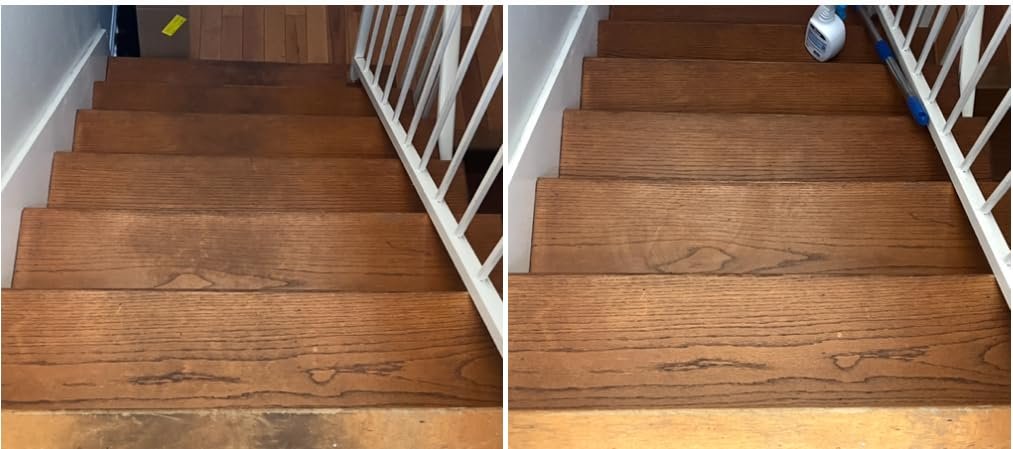
Quality residue-free hardwood cleaners restore the floor's natural shine by removing dust and grime that dull the finish. They do not add extra shine on top. If your floors look dull even after cleaning, the finish itself may need a separate polish or, for older floors, professional refinishing. Bundled cleaner-and-polish products can add visible shine without full refinishing.
Some hardwood cleaners are formulated to work on laminate, vinyl, and engineered flooring in addition to solid hardwood. Check the label for explicit compatibility. Never use a product formulated only for hardwood on tile or grouted floors, and never use tile cleaners on wood. Multi-surface cleaners save money if you have mixed flooring throughout your home.
A microfiber mop is strongly recommended for hardwood floors. Microfiber traps fine dust and dirt effectively while requiring less liquid than traditional cotton mops, which reduces the risk of moisture damage. Spray mops paired with microfiber pads are especially convenient. Avoid steam mops on hardwood since the heat and moisture can damage finishes and cause warping over time.
Blot up liquid immediately with paper towels or an absorbent cloth, then clean the area with your regular hardwood cleaner. For lingering odor, enzymatic pet-specific cleaners designed for hardwood can neutralize the smell without damaging finishes. Do not soak the area, and act quickly since prolonged moisture can seep into seams and cause staining or warping in the wood beneath.
Streaks typically come from cleaner residue, dirty mop pads, or applying too much liquid. Use residue-free formulas, wash mop pads regularly, and use a light hand with spray application. On dark or high-gloss floors, streaks are more visible, so extra care with product amount and mop pad cleanliness pays off. A dry microfiber buff after cleaning can also eliminate residual streaks.
For anyone who cleans hardwood regularly across multiple rooms, refill bottles offer significant savings per ounce and reduce packaging waste. The trade-off is needing a compatible spray bottle or mop cartridge already on hand. For occasional users or those with small hardwood areas, ready-to-use sprays remain more convenient without breaking the budget.
Some hardwood cleaners are safe for baseboards, cabinets, and wood trim, but not all. Check the product label for guidance. Furniture with delicate lacquers, antique finishes, or unfinished wood may need specialty cleaners rather than floor products. When in doubt, test in an inconspicuous area first or use a dedicated wood furniture polish for those pieces.
For most homeowners with modern polyurethane-finished hardwood, the Bona Hardwood Floor Cleaner Spray stands out as the strongest all-round choice. It combines a genuine pH-neutral formula, residue-free performance, quick drying, and independent safety certifications at an accessible price. That balance of reliability, safety, and convenience is hard to beat for daily and weekly maintenance.
Different needs point to different picks. Buyers cleaning larger homes regularly will get significantly better value from the Bona 128 oz refill or the Bona Professional Series refill, both of which stretch further per dollar. The Bona Premium Spray Mop is the top pick for anyone wanting a complete cleaning system, while the Weiman Cleaner and Polish Bundle handles floors that need both cleaning and restored shine. For natural-formula priorities, Aunt Fannie's concentrate delivers strong ingredient transparency without sacrificing performance.
Start by identifying your floor finish and matching a compatible cleaner to it. Then think about how frequently you clean, how much convenience you want in the format, and whether scent, ingredient certifications, or complete mop systems matter to your household. Any product on this list is a solid choice when matched thoughtfully to the floors it will maintain and the routine it will fit into.