BalanceFrom 10×4 Folding
9.4Editor score10ft x 4ft size
2-inch thick foam
Four-panel folding
Hook-and-loop edges
Find the right gymnastics mats for 2026. We compare 10 standout options by build quality, useful features, owner feedback, value, and everyday trade-offs.
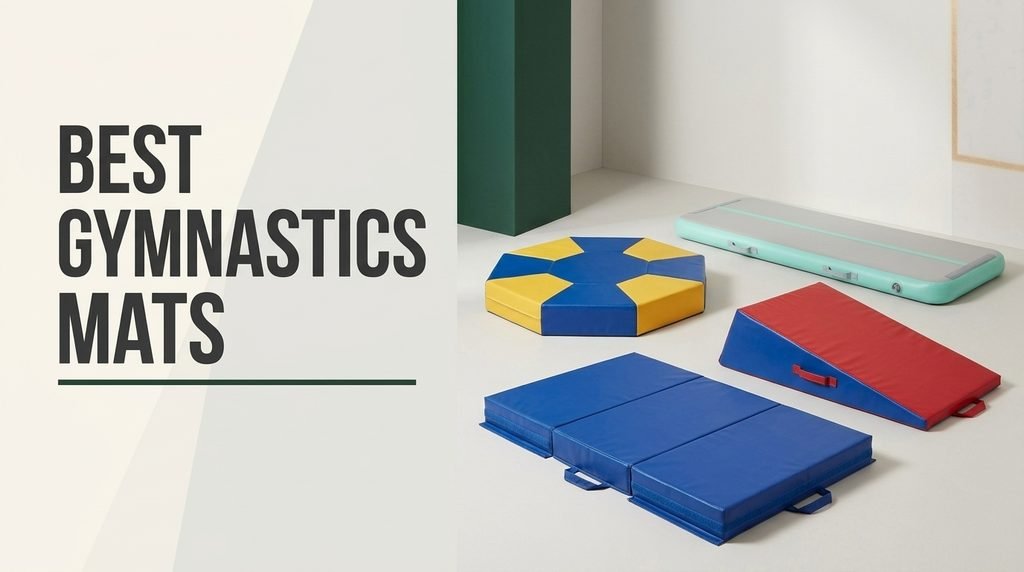
Finding the right gymnastics mat for 2026 means matching foam quality, thickness, size, portability, and connection options to your training needs. We compare 10 standout options across folding panel designs, roll-out formats, high-density EPE versus standard foam, hook-and-loop expandability, and real-world durability so you can invest in a mat that supports your practice without overspending on features you will not use.
Gymnastics mats range from compact 2×6 foot pads for basic tumbling to expansive 10×4 foot systems that create full practice floors. The difference between 1.5-inch and 2-inch foam thickness affects joint protection during landings, while vinyl versus PU leather covers change cleaning requirements and long-term durability. Connection systems also vary, with some mats offering seamless expansion and others requiring careful alignment to prevent tripping hazards.
This guide breaks down what each mat actually delivers so you can decide whether a budget-friendly starter mat, a mid-range expandable system, or a premium studio-quality mat matches your skill level, available space, and long-term training goals.
We compared 10 gymnastics mats using the details that actually matter for home and gym training: foam type and density, thickness, overall dimensions, folding versus roll-out design, connection system quality, weight and portability, surface material durability, safety certifications, owner feedback, and value per square foot. The notes focus on practical trade-offs so each pick connects to how gymnasts, cheerleaders, martial artists, and fitness enthusiasts actually train at home, in studios, and at team facilities.


Compare key features, scores, and current prices side by side. A shorter feature list means fewer details were available, not necessarily fewer capabilities.


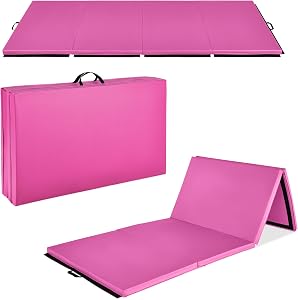


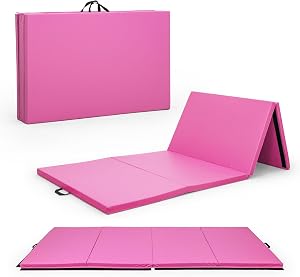
The CAP Barbell All Purpose folding mat shares the same core construction as the 72×24 model but earns a separate spot on this list because of its higher 4.8-star rating and broader size availability. The ability to choose from multiple dimensions and colors means you can match the mat to your specific space and aesthetic preferences, whether you need a compact pad for a bedroom or a larger panel for a garage gym.
We may earn a commission when you buy through this link, at no additional cost to you.
The two inches of high-density foam provide reliable impact absorption for tumbling drills, jumps, and conditioning exercises. The anti-tear construction and 10P-free materials make it a safe and durable option for households with children. The hook-and-loop connection system works seamlessly with other CAP Barbell mats, allowing you to build a custom practice floor incrementally without committing to a single large purchase.
In everyday use, the vinyl surface wipes clean easily and resists moisture from sweat or spilled water bottles. The folding design with built-in handles makes it simple to set up before practice and store afterward. One consideration is that vinyl can feel slippery when wearing socks, so bare feet or athletic shoes provide better traction during dynamic movements like cartwheels and round-offs.
One of the most cost-effective strategies for creating a large gymnastics practice area is to start with two or three of these folding mats and connect them using the hook-and-loop edges. This modular approach lets you spread the cost over time and adjust the layout as your space or training needs change. A three-mat configuration can provide roughly 18 feet of continuous tumbling space for a fraction of the cost of a single large rollout mat.
This mat offers the best combination of price, quality, and flexibility for buyers who want a reliable practice surface without a major investment. The multiple size options make it easy to start small and expand later, and the strong owner rating suggests consistent quality across the product line. It is a practical choice for recreational gymnasts, home fitness enthusiasts, and families outfitting a multi-use play area.
Not ideal for competitive teams that need a single seamless surface for full-speed tumbling passes.
We may earn a commission when you buy through this link, at no additional cost to you.
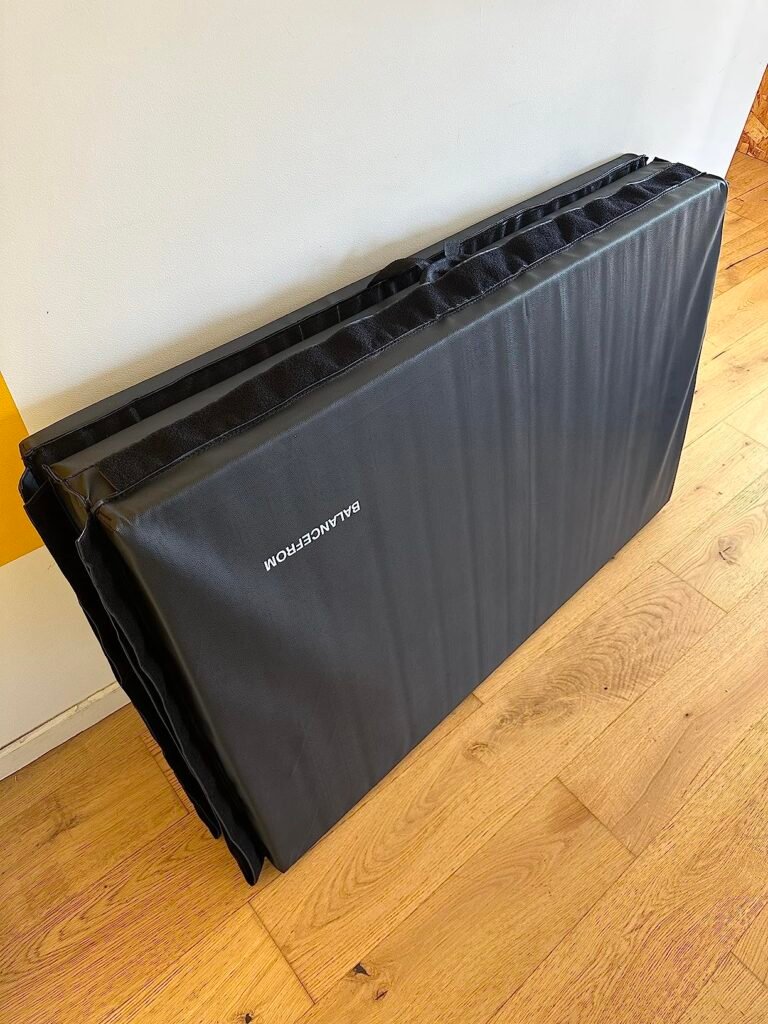
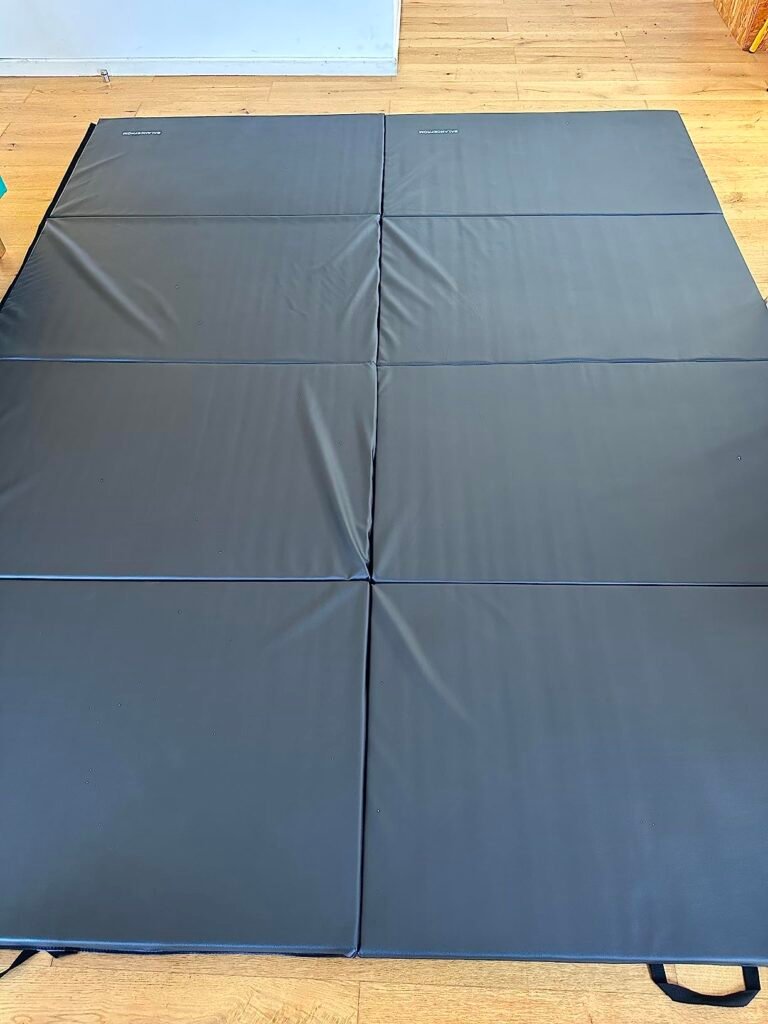
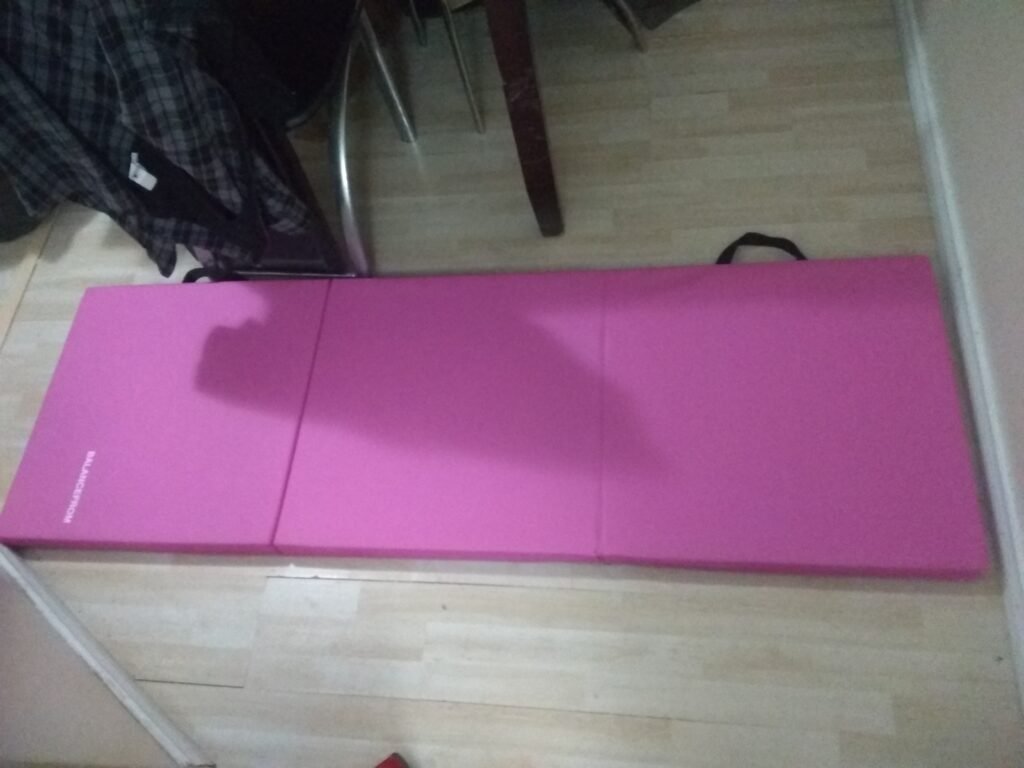
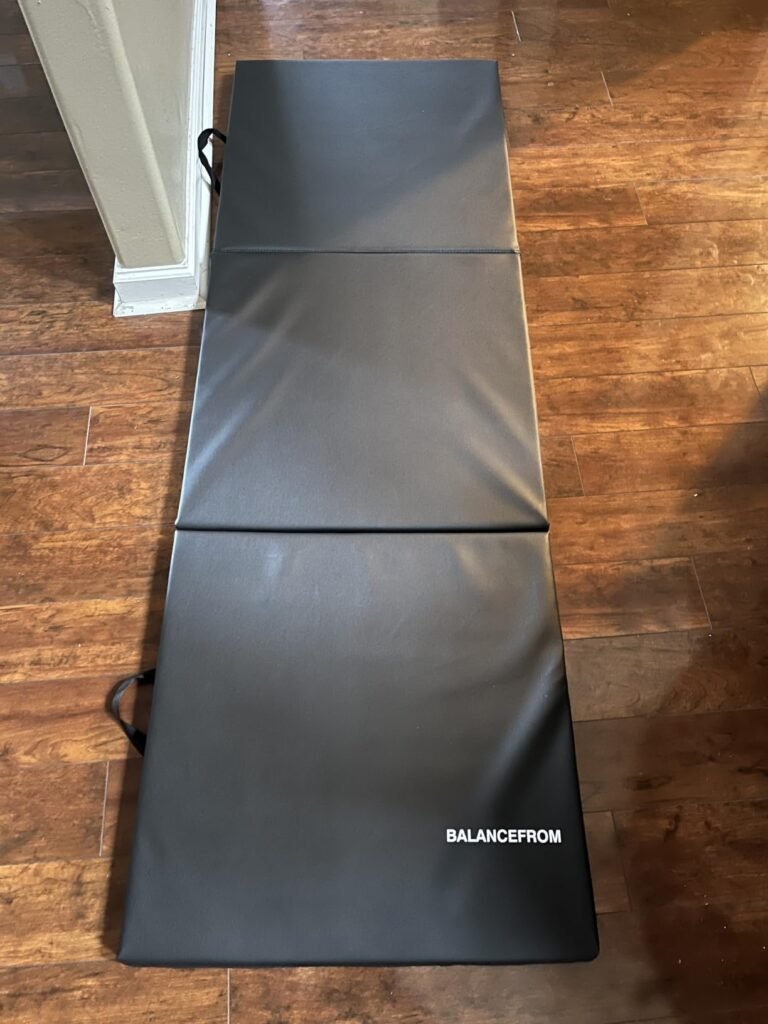
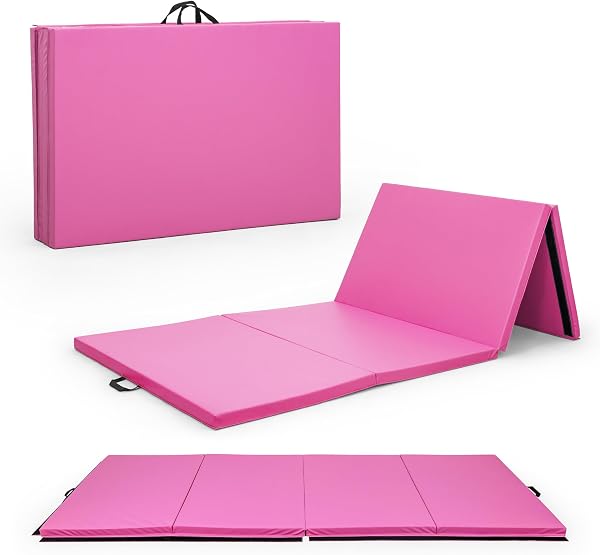
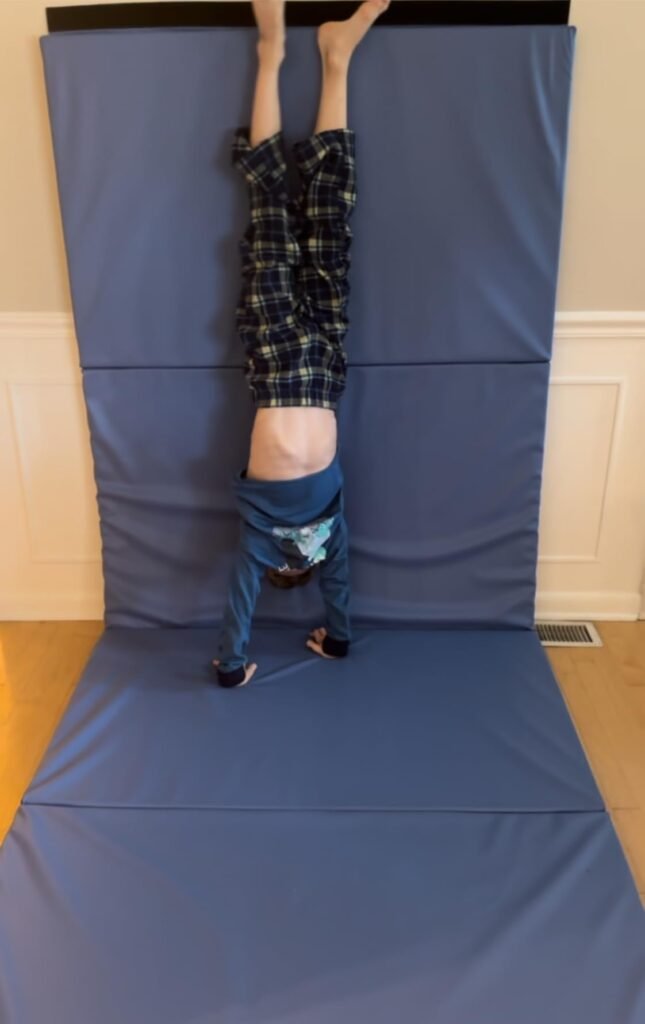
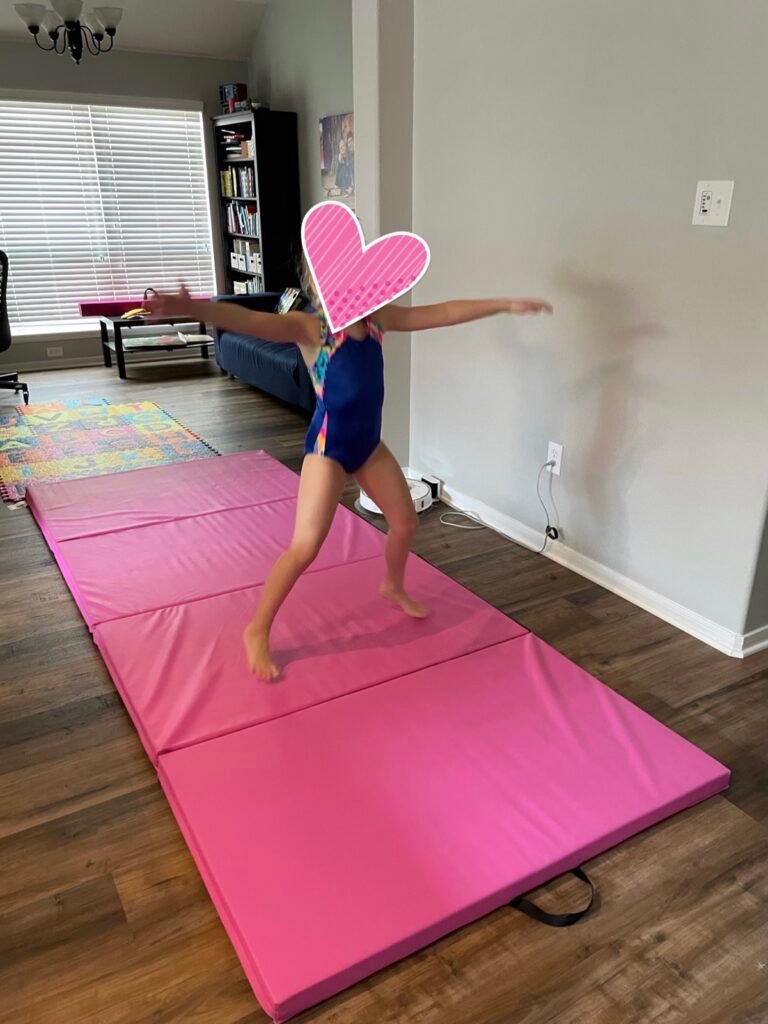
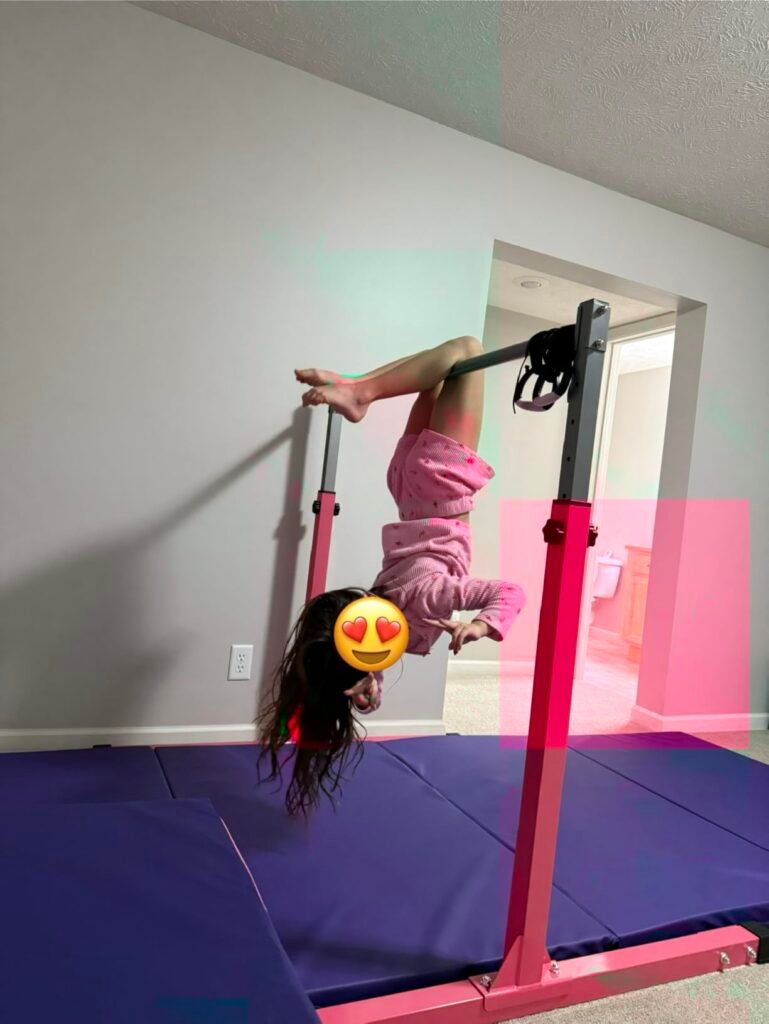
The BalanceFrom 10×4 folding gymnastics mat offers one of the most spacious single-unit coverage areas on this list, making it a practical choice for home gyms, studios, and team facilities where athletes need room for full tumbling passes. The 10-foot length provides enough runway for round-off back handspring sequences without stepping off the mat, while the 4-foot width offers lateral space for dance sequences and standing stunt drills.
We may earn a commission when you buy through this link, at no additional cost to you.
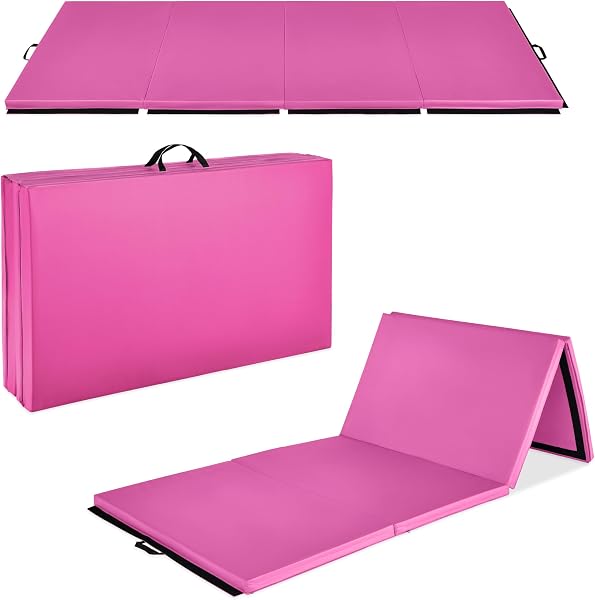
Two inches of high-density foam cushioning absorb impact during landings and transitions, protecting knees, wrists, and the lower back during repetitive practice sessions. The reinforced stitching along the panel seams helps the mat hold its shape over time, even with frequent folding and unfolding. The double-sided vinyl cover resists moisture and wipes clean with a damp cloth, which is convenient for shared practice spaces or sweaty training sessions.
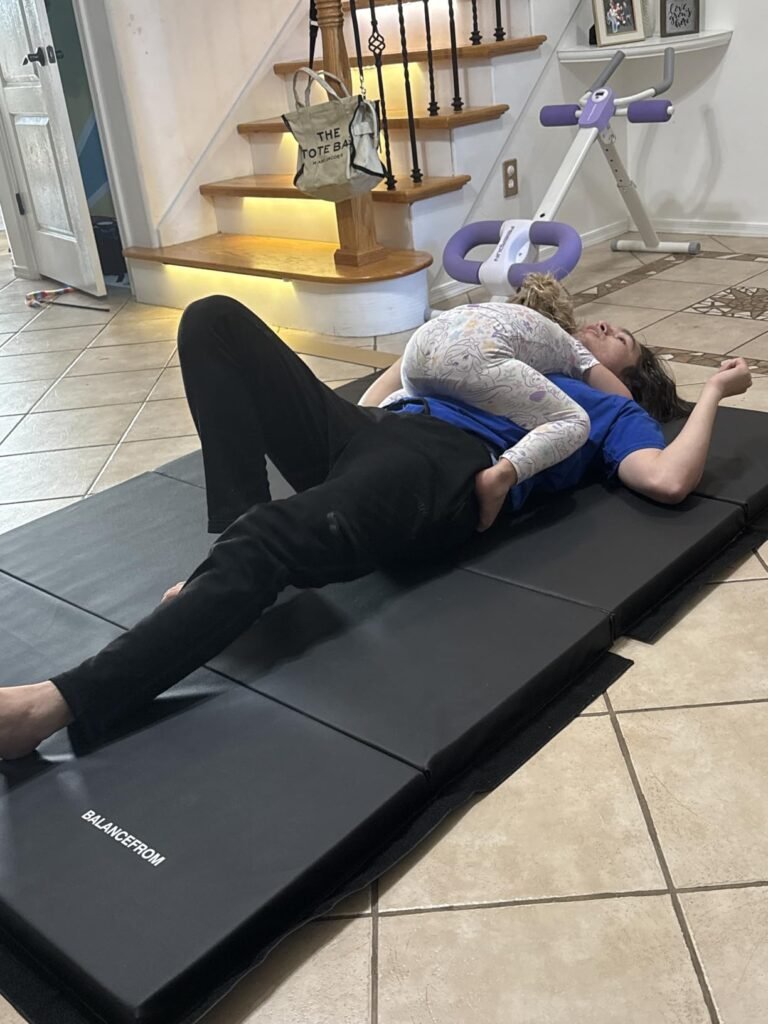
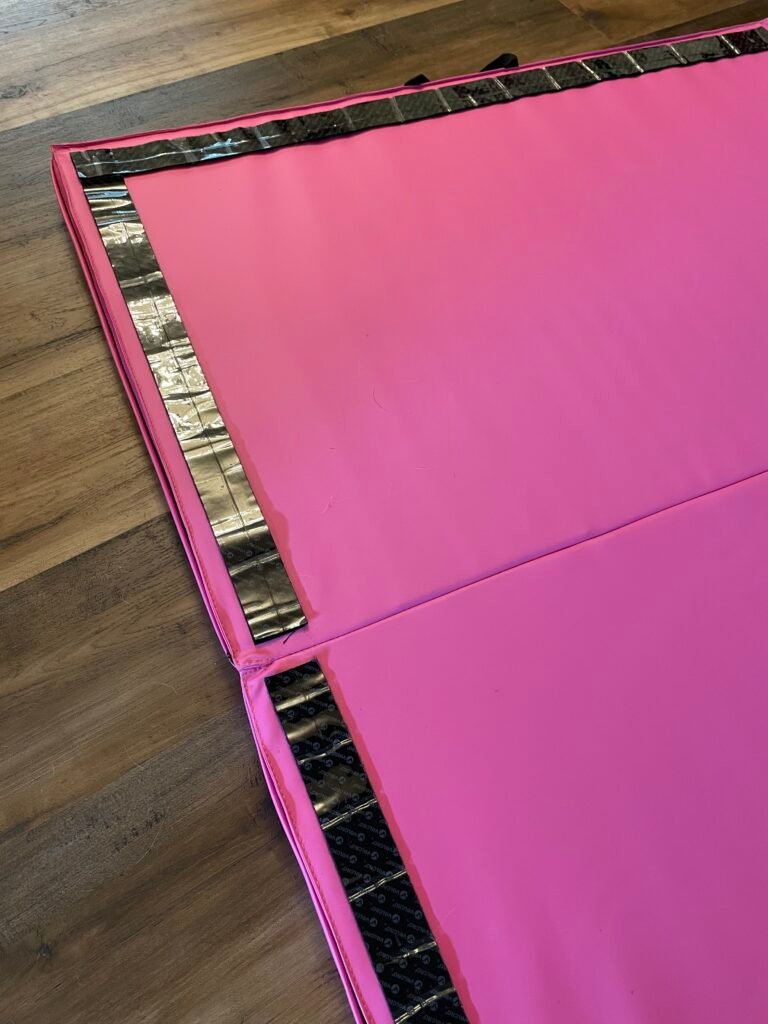
The hook-and-loop edges along the mat perimeter allow you to connect additional BalanceFrom mats end to end or side by side, creating a larger practice area as your needs grow. When folded, the mat compresses to roughly 4 by 4 by 8 inches, which fits in a closet corner or car trunk. At 15 pounds, it is portable enough for most adults to carry with the built-in handles, though younger athletes may need assistance.
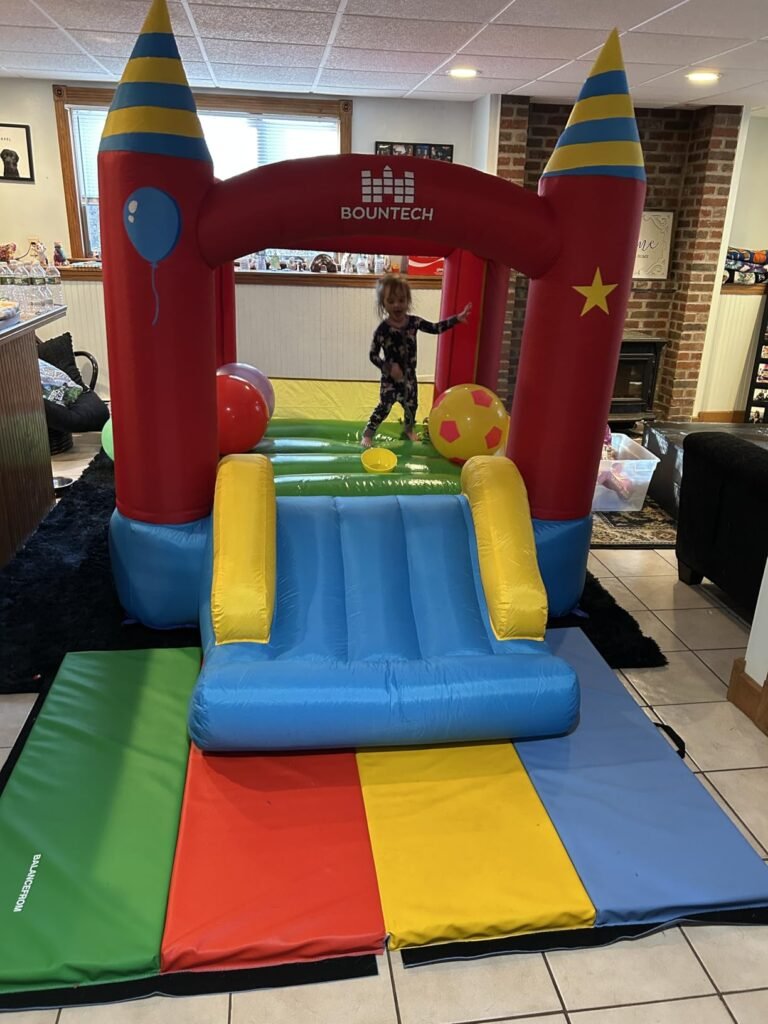
One of the most practical features of this mat is the ability to connect multiple units. Starting with a single 10×4 panel gives you a solid tumbling strip, and adding a second mat doubles the length for longer passes or creates a wider area for group stunting practice. The hook-and-loop connections hold firmly during use, though you should align the mats on a flat surface to prevent tripping at the seams.
This mat is a strong choice for families with growing gymnasts, cheerleaders, or martial artists who need a versatile practice surface that can expand over time. The vinyl surface is easy to maintain but may feel slightly slick compared to carpet-top mats, so athletes who rely on barefoot traction may want to wear athletic shoes or grip socks during use.
Not ideal for buyers who need a lightweight, compact mat for frequent travel or small apartments.
We may earn a commission when you buy through this link, at no additional cost to you.
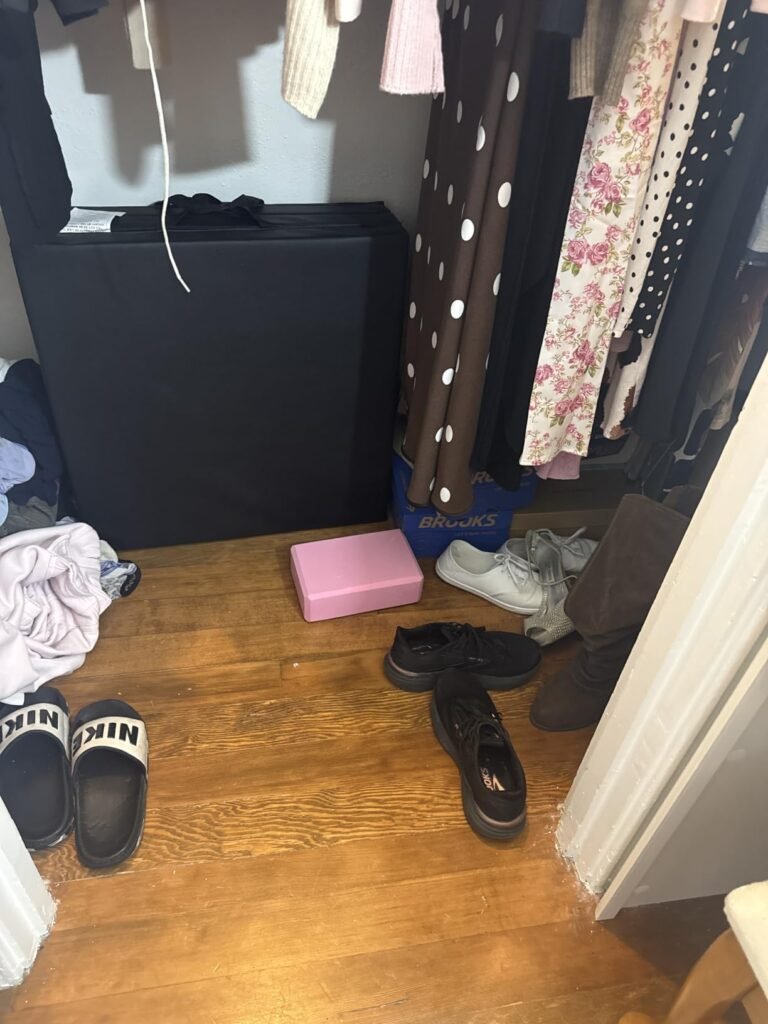
The CAP Barbell 72×24 folding mat is one of the most affordable options on this list, making it an accessible starting point for families with young gymnasts who are just beginning to practice basic skills at home. At under forty dollars, it provides a meaningful upgrade over practicing directly on carpet or hardwood floors, offering two inches of high-density foam cushioning that protects knees, wrists, and the spine during rolls, cartwheels, and beginner tumbling.
We may earn a commission when you buy through this link, at no additional cost to you.
The mat is constructed from 10P-free materials, meaning it is manufactured without ten commonly restricted phthalates, lead, or mercury. This is a worthwhile consideration for parents of younger children who will be in close contact with the mat surface during floor work and stretching. The anti-tear design and reinforced construction help the mat withstand the folding and unfolding cycles that come with regular use.
At 72 inches long and 24 inches wide, this mat is best suited for stationary drills, stretching, and single-skill practice rather than full tumbling passes. The narrow width means athletes will need to stay centered during use, and the 6-foot length does not leave much room for running approaches. The hook-and-loop edges do allow you to connect multiple mats together, which is a practical way to expand coverage as your budget allows.
Young gymnasts spend a lot of time in direct contact with their practice mats, including face-down positions during rolls and handstands. Mats made with restricted phthalates or heavy metals can off-gas volatile compounds, especially when new. Choosing a 10P-free mat reduces this exposure and provides peace of mind for parents, particularly in enclosed spaces like bedrooms and basements where ventilation may be limited.
This mat is a smart buy for beginners, recreational gymnasts, or anyone who needs a compact practice pad for stretching and basic skill work. More advanced tumblers will quickly outgrow the limited surface area and should look at the longer 10-foot options on this list. For the price, however, it is difficult to find a better entry-level mat with this level of cushioning and safety certification.
Not suitable for intermediate or advanced tumblers who need a longer, wider surface for running passes.
We may earn a commission when you buy through this link, at no additional cost to you.
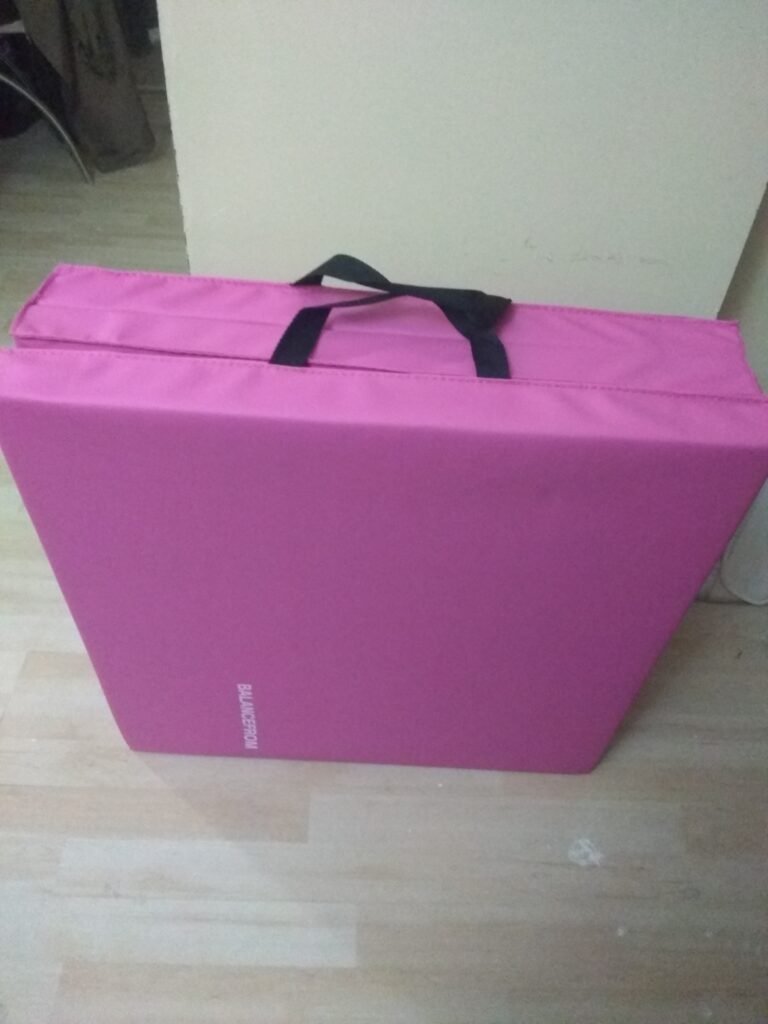
At just 3 pounds, the BalanceFrom 6×2 folding mat is the lightest option on this list by a significant margin. That featherweight construction makes it genuinely portable for young athletes who want to bring their own practice surface to the gym, a friend's house, or a park. The compact folded dimensions of roughly 2 by 2 by 6 inches fit easily in a backpack or gym bag, which is a practical advantage for families who travel frequently for competitions.
We may earn a commission when you buy through this link, at no additional cost to you.
Despite its small size, the mat still provides two inches of cushioning that protects joints during rolls, handstands, and basic tumbling skills. The double-sided vinyl cover with a textured finish helps keep the mat stable on hardwood, tile, and carpeted floors, reducing the sliding that can occur with smoother mats. The reinforced stitching along the panel seams adds durability that belies the low weight.
The hook-and-loop edges are compatible with other BalanceFrom mats, so you can connect two or three units to create a longer practice strip when space allows. This modularity makes the 6×2 size more versatile than it appears at first glance. A single mat works well for stationary drills and stretching, while a connected pair provides enough length for basic tumbling sequences.
A compact 6×2 mat works best when you focus on stationary skills rather than traveling sequences. Practice handstands, forward and backward rolls, bridges, and flexibility drills on the mat, and use the surrounding floor for running approaches. Placing the mat at the end of a tumbling pass as a landing zone is another effective strategy that maximizes the cushioning where impact is greatest.
This mat is ideal for young beginners, traveling athletes, or anyone who needs a lightweight practice pad that can go anywhere. The small surface area is its main limitation, and more advanced tumblers will find it too restrictive for running passes and complex skill combinations. As a supplementary mat or a starter option for the youngest gymnasts, however, it delivers solid value at an accessible price.
Not suitable for intermediate or advanced tumblers who need a full-length practice surface for running passes.
We may earn a commission when you buy through this link, at no additional cost to you.
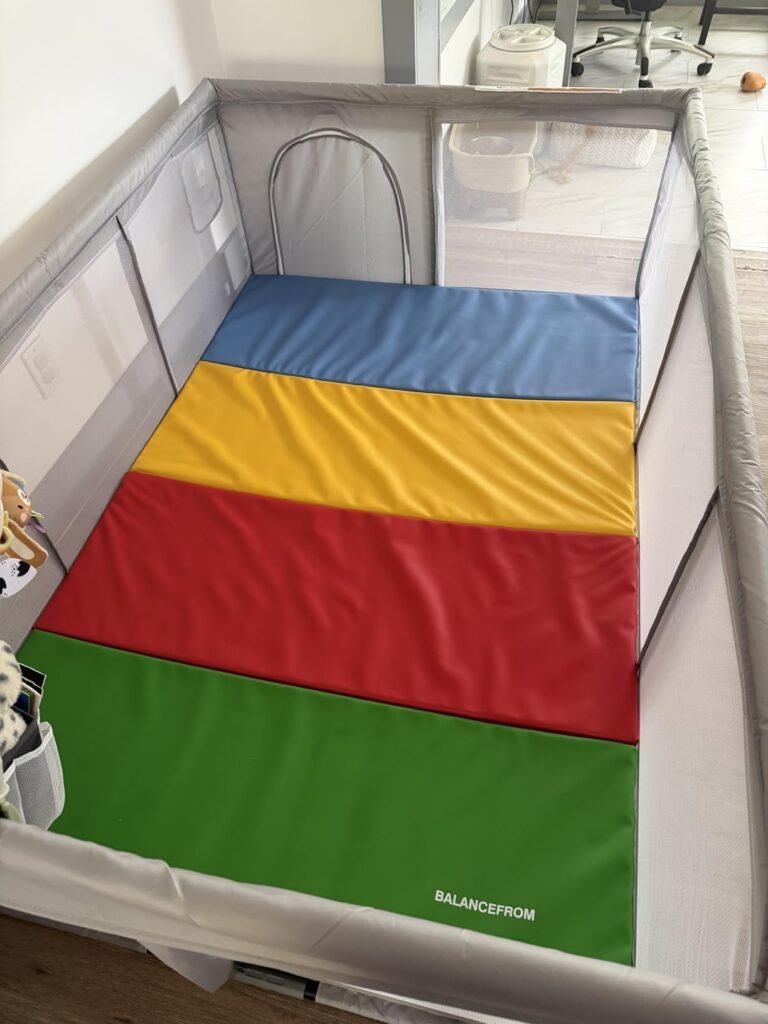
The BalanceFrom 6×4 folding mat strikes a practical balance between coverage and portability, offering a 4-foot width that accommodates lateral movements and dance sequences while keeping the overall footprint manageable in home gyms and small studios. The 6-foot length provides enough room for basic tumbling sequences and drill work without requiring the storage space of larger 10-foot mats.
We may earn a commission when you buy through this link, at no additional cost to you.
Two inches of high-density foam cushioning absorb impact during landings and transitions, protecting knees, wrists, and the lower back during repetitive practice sessions. The reinforced stitching along the panel seams helps the mat maintain its shape over time, and the double-sided vinyl cover resists moisture and wipes clean easily. The textured finish on the vinyl helps prevent slipping during dynamic movements like jumps and stretches.
The hook-and-loop edges allow you to connect multiple BalanceFrom mats together, creating a larger practice area when needed. When folded, the mat compresses to roughly 1.5 by 4 by 8 inches, which is compact enough to slide under a bed or stand in a closet corner. At only 5 pounds, it is easy for most users to carry with the built-in handles, making it practical to move between rooms or take to the gym.
The 6×4 size works well for home gyms where space is limited but you still want meaningful coverage for tumbling and dance work. The 10×4 size provides significantly more length for running passes and multi-skill sequences, but requires more storage space and a larger practice area. If you primarily work on stationary skills, drills, and short tumbling sequences, the 6×4 mat offers most of the practical benefits at a lower price and smaller footprint.
This mat is a strong choice for home practitioners who want a versatile practice surface that balances coverage with portability. The 6-foot length is sufficient for most basic tumbling and drill work, though advanced tumblers may find it limiting for full running passes. The 4-foot width provides welcome lateral room for dance sequences and standing stunts, making it a practical all-around option for home use.
Not ideal for advanced tumblers who need a full 10-foot runway for running passes and complex skill combinations.
We may earn a commission when you buy through this link, at no additional cost to you.
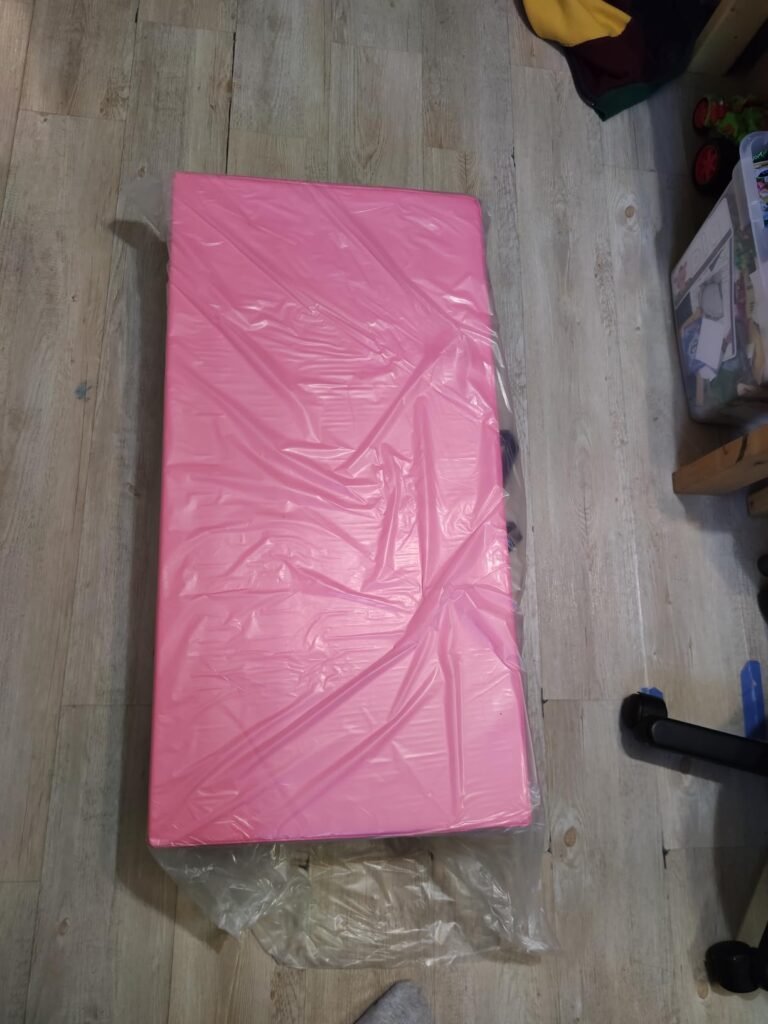
The ZENOVA gymnastics mat stands out for its eco-friendly PU leather cover, which offers a different feel and durability profile compared to the standard vinyl used on most folding mats. PU leather is more resistant to cracking and peeling over time, and its waterproof surface wipes clean with minimal effort. The slightly softer texture also provides a more comfortable surface for stretching and floor work, which can be a welcome difference during long practice sessions.
We may earn a commission when you buy through this link, at no additional cost to you.
The high-density EPE foam core provides two inches of cushioning with good rebound characteristics, absorbing impact during tumbling drills and protecting joints during repetitive landings. EPE foam is known for maintaining its shape well under sustained use, and the reinforced stitching on all four sides helps prevent the cover from separating from the foam at the seams, a common failure point in lower-quality mats.
The four-panel folding design compresses the mat to a compact size for storage, and the built-in handles make it easy to transport between rooms or to the gym. The hook-and-loop fasteners on the edges allow you to connect multiple ZENOVA mats for a larger practice area, and the precision-aligned edges create a relatively smooth transition between connected panels.
PU leather generally outlasts standard vinyl in terms of crack resistance and surface integrity, especially in environments with fluctuating temperatures or direct sunlight. Vinyl is more resistant to moisture absorption and tends to be easier to sanitize, which can matter in shared gym settings. For home use where the mat will be stored indoors and cleaned regularly, PU leather offers a longer-lasting surface that ages more gracefully.
This mat is a good choice for buyers who prefer the look and feel of PU leather over vinyl and want a durable, easy-to-clean practice surface for basic gymnastics and fitness skills. The 6×3 footprint is best suited for stationary drills and stretching rather than full tumbling passes. If you plan to use the mat in a warm environment, be aware that PU leather can retain heat more than vinyl, which may affect comfort during extended sessions.
Not ideal for athletes who need a long tumbling strip for running passes and multi-skill combinations.
We may earn a commission when you buy through this link, at no additional cost to you.
The 3×6 gymnastics mat delivers a compact practice surface that fits well in bedrooms, playrooms, and small home gyms where space is at a premium. The 3-foot width and 6-foot length provide enough room for young children to practice basic rolls, cartwheels, and handstands without requiring the footprint of larger mats. For families with limited space or those who want to create a dedicated play area for toddlers and young gymnasts, this size offers a practical balance between coverage and footprint.
We may earn a commission when you buy through this link, at no additional cost to you.
Two inches of high-density EPE foam cushioning absorb impact during landings and protect joints during repetitive practice, which is particularly important for young athletes whose bones and growth plates are still developing. The eco-friendly PU leather cover is waterproof and tear-resistant, making it easy to clean after messy play sessions or sweaty workouts. The zipper design allows the cover to be removed for cleaning or replacement of the foam filling, which extends the mat’s useful life.
The four-panel folding design compresses the mat to a manageable size for storage, and the reinforced stitching on all sides helps prevent the cover from separating from the foam at the seams. The compact dimensions and lightweight construction make it easy to move the mat between rooms or take it outdoors for backyard play. The 4.8-star rating reflects strong owner satisfaction with the mat’s quality and durability for its intended use.
A compact mat like this one works well as the centerpiece of a safe play area for young children. Place the mat in a corner of the room with soft padding on surrounding walls and remove any sharp or hard objects from the immediate vicinity. The mat provides a defined space for active play while protecting children from hard floors and furniture edges. Supervision is still important, but the mat reduces the risk of minor bumps and bruises during unstructured playtime.
This mat is an excellent choice for families with young children who want a safe, compact practice surface for basic gymnastics skills and active play. The small footprint is its main limitation, and older children or more advanced gymnasts will quickly outgrow the surface area. For its target audience of toddlers and young beginners, however, it offers a well-made, easy-to-clean option at an accessible price point.
Not suitable for intermediate or advanced gymnasts who need a larger surface for tumbling and complex skills.
We may earn a commission when you buy through this link, at no additional cost to you.
The CAP Barbell 72×24 folding mat in blue offers the same core construction and features as the black version but with a vibrant color option that can brighten up home gyms, playrooms, and studio spaces. The blue vinyl cover provides a clean, modern look that coordinates well with other fitness equipment and home decor, making it a practical choice for buyers who want their practice surface to blend with their space rather than stand out as purely functional equipment.
We may earn a commission when you buy through this link, at no additional cost to you.
Two inches of high-density foam cushioning absorb impact during basic tumbling drills, stretching, and conditioning exercises. The 10P-free materials ensure a safer workout environment for children and adults, and the anti-tear construction helps the mat withstand the folding and unfolding cycles that come with regular use. The hook-and-loop edges allow you to connect multiple CAP Barbell mats together, creating a larger practice area as your needs grow.
At 72 inches long and 24 inches wide, this mat is best suited for stationary drills, stretching, and single-skill practice rather than full tumbling passes. The narrow width means athletes will need to stay centered during use, and the 6-foot length does not leave much room for running approaches. The built-in carry handles and compact folding design make it easy to store the mat in a closet or move it between rooms when needed.
The color of your gymnastics mat can influence how well it integrates with your home gym or playroom decor. Neutral colors like black and gray blend seamlessly with most spaces, while vibrant options like blue, pink, or purple can add a pop of color and create a more energetic atmosphere. Consider the overall color scheme of your space and whether you want the mat to stand out as a focal point or blend in as a functional background element.
This mat is a strong choice for home practitioners who want a reliable, colorful practice surface at an affordable price. The blue color option adds a touch of personality to home gyms without compromising on functionality. The 6-foot length and 24-inch width are limiting for advanced tumblers, but for basic skills, stretching, and conditioning work, it offers solid value and performance.
Not suitable for intermediate or advanced tumblers who need a longer, wider surface for running passes.
We may earn a commission when you buy through this link, at no additional cost to you.
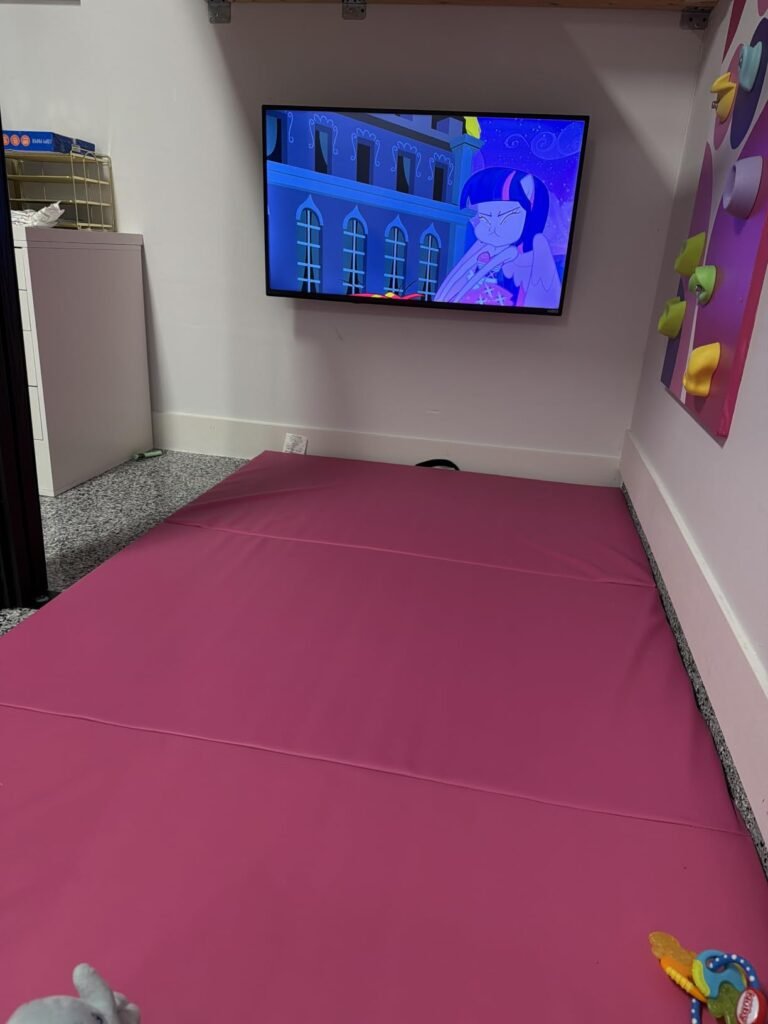
The CAP Barbell 10×4 folding mat delivers one of the most spacious single-unit coverage areas on this list, providing a full 10 feet of continuous length for tumbling passes and 4 feet of width for lateral movements. The generous dimensions make it a practical choice for home gyms, studios, and team facilities where athletes need room to practice full skill sequences without stepping off the mat. The multiple color options allow you to match the mat to your space or team colors, adding a custom touch to your training area.
We may earn a commission when you buy through this link, at no additional cost to you.
Two inches of high-density foam cushioning absorb impact during landings and transitions, protecting joints during repetitive practice sessions. The anti-tear construction and 10P-free materials ensure a safe and durable training environment for both children and adults. The hook-and-loop edges along the mat perimeter allow you to connect additional CAP Barbell mats end to end or side by side, creating an even larger practice area when needed.
The vinyl surface wipes clean easily and resists moisture from sweat or spilled water bottles, which is convenient for shared practice spaces. The folding design with built-in handles makes it practical to move the mat between rooms or store it when not in use, though the larger footprint does require more storage space than compact mats. The 4.7-star rating reflects consistent owner satisfaction with the mat’s quality and value at this price point.
The 10×4 size works well as a standalone tumbling strip, but connecting two or three mats together creates a full practice floor that accommodates multiple athletes or longer skill sequences. The hook-and-loop connections hold firmly during use, though you should align the mats carefully to prevent tripping at the seams. A three-mat configuration provides roughly 12 feet of continuous length, which is sufficient for most advanced tumbling passes and team stunting practice.
This mat is an excellent choice for intermediate and advanced gymnasts, cheerleaders, and martial artists who need a spacious practice surface for full tumbling passes and complex skill sequences. The 10-foot length provides enough runway for round-off back handspring tucks and other advanced combinations, while the 4-foot width offers lateral room for dance sequences and standing stunts. The multiple color options add a customizable touch that appeals to team facilities and home users alike.
Not ideal for buyers with limited storage space or those who need a lightweight, portable mat for frequent travel.
We may earn a commission when you buy through this link, at no additional cost to you.
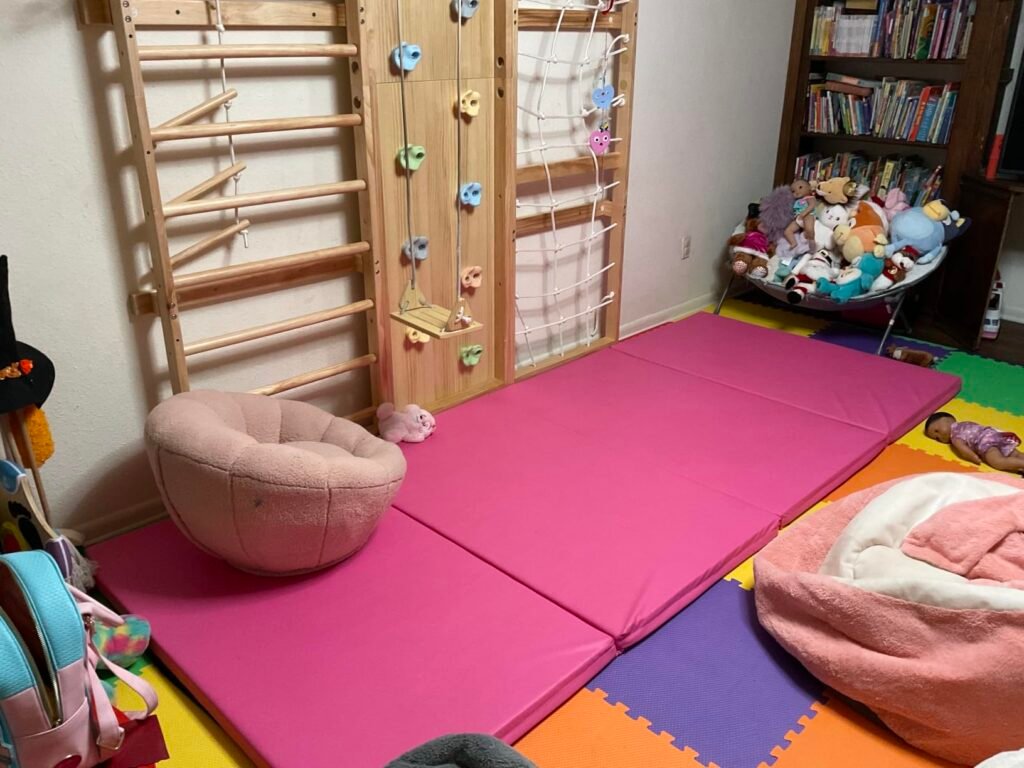
The Best Choice Products 10×4 folding mat stands out for its premium construction details, including high-tensile thread stitching and a water-resistant faux leather surface that resists wear and tear better than standard vinyl. These construction choices reflect a focus on long-term durability, making it a practical investment for home gyms, studios, and facilities where the mat will see regular use over many years. The 10-foot length and 4-foot width provide ample coverage for full tumbling passes and complex skill sequences.
We may earn a commission when you buy through this link, at no additional cost to you.
Two inches of high-density EPE foam cushioning absorb impact during landings and protect joints during repetitive practice sessions. EPE foam is known for maintaining its shape and rebound characteristics over time, which means the mat should continue to provide consistent cushioning even after months of regular use. The reinforced stitching along the panel seams helps prevent the cover from separating from the foam, a common failure point in lower-quality mats.
The hook-and-loop fasteners on the edges allow you to connect multiple Best Choice mats together, creating a larger practice area when needed. The four-panel folding design compresses the mat to a manageable size for storage, and the built-in carry handles make it easy to move between rooms or take to the gym. The 4.8-star rating reflects strong owner satisfaction with the mat’s quality and durability, particularly for its intended use in home and studio settings.
High-tensile thread stitching uses stronger, more durable thread that resists breaking and unraveling under repeated stress. This construction detail matters most in high-use environments like studios and team facilities, where mats are folded, unfolded, and stepped on hundreds of times per week. For home users who train a few times per week, standard stitching is usually sufficient, but the premium construction provides extra confidence for frequent training.
This mat is the right choice for buyers who prioritize construction quality and long-term durability over budget pricing. The high-tensile stitching and water-resistant surface justify the higher price point for users who train frequently and want a mat that will last for years. The 10×4 footprint is generous but requires adequate storage space, so measure your available area before purchasing.
Not the best value for casual users who only practice a few times per week and do not need premium construction details.
We may earn a commission when you buy through this link, at no additional cost to you.
Selecting a gymnastics mat involves balancing foam quality, thickness, size, portability, connection options, and budget against your training goals and available space. This section walks through the factors that genuinely matter so you can match the right mat to your practice needs.
The foam core is the most important component of any gymnastics mat because it determines how well the surface absorbs impact and rebounds under repeated landings. The two most common foam types in gymnastics mats are EPE (expanded polyethylene) and standard polyethylene, with EPE generally offering better energy return and resistance to permanent compression. High-density foam maintains its cushioning properties longer than low-density alternatives, which matters for mats that will see regular use over months and years.
Foam density is typically measured in pounds per cubic foot, with higher numbers indicating firmer, more durable foam. For gymnastics mats, look for foam densities in the range of 1.5 to 2.5 pounds per cubic foot. Higher-density foam provides better impact absorption for advanced tumbling skills and heavier athletes, while slightly softer foam may be more comfortable for young beginners and stretching work. The trade-off is that very high-density foam can feel firmer underfoot, which some users prefer and others do not.
Prioritize high-density EPE foam if you train regularly, perform advanced skills, or want a mat that will maintain its performance over time. For occasional light use or basic stretching, standard polyethylene foam provides adequate cushioning at a lower cost. Check owner reviews for comments about foam compression over time, as this is a common point of dissatisfaction with lower-quality mats.
Gymnastics mats typically range from 1.5 inches to 2 inches thick, and the difference affects both joint protection and surface stability. The 2-inch thickness is the most common for home and studio use because it provides meaningful impact absorption without creating an overly soft or unstable landing surface. Thicker mats offer more cushioning for high-impact skills but can feel less stable during dynamic movements like jumps and running passes.
For young gymnasts and beginners, 2 inches of foam provides adequate protection during basic rolls, cartwheels, and handstands. Intermediate and advanced tumblers benefit from the additional shock absorption during higher-impact skills like back handsprings and tucks. The trade-off is that thicker mats add weight and bulk, which affects portability and storage. Some advanced users prefer slightly thinner mats for skills that require a firmer surface, such as handstand walks and balance beam dismounts.
Choose 2-inch thickness if you want the best balance between impact absorption and surface stability for most gymnastics skills. Consider 1.5 inches if you prioritize portability and will be performing primarily low-impact skills. Avoid mats thinner than 1.5 inches for any skill that involves landing from height, as they provide insufficient joint protection.
The right mat size depends on the types of skills you practice, your available space, and whether you train alone or with others. Compact mats in the 2×6 foot or 3×6 foot range work well for basic tumbling skills, stretching, and individual practice in small spaces. Mid-size mats around 6×4 feet provide enough length for short tumbling passes and lateral room for dance sequences, while large-format mats at 10×4 feet accommodate full running passes and group stunting practice.
Width is just as important as length, especially for gymnasts and cheerleaders who incorporate lateral movements, dance sequences, and stunt dismounts into their routines. A 2-foot-wide mat requires the athlete to stay centered and limits lateral movement, while a 4-foot-wide mat provides enough room for side-to-side transitions and group practice. Roll-out mats tend to be narrower than folding panel mats, which is a trade-off to consider if lateral space is important for your training.
Measure your available floor space before purchasing and account for at least two feet of clearance on all sides of the mat for safety. If space is limited, consider a modular approach with connectable folding mats that can be expanded or reconfigured as needed. For full tumbling passes, plan for at least 10 feet of continuous length to accommodate approach, skill sequence, and landing.
Folding panel mats and roll-out mats each have practical advantages that suit different training environments. Folding mats use hinged panels that fold into a compact stack, making them easy to store in closets, under beds, or in car trunks. The panel construction also allows for creative training configurations, such as folding individual sections to create elevated surfaces for plyometric work. Most folding mats feature hook-and-loop edges that let you connect multiple units for a larger practice area.
Roll-out mats provide a more seamless surface without the panel seams that can create slight ridges or gaps on folding mats. This continuous surface is preferable for fast tumbling passes where any interruption in the floor can affect timing and safety. Roll-out mats are typically heavier and bulkier to store than folding options, though many feature relief cuts on the underside that help them lie flat immediately and roll up tightly for transport.
Choose a folding mat if portability, compact storage, and modular expandability are your top priorities. Choose a roll-out mat if you want a seamless practice surface that most closely replicates a competition floor and you have adequate storage space. For most home users, folding mats offer the best combination of convenience and performance.
The surface material of a gymnastics mat affects grip, comfort, cleaning requirements, and long-term durability. The three main options are vinyl, PU leather, and carpet, each with distinct advantages. Vinyl surfaces are the most common on folding panel mats because they are easy to clean, resistant to moisture, and durable enough to withstand years of folding and unfolding. The main drawback is that vinyl can feel slippery when wearing socks or when the surface is damp from sweat.
PU leather offers a softer, more comfortable feel and better crack resistance than standard vinyl, though it can retain heat more during extended use in warm environments. Carpet-top mats provide the best barefoot traction but require more cleaning effort and are less common in folding mat designs. For home use, vinyl and PU leather are the most practical choices, with PU leather offering slightly better long-term durability at a modest price premium.
If easy maintenance and moisture resistance matter most, vinyl is the most practical option. If you prefer a softer feel and better crack resistance, choose PU leather. Avoid carpet-top mats unless you specifically need the traction for barefoot tumbling, as they require more cleaning effort and are less common in folding designs.
Connection systems dramatically expand the versatility of gymnastics mats by allowing you to create larger practice areas from multiple smaller units. The most common connection types are hook-and-loop fasteners and Velcro strips, with hook-and-loop generally providing a more secure hold during use. High-quality connection systems create smooth transitions between mats that minimize tripping hazards, while lower-quality systems can create gaps or allow mats to shift during dynamic movements.
When evaluating connection systems, look for mats with hook-and-loop strips along the entire edge rather than just at the corners. This full-length connection creates a more stable and seamless transition between mats. Some premium mats use reinforced connection points that prevent the hook-and-loop from peeling away from the mat edge over time. The ability to connect mats both end to end and side by side provides the most configuration flexibility for different training needs.
Prioritize connection systems if you want to start with a small mat and expand your practice area over time. For standalone use or occasional training, connection features are less important. Test the connection system upon arrival to ensure it holds firmly during use, as some lower-quality systems may require periodic reattachment during training sessions.
Portability matters more than many buyers anticipate, especially for families who need to move the mat between rooms, transport it to the gym, or pack it for travel to competitions. Mat weight ranges from as little as 3 pounds for compact folding pads to over 20 pounds for large roll-out mats, and that difference has a real impact on daily usability. A mat that is too heavy or bulky to move easily will end up staying in one place or, worse, gathering dust in a closet because setup feels like a chore.
Consider the folded or rolled dimensions as well as the weight. A mat that folds to 2 by 2 by 6 inches fits in a backpack, while one that rolls to 12 by 36 inches requires a dedicated storage area. Built-in carrying handles are a practical feature that makes a surprising difference in convenience, especially for younger athletes who need to transport their own equipment. Some mats are specifically designed to be stackable, which is useful for studios with multiple mats or for home users who need to share space with other equipment.
If you plan to use the mat in a single location and leave it set up most of the time, portability is less critical and you can prioritize size and surface quality. If the mat needs to be set up and stored frequently, choose a lighter folding option with handles and compact folded dimensions. For travel to competitions or outdoor use, prioritize the lightest, most compact options available.
Material safety is an important consideration for gymnastics mats, especially those used by children and young athletes who spend extended periods in direct contact with the mat surface. Look for mats that are free from harmful phthalates, lead, and mercury, which can off-gas from low-quality foam and vinyl materials. Products labeled as 10P-free have been manufactured without ten commonly restricted phthalates, providing an extra layer of assurance for parents and coaches.
Some mats also meet CPSIA (Consumer Product Safety Improvement Act) standards, which regulate lead and phthalate content in children’s products. This certification is particularly relevant for mats used in schools, daycares, and youth gymnastics programs where compliance with safety regulations may be required. Non-toxic, odorless materials are also important for indoor use in enclosed spaces with limited ventilation.
When comparing mats at similar price points, prioritize options with clear safety certifications and non-toxic material claims. The cost difference is usually minimal, and the peace of mind is worth the investment for any mat that will be used regularly by young athletes. Check for any lingering chemical odors upon arrival, as strong smells can indicate off-gassing from low-quality materials.
Set up your gymnastics mat on a clean, flat surface free of debris, sharp objects, or moisture that could damage the foam or cover. If you are using a folding mat, unfold it completely and press down along the panel seams to ensure the hook-and-loop connections are fully engaged and the surface is level. For roll-out mats, unroll the mat and allow it to relax for a few minutes before use so any residual curl from storage can flatten out, especially in cooler temperatures where the foam may be stiffer.
Clean the mat regularly to maintain surface traction and prevent the buildup of sweat, dirt, and bacteria. Vinyl and PU leather surfaces can be wiped down with a damp cloth and mild soap after each use, while carpet-top mats benefit from periodic vacuuming and spot cleaning with a fabric-safe cleaner. Avoid using harsh chemicals, bleach, or abrasive scrubbers that can degrade the cover material or break down the foam adhesives over time. Keep the mechanical components free of dust and lint, which can work into the connection points over time.
Store the mat in a cool, dry location away from direct sunlight, extreme temperature changes, and high humidity, all of which can degrade foam, vinyl, and PU leather materials over years of exposure. If folding the mat for storage, avoid placing heavy objects on top of the folded panels, as sustained pressure can create permanent creases in the foam. For roll-out mats, store them loosely rolled rather than tightly compressed to preserve the foam’s rebound characteristics and prevent the surface from developing permanent wrinkles.
Two inches is the most common and practical thickness for home gymnastics mats because it provides meaningful impact absorption without creating an overly soft or unstable surface. The 2-inch thickness protects joints during basic tumbling skills, rolls, and handstands, and provides adequate cushioning for intermediate skills like back handsprings. Thicker mats offer more shock absorption but can feel less stable during dynamic movements, while thinner mats do not provide sufficient protection for landing from height.
Yes, gymnastics mats can be used on both carpet and hardwood floors. On hardwood, the mat provides essential cushioning and protects the floor from scuffs and impact damage. On carpet, the mat creates a more stable and consistent surface for tumbling. Make sure the mat has a non-slip bottom or textured surface to prevent shifting during use, especially on smooth hardwood or tile. Some mats include grip dots or rubberized undersides specifically designed to prevent slipping on hard surfaces.
Most folding gymnastics mats feature hook-and-loop fasteners along the edges that allow you to connect panels end to end or side by side. Align the mats on a flat surface and press the hook-and-loop strips together firmly along the entire seam. Some premium mats use reinforced connection points that prevent the hook-and-loop from peeling away from the mat edge over time. Check that the mats you plan to connect are compatible before purchasing, as not all brands use the same connection system.
Vinyl surfaces are the most common on folding gymnastics mats because they are easy to clean, resistant to moisture, and durable enough for regular use. PU leather offers a softer, more comfortable feel and better crack resistance than standard vinyl, though it can retain heat more during extended use in warm environments. Both materials are practical for home use, with vinyl being slightly easier to maintain and PU leather offering slightly better long-term durability.
A well-constructed gymnastics mat with high-density foam and durable surface materials can last five to ten years or more with regular home use. Mats used in studios or team facilities with daily training may need replacement after three to five years due to foam compression and surface wear. Proper care, including regular cleaning and correct storage, significantly extends the lifespan of any mat. Higher-quality vinyl and PU leather covers resist cracking and tearing longer than budget alternatives.
Some gymnastics mats are suitable for outdoor use on grass, sand, or other flat surfaces, particularly those with waterproof construction. However, prolonged exposure to sunlight, moisture, and temperature extremes can degrade the foam and cover materials over time. If you plan to use the mat outdoors regularly, look for products that specifically mention outdoor compatibility and store the mat indoors when not in use to extend its lifespan.
For full running tumbling passes, you will need at least 10 to 12 feet of continuous mat length to accommodate the approach, skill sequence, and landing. A width of 4 feet or more provides enough lateral room for safe execution. Shorter 6-foot mats work well for standing tumbling and drill work but are too short for running passes. Consider connecting multiple mats to create the length you need, and ensure the connection system holds firmly during use.
Gymnastics mats made with non-toxic, 10P-free materials and CPSIA-compliant construction are safe for young children. Look for mats that are free from harmful phthalates, lead, and mercury, especially if the mat will be used in an enclosed space. Two-inch thickness provides extra cushioning for younger athletes whose joints and growth plates are still developing. Always supervise young children during use and ensure the mat is placed on a stable, non-slip surface.
Vinyl and PU leather surfaces can be cleaned with a soft cloth dampened with mild soap and water. Wipe down the surface after each use to remove sweat and dirt, and use a disinfectant spray suitable for the material if the mat is shared between multiple users. Avoid using harsh chemicals, bleach, or abrasive scrubbers that can damage the surface. For stubborn stains, use a vinyl or leather cleaner appropriate for the specific material.
Roll-out mats are designed to be rolled rather than folded, and folding them can create permanent creases in the foam and surface material that affect performance and safety. If storage space is limited and rolling is not practical, consider a folding panel mat instead, which is specifically engineered to withstand repeated folding without damage. Forcing a roll-out mat into a folded configuration will likely void the warranty and shorten its usable lifespan.
The BalanceFrom 10×4 folding mat stands out as the strongest overall choice for most home practitioners who want spacious coverage for full tumbling sequences without studio-level pricing. The 10-foot length, 2-inch high-density foam, hook-and-loop connections, and built-in carry handles combine into a complete training platform that supports fundamentals through intermediate work. The 4.7-star rating reflects consistent owner satisfaction with the mat's quality and value.
For budget-conscious buyers, the CAP Barbell 72×24 folding mat offers impressive quality at a low price point, with 10P-free materials, 2-inch cushioning, and the flexibility to connect multiple units as your needs grow. The BalanceFrom 6×2 folding mat serves a different niche entirely, providing an ultra-lightweight, portable option for travel and small spaces that still delivers meaningful cushioning for basic skills and stretching.
Your best choice depends on your training frequency, skill level, available space, and budget. Dedicated practitioners should prioritize foam quality, size, and connection options. Beginners can start with simpler designs and still get years of productive training. Buyers in small spaces should prioritize compact footprints and portability features, while larger users should focus on weight capacity and solid construction. Use the comparison table and detailed reviews above to match the specifications that matter most to your situation.