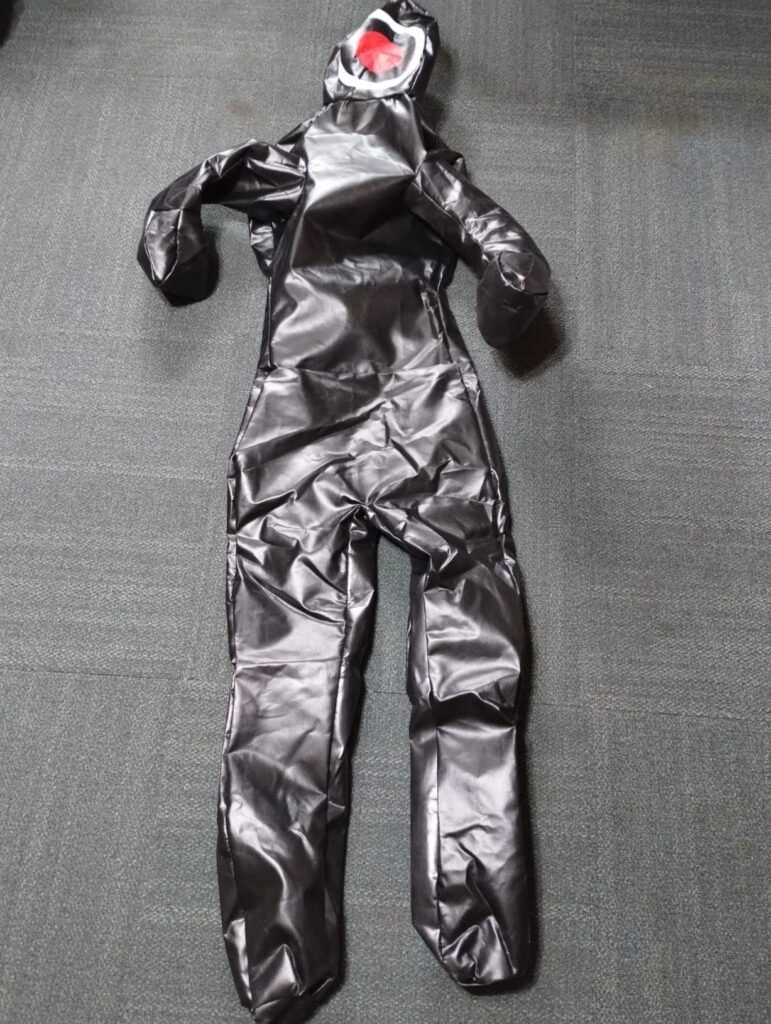
Grappling Mate Canvas
8.6Editor score5.5-6 foot size
30% thicker canvas
Welt seam stitching
Repositionable limbs
Find the right grappling dummies for 2026. We compare 10 standout options by build quality, useful features, owner feedback, value, and everyday trade-offs.
Solo training is a real challenge for grapplers, and the right dummy makes all the difference. This guide compares 10 grappling dummies for 2026 across the factors that matter most: canvas or vinyl construction, stitching quality, size range, posture design, fill customization, intended age group, and long-term durability under repeated throws and submission drills.
Not every dummy suits every practitioner. Some are built for heavy adult training with reinforced seams and industrial canvas, while others target youth athletes with lighter builds and smaller dimensions. Vinyl models tend to offer easier cleanup and moisture resistance, while canvas options provide a more grip-friendly feel similar to a real gi.
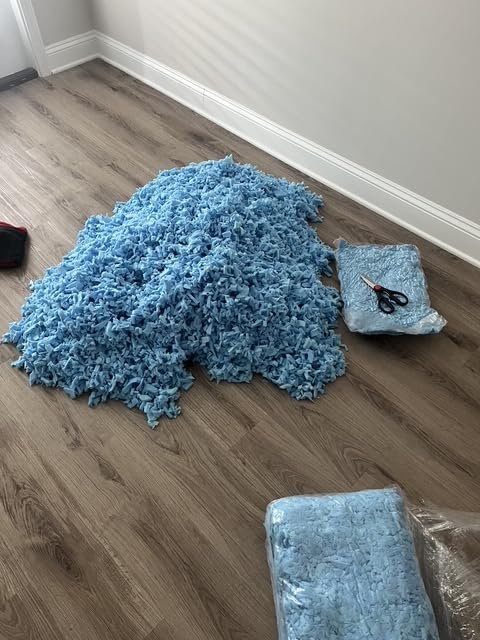
The other major variable is fill. Nearly every dummy in this category ships unfilled, which lets you tune weight and firmness using foam, fabric scraps, or clothing. Understanding these trade-offs before you buy helps you match the dummy to your actual training goals, whether that is drilling BJJ transitions, practicing takedowns, or building striking accuracy at home.
We compared 10 grappling dummies using the criteria that genuinely affect solo training: outer shell material, stitching reinforcement, seam durability, size and height options, posture realism, filling flexibility, intended user age, warranty coverage, and owner feedback. The notes focus on practical trade-offs so each pick reflects how grapplers actually train at home, from BJJ transitions and takedown drills to submission practice and striking work.


Compare key features, scores, and current prices side by side. A shorter feature list means fewer details were available, not necessarily fewer capabilities.


This youth-sized dummy is designed for children and young teens learning wrestling, BJJ, judo, or MMA. The smaller footprint makes it easier for kids to control during throws, holds, and takedown practice, which is important because a full-size adult dummy is often too heavy and awkward for a young athlete to move effectively.

We may earn a commission when you buy through this link, at no additional cost to you.
The canvas shell uses tear-resistant fabric with reinforced double stitching along the seams. Smooth edges and soft fabric help reduce the risk of scratches or abrasions during floor contact, which matters when kids are practicing without full mat gear. The construction is designed to hold up to repeated drilling without seams giving out prematurely.
As with most grappling dummies in this category, the shell ships empty. For a youth dummy, this is actually an advantage because you can adjust the weight to match your child’s strength level. Start with a lighter fill for younger kids and add more as they grow and build the coordination needed for heavier training partners.
For younger kids around ages 6 to 9, keep the fill light so they can practice throws and takedowns without straining their back. For older youth around 10 to 14, increase the fill weight gradually to challenge their strength and technique. Foam scraps, old blankets, or shredded fabric let you dial in the resistance level without over-loading the dummy.
This is a strong choice for parents whose kids are enrolled in martial arts programs and want to practice at home between classes. It also makes a practical gift for young athletes who need a solo training tool to build technique and confidence without needing a sparring partner.
Adult grapplers who need a full-size training partner for heavy drilling.
We may earn a commission when you buy through this link, at no additional cost to you.
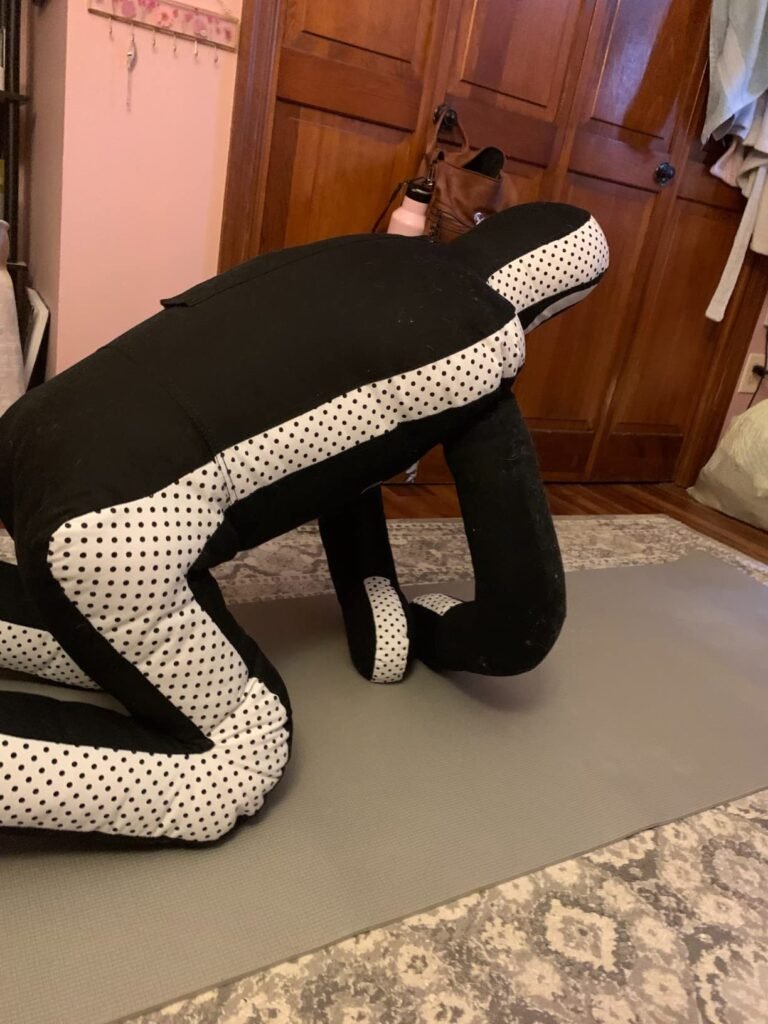
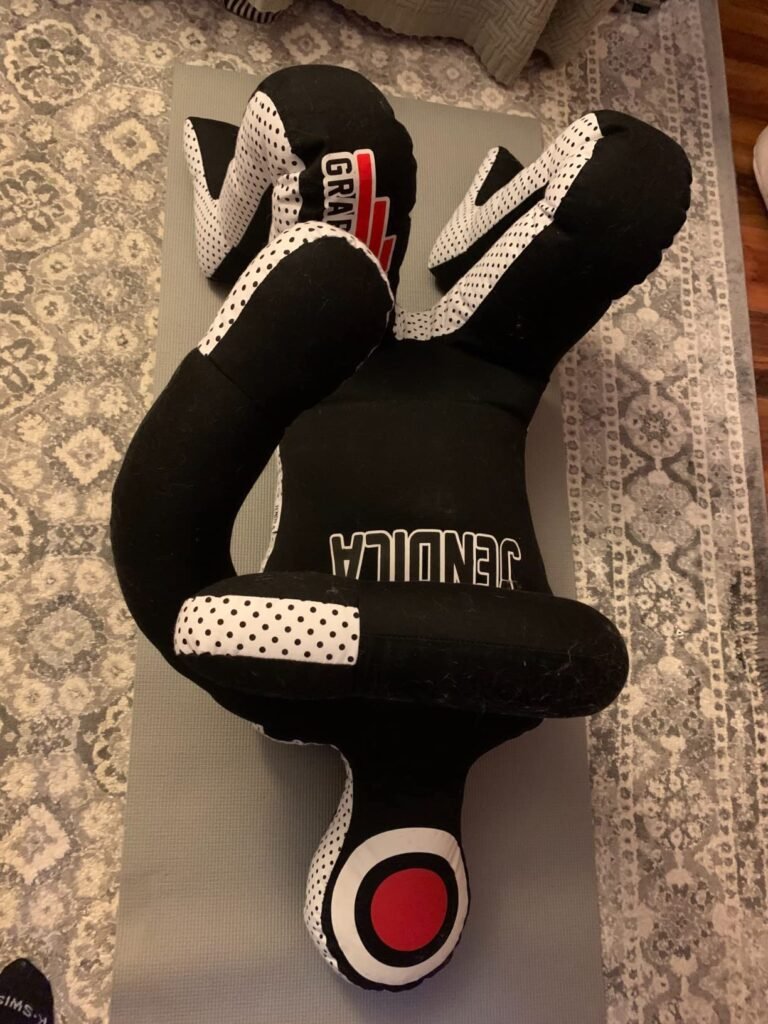
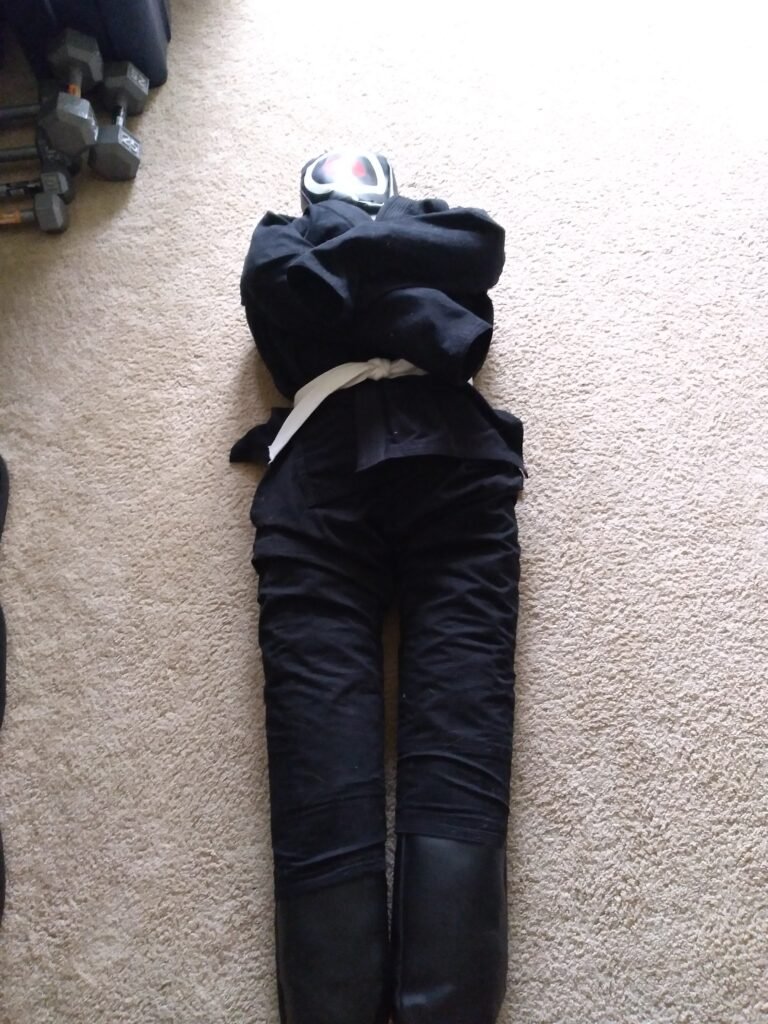
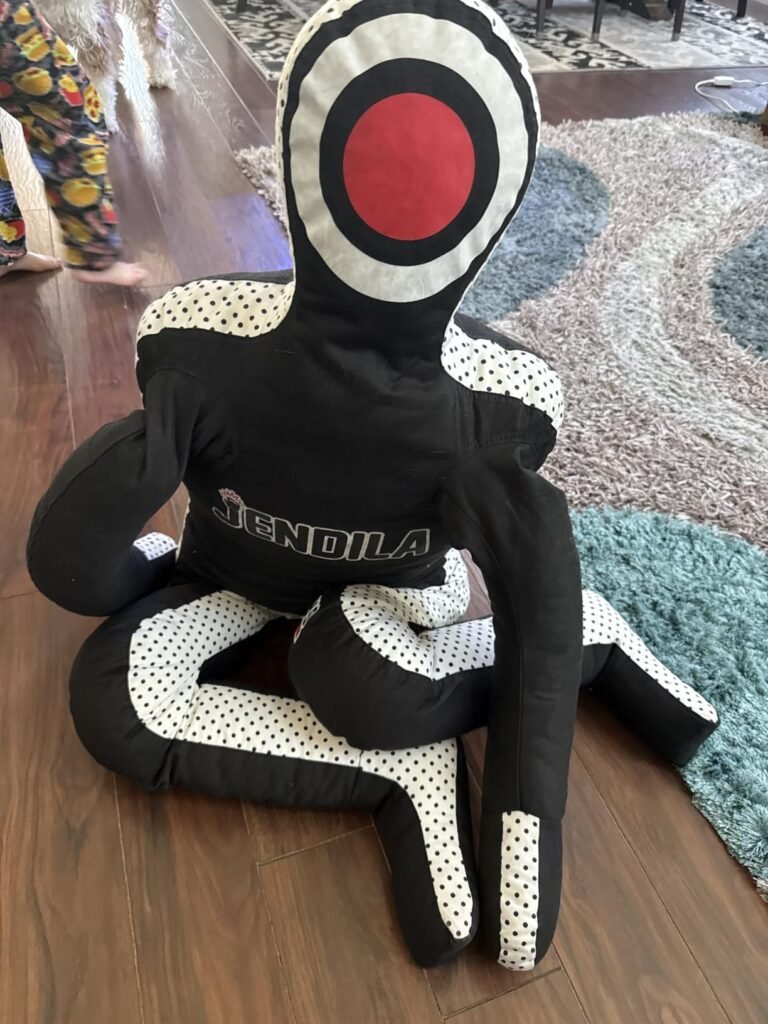
This dummy is aimed at adult grapplers between roughly 5 feet 5 inches and 6 feet tall who want a durable canvas shell without stepping up to premium vinyl. The 30 percent thicker canvas is a meaningful upgrade over standard training dummies, giving the outer skin more resistance against friction burns, mat contact, and the repeated gripping that comes with gi-based practice.
We may earn a commission when you buy through this link, at no additional cost to you.
Construction is a mix of welt seam stitching across most of the panels with simple seam stitching in the remaining sections. Welt seams tuck raw edges inside a reinforced fold, which reduces the chance of a blowout when the dummy takes weight during a mount transition or a slam-style drill. The limbs can be repositioned, allowing you to set up specific guards, half-guard scenarios, or leg-attack entries.
The main consideration is that this dummy arrives as an empty shell. Stuffing a full-size grappling dummy is genuinely time-consuming and typically requires several kilograms of cotton, foam scraps, or old clothing to achieve a training-ready feel. A partially filled dummy will feel floppy and less useful, so plan to source enough filler before your first session.
A common mistake is under-filling a canvas dummy, which leaves the limbs and torso feeling limp during drills. Aim to pack the shell firmly enough that the dummy holds a seated posture on its own. Old cotton clothing, towels, and foam scraps work well because they compress into a dense, uniform weight without shifting during throws or ground work.
Choose this option if you want a canvas dummy that holds up to daily jiu jitsu and MMA drilling without paying premium vinyl prices. It is well suited to grapplers who prioritize a fabric feel similar to a training partner in a gi, and who do not mind the initial setup work of stuffing the shell.
Practitioners who want a ready-to-use dummy out of the box without the stuffing process.
We may earn a commission when you buy through this link, at no additional cost to you.
The Smarty 2.0 stands out because of its patented posture design, which positions the knees above the hip line and the elbows in front of the body. This defensive stance mirrors how a real grappler protects themselves on the ground, making it genuinely useful for drilling top and bottom positions, passing scenarios, and submission entries that require realistic limb placement.

We may earn a commission when you buy through this link, at no additional cost to you.
Construction uses heavy-duty vinyl with 4-ply polyester nylon thread and double-stitched seams throughout. The waterproof outer shell is a practical advantage in a training environment because you can wipe it down between sessions without worrying about moisture absorption or lingering odors. Three size options accommodate kids at 4 feet 9 inches, standard adults at 5 feet 7 inches, and larger athletes at 6 feet 2 inches.
The dummy ships unfilled, and filling it properly is a bigger project than with lighter canvas models because the vinyl shell holds a defined shape. There is a video available to guide the process, and the effort pays off with a dummy that maintains its defensive posture rather than collapsing into a formless heap. A 12-month replacement warranty backs the purchase, which is unusually generous for this category.
Most grappling dummies collapse into a straight line when unfilled or stuffed casually, which limits their usefulness for guard passing, mount escapes, and top control drilling. A dummy that holds a defensive posture with bent knees and forward elbows lets you practice realistic scenarios like breaking grips, controlling frames, and setting up submissions from positions you actually encounter in live rolling.
Choose the Smarty 2.0 if you are serious about position-based grappling training and want a dummy that behaves more like an actual opponent than a sandbag. It suits BJJ practitioners, MMA fighters, and wrestlers who spend meaningful time on scenario drilling and are willing to invest in a premium tool.
Budget-conscious buyers or those who want an ultra-lightweight dummy for casual striking practice.
We may earn a commission when you buy through this link, at no additional cost to you.
This 6-foot dummy targets adult practitioners who want a realistic full-height training partner without paying premium prices. The size is well matched for wrestling takedowns, BJJ transitions, and MMA scenario drilling where the length of the dummy affects how you set up angles, sprawls, and ground positioning.

We may earn a commission when you buy through this link, at no additional cost to you.
Canvas construction with reinforced stitching keeps the shell together under repeated impacts from throws, slams, and striking work. The fabric is soft enough for safe practice while remaining tough enough to handle intense drilling sessions. It functions well as a standing punching dummy when properly weighted or as a ground training tool for grappling techniques.
The unfilled design gives you full control over weight and density. Options include foam, textile scraps, shredded paper, polyfil, or old blankets and towels. Lighter fills work better for speed and technique drills, while heavier fills build strength and simulate the resistance of a larger opponent. A one-year replacement policy provides some peace of mind for a full-size purchase.
For striking and speed drills, a lighter fill in the 30 to 50 pound range keeps the dummy responsive without exhausting you quickly. For heavy takedown practice, slams, and pressure passing drills, a heavier fill closer to 70 to 100 pounds simulates a more realistic opponent. You can start light and add filler over time as your training intensity increases.
This dummy suits adult grapplers who want to practice at home between gym sessions and value a full-height training partner over a specialty posture design. It is a practical choice for BJJ, judo, karate, and general martial arts practice on a moderate budget.
Practitioners who need a dummy with a locked-in defensive posture for position-specific drilling.
We may earn a commission when you buy through this link, at no additional cost to you.
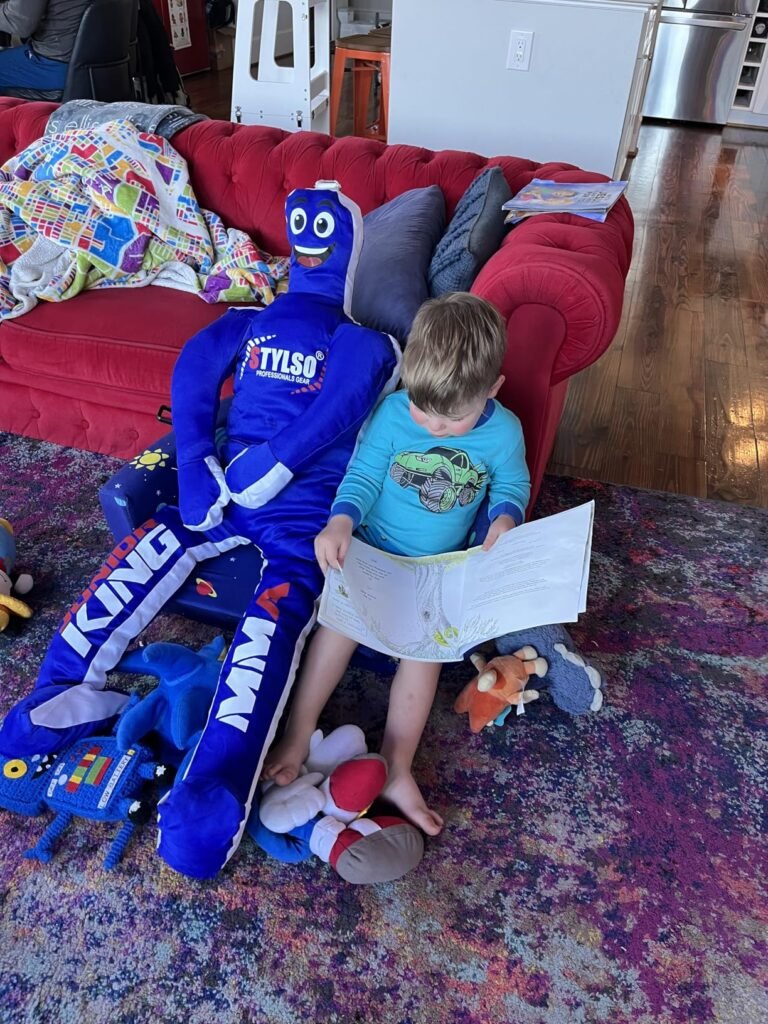
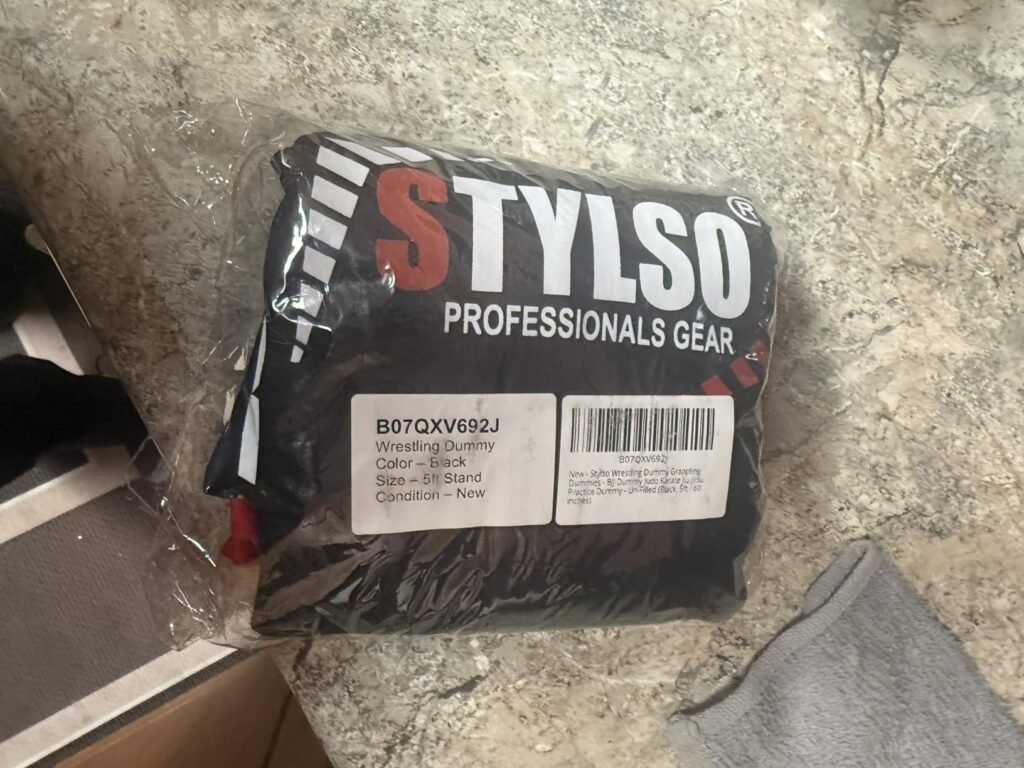
The Stylso dummy is aimed at serious adult practitioners who put their training tools through daily punishment. The industrial-grade canvas outer shell is thicker than budget alternatives, and the triple-stitched seams add a meaningful margin of safety against blowouts during hard throws, slams, and clinch work.
We may earn a commission when you buy through this link, at no additional cost to you.
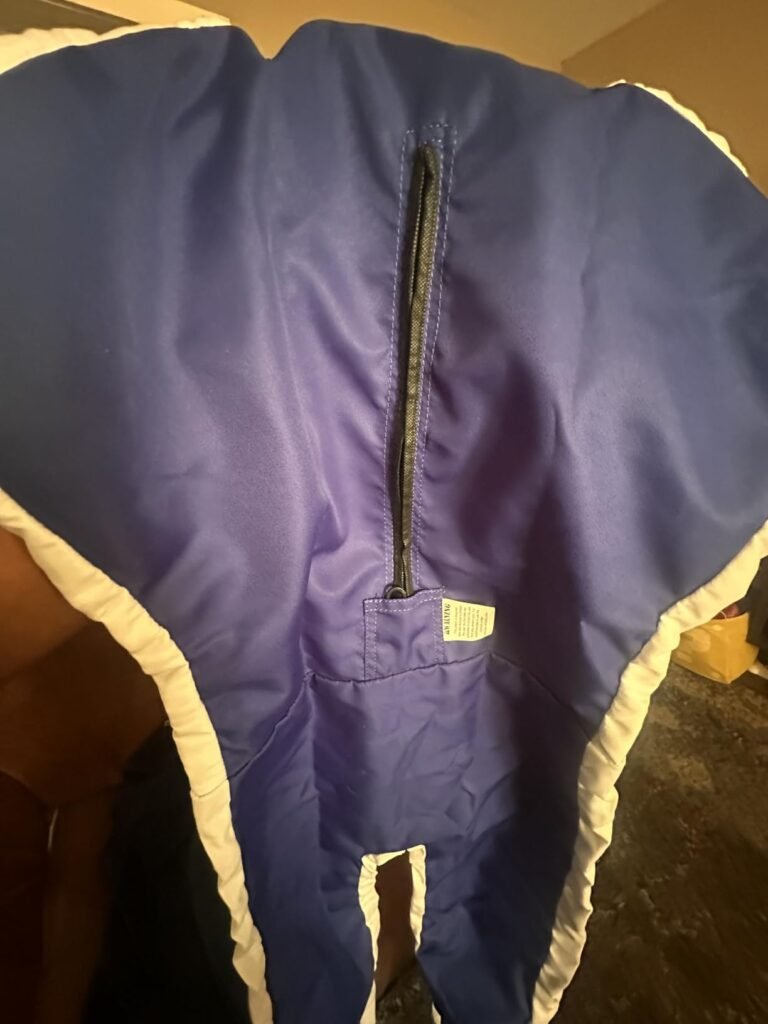
One of the more thoughtful design touches is the concealed zipper with a protective cover. Exposed zippers on grappling dummies can scratch skin or catch on gi fabric during ground work, which is both uncomfortable and a durability concern. Hiding the zipper behind a fabric flap solves both issues while keeping the filling securely locked in during aggressive drills.
Fill flexibility lets you tune the dummy for your training focus. Foam and polyfiber produce a lighter, faster-responding dummy ideal for MMA technique work. Fabric scraps, towels, and old clothing pack denser and create a heavier training partner better suited for pressure passing, takedown defense, and strength-focused sessions. The concealed zipper design makes refilling straightforward when you want to adjust weight later.
Grappling dummies take enormous stress at the seams during throws, slams, and ground drilling. A single-stitched seam can fail after a few months of heavy use, often at high-stress points like the shoulders and hips. Triple stitching distributes load across three parallel lines of thread, which dramatically extends the useful life of the shell and reduces the chance of a mid-session blowout.
This is a strong value pick for adult grapplers who want durability and thoughtful design without stepping up to premium vinyl. It handles BJJ, wrestling, judo, and MMA drilling equally well, making it a practical choice for a home gym.
Buyers who want a lightweight youth-sized training partner.
We may earn a commission when you buy through this link, at no additional cost to you.
This dummy sits in a versatile middle ground, suitable for both adult grapplers and older youth practitioners depending on how you fill it. The canvas construction handles a wide range of drills including BJJ, MMA, judo, and karate, making it a good all-around choice for households with multiple training members or coaches working with mixed skill levels.

We may earn a commission when you buy through this link, at no additional cost to you.
Double-stitched seams provide durability across the main stress points, and the premium zipper design includes a protective cover to prevent scratches during ground work. The zipper quality matters more than most buyers realize because a cheap zipper can fail early, spilling filler and rendering the dummy useless until you can source a replacement or repair.
Fill flexibility is a real strength here. You can use polyfiber, foam, fabric scraps, pillows, cloth, or towels to reach your target weight and density. This makes the dummy adaptable as your training needs evolve, whether you are drilling submissions on the ground or practicing throws that require heavier resistance.
If multiple people will use the same dummy, consider filling it to a middle weight that works reasonably well for everyone rather than optimizing for one user. Alternatively, keep spare filler on hand so you can adjust the weight before each session based on who is training. Foam scraps and lightweight fabric are easier to add or remove than densely packed clothing.
Choose this option if you want a versatile canvas dummy that can serve different practitioners at different fill weights. It works well for families or small gyms where the same dummy might be used for both youth and adult training.
Practitioners who need a dummy with a locked-in realistic posture for position drilling.
We may earn a commission when you buy through this link, at no additional cost to you.
This 6-foot dummy is the budget-friendly option for adult grapplers who want a full-size training partner without stretching their martial arts budget. The 30 percent thicker canvas compared to standard training dummies gives the shell more resistance against friction burns and repeated mat contact, which matters if you plan to use it several times a week.

We may earn a commission when you buy through this link, at no additional cost to you.
Welt seam stitching across the majority of the panels reinforces the high-stress areas that typically fail first on cheaper dummies. The limbs can be straightened and repositioned, letting you set up different starting positions for guard passing, submission entries, or takedown drilling. The construction is designed to tolerate extended use even under intense training conditions.
Like most dummies in this category, it ships as an empty shell. Stuffing a 6-foot dummy takes time and typically requires 30 to 60 pounds of filler material. Old clothing, towels, and foam scraps work well and cost nothing if you have them on hand. Budget several hours for the filling process to achieve a firm, evenly weighted training partner.
Extend the life of any budget dummy by keeping it off rough concrete floors and storing it in a dry area between sessions. Rotate the fill occasionally to prevent one section from compacting more than others, and check the stitching every few weeks for early signs of wear. Small tears can be repaired with heavy-duty thread before they become large enough to spill filler.
This is the smart pick if you want maximum size for minimum cost and are willing to invest the time to fill it properly. It suits home practitioners who prioritize practical training utility over premium features like waterproof vinyl or patented posture design.
Practitioners who want a premium vinyl shell or built-in defensive posture design.
We may earn a commission when you buy through this link, at no additional cost to you.
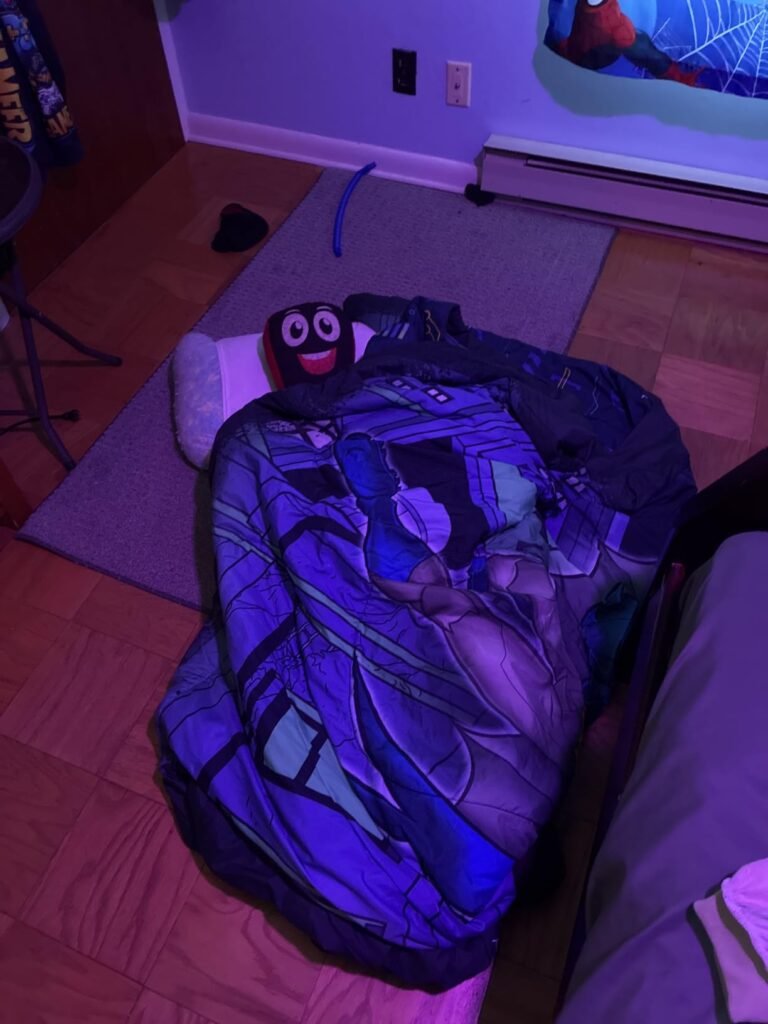
The Matarts kids dummy is built around a 47-inch human-shape design that gives younger practitioners a realistic training partner without overwhelming them with adult-sized weight and dimensions. The 4-foot height is well matched for children roughly ages 6 to 12 who are learning wrestling, BJJ, boxing, karate, or taekwondo fundamentals.
We may earn a commission when you buy through this link, at no additional cost to you.
The human-body shape is a meaningful advantage over generic sandbag-style training tools because it lets kids practice specific techniques that require identifying limbs, joints, and grip points. Nontoxic soft fabric keeps the outer shell safe for younger users who may end up in close contact during drills, and the design allows for the same kind of limb movement that helps simulate a real opponent.
Filling is customizable, and cotton is recommended for the best visual and functional result. Used garments, blankets, and shredded fabric all work as alternatives if you have them available. Keep the fill weight appropriate for your child’s size and strength, and increase it gradually as they build coordination and physical development.
A properly sized dummy is critical for young practitioners because an oversized training partner can encourage poor technique or lead to injury. At 47 inches, this dummy matches the approximate torso and limb proportions of a similar-aged training partner, letting kids practice grip fighting, throws, and control positions with realistic body mechanics.
This dummy is ideal for parents who want to support their child’s martial arts training with a safe, appropriately sized home practice partner. It also works as a general fitness and stress-relief tool for kids, giving them a way to channel energy through physical activity.
Adult practitioners who need a full-size training partner.
We may earn a commission when you buy through this link, at no additional cost to you.
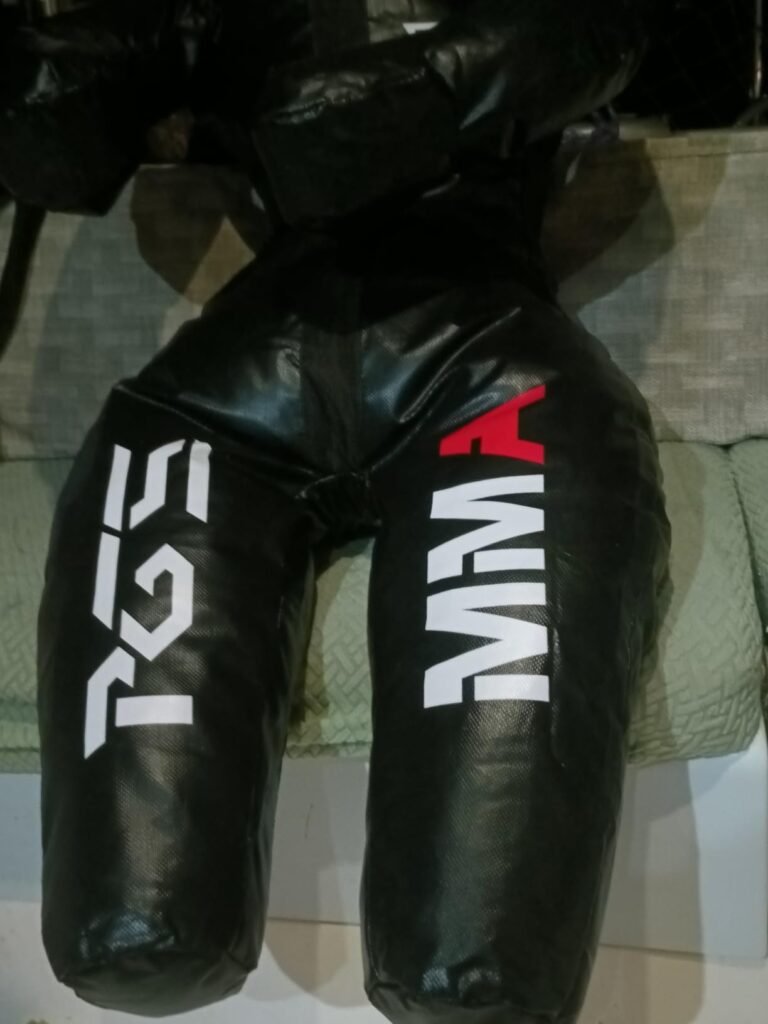
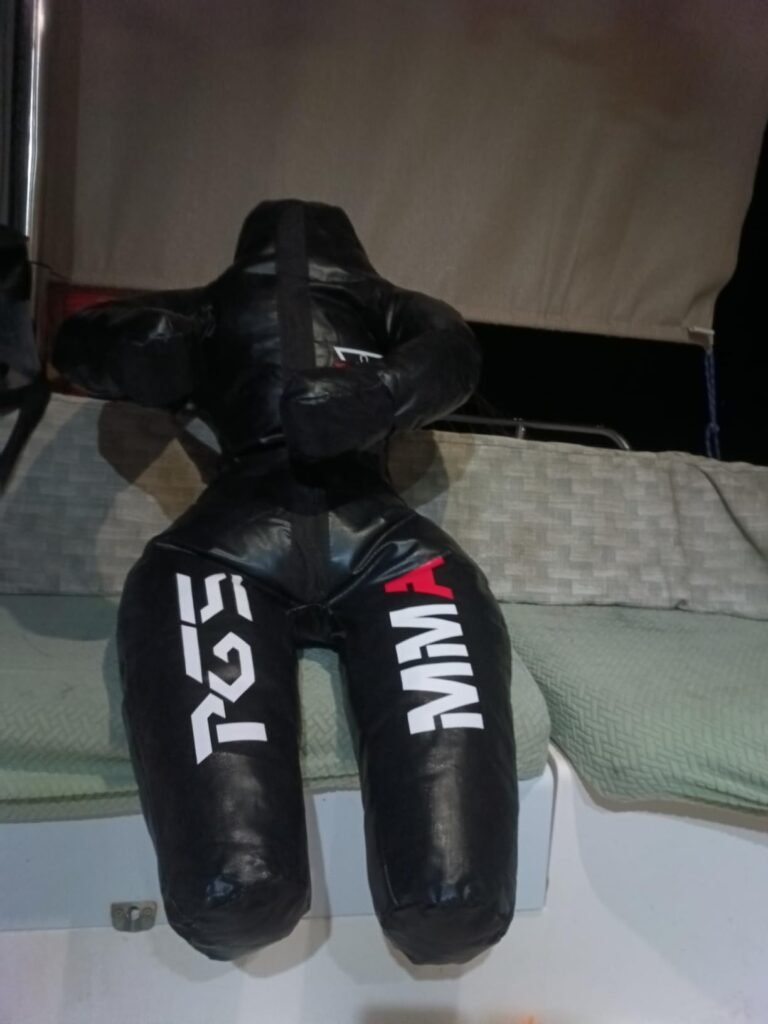
The PGS dummy uses a heavy-duty vinyl construction that makes it a strong choice for practitioners who want durability and easy cleanup in one package. Vinyl handles moisture better than canvas, so wiping down the dummy between sessions is quick and doesn't lead to lingering odors from sweat or humidity.
We may earn a commission when you buy through this link, at no additional cost to you.
The human-shape design stands upright when filled, which is a genuine training advantage for practicing takedowns, clinch work, and striking combinations that transition into ground drilling. Reinforced stitching along the seams handles the impact of throws, slams, and ground-and-pound drilling without giving out under repeated stress.
Fill flexibility lets you choose between lighter setups for speed training and heavier configurations for strength and pressure work. Options include cotton, fabric scraps, polyester, sandbags, and foam. The ability to add sandbags is worth noting because it allows for very heavy, evenly distributed weight that other filler materials can’t easily match.
Vinyl shells resist moisture, wipe clean easily, and typically last longer than canvas under intense conditions. Canvas offers a more gi-like fabric feel that some grapplers prefer for gripping practice and drilling. If you train primarily in a gi and value realistic grip work, canvas may serve you better. If you train no-gi or want a lower-maintenance dummy that handles sweat well, vinyl is often the smarter choice.
This dummy is well suited to serious BJJ, MMA, and wrestling practitioners who want a durable vinyl shell without paying premium prices. It works equally well for home gyms and small academy setups, and the folding capability when empty makes it easier to store than fully-formed dummies.
Practitioners who specifically want a canvas surface for gi-based gripping drills.
We may earn a commission when you buy through this link, at no additional cost to you.
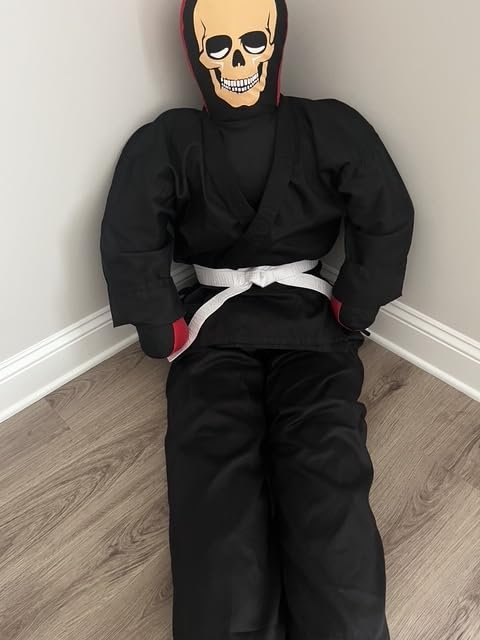
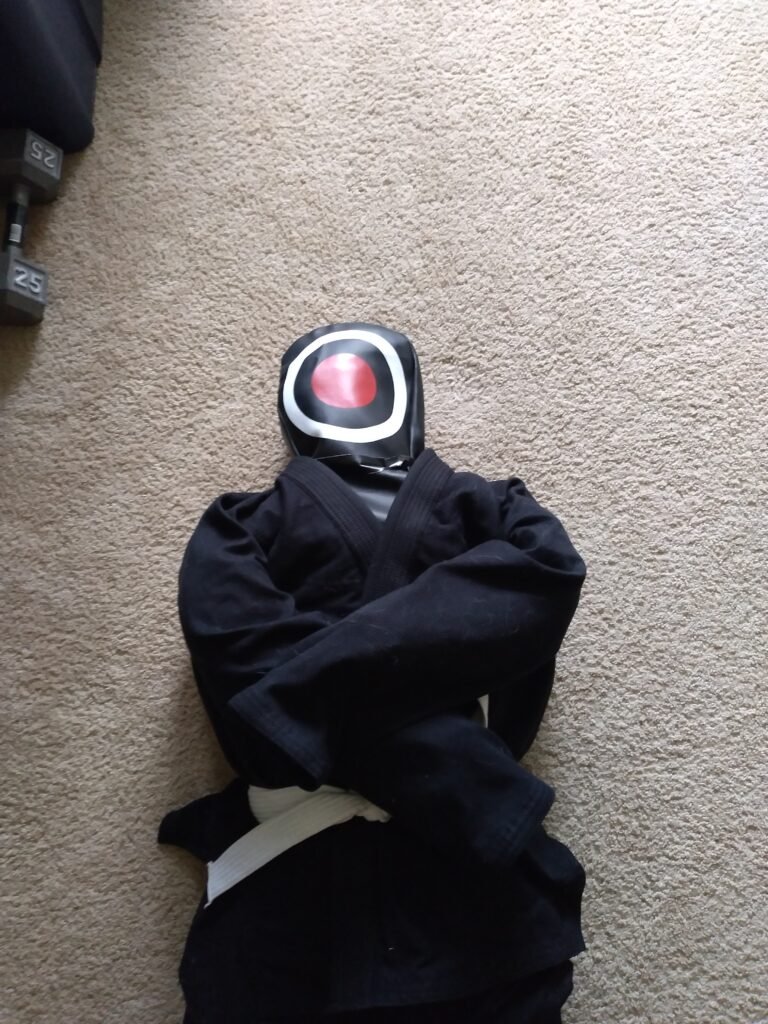
The DEFY dummy is built for practitioners who want a single training tool that handles both striking and submission work. The double-face design allows for punching drills from either side, making it more versatile than typical single-orientation dummies. Its submission-style shape supports ground drilling scenarios where limb positioning matters for setting up chokes, joint locks, and controls.
We may earn a commission when you buy through this link, at no additional cost to you.
The vinyl outer shell is durable and easy to clean, which matters for a dummy that will see both striking and grappling contact. It can be weighted up to 70 kilograms, which is heavy enough to simulate a full-size adult training partner for pressure passing, takedown defense, and heavy clinch drilling. That weight also makes the dummy stable during standing striking work.
The ability to run a single dummy for both striking and grappling is genuinely useful in a home gym where space and budget are limited. Rather than buying a separate heavy bag and grappling dummy, this dual-purpose design lets you cover both training needs with one tool. The quality guarantee provides recourse if anything goes wrong with the shell during normal use.
To use the dummy effectively for both striking and grappling, fill it with a mix of dense material for the torso and slightly lighter material for the limbs. This creates a stable striking target while keeping the limbs manageable for ground drilling. If you plan to weight it toward the upper end of 70 kilograms, make sure your training surface can absorb the impact of heavy slams and throws.
This dummy is best for MMA practitioners and combat sports athletes who need to drill both striking and grappling in the same session. It also works well for BJJ and judo practitioners who occasionally want to add striking practice to their routine without investing in additional equipment.
Practitioners on a tight budget or those who only need one specific type of training.
We may earn a commission when you buy through this link, at no additional cost to you.
The right grappling dummy depends on your training discipline, body size, budget, and how much time you’re willing to spend on setup. This section breaks down the factors that genuinely affect whether a dummy will serve your training goals or end up gathering dust in a corner.
The outer shell material shapes almost every aspect of how a grappling dummy performs. Canvas is the traditional choice and offers a fabric feel that resembles a training partner in a gi. It grips well when you set up collar ties, sleeve grips, or lapel controls, and the surface has a natural friction that supports realistic drilling. The trade-off is that canvas absorbs moisture from sweat and can develop odors over time if not aired out properly.
Vinyl shells like those on the Smarty 2.0, PGS, and DEFY dummies offer a different set of advantages. The waterproof outer surface wipes clean quickly between sessions, resists moisture buildup, and typically lasts longer under intense conditions. Vinyl doesn’t provide the same gi-like grip feel, so it’s often better suited to no-gi grapplers, MMA practitioners, and those who want lower-maintenance training equipment. Some vinyl dummies can also be used for striking practice, which canvas models generally can’t handle as well.
Choose canvas if you train primarily in a gi and value grip realism during drilling. Choose vinyl if you train no-gi, need easy cleanup, or want a dummy that can handle both striking and grappling work.
Grappling dummies come in a range of sizes from youth options around 4 feet to XL adult models over 6 feet. The right size depends on both the practitioner and the training goals. For adult grapplers, a dummy that matches your own height is often the best starting point because it lets you drill techniques with realistic body proportions. Common adult sizes fall between 5 feet 5 inches and 6 feet.
Youth dummies in the 4 to 5 foot range are essential for kids because a full-size adult dummy is typically too heavy and awkward for a young athlete to control. Working with an oversized training partner can encourage poor technique and increase injury risk. XL dummies over 6 feet make sense for larger athletes who need proportional resistance during throws and takedowns, or for coaches working with heavyweight competitors.
Match the dummy size to the primary user’s height for the most realistic training experience. If multiple people will use the same dummy, prioritize the largest or most serious practitioner and accept some compromise for the others.
Grappling dummies take enormous stress at the seams during throws, slams, and ground drilling. Cheap single-stitched seams often fail within a few months of regular use, typically at high-stress points like the shoulders, hips, and neck attachment. This is one of the most common reasons a dummy becomes unusable, so seam quality directly affects how long your investment lasts.
Look for reinforced construction like double-stitched or triple-stitched seams. Welt seam construction, which tucks the raw edge inside a reinforced fold, adds another layer of durability by reducing exposure to friction and impact. Some dummies also use polyester nylon thread rather than standard cotton, which resists abrasion and stretching better under repeated stress.
Prioritize seam quality if you plan to train several times per week. A slightly more expensive dummy with reinforced stitching will typically outlast two or three budget alternatives, making it the better value over time.
Nearly every grappling dummy in this category ships unfilled, which is a genuine advantage rather than a downside. It lets you tune the weight and firmness to match your training goals, and it dramatically reduces shipping costs. Common filler options include foam scraps, old clothing, towels, blankets, shredded fabric, polyfiber, and cotton batting. Some dummies can also accept sandbags for very heavy, evenly distributed weight.
The fill process typically takes several hours for a full-size adult dummy and requires 30 to 100 pounds of material depending on your target weight. Under-filling is a common mistake and results in a floppy dummy that doesn’t hold posture or provide realistic resistance. Aim to pack the shell firmly enough that the dummy maintains its shape when sitting or lying on the ground.
Plan your filler before ordering the dummy. Sourcing old clothing, towels, and foam scraps from around your home is free and often produces the best results. If you don’t have enough material on hand, thrift stores are a low-cost source of bulk fill fabric.
Most grappling dummies collapse into a straight line when filled casually, which limits their usefulness for position-specific drilling. A dummy that maintains a defensive posture with bent knees, forward elbows, and a slight seated tilt lets you practice realistic scenarios that mirror live rolling. The Smarty 2.0 is notable for its patented posture design that positions the knees above the hip line and elbows in front of the body.
For general drilling like takedowns, throws, and basic ground control, a simple straight-limbed dummy works fine. For advanced position work like guard passing, mount escapes, and submission entries from specific angles, a posture-focused dummy offers meaningful advantages. The trade-off is that posture-focused designs typically cost more and require more careful filling to maintain their shape.
Consider posture design if you’re an intermediate or advanced grappler who spends significant time on position-specific drilling. For beginners or those focused on fundamentals, a standard dummy with repositionable limbs is usually sufficient.
Different grappling disciplines put different demands on a training dummy. BJJ practitioners benefit from dummies that hold posture for guard passing and submission drilling, and canvas shells work well for gi-based grip fighting. Wrestlers focus on takedowns and throws, which requires a heavier dummy that can absorb impact without shifting excessively. MMA practitioners often want dual-purpose dummies that handle both striking and grappling.
Judo throws create some of the highest peak stress on a dummy, so seam quality and heavy fill matter more for judoka than for practitioners who focus on ground work. Karate and taekwondo practitioners primarily use dummies for kicking and striking practice, which requires a heavier fill and a shell that can absorb repeated impact without tearing. Consider your primary training discipline when weighing material, size, and construction features.
If you cross-train across multiple disciplines, choose a versatile dummy with good all-around specs rather than one optimized for a specific style. A canvas or vinyl shell with reinforced stitching and adjustable fill will handle mixed training better than a specialty design.
A grappling dummy is a significant enough investment that warranty coverage matters. Some brands offer 12-month replacement warranties, which provide meaningful protection against manufacturing defects, seam failures, or premature material breakdown. Others offer satisfaction guarantees or 24/7 customer support, which can help if you run into problems during setup or early use.
Read the fine print on any warranty carefully. Some cover only manufacturing defects and exclude damage from normal use, which is a common category since grappling dummies are designed to take heavy abuse. Others offer more generous coverage that includes seam failures during typical training. Brand reputation and customer service responsiveness also matter, especially for premium purchases.
Prioritize warranty coverage on higher-priced dummies where the cost of replacement would be significant. For budget options, warranty is less critical because the initial investment is low enough that replacement isn’t as painful if something goes wrong.
Set aside dedicated time for the filling process, especially with a full-size adult dummy. Most take several hours and require 30 to 100 pounds of filler material to reach a training-ready weight. Old clothing, towels, foam scraps, and shredded fabric all work well. Pack the shell firmly and evenly, working from the extremities inward so the limbs maintain shape. A partially filled dummy will feel floppy and won’t provide realistic resistance during drills.
Store your dummy in a dry, cool location between training sessions. Canvas shells benefit from occasional airing out to prevent moisture buildup and odors, especially after intense sessions where the dummy absorbs sweat. Vinyl shells can be wiped down with a damp cloth and mild soap between uses, which keeps the surface clean and helps prevent bacterial buildup. Avoid leaving any dummy in direct sunlight or high-humidity environments for extended periods, as this can accelerate material breakdown.
Inspect the seams regularly for early signs of wear, particularly at high-stress points like the shoulders, hips, and neck. Small tears can be repaired with heavy-duty polyester thread before they become large enough to spill filler. If you notice the dummy losing shape or feeling loose, add more filler through the zipper. Rotating the fill position occasionally helps prevent one section from compacting more than others, which extends the useful life of the dummy significantly.
A grappling dummy is genuinely useful for drilling techniques, building muscle memory, and staying sharp between gym sessions. It doesn't replace live sparring with a real partner, but it lets you work on transitions, submissions, and takedown entries without needing someone else present. For serious practitioners who want to accelerate their progress, a dummy is a worthwhile investment. Beginners benefit less than intermediate or advanced grapplers who can identify specific techniques to drill.
Filling costs can be nearly zero if you use old clothing, towels, or fabric scraps from around your home. If you need to purchase filler, foam and polyfiber typically run $20 to $50 depending on how much you need. Thrift stores offer bulk fabric and old clothing at very low prices, which is often the most cost-effective approach. Full-size adult dummies typically need 30 to 100 pounds of filler.
Vinyl dummies and dual-face designs can handle striking work reasonably well when weighted properly. Canvas dummies are primarily designed for grappling and may not hold up as well to repeated punches or kicks. If striking is a major part of your training, look for a vinyl model with a heavier fill weight, or consider a dedicated heavy bag for striking and a separate dummy for grappling.
Choose a dummy size that matches your own height for the most realistic training experience. Adult grapplers typically use dummies between 5 feet 5 inches and 6 feet, with XL options for larger athletes. Kids should use youth-sized dummies in the 4 to 5 foot range because full-size dummies are too heavy and awkward for them to control effectively. Matching size to the primary user is more important than getting the biggest dummy available.
With proper care, a quality grappling dummy can last several years of regular use. Cheaper dummies with basic stitching may fail within a few months under intense training, while premium models with reinforced seams and vinyl construction often last 3 to 5 years or longer. Regular seam inspection, proper storage, and avoiding excessive moisture all extend the useful life significantly.
Unfilled dummies ship much cheaper because filler material is heavy and bulky. This lets manufacturers keep prices low while giving you control over the final weight and firmness. Filling is more work than buying a pre-filled dummy, but it lets you customize the training tool to your specific needs and refresh the fill later if it compacts over time.
Adult-sized dummies are generally too heavy and awkward for kids to control effectively, which can encourage poor technique or lead to injury. Youth-sized dummies in the 4 to 5 foot range are proportioned appropriately for kids and let them practice techniques with realistic body mechanics. If you're buying for a young athlete, a dedicated youth dummy is almost always the better choice.
Canvas dummies absorb sweat and can develop odors over time, especially in humid environments. Air out the dummy after intense sessions and store it in a dry location. For vinyl models, wipe the shell down with a damp cloth and mild soap between uses. If odors do develop, opening the zipper and airing out the fill for several days can help, though heavily contaminated fill may need to be replaced.
A grappling dummy has a human-body shape with distinct limbs, letting you practice throws, submissions, takedowns, and ground control. A punching bag is a cylindrical shape optimized for striking practice and doesn't support grappling drills effectively. Some vinyl dummies can serve both purposes, but dedicated equipment typically performs better for its specific training goal.
It depends on your training style. Canvas offers a gi-like grip feel and works well for gi-based BJJ drilling, but absorbs moisture and can develop odors. Vinyl is waterproof, easy to clean, and typically lasts longer under heavy use, making it a better fit for no-gi grapplers and MMA practitioners. Neither is universally better, so choose based on your primary training discipline and maintenance preferences.
The Smarty 2.0 stands out as the strongest overall pick because of its patented defensive posture, heavy-duty waterproof vinyl construction, and 12-month replacement warranty. For grapplers who take position-based drilling seriously and want a dummy that behaves more like a real opponent than a filled sandbag, the design and durability justify the premium price. Three size options also make it a practical choice for kids, standard adults, and larger athletes.
For buyers on a tighter budget, the Stylso life-size dummy offers triple-stitched canvas construction and a concealed zipper design at a much more accessible price point, making it a strong value pick. Youth practitioners are well served by either the youth wrestling dummy or the Matarts 4-foot dummy, both of which are appropriately sized for kids learning wrestling, BJJ, and other combat sports. The DEFY vinyl dummy is worth considering for MMA practitioners who want dual striking and grappling capability in a single tool.
The right dummy for you depends on your training discipline, body size, budget, and how much time you're willing to invest in setup. Prioritize seam quality and material construction if you train several times per week, and match the dummy size to the primary user for the most realistic training experience. Use the comparison table and detailed reviews above to narrow your options, then choose the dummy that best fits your specific goals rather than defaulting to the biggest or most expensive option available.